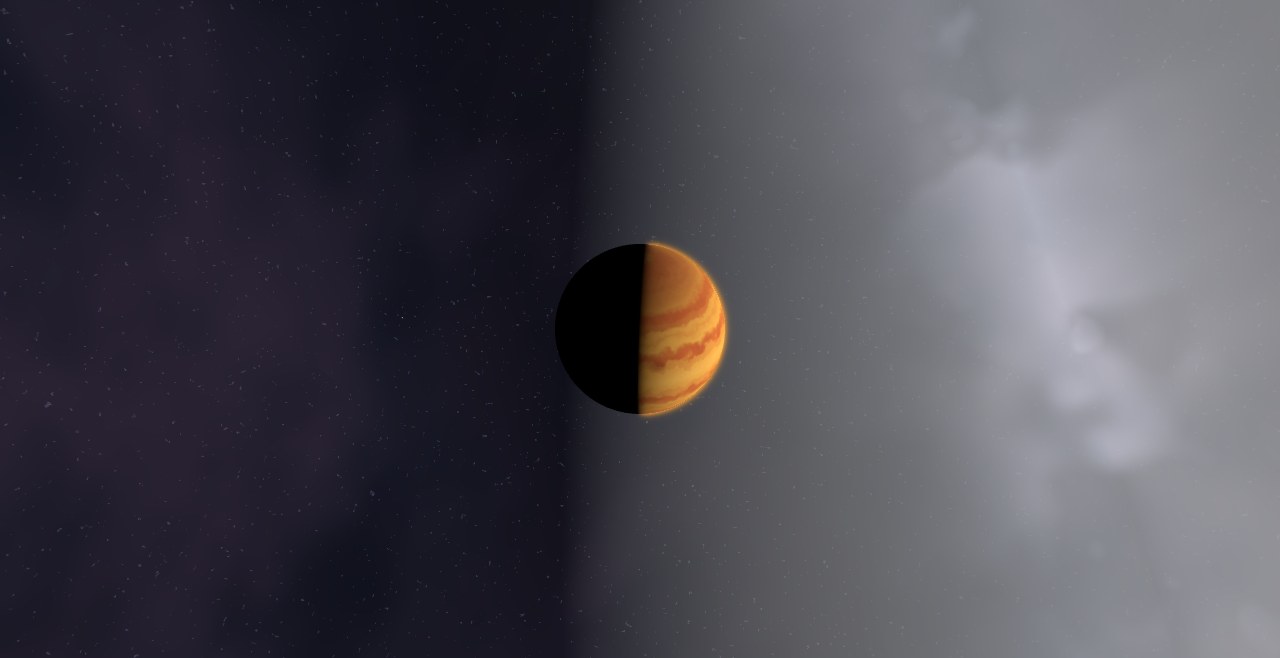
WASP-121 - System
WASP-121 b, an ultra-hot Jupiter with a stratosphere. Metals and water are seen escaping from the dayside of this tidally locked world. One orbit takes only about 30 hours.
3D Space and Gravity Simulator. Simulate the solar system, exoplanets and even colliding galaxies. Add, delete and modify planets, and change the laws of physics.
Share
WASP-121 b, an ultra-hot Jupiter with a stratosphere. Metals and water are seen escaping from the dayside of this tidally locked world. One orbit takes only about 30 hours.
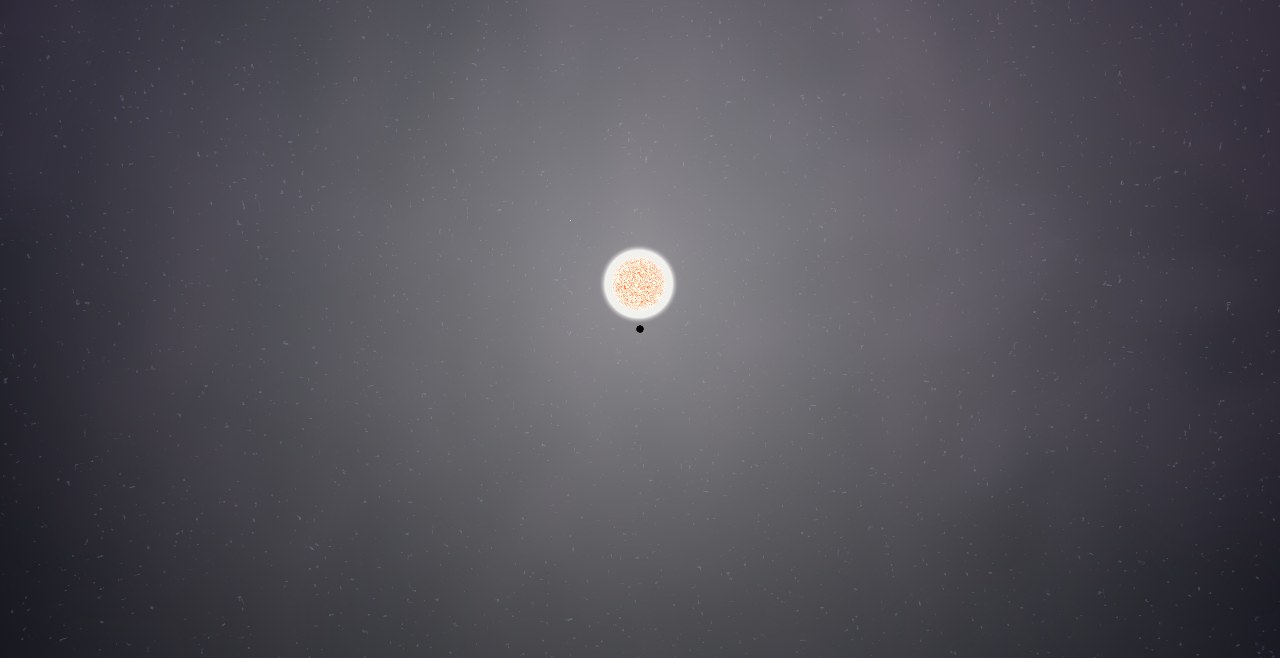
WASP-123, a Sun-like G-type star of 1.17 solar masses, and WASP-123 b, a planet with 15.1 Earth radii, and an equilibrium temperature near 1,500 K.
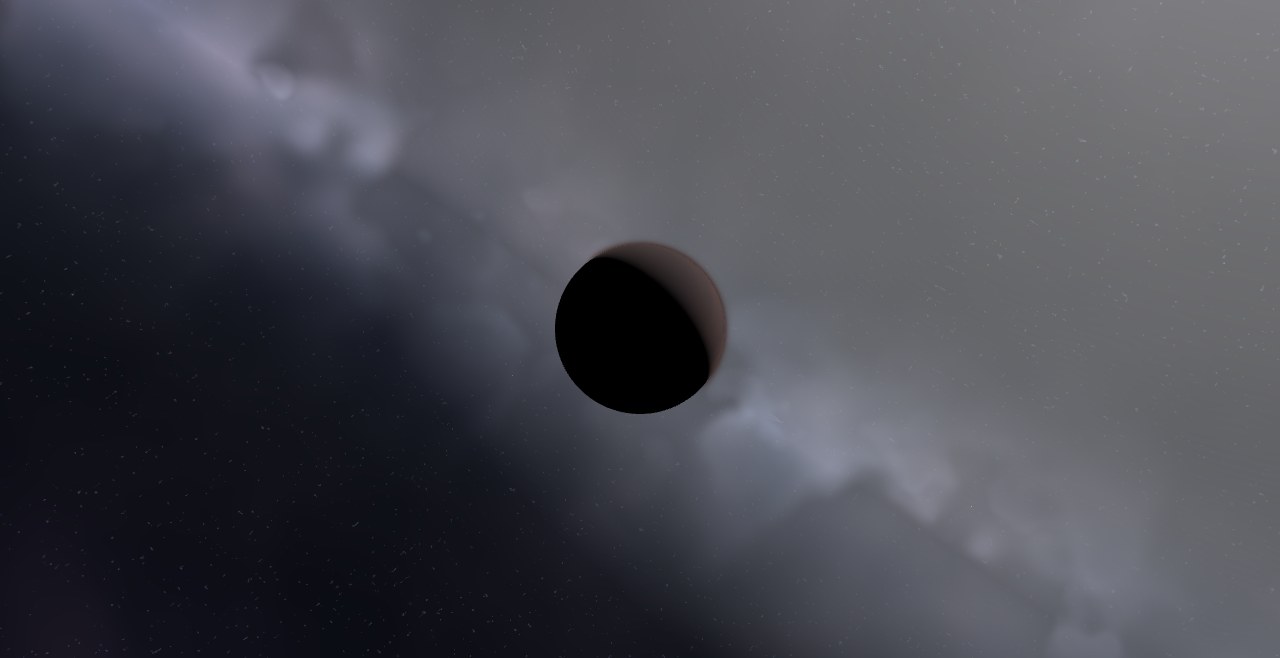
WASP-124, a Sun-like F-type star of 1.07 solar masses, and WASP-124 b, a 0.60-Jupiter-mass companion, with an orbital period of 3.4 days, at 0.045 AU from its star, and an equilibrium temperature near 1,400 K.
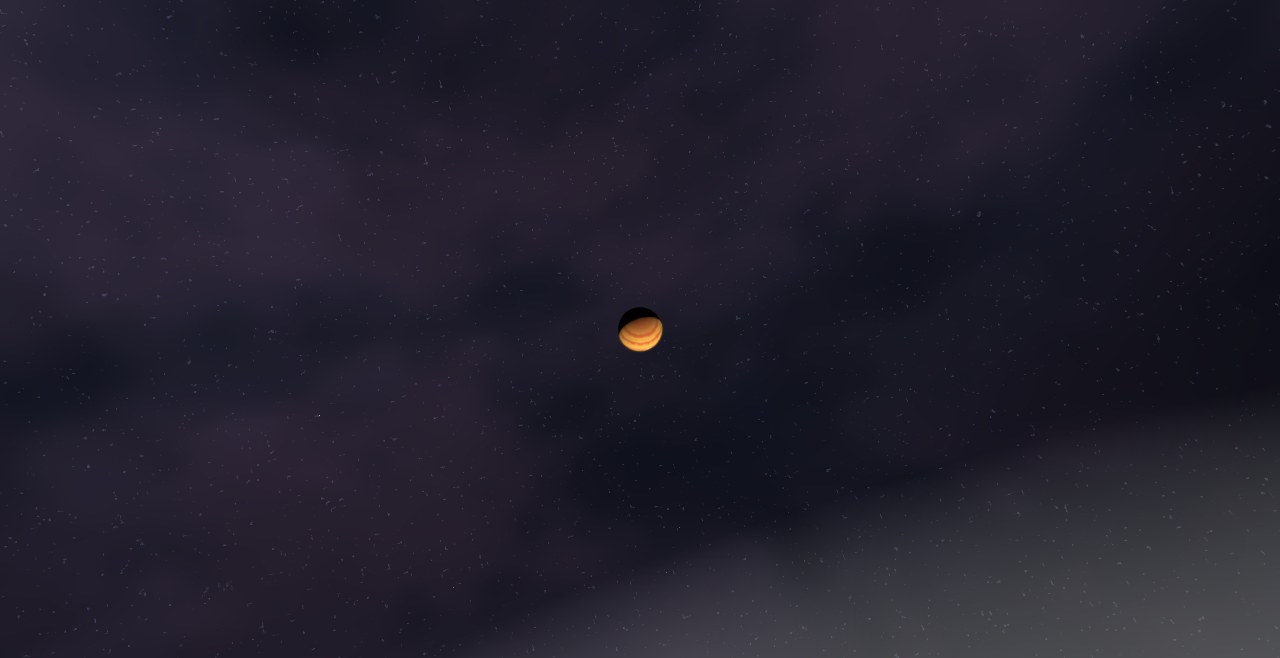
WASP-126, a Sun-like G-type star of 1.12 solar masses, and WASP-126 b, a 0.28-Jupiter-mass companion, with an orbital period of 3.3 days.
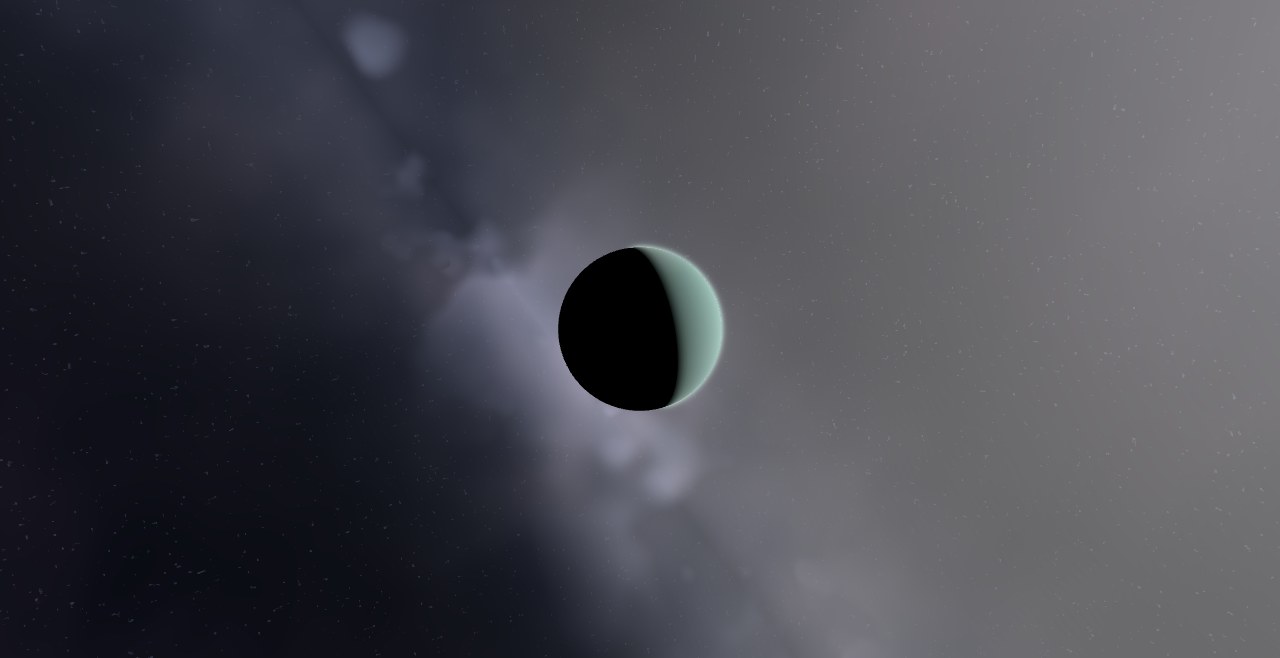
WASP-127, a Sun-like G-type star of 0.95 solar masses, and WASP-127 b, a 0.16-Jupiter-mass companion, with an orbital period of 4.2 days, at 0.048 AU from its star.
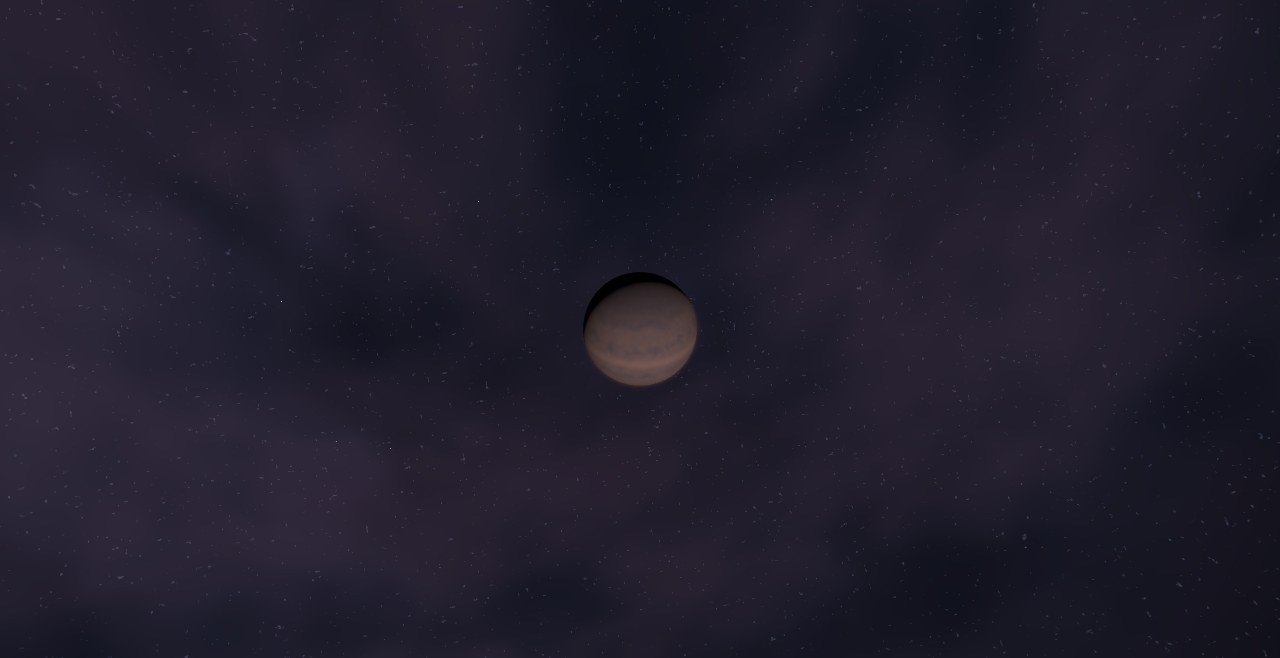
WASP-129, a Sun-like G-type star of 1.00 solar masses, and WASP-129 b, a 1.00-Jupiter-mass companion, with an orbital period of 5.7 days, at 0.063 AU from its star, and an equilibrium temperature near 1,100 K.
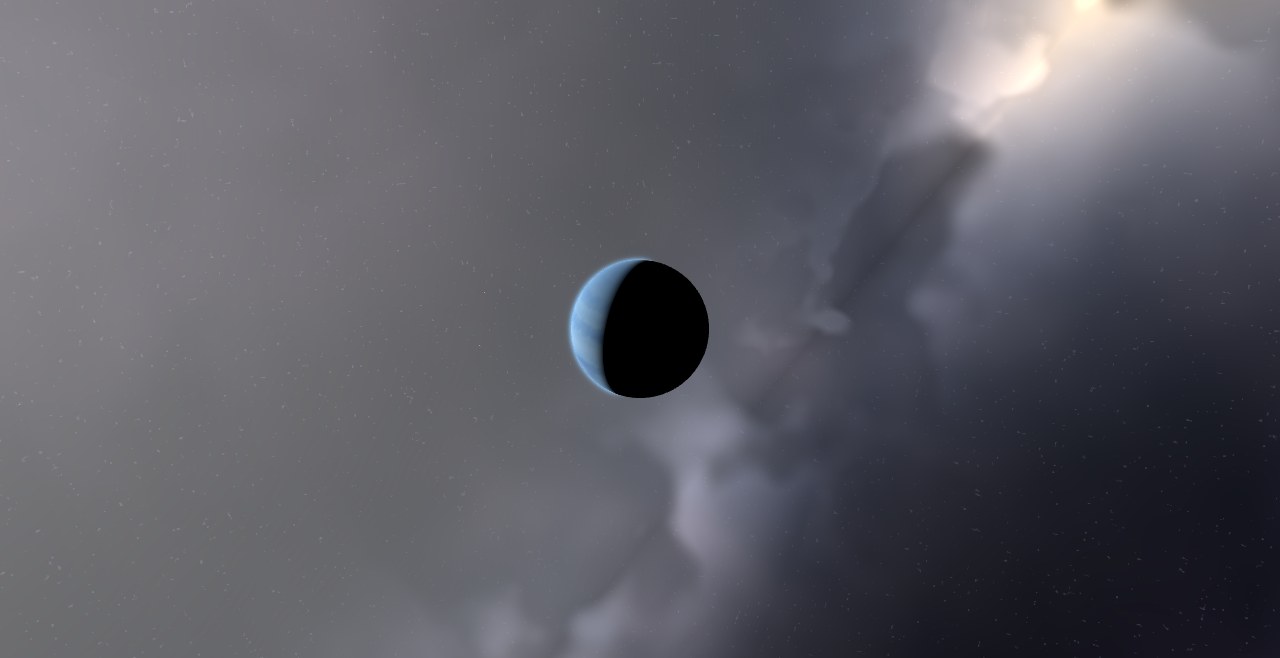
WASP-13, a Sun-like G-type star of 0.72 solar masses, and WASP-13 b, a 0.36-Jupiter-mass companion, with an orbital period of 4.4 days.
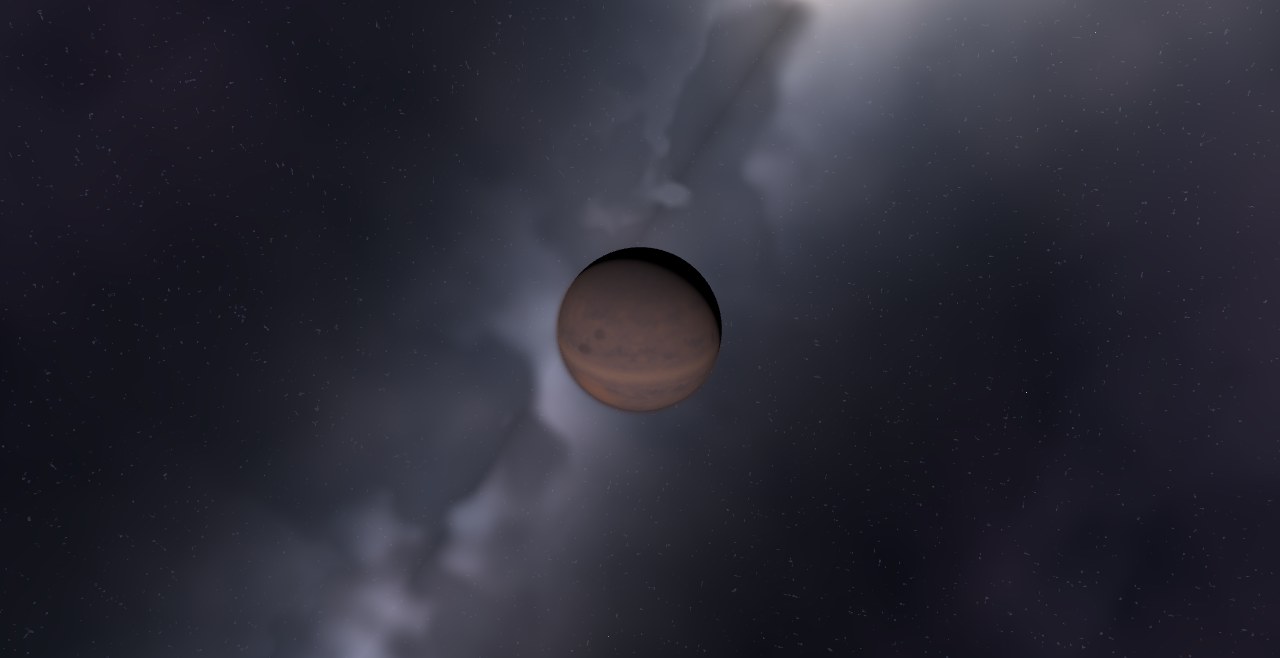
WASP-130, a Sun-like G-type star of 1.04 solar masses, and WASP-130 b, a 1.23-Jupiter-mass companion, with an orbital period of 11.6 days, at 0.101 AU from its star, and an equilibrium temperature near 833 K.
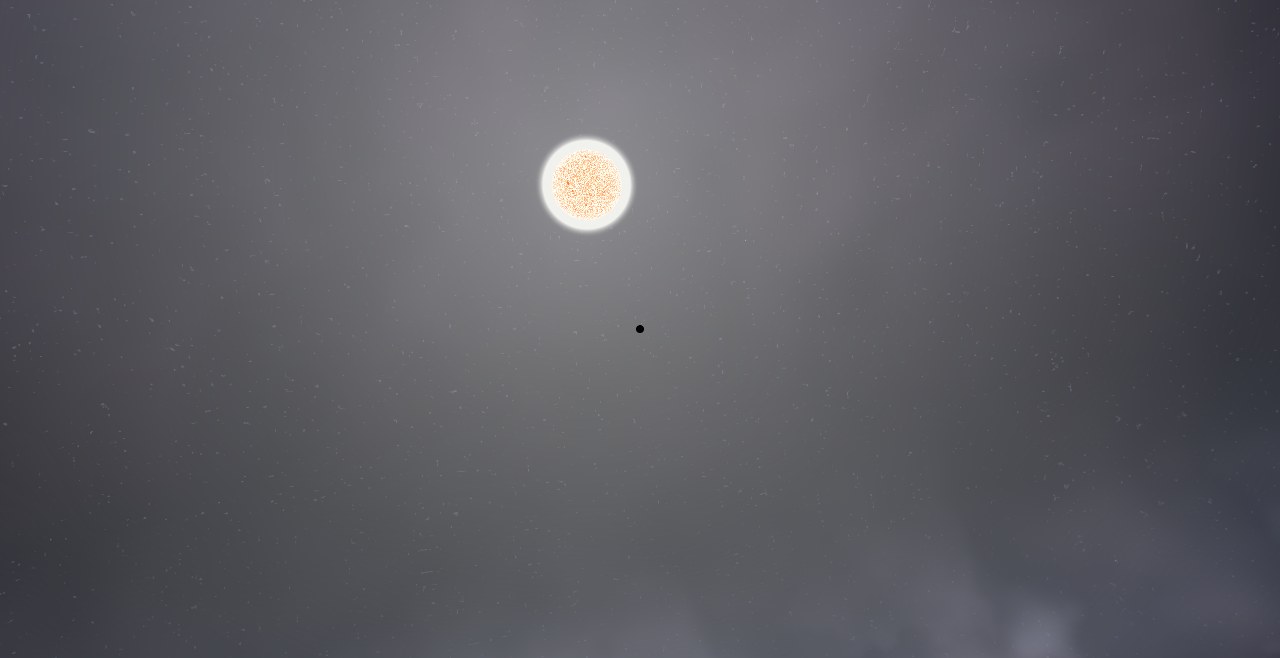
WASP-131, a Sun-like G-type star of 1.06 solar masses, and WASP-131 b, a 0.27-Jupiter-mass companion, with an orbital period of 5.3 days, at 0.061 AU from its star.
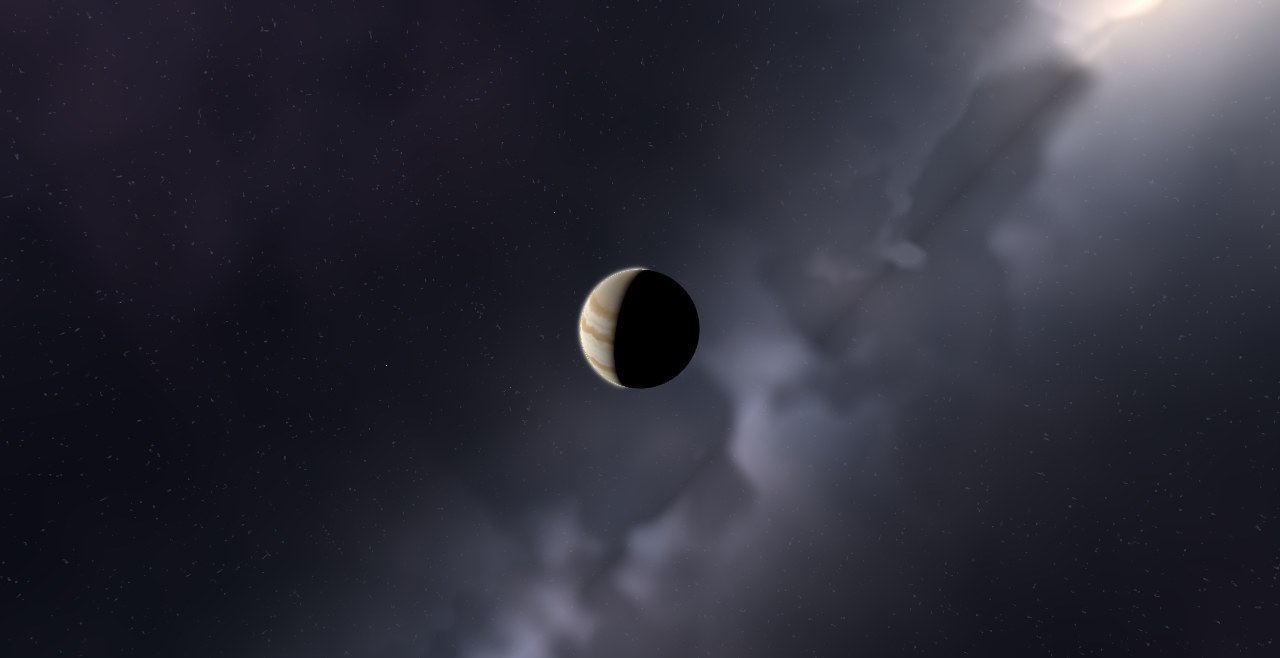
WASP-132, an orange K-type dwarf of 0.79 solar masses, and WASP-132 c, a 6.3-Earth-mass planet, with an orbital period of 1.0 days, at 0.018 AU from its star, and an equilibrium temperature near 1,329 K.
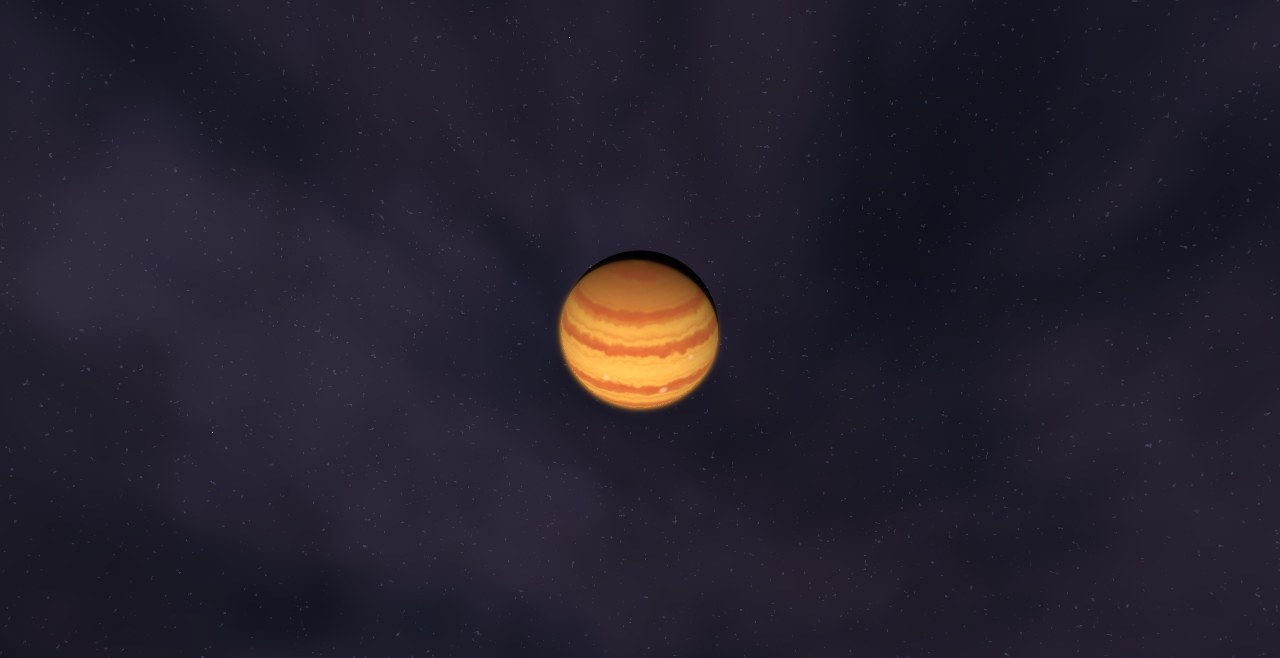
WASP-133, a Sun-like G-type star of 1.16 solar masses, and WASP-133 b, a 1.16-Jupiter-mass companion, with an orbital period of 2.2 days, at 0.035 AU from its star, and an equilibrium temperature near 1,790 K.
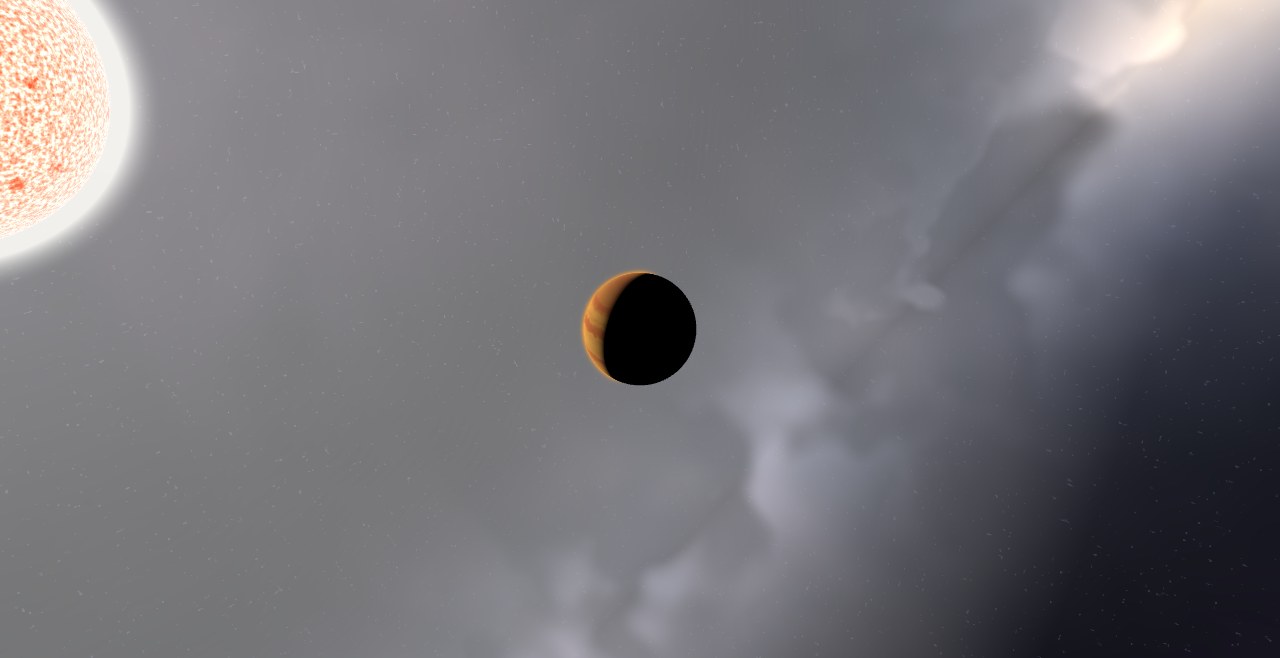
WASP-135, a Sun-like G-type star of 0.98 solar masses, and WASP-135 b, a 1.90-Jupiter-mass companion, with an orbital period of 1.4 days, at 0.024 AU from its star.
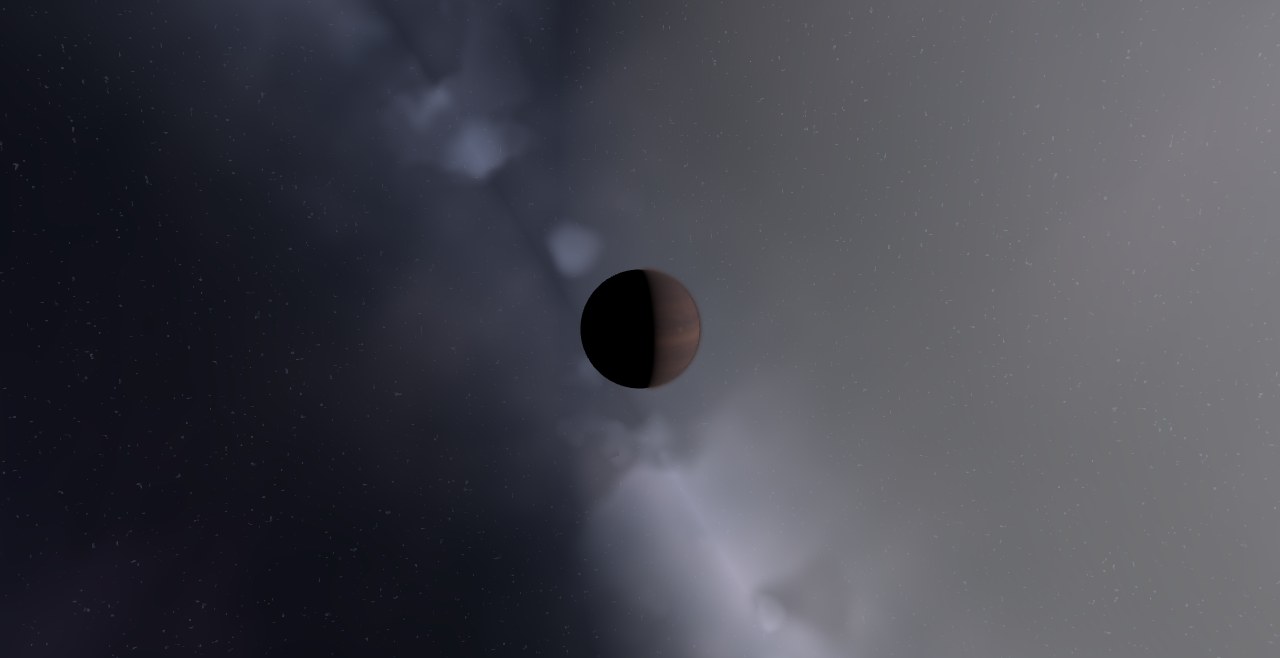
WASP-136, a Sun-like F-type star of 1.41 solar masses, and WASP-136 b, a planet with 16.8 Earth radii, and an equilibrium temperature near 1,630 K.
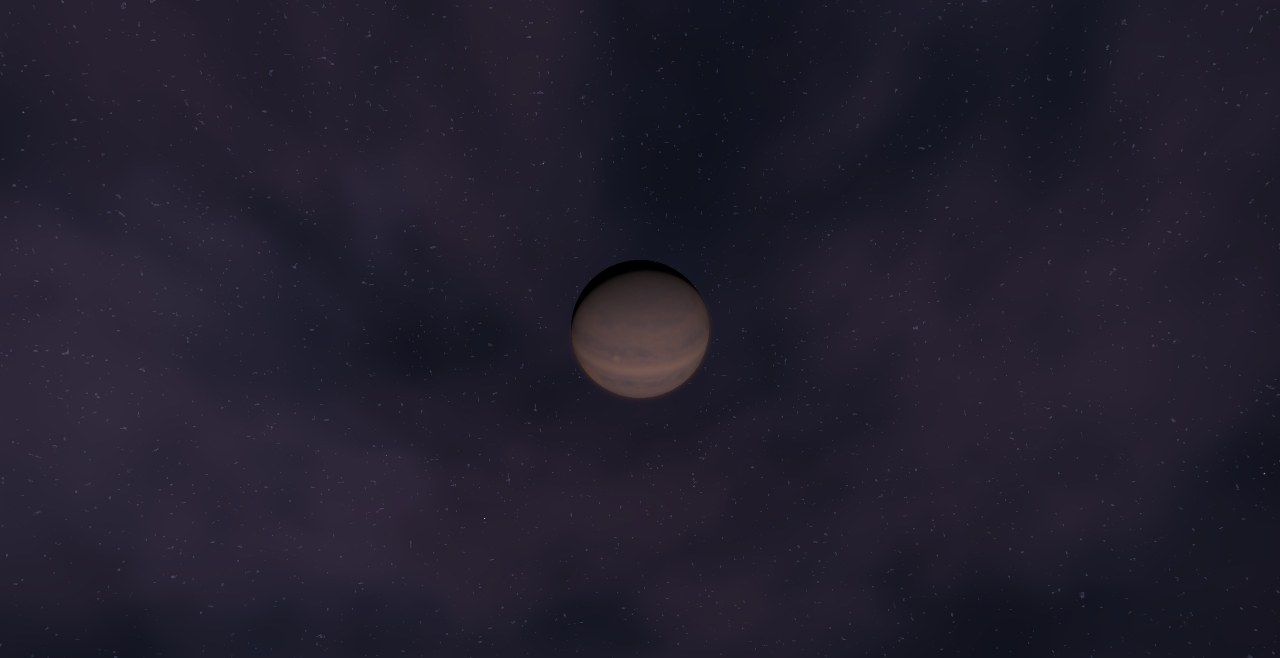
WASP-138, a Sun-like F-type star of 1.22 solar masses, and WASP-138 b, a 1.22-Jupiter-mass companion, with an orbital period of 3.6 days, at 0.049 AU from its star, and an equilibrium temperature near 1,590 K.
WASP-139, an orange K-type dwarf of 0.92 solar masses, and WASP-139 b, a 0.12-Jupiter-mass companion, with an orbital period of 5.9 days, at 0.062 AU from its star, and an equilibrium temperature near 910 K.
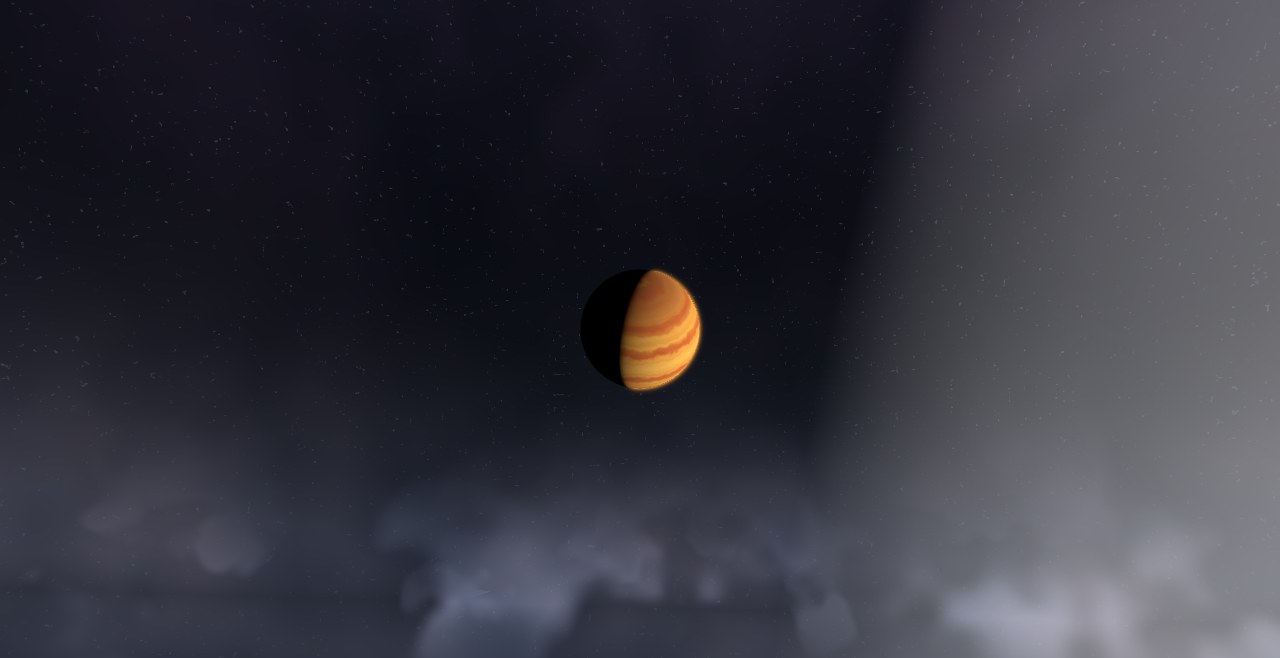
WASP-14, a Sun-like F-type star of 1.62 solar masses, and WASP-14 b, a 8.84-Jupiter-mass companion, with an orbital period of 2.2 days, on an eccentric orbit (e ≈ 0.09).
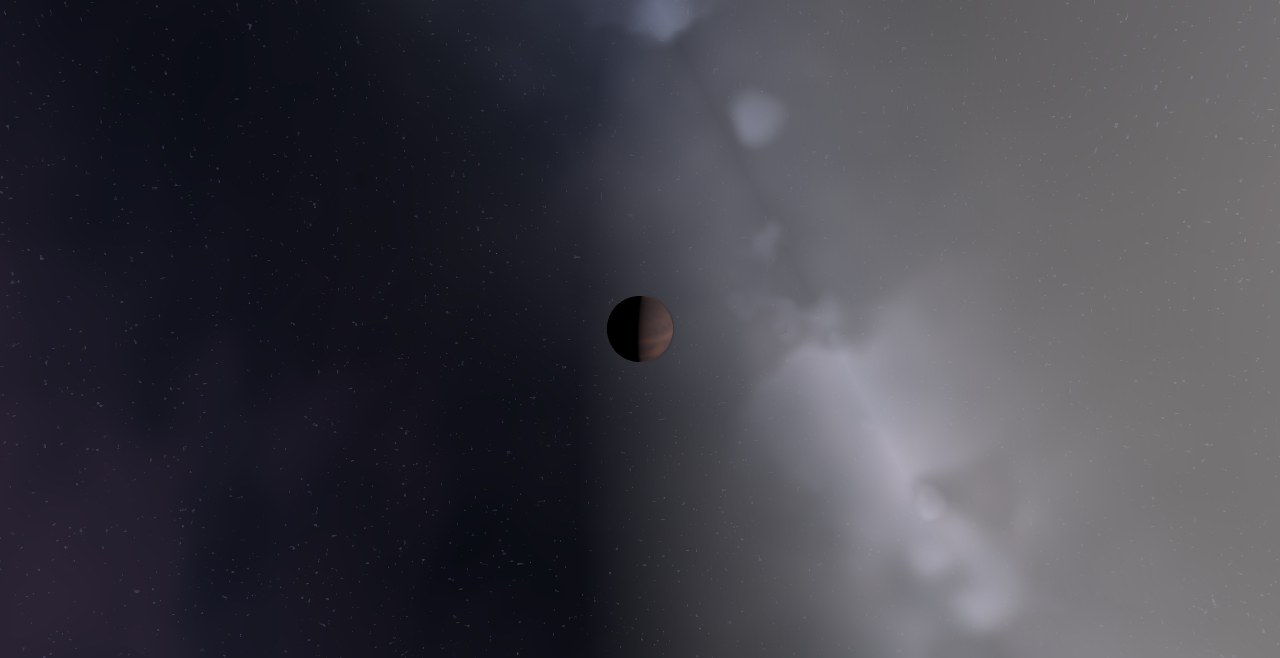
WASP-140, an orange K-type dwarf of 0.90 solar masses, and WASP-140 b, a planet with 14.2 Earth radii, and an equilibrium temperature near 1,270 K.
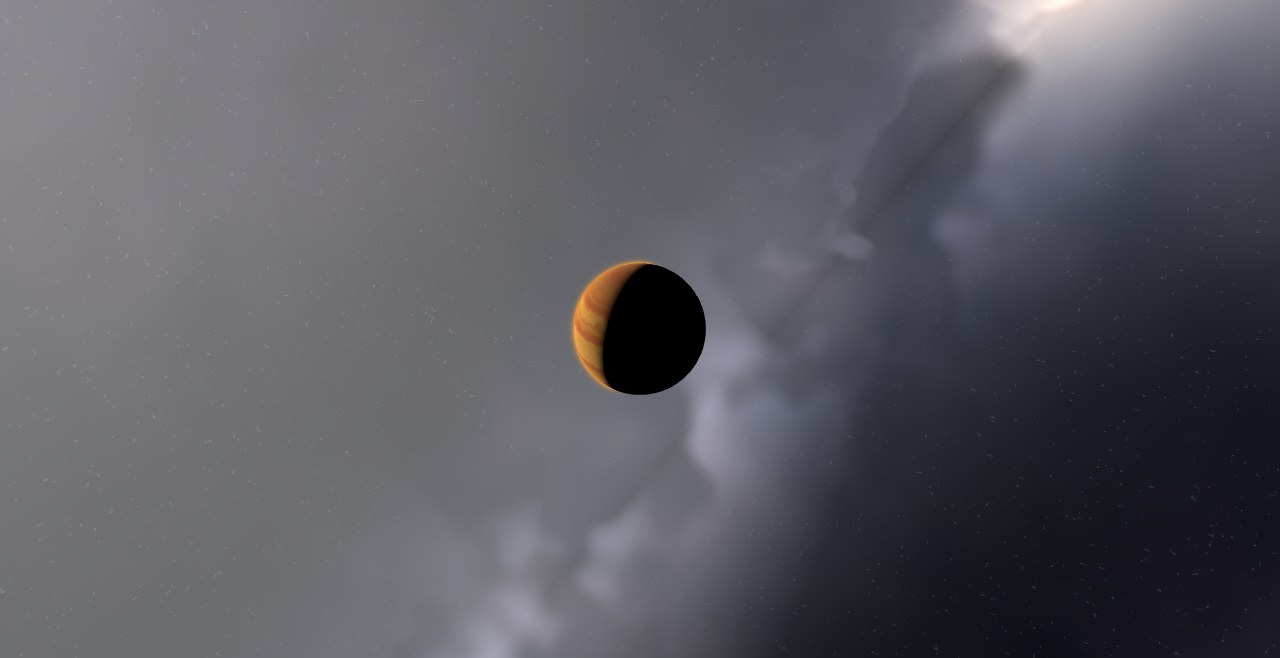
WASP-141, a Sun-like F-type star of 1.25 solar masses, and WASP-141 b, a 2.69-Jupiter-mass companion, with an orbital period of 3.3 days, at 0.047 AU from its star, and an equilibrium temperature near 1,540 K.