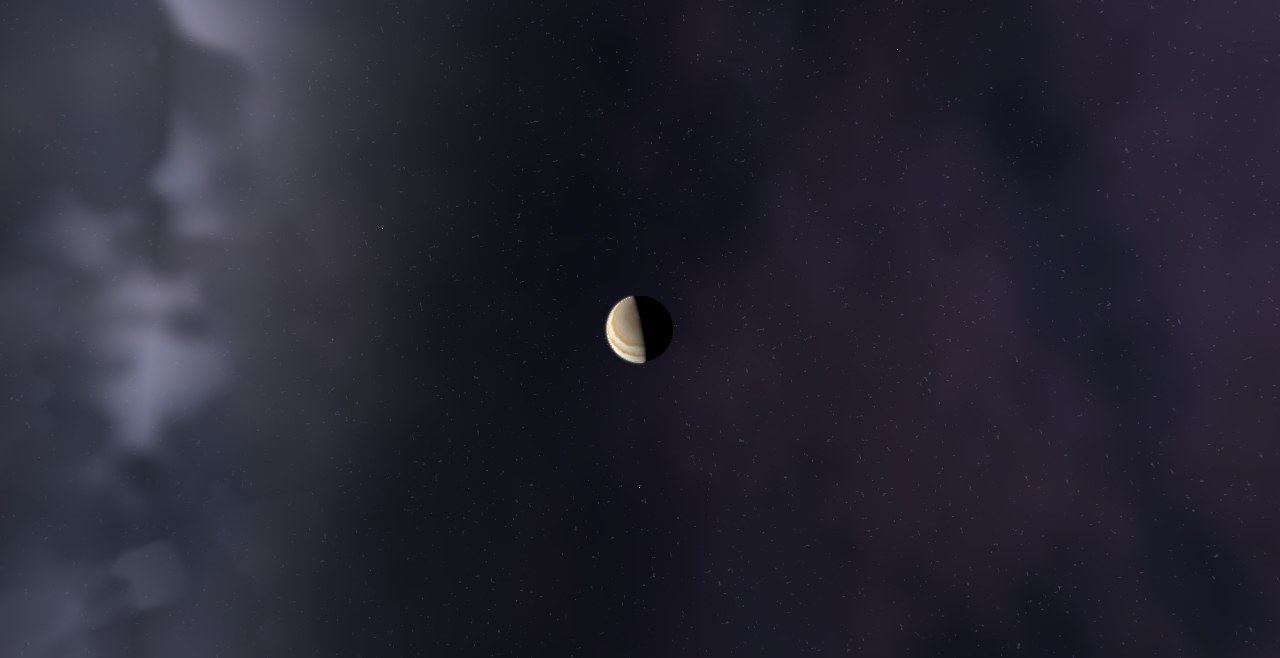
Oph 11 - System
Oph 11, a cool M-dwarf of 0.02 solar masses, and Oph 11 b, a 14.0-Jupiter-mass companion, with an orbital period of 19,986 years, at 243 AU from its star, and an equilibrium temperature near 2,175 K.
3D Space and Gravity Simulator. Simulate the solar system, exoplanets and even colliding galaxies. Add, delete and modify planets, and change the laws of physics.
Share
Oph 11, a cool M-dwarf of 0.02 solar masses, and Oph 11 b, a 14.0-Jupiter-mass companion, with an orbital period of 19,986 years, at 243 AU from its star, and an equilibrium temperature near 2,175 K.
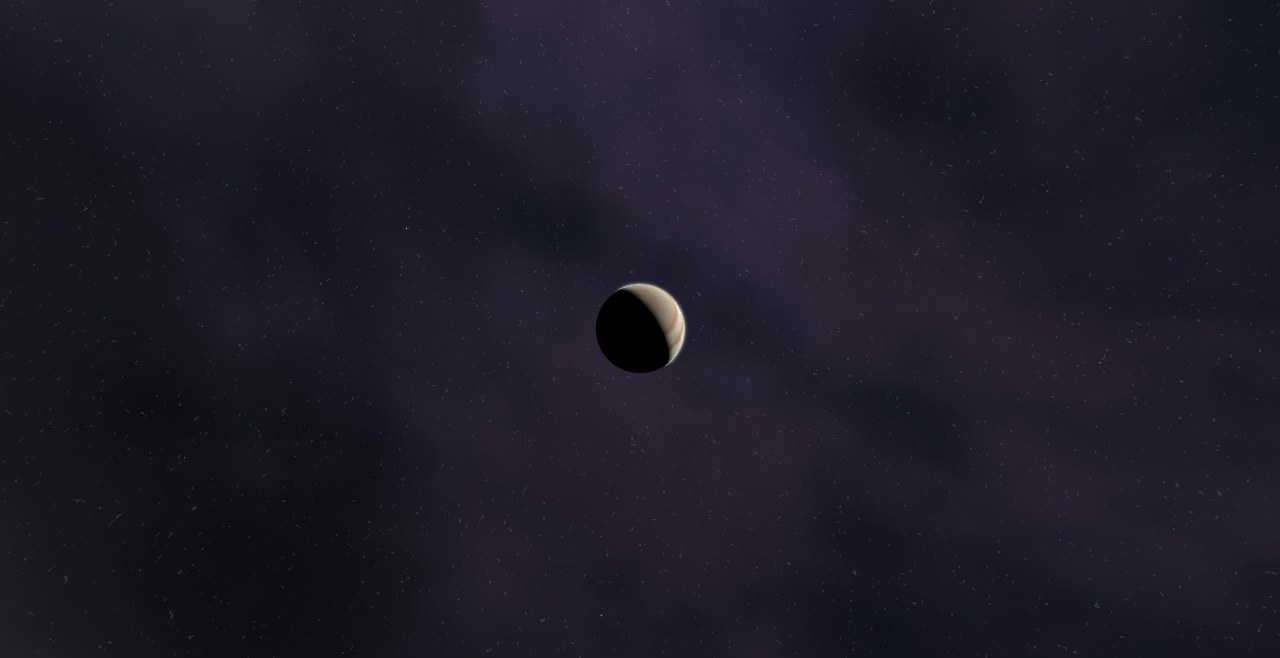
PDS 70, the first system where planets were seen still forming. Two giants sit inside a gap they have cleared in the protoplanetary disk. Both PDS 70 b and c are still accreting gas.
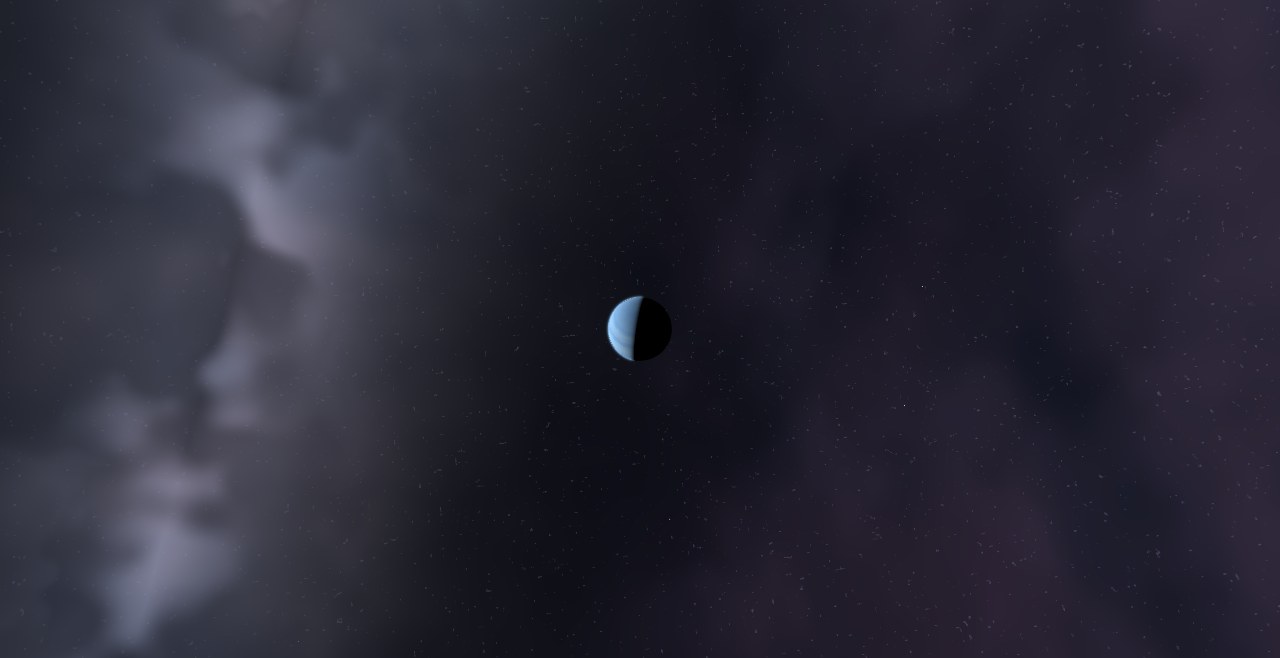
PH1, or Kepler-64 b, a planet in a quadruple star system. It orbits one stellar pair while a second binary shines in the distance. Volunteers in Planet Hunters spotted it in Kepler data.
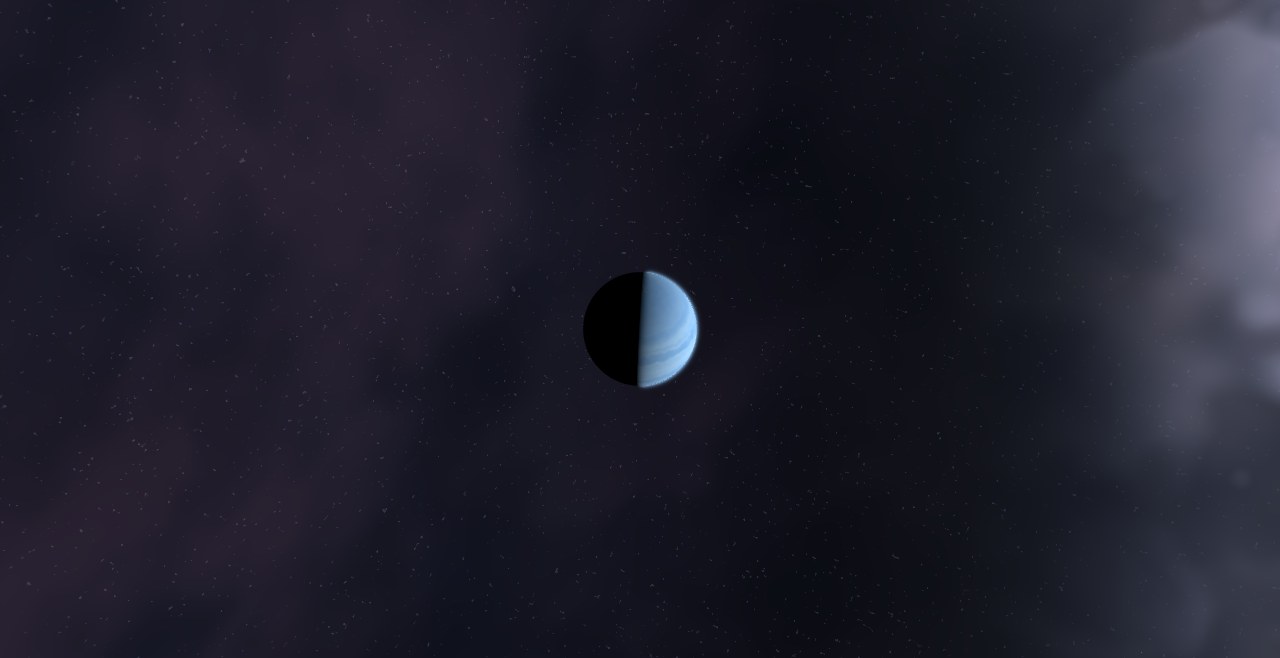
PH2, a Sun-like G-type star of 0.97 solar masses, and PH2 b, a 0.27-Jupiter-mass companion, with an orbital period of 283 days, at 0.833 AU from its star, and an equilibrium temperature near 295 K.
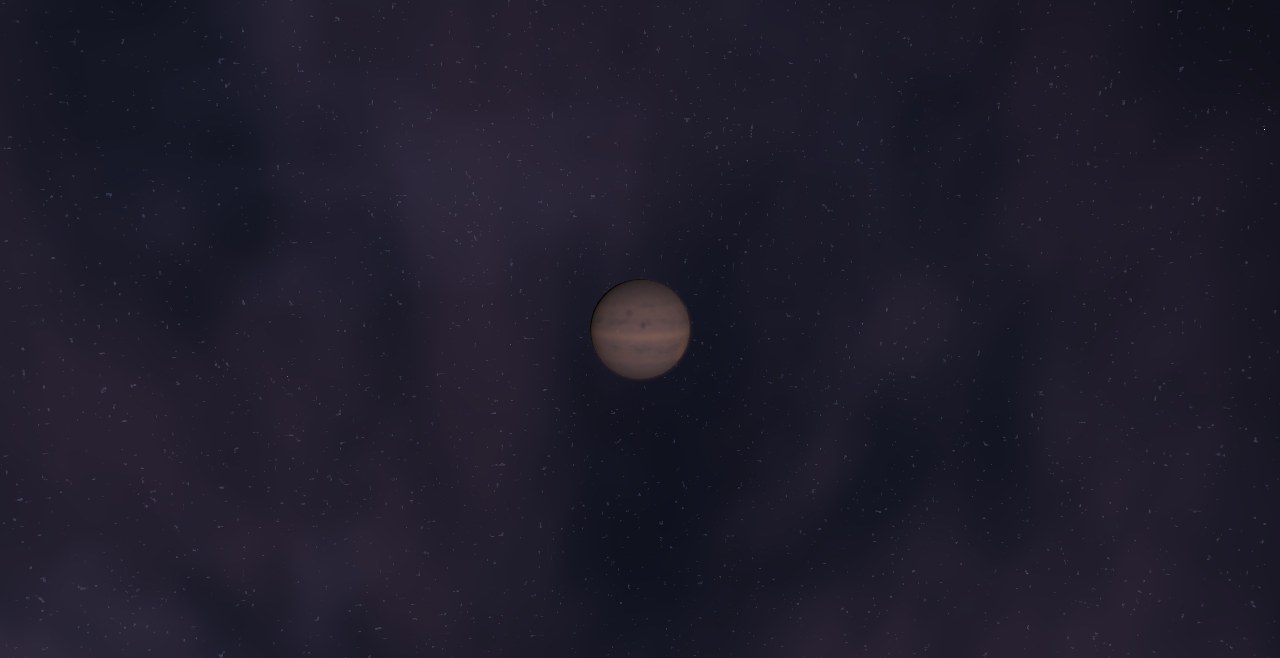
POTS-1, an orange K-type dwarf of 0.69 solar masses, and POTS-1 b, a 2.31-Jupiter-mass companion, with an orbital period of 3.2 days, at 0.037 AU from its star.
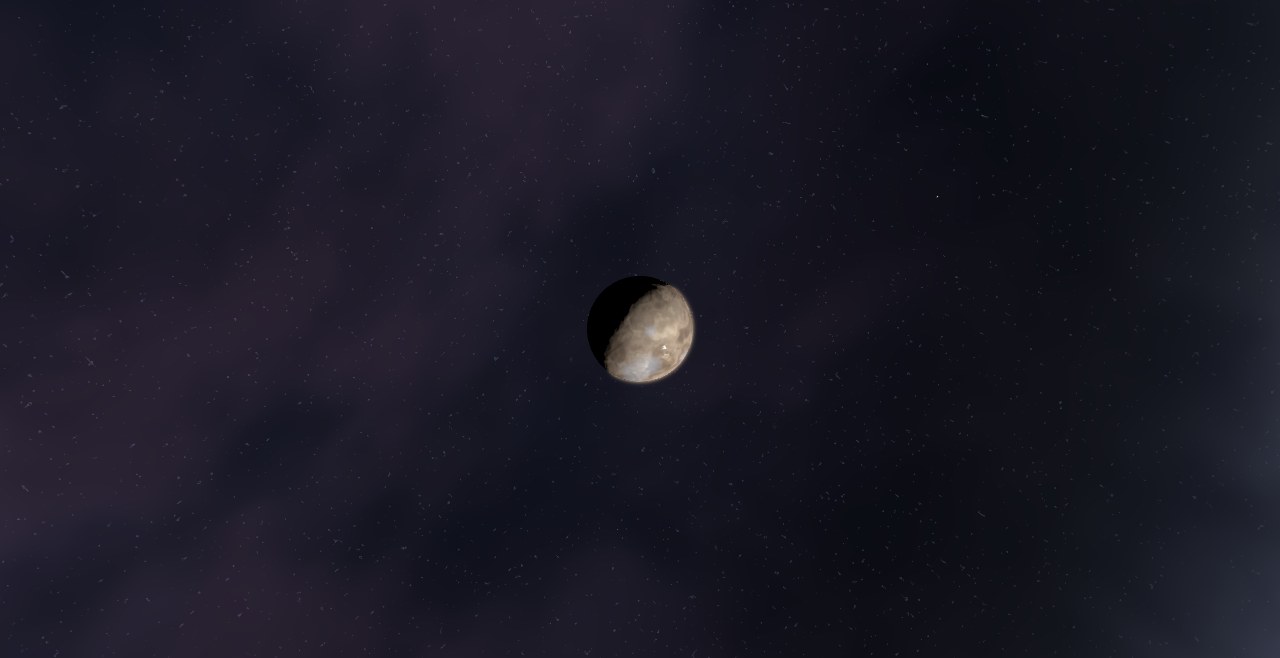
PSR B0329+54, a Sun-like G-type star of 1.44 solar masses, and PSR B0329+54 b, a 2.0-Earth-mass planet, with an orbital period of 27.8 years, at 10.3 AU from its star, on an eccentric orbit (e ≈ 0.24).
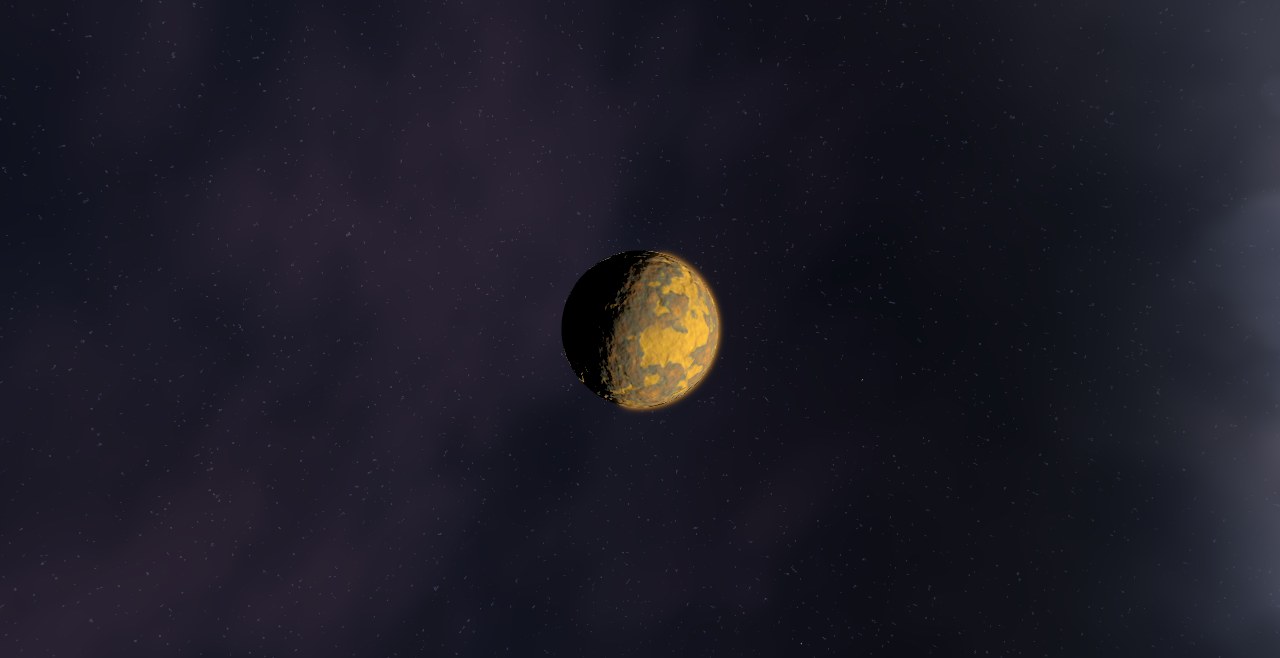
PSR B1257+12, the first confirmed exoplanets. In 1992 pulsar timing revealed three worlds, including a Moon-mass body, around a dead star. The host is a millisecond pulsar, not a living star.
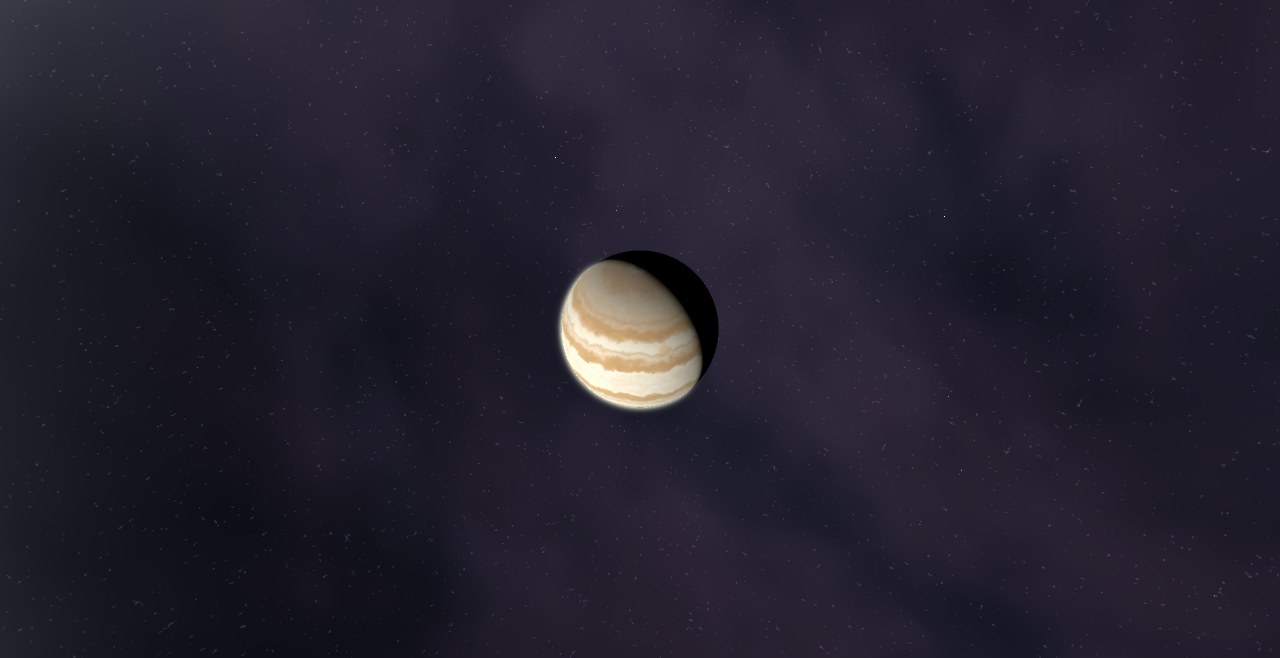
The Methuselah planet PSR B1620-26 b, about 12.7 billion years old. It circles a pulsar and white dwarf in the globular cluster Messier 4. Its orbit around the pair takes roughly a century.
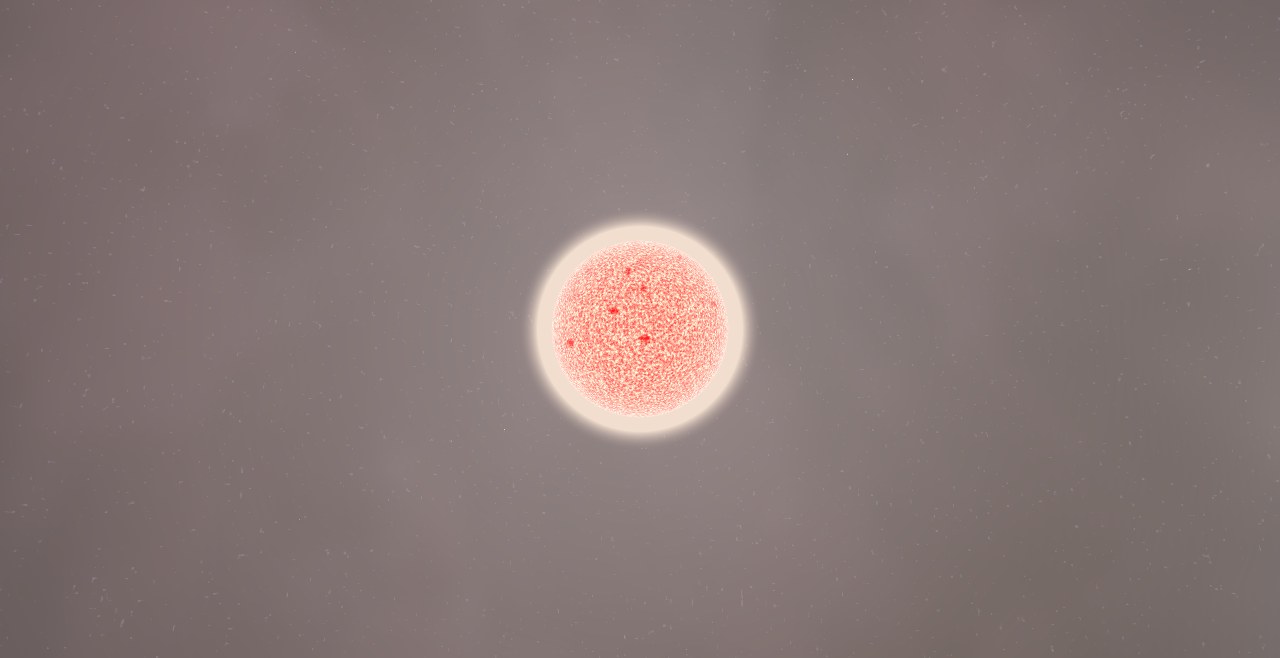
PSR J1719-1438 b, the so-called diamond planet. This ultra-dense remnant orbits a millisecond pulsar every 2.2 hours and may be crystallized carbon.
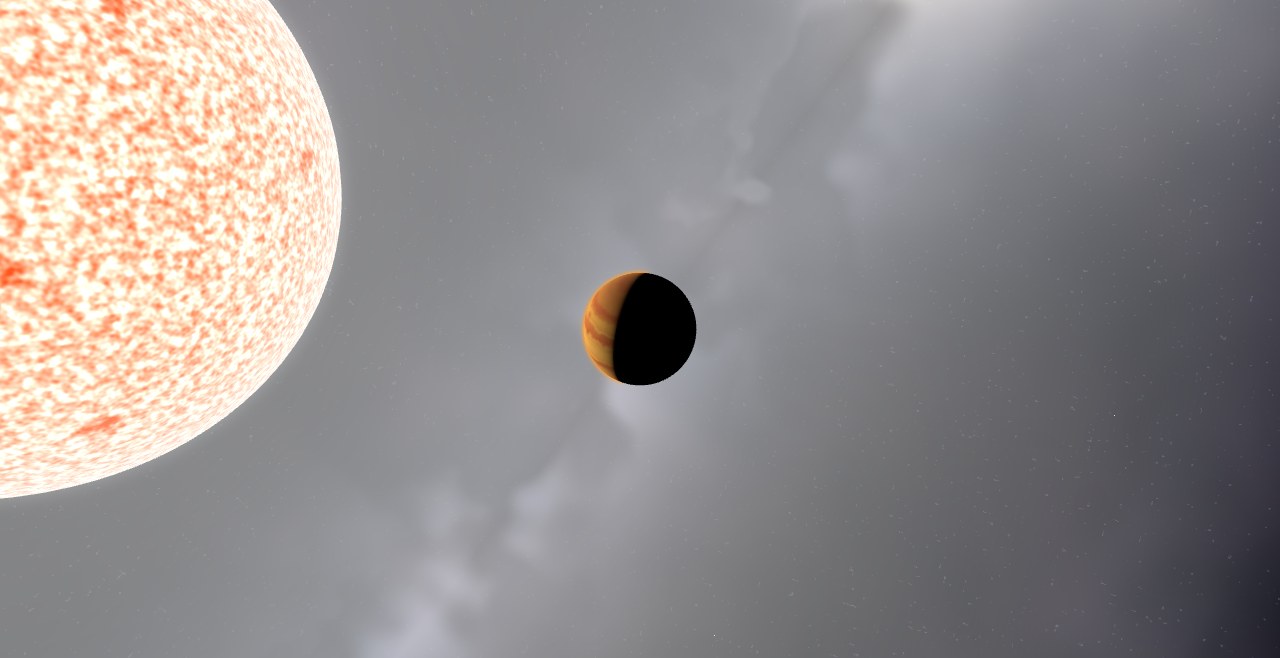
PSR J2322-2650, a Sun-like G-type star of 1.40 solar masses, and PSR J2322-2650 b, a 0.79-Jupiter-mass companion, with an orbital period of 7.8 hours, at 0.010 AU from its star.
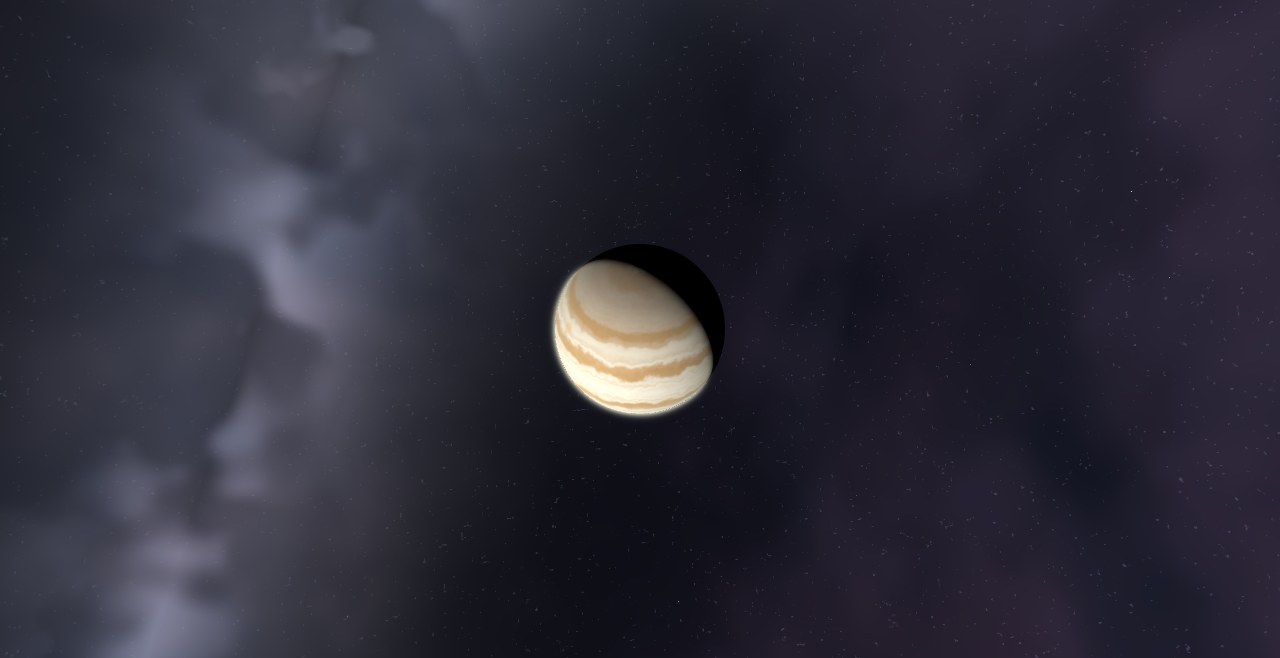
PZ Tel, a Sun-like G-type star of 1.36 solar masses, and PZ Tel b, a 27.0-Jupiter-mass companion, with an orbital period of 120 years, at 27.0 AU from its star, on an eccentric orbit (e ≈ 0.52).
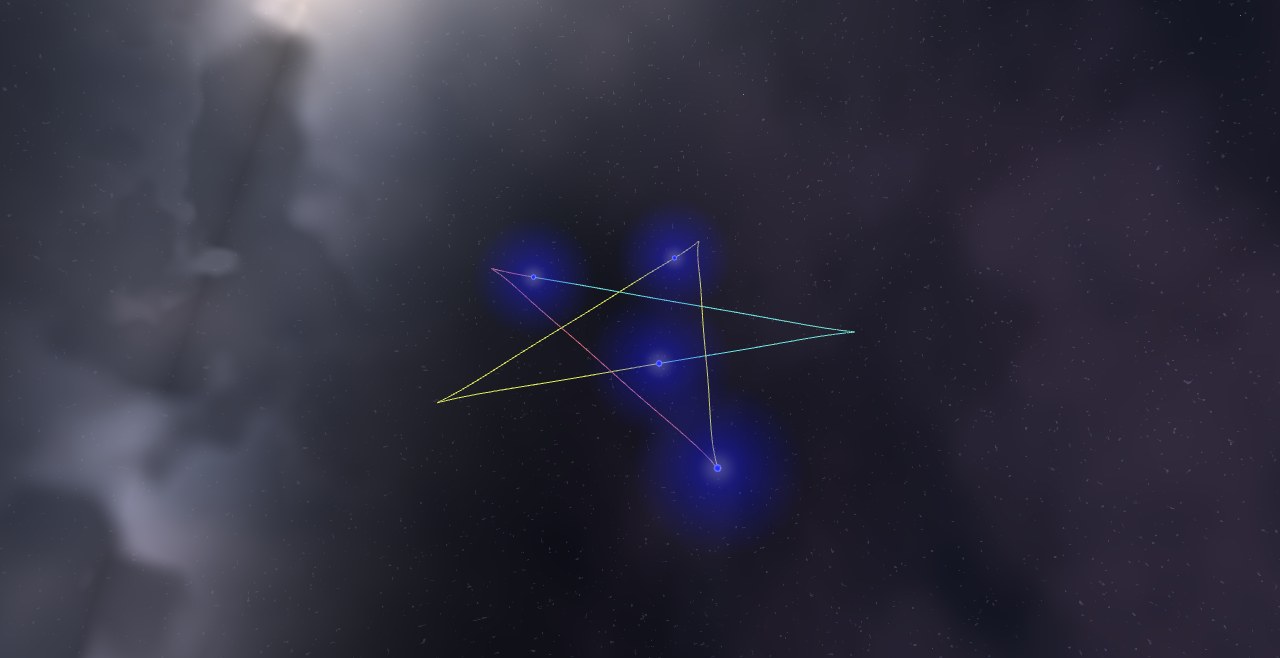
Simulate a periodic five-body choreography where equal masses trace an intricate five-pointed star, cycling through a repeating geometric orbit governed by mutual gravity.
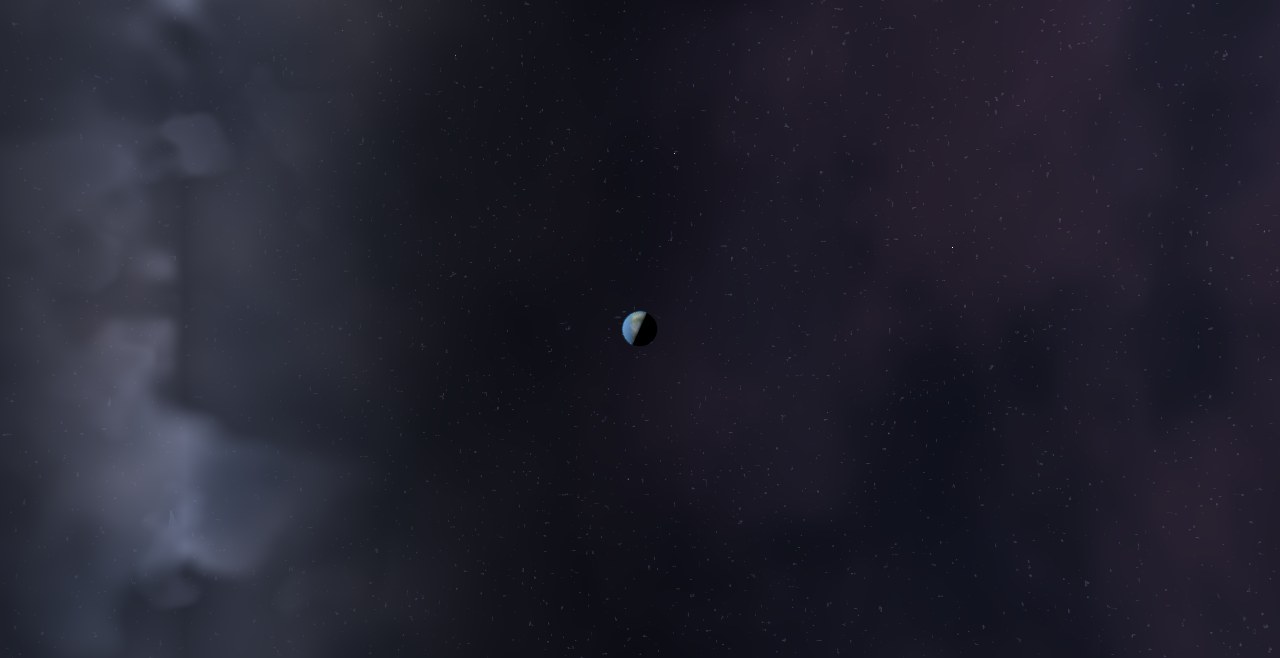
Discover the celestial dance of Earth and Venus. Watch their near 13:8 orbital resonance trace an exquisite five-petaled rose pentagram over eight Earth years in 3D.
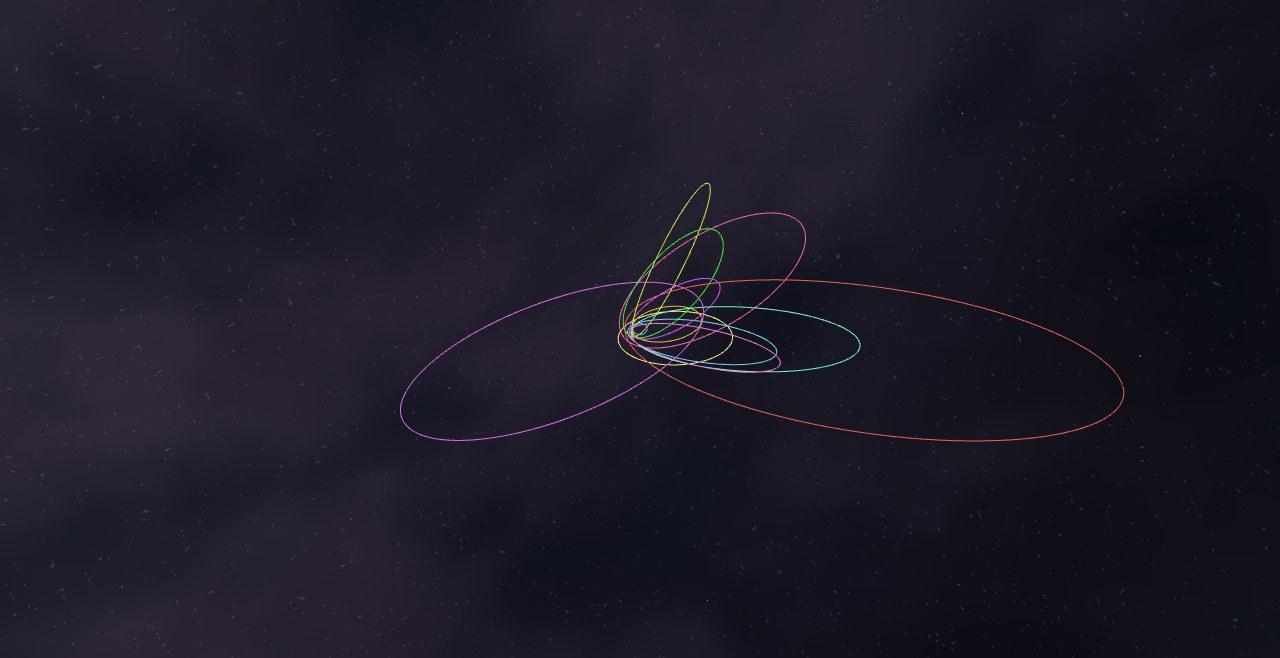
Could a mysterious Planet Nine lurk in the outer dark? Test whether a hypothetical distant super-Earth can gravitationally shepherd Sedna and extreme detached trans-Neptunian objects in 3D.
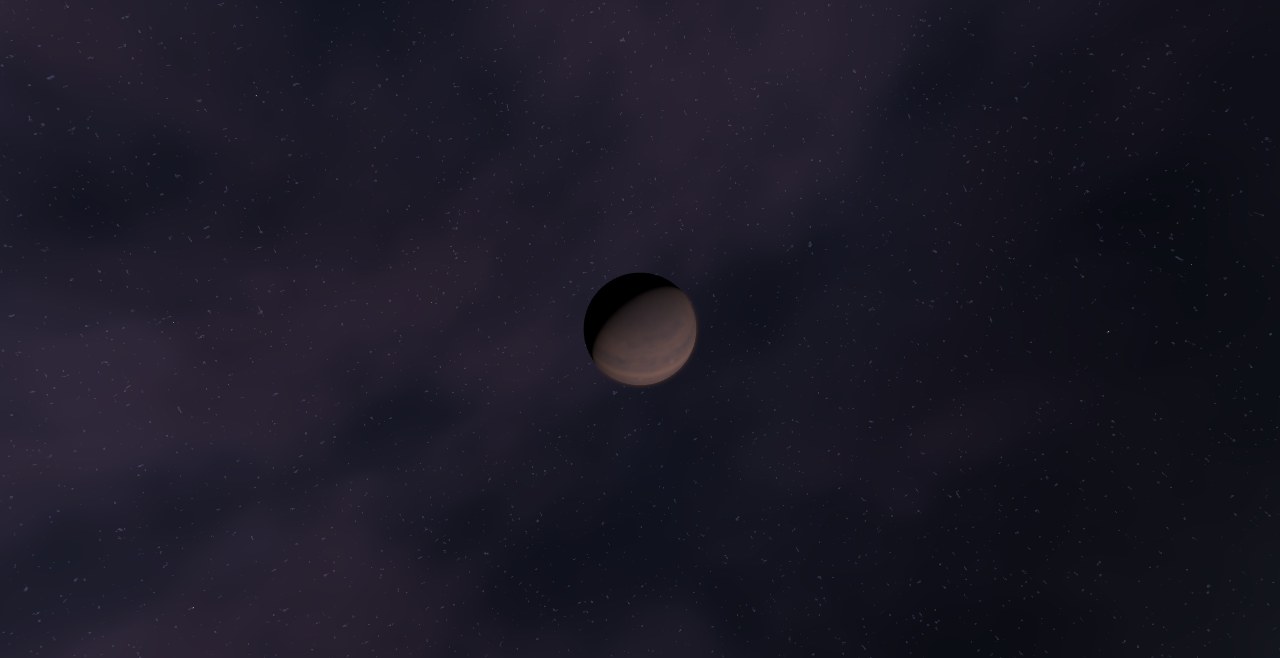
Pr0201, a Sun-like F-type star of 1.24 solar masses, and Pr0201 b, a 0.54-Jupiter-mass companion, with an orbital period of 4.4 days, at 0.060 AU from its star.
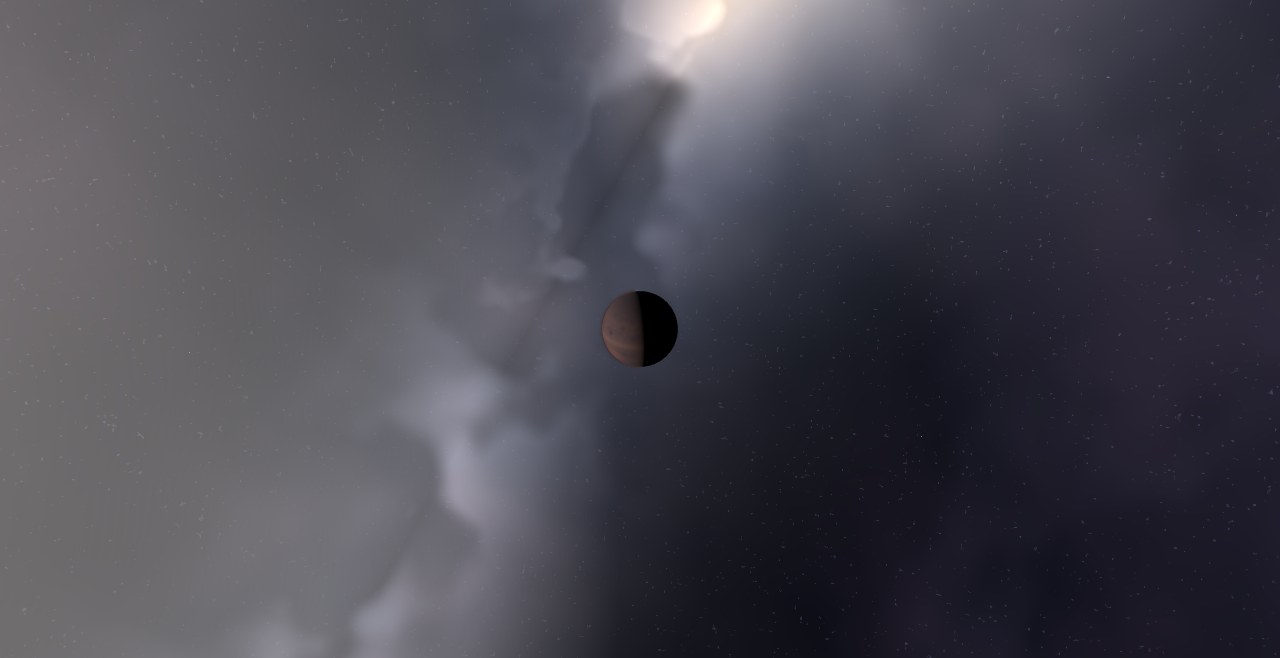
Pr0211, a Sun-like G-type star of 0.94 solar masses, and Pr0211 b, a 1.88-Jupiter-mass companion, with an orbital period of 2.1 days, at 0.032 AU from its star.
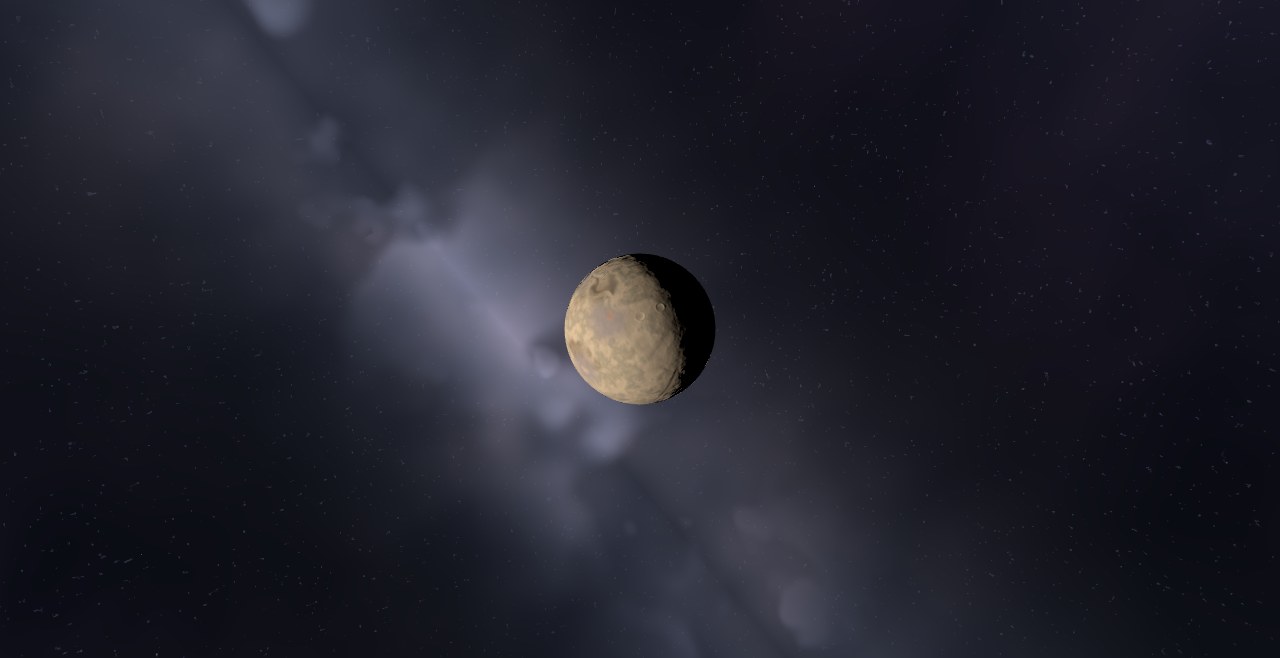
Proxima Centauri, the nearest star to the Sun. Proxima b is an Earth-mass world in the habitable zone, only 4.2 light-years away. The host is a flare-active red dwarf in Alpha Centauri.
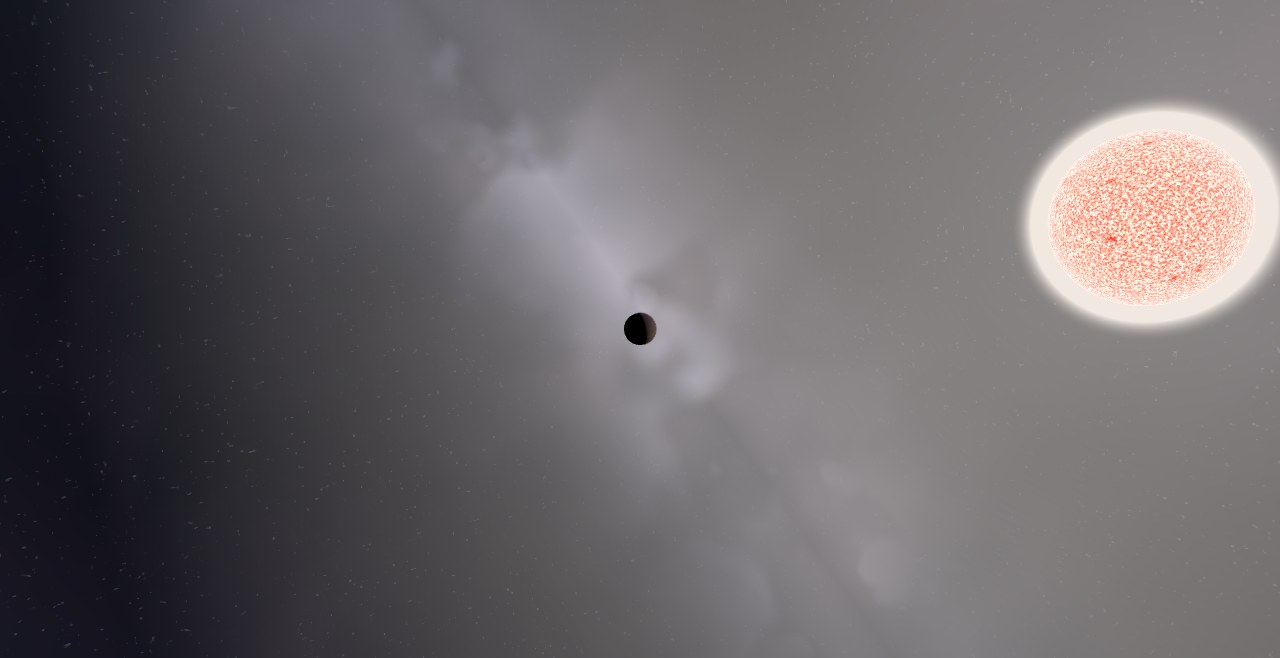
Qatar-1, an orange K-type dwarf of 0.84 solar masses, and Qatar-1 b, a 1.29-Jupiter-mass companion, with an orbital period of 1.4 days, at 0.023 AU from its star, and an equilibrium temperature near 1,418 K.