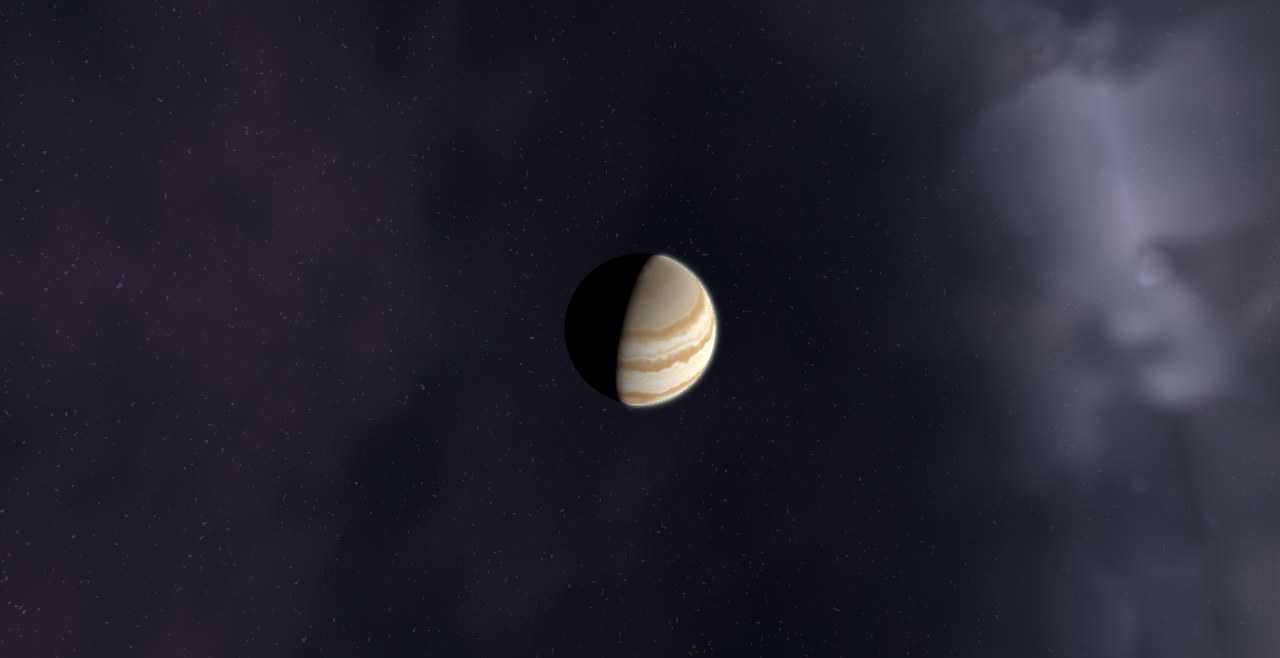
OGLE-2019-BLG-0468L - System
OGLE-2019-BLG-0468L, a Sun-like G-type star of 0.92 solar masses, and OGLE-2019-BLG-0468L c, a 10.2-Jupiter-mass companion, at 2.770 AU from its star.
3D Space and Gravity Simulator. Simulate the solar system, exoplanets and even colliding galaxies. Add, delete and modify planets, and change the laws of physics.
Share
OGLE-2019-BLG-0468L, a Sun-like G-type star of 0.92 solar masses, and OGLE-2019-BLG-0468L c, a 10.2-Jupiter-mass companion, at 2.770 AU from its star.
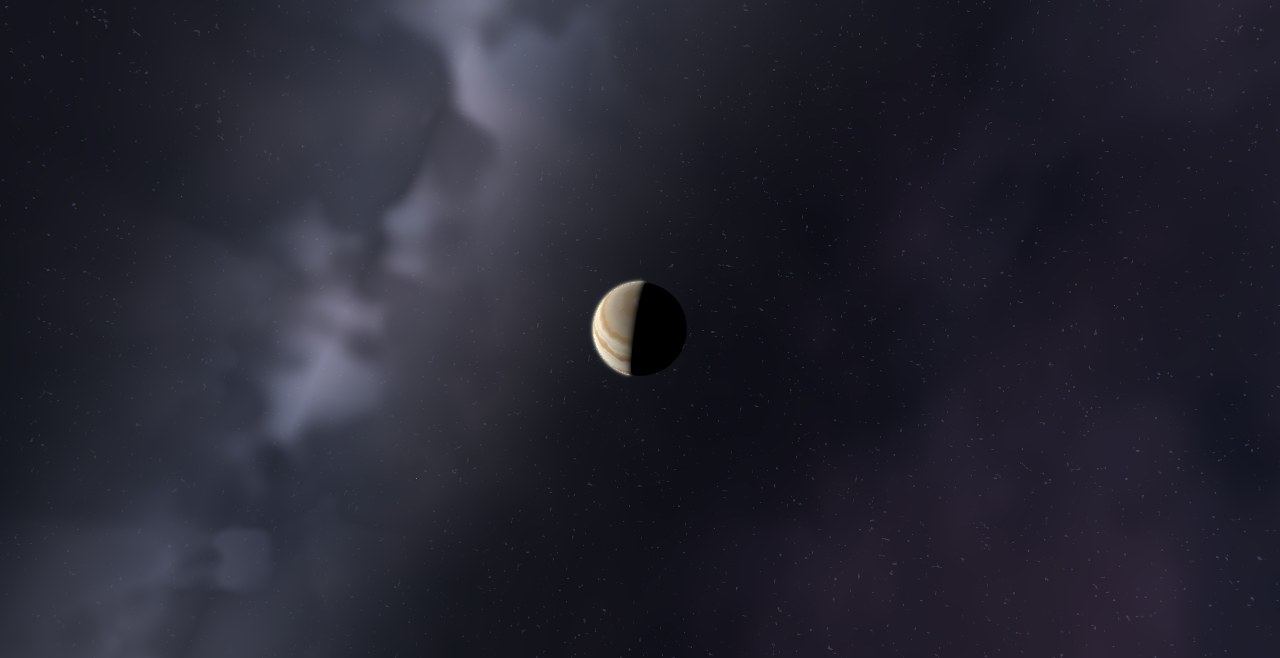
OGLE-2019-BLG-0679L, a Sun-like G-type star of 0.66 solar masses, and OGLE-2019-BLG-0679L b, a 3.34-Jupiter-mass companion, at 6.990 AU from its star.
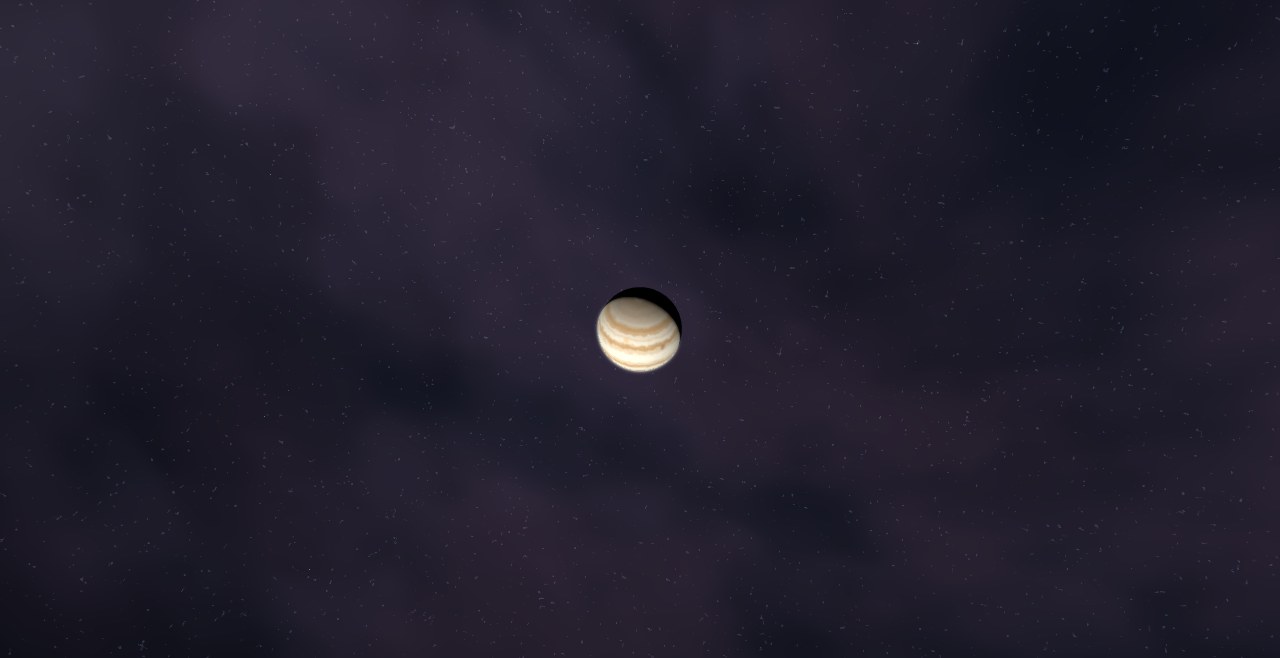
OGLE-2019-BLG-0954L, a Sun-like G-type star of 0.80 solar masses, and OGLE-2019-BLG-0954L b, a 14.2-Jupiter-mass companion, at 2.650 AU from its star.
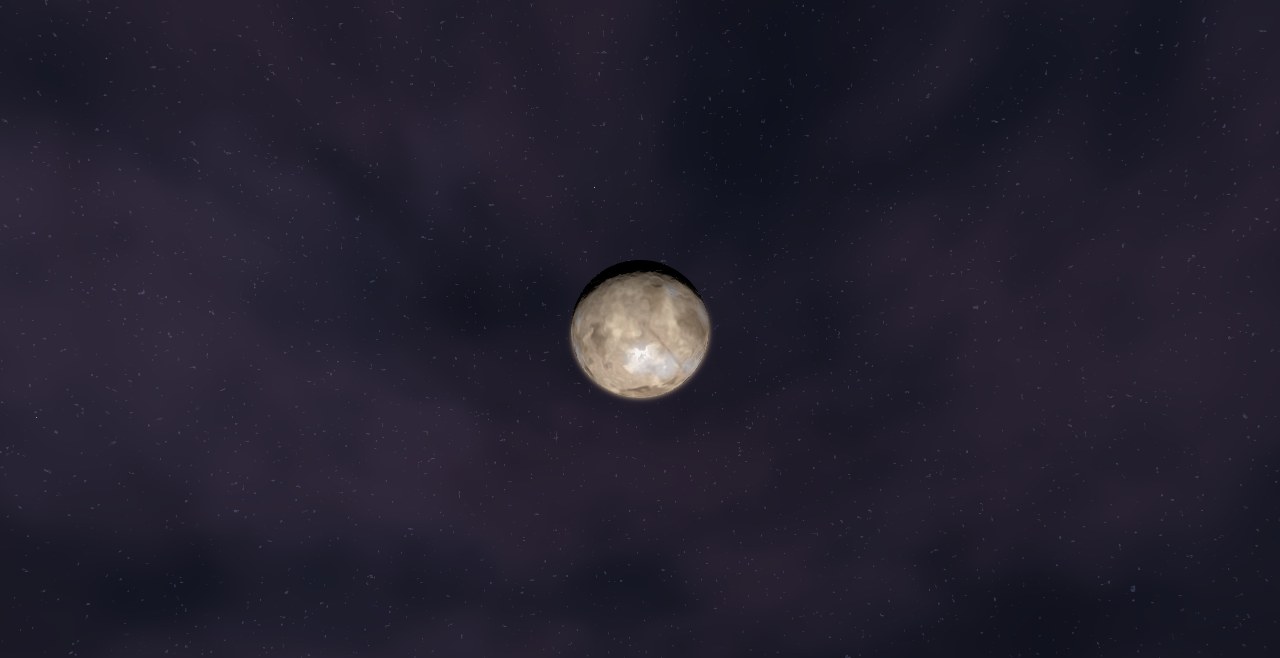
OGLE-2019-BLG-0960L, a Sun-like G-type star of 0.50 solar masses, and OGLE-2019-BLG-0960L b, a 2.5-Earth-mass planet, at 1.900 AU from its star.
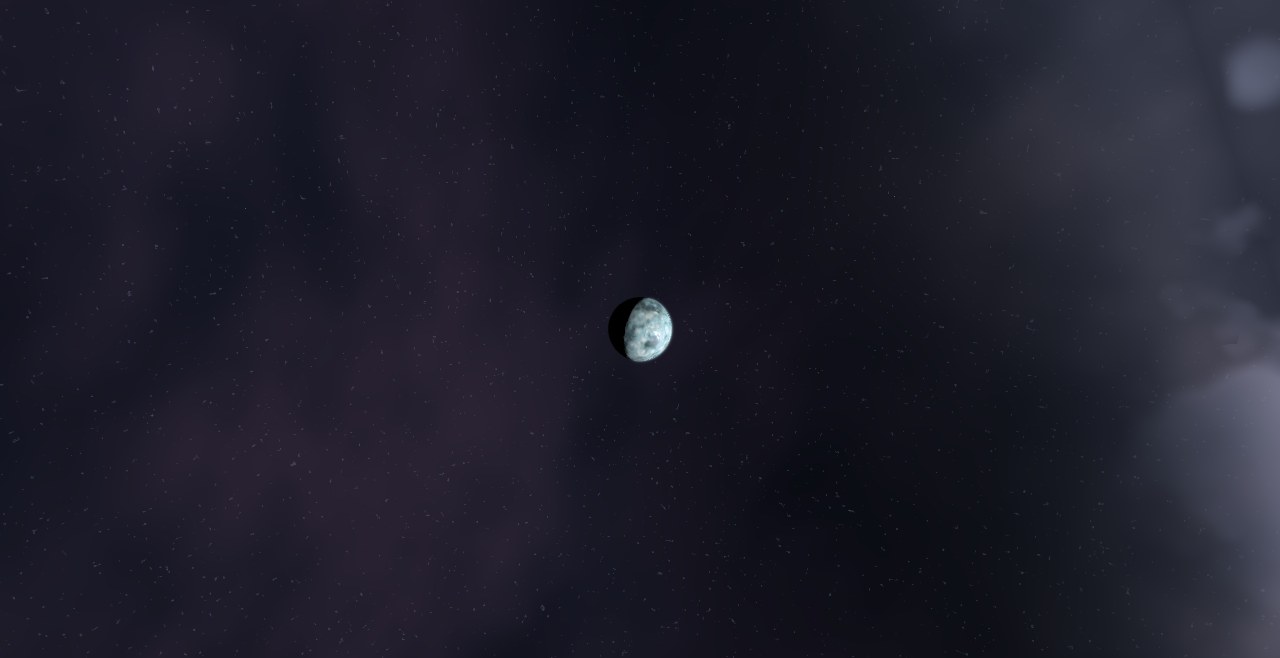
OGLE-2019-BLG-1053L, a Sun-like G-type star of 0.61 solar masses, and OGLE-2019-BLG-1053L b, a 2.5-Earth-mass planet, at 3.400 AU from its star.
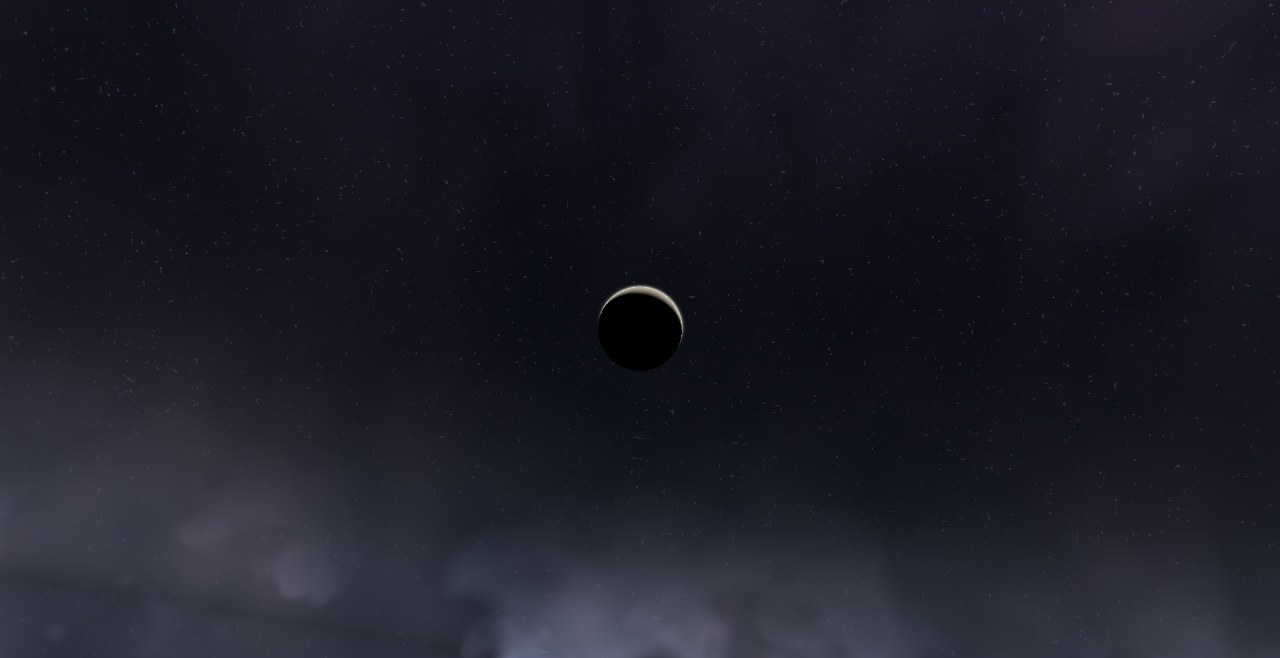
OGLE-2019-BLG-1180L, a Sun-like G-type star of 0.55 solar masses, and OGLE-2019-BLG-1180L b, a 1.75-Jupiter-mass companion, at 5.190 AU from its star.
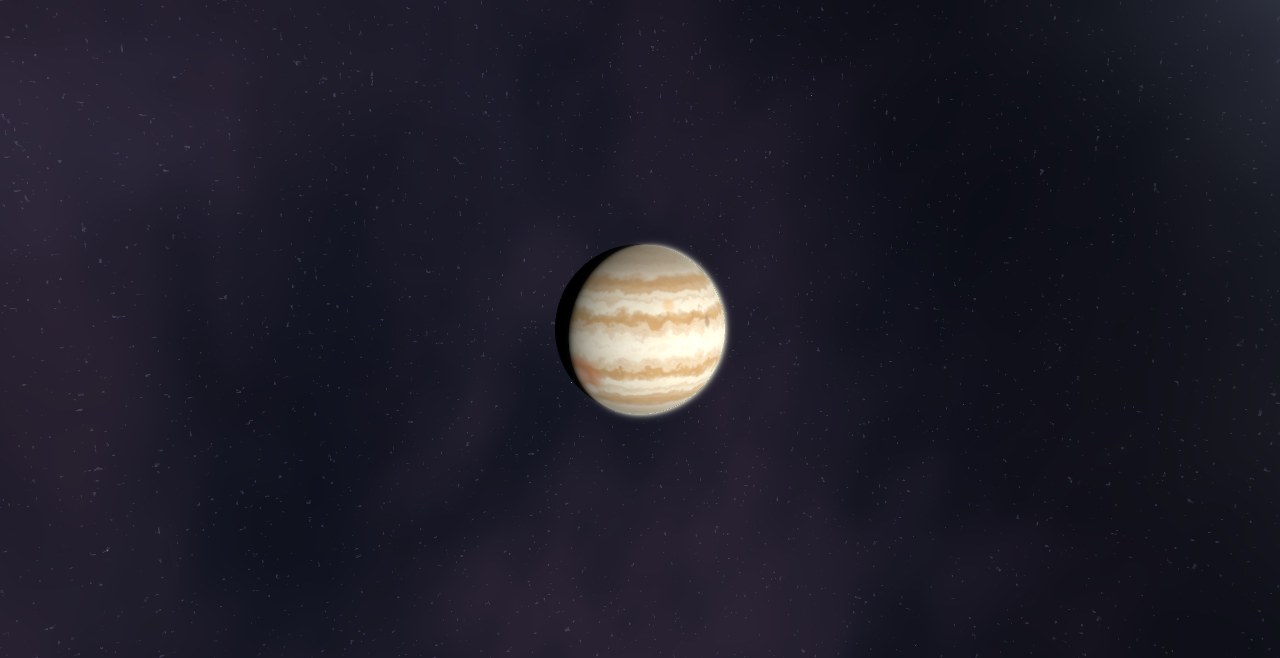
OGLE-2019-BLG-1470L A, a Sun-like G-type star of 0.57 solar masses, and OGLE-2019-BLG-1470L AB c, a 2.20-Jupiter-mass companion, at 3.200 AU from its star.
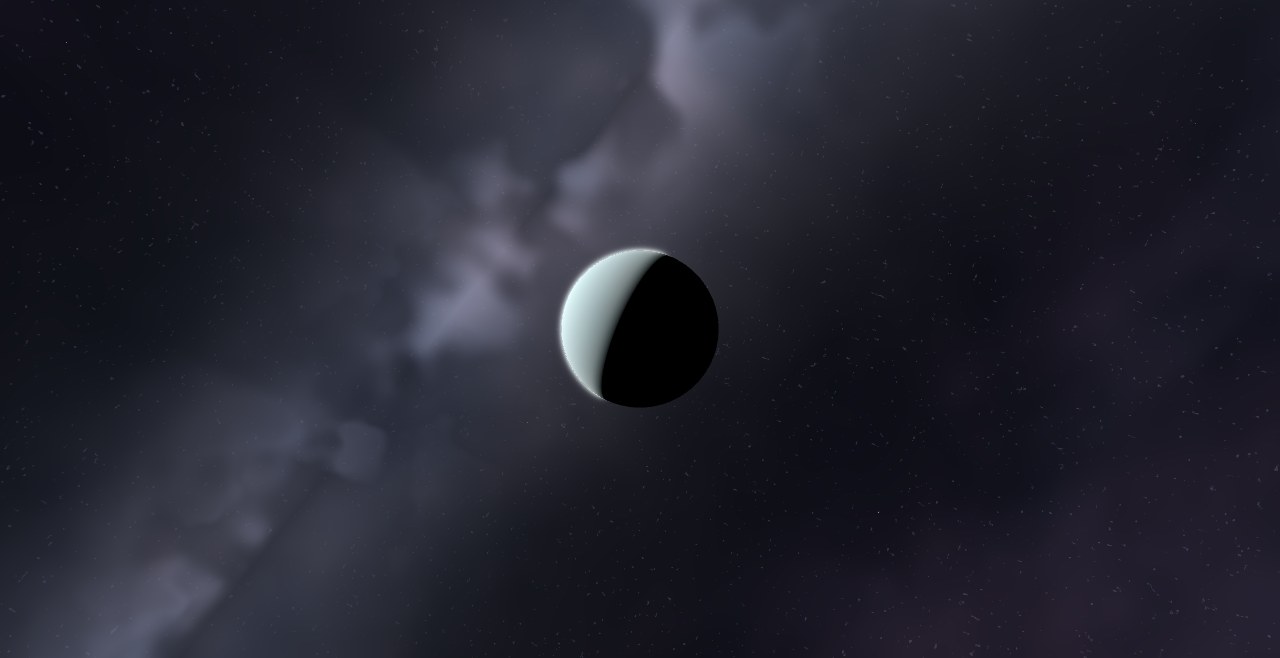
OGLE-2019-BLG-1492L, a Sun-like G-type star of 0.68 solar masses, and OGLE-2019-BLG-1492L b, a 0.12-Jupiter-mass companion, at 2.700 AU from its star.
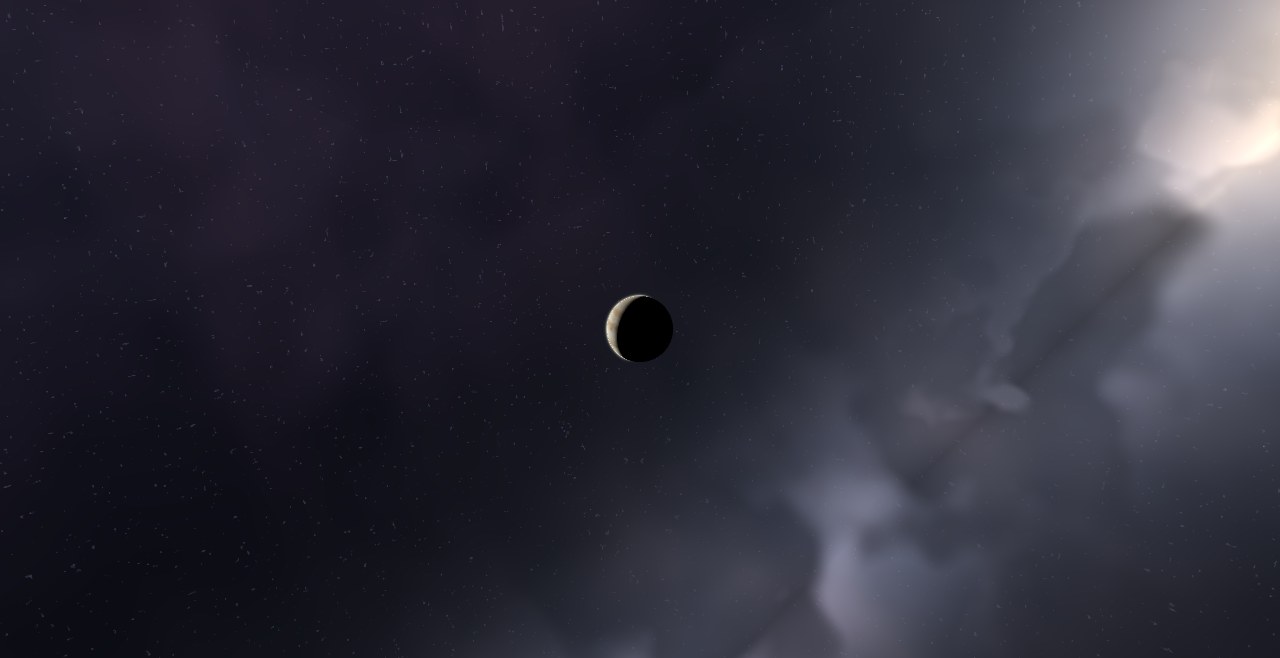
OGLE-2023-BLG-0836L, a Sun-like G-type star of 0.71 solar masses, and OGLE-2023-BLG-0836L b, a 4.36-Jupiter-mass companion, at 3.700 AU from its star.
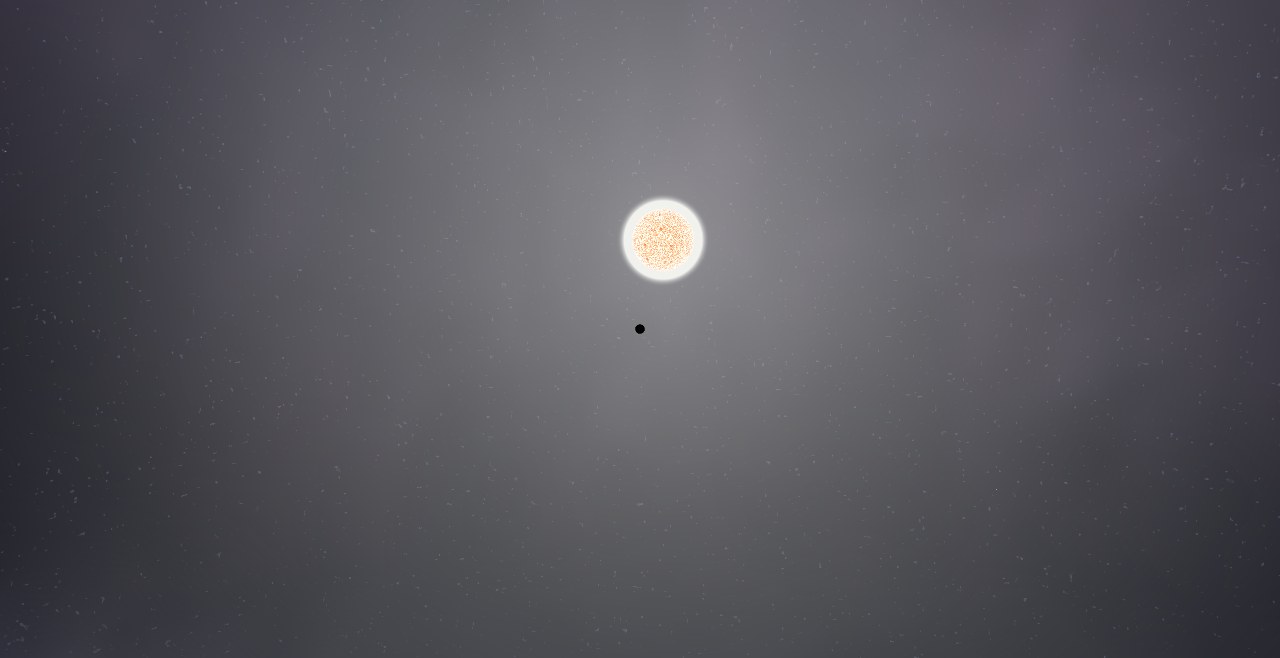
OGLE-TR-10, a Sun-like G-type star of 1.14 solar masses, and OGLE-TR-10 b, a 0.62-Jupiter-mass companion, with an orbital period of 3.1 days, at 0.043 AU from its star.
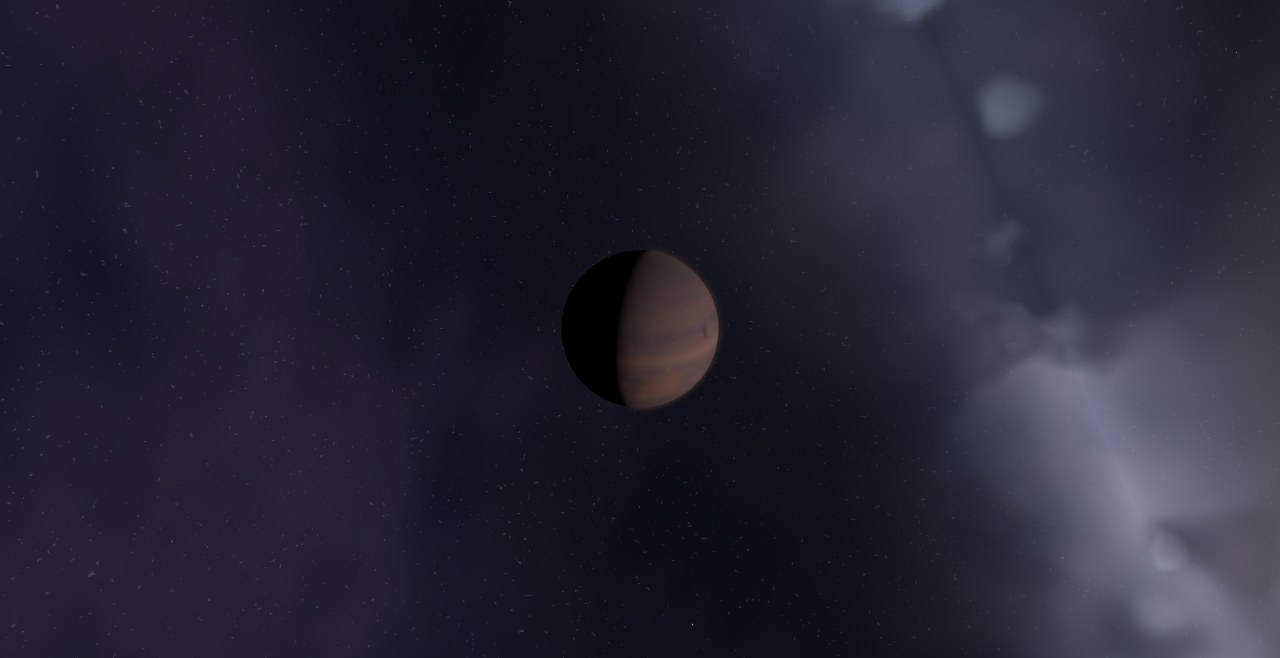
OGLE-TR-111, an orange K-type dwarf of 0.82 solar masses, and OGLE-TR-111 b, a planet with 11.4 Earth radii, with an orbital period of 4.0 days, at 0.047 AU from its star.
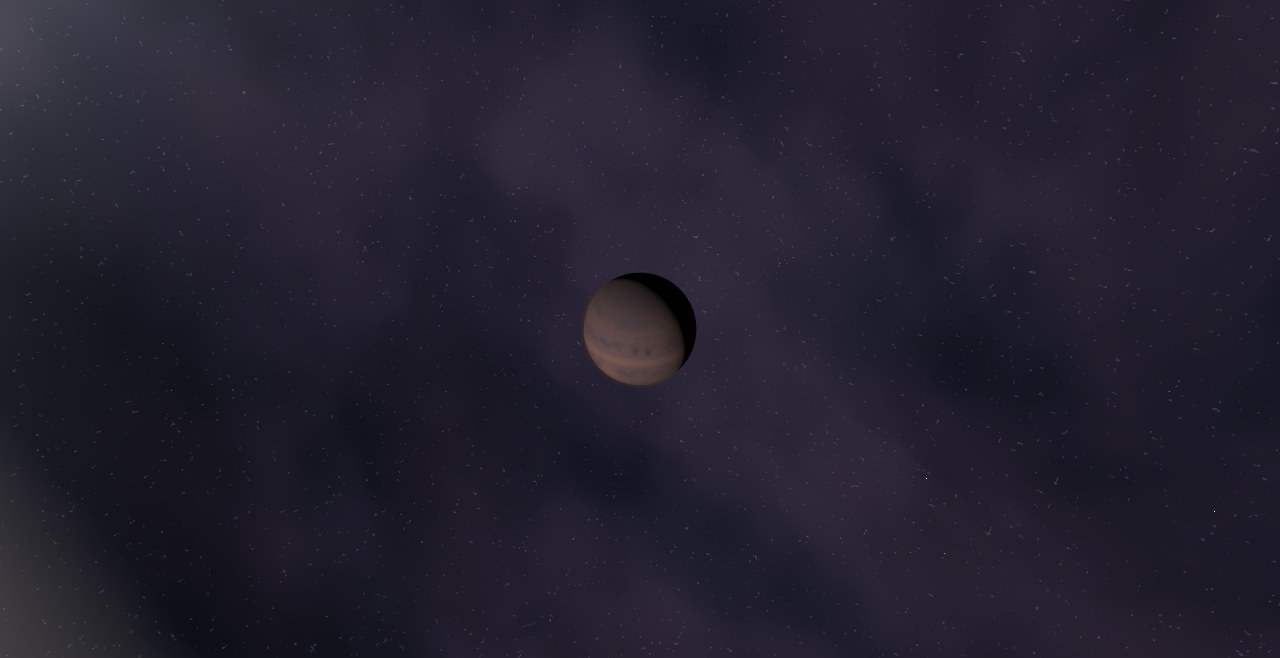
OGLE-TR-113, an orange K-type dwarf of 0.78 solar masses, and OGLE-TR-113 b, a 1.26-Jupiter-mass companion, with an orbital period of 1.4 days, at 0.023 AU from its star.
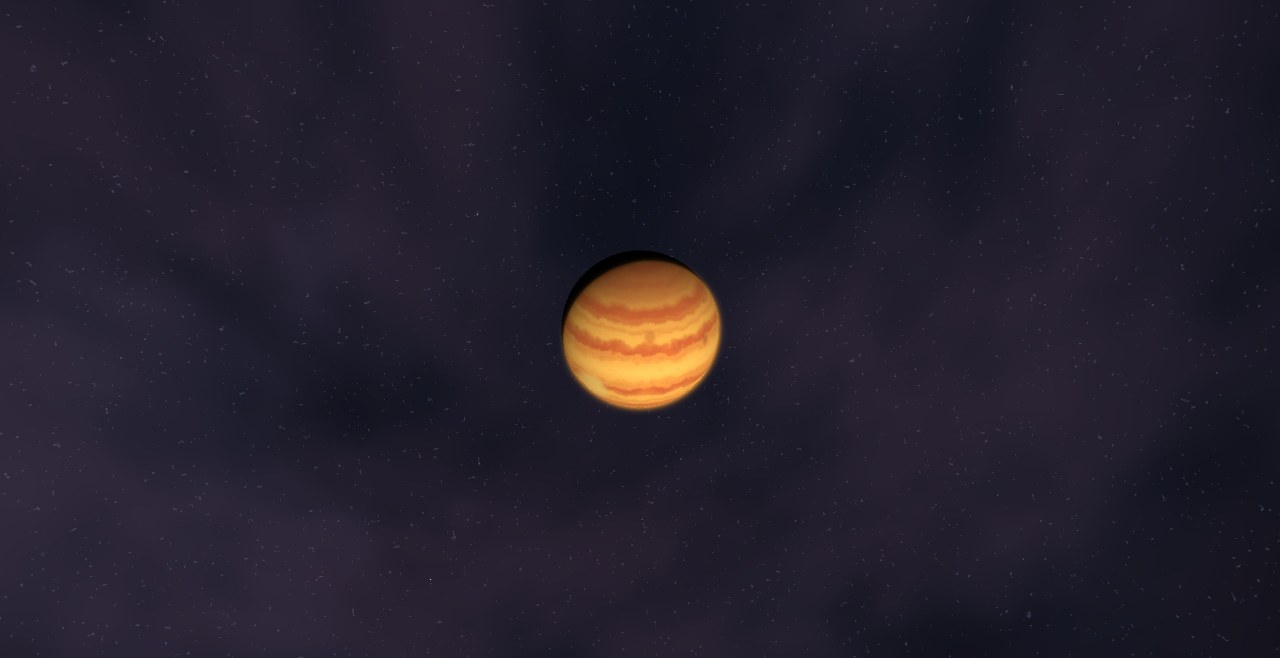
OGLE-TR-132, a Sun-like F-type star of 1.30 solar masses, and OGLE-TR-132 b, a 1.18-Jupiter-mass companion, with an orbital period of 1.7 days, at 0.030 AU from its star, and an equilibrium temperature near.
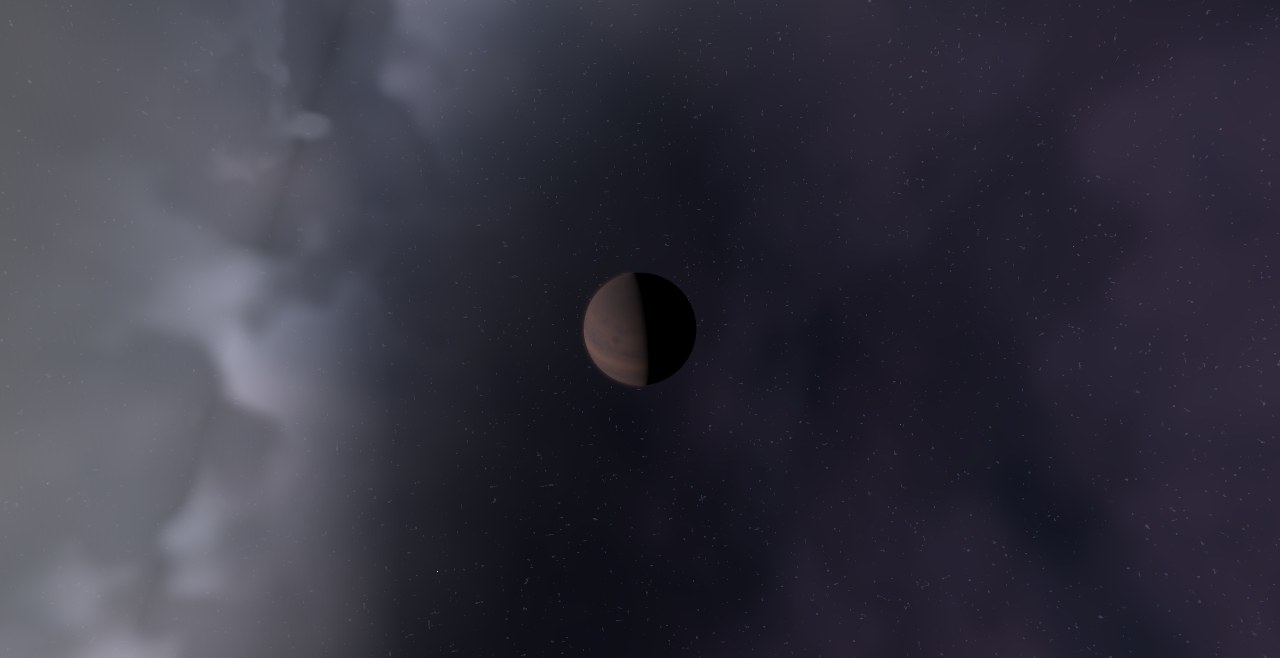
OGLE-TR-182, a Sun-like G-type star of 1.14 solar masses, and OGLE-TR-182 b, a 1.01-Jupiter-mass companion, with an orbital period of 4.0 days, at 0.051 AU from its star.
OGLE-TR-211, a Sun-like F-type star of 1.33 solar masses, and OGLE-TR-211 b, a 1.03-Jupiter-mass companion, with an orbital period of 3.7 days, at 0.051 AU from its star.
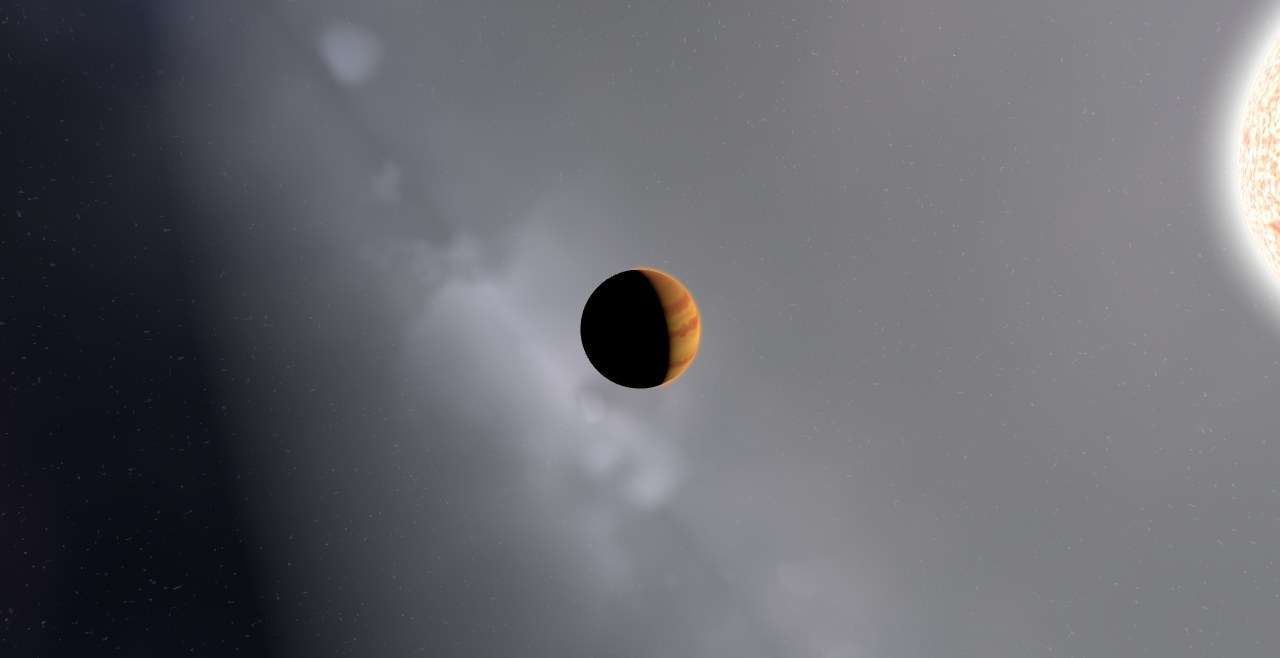
OGLE-TR-56 b, the first planet discovered by the transit method itself. Earlier transiting worlds had already been found by radial velocity.
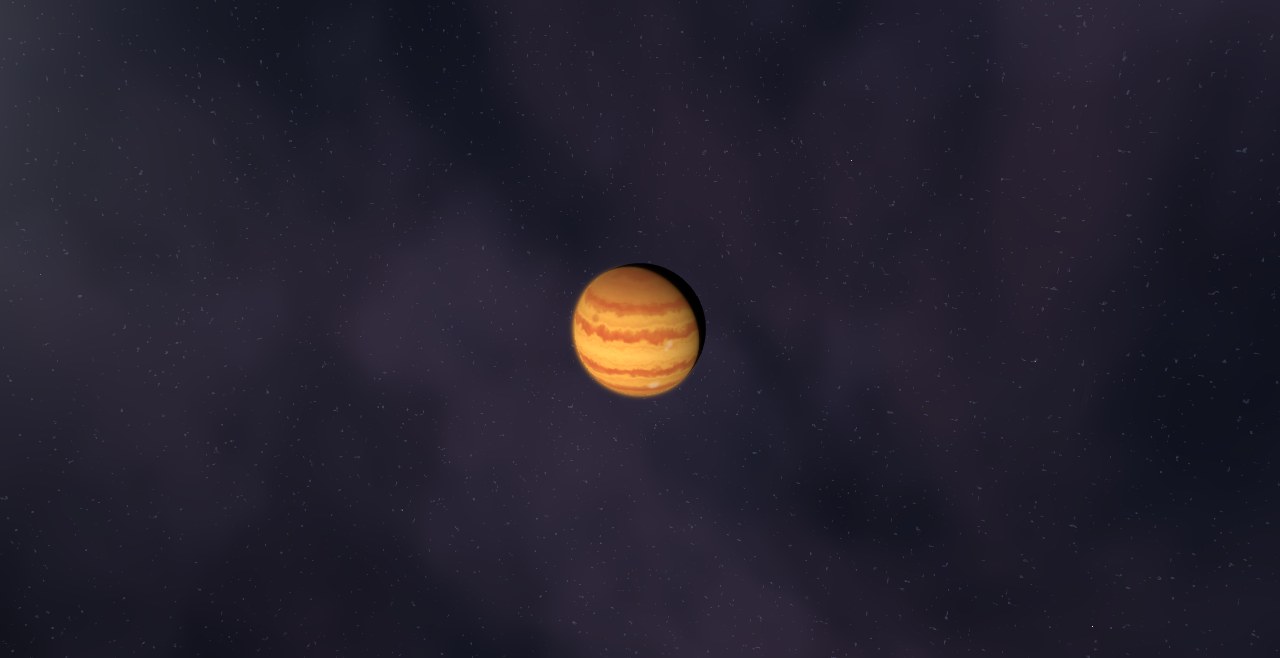
OGLE2-TR-L9, a Sun-like F-type star of 1.52 solar masses, and OGLE2-TR-L9 b, a 4.50-Jupiter-mass companion, with an orbital period of 2.5 days, at 0.031 AU from its star.
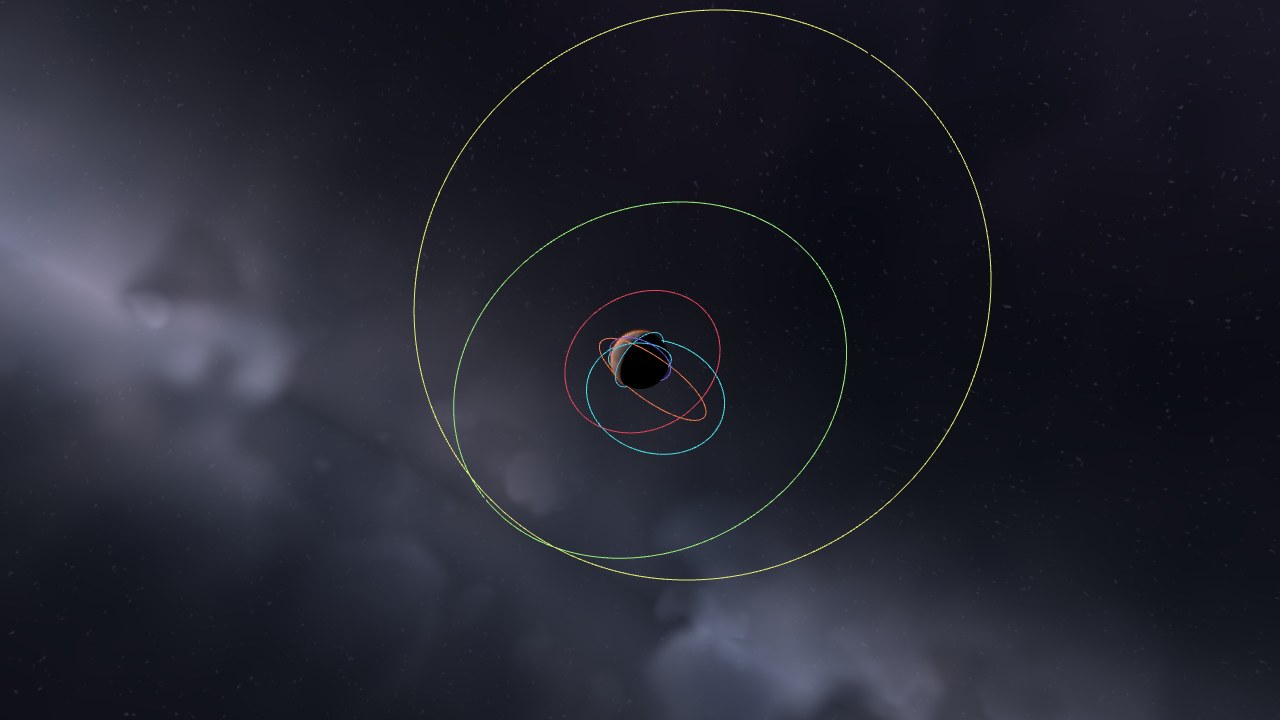
Explore Mars with six operational orbiters simultaneously in 2026: Odyssey, Mars Express, MRO, Trace Gas Orbiter, Hope, and Tianwen-1, simulated on real JPL Horizons orbits.