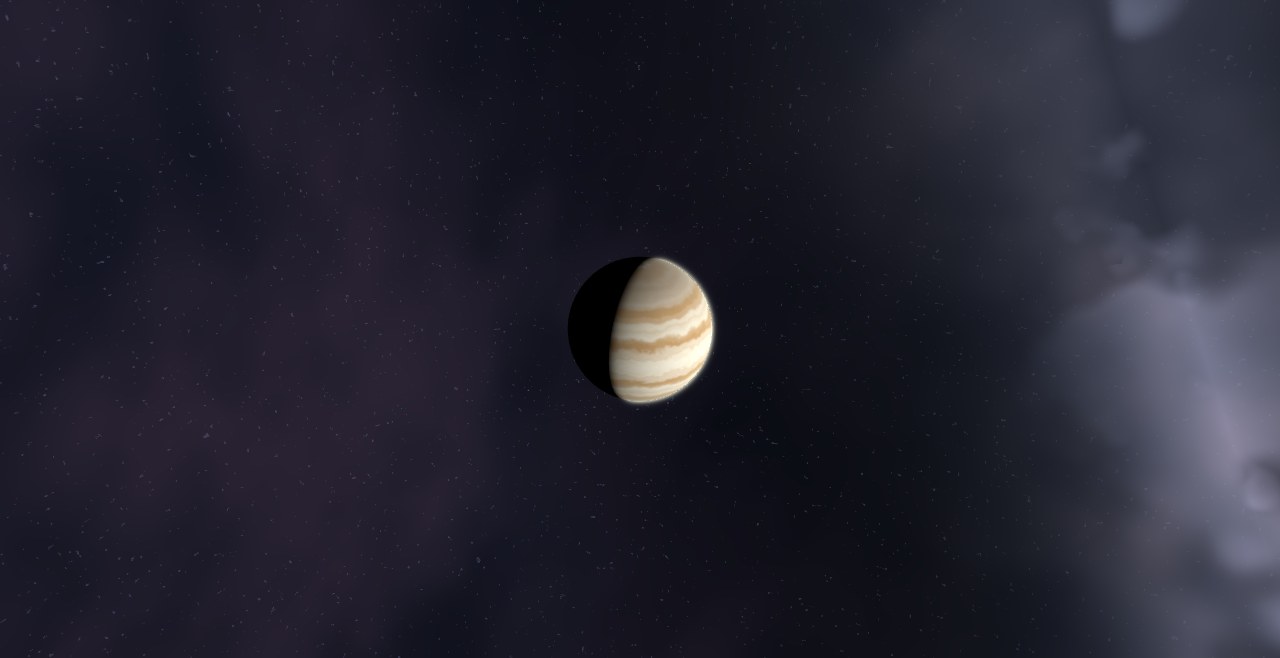
OGLE-2017-BLG-1099L - System
OGLE-2017-BLG-1099L, a Sun-like G-type star of 0.45 solar masses, and OGLE-2017-BLG-1099L b, a 3.02-Jupiter-mass companion, at 2.730 AU from its star.
3D Space and Gravity Simulator. Simulate the solar system, exoplanets and even colliding galaxies. Add, delete and modify planets, and change the laws of physics.
Share
OGLE-2017-BLG-1099L, a Sun-like G-type star of 0.45 solar masses, and OGLE-2017-BLG-1099L b, a 3.02-Jupiter-mass companion, at 2.730 AU from its star.
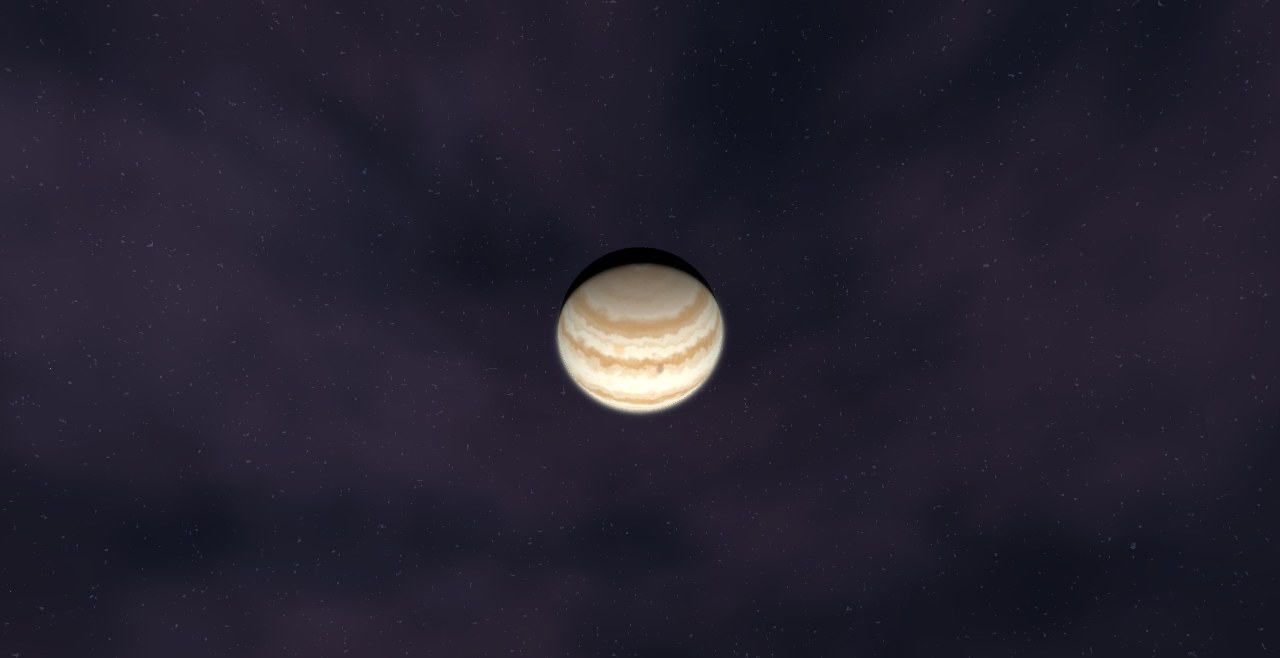
OGLE-2017-BLG-1140L, a Sun-like G-type star of 0.21 solar masses, and OGLE-2017-BLG-1140L b, a 1.59-Jupiter-mass companion, at 1.020 AU from its star.
OGLE-2017-BLG-1237L, a Sun-like G-type star of 0.46 solar masses, and OGLE-2017-BLG-1237L b, a 3.80-Jupiter-mass companion, at 2.530 AU from its star.
OGLE-2017-BLG-1275L, a Sun-like G-type star of 0.63 solar masses, and OGLE-2017-BLG-1275L b, a 5.90-Jupiter-mass companion, at 2.090 AU from its star.
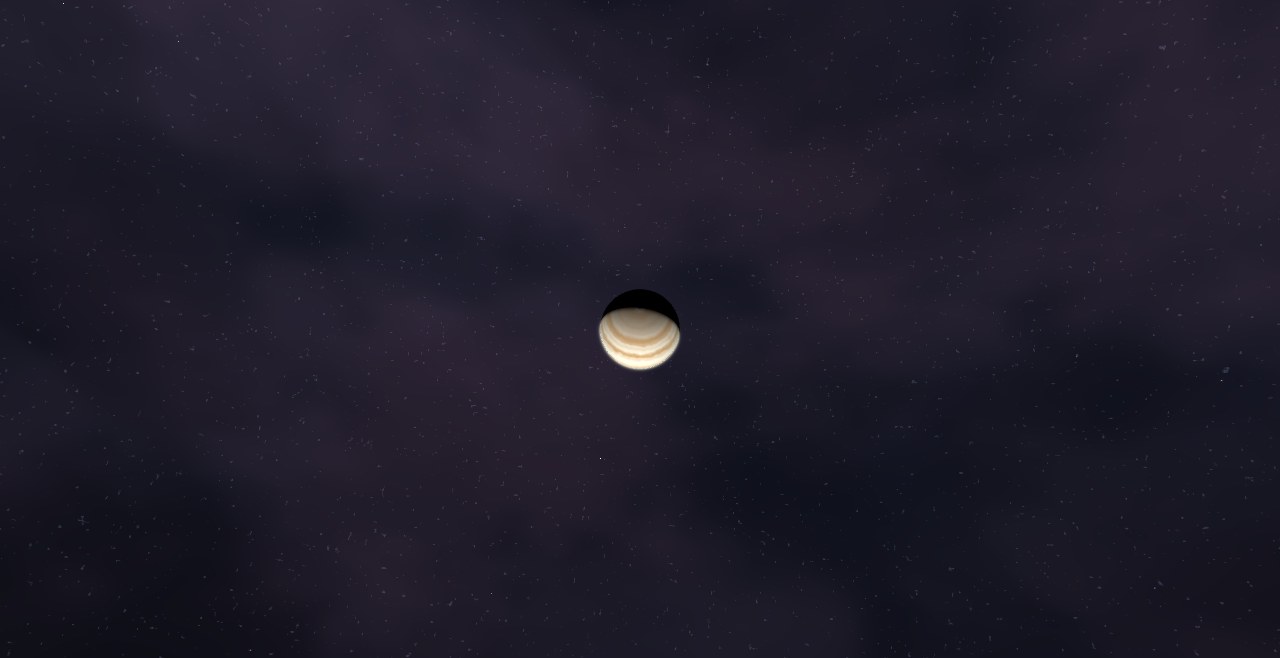
OGLE-2017-BLG-1375L, a Sun-like G-type star of 0.81 solar masses, and OGLE-2017-BLG-1375L b, a 11.3-Jupiter-mass companion, at 3.040 AU from its star.
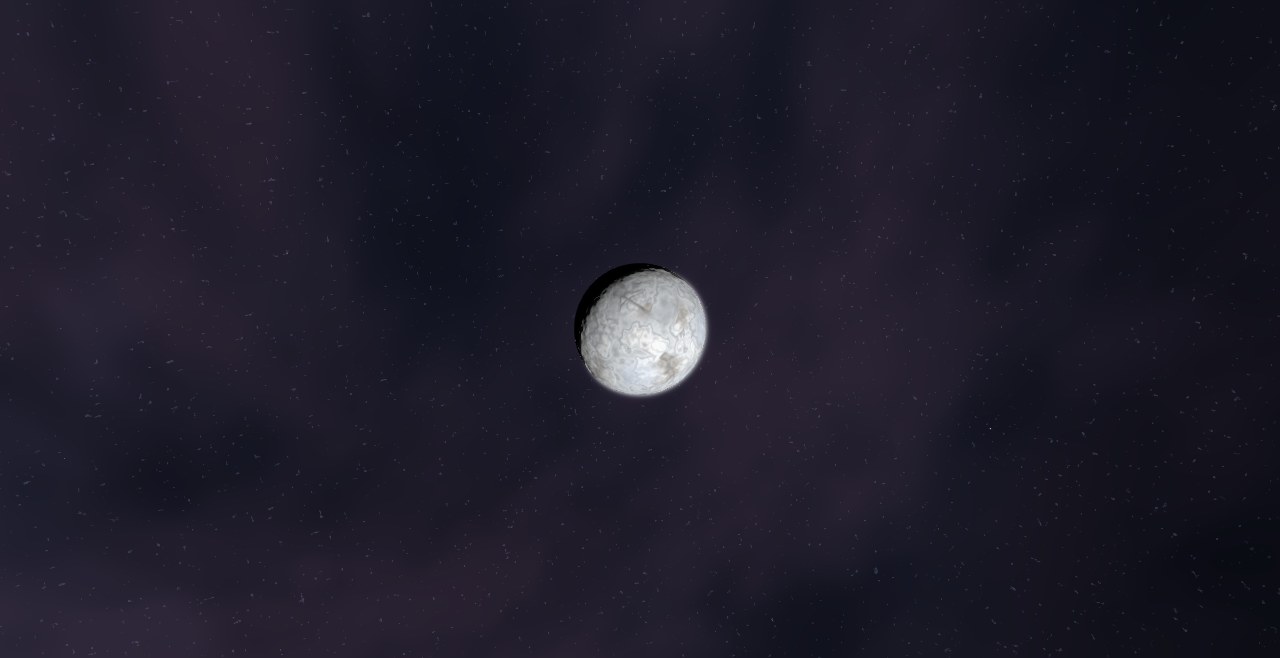
OGLE-2017-BLG-1434L, a Sun-like G-type star of 0.23 solar masses, and OGLE-2017-BLG-1434L b, a 4.4-Earth-mass planet, at 1.180 AU from its star.
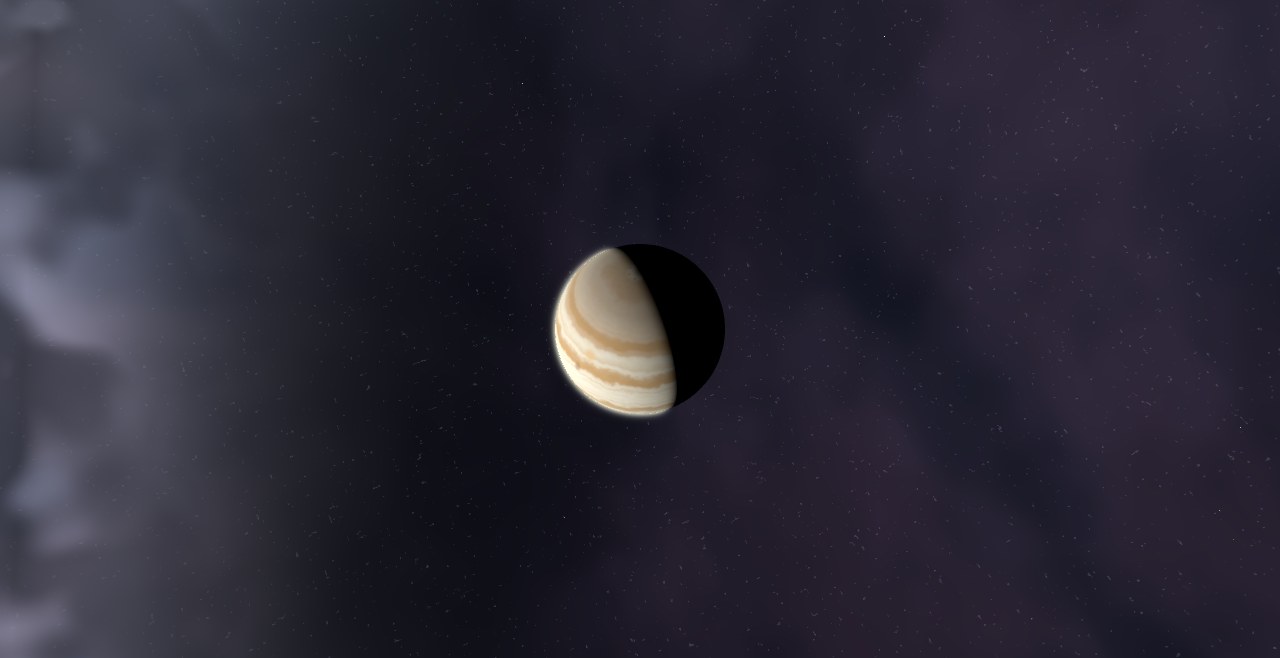
OGLE-2017-BLG-1522L, a Sun-like G-type star of 0.04 solar masses, and OGLE-2017-BLG-1522L b, a 0.75-Jupiter-mass companion, at 0.590 AU from its star.
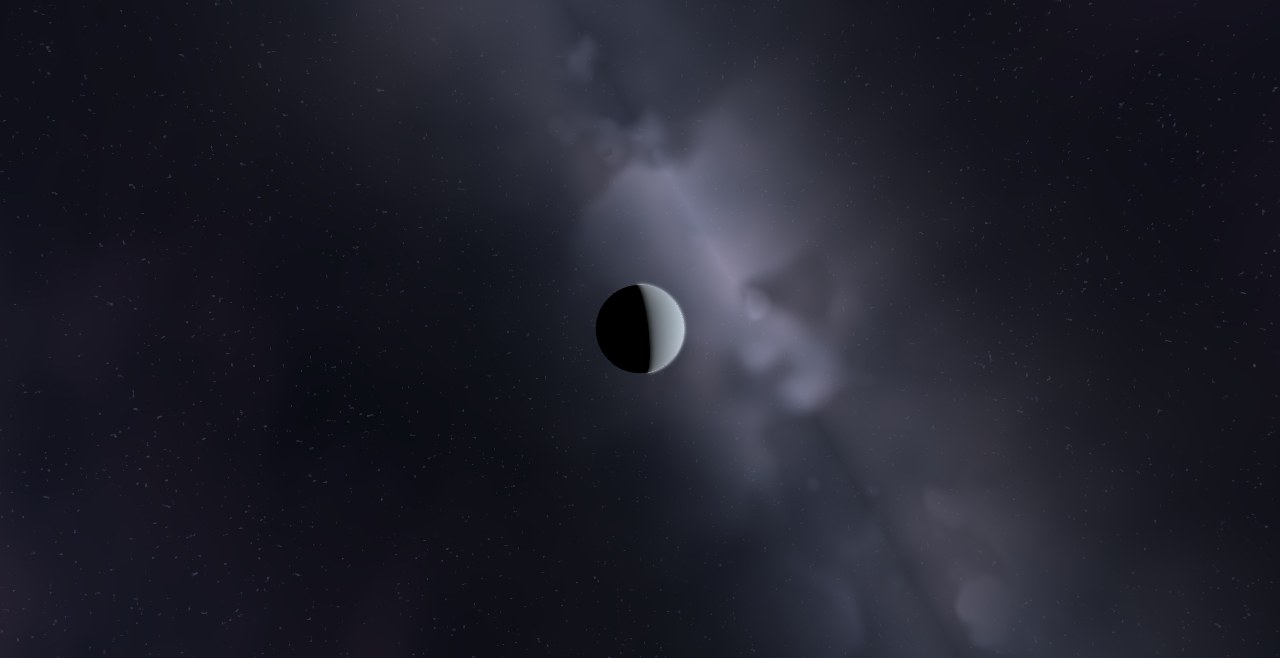
OGLE-2017-BLG-1691L, a Sun-like G-type star of 0.45 solar masses, and OGLE-2017-BLG-1691L b, a 14.6-Earth-mass planet, at 2.410 AU from its star.
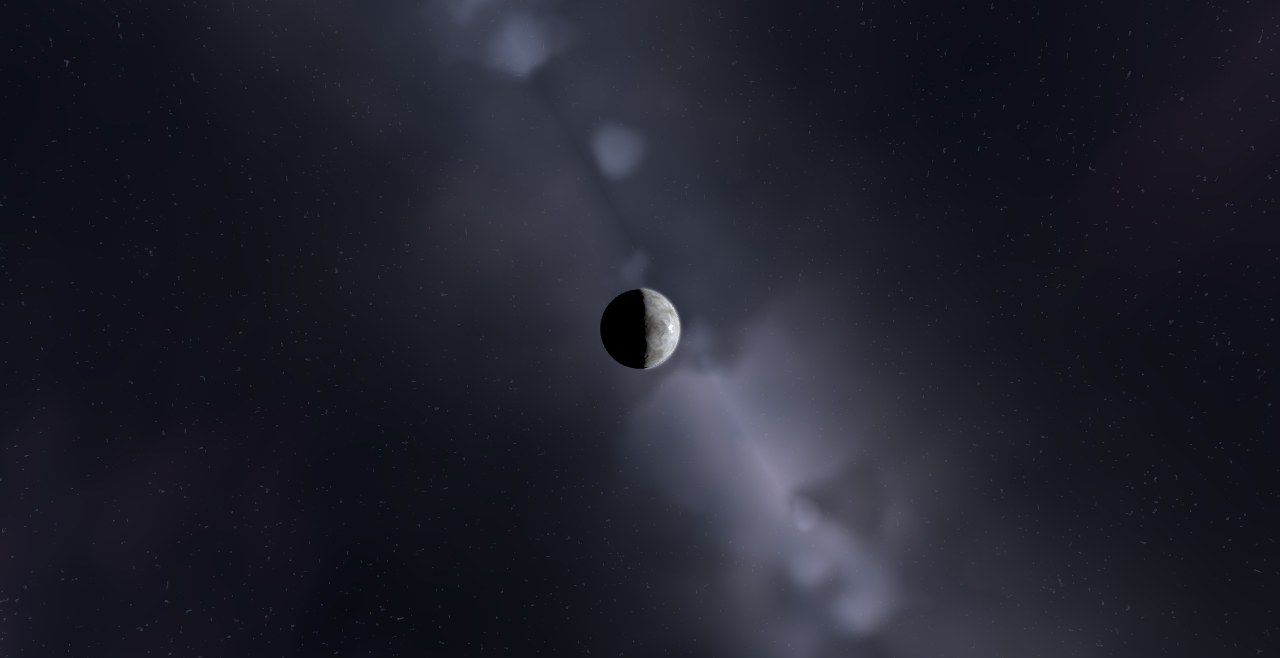
OGLE-2017-BLG-1806L, a Sun-like G-type star of 0.38 solar masses, and OGLE-2017-BLG-1806L b, a 5.3-Earth-mass planet, at 1.750 AU from its star.
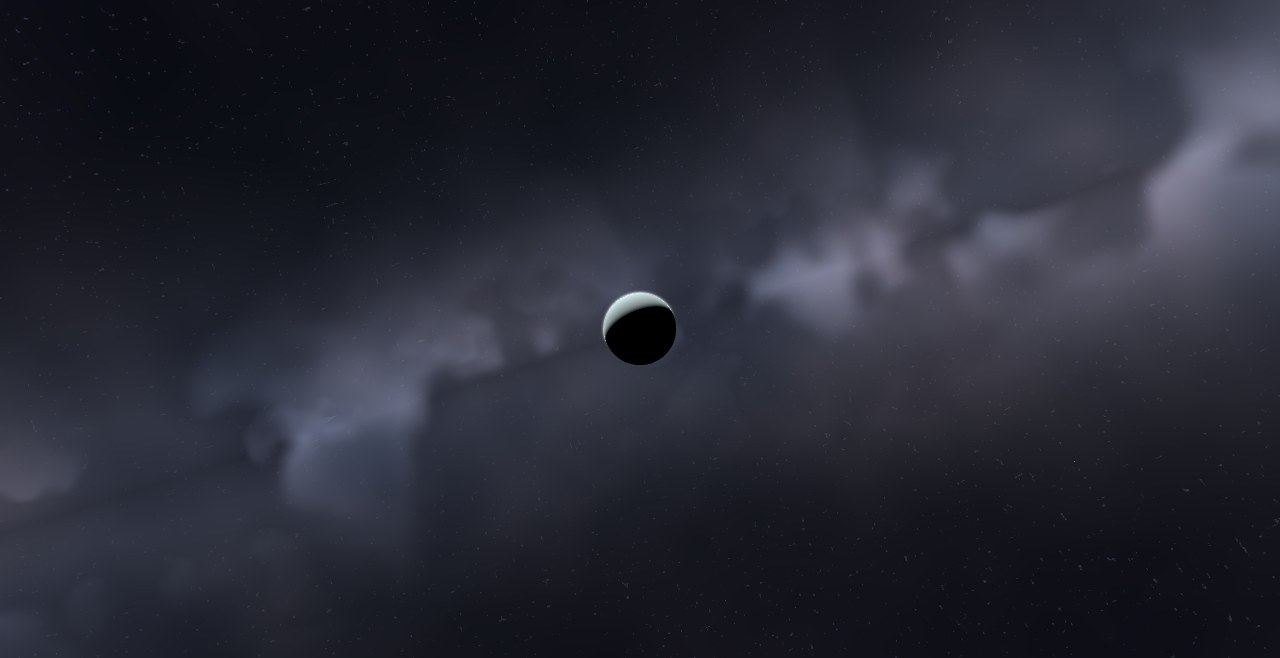
OGLE-2018-BLG-0298L, a Sun-like G-type star of 0.69 solar masses, and OGLE-2018-BLG-0298L b, a 0.14-Jupiter-mass companion, at 2.860 AU from its star.
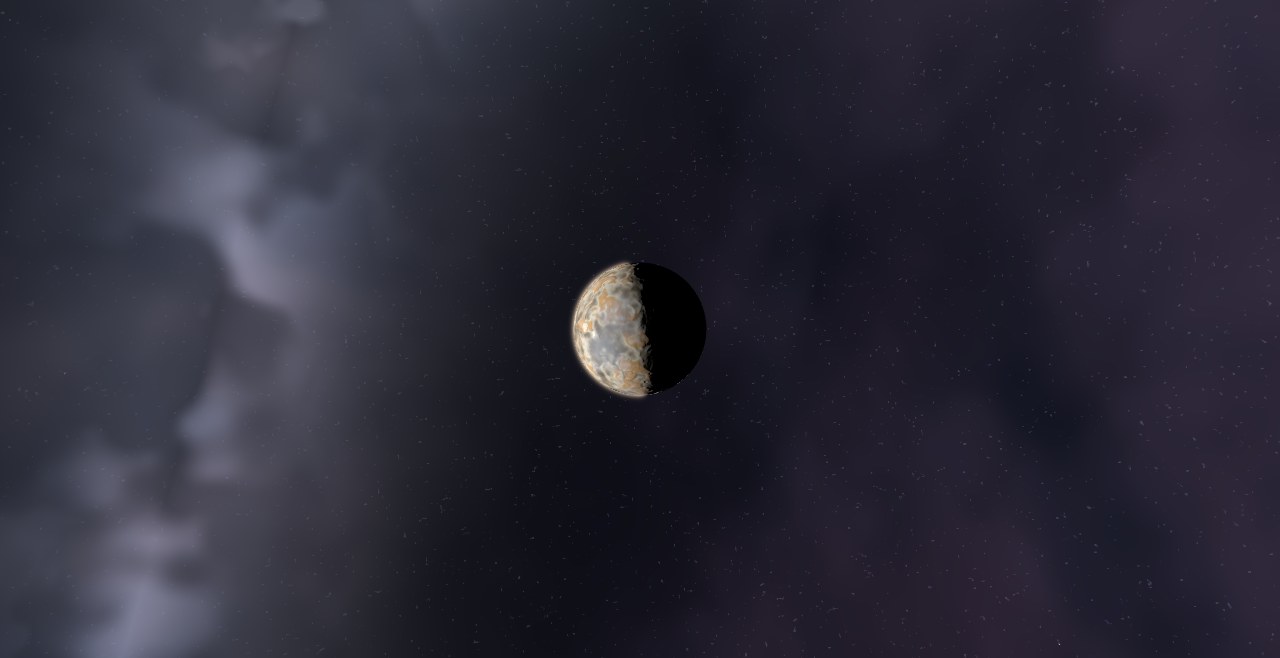
OGLE-2018-BLG-0383L, a Sun-like G-type star of 0.10 solar masses, and OGLE-2018-BLG-0383L b, a 6.4-Earth-mass planet, at 1.800 AU from its star.
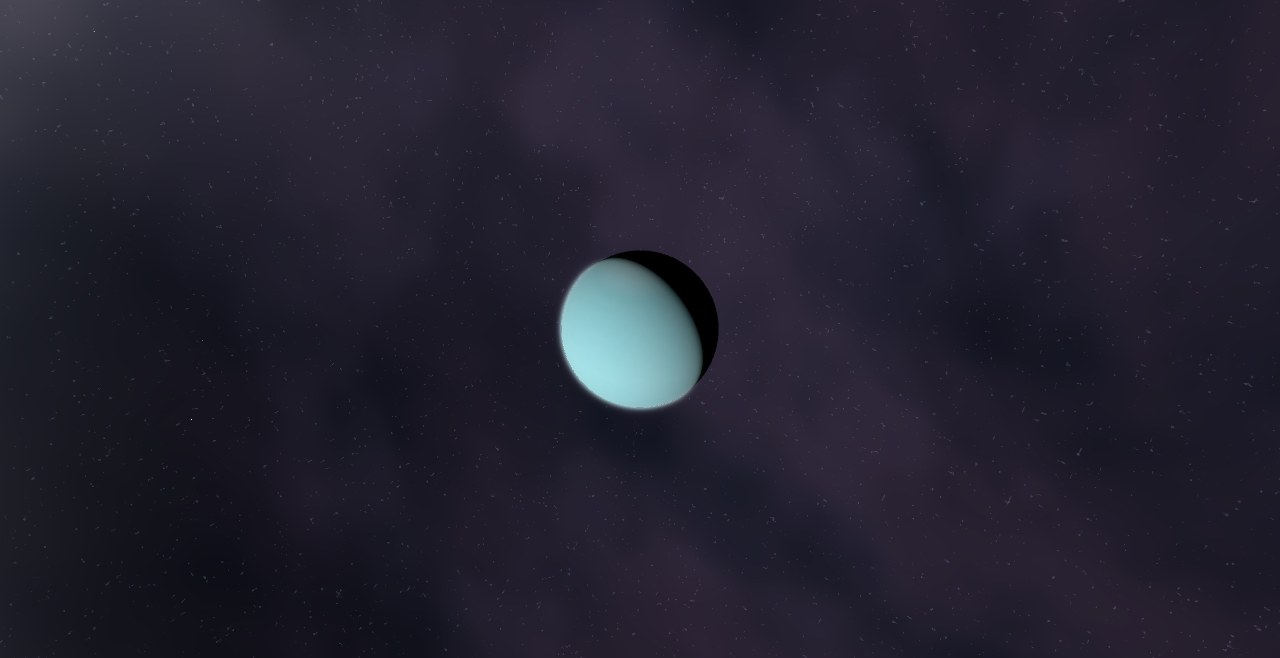
OGLE-2018-BLG-0506L, a Sun-like G-type star of 0.63 solar masses, and OGLE-2018-BLG-0506L b, a 0.05-Jupiter-mass companion, at 3.000 AU from its star.
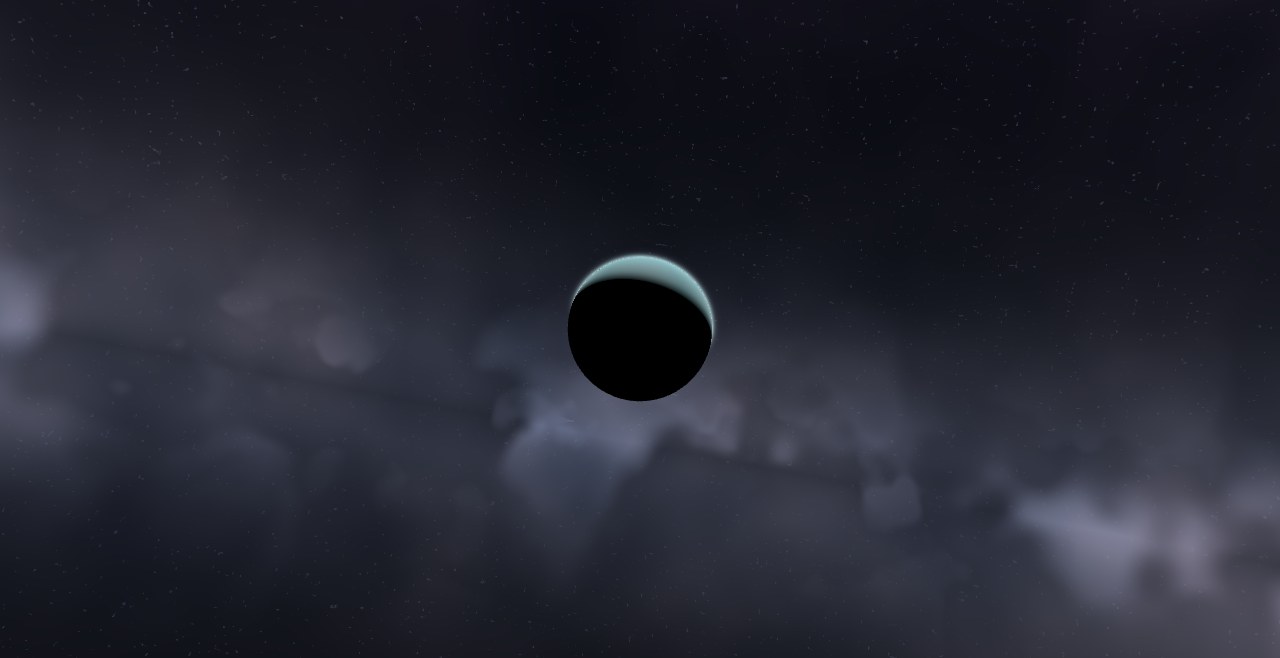
OGLE-2018-BLG-0516L, a Sun-like G-type star of 0.47 solar masses, and OGLE-2018-BLG-0516L b, a 0.06-Jupiter-mass companion, at 2.200 AU from its star.
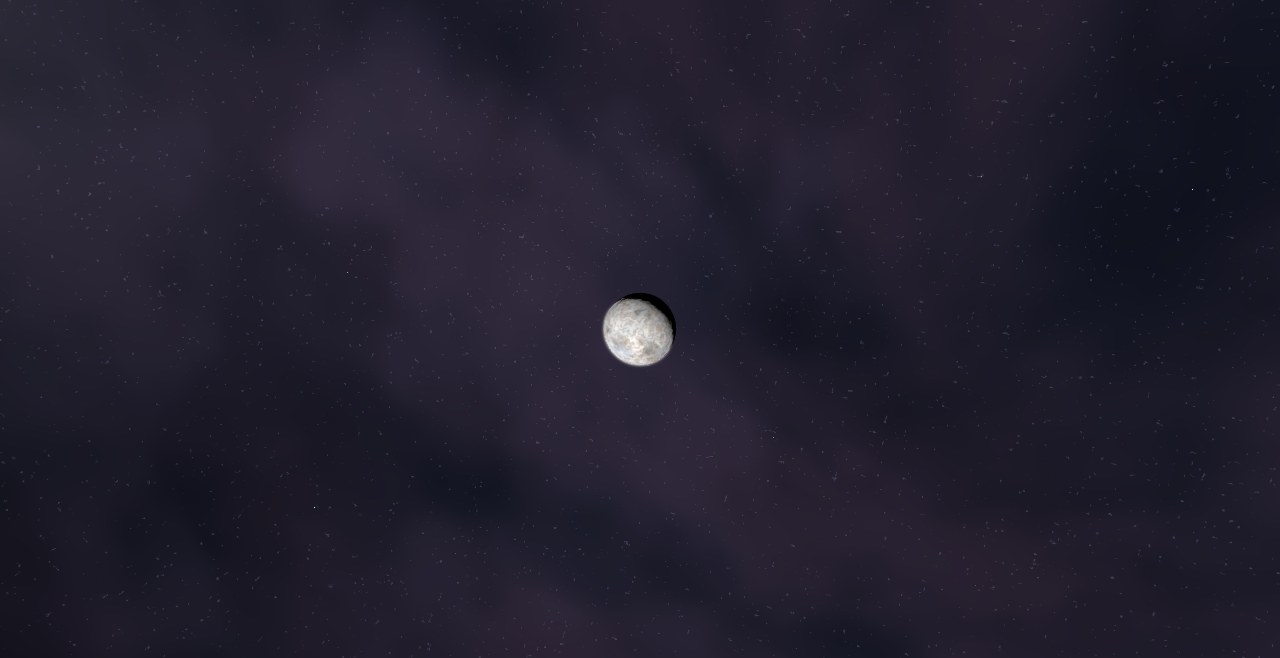
OGLE-2018-BLG-0532L, a Sun-like G-type star of 0.20 solar masses, and OGLE-2018-BLG-0532L b, a 6.2-Earth-mass planet, at 1.064 AU from its star.
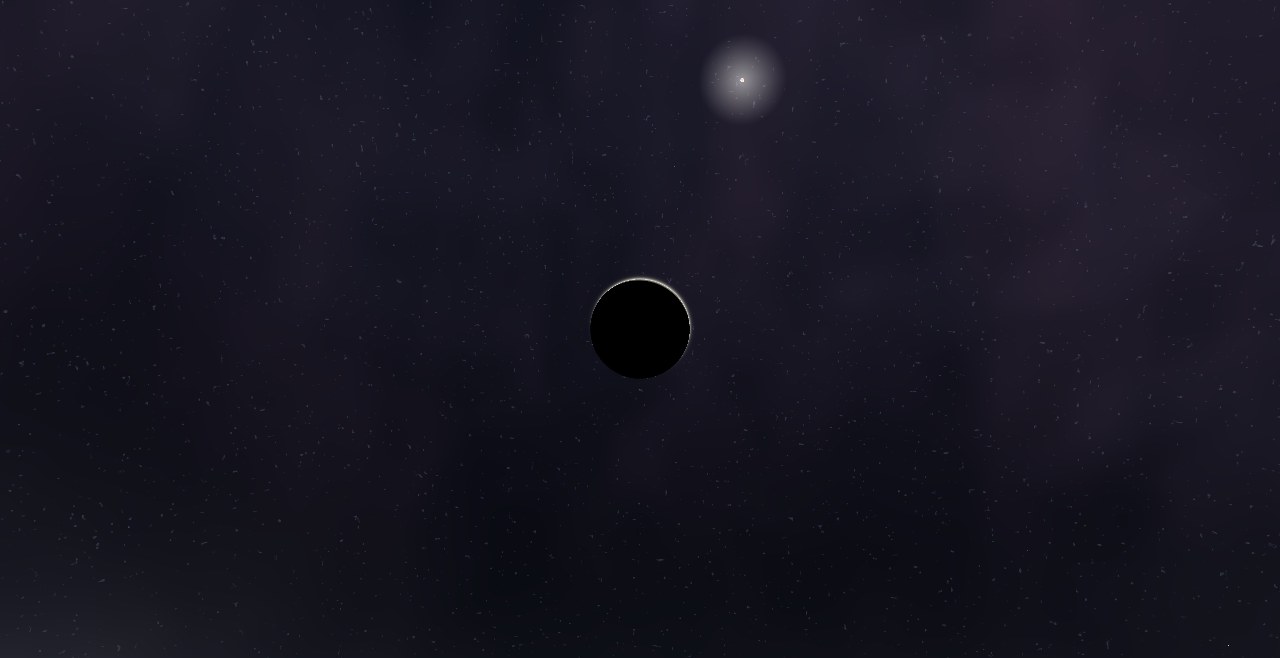
OGLE-2018-BLG-0567L, a Sun-like G-type star of 0.25 solar masses, and OGLE-2018-BLG-0567L b, a 0.32-Jupiter-mass companion, at 2.720 AU from its star.
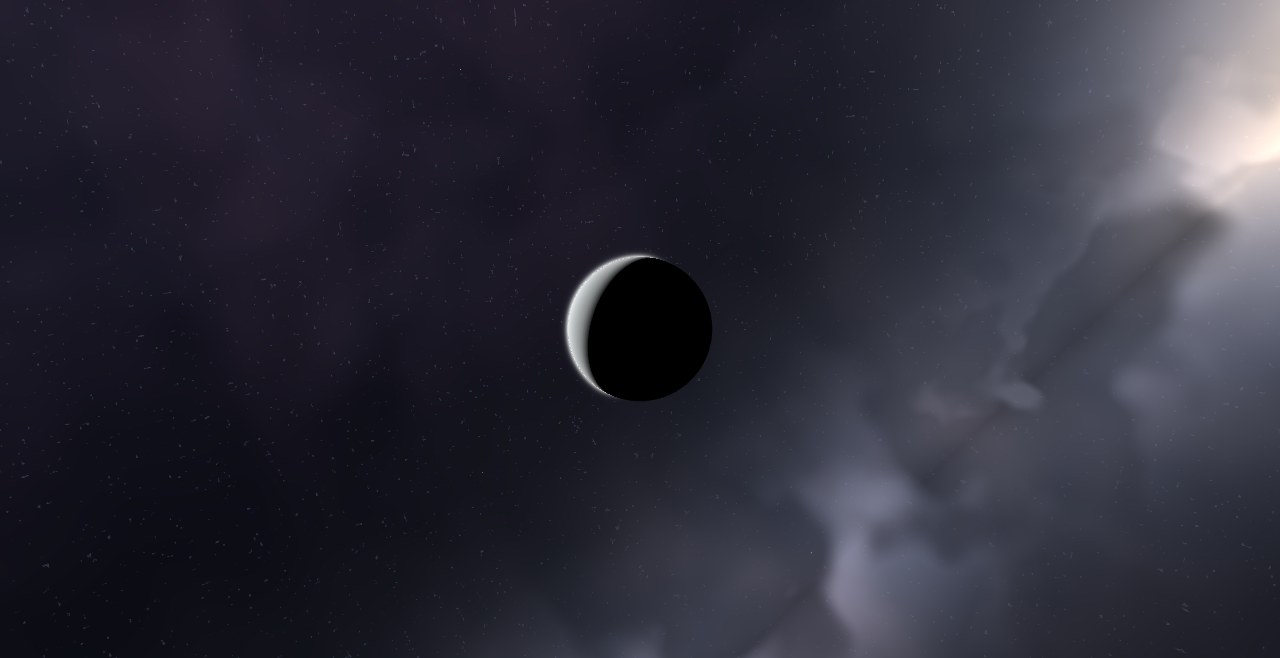
OGLE-2018-BLG-0596L, a Sun-like G-type star of 0.23 solar masses, and OGLE-2018-BLG-0596L b, a 13.9-Earth-mass planet, at 0.970 AU from its star.
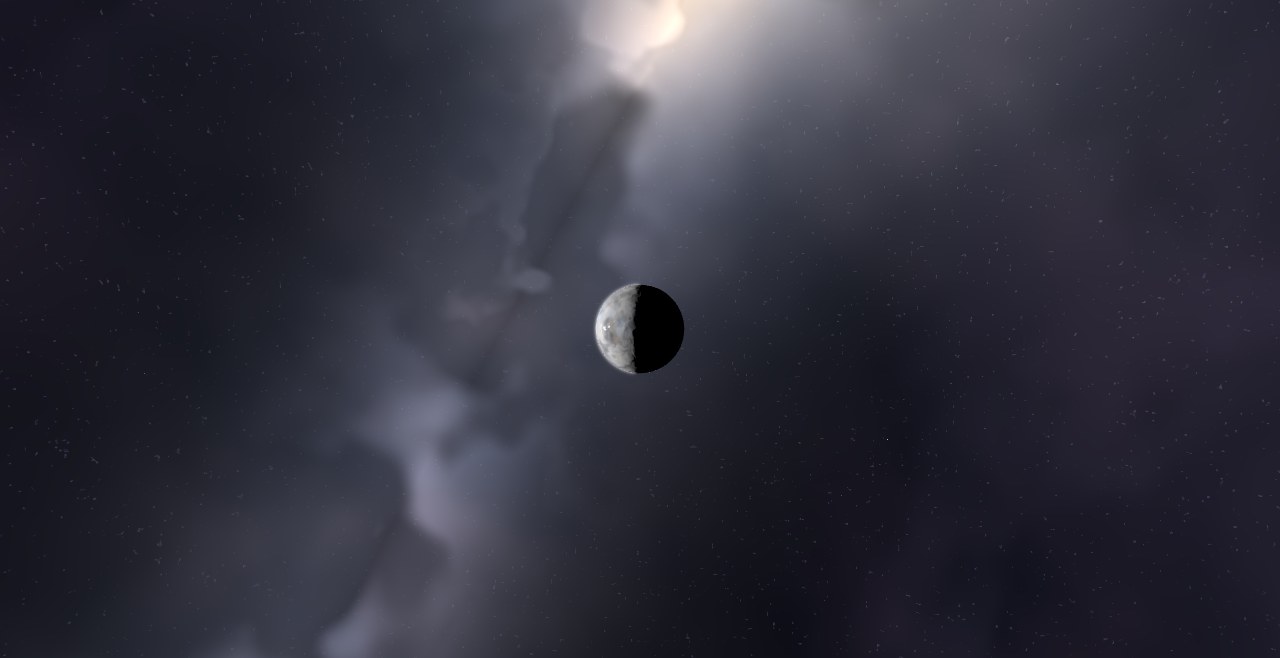
OGLE-2018-BLG-0677L, a Sun-like G-type star of 0.12 solar masses, and OGLE-2018-BLG-0677L b, a 4.0-Earth-mass planet, at 0.630 AU from its star.
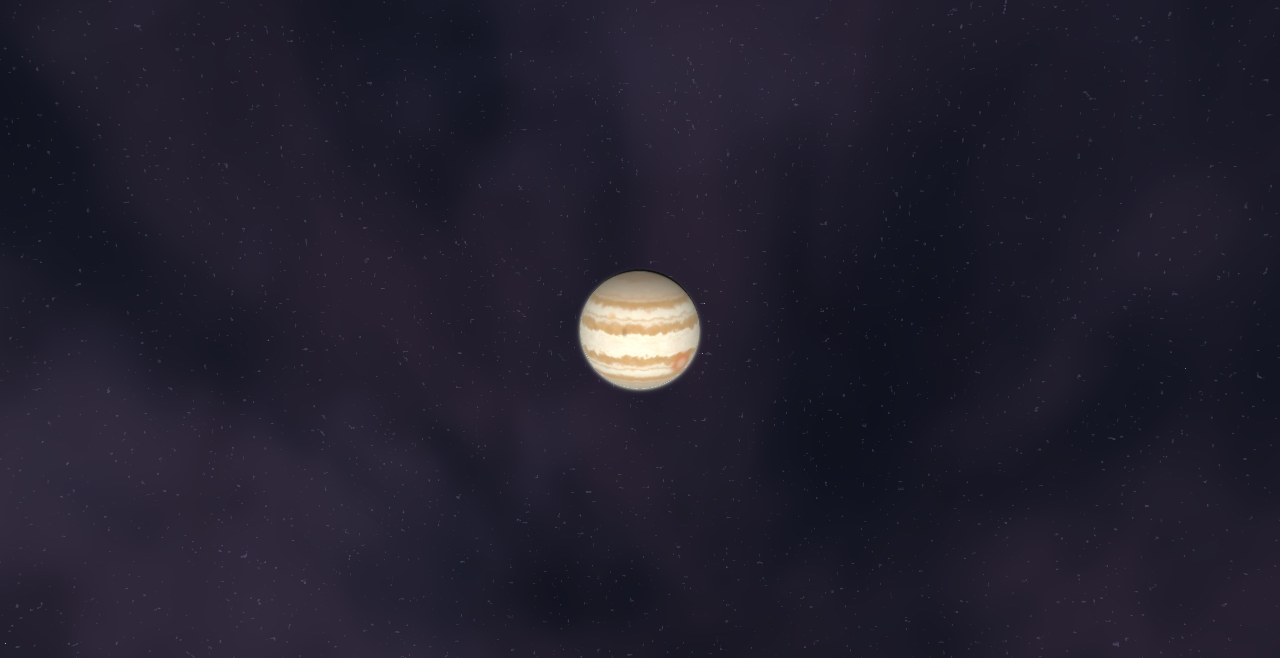
OGLE-2018-BLG-0740L, a Sun-like G-type star of 1.00 solar masses, and OGLE-2018-BLG-0740L b, a 4.80-Jupiter-mass companion, with an orbital period of 15.0 years, at 5.000 AU from its star.