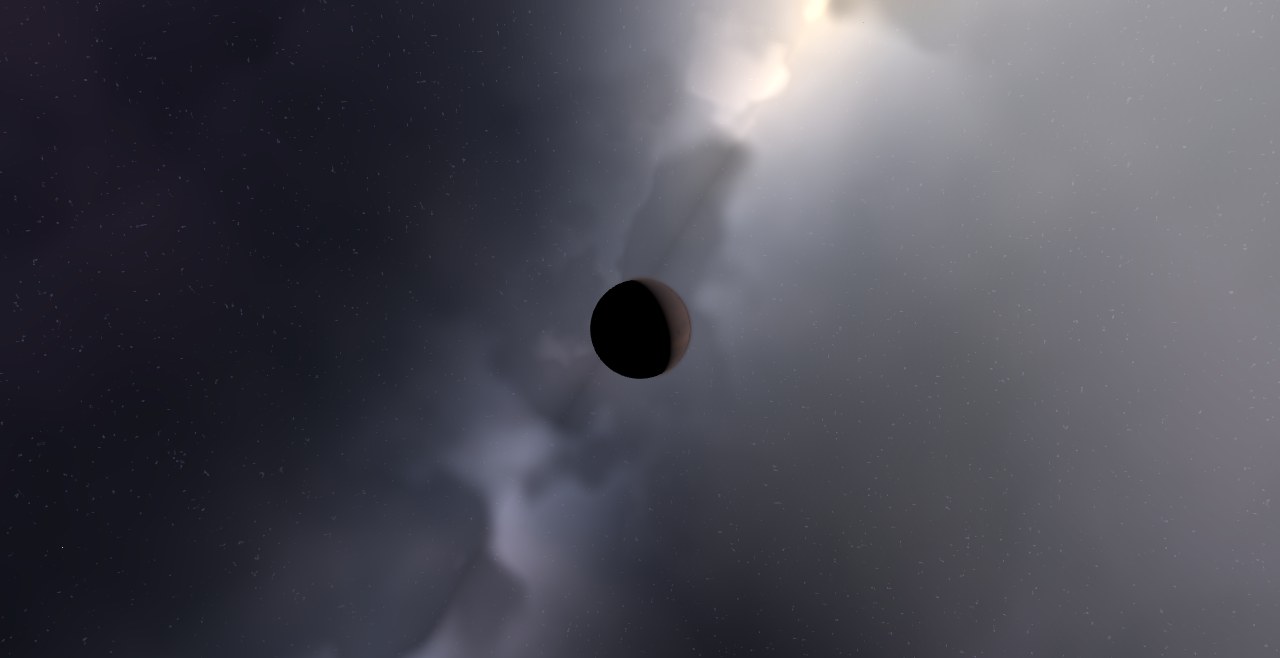
KOI-12 - System
KOI-12, a Sun-like F-type star of 1.50 solar masses, and KOI-12 b, a 1.10-Jupiter-mass companion, with an orbital period of 17.9 days, at 0.154 AU from its star, on an eccentric orbit (e ≈ 0.34).
Scenarios
Discover alien solar systems and explore worlds far beyond our own. Simulate extreme orbital environments, habitable zones, and tightly packed resonant chains discovered by modern astronomy, all mapped accurately from real exoplanetary discovery data.
Share
KOI-12, a Sun-like F-type star of 1.50 solar masses, and KOI-12 b, a 1.10-Jupiter-mass companion, with an orbital period of 17.9 days, at 0.154 AU from its star, on an eccentric orbit (e ≈ 0.34).
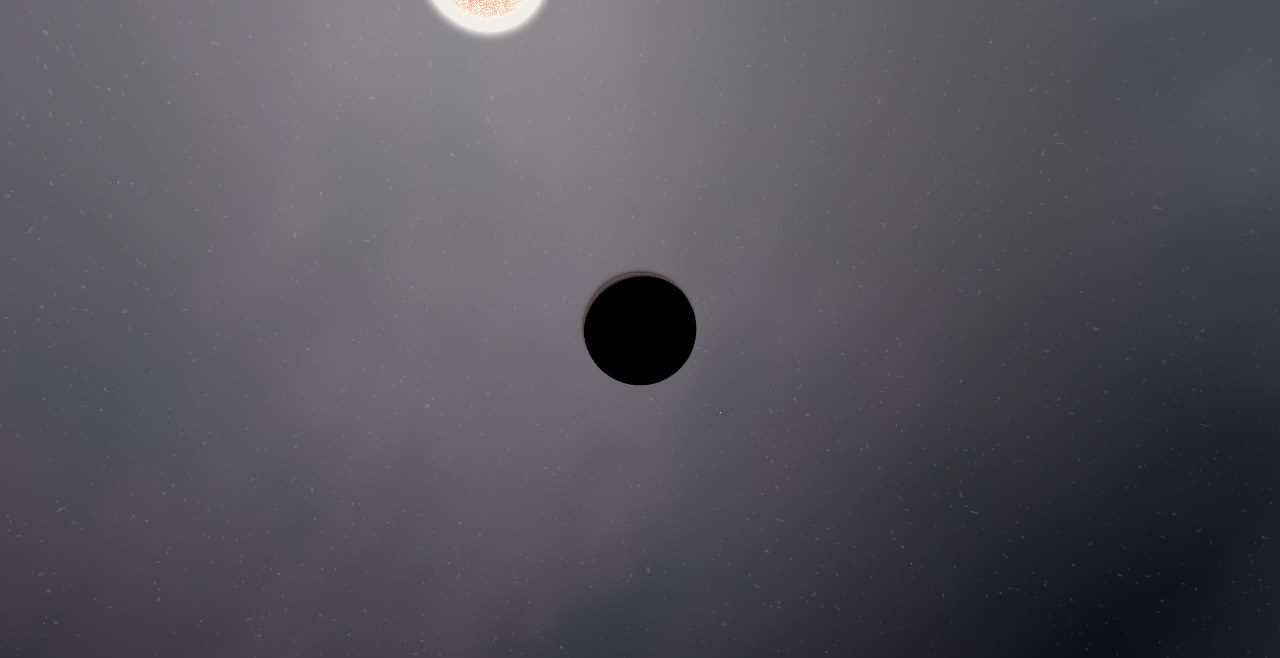
KOI-1257, a Sun-like G-type star of 0.99 solar masses, and KOI-1257 b, a 1.45-Jupiter-mass companion, with an orbital period of 86.6 days, at 0.382 AU from its star, and an equilibrium temperature near 511 K.
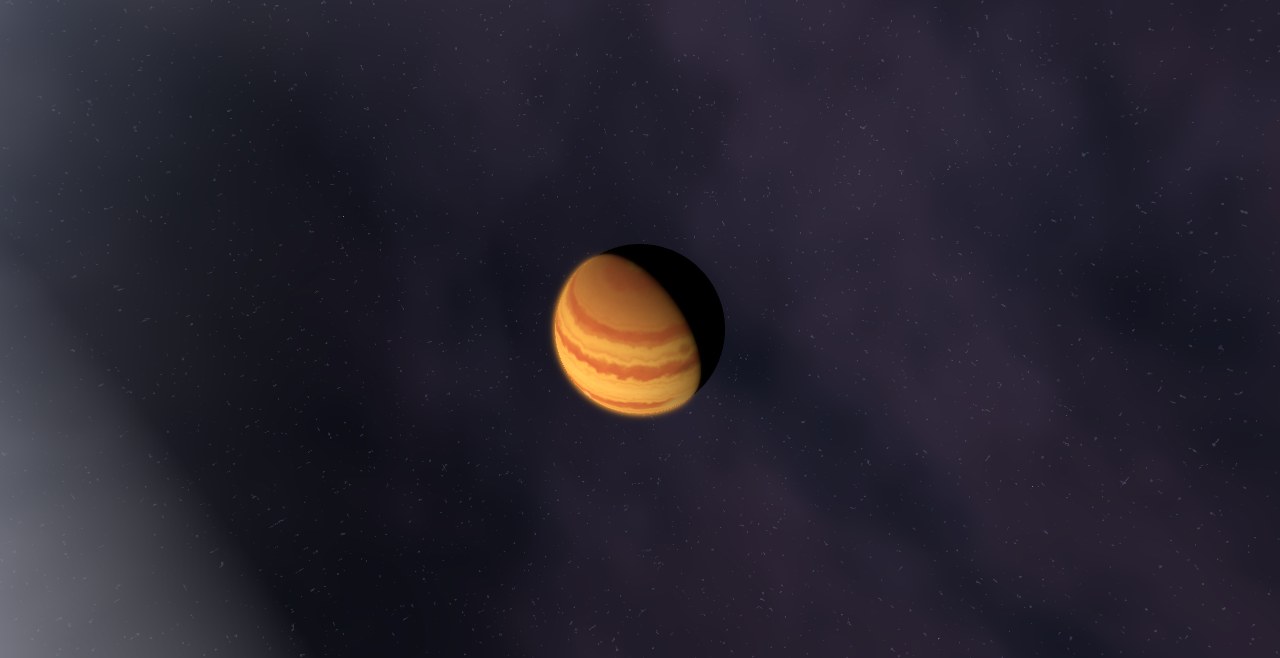
KOI-13, and KOI-13 b, a 9.28-Jupiter-mass companion, with an orbital period of 1.8 days, at 0.036 AU from its star, and an equilibrium temperature near 2,550 K.
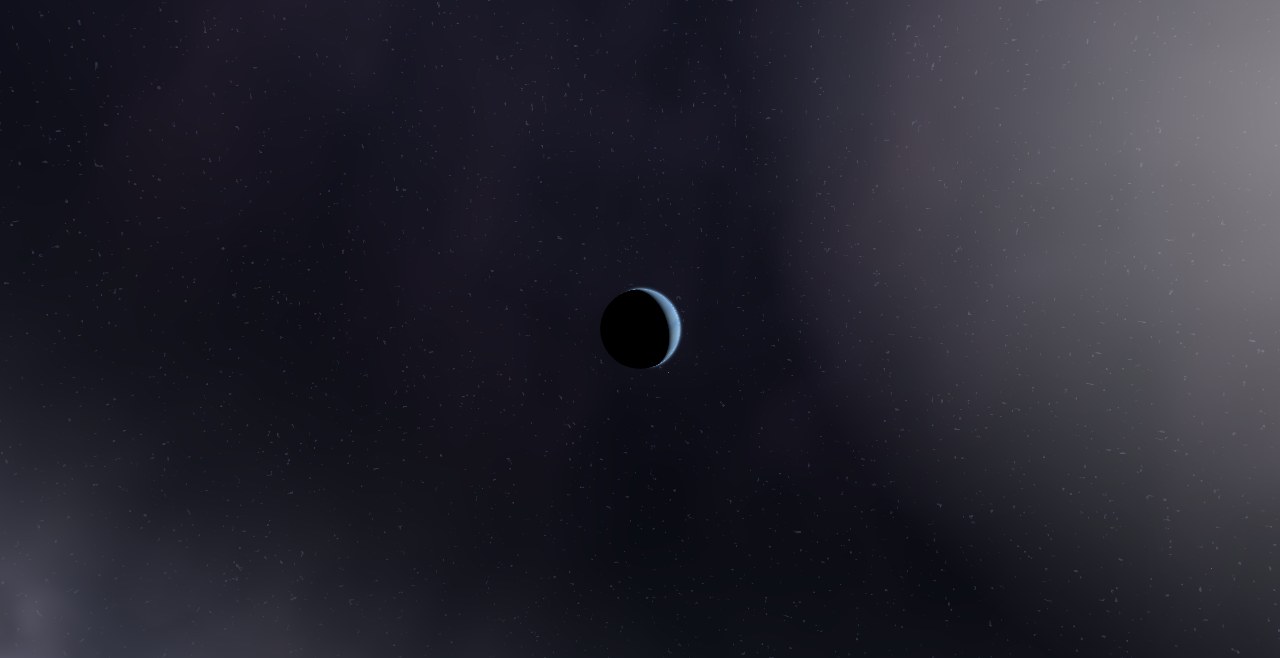
KOI-134, a Sun-like F-type star of 1.41 solar masses, and KOI-134 c, a 0.22-Jupiter-mass companion, with an orbital period of 34.0 days, at 0.231 AU from its star, on an eccentric orbit (e ≈ 0.24).
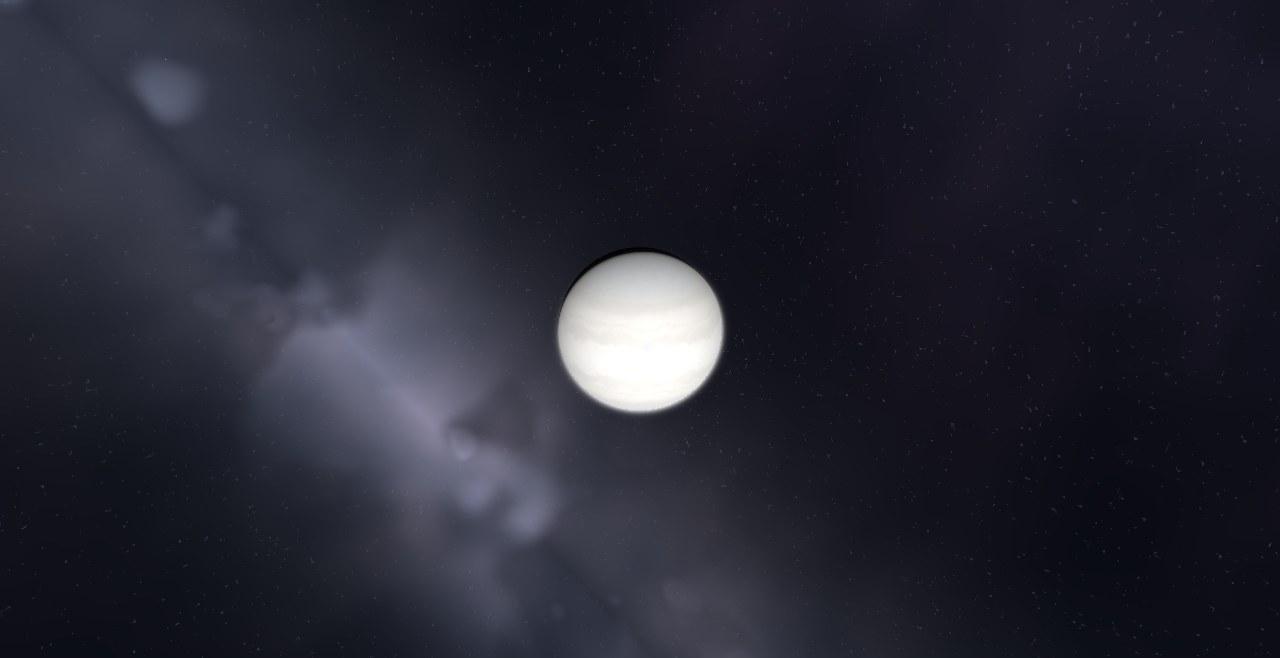
Kepler-88, also KOI-142, nicknamed the king of transit variations. An outer giant yanks the inner transiting planet far off a regular clock.
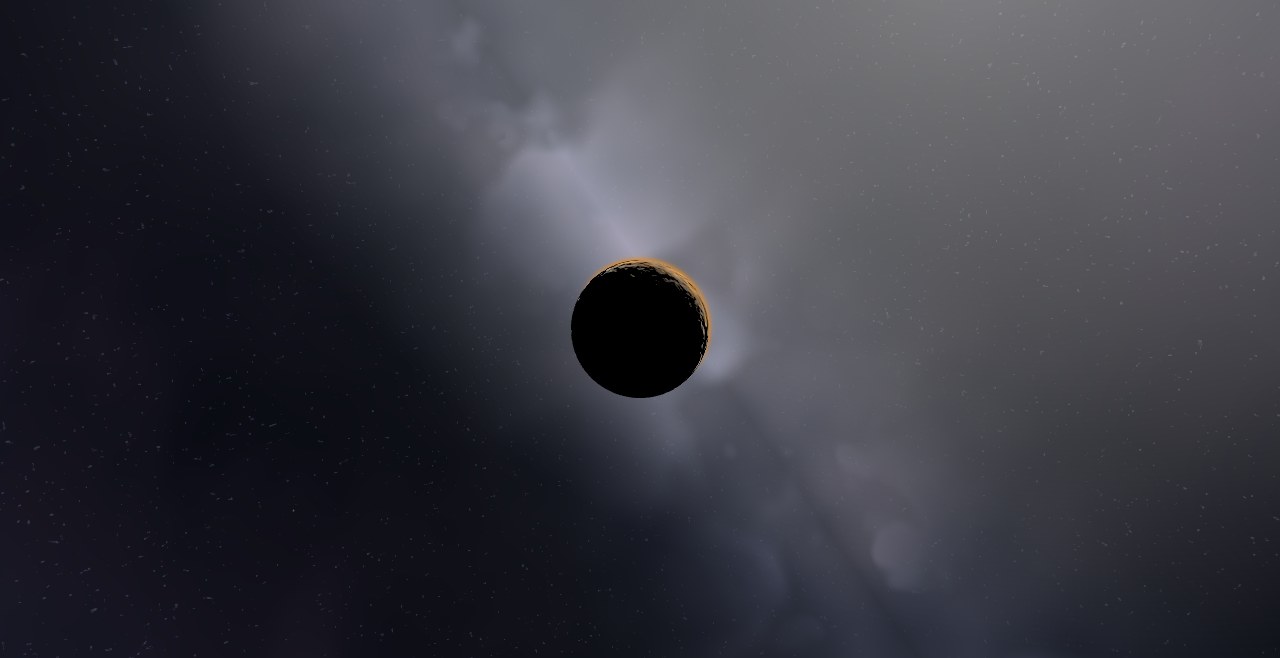
KOI-1599, a Sun-like G-type star of 1.02 solar masses, and KOI-1599.02, a 9.0-Earth-mass planet, with an orbital period of 13.6 days, at 0.112 AU from its star.
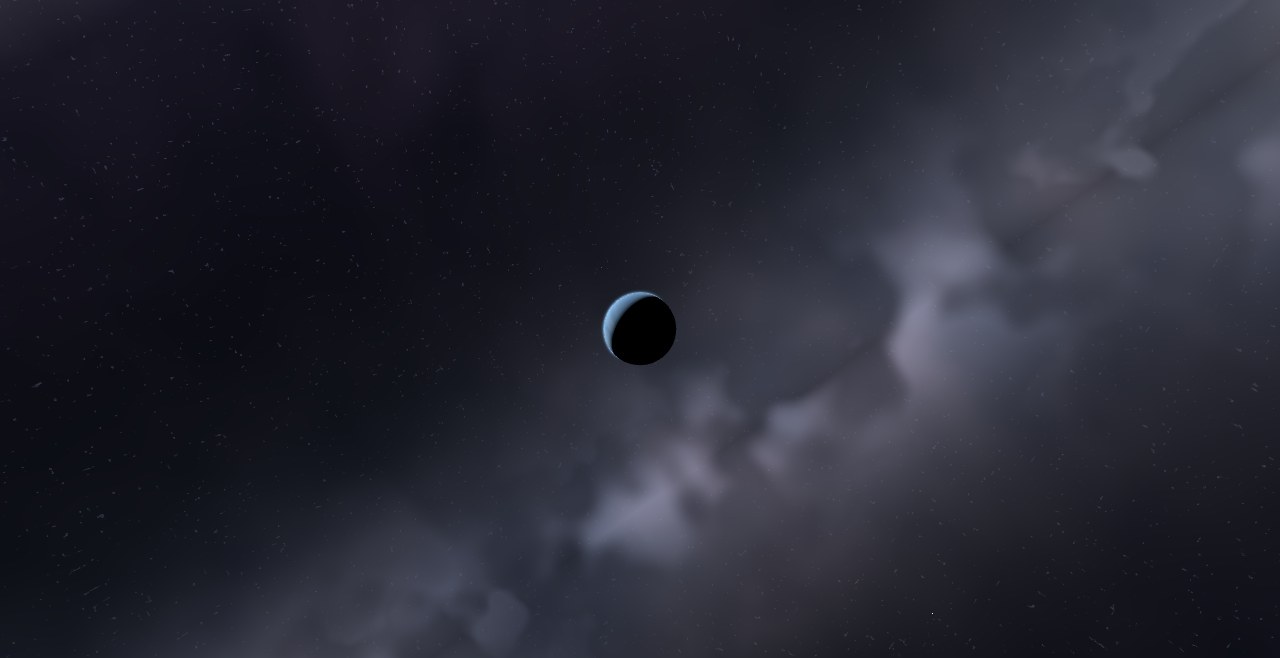
KOI-1783, a Sun-like G-type star of 1.08 solar masses, and KOI-1783.01, a 0.22-Jupiter-mass companion, with an orbital period of 134 days.
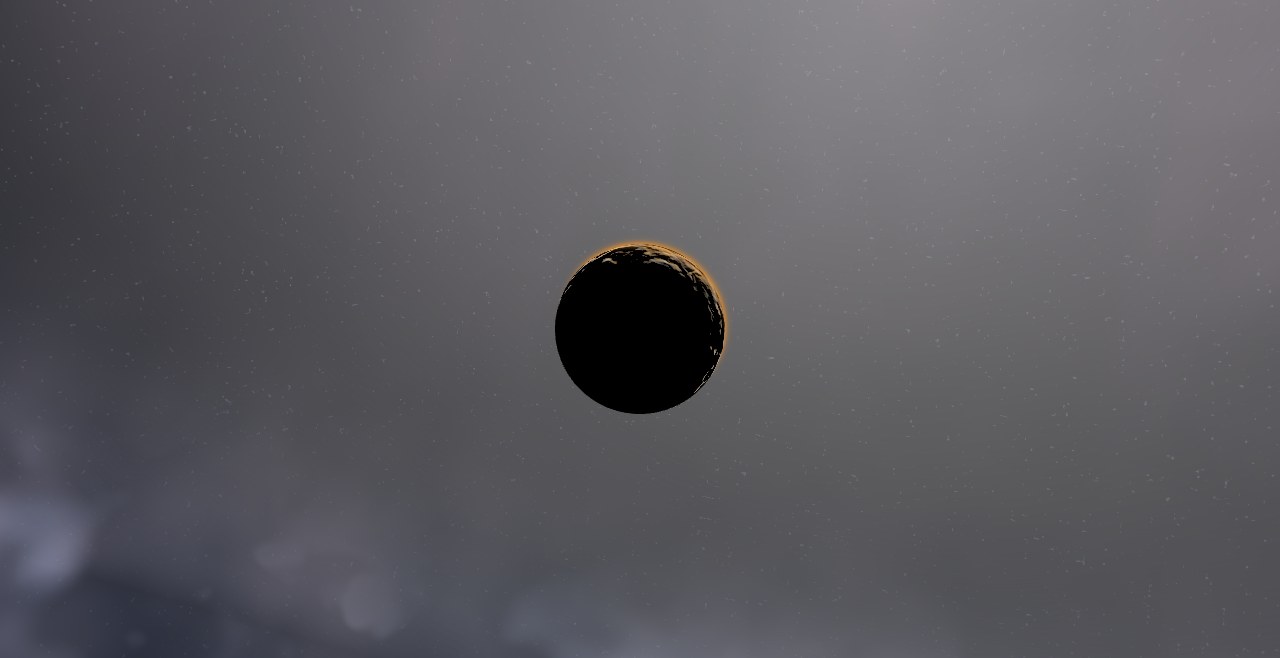
KOI-217, a Sun-like G-type star of 0.95 solar masses, and KOI-217 b, a planet with 12.4 Earth radii, with an orbital period of 3.9 days, at 0.048 AU from its star.
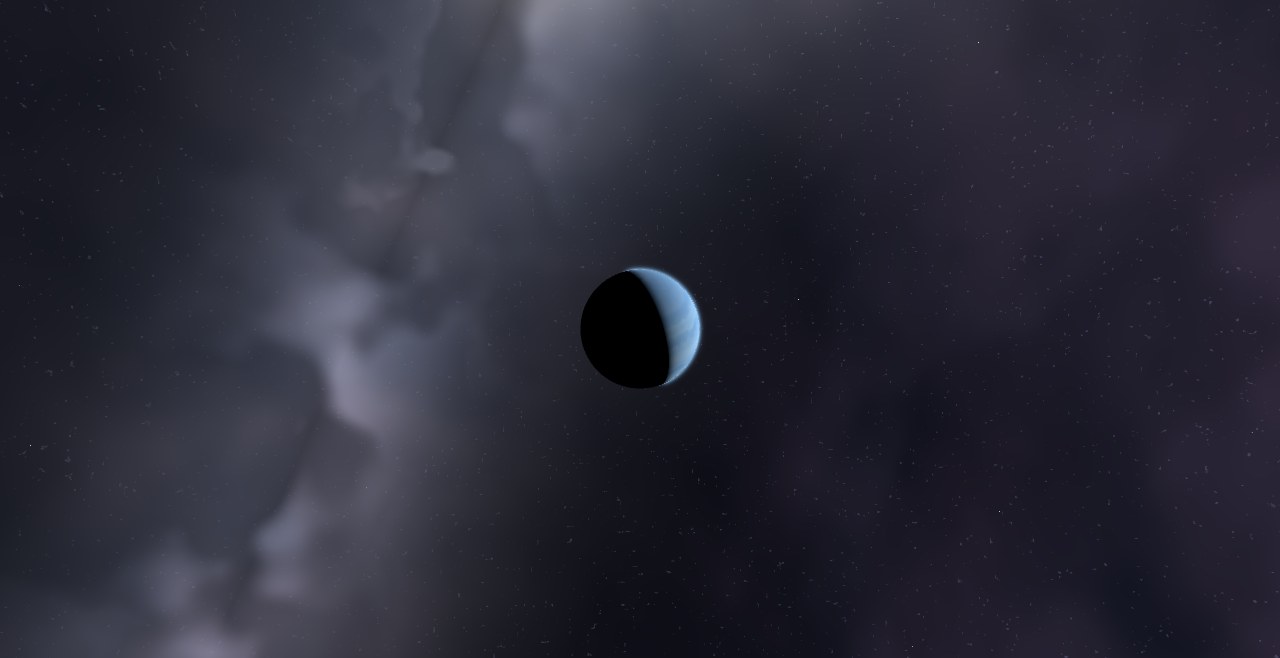
KOI-2513, a Sun-like G-type star of 0.91 solar masses, and KOI-2513.01, a 23.0-Jupiter-mass companion, with an orbital period of 19.0 days, at 0.500 AU from its star, on an eccentric orbit (e ≈ 0.36).
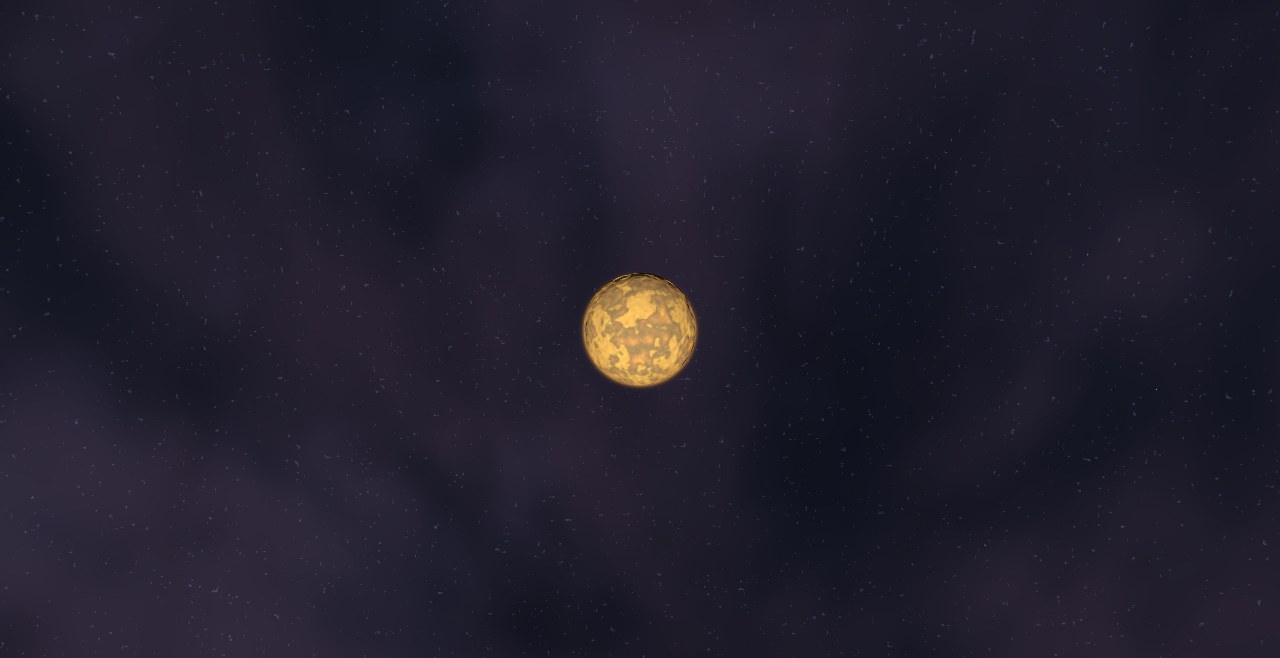
KOI-3503, a Sun-like F-type star of 0.86 solar masses, and KOI-3503 b, a 9.2-Earth-mass planet, with an orbital period of 21.2 days, and an equilibrium temperature near 785 K.
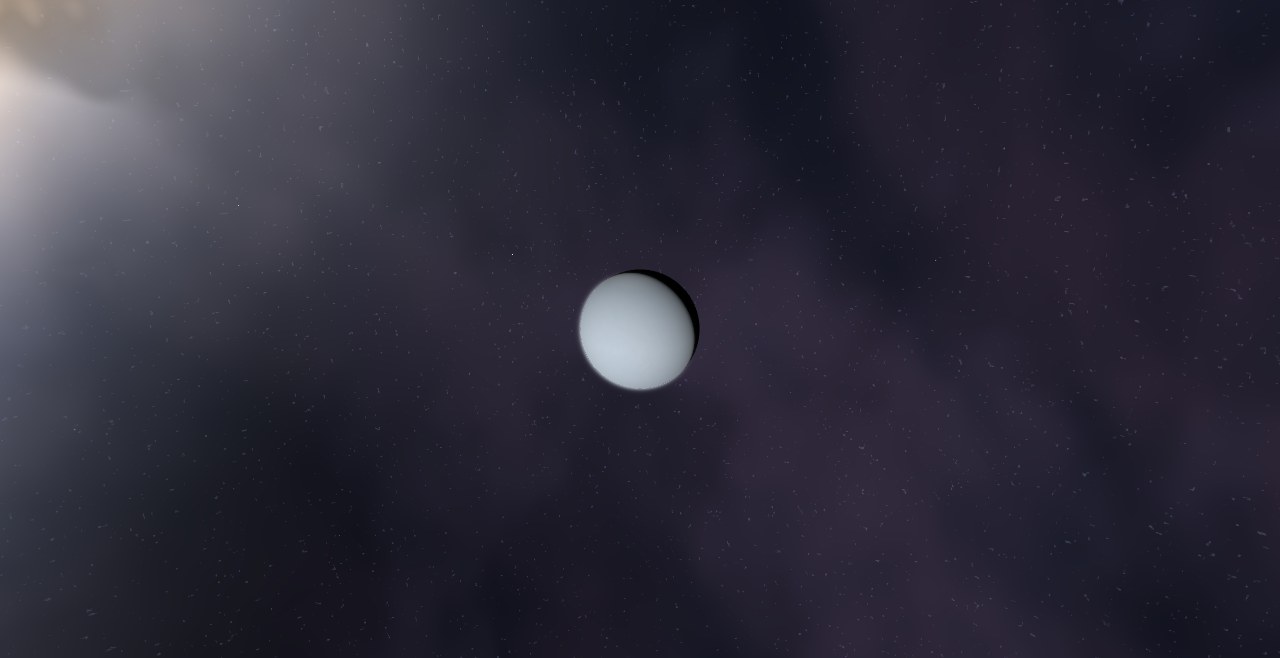
Kepler-90, also called KOI-351, the only eight-planet system known besides possibly our own. Its packed planets rival the Solar System in number.
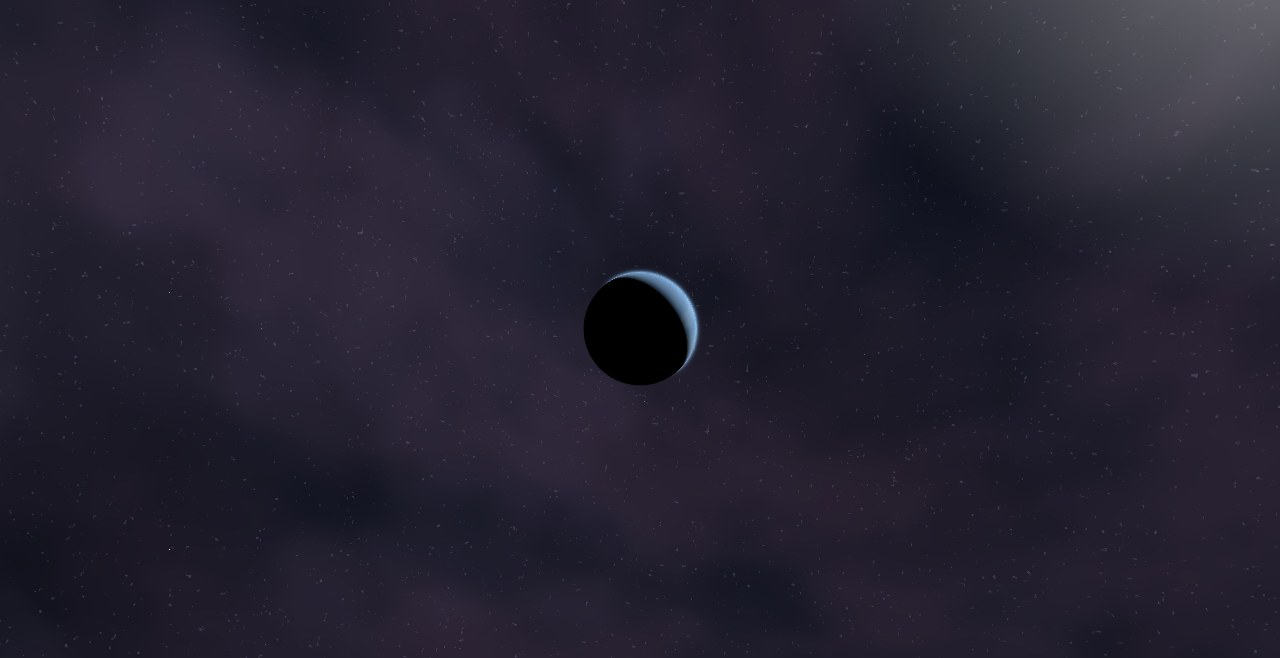
KOI-3680, a Sun-like G-type star of 1.01 solar masses, and KOI-3680 b, a 1.93-Jupiter-mass companion, with an orbital period of 141 days, at 0.534 AU from its star, and an equilibrium temperature near 347 K.
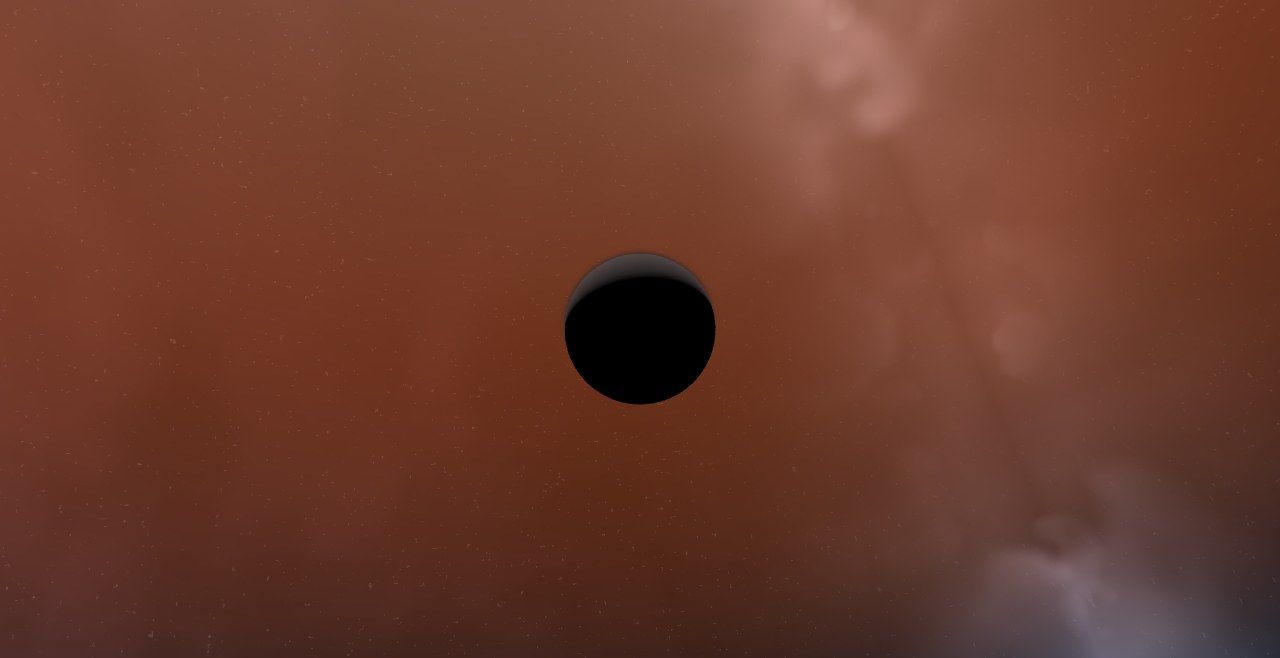
KOI-4777, a cool M-dwarf of 0.41 solar masses, and KOI-4777.01, a 0.31-Jupiter-mass companion, with an orbital period of 9.9 hours, at 0.008 AU from its star, and an equilibrium temperature near 1,180 K.
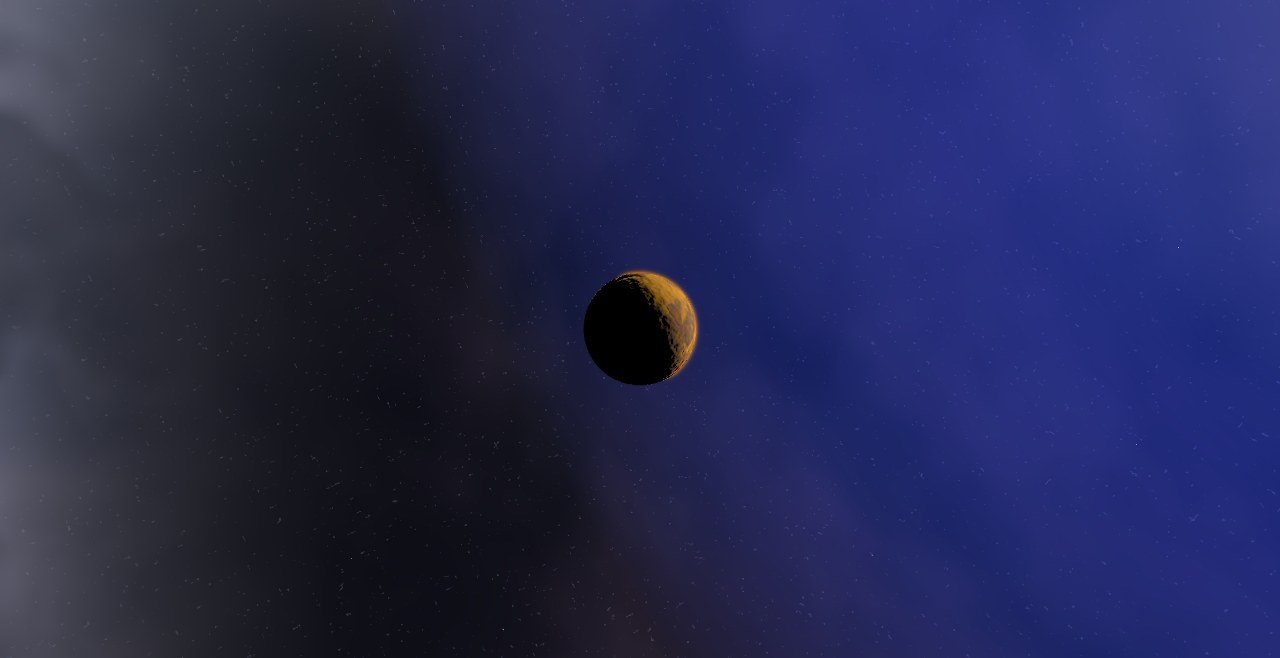
KOI-55, a hot B-type star of 0.50 solar masses, and KOI-55 b, a 0.4-Earth-mass planet, with an orbital period of 5.8 hours, at 0.006 AU from its star.
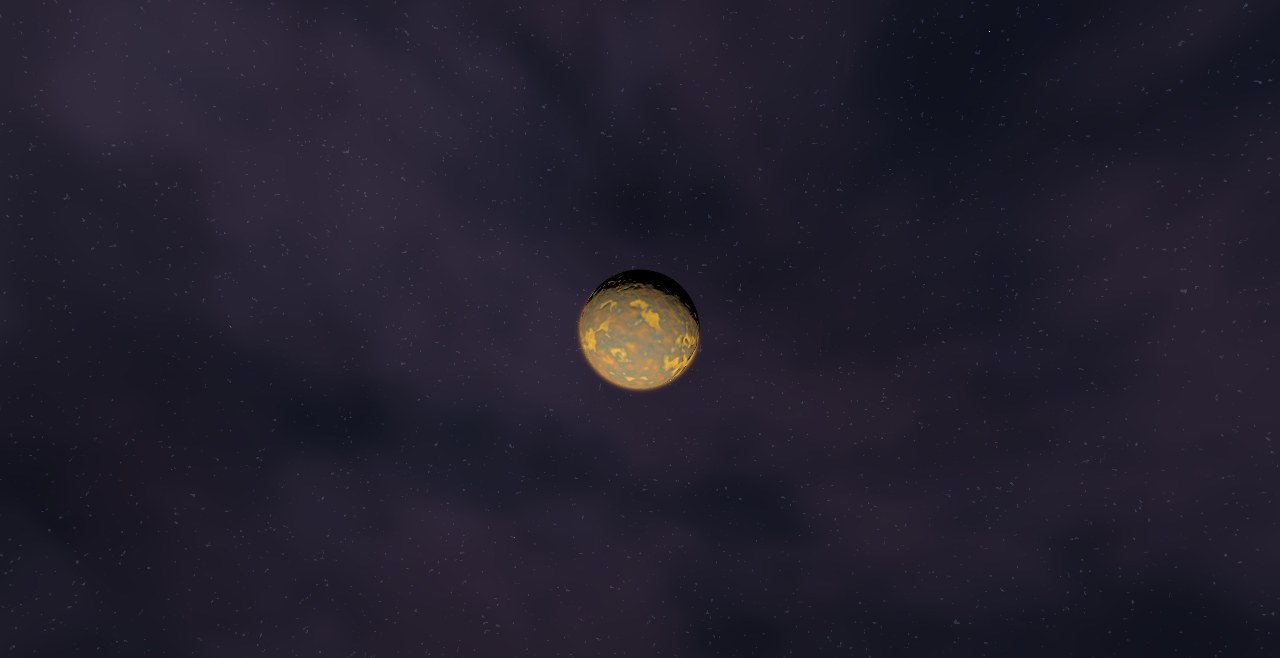
KOI-7368, a Sun-like G-type star of 0.88 solar masses, and KOI-7368 b, a planet with 2.2 Earth radii, with an orbital period of 6.8 days.
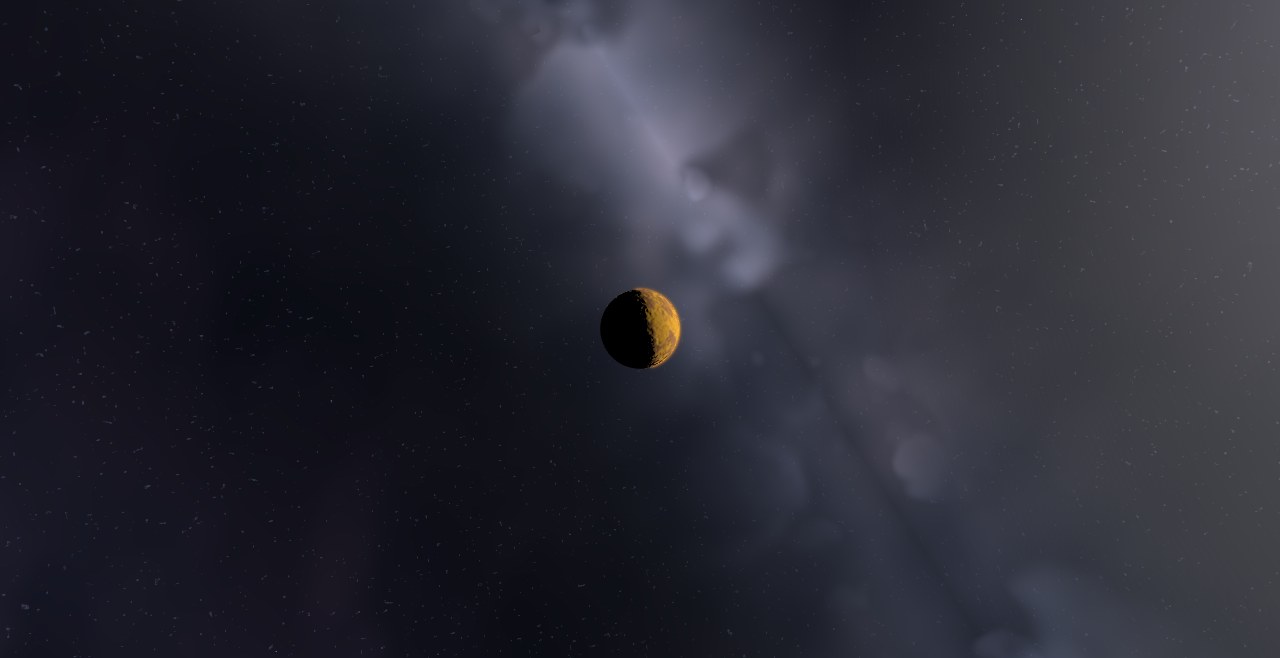
KOI-7892, a Sun-like F-type star of 1.04 solar masses, and Kepler-457 d, a planet with 3.0 Earth radii, with an orbital period of 10.7 days.
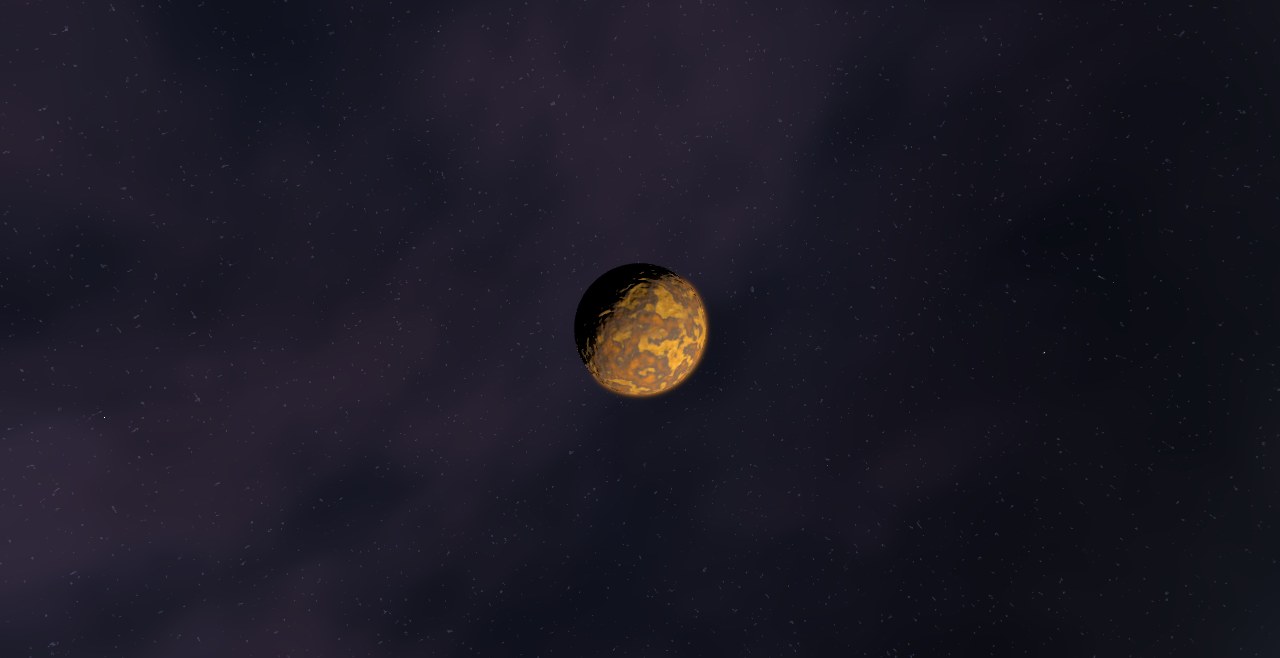
KOI-7913 A, an orange K-type dwarf of 0.76 solar masses, and KOI-7913 b, a planet with 2.3 Earth radii, with an orbital period of 24.3 days.
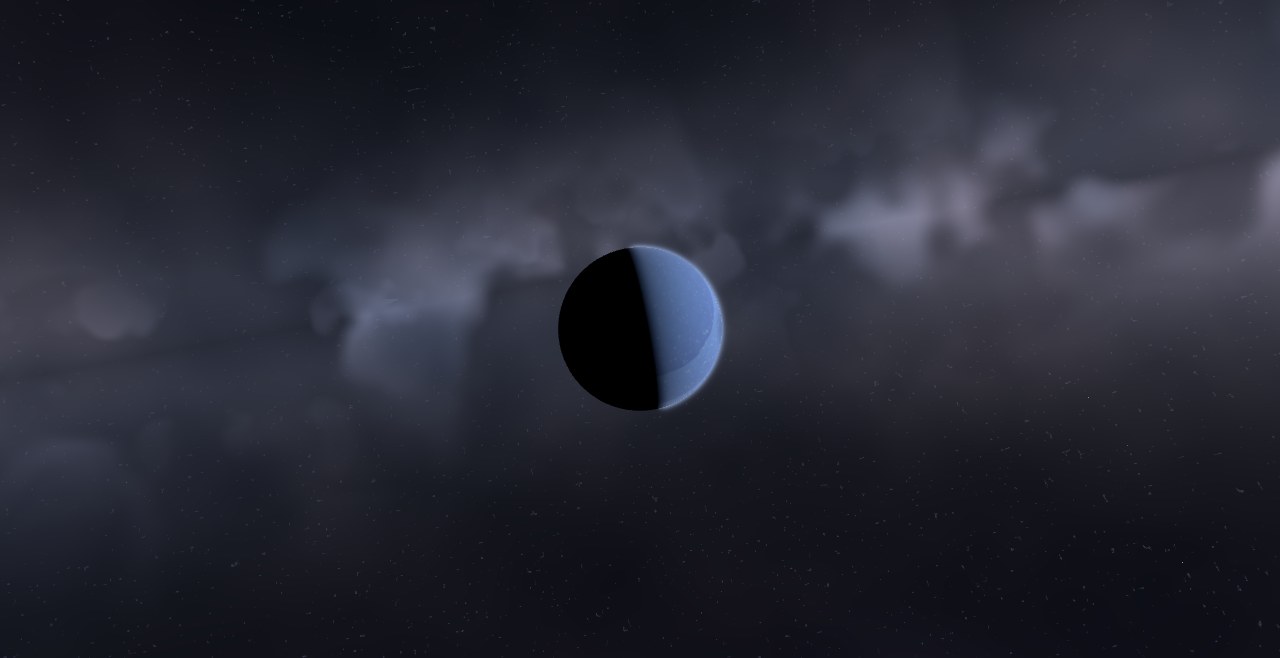
Kepler-89, also KOI-94, site of the first seen planet-planet eclipse. One planet was caught partly blocking another as both transited. The overlap was caught in the Kepler light curve.