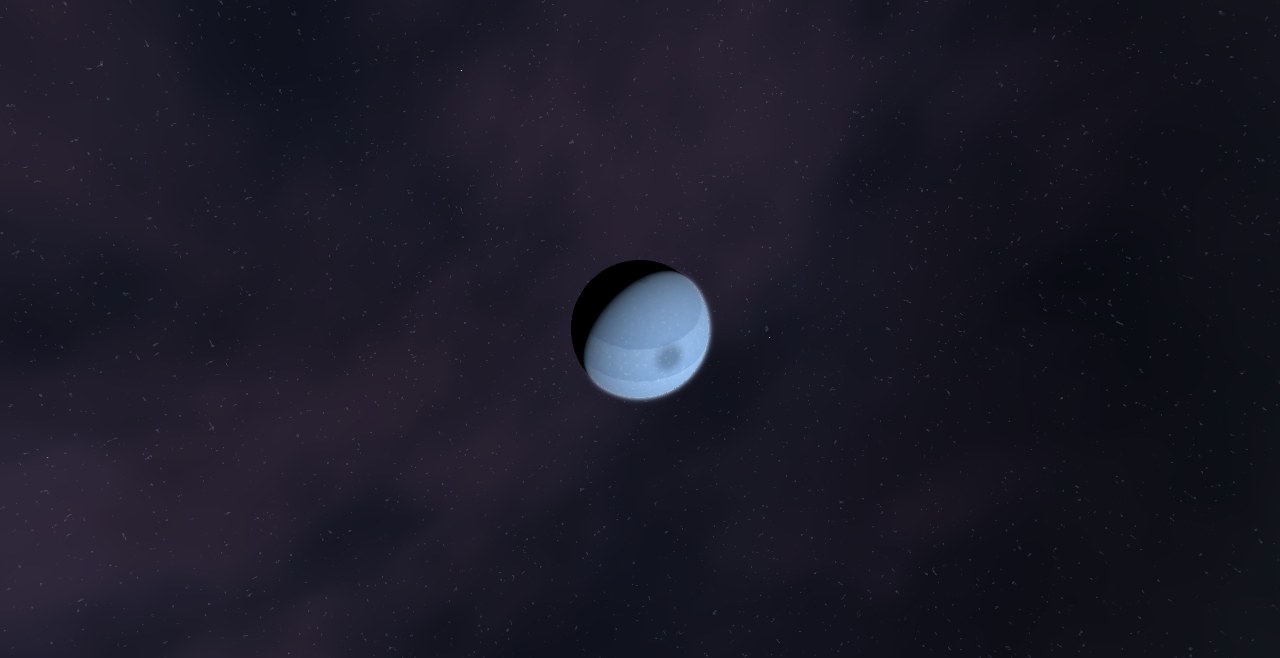
K2-281 - System
K2-281, an orange K-type dwarf of 0.82 solar masses, and K2-281 b, a planet with 8.2 Earth radii, with an orbital period of 8.7 days, at 0.077 AU from its star, and an equilibrium temperature near 665 K.
Scenarios
Discover alien solar systems and explore worlds far beyond our own. Simulate extreme orbital environments, habitable zones, and tightly packed resonant chains discovered by modern astronomy, all mapped accurately from real exoplanetary discovery data.
Share
K2-281, an orange K-type dwarf of 0.82 solar masses, and K2-281 b, a planet with 8.2 Earth radii, with an orbital period of 8.7 days, at 0.077 AU from its star, and an equilibrium temperature near 665 K.
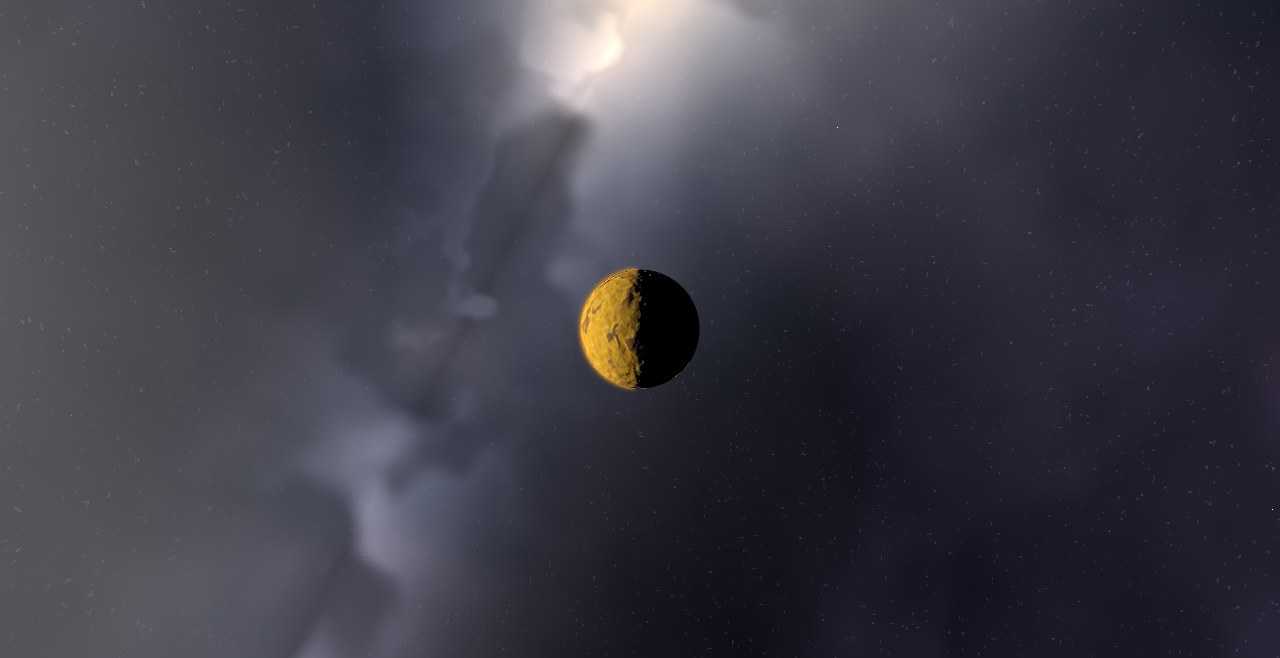
K2-282, a Sun-like G-type star of 0.94 solar masses, and K2-282 b, a planet with 2.5 Earth radii, with an orbital period of 4.2 days.
K2-283, an orange K-type dwarf of 0.89 solar masses, and K2-283 b, a planet with 3.5 Earth radii, with an orbital period of 1.9 days, at 0.029 AU from its star, and an equilibrium temperature near 1,186 K.
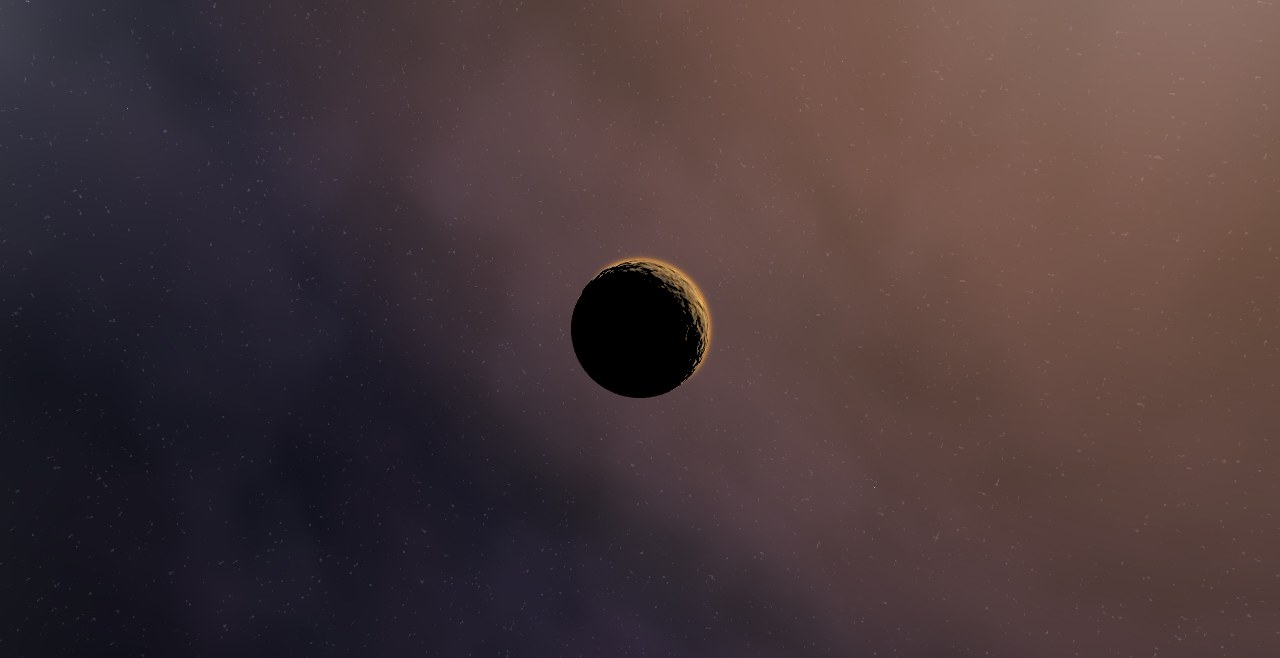
K2-284, an orange K-type dwarf of 0.63 solar masses, and K2-284 b, a planet with 2.8 Earth radii, with an orbital period of 4.8 days, at 0.048 AU from its star, and an equilibrium temperature near 653 K.
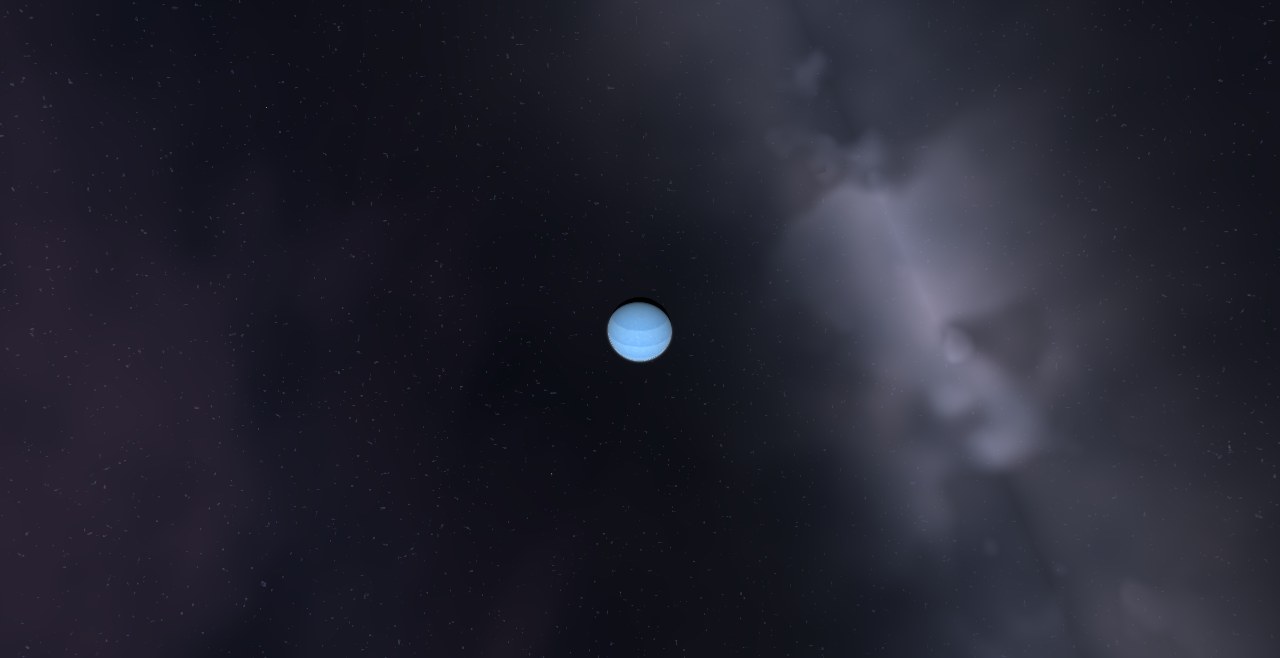
K2-285, an orange K-type dwarf of 0.83 solar masses, and K2-285 b, a 9.7-Earth-mass planet, with an orbital period of 3.5 days, at 0.038 AU from its star, and an equilibrium temperature near 1,089 K.
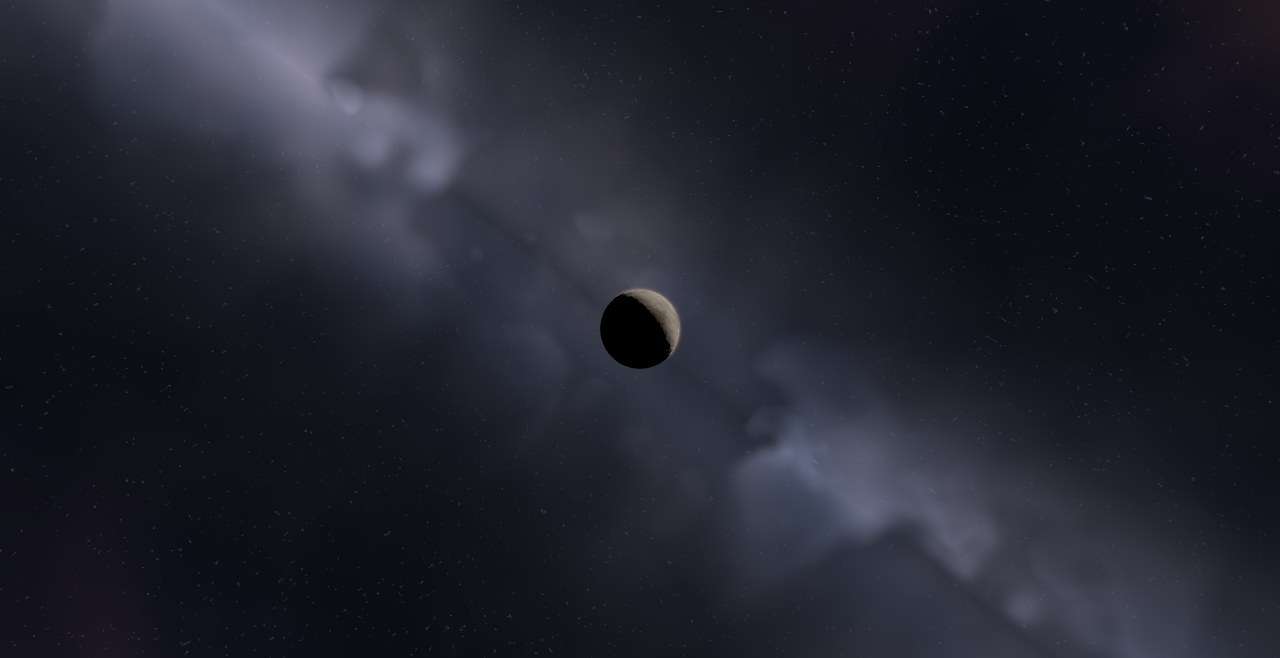
K2-286, a cool M-dwarf of 0.64 solar masses, and K2-286 b, a planet with 2.1 Earth radii, with an orbital period of 27.4 days, at 0.177 AU from its star, and an equilibrium temperature near 347 K.
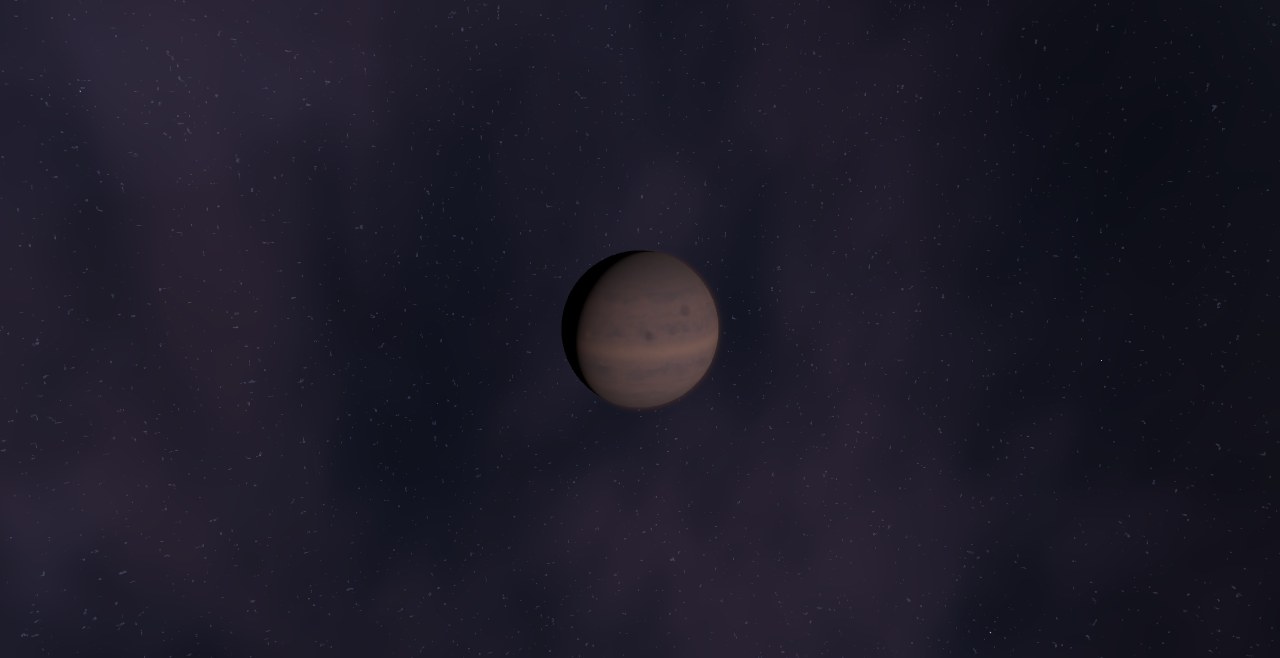
K2-287, a Sun-like G-type star of 1.06 solar masses, and K2-287 b, a 0.32-Jupiter-mass companion, with an orbital period of 14.9 days, at 0.121 AU from its star, and an equilibrium temperature near 804 K.
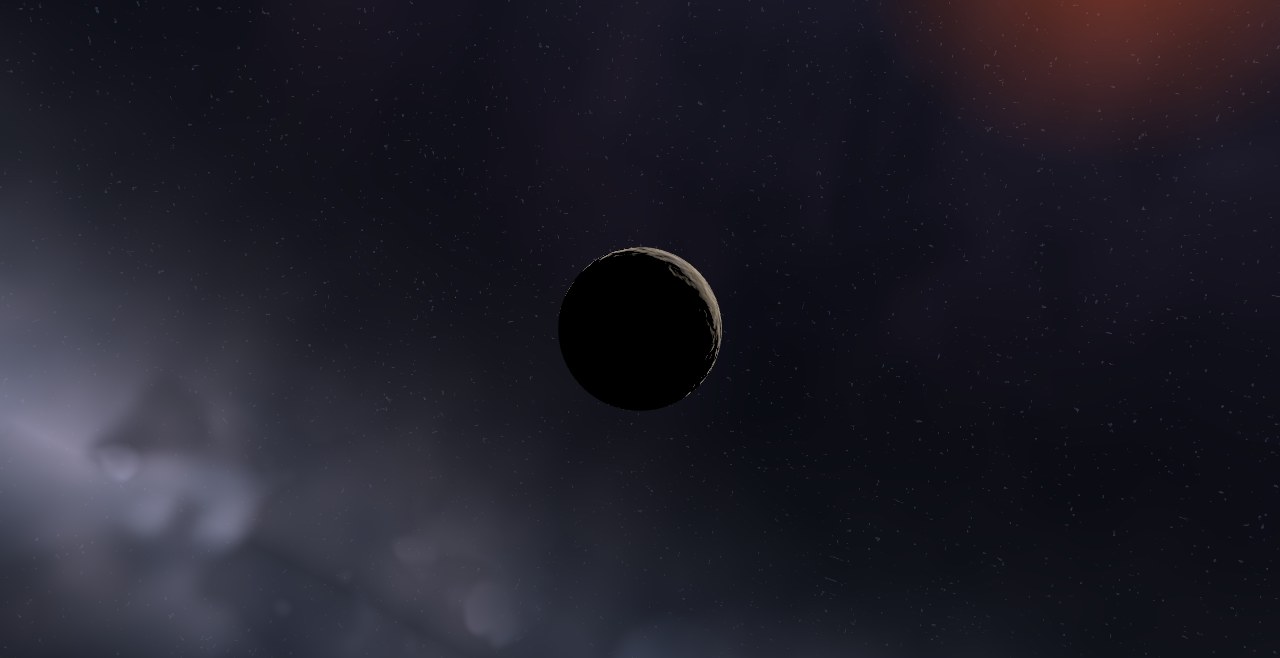
K2-288 B, a cool M-dwarf of 0.33 solar masses, and K2-288 B b, a planet with 1.9 Earth radii, with an orbital period of 31.4 days, at 0.164 AU from its star, and an equilibrium temperature near 226 K.
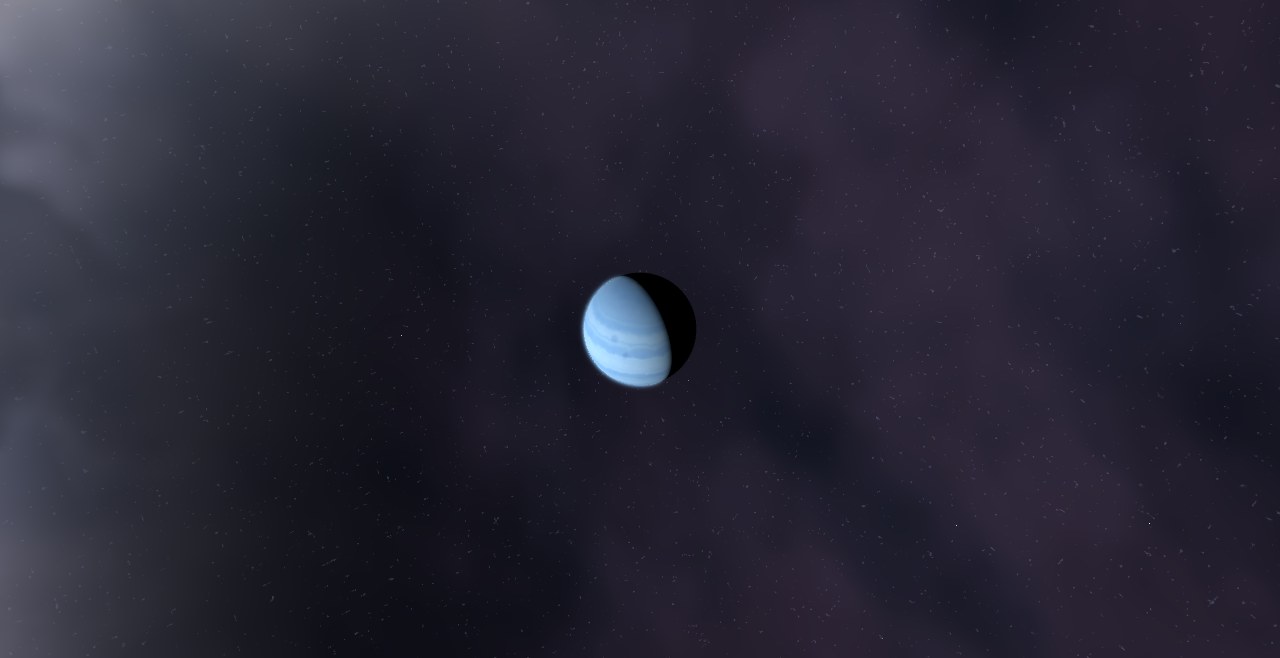
K2-289, a Sun-like G-type star of 0.95 solar masses, and K2-289 b, a planet with 9.1 Earth radii, with an orbital period of 13.2 days, at 0.107 AU from its star, and an equilibrium temperature near 753 K.
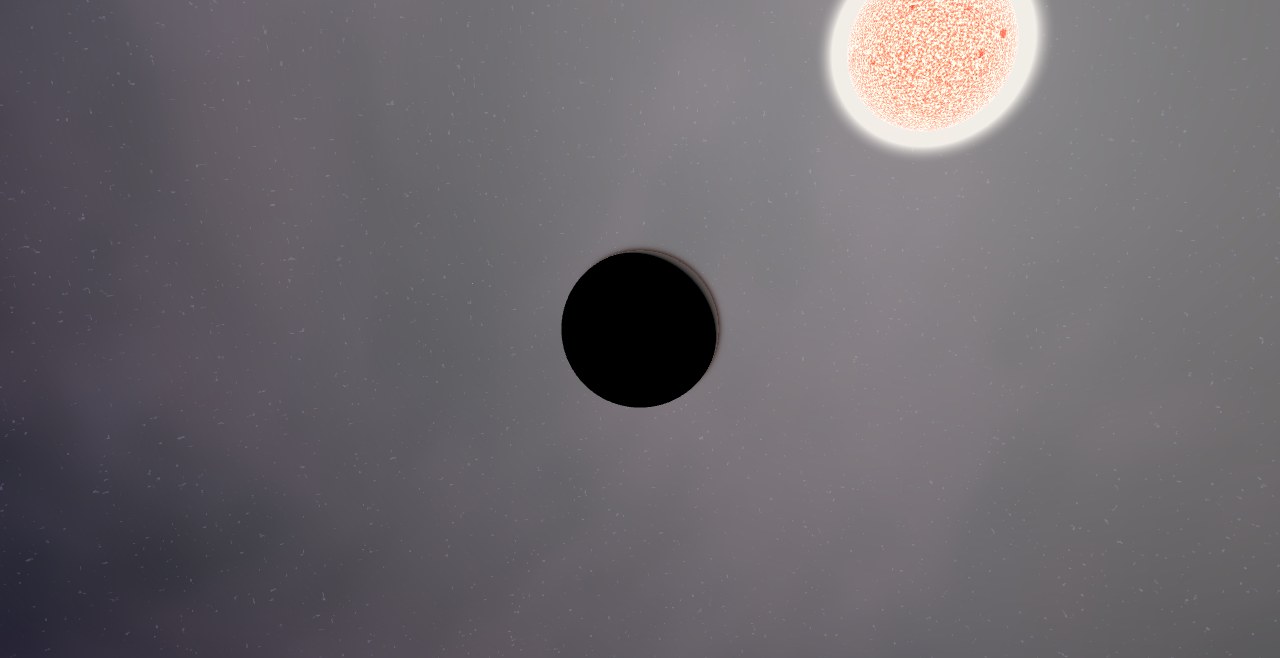
K2-29, a Sun-like G-type star of 0.94 solar masses, and K2-29 b, a 0.73-Jupiter-mass companion, with an orbital period of 3.3 days, at 0.042 AU from its star, and an equilibrium temperature near 1,171 K.
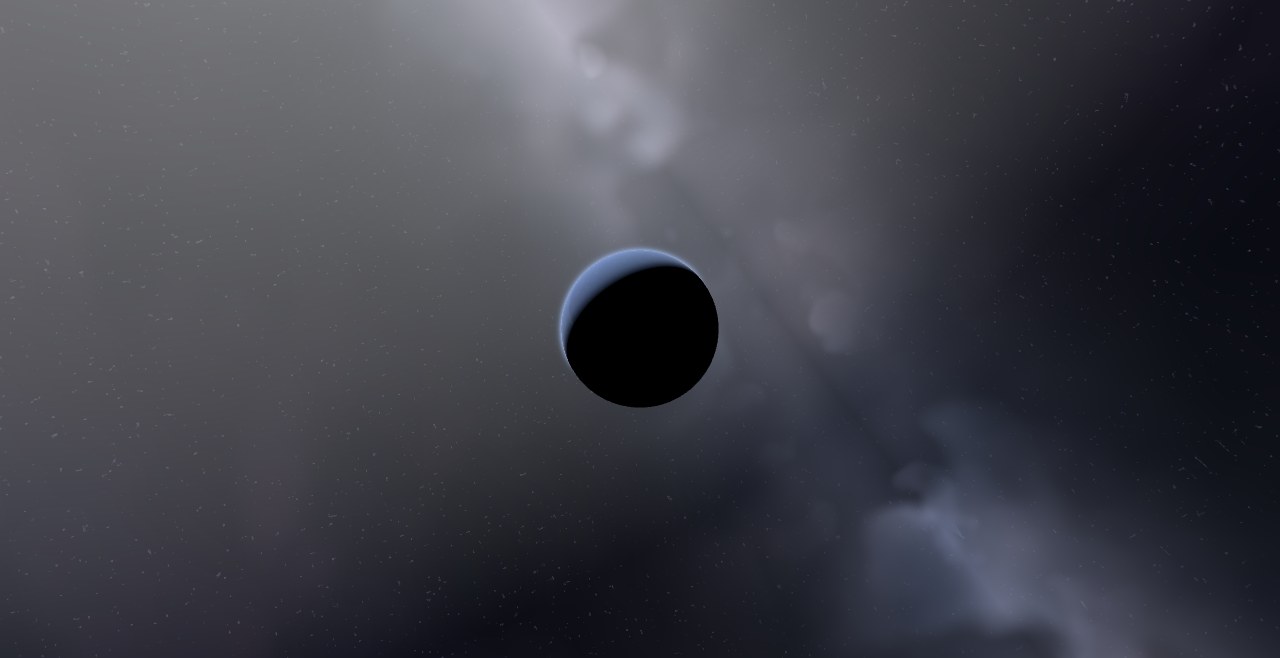
K2-290, a Sun-like F-type star of 1.19 solar masses, and K2-290 b, a 10.9-Earth-mass planet, with an orbital period of 9.2 days, at 0.092 AU from its star, and an equilibrium temperature near 1,230 K.
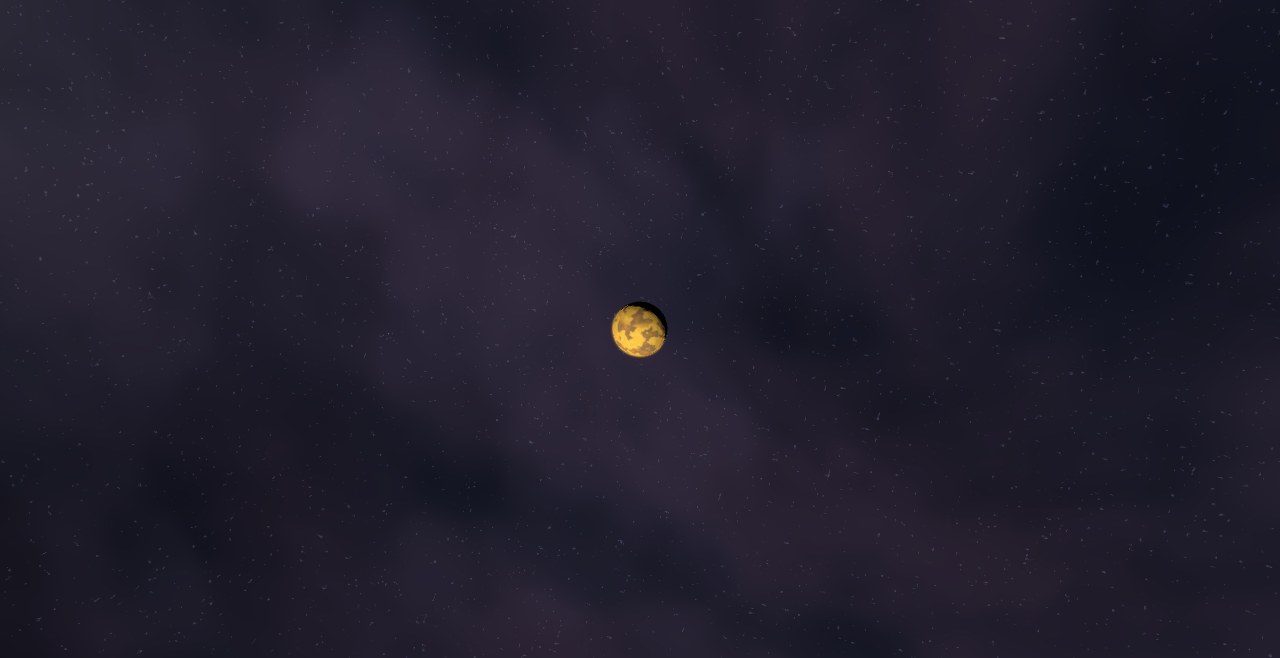
K2-291, a Sun-like G-type star of 0.93 solar masses, and K2-291 b, a 6.5-Earth-mass planet, with an orbital period of 2.2 days, at 0.033 AU from its star.
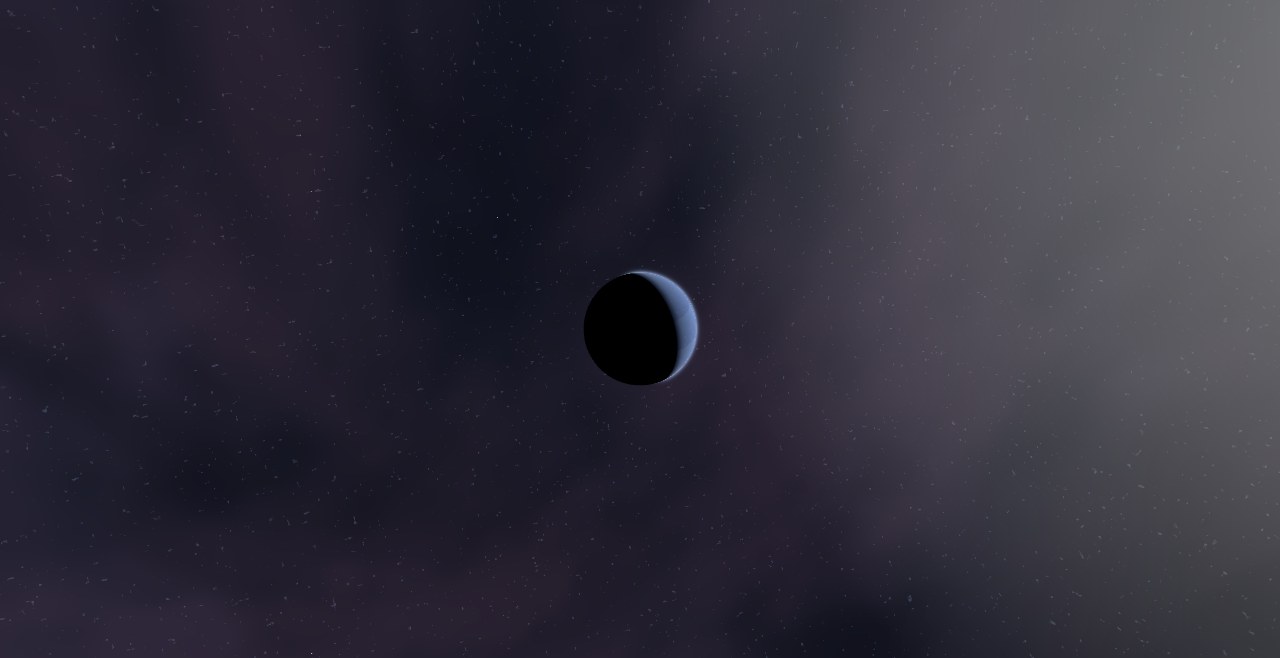
K2-292, a Sun-like G-type star of 1.00 solar masses, and K2-292 b, a 0.08-Jupiter-mass companion, with an orbital period of 17.0 days, at 0.130 AU from its star, and an equilibrium temperature near 795 K.
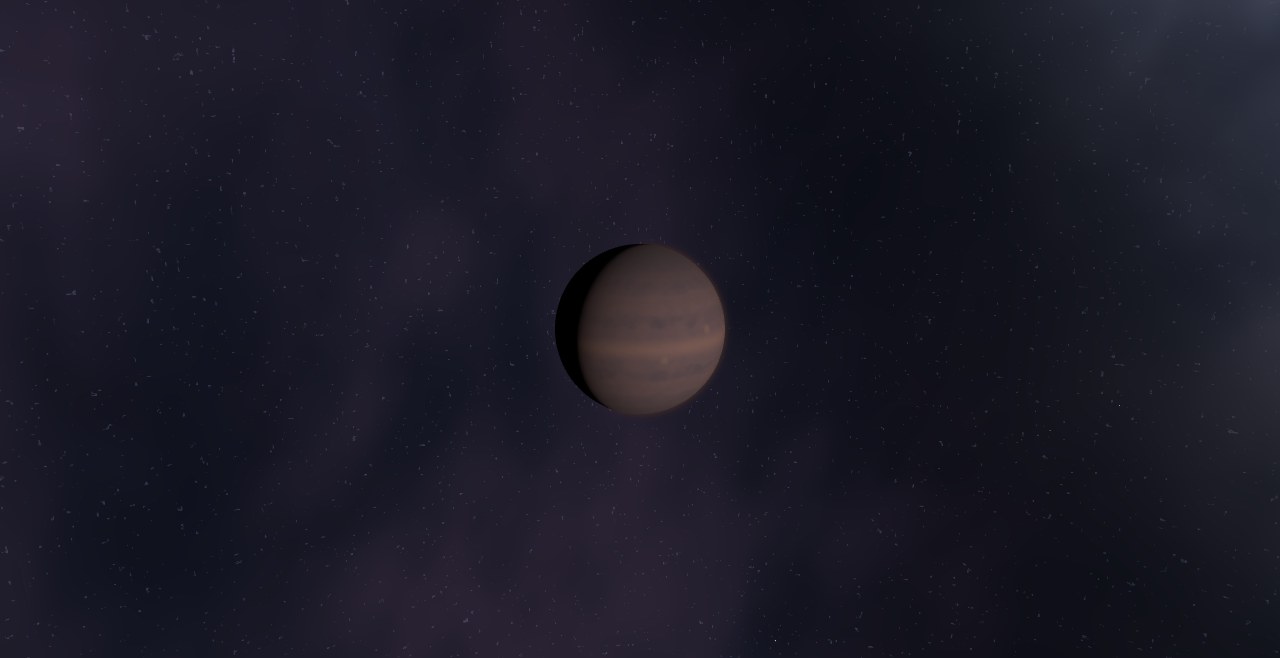
K2-295, an orange K-type dwarf of 0.74 solar masses, and K2-295 b, a 0.34-Jupiter-mass companion, with an orbital period of 4.0 days, at 0.045 AU from its star, and an equilibrium temperature near 852 K.
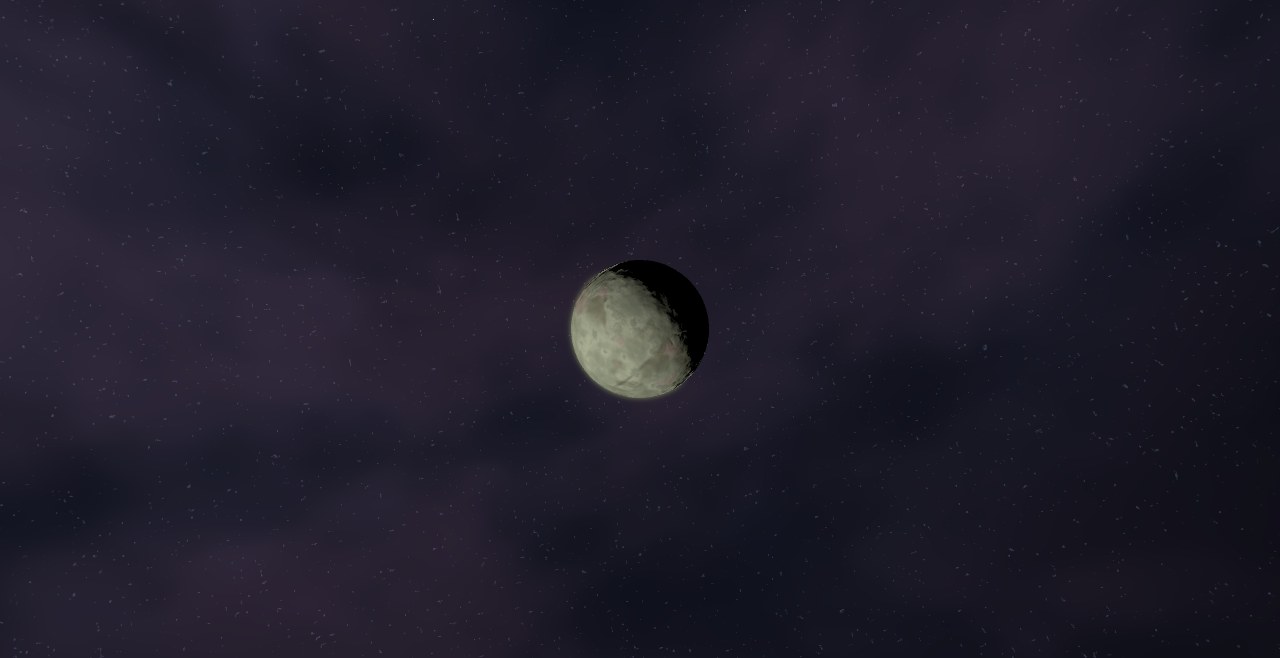
K2-3, a cool M-dwarf of 0.55 solar masses, and K2-3 b, a 5.1-Earth-mass planet, with an orbital period of 10.1 days, at 0.075 AU from its star, and an equilibrium temperature near 501 K, on an eccentric orbit.
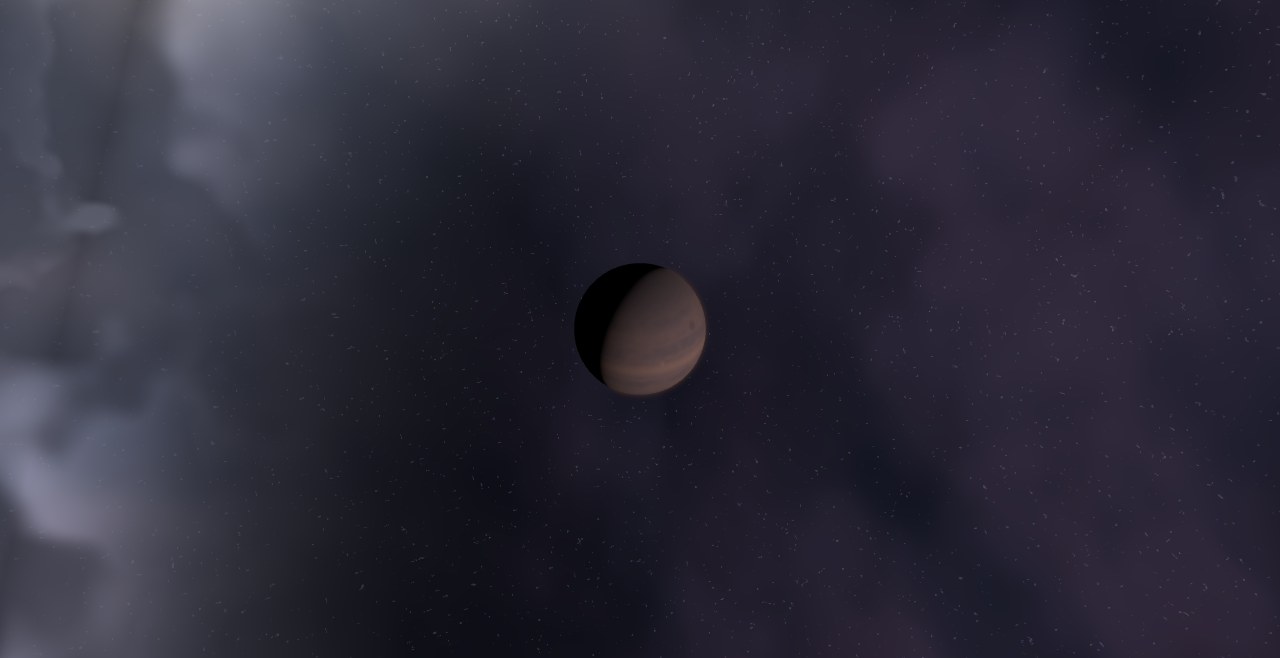
K2-30, a Sun-like G-type star of 0.90 solar masses, and K2-30 b, a 0.58-Jupiter-mass companion, with an orbital period of 4.1 days, at 0.048 AU from its star, and an equilibrium temperature near 1,092 K.
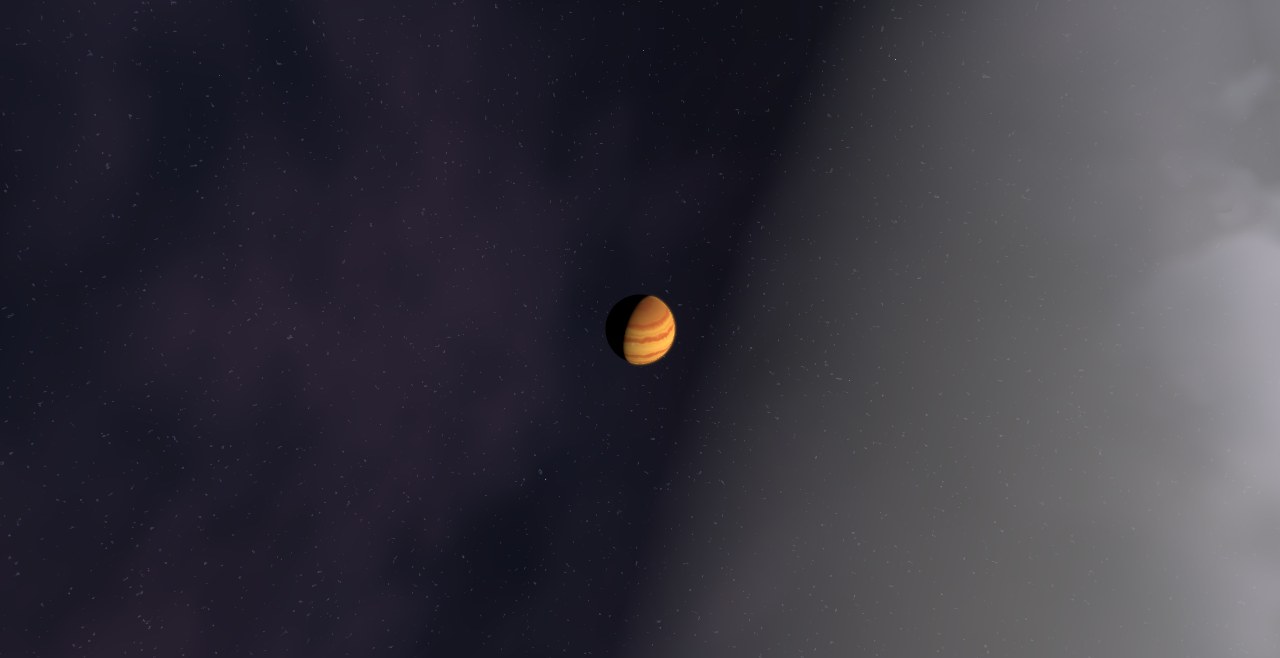
K2-31, a Sun-like G-type star of 0.91 solar masses, and K2-31 b, a 1.77-Jupiter-mass companion, with an orbital period of 1.3 days, at 0.022 AU from its star.
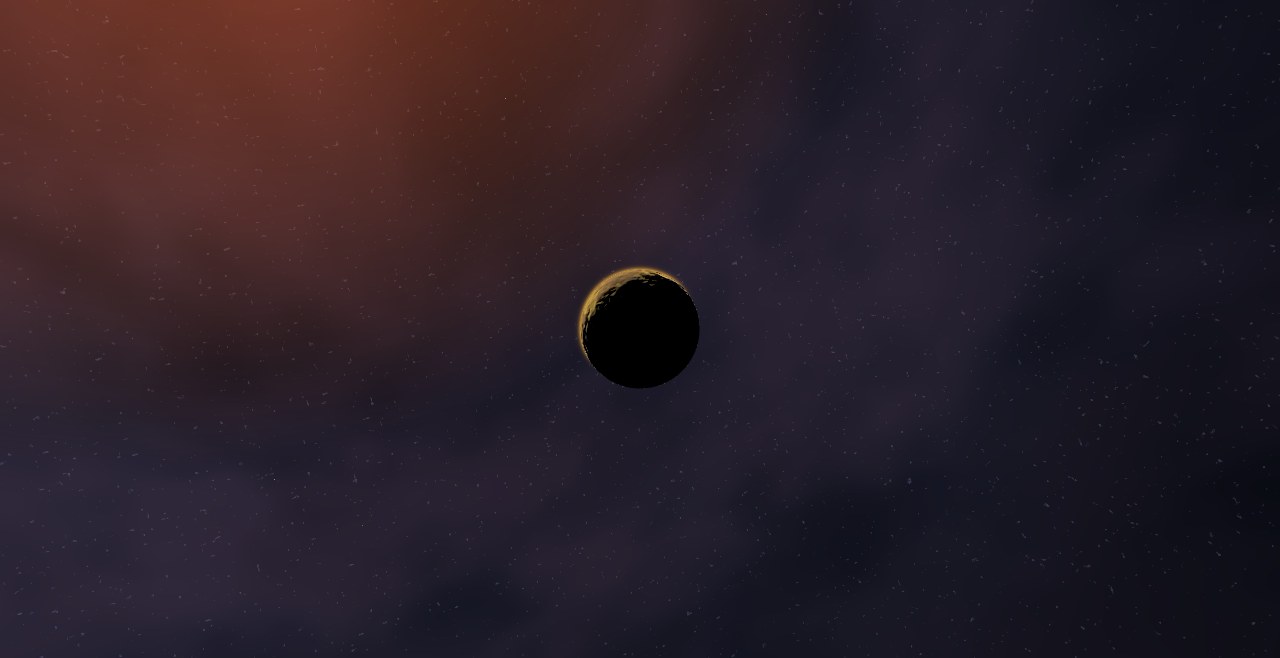
K2-316, a cool M-dwarf of 0.41 solar masses, and K2-316 b, a planet with 1.3 Earth radii, with an orbital period of 1.1 days, at 0.015 AU from its star, and an equilibrium temperature near 841 K.