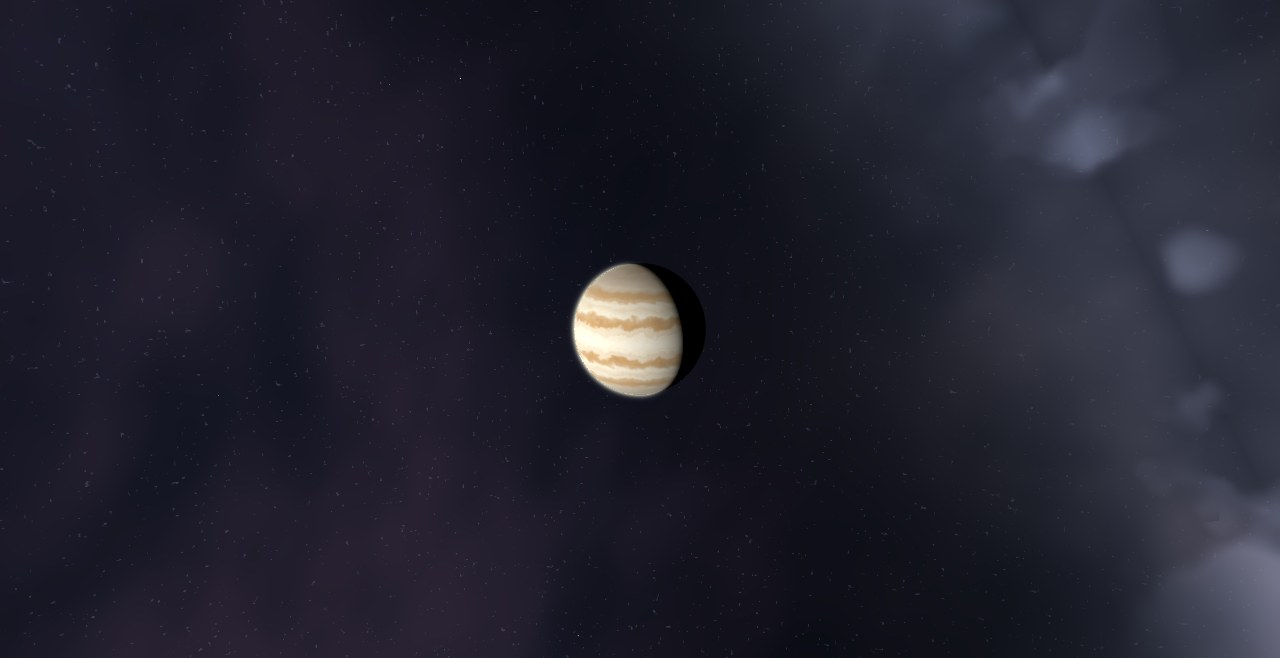
HD 24040 - System
HD 24040, a Sun-like G-type star of 1.10 solar masses, and HD 24040 c, a 0.20-Jupiter-mass companion, with an orbital period of 1.41 years, at 1.300 AU from its star, on an eccentric orbit (e ≈ 0.11).
Scenarios
Discover alien solar systems and explore worlds far beyond our own. Simulate extreme orbital environments, habitable zones, and tightly packed resonant chains discovered by modern astronomy, all mapped accurately from real exoplanetary discovery data.
Share
HD 24040, a Sun-like G-type star of 1.10 solar masses, and HD 24040 c, a 0.20-Jupiter-mass companion, with an orbital period of 1.41 years, at 1.300 AU from its star, on an eccentric orbit (e ≈ 0.11).
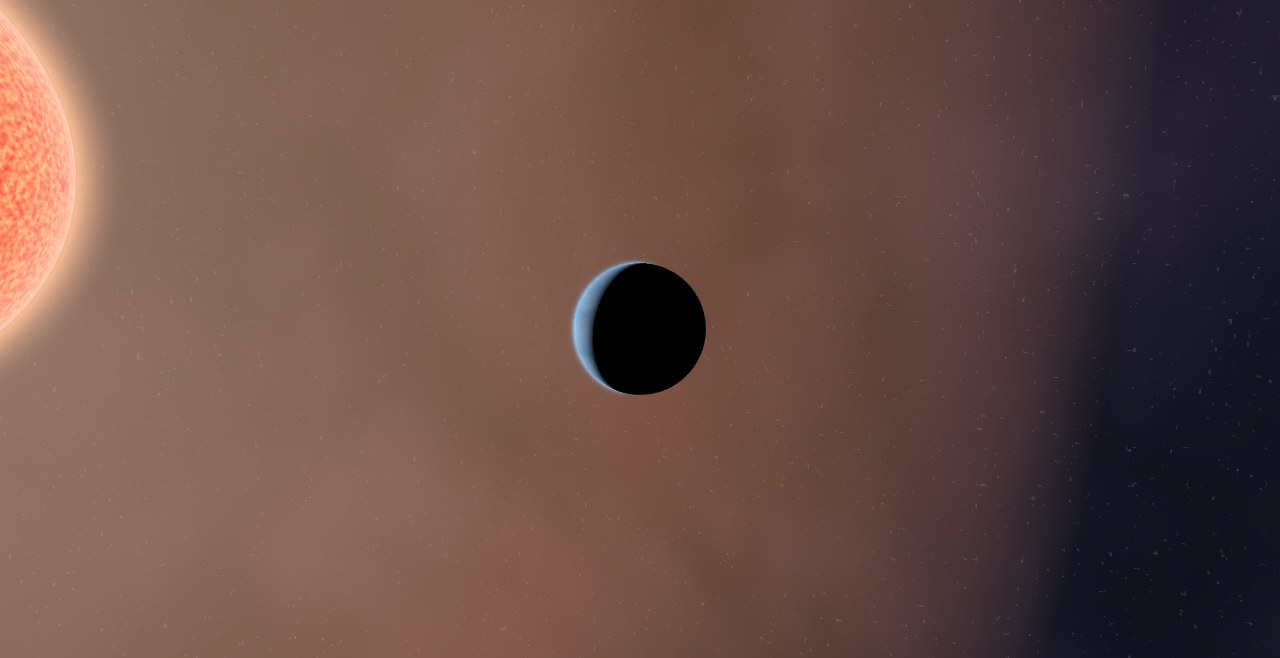
HD 24064, an orange K-type dwarf of 1.61 solar masses, and HD 24064 b, a 12.9-Jupiter-mass companion, with an orbital period of 1.47 years, at 1.290 AU from its star, on an eccentric orbit (e ≈ 0.35).
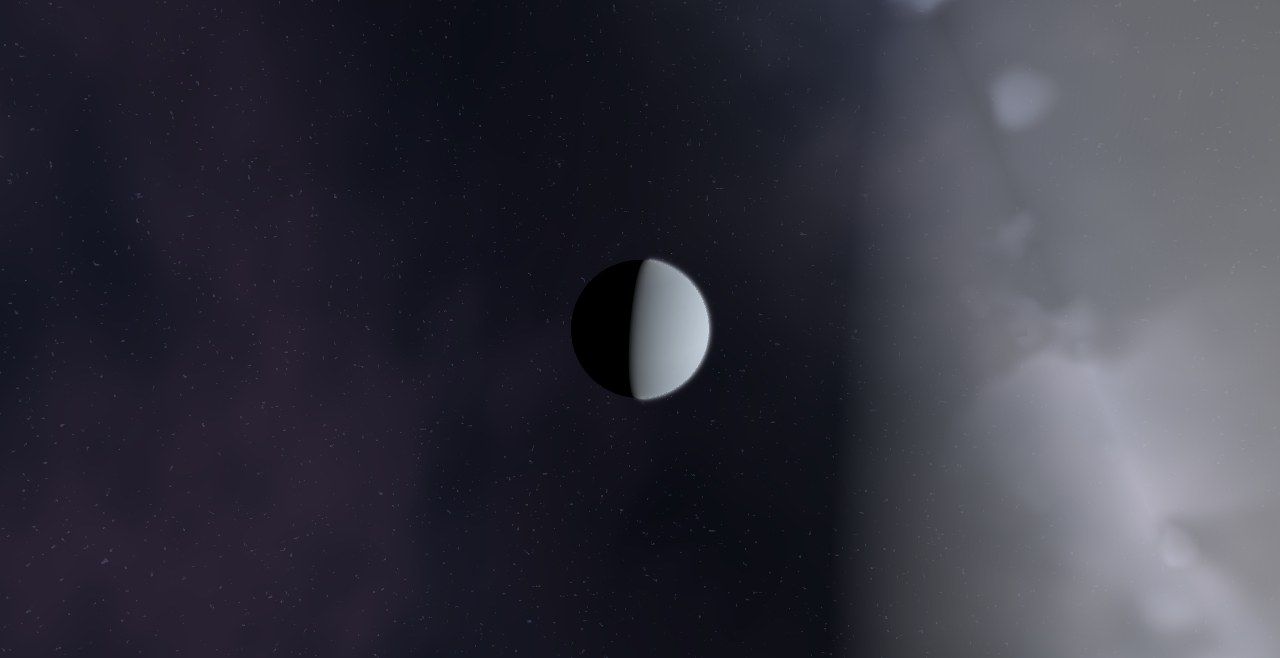
HD 24085, a Sun-like G-type star of 1.22 solar masses, and HD 24085 b, a 11.8-Earth-mass planet, with an orbital period of 2.0 days, at 0.034 AU from its star, on an eccentric orbit (e ≈ 0.22).
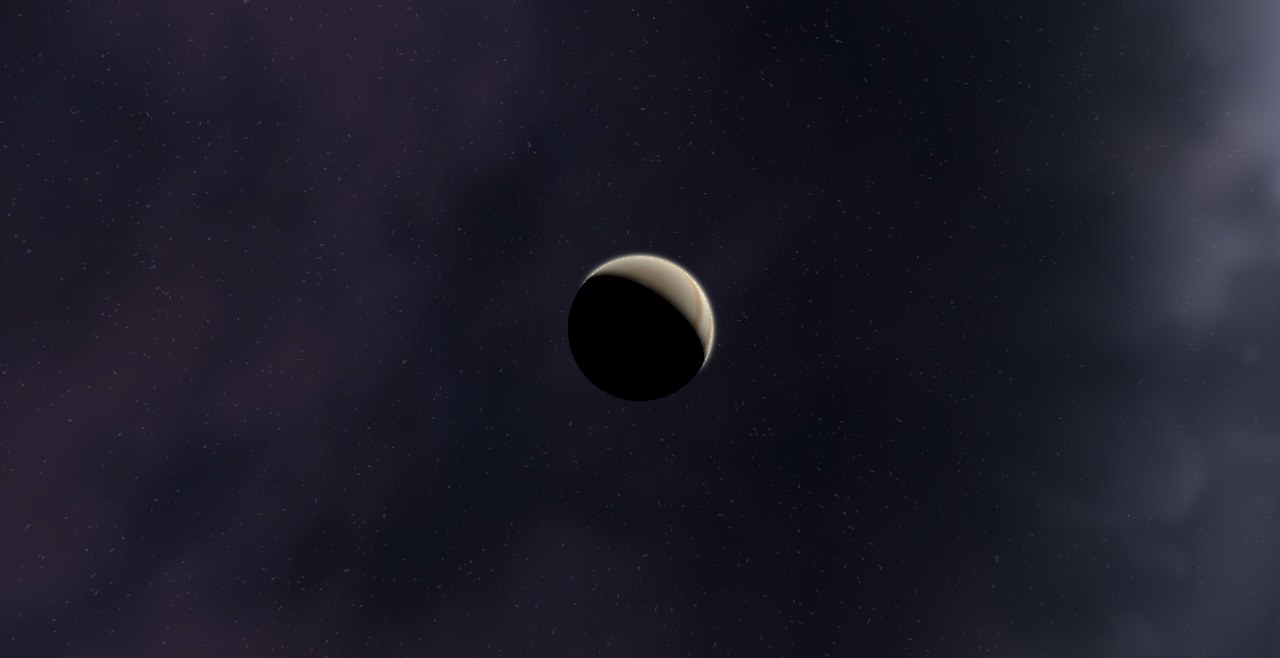
HD 25015, an orange K-type dwarf of 0.86 solar masses, and HD 25015 b, a 9.08-Jupiter-mass companion, with an orbital period of 16.8 years, at 6.248 AU from its star, on an eccentric orbit (e ≈ 0.34).
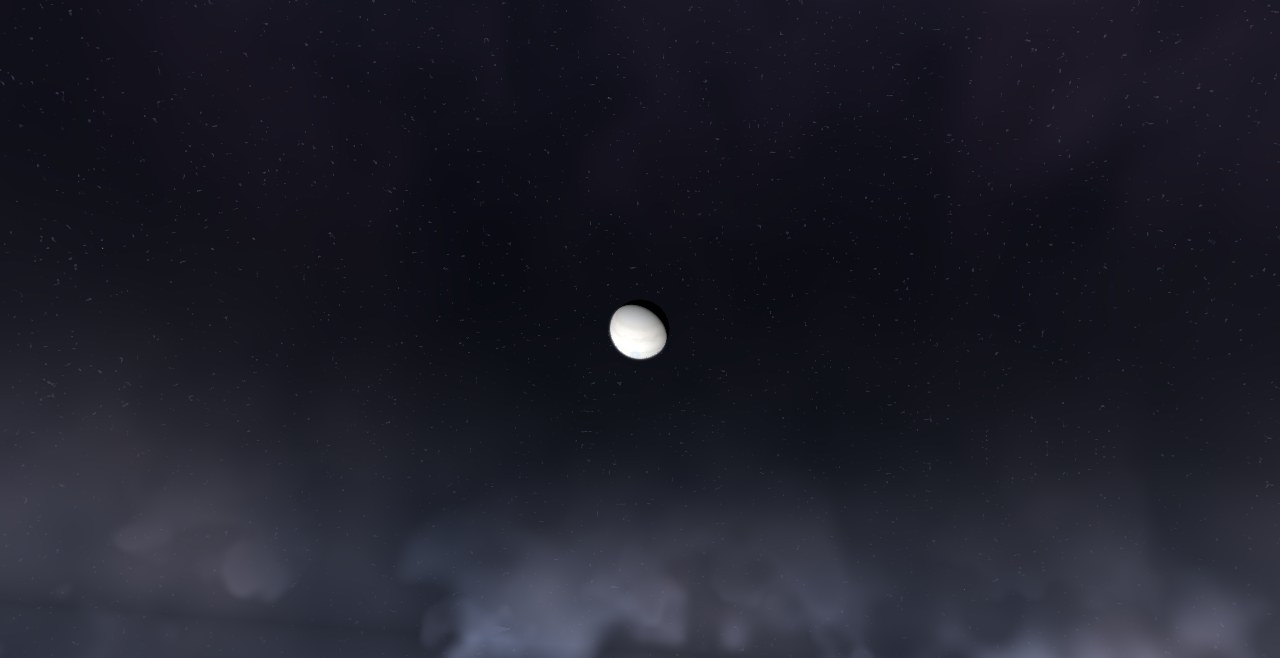
HD 25171, a Sun-like F-type star of 1.08 solar masses, and HD 25171 b, a 0.92-Jupiter-mass companion, with an orbital period of 4.93 years, at 2.971 AU from its star.
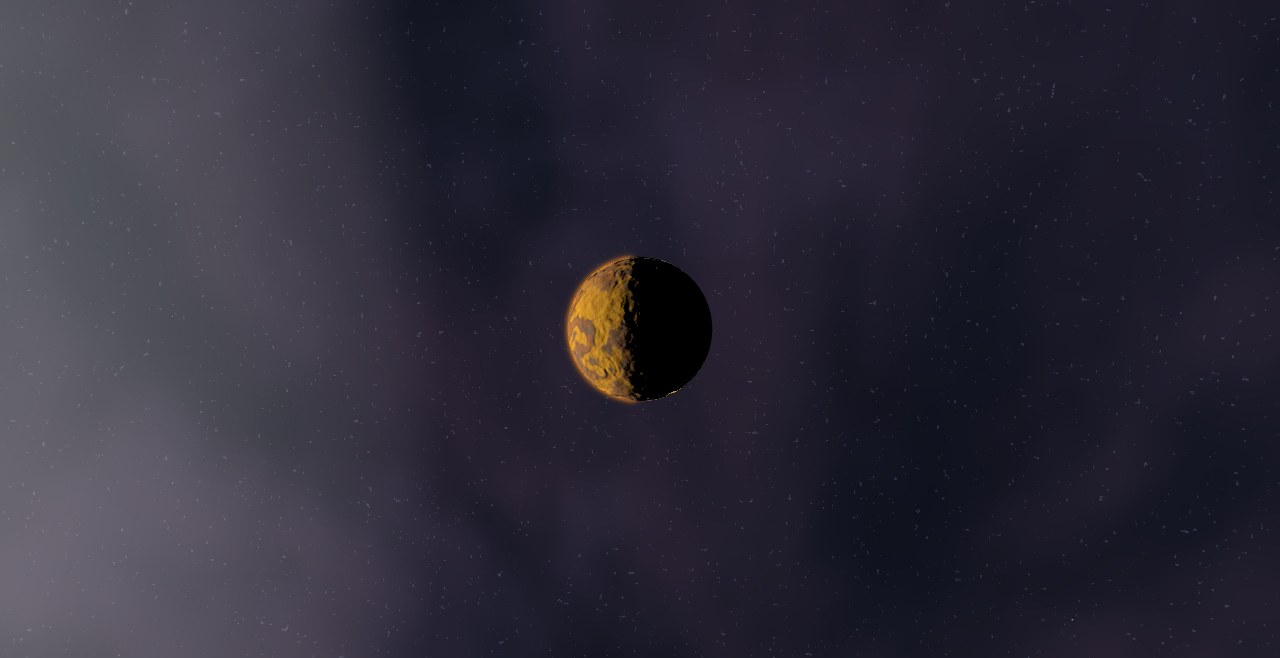
HD 25463, a Sun-like F-type star of 1.25 solar masses, and HD 25463 c, a 4.3-Earth-mass planet, with an orbital period of 3.0 days, at 0.044 AU from its star, and an equilibrium temperature near 1,586 K.
HD 25723, an orange K-type dwarf of 2.12 solar masses, and HD 25723 b, a 2.50-Jupiter-mass companion, with an orbital period of 1.25 years, at 1.490 AU from its star.
HD 25912, a Sun-like G-type star of 1.08 solar masses, and HD 25912 b, a 0.12-Jupiter-mass companion, with an orbital period of 41.8 days, at 0.242 AU from its star.
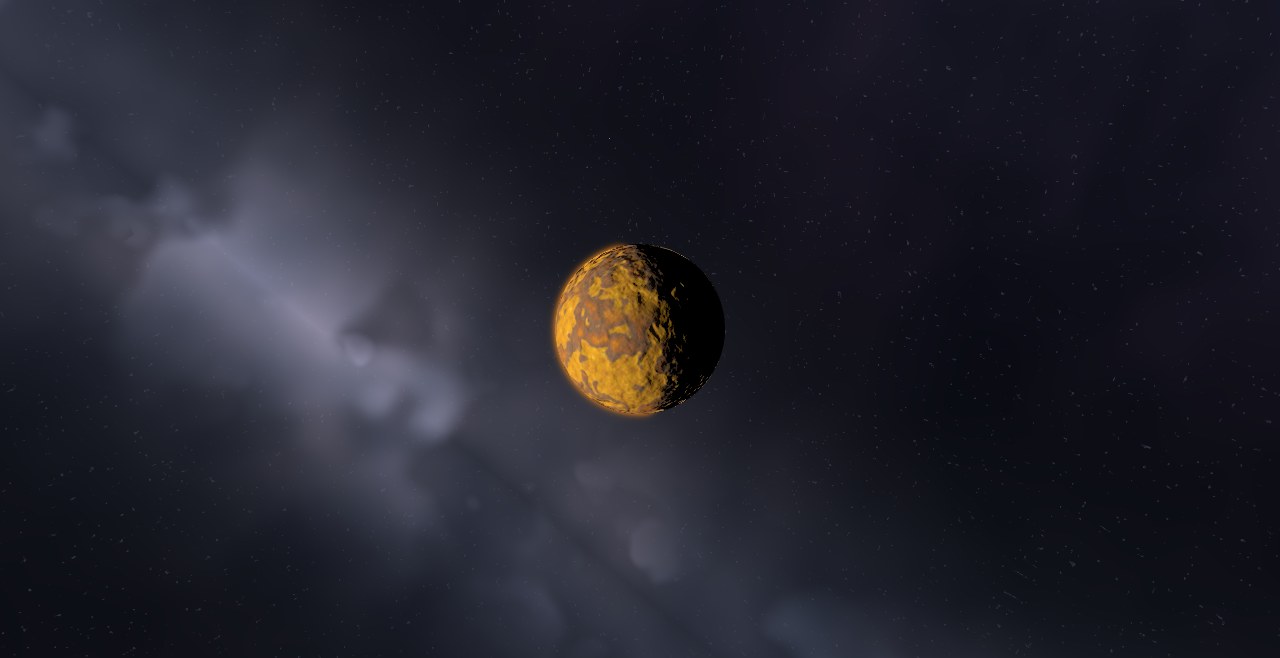
HD 260655, a cool M-dwarf of 0.44 solar masses, and HD 260655 b, a 2.1-Earth-mass planet, with an orbital period of 2.8 days, at 0.029 AU from its star, and an equilibrium temperature near 709 K.
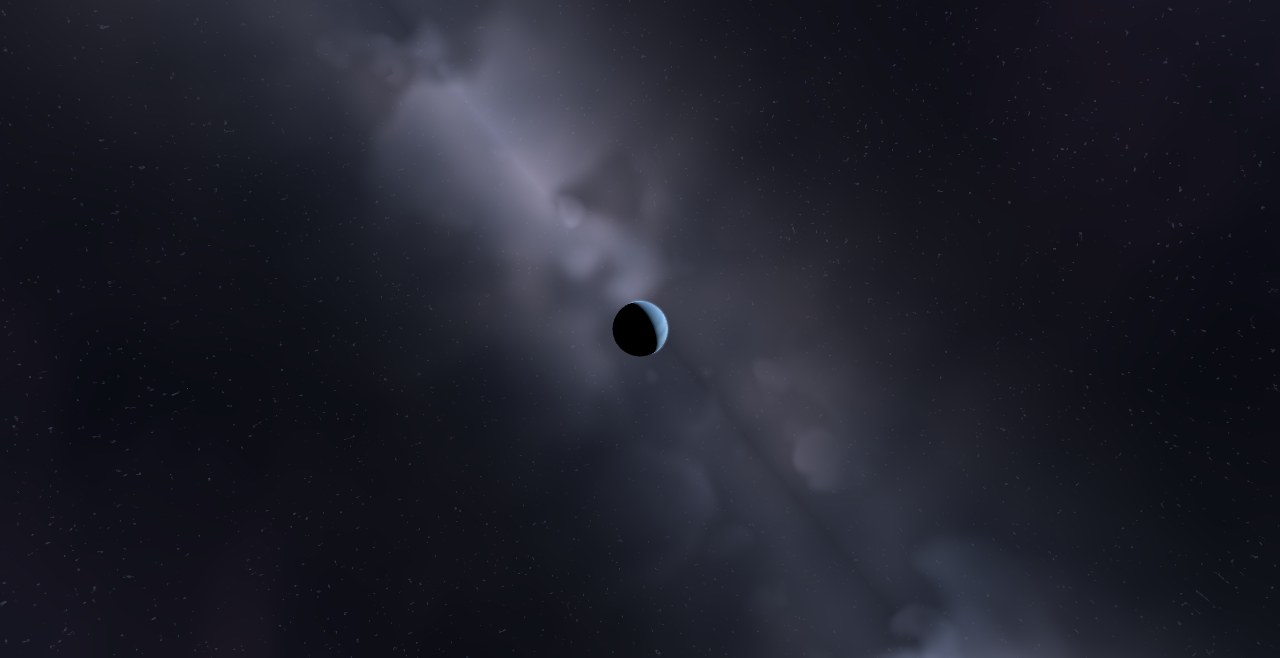
HD 26161, a Sun-like F-type star of 1.12 solar masses, and HD 26161 b, a 28.5-Jupiter-mass companion, with an orbital period of 30.0 years, at 10.1 AU from its star, on an eccentric orbit (e ≈ 0.92).
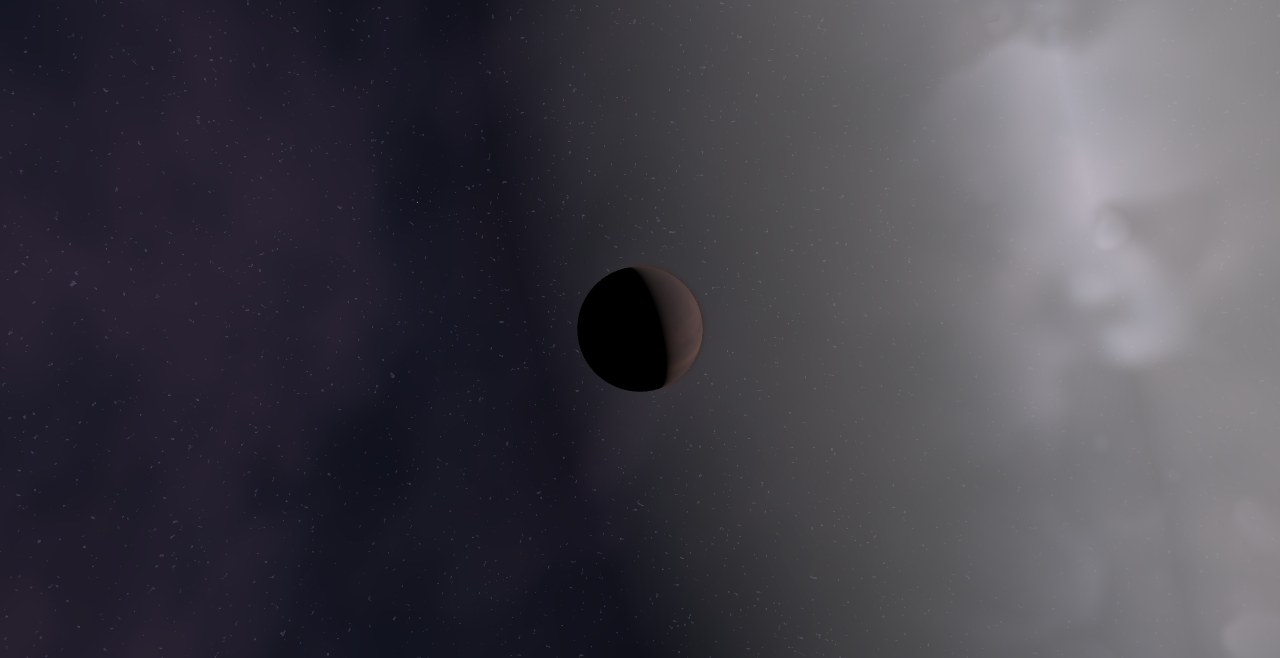
HD 2638, an orange K-type dwarf of 0.77 solar masses, and HD 2638 b, a 0.42-Jupiter-mass companion, with an orbital period of 3.4 days, at 0.040 AU from its star.
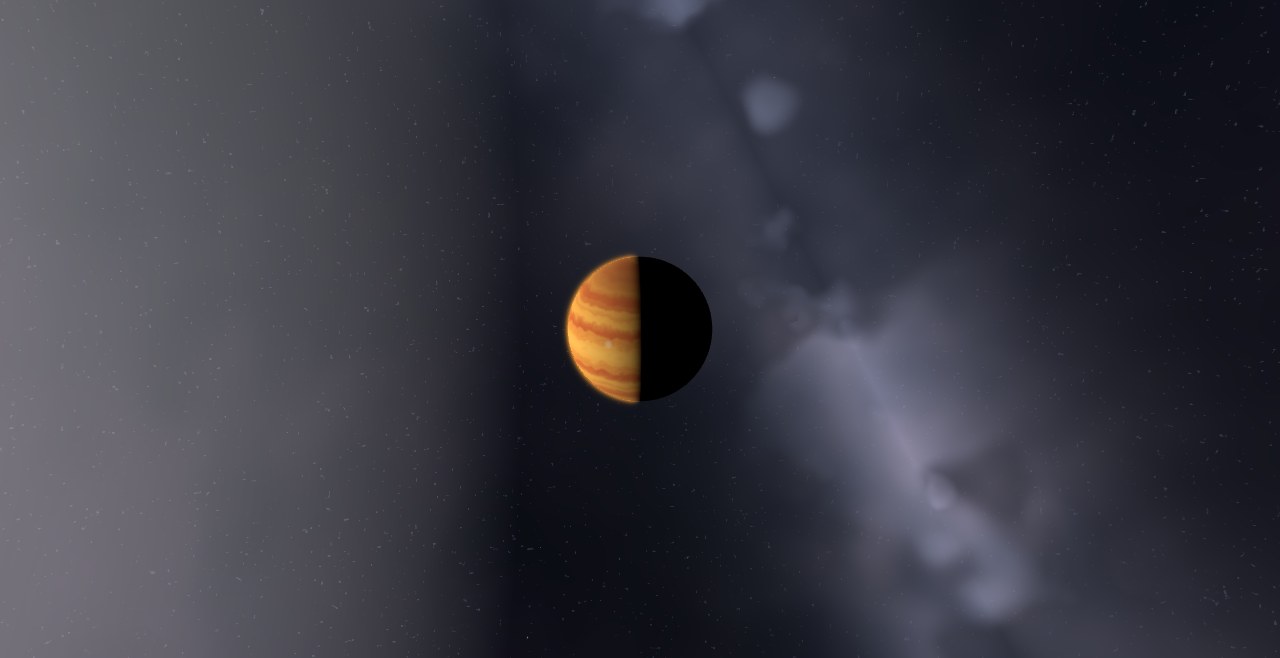
HD 2685, a Sun-like F-type star of 1.43 solar masses, and HD 2685 b, a 1.17-Jupiter-mass companion, with an orbital period of 4.1 days, at 0.057 AU from its star, and an equilibrium temperature near 2,061 K.
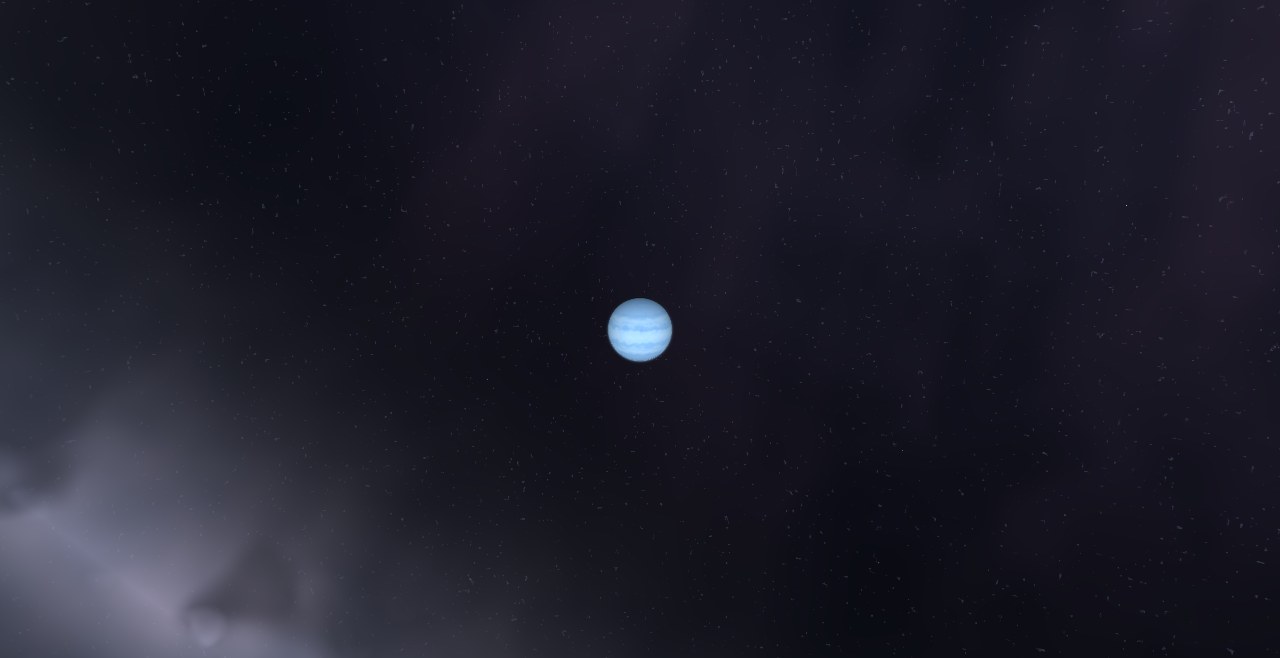
HD 27442, an orange K-type dwarf of 1.23 solar masses, and HD 27442 b, a 1.56-Jupiter-mass companion, with an orbital period of 1.17 years, at 1.271 AU from its star, on an eccentric orbit (e ≈ 0.06).
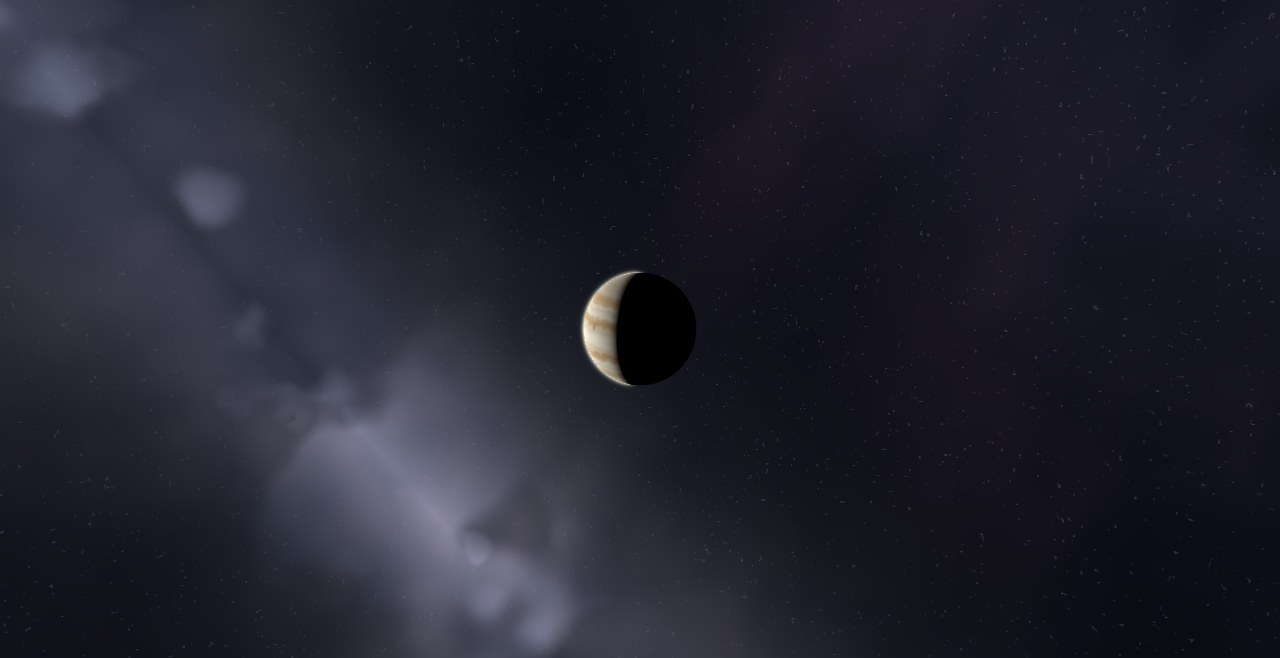
HD 27631, a Sun-like G-type star of 0.94 solar masses, and HD 27631 b, a 1.49-Jupiter-mass companion, with an orbital period of 6.02 years, at 3.242 AU from its star, on an eccentric orbit (e ≈ 0.14).
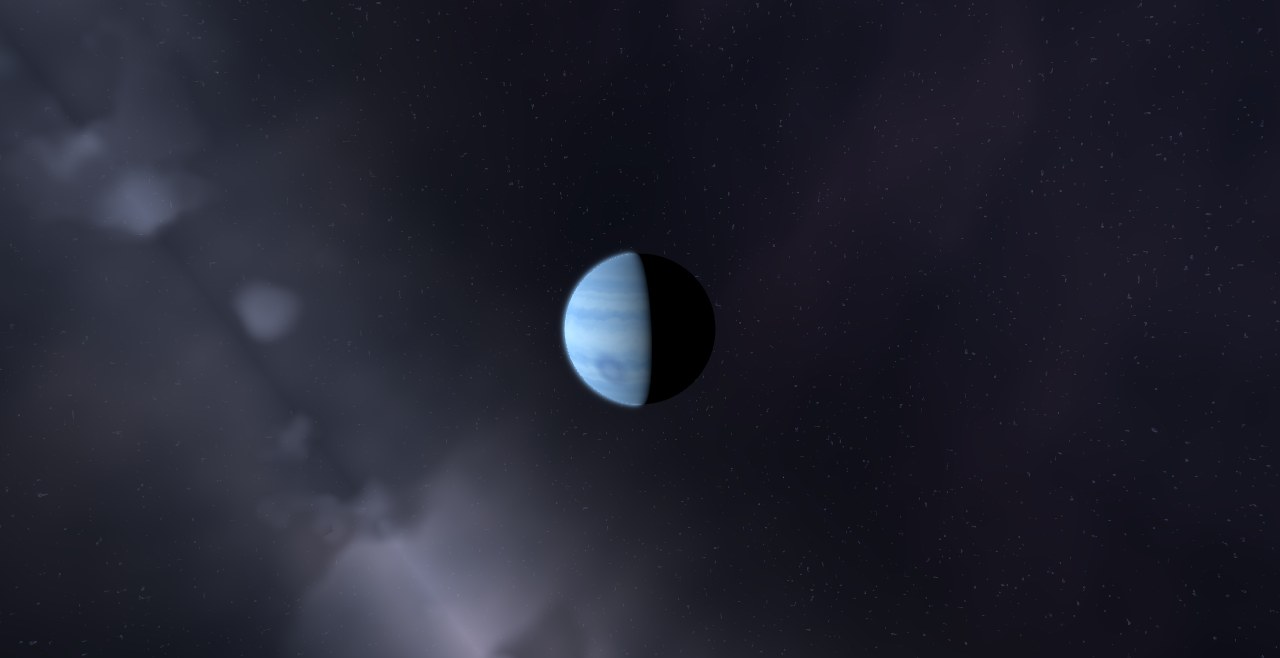
HD 27894, an orange K-type dwarf of 0.80 solar masses, and HD 27894 b, a 0.62-Jupiter-mass companion, with an orbital period of 18.0 days, at 0.125 AU from its star.
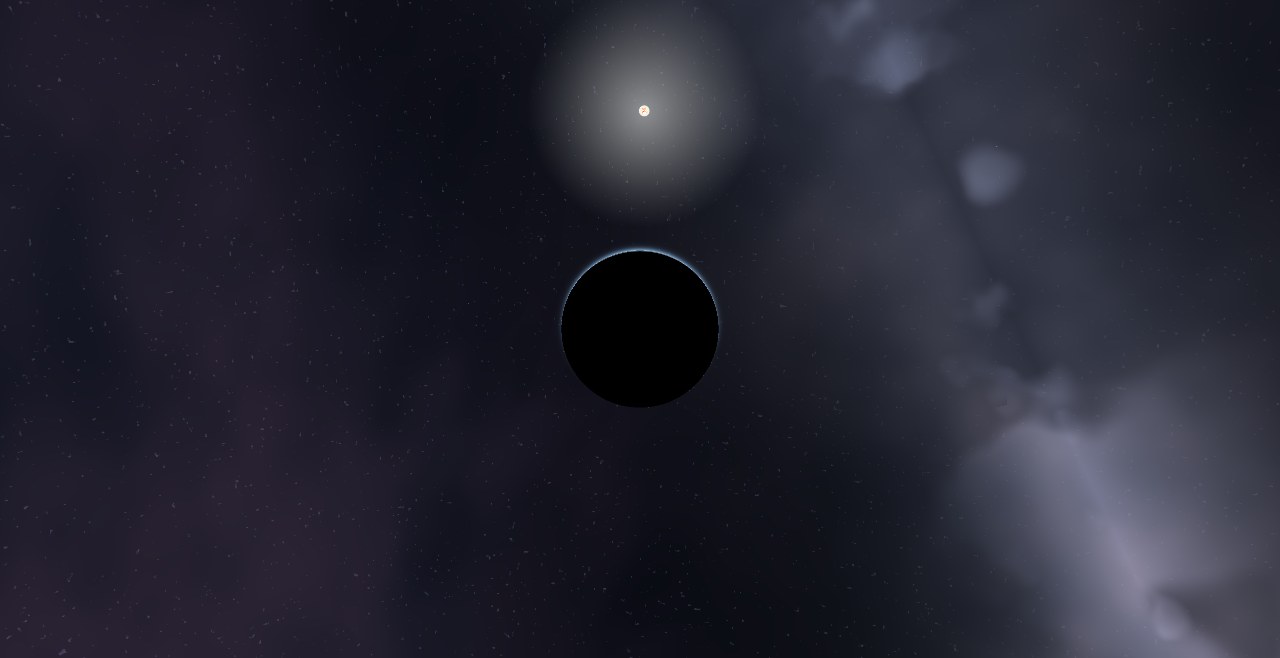
HD 27969, a Sun-like G-type star of 1.16 solar masses, and HD 27969 b, a 4.80-Jupiter-mass companion, with an orbital period of 1.79 years, at 1.552 AU from its star, and an equilibrium temperature near 261 K.
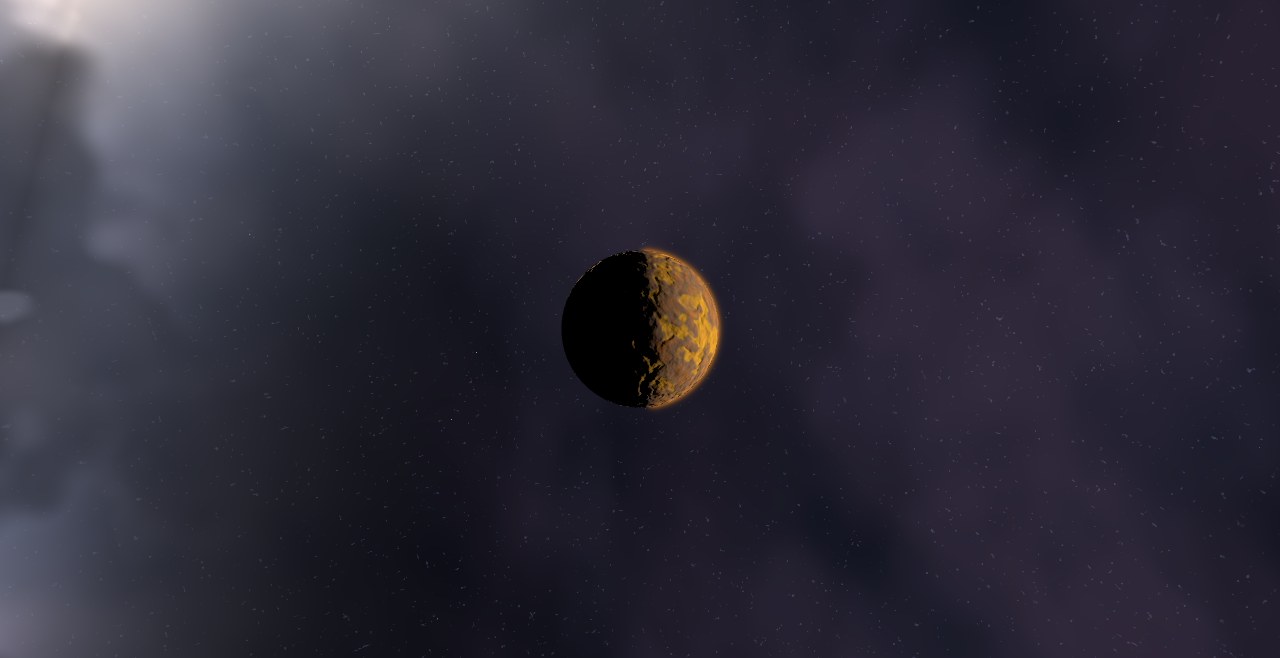
HD 28109, a Sun-like F-type star of 1.23 solar masses, and HD 28109 b, a 6.2-Earth-mass planet, with an orbital period of 22.9 days, and an equilibrium temperature near 867 K.
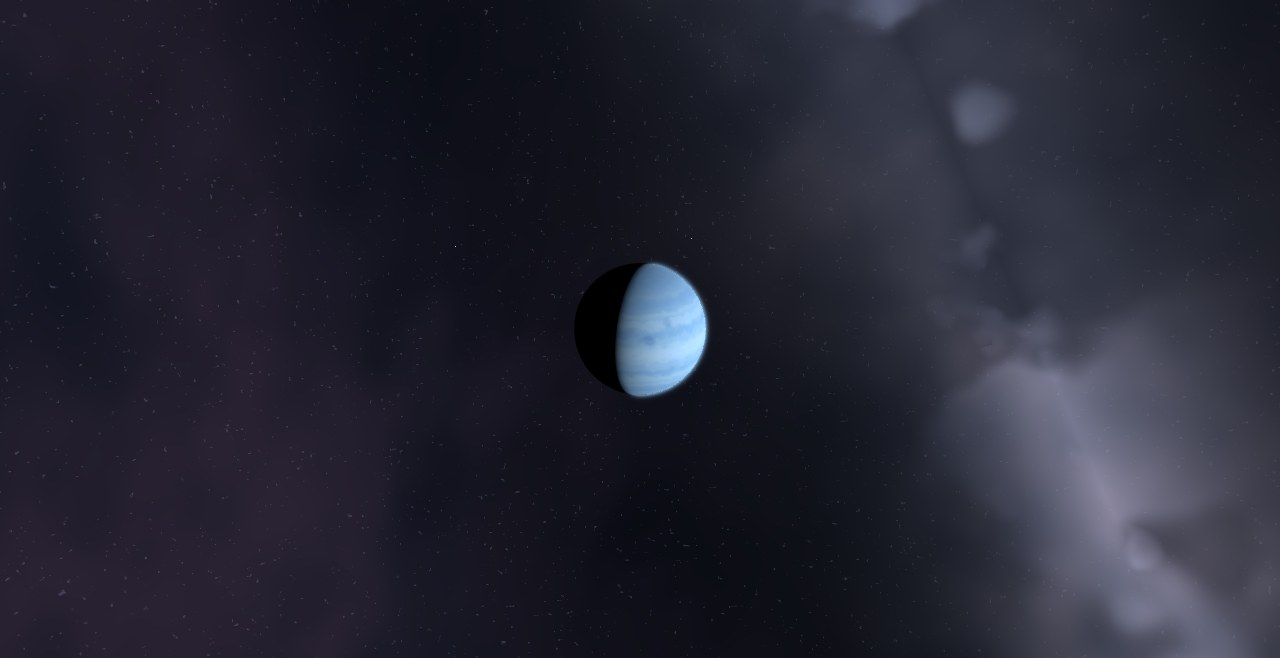
HD 28185, a Sun-like G-type star of 0.97 solar masses, and HD 28185 b, a 5.85-Jupiter-mass companion, with an orbital period of 1.06 years, at 1.034 AU from its star, on an eccentric orbit (e ≈ 0.06).