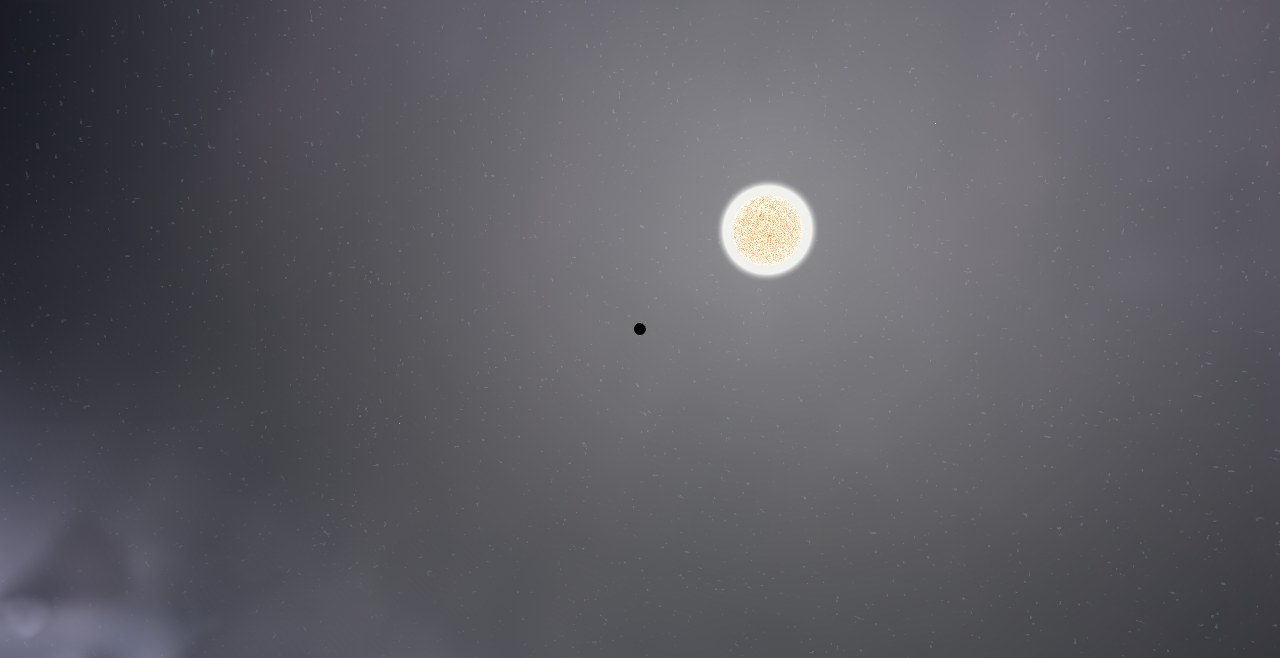
WASP-28 - System
WASP-28, a Sun-like F-type star of 0.99 solar masses, and WASP-28 b, a 0.89-Jupiter-mass companion, with an orbital period of 3.4 days, at 0.044 AU from its star, and an equilibrium temperature near 1,456 K.
Scenarios
Discover alien solar systems and explore worlds far beyond our own. Simulate extreme orbital environments, habitable zones, and tightly packed resonant chains discovered by modern astronomy, all mapped accurately from real exoplanetary discovery data.
Share
WASP-28, a Sun-like F-type star of 0.99 solar masses, and WASP-28 b, a 0.89-Jupiter-mass companion, with an orbital period of 3.4 days, at 0.044 AU from its star, and an equilibrium temperature near 1,456 K.
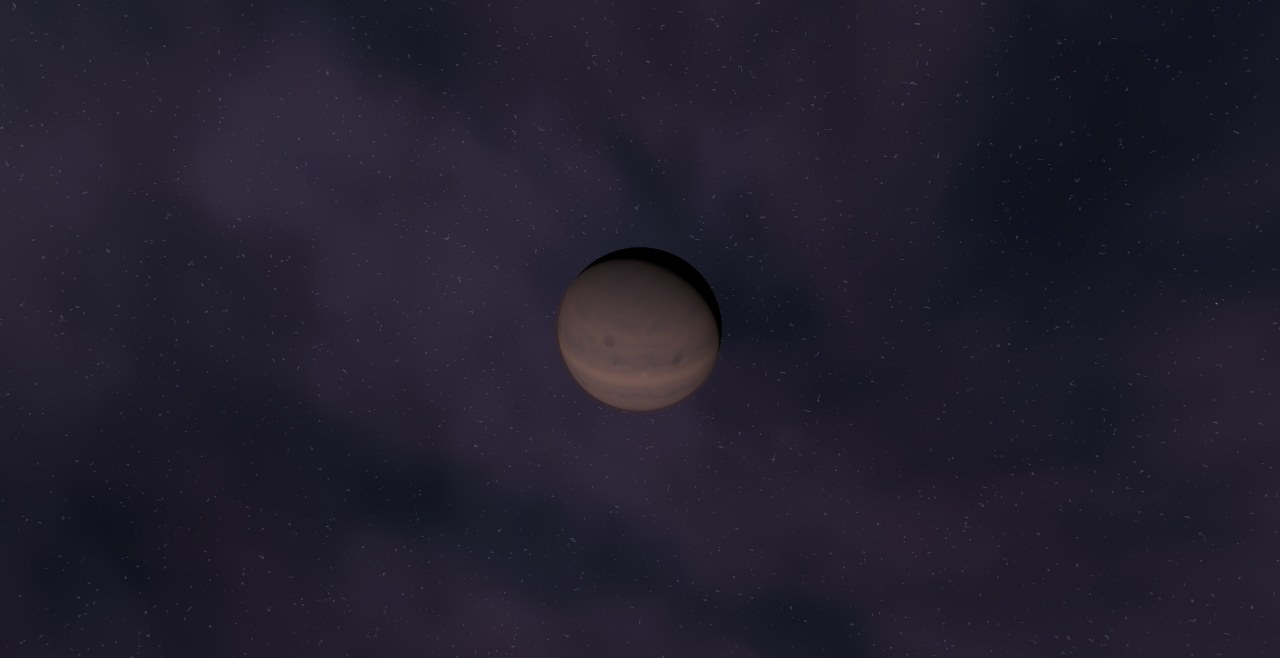
WASP-29, an orange K-type dwarf of 0.77 solar masses, and WASP-29 b, a 0.23-Jupiter-mass companion, with an orbital period of 3.9 days.
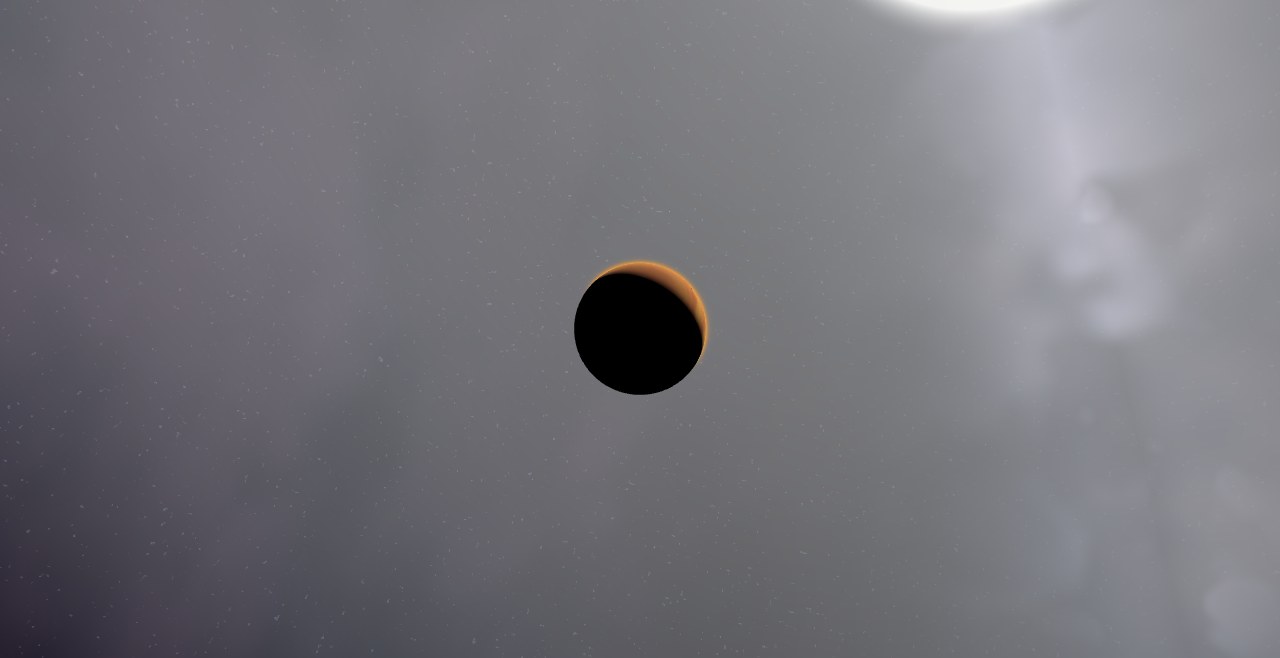
WASP-3, a Sun-like F-type star of 1.62 solar masses, and WASP-3 b, a 2.43-Jupiter-mass companion, with an orbital period of 1.8 days.
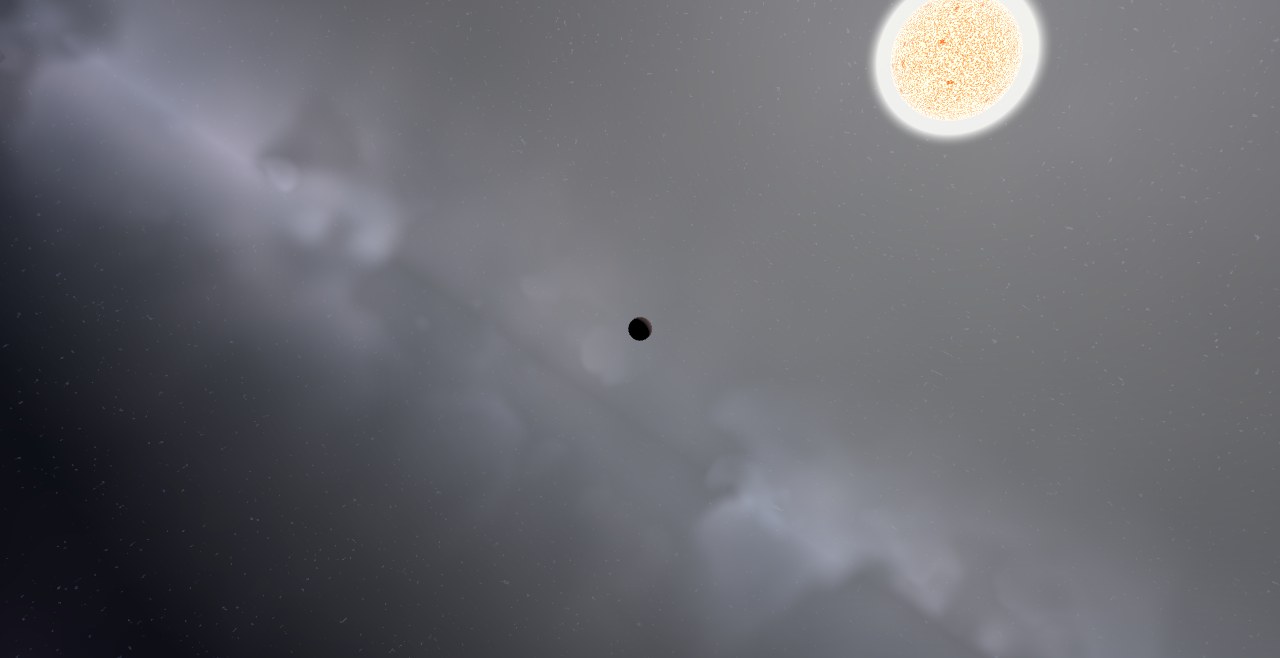
WASP-31, a Sun-like F-type star of 1.16 solar masses, and WASP-31 b, a 0.48-Jupiter-mass companion, with an orbital period of 3.4 days, at 0.047 AU from its star.
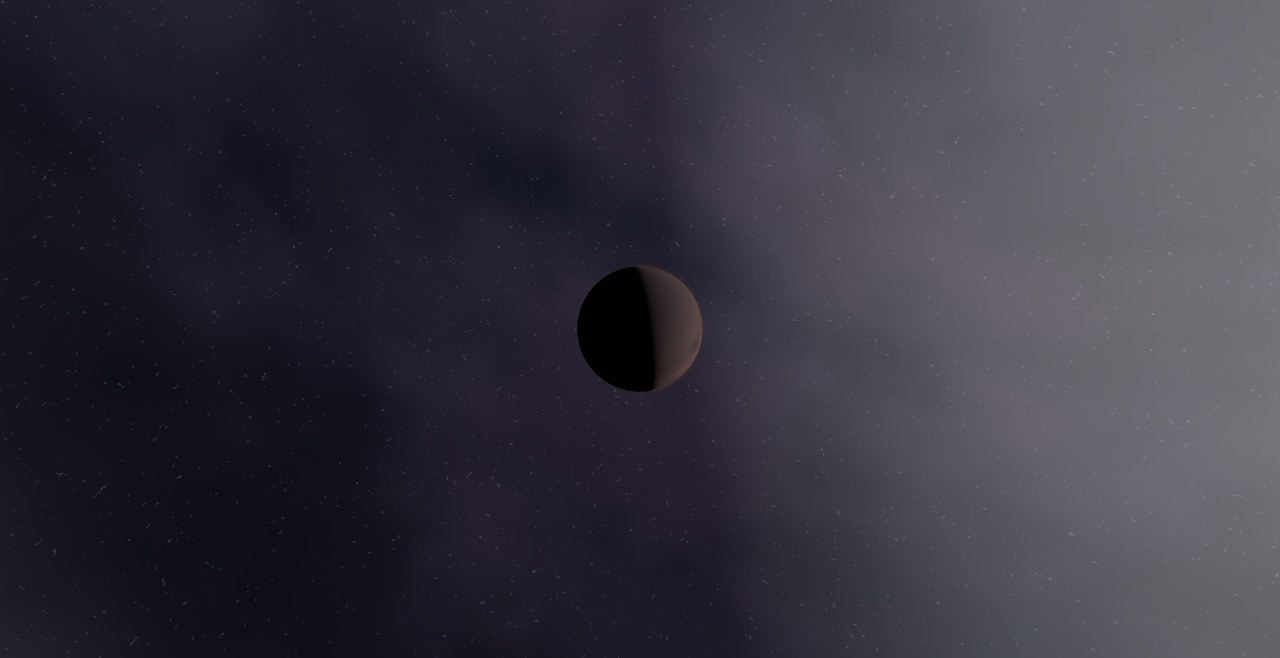
WASP-32, a Sun-like F-type star of 0.72 solar masses, and WASP-32 b, a 2.63-Jupiter-mass companion, with an orbital period of 2.7 days.
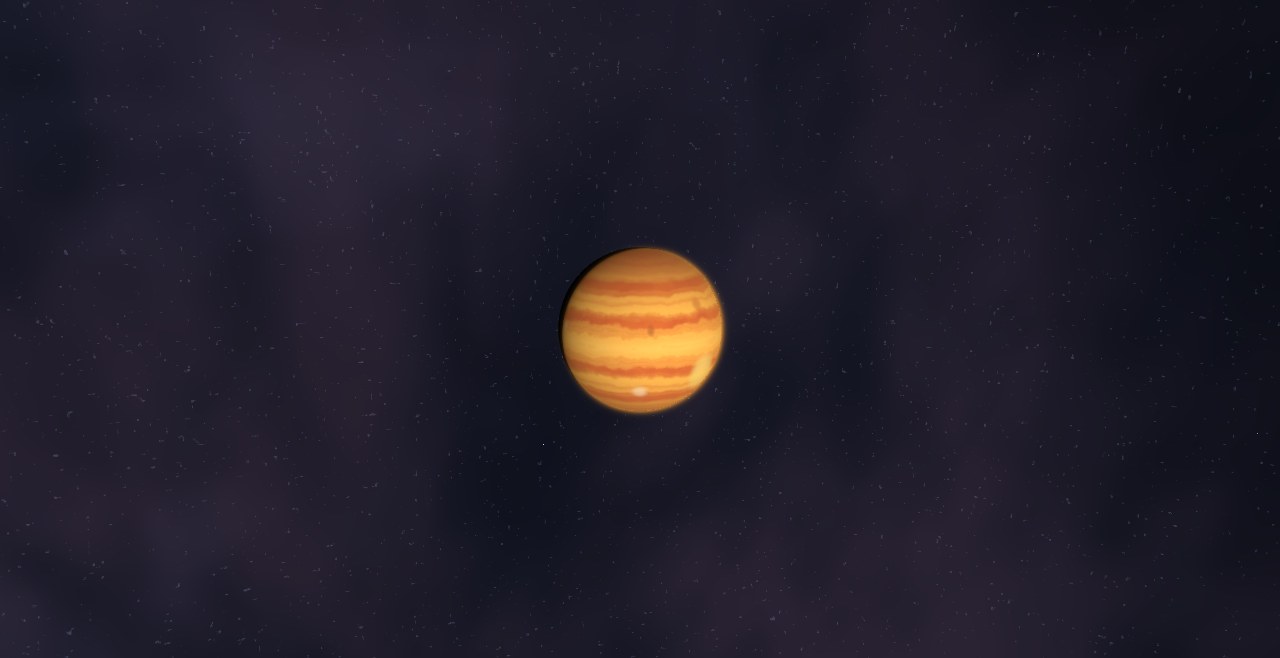
WASP-33 b, a retrograde hot Jupiter around a pulsating A-type star. The planet and the star's vibrations perturb each other every orbit. The orbit is retrograde relative to the star's spin.
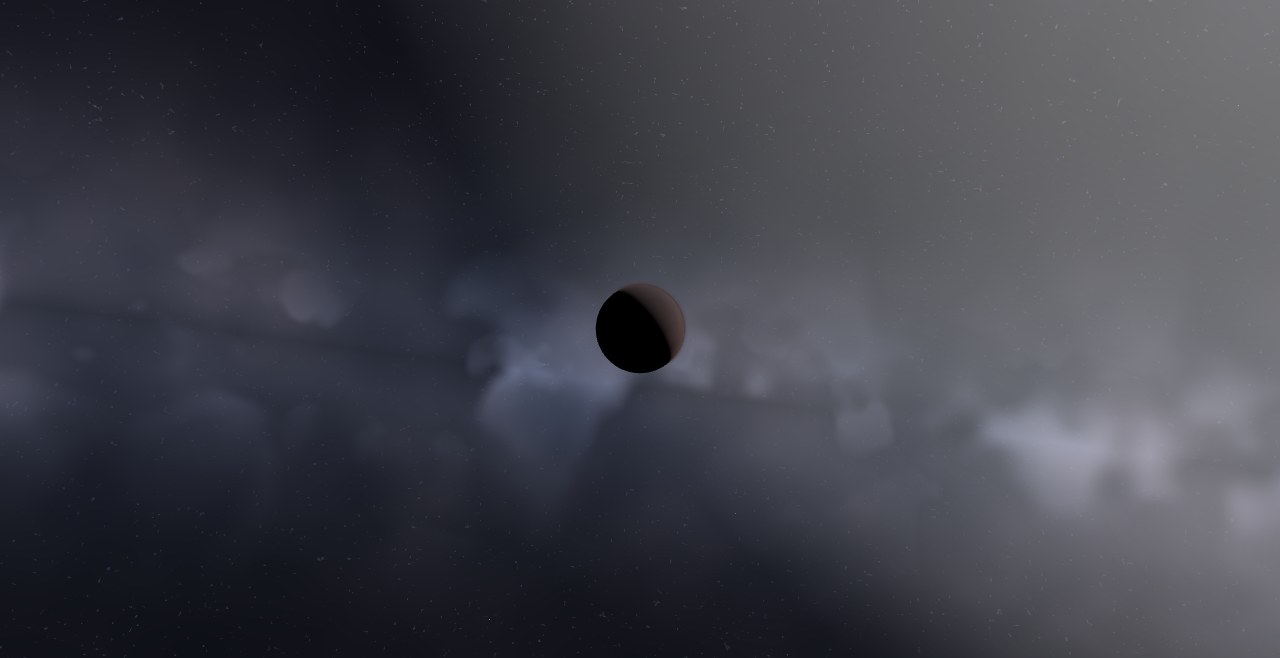
WASP-34, a Sun-like G-type star of 0.96 solar masses, and WASP-34 b, a 0.56-Jupiter-mass companion, with an orbital period of 4.3 days.
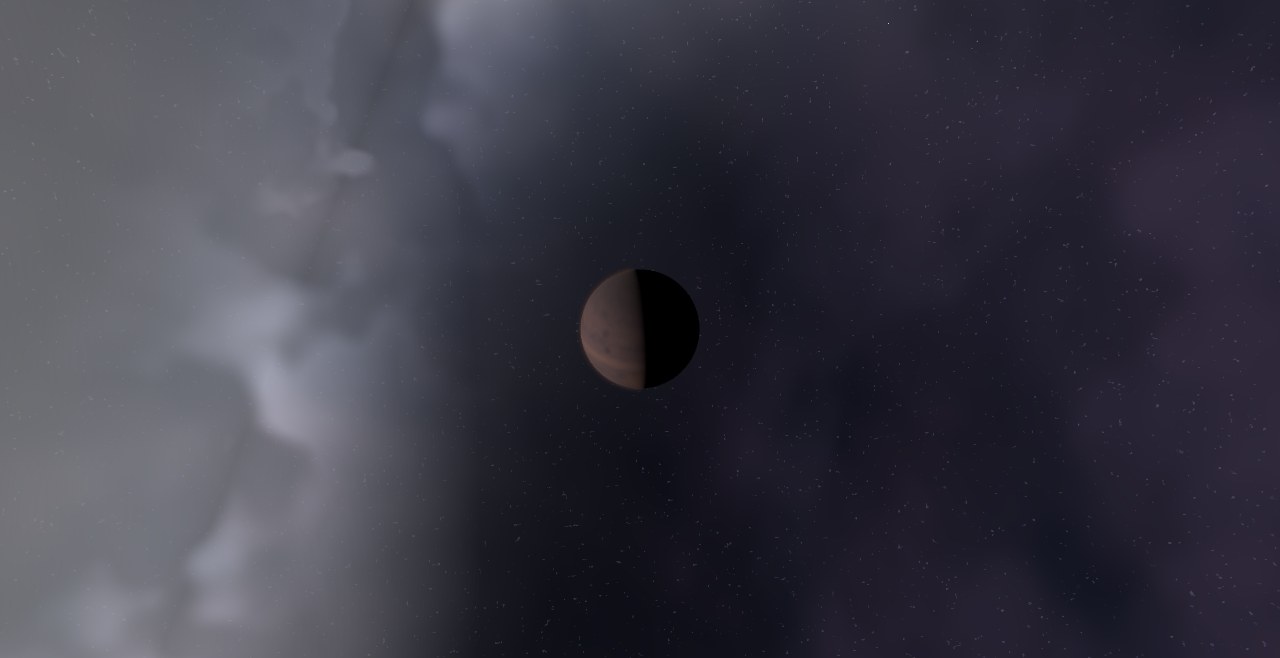
WASP-35, a Sun-like G-type star of 1.05 solar masses, and WASP-35 b, a 0.71-Jupiter-mass companion, with an orbital period of 3.2 days.
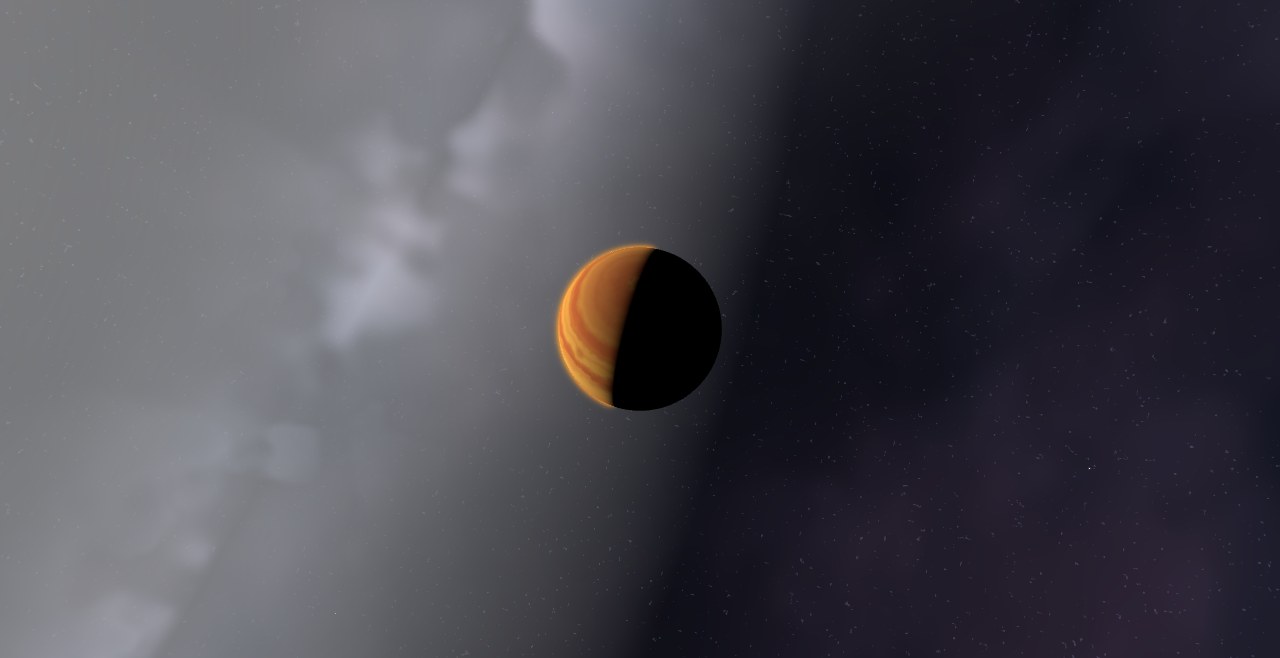
WASP-36, a Sun-like G-type star of 1.08 solar masses, and WASP-36 b, a 2.36-Jupiter-mass companion, with an orbital period of 1.5 days, at 0.027 AU from its star, and an equilibrium temperature near 1,733 K.
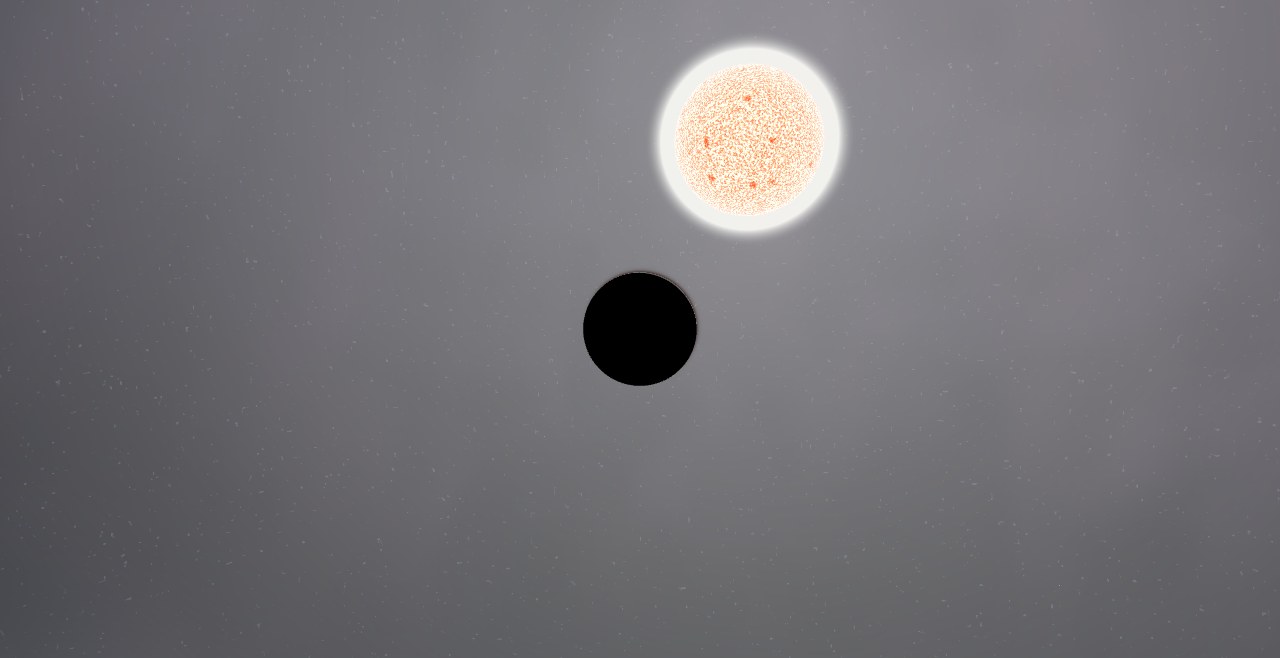
WASP-37, a Sun-like G-type star of 0.93 solar masses, and WASP-37 b, a 1.80-Jupiter-mass companion, with an orbital period of 3.6 days, at 0.045 AU from its star.
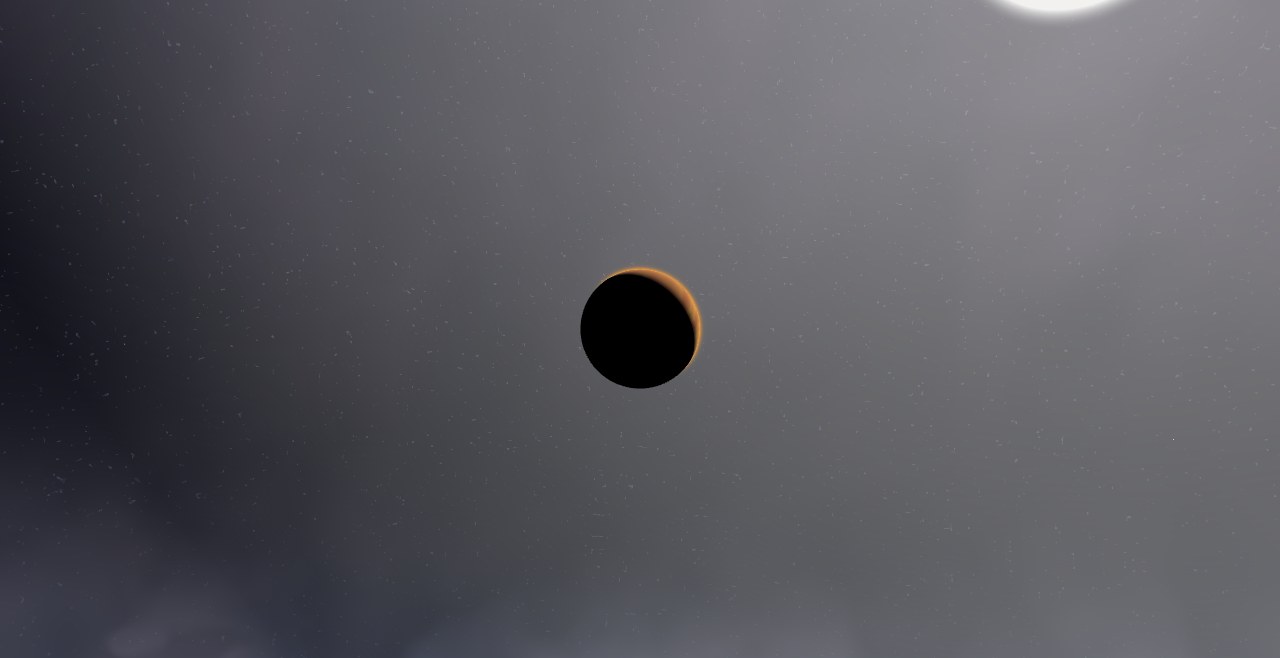
WASP-38, a Sun-like F-type star of 1.76 solar masses, and WASP-38 b, a 3.44-Jupiter-mass companion, with an orbital period of 6.9 days.
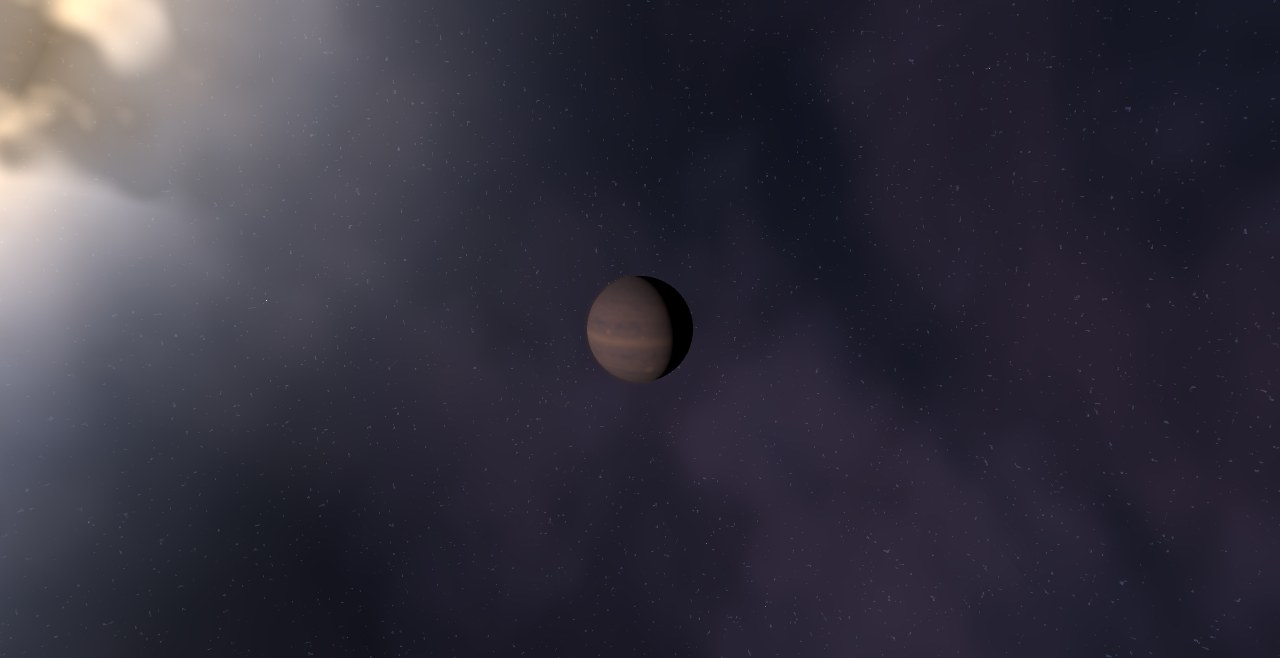
WASP-39 b, the benchmark planet of JWST's first exoplanet results. Its puffy atmosphere revealed water, carbon dioxide, and photochemical sulfur dioxide.
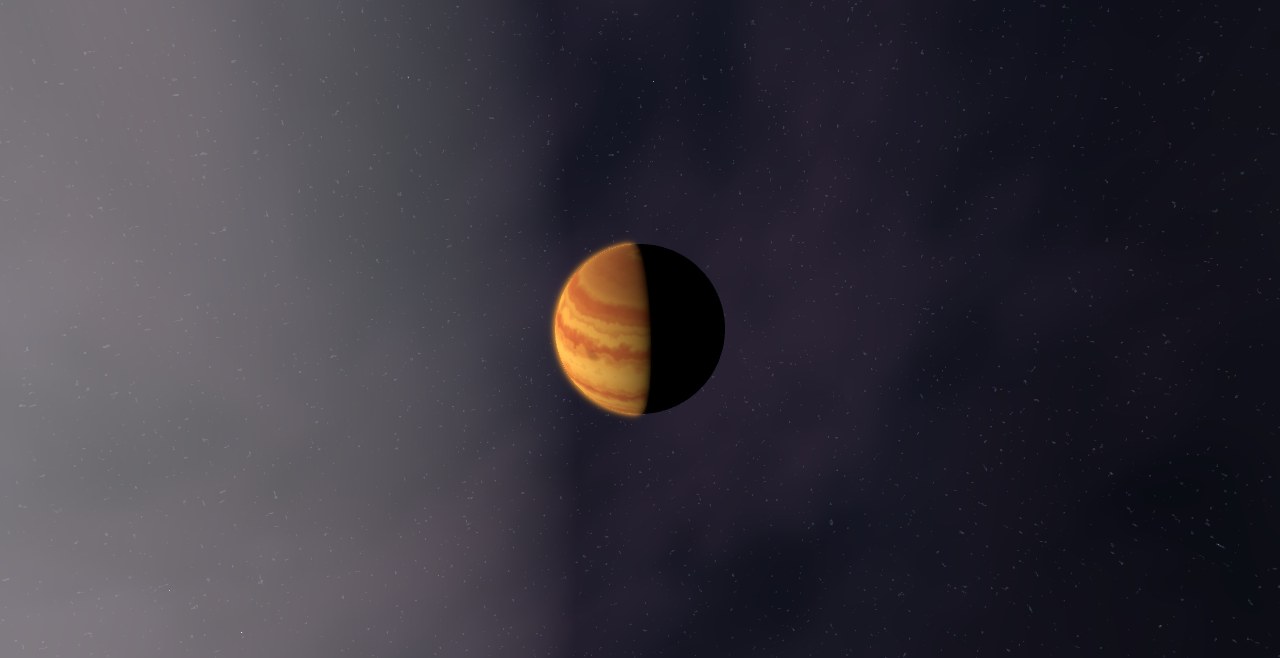
WASP-4, a Sun-like G-type star of 0.90 solar masses, and WASP-4 b, a 1.20-Jupiter-mass companion, with an orbital period of 1.3 days, at 0.023 AU from its star, and an equilibrium temperature near 1,653 K.
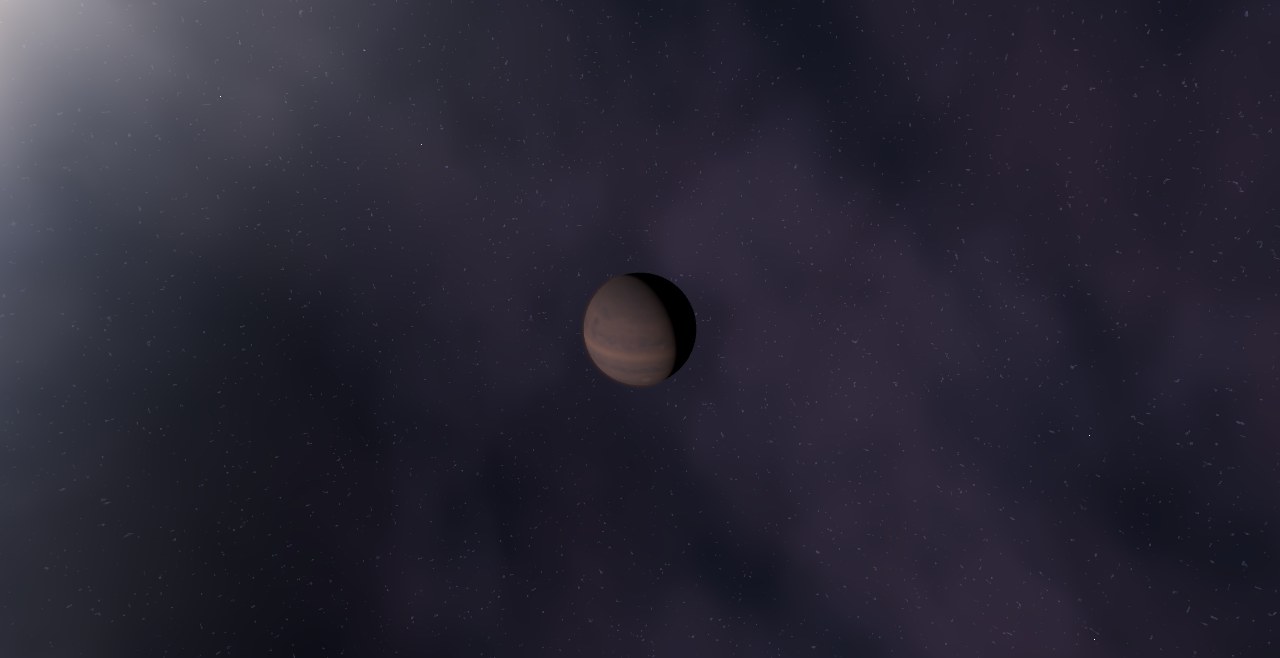
WASP-41, a Sun-like G-type star of 0.81 solar masses, and WASP-41 c, a 3.18-Jupiter-mass companion, with an orbital period of 1.15 years, at 1.070 AU from its star, and an equilibrium temperature near 241 K.
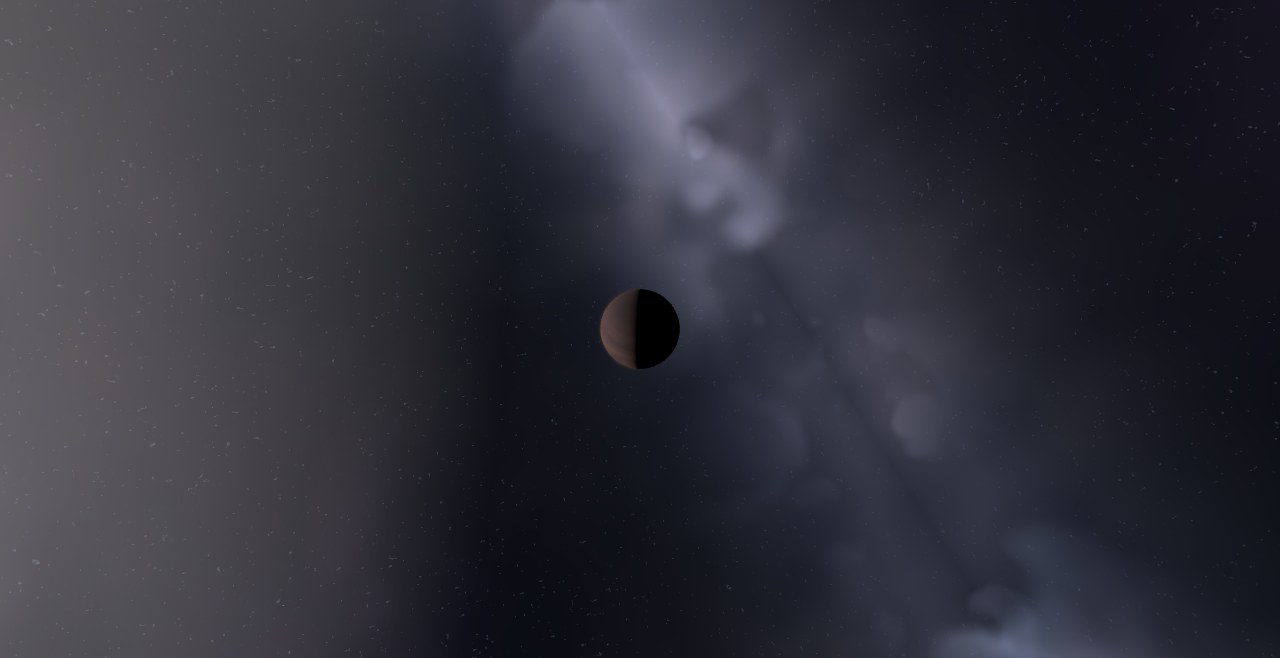
WASP-42, a Sun-like G-type star of 0.95 solar masses, and WASP-42 b, a 0.53-Jupiter-mass companion, with an orbital period of 5.0 days, at 0.056 AU from its star, and an equilibrium temperature near 1,021 K.
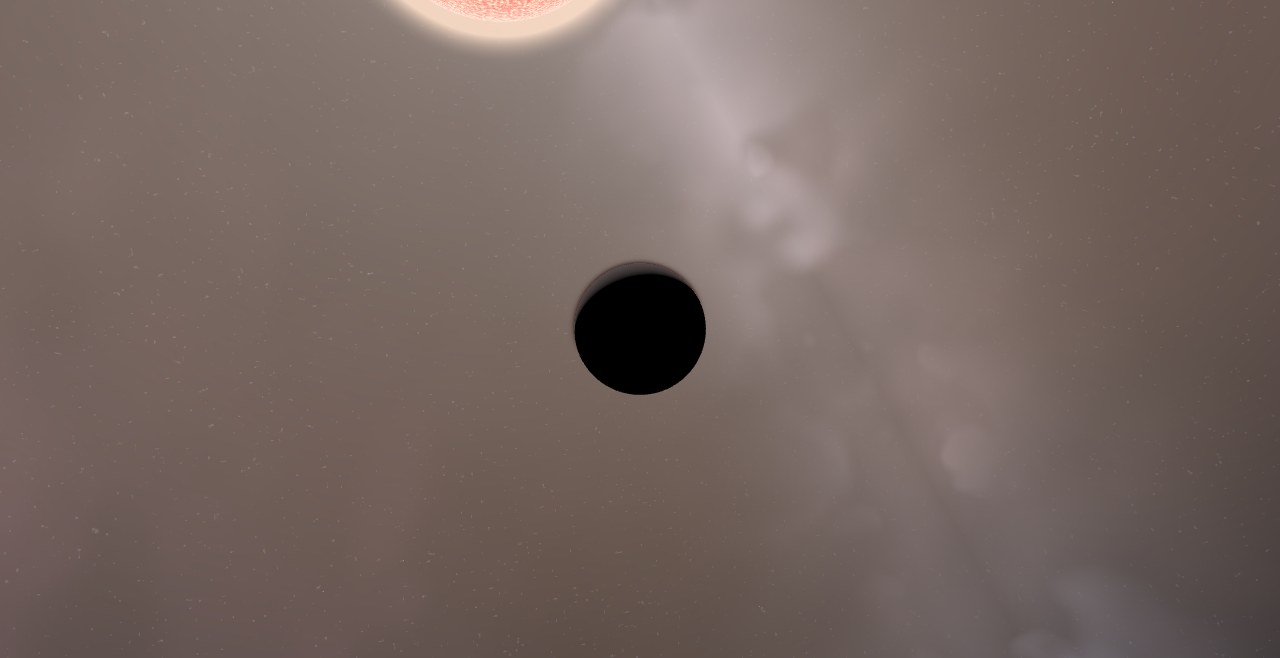
WASP-43 b, a benchmark hot Jupiter for phase curves. Hubble and JWST have mapped how heat flows from its permanent dayside to the night. A year lasts about 19.5 hours around a K dwarf.
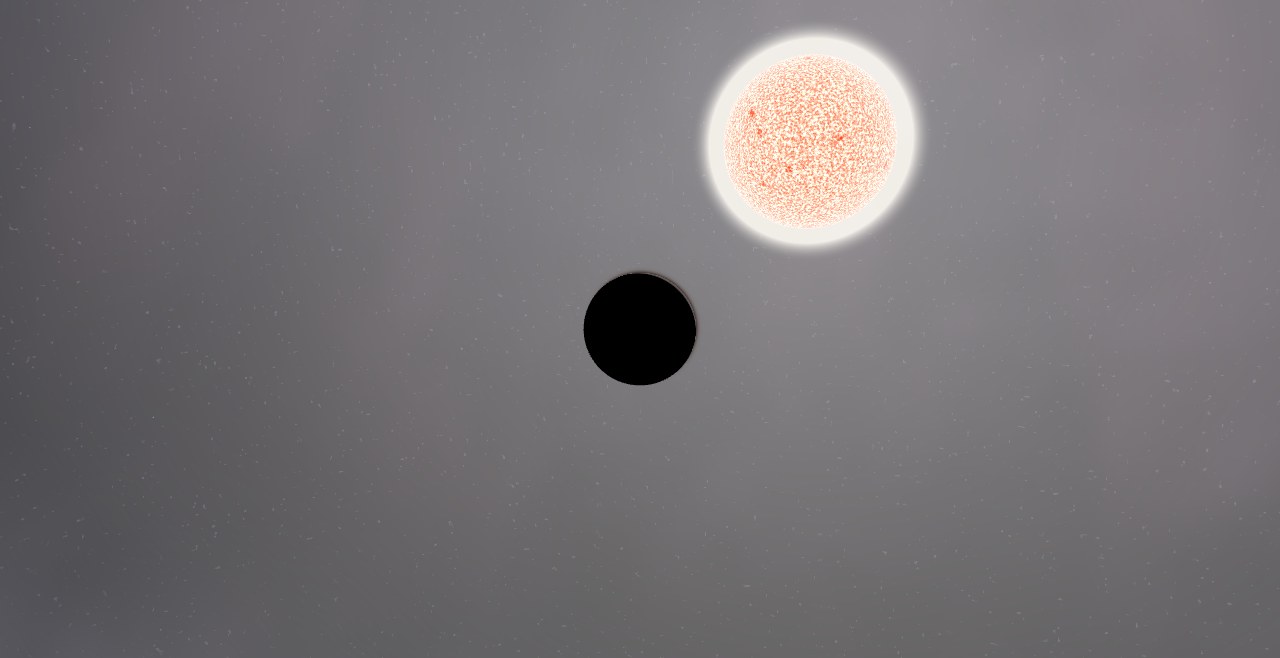
WASP-44, a Sun-like G-type star of 0.94 solar masses, and WASP-44 b, a 0.87-Jupiter-mass companion, with an orbital period of 2.4 days, at 0.035 AU from its star, and an equilibrium temperature near 1,337 K.
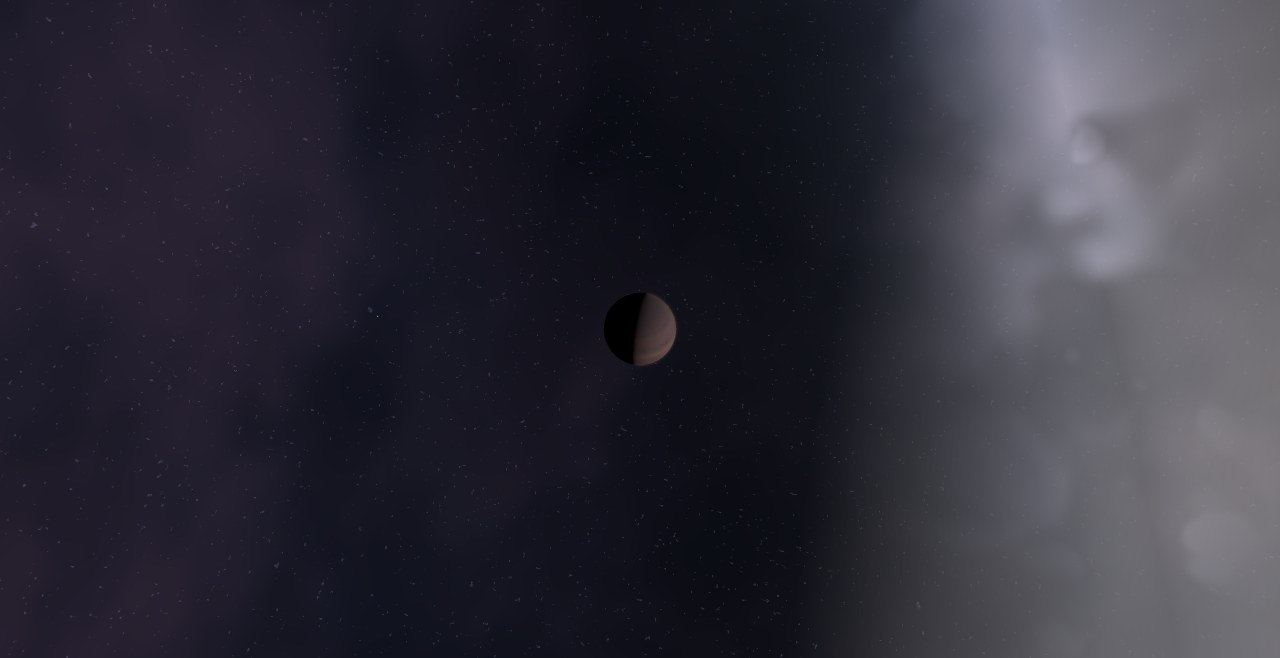
WASP-45, an orange K-type dwarf of 0.85 solar masses, and WASP-45 b, a 0.96-Jupiter-mass companion, with an orbital period of 3.1 days, at 0.040 AU from its star, and an equilibrium temperature near 1,153 K.