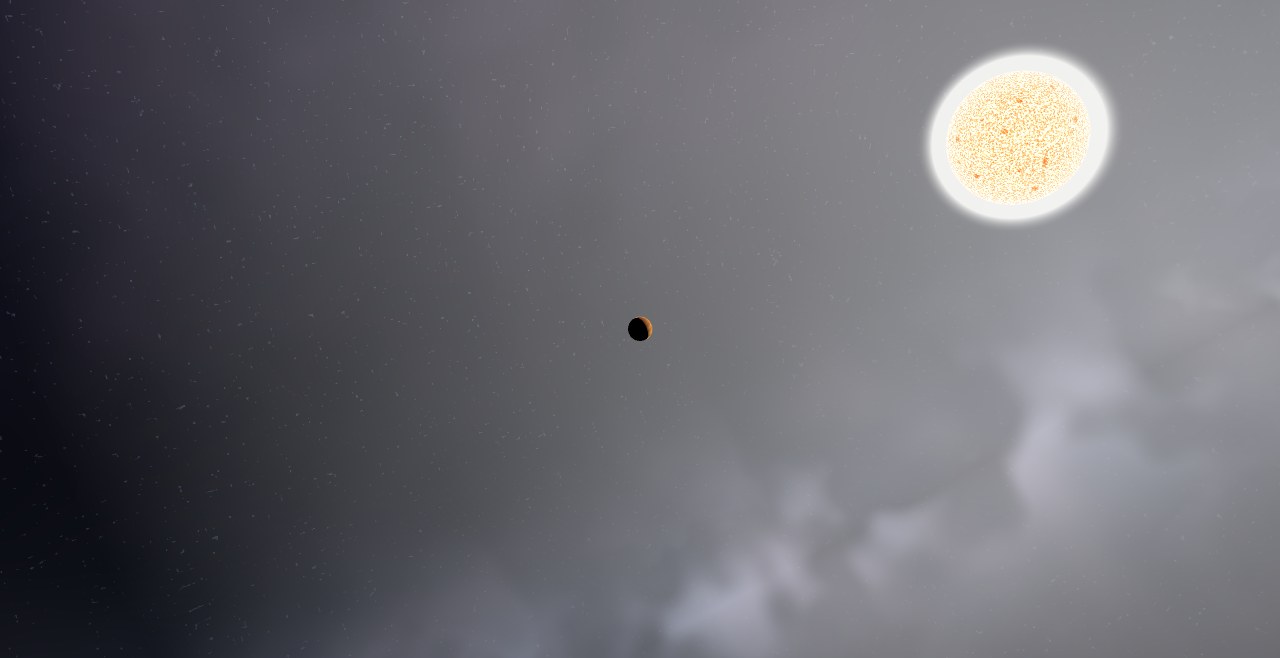
WASP-17 - System
WASP-17 b, the first planet found on a retrograde orbit. This bloated hot Jupiter circles opposite its star's spin and is larger than Jupiter.
Scenarios
Discover alien solar systems and explore worlds far beyond our own. Simulate extreme orbital environments, habitable zones, and tightly packed resonant chains discovered by modern astronomy, all mapped accurately from real exoplanetary discovery data.
Share
WASP-17 b, the first planet found on a retrograde orbit. This bloated hot Jupiter circles opposite its star's spin and is larger than Jupiter.
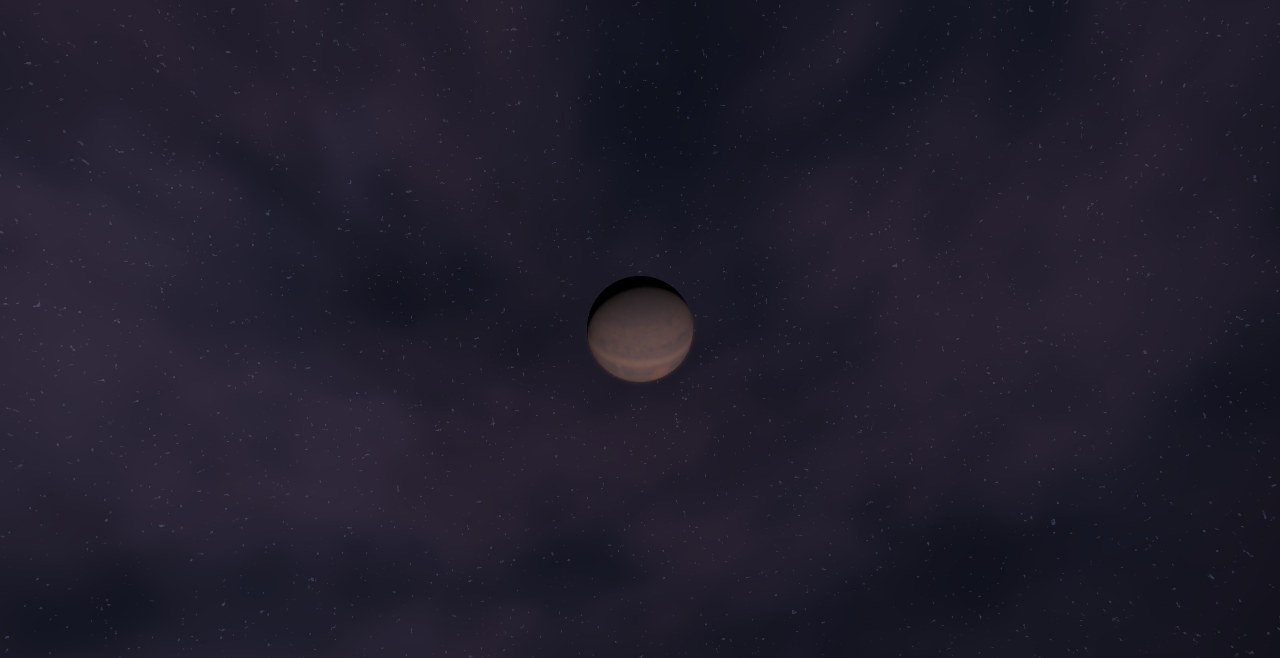
WASP-170, a Sun-like G-type star of 0.93 solar masses, and WASP-170 b, a 1.60-Jupiter-mass companion, with an orbital period of 2.3 days, at 0.034 AU from its star, and an equilibrium temperature near 1,422 K.
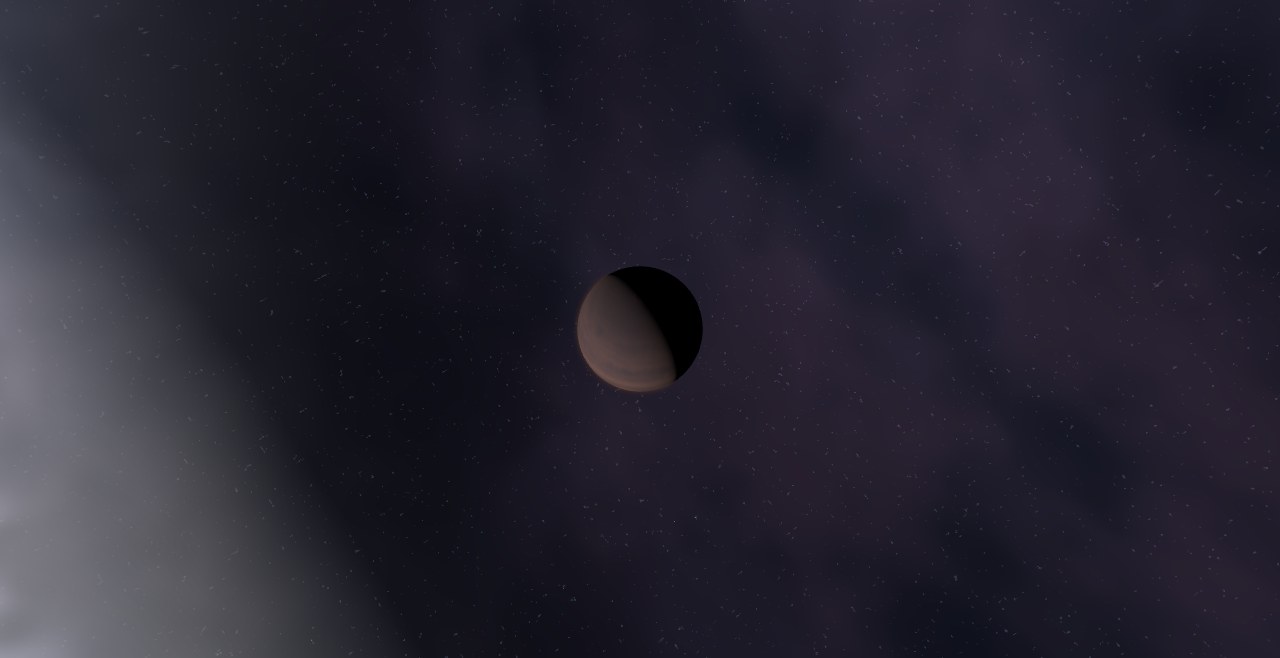
WASP-171, a Sun-like G-type star of 1.17 solar masses, and WASP-171 b, a 1.08-Jupiter-mass companion, with an orbital period of 3.8 days, at 0.050 AU from its star, and an equilibrium temperature near 1,642 K.
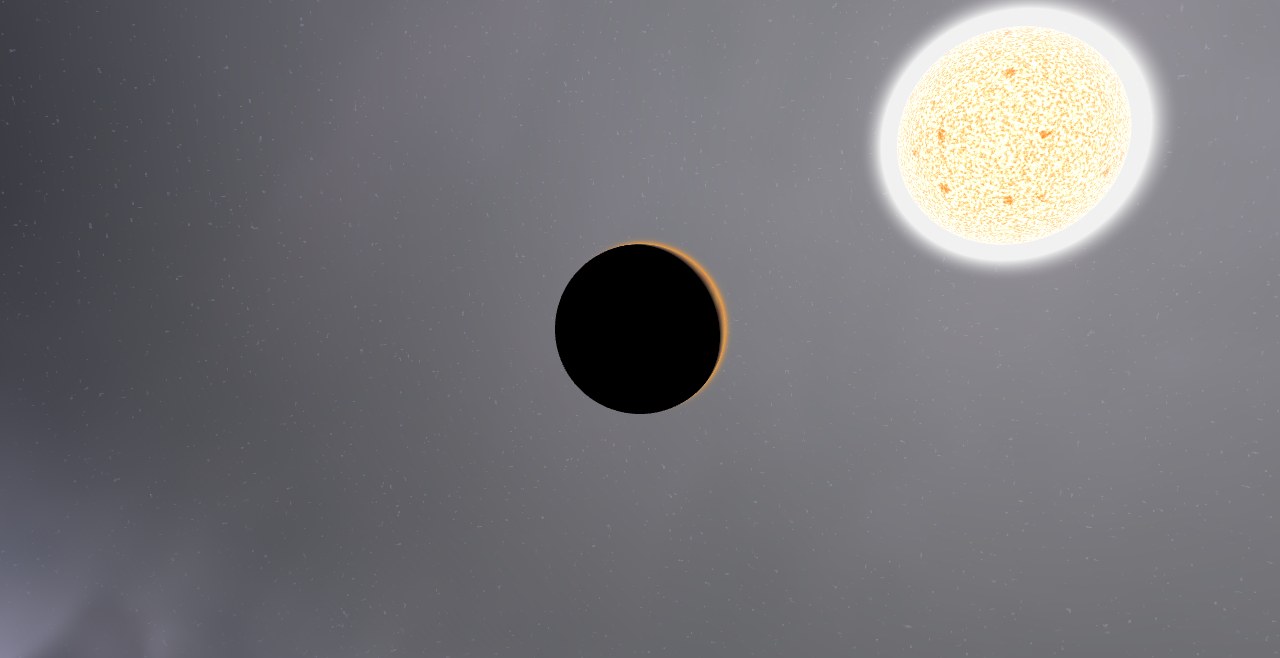
WASP-172, a Sun-like F-type star of 1.49 solar masses, and WASP-172 b, a 0.47-Jupiter-mass companion, with an orbital period of 5.5 days, at 0.069 AU from its star, and an equilibrium temperature near 1,740 K.
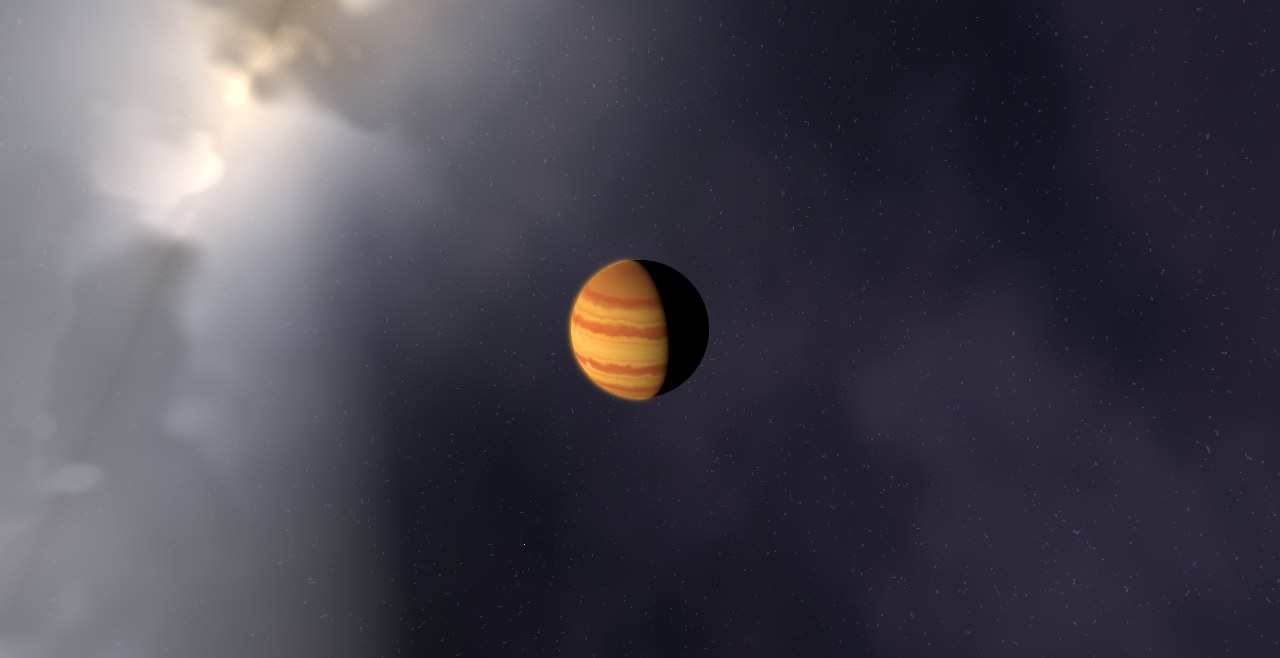
WASP-173 A, a Sun-like G-type star of 1.05 solar masses, and WASP-173 A b, a 3.69-Jupiter-mass companion, with an orbital period of 1.4 days, at 0.025 AU from its star, and an equilibrium temperature near.
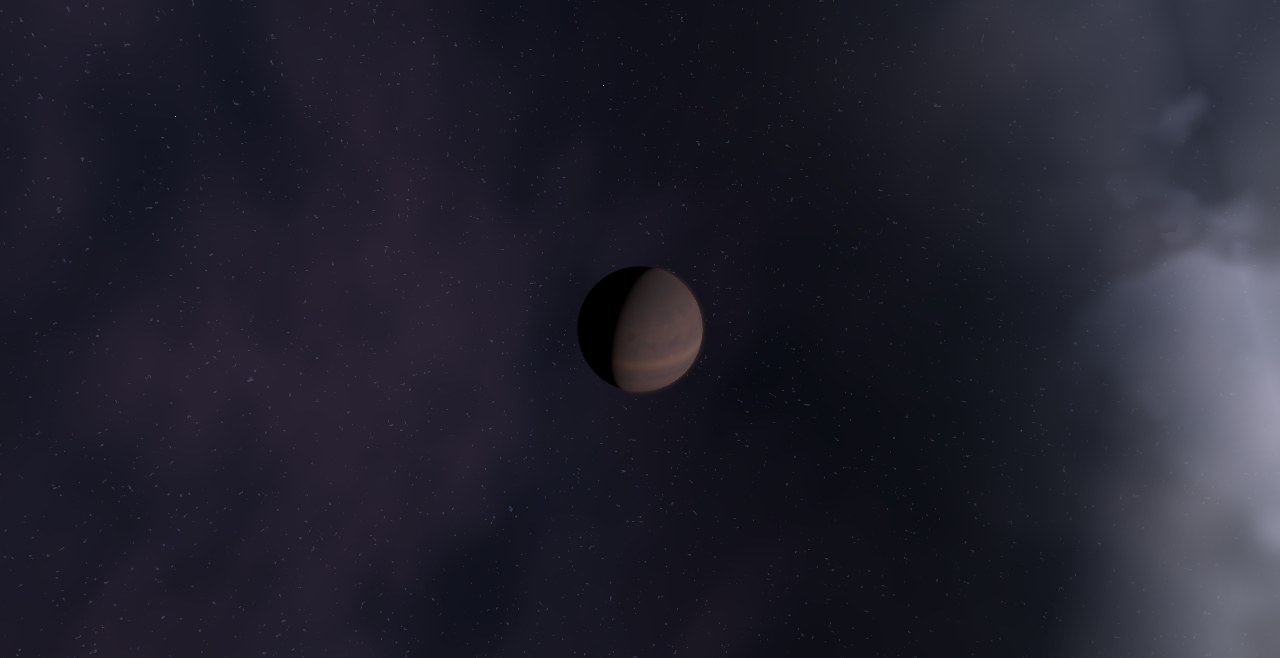
WASP-174, a Sun-like F-type star of 1.24 solar masses, and WASP-174 b, a 0.33-Jupiter-mass companion, with an orbital period of 4.2 days, at 0.055 AU from its star, and an equilibrium temperature near 1,528 K.
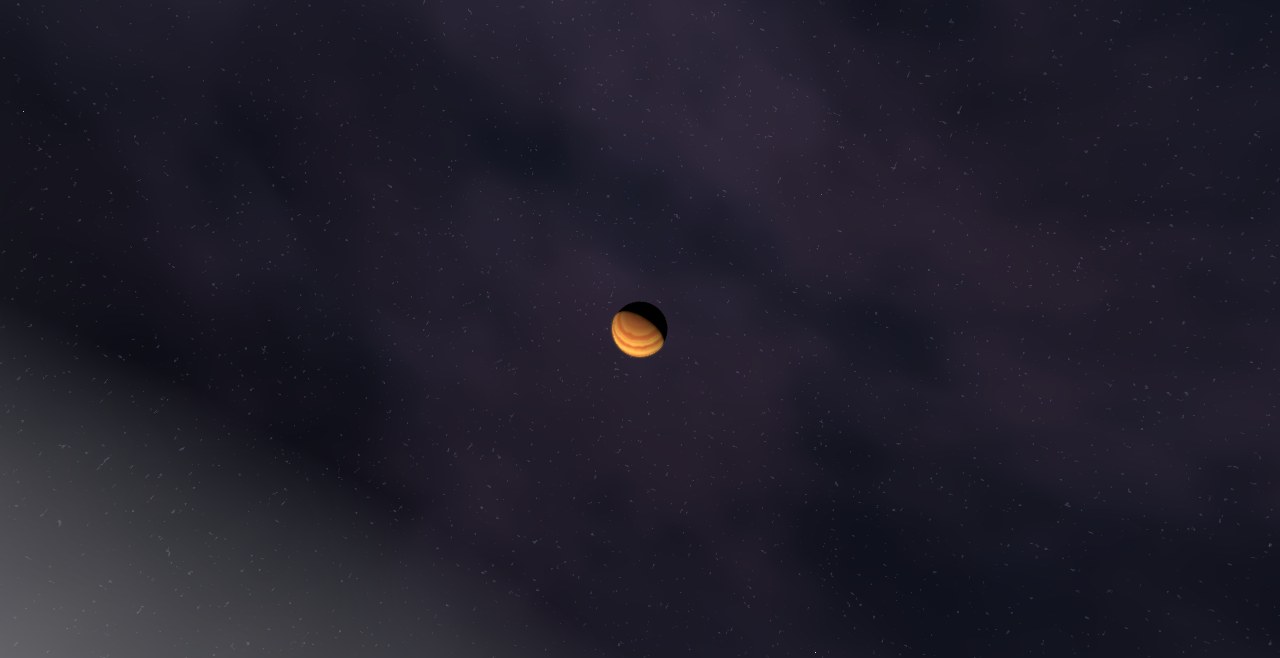
WASP-175, a Sun-like F-type star of 1.21 solar masses, and WASP-175 b, a 0.99-Jupiter-mass companion, with an orbital period of 3.1 days, at 0.044 AU from its star, and an equilibrium temperature near 1,571 K.
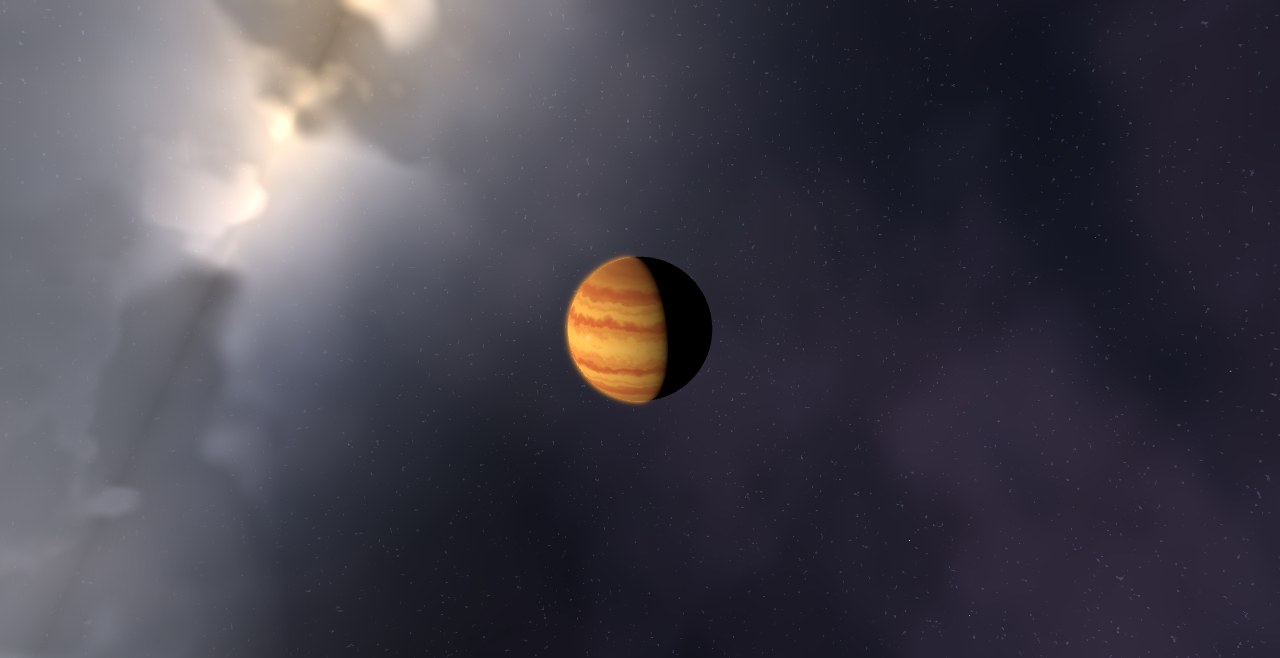
WASP-176, a Sun-like F-type star of 1.34 solar masses, and WASP-176 b, a 0.85-Jupiter-mass companion, with an orbital period of 3.9 days, at 0.053 AU from its star, and an equilibrium temperature near 1,721 K.
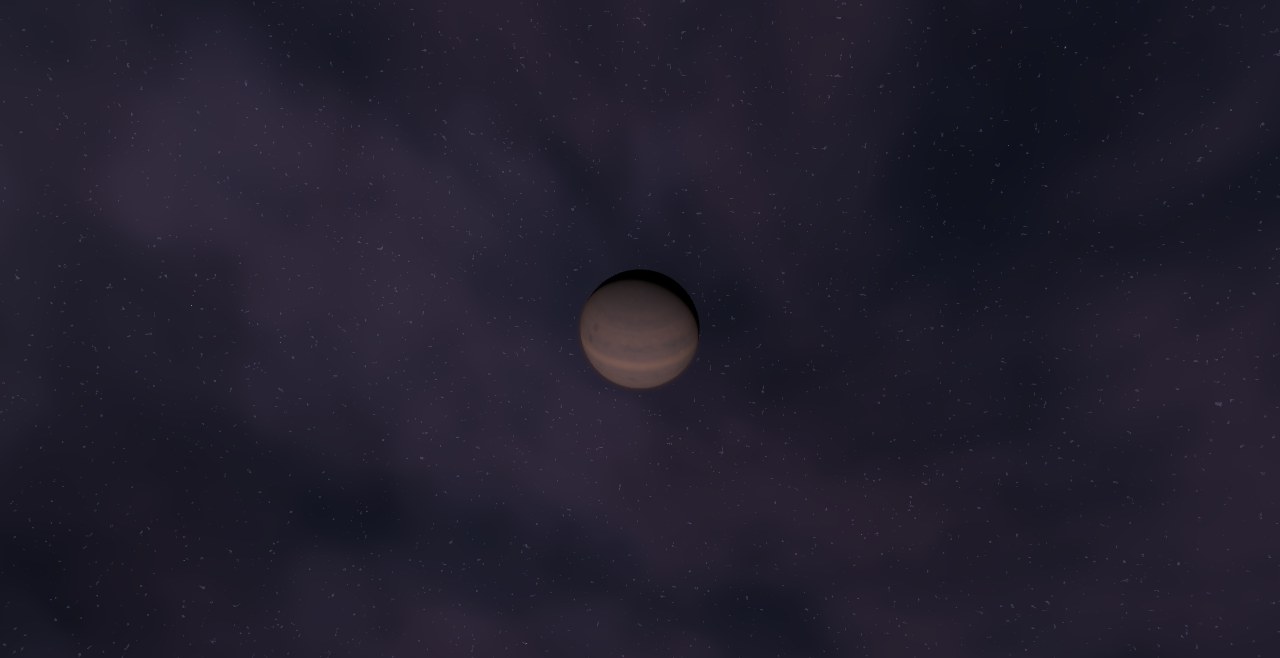
WASP-177, an orange K-type dwarf of 0.88 solar masses, and WASP-177 b, a 0.51-Jupiter-mass companion, with an orbital period of 3.1 days, at 0.040 AU from its star, and an equilibrium temperature near 1,142 K.
WASP-178, and WASP-178 b, a 1.66-Jupiter-mass companion, with an orbital period of 3.3 days, at 0.056 AU from its star, and an equilibrium temperature near 2,470 K.
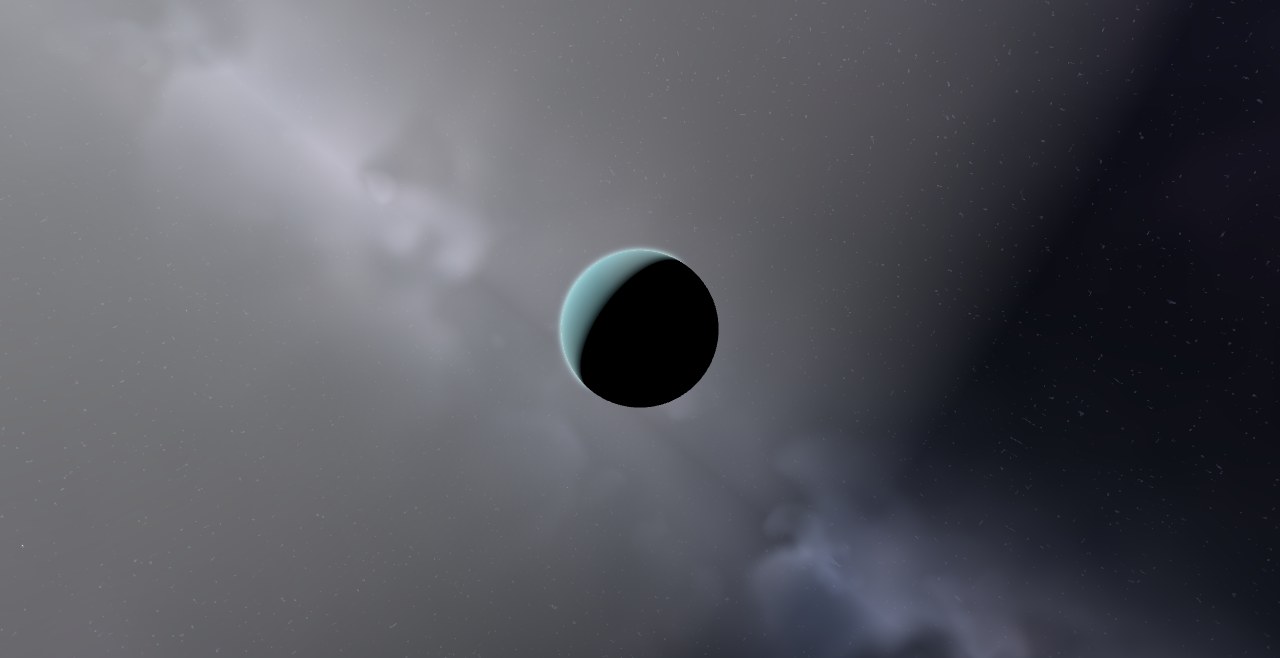
WASP-18 b, a massive hot Jupiter ten times Jupiter's mass. It is a key target for measuring whether tides are pulling it into the star. It is one of the most massive hot Jupiters known.
WASP-180 A, a Sun-like F-type star of 1.30 solar masses, and WASP-180 A b, a 0.90-Jupiter-mass companion, with an orbital period of 3.4 days, at 0.048 AU from its star, and an equilibrium temperature near.
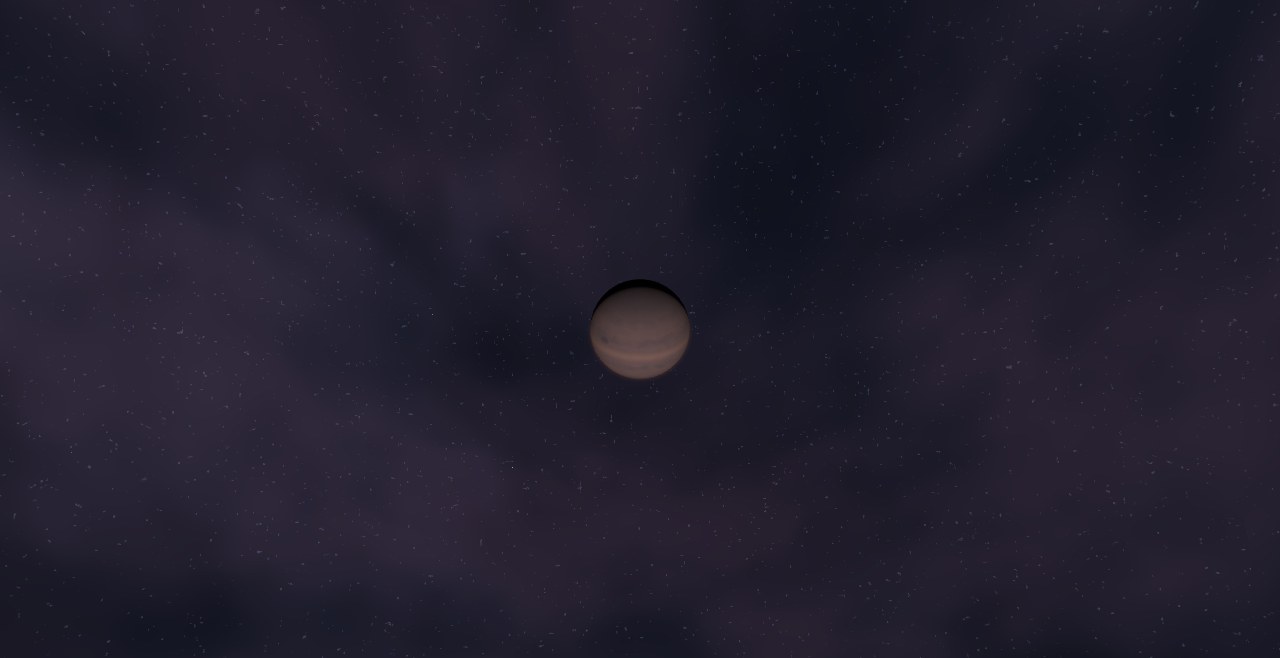
WASP-181, a Sun-like G-type star of 1.04 solar masses, and WASP-181 b, a 0.30-Jupiter-mass companion, with an orbital period of 4.5 days, at 0.054 AU from its star, and an equilibrium temperature near 1,186 K.
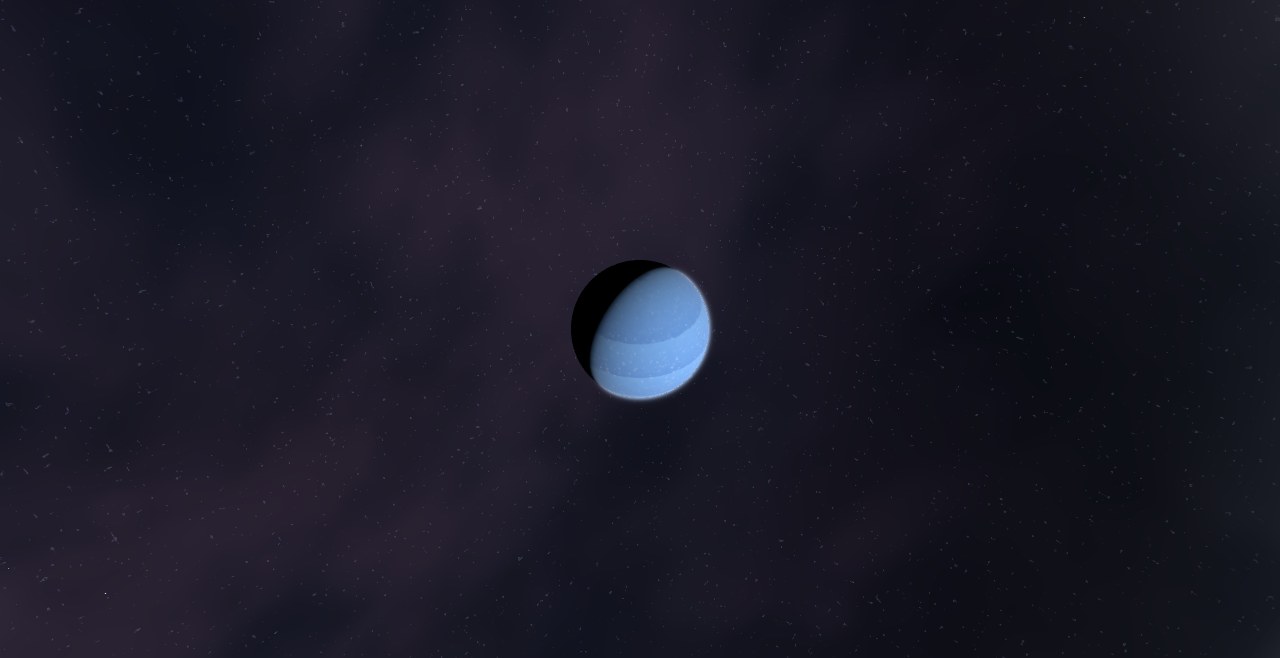
WASP-182, a Sun-like G-type star of 1.08 solar masses, and WASP-182 b, a 0.15-Jupiter-mass companion, with an orbital period of 3.4 days, at 0.045 AU from its star, and an equilibrium temperature near 1,479 K.
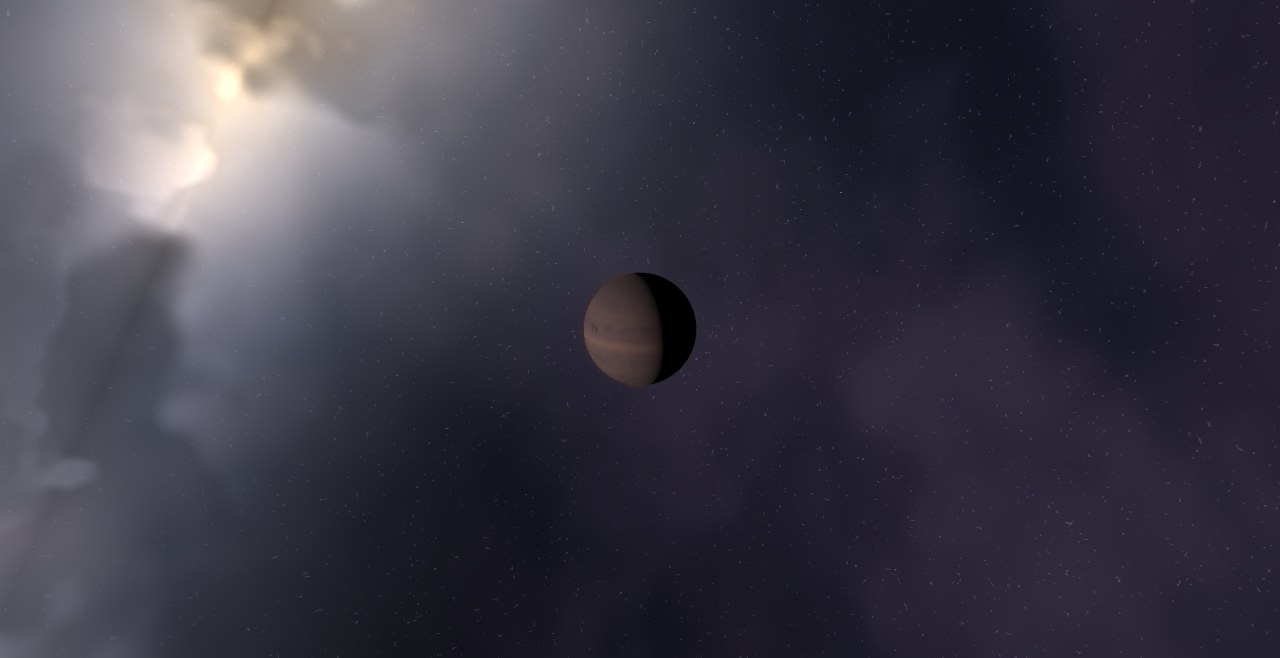
WASP-183, a Sun-like G-type star of 0.78 solar masses, and WASP-183 b, a 0.50-Jupiter-mass companion, with an orbital period of 4.1 days, at 0.046 AU from its star, and an equilibrium temperature near 1,111 K.
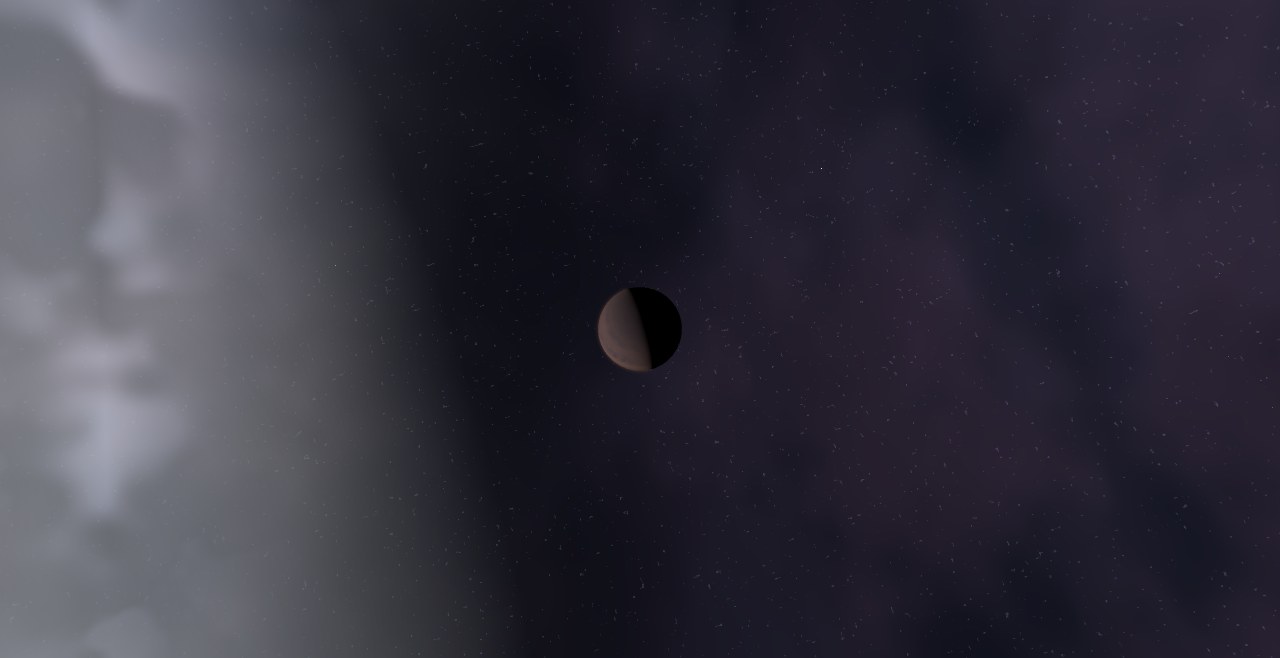
WASP-184, a Sun-like G-type star of 1.23 solar masses, and WASP-184 b, a 0.57-Jupiter-mass companion, with an orbital period of 5.2 days, at 0.063 AU from its star, and an equilibrium temperature near 1,480 K.
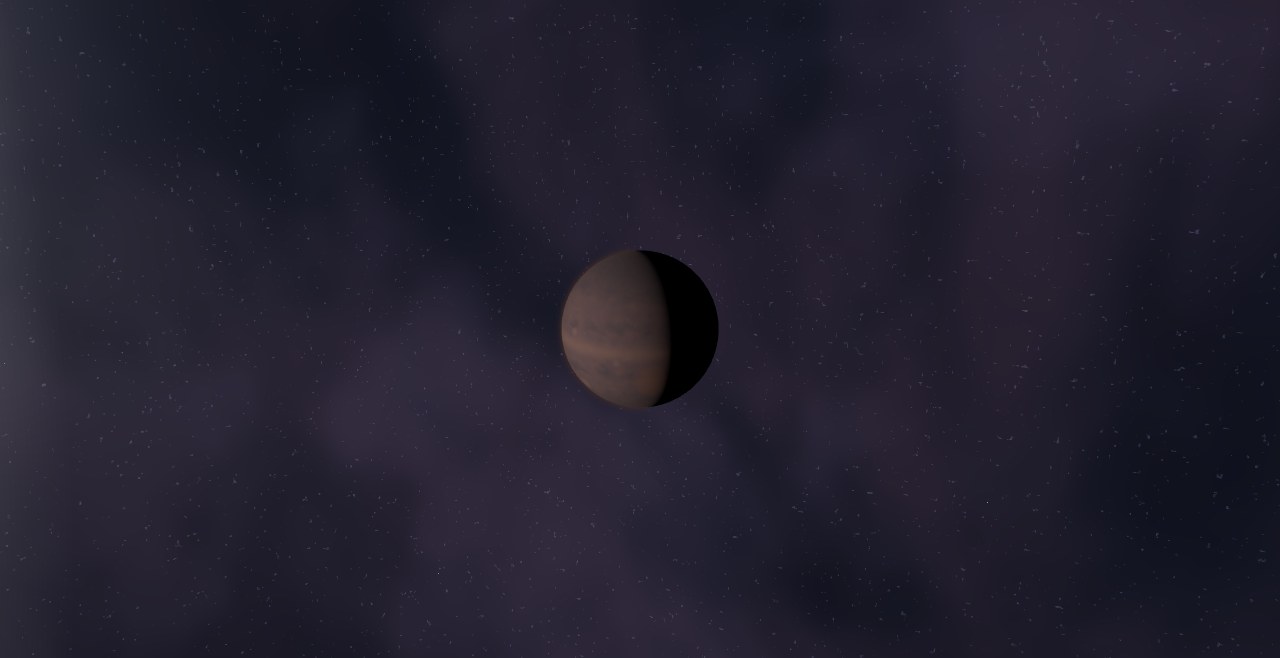
WASP-185, a Sun-like G-type star of 1.12 solar masses, and WASP-185 b, a 0.98-Jupiter-mass companion, with an orbital period of 9.4 days, at 0.090 AU from its star, and an equilibrium temperature near 1,160 K.
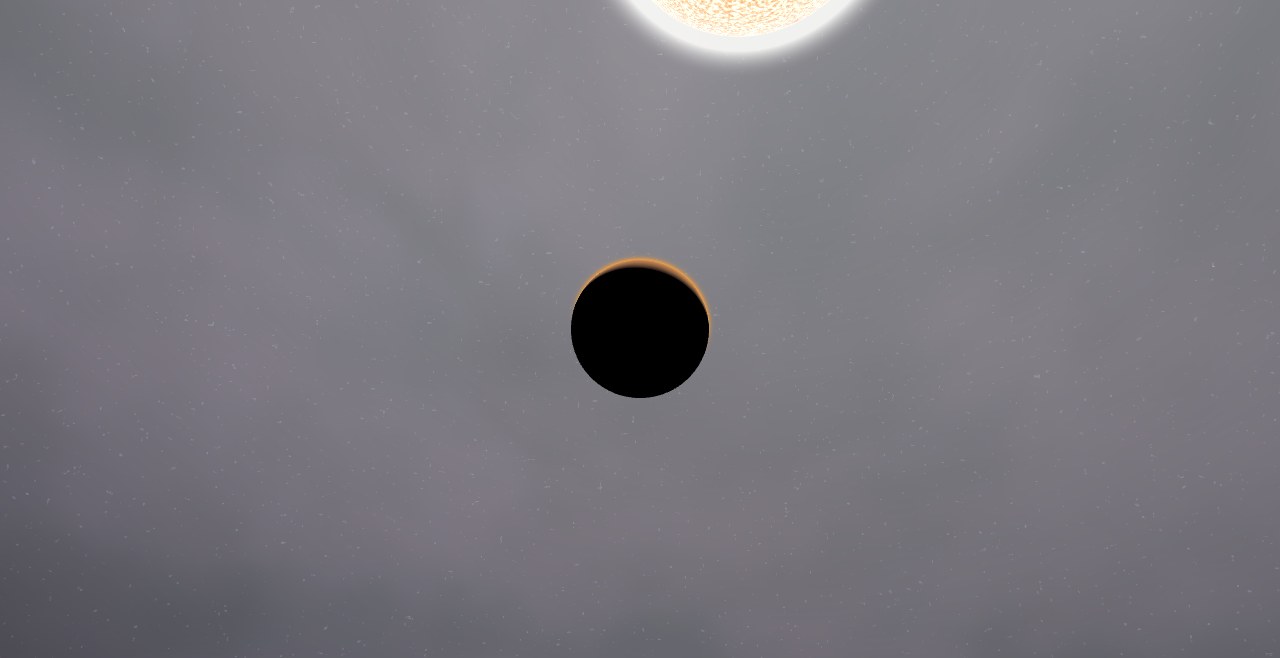
WASP-186, a Sun-like F-type star of 1.22 solar masses, and WASP-186 b, a 4.22-Jupiter-mass companion, with an orbital period of 5.0 days, at 0.060 AU from its star, on an eccentric orbit (e ≈ 0.33).