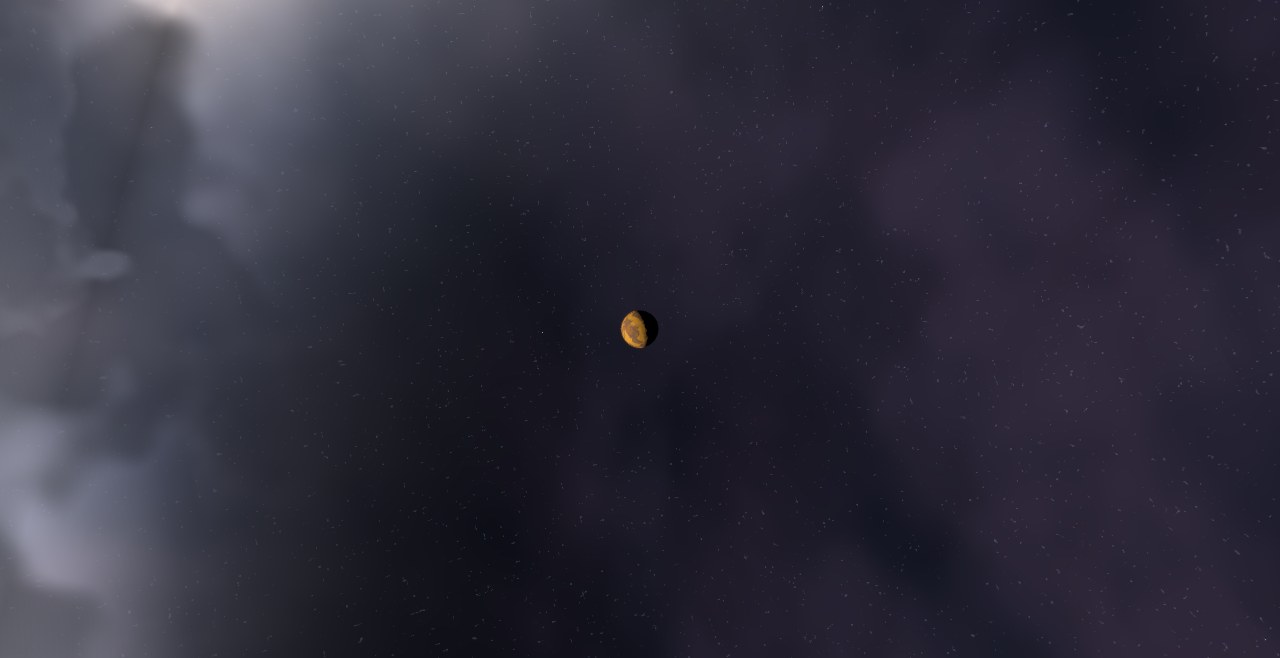
Kepler-507 - System
Kepler-507, a Sun-like F-type star of 1.16 solar masses, and Kepler-507 b, a planet with 1.3 Earth radii, with an orbital period of 3.6 days.
Scenarios
Discover alien solar systems and explore worlds far beyond our own. Simulate extreme orbital environments, habitable zones, and tightly packed resonant chains discovered by modern astronomy, all mapped accurately from real exoplanetary discovery data.
Share
Kepler-507, a Sun-like F-type star of 1.16 solar masses, and Kepler-507 b, a planet with 1.3 Earth radii, with an orbital period of 3.6 days.
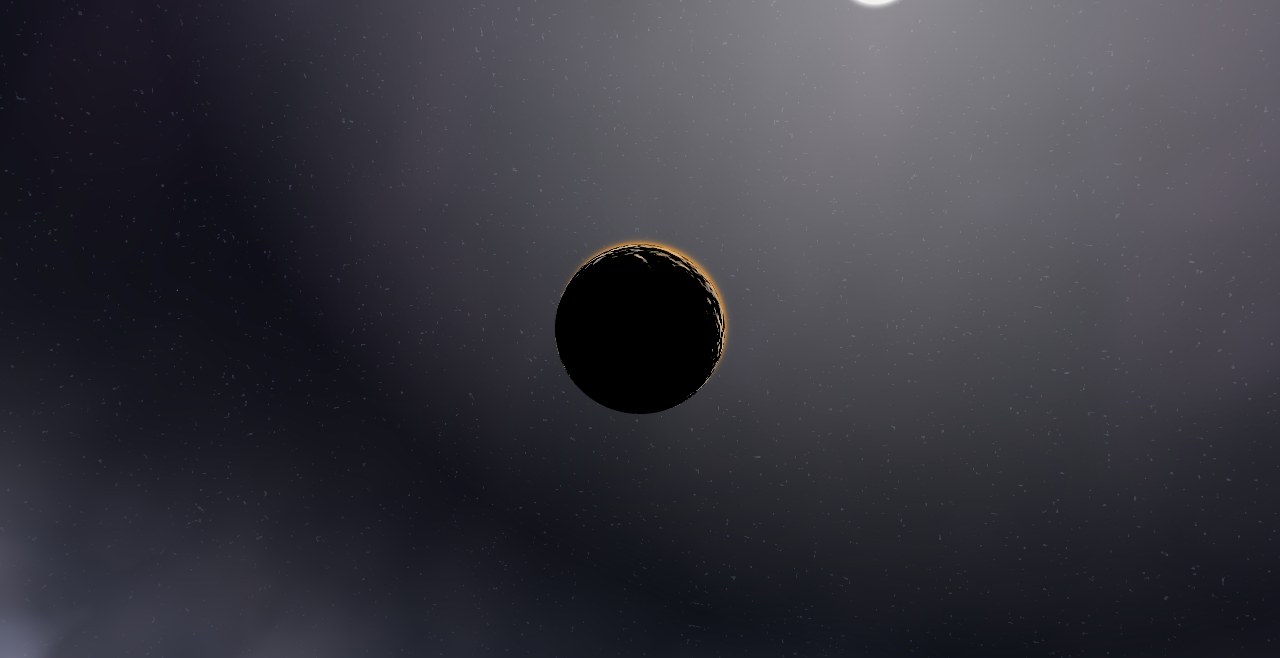
Kepler-508, a Sun-like F-type star of 1.16 solar masses, and Kepler-508 b, a planet with 1.6 Earth radii, with an orbital period of 25.3 days.
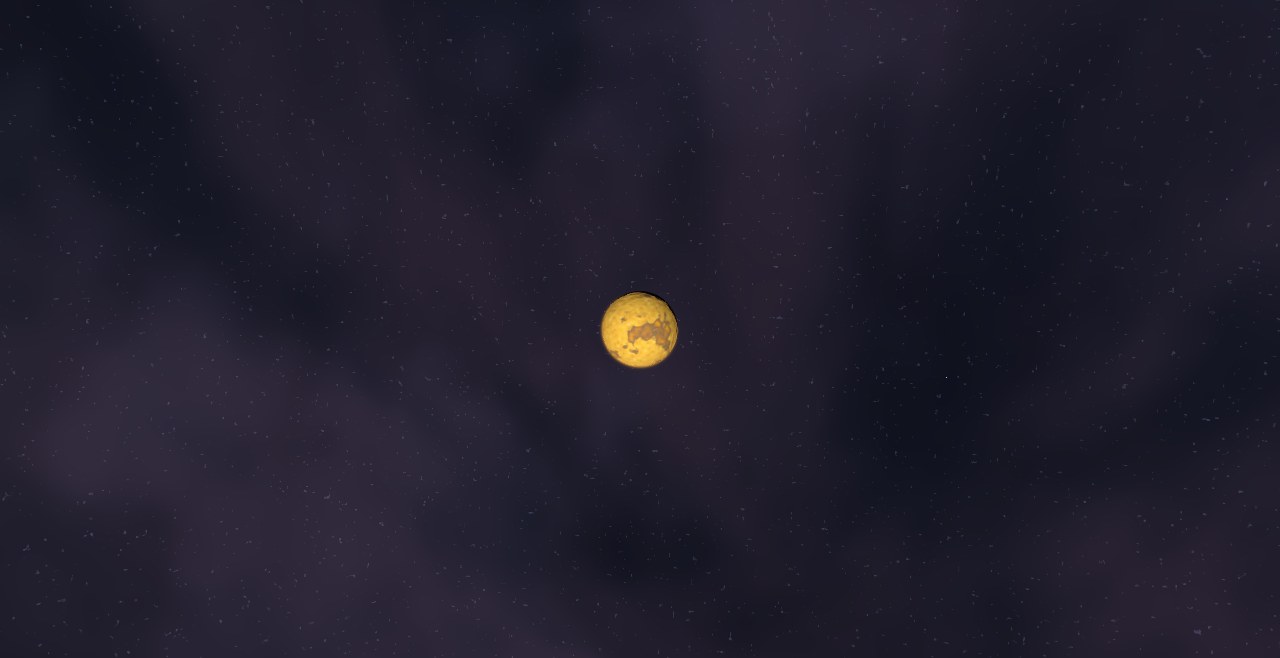
Kepler-509, a Sun-like F-type star of 1.10 solar masses, and Kepler-509 b, a planet with 2.5 Earth radii, with an orbital period of 41.7 days.
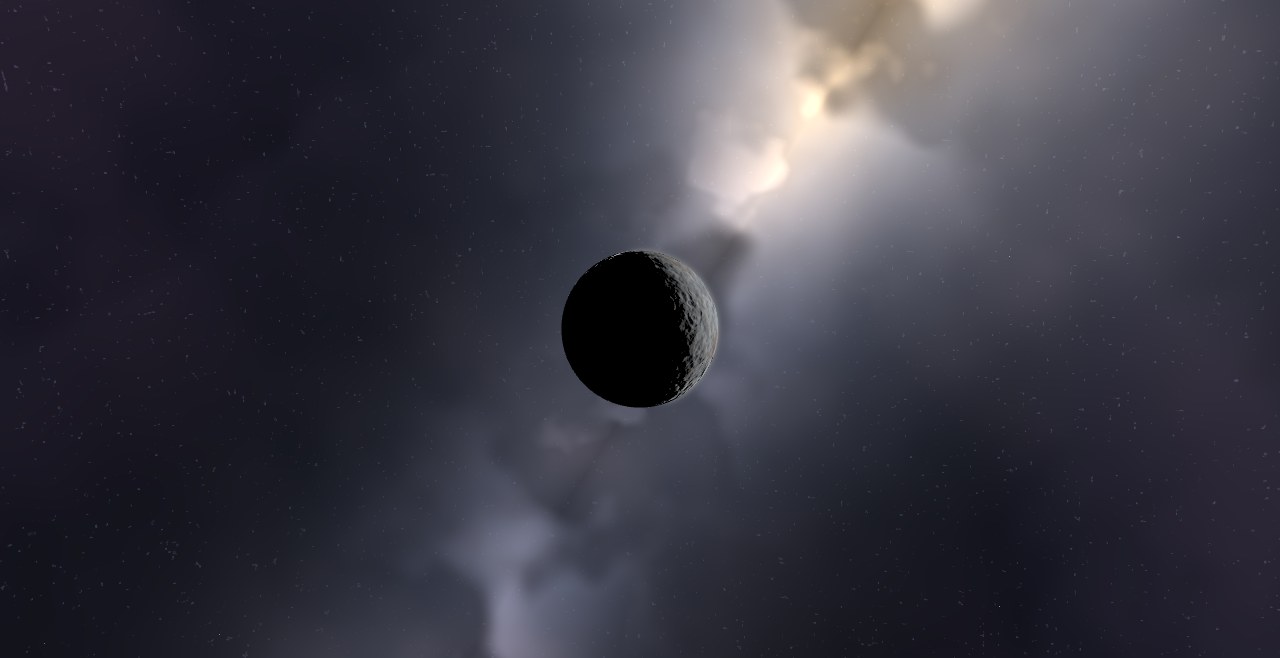
Kepler-51, the super-puff system. These planets are nearly as large as Jupiter but only a few Earth masses — cotton-candy densities. Planets b, c, and d are all super-puffs.
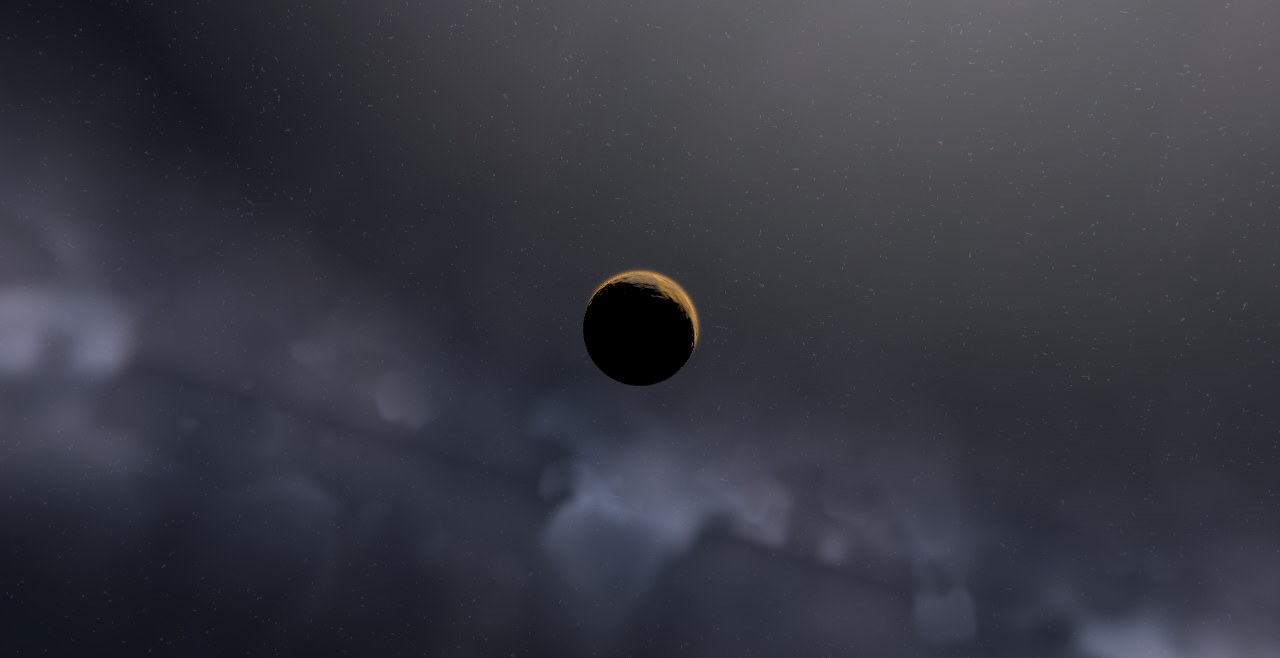
Kepler-510, a Sun-like G-type star of 0.91 solar masses, and Kepler-510 b, a planet with 2.5 Earth radii, with an orbital period of 19.6 days.
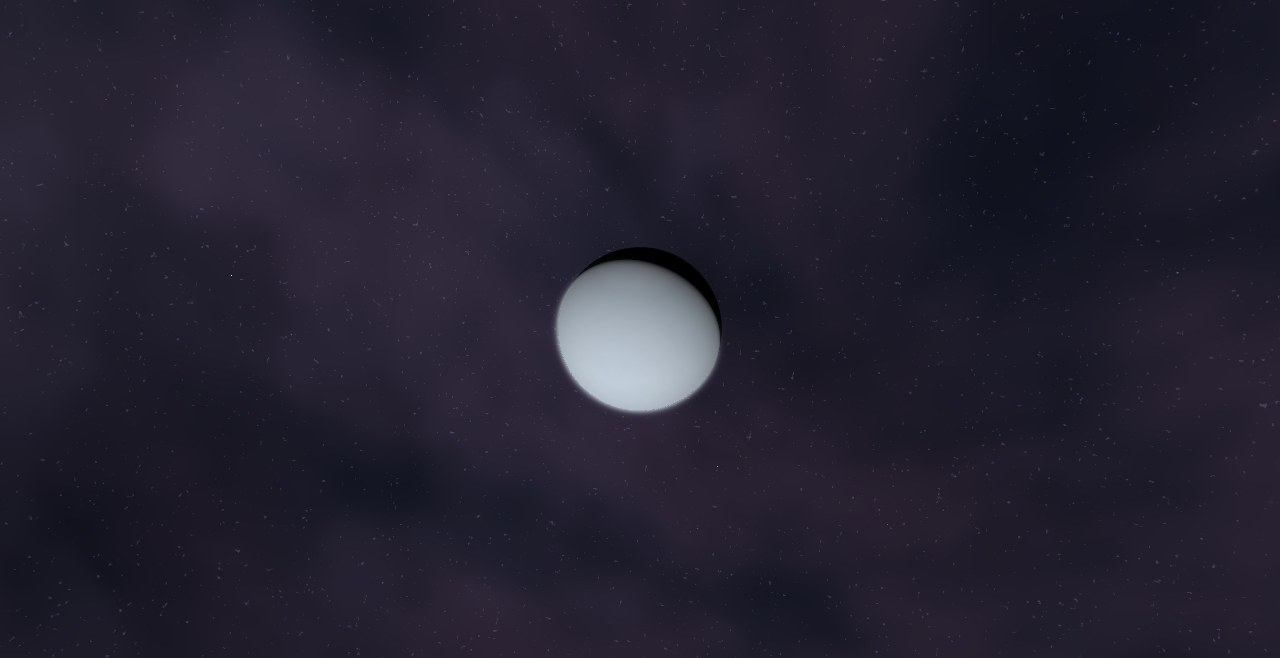
Kepler-511, a Sun-like G-type star of 1.00 solar masses, and Kepler-511 c, a planet with 4.2 Earth radii, with an orbital period of 26.6 days.
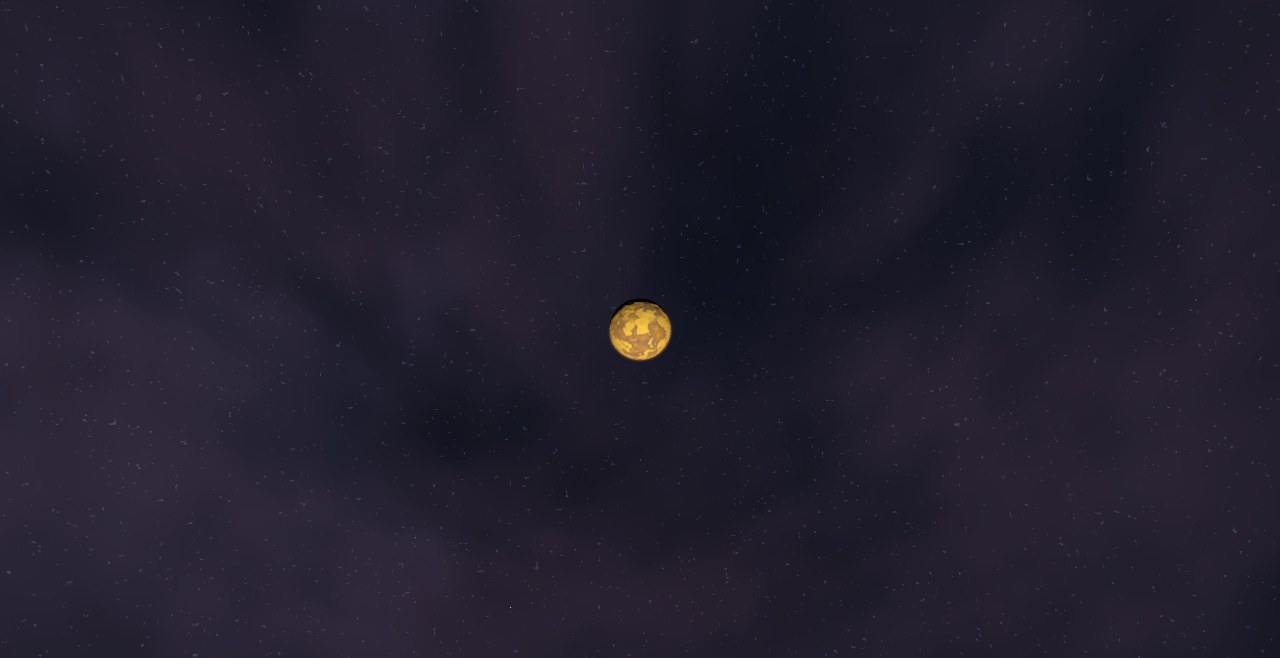
Kepler-512, a Sun-like G-type star of 1.17 solar masses, and Kepler-512 b, a planet with 2.7 Earth radii, with an orbital period of 34.4 days.
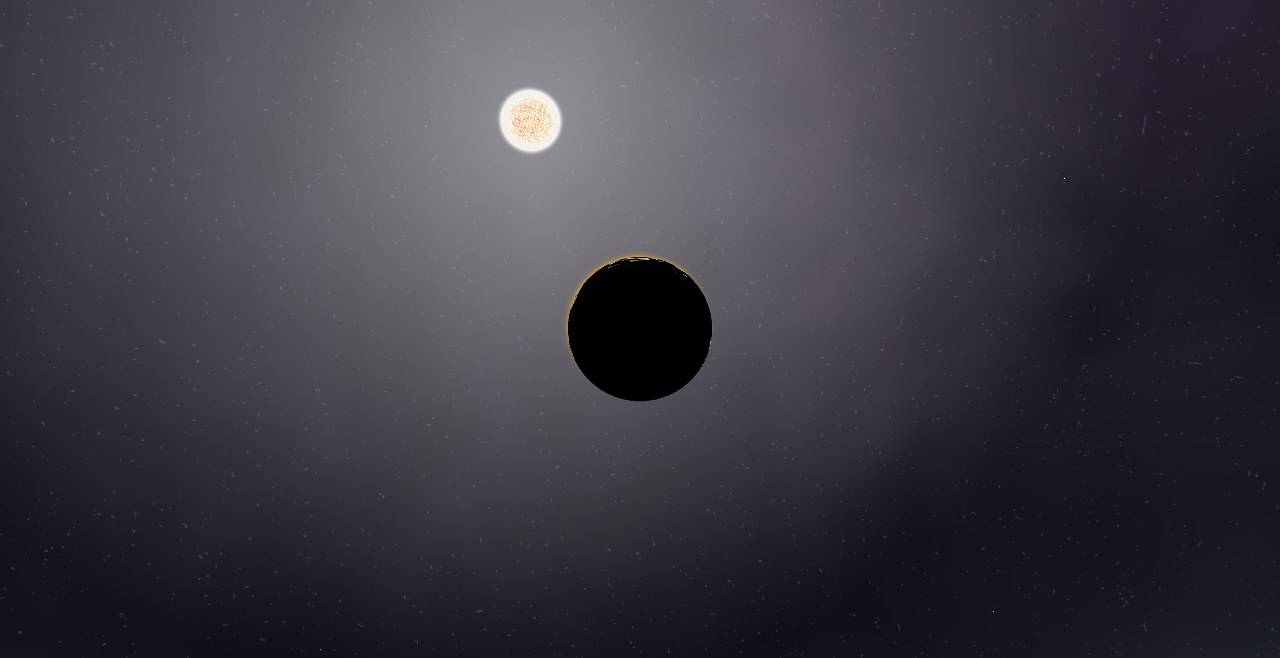
Kepler-513, a Sun-like G-type star of 1.02 solar masses, and Kepler-513 b, a planet with 2.2 Earth radii, with an orbital period of 28.9 days.
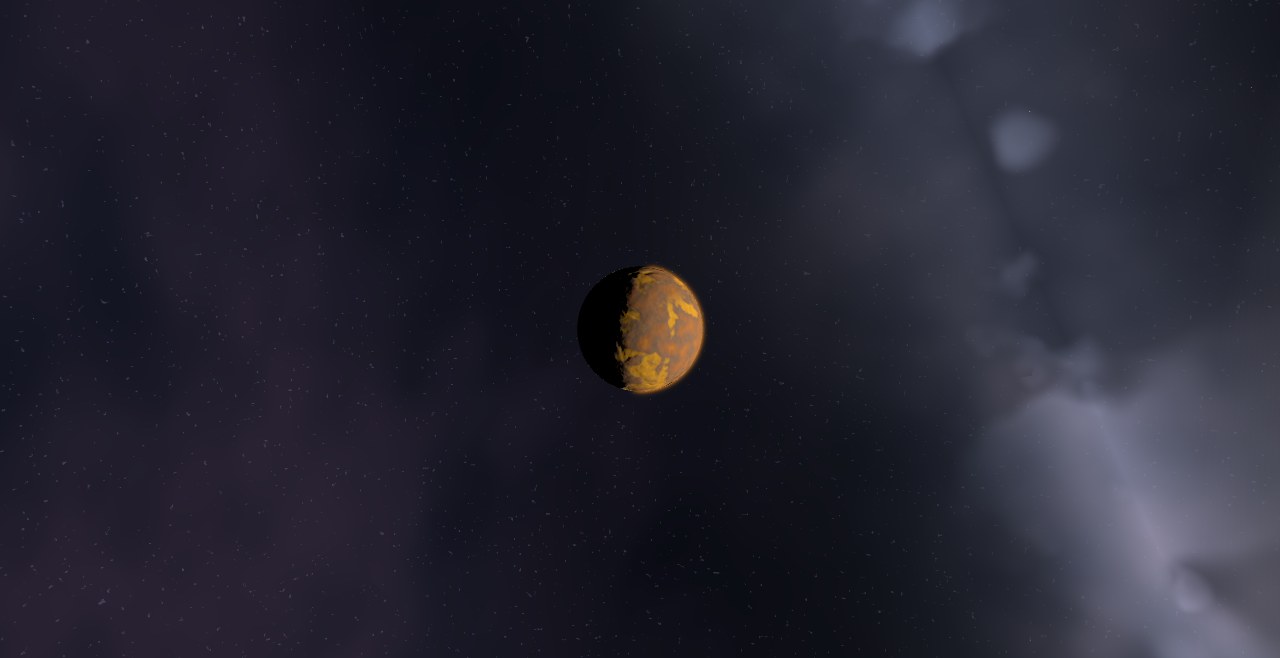
Kepler-514, a Sun-like F-type star of 1.28 solar masses, and Kepler-514 b, a planet with 1.7 Earth radii, with an orbital period of 5.7 days.
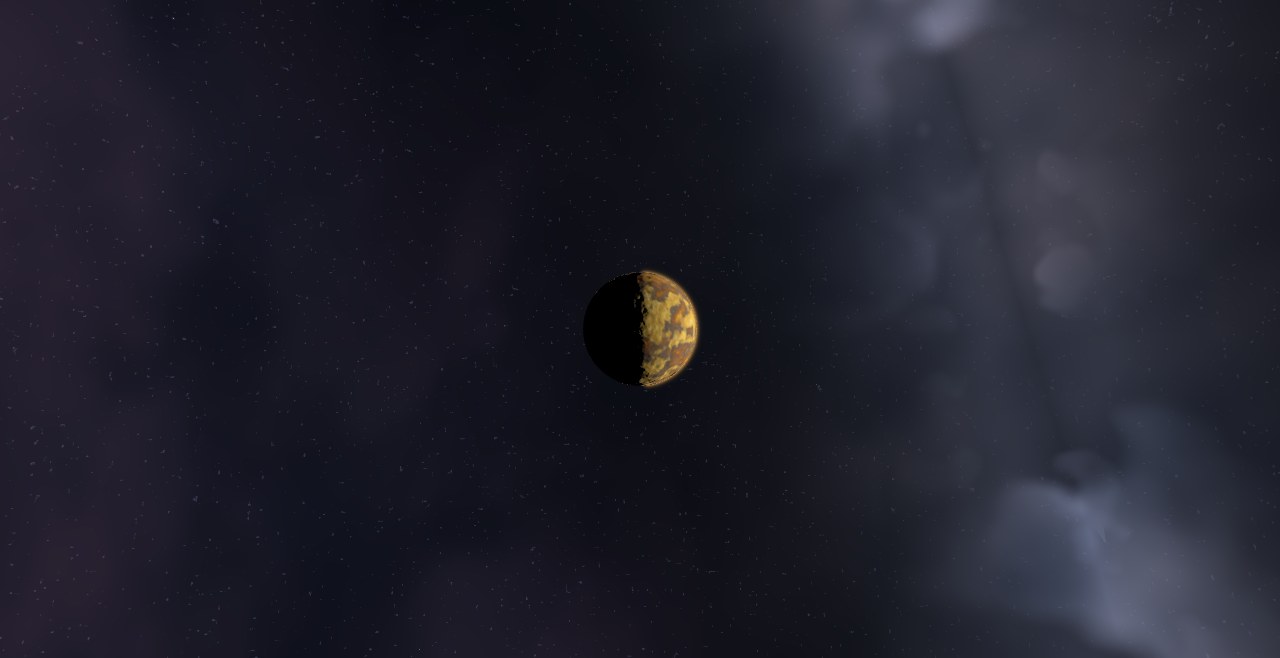
Kepler-515, a Sun-like G-type star of 0.90 solar masses, and Kepler-515 b, a planet with 1.5 Earth radii, with an orbital period of 20.0 days.
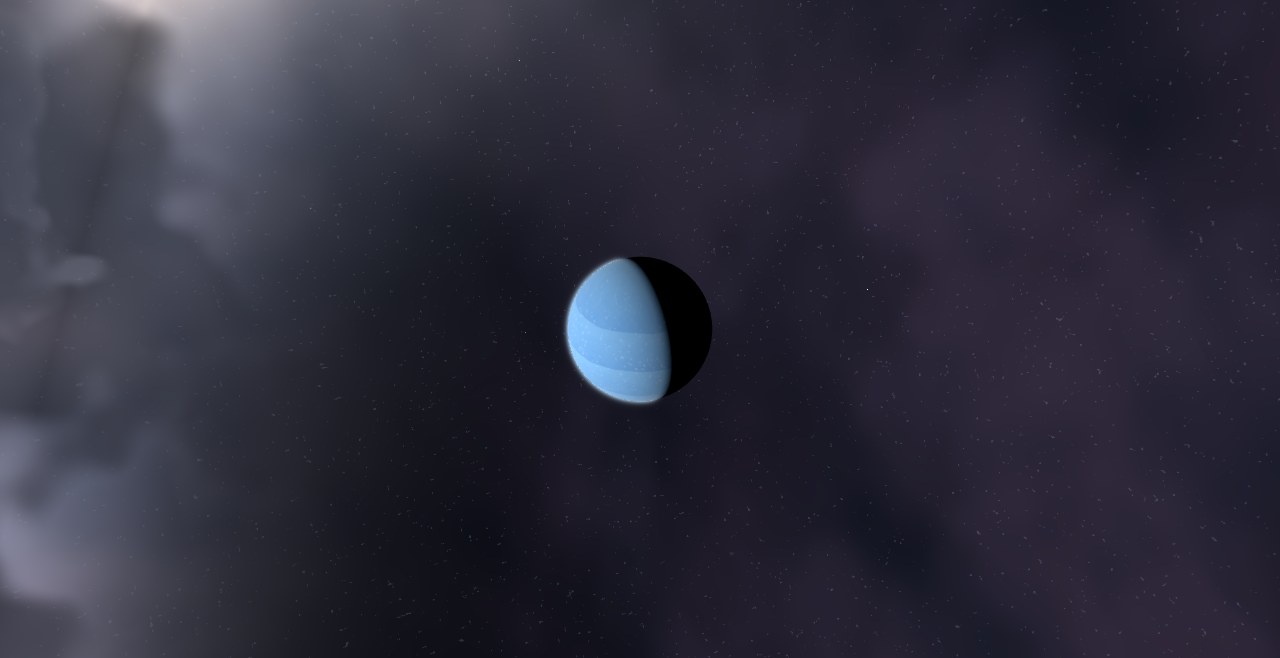
Kepler-516, a Sun-like F-type star of 1.62 solar masses, and Kepler-516 b, a planet with 5.7 Earth radii, with an orbital period of 24.9 days.
Kepler-517, a Sun-like G-type star of 0.95 solar masses, and Kepler-517 b, a planet with 2.7 Earth radii, with an orbital period of 60.9 days.
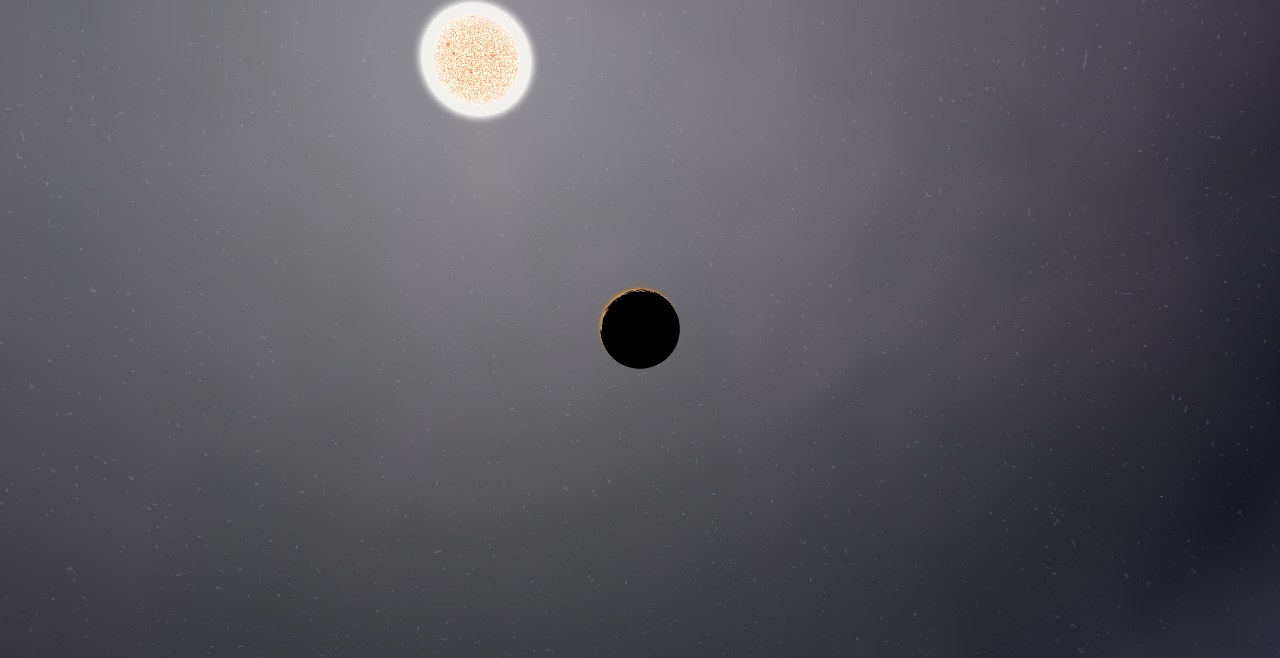
Kepler-518, a Sun-like G-type star of 0.96 solar masses, and Kepler-518 b, a planet with 2.1 Earth radii, with an orbital period of 8.5 days.
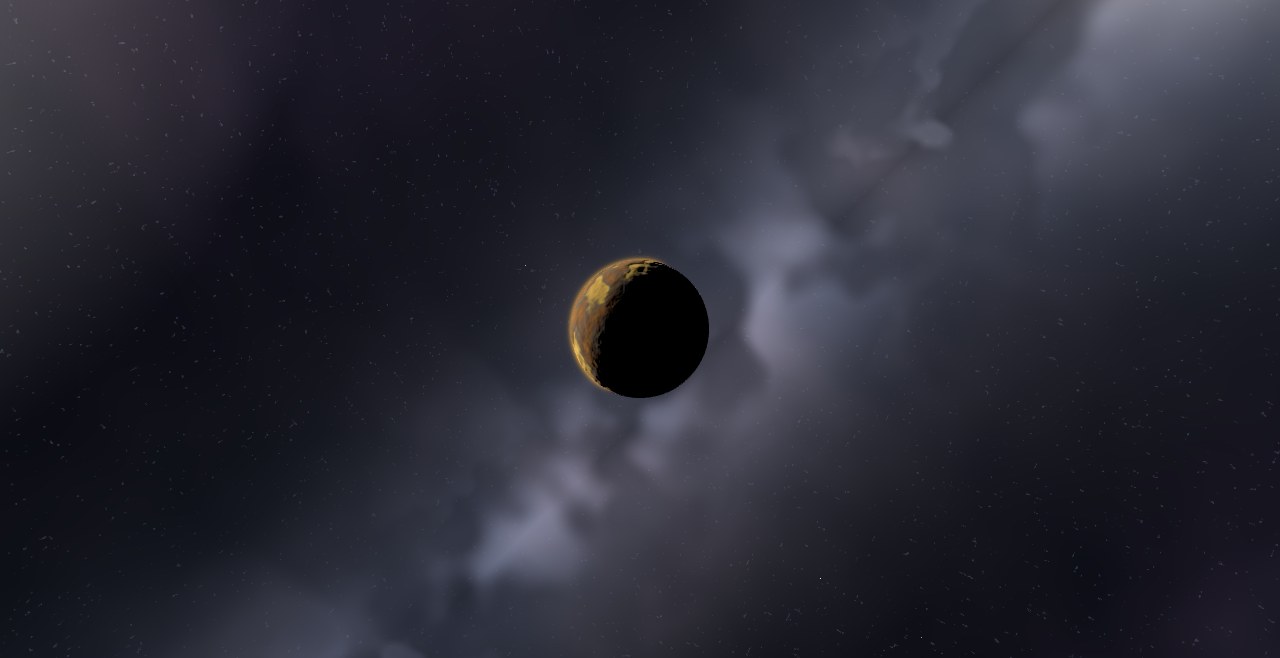
Kepler-519, a Sun-like G-type star of 0.89 solar masses, and Kepler-519 b, a planet with 2.1 Earth radii, with an orbital period of 24.3 days.
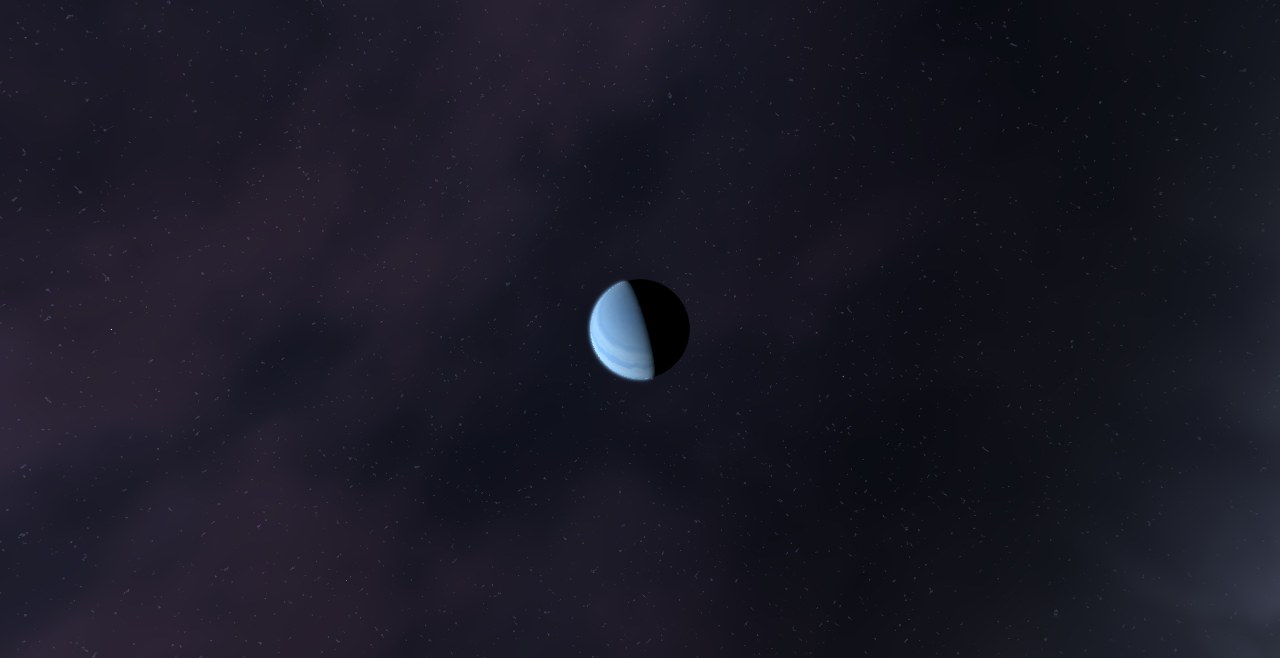
Kepler-52, an orange K-type dwarf of 0.54 solar masses, and Kepler-52 d, a planet with 1.9 Earth radii, with an orbital period of 36.4 days, at 0.182 AU from its star.
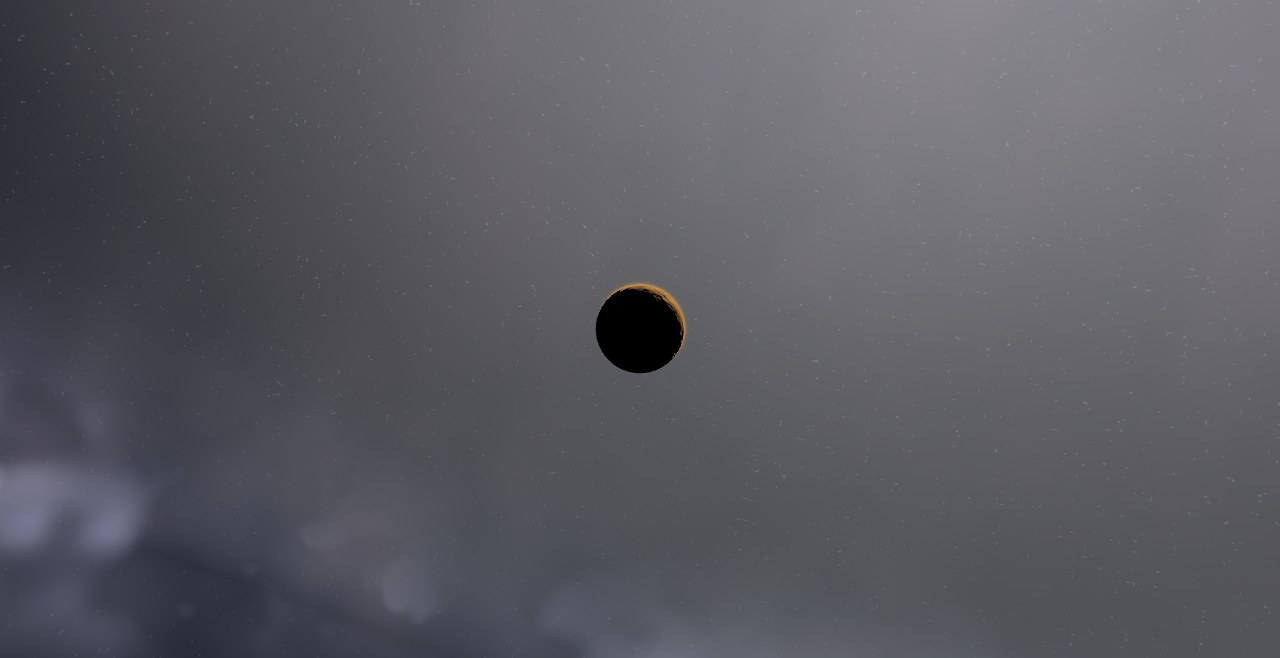
Kepler-520, a Sun-like F-type star of 1.10 solar masses, and Kepler-520 c, a planet with 1.1 Earth radii, with an orbital period of 5.2 days.
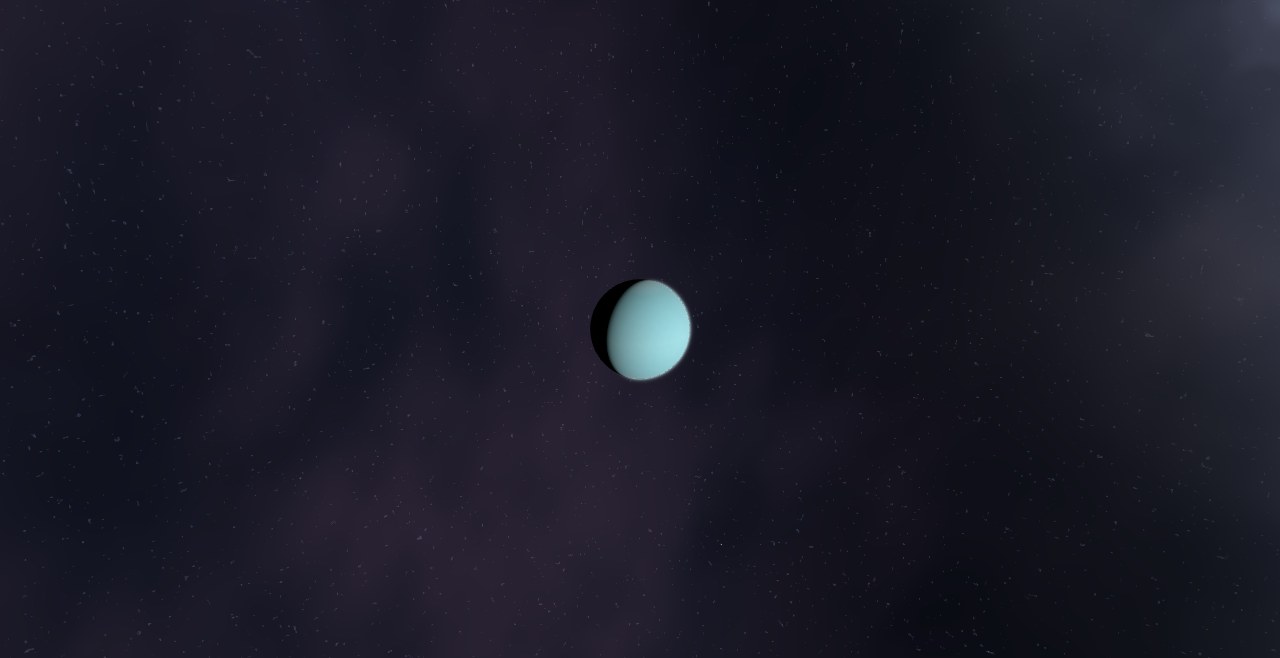
Kepler-521, a Sun-like F-type star of 1.34 solar masses, and Kepler-521 b, a planet with 3.2 Earth radii, with an orbital period of 22.2 days.
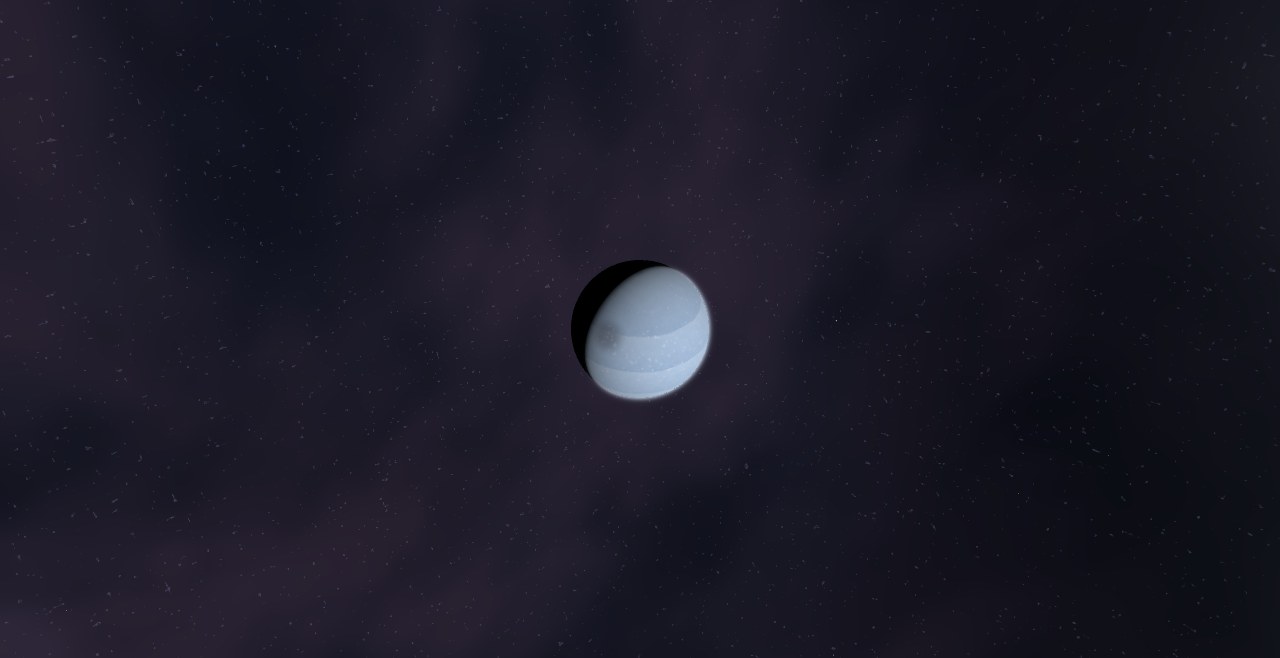
Kepler-522, a Sun-like F-type star of 1.54 solar masses, and Kepler-522 b, a planet with 6.9 Earth radii, with an orbital period of 38.6 days.