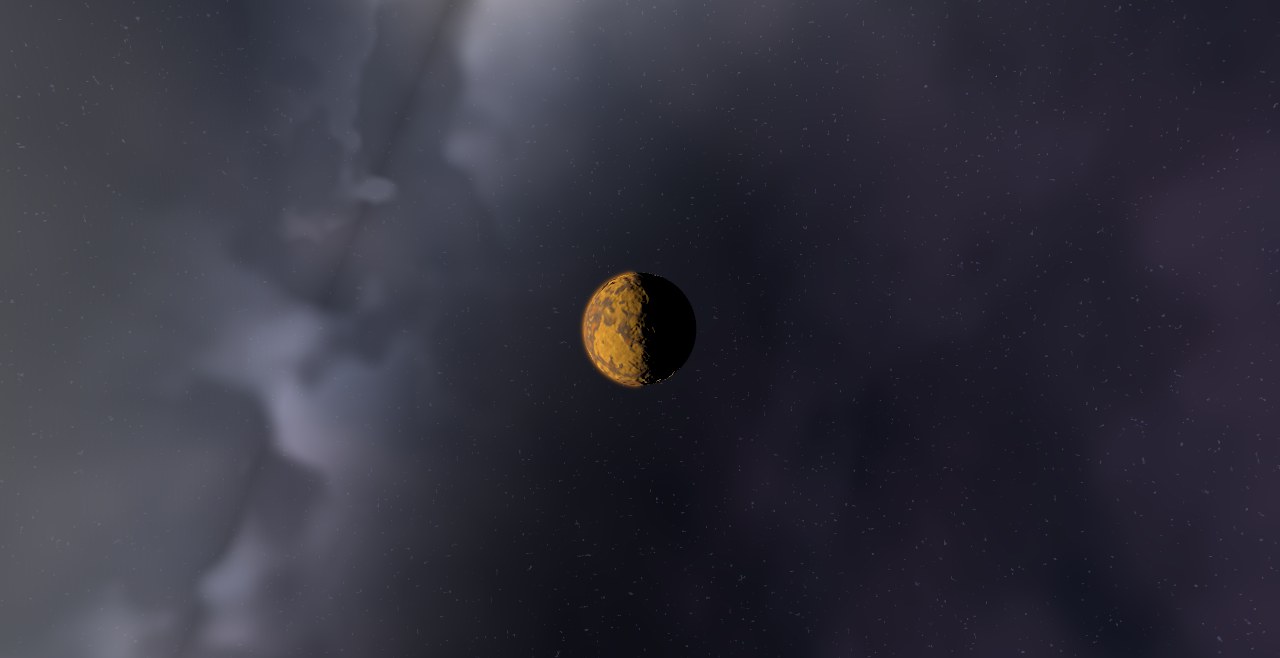
Kepler-1598 - System
Kepler-1598, a Sun-like G-type star of 1.07 solar masses, and Kepler-1598 b, a planet with 0.9 Earth radii, with an orbital period of 4.3 days.
Exoplanets
Analyze isolated alien worlds orbiting a singular host star to observe basic orbital parameters, tidal locks, and planetary eccentricities.
Share
Kepler-1598, a Sun-like G-type star of 1.07 solar masses, and Kepler-1598 b, a planet with 0.9 Earth radii, with an orbital period of 4.3 days.
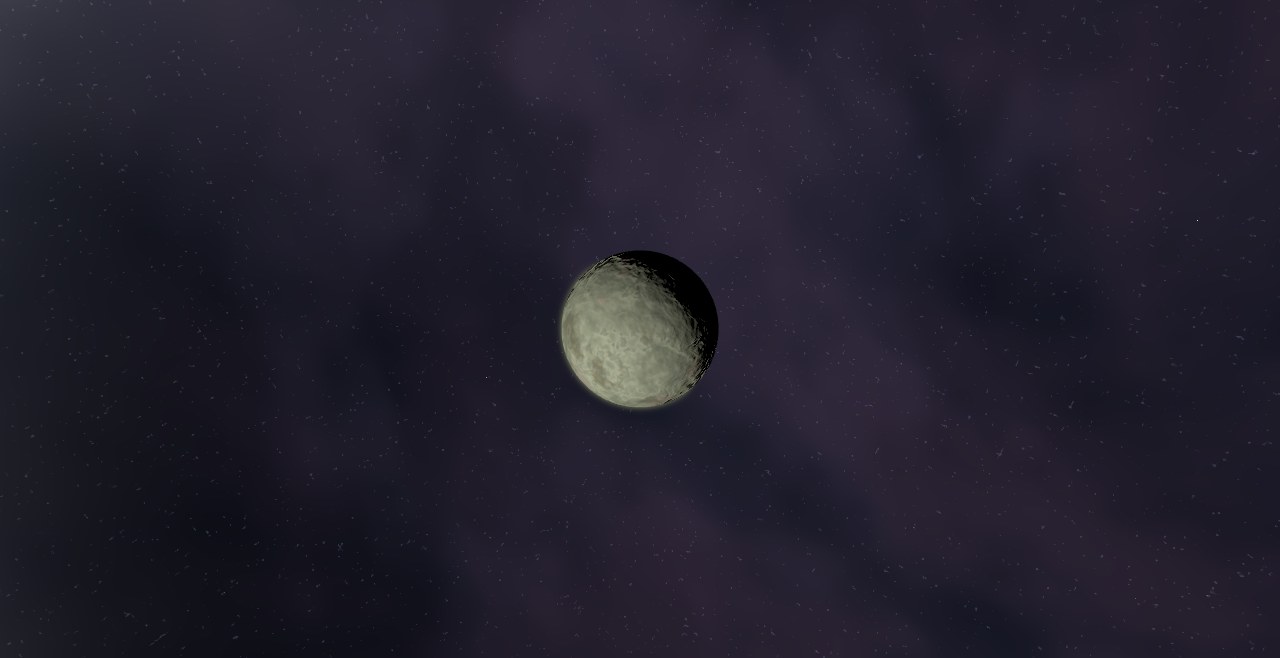
Kepler-1599, a Sun-like G-type star of 0.99 solar masses, and Kepler-1599 b, a planet with 1.6 Earth radii, with an orbital period of 122 days.
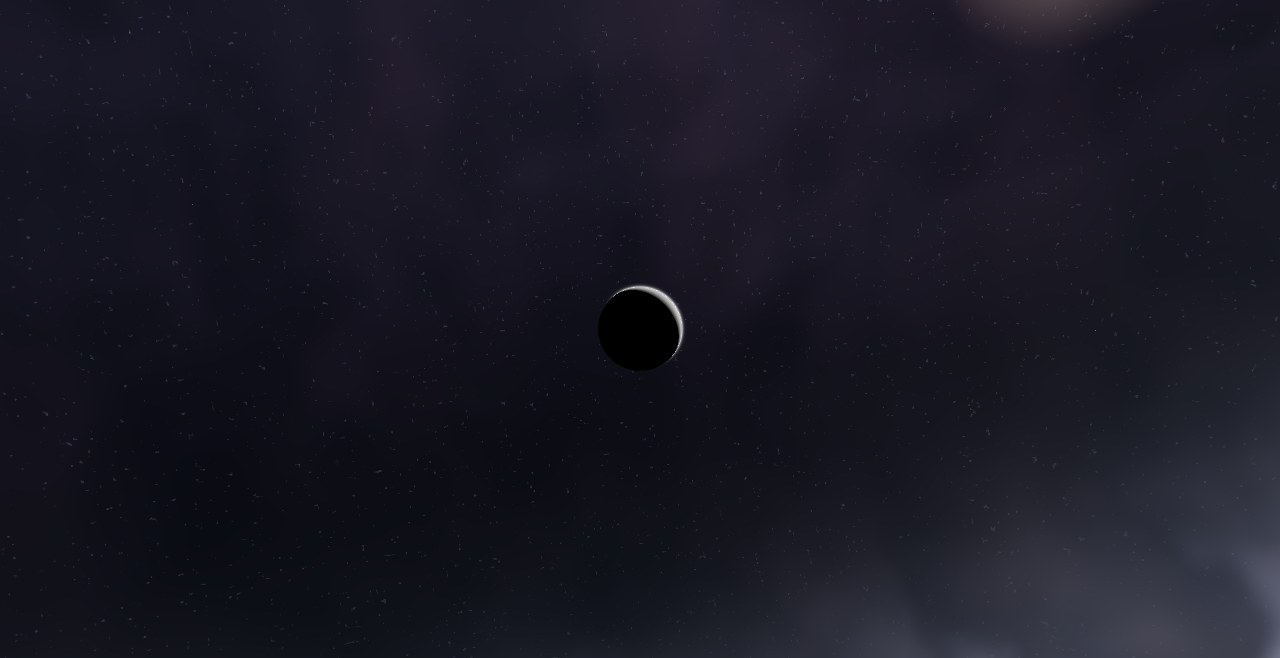
Kepler-16 b, the first transiting circumbinary planet — a Tatooine world. It eclipses both stars of a close pair as it orbits their barycenter.
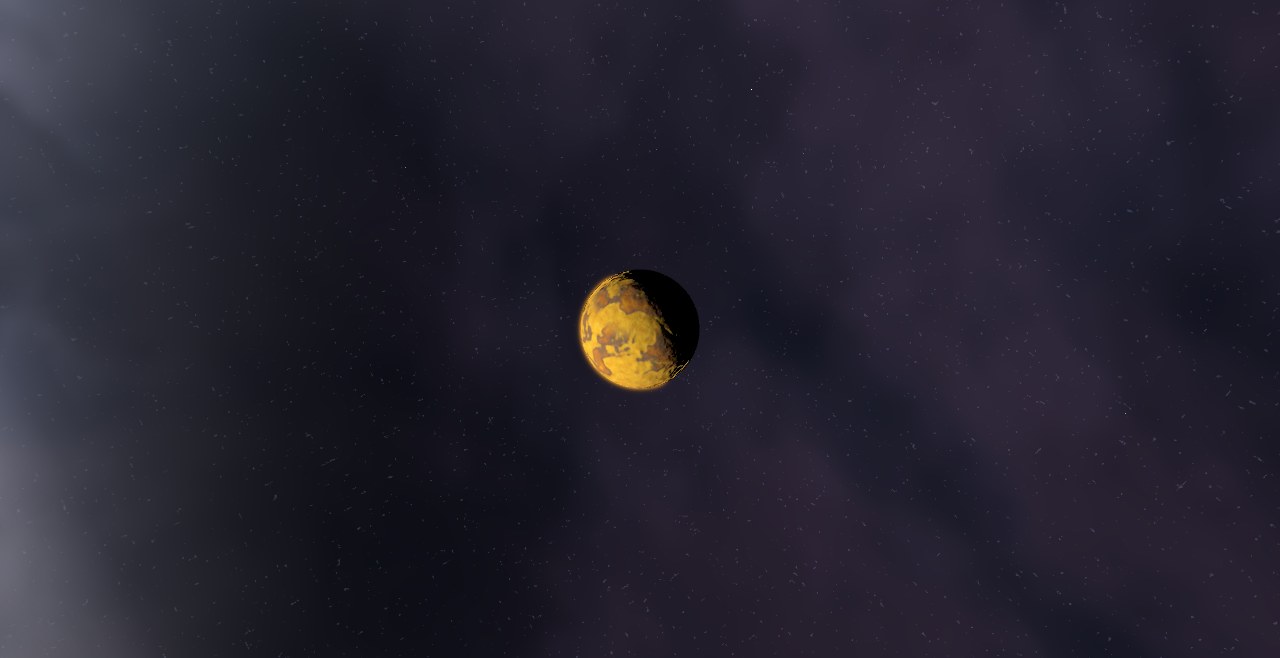
Kepler-1601, a Sun-like G-type star of 1.04 solar masses, and Kepler-1601 b, a planet with 0.8 Earth radii, with an orbital period of 2.2 days.
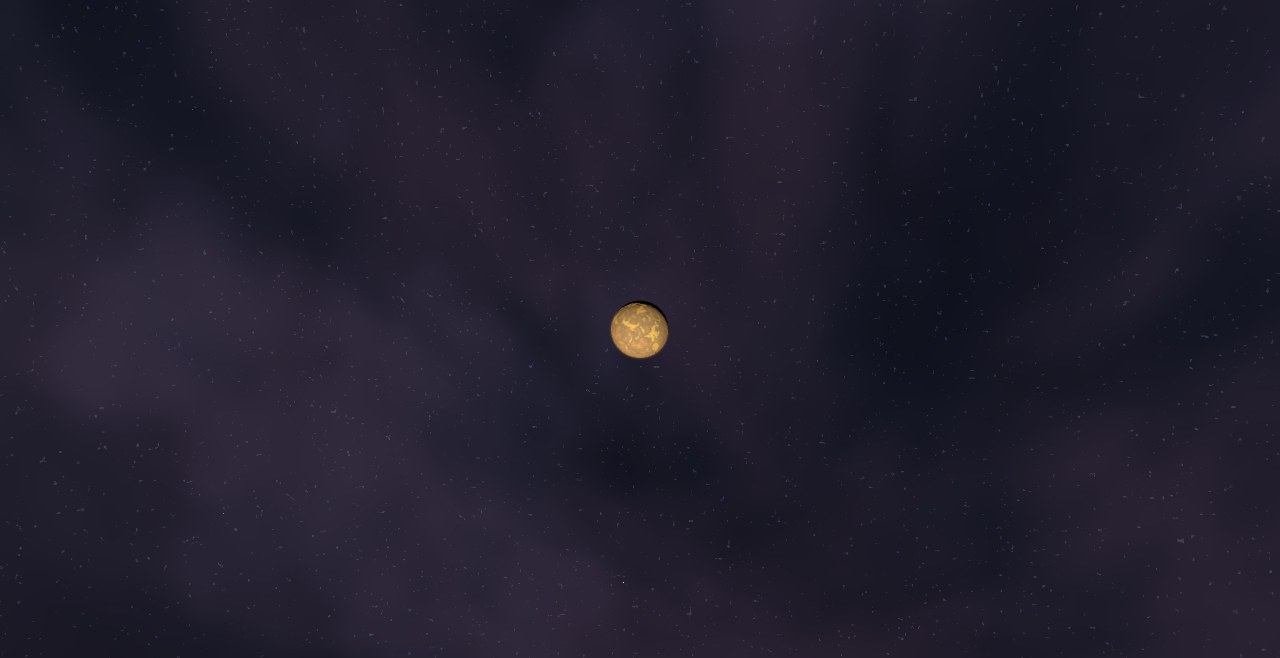
Kepler-1602, a Sun-like F-type star of 1.22 solar masses, and Kepler-1602 b, a planet with 1.3 Earth radii, with an orbital period of 11.2 days.
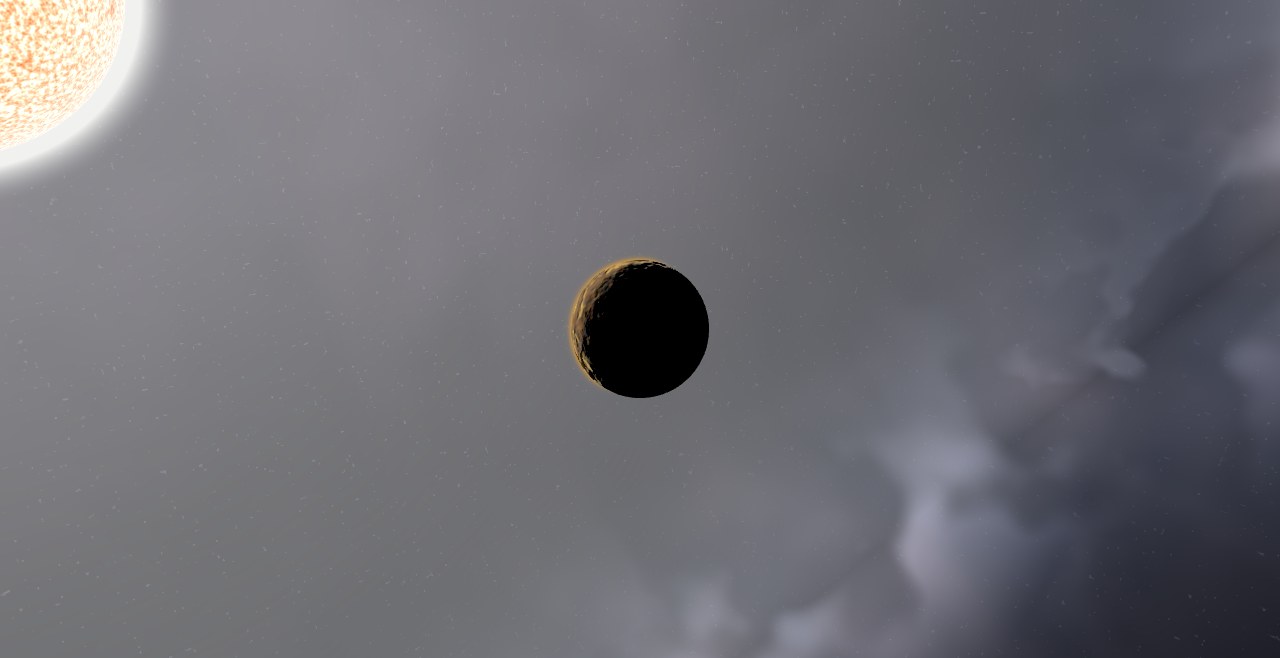
Kepler-1603, a Sun-like F-type star of 1.21 solar masses, and Kepler-1603 b, a planet with 1.3 Earth radii, with an orbital period of 2.3 days.
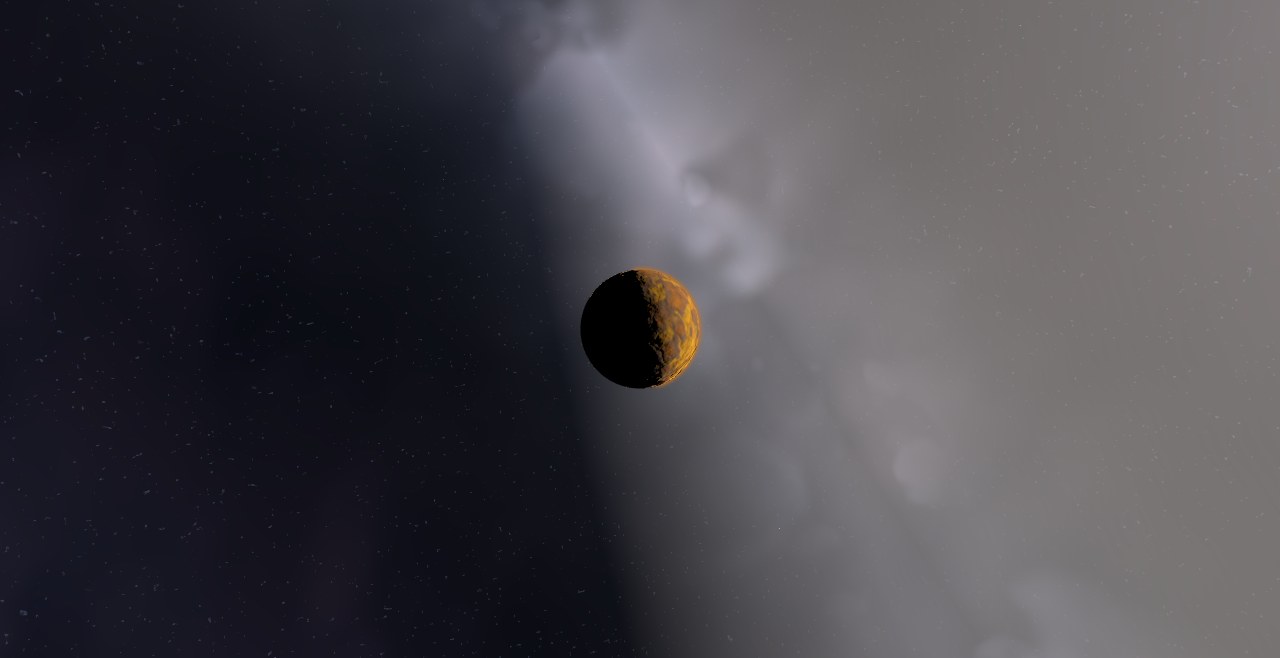
Kepler-1604, an orange K-type dwarf of 0.81 solar masses, and Kepler-1604 b, a planet with 1.4 Earth radii, with an orbital period of 16.4 hours.
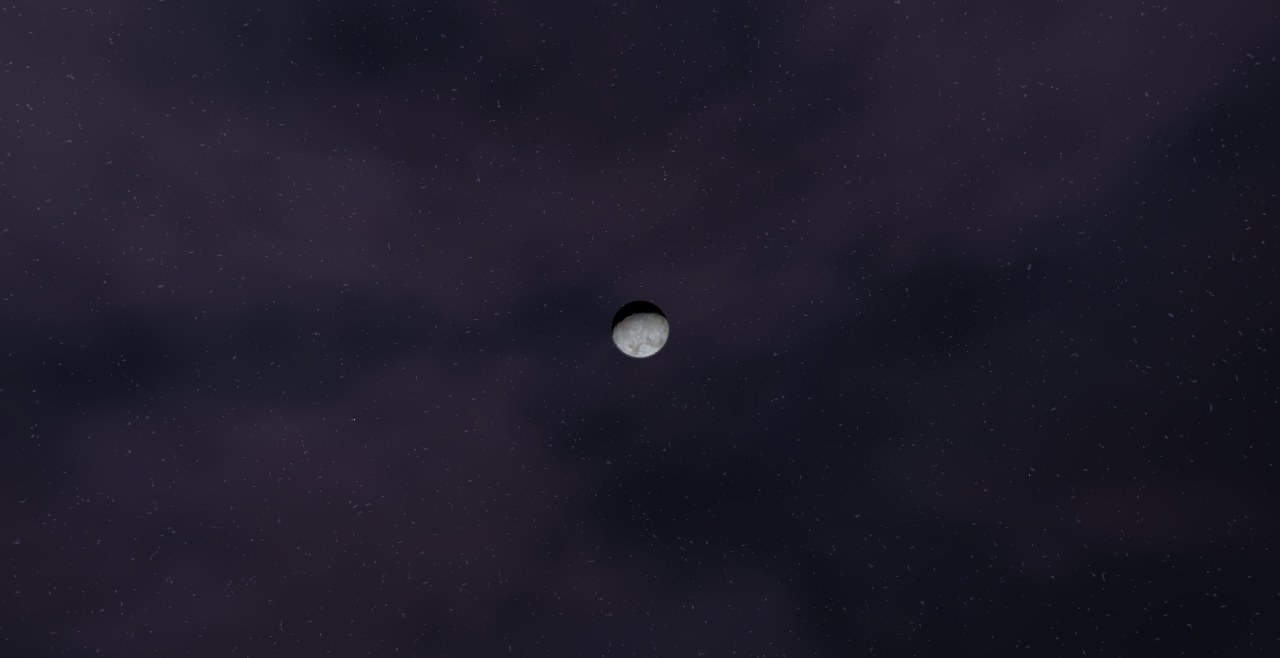
Kepler-1605, a Sun-like G-type star of 0.86 solar masses, and Kepler-1605 b, a planet with 1.1 Earth radii, with an orbital period of 85.8 days.
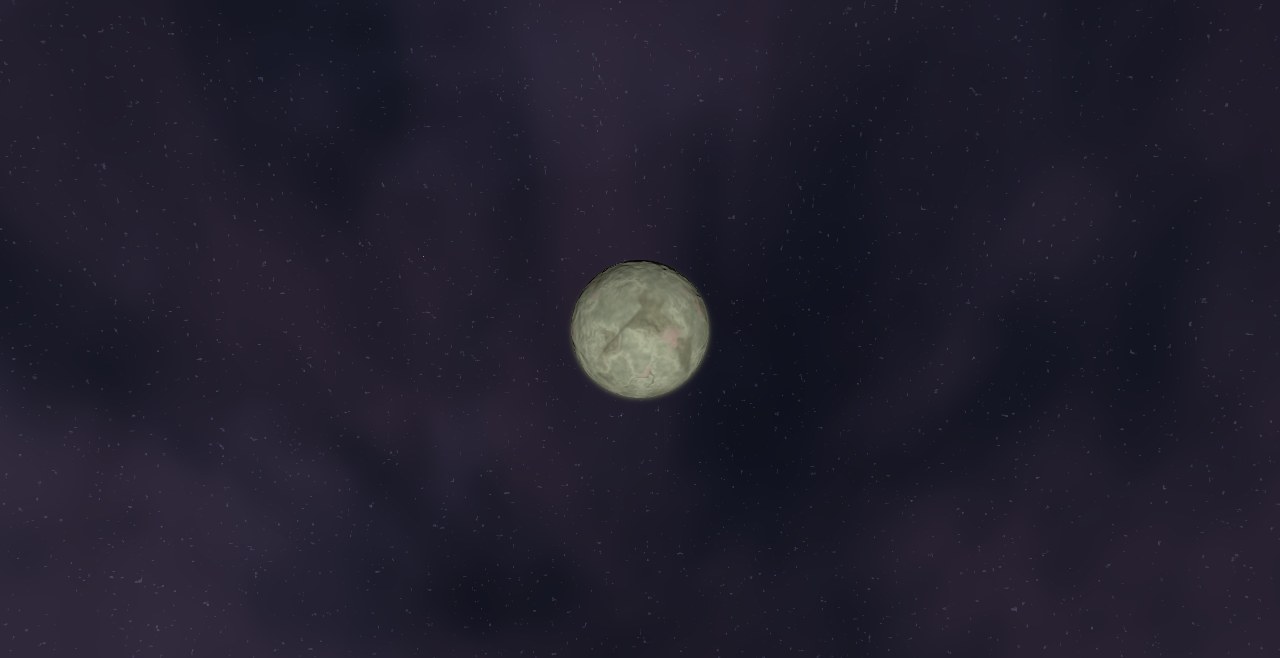
Kepler-1606, a Sun-like G-type star of 0.90 solar masses, and Kepler-1606 b, a planet with 2.1 Earth radii, with an orbital period of 196 days.
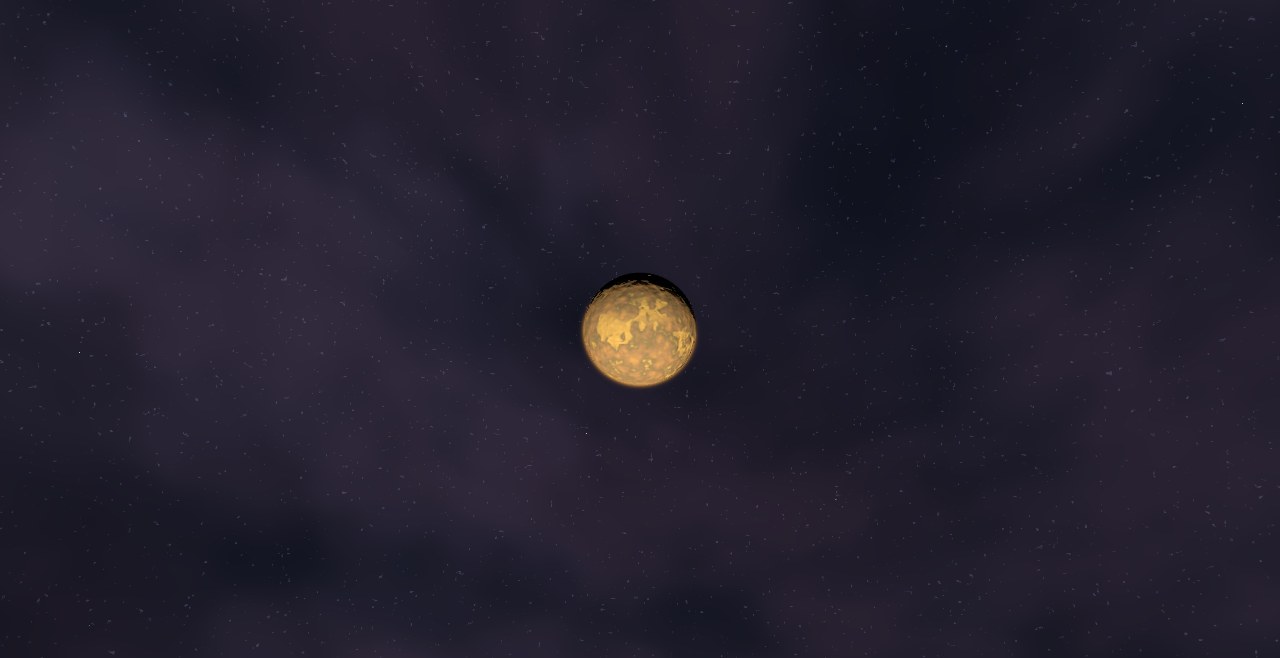
Kepler-1607, a Sun-like F-type star of 1.14 solar masses, and Kepler-1607 b, a planet with 0.9 Earth radii, with an orbital period of 13.6 days.
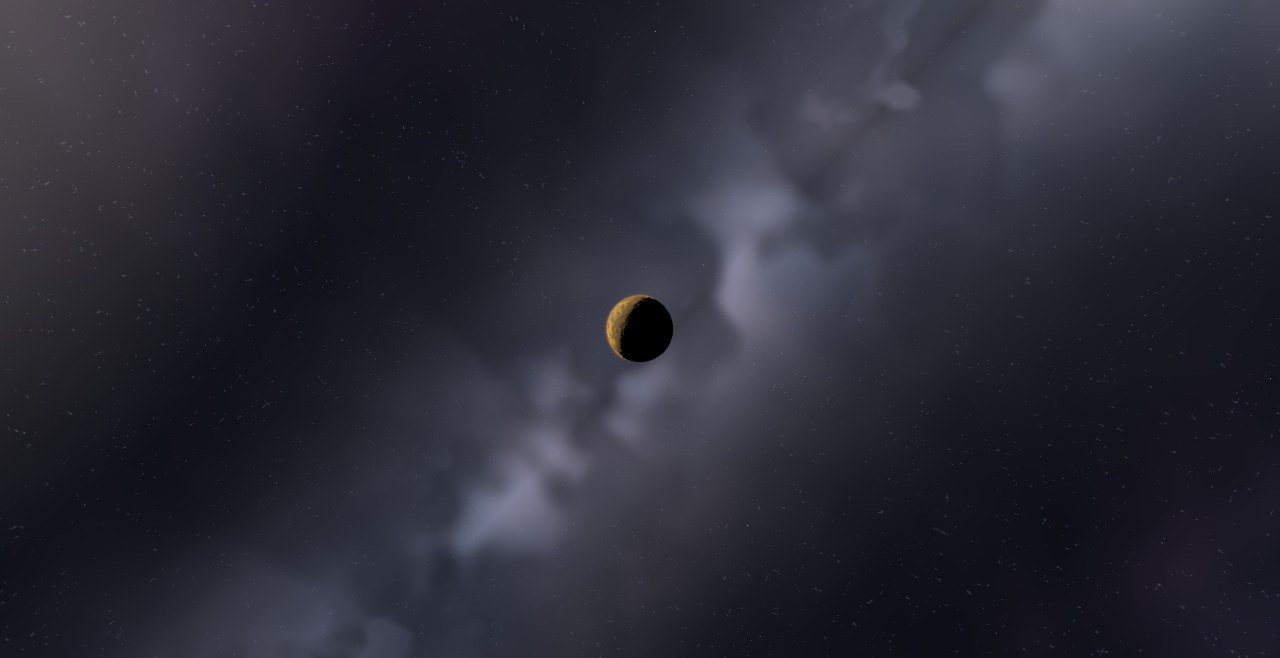
Kepler-1608, an orange K-type dwarf of 0.75 solar masses, and Kepler-1608 b, a planet with 1.7 Earth radii, with an orbital period of 16.5 days.
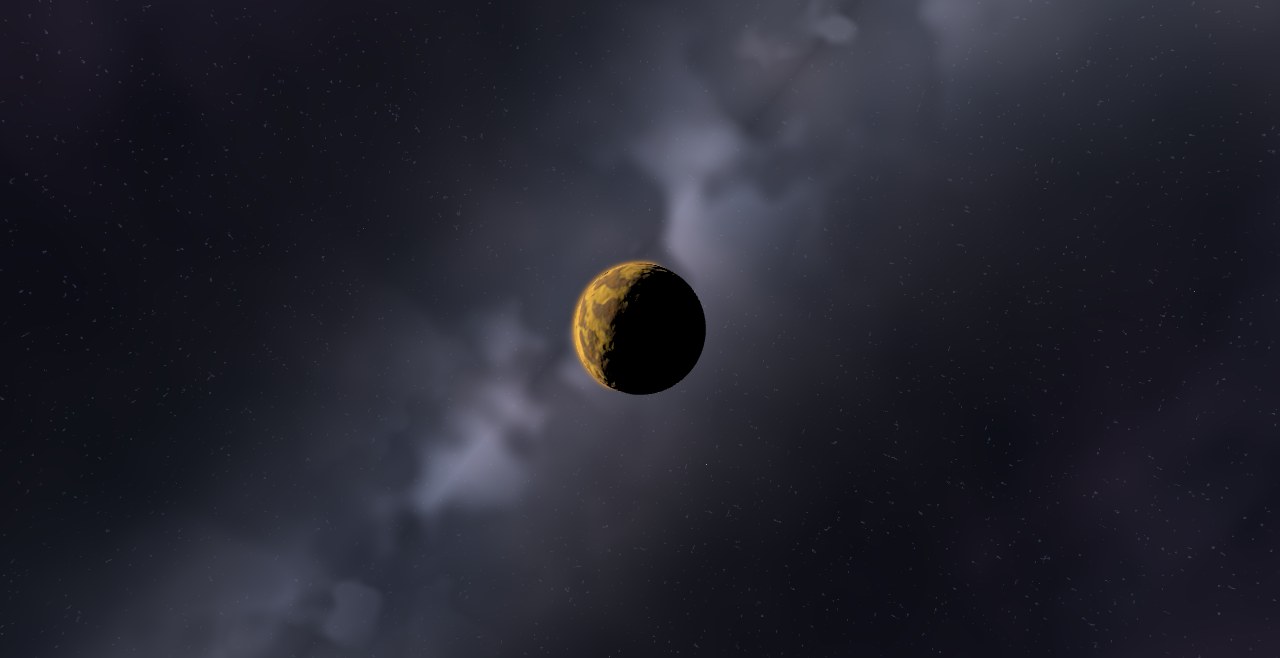
Kepler-1609, a Sun-like F-type star of 1.18 solar masses, and Kepler-1609 b, a planet with 2.2 Earth radii, with an orbital period of 114 days.
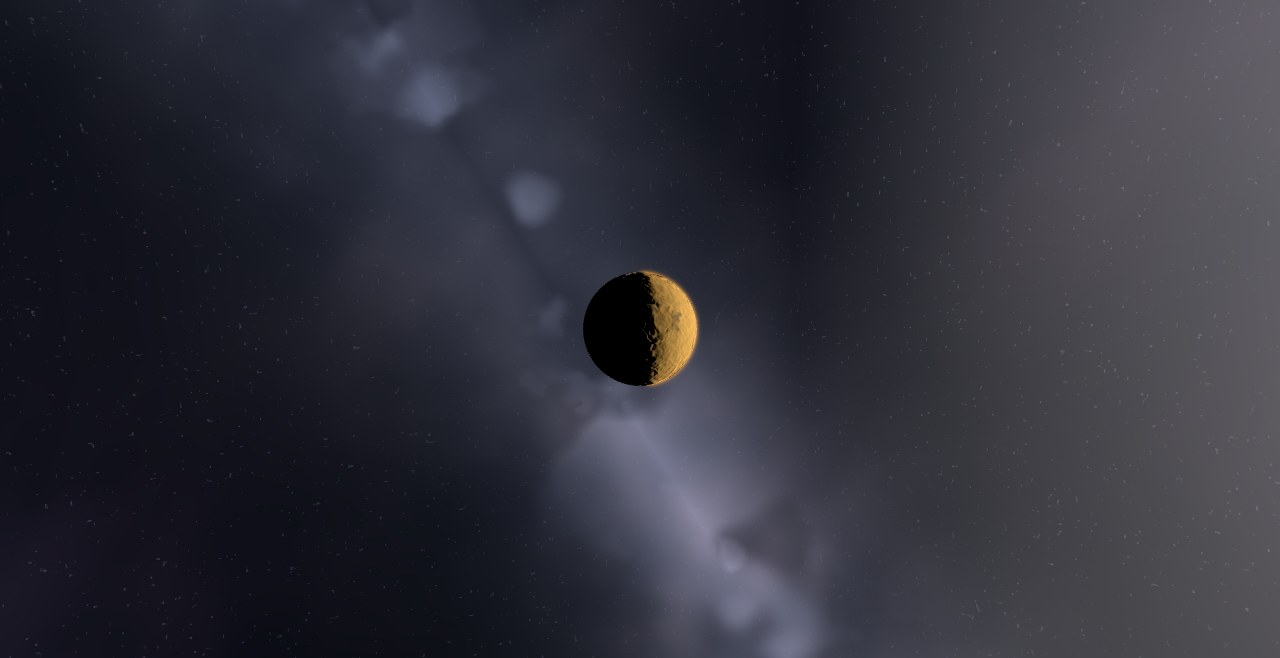
Kepler-1611, a Sun-like G-type star of 0.94 solar masses, and Kepler-1611 b, a planet with 0.8 Earth radii, with an orbital period of 5.2 days.
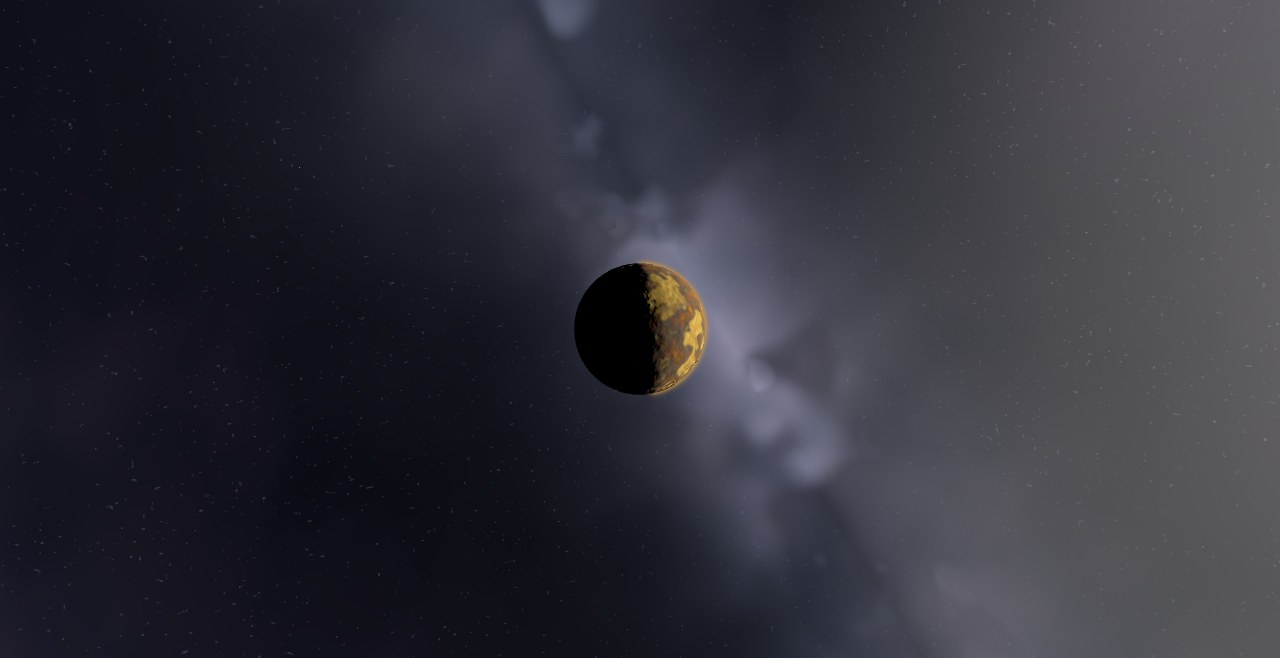
Kepler-1612, a Sun-like G-type star of 0.96 solar masses, and Kepler-1612 b, a planet with 1.0 Earth radii, with an orbital period of 3.9 days.
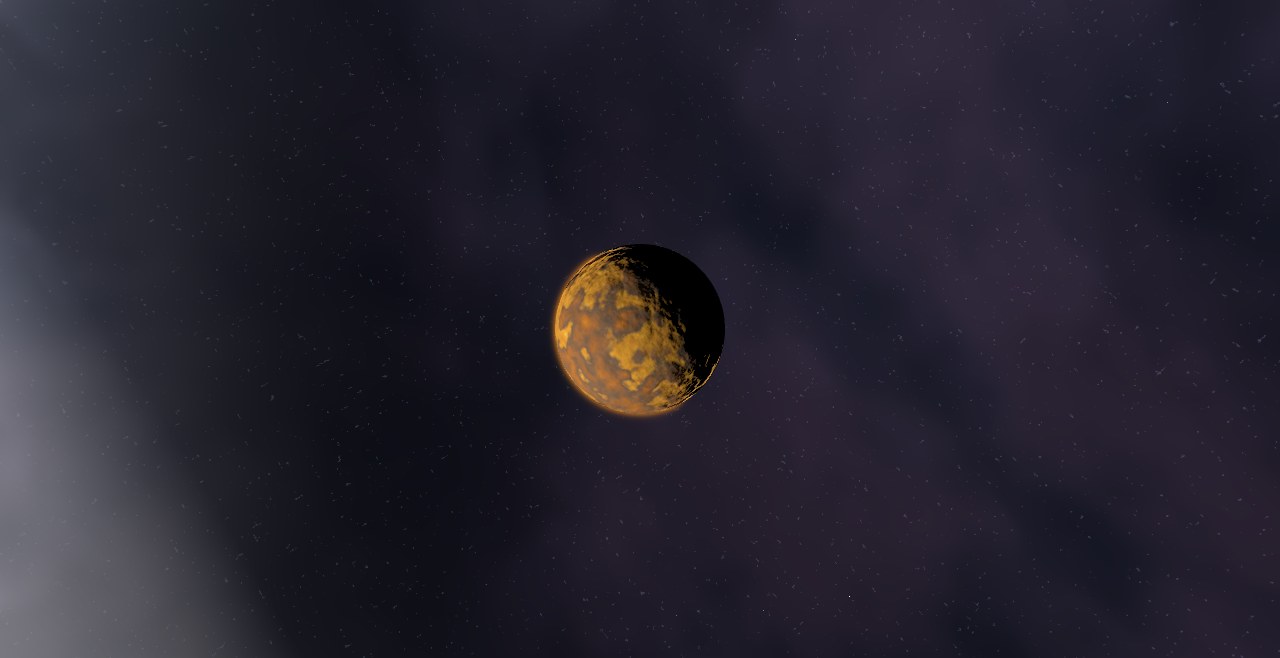
Kepler-1613, a Sun-like F-type star of 1.08 solar masses, and Kepler-1613 b, a planet with 2.1 Earth radii, with an orbital period of 1.5 days.
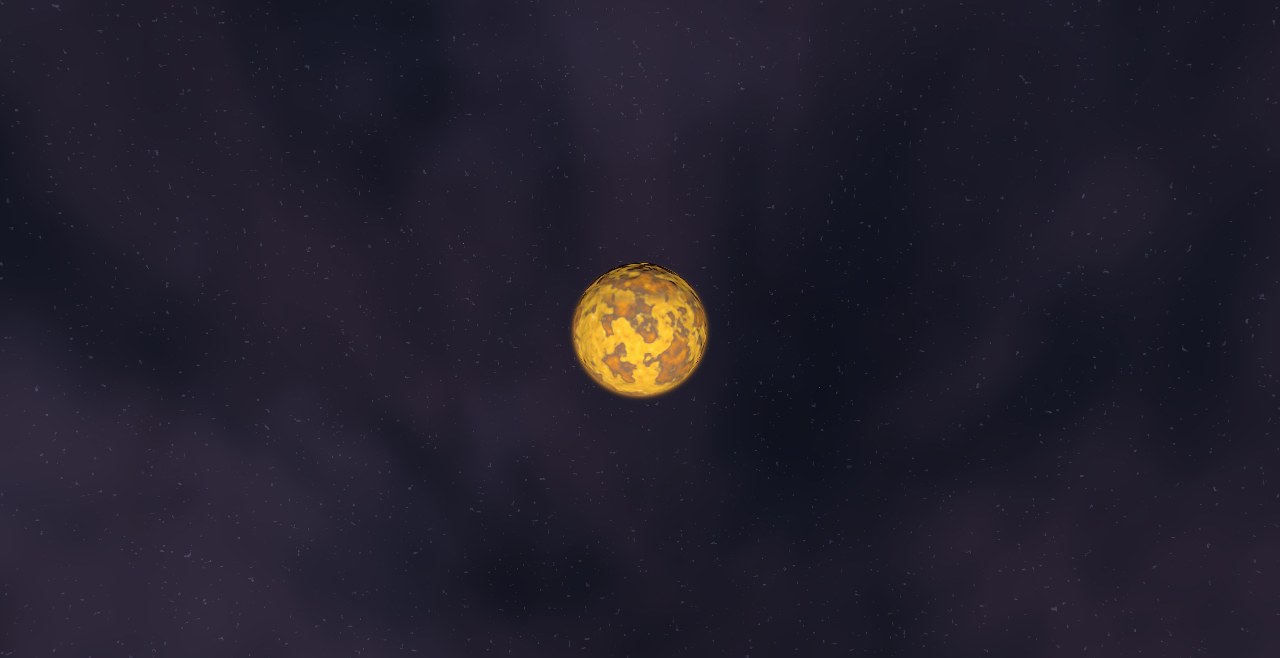
Kepler-1614, an orange K-type dwarf of 0.79 solar masses, and Kepler-1614 b, a planet with 1.5 Earth radii, with an orbital period of 3.9 days.
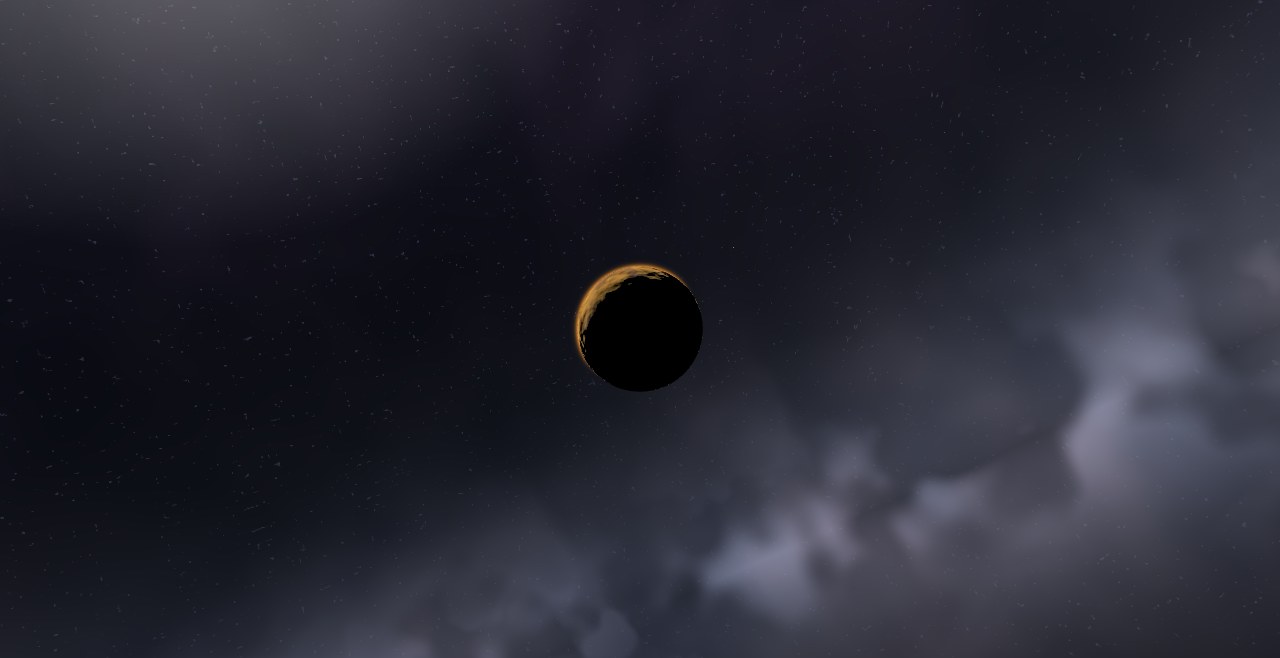
Kepler-1615, a Sun-like G-type star of 1.04 solar masses, and Kepler-1615 b, a planet with 2.1 Earth radii, with an orbital period of 47.3 days.
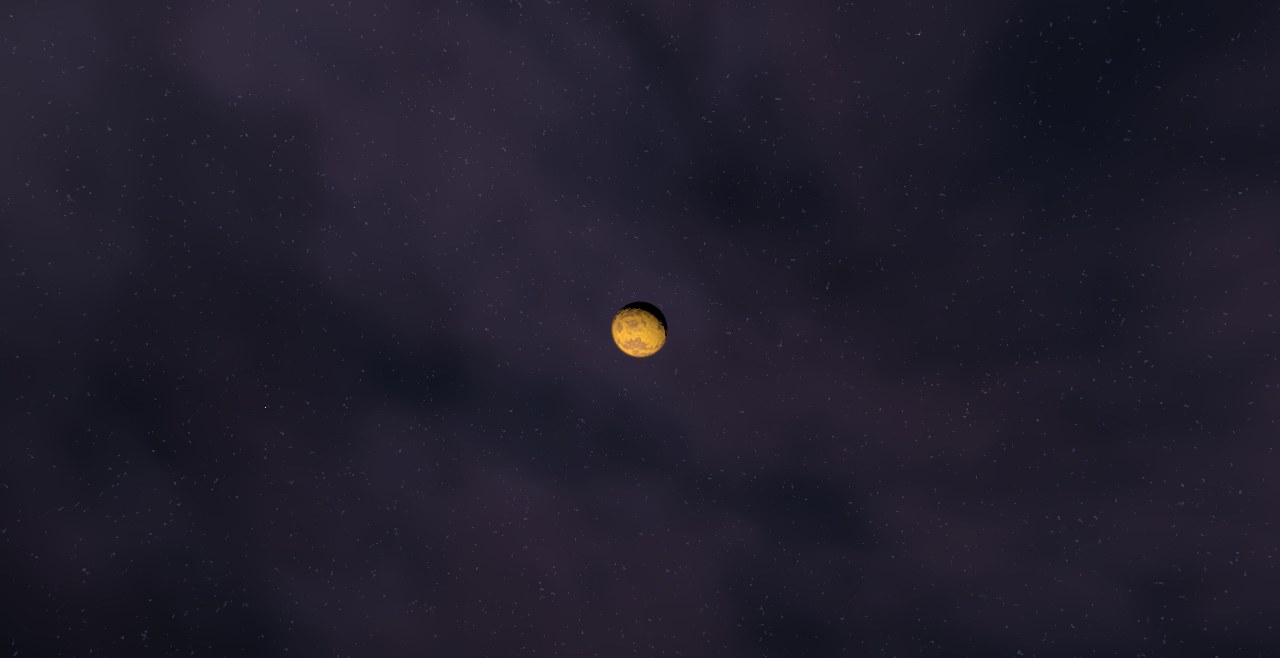
Kepler-1616, a Sun-like F-type star of 1.21 solar masses, and Kepler-1616 b, a planet with 1.0 Earth radii, with an orbital period of 6.8 days.