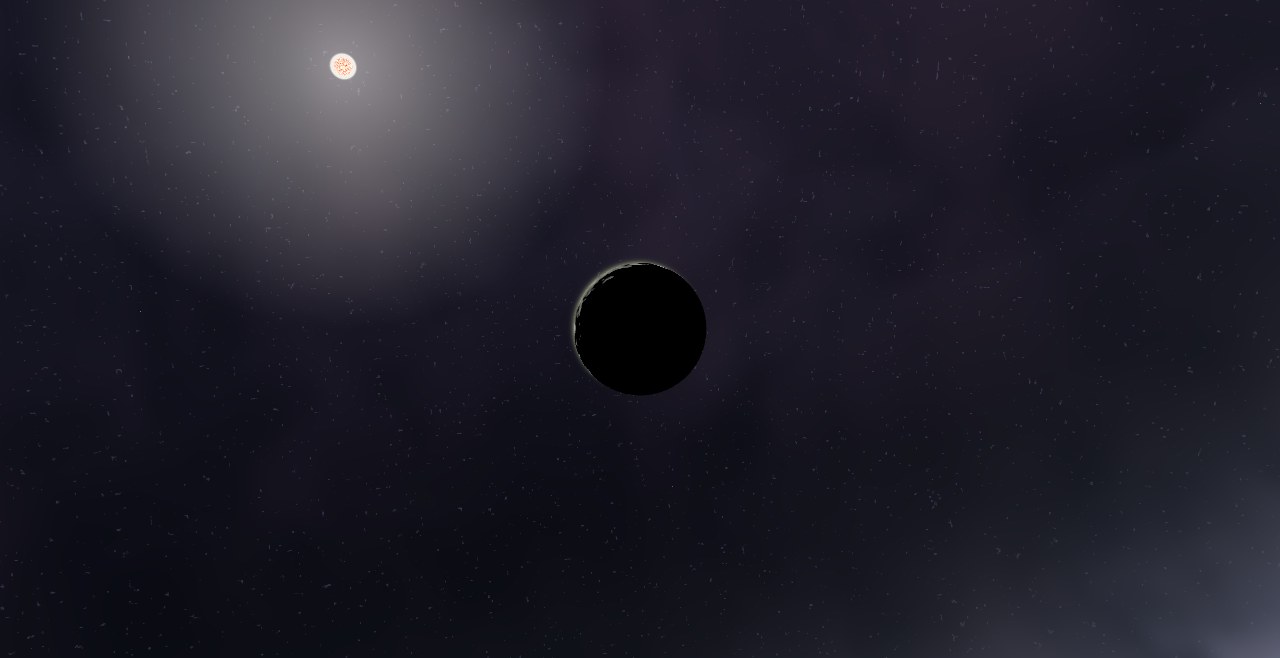
Kepler-1504 - System
Kepler-1504, a Sun-like G-type star of 0.85 solar masses, and Kepler-1504 b, a planet with 2.1 Earth radii, with an orbital period of 82.3 days.
Exoplanets
Analyze isolated alien worlds orbiting a singular host star to observe basic orbital parameters, tidal locks, and planetary eccentricities.
Share
Kepler-1504, a Sun-like G-type star of 0.85 solar masses, and Kepler-1504 b, a planet with 2.1 Earth radii, with an orbital period of 82.3 days.
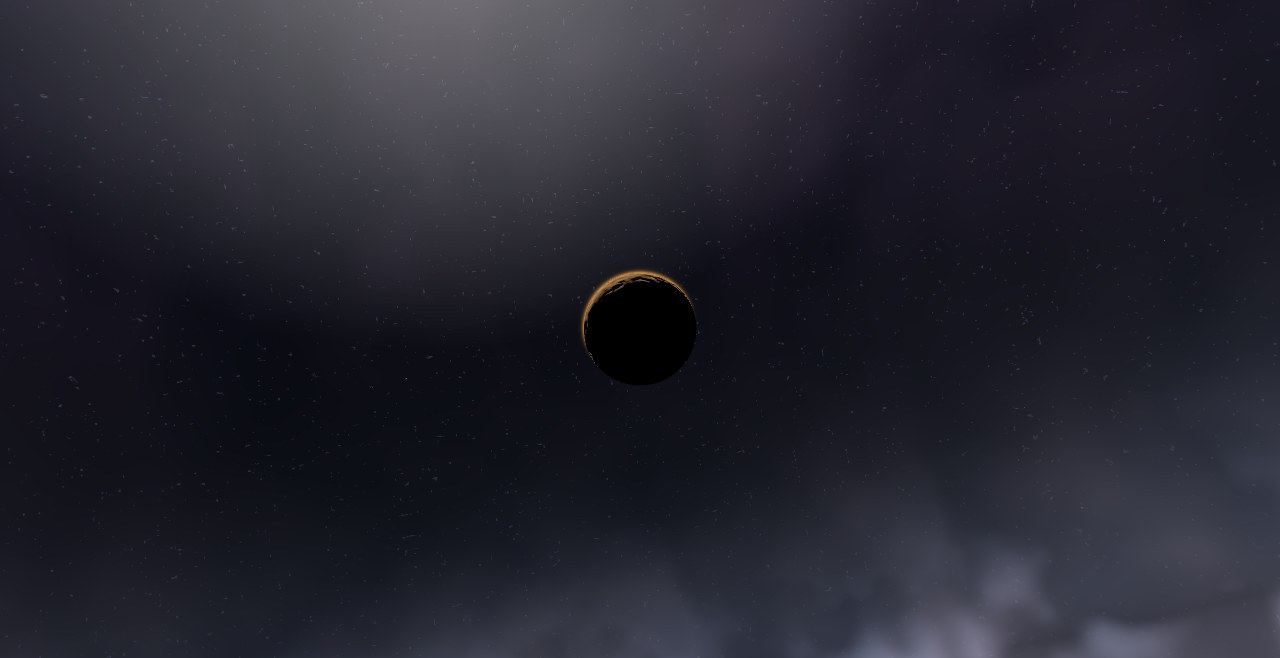
Kepler-1505, a Sun-like G-type star of 0.93 solar masses, and Kepler-1505 b, a planet with 0.9 Earth radii, with an orbital period of 30.9 days.
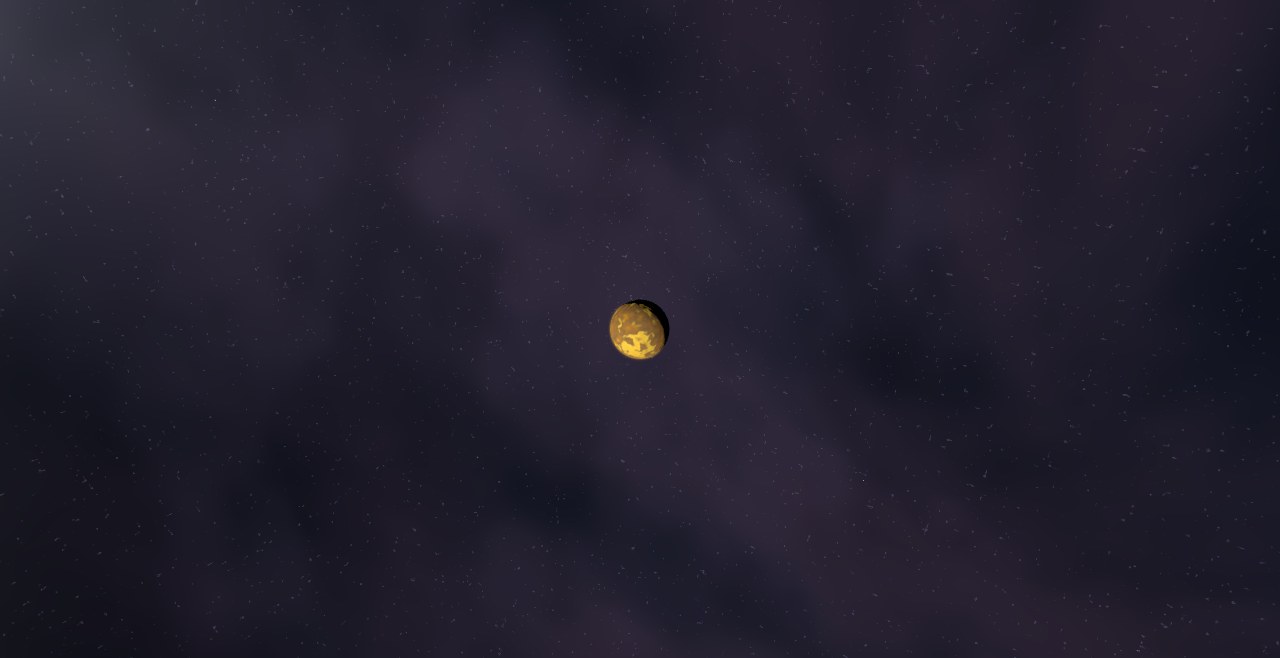
Kepler-1506, a Sun-like G-type star of 0.95 solar masses, and Kepler-1506 b, a planet with 1.3 Earth radii, with an orbital period of 14.0 days.
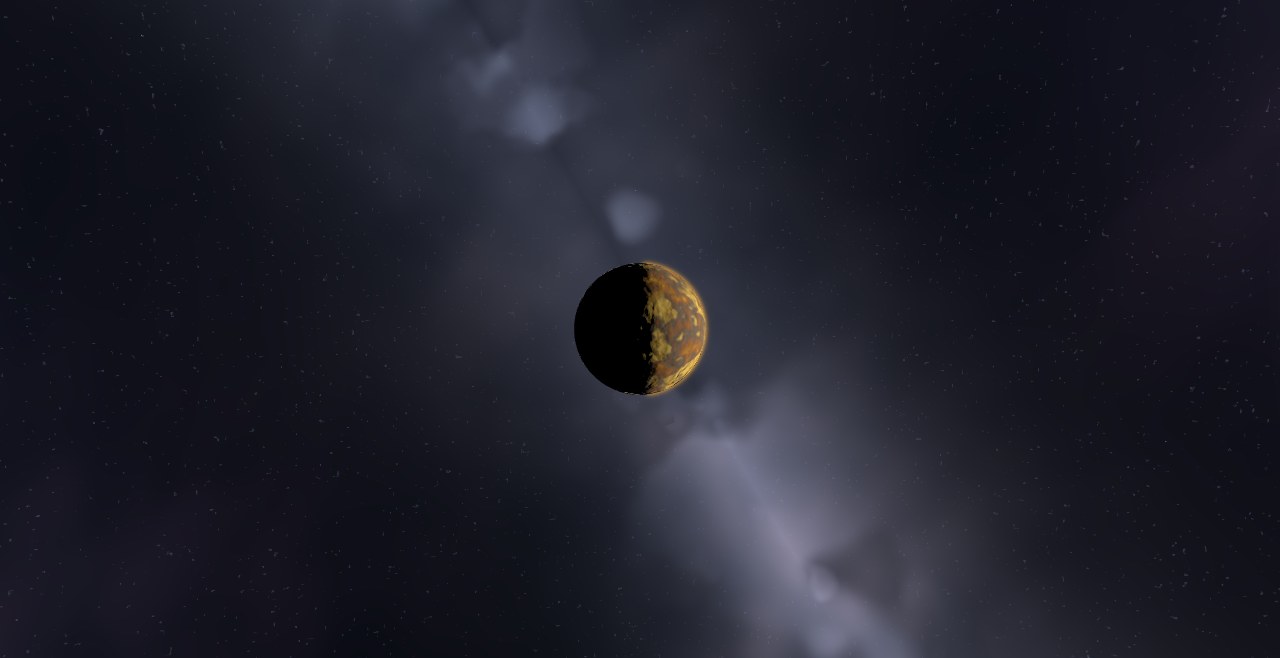
Kepler-1507, a Sun-like G-type star of 0.89 solar masses, and Kepler-1507 b, a planet with 0.8 Earth radii, with an orbital period of 16.1 days.
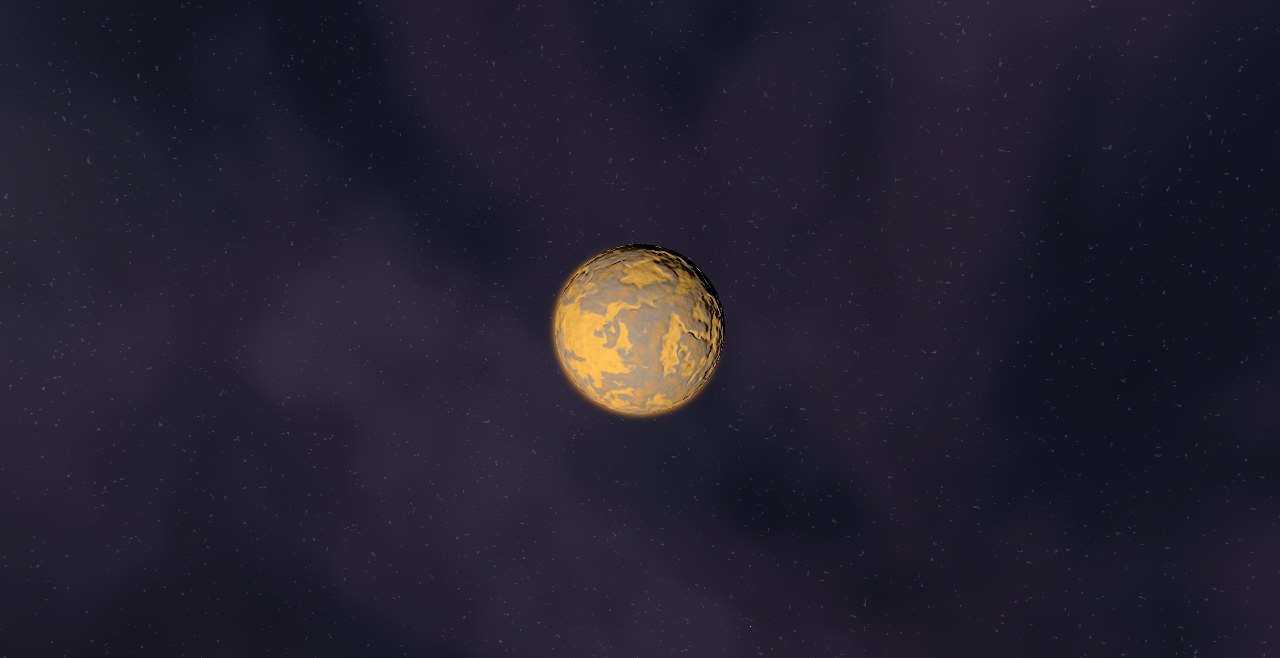
Kepler-1508, a Sun-like F-type star of 1.14 solar masses, and Kepler-1508 b, a planet with 1.3 Earth radii, with an orbital period of 20.7 days.
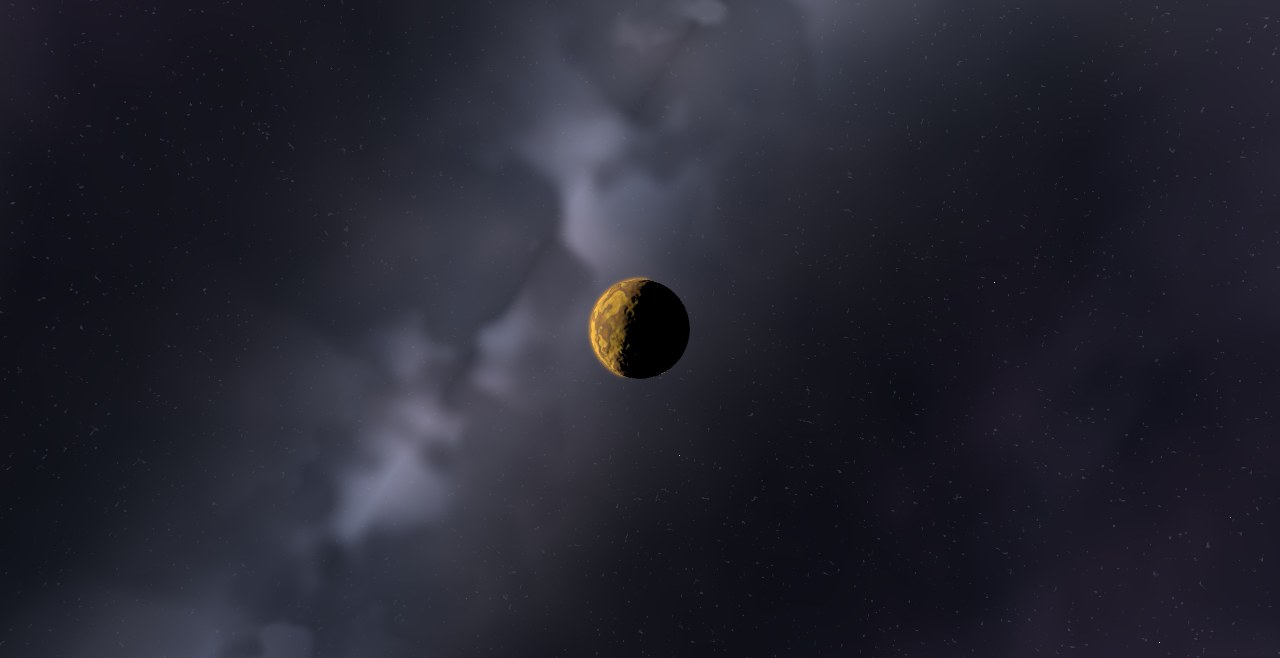
Kepler-1509, a Sun-like G-type star of 1.00 solar masses, and Kepler-1509 b, a planet with 1.9 Earth radii, with an orbital period of 25.4 days.
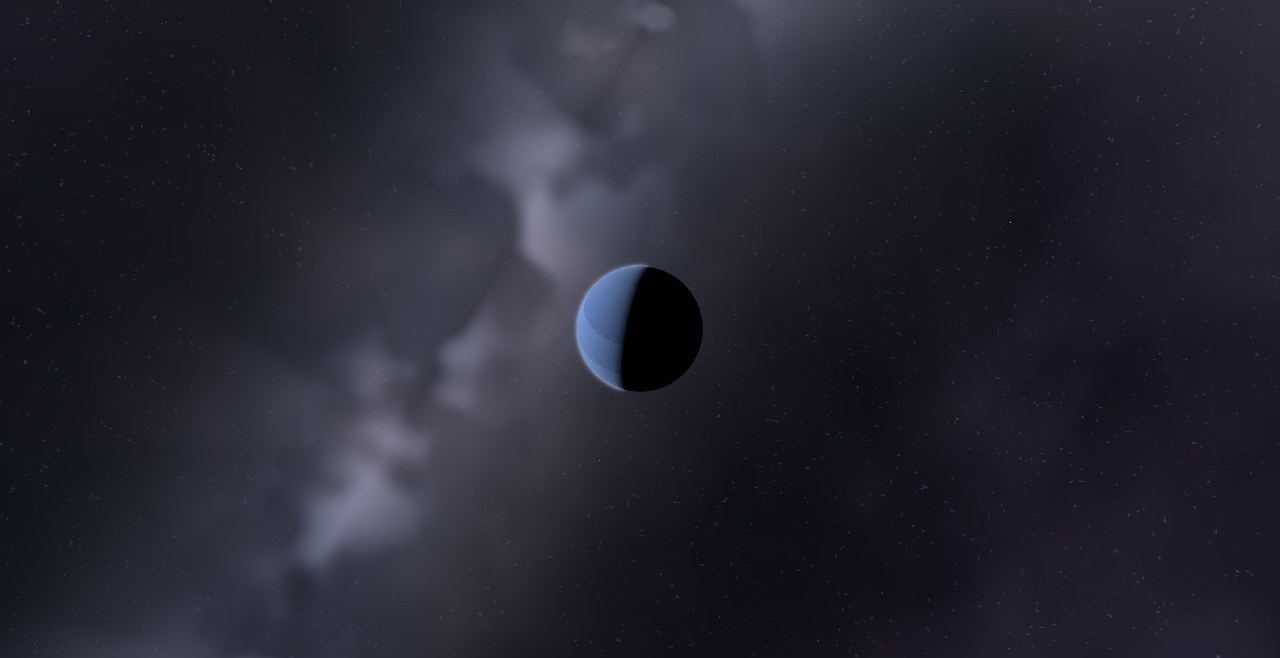
Kepler-1510, a Sun-like F-type star of 1.19 solar masses, and Kepler-1510 b, a planet with 3.4 Earth radii, with an orbital period of 84.7 days.
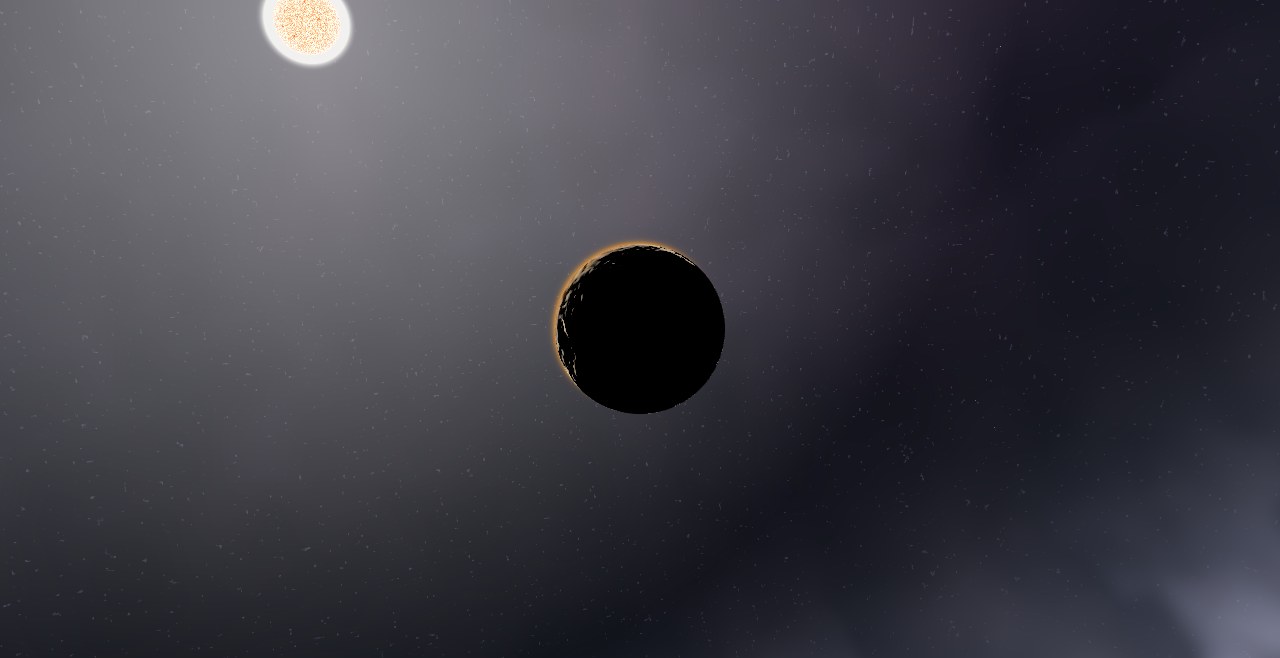
Kepler-1511, a Sun-like F-type star of 1.17 solar masses, and Kepler-1511 b, a planet with 1.7 Earth radii, with an orbital period of 23.2 days.
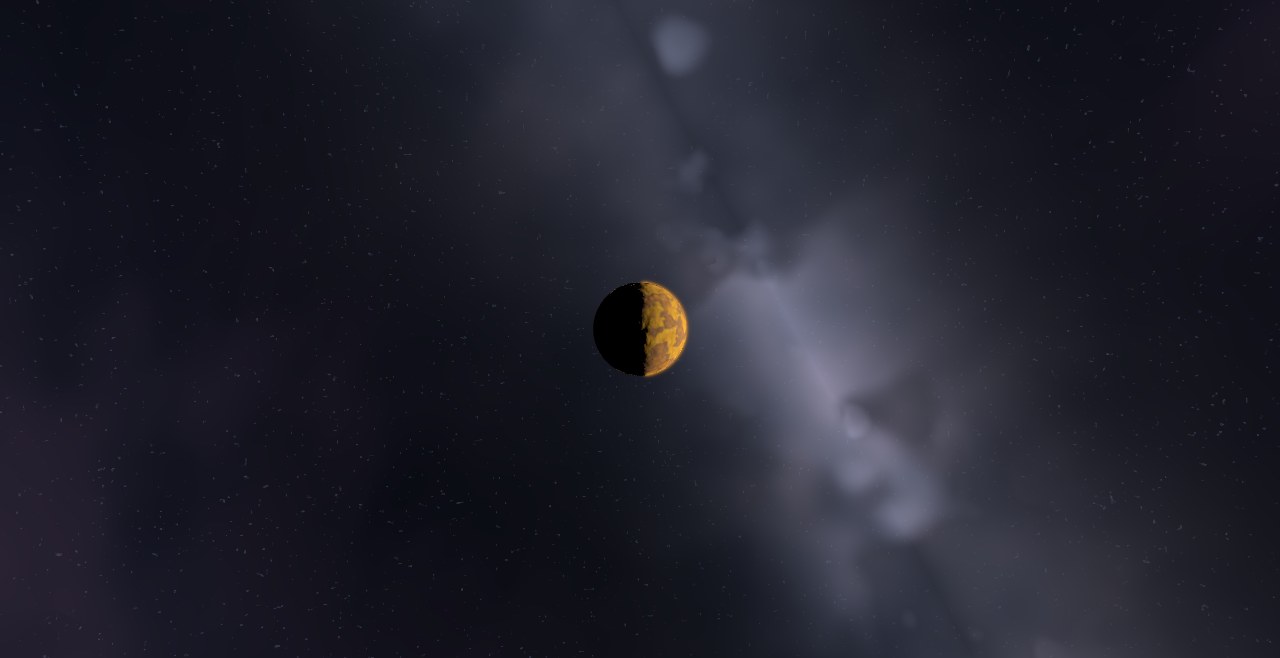
Kepler-1512, an orange K-type dwarf of 0.73 solar masses, and Kepler-1512 b, a planet with 1.2 Earth radii, with an orbital period of 20.4 days.
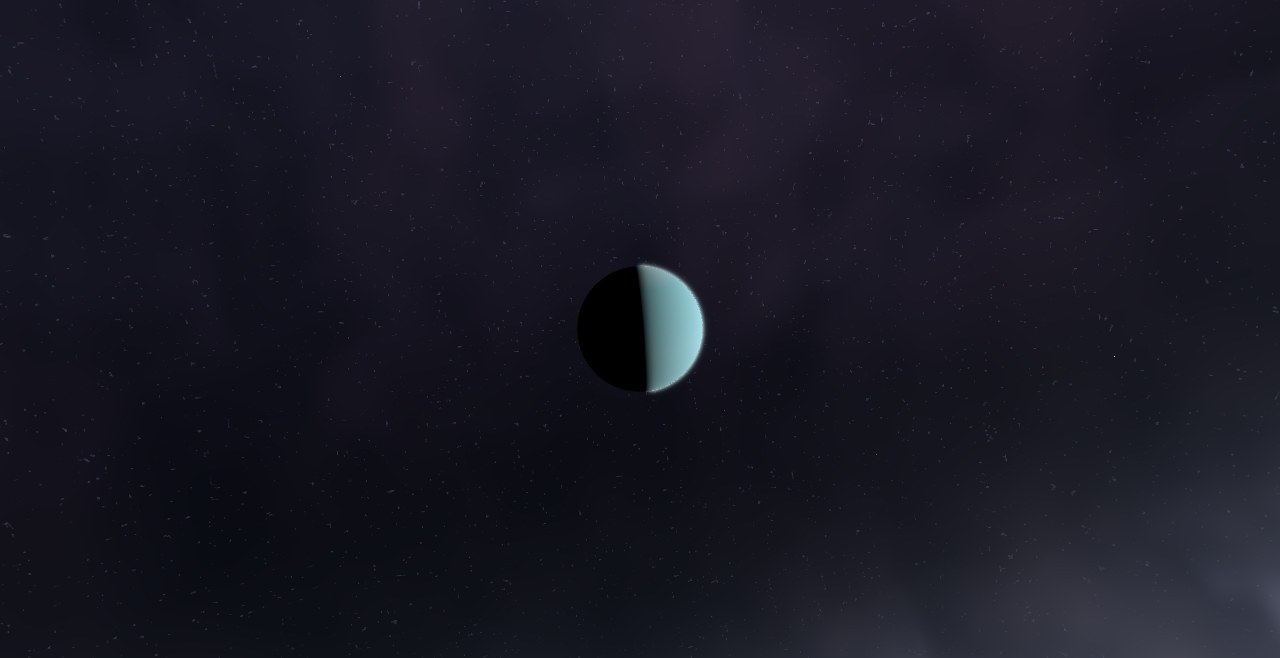
Kepler-1513, a Sun-like G-type star of 0.94 solar masses, and Kepler-1513 b, a 0.15-Jupiter-mass companion, with an orbital period of 161 days, on an eccentric orbit (e ≈ 0.31).
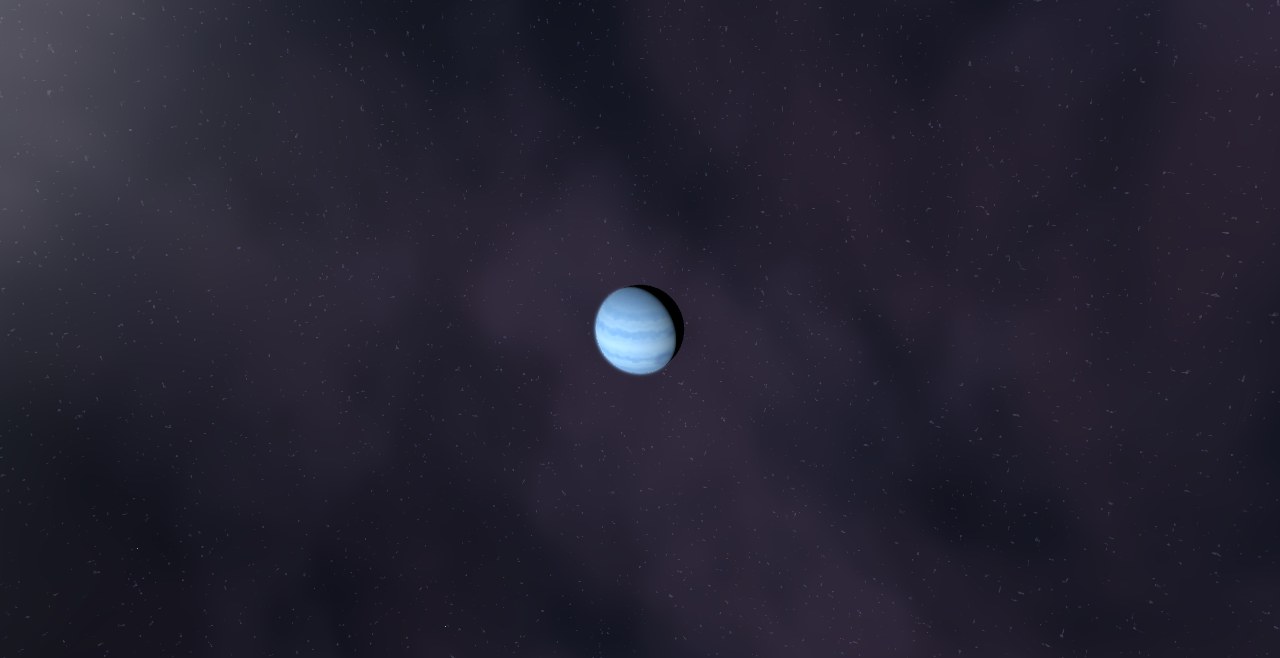
Kepler-1515, a Sun-like F-type star of 1.30 solar masses, and Kepler-1515 b, a planet with 9.6 Earth radii, with an orbital period of 214 days.
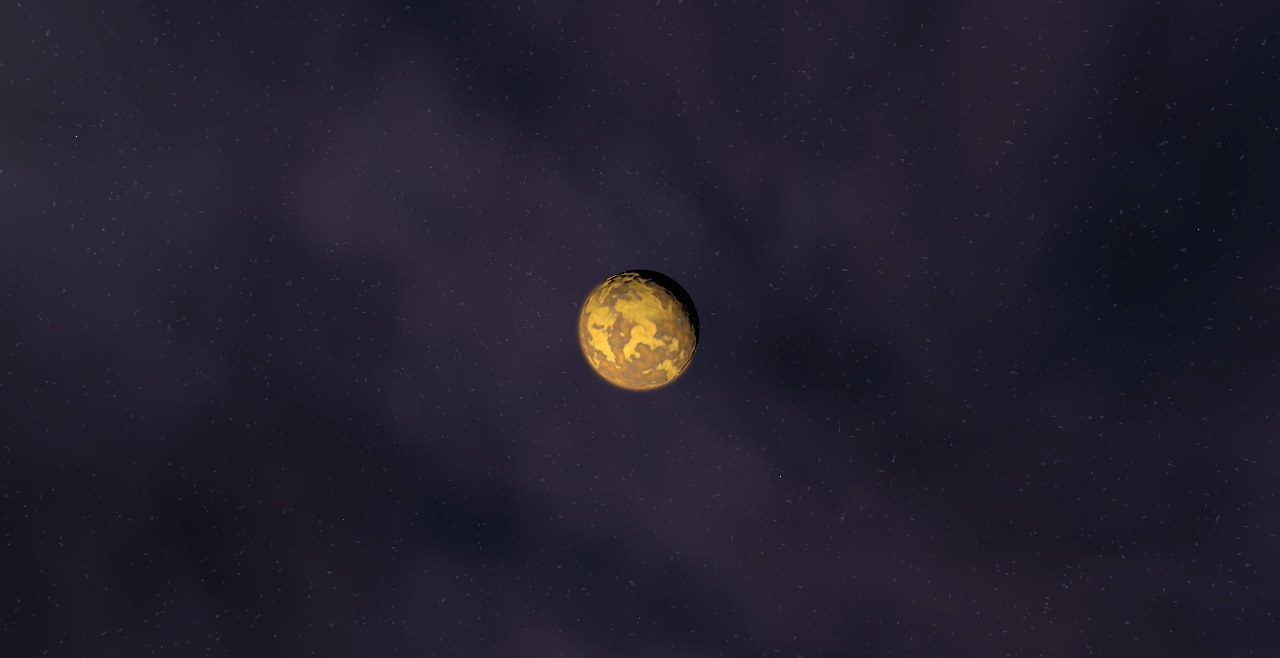
Kepler-1516, a Sun-like G-type star of 1.04 solar masses, and Kepler-1516 b, a planet with 1.8 Earth radii, with an orbital period of 7.3 days.
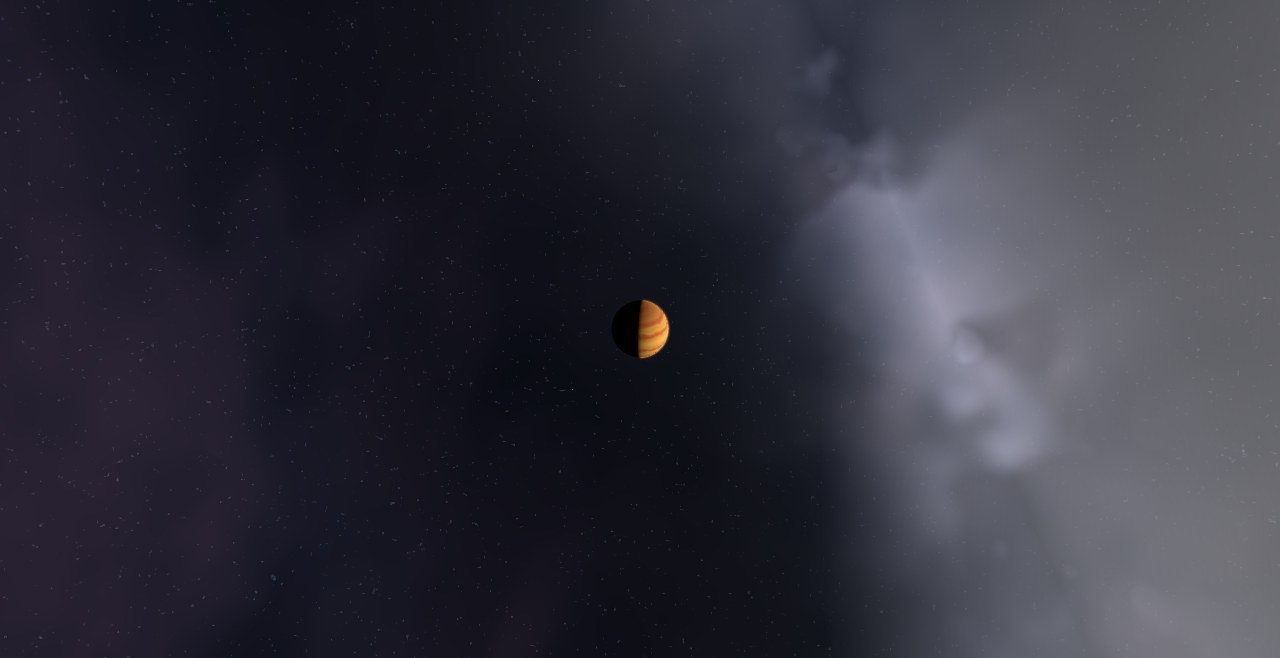
Kepler-1517, a Sun-like F-type star of 1.58 solar masses, and Kepler-1517 b, a planet with 9.8 Earth radii, with an orbital period of 5.5 days.
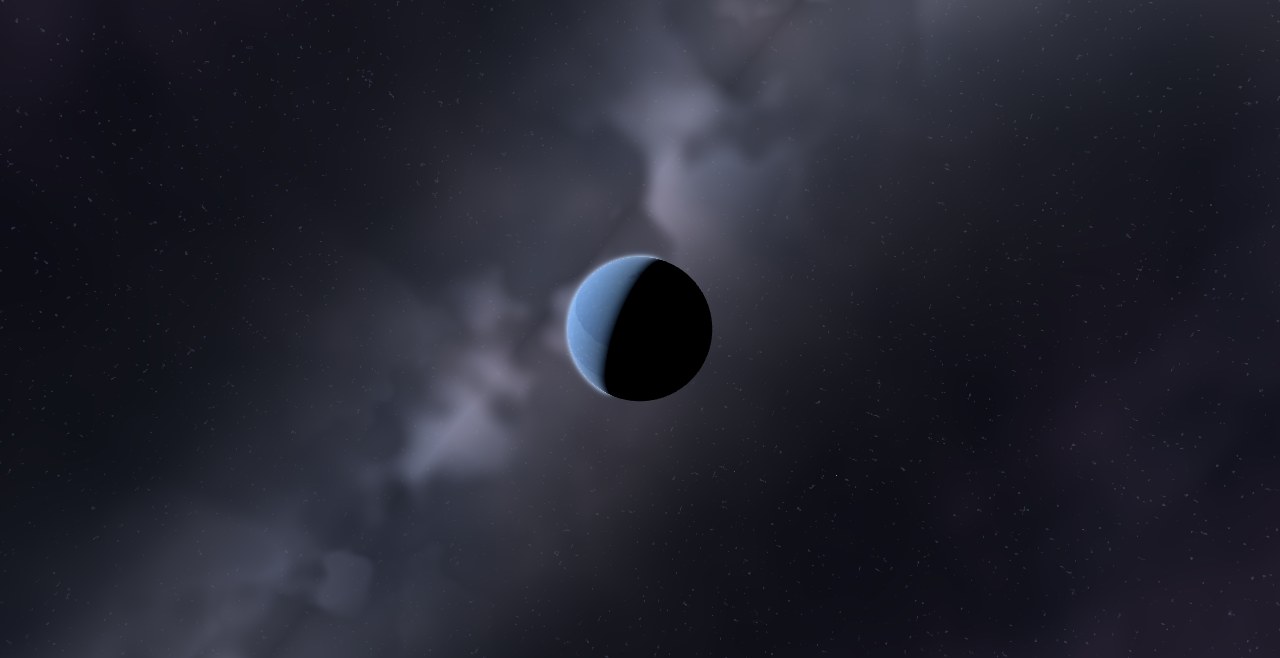
Kepler-1519, a Sun-like G-type star of 0.94 solar masses, and Kepler-1519 b, a planet with 7.1 Earth radii, with an orbital period of 241 days.
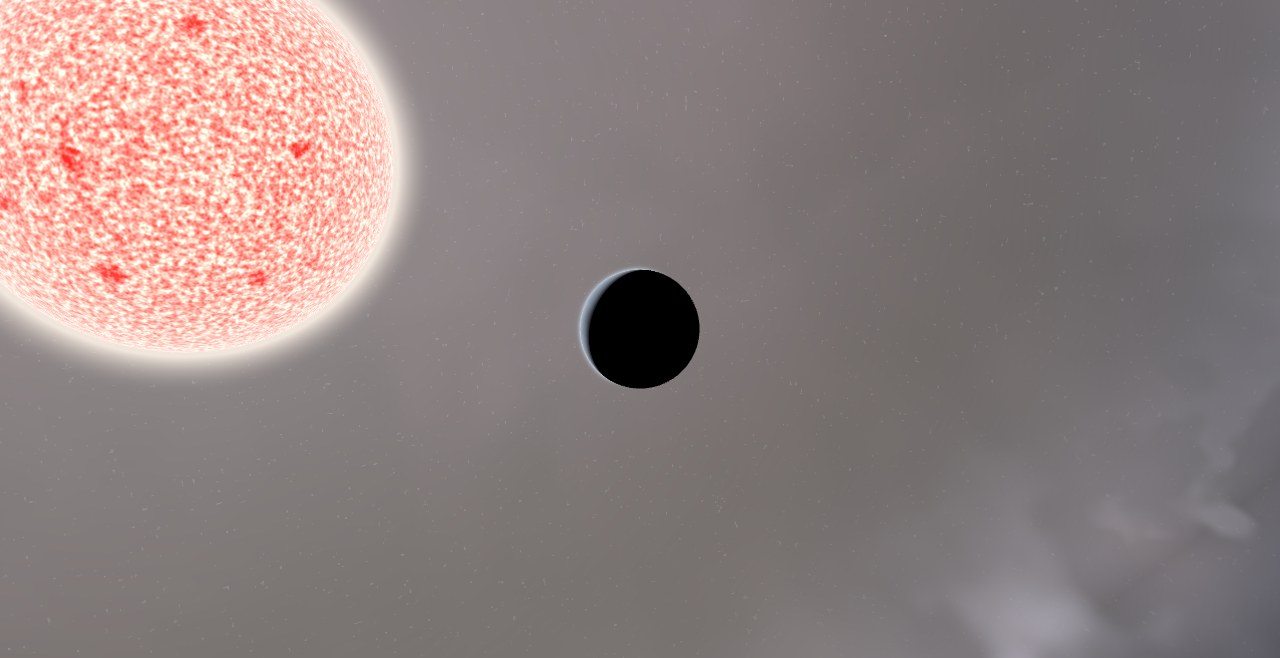
Kepler-1520 b, a disintegrating planet. A dusty tail trailing this tiny world makes its transits change shape from orbit to orbit. The object is also known as KIC 12557548 b.
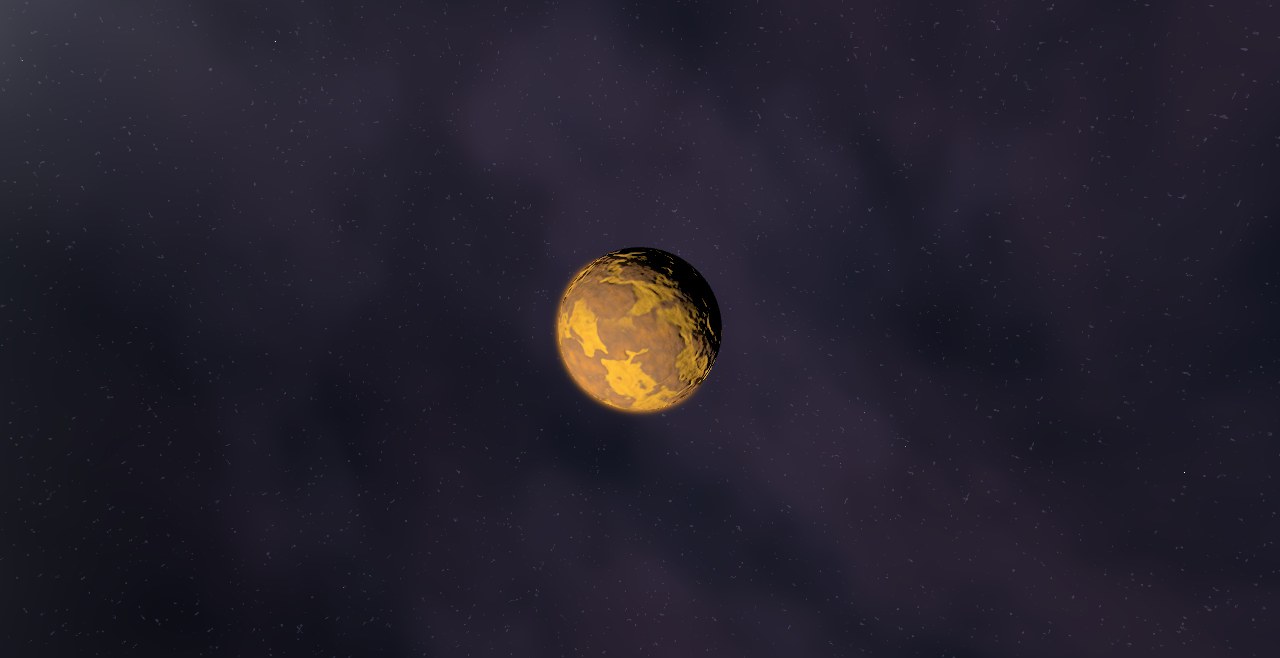
Kepler-1521, an orange K-type dwarf of 0.81 solar masses, and Kepler-1521 b, a planet with 2.5 Earth radii, with an orbital period of 47.1 days.
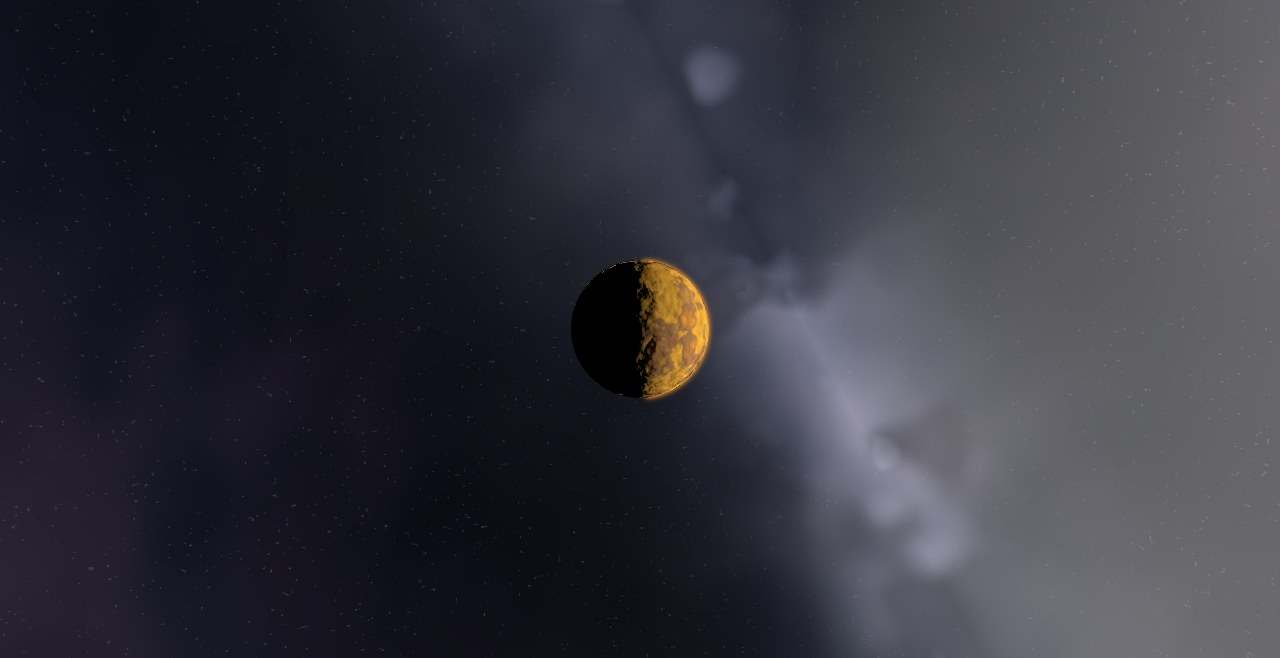
Kepler-1522, a Sun-like G-type star of 0.96 solar masses, and Kepler-1522 b, a planet with 1.7 Earth radii, with an orbital period of 1.8 days.
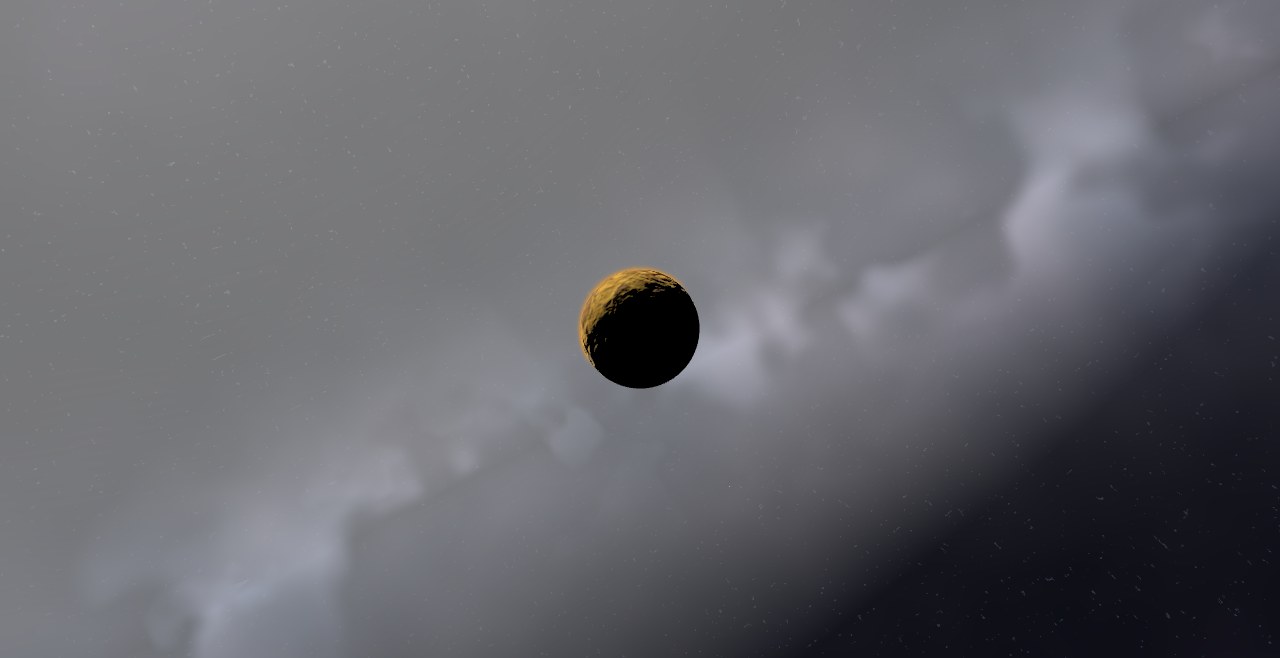
Kepler-1523, a Sun-like G-type star of 0.97 solar masses, and Kepler-1523 b, a planet with 1.6 Earth radii, with an orbital period of 22.5 hours.