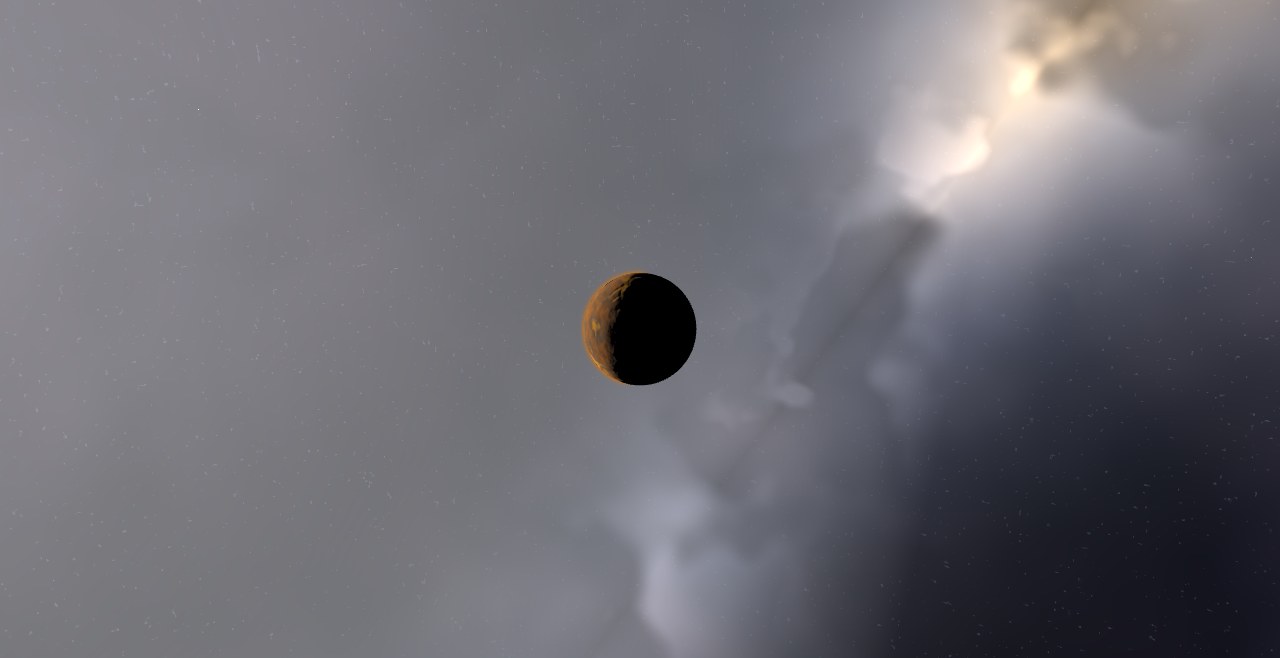
K2-52 - System
K2-52, a Sun-like F-type star of 1.69 solar masses, and K2-52 b, a planet with 18.0 Earth radii, with an orbital period of 3.5 days, at 0.054 AU from its star, and an equilibrium temperature near 2,004 K.
Exoplanets
Analyze isolated alien worlds orbiting a singular host star to observe basic orbital parameters, tidal locks, and planetary eccentricities.
Share
K2-52, a Sun-like F-type star of 1.69 solar masses, and K2-52 b, a planet with 18.0 Earth radii, with an orbital period of 3.5 days, at 0.054 AU from its star, and an equilibrium temperature near 2,004 K.
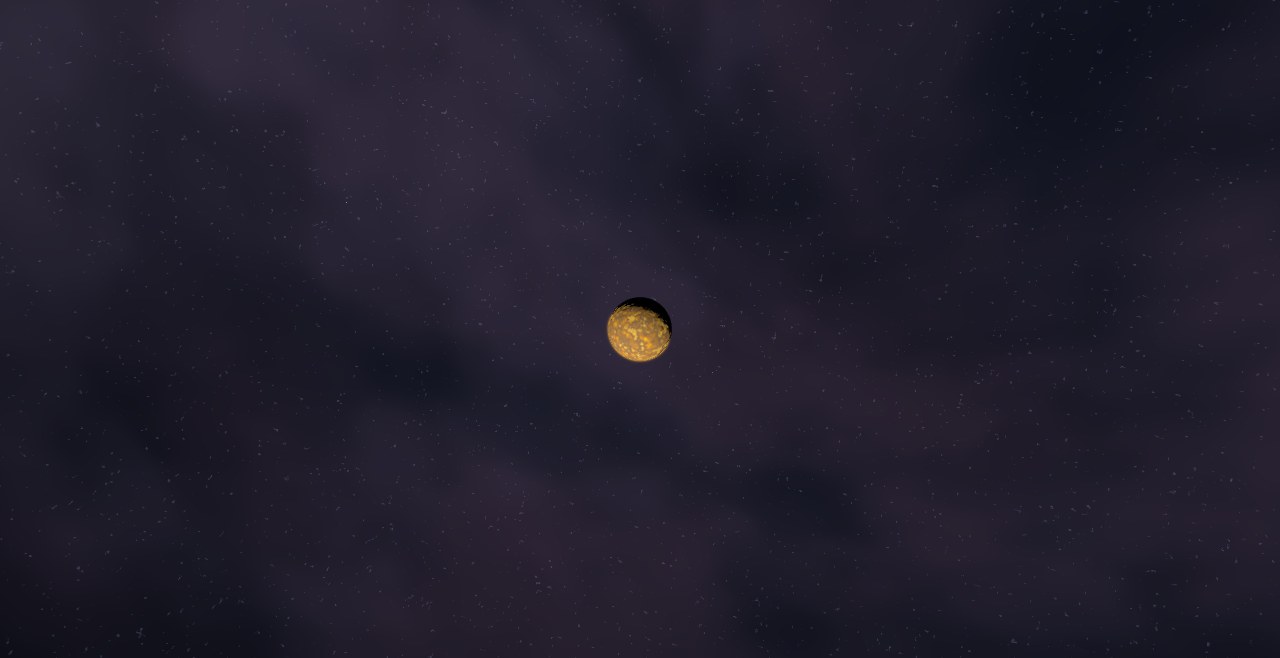
K2-53, a Sun-like G-type star of 0.85 solar masses, and K2-53 b, a planet with 2.6 Earth radii, with an orbital period of 12.2 days, at 0.098 AU from its star, and an equilibrium temperature near 665 K.
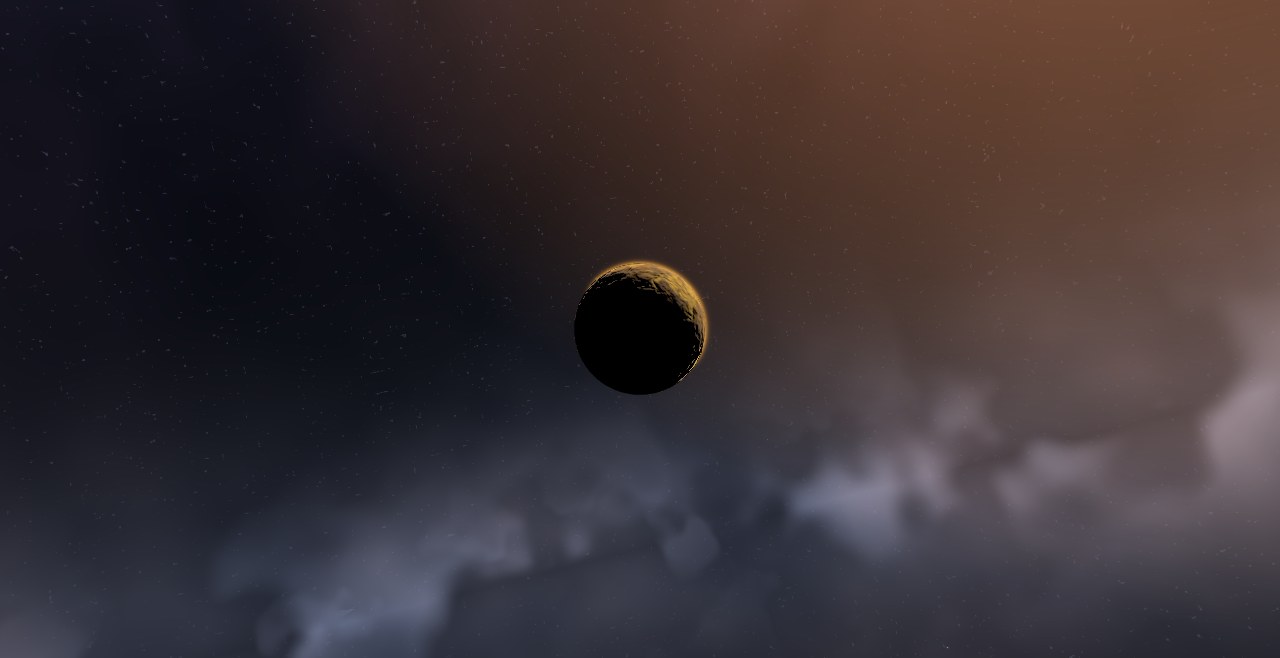
K2-54, an orange K-type dwarf of 0.61 solar masses, and K2-54 b, a planet with 2.6 Earth radii, with an orbital period of 9.8 days, at 0.076 AU from its star, and an equilibrium temperature near 560 K.
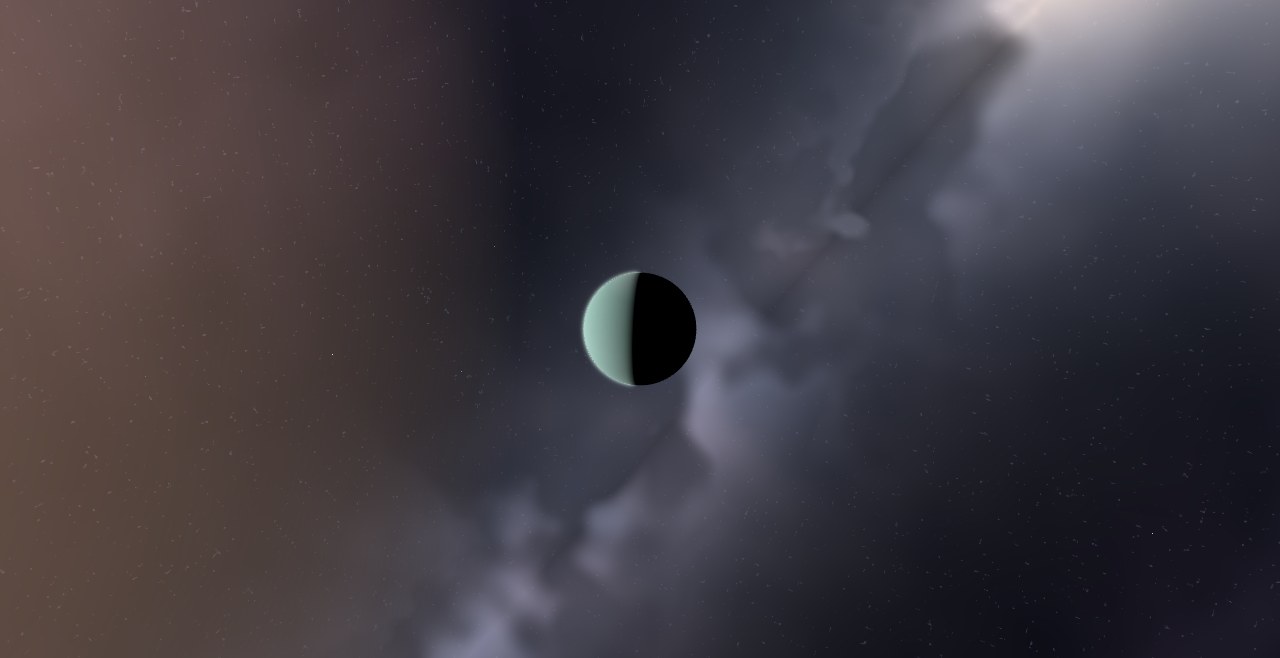
K2-55, an orange K-type dwarf of 0.69 solar masses, and K2-55 b, a 0.14-Jupiter-mass companion, with an orbital period of 2.8 days, and an equilibrium temperature near 900 K.
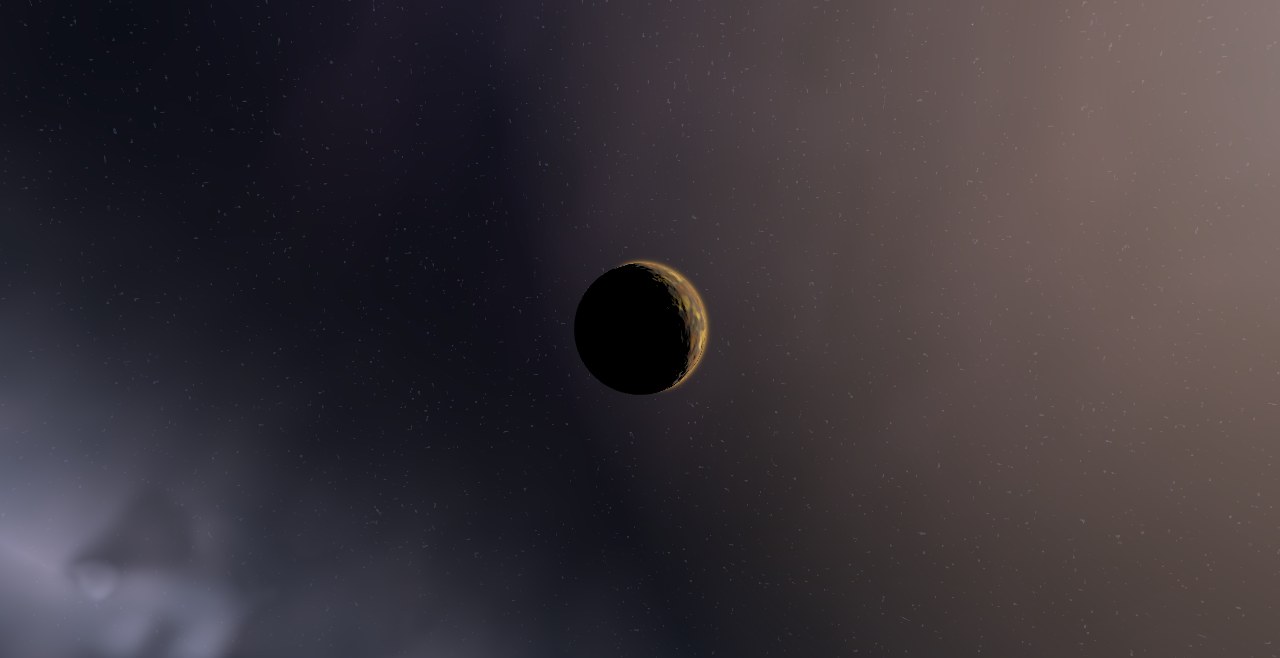
K2-57, an orange K-type dwarf of 0.70 solar masses, and K2-57 b, a planet with 2.3 Earth radii, with an orbital period of 9.0 days, at 0.075 AU from its star, and an equilibrium temperature near 636 K.
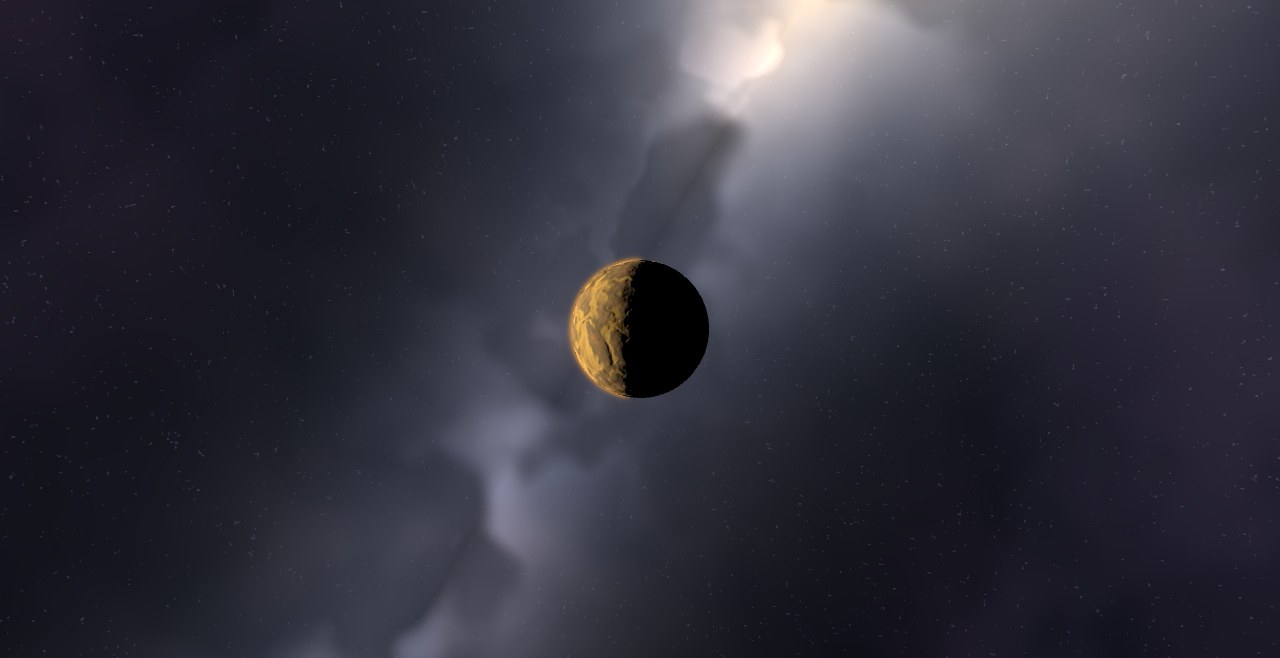
K2-6, a Sun-like G-type star of 0.97 solar masses, and K2-6 b, a planet with 2.5 Earth radii, with an orbital period of 30.9 days, at 0.190 AU from its star, and an equilibrium temperature near 615 K.
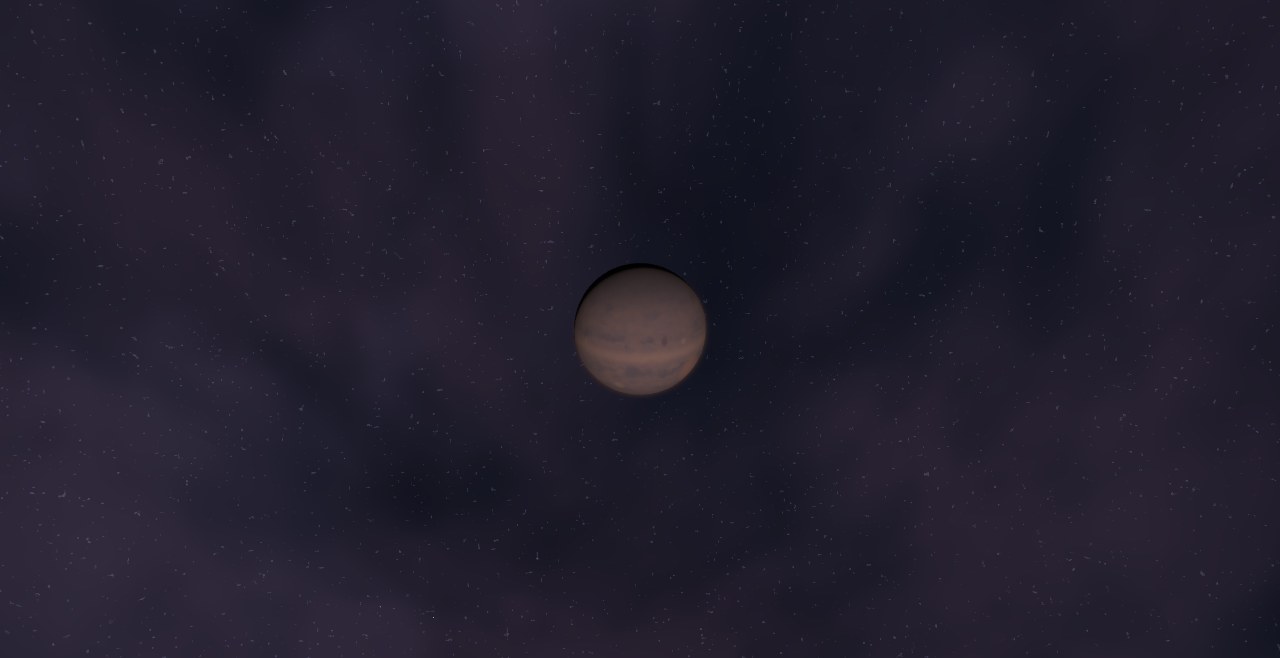
K2-60, a Sun-like G-type star of 0.97 solar masses, and K2-60 b, a 0.43-Jupiter-mass companion, with an orbital period of 3.0 days, at 0.045 AU from its star, and an equilibrium temperature near 1,400 K.
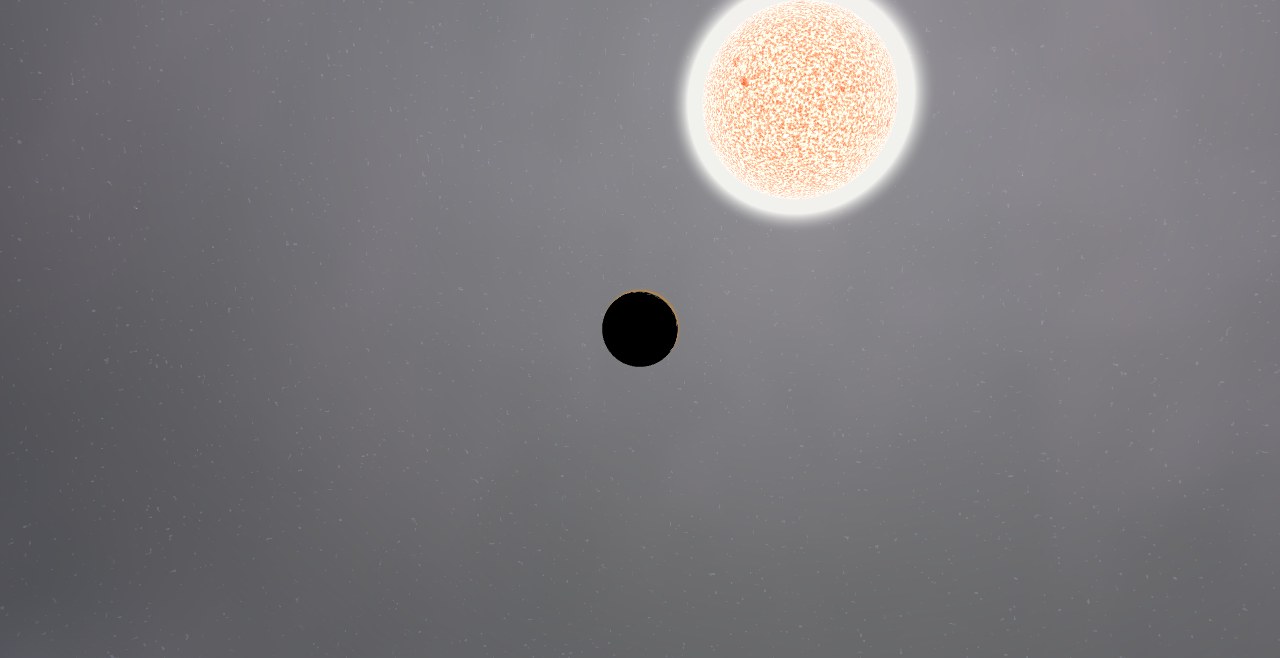
K2-61, a Sun-like G-type star of 0.97 solar masses, and K2-61 b, a planet with 1.9 Earth radii, with an orbital period of 2.6 days, and an equilibrium temperature near 1,325 K.
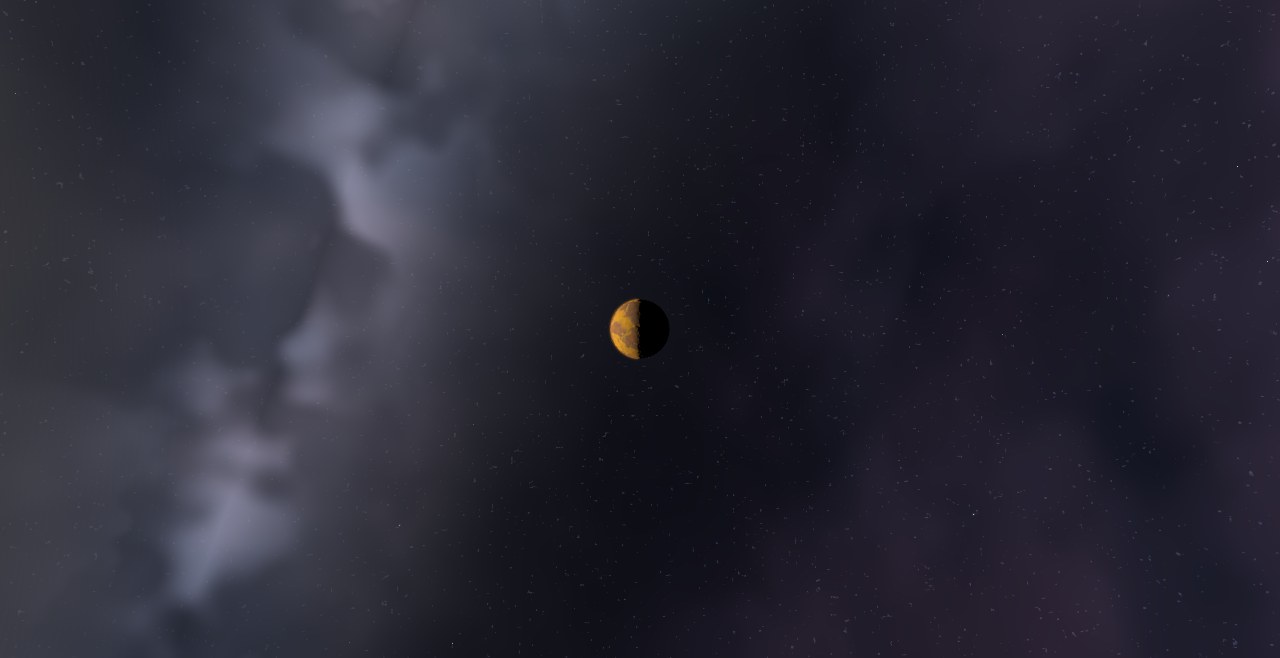
K2-64, a Sun-like G-type star of 0.74 solar masses, and K2-64 b, a planet with 2.1 Earth radii, with an orbital period of 6.5 days, at 0.062 AU from its star.
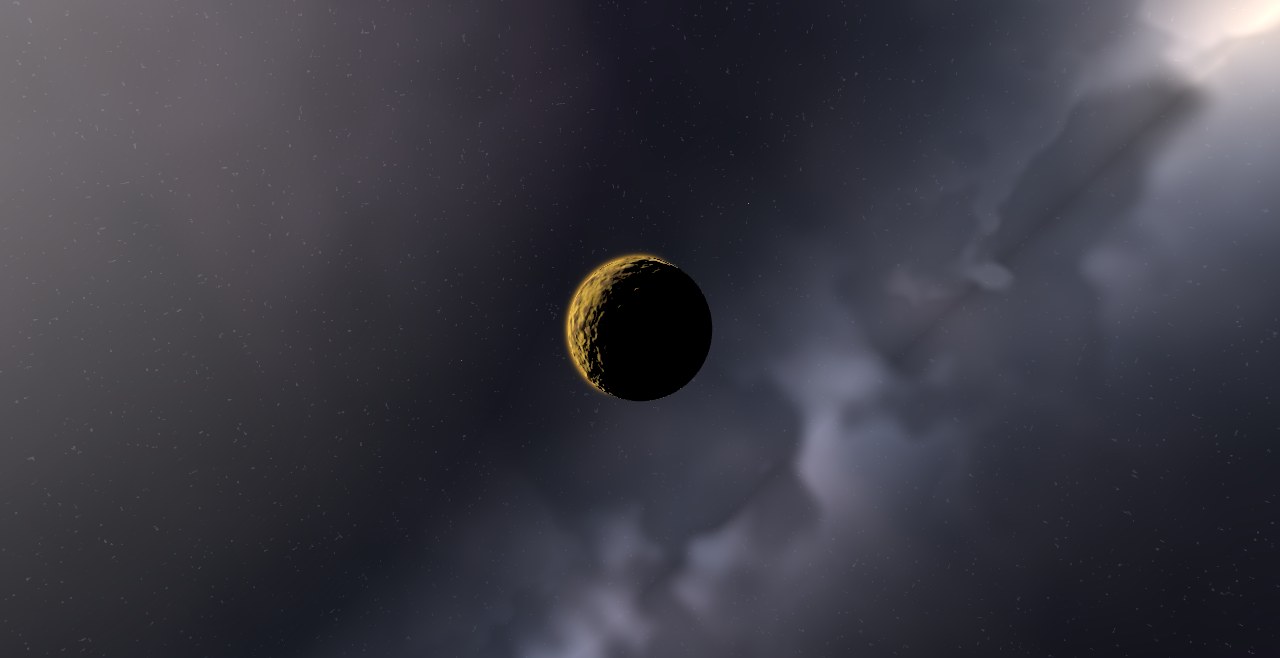
K2-65, a Sun-like G-type star of 0.87 solar masses, and K2-65 b, a planet with 1.6 Earth radii, with an orbital period of 12.6 days, at 0.101 AU from its star.
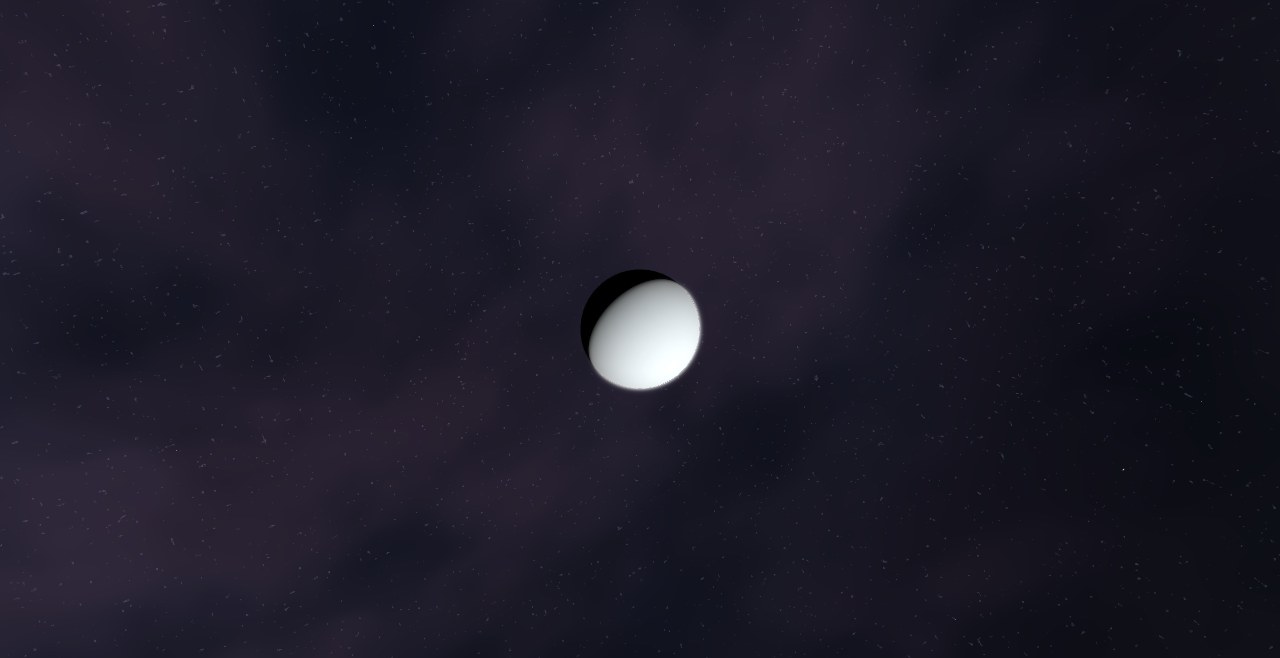
K2-66, a Sun-like G-type star of 1.11 solar masses, and K2-66 b, a 0.07-Jupiter-mass companion, with an orbital period of 5.1 days, at 0.060 AU from its star, and an equilibrium temperature near 1,372 K.
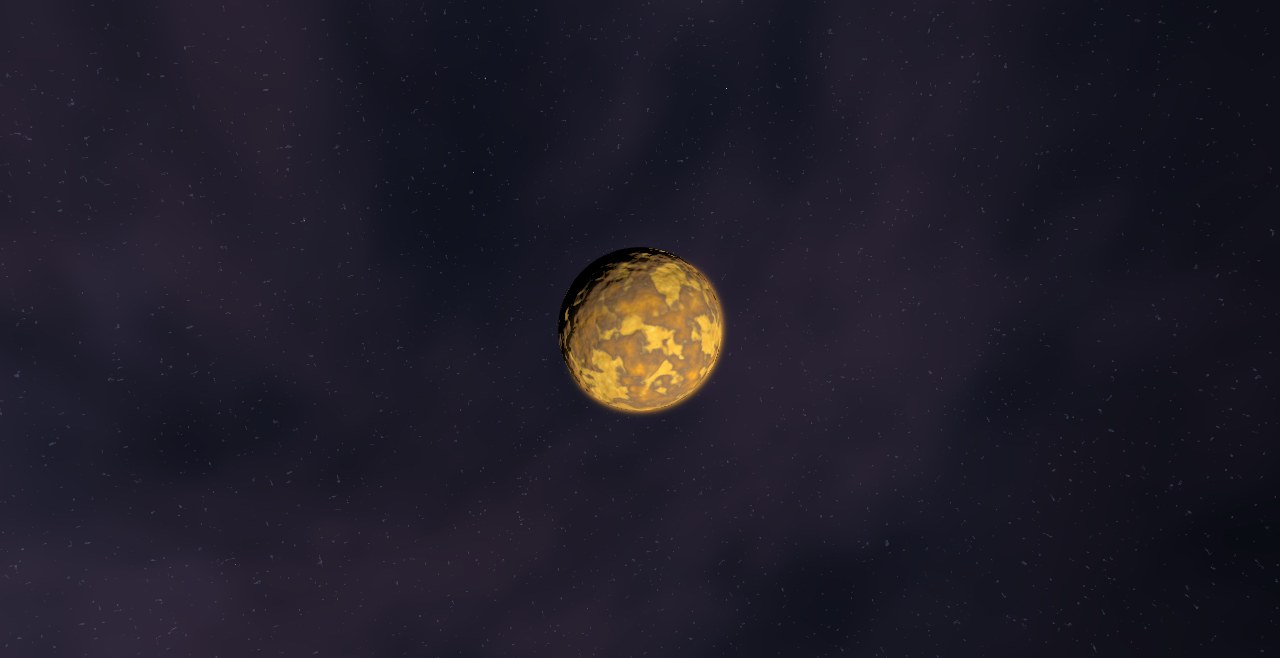
K2-68, an orange K-type dwarf of 0.73 solar masses, and K2-68 b, a planet with 1.6 Earth radii, with an orbital period of 8.1 days, at 0.071 AU from its star.
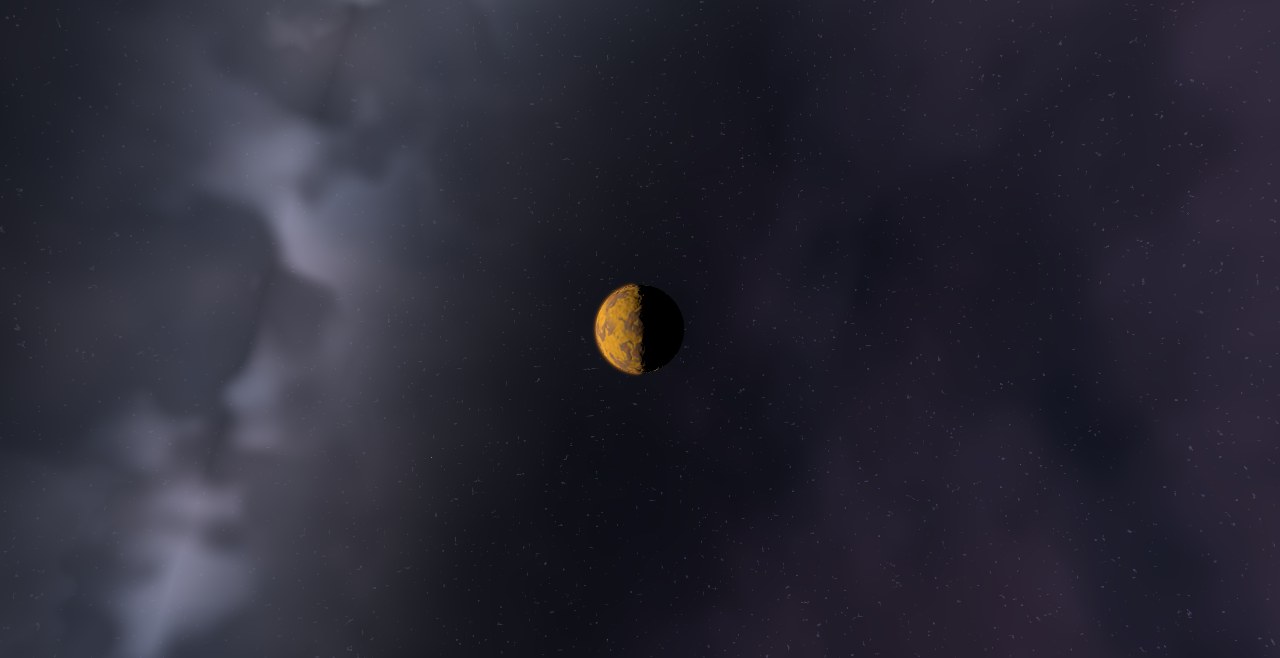
K2-69, an orange K-type dwarf of 0.55 solar masses, and K2-69 b, a planet with 2.3 Earth radii, with an orbital period of 7.1 days, at 0.059 AU from its star.
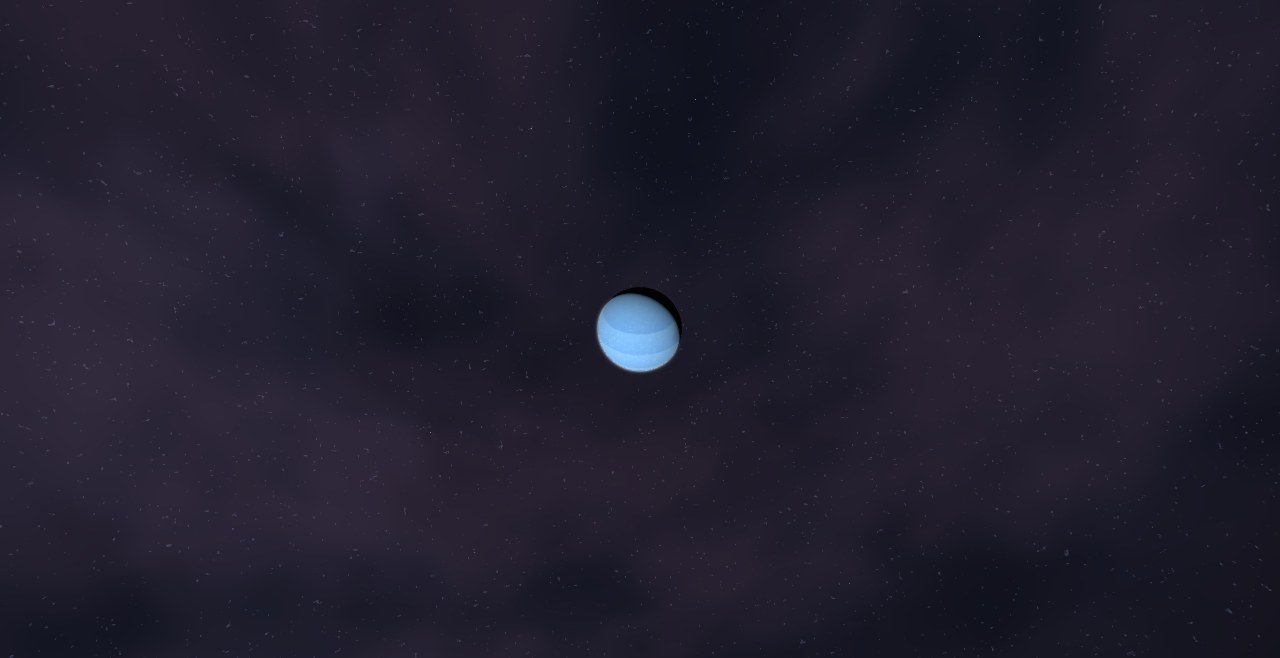
K2-7, a Sun-like G-type star of 1.06 solar masses, and K2-7 b, a planet with 4.0 Earth radii, with an orbital period of 28.7 days, at 0.187 AU from its star, and an equilibrium temperature near 786 K.
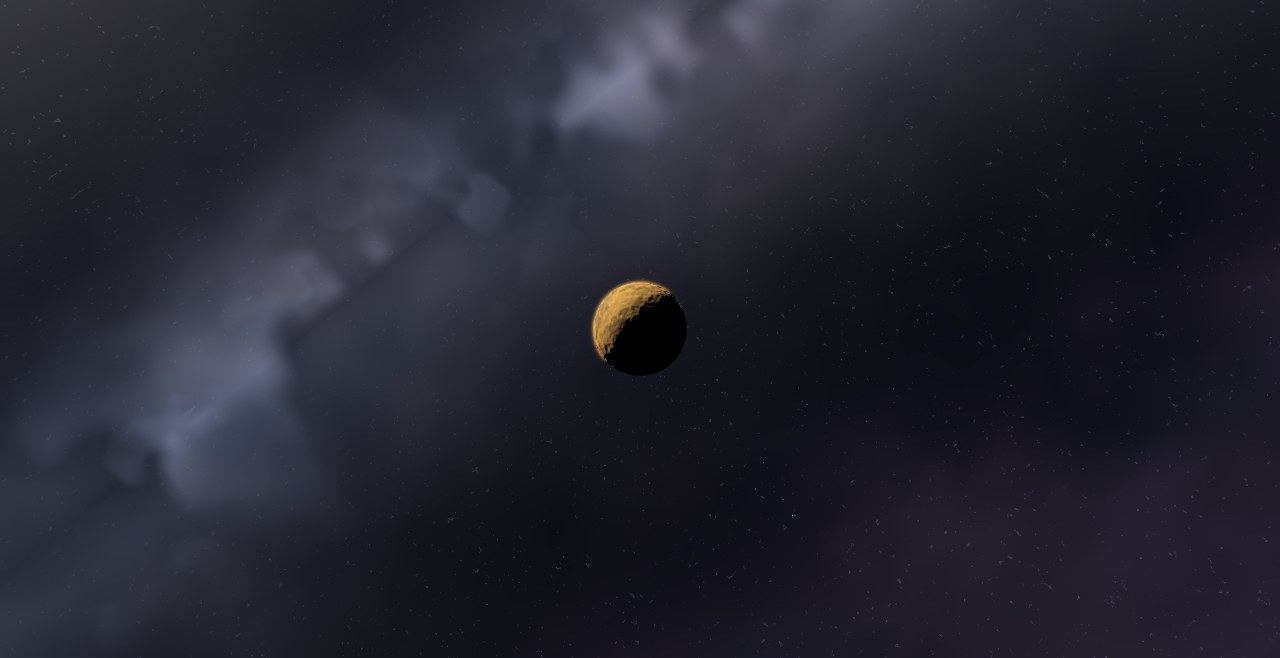
K2-70, a Sun-like G-type star of 0.94 solar masses, and K2-70 b, a planet with 2.9 Earth radii, with an orbital period of 14.0 days, at 0.111 AU from its star.
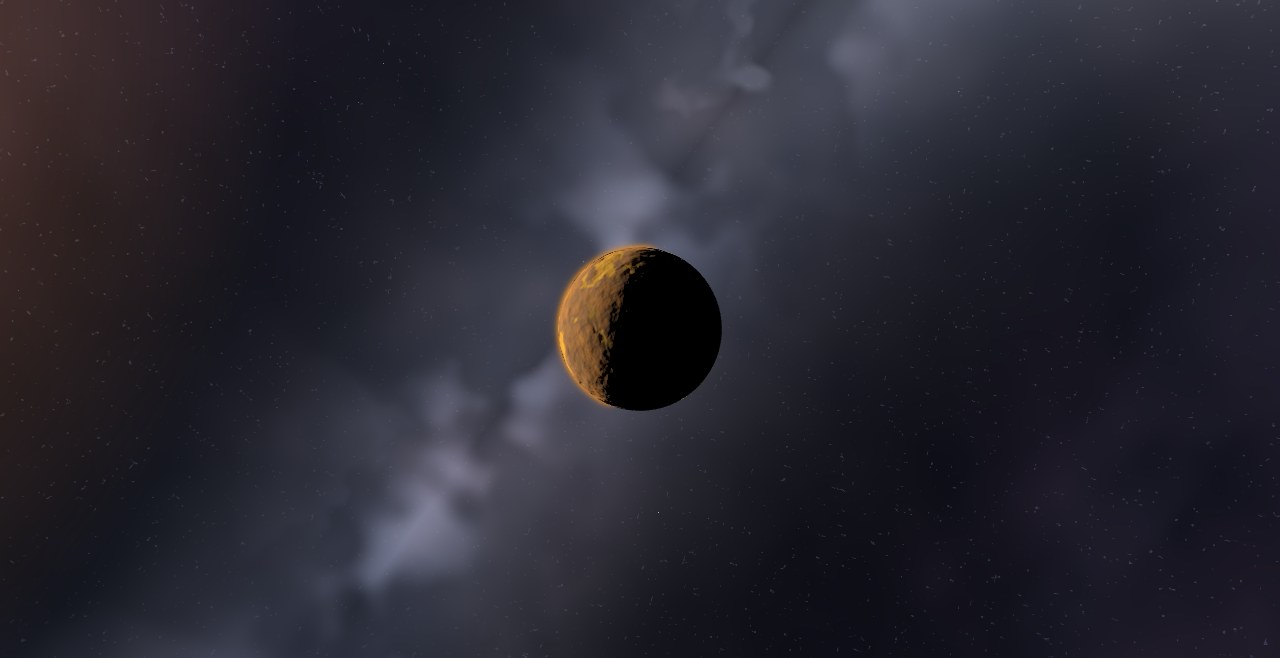
K2-71, an orange K-type dwarf of 0.48 solar masses, and K2-71 b, a planet with 2.1 Earth radii, with an orbital period of 7.0 days, at 0.056 AU from its star.
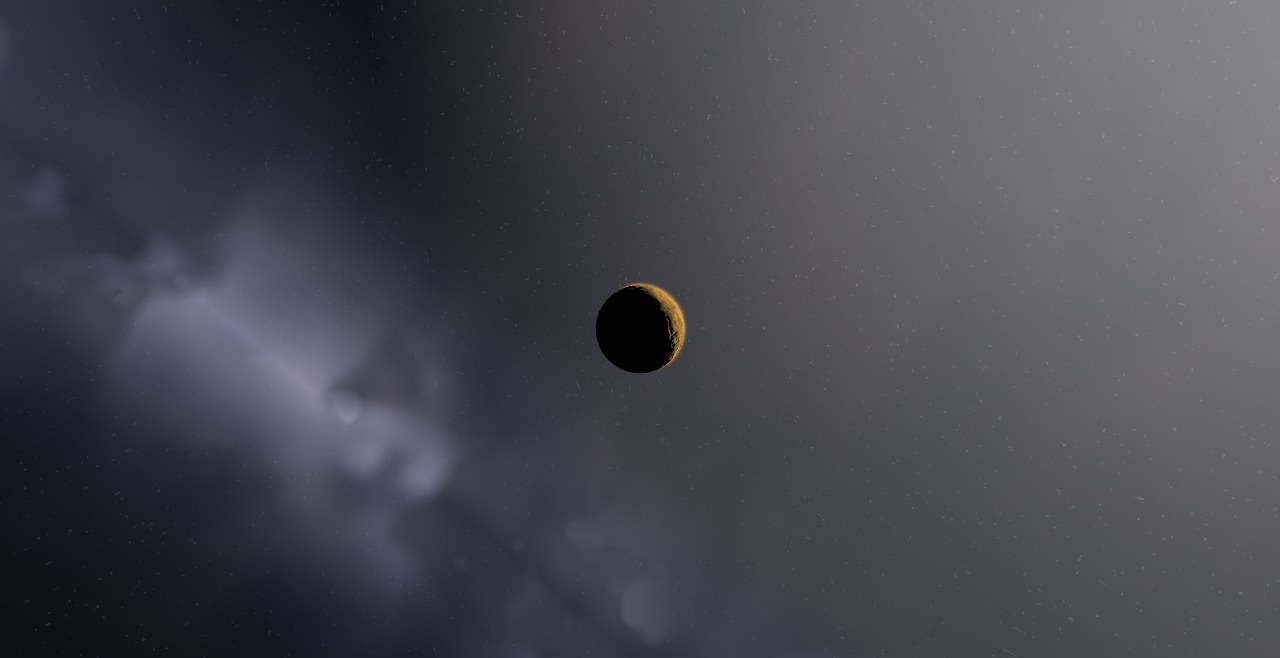
K2-73, a Sun-like G-type star of 1.02 solar masses, and K2-73 b, a 9.2-Earth-mass planet, with an orbital period of 7.5 days, and an equilibrium temperature near 968 K.
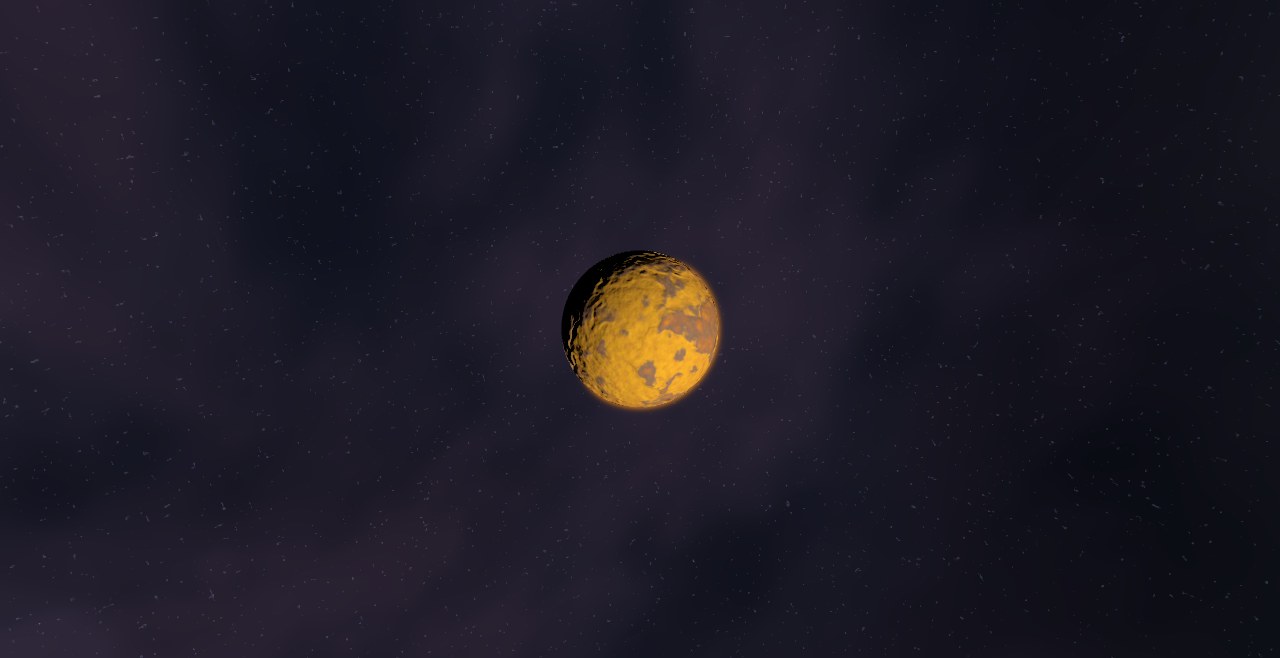
K2-74, a Sun-like F-type star of 0.96 solar masses, and K2-74 b, a planet with 2.3 Earth radii, with an orbital period of 19.6 days, at 0.140 AU from its star.