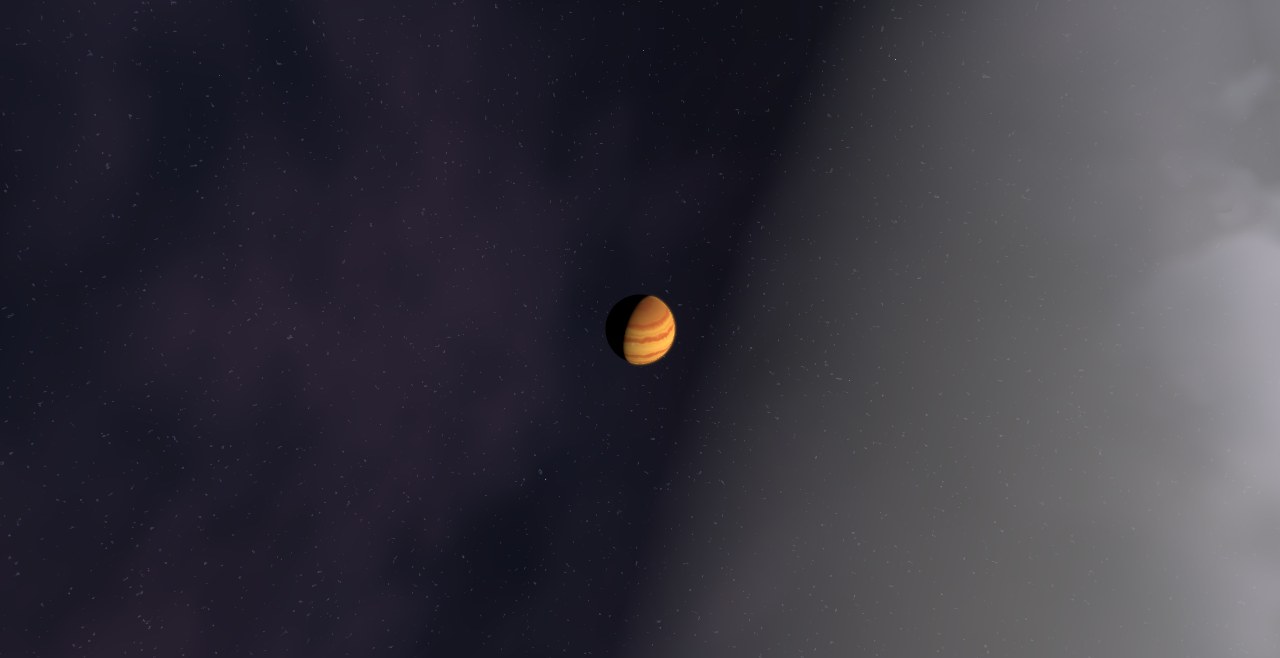
K2-31 - System
K2-31, a Sun-like G-type star of 0.91 solar masses, and K2-31 b, a 1.77-Jupiter-mass companion, with an orbital period of 1.3 days, at 0.022 AU from its star.
Exoplanets
Analyze isolated alien worlds orbiting a singular host star to observe basic orbital parameters, tidal locks, and planetary eccentricities.
Share
K2-31, a Sun-like G-type star of 0.91 solar masses, and K2-31 b, a 1.77-Jupiter-mass companion, with an orbital period of 1.3 days, at 0.022 AU from its star.
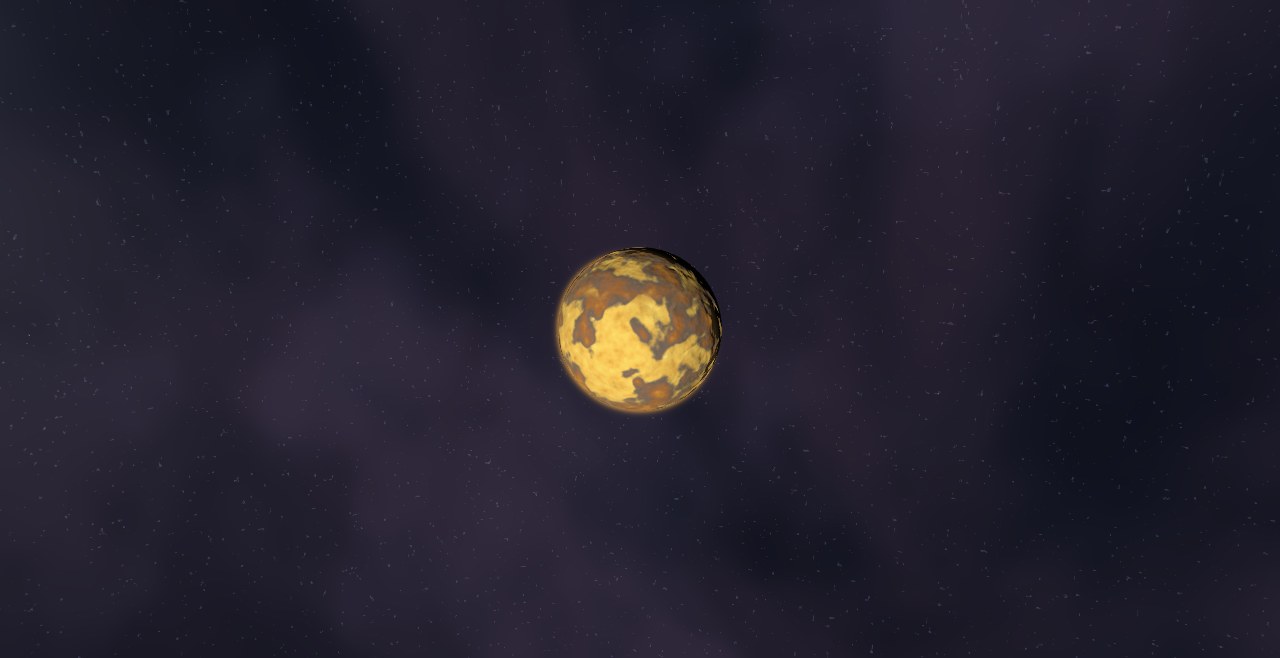
K2-317, a cool M-dwarf of 0.40 solar masses, and K2-317 b, a planet with 2.9 Earth radii, with an orbital period of 6.2 days, at 0.054 AU from its star, and an equilibrium temperature near 432 K.
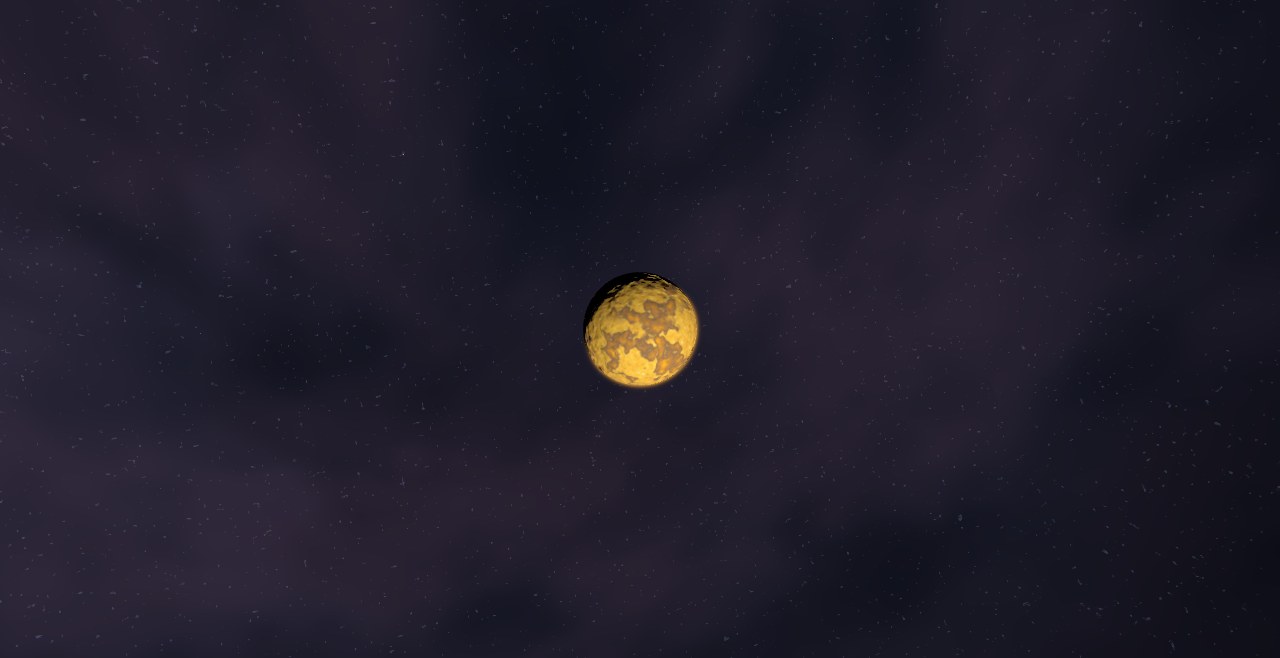
K2-318, an orange K-type dwarf of 0.56 solar masses, and K2-318 b, a planet with 1.7 Earth radii, with an orbital period of 7.0 days, at 0.091 AU from its star, and an equilibrium temperature near 456 K.
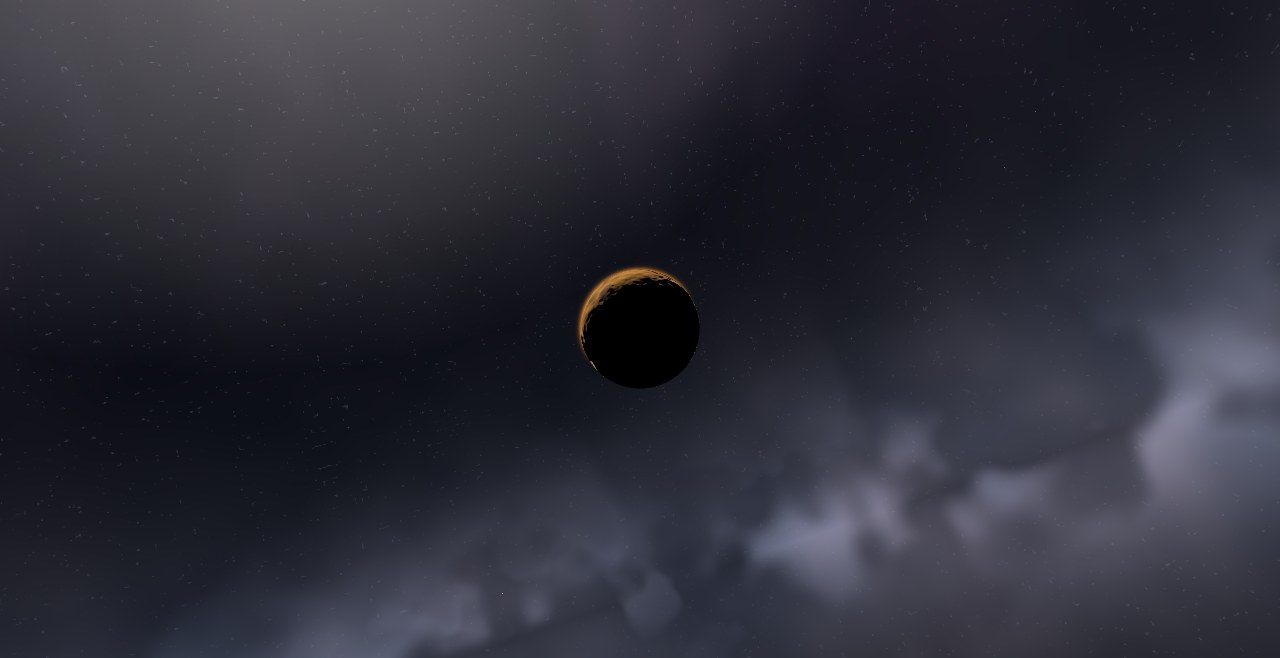
K2-319, a Sun-like G-type star of 0.95 solar masses, and K2-319 b, a planet with 2.8 Earth radii, with an orbital period of 26.7 days, at 0.152 AU from its star, and an equilibrium temperature near 641 K.
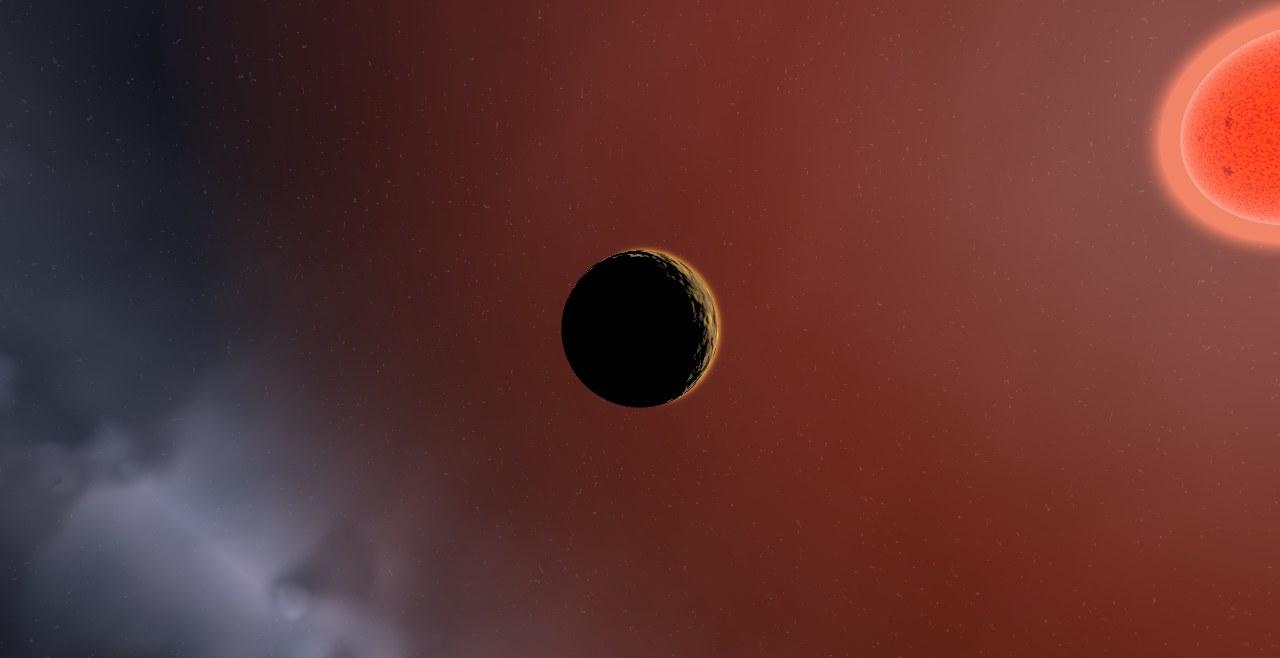
K2-320, a cool M-dwarf of 0.12 solar masses, and K2-320 b, a planet with 2.6 Earth radii, with an orbital period of 2.0 days, at 0.014 AU from its star, and an equilibrium temperature near 698 K.
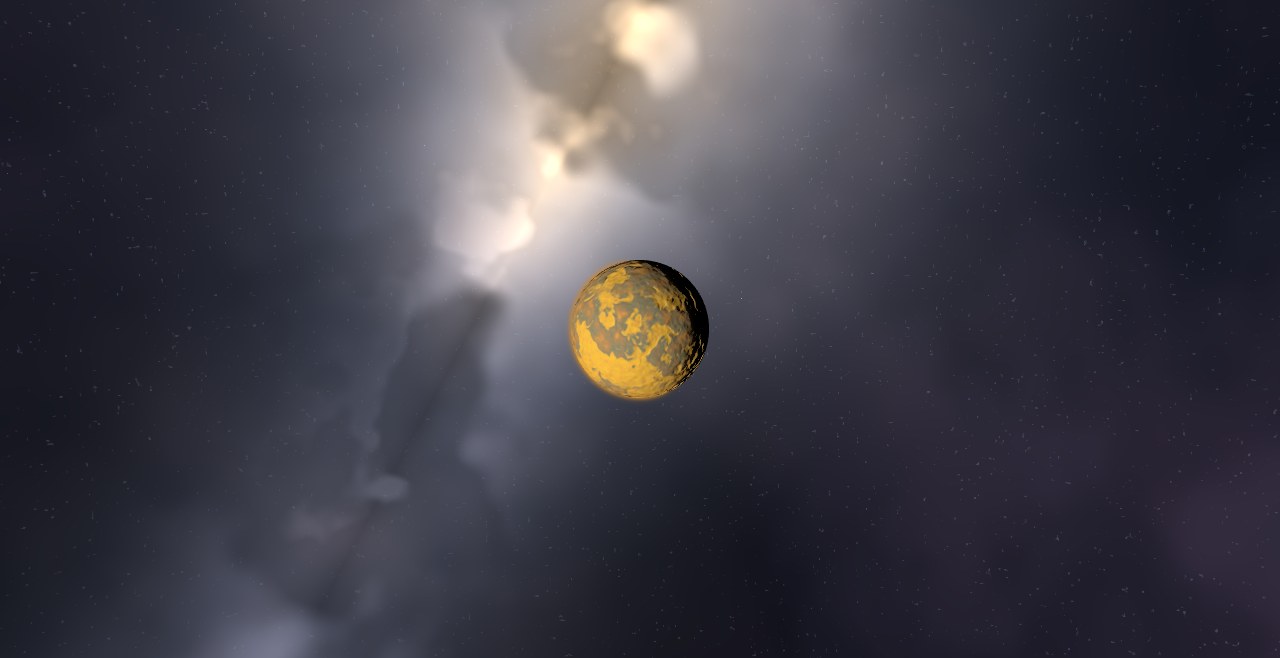
K2-321, an orange K-type dwarf of 0.58 solar masses, and K2-321 b, a planet with 2.1 Earth radii, with an orbital period of 2.3 days, at 0.028 AU from its star, and an equilibrium temperature near 830 K.
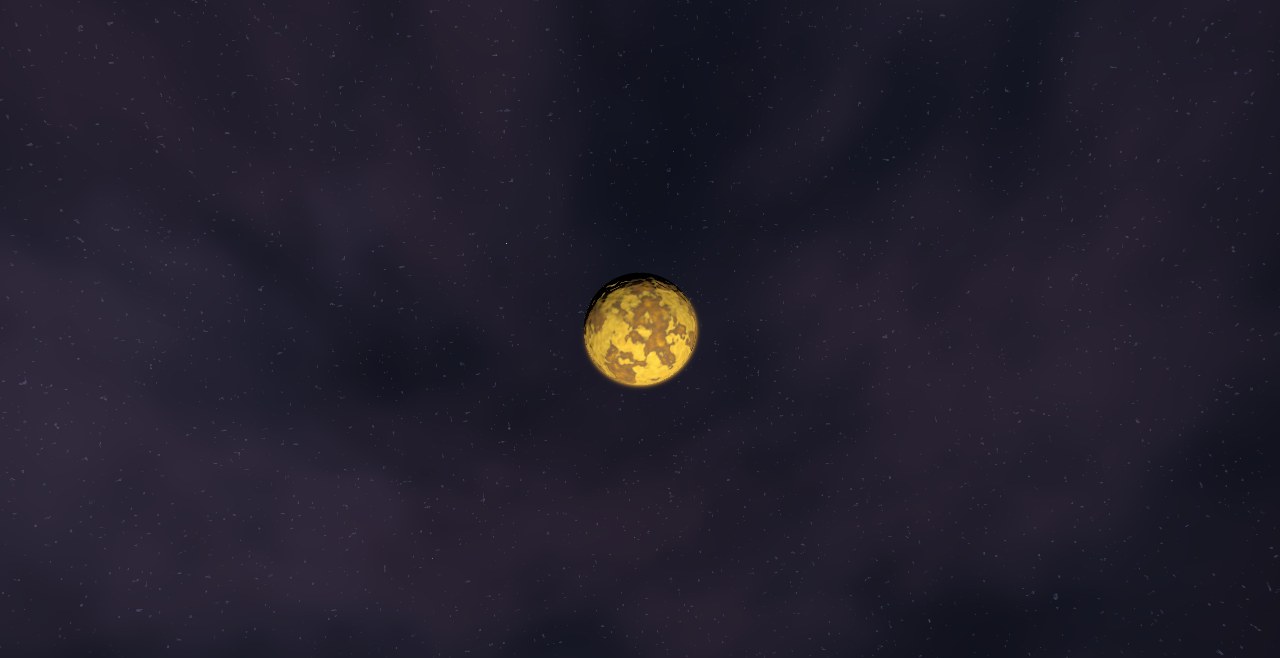
K2-322, an orange K-type dwarf of 0.63 solar masses, and K2-322 b, a planet with 1.9 Earth radii, with an orbital period of 8.2 days, at 0.059 AU from its star, and an equilibrium temperature near 635 K.
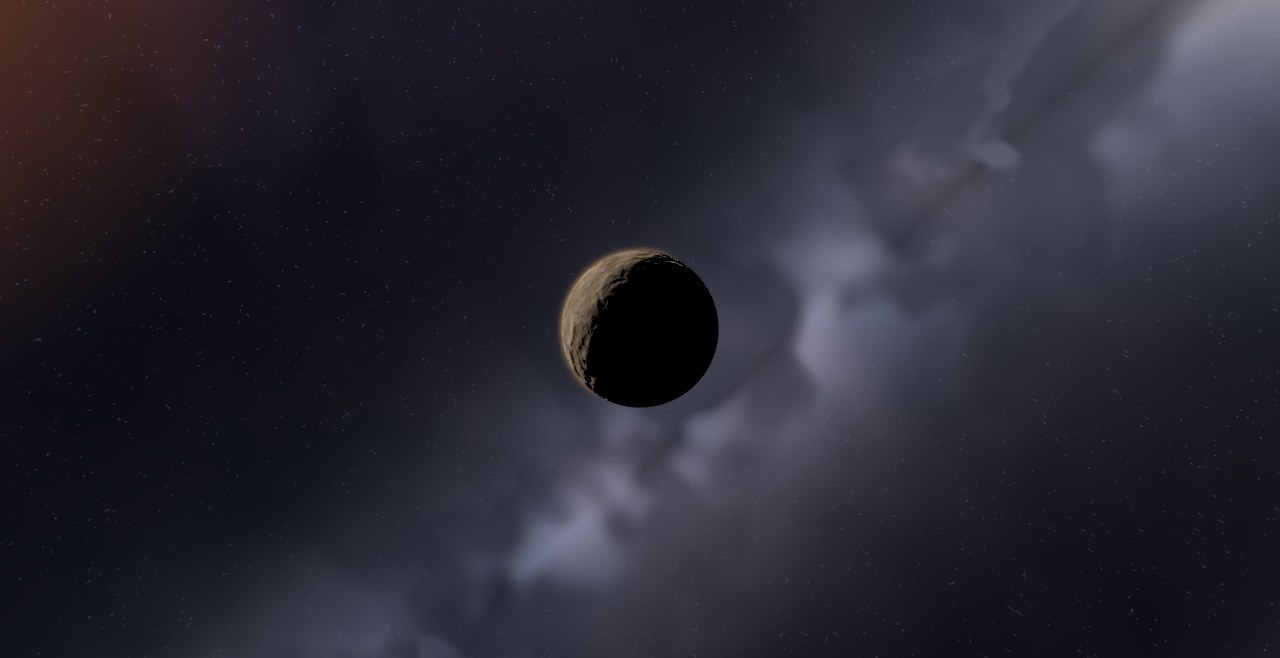
K2-323, an orange K-type dwarf of 0.48 solar masses, and K2-323 b, a planet with 2.1 Earth radii, with an orbital period of 24.9 days, at 0.128 AU from its star, and an equilibrium temperature near 318 K.
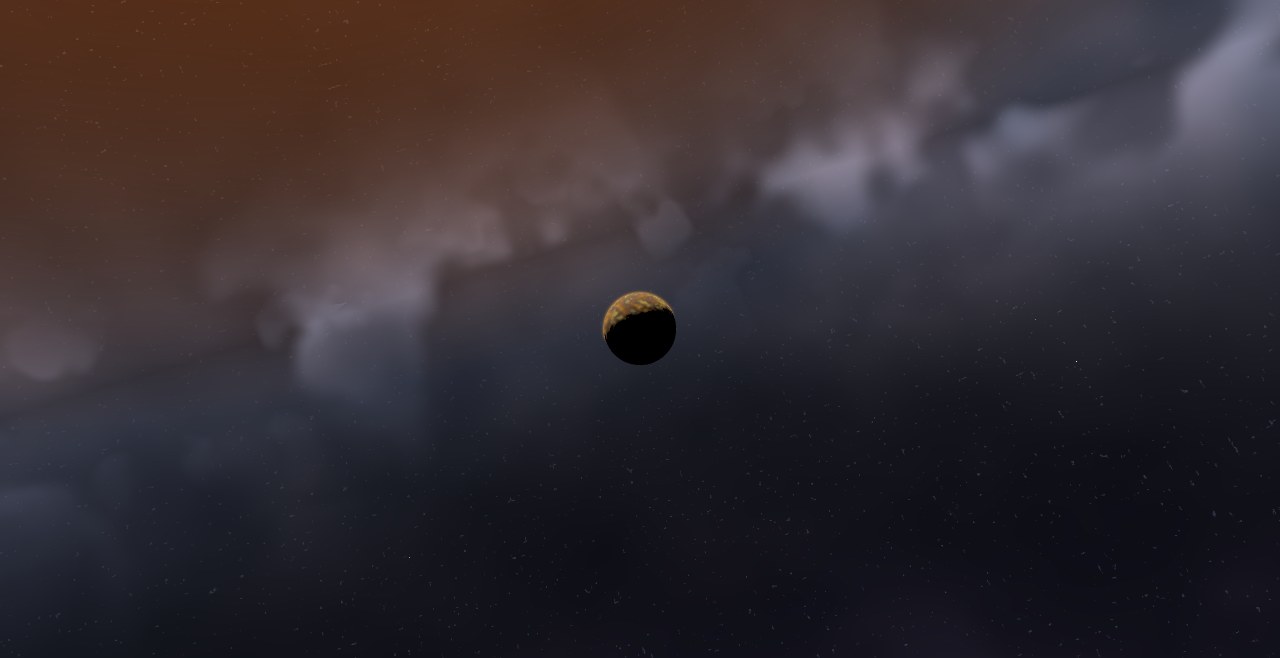
K2-324, an orange K-type dwarf of 0.52 solar masses, and K2-324 b, a planet with 2.4 Earth radii, with an orbital period of 3.3 days, at 0.033 AU from its star, and an equilibrium temperature near 707 K.
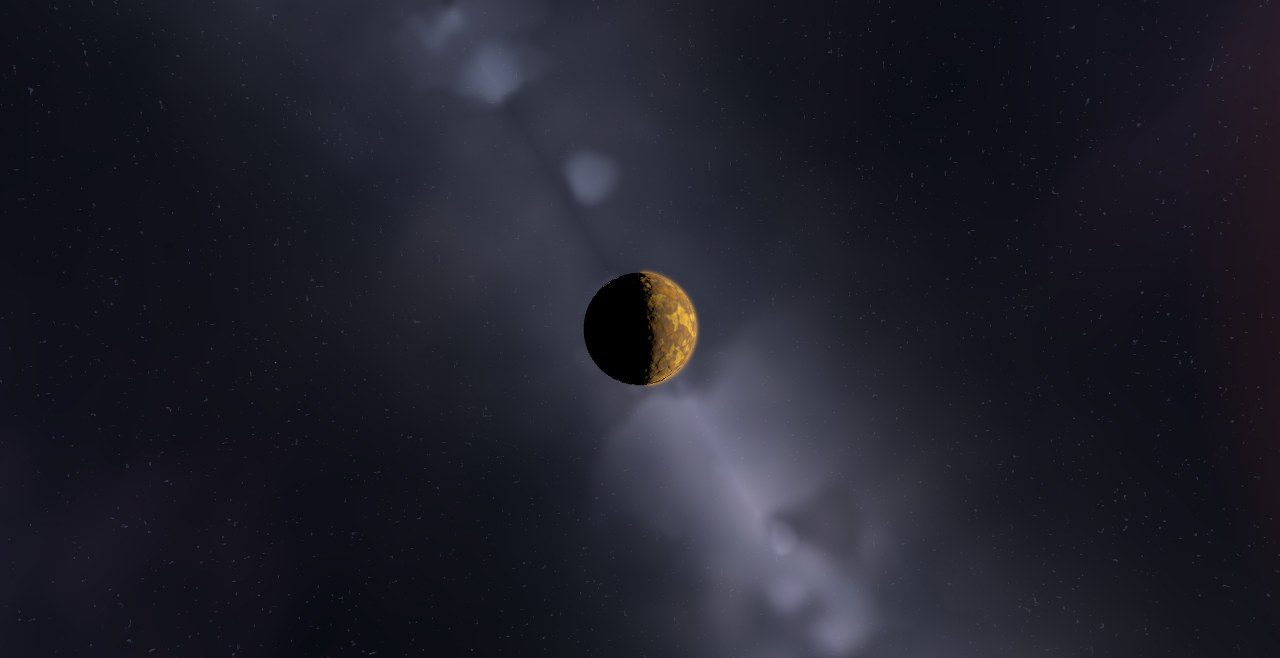
K2-325, a cool M-dwarf of 0.27 solar masses, and K2-325 b, a planet with 2.2 Earth radii, with an orbital period of 6.9 days, at 0.042 AU from its star, and an equilibrium temperature near 423 K.
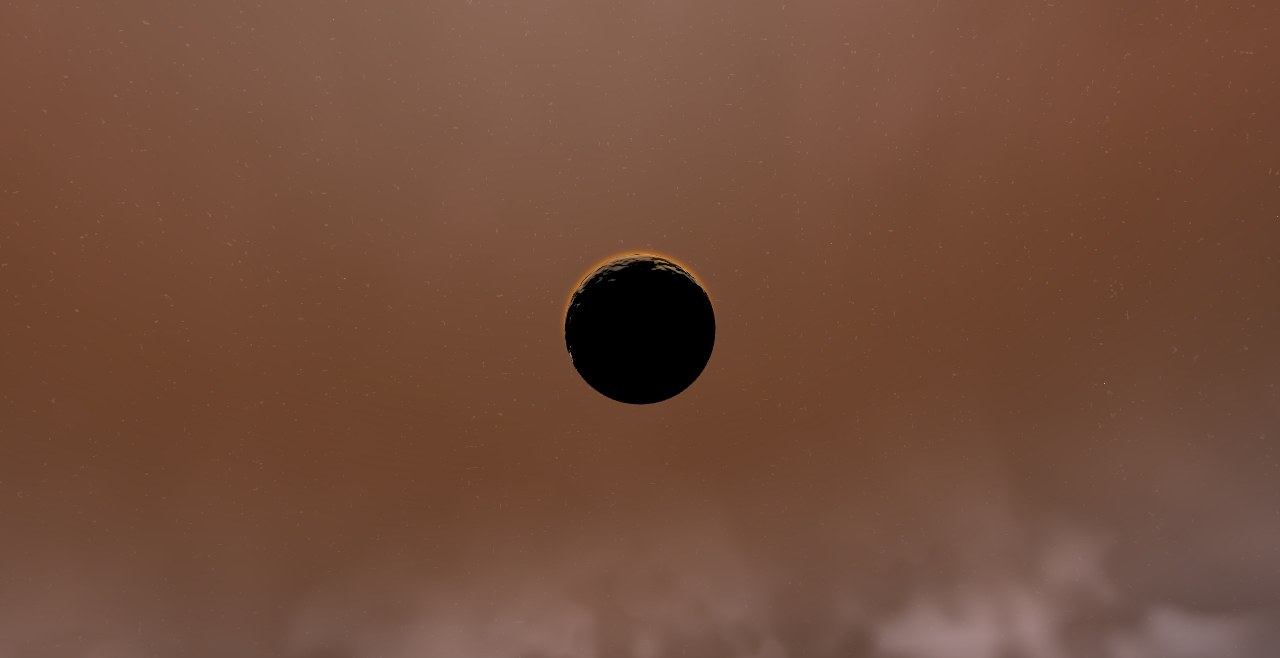
K2-326, an orange K-type dwarf of 0.51 solar masses, and K2-326 b, a planet with 2.3 Earth radii, with an orbital period of 1.3 days, at 0.020 AU from its star, and an equilibrium temperature near 1,114 K.
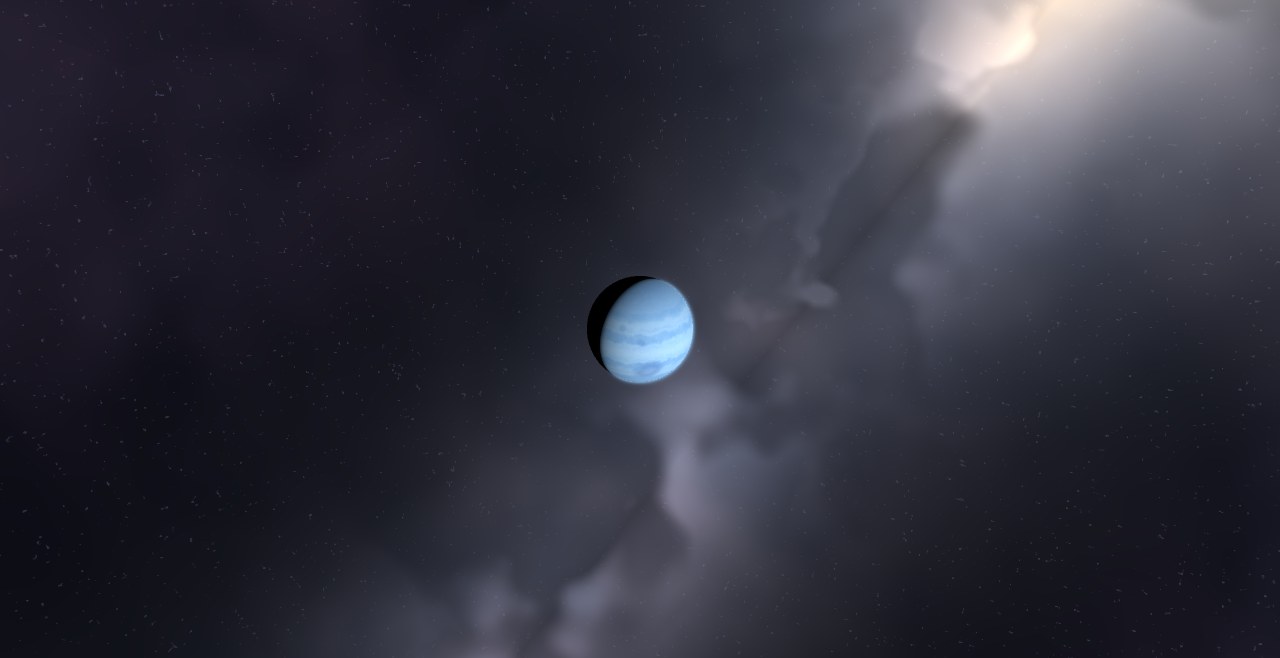
K2-329, a Sun-like G-type star of 0.90 solar masses, and K2-329 b, a 0.26-Jupiter-mass companion, with an orbital period of 12.5 days, at 0.102 AU from its star, and an equilibrium temperature near 650 K.
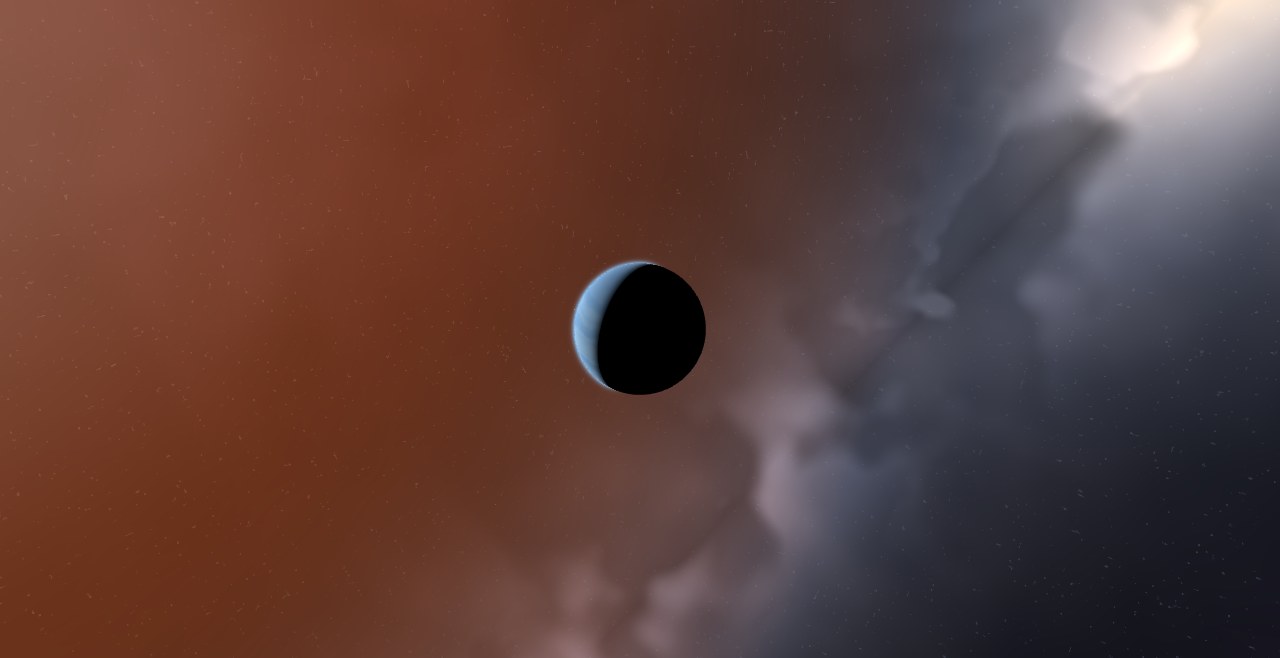
K2-33, a cool M-dwarf of 0.56 solar masses, and K2-33 b, a 3.70-Jupiter-mass companion, with an orbital period of 5.4 days.
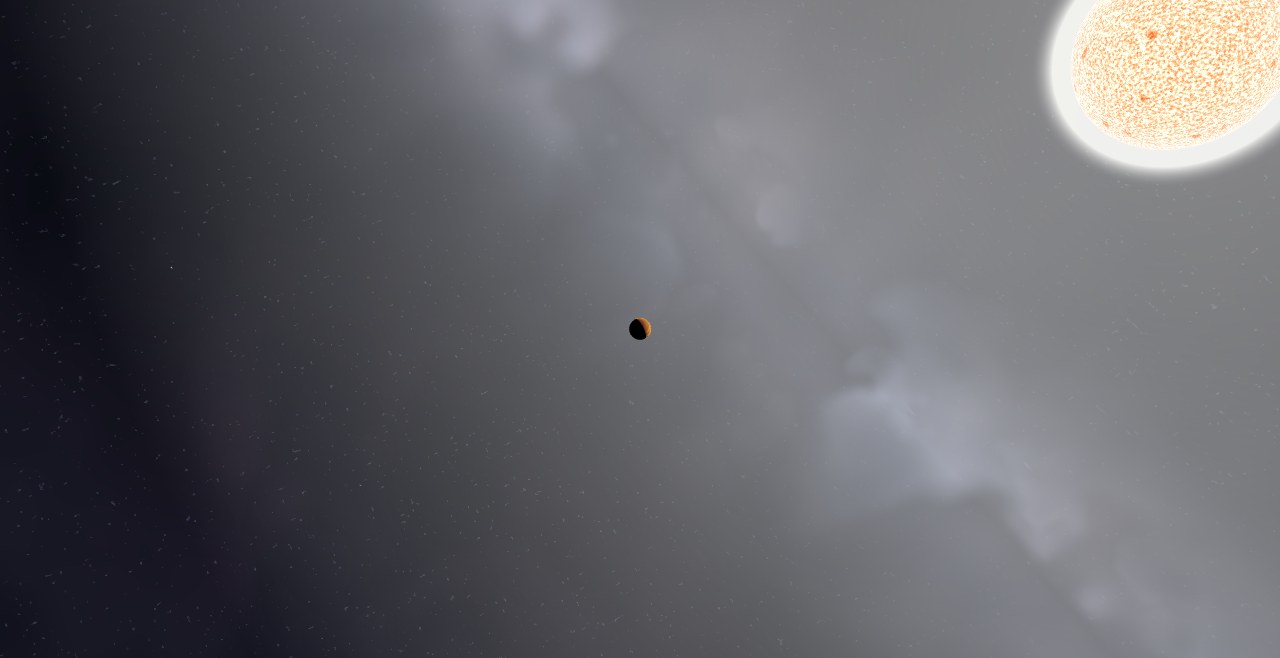
K2-34, a Sun-like F-type star of 1.16 solar masses, and K2-34 b, a planet with 13.8 Earth radii, with an orbital period of 3.0 days, at 0.044 AU from its star, and an equilibrium temperature near 1,687 K.
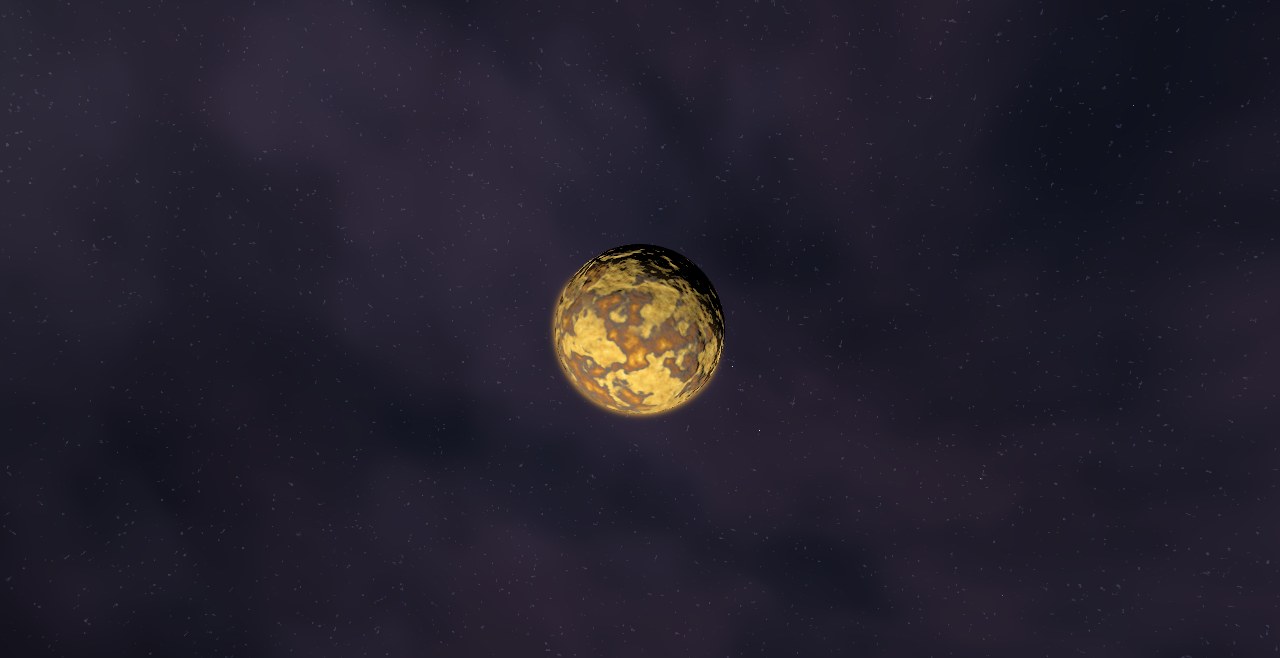
K2-355, a Sun-like G-type star of 0.96 solar masses, and K2-355 b, a planet with 2.3 Earth radii, with an orbital period of 5.7 days, at 0.063 AU from its star, and an equilibrium temperature near 1,066 K.
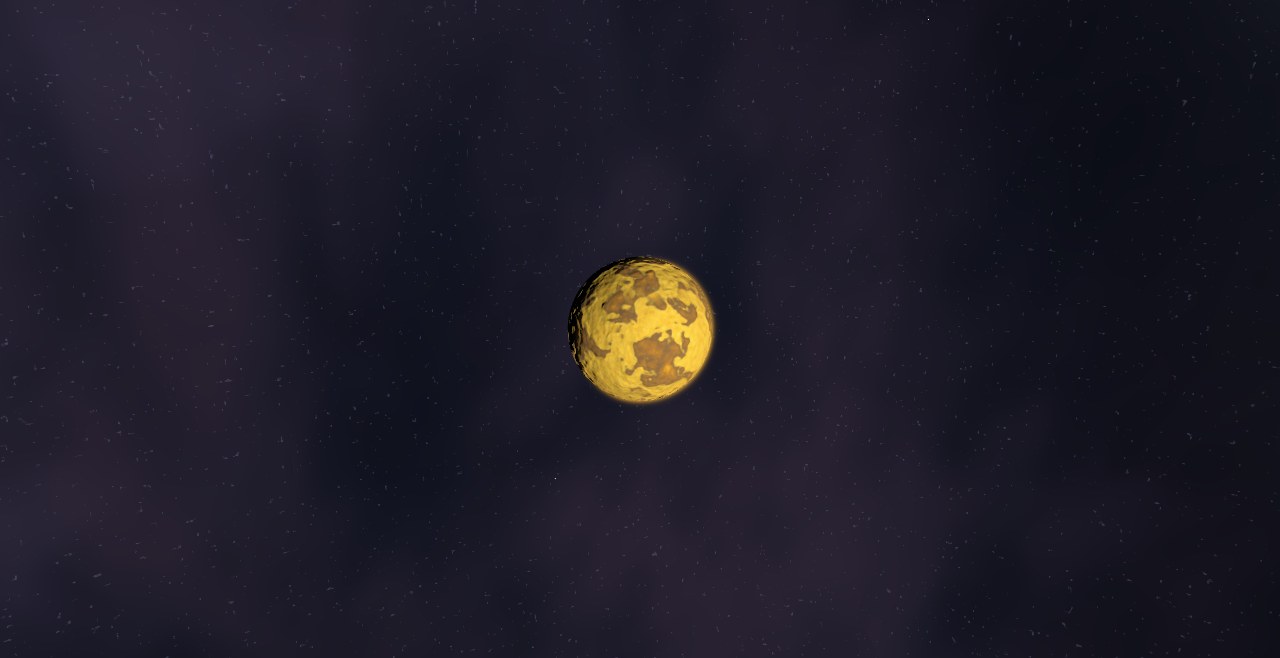
K2-356, a Sun-like G-type star of 0.90 solar masses, and K2-356 b, a planet with 2.3 Earth radii, with an orbital period of 21.0 days, at 0.160 AU from its star, and an equilibrium temperature near 624 K.
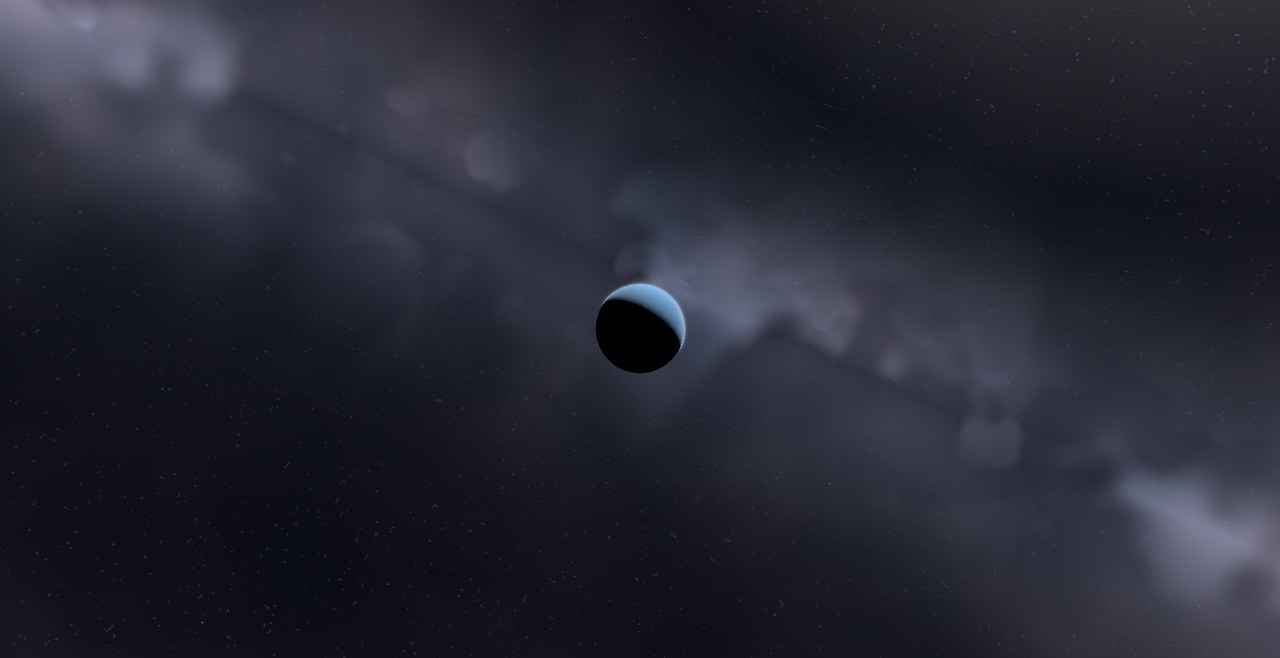
K2-357, a Sun-like G-type star of 0.98 solar masses, and K2-357 b, a planet with 3.7 Earth radii, with an orbital period of 16.3 days, at 0.145 AU from its star, and an equilibrium temperature near 735 K.
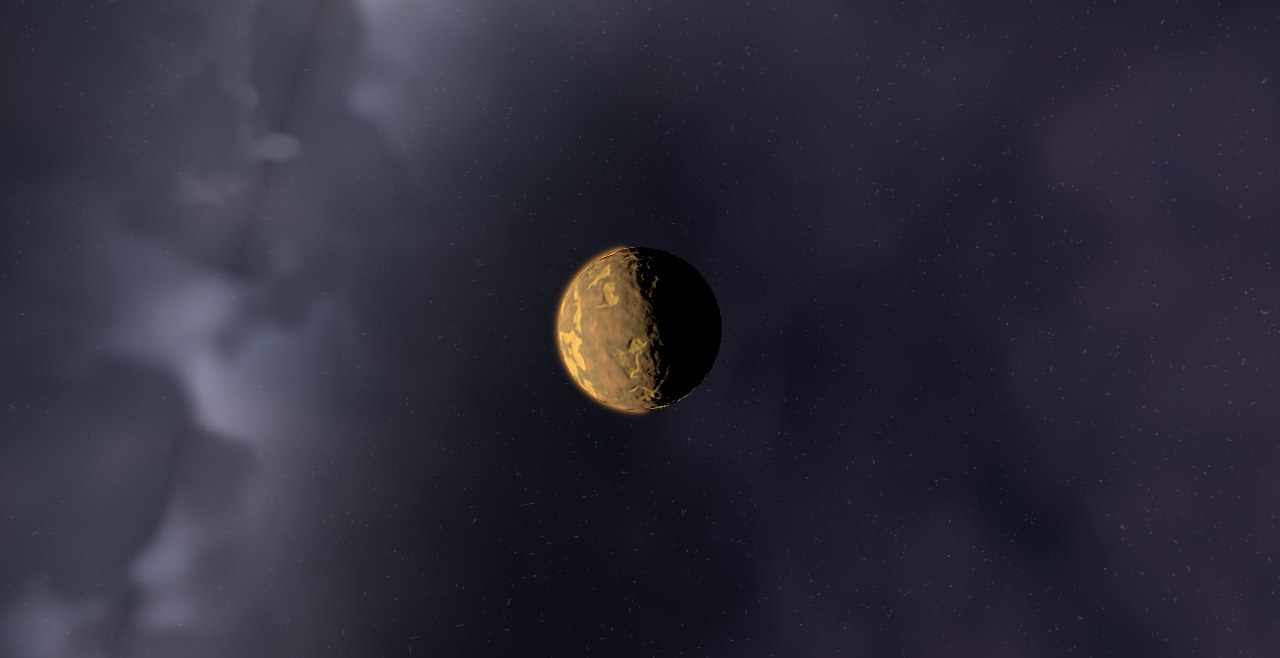
K2-358, a Sun-like G-type star of 0.93 solar masses, and K2-358 b, a planet with 2.7 Earth radii, with an orbital period of 11.3 days, at 0.086 AU from its star, and an equilibrium temperature near 888 K.