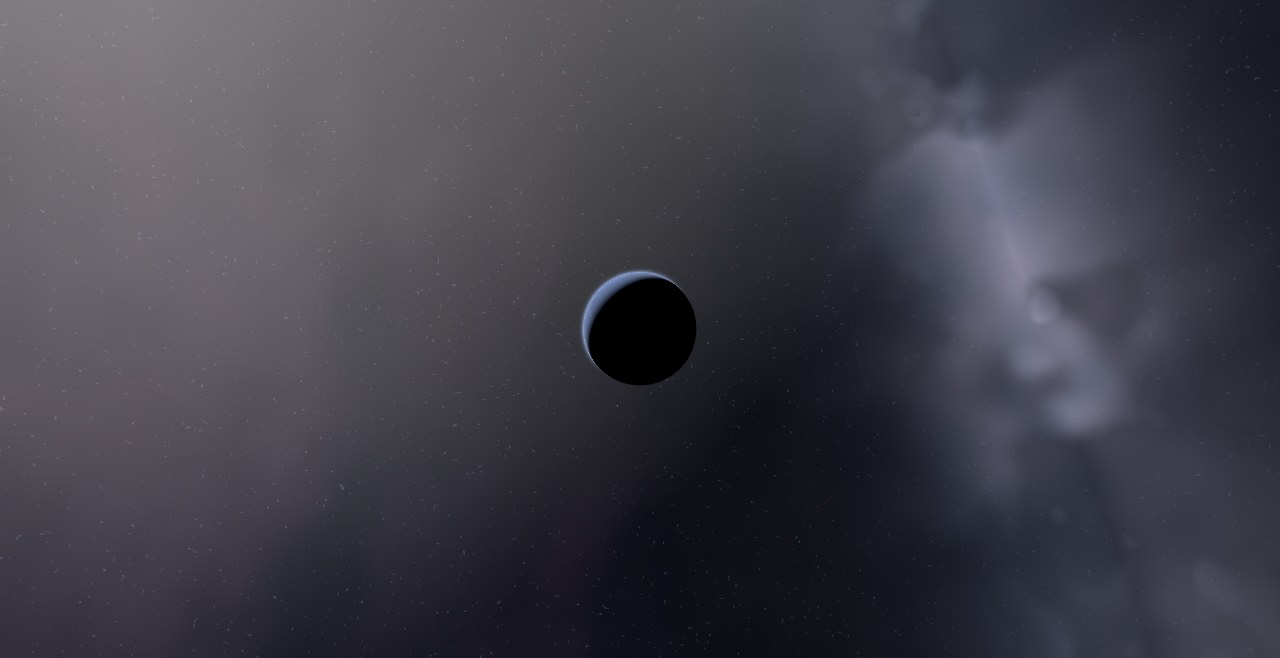
K2-180 - System
K2-180, a Sun-like G-type star of 0.73 solar masses, and K2-180 b, a 11.4-Earth-mass planet, with an orbital period of 8.9 days, at 0.076 AU from its star, and an equilibrium temperature near 798 K.
Exoplanets
Analyze isolated alien worlds orbiting a singular host star to observe basic orbital parameters, tidal locks, and planetary eccentricities.
Share
K2-180, a Sun-like G-type star of 0.73 solar masses, and K2-180 b, a 11.4-Earth-mass planet, with an orbital period of 8.9 days, at 0.076 AU from its star, and an equilibrium temperature near 798 K.
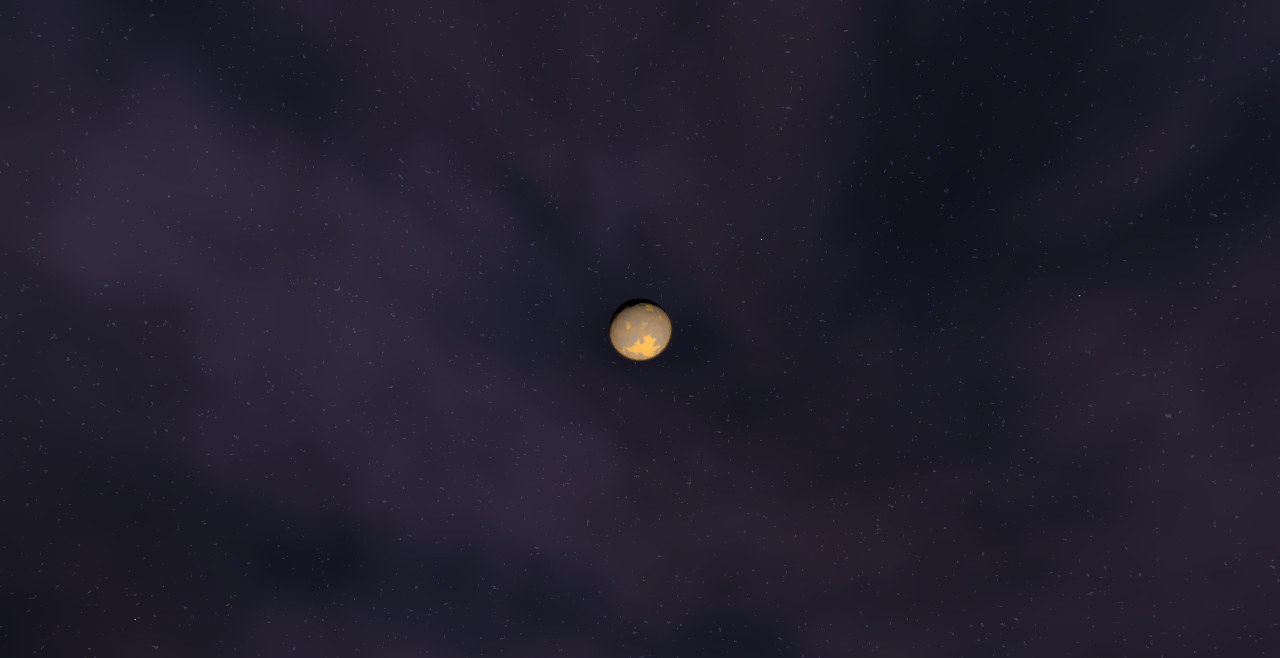
K2-181, a Sun-like G-type star of 0.96 solar masses, and K2-181 b, a planet with 2.7 Earth radii, with an orbital period of 6.9 days, and an equilibrium temperature near 949 K.
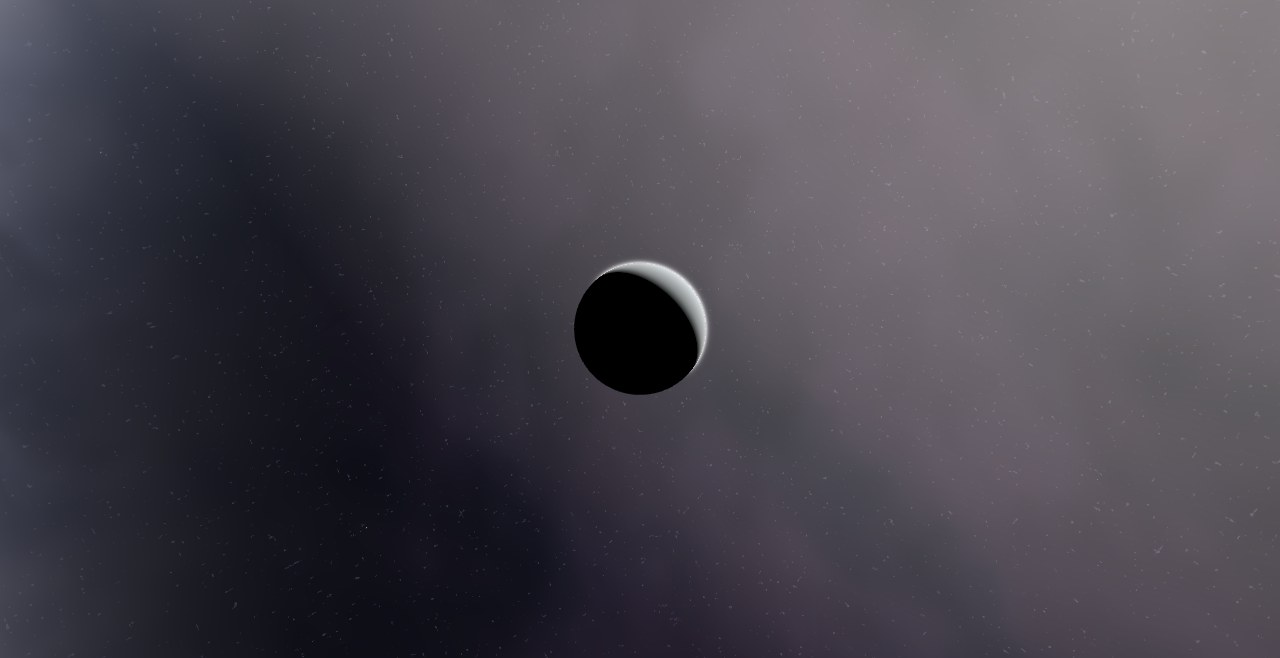
K2-182, an orange K-type dwarf of 0.82 solar masses, and K2-182 b, a 0.07-Jupiter-mass companion, with an orbital period of 4.7 days, at 0.052 AU from its star, and an equilibrium temperature near 966 K.
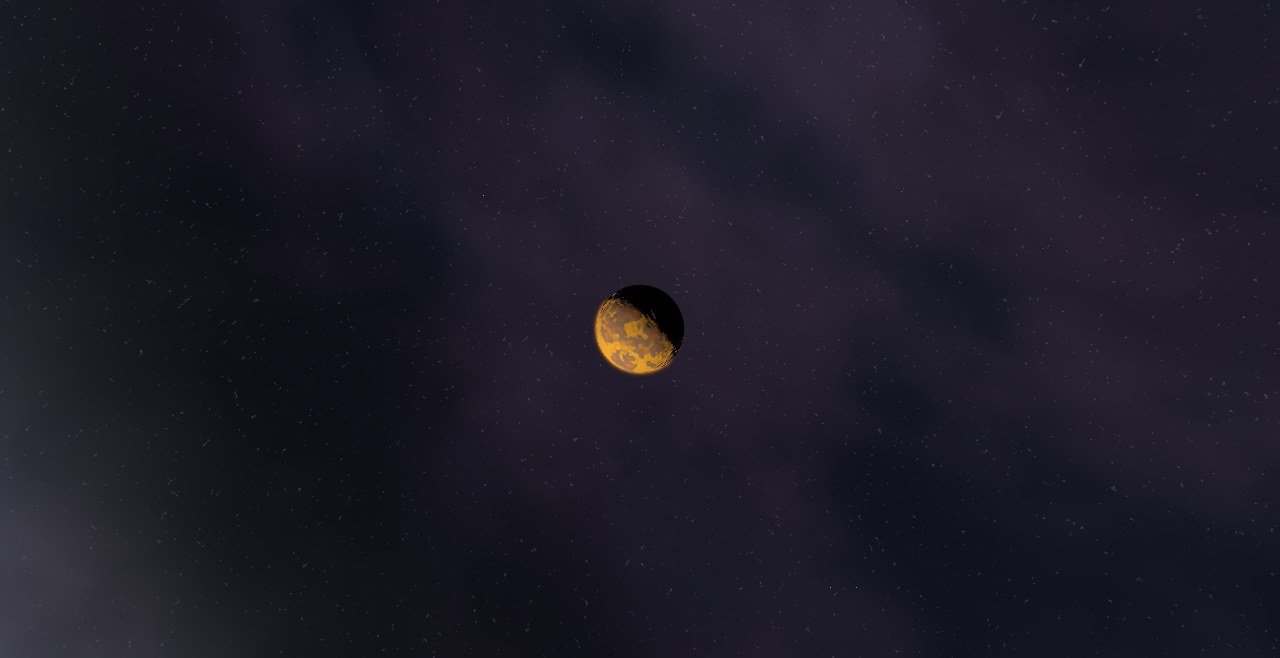
K2-184, a Sun-like G-type star of 0.84 solar masses, and K2-184 b, a planet with 1.5 Earth radii, with an orbital period of 17.0 days, at 0.169 AU from its star, and an equilibrium temperature near 533 K.
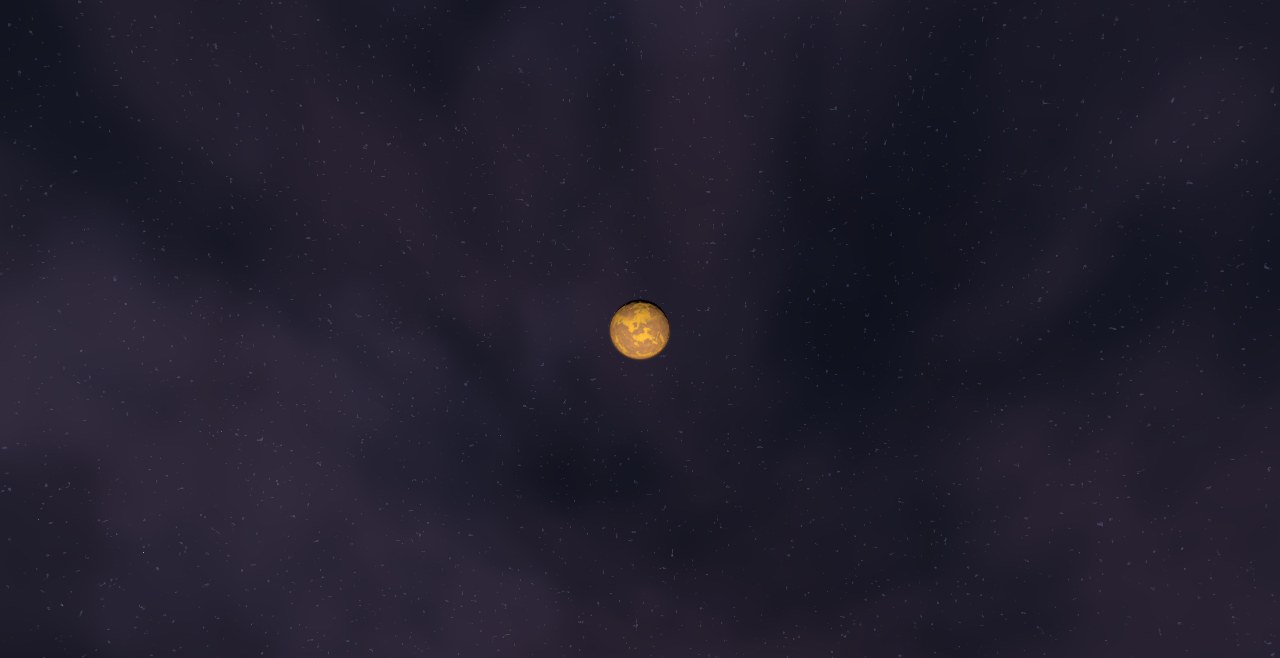
K2-192, a Sun-like G-type star of 0.90 solar masses, and K2-192 b, a planet with 1.5 Earth radii, with an orbital period of 4.2 days, at 0.049 AU from its star, and an equilibrium temperature near 939 K.
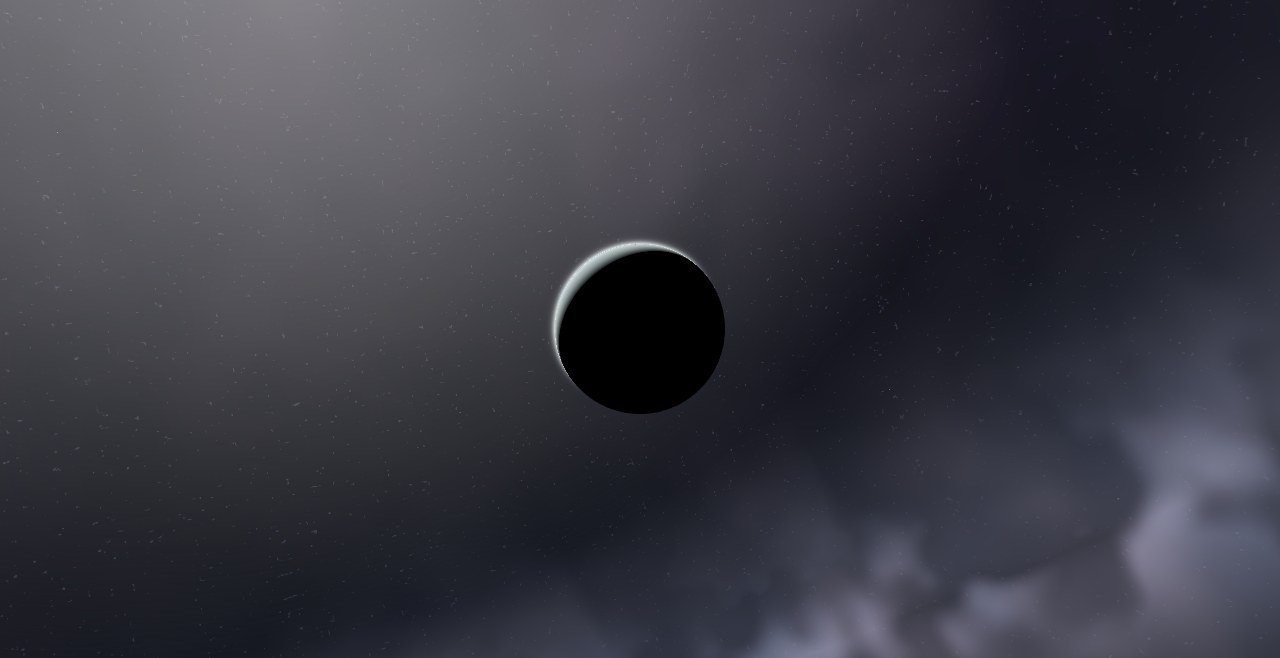
K2-193, a Sun-like G-type star of 1.01 solar masses, and K2-193 b, a planet with 4.0 Earth radii, with an orbital period of 14.8 days, at 0.118 AU from its star, and an equilibrium temperature near 739 K.
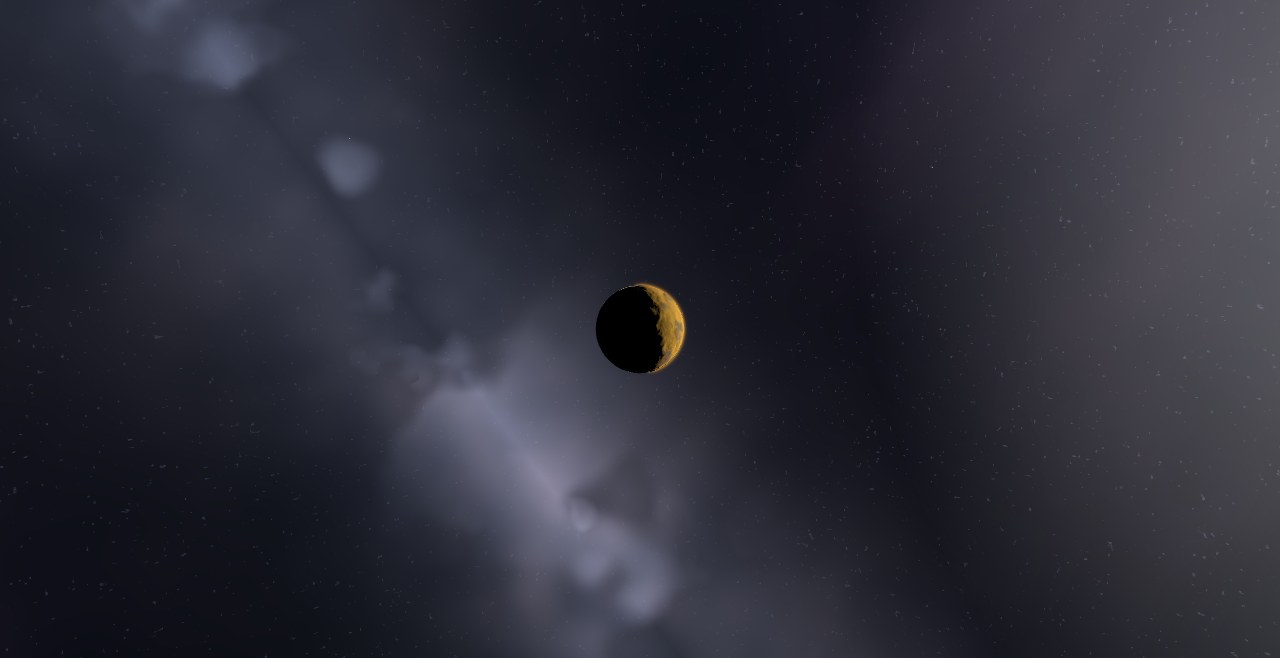
K2-195, a Sun-like G-type star of 0.94 solar masses, and K2-195 b, a planet with 3.1 Earth radii, with an orbital period of 15.9 days, at 0.121 AU from its star, and an equilibrium temperature near 720 K.
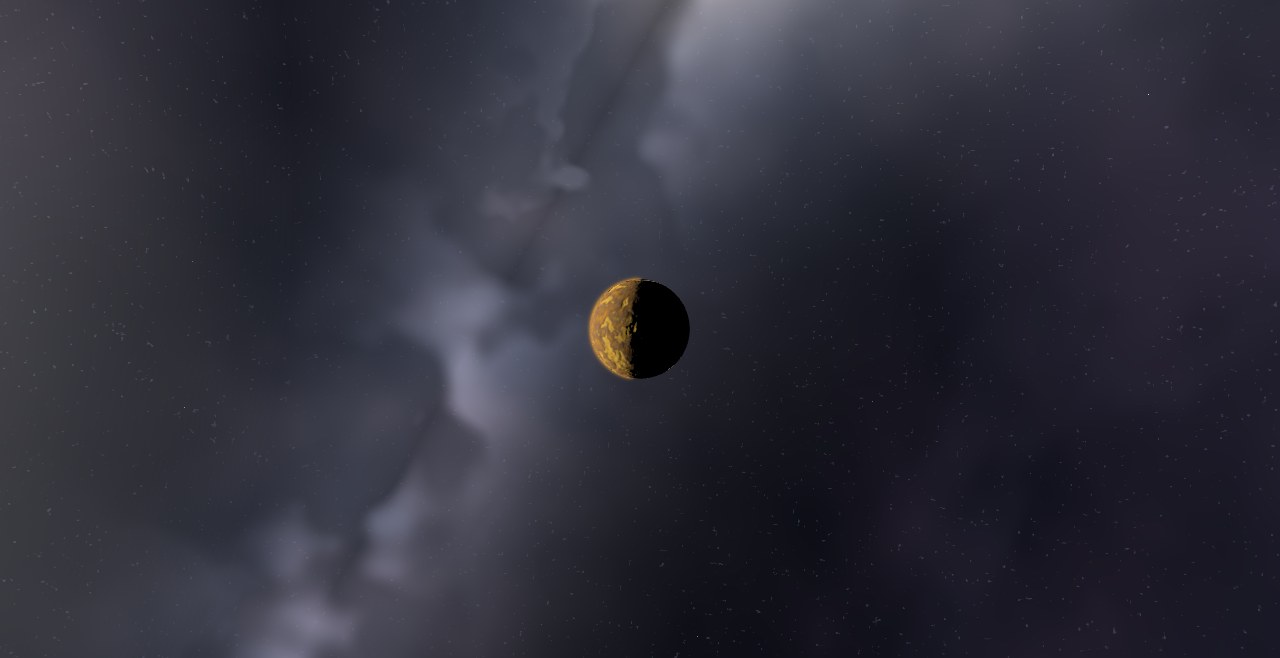
K2-197, a Sun-like G-type star of 1.00 solar masses, and K2-197 b, a planet with 2.6 Earth radii, with an orbital period of 8.4 days, at 0.081 AU from its star, and an equilibrium temperature near 848 K.
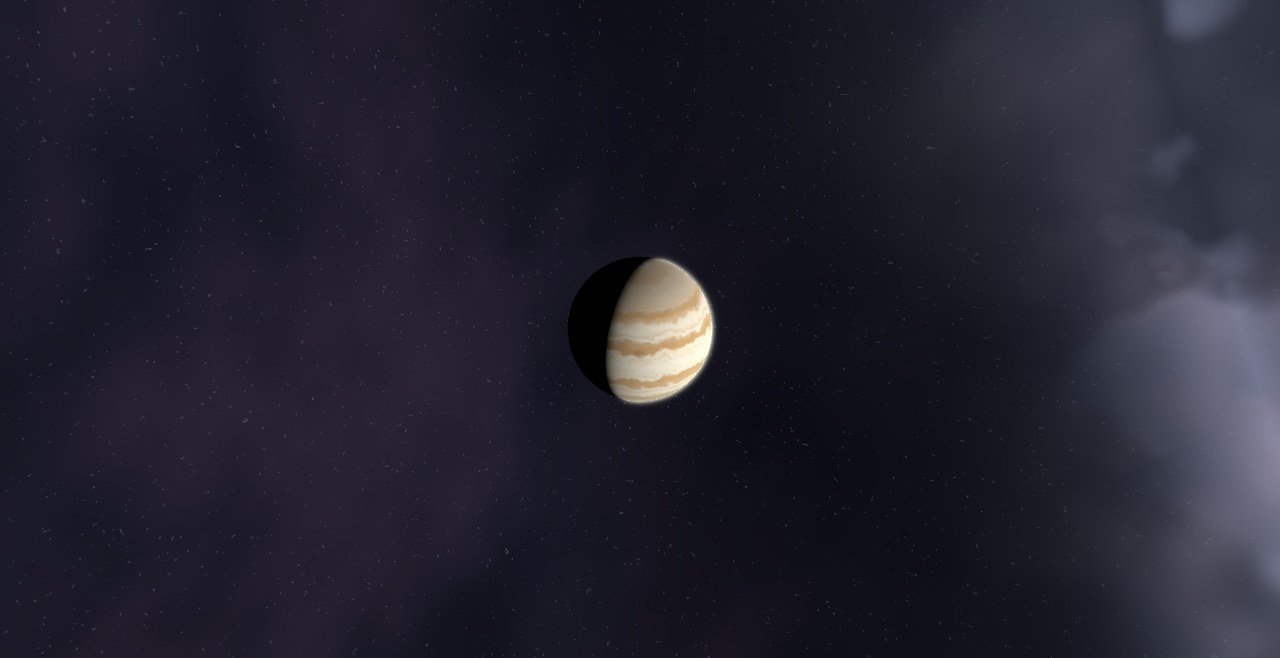
K2-2016-BLG-0005L, a Sun-like G-type star of 0.58 solar masses, and K2-2016-BLG-0005L b, a 1.10-Jupiter-mass companion, with an orbital period of 12.9 years, at 4.160 AU from its star.
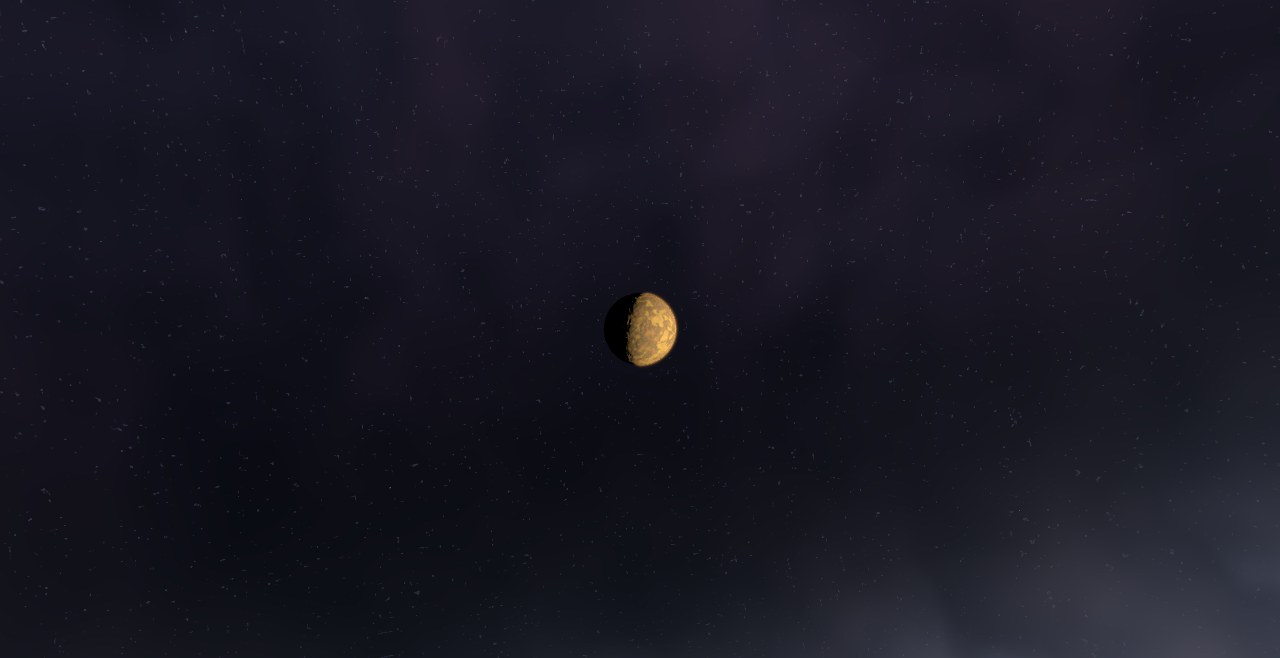
K2-203, an orange K-type dwarf of 0.79 solar masses, and K2-203 b, a planet with 1.3 Earth radii, with an orbital period of 9.7 days, at 0.082 AU from its star, and an equilibrium temperature near 738 K.
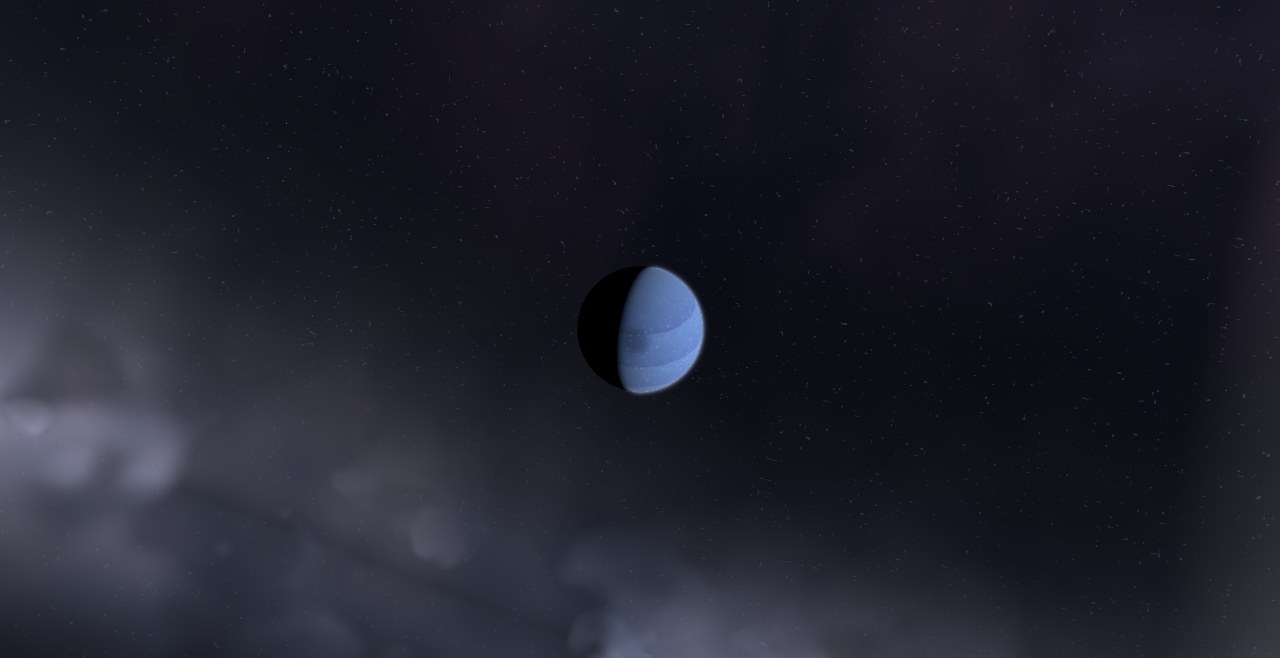
K2-204, a Sun-like G-type star of 1.08 solar masses, and K2-204 b, a planet with 3.2 Earth radii, with an orbital period of 7.1 days, at 0.074 AU from its star, and an equilibrium temperature near 1,148 K.
K2-208, a Sun-like G-type star of 0.88 solar masses, and K2-208 b, a planet with 1.7 Earth radii, with an orbital period of 4.2 days, at 0.049 AU from its star, and an equilibrium temperature near 1,122 K.
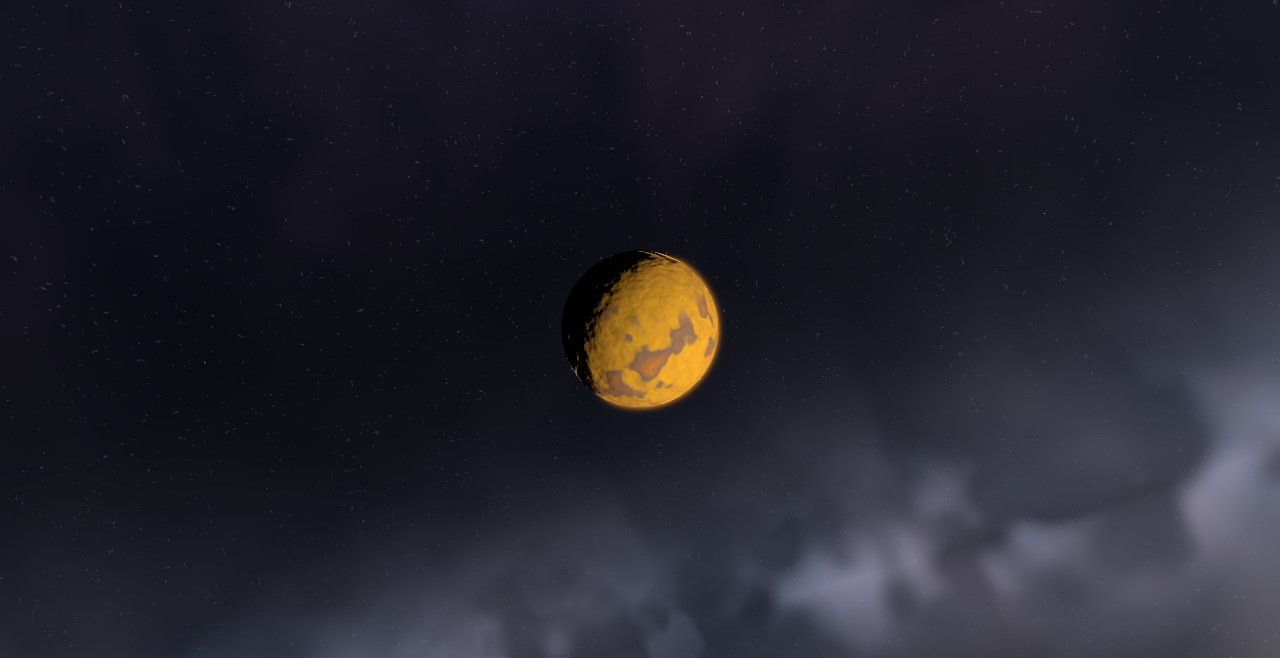
K2-211, an orange K-type dwarf of 0.85 solar masses, and K2-211 b, a planet with 1.3 Earth radii, with an orbital period of 16.1 hours, at 0.014 AU from its star, and an equilibrium temperature near 1,873 K.
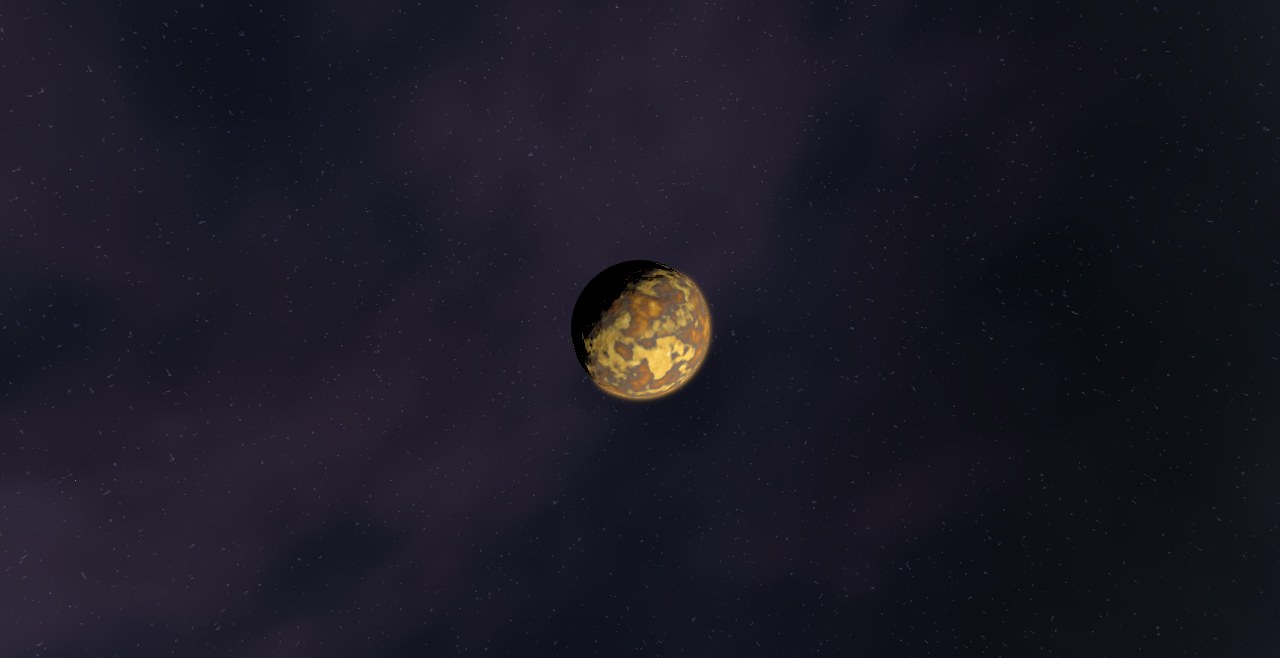
K2-212, an orange K-type dwarf of 0.62 solar masses, and K2-212 b, a planet with 2.6 Earth radii, with an orbital period of 9.8 days.
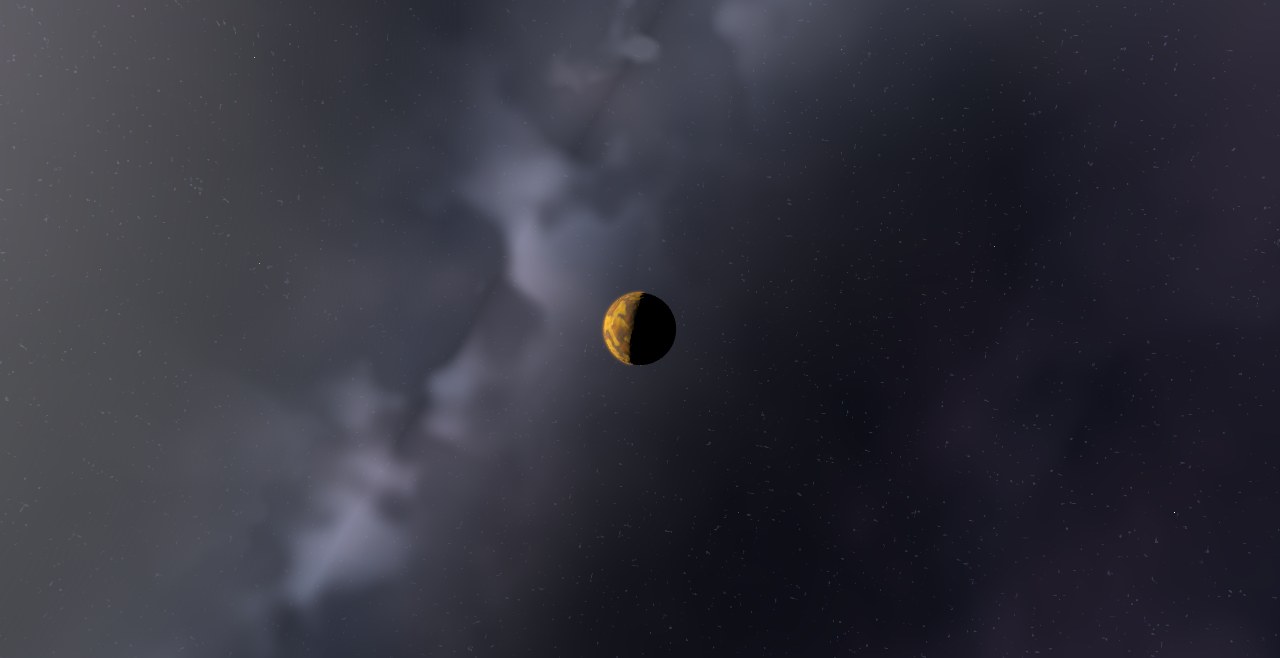
K2-214, a Sun-like G-type star of 1.03 solar masses, and K2-214 b, a planet with 2.5 Earth radii, with an orbital period of 8.6 days, and an equilibrium temperature near 1,001 K.
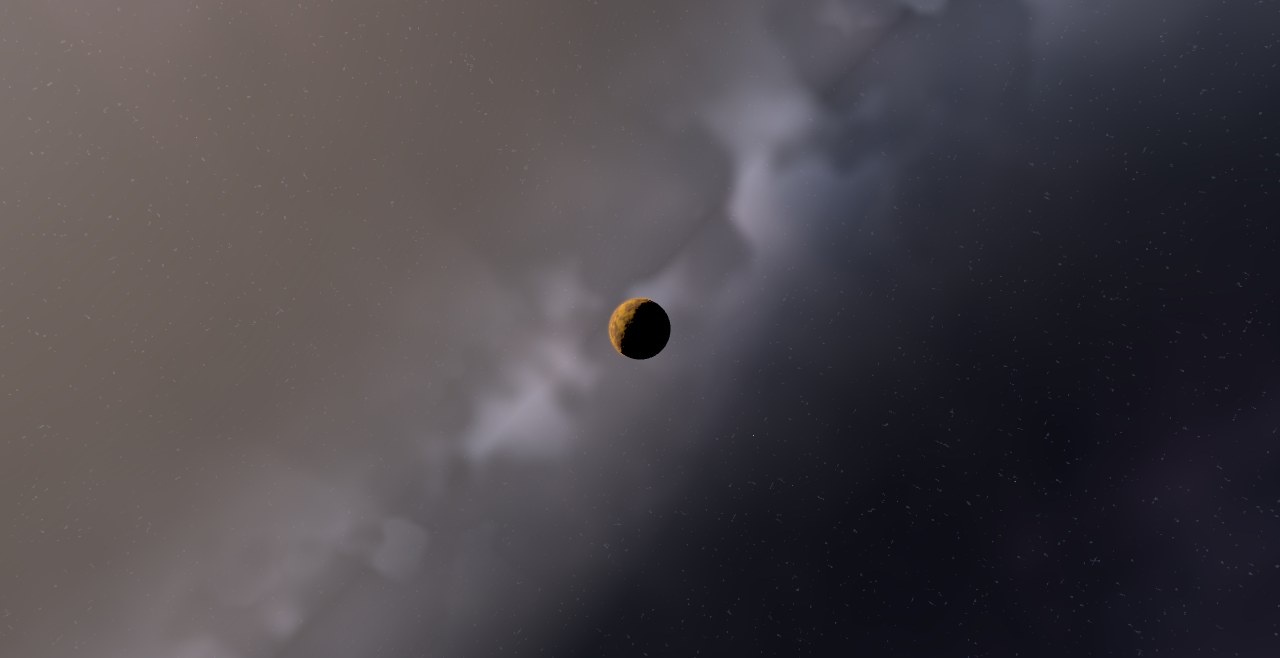
K2-216, an orange K-type dwarf of 0.70 solar masses, and K2-216 b, a 8.0-Earth-mass planet, with an orbital period of 2.2 days, at 0.028 AU from its star, and an equilibrium temperature near 1,103 K.
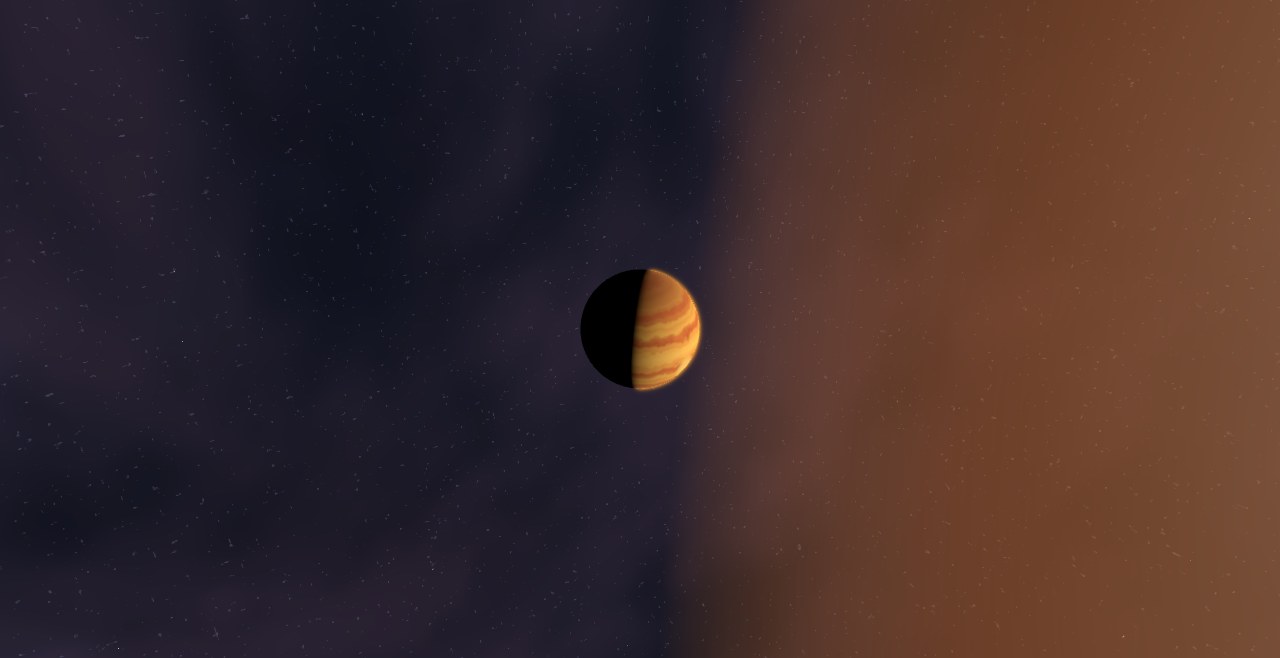
K2-22 b, a disintegrating planet. Dust lost from this ultra-short-period world makes the transit look different every time it passes. The orbit is only about nine hours long.
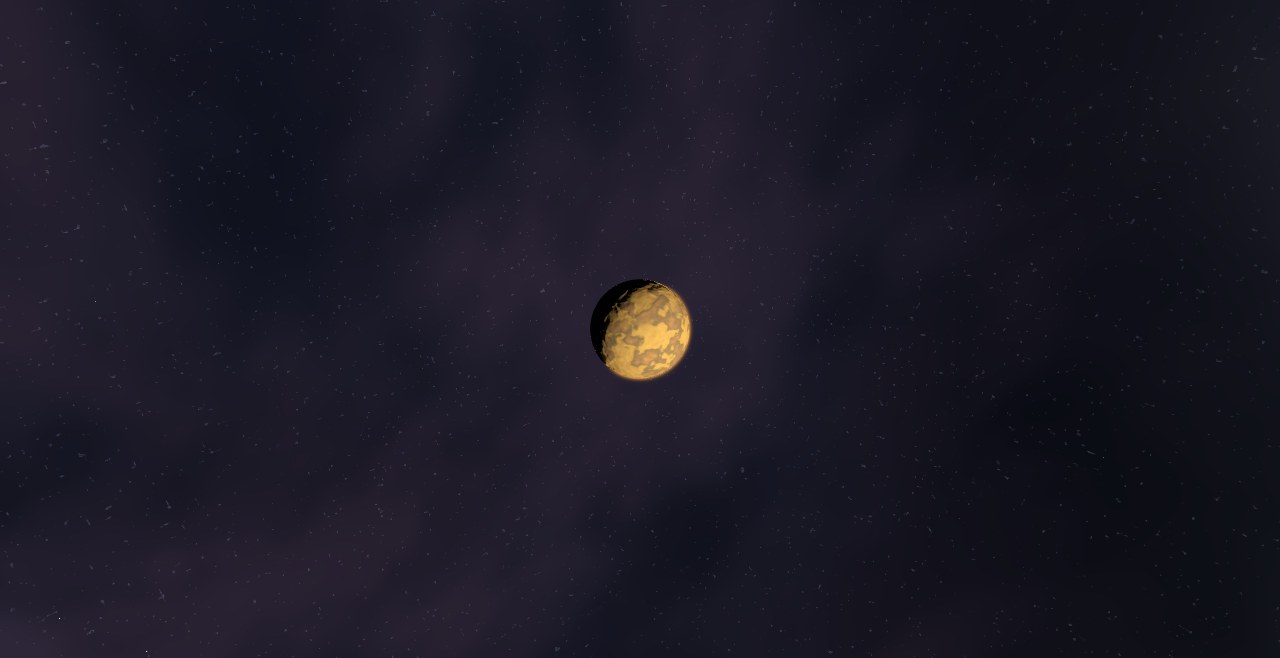
K2-220, a Sun-like G-type star of 0.91 solar masses, and K2-220 b, a planet with 2.4 Earth radii, with an orbital period of 13.7 days, and an equilibrium temperature near 761 K.