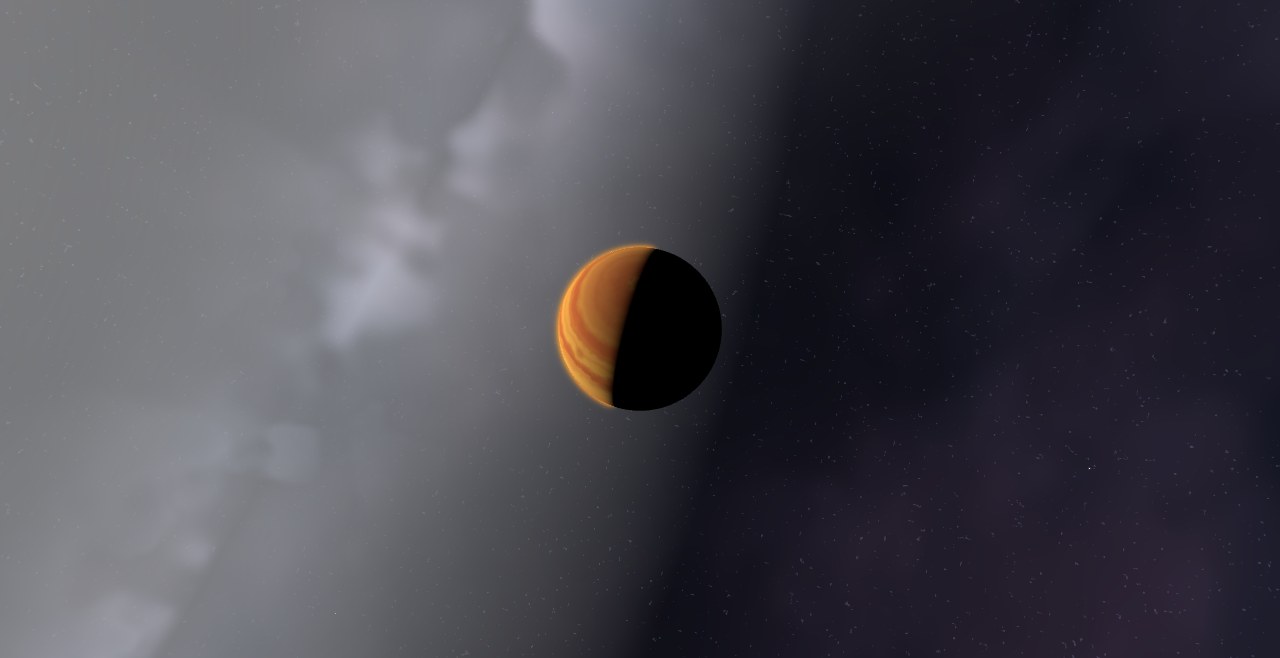
WASP-36 - System
WASP-36, a Sun-like G-type star of 1.08 solar masses, and WASP-36 b, a 2.36-Jupiter-mass companion, with an orbital period of 1.5 days, at 0.027 AU from its star, and an equilibrium temperature near 1,733 K.
Exoplanets
Analyze isolated alien worlds orbiting a singular host star to observe basic orbital parameters, tidal locks, and planetary eccentricities.
Share
WASP-36, a Sun-like G-type star of 1.08 solar masses, and WASP-36 b, a 2.36-Jupiter-mass companion, with an orbital period of 1.5 days, at 0.027 AU from its star, and an equilibrium temperature near 1,733 K.
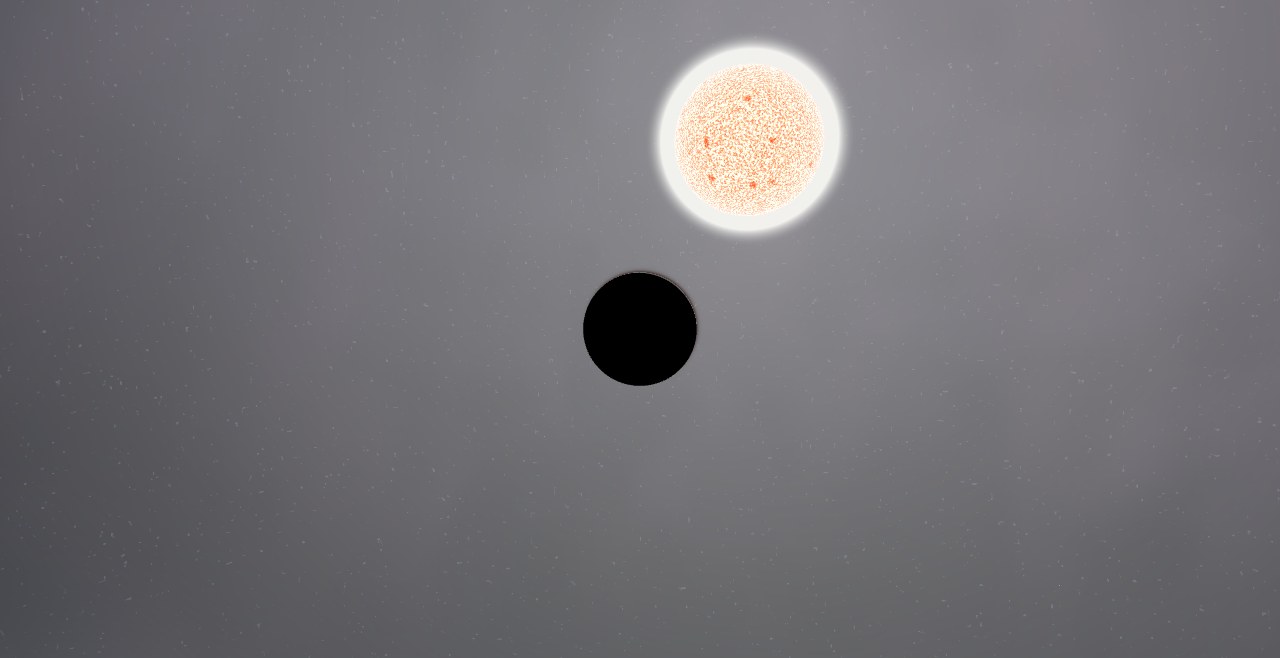
WASP-37, a Sun-like G-type star of 0.93 solar masses, and WASP-37 b, a 1.80-Jupiter-mass companion, with an orbital period of 3.6 days, at 0.045 AU from its star.
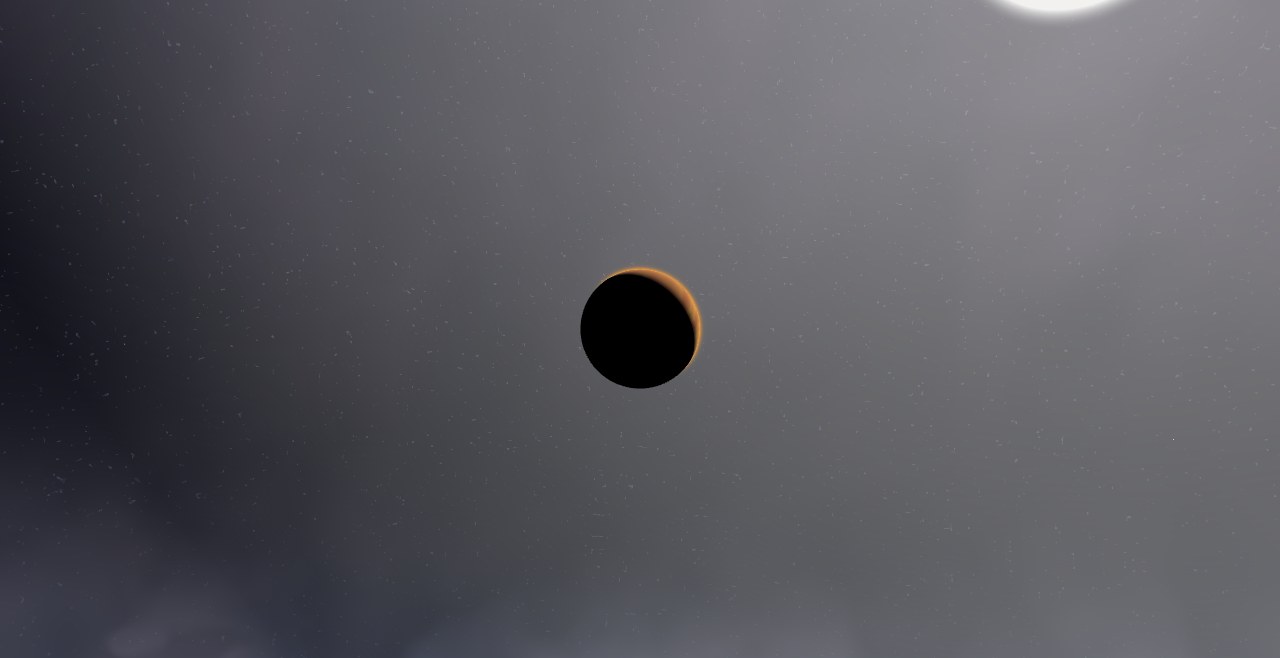
WASP-38, a Sun-like F-type star of 1.76 solar masses, and WASP-38 b, a 3.44-Jupiter-mass companion, with an orbital period of 6.9 days.
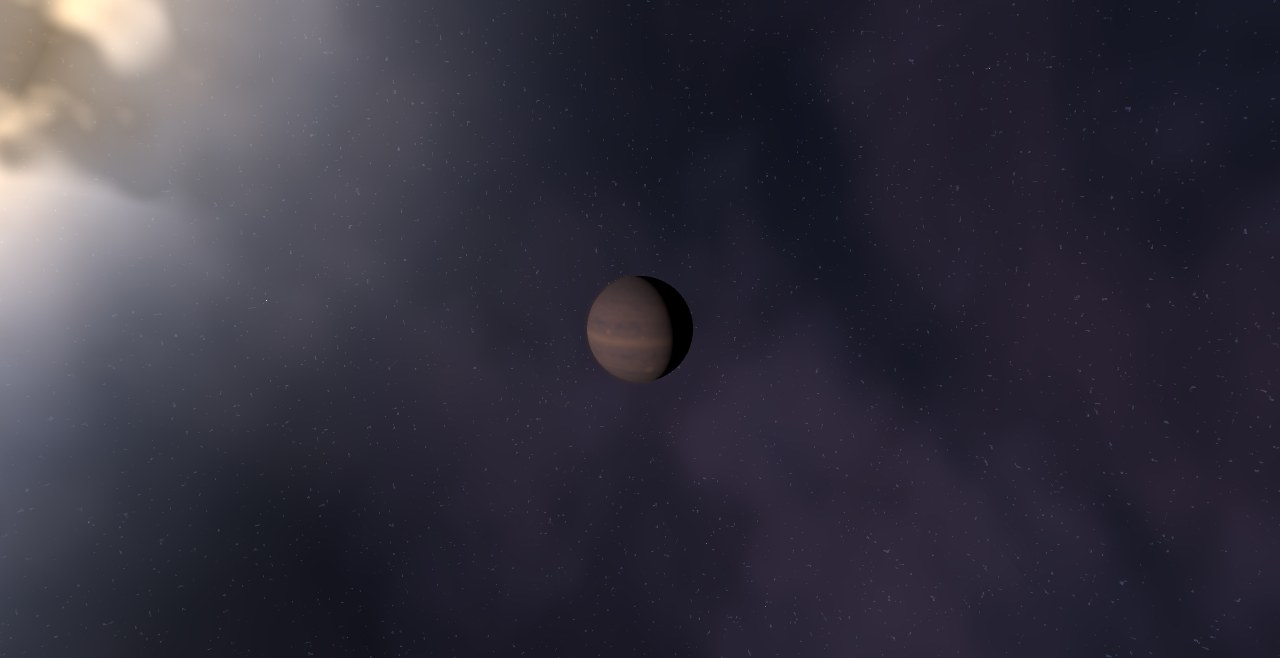
WASP-39 b, the benchmark planet of JWST's first exoplanet results. Its puffy atmosphere revealed water, carbon dioxide, and photochemical sulfur dioxide.
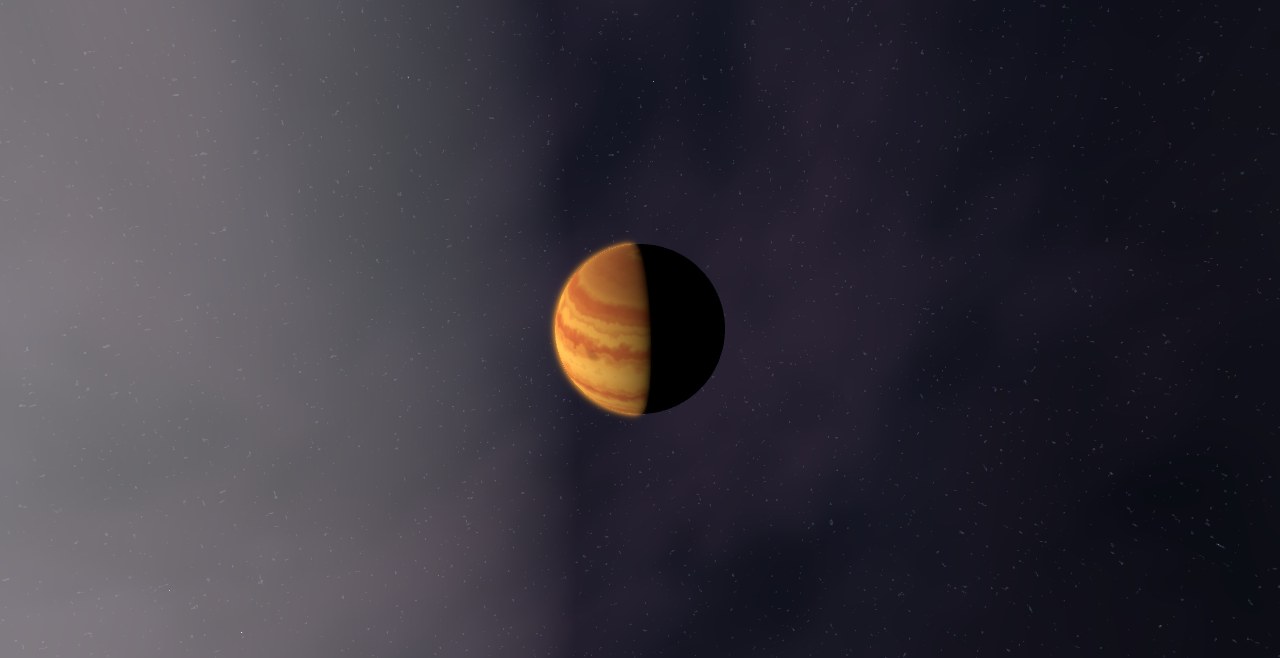
WASP-4, a Sun-like G-type star of 0.90 solar masses, and WASP-4 b, a 1.20-Jupiter-mass companion, with an orbital period of 1.3 days, at 0.023 AU from its star, and an equilibrium temperature near 1,653 K.
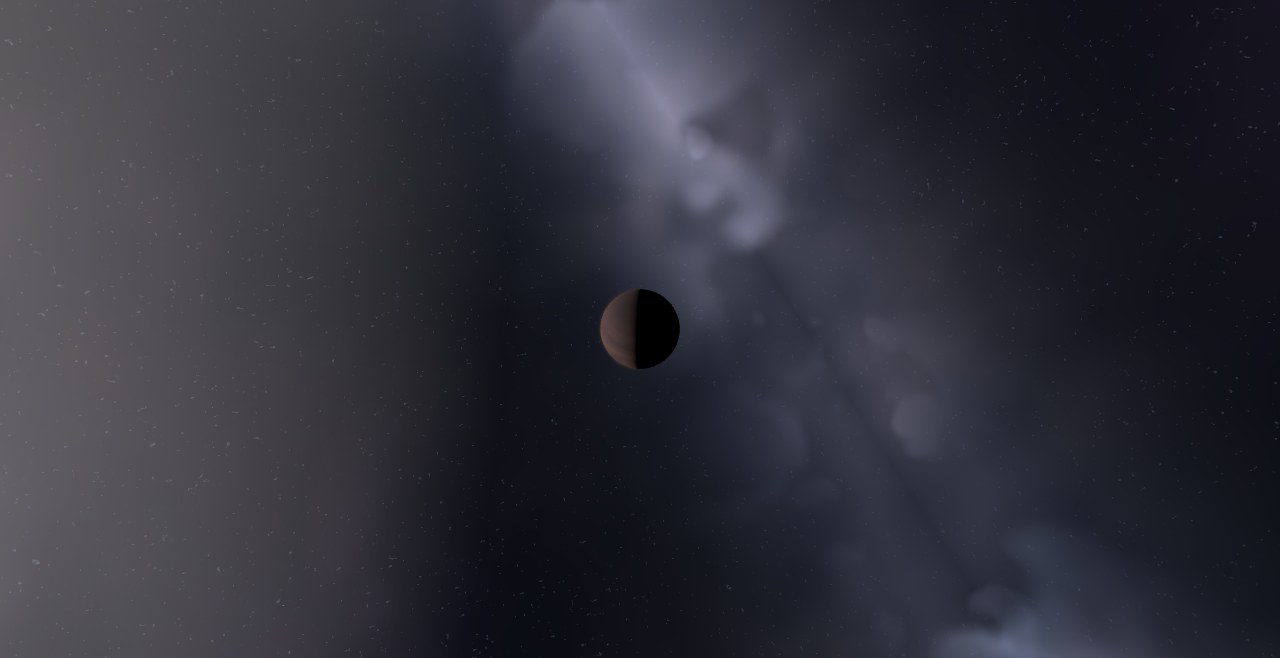
WASP-42, a Sun-like G-type star of 0.95 solar masses, and WASP-42 b, a 0.53-Jupiter-mass companion, with an orbital period of 5.0 days, at 0.056 AU from its star, and an equilibrium temperature near 1,021 K.
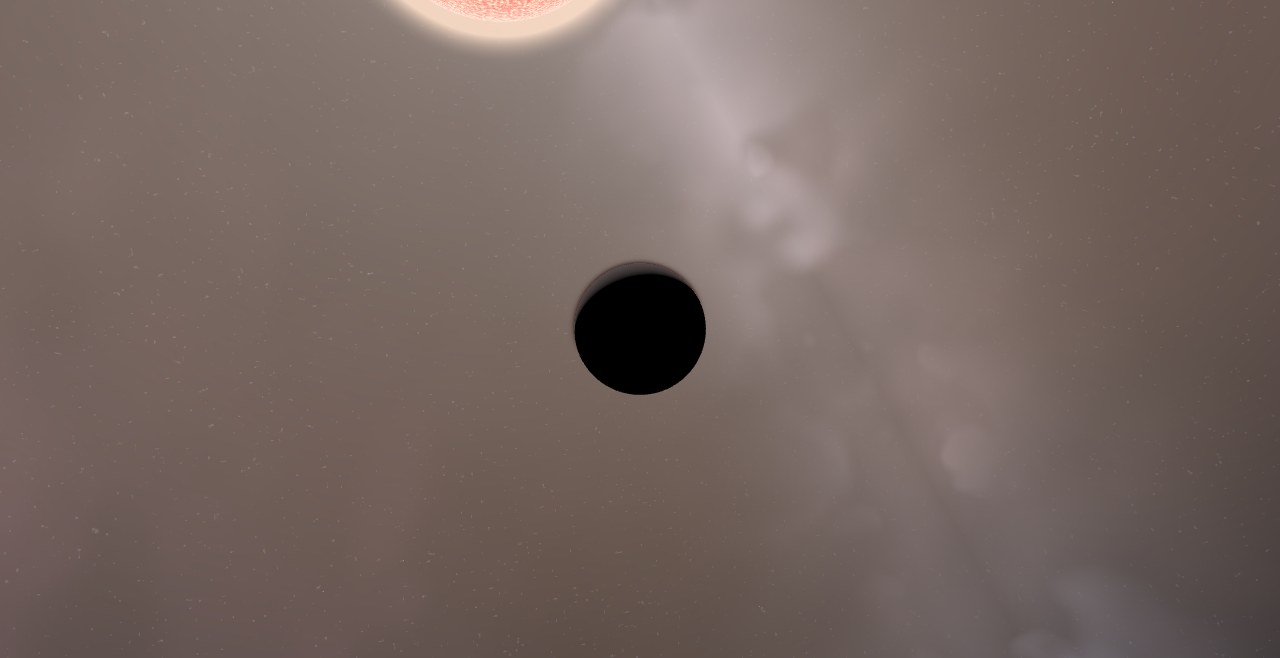
WASP-43 b, a benchmark hot Jupiter for phase curves. Hubble and JWST have mapped how heat flows from its permanent dayside to the night. A year lasts about 19.5 hours around a K dwarf.
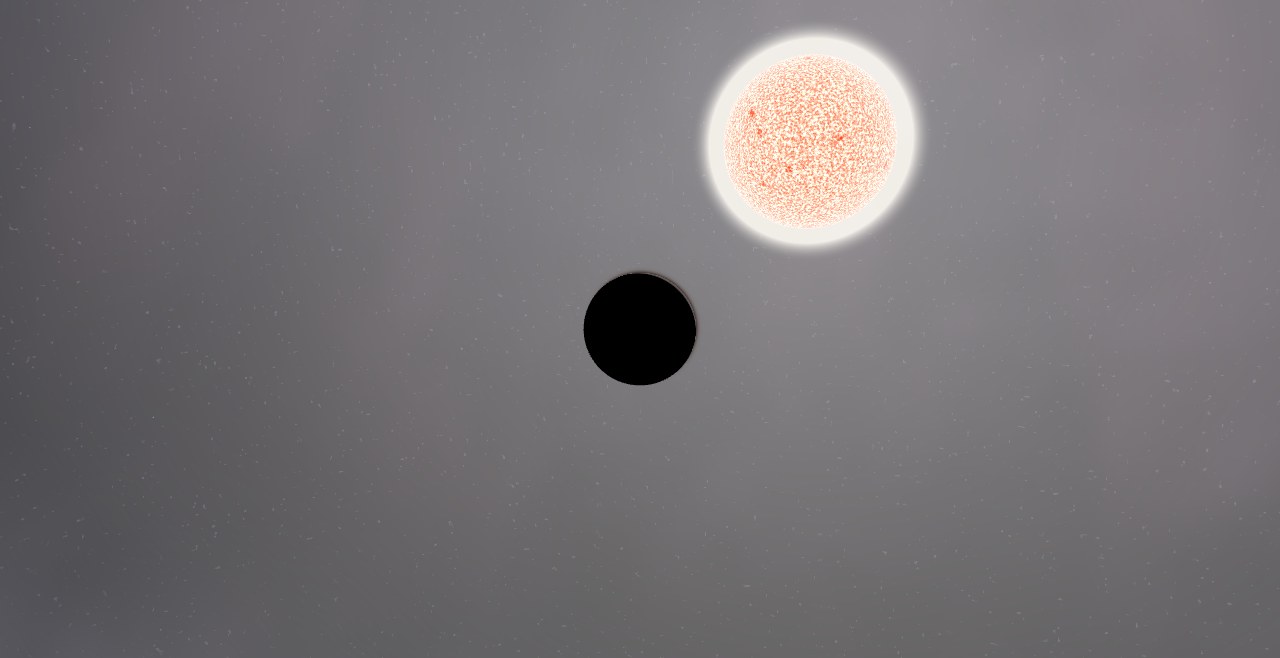
WASP-44, a Sun-like G-type star of 0.94 solar masses, and WASP-44 b, a 0.87-Jupiter-mass companion, with an orbital period of 2.4 days, at 0.035 AU from its star, and an equilibrium temperature near 1,337 K.
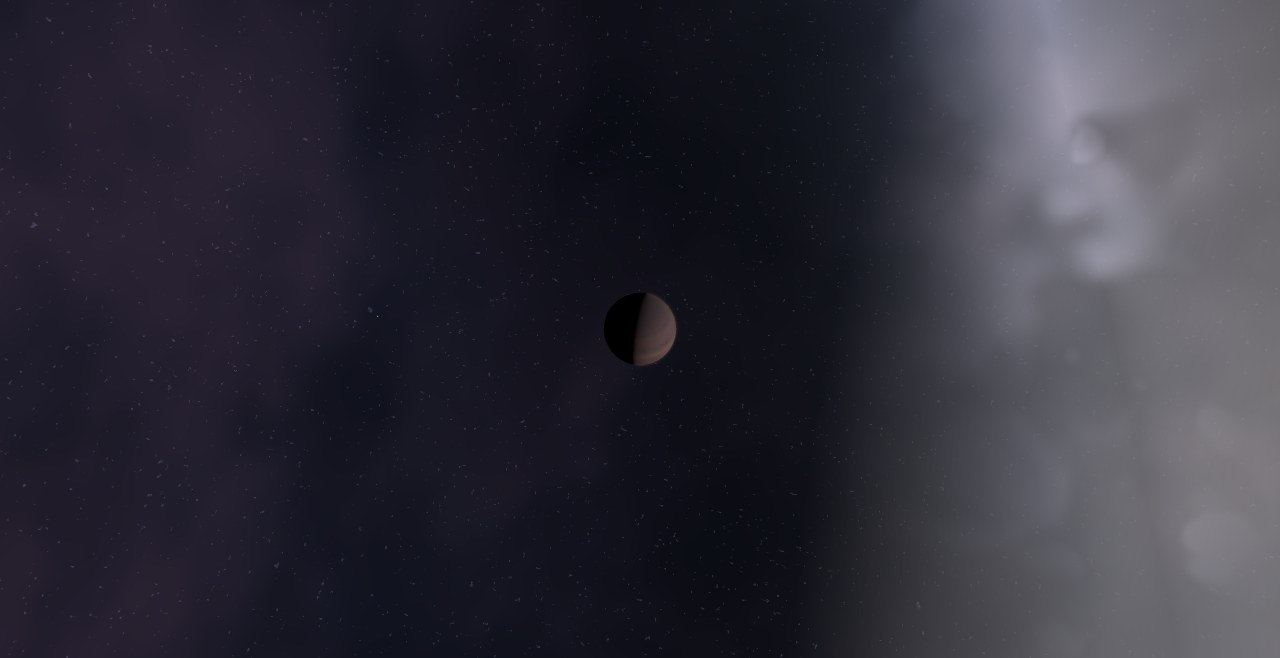
WASP-45, an orange K-type dwarf of 0.85 solar masses, and WASP-45 b, a 0.96-Jupiter-mass companion, with an orbital period of 3.1 days, at 0.040 AU from its star, and an equilibrium temperature near 1,153 K.
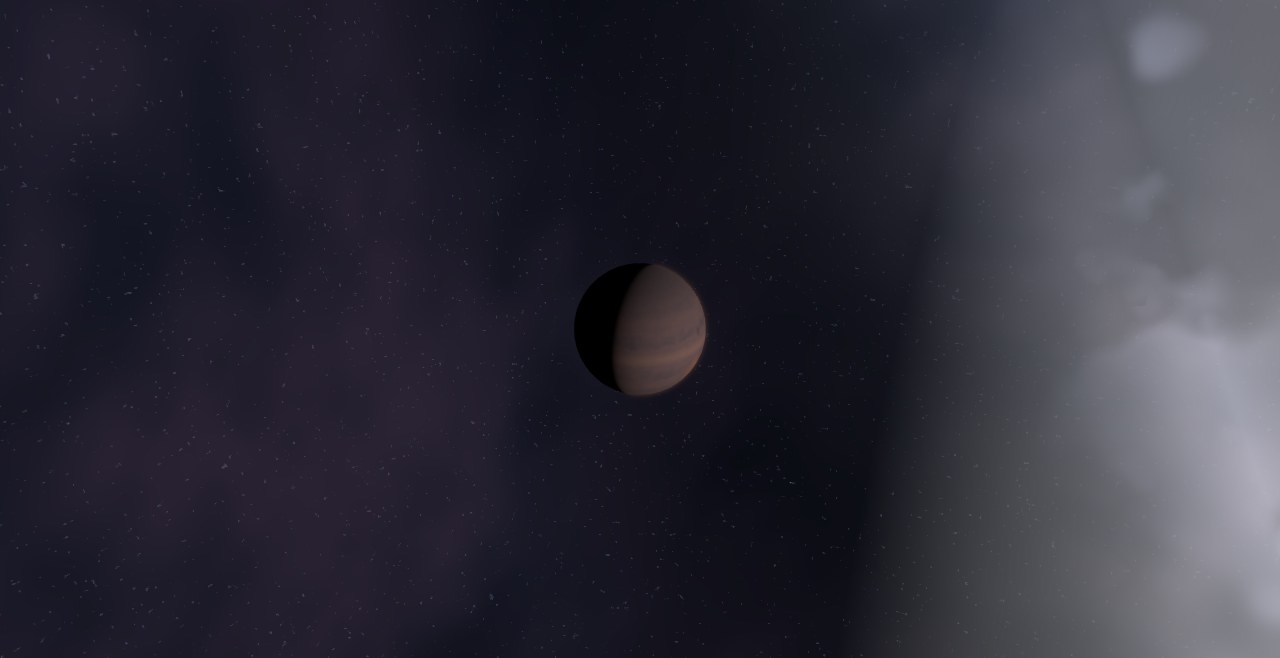
WASP-46, a Sun-like G-type star of 0.83 solar masses, and WASP-46 b, a 1.91-Jupiter-mass companion, with an orbital period of 1.4 days, at 0.023 AU from its star, and an equilibrium temperature near 1,636 K.
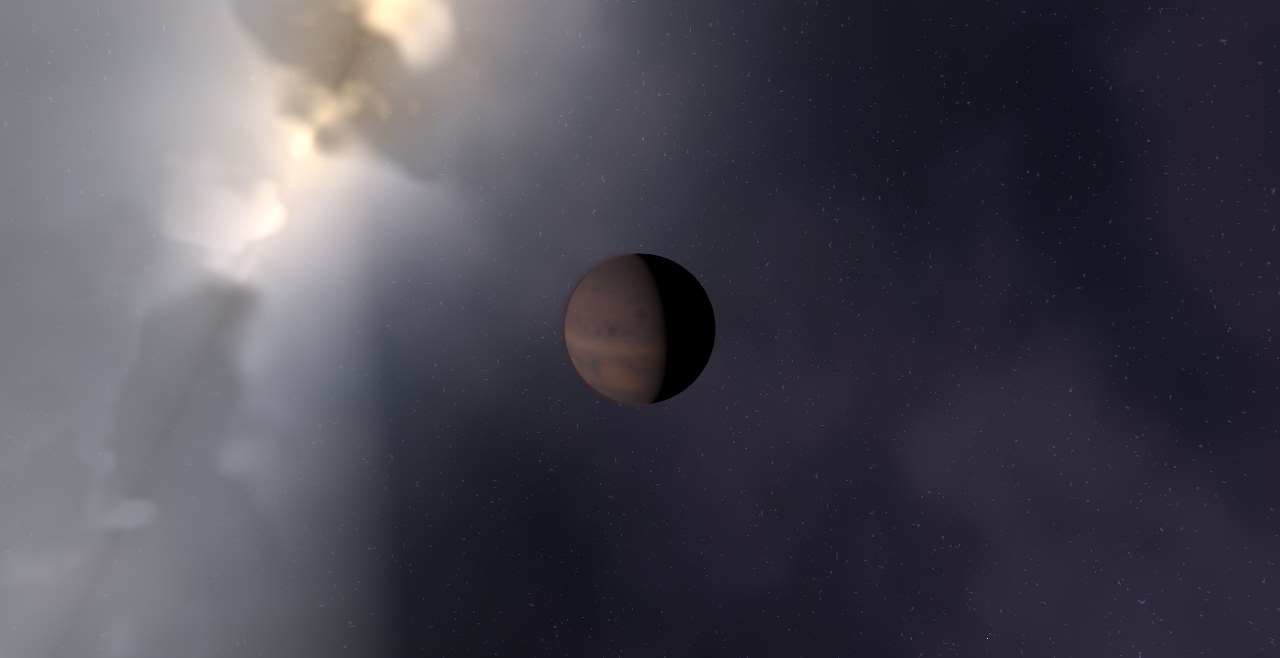
WASP-48, a Sun-like G-type star of 0.88 solar masses, and WASP-48 b, a 0.80-Jupiter-mass companion, with an orbital period of 2.1 days.
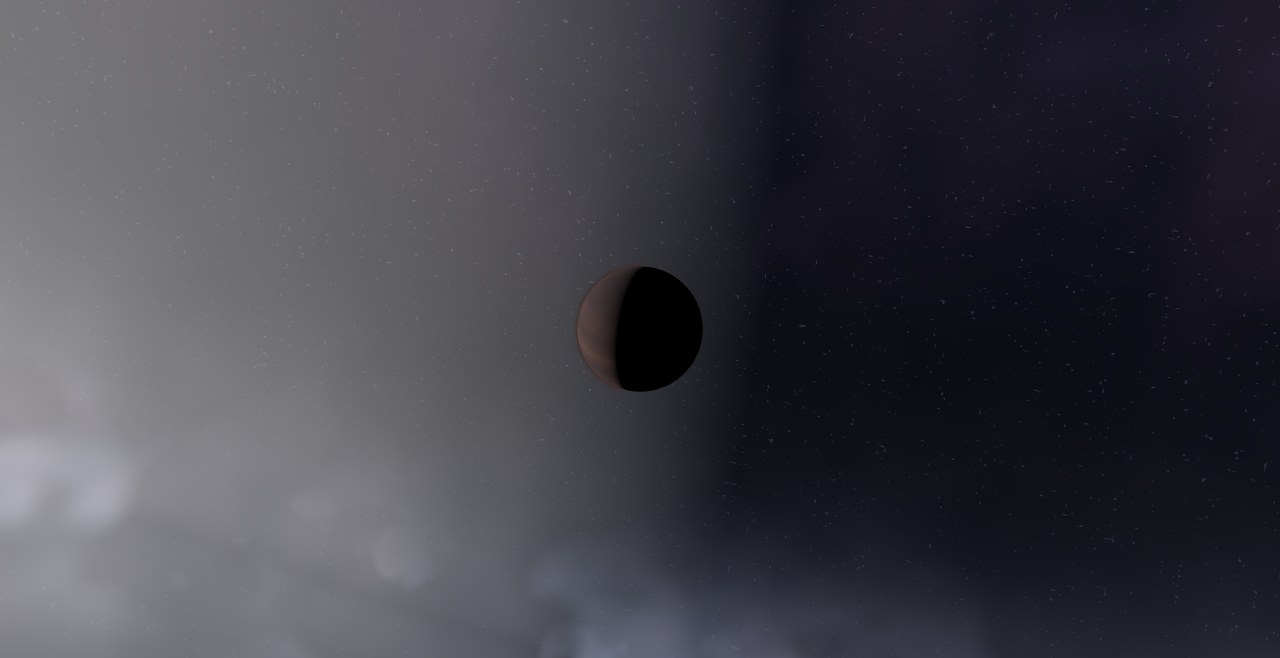
WASP-49, a Sun-like G-type star of 0.92 solar masses, and WASP-49 b, a 0.37-Jupiter-mass companion, with an orbital period of 2.8 days.
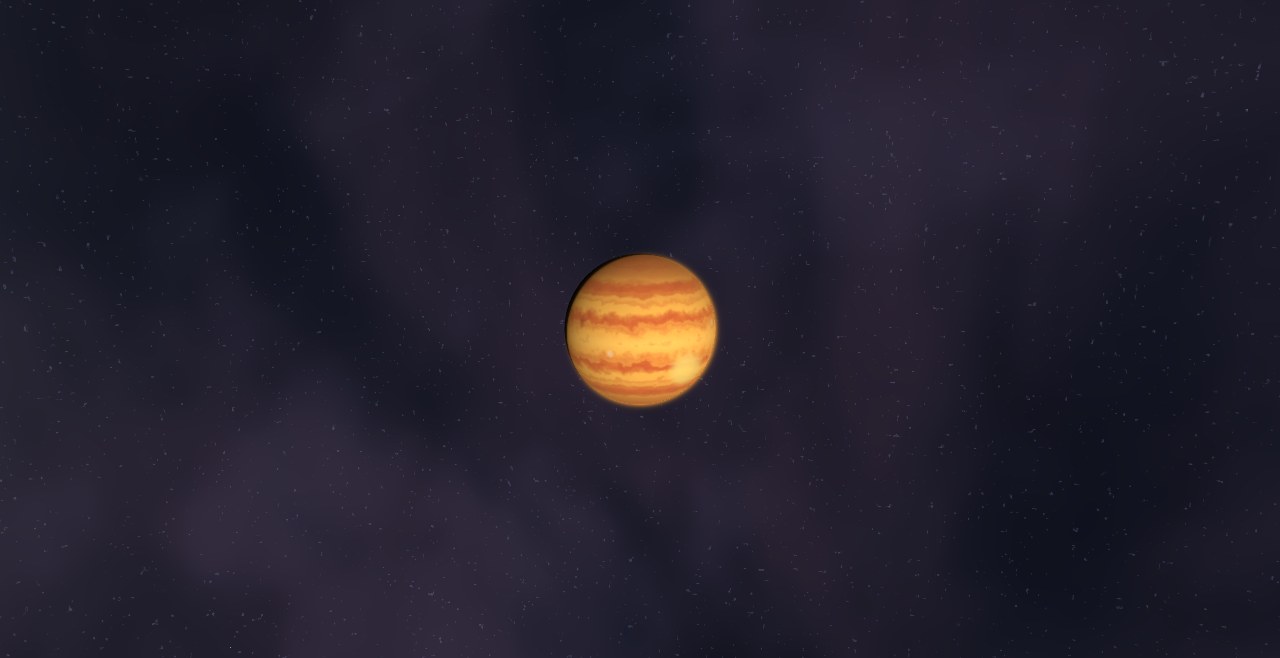
WASP-5, a Sun-like G-type star of 0.96 solar masses, and WASP-5 b, a 1.58-Jupiter-mass companion, with an orbital period of 1.6 days, at 0.027 AU from its star, and an equilibrium temperature near 1,706 K.
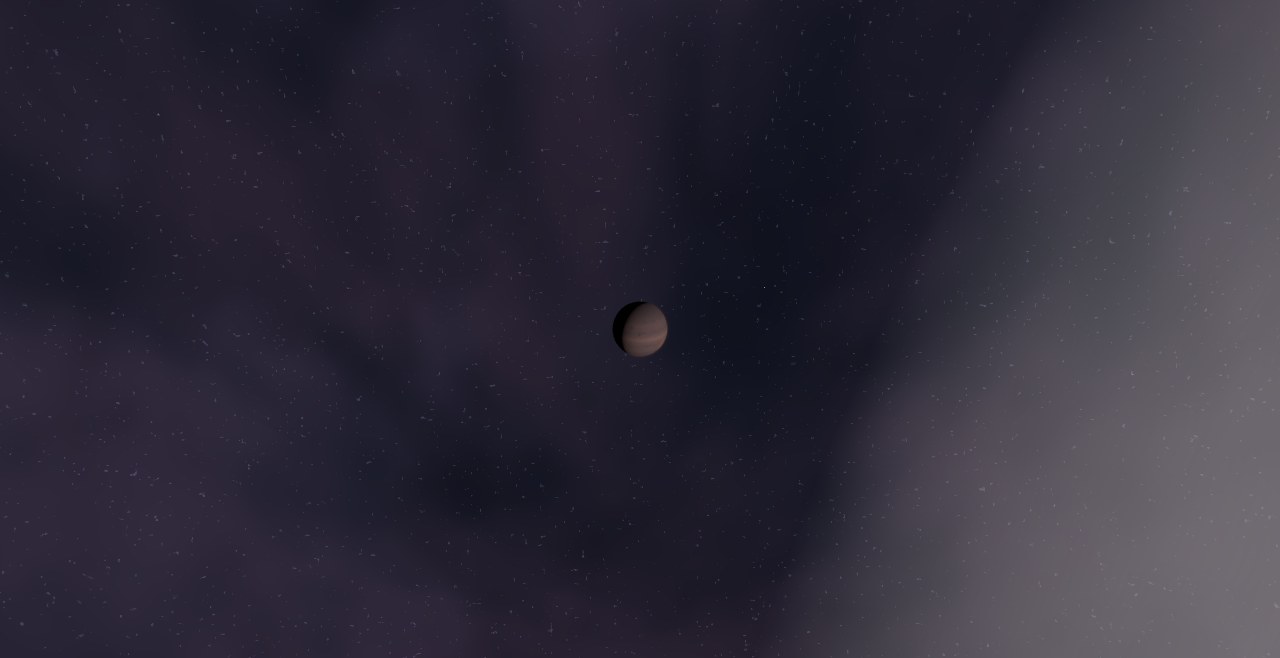
WASP-50, a Sun-like G-type star of 0.89 solar masses, and WASP-50 b, a 1.47-Jupiter-mass companion, with an orbital period of 2.0 days, at 0.029 AU from its star, and an equilibrium temperature near 1,395 K.
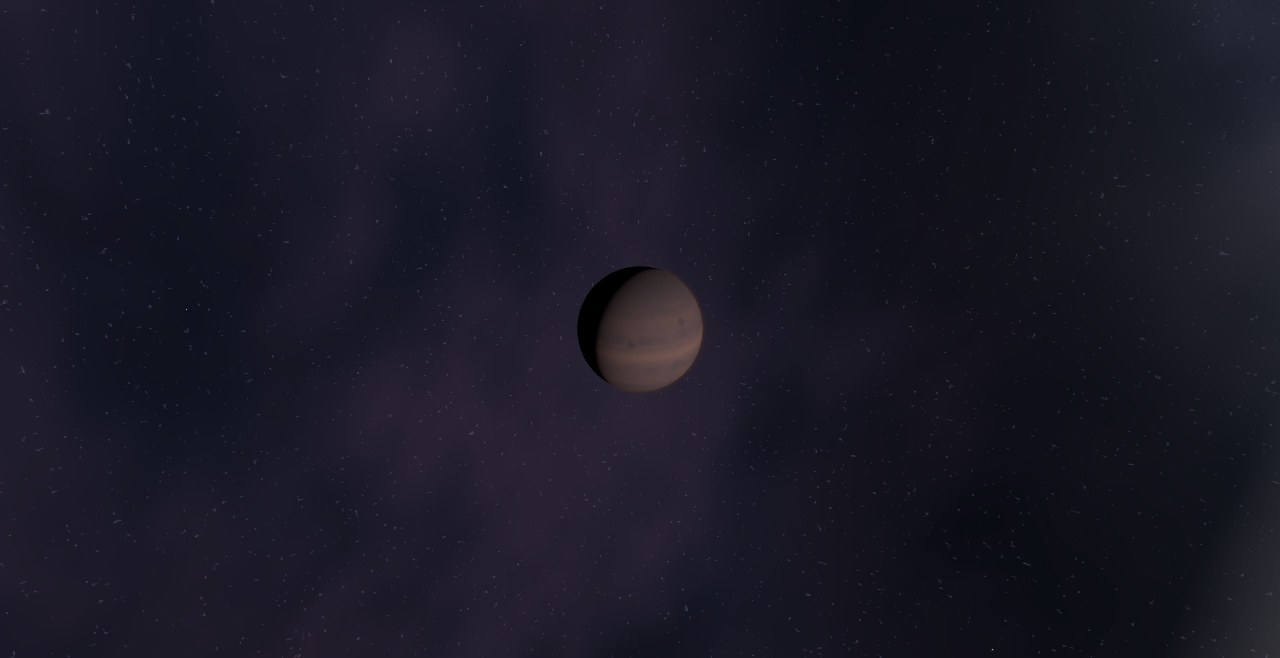
WASP-52, an orange K-type dwarf of 0.87 solar masses, and WASP-52 b, a 0.46-Jupiter-mass companion, with an orbital period of 1.7 days, at 0.027 AU from its star, and an equilibrium temperature near 1,315 K.
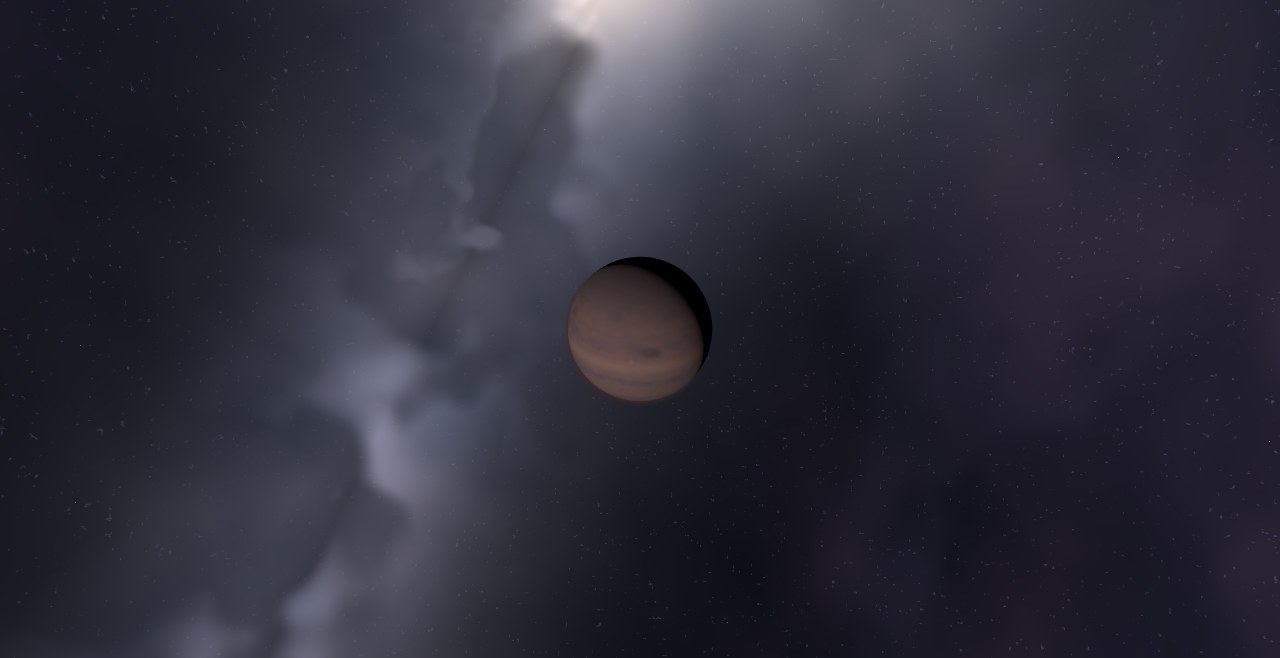
WASP-54, a Sun-like F-type star of 1.08 solar masses, and WASP-54 b, a 0.59-Jupiter-mass companion, with an orbital period of 3.7 days, on an eccentric orbit (e ≈ 0.07).
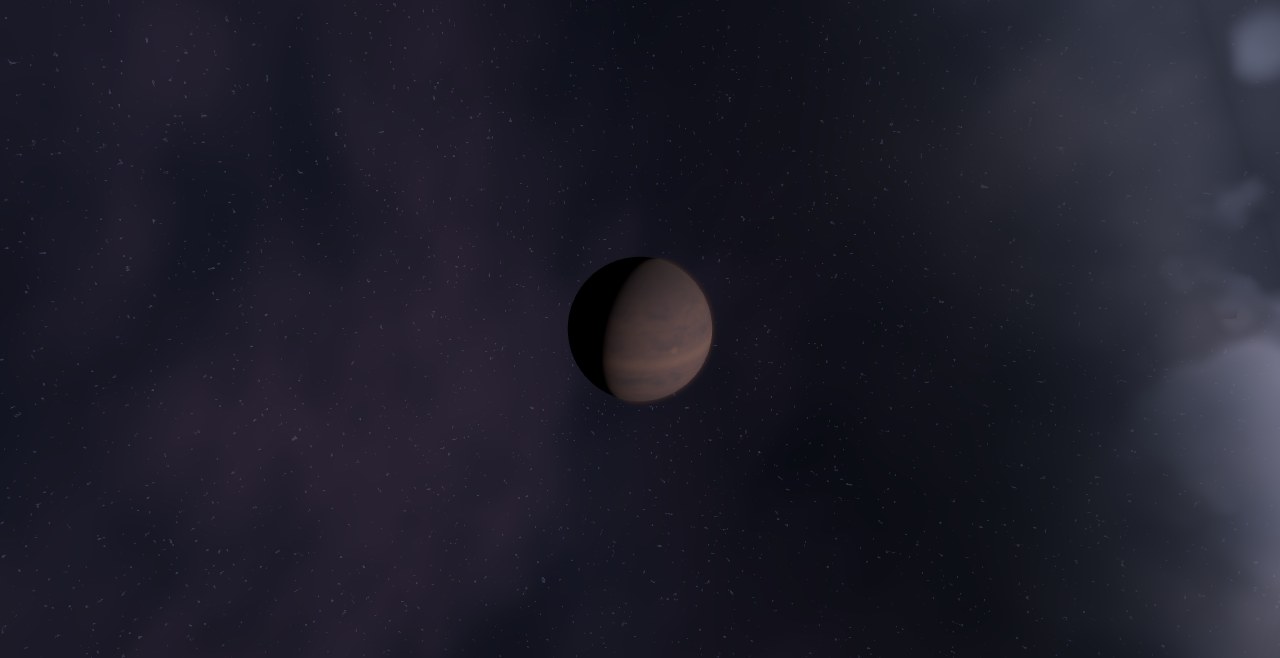
WASP-55, a Sun-like F-type star of 1.07 solar masses, and WASP-55 b, a 0.59-Jupiter-mass companion, with an orbital period of 4.5 days, and an equilibrium temperature near 1,342 K.
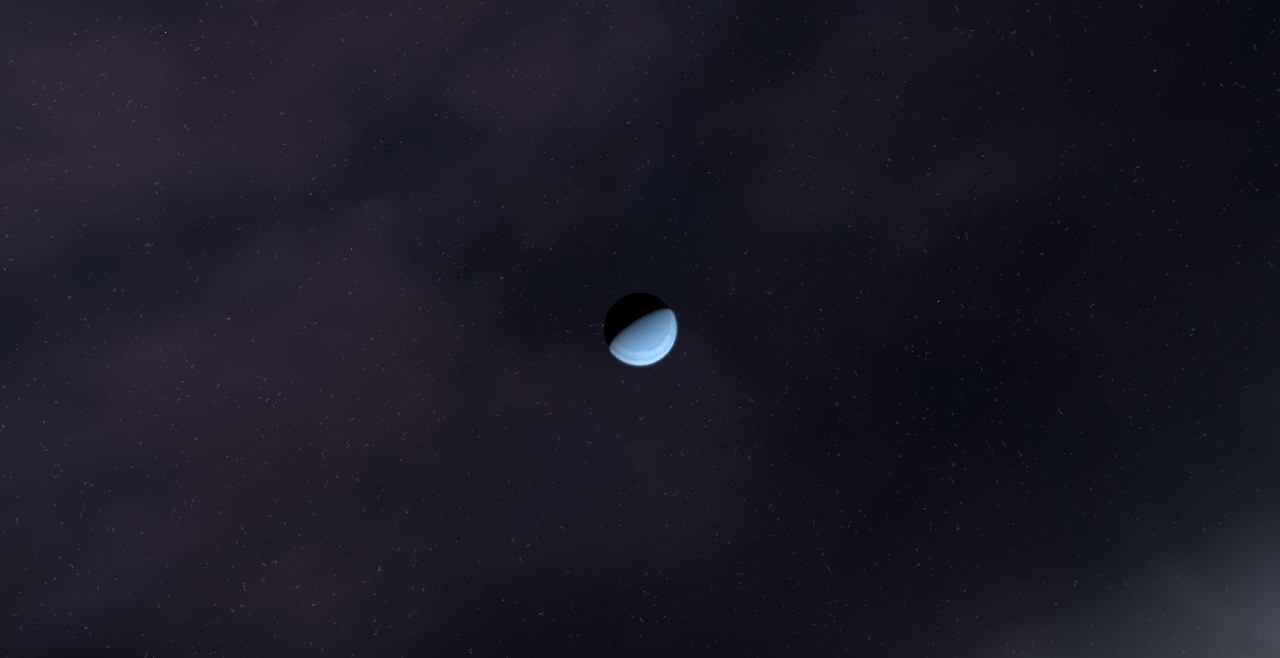
WASP-56, a Sun-like G-type star of 0.71 solar masses, and WASP-56 b, a 0.45-Jupiter-mass companion, with an orbital period of 4.6 days.