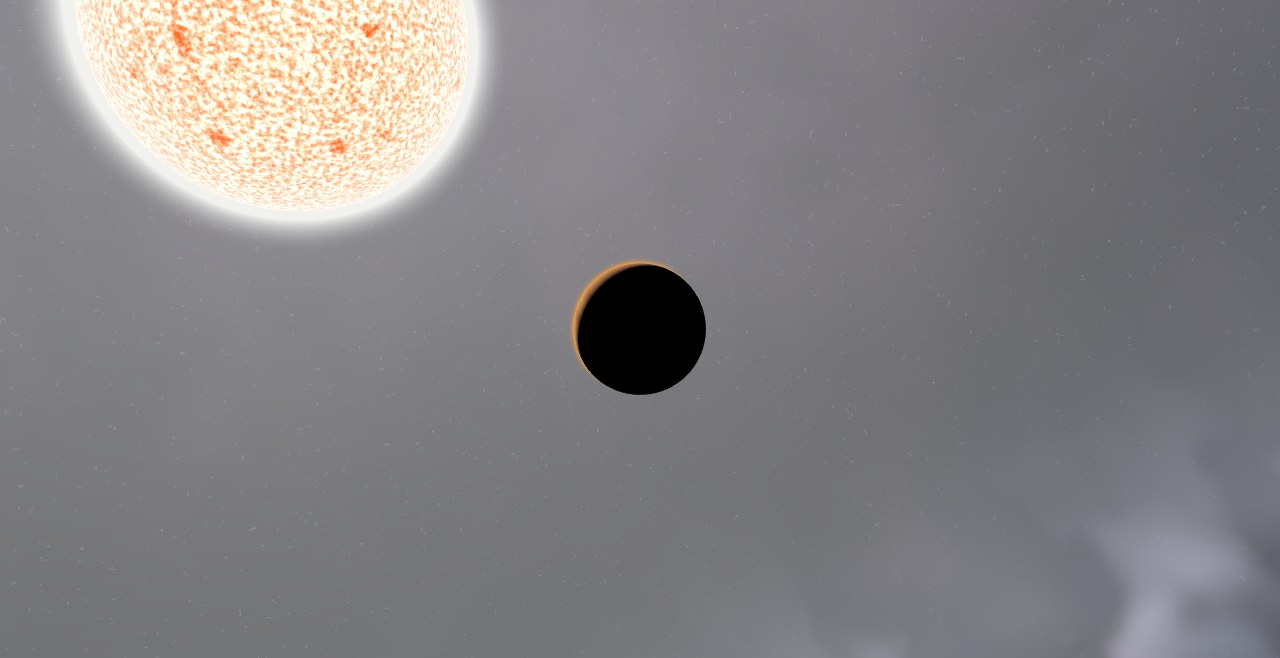
WASP-73 - System
WASP-73, a Sun-like F-type star of 2.52 solar masses, and WASP-73 b, a 2.86-Jupiter-mass companion, with an orbital period of 4.1 days.
Exoplanets
Analyze isolated alien worlds orbiting a singular host star to observe basic orbital parameters, tidal locks, and planetary eccentricities.
Share
WASP-73, a Sun-like F-type star of 2.52 solar masses, and WASP-73 b, a 2.86-Jupiter-mass companion, with an orbital period of 4.1 days.
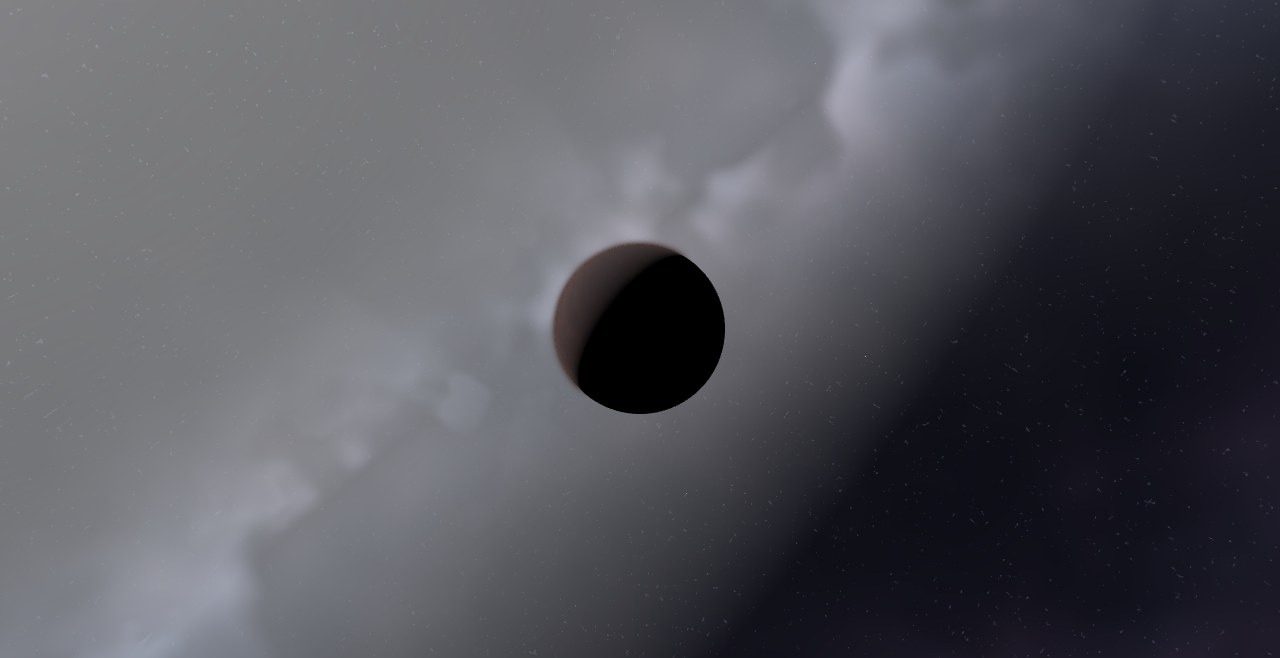
WASP-74, a Sun-like G-type star of 0.98 solar masses, and WASP-74 b, a 0.72-Jupiter-mass companion, with an orbital period of 2.1 days.
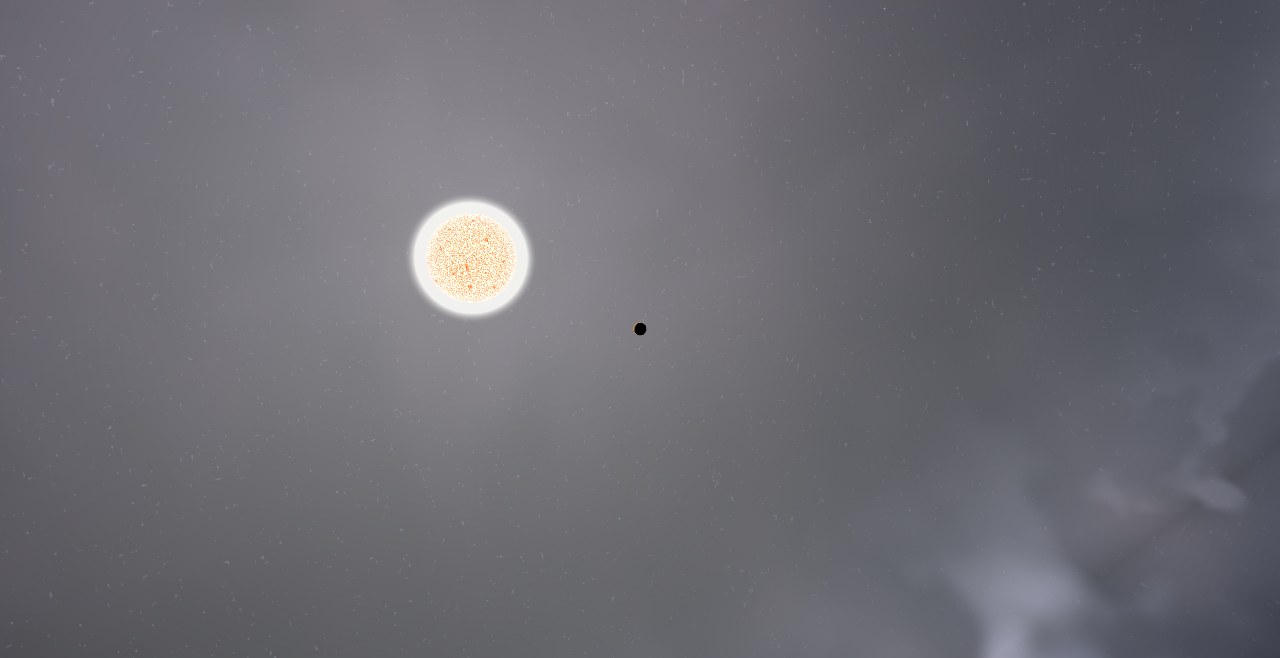
WASP-75, a Sun-like F-type star of 1.14 solar masses, and WASP-75 b, a 1.07-Jupiter-mass companion, with an orbital period of 2.5 days, at 0.037 AU from its star, and an equilibrium temperature near 1,710 K.
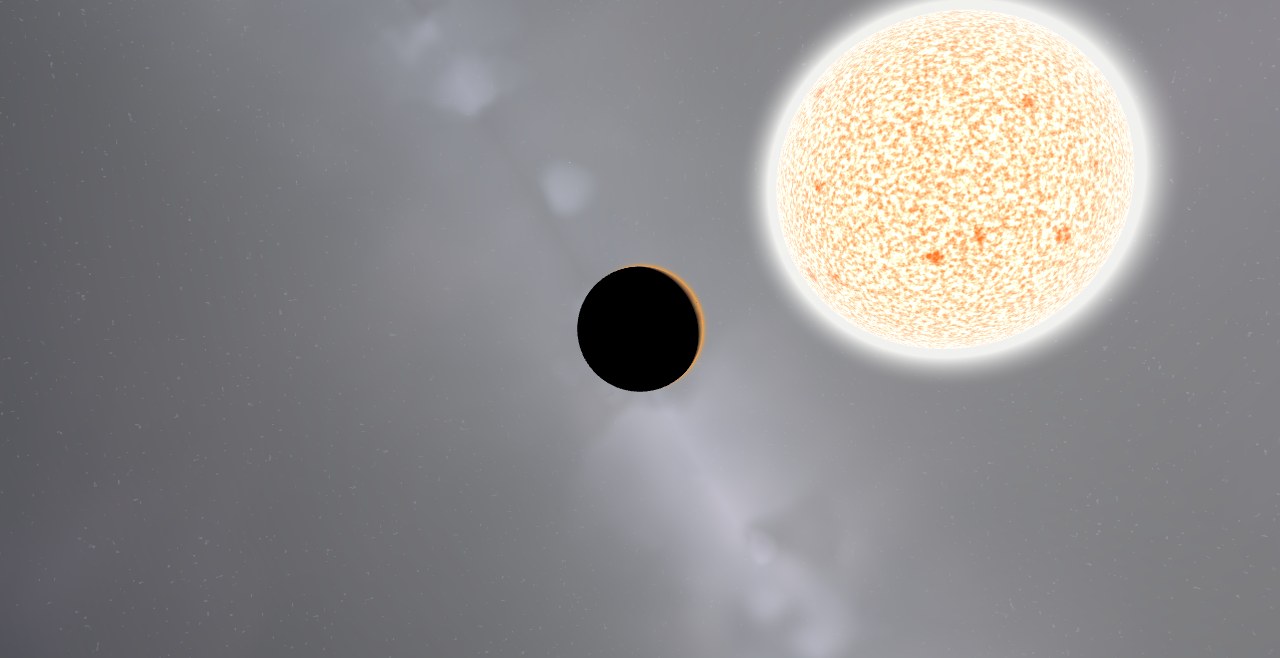
WASP-76 b, an ultra-hot Jupiter where iron vapor on the dayside may condense as it flows onto the cooler night side. The night side is cool enough that iron could rain.
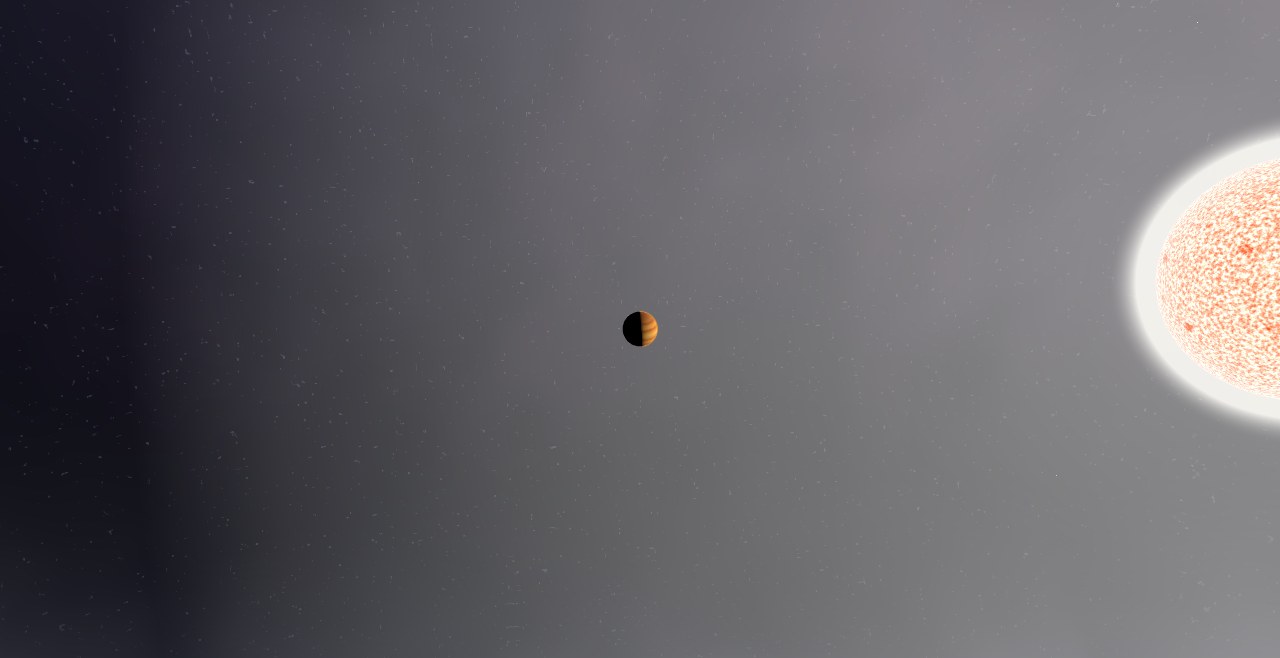
WASP-77 A, a Sun-like G-type star of 0.90 solar masses, and WASP-77 A b, a 1.67-Jupiter-mass companion, with an orbital period of 1.4 days, at 0.023 AU from its star.
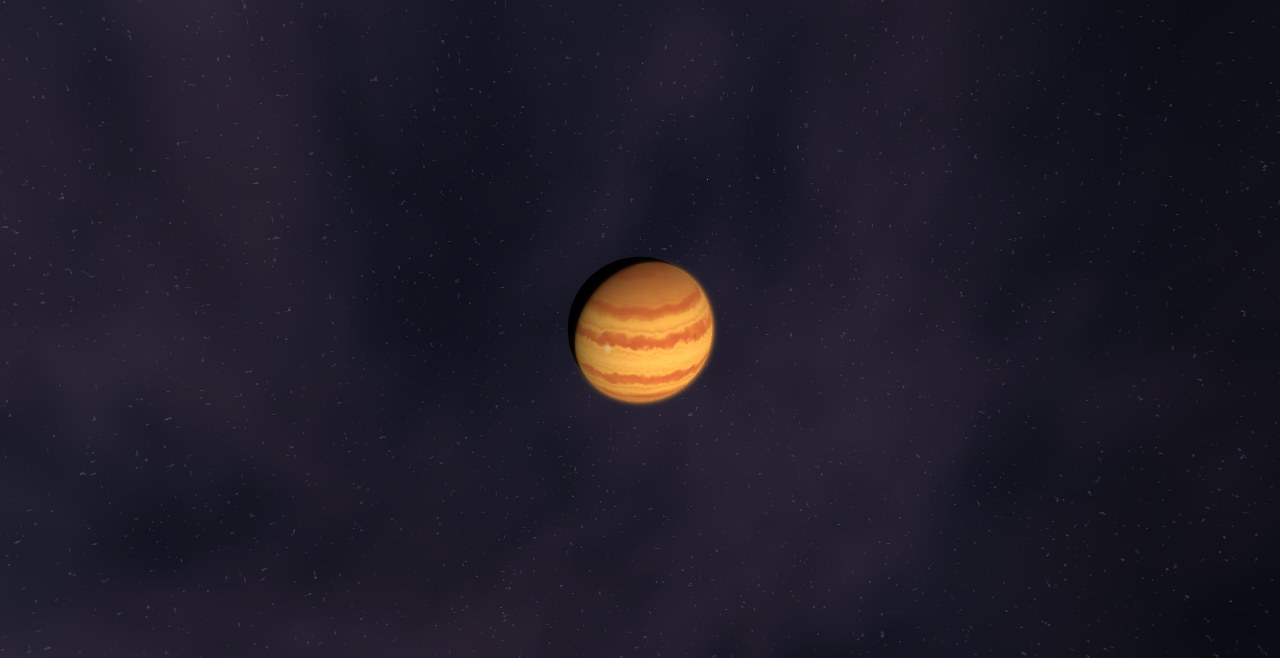
WASP-78, a Sun-like F-type star of 1.87 solar masses, and WASP-78 b, a 1.11-Jupiter-mass companion, with an orbital period of 2.2 days.
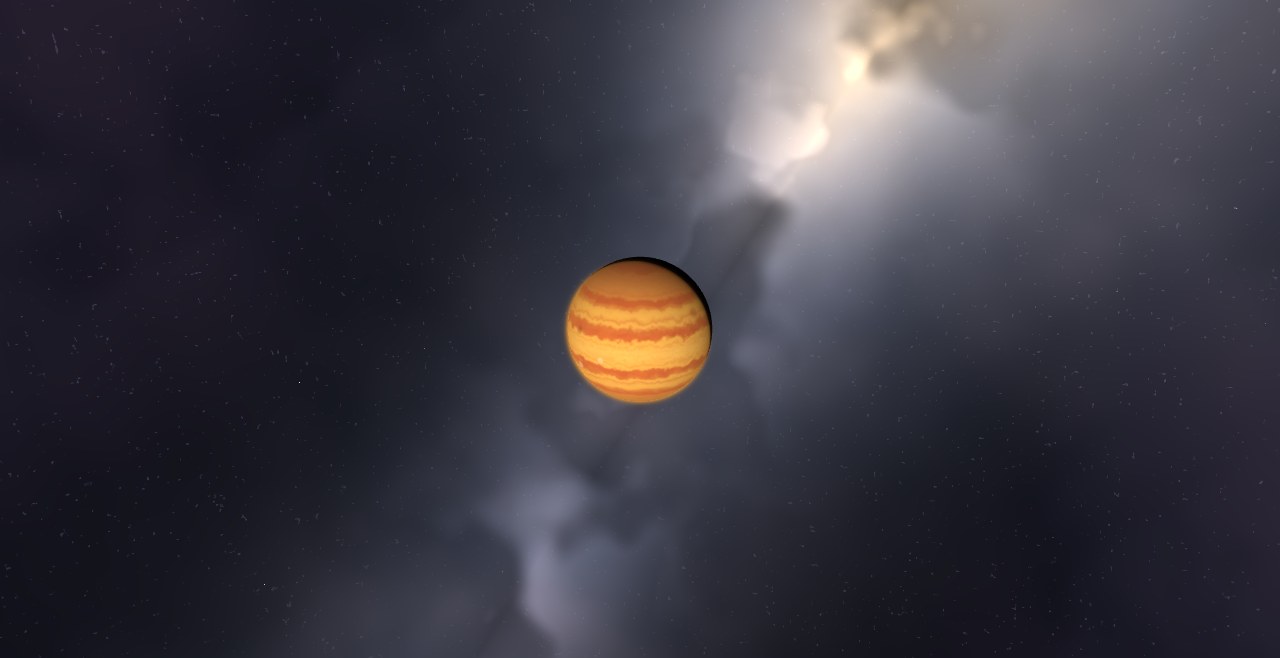
WASP-79, a Sun-like F-type star of 1.39 solar masses, and WASP-79 b, a 0.85-Jupiter-mass companion, with an orbital period of 3.7 days, at 0.052 AU from its star, and an equilibrium temperature near 1,716 K.
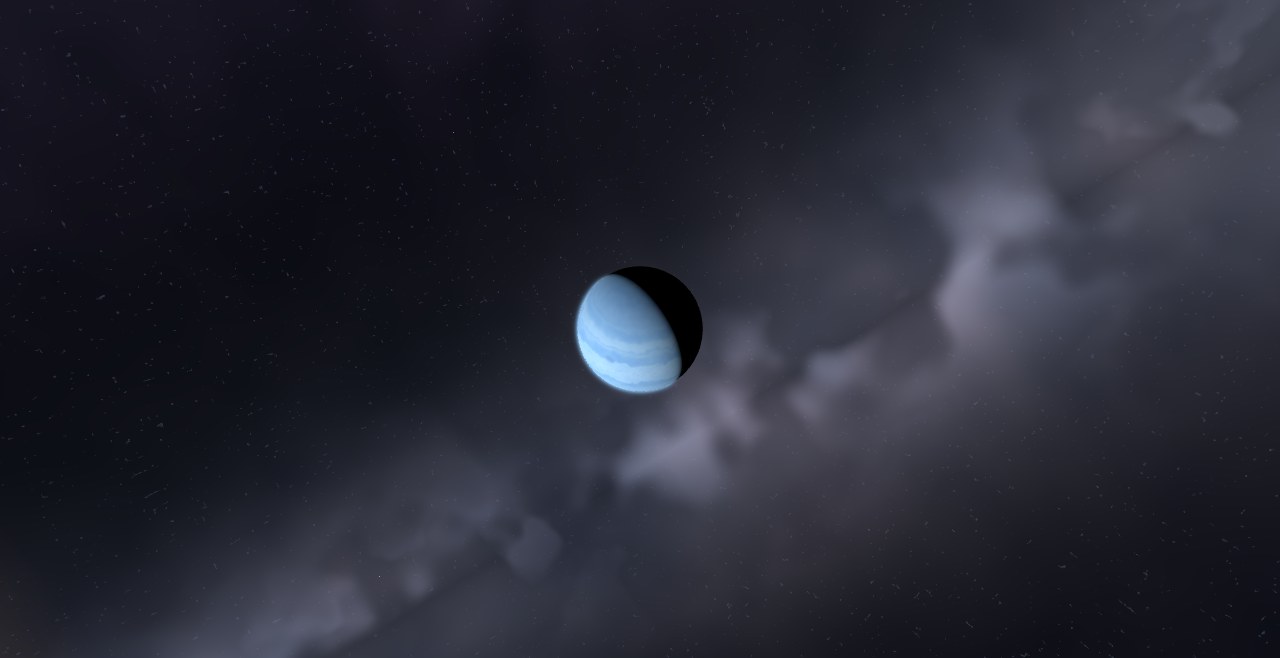
WASP-80, an orange K-type dwarf of 0.58 solar masses, and WASP-80 b, a 0.54-Jupiter-mass companion, with an orbital period of 3.1 days, at 0.034 AU from its star, and an equilibrium temperature near 825 K.
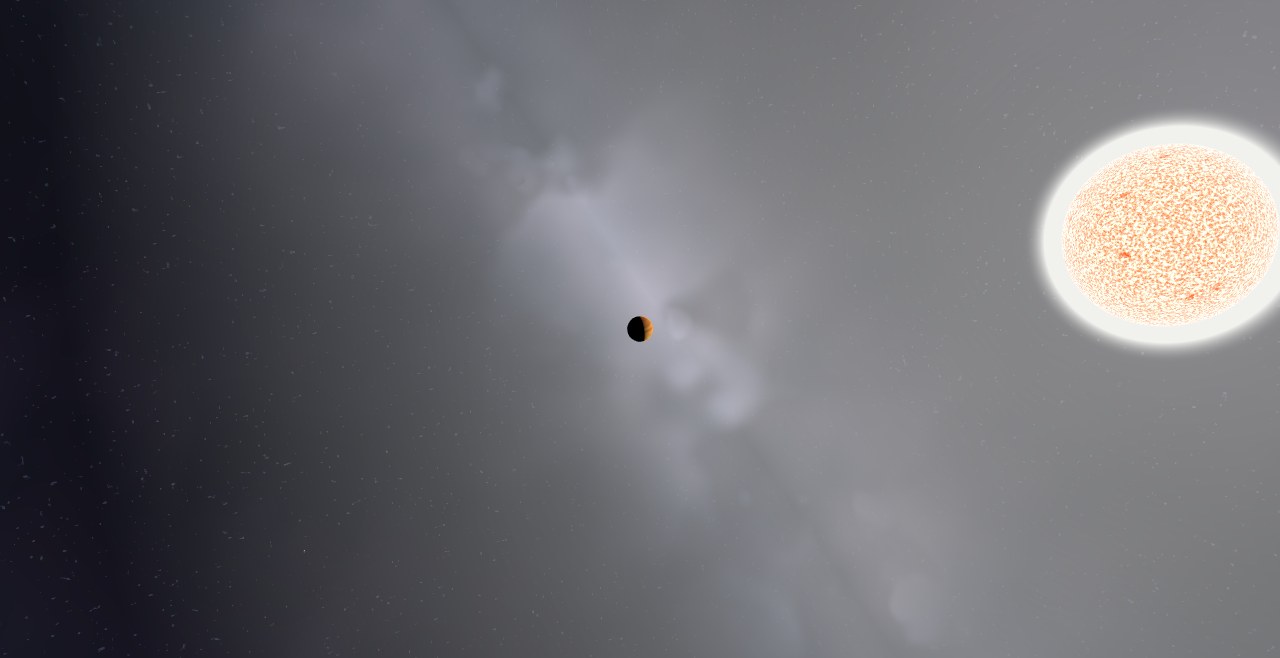
WASP-81, a Sun-like G-type star of 1.08 solar masses, and WASP-81 b, a 0.73-Jupiter-mass companion, with an orbital period of 2.7 days, at 0.039 AU from its star, and an equilibrium temperature near 1,623 K.
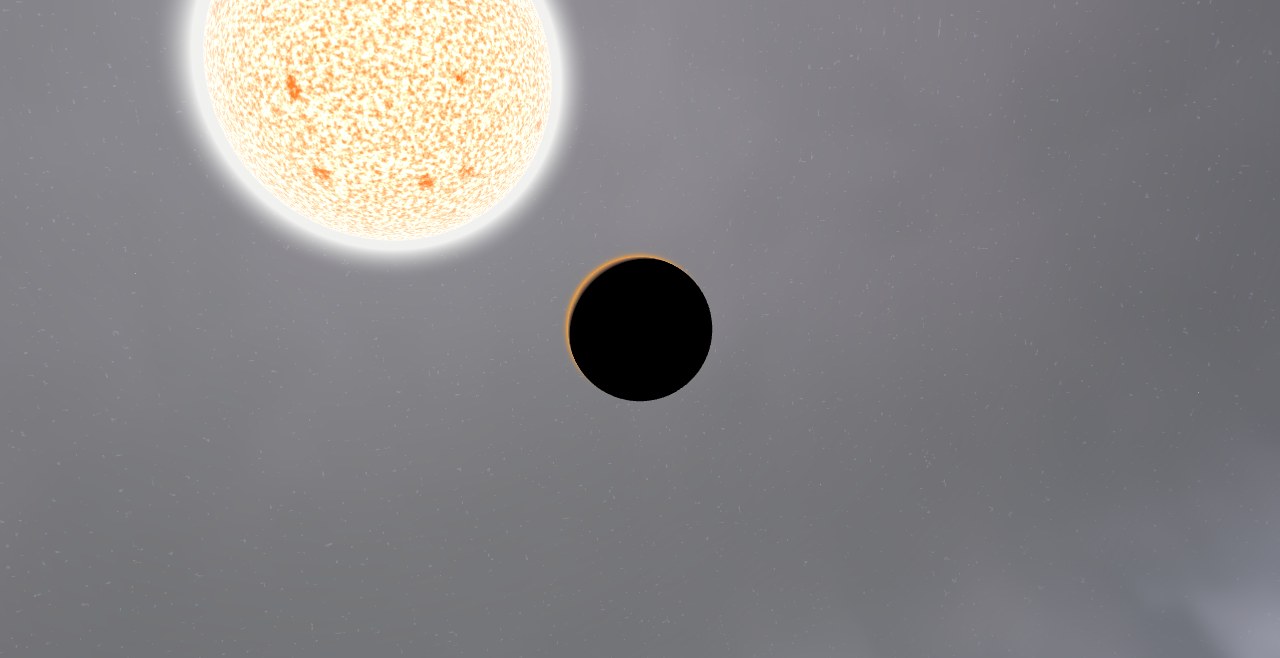
WASP-82, a Sun-like F-type star of 1.48 solar masses, and WASP-82 b, a 1.17-Jupiter-mass companion, with an orbital period of 2.7 days.
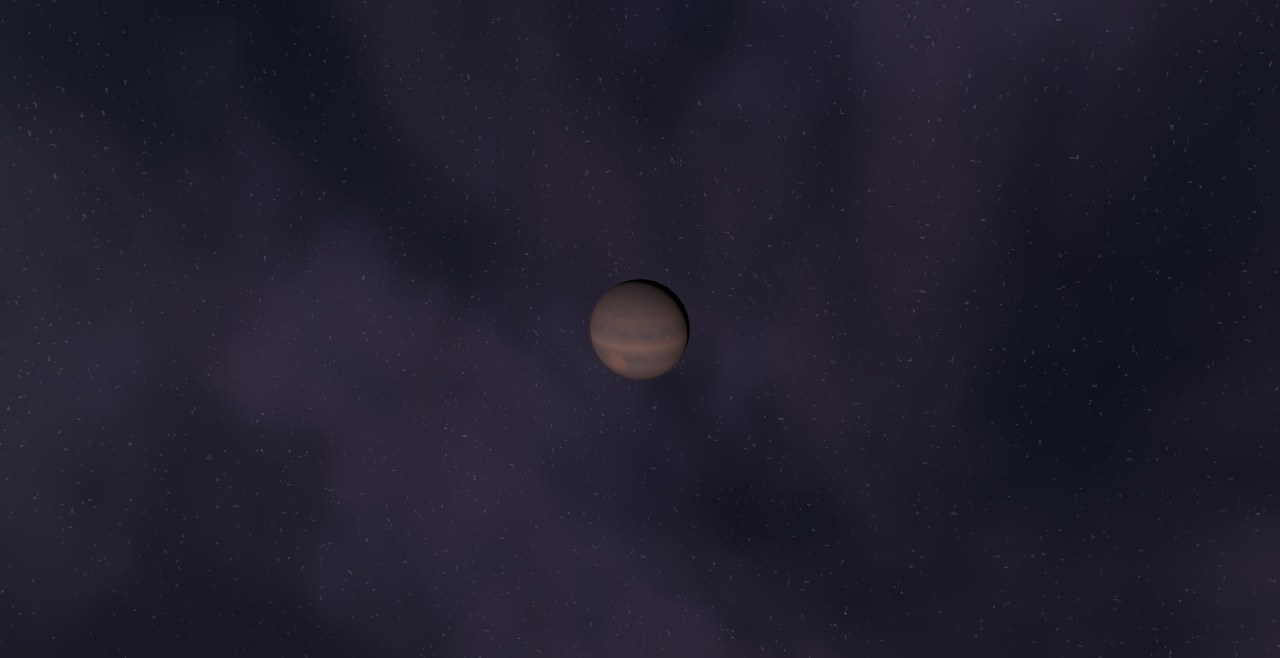
WASP-83, a Sun-like G-type star of 1.11 solar masses, and WASP-83 b, a 0.30-Jupiter-mass companion, with an orbital period of 5.0 days, at 0.059 AU from its star, and an equilibrium temperature near 1,120 K.
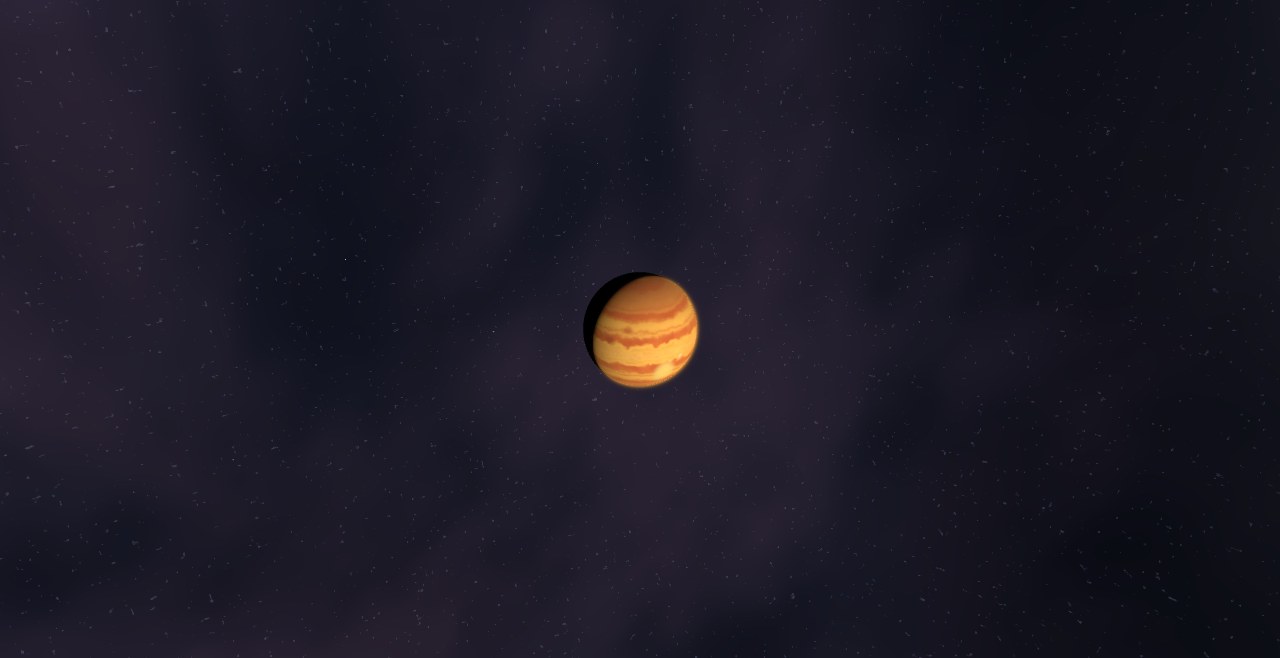
WASP-85 A, a Sun-like G-type star of 1.09 solar masses, and WASP-85 A b, a 1.26-Jupiter-mass companion, with an orbital period of 2.7 days, at 0.039 AU from its star, and an equilibrium temperature near 1,452 K.
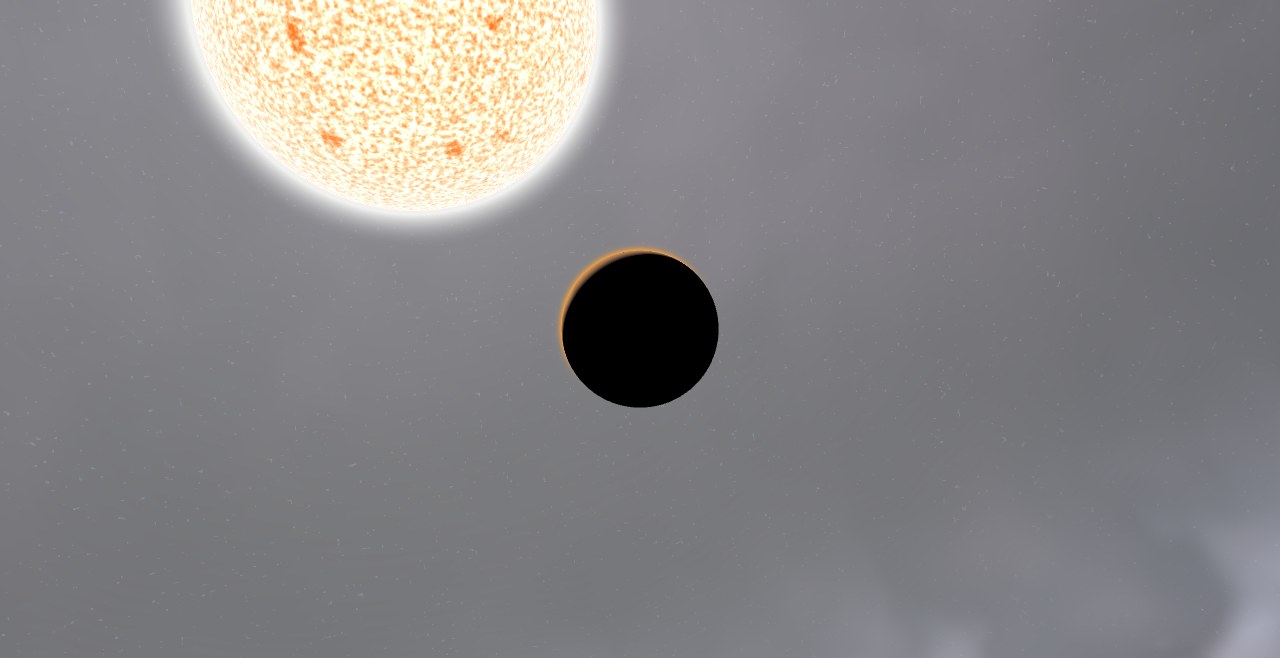
WASP-87, a Sun-like F-type star of 1.20 solar masses, and WASP-87 b, a 2.18-Jupiter-mass companion, with an orbital period of 1.7 days, at 0.029 AU from its star.
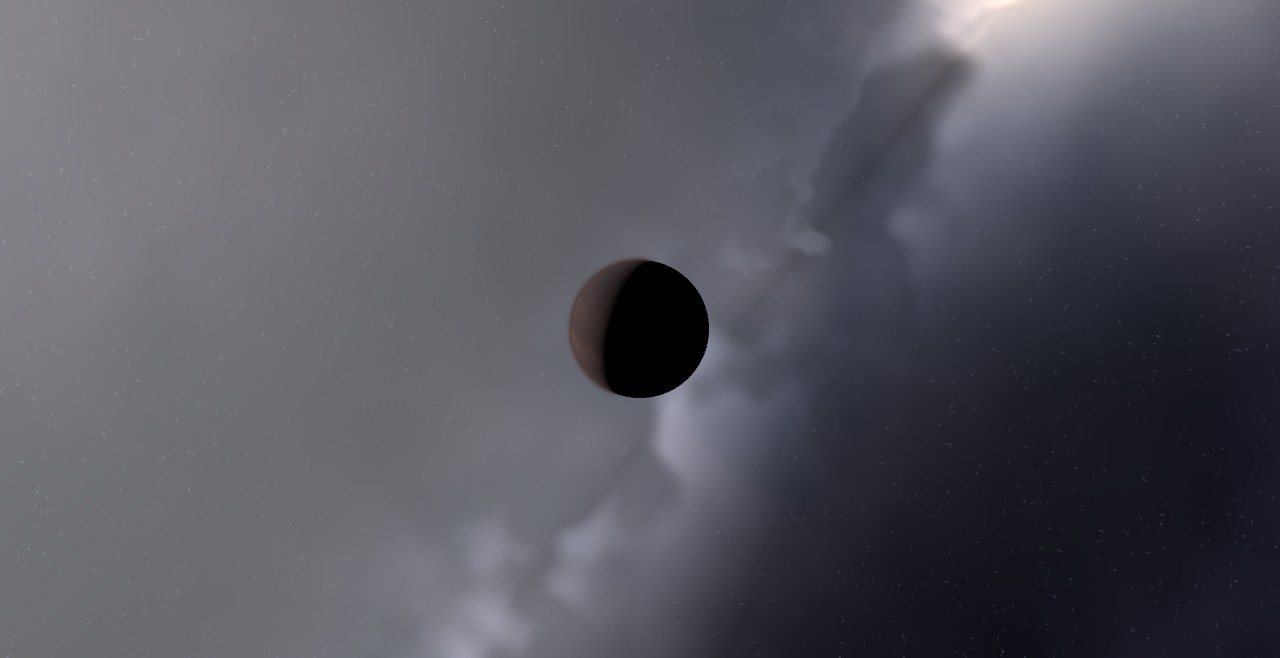
WASP-88, a Sun-like F-type star of 0.94 solar masses, and WASP-88 b, a 0.42-Jupiter-mass companion, with an orbital period of 5.0 days.
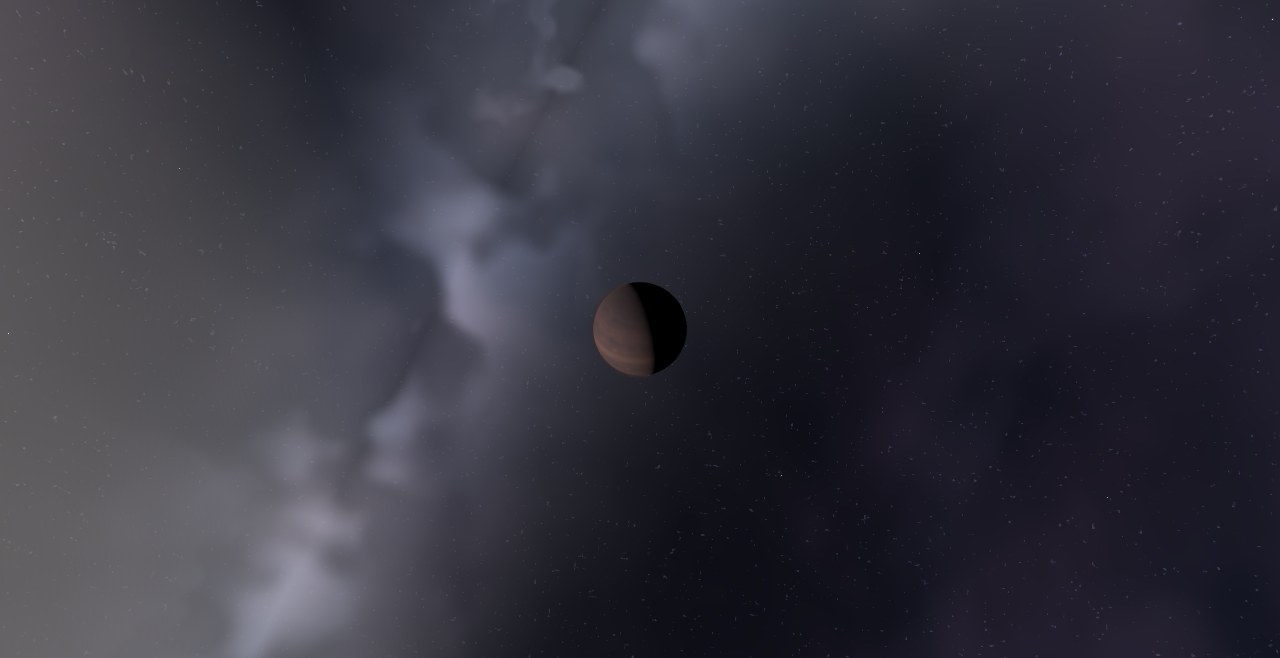
WASP-89, an orange K-type dwarf of 0.92 solar masses, and WASP-89 b, a 5.90-Jupiter-mass companion, with an orbital period of 3.4 days, at 0.043 AU from its star, and an equilibrium temperature near 1,120 K.
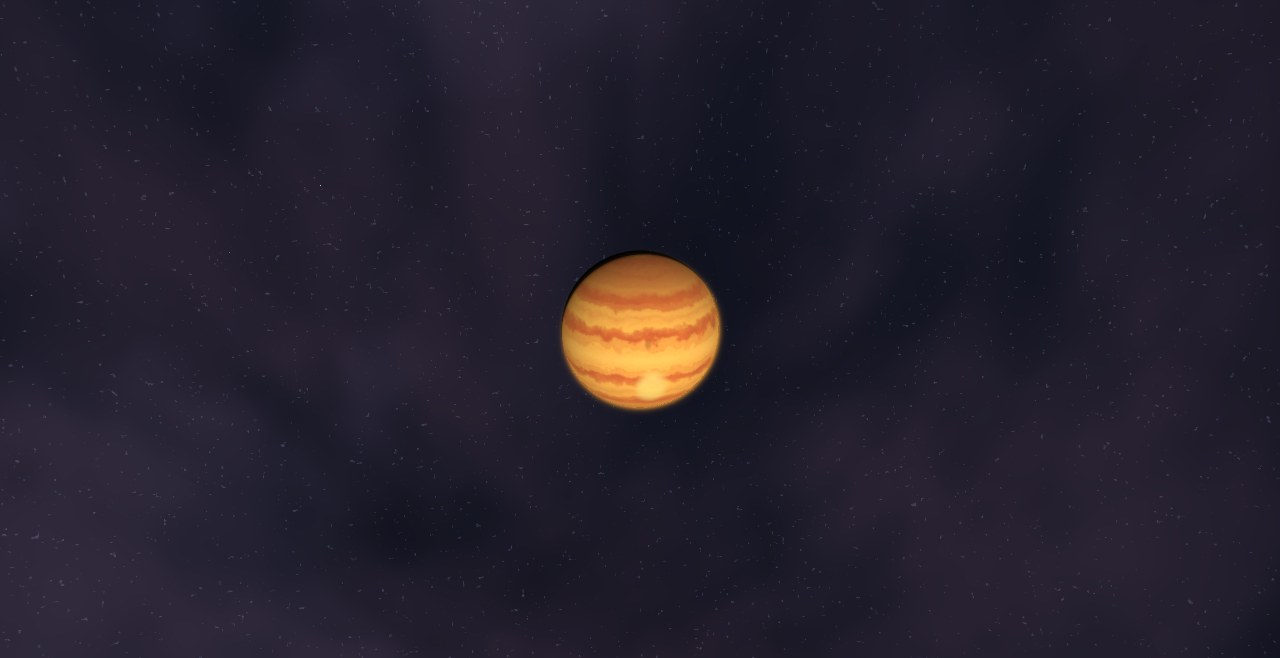
WASP-90, a Sun-like F-type star of 1.55 solar masses, and WASP-90 b, a 0.63-Jupiter-mass companion, with an orbital period of 3.9 days, at 0.056 AU from its star, and an equilibrium temperature near 1,840 K.
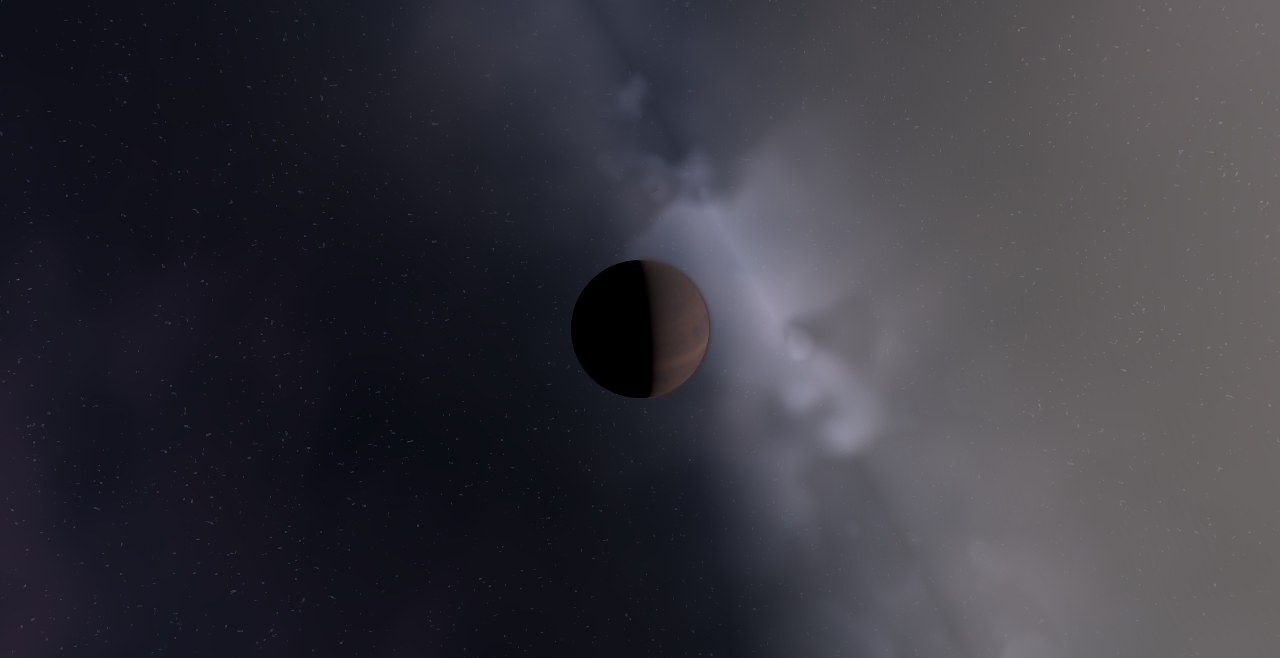
WASP-91, an orange K-type dwarf of 0.84 solar masses, and WASP-91 b, a 1.34-Jupiter-mass companion, with an orbital period of 2.8 days, at 0.037 AU from its star, and an equilibrium temperature near 1,160 K.
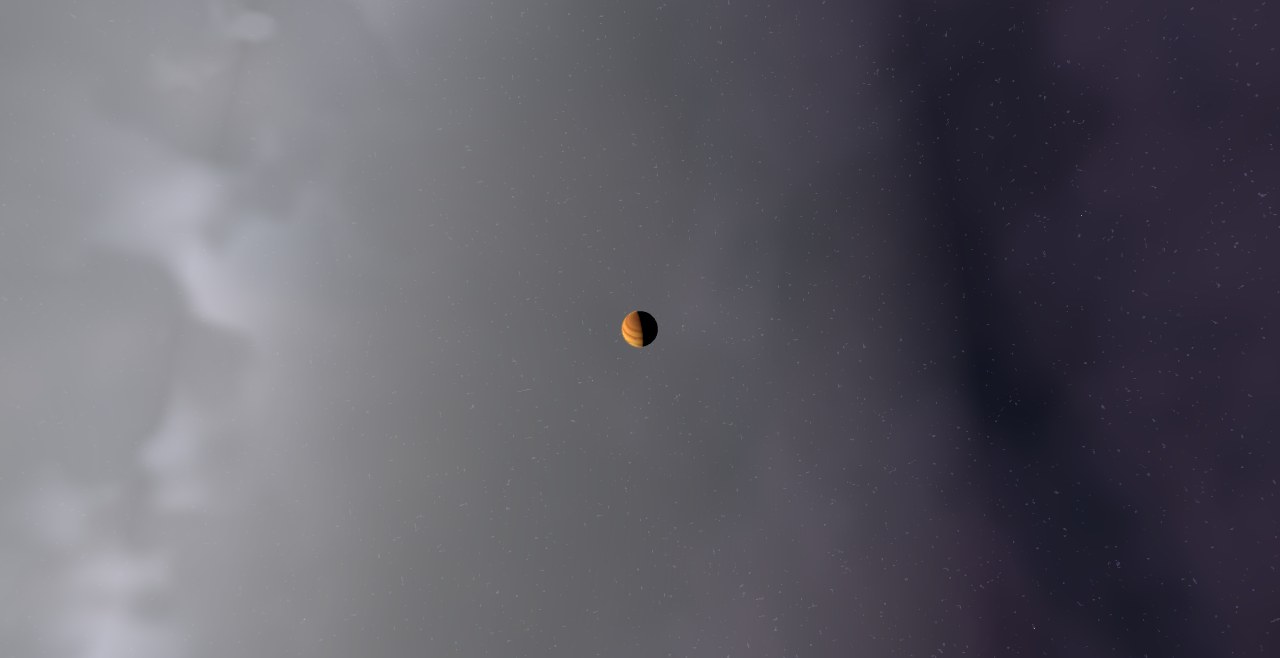
WASP-92, a Sun-like F-type star of 1.19 solar masses, and WASP-92 b, a 0.81-Jupiter-mass companion, with an orbital period of 2.2 days, at 0.035 AU from its star, and an equilibrium temperature near 1,871 K.