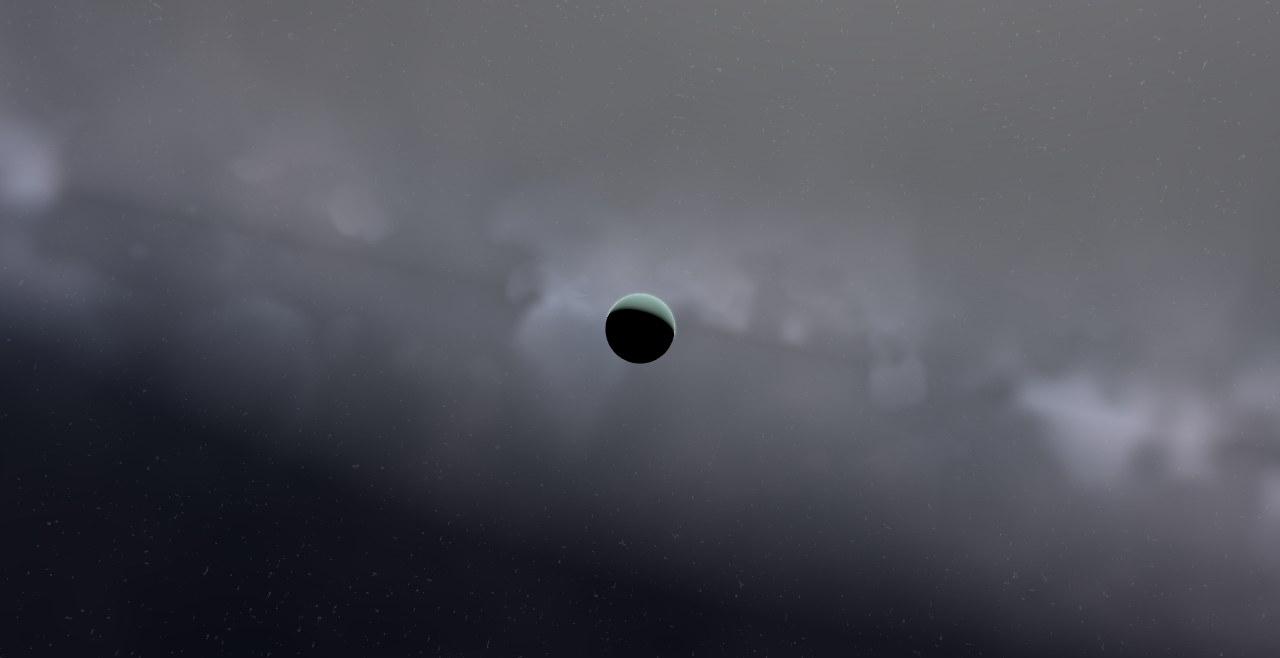
WASP-195 - System
WASP-195, a Sun-like F-type star of 1.30 solar masses, and WASP-195 b, a 0.10-Jupiter-mass companion, with an orbital period of 5.1 days, at 0.063 AU from its star, and an equilibrium temperature near 1,522 K.
Exoplanets
Analyze isolated alien worlds orbiting a singular host star to observe basic orbital parameters, tidal locks, and planetary eccentricities.
Share
WASP-195, a Sun-like F-type star of 1.30 solar masses, and WASP-195 b, a 0.10-Jupiter-mass companion, with an orbital period of 5.1 days, at 0.063 AU from its star, and an equilibrium temperature near 1,522 K.
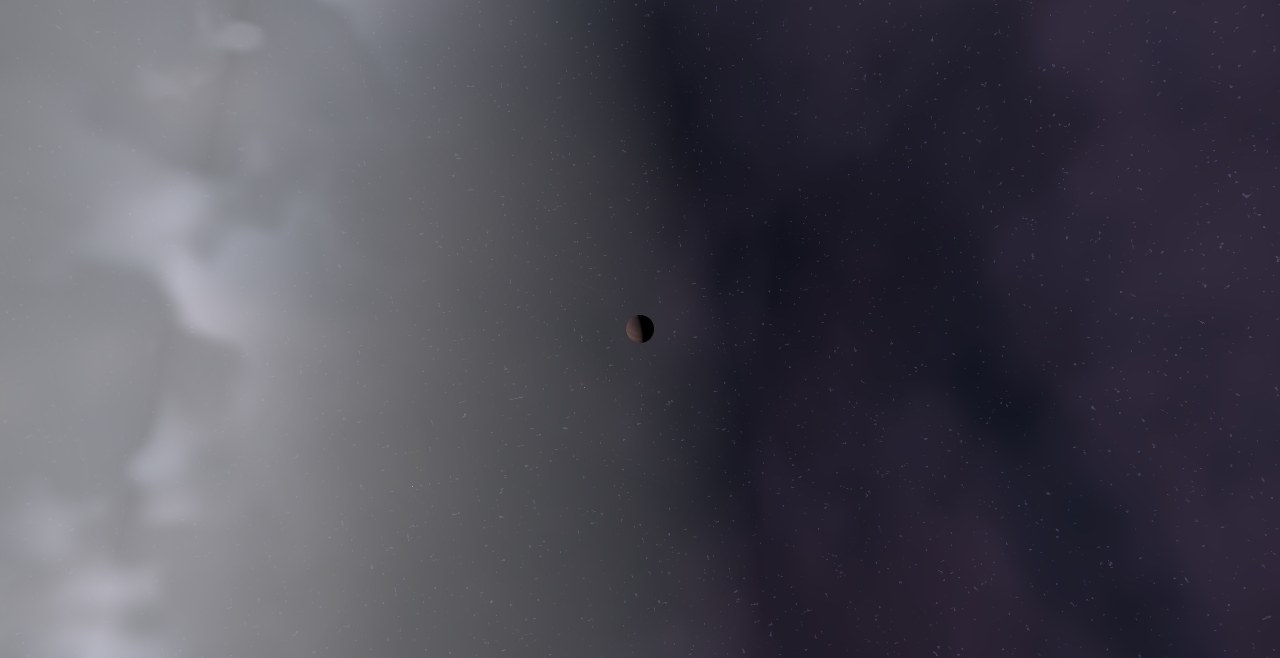
WASP-197, a Sun-like F-type star of 1.36 solar masses, and WASP-197 b, a 1.27-Jupiter-mass companion, with an orbital period of 5.2 days, at 0.065 AU from its star, and an equilibrium temperature near 1,665 K.
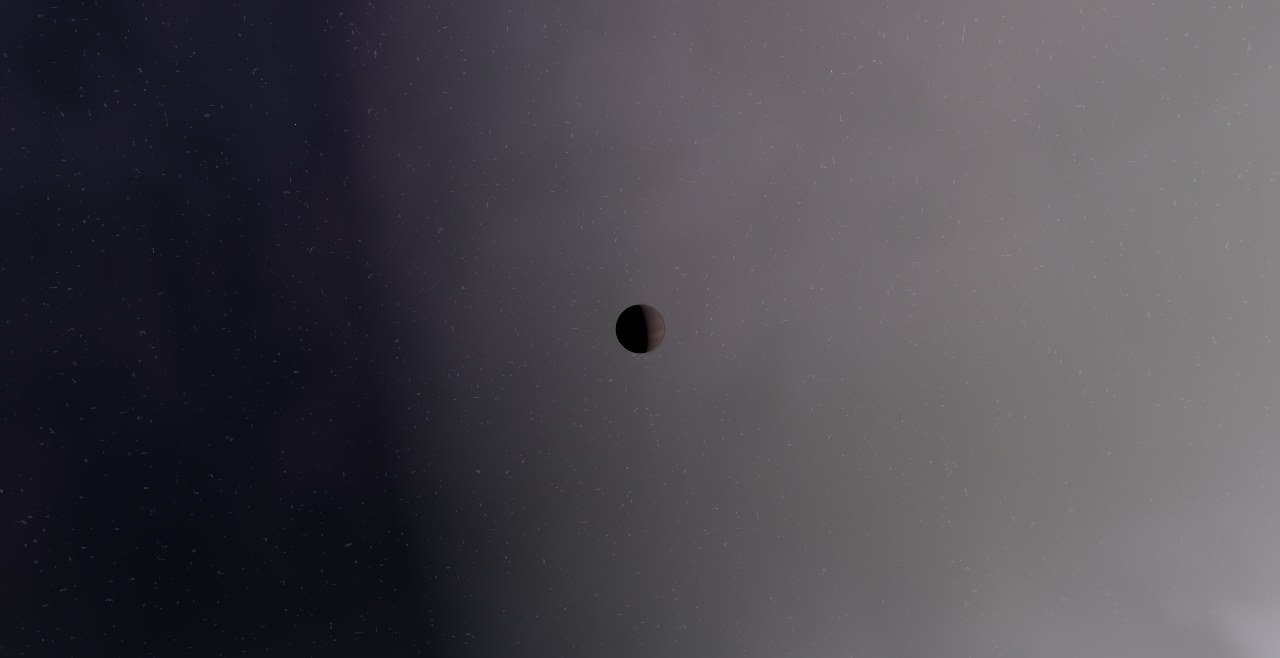
WASP-2, an orange K-type dwarf of 0.90 solar masses, and WASP-2 b, a 0.93-Jupiter-mass companion, with an orbital period of 2.2 days, at 0.031 AU from its star, and an equilibrium temperature near 1,311 K.
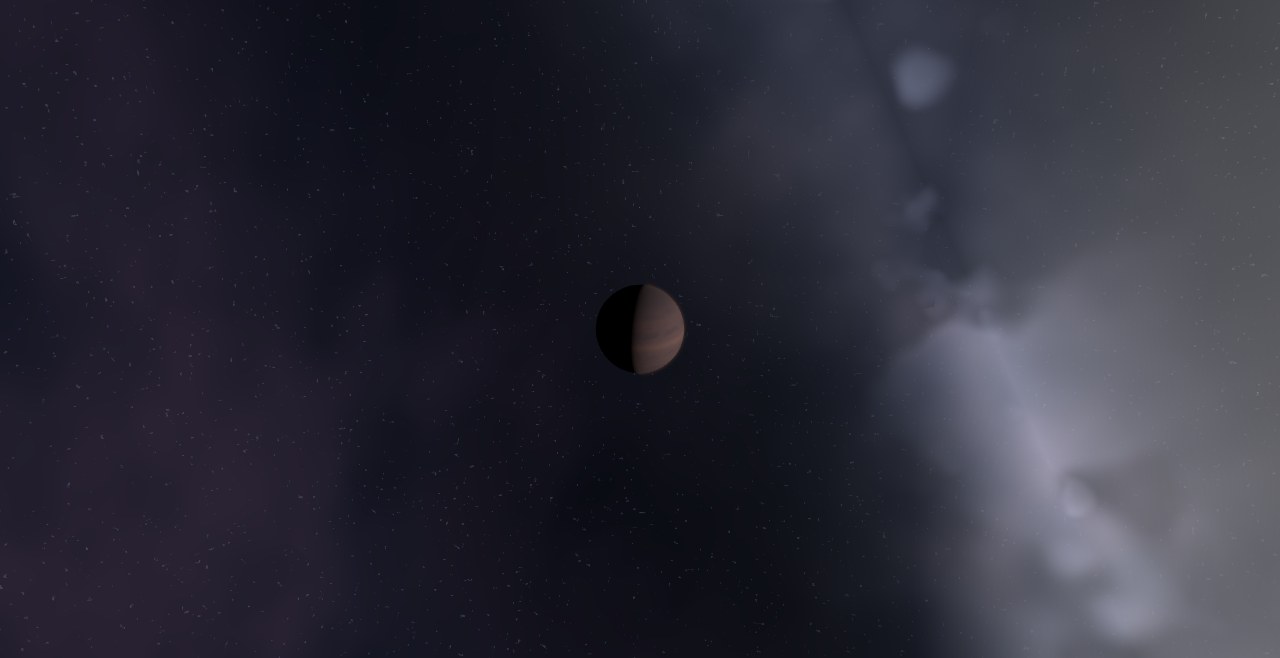
WASP-20, a Sun-like G-type star of 1.20 solar masses, and WASP-20 b, a planet with 15.5 Earth radii, and an equilibrium temperature near 1,362 K.
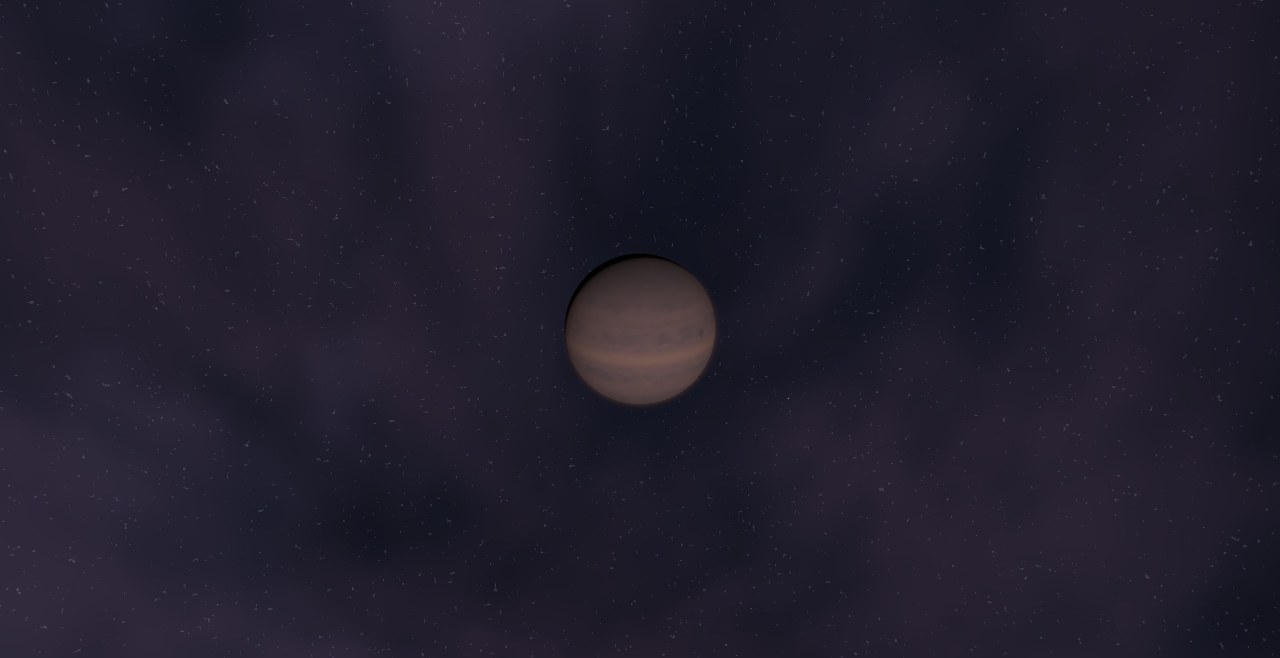
WASP-21, a Sun-like G-type star of 1.01 solar masses, and WASP-21 b, a 0.30-Jupiter-mass companion, with an orbital period of 4.3 days, at 0.052 AU from its star.
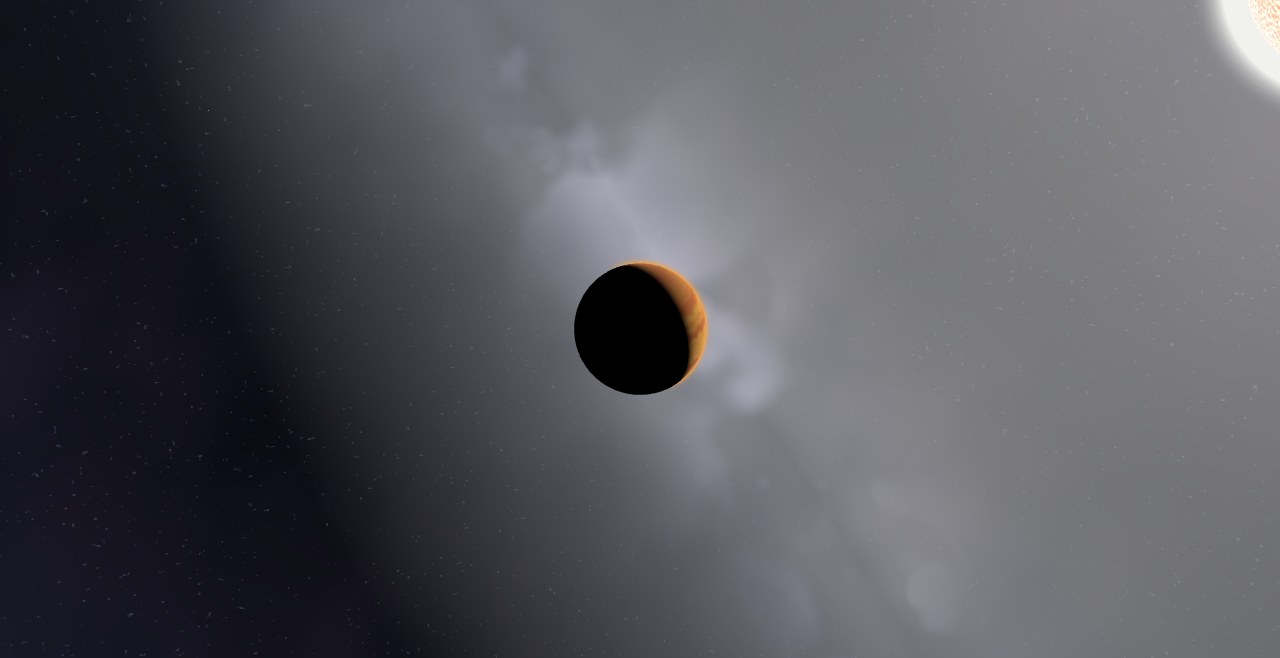
WASP-22, a Sun-like F-type star of 1.46 solar masses, and WASP-22 b, a 0.67-Jupiter-mass companion, with an orbital period of 3.5 days.
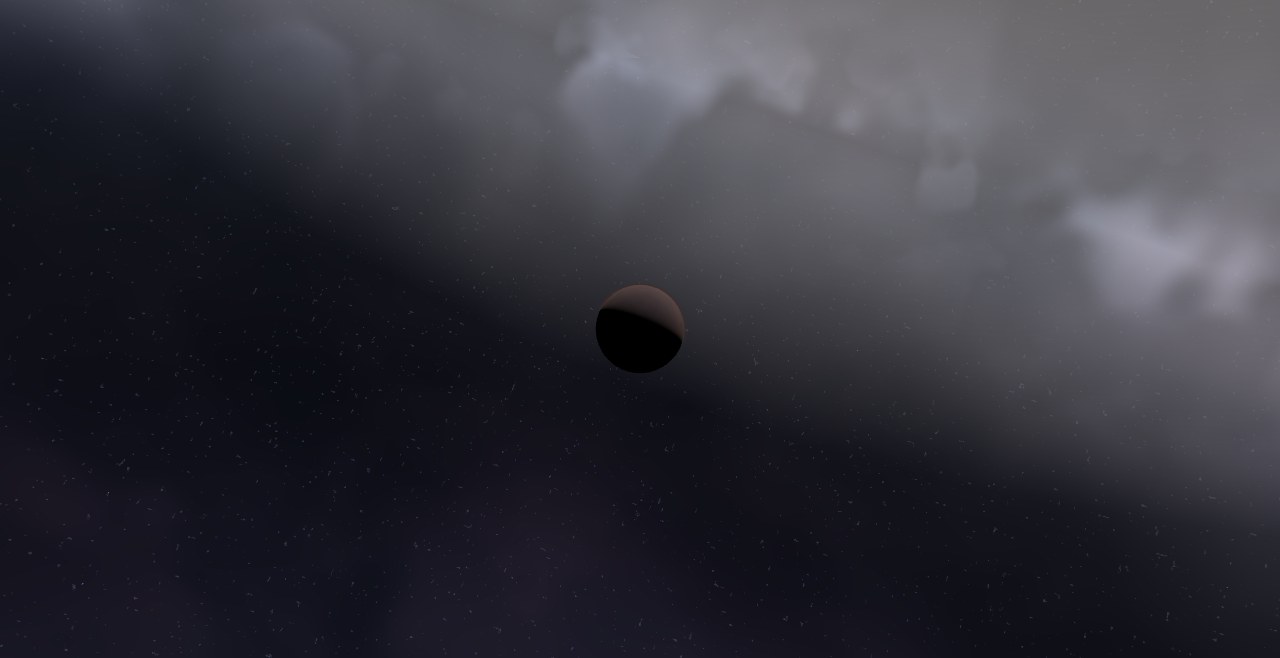
WASP-23, an orange K-type dwarf of 0.78 solar masses, and WASP-23 b, a 0.88-Jupiter-mass companion, with an orbital period of 2.9 days, at 0.038 AU from its star, on an eccentric orbit (e ≈ 0.06).
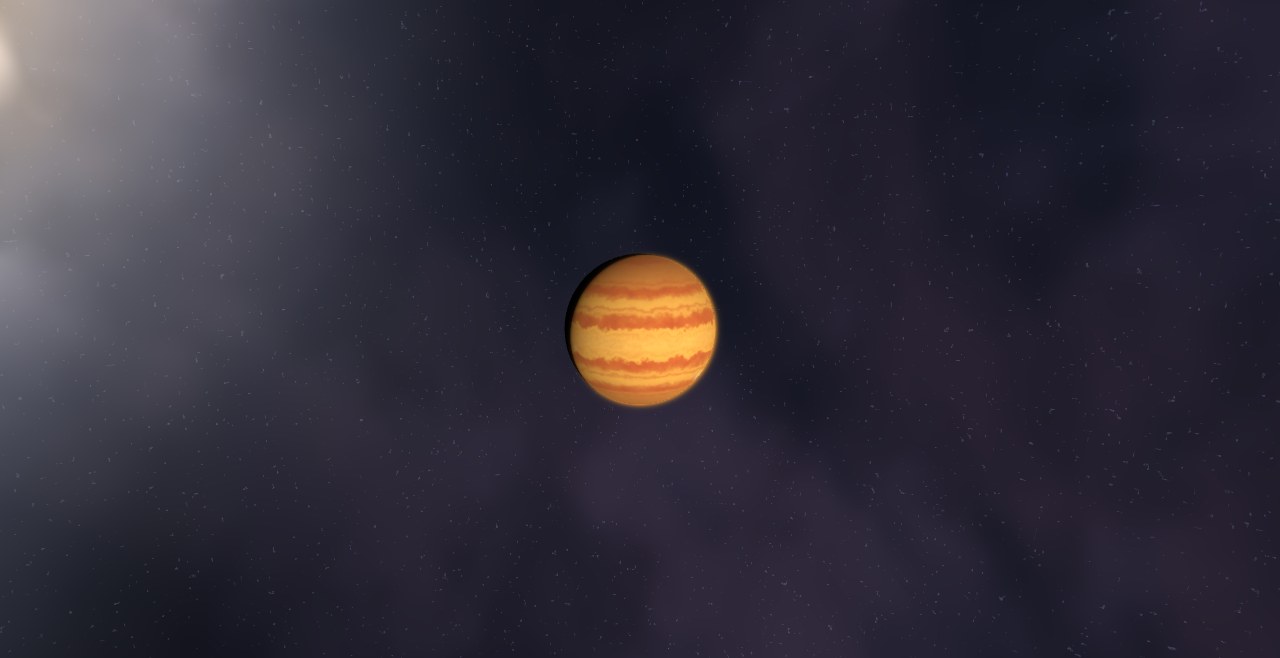
WASP-24, a Sun-like F-type star of 1.43 solar masses, and WASP-24 b, a 1.24-Jupiter-mass companion, with an orbital period of 2.3 days.
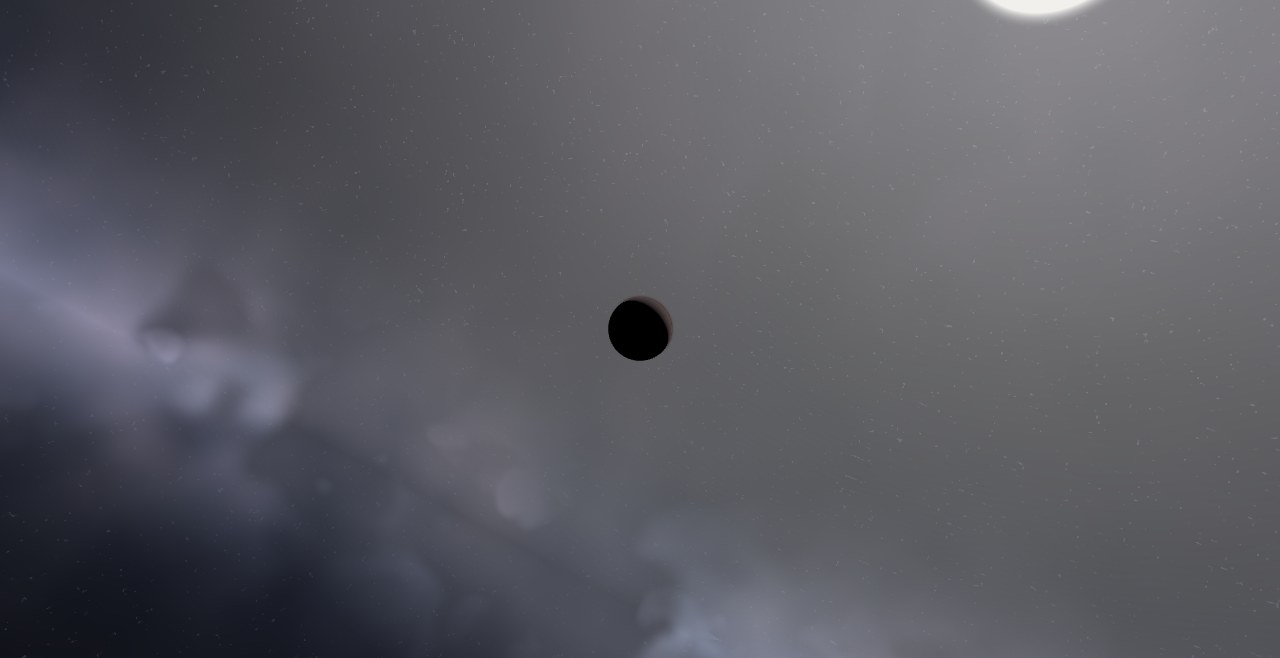
WASP-25, a Sun-like G-type star of 0.96 solar masses, and WASP-25 b, a 0.56-Jupiter-mass companion, with an orbital period of 3.8 days, and an equilibrium temperature near 1,217 K.
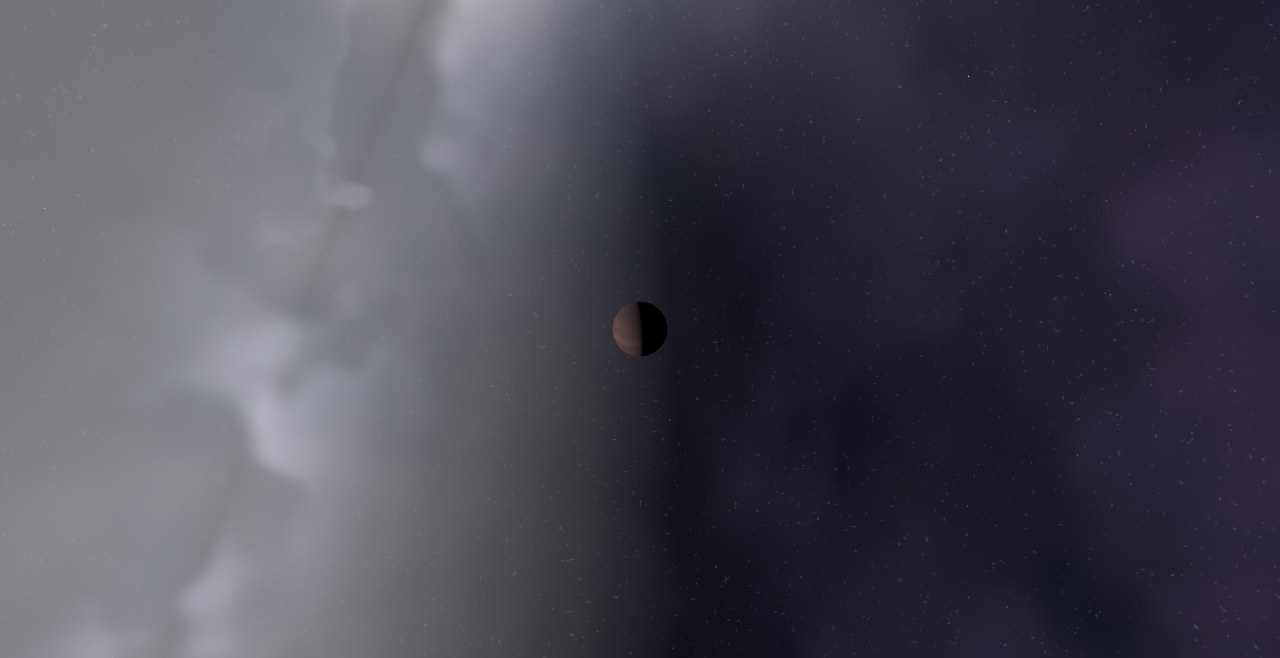
WASP-26, a Sun-like F-type star of 0.86 solar masses, and WASP-26 b, a 0.85-Jupiter-mass companion, with an orbital period of 2.8 days.
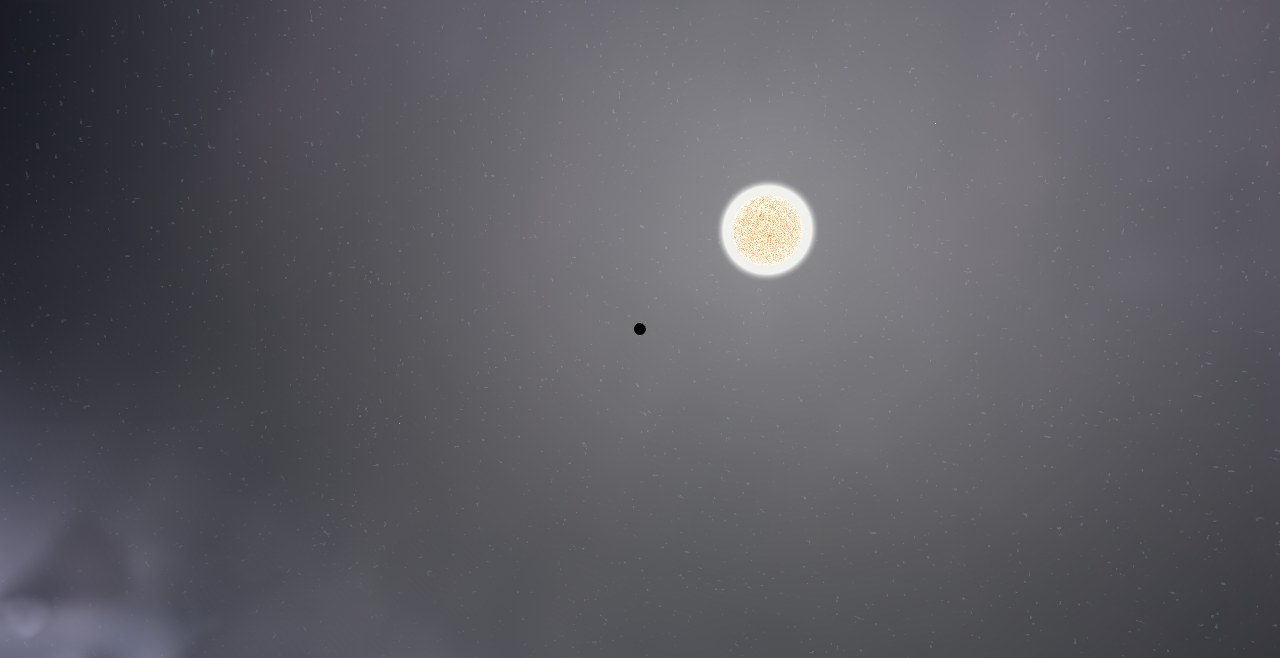
WASP-28, a Sun-like F-type star of 0.99 solar masses, and WASP-28 b, a 0.89-Jupiter-mass companion, with an orbital period of 3.4 days, at 0.044 AU from its star, and an equilibrium temperature near 1,456 K.
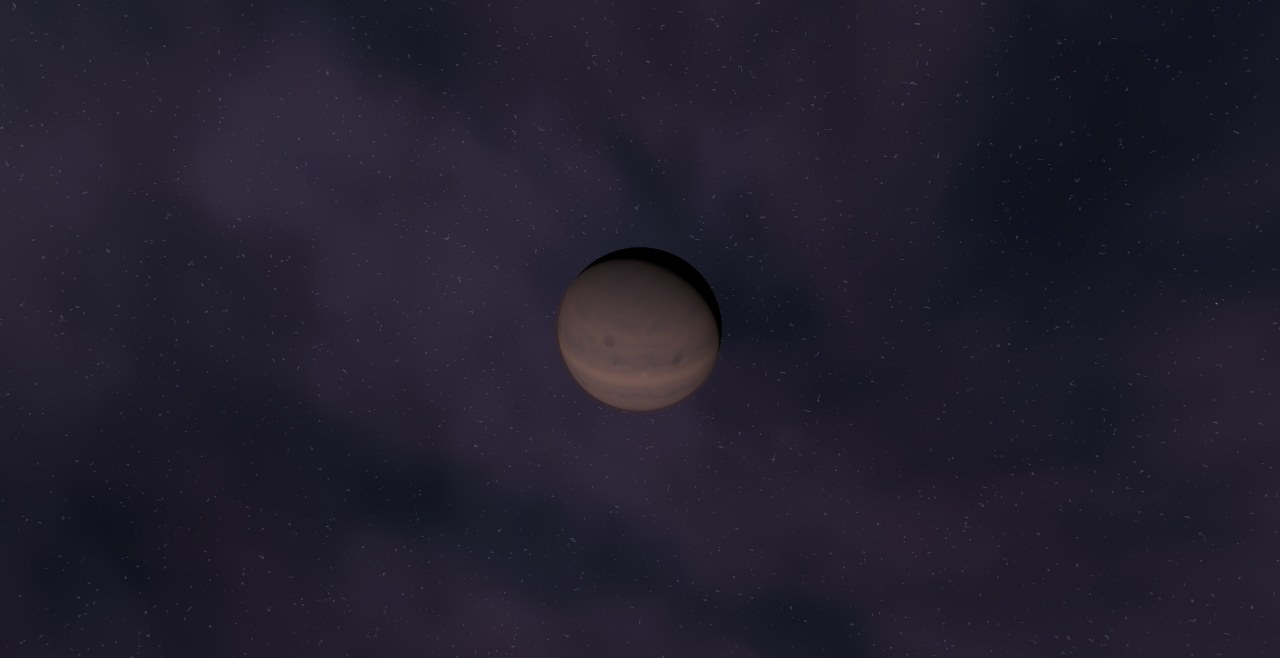
WASP-29, an orange K-type dwarf of 0.77 solar masses, and WASP-29 b, a 0.23-Jupiter-mass companion, with an orbital period of 3.9 days.
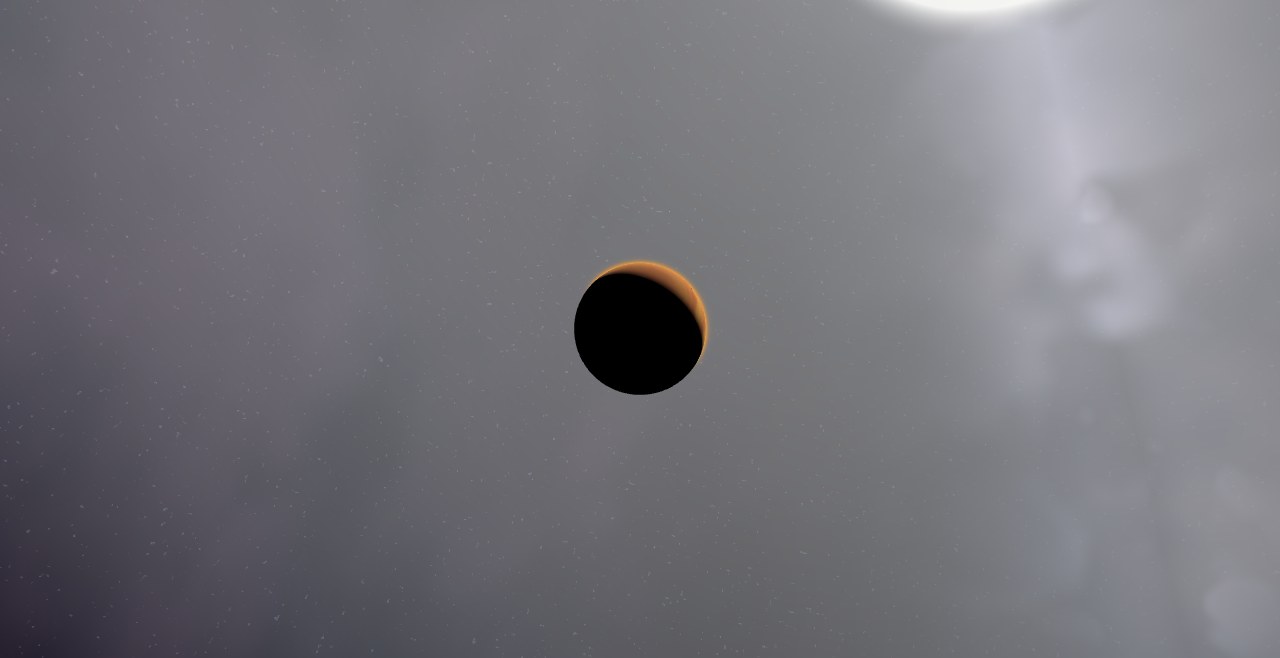
WASP-3, a Sun-like F-type star of 1.62 solar masses, and WASP-3 b, a 2.43-Jupiter-mass companion, with an orbital period of 1.8 days.
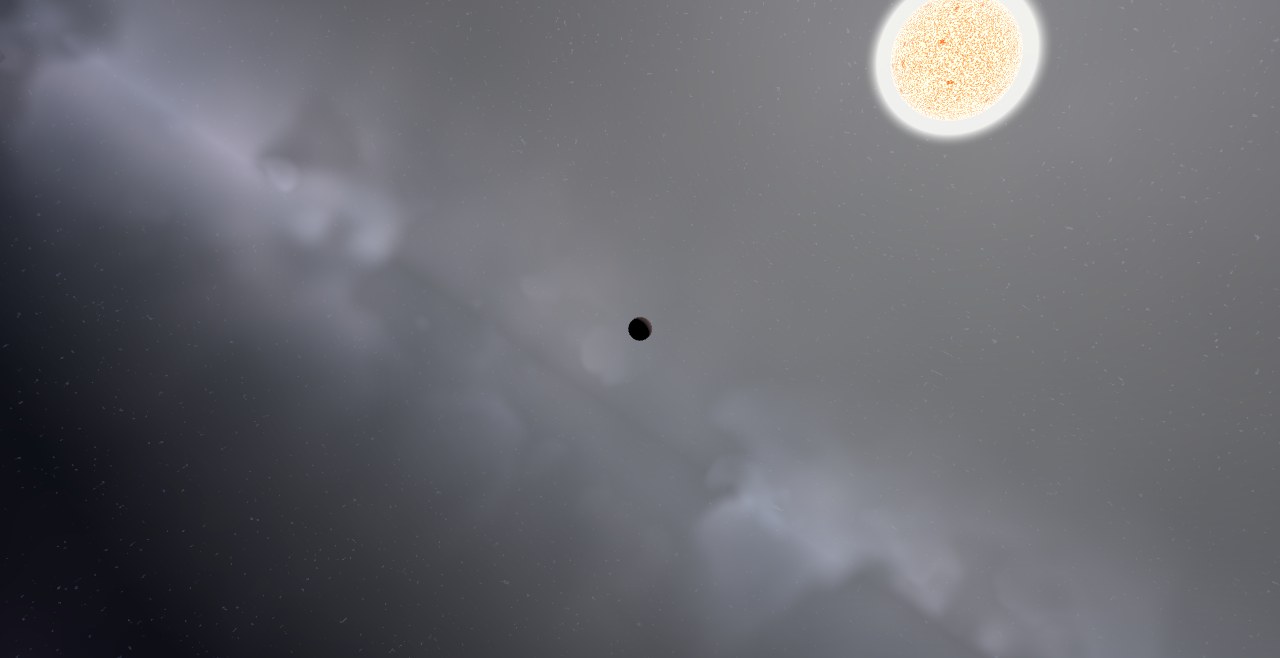
WASP-31, a Sun-like F-type star of 1.16 solar masses, and WASP-31 b, a 0.48-Jupiter-mass companion, with an orbital period of 3.4 days, at 0.047 AU from its star.
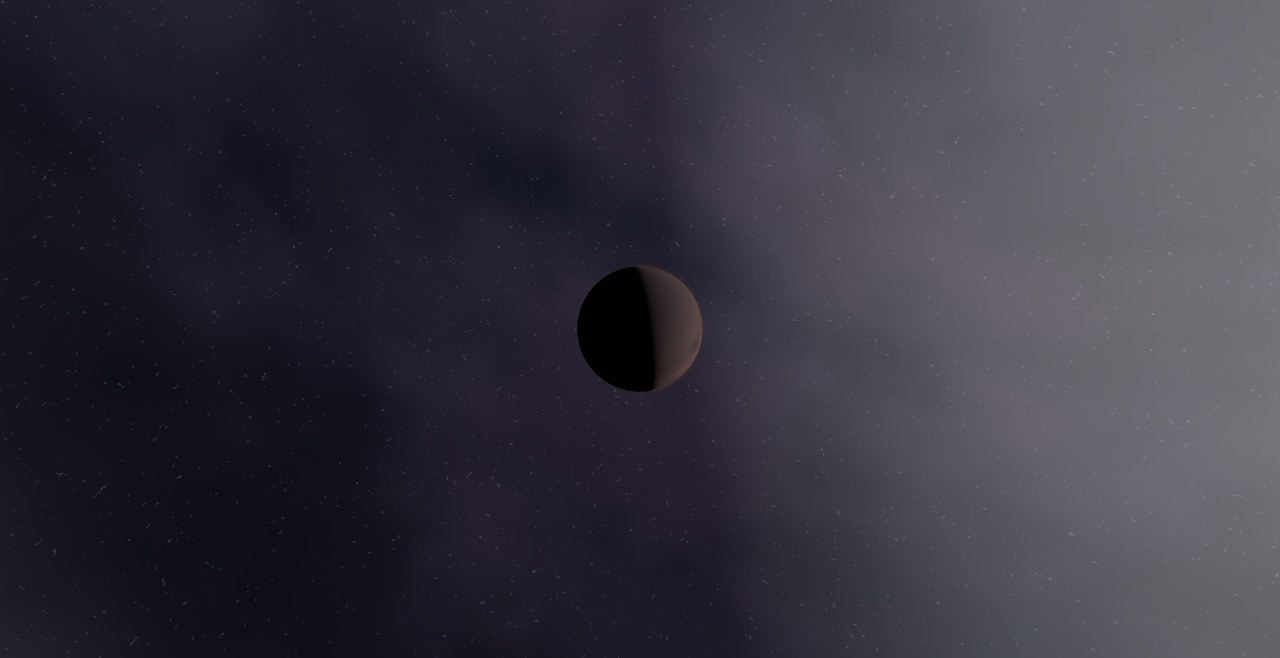
WASP-32, a Sun-like F-type star of 0.72 solar masses, and WASP-32 b, a 2.63-Jupiter-mass companion, with an orbital period of 2.7 days.
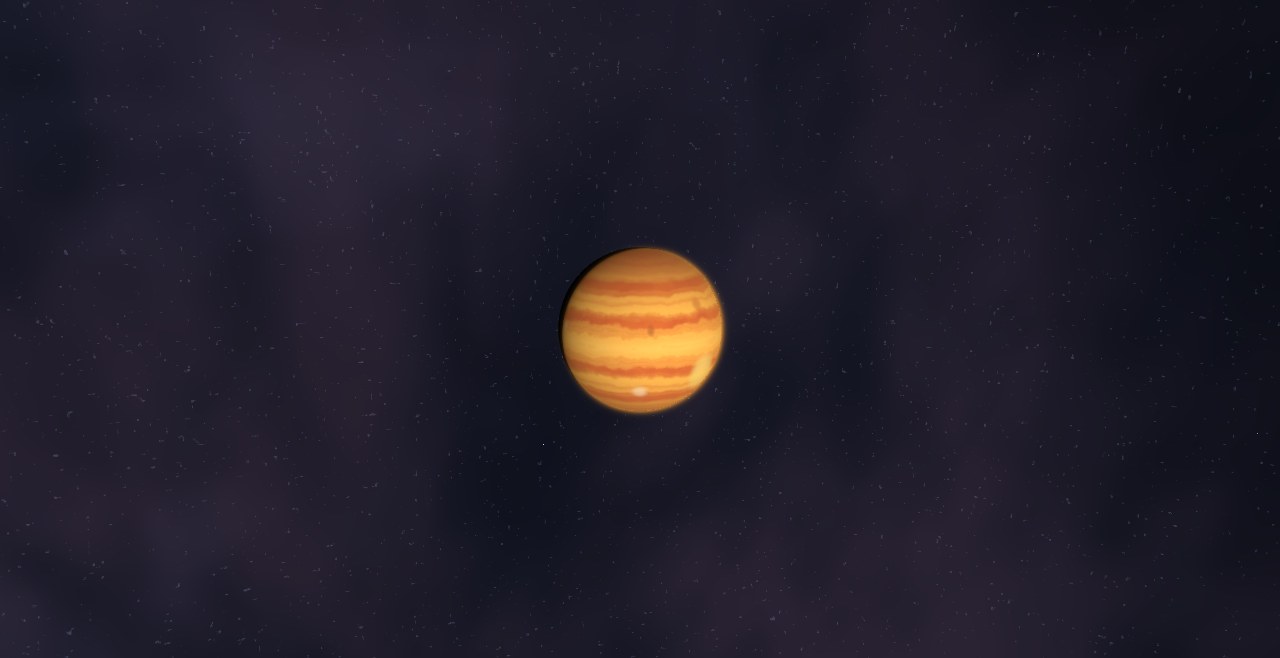
WASP-33 b, a retrograde hot Jupiter around a pulsating A-type star. The planet and the star's vibrations perturb each other every orbit. The orbit is retrograde relative to the star's spin.
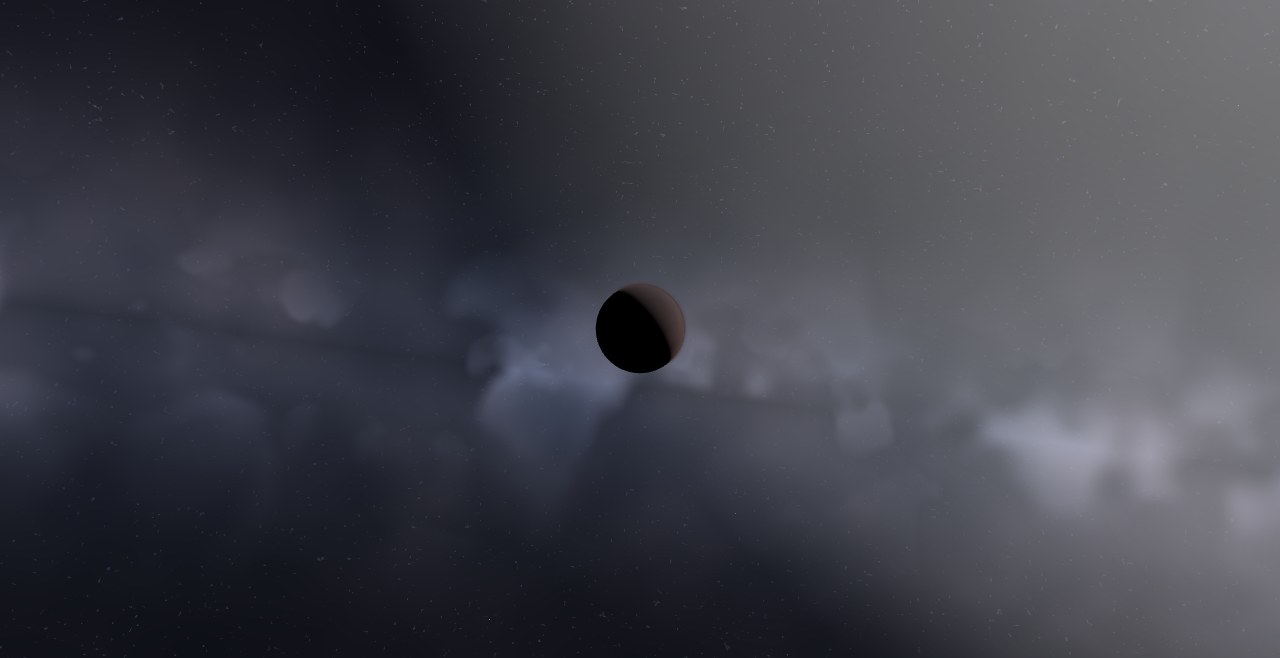
WASP-34, a Sun-like G-type star of 0.96 solar masses, and WASP-34 b, a 0.56-Jupiter-mass companion, with an orbital period of 4.3 days.
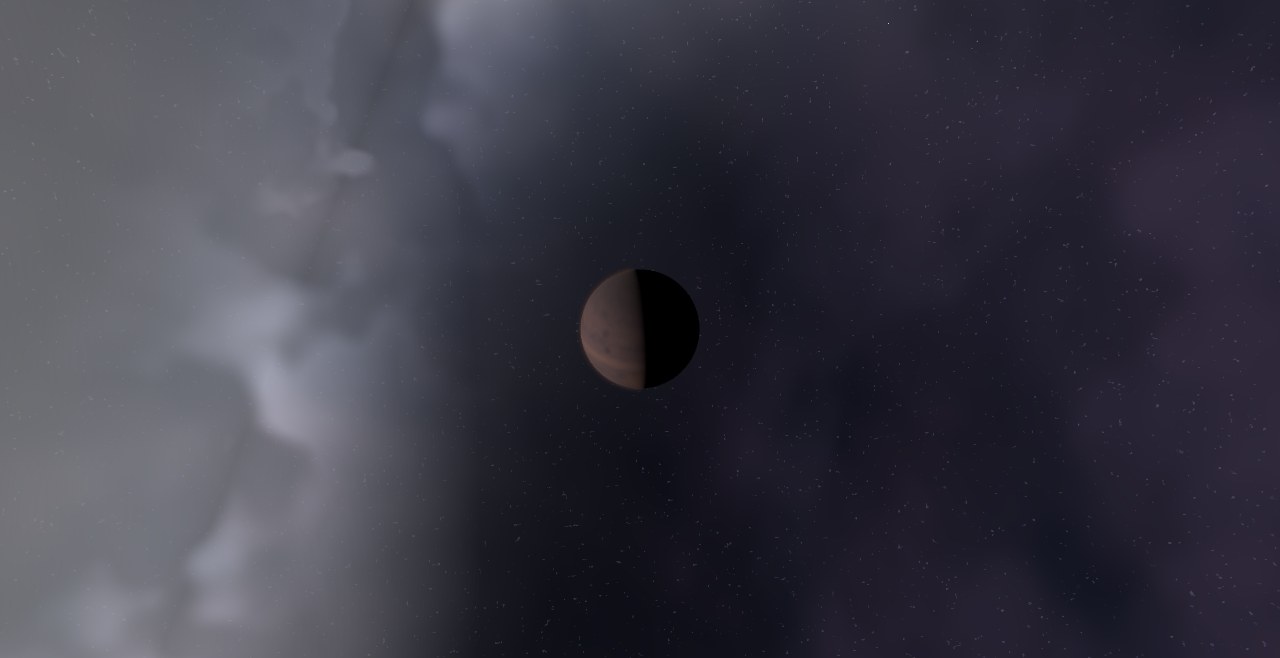
WASP-35, a Sun-like G-type star of 1.05 solar masses, and WASP-35 b, a 0.71-Jupiter-mass companion, with an orbital period of 3.2 days.