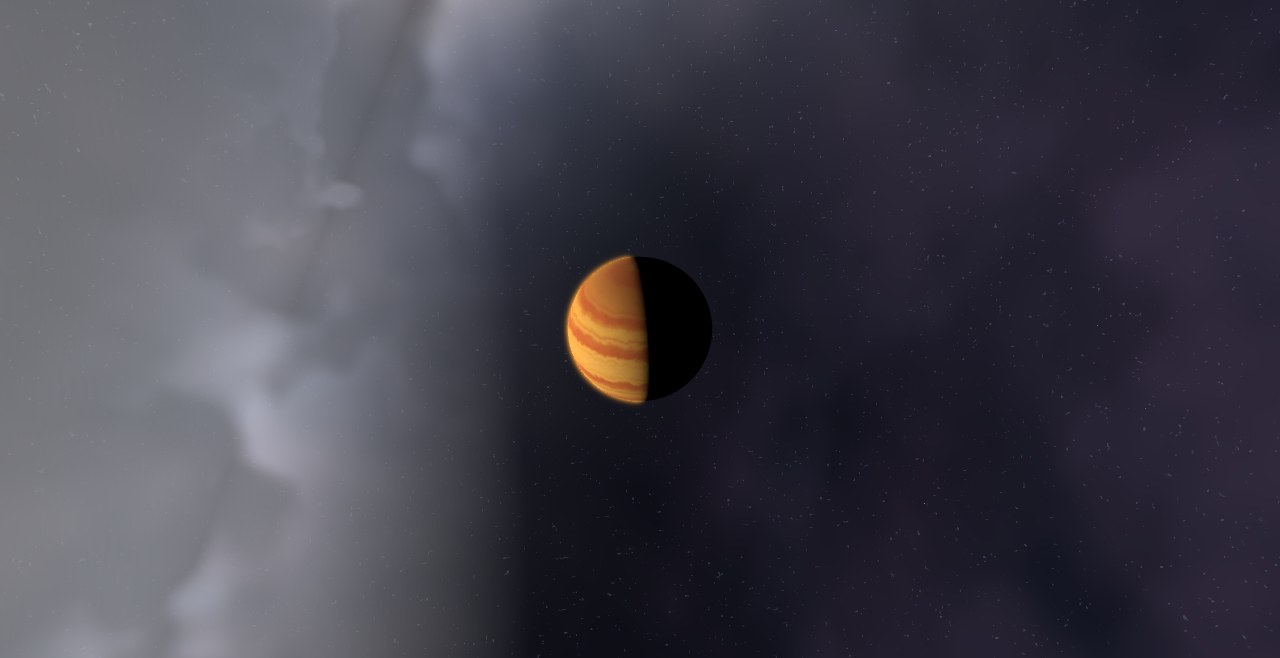
HAT-P-64 - System
HAT-P-64, a Sun-like F-type star of 1.30 solar masses, and HAT-P-64 b, a 0.58-Jupiter-mass companion, with an orbital period of 4.0 days, at 0.054 AU from its star, and an equilibrium temperature near 1,766 K.
Exoplanets
Analyze isolated alien worlds orbiting a singular host star to observe basic orbital parameters, tidal locks, and planetary eccentricities.
Share
HAT-P-64, a Sun-like F-type star of 1.30 solar masses, and HAT-P-64 b, a 0.58-Jupiter-mass companion, with an orbital period of 4.0 days, at 0.054 AU from its star, and an equilibrium temperature near 1,766 K.
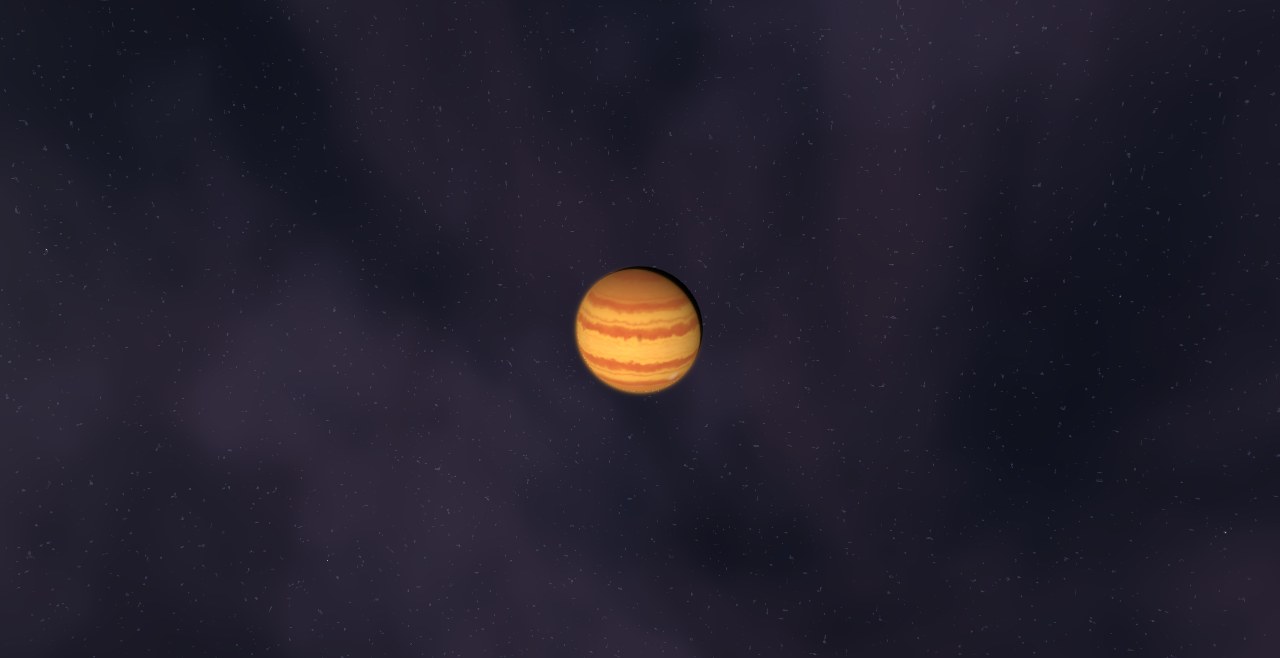
HAT-P-65, a Sun-like G-type star of 1.30 solar masses, and HAT-P-65 b, a 0.55-Jupiter-mass companion, with an orbital period of 2.6 days, at 0.040 AU from its star, and an equilibrium temperature near 1,818 K.
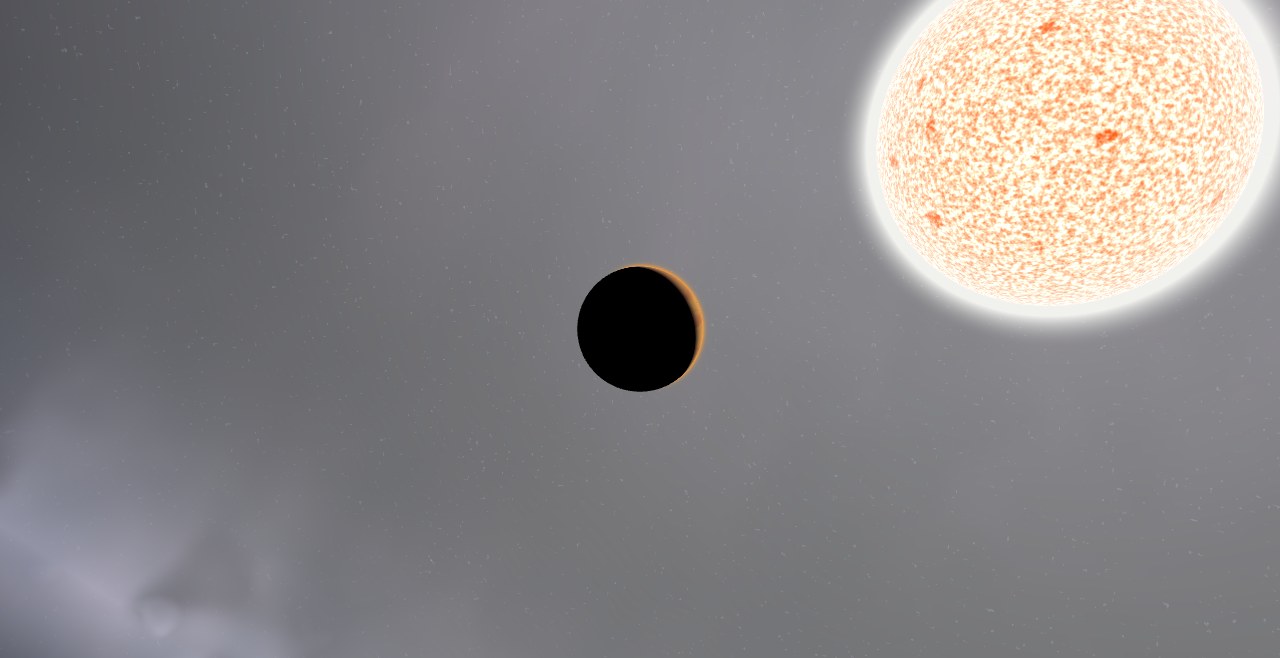
HAT-P-66, a Sun-like G-type star of 1.25 solar masses, and HAT-P-66 b, a 0.78-Jupiter-mass companion, with an orbital period of 3.0 days, at 0.044 AU from its star, and an equilibrium temperature near 1,896 K.
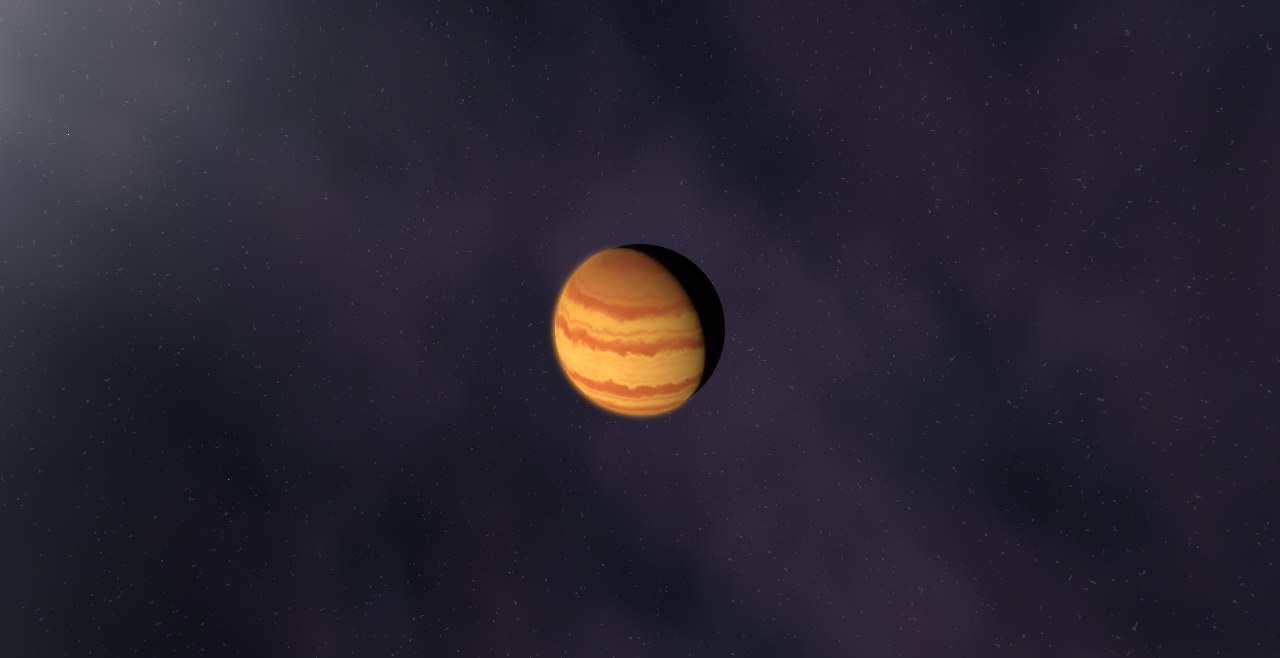
HAT-P-67, a Sun-like F-type star of 1.73 solar masses, and HAT-P-67 b, a 0.45-Jupiter-mass companion, with an orbital period of 4.8 days.
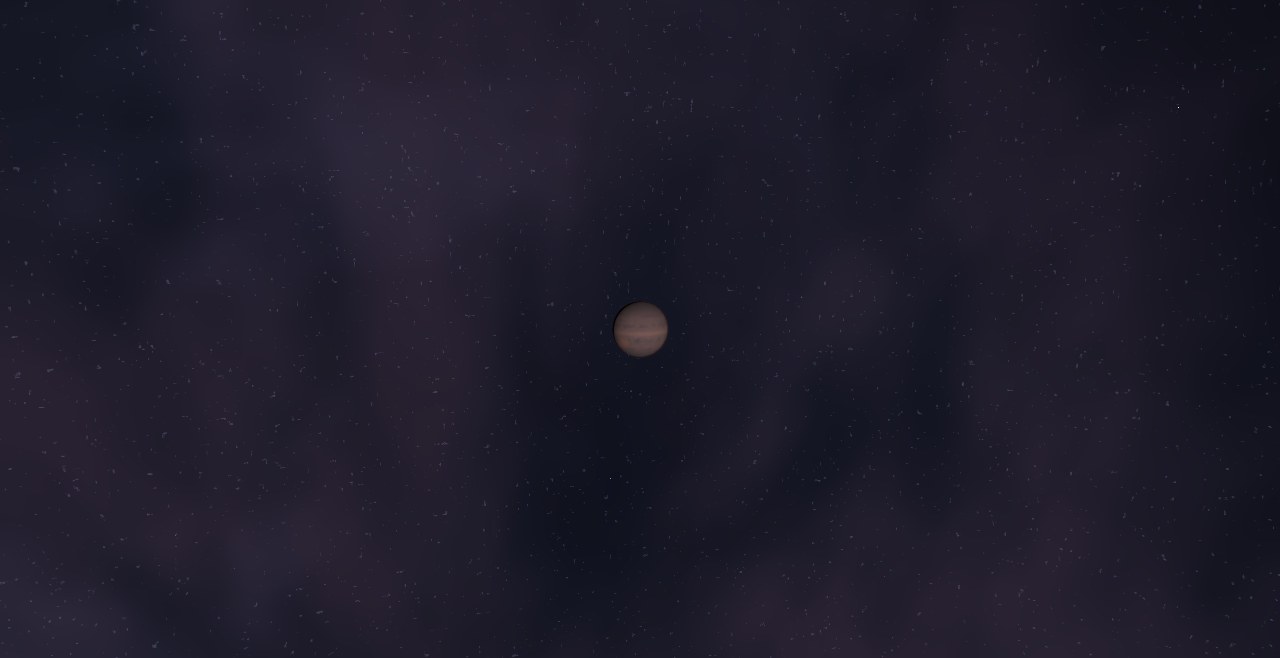
HAT-P-68, an orange K-type dwarf of 0.68 solar masses, and HAT-P-68 b, a 0.72-Jupiter-mass companion, with an orbital period of 2.3 days, at 0.030 AU from its star, and an equilibrium temperature near 1,028 K.
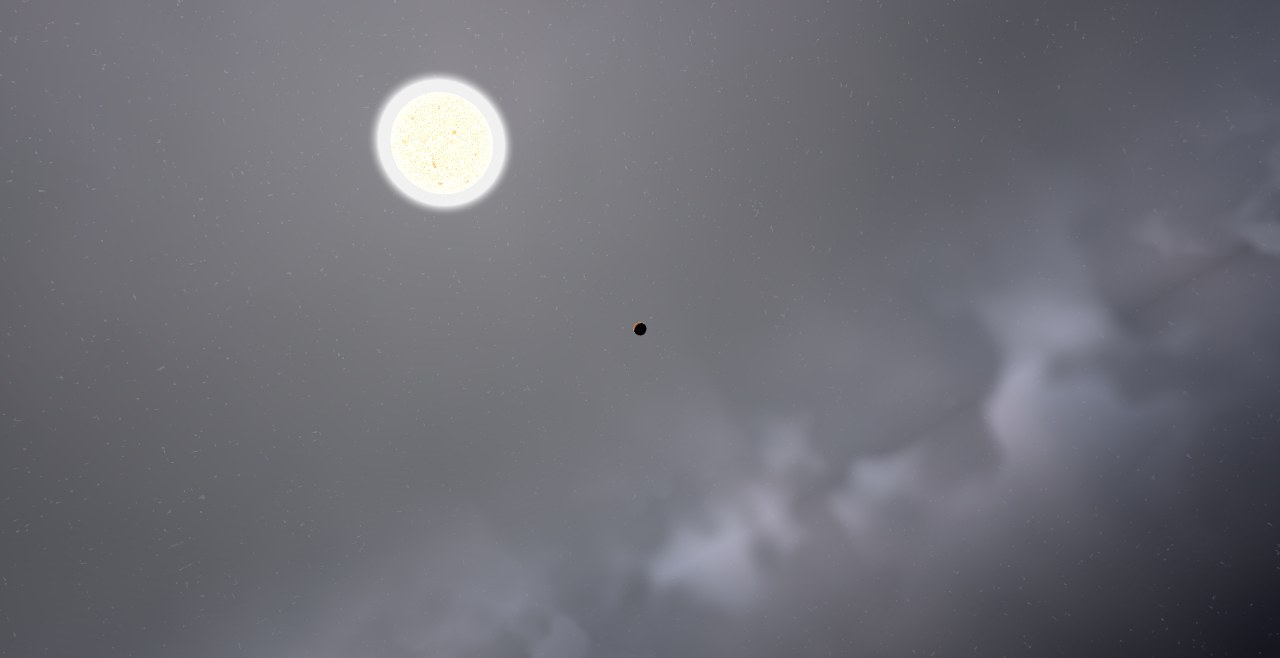
HAT-P-69, a Sun-like F-type star of 1.65 solar masses, and HAT-P-69 b, a 3.58-Jupiter-mass companion, with an orbital period of 4.8 days, at 0.066 AU from its star, and an equilibrium temperature near 1,930 K.
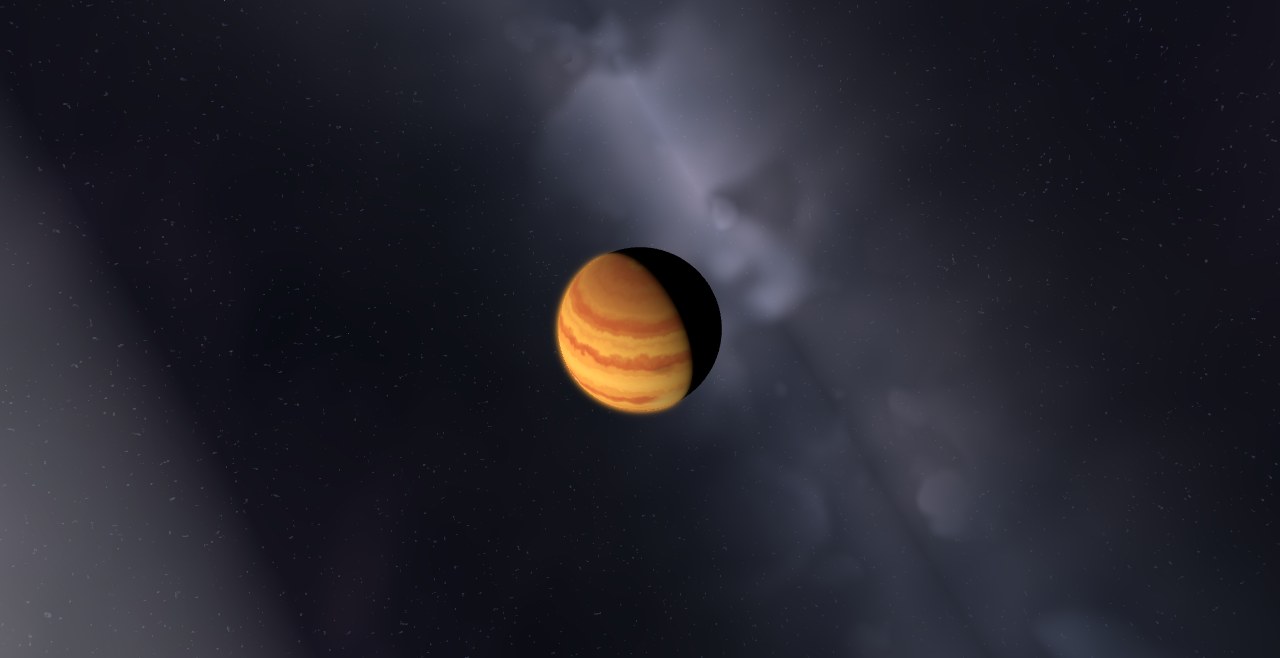
HAT-P-7 b, whose phase curve Kepler measured early on. This hot Jupiter is misaligned, and reflected light shifts as it orbits. The planet's orbit is retrograde relative to the star.
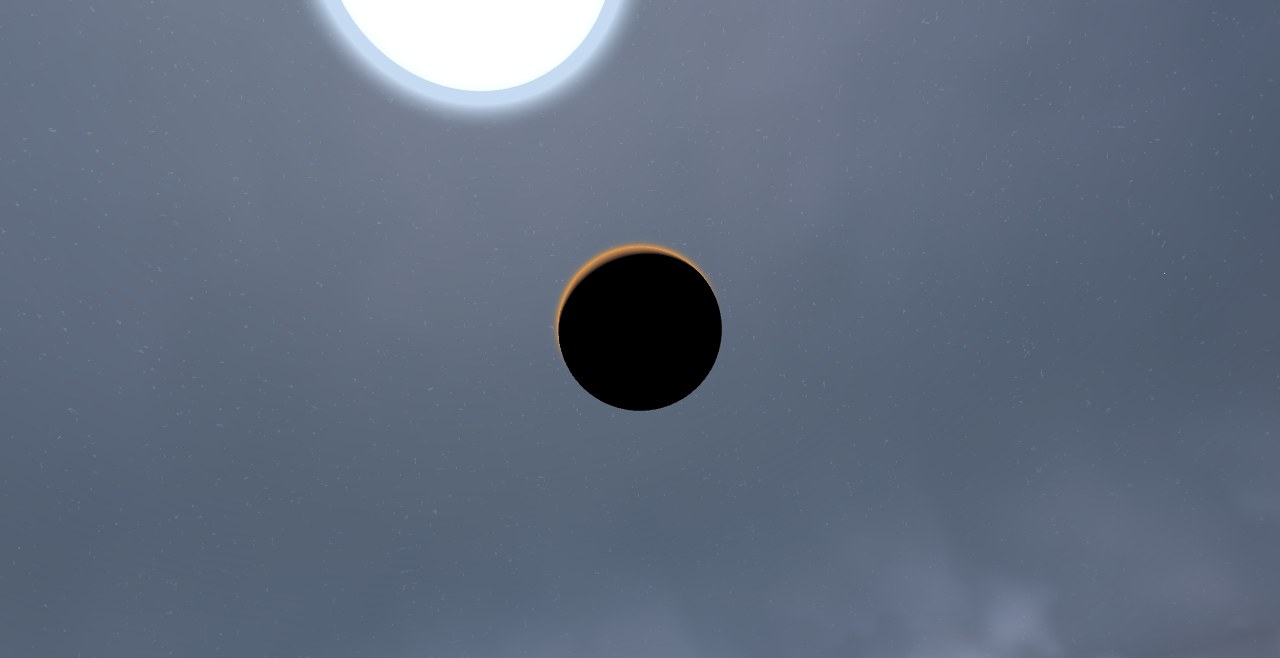
HAT-P-70, and HAT-P-70 b, a 6.78-Jupiter-mass companion, with an orbital period of 2.7 days, at 0.047 AU from its star, and an equilibrium temperature near 2,562 K.
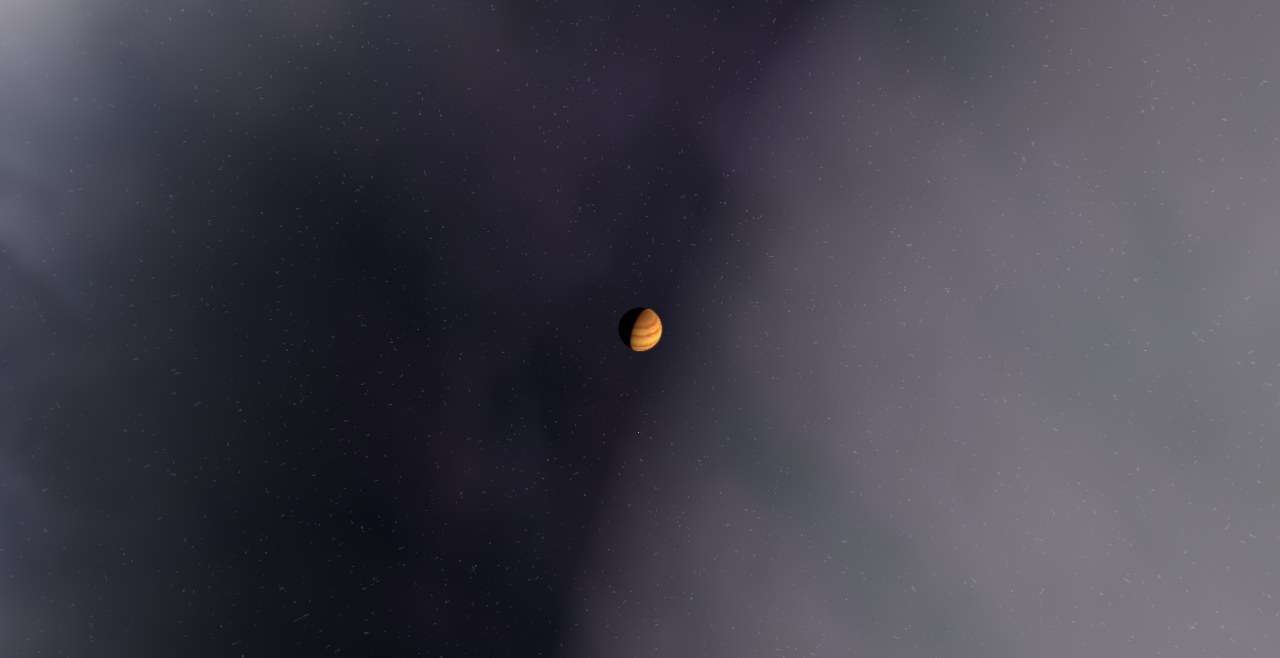
HAT-P-8, a Sun-like F-type star of 1.27 solar masses, and HAT-P-8 b, a 1.28-Jupiter-mass companion, with an orbital period of 3.1 days.
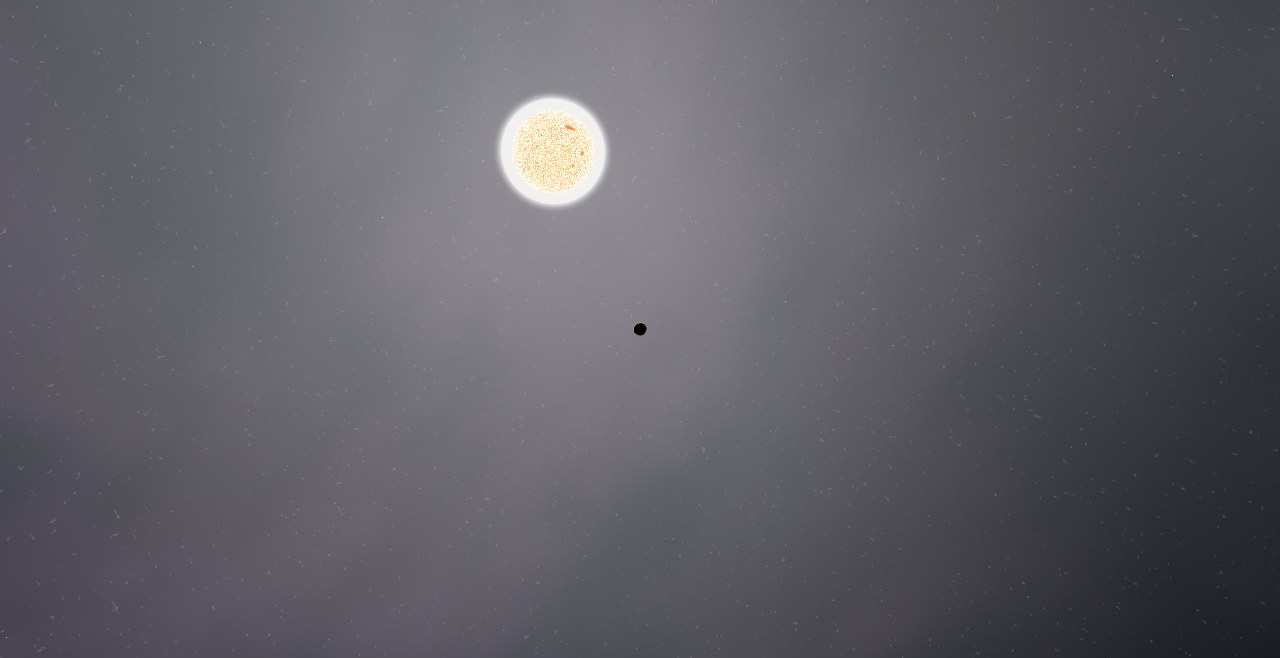
HAT-P-9, a Sun-like F-type star of 1.28 solar masses, and HAT-P-9 b, a 0.75-Jupiter-mass companion, with an orbital period of 3.9 days, at 0.053 AU from its star, and an equilibrium temperature near 1,540 K.
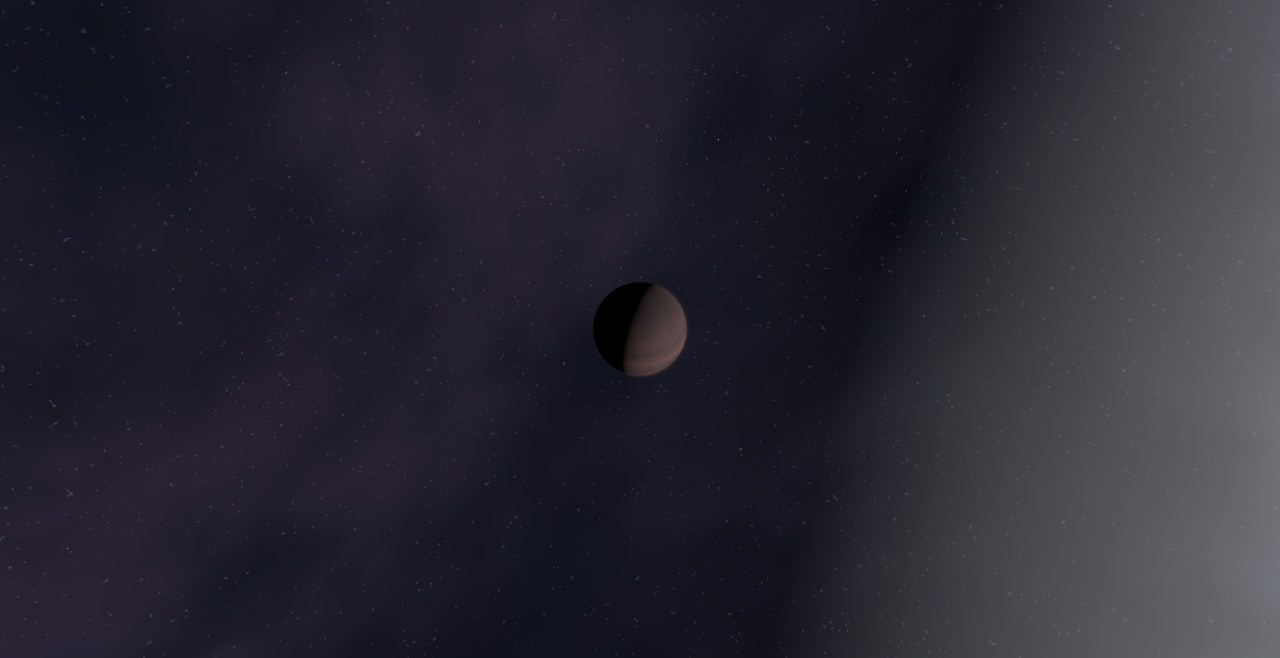
HATS-1, a Sun-like G-type star of 0.99 solar masses, and HATS-1 b, a 1.85-Jupiter-mass companion, with an orbital period of 3.4 days, at 0.044 AU from its star, and an equilibrium temperature near 1,359 K.
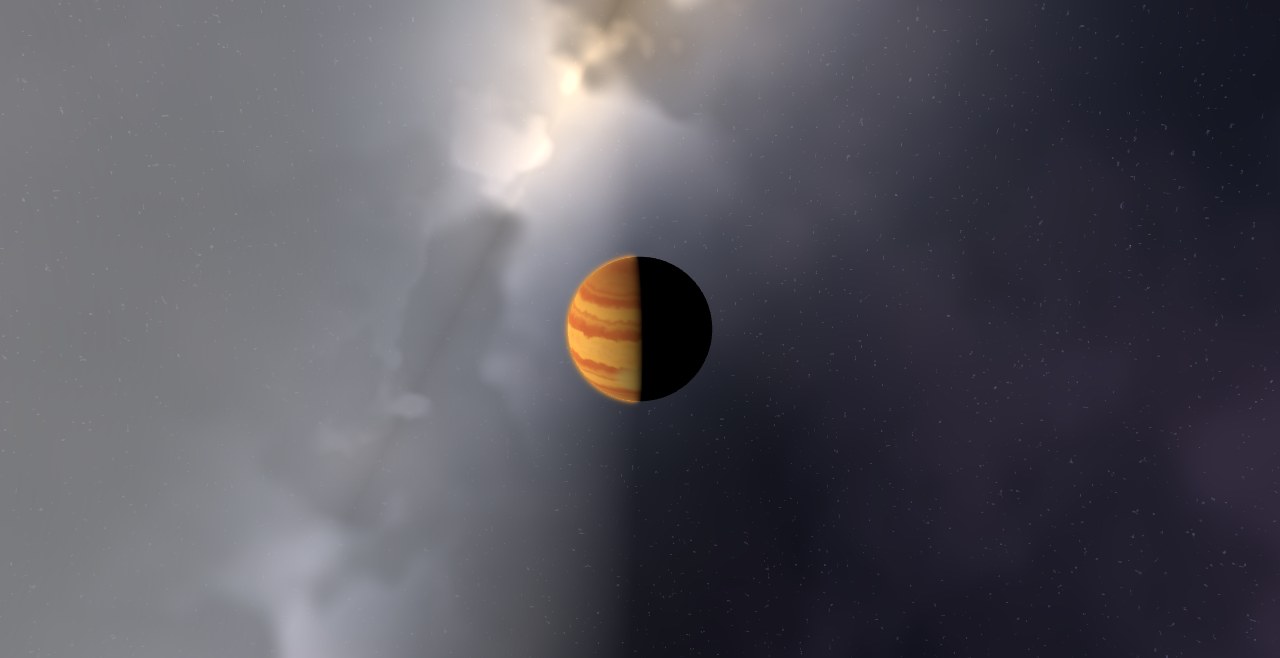
HATS-10, a Sun-like G-type star of 1.10 solar masses, and HATS-10 b, a 0.53-Jupiter-mass companion, with an orbital period of 3.3 days, at 0.045 AU from its star, and an equilibrium temperature near 1,407 K.
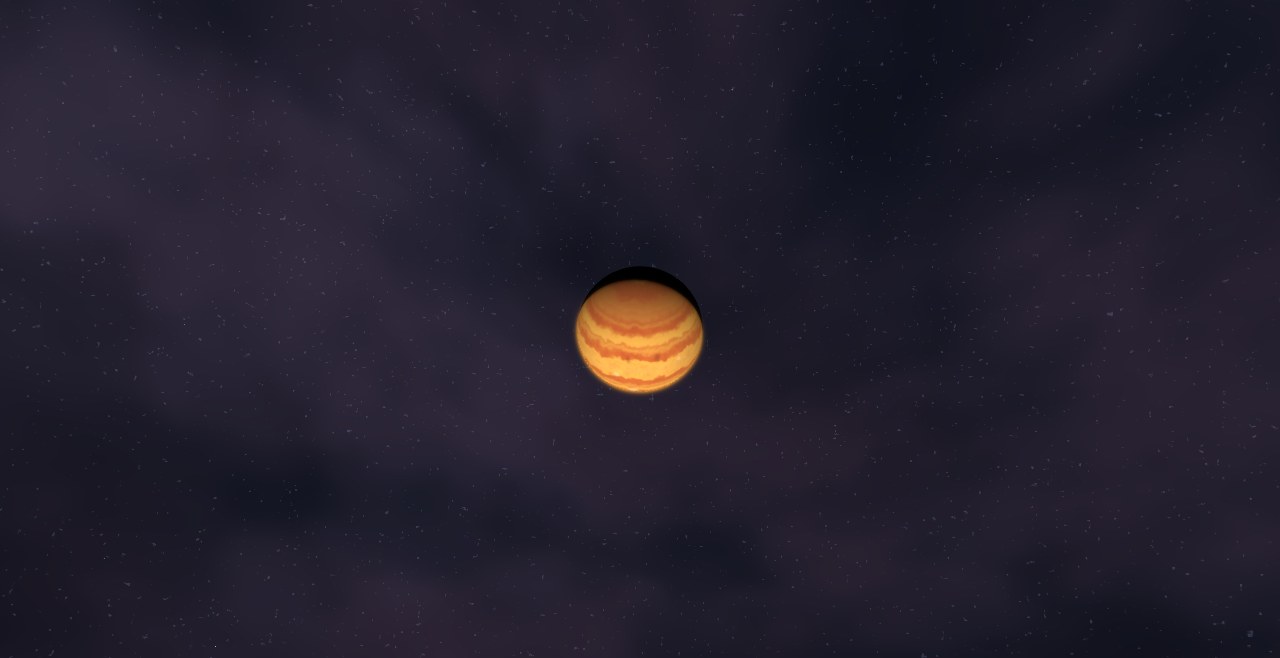
HATS-11, a Sun-like F-type star of 1.33 solar masses, and HATS-11 b, a planet with 18.0 Earth radii, with an orbital period of 3.6 days, at 0.051 AU from its star, and an equilibrium temperature near 1,596 K.
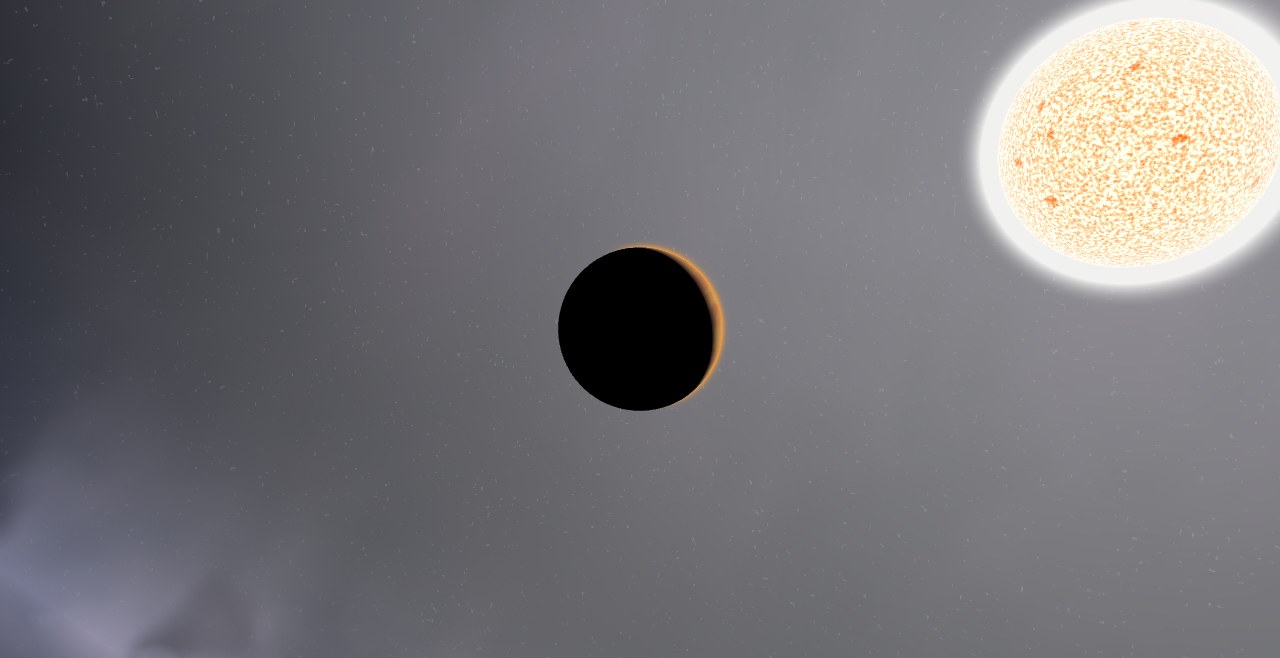
HATS-12, a Sun-like F-type star of 1.16 solar masses, and HATS-12 b, a planet with 7.8 Earth radii, with an orbital period of 3.1 days, at 0.044 AU from its star, and an equilibrium temperature near 1,446 K.
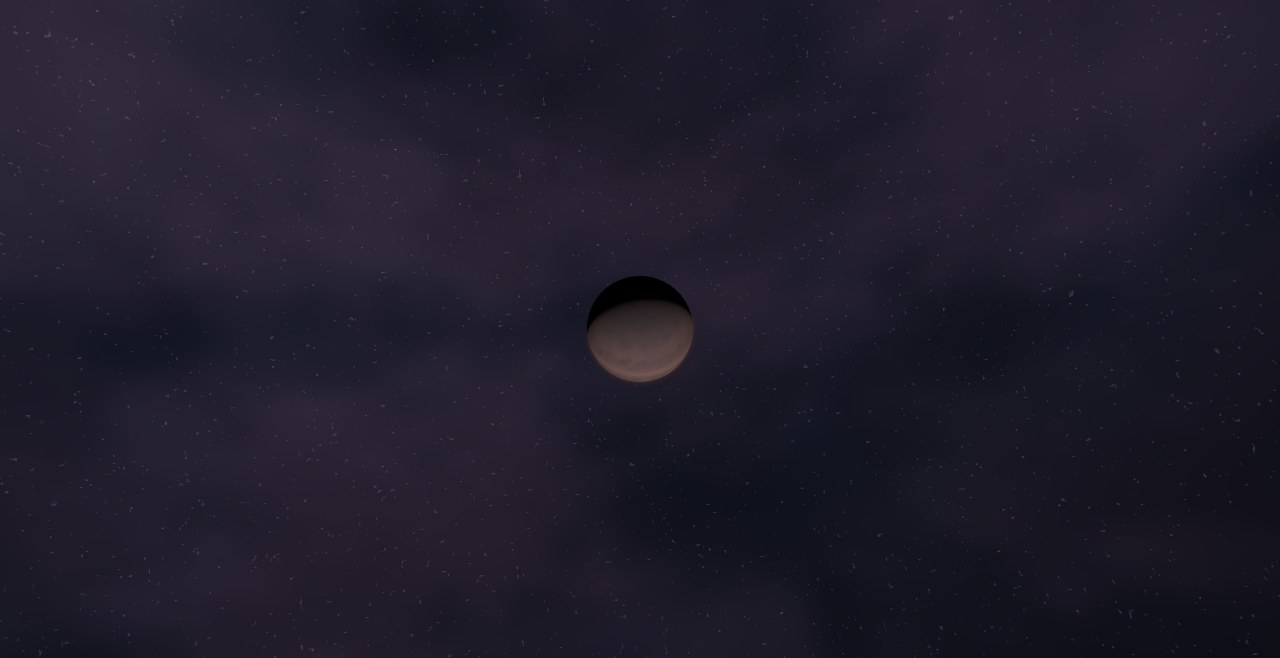
HATS-13, a Sun-like G-type star of 0.96 solar masses, and HATS-13 b, a 0.54-Jupiter-mass companion, with an orbital period of 3.0 days, at 0.041 AU from its star, and an equilibrium temperature near 1,244 K.
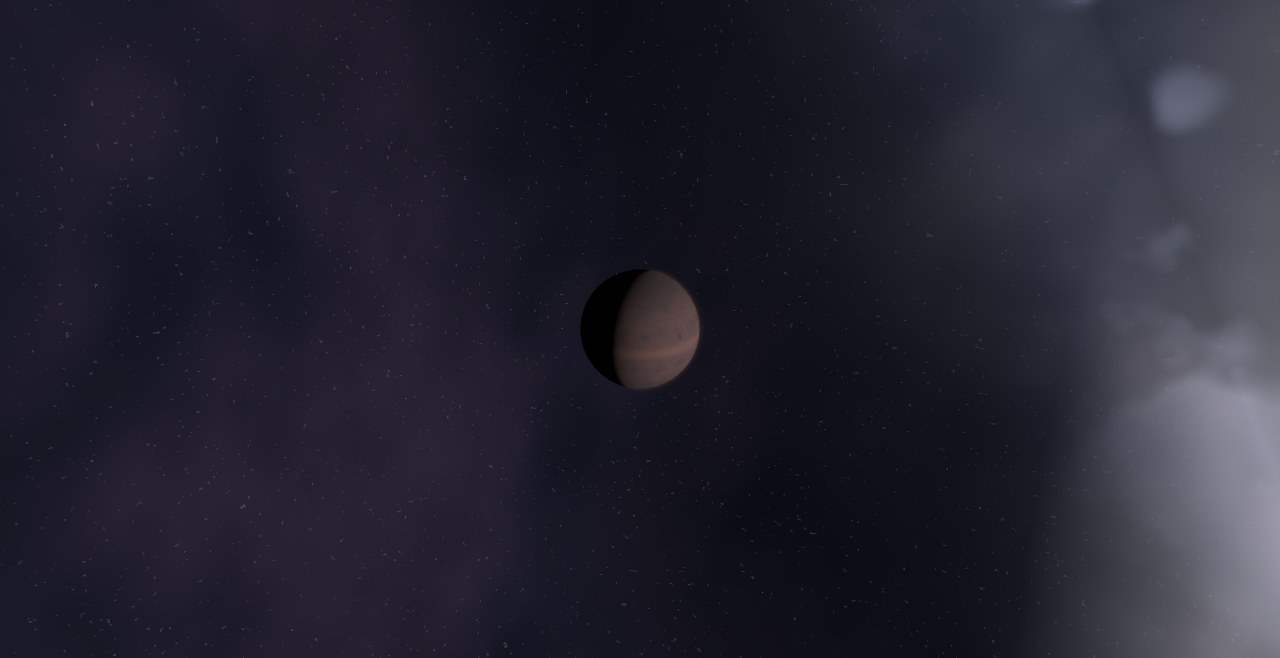
HATS-14, a Sun-like G-type star of 0.97 solar masses, and HATS-14 b, a 1.07-Jupiter-mass companion, with an orbital period of 2.8 days, at 0.038 AU from its star, and an equilibrium temperature near 1,276 K.
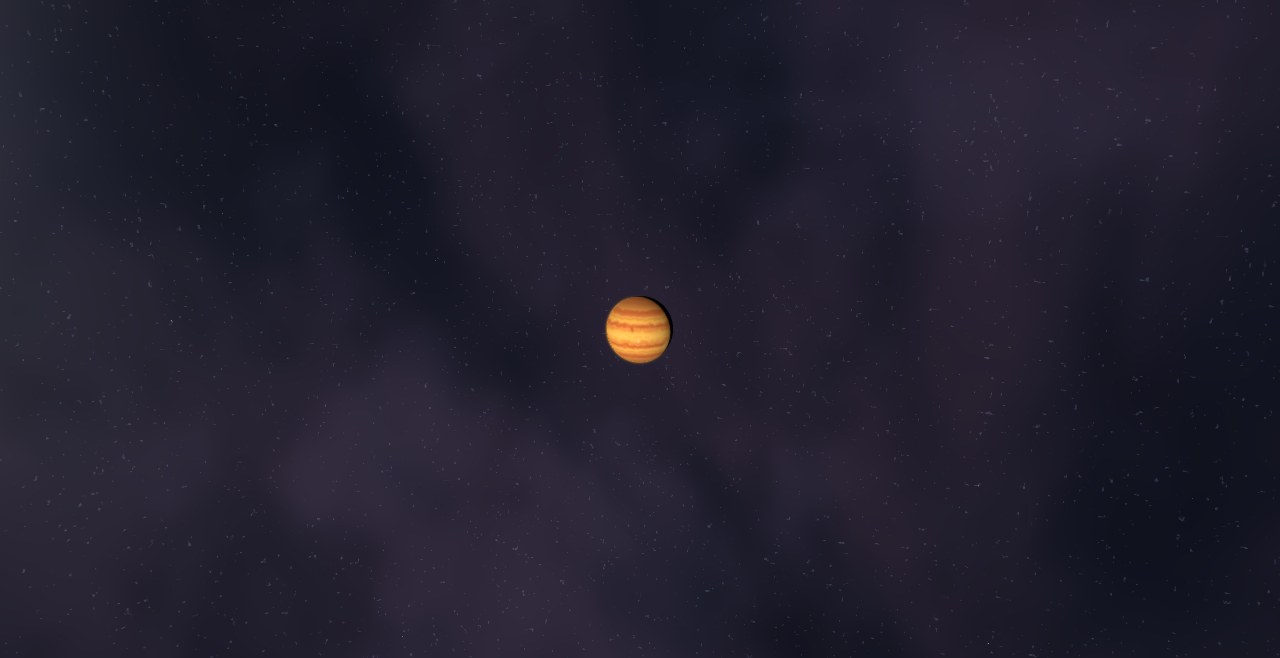
HATS-15, a Sun-like G-type star of 0.87 solar masses, and HATS-15 b, a 2.17-Jupiter-mass companion, with an orbital period of 1.7 days, at 0.027 AU from its star, and an equilibrium temperature near 1,505 K.
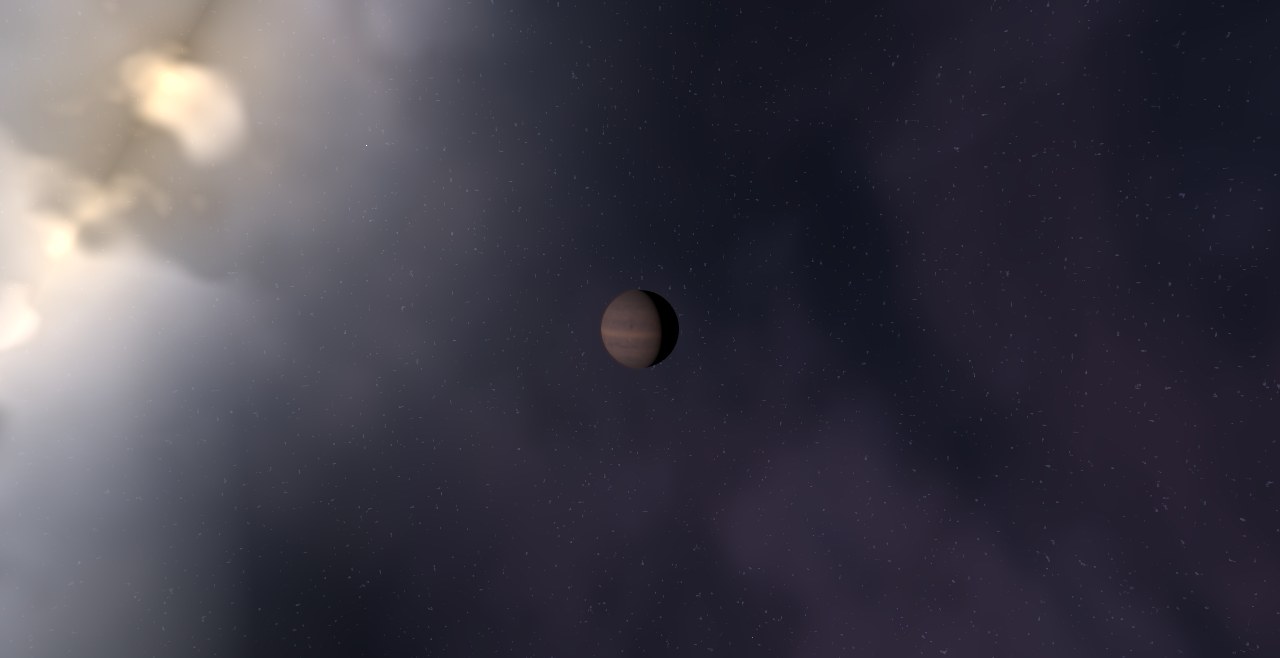
HATS-16, a Sun-like G-type star of 0.97 solar masses, and HATS-16 b, a 3.27-Jupiter-mass companion, with an orbital period of 2.7 days, at 0.037 AU from its star, and an equilibrium temperature near 1,592 K.