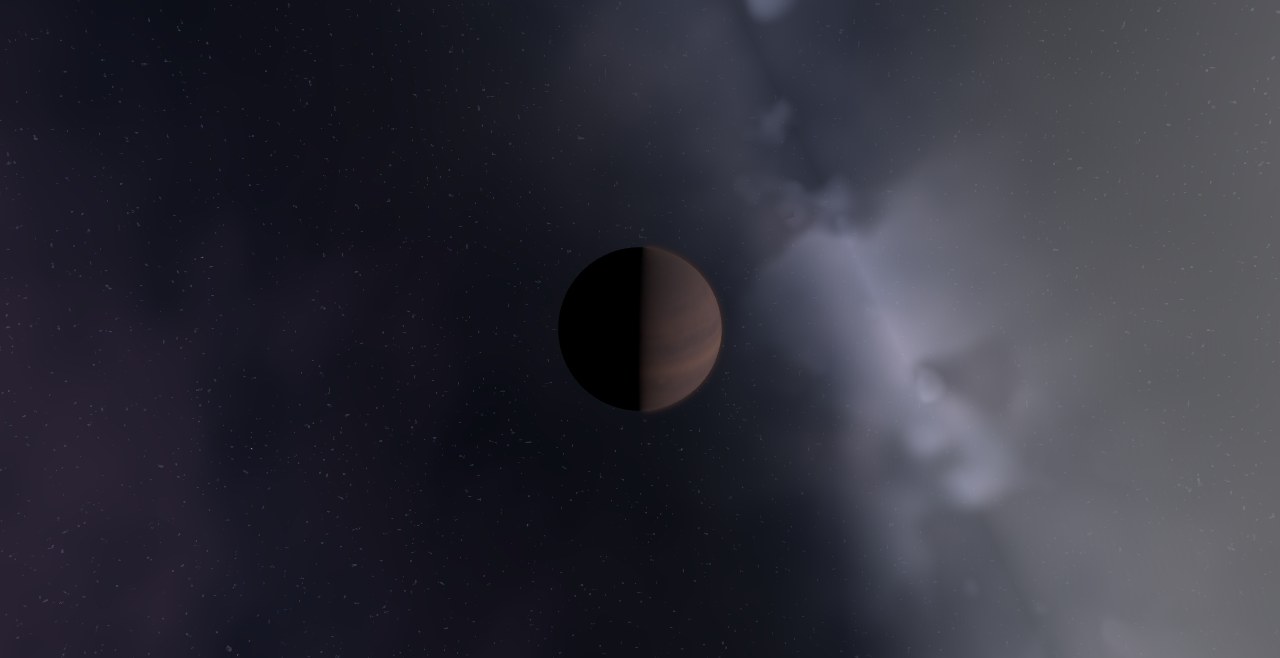
HATS-36 - System
HATS-36, a Sun-like G-type star of 1.10 solar masses, and HATS-36 b, a planet with 12.9 Earth radii, with an orbital period of 4.2 days, at 0.052 AU from its star, and an equilibrium temperature near 1,203 K.
Exoplanets
Analyze isolated alien worlds orbiting a singular host star to observe basic orbital parameters, tidal locks, and planetary eccentricities.
Share
HATS-36, a Sun-like G-type star of 1.10 solar masses, and HATS-36 b, a planet with 12.9 Earth radii, with an orbital period of 4.2 days, at 0.052 AU from its star, and an equilibrium temperature near 1,203 K.
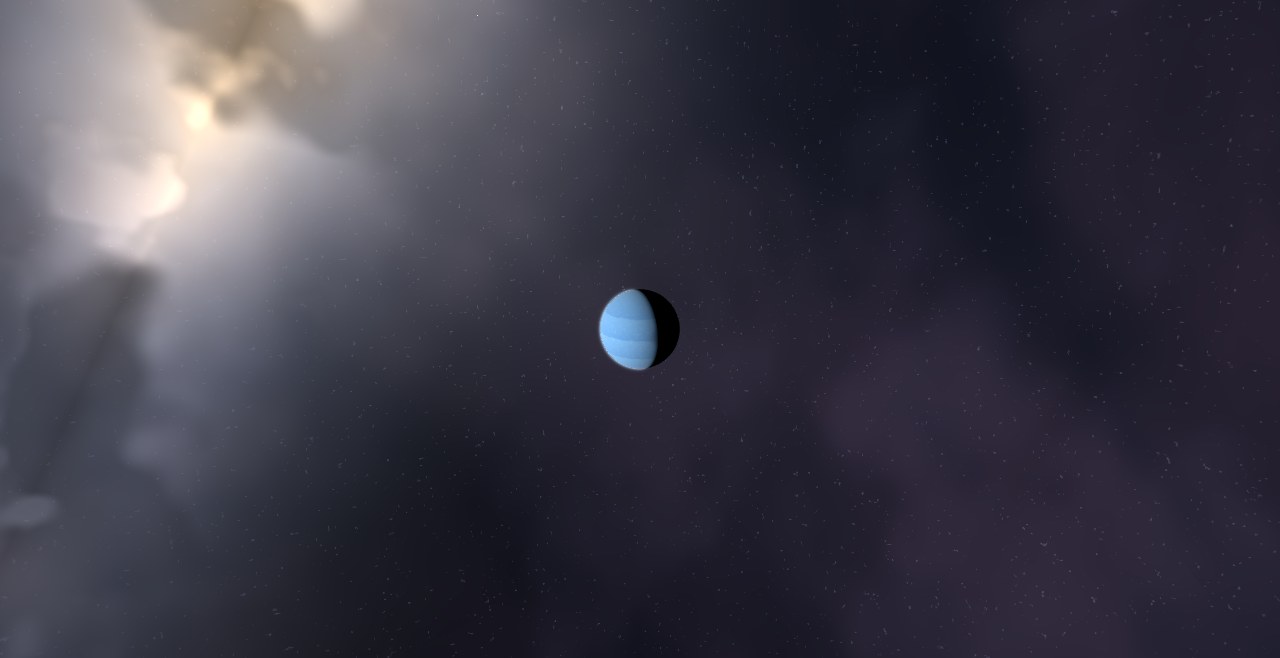
HATS-37 A, a Sun-like G-type star of 0.84 solar masses, and HATS-37 A b, a 0.10-Jupiter-mass companion, with an orbital period of 4.3 days, at 0.049 AU from its star, and an equilibrium temperature near 1,085 K.
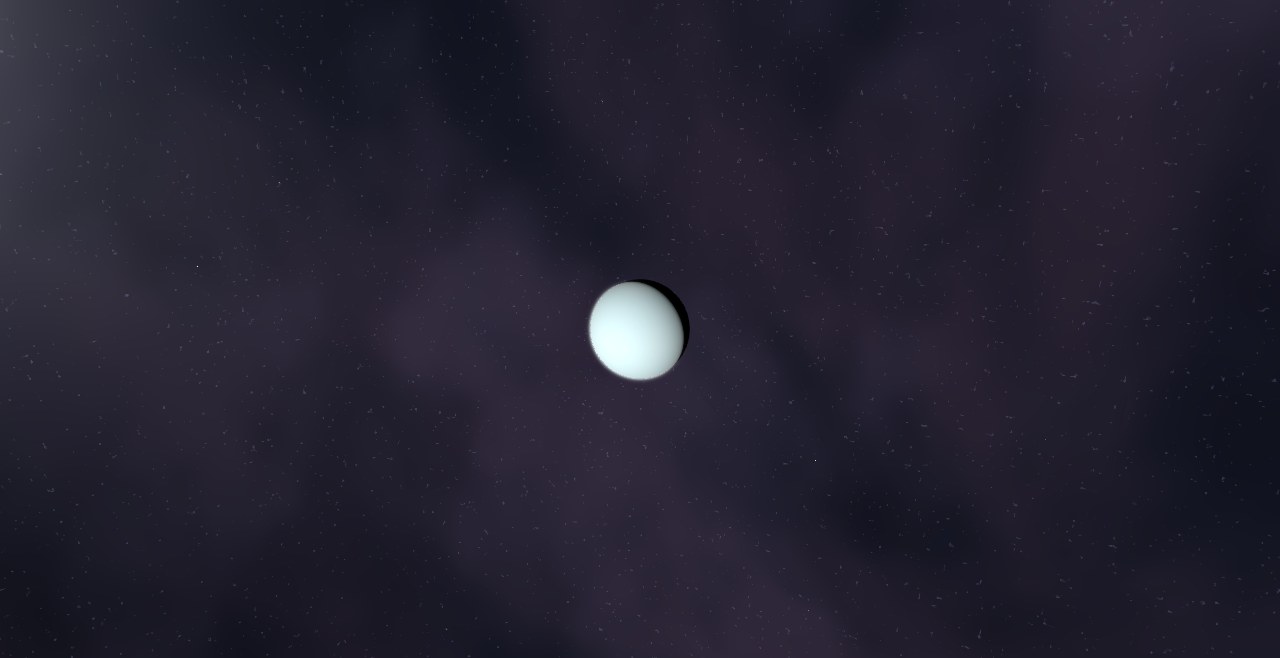
HATS-38, a Sun-like G-type star of 0.89 solar masses, and HATS-38 b, a 0.07-Jupiter-mass companion, with an orbital period of 4.4 days, at 0.050 AU from its star, and an equilibrium temperature near 1,294 K.
HATS-39, a Sun-like F-type star of 1.38 solar masses, and HATS-39 b, a 0.63-Jupiter-mass companion, with an orbital period of 4.6 days, at 0.060 AU from its star, and an equilibrium temperature near 1,645 K.
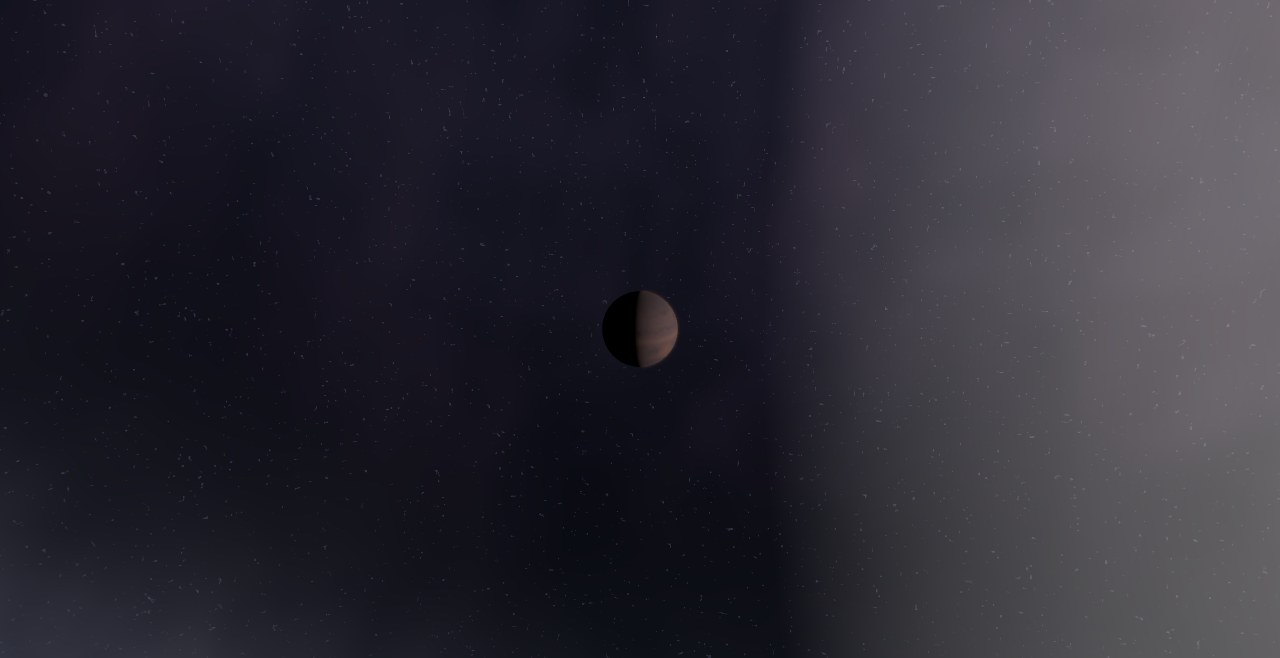
HATS-4, a Sun-like G-type star of 1.00 solar masses, and HATS-4 b, a 1.32-Jupiter-mass companion, with an orbital period of 2.5 days, at 0.036 AU from its star, and an equilibrium temperature near 1,315 K.
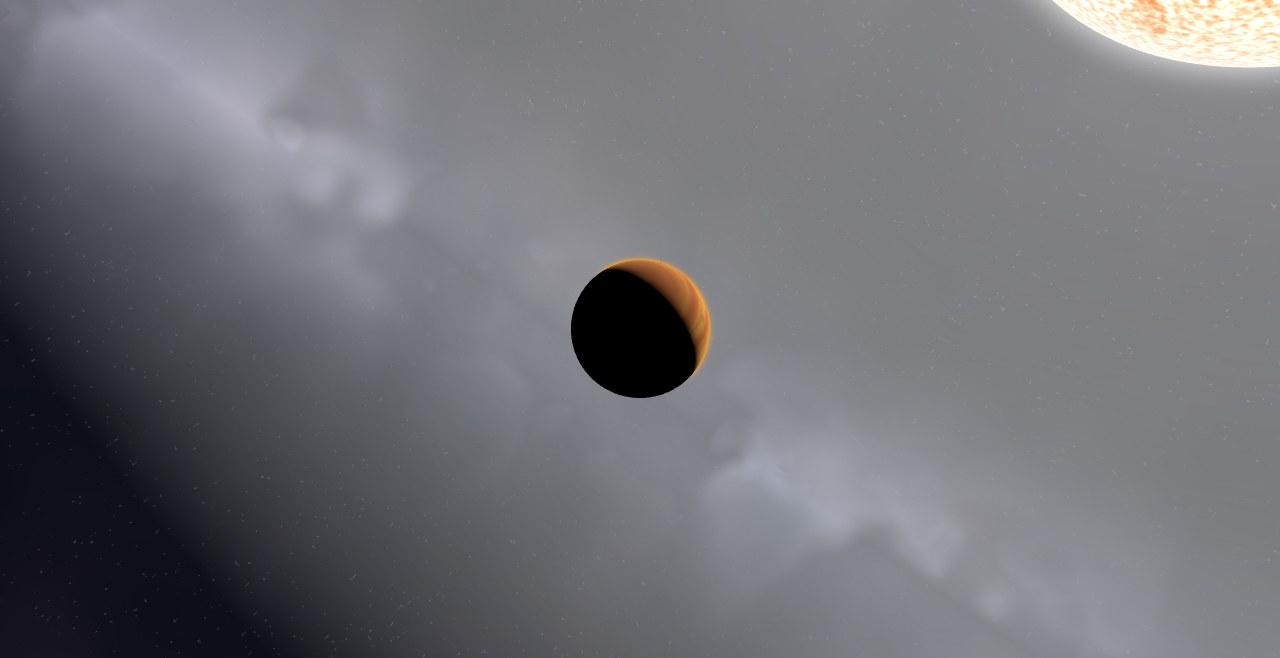
HATS-40, a Sun-like F-type star of 1.56 solar masses, and HATS-40 b, a 1.59-Jupiter-mass companion, with an orbital period of 3.3 days, at 0.050 AU from its star, and an equilibrium temperature near 2,101 K.
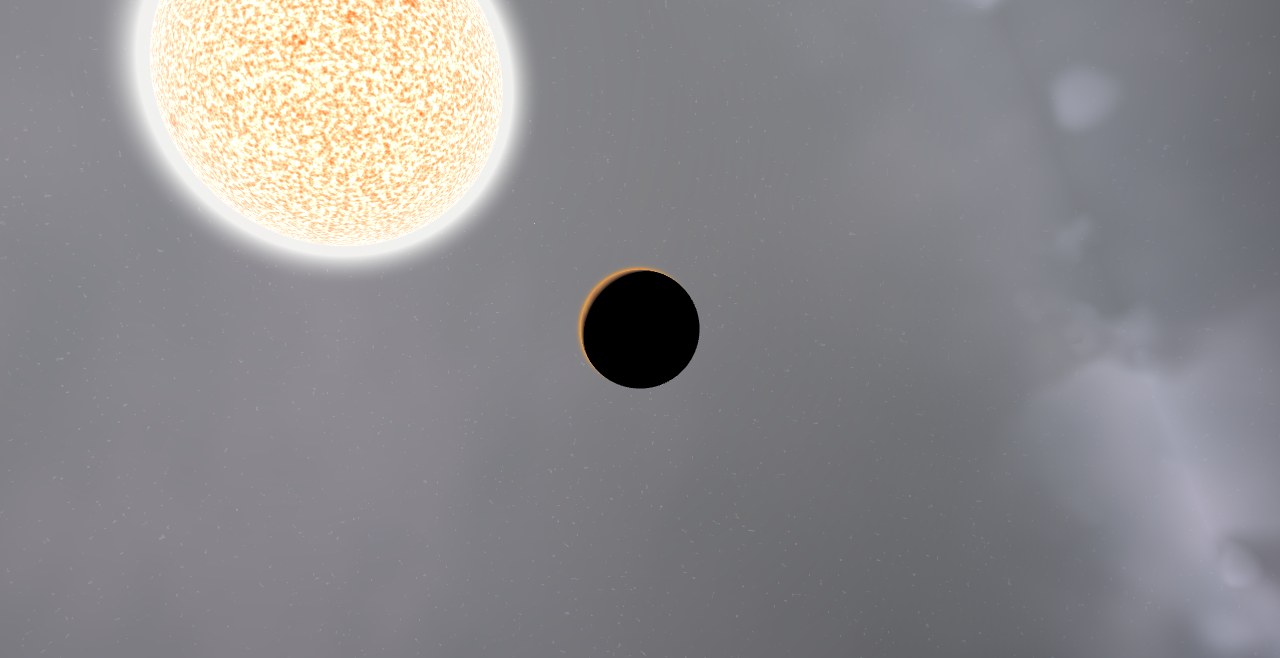
HATS-41, a Sun-like F-type star of 1.50 solar masses, and HATS-41 b, a 9.70-Jupiter-mass companion, with an orbital period of 4.2 days, at 0.058 AU from its star, and an equilibrium temperature near 1,710 K.
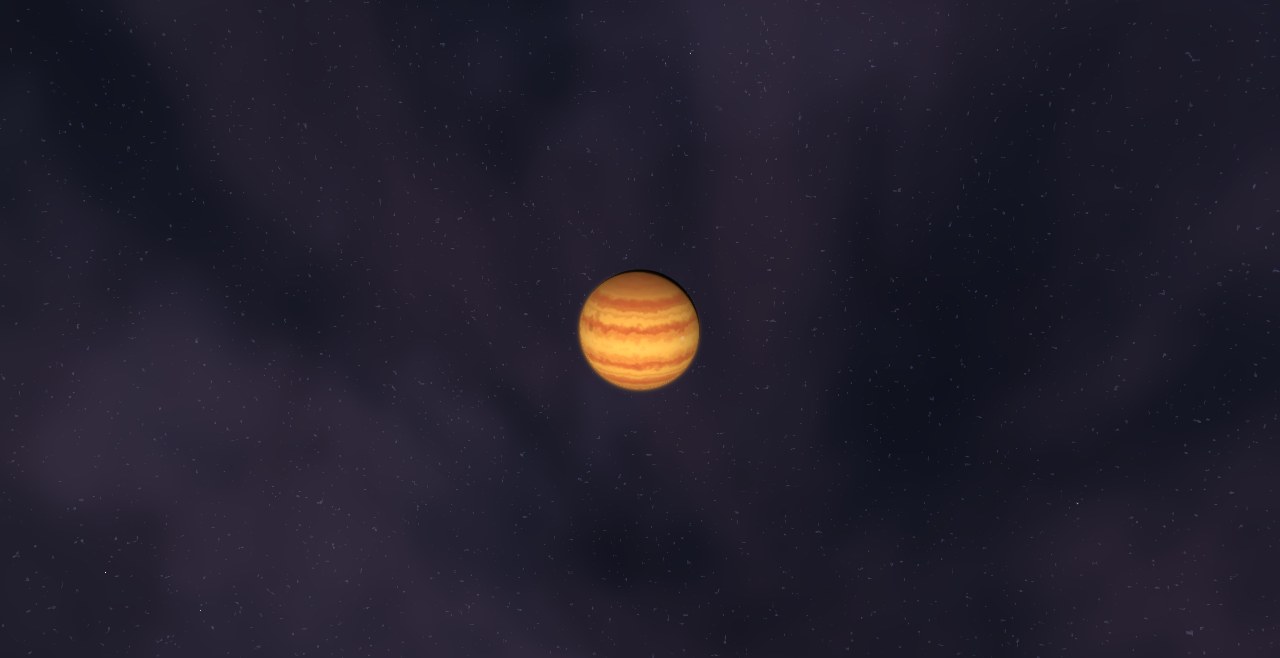
HATS-42, a Sun-like F-type star of 1.27 solar masses, and HATS-42 b, a 1.88-Jupiter-mass companion, with an orbital period of 2.3 days, at 0.037 AU from its star, and an equilibrium temperature near 1,856 K.
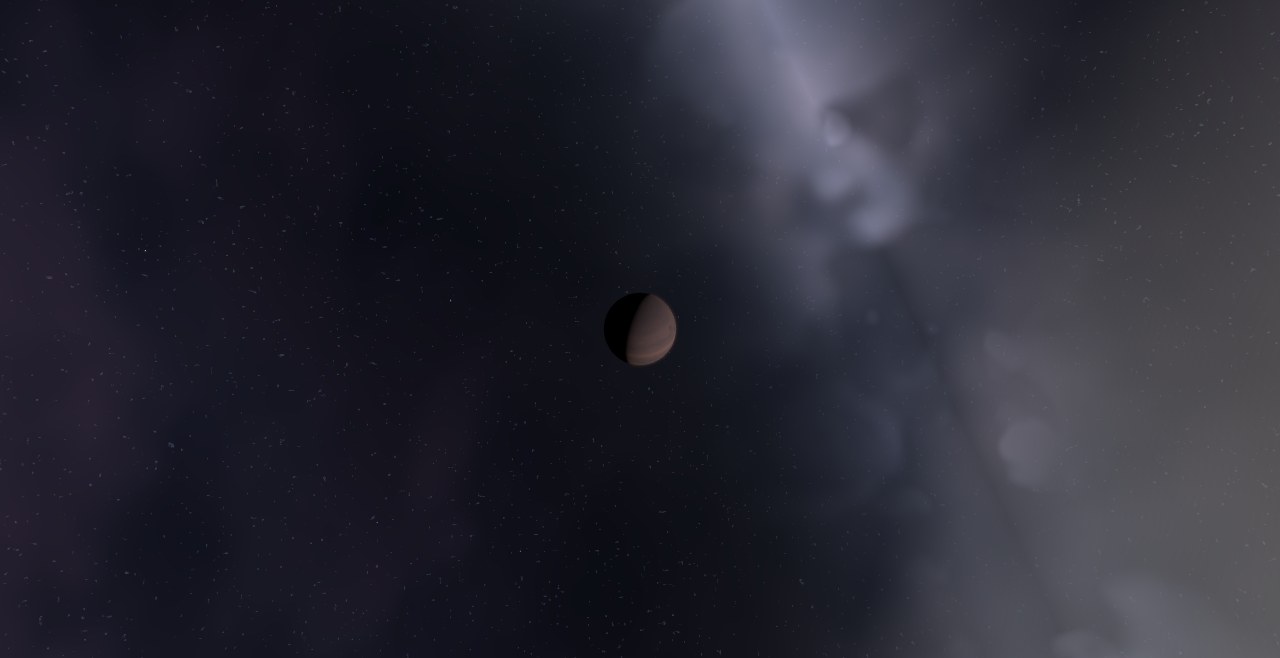
HATS-43, an orange K-type dwarf of 0.84 solar masses, and HATS-43 b, a 0.26-Jupiter-mass companion, with an orbital period of 4.4 days, at 0.049 AU from its star, and an equilibrium temperature near 1,003 K.
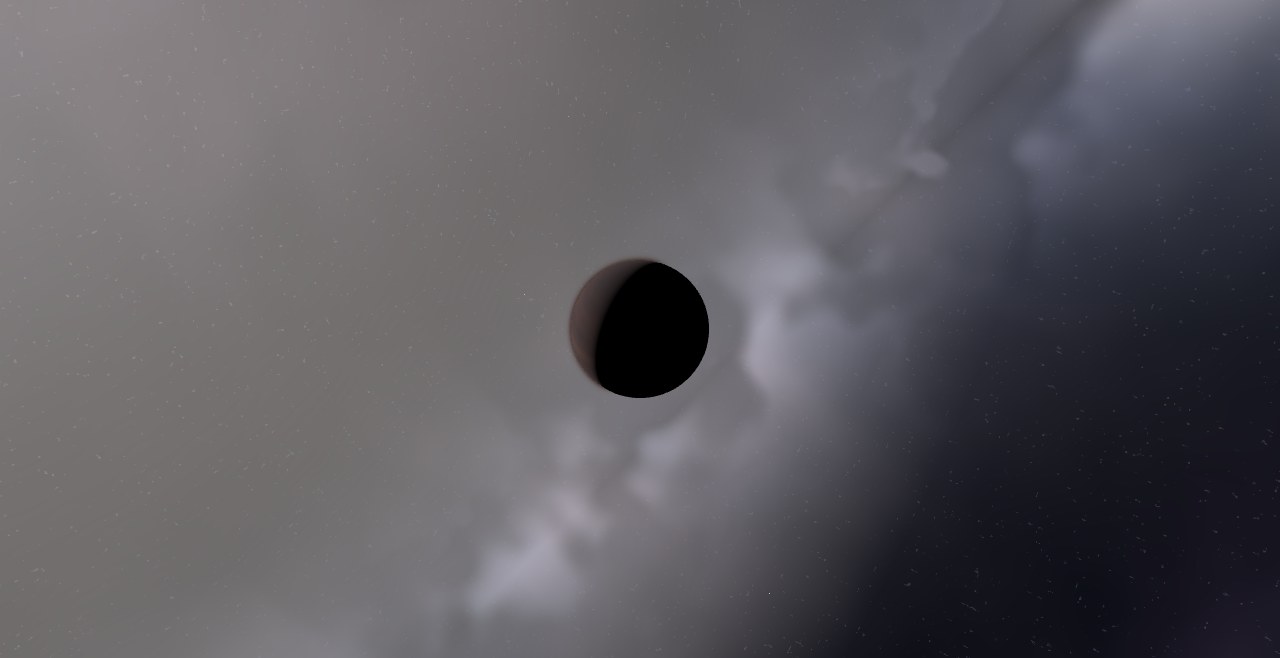
HATS-44, an orange K-type dwarf of 0.86 solar masses, and HATS-44 b, a 0.56-Jupiter-mass companion, with an orbital period of 2.7 days, at 0.036 AU from its star, and an equilibrium temperature near 1,161 K.
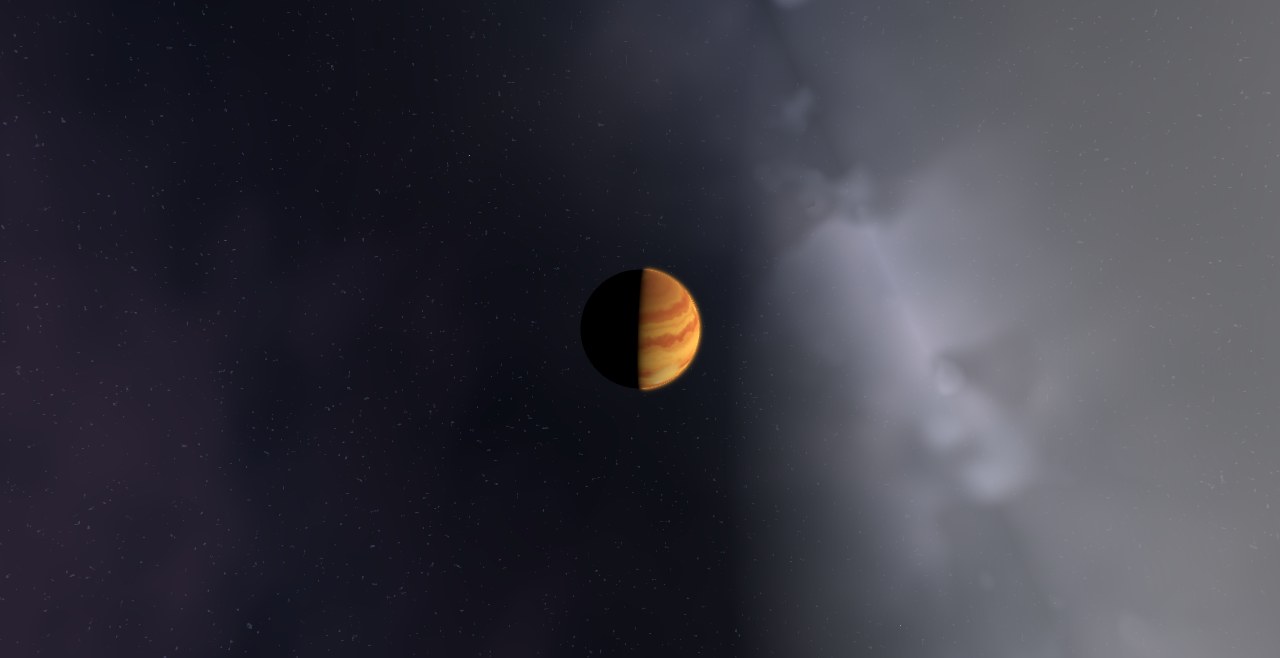
HATS-45, a Sun-like F-type star of 1.27 solar masses, and HATS-45 b, a 0.70-Jupiter-mass companion, with an orbital period of 4.2 days, at 0.055 AU from its star, and an equilibrium temperature near 1,518 K.
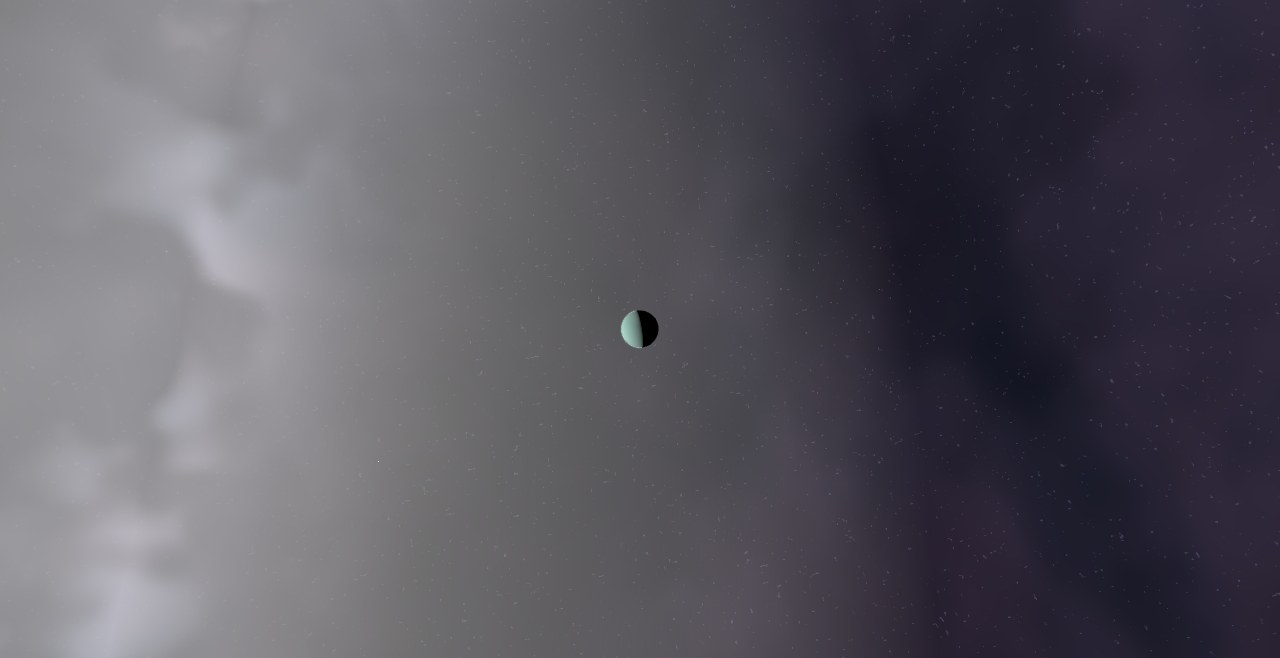
HATS-46, a Sun-like G-type star of 0.92 solar masses, and HATS-46 b, a 0.17-Jupiter-mass companion, with an orbital period of 4.7 days, at 0.054 AU from its star, and an equilibrium temperature near 1,054 K.
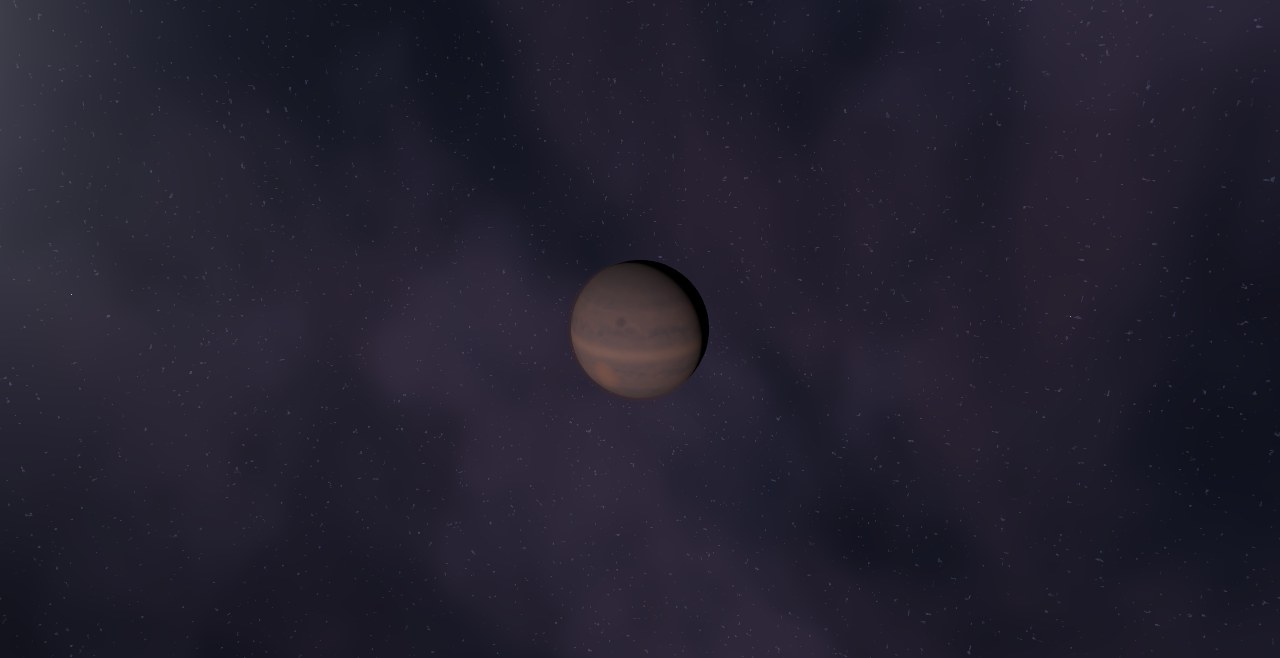
HATS-47, an orange K-type dwarf of 0.67 solar masses, and HATS-47 b, a 0.37-Jupiter-mass companion, with an orbital period of 3.9 days, at 0.043 AU from its star, and an equilibrium temperature near 853 K.
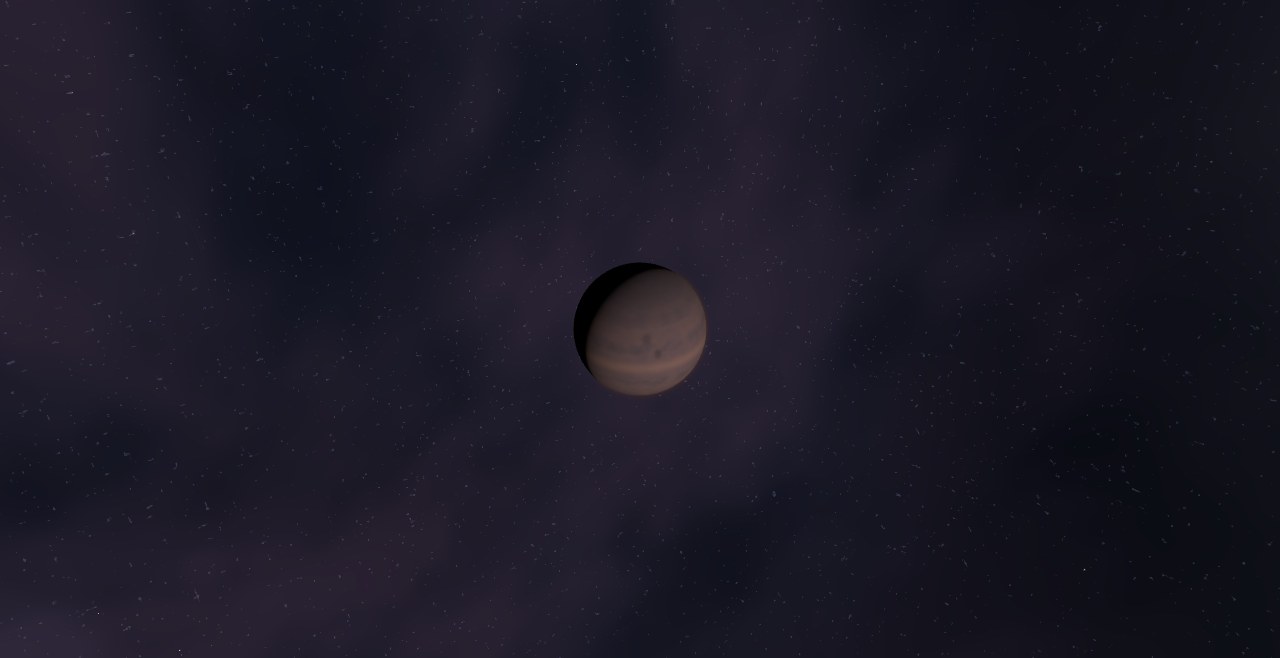
HATS-48 A, an orange K-type dwarf of 0.73 solar masses, and HATS-48 A b, a 0.24-Jupiter-mass companion, with an orbital period of 3.1 days, at 0.038 AU from its star, and an equilibrium temperature near 955 K.
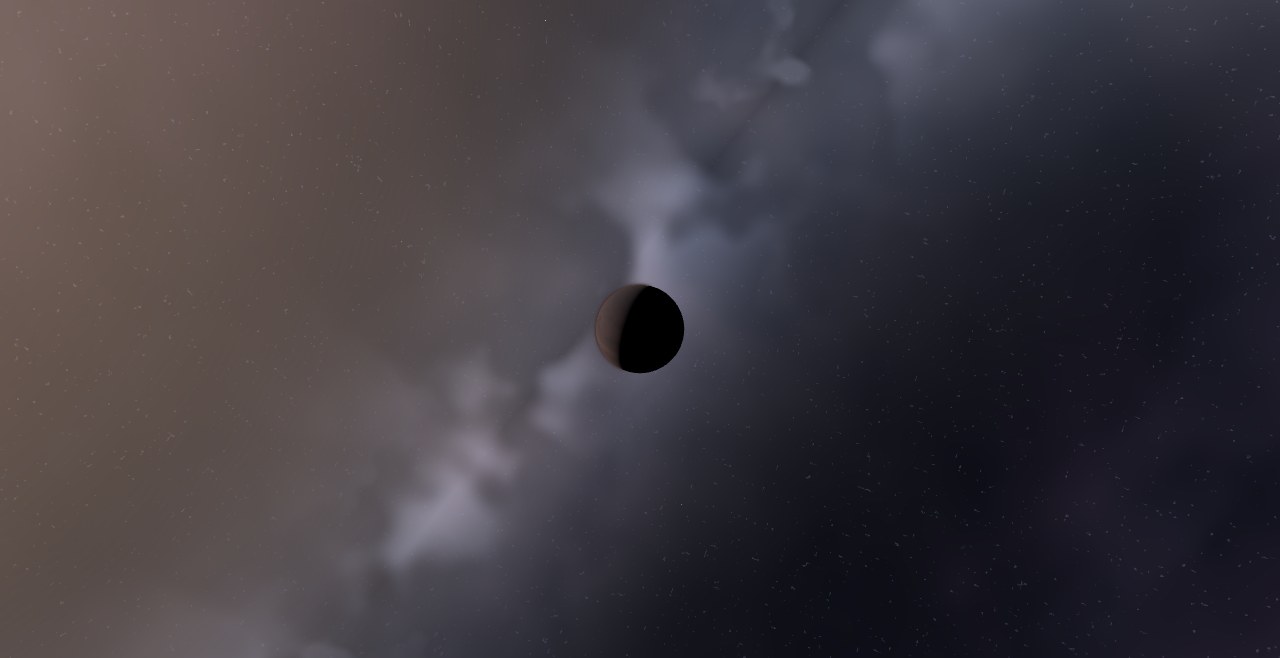
HATS-49, an orange K-type dwarf of 0.71 solar masses, and HATS-49 b, a 0.35-Jupiter-mass companion, with an orbital period of 4.1 days, at 0.045 AU from its star, and an equilibrium temperature near 835 K.
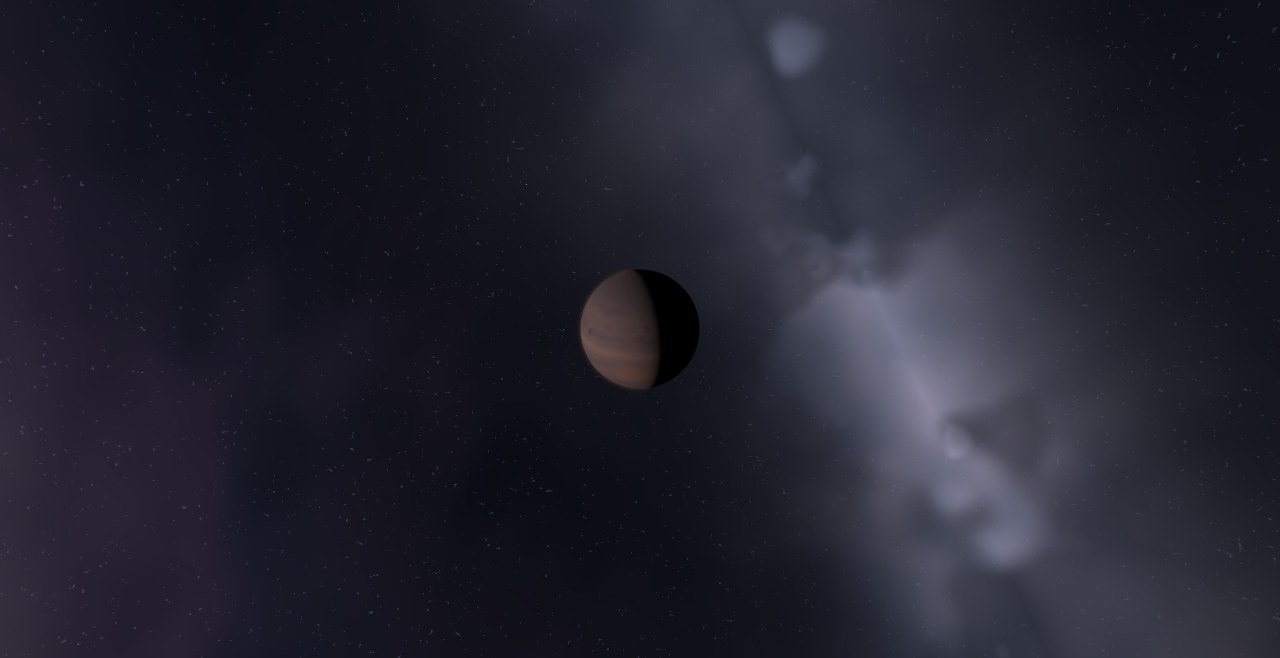
HATS-5, a Sun-like G-type star of 0.94 solar masses, and HATS-5 b, a 0.24-Jupiter-mass companion, with an orbital period of 4.8 days, at 0.054 AU from its star, and an equilibrium temperature near 1,025 K.
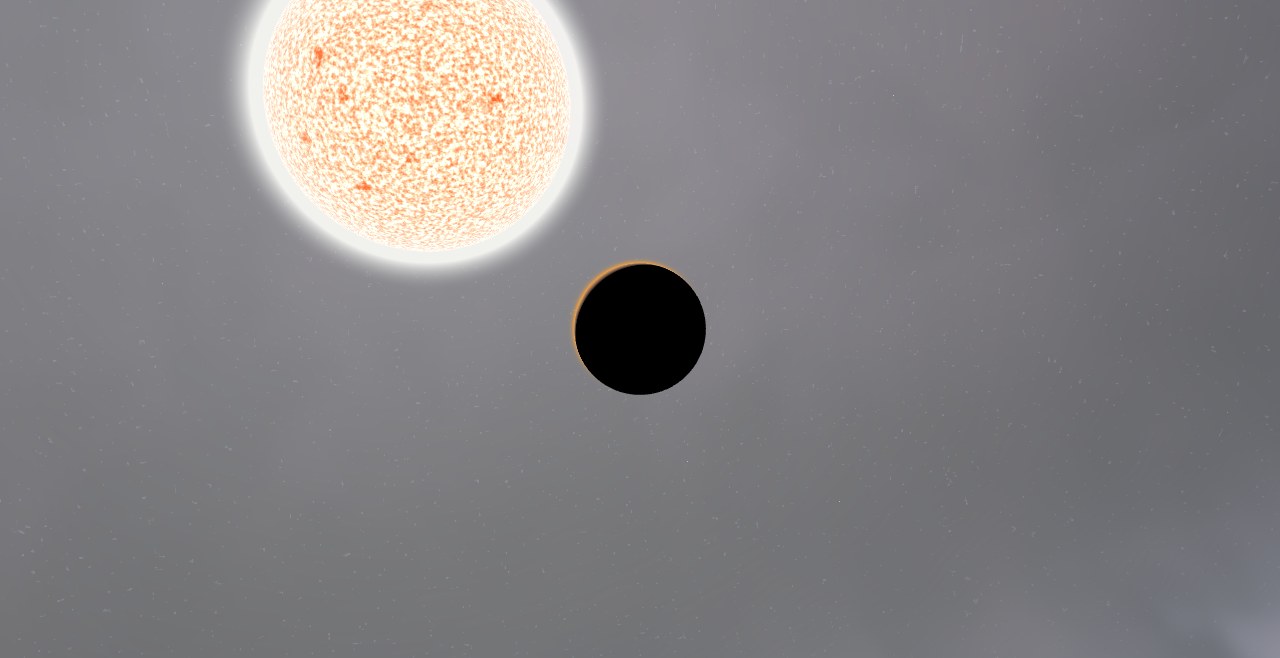
HATS-50, a Sun-like G-type star of 1.17 solar masses, and HATS-50 b, a 0.39-Jupiter-mass companion, with an orbital period of 3.8 days, at 0.050 AU from its star, on an eccentric orbit (e ≈ 0.52).
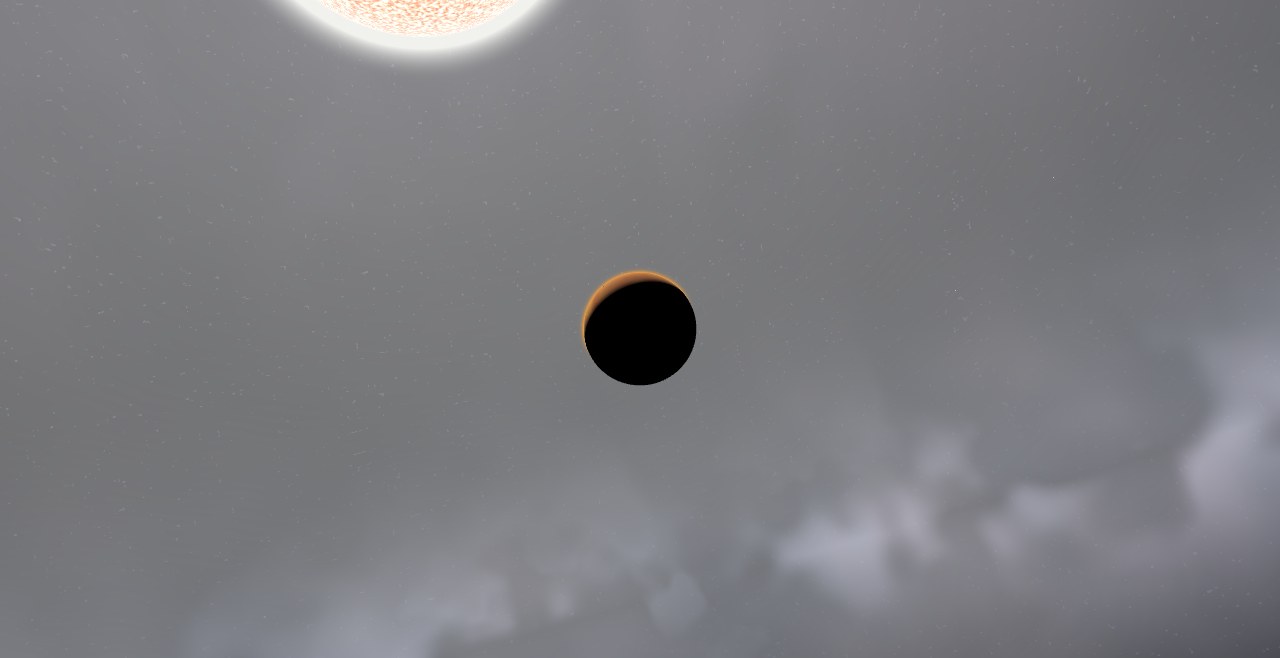
HATS-51, a Sun-like G-type star of 1.19 solar masses, and HATS-51 b, a 0.77-Jupiter-mass companion, with an orbital period of 3.3 days, at 0.046 AU from its star, and an equilibrium temperature near 1,553 K.