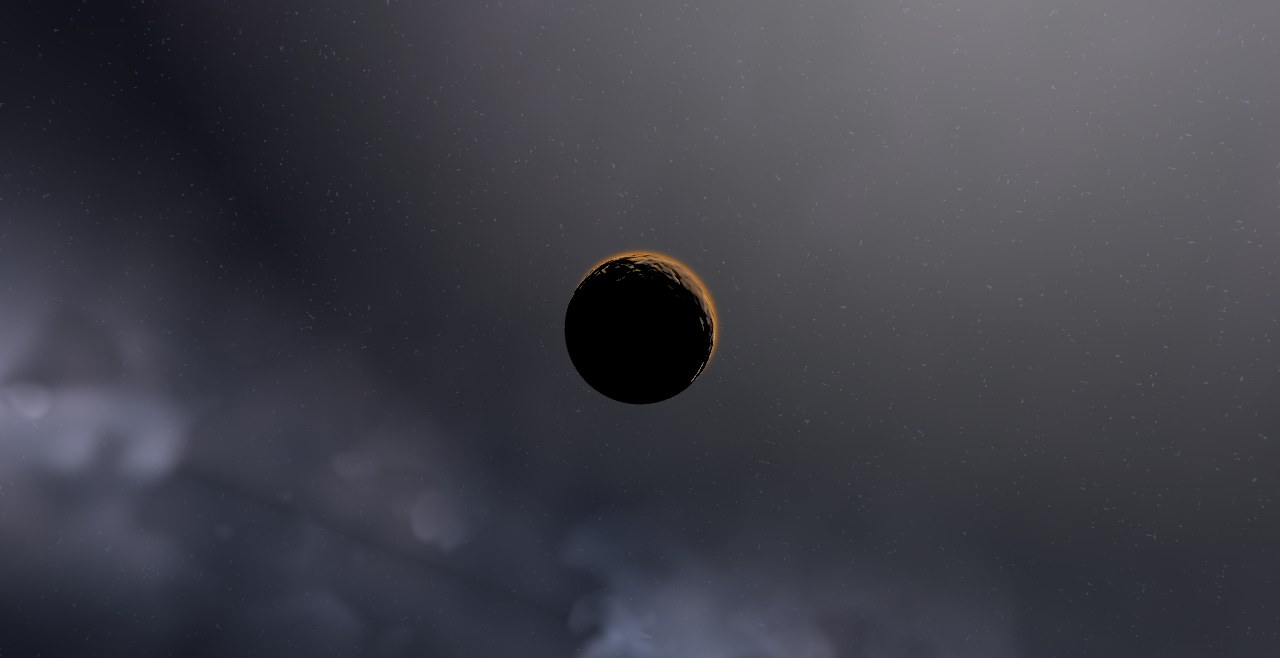
Kepler-761 - System
Kepler-761, a Sun-like G-type star of 0.95 solar masses, and Kepler-761 b, a planet with 2.0 Earth radii, with an orbital period of 10.1 days.
Exoplanets
Analyze isolated alien worlds orbiting a singular host star to observe basic orbital parameters, tidal locks, and planetary eccentricities.
Share
Kepler-761, a Sun-like G-type star of 0.95 solar masses, and Kepler-761 b, a planet with 2.0 Earth radii, with an orbital period of 10.1 days.
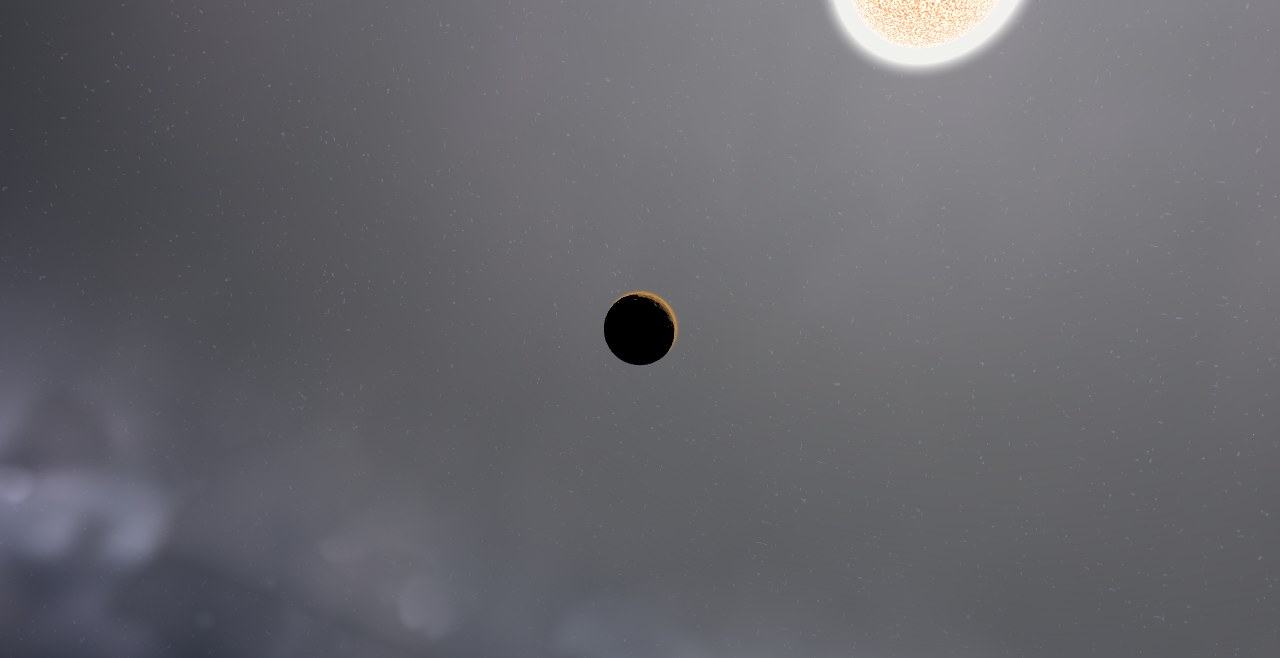
Kepler-762, a Sun-like G-type star of 1.06 solar masses, and Kepler-762 b, a planet with 12.7 Earth radii, with an orbital period of 3.8 days.
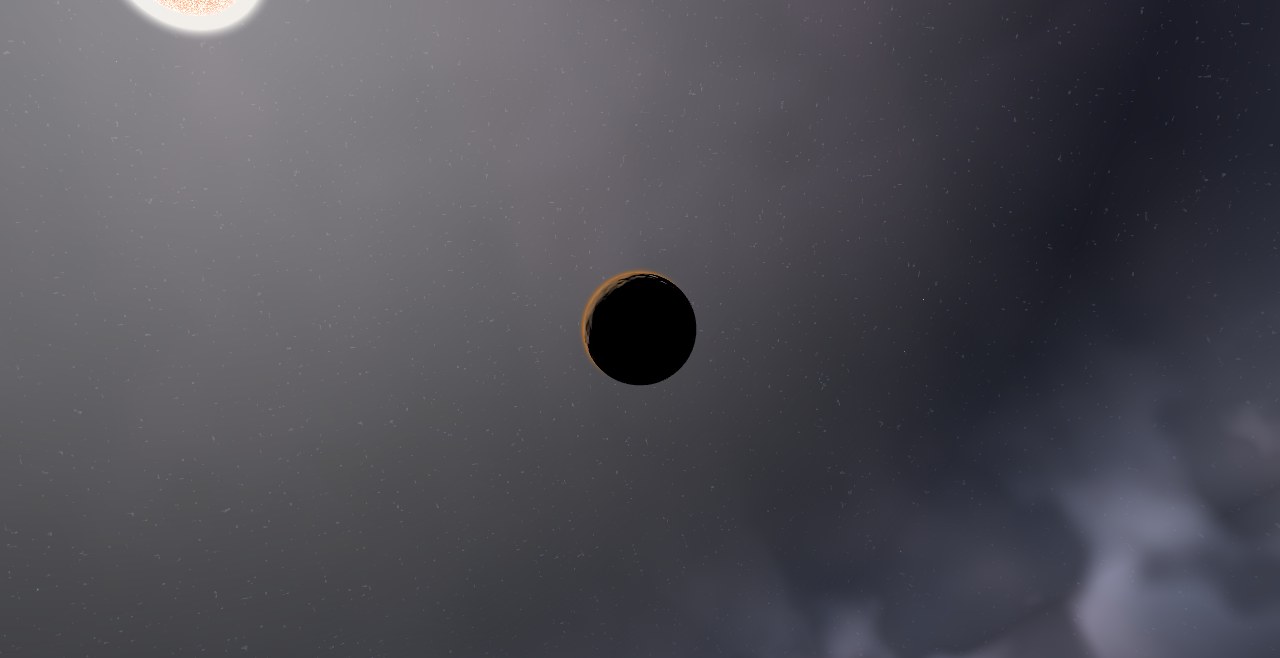
Kepler-764, a Sun-like G-type star of 0.92 solar masses, and Kepler-764 b, a planet with 1.6 Earth radii, with an orbital period of 7.3 days.
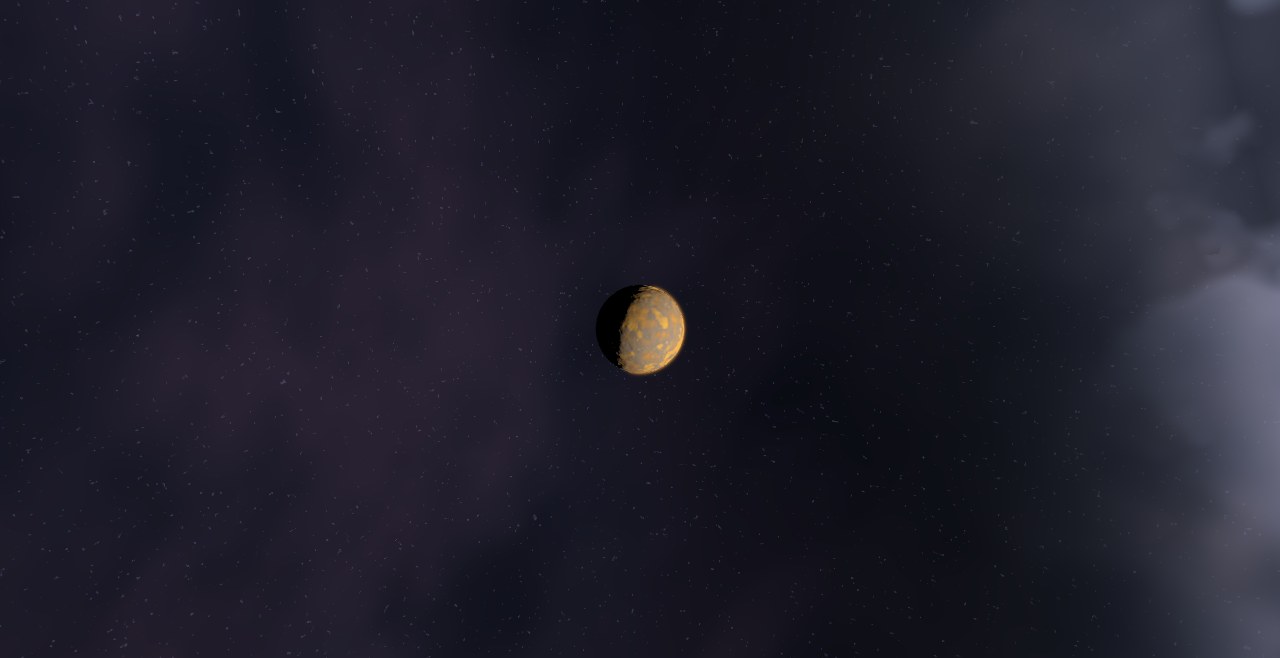
Kepler-765, a Sun-like G-type star of 1.05 solar masses, and Kepler-765 b, a planet with 2.4 Earth radii, with an orbital period of 27.7 days.
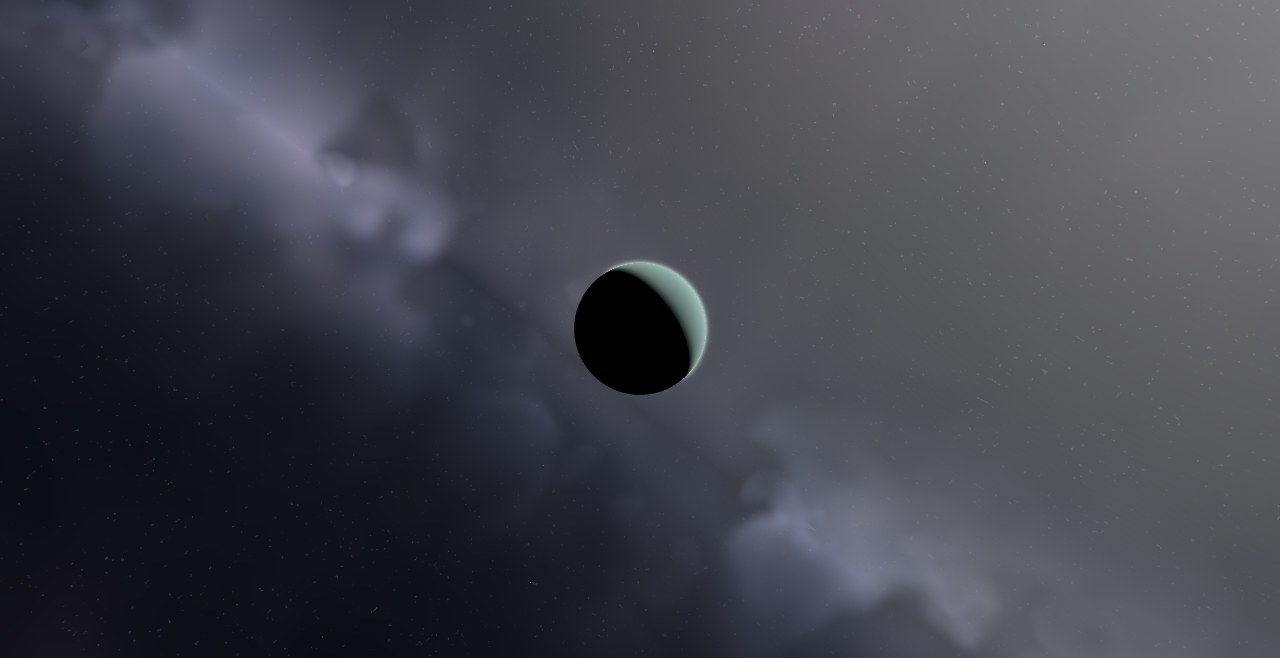
Kepler-766, a Sun-like G-type star of 1.10 solar masses, and Kepler-766 b, a planet with 3.4 Earth radii, with an orbital period of 6.1 days.
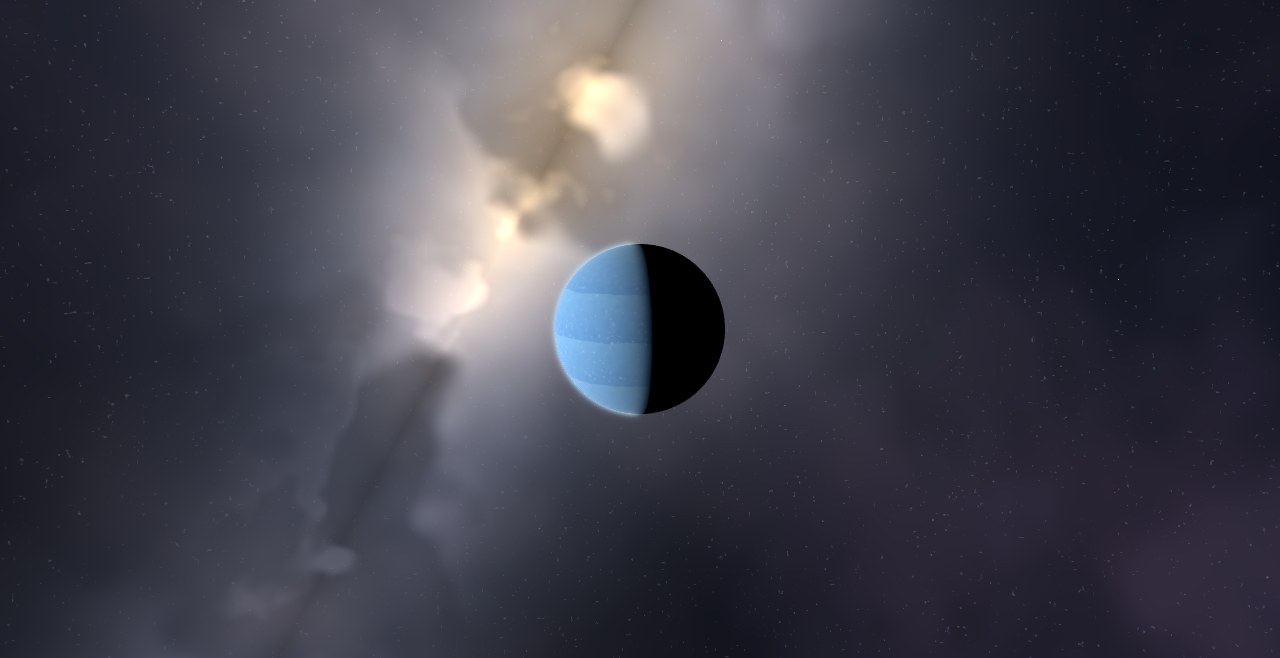
Kepler-767, a Sun-like G-type star of 0.96 solar masses, and Kepler-767 b, a planet with 6.6 Earth radii, with an orbital period of 162 days.
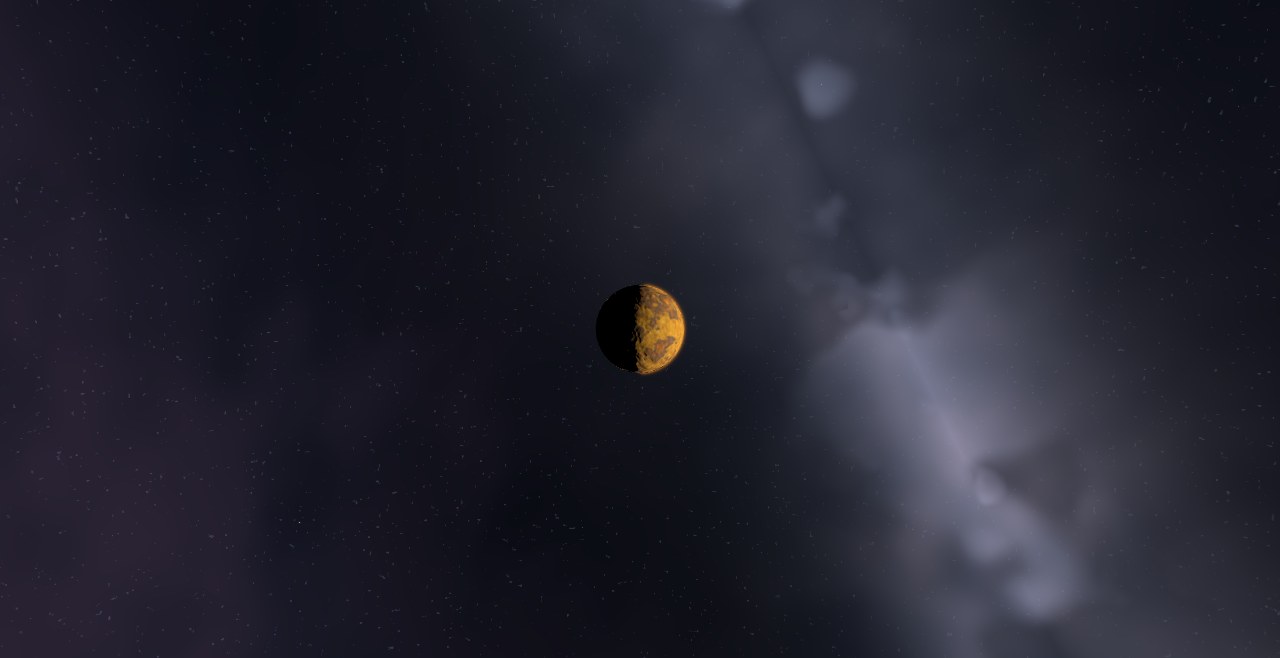
Kepler-768, an orange K-type dwarf of 0.82 solar masses, and Kepler-768 b, a planet with 1.8 Earth radii, with an orbital period of 11.4 days.
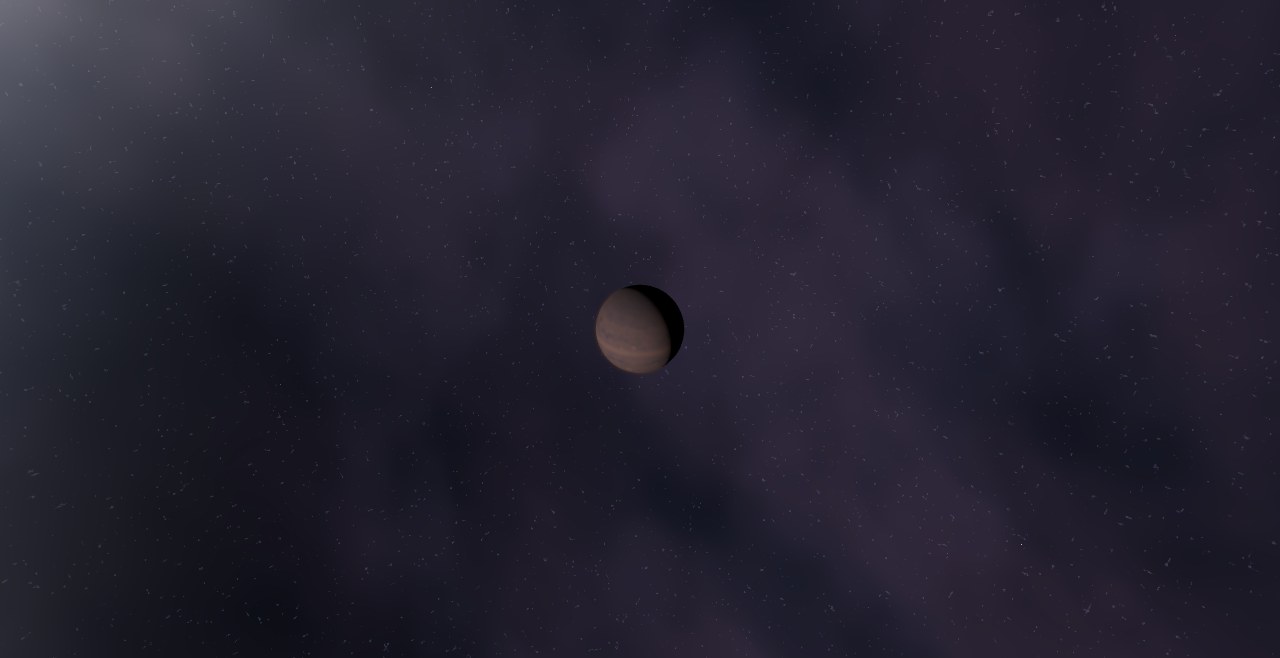
Kepler-77, a Sun-like G-type star of 0.95 solar masses, and Kepler-77 b, a 0.43-Jupiter-mass companion, with an orbital period of 3.6 days, at 0.045 AU from its star, and an equilibrium temperature near 1,440 K.
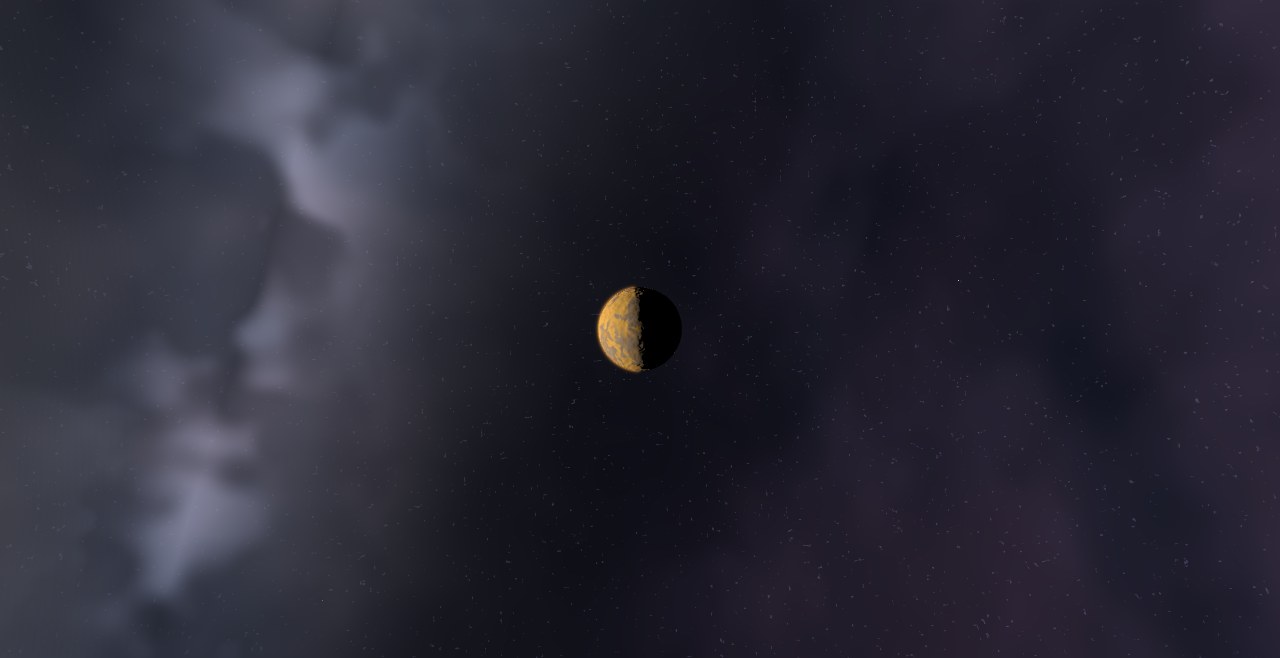
Kepler-771, a Sun-like G-type star of 1.03 solar masses, and Kepler-771 b, a planet with 1.8 Earth radii, with an orbital period of 8.7 days.
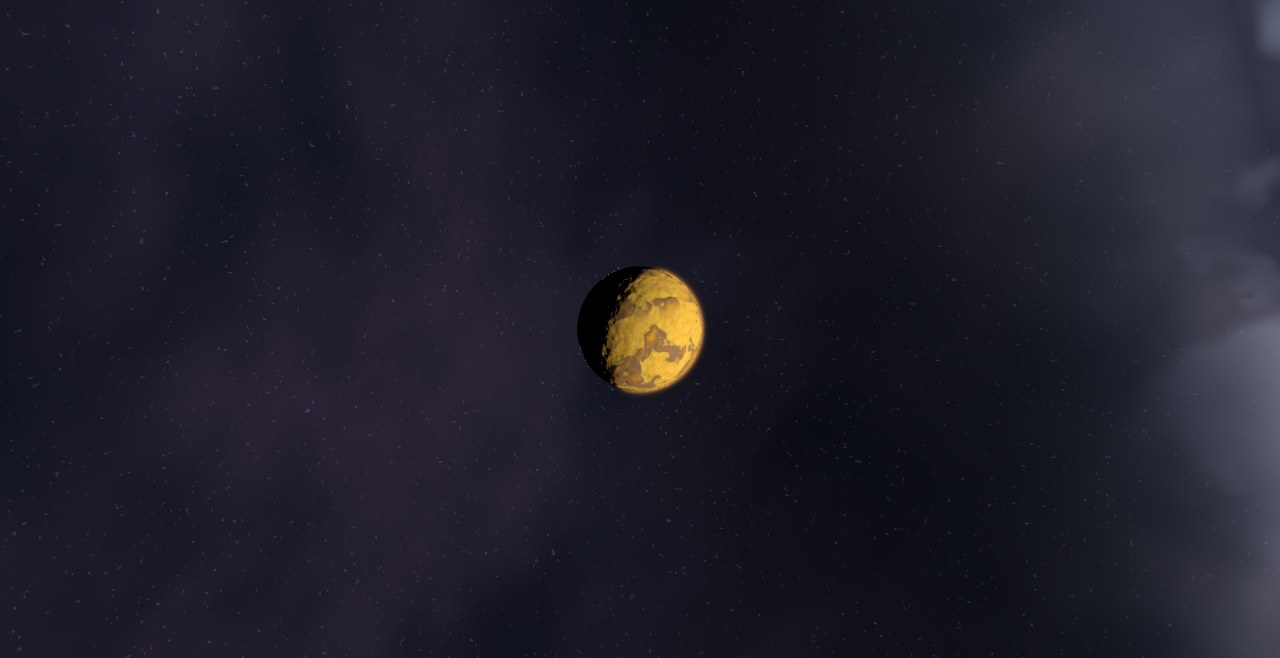
Kepler-772, a Sun-like G-type star of 0.98 solar masses, and Kepler-772 b, a planet with 1.8 Earth radii, with an orbital period of 13.0 days.
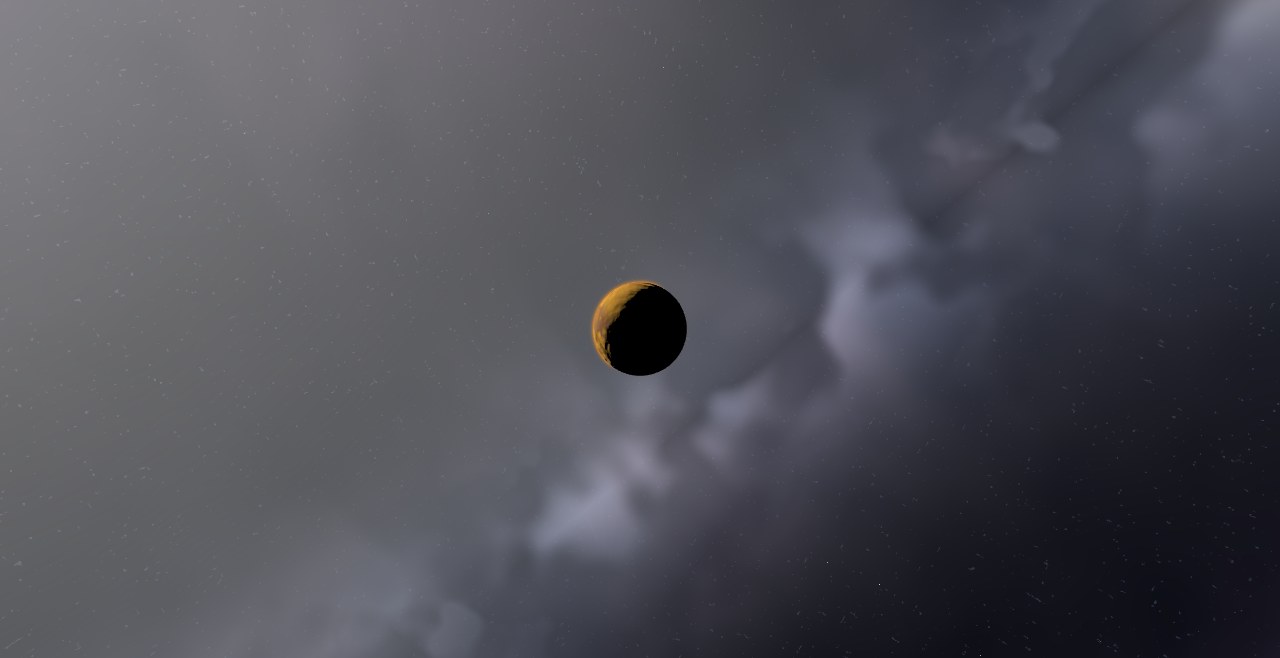
Kepler-773, a Sun-like G-type star of 1.04 solar masses, and Kepler-773 b, a planet with 1.4 Earth radii, with an orbital period of 3.7 days.
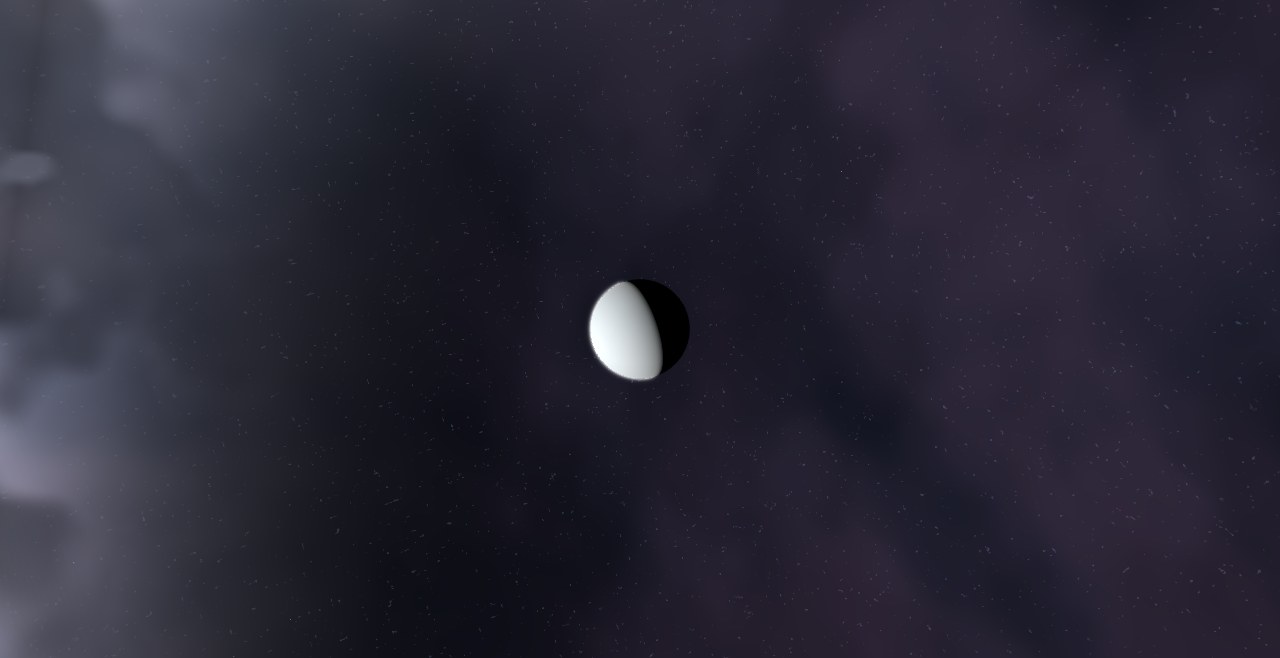
Kepler-774, a Sun-like F-type star of 1.57 solar masses, and Kepler-774 b, a planet with 3.2 Earth radii, with an orbital period of 11.1 days.
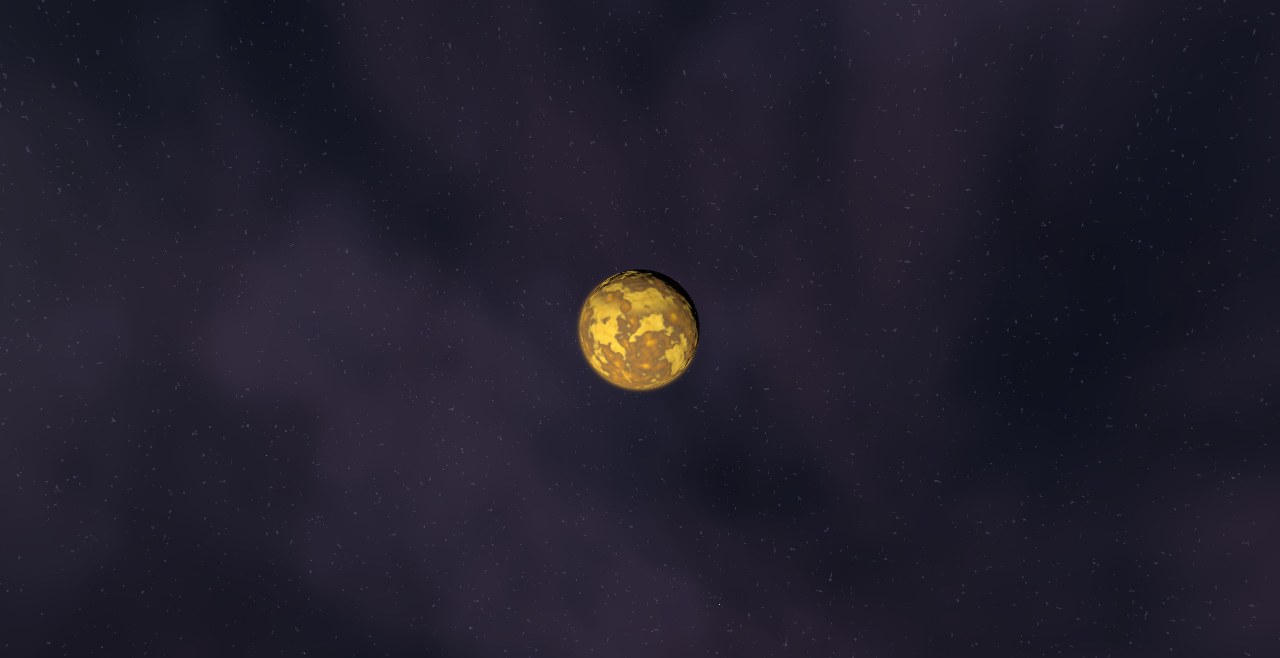
Kepler-775, a Sun-like G-type star of 0.92 solar masses, and Kepler-775 b, a planet with 1.2 Earth radii, with an orbital period of 23.4 hours.
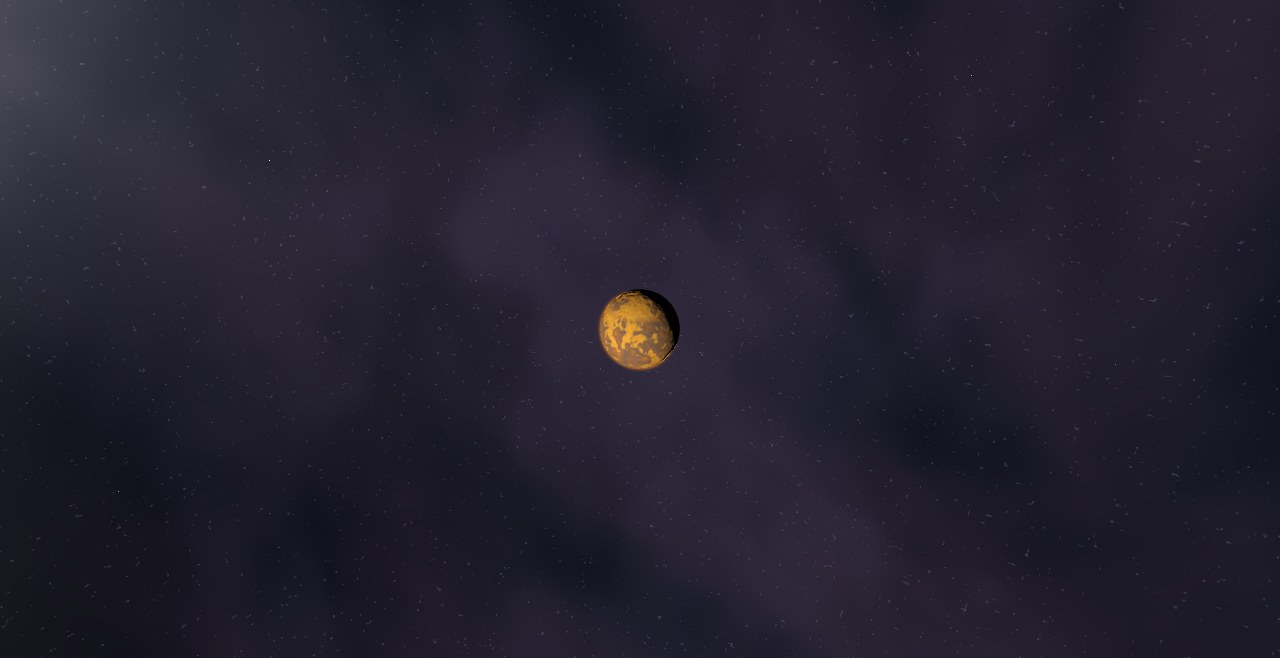
Kepler-776, an orange K-type dwarf of 0.83 solar masses, and Kepler-776 b, a planet with 1.3 Earth radii, with an orbital period of 4.9 days.
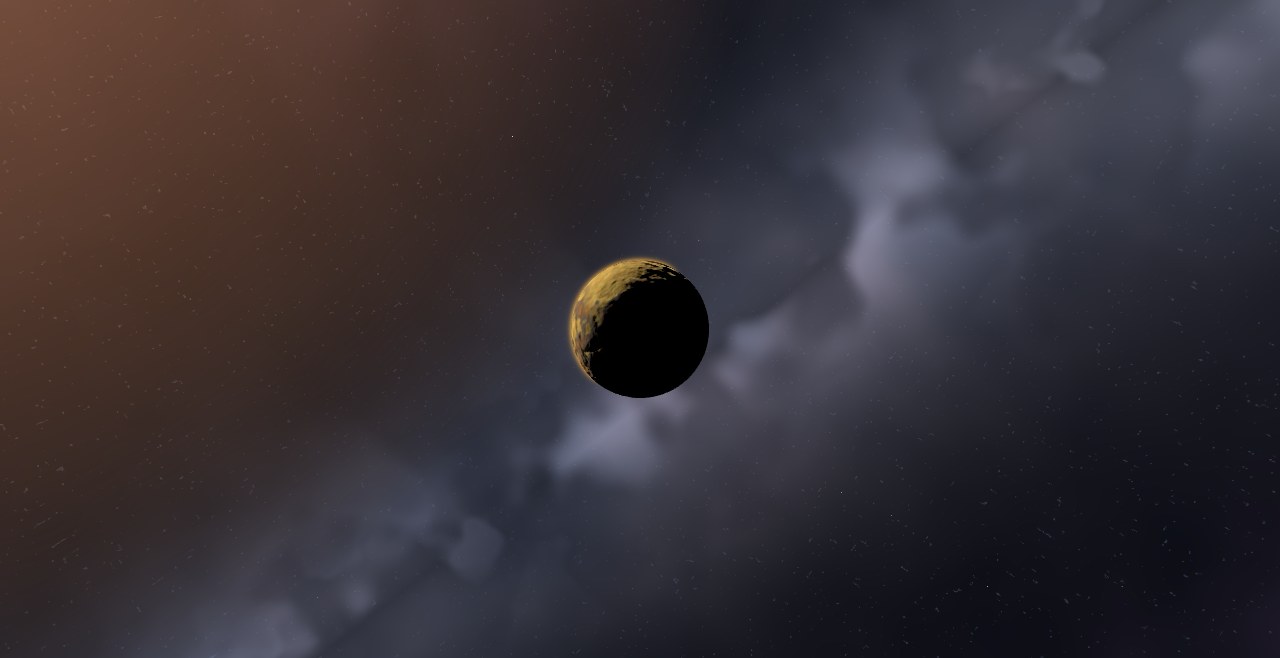
Kepler-777, an orange K-type dwarf of 0.58 solar masses, and Kepler-777 b, a planet with 1.5 Earth radii, with an orbital period of 5.7 days.
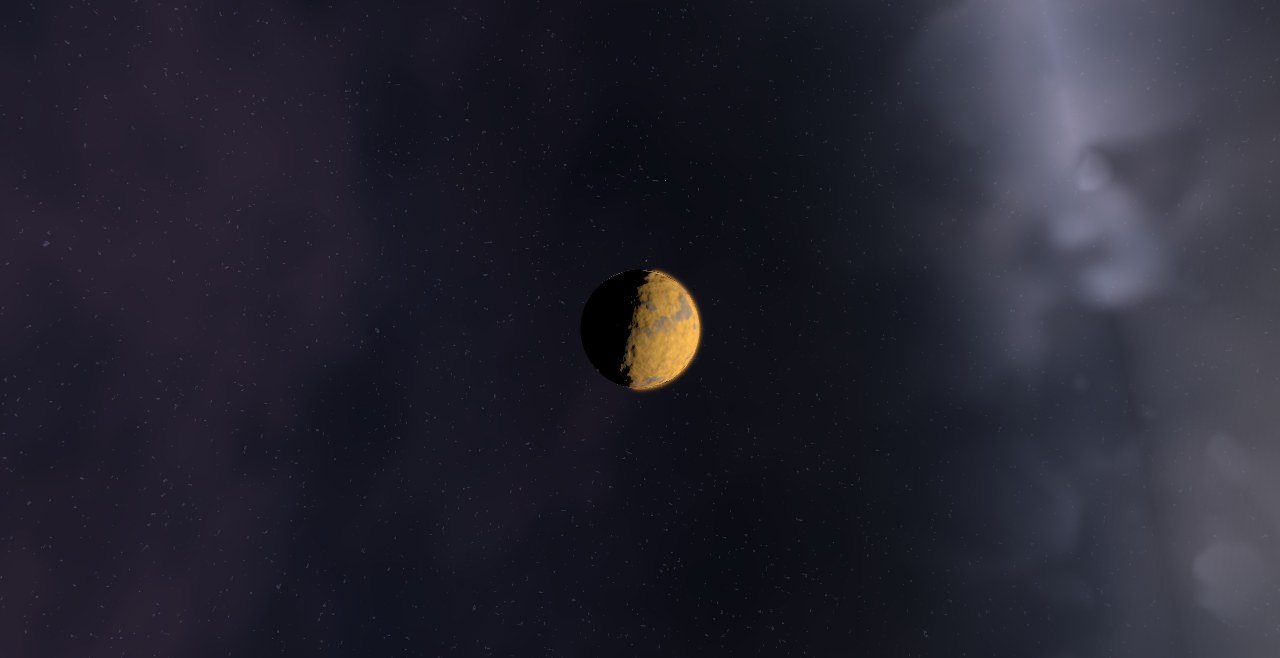
Kepler-778, an orange K-type dwarf of 0.81 solar masses, and Kepler-778 b, a planet with 1.7 Earth radii, with an orbital period of 3.8 days.
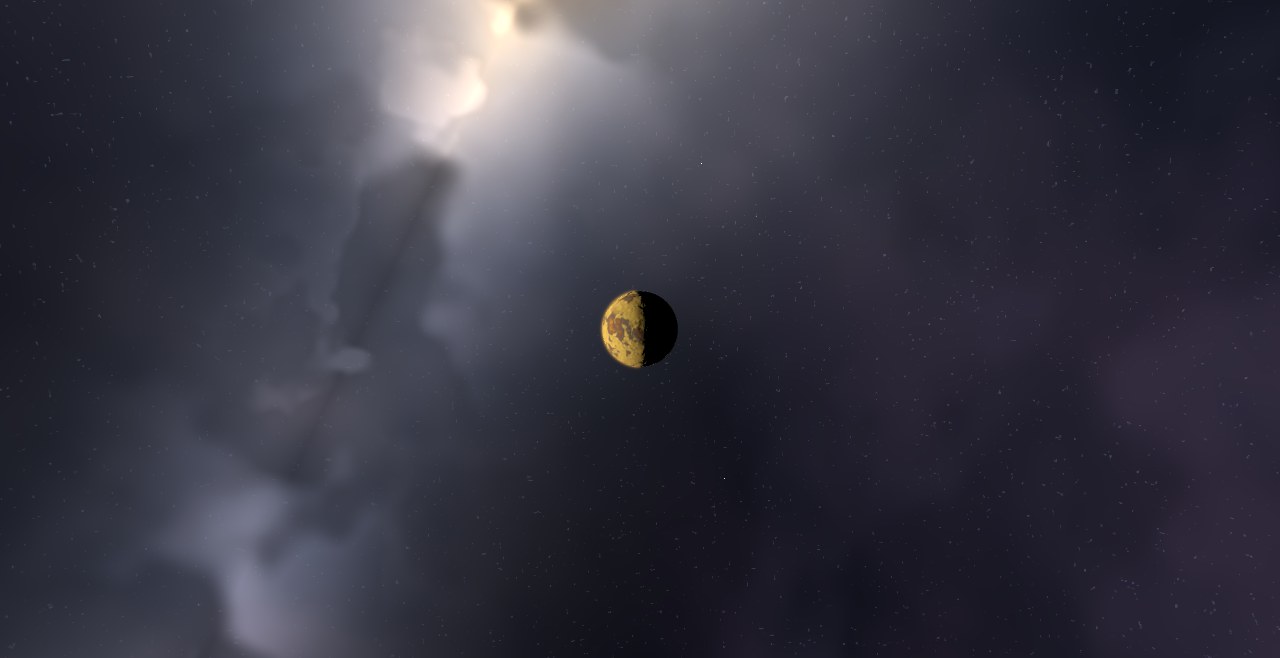
Kepler-779, an orange K-type dwarf of 0.46 solar masses, and Kepler-779 b, a planet with 0.9 Earth radii, with an orbital period of 7.1 days.
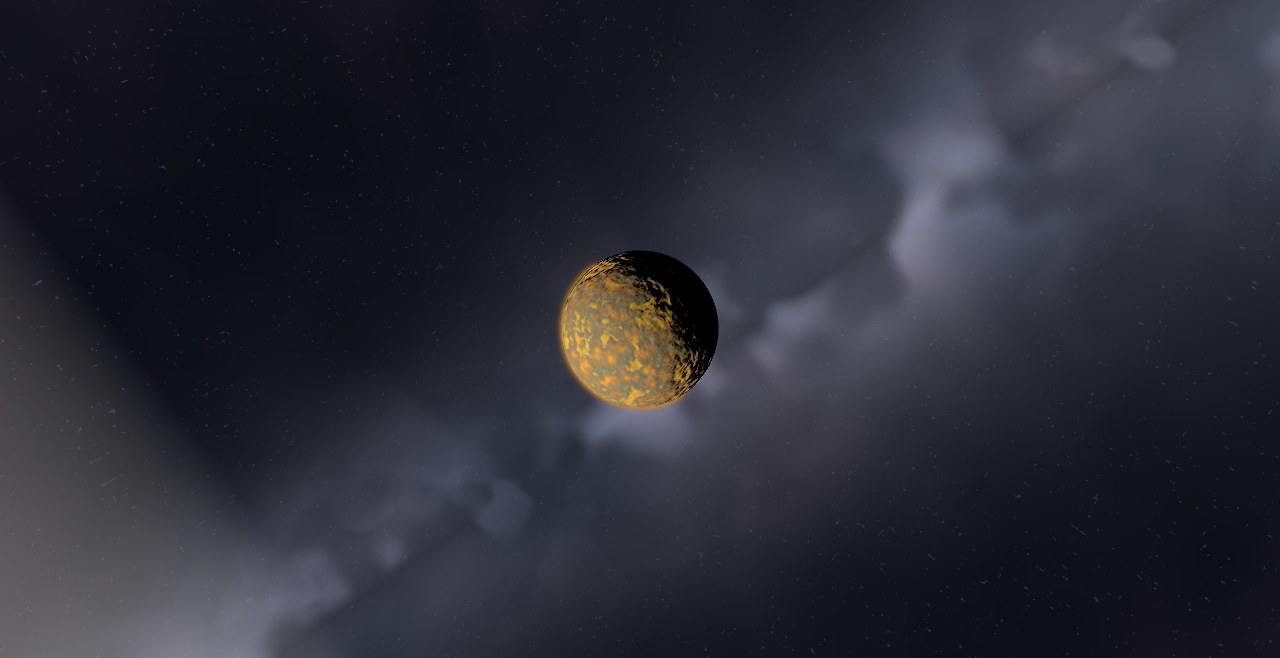
Kepler-78 b, an Earth-sized lava world with both a measured mass and radius. It orbits so close that a year lasts only 8.5 hours. Its density is close to Earth's, so the planet is rock.