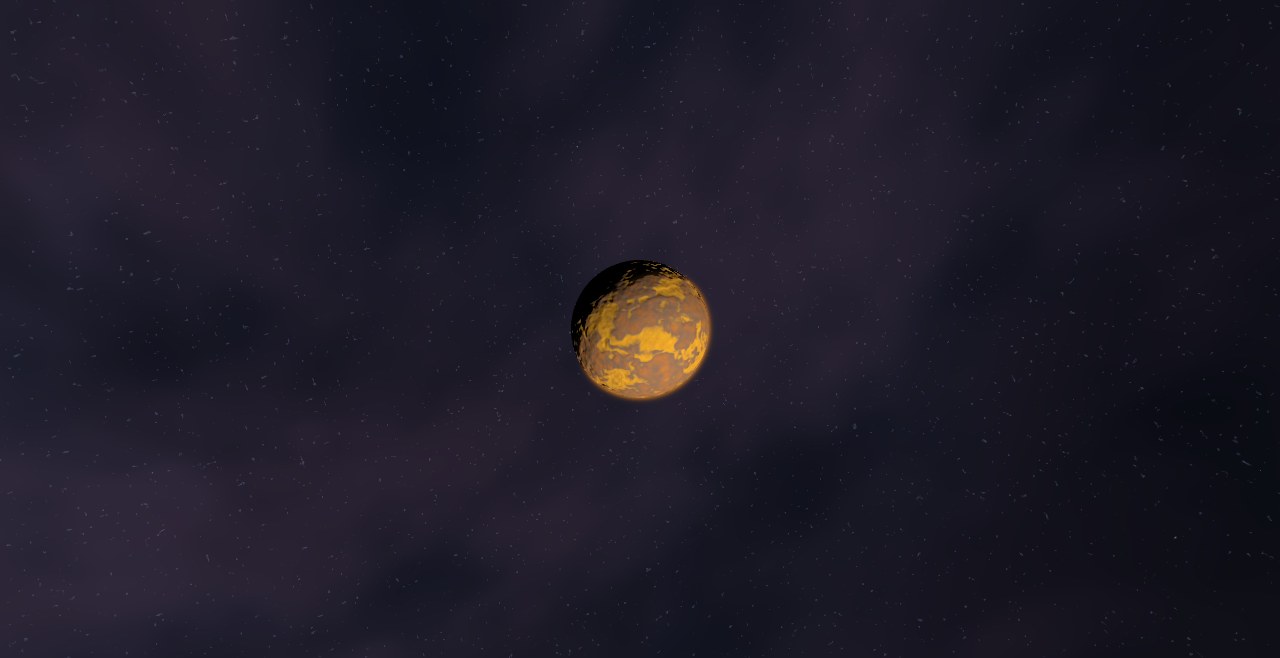
Kepler-780 - System
Kepler-780, a Sun-like G-type star of 1.01 solar masses, and Kepler-780 b, a planet with 0.9 Earth radii, with an orbital period of 16.3 hours.
Exoplanets
Analyze isolated alien worlds orbiting a singular host star to observe basic orbital parameters, tidal locks, and planetary eccentricities.
Share
Kepler-780, a Sun-like G-type star of 1.01 solar masses, and Kepler-780 b, a planet with 0.9 Earth radii, with an orbital period of 16.3 hours.
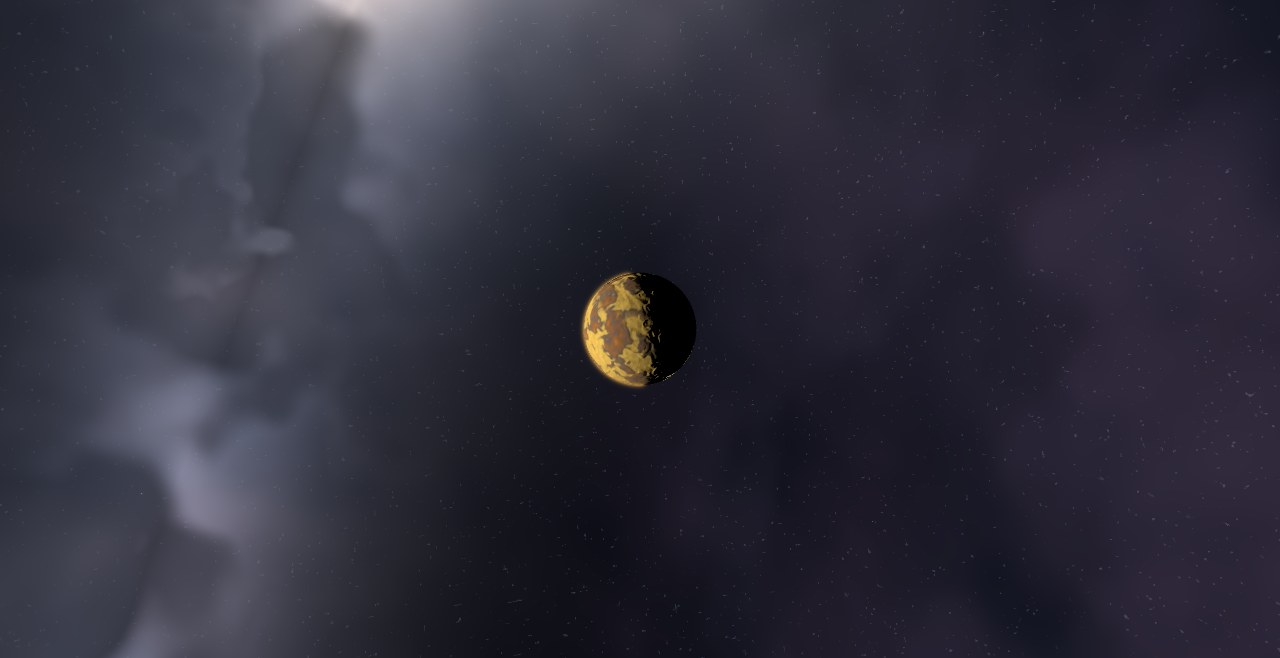
Kepler-781, an orange K-type dwarf of 0.81 solar masses, and Kepler-781 b, a planet with 2.9 Earth radii, with an orbital period of 13.2 days.
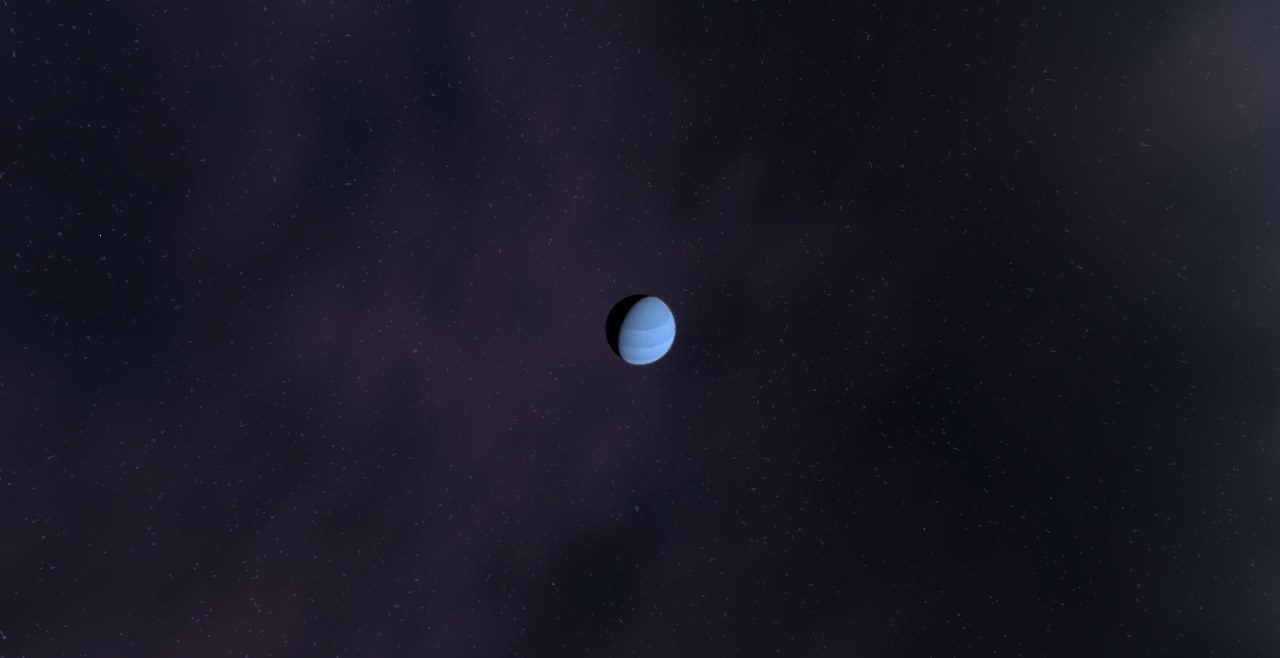
Kepler-782, a Sun-like G-type star of 0.98 solar masses, and Kepler-782 b, a planet with 3.2 Earth radii, with an orbital period of 159 days.
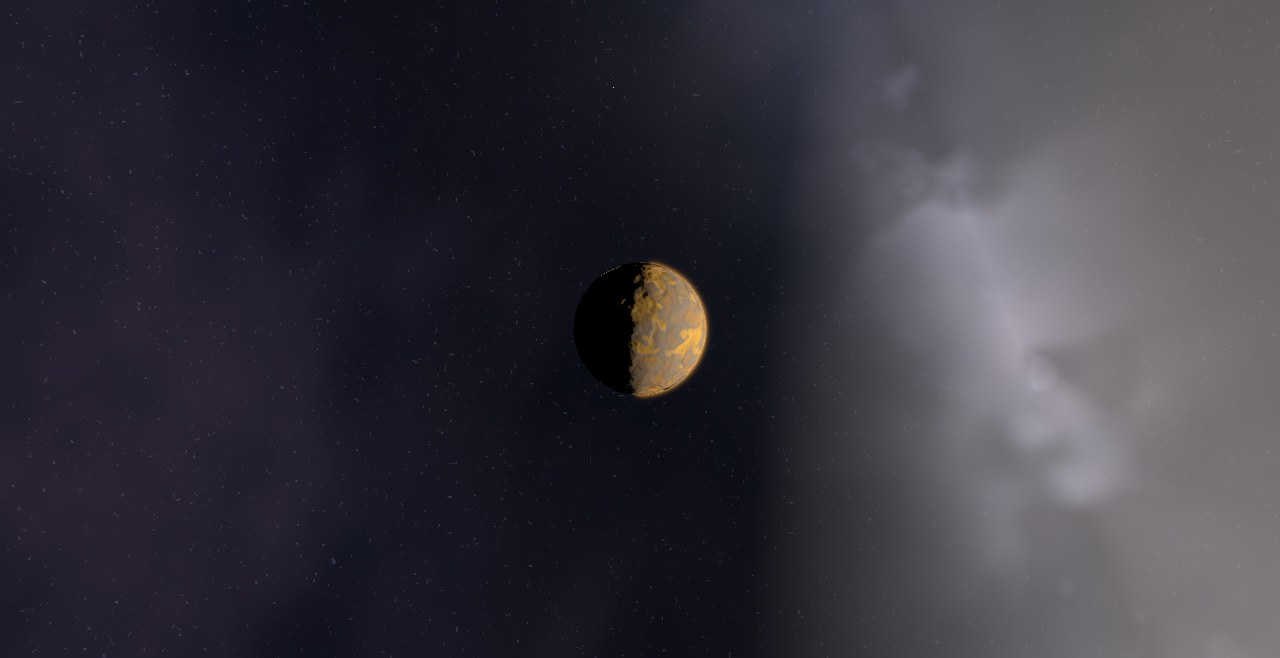
Kepler-785, an orange K-type dwarf of 0.77 solar masses, and Kepler-785 b, a planet with 13.0 Earth radii, with an orbital period of 2.0 days.
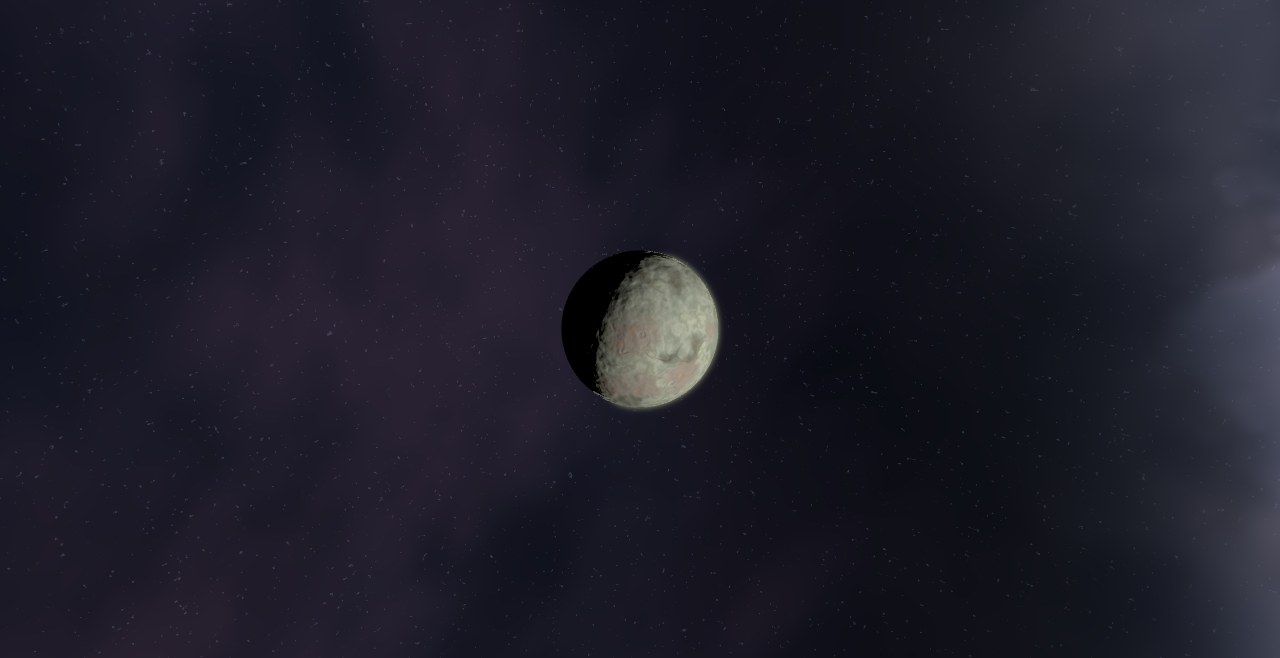
Kepler-786, an orange K-type dwarf of 0.81 solar masses, and Kepler-786 b, a planet with 2.4 Earth radii, with an orbital period of 53.5 days.
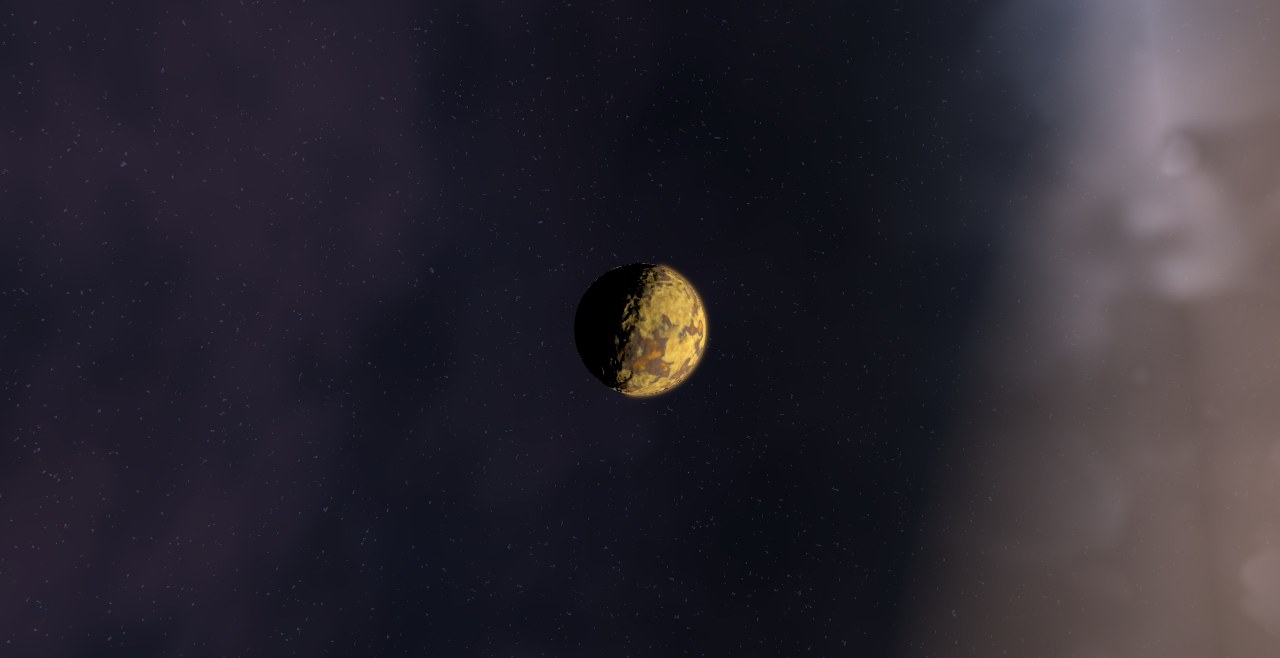
Kepler-787, an orange K-type dwarf of 0.65 solar masses, and Kepler-787 b, a planet with 1.3 Earth radii, with an orbital period of 22.3 hours.
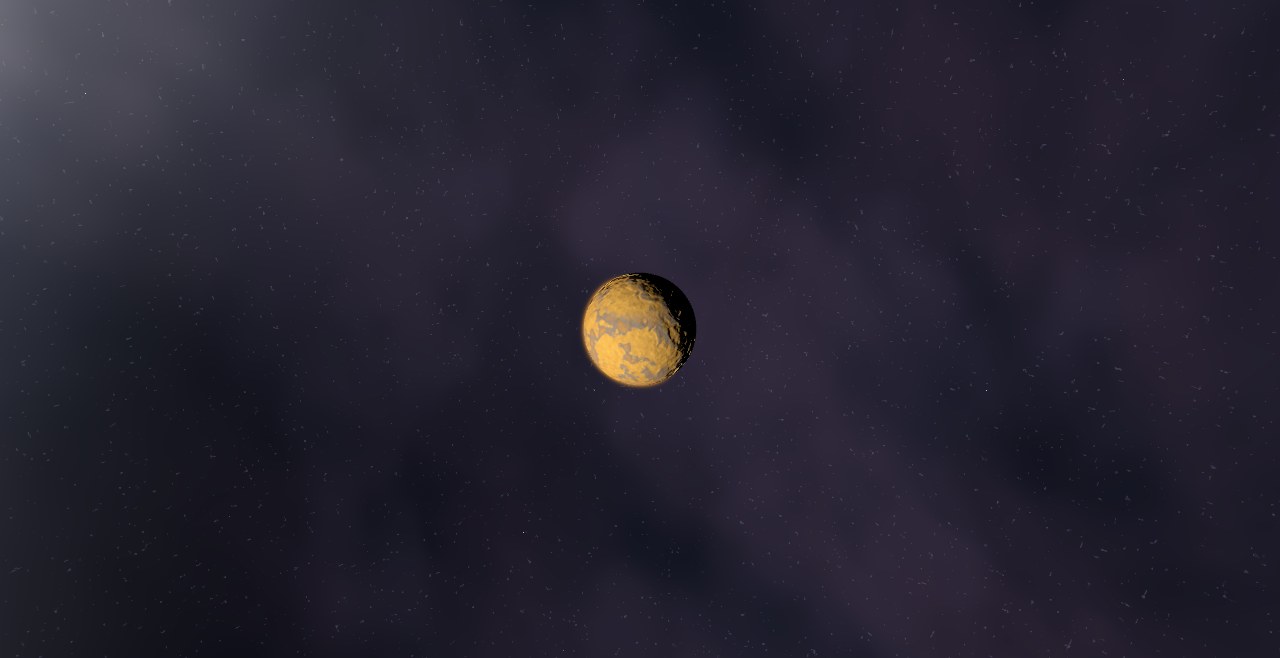
Kepler-788, a Sun-like F-type star of 1.16 solar masses, and Kepler-788 b, a planet with 2.5 Earth radii, with an orbital period of 8.4 days.
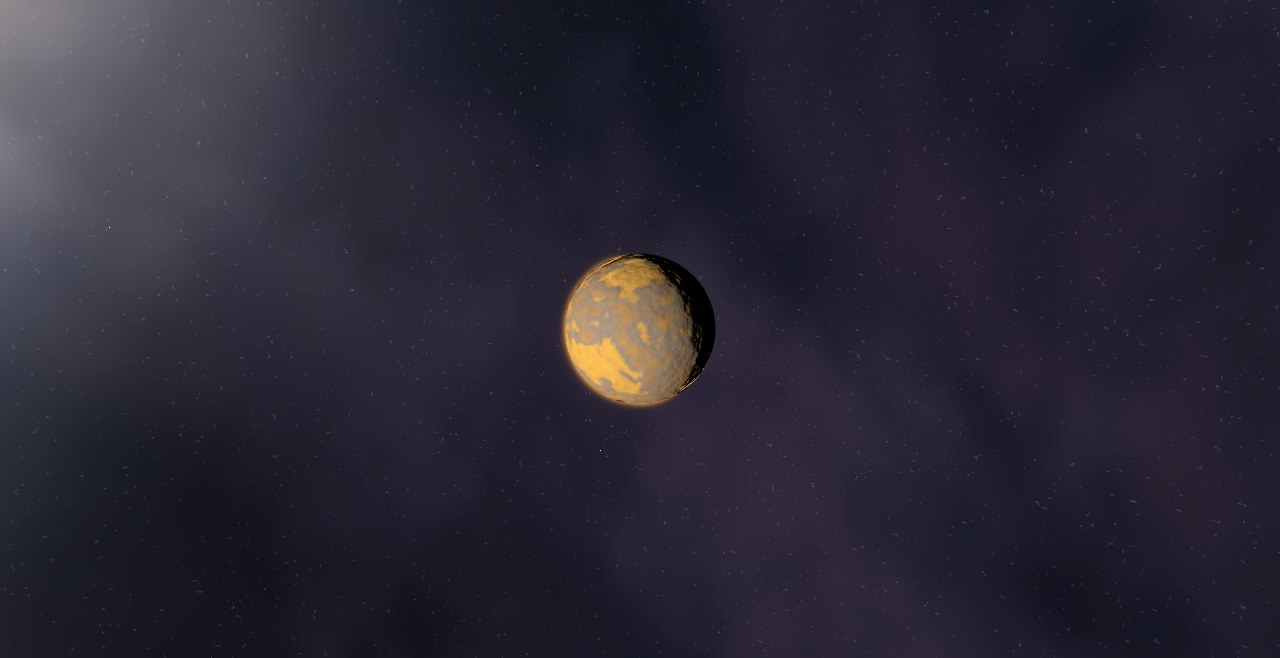
Kepler-789, a Sun-like G-type star of 1.01 solar masses, and Kepler-789 b, a planet with 2.1 Earth radii, with an orbital period of 8.6 days.
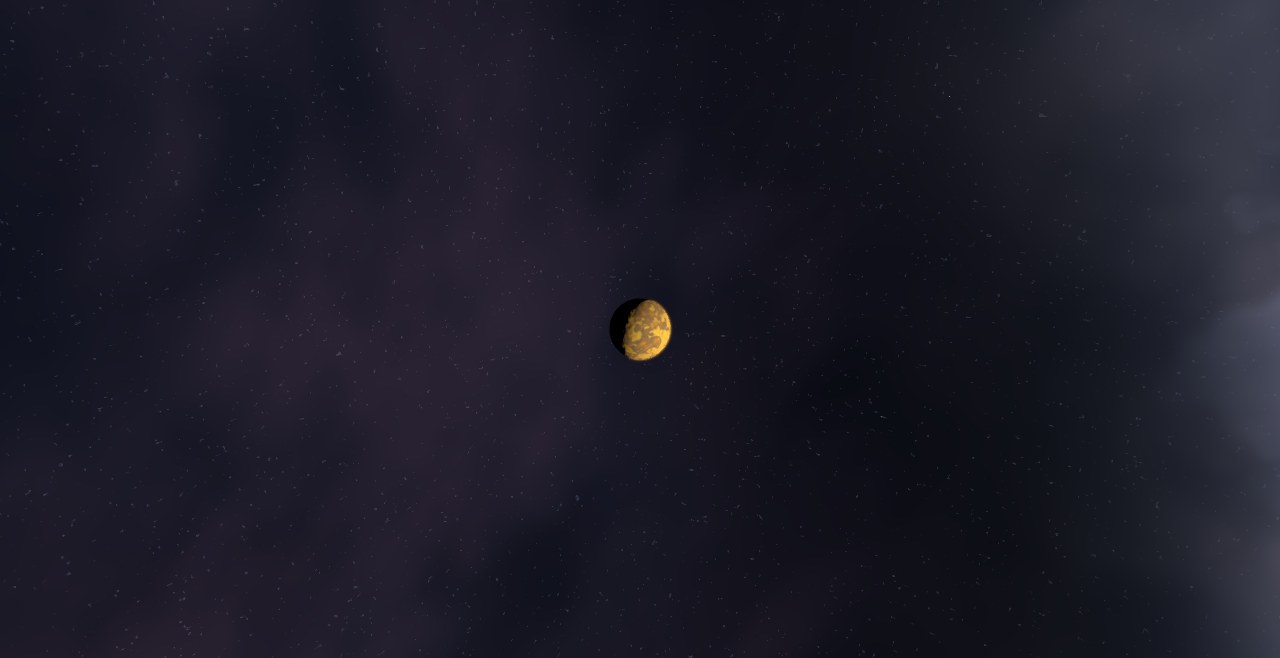
Kepler-790, a Sun-like G-type star of 0.84 solar masses, and Kepler-790 b, a planet with 2.2 Earth radii, with an orbital period of 13.7 days.
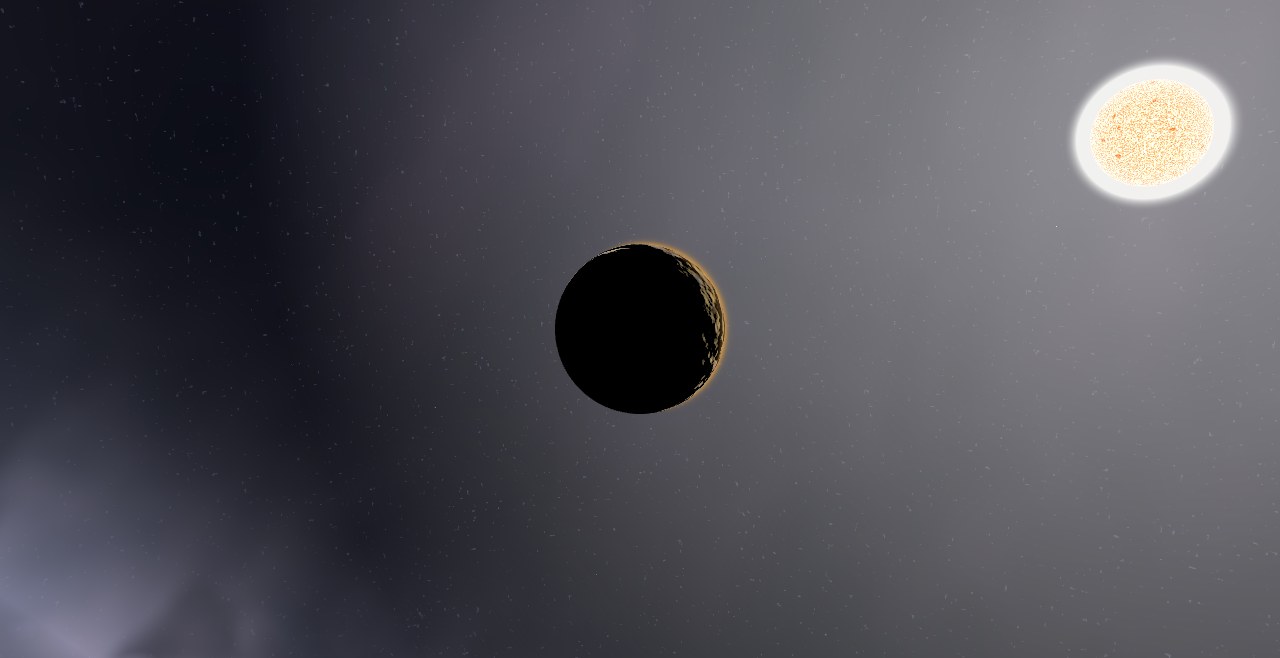
Kepler-791, a Sun-like F-type star of 1.30 solar masses, and Kepler-791 b, a planet with 3.0 Earth radii, with an orbital period of 14.6 days.
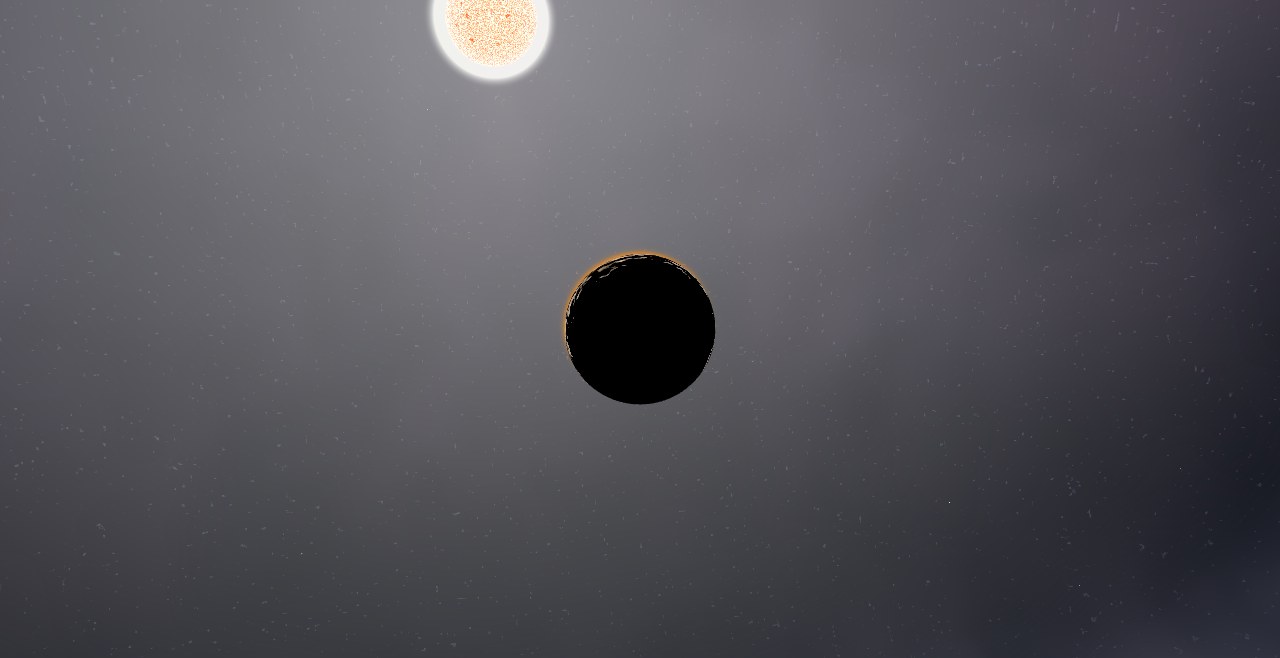
Kepler-792, a Sun-like G-type star of 1.09 solar masses, and Kepler-792 b, a planet with 2.0 Earth radii, with an orbital period of 11.3 days.
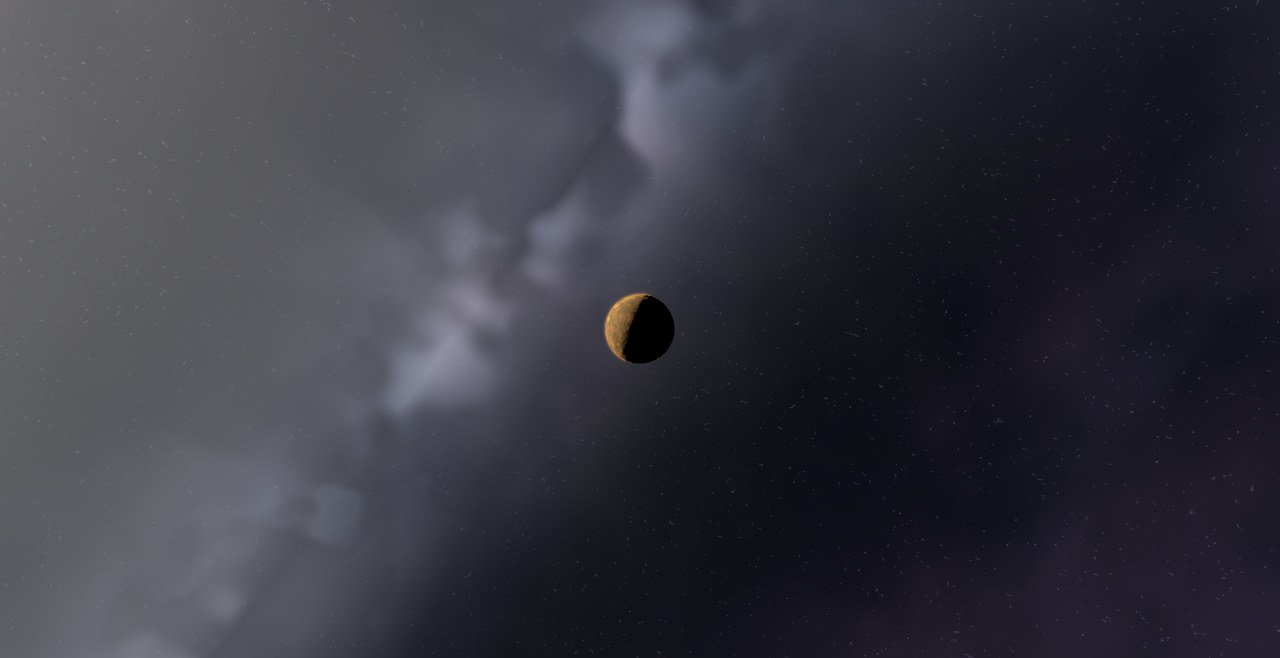
Kepler-793, a Sun-like G-type star of 0.98 solar masses, and Kepler-793 b, a planet with 1.4 Earth radii, with an orbital period of 4.2 days.
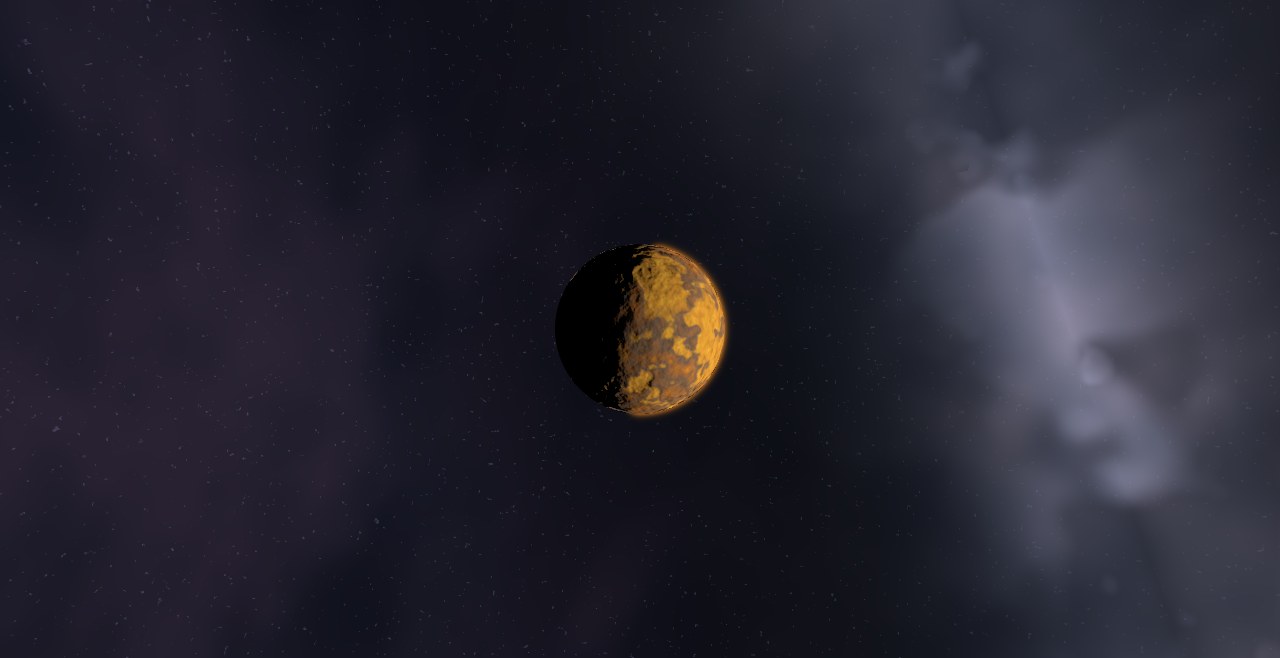
Kepler-794, a Sun-like G-type star of 1.19 solar masses, and Kepler-794 b, a planet with 2.1 Earth radii, with an orbital period of 11.1 days.
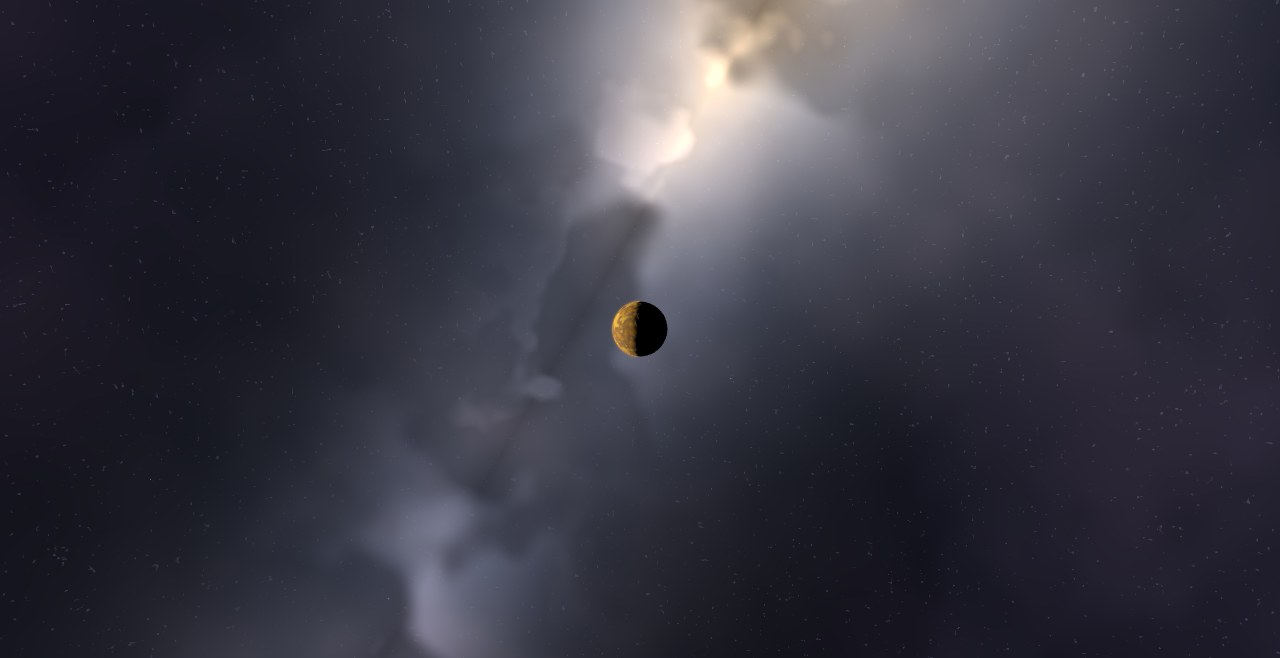
Kepler-795, a Sun-like G-type star of 0.94 solar masses, and Kepler-795 b, a planet with 1.7 Earth radii, with an orbital period of 29.6 days.
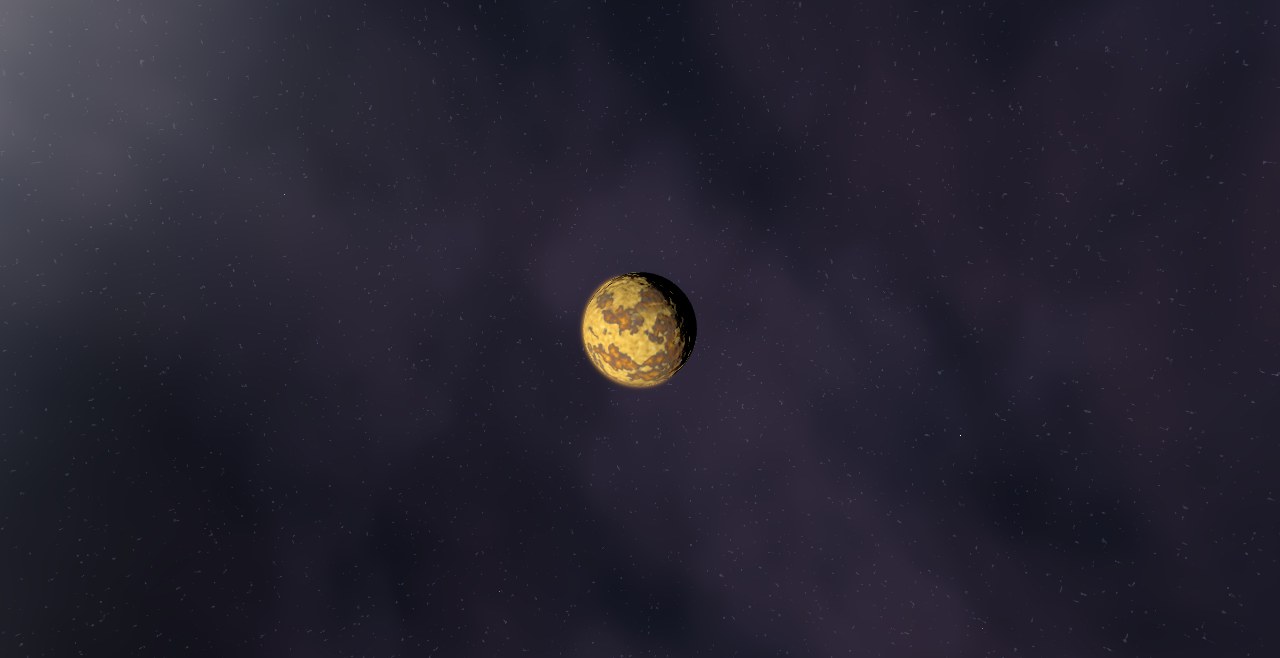
Kepler-796, a Sun-like G-type star of 0.93 solar masses, and Kepler-796 b, a planet with 1.3 Earth radii, with an orbital period of 6.4 days.
Kepler-797, a Sun-like G-type star of 0.96 solar masses, and Kepler-797 b, a planet with 2.2 Earth radii, with an orbital period of 27.1 days.
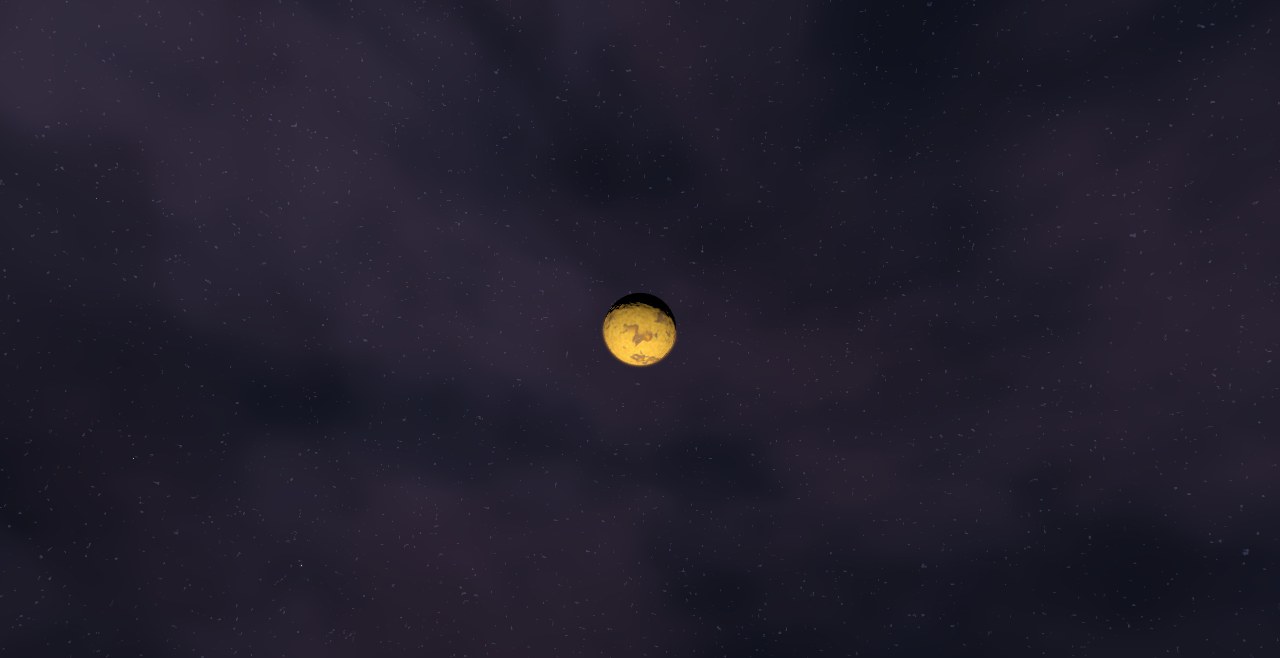
Kepler-798, a Sun-like F-type star of 1.19 solar masses, and Kepler-798 b, a planet with 2.4 Earth radii, with an orbital period of 13.7 days.
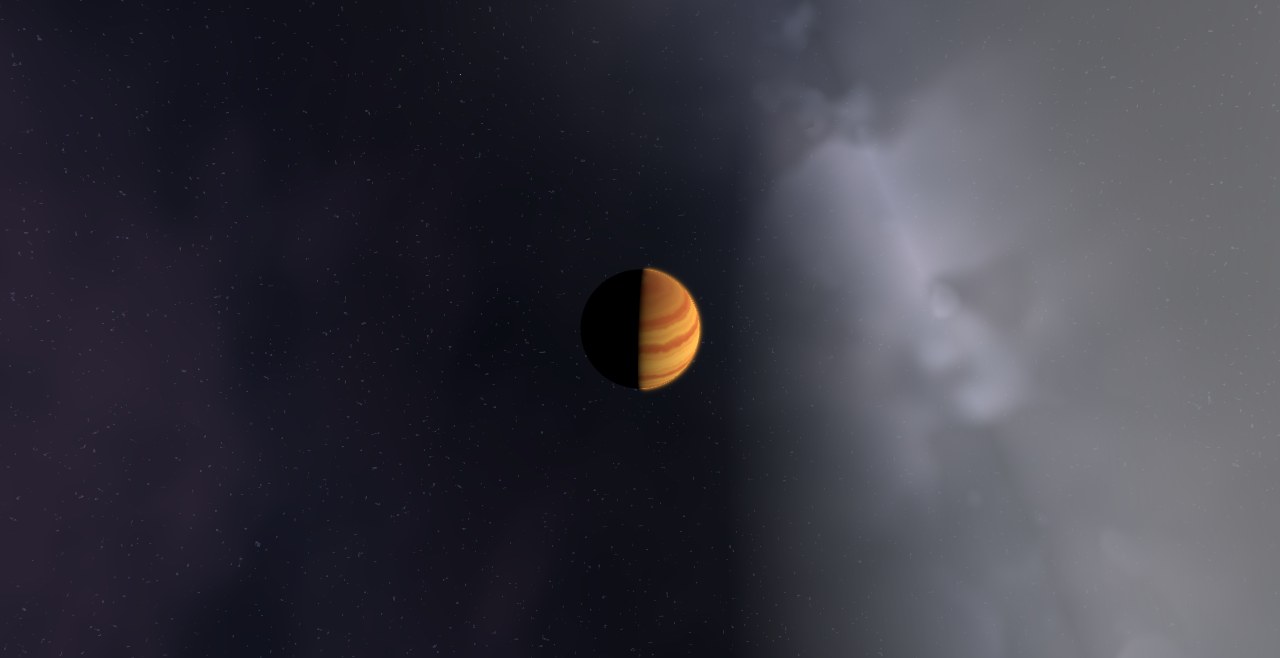
Kepler-8, a Sun-like F-type star of 1.21 solar masses, and Kepler-8 b, a 0.59-Jupiter-mass companion, with an orbital period of 3.5 days, at 0.047 AU from its star, and an equilibrium temperature near 1,680 K.