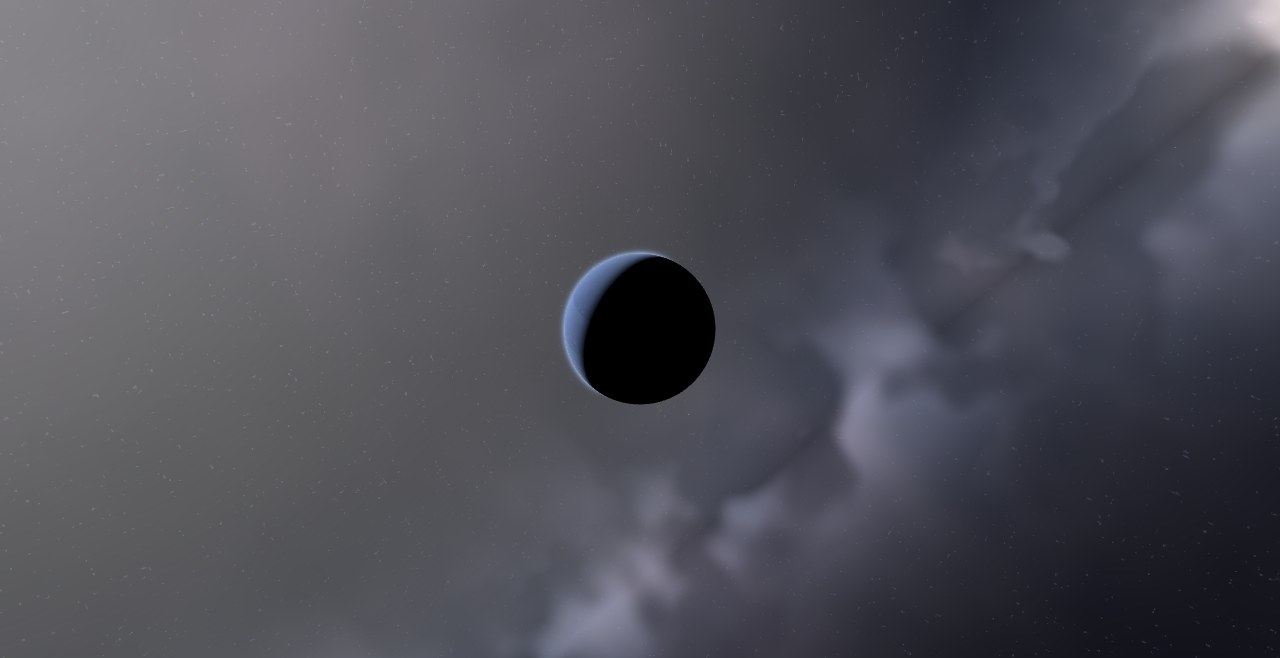
Kepler-720 - System
Kepler-720, a Sun-like G-type star of 0.95 solar masses, and Kepler-720 b, a planet with 8.4 Earth radii, with an orbital period of 4.7 days.
Exoplanets
Analyze isolated alien worlds orbiting a singular host star to observe basic orbital parameters, tidal locks, and planetary eccentricities.
Share
Kepler-720, a Sun-like G-type star of 0.95 solar masses, and Kepler-720 b, a planet with 8.4 Earth radii, with an orbital period of 4.7 days.
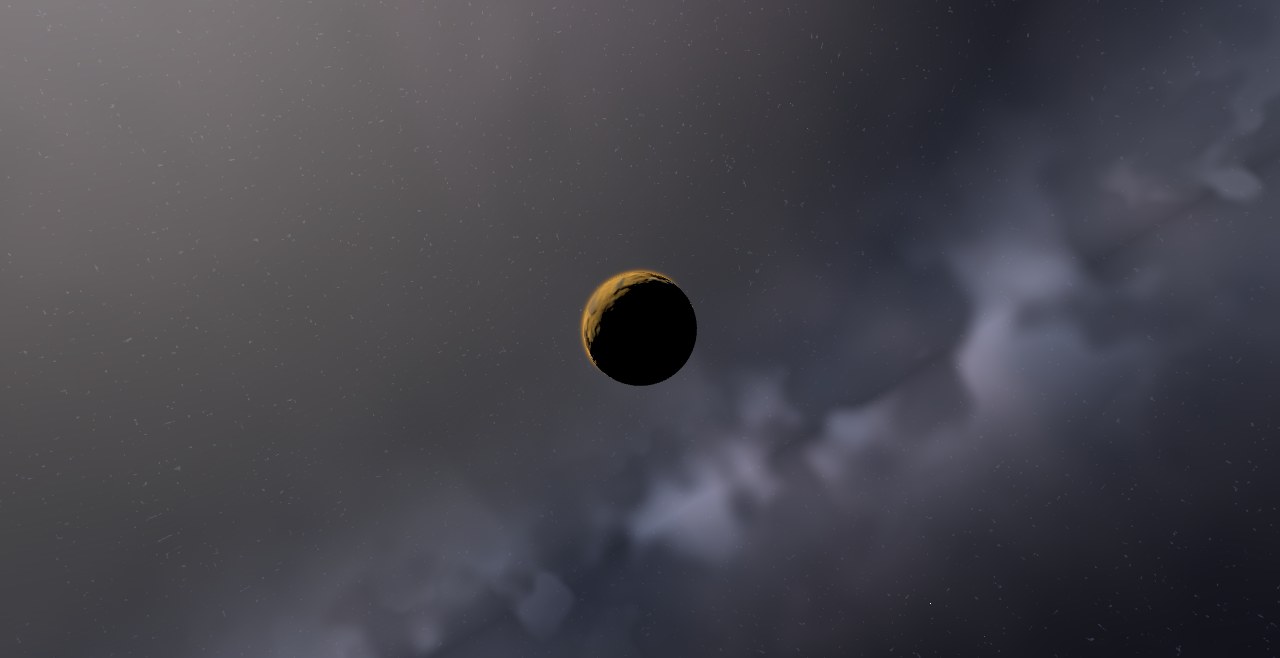
Kepler-721, an orange K-type dwarf of 0.82 solar masses, and Kepler-721 b, a planet with 2.6 Earth radii, with an orbital period of 5.4 days.
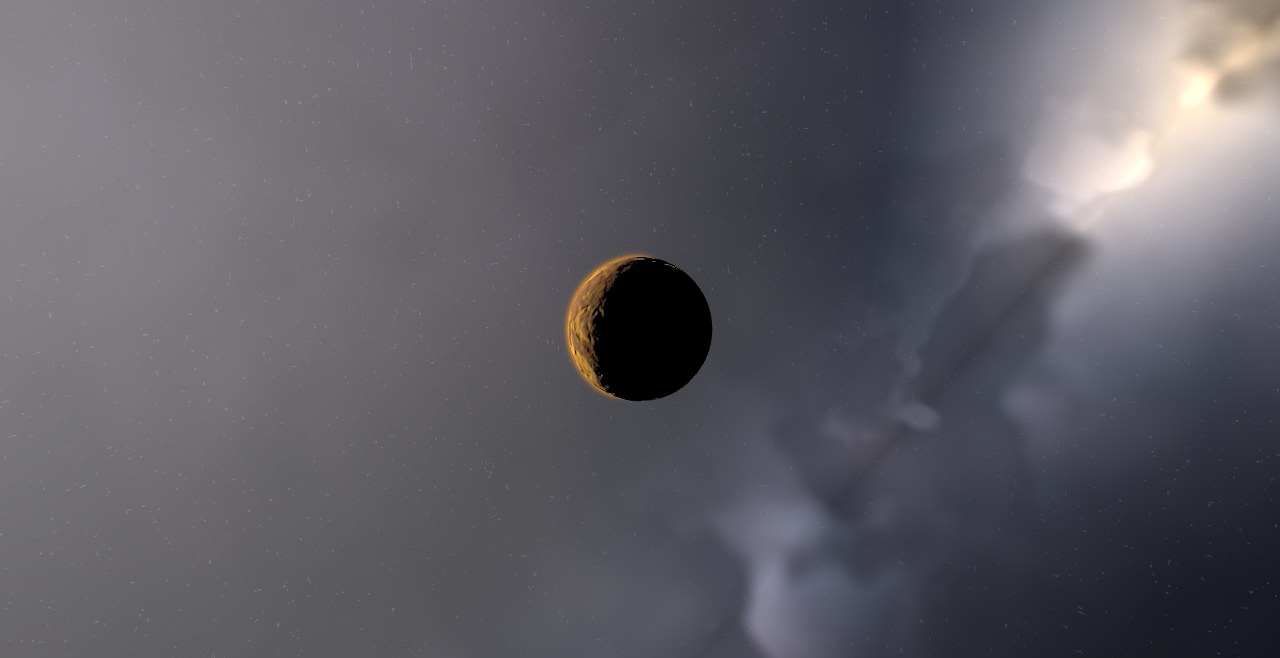
Kepler-723, a Sun-like G-type star of 0.92 solar masses, and Kepler-723 b, a planet with 12.2 Earth radii, with an orbital period of 4.1 days.
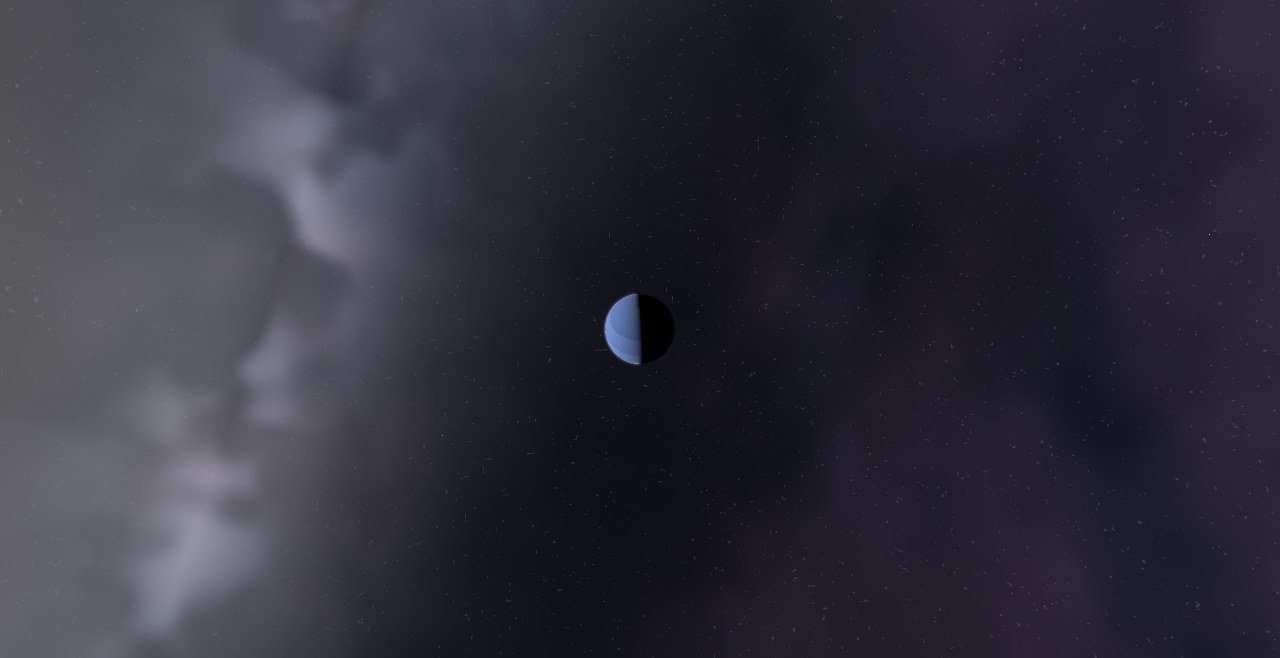
Kepler-724, a Sun-like G-type star of 0.90 solar masses, and Kepler-724 b, a planet with 3.3 Earth radii, with an orbital period of 3.3 days.
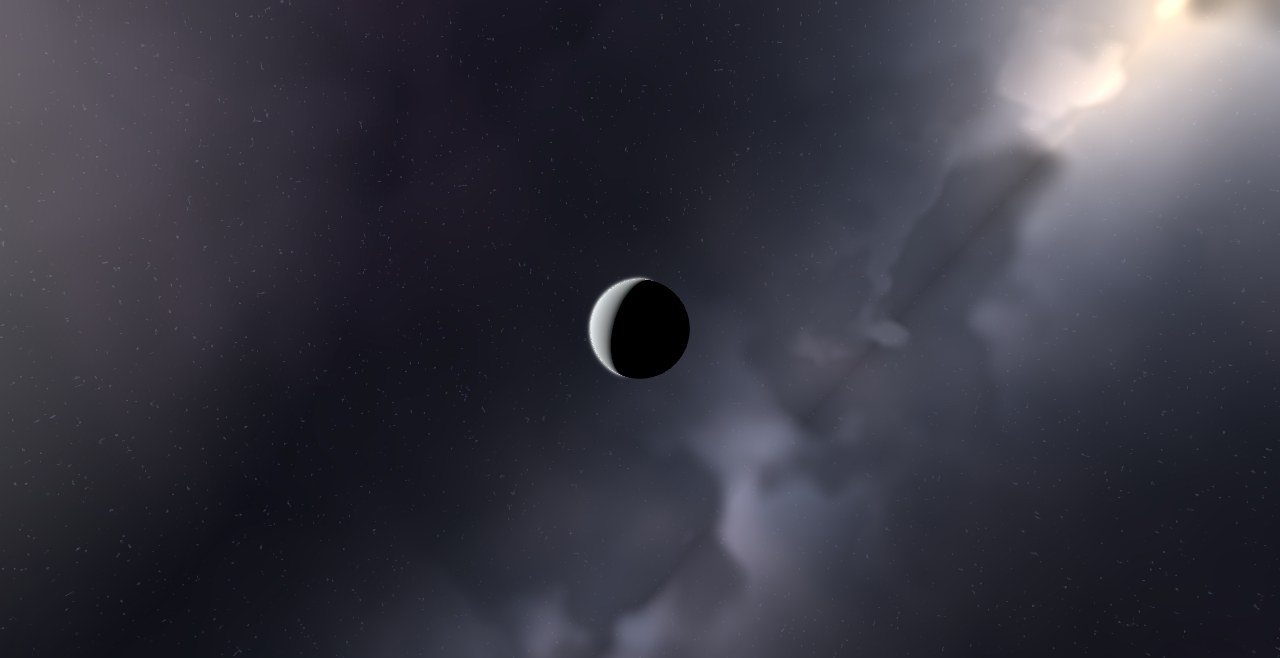
Kepler-726, a Sun-like G-type star of 0.88 solar masses, and Kepler-726 b, a planet with 3.3 Earth radii, with an orbital period of 21.8 days.
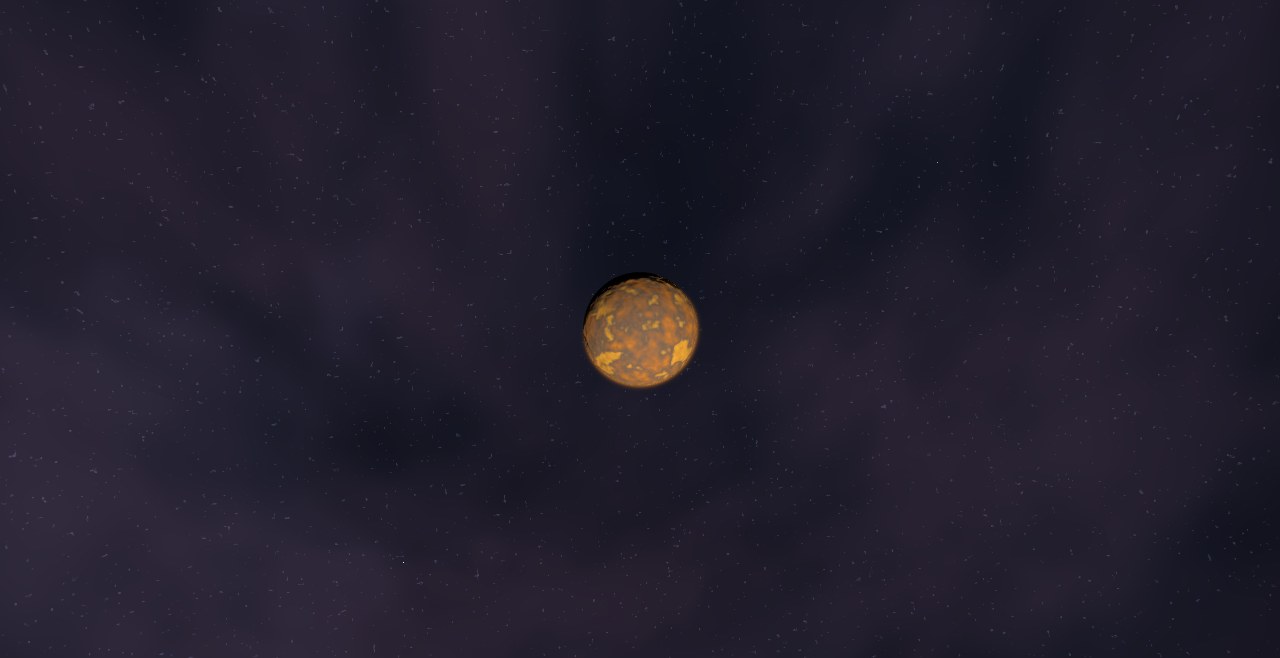
Kepler-727, a Sun-like G-type star of 0.89 solar masses, and Kepler-727 b, a planet with 2.5 Earth radii, with an orbital period of 5.2 days.
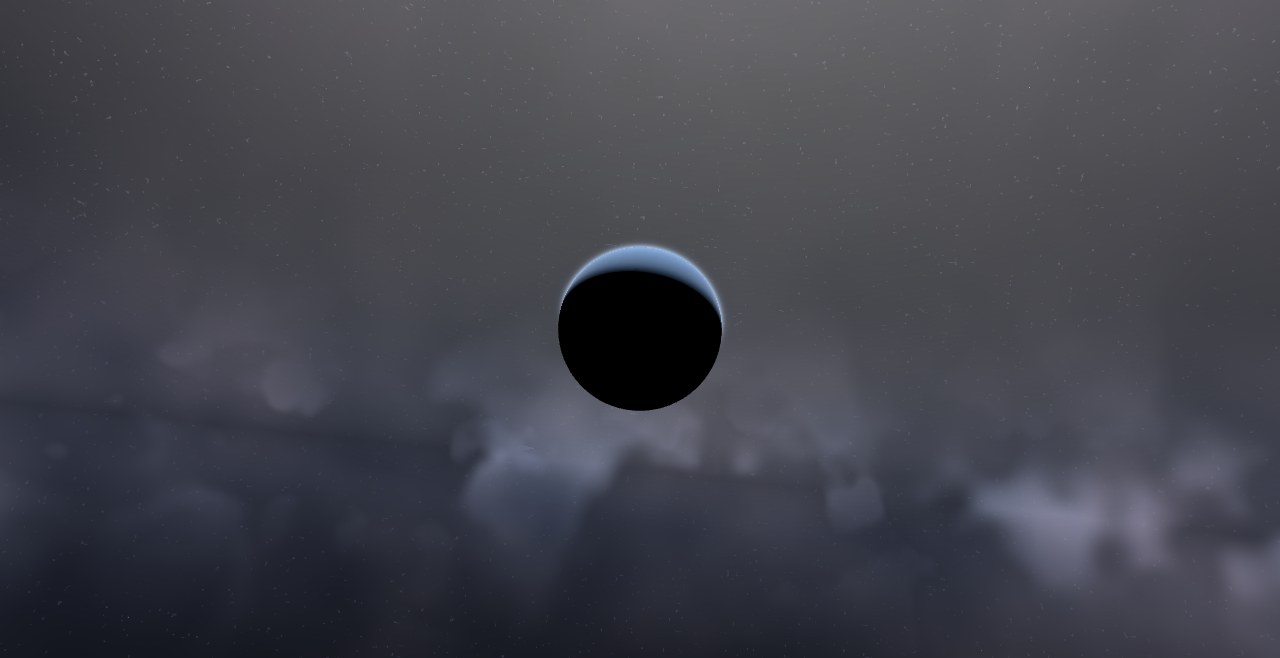
Kepler-728, a Sun-like G-type star of 0.95 solar masses, and Kepler-728 b, a planet with 3.3 Earth radii, with an orbital period of 5.7 days.
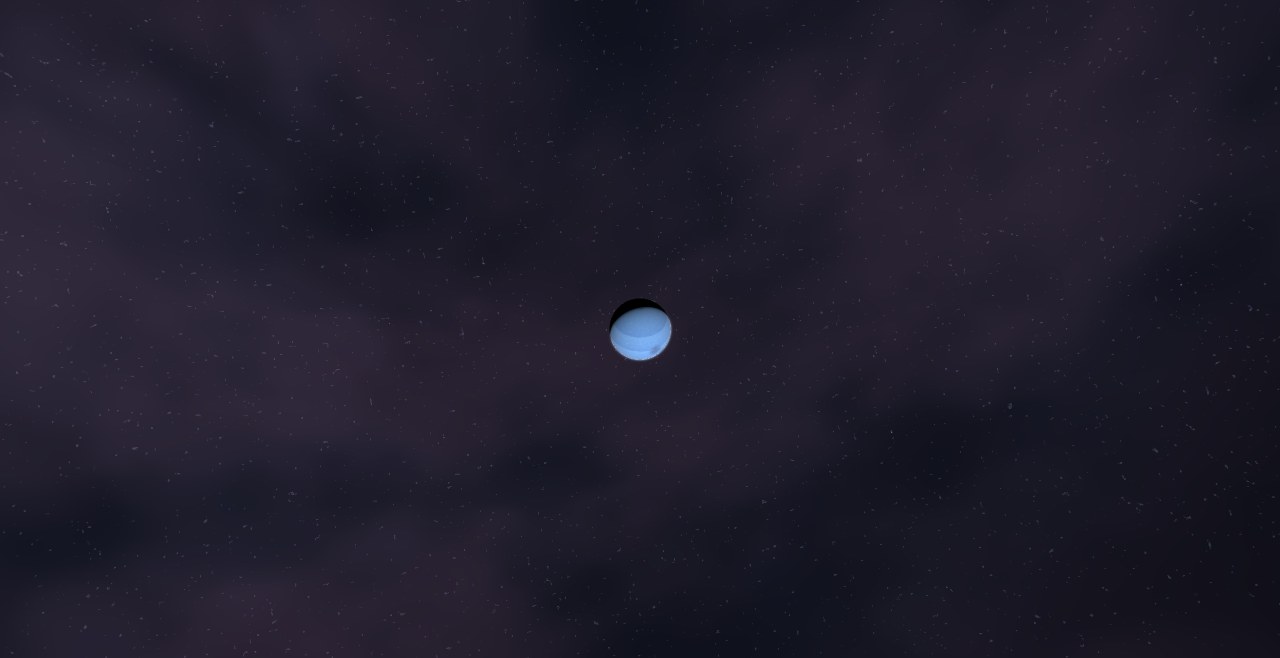
Kepler-729, a Sun-like G-type star of 0.94 solar masses, and Kepler-729 b, a planet with 3.6 Earth radii, with an orbital period of 3.2 days.
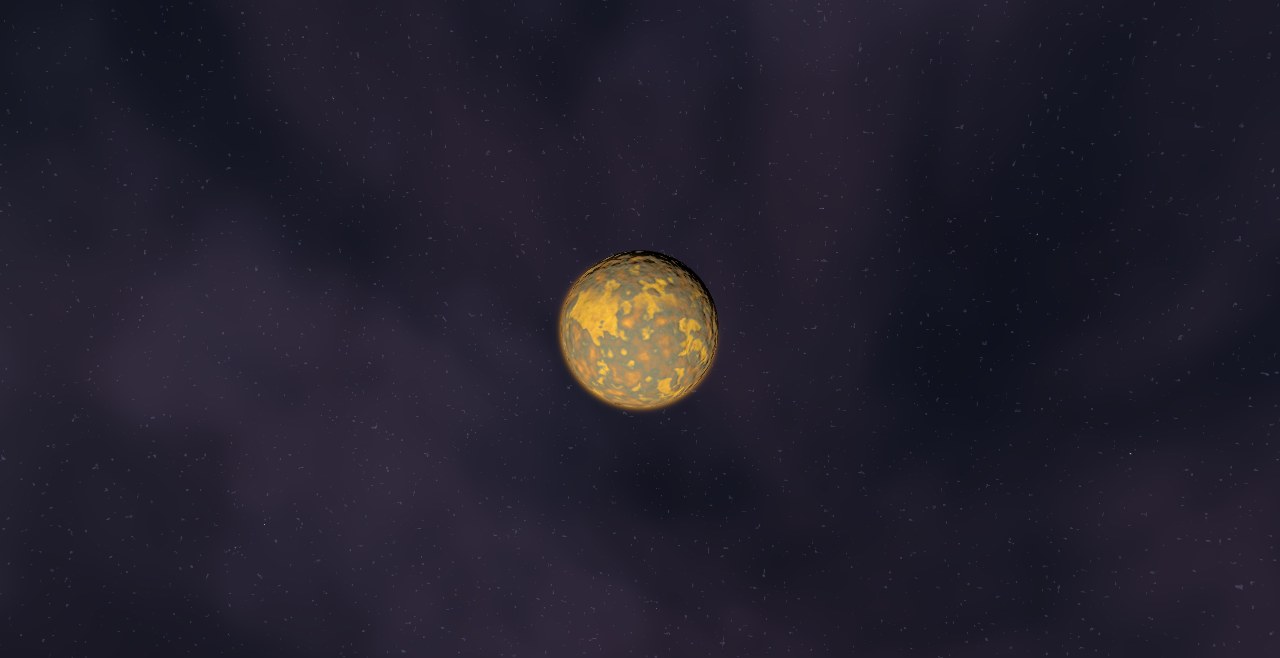
Kepler-731, a Sun-like G-type star of 1.03 solar masses, and Kepler-731 b, a planet with 13.9 Earth radii, with an orbital period of 3.9 days.
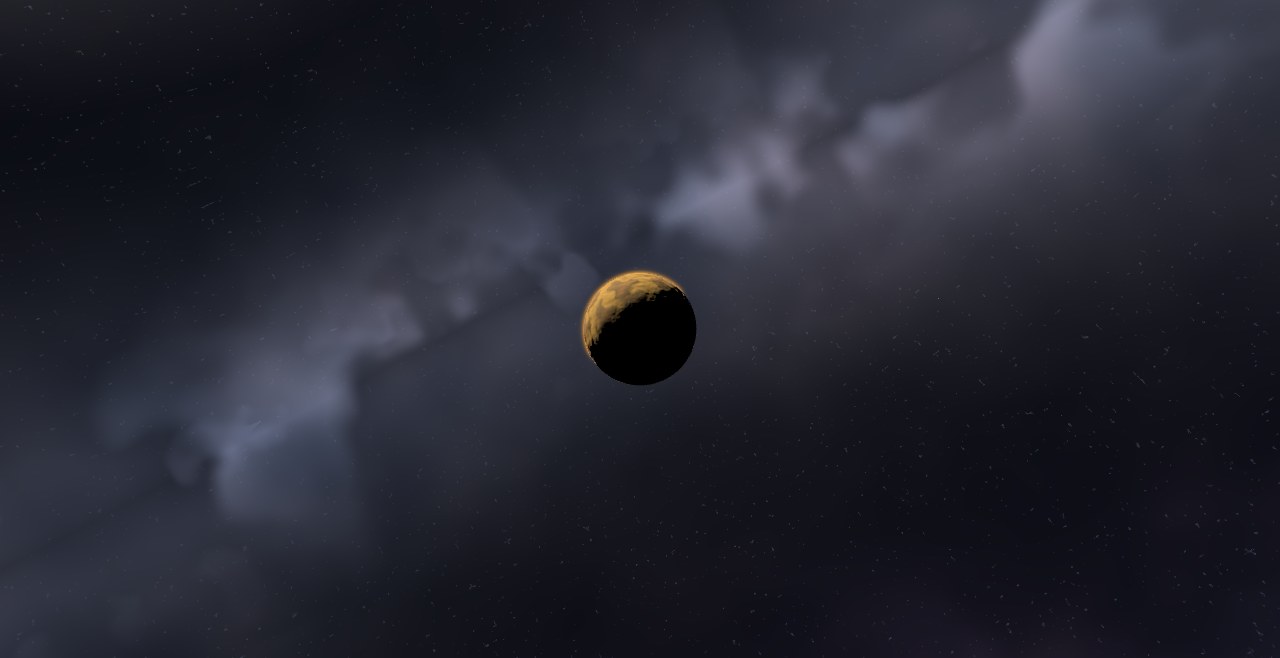
Kepler-733, a Sun-like G-type star of 0.90 solar masses, and Kepler-733 b, a planet with 2.8 Earth radii, with an orbital period of 20.8 days.
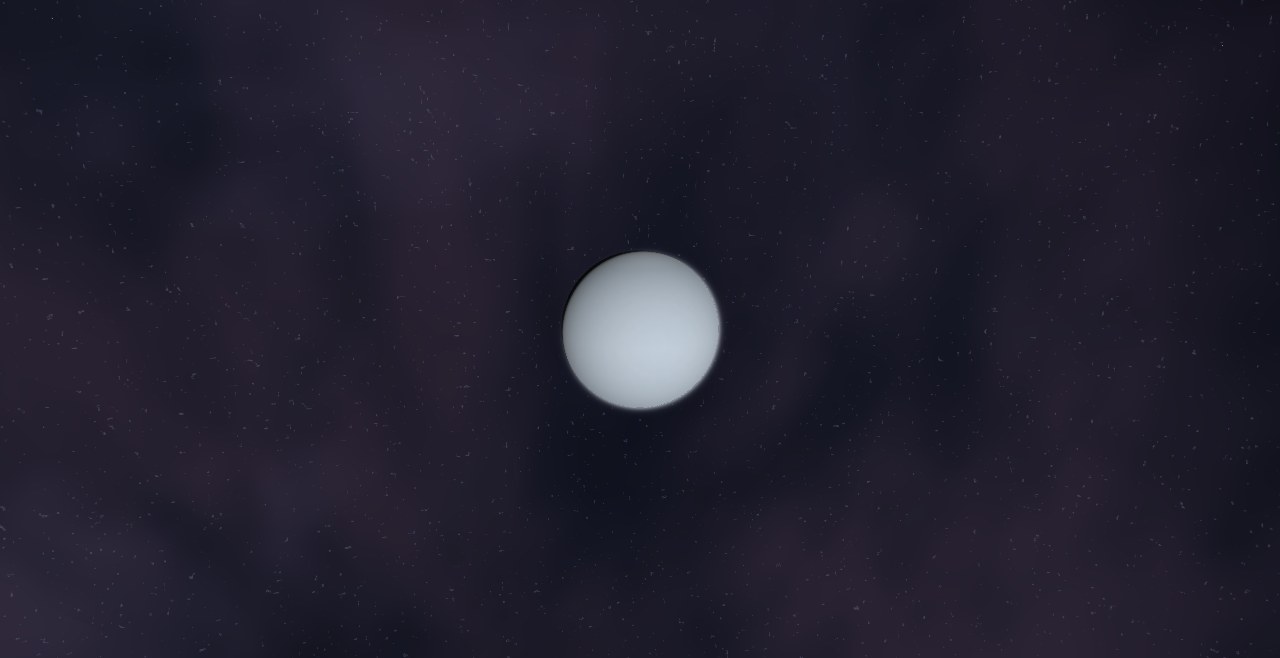
Kepler-734, a Sun-like G-type star of 0.85 solar masses, and Kepler-734 b, a planet with 3.6 Earth radii, with an orbital period of 6.1 days.
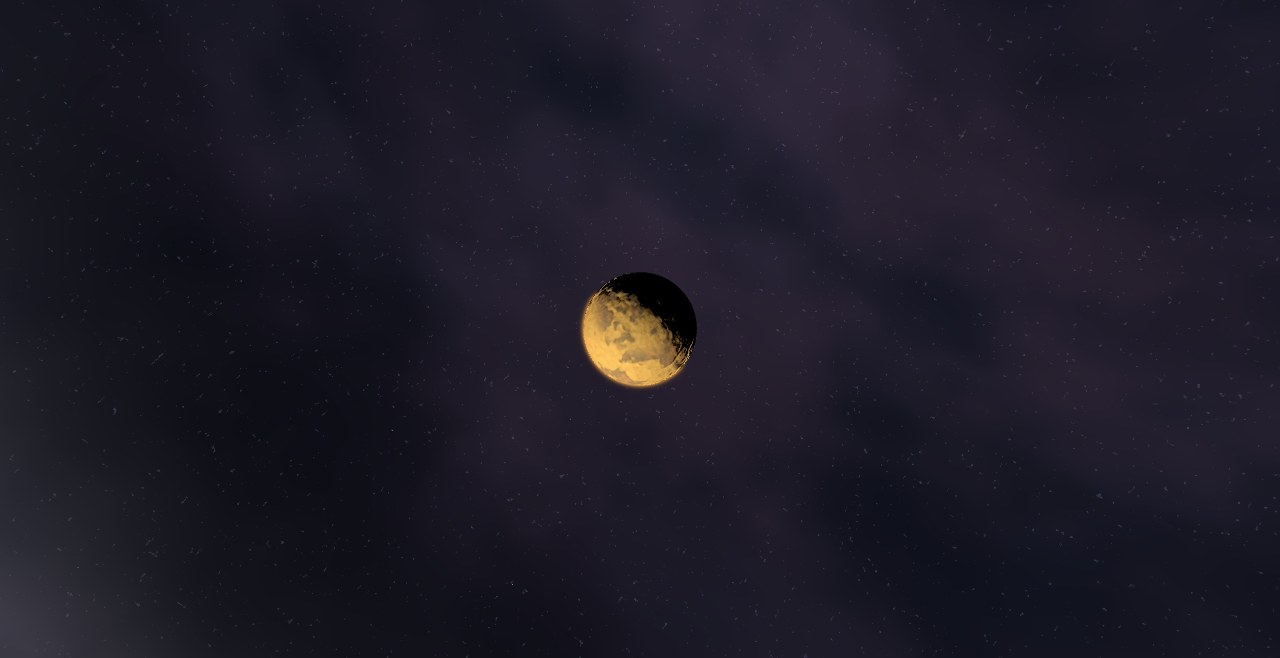
Kepler-735, an orange K-type dwarf of 0.85 solar masses, and Kepler-735 b, a planet with 3.0 Earth radii, with an orbital period of 11.5 days.
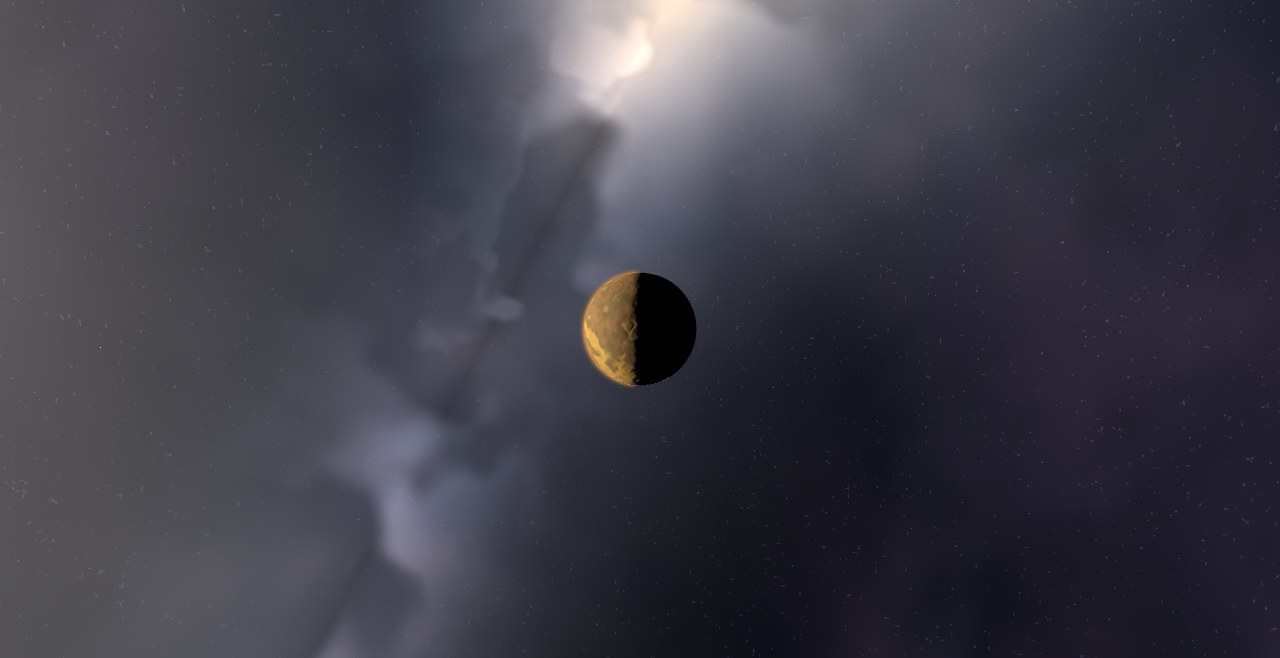
Kepler-736, a Sun-like G-type star of 0.86 solar masses, and Kepler-736 b, a planet with 2.9 Earth radii, with an orbital period of 3.6 days.
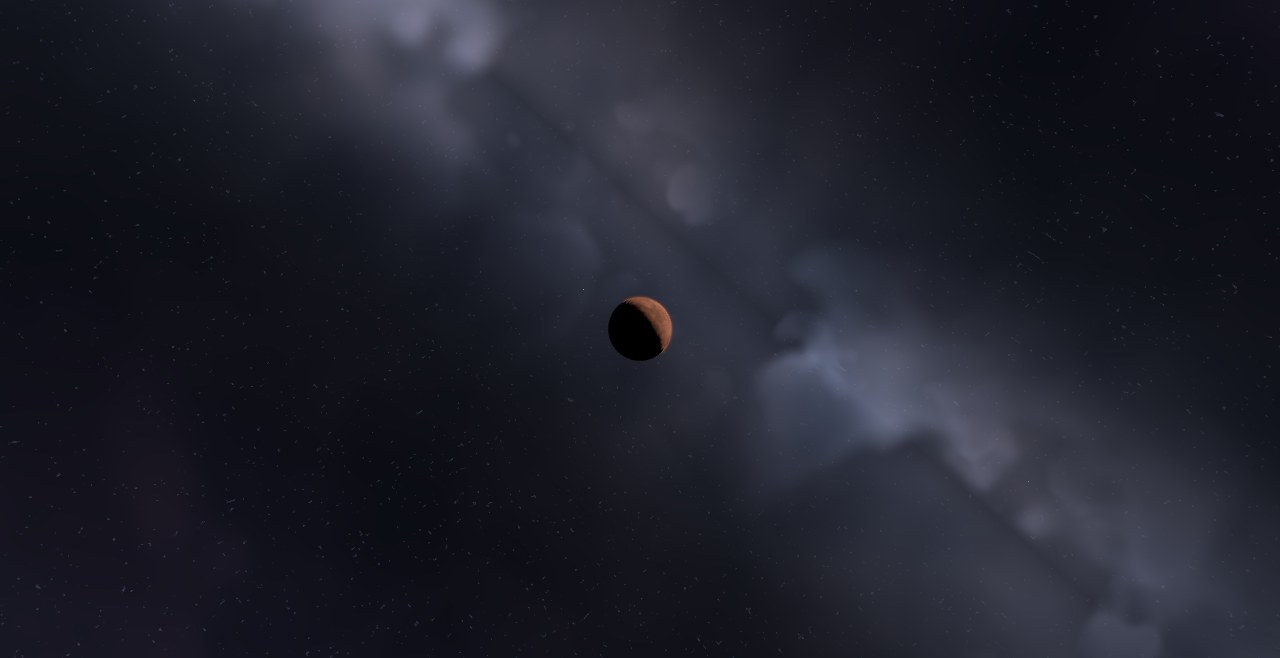
Kepler-737, an orange K-type dwarf of 0.51 solar masses, and Kepler-737 b, a planet with 2.0 Earth radii, with an orbital period of 28.6 days.
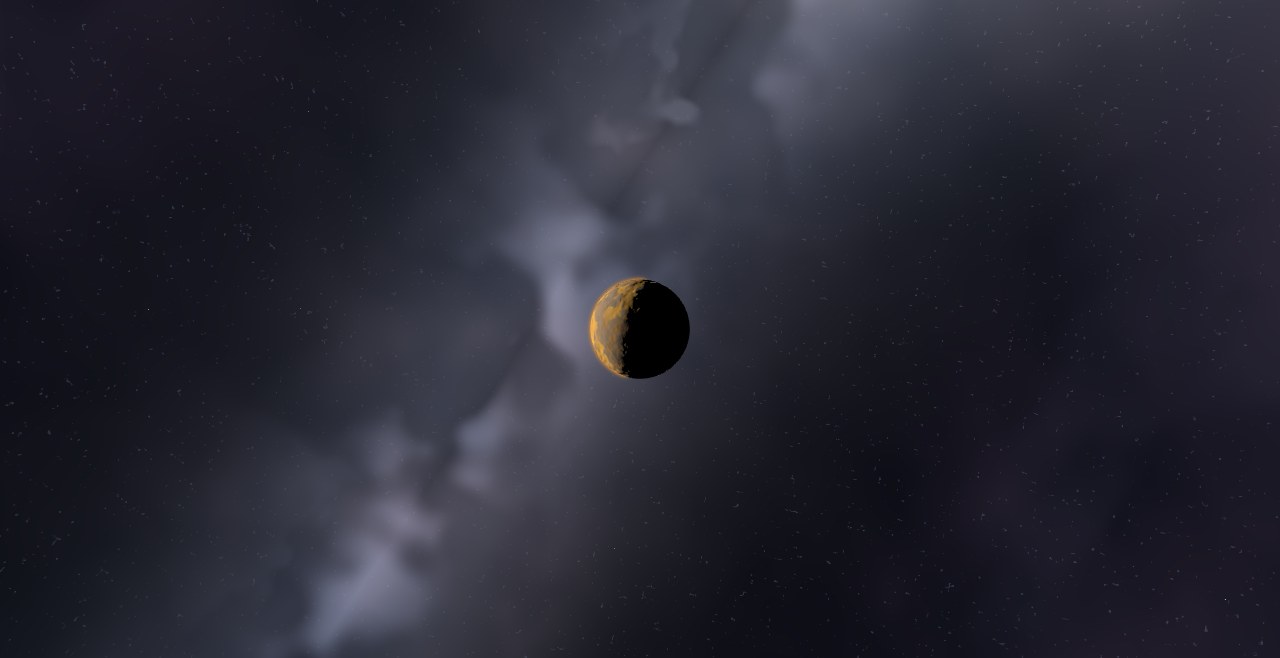
Kepler-738, a Sun-like G-type star of 0.86 solar masses, and Kepler-738 b, a planet with 2.5 Earth radii, with an orbital period of 24.6 days.
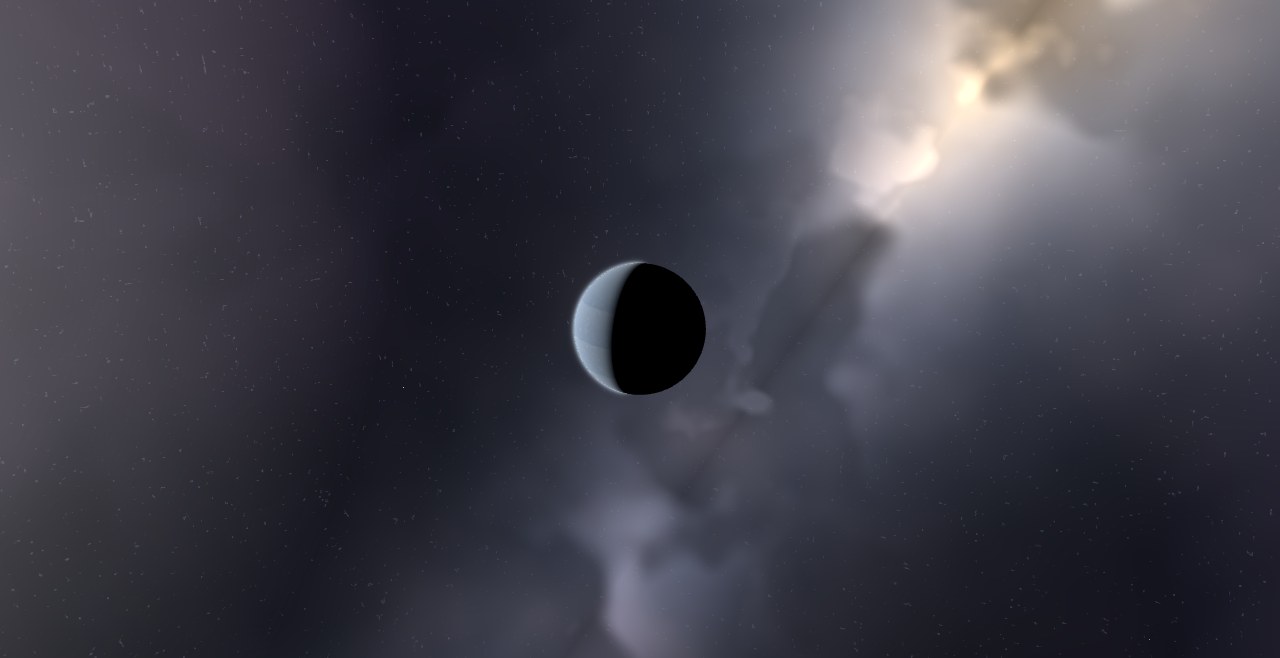
Kepler-739, a Sun-like G-type star of 0.93 solar masses, and Kepler-739 b, a planet with 3.3 Earth radii, with an orbital period of 12.5 days.
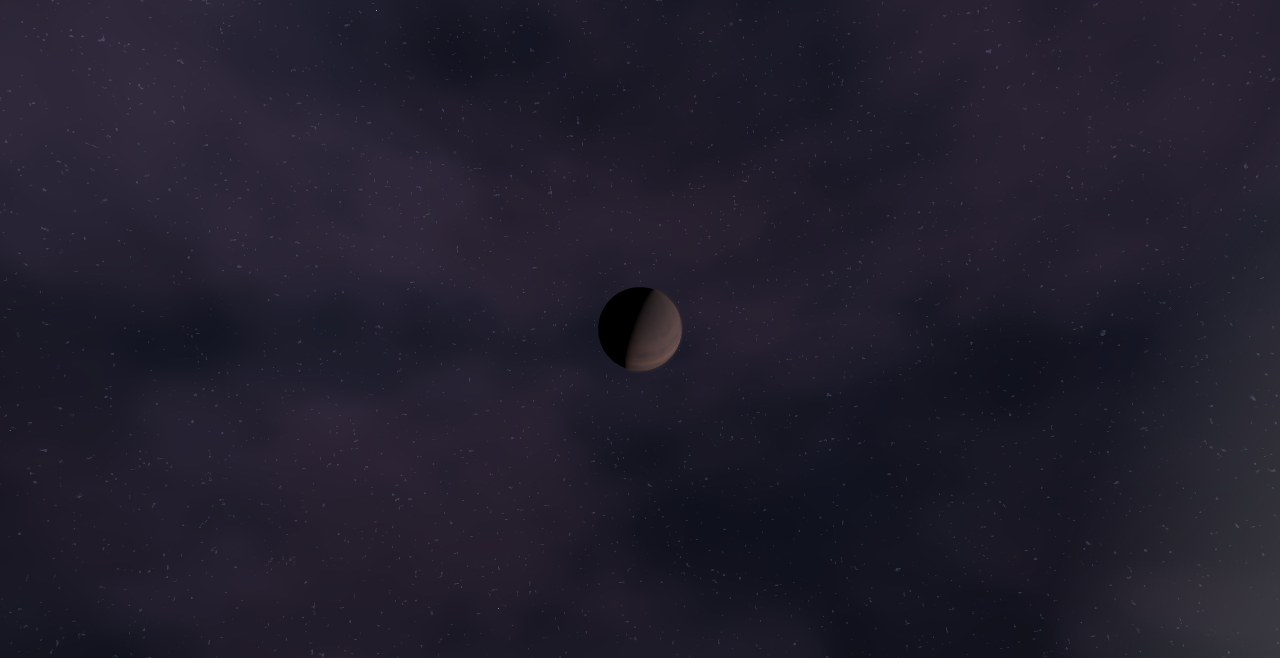
Kepler-74, a Sun-like F-type star of 1.18 solar masses, and Kepler-74 b, a 0.63-Jupiter-mass companion, with an orbital period of 7.3 days, at 0.078 AU from its star, and an equilibrium temperature near 1,078 K.
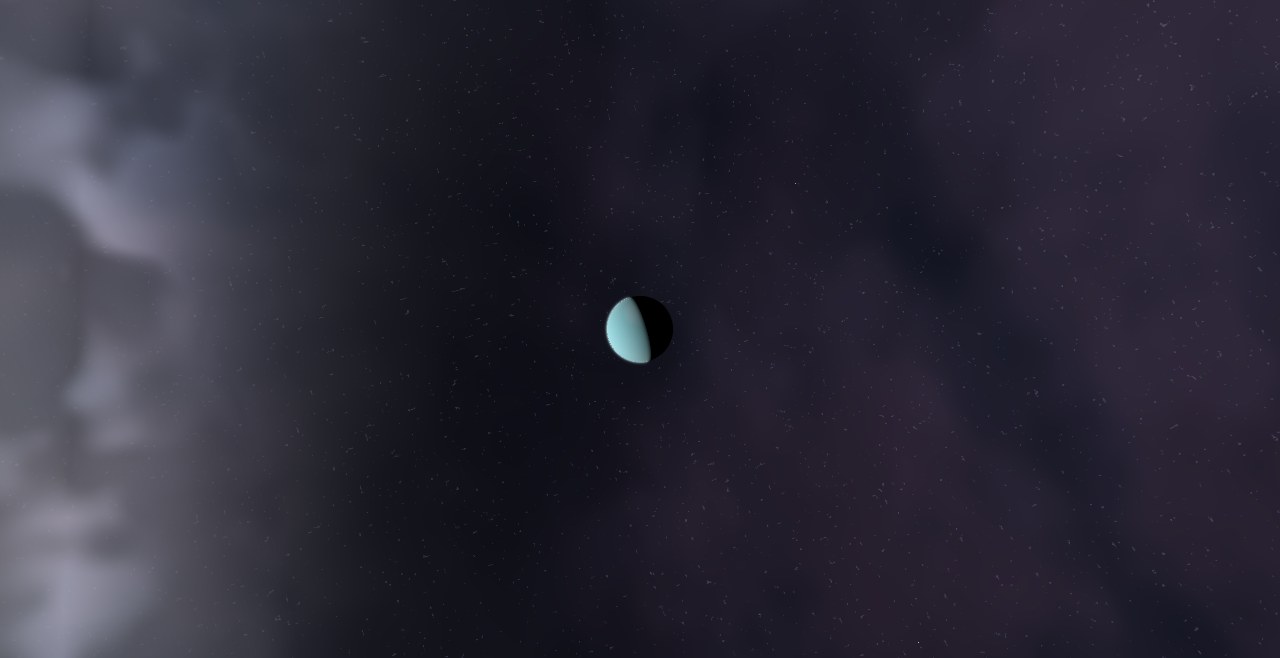
Kepler-740, a Sun-like G-type star of 0.91 solar masses, and Kepler-740 b, a planet with 4.6 Earth radii, with an orbital period of 3.6 days.