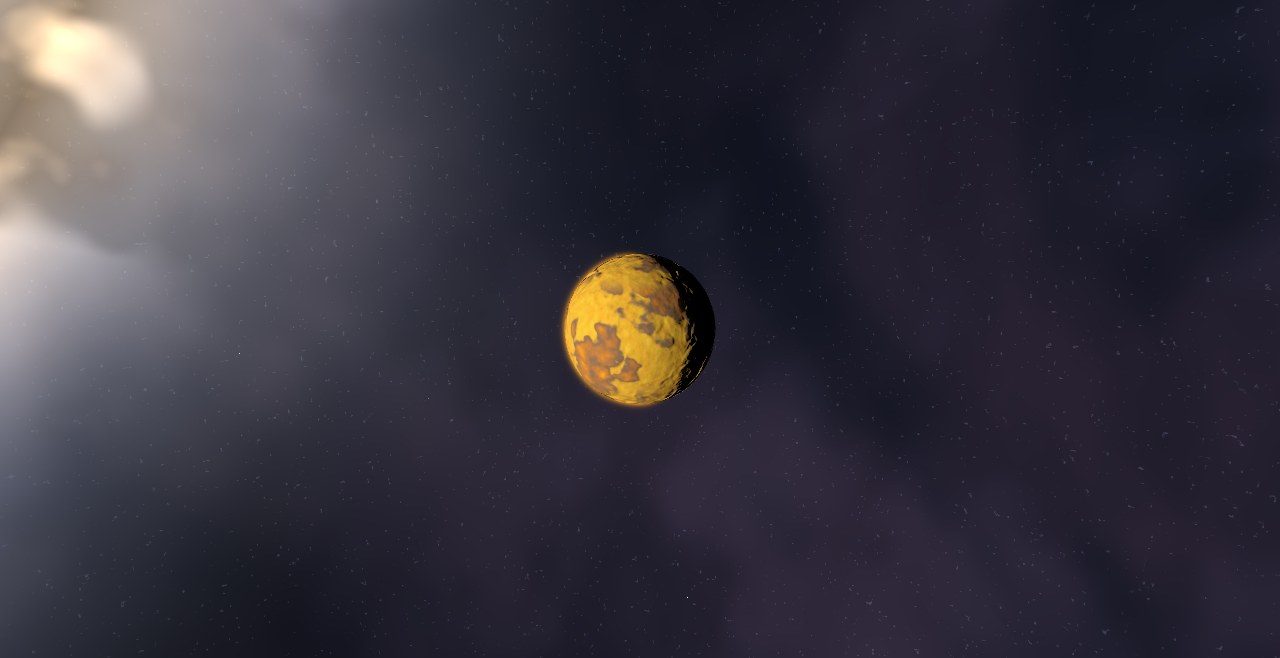
Kepler-1852 - System
Kepler-1852, a Sun-like G-type star of 0.93 solar masses, and Kepler-1852 b, a planet with 1.9 Earth radii, with an orbital period of 8.0 days.
Exoplanets
Analyze isolated alien worlds orbiting a singular host star to observe basic orbital parameters, tidal locks, and planetary eccentricities.
Share
Kepler-1852, a Sun-like G-type star of 0.93 solar masses, and Kepler-1852 b, a planet with 1.9 Earth radii, with an orbital period of 8.0 days.
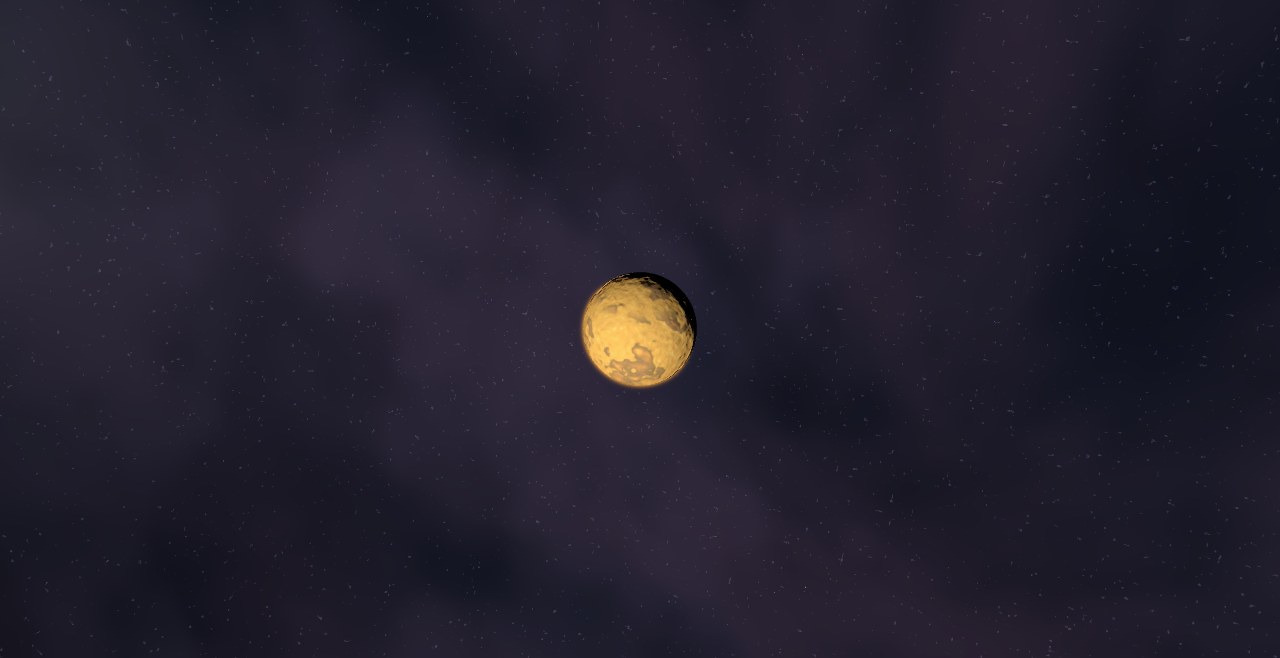
Kepler-1853, an orange K-type dwarf of 0.77 solar masses, and Kepler-1853 b, a planet with 1.5 Earth radii, with an orbital period of 48.9 days.
Kepler-1854, an orange K-type dwarf of 0.80 solar masses, and Kepler-1854 b, a planet with 2.6 Earth radii, with an orbital period of 39.8 days.
Kepler-1855, a cool M-dwarf of 0.39 solar masses, and Kepler-1855 b, a planet with 1.2 Earth radii, with an orbital period of 17.5 hours.
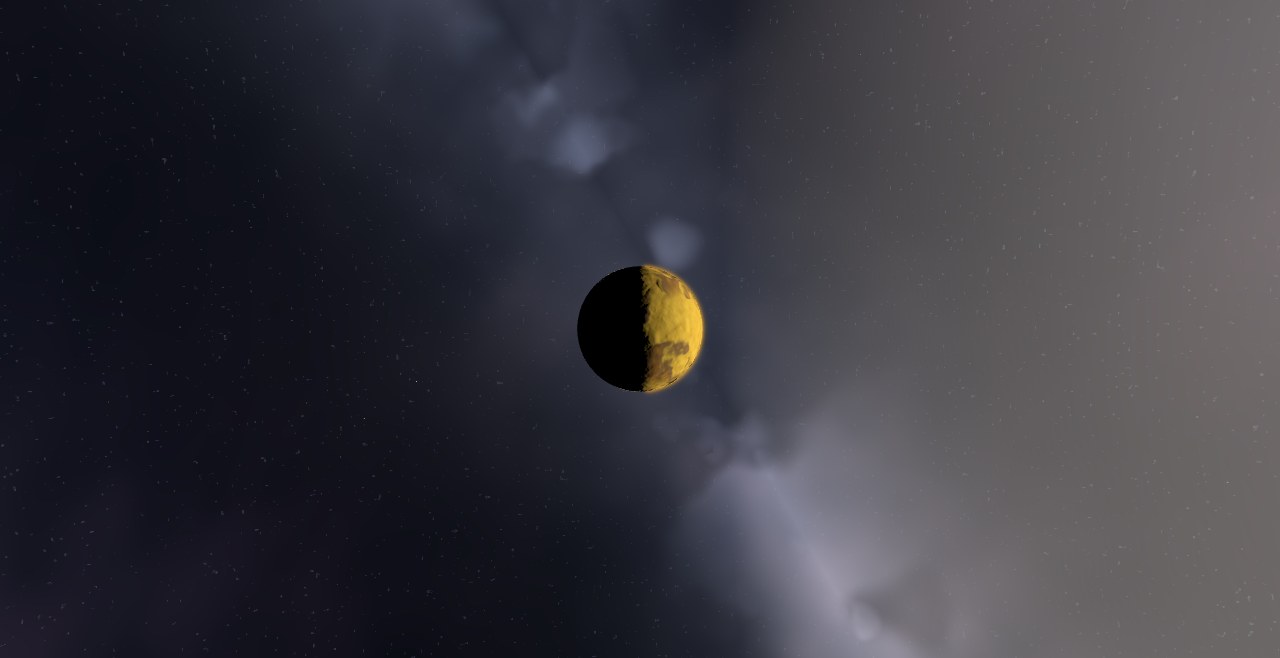
Kepler-1856, an orange K-type dwarf of 0.78 solar masses, and Kepler-1856 b, a planet with 1.7 Earth radii, with an orbital period of 1.3 days.
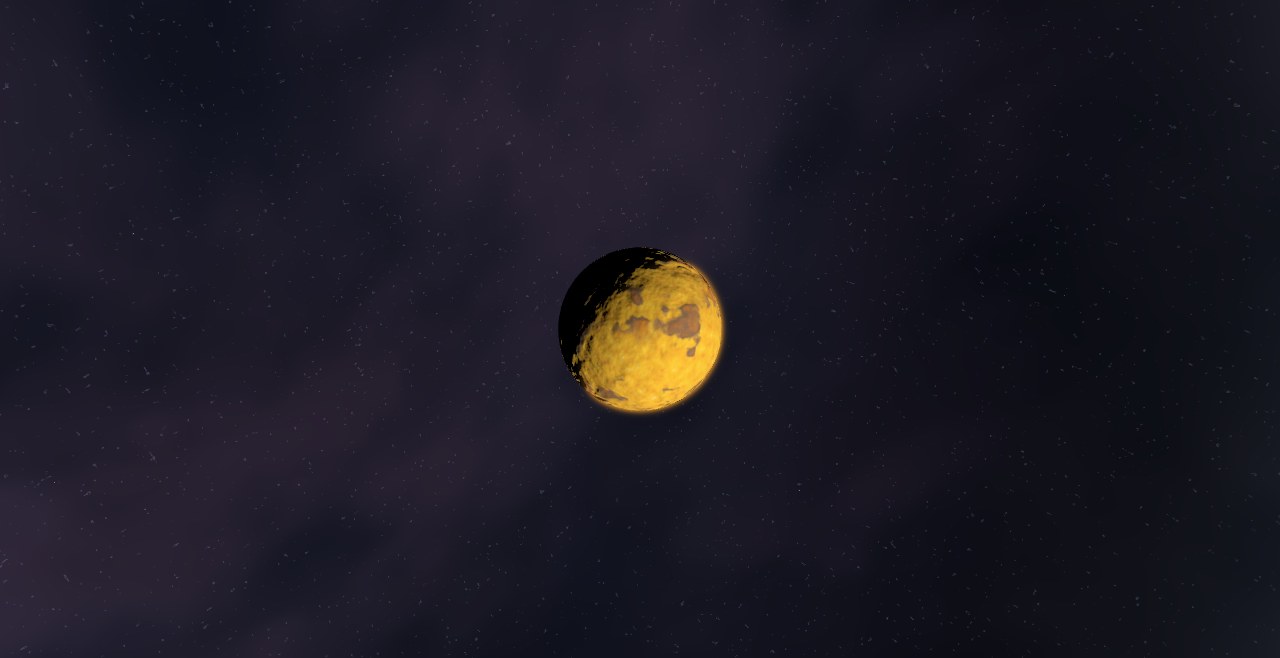
Kepler-1857, a Sun-like F-type star of 0.87 solar masses, and Kepler-1857 b, a planet with 2.0 Earth radii, with an orbital period of 8.9 days.
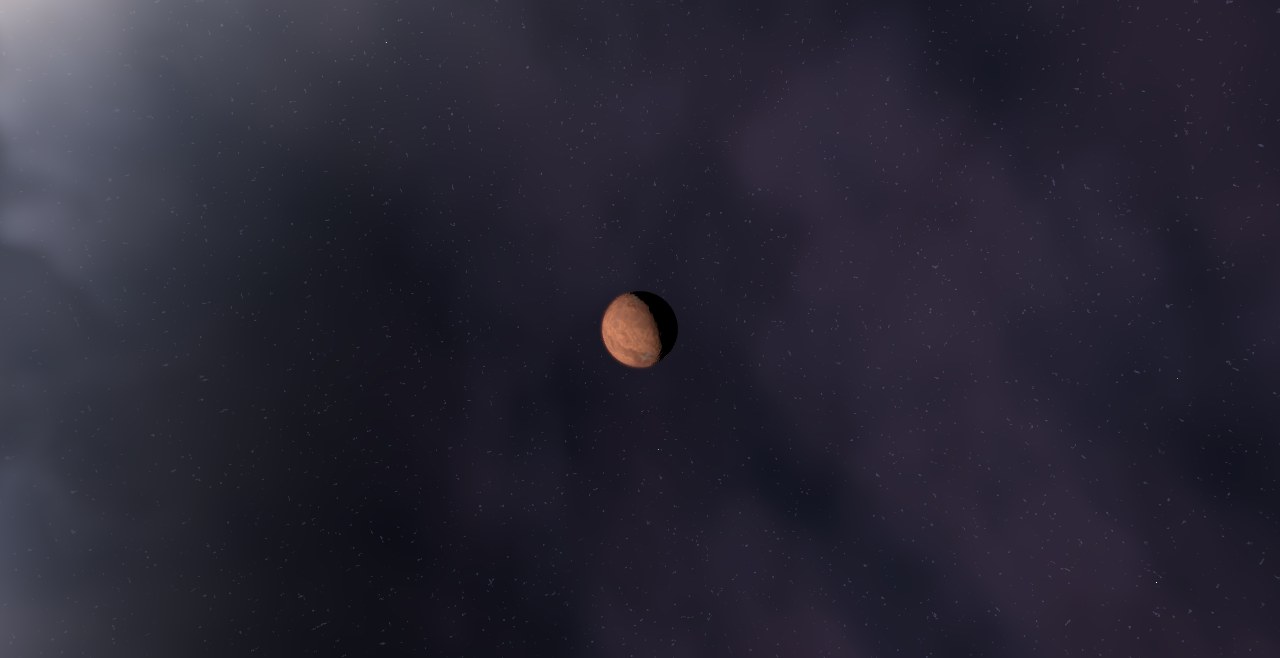
Kepler-1858, an orange K-type dwarf of 0.79 solar masses, and Kepler-1858 b, a planet with 2.4 Earth radii, with an orbital period of 88.1 days.
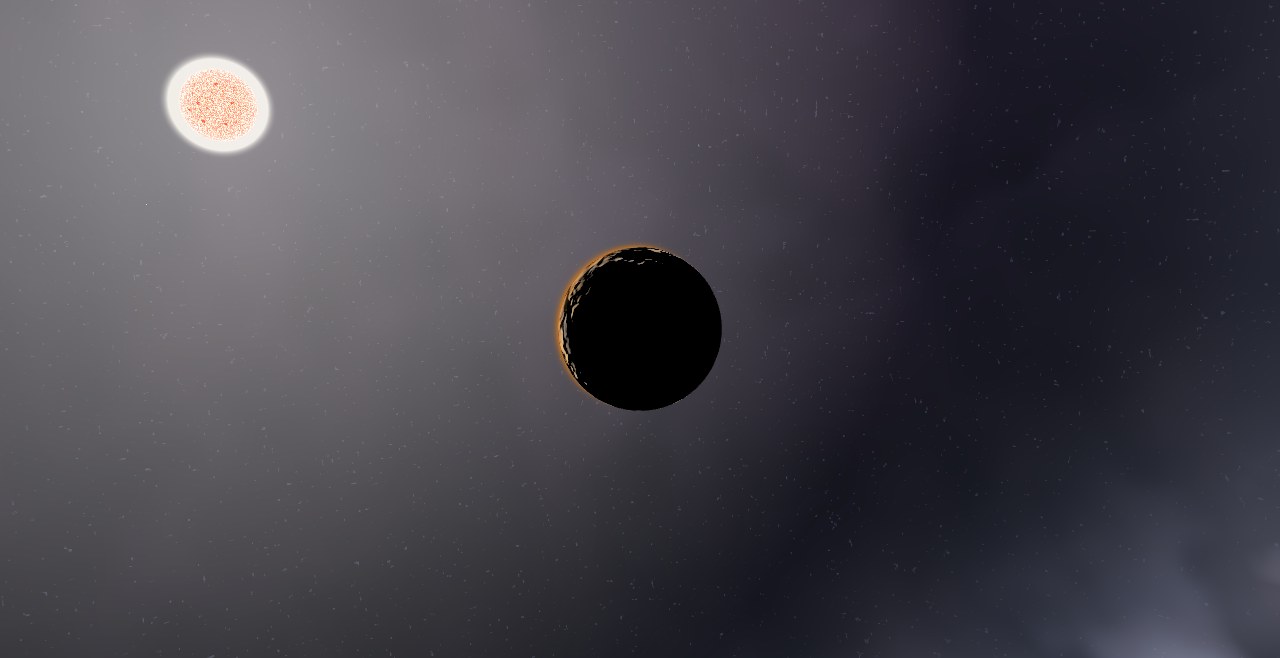
Kepler-1860, a Sun-like G-type star of 0.87 solar masses, and Kepler-1860 b, a planet with 1.1 Earth radii, with an orbital period of 12.7 days.
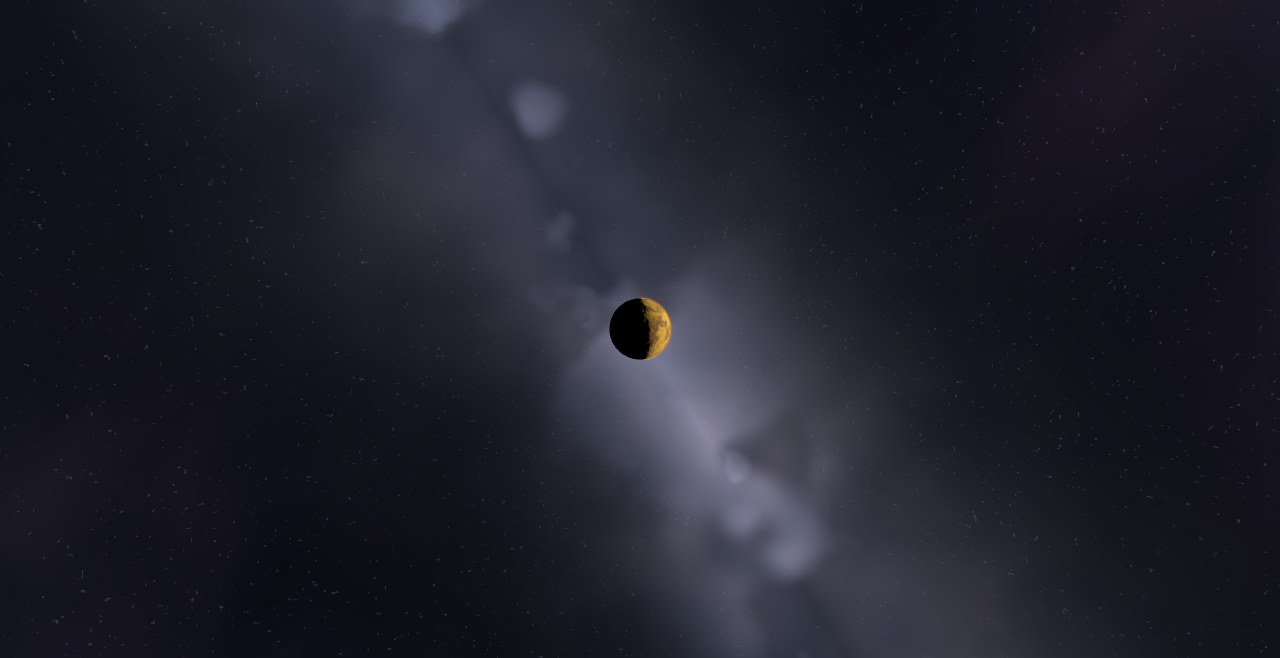
Kepler-1861, a Sun-like G-type star of 1.16 solar masses, and Kepler-1861 b, a planet with 2.2 Earth radii, with an orbital period of 40.0 days.
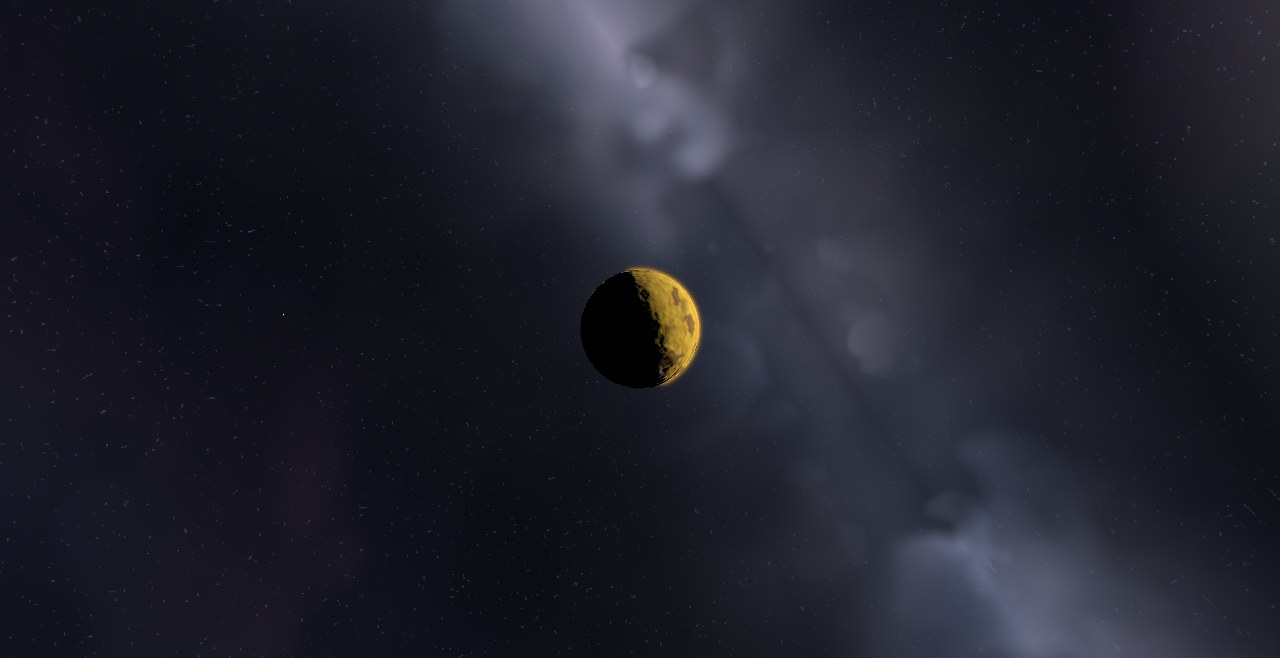
Kepler-1862, a Sun-like G-type star of 0.90 solar masses, and Kepler-1862 b, a planet with 2.2 Earth radii, with an orbital period of 16.1 days.
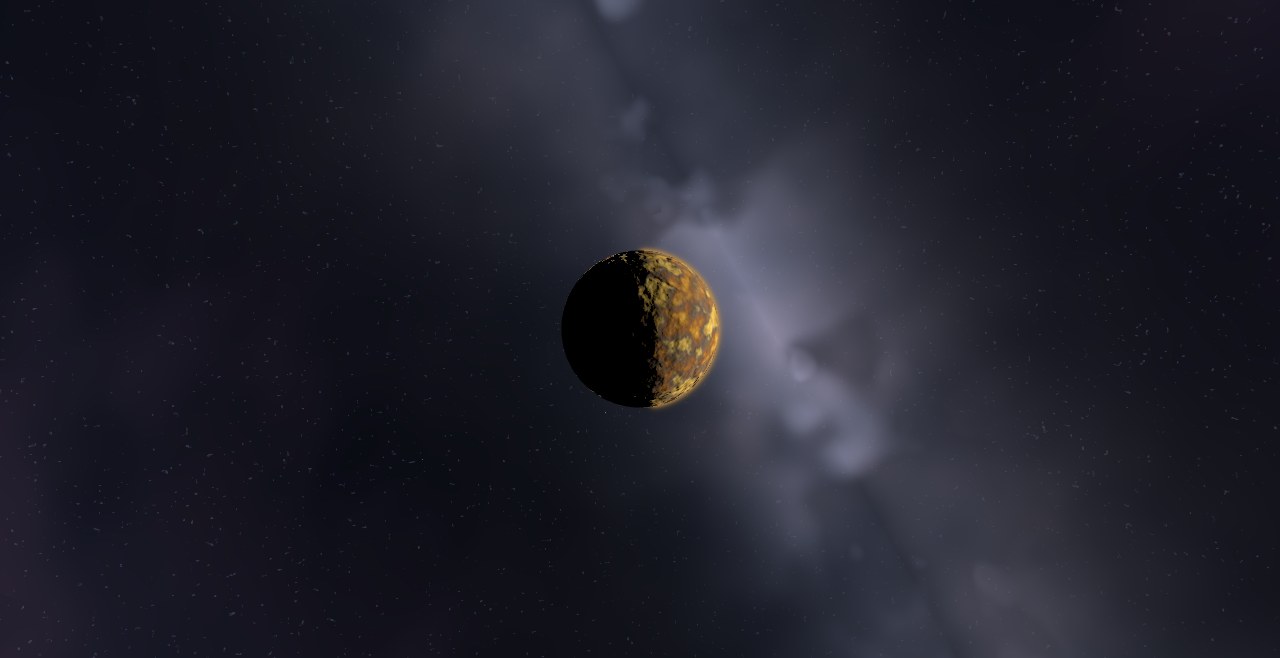
Kepler-1863, a Sun-like G-type star of 1.10 solar masses, and Kepler-1863 b, a planet with 2.3 Earth radii, with an orbital period of 45.0 days.
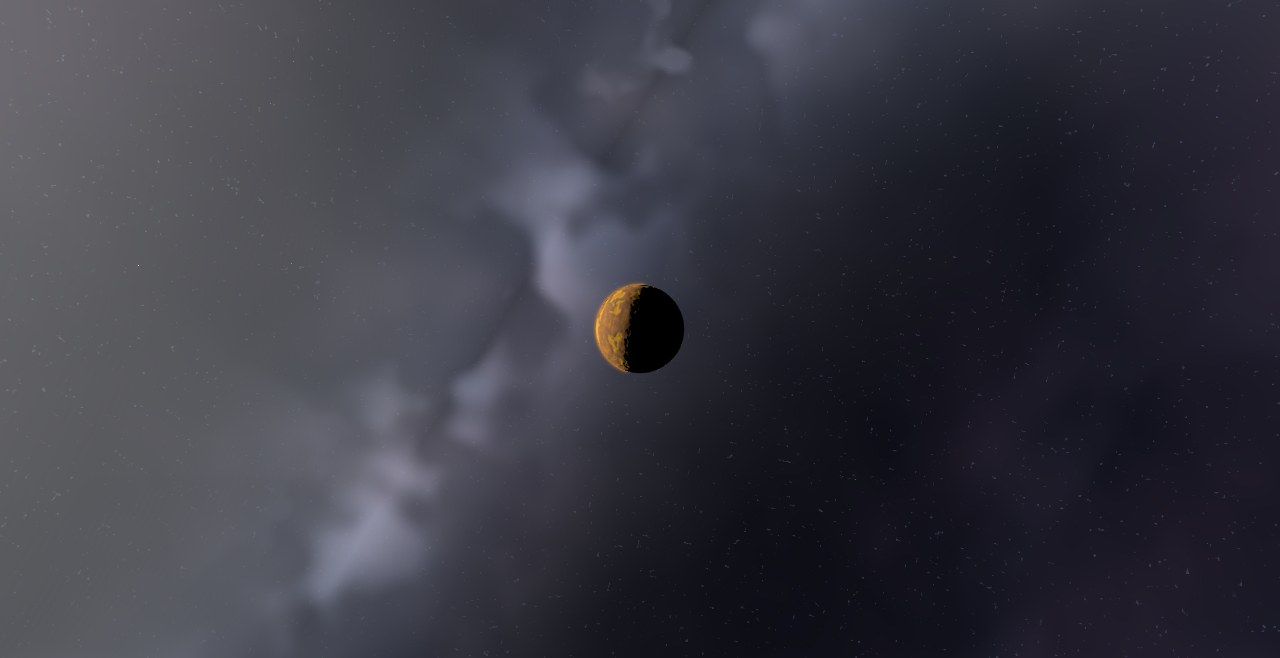
Kepler-1864, a Sun-like G-type star of 1.03 solar masses, and Kepler-1864 b, a planet with 0.8 Earth radii, with an orbital period of 3.9 days.
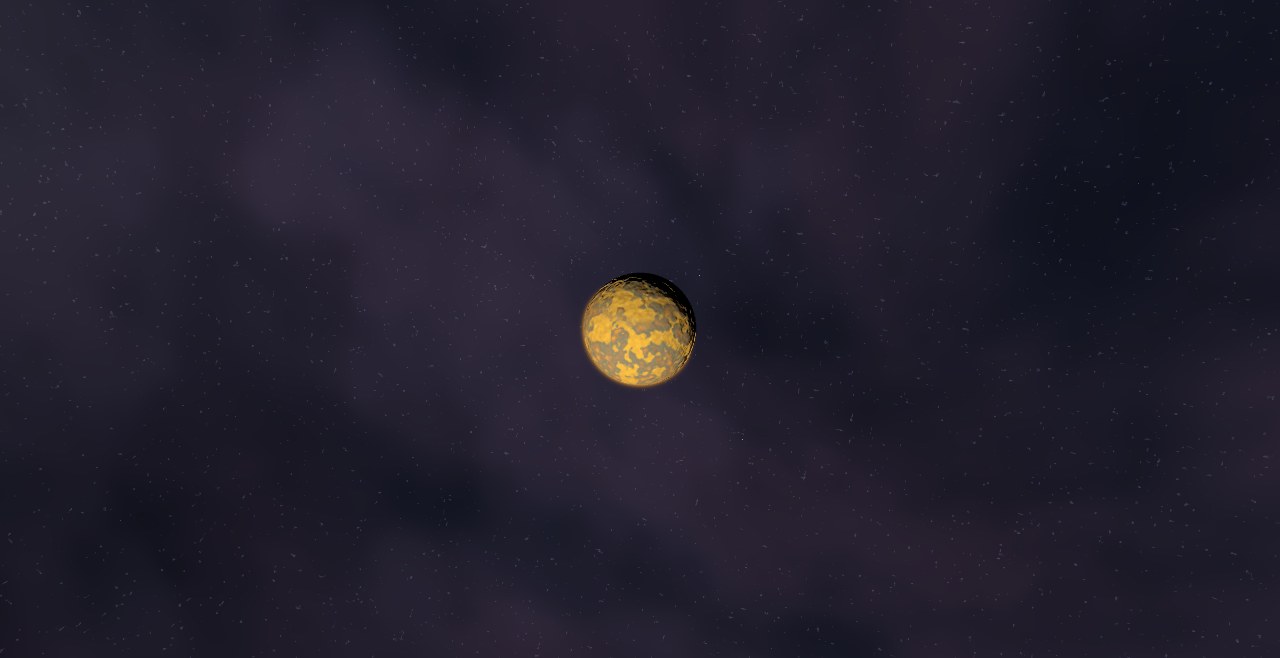
Kepler-1865, a Sun-like G-type star of 0.85 solar masses, and Kepler-1865 b, a planet with 1.6 Earth radii, with an orbital period of 2.5 days.
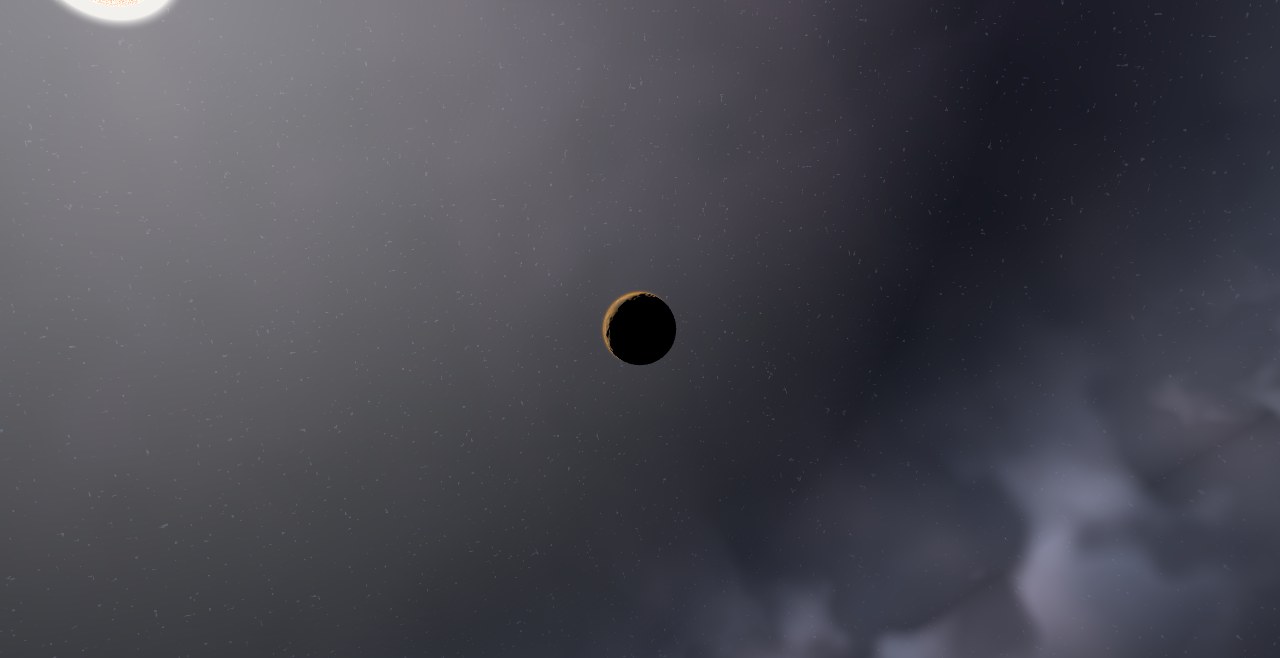
Kepler-1866, a Sun-like G-type star of 1.03 solar masses, and Kepler-1866 b, a planet with 2.1 Earth radii, with an orbital period of 11.7 days.
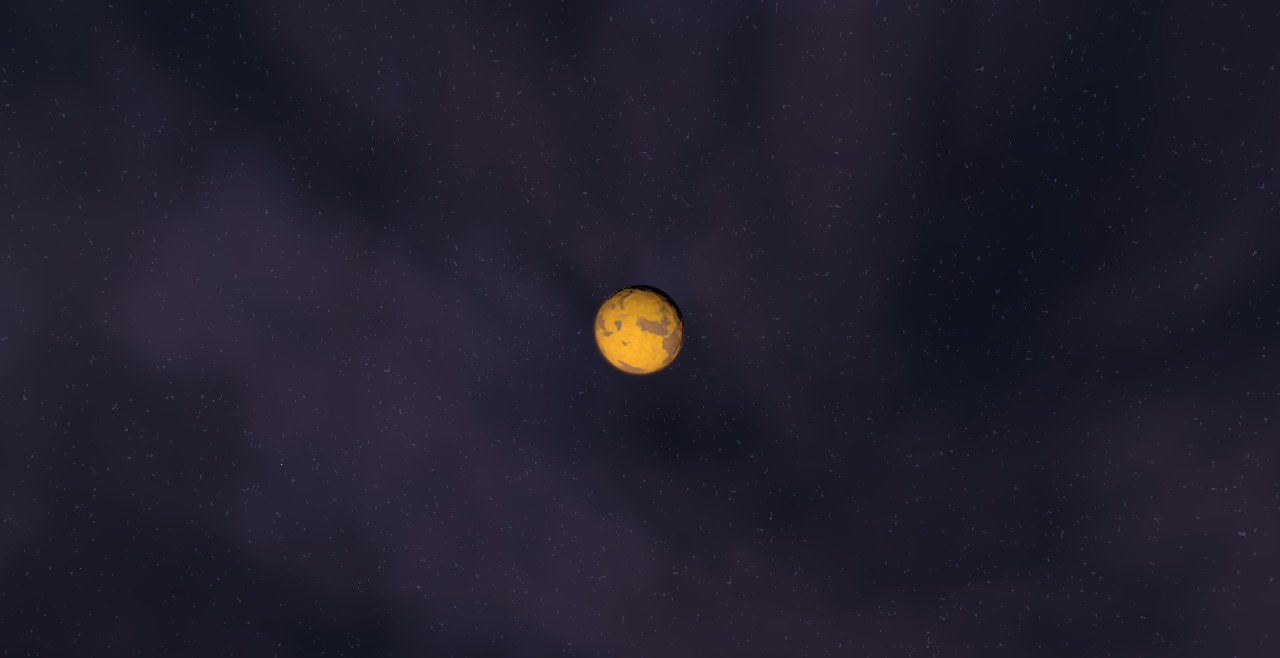
Kepler-1867, a Sun-like G-type star of 0.91 solar masses, and Kepler-1867 b, a planet with 1.2 Earth radii, with an orbital period of 9.9 days.
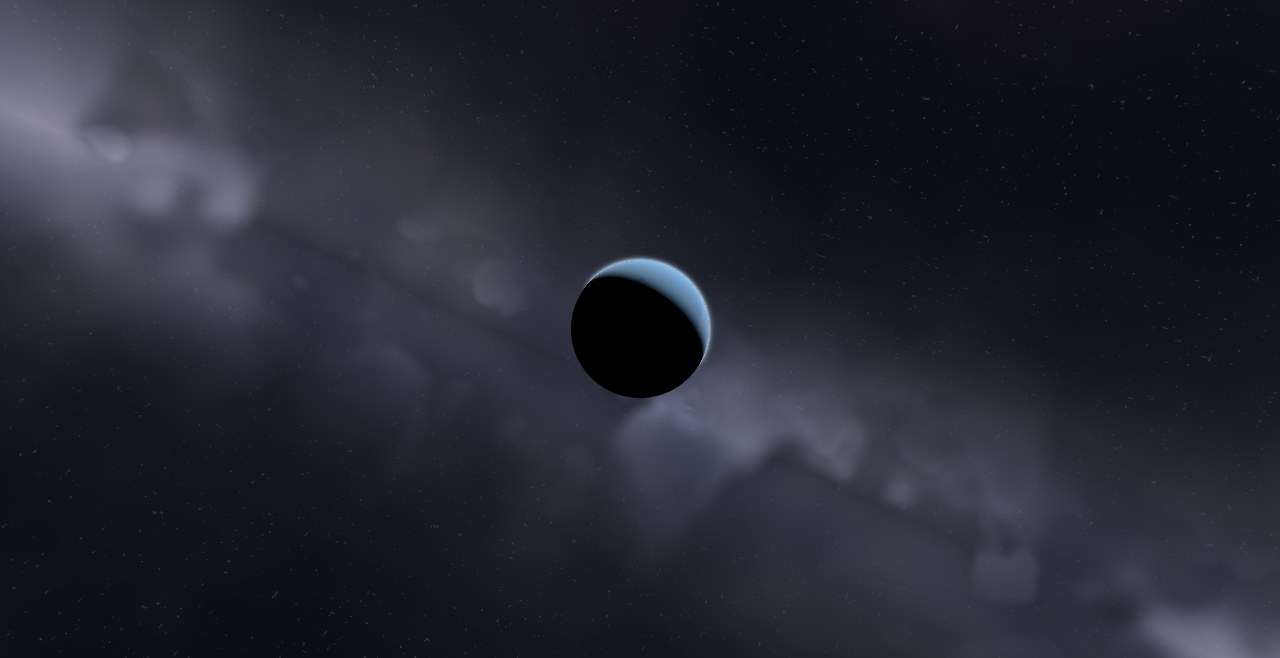
Kepler-1868, an orange K-type dwarf of 0.74 solar masses, and Kepler-1868 b, a planet with 3.1 Earth radii, with an orbital period of 211 days.
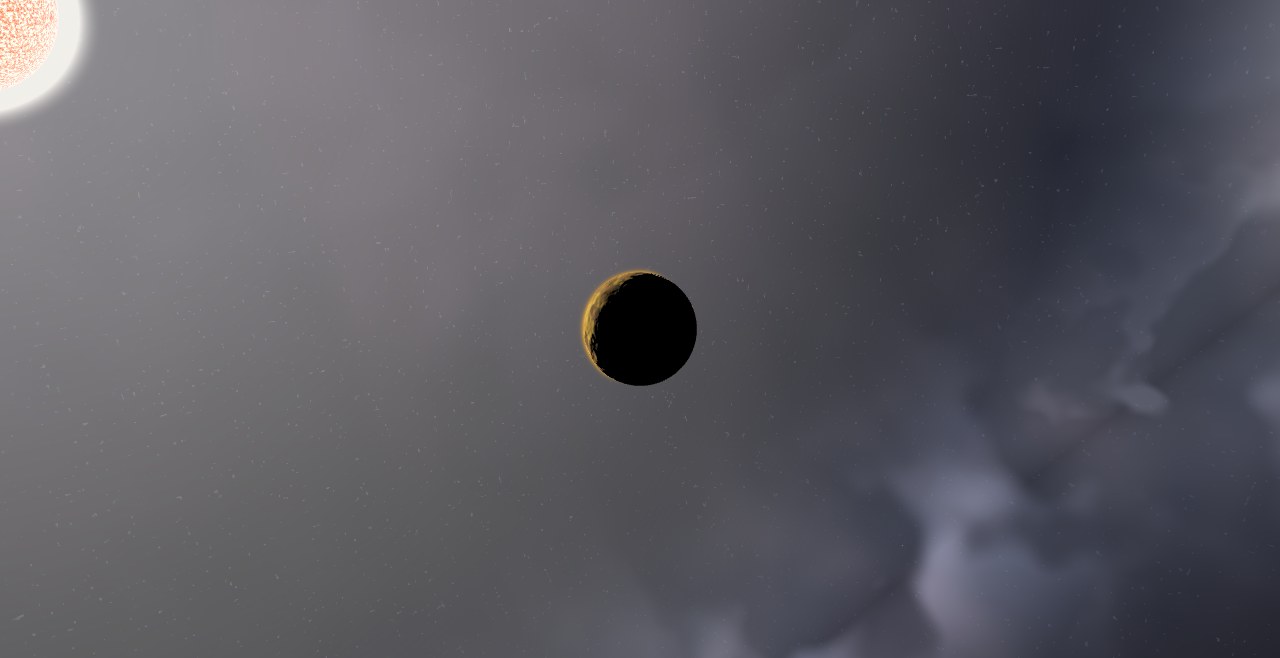
Kepler-1870, a Sun-like G-type star of 0.95 solar masses, and Kepler-1870 b, a planet with 2.1 Earth radii, with an orbital period of 3.6 days.
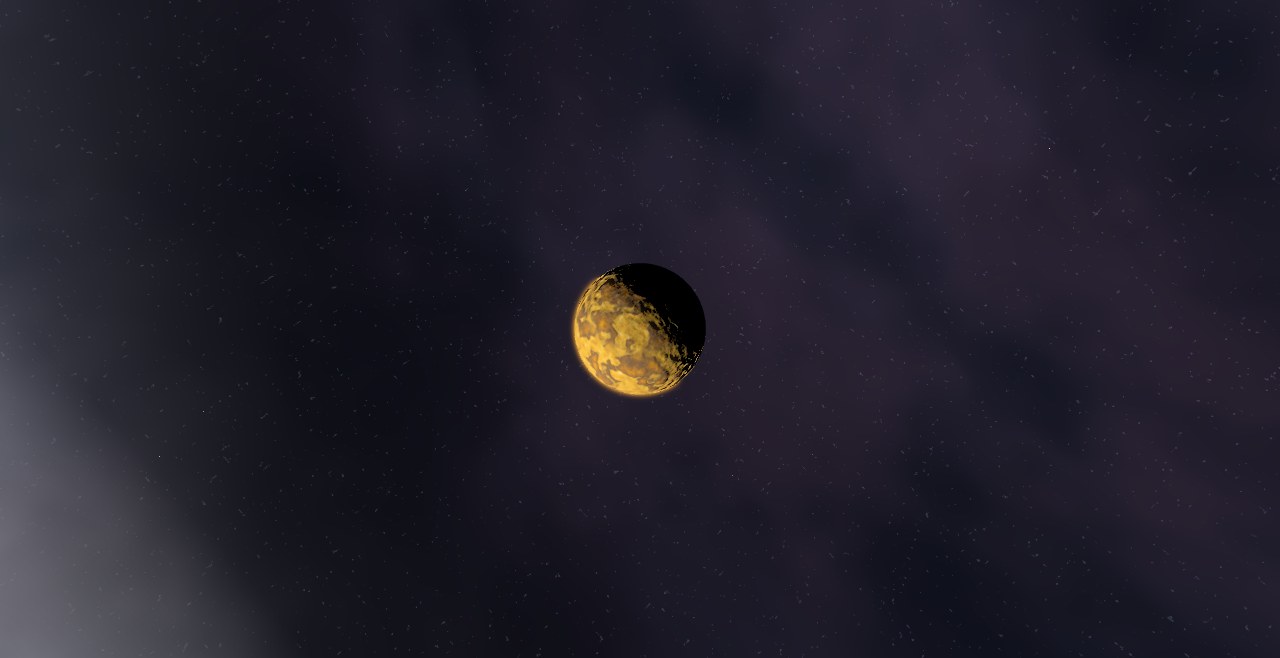
Kepler-1871, a Sun-like G-type star of 1.02 solar masses, and Kepler-1871 b, a planet with 2.4 Earth radii, with an orbital period of 2.0 days.