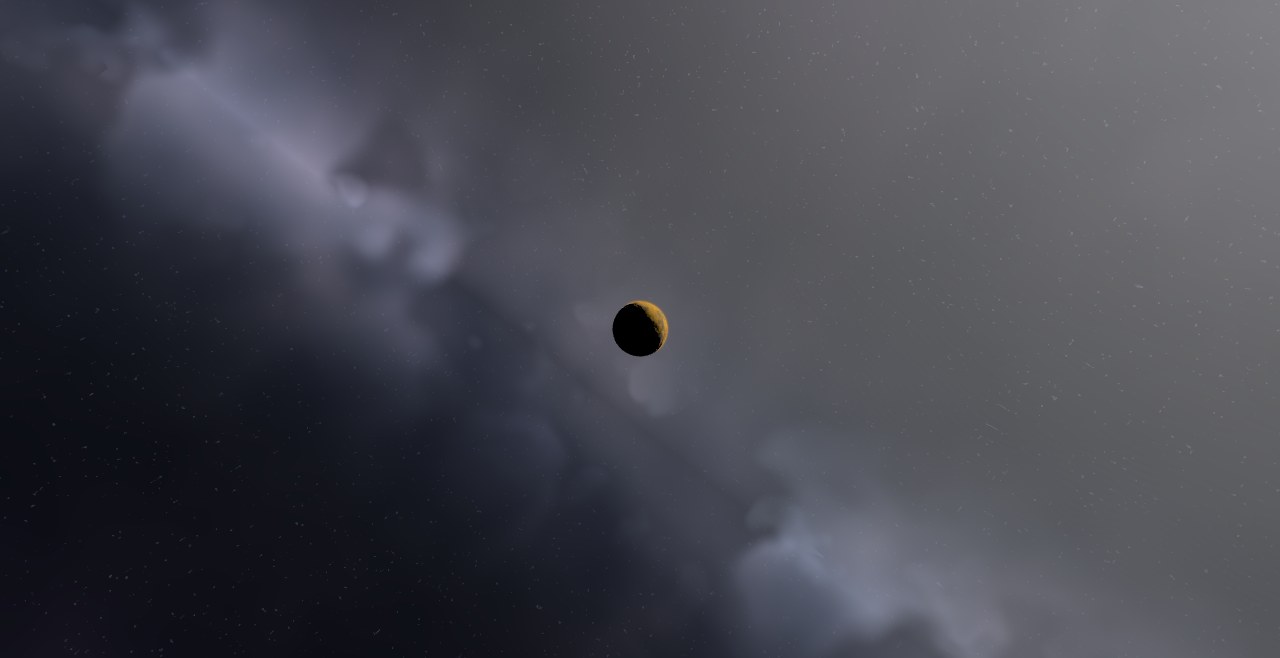
Kepler-1833 - System
Kepler-1833, a Sun-like F-type star of 1.29 solar masses, and Kepler-1833 b, a planet with 1.3 Earth radii, with an orbital period of 6.9 days.
Exoplanets
Analyze isolated alien worlds orbiting a singular host star to observe basic orbital parameters, tidal locks, and planetary eccentricities.
Share
Kepler-1833, a Sun-like F-type star of 1.29 solar masses, and Kepler-1833 b, a planet with 1.3 Earth radii, with an orbital period of 6.9 days.
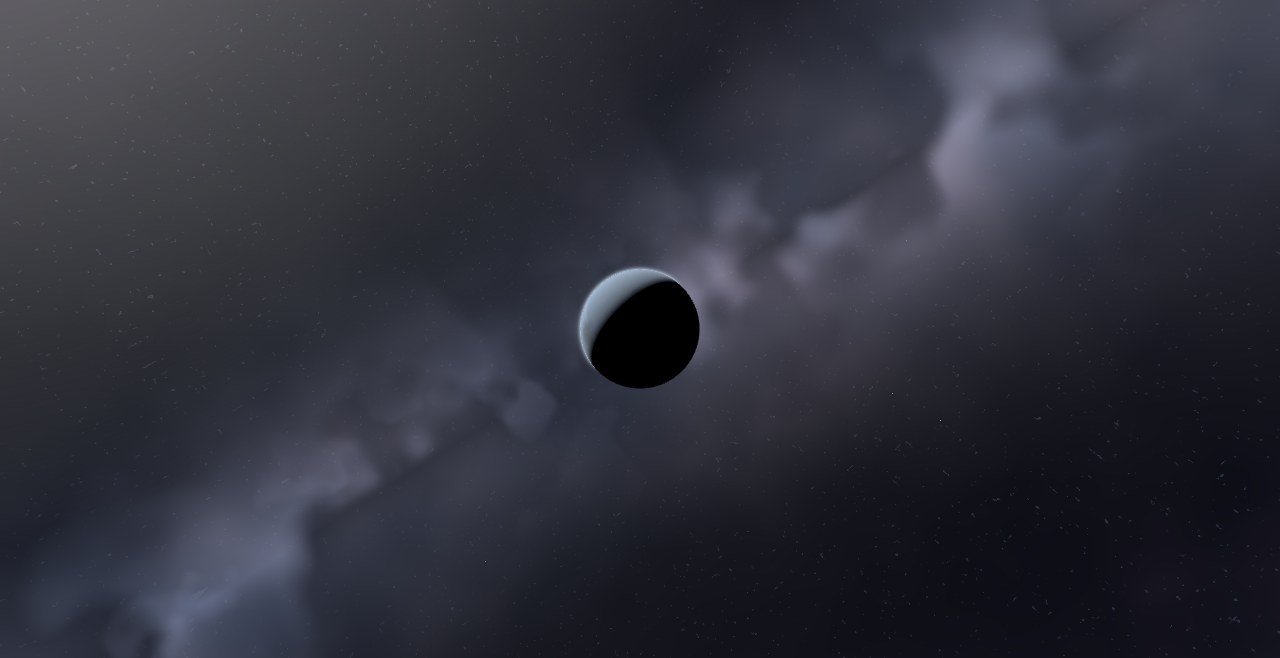
Kepler-1835, a Sun-like G-type star of 0.92 solar masses, and Kepler-1835 b, a planet with 3.5 Earth radii, with an orbital period of 12.0 days.
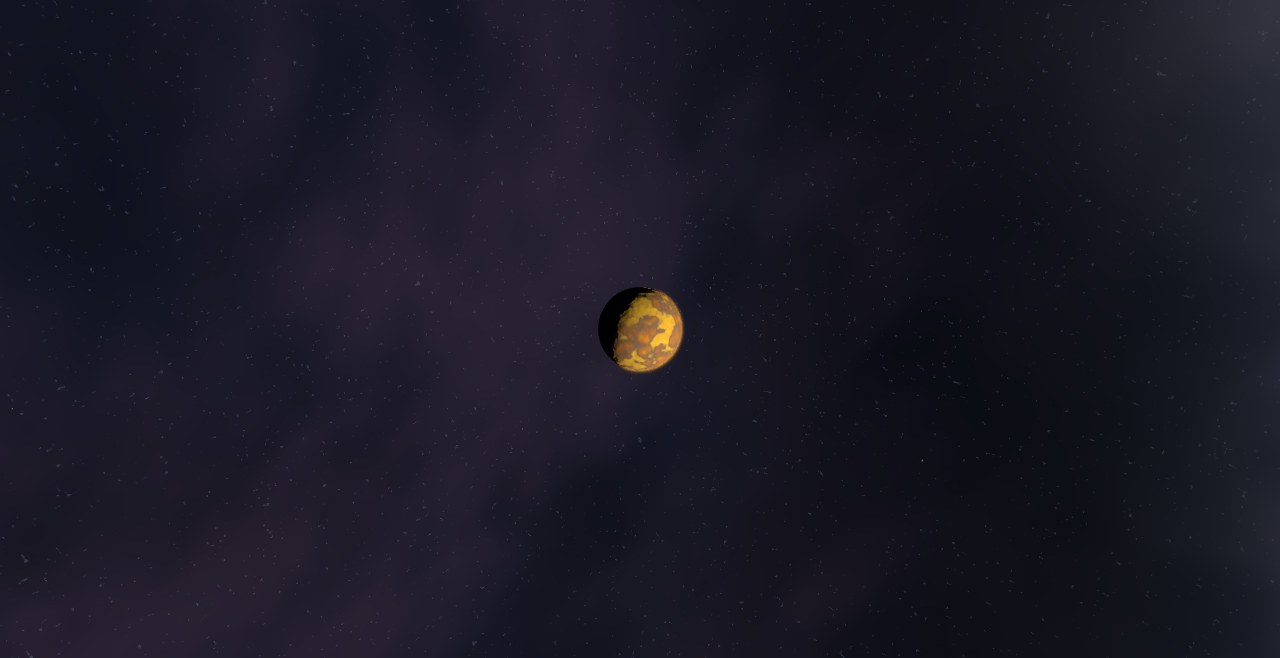
Kepler-1836, a Sun-like F-type star of 1.05 solar masses, and Kepler-1836 b, a planet with 2.6 Earth radii, with an orbital period of 5.3 days.
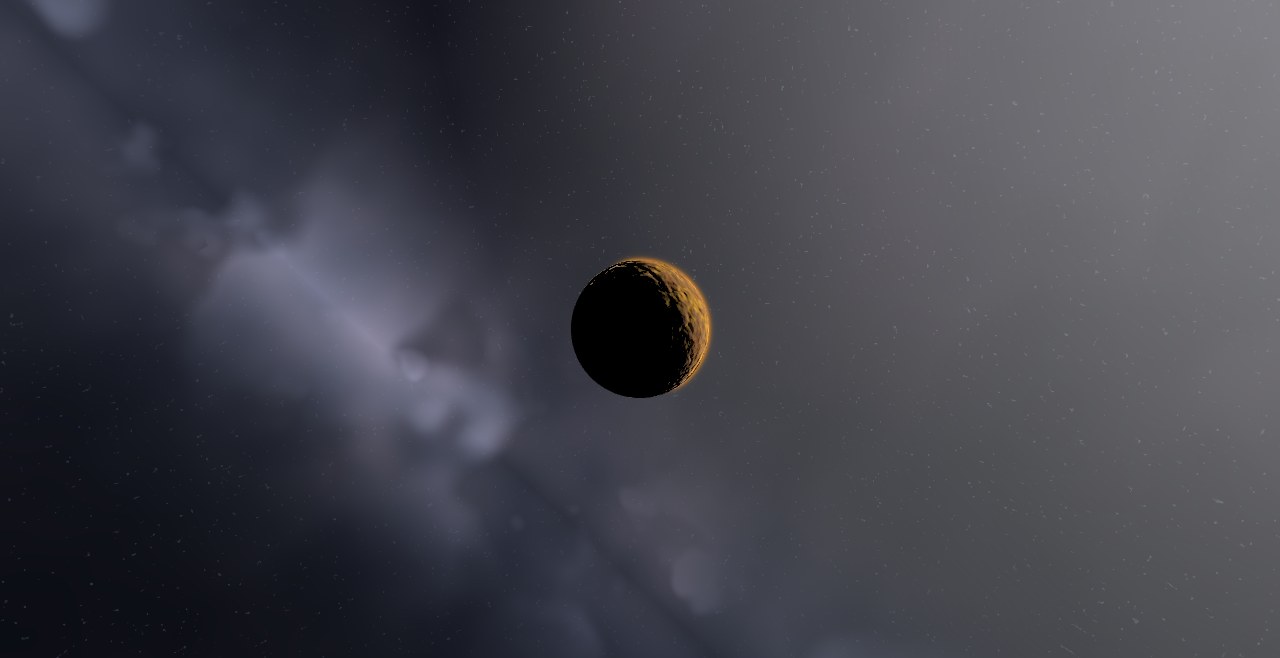
Kepler-1837, a Sun-like G-type star of 1.05 solar masses, and Kepler-1837 b, a planet with 2.1 Earth radii, with an orbital period of 5.9 days.
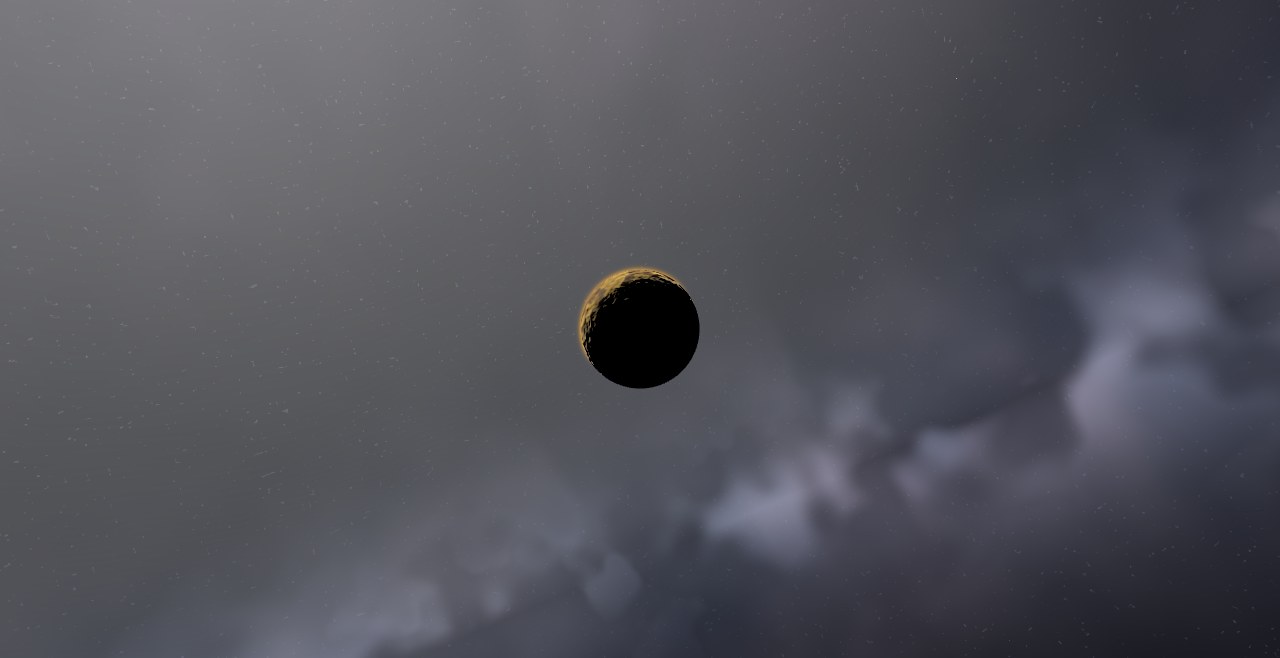
Kepler-1838, a Sun-like G-type star of 1.19 solar masses, and Kepler-1838 b, a planet with 1.7 Earth radii, with an orbital period of 12.1 days.
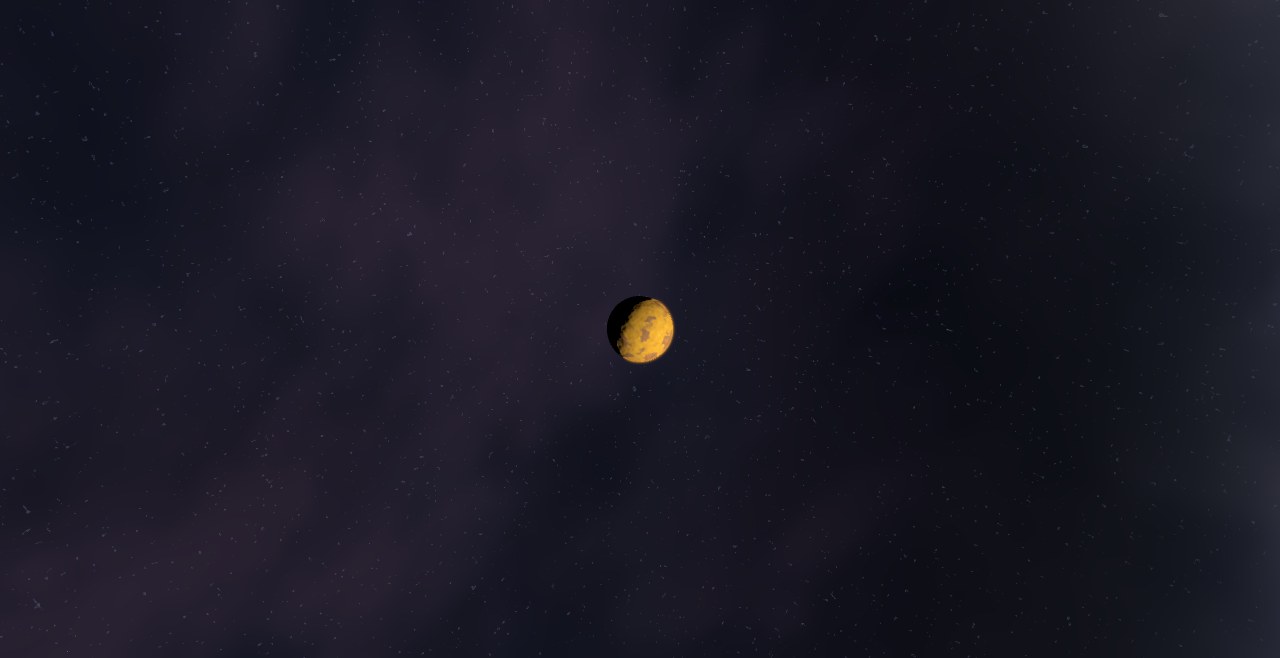
Kepler-1839, a Sun-like G-type star of 1.03 solar masses, and Kepler-1839 b, a planet with 1.9 Earth radii, with an orbital period of 5.1 days.
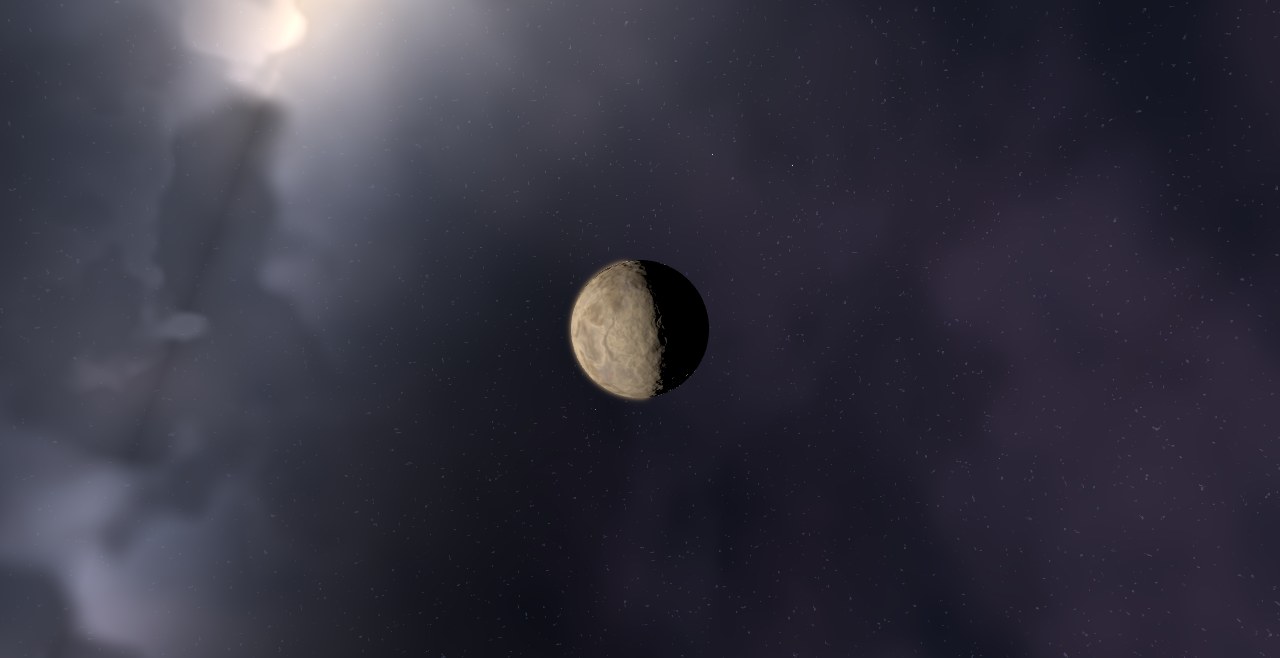
Kepler-1840, an orange K-type dwarf of 0.77 solar masses, and Kepler-1840 b, a planet with 2.8 Earth radii, with an orbital period of 131 days.
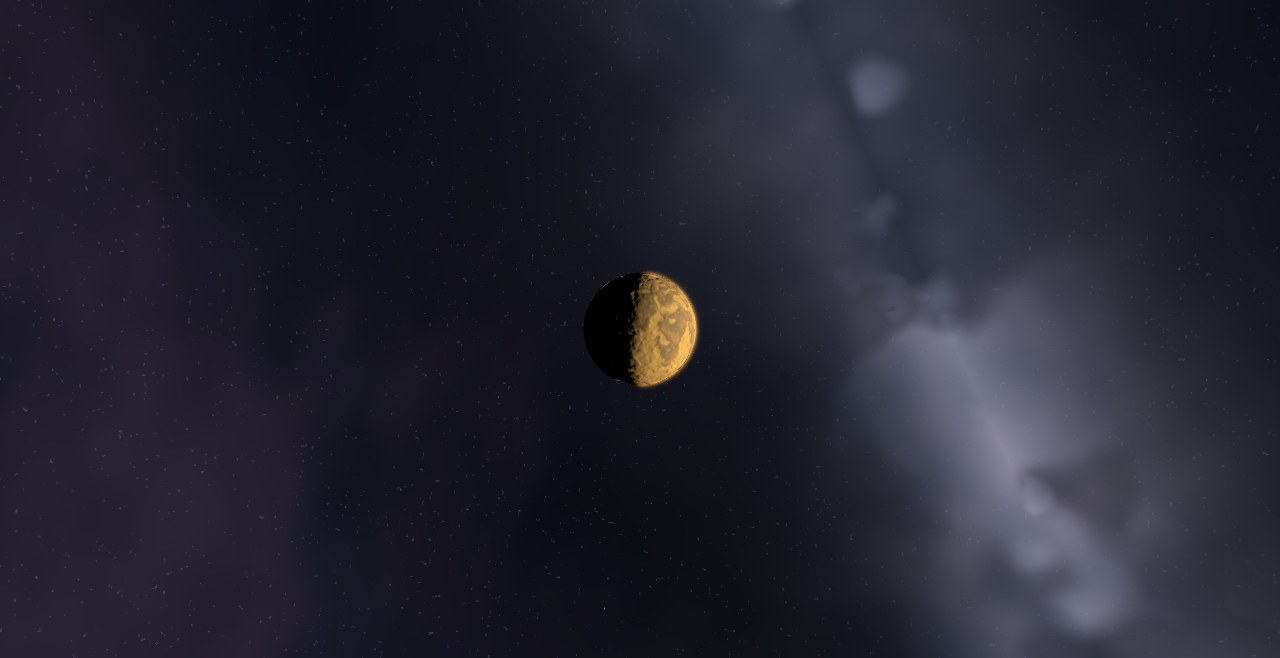
Kepler-1841, an orange K-type dwarf of 0.82 solar masses, and Kepler-1841 b, a planet with 1.5 Earth radii, with an orbital period of 25.9 days.
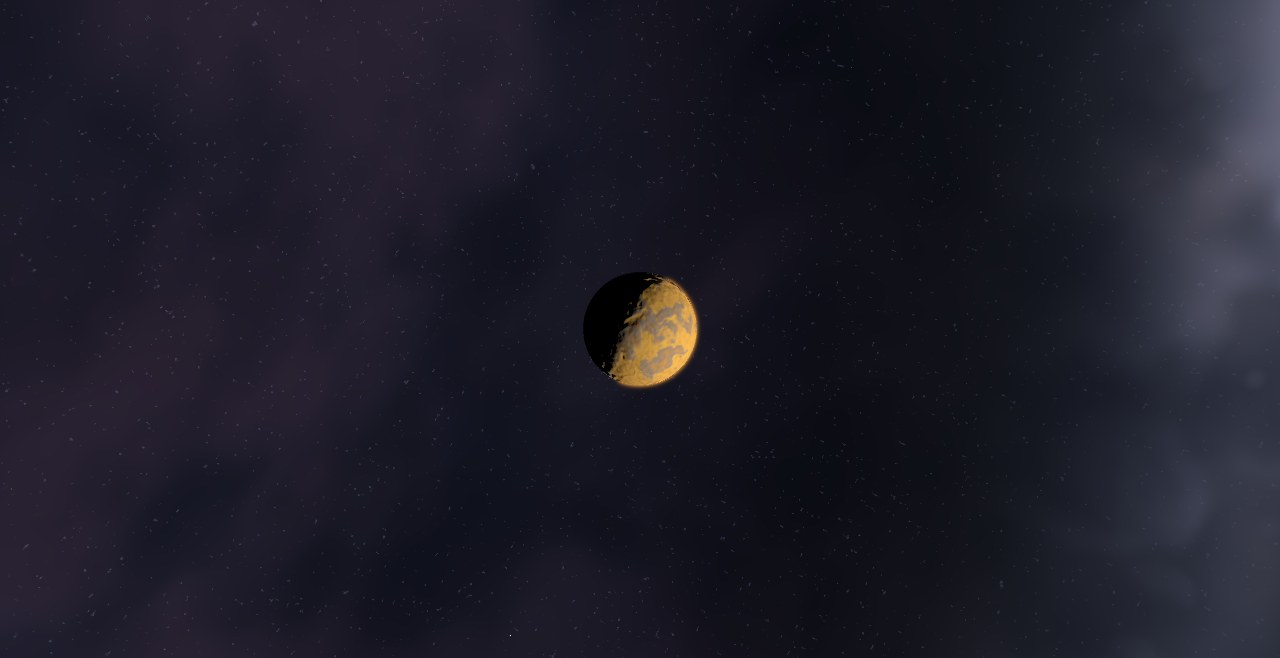
Kepler-1842, a Sun-like G-type star of 1.06 solar masses, and Kepler-1842 b, a planet with 2.4 Earth radii, with an orbital period of 14.0 days.
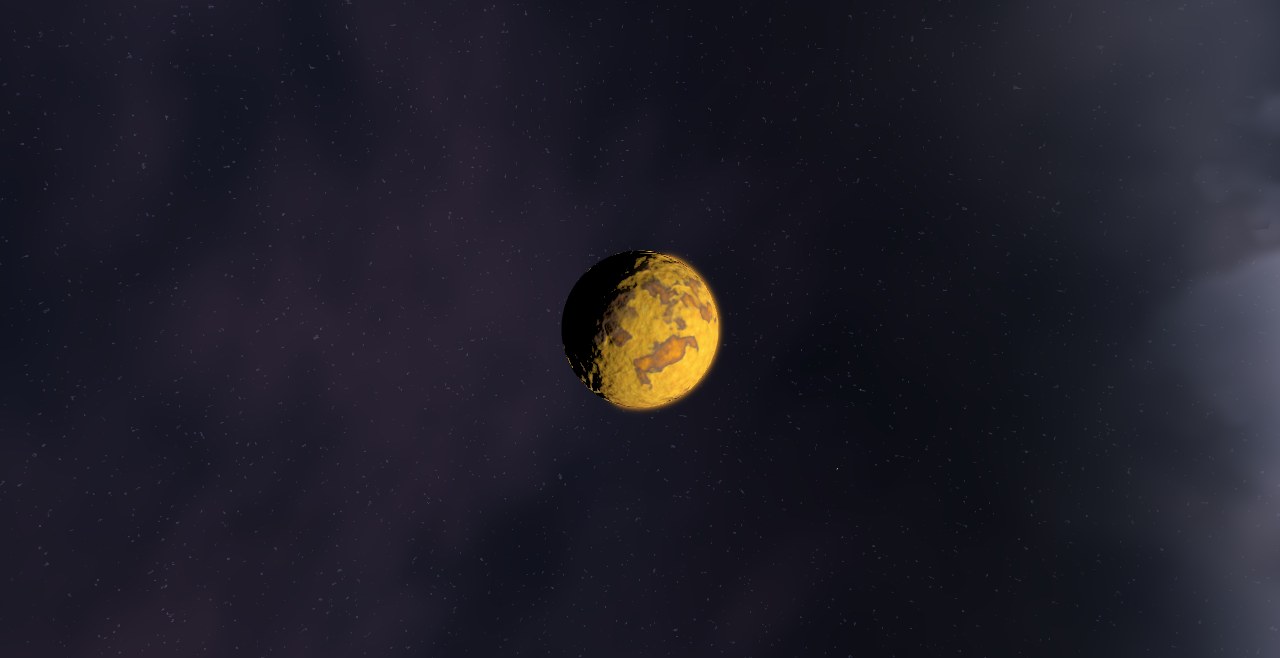
Kepler-1843, a Sun-like G-type star of 1.02 solar masses, and Kepler-1843 b, a planet with 2.7 Earth radii, with an orbital period of 25.5 days.
Kepler-1844, a Sun-like G-type star of 0.94 solar masses, and Kepler-1844 b, a planet with 3.0 Earth radii, with an orbital period of 3.9 days.
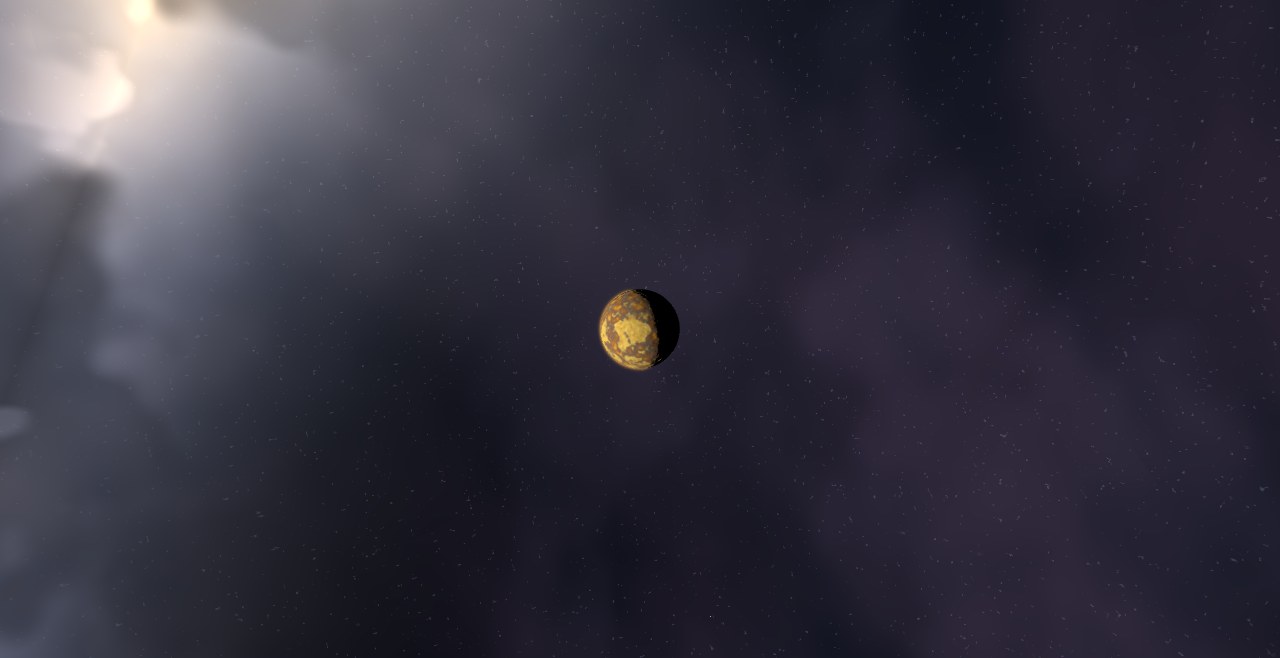
Kepler-1845, an orange K-type dwarf of 0.69 solar masses, and Kepler-1845 b, a planet with 2.4 Earth radii, with an orbital period of 11.6 days.
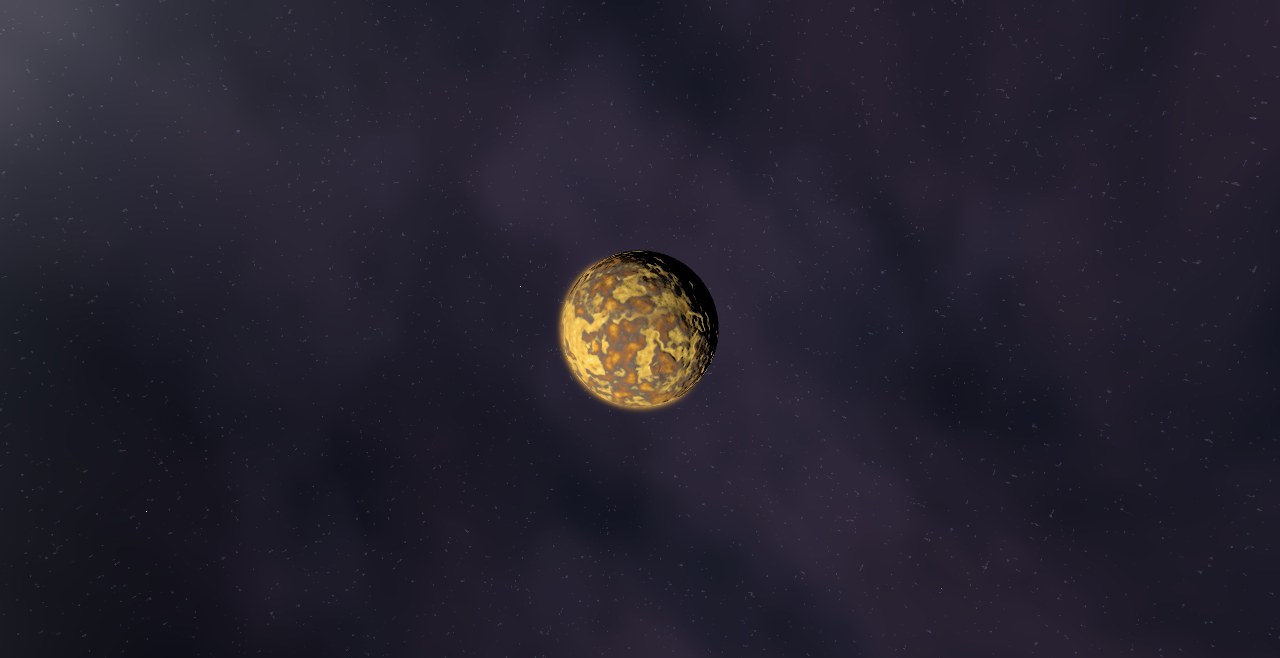
Kepler-1846, an orange K-type dwarf of 0.79 solar masses, and Kepler-1846 b, a planet with 1.8 Earth radii, with an orbital period of 14.8 days.
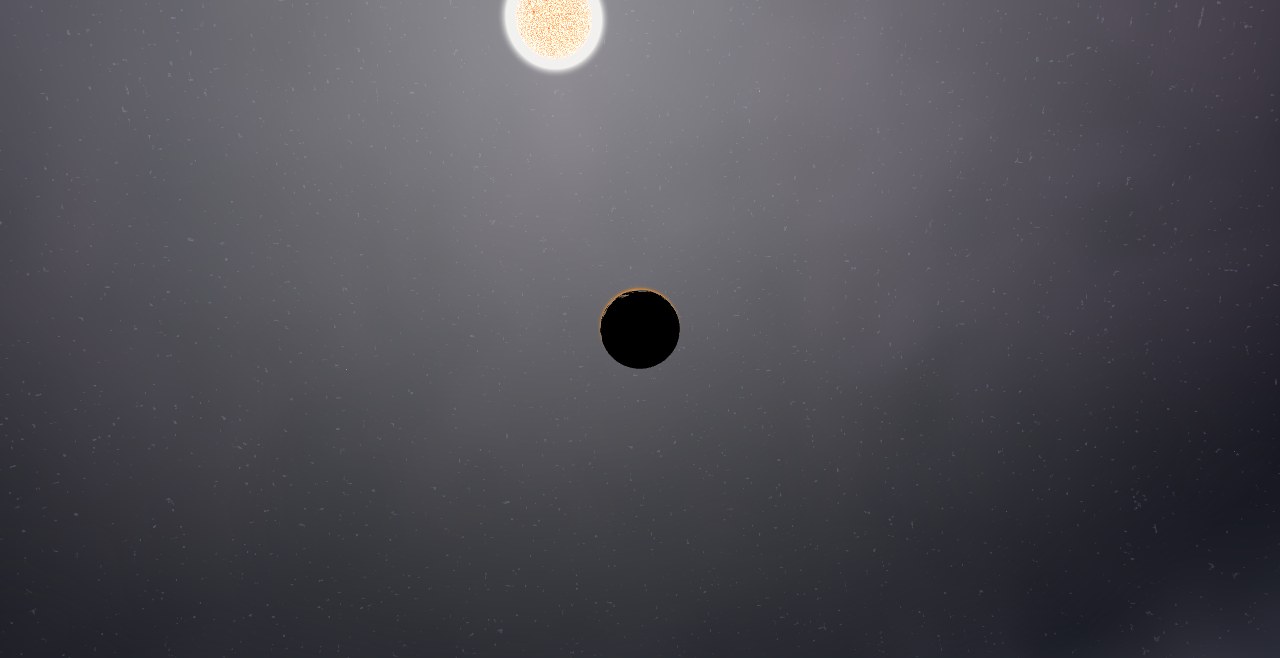
Kepler-1847, a Sun-like F-type star of 1.04 solar masses, and Kepler-1847 b, a planet with 2.7 Earth radii, with an orbital period of 11.1 days.
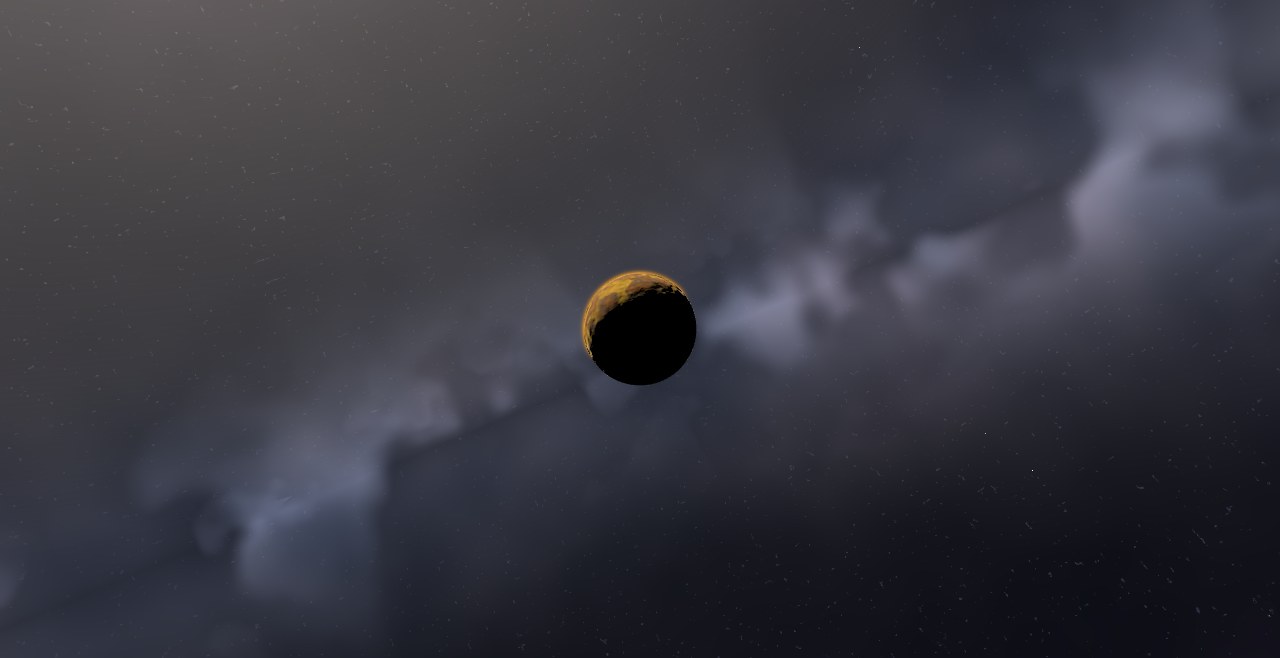
Kepler-1848, an orange K-type dwarf of 0.76 solar masses, and Kepler-1848 b, a planet with 1.4 Earth radii, with an orbital period of 5.6 days.
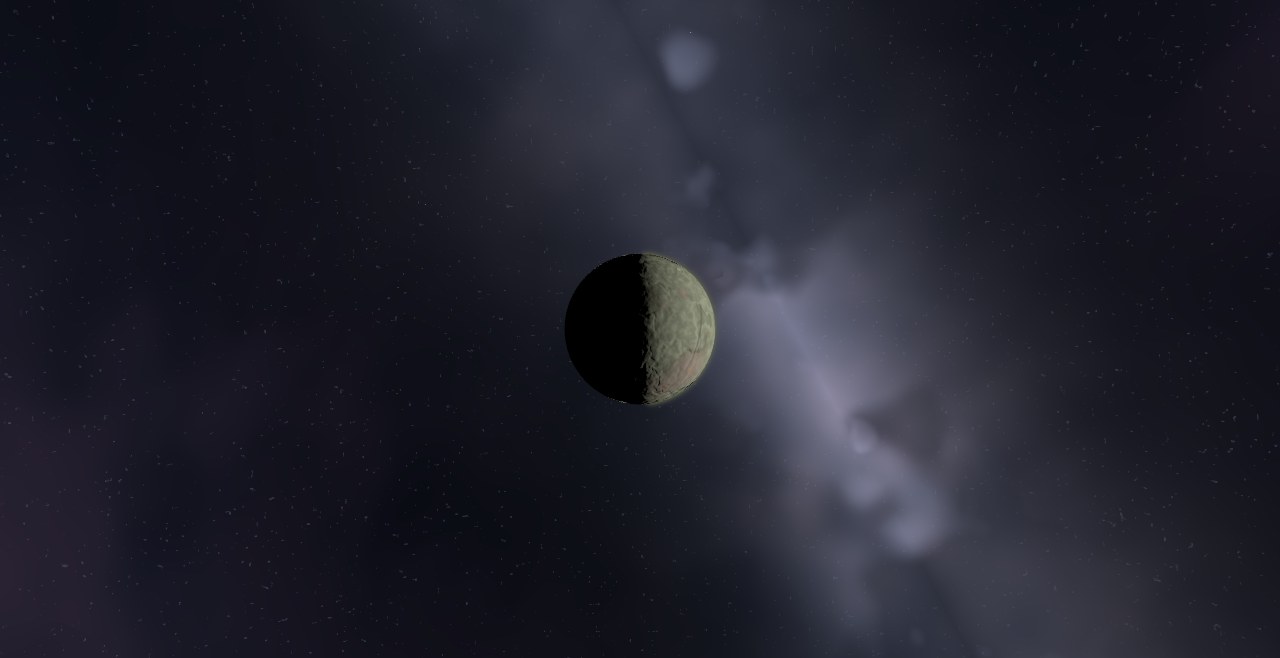
Kepler-1849, an orange K-type dwarf of 0.71 solar masses, and Kepler-1849 b, a planet with 2.4 Earth radii, with an orbital period of 57.3 days.
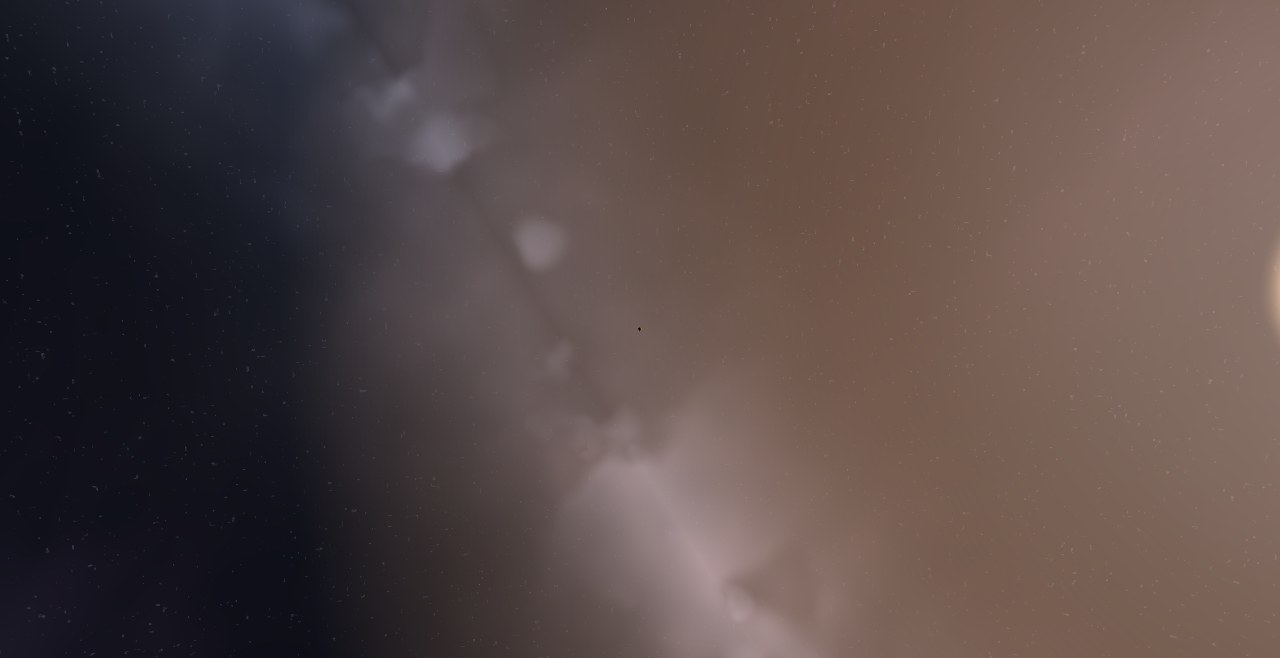
Kepler-1850, an orange K-type dwarf of 0.61 solar masses, and Kepler-1850 b, a planet with 0.7 Earth radii, with an orbital period of 1.4 days.
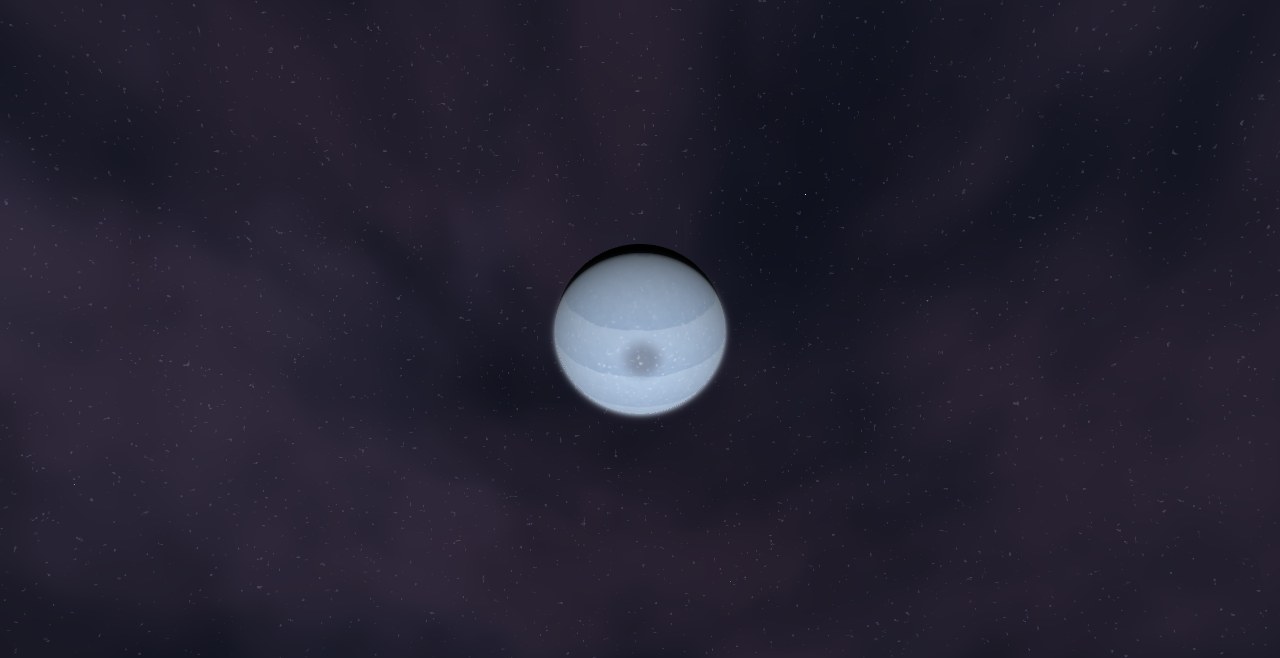
Kepler-1851, a Sun-like G-type star of 0.97 solar masses, and Kepler-1851 b, a planet with 3.9 Earth radii, with an orbital period of 12.0 days.