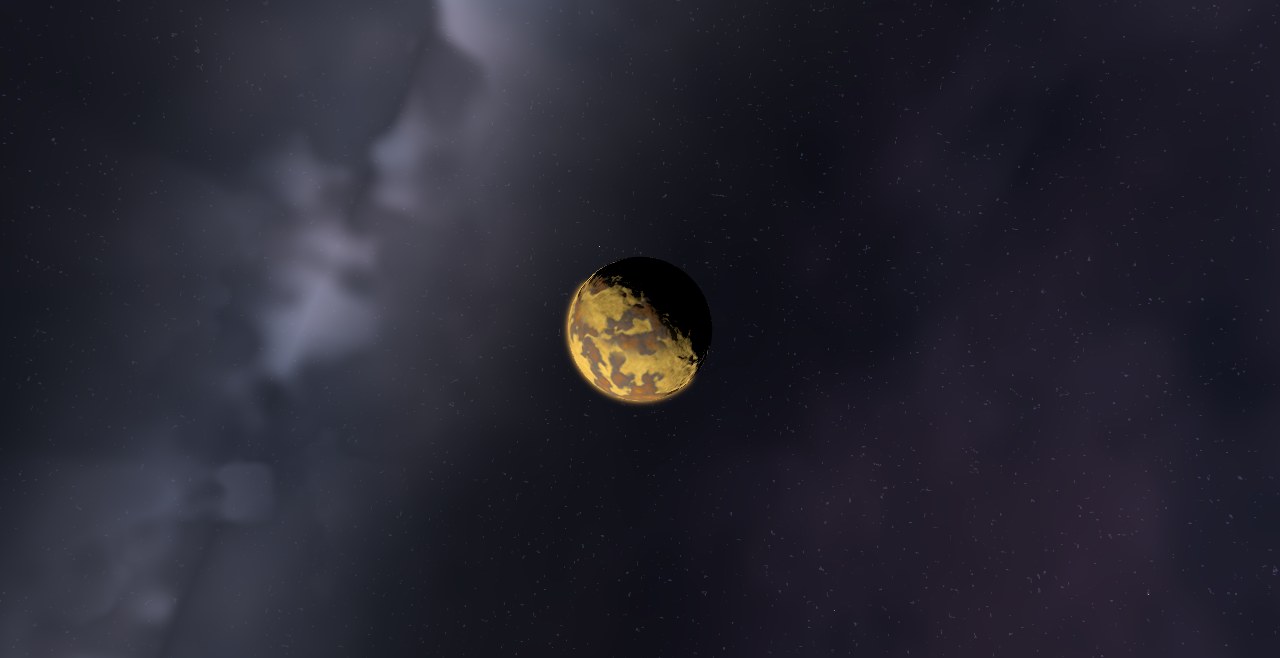
K2-122 - System
K2-122, an orange K-type dwarf of 0.63 solar masses, and K2-122 b, a planet with 1.2 Earth radii, with an orbital period of 2.2 days, at 0.037 AU from its star, and an equilibrium temperature near 769 K.
3D Space and Gravity Simulator. Simulate the solar system, exoplanets and even colliding galaxies. Add, delete and modify planets, and change the laws of physics.
Share
K2-122, an orange K-type dwarf of 0.63 solar masses, and K2-122 b, a planet with 1.2 Earth radii, with an orbital period of 2.2 days, at 0.037 AU from its star, and an equilibrium temperature near 769 K.
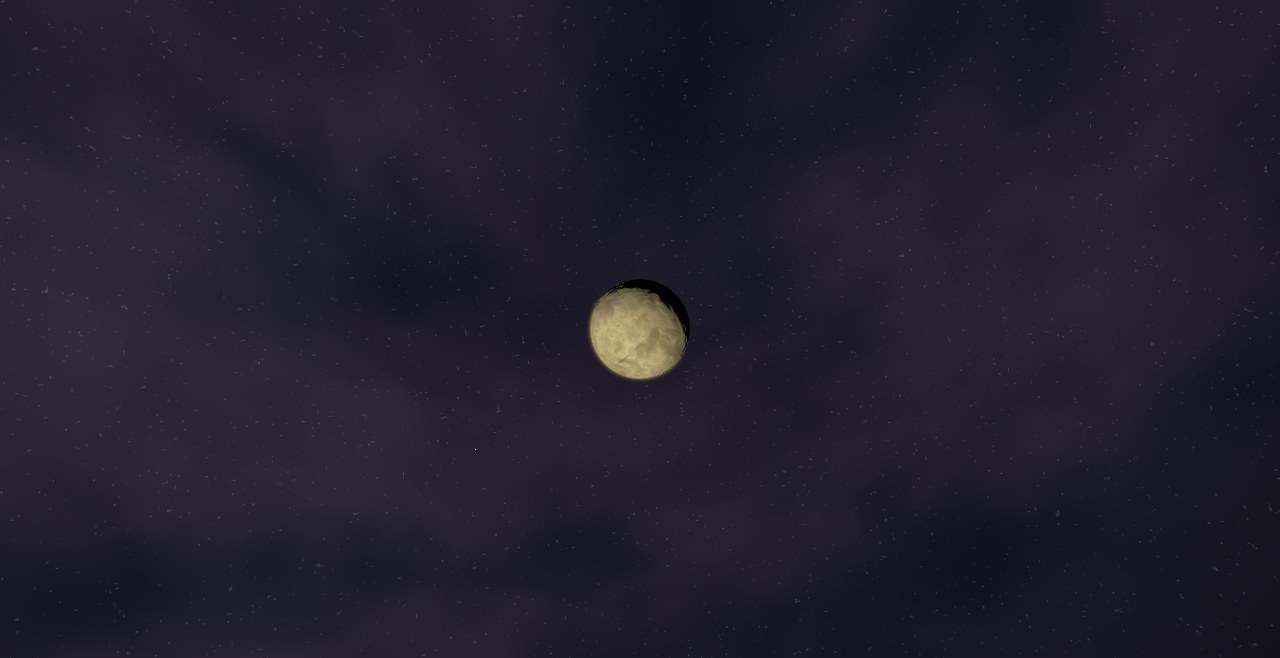
K2-123, an orange K-type dwarf of 0.62 solar masses, and K2-123 b, a planet with 2.8 Earth radii, with an orbital period of 31.0 days, at 0.165 AU from its star, and an equilibrium temperature near 338 K.
K2-124, a cool M-dwarf of 0.39 solar masses, and K2-124 b, a planet with 2.9 Earth radii, with an orbital period of 6.4 days, at 0.049 AU from its star, and an equilibrium temperature near 442 K.
K2-125, a cool M-dwarf of 0.49 solar masses, and K2-125 b, a planet with 2.2 Earth radii, with an orbital period of 21.8 days, at 0.121 AU from its star, on an eccentric orbit (e ≈ 0.08).
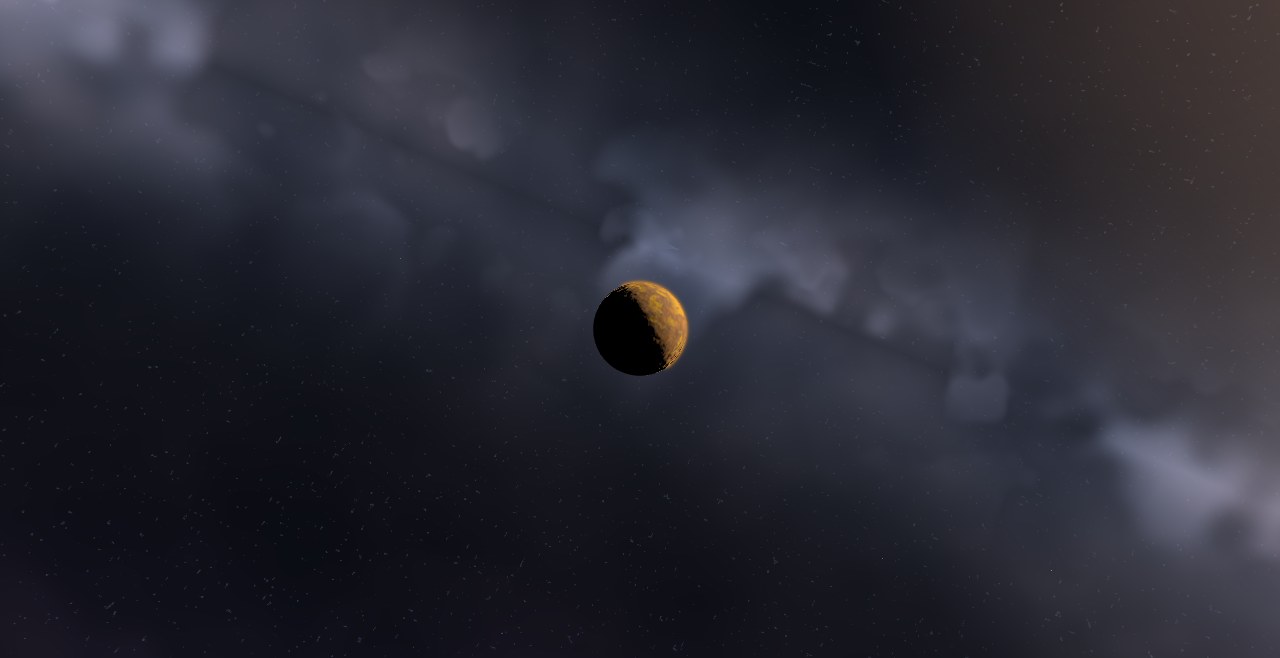
K2-126, an orange K-type dwarf of 0.69 solar masses, and K2-126 b, a planet with 2.0 Earth radii, with an orbital period of 7.4 days, at 0.066 AU from its star, and an equilibrium temperature near 601 K.
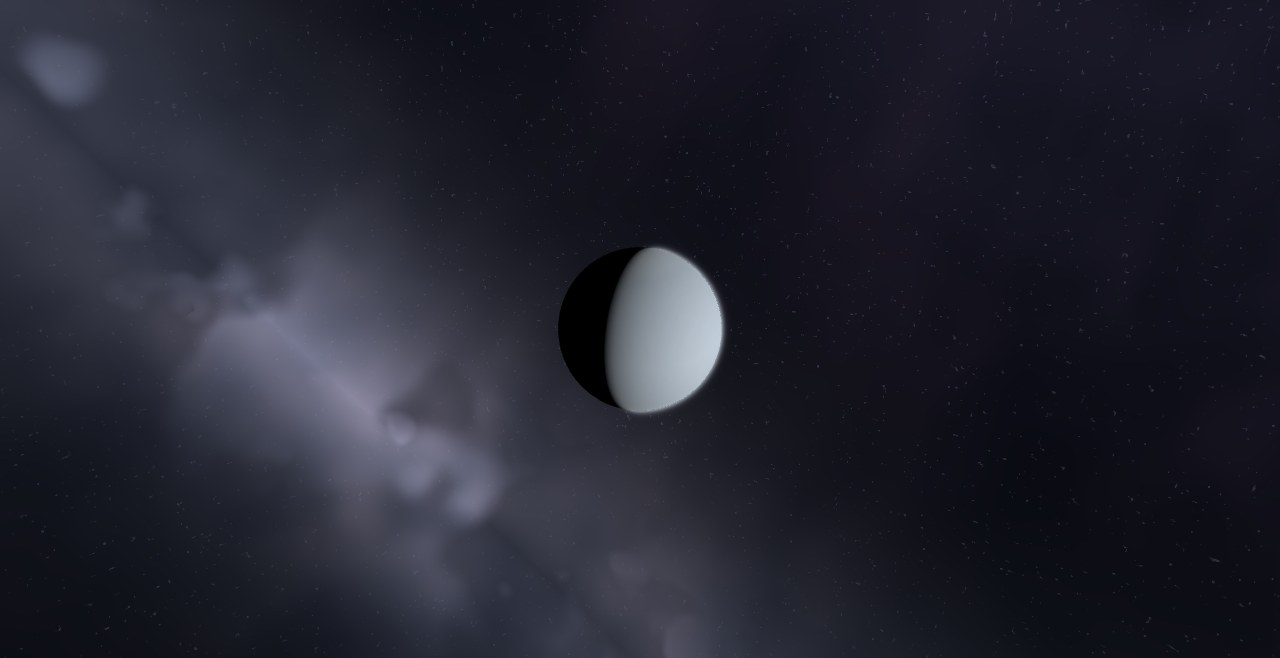
K2-127, an orange K-type dwarf of 0.72 solar masses, and K2-127 b, a planet with 8.4 Earth radii, with an orbital period of 3.6 days, at 0.041 AU from its star, and an equilibrium temperature near 809 K.
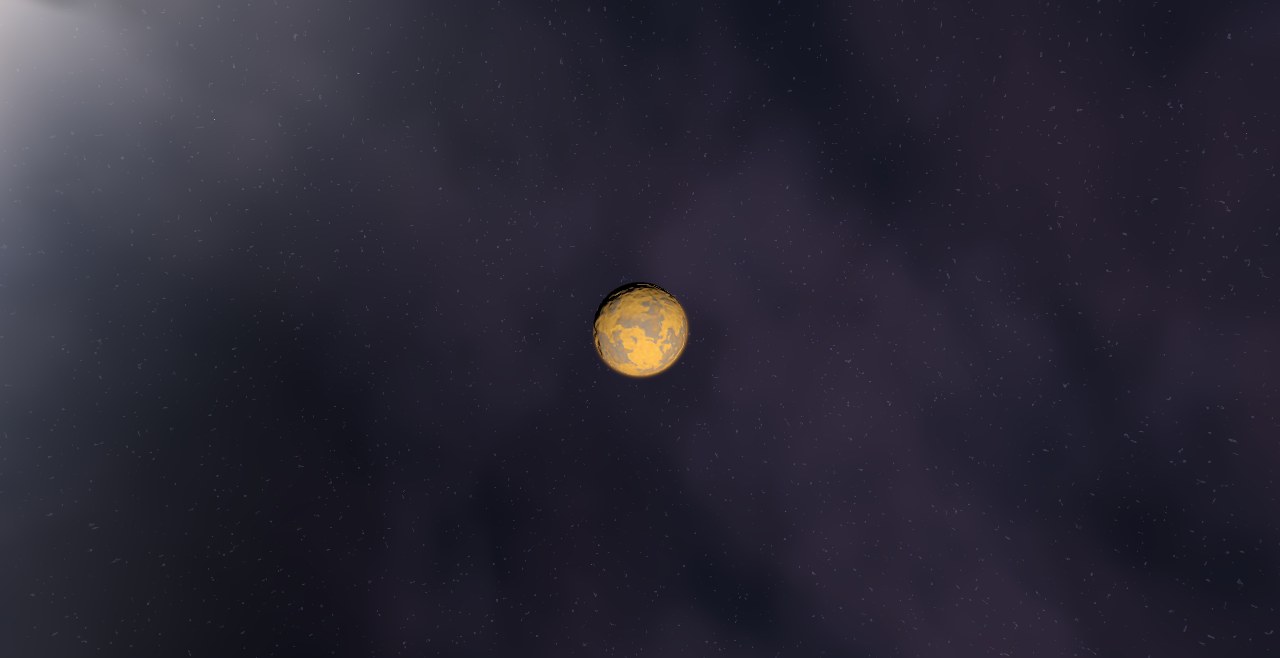
K2-128, an orange K-type dwarf of 0.71 solar masses, and K2-128 b, a planet with 1.4 Earth radii, with an orbital period of 5.7 days, at 0.056 AU from its star, on an eccentric orbit (e ≈ 0.23).
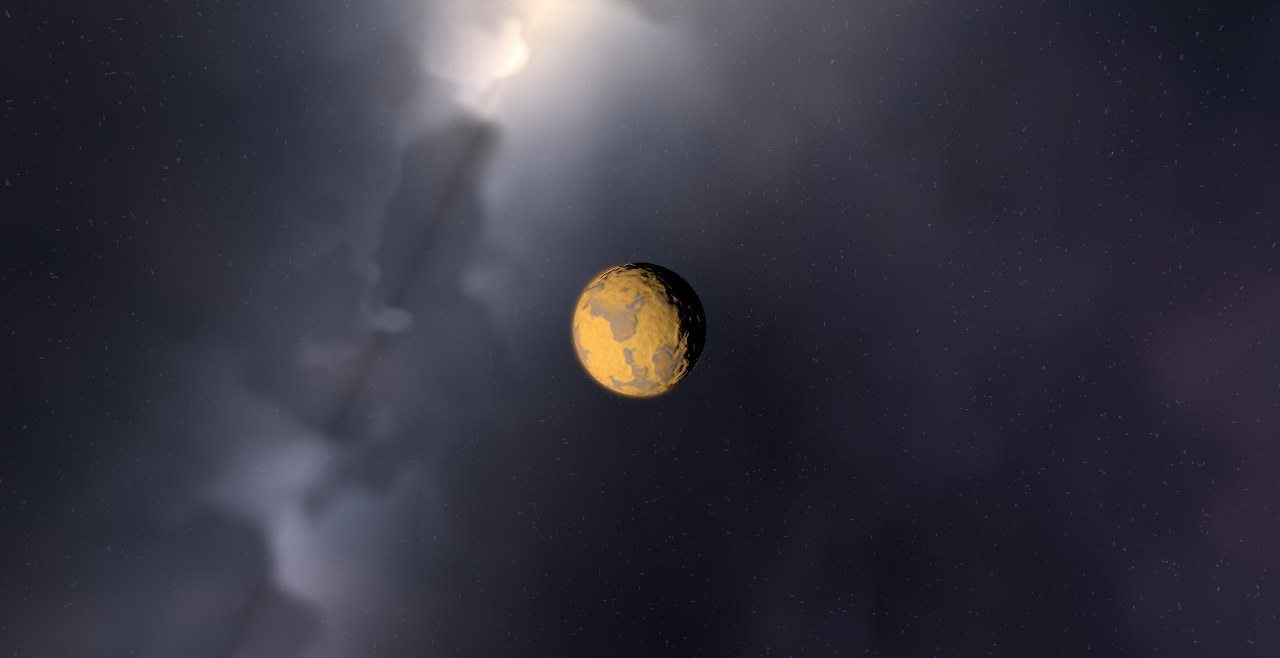
K2-129, a cool M-dwarf of 0.36 solar masses, and K2-129 b, a planet with 1.0 Earth radii, with an orbital period of 8.2 days, at 0.057 AU from its star, on an eccentric orbit (e ≈ 0.13).
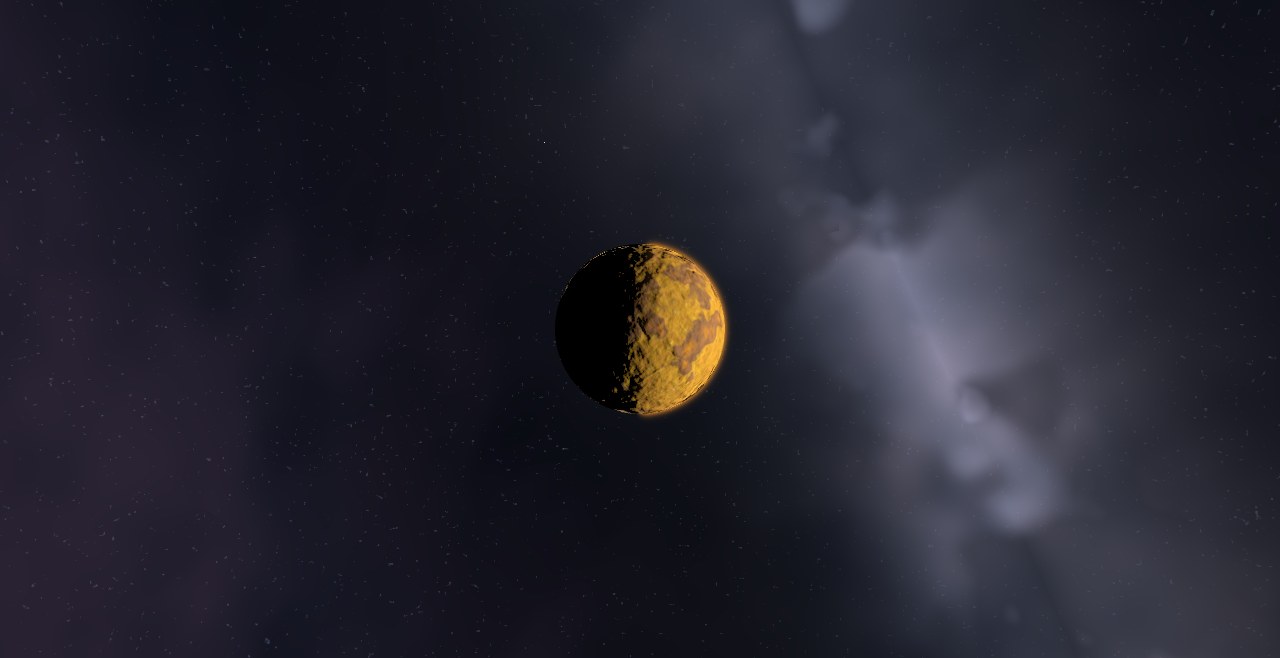
K2-13, a Sun-like G-type star of 0.80 solar masses, and K2-13 b, a planet with 1.9 Earth radii, with an orbital period of 39.9 days, at 0.211 AU from its star, and an equilibrium temperature near 511 K.
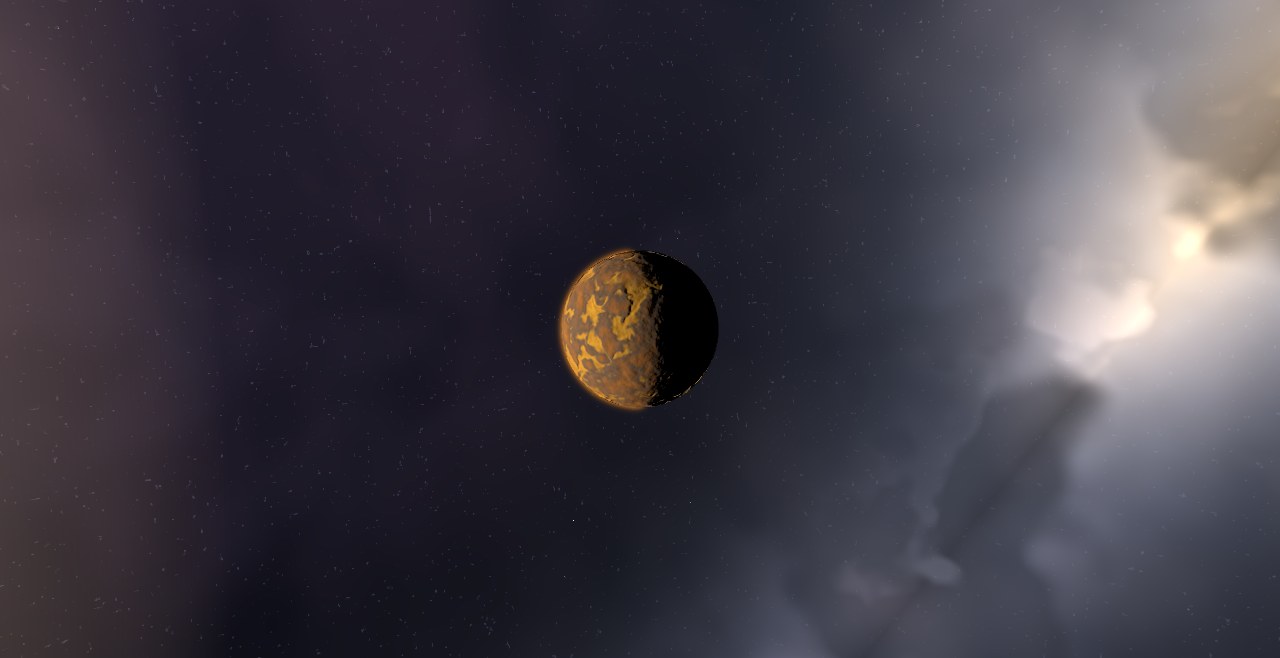
K2-130, an orange K-type dwarf of 0.70 solar masses, and K2-130 b, a planet with 1.3 Earth radii, with an orbital period of 2.5 days, at 0.032 AU from its star, on an eccentric orbit (e ≈ 0.17).
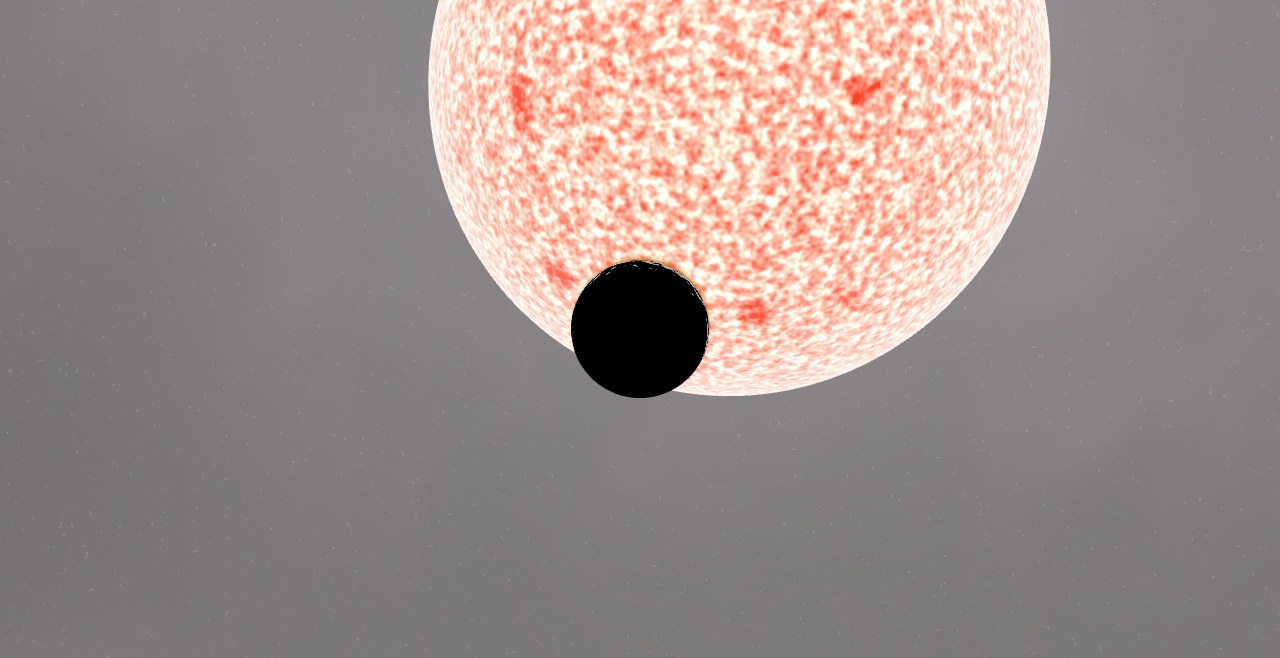
K2-131, an orange K-type dwarf of 0.80 solar masses, and K2-131 b, a 7.9-Earth-mass planet, with an orbital period of 8.9 hours, at 0.009 AU from its star, and an equilibrium temperature near 2,223 K.
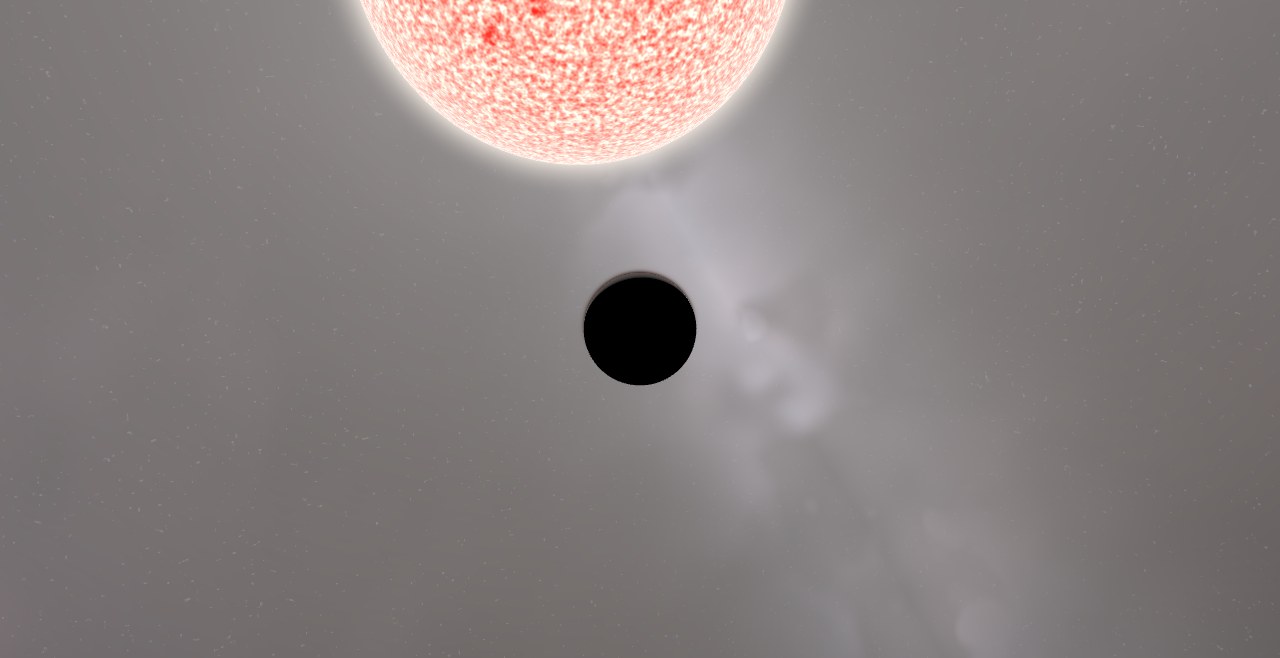
K2-132, an orange K-type dwarf of 1.08 solar masses, and K2-132 b, a 0.49-Jupiter-mass companion, with an orbital period of 9.2 days.
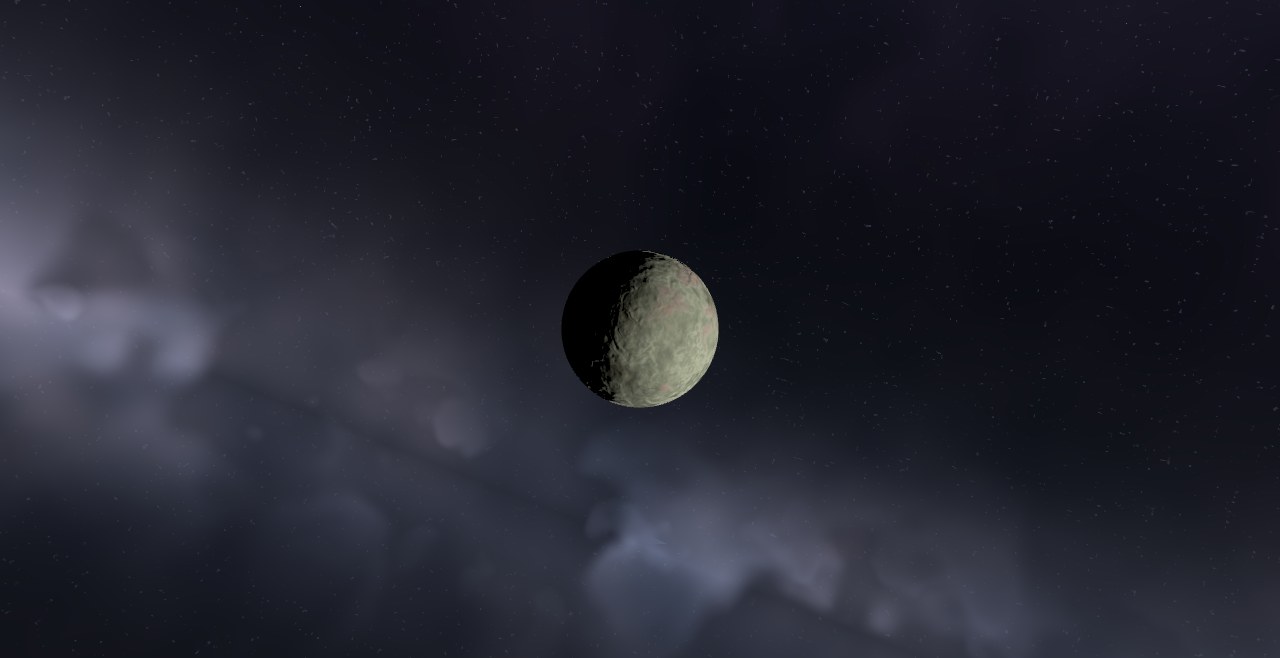
K2-133, a cool M-dwarf of 0.46 solar masses, and K2-133 b, a planet with 1.3 Earth radii, with an orbital period of 3.1 days, at 0.032 AU from its star.
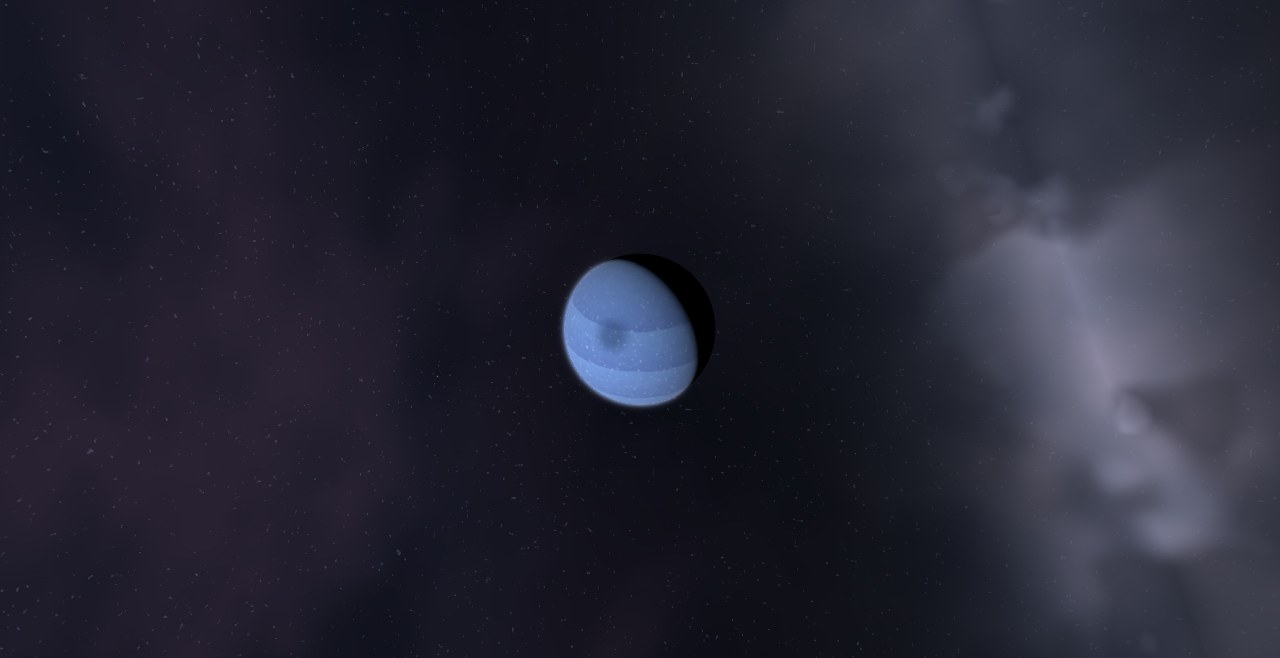
K2-136, an orange K-type dwarf of 0.74 solar masses, and K2-136 b, a 4.3-Earth-mass planet, with an orbital period of 8.0 days, at 0.071 AU from its star, and an equilibrium temperature near 610 K.
K2-137, a cool M-dwarf of 0.46 solar masses, and K2-137 b, a planet with 0.6 Earth radii, with an orbital period of 4.3 hours.
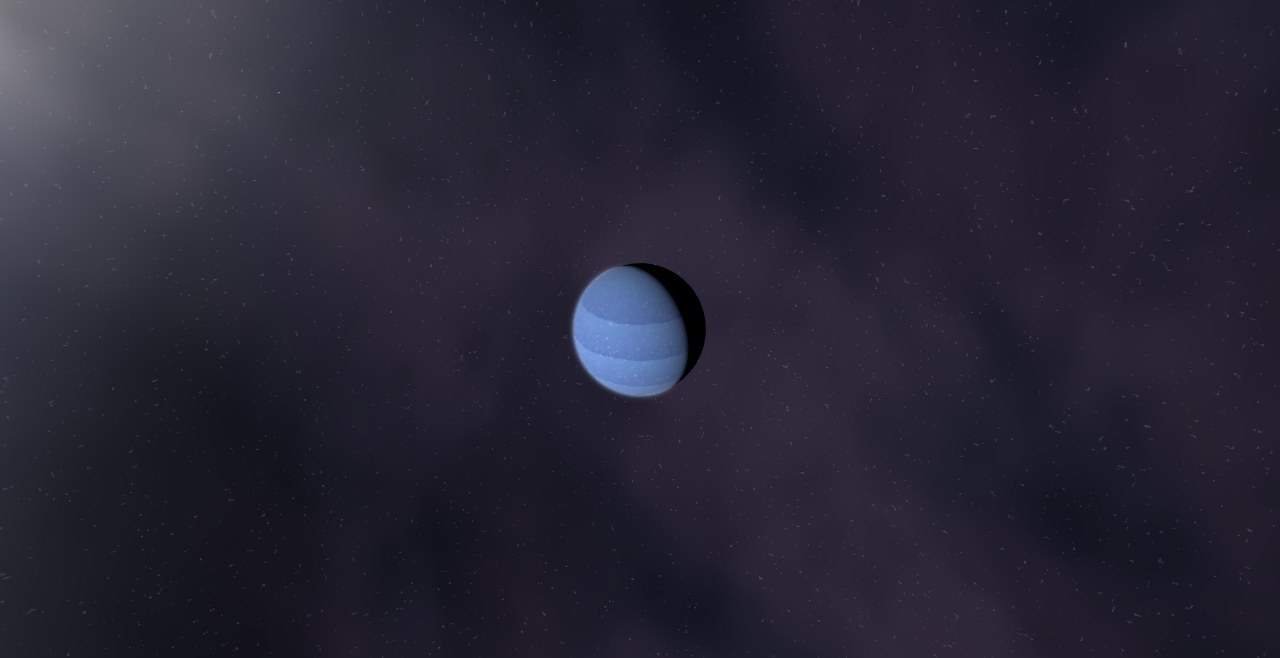
K2-138, a chain of six sub-Neptunes near resonance, found by citizen scientists. The planets form an even, peas-in-a-pod sequence. The star is a K dwarf, and the chain was found in K2 data.
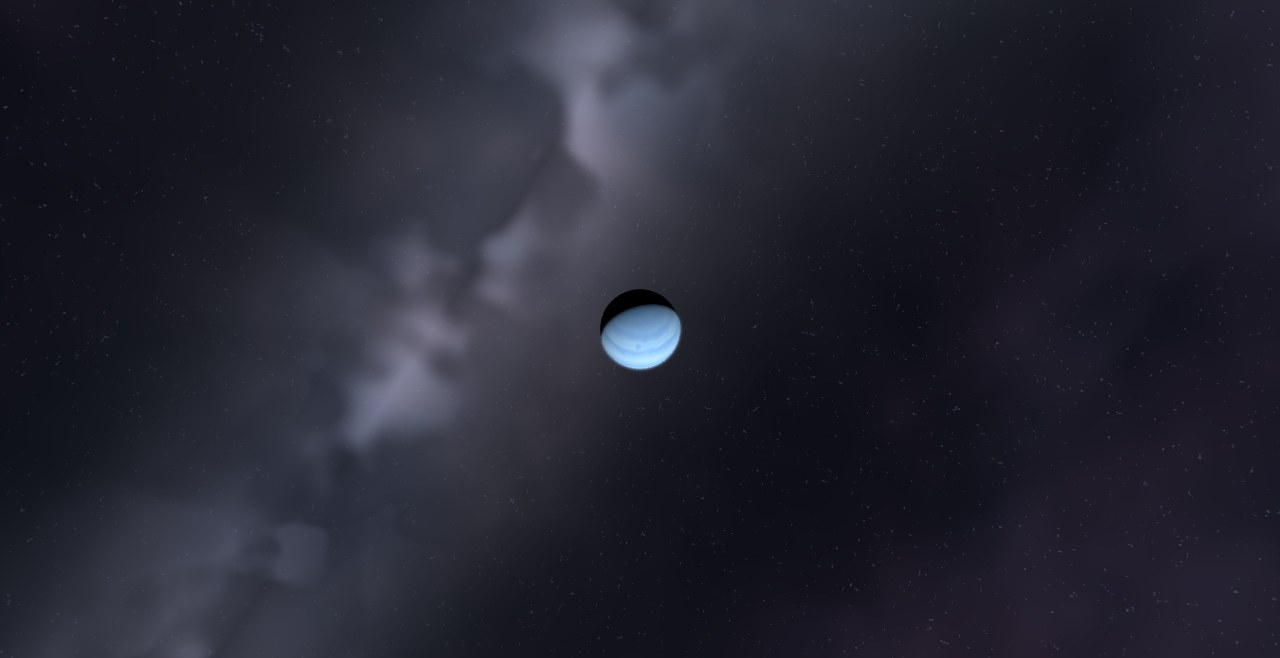
K2-139, a Sun-like G-type star of 0.96 solar masses, and K2-139 b, a planet with 9.1 Earth radii, with an orbital period of 28.4 days, at 0.180 AU from its star, and an equilibrium temperature near 524 K.
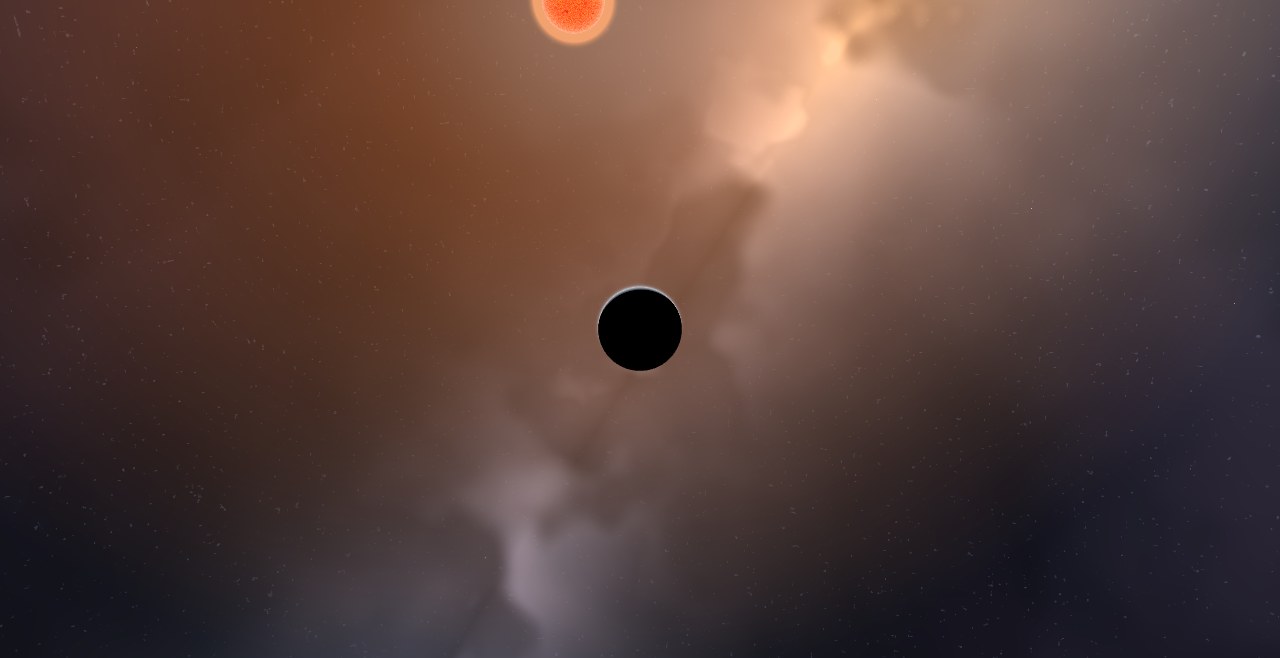
K2-14, an orange K-type dwarf of 0.47 solar masses, and K2-14 b, a planet with 4.8 Earth radii, with an orbital period of 8.4 days, at 0.063 AU from its star, and an equilibrium temperature near 488 K.