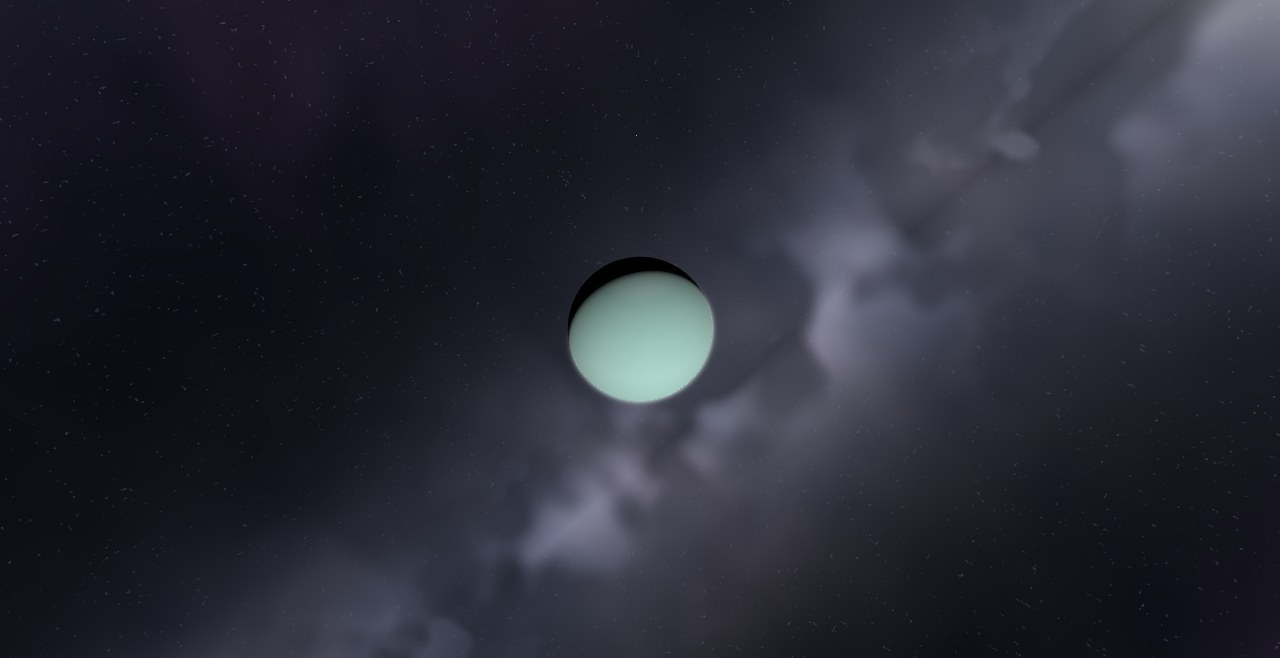
HD 164595 - System
HD 164595, a Sun-like G-type star of 0.99 solar masses, and HD 164595 b, a 0.05-Jupiter-mass companion, with an orbital period of 40.0 days, at 0.230 AU from its star, on an eccentric orbit (e ≈ 0.09).
3D Space and Gravity Simulator. Simulate the solar system, exoplanets and even colliding galaxies. Add, delete and modify planets, and change the laws of physics.
Share
HD 164595, a Sun-like G-type star of 0.99 solar masses, and HD 164595 b, a 0.05-Jupiter-mass companion, with an orbital period of 40.0 days, at 0.230 AU from its star, on an eccentric orbit (e ≈ 0.09).
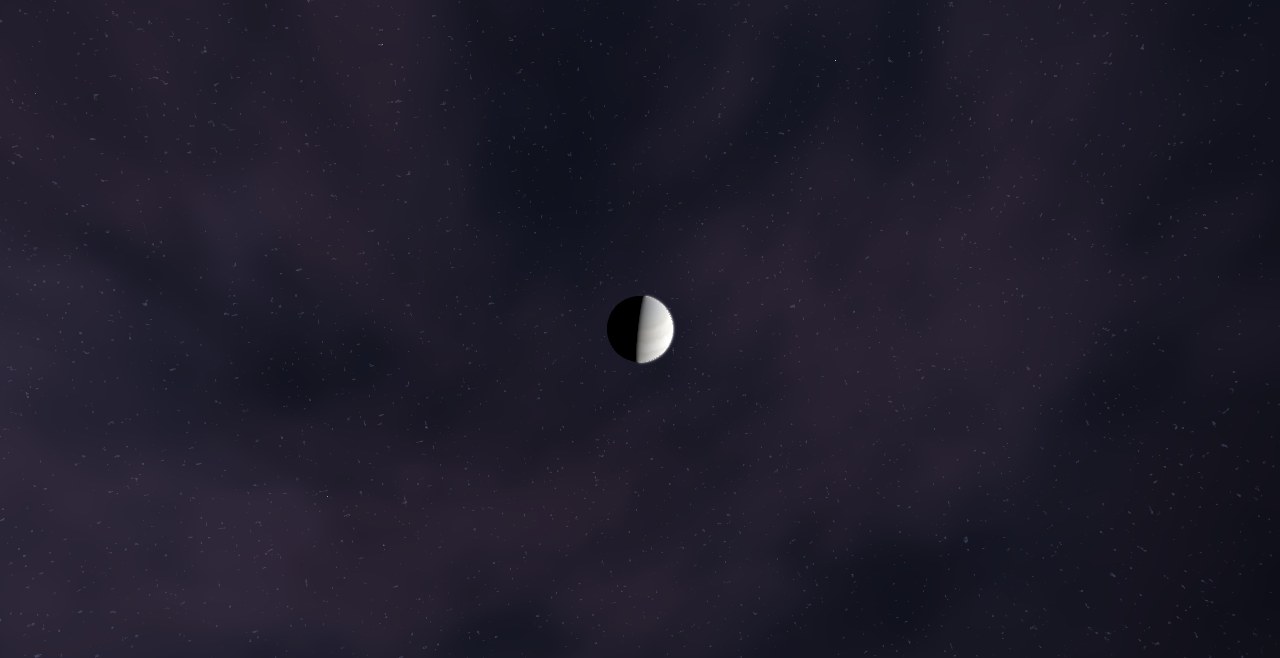
HD 164604, an orange K-type dwarf of 0.77 solar masses, and HD 164604 b, a 13.2-Jupiter-mass companion, with an orbital period of 1.79 years, at 1.362 AU from its star, on an eccentric orbit (e ≈ 0.48).
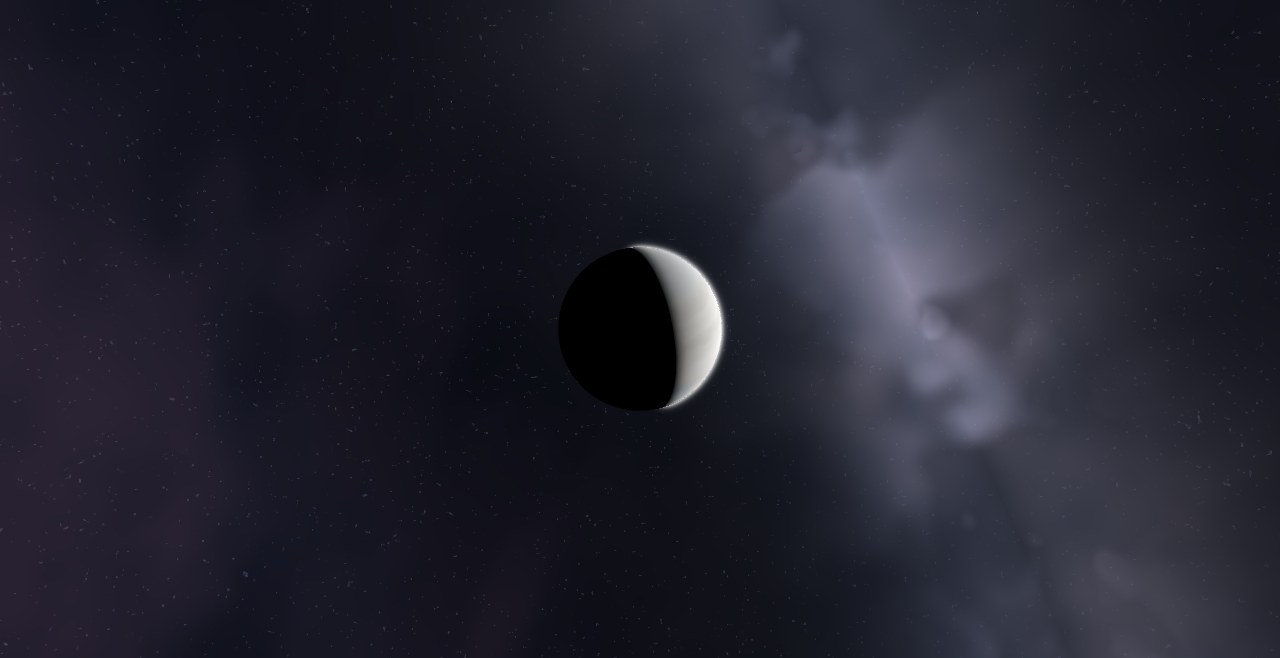
HD 164922, a Sun-like G-type star of 0.92 solar masses, and HD 164922 d, a 4.0-Earth-mass planet, with an orbital period of 12.5 days, at 0.103 AU from its star, on an eccentric orbit (e ≈ 0.12).
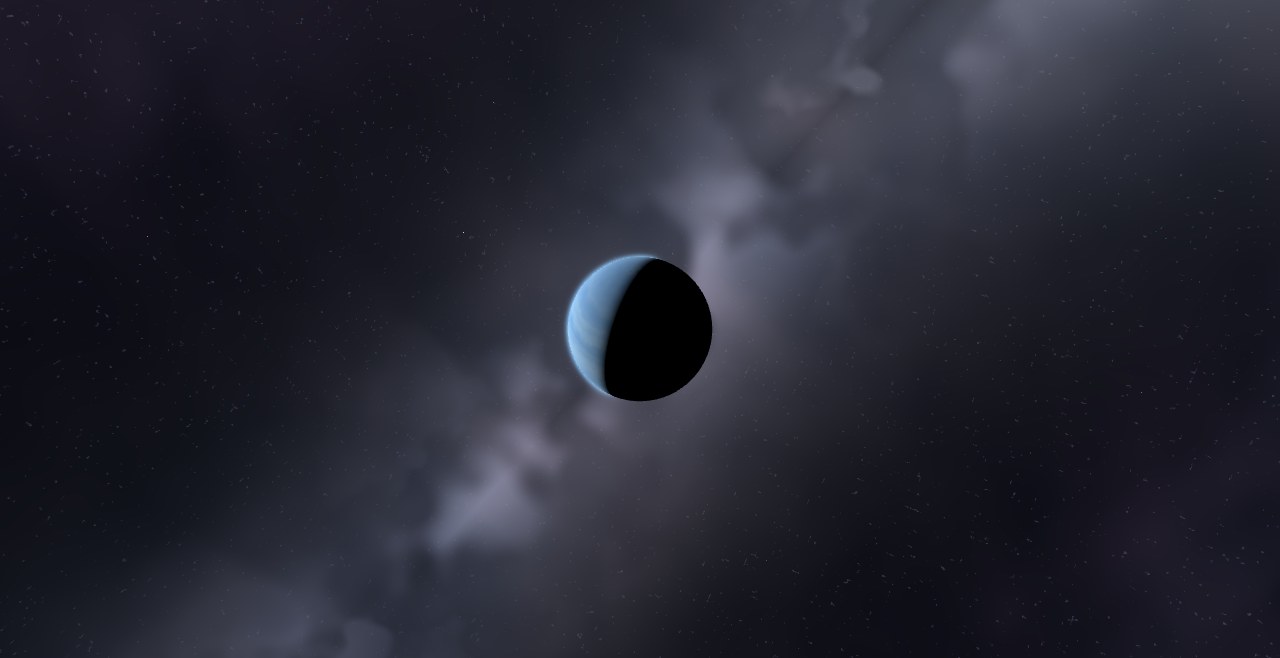
HD 165131, a Sun-like G-type star of 1.06 solar masses, and HD 165131 b, a 18.7-Jupiter-mass companion, with an orbital period of 6.41 years, at 3.540 AU from its star, on an eccentric orbit (e ≈ 0.67).
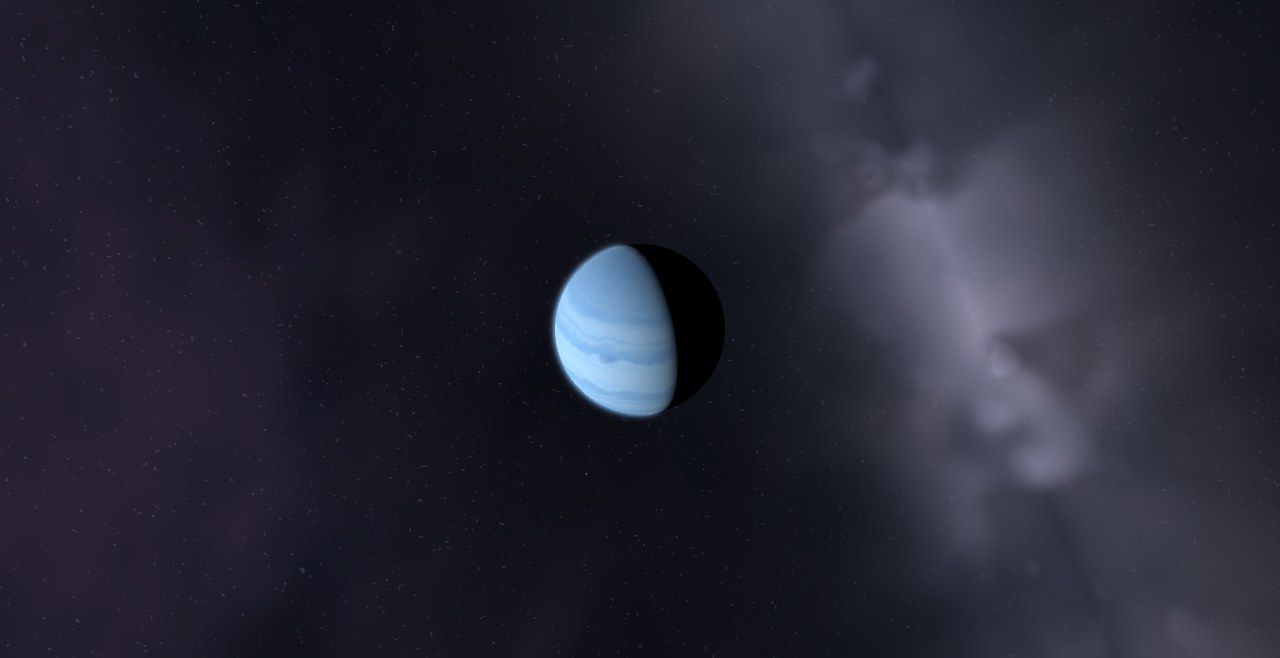
HD 165155, a Sun-like G-type star of 1.02 solar masses, and HD 165155 b, a 2.89-Jupiter-mass companion, with an orbital period of 1.19 years, at 1.130 AU from its star, on an eccentric orbit (e ≈ 0.20).
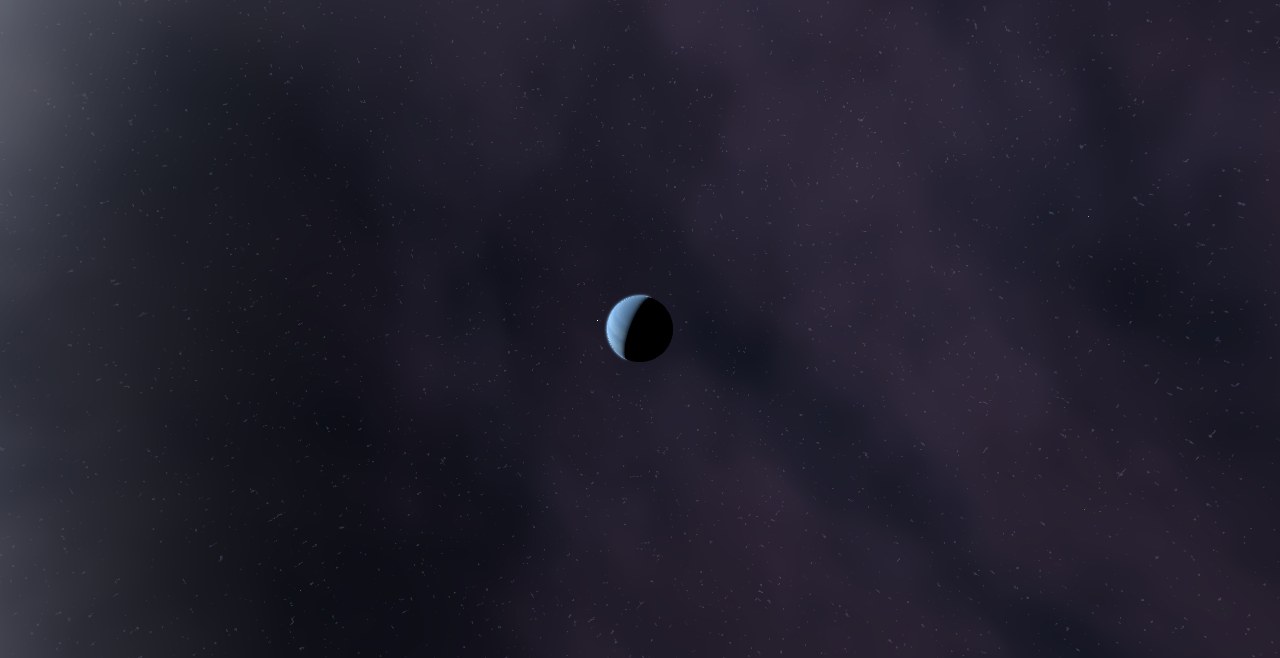
HD 1666, a Sun-like F-type star of 1.50 solar masses, and HD 1666 b, a 6.43-Jupiter-mass companion, with an orbital period of 270 days, at 0.940 AU from its star, on an eccentric orbit (e ≈ 0.63).
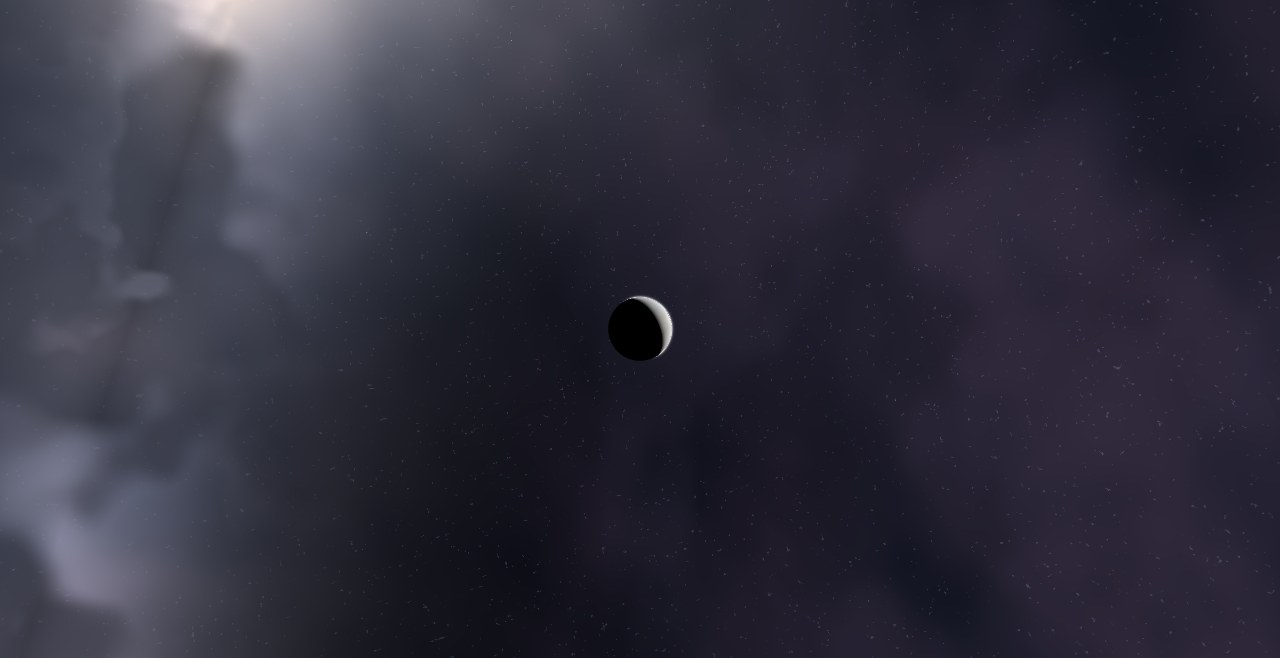
HD 166724, an orange K-type dwarf of 0.81 solar masses, and HD 166724 b, a 3.53-Jupiter-mass companion, with an orbital period of 14.1 years, at 5.420 AU from its star, on an eccentric orbit (e ≈ 0.73).
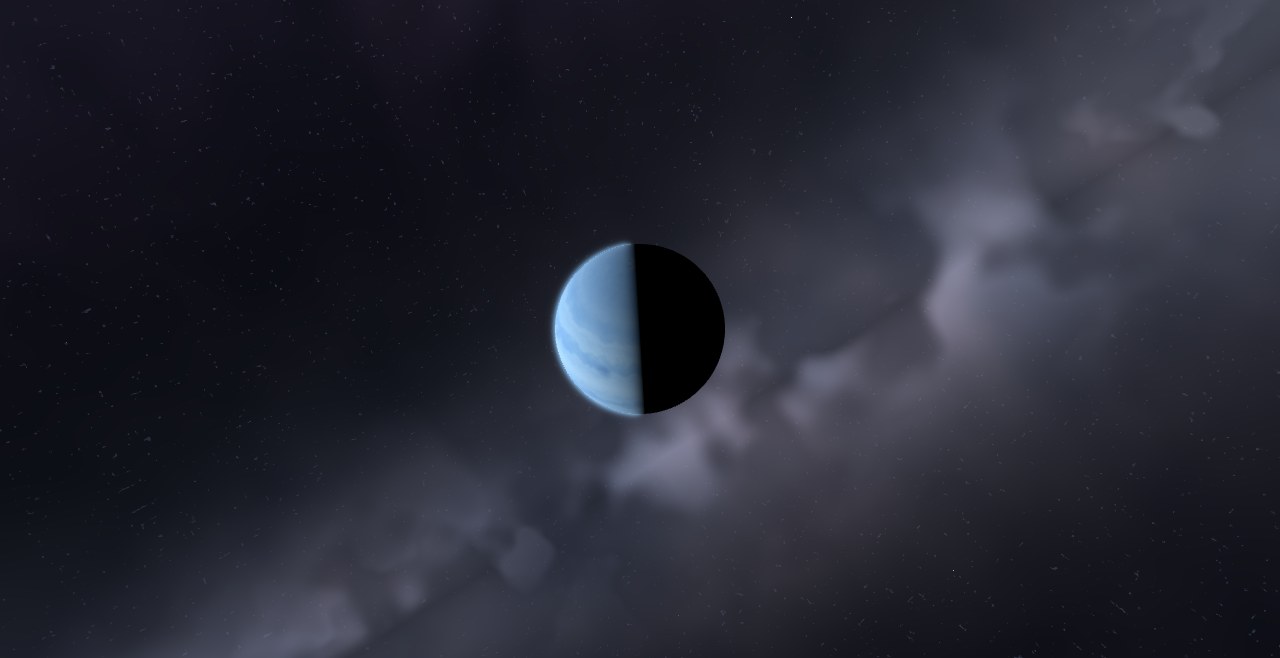
HD 167042, an orange K-type dwarf of 1.39 solar masses, and HD 167042 b, a 1.40-Jupiter-mass companion, with an orbital period of 1.14 years, at 1.220 AU from its star.
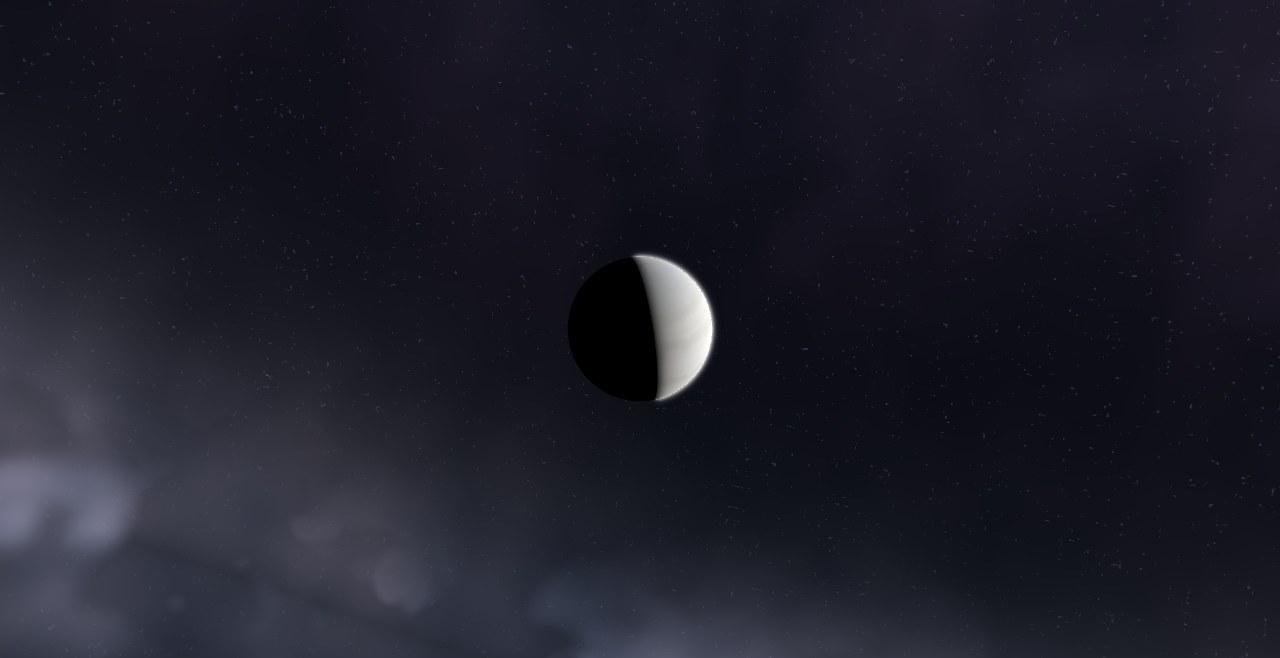
HD 167677, a Sun-like G-type star of 0.96 solar masses, and HD 167677 b, a 2.85-Jupiter-mass companion, with an orbital period of 4.98 years, at 2.877 AU from its star, on an eccentric orbit (e ≈ 0.18).
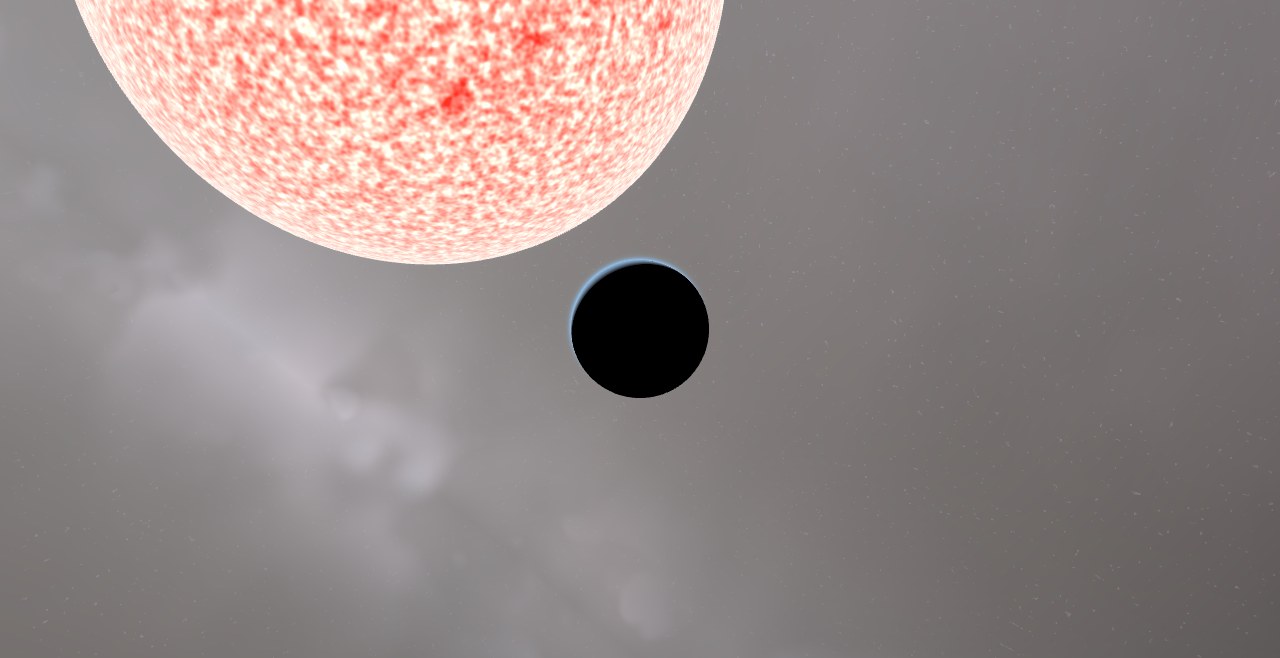
HD 167768, a Sun-like G-type star of 1.08 solar masses, and HD 167768 b, a 0.85-Jupiter-mass companion, with an orbital period of 20.7 days, at 0.151 AU from its star, on an eccentric orbit (e ≈ 0.15).
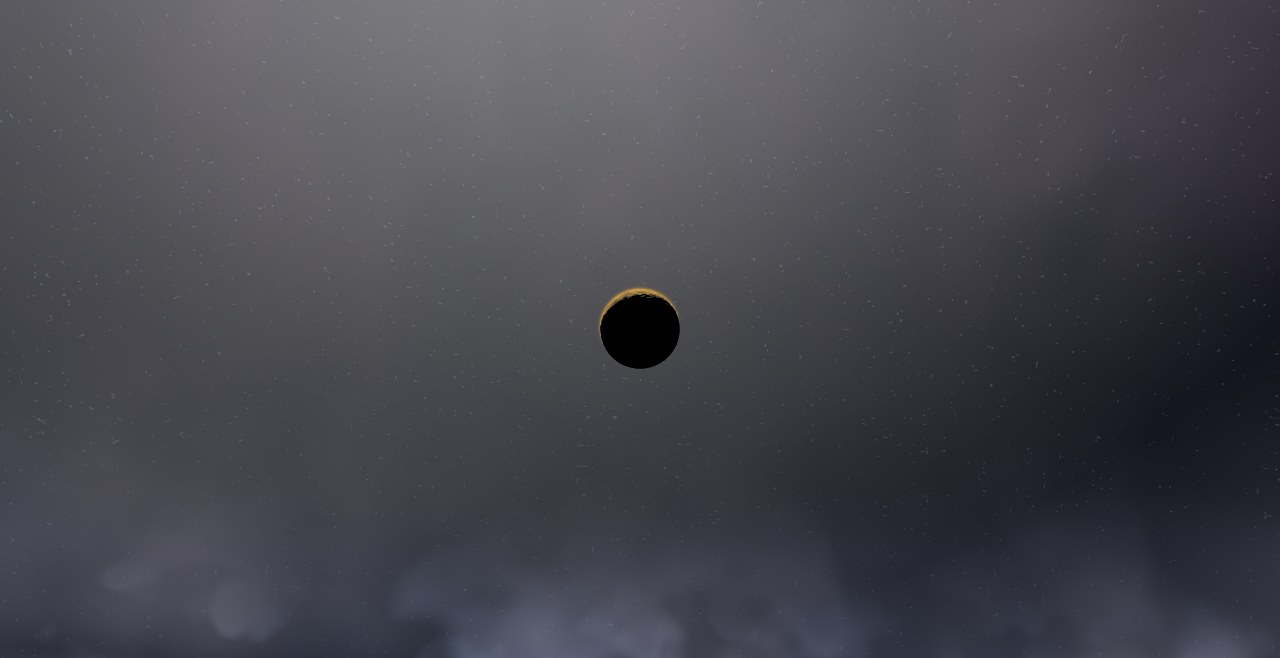
HD 168009, a Sun-like G-type star of 0.99 solar masses, and HD 168009 b, a 9.5-Earth-mass planet, with an orbital period of 15.1 days, at 0.119 AU from its star, on an eccentric orbit (e ≈ 0.12).
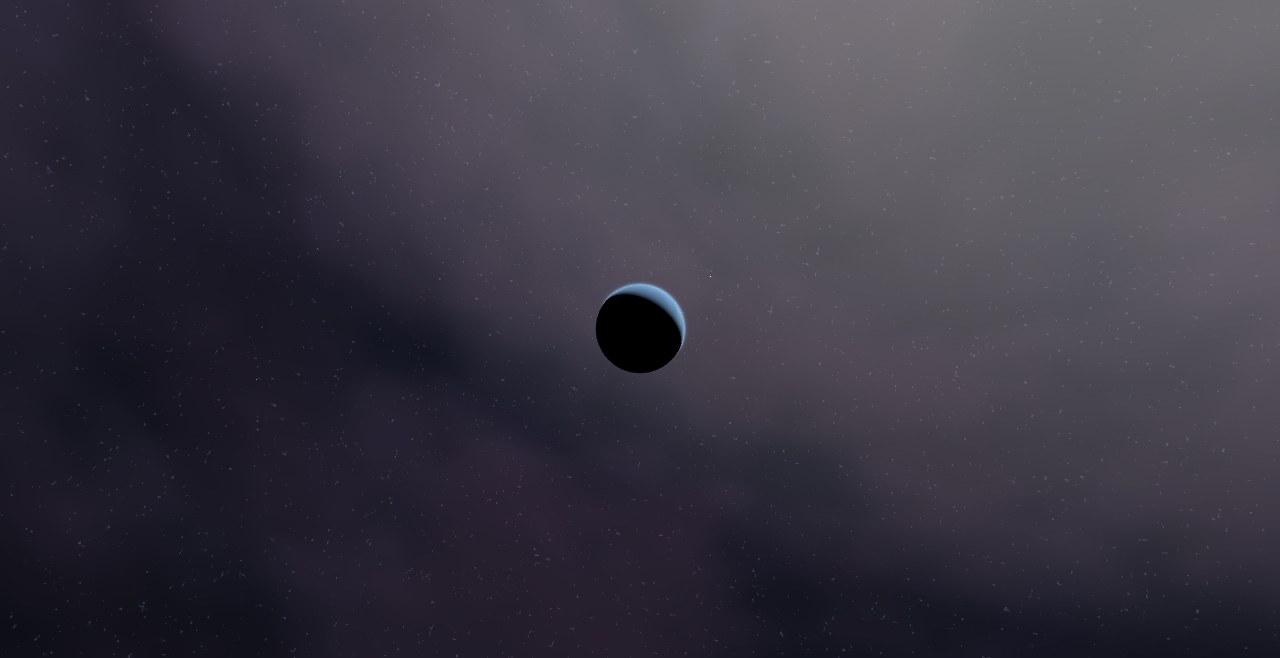
HD 168443, a Sun-like G-type star of 0.98 solar masses, and HD 168443 b, a 7.63-Jupiter-mass companion, with an orbital period of 58.1 days, at 0.292 AU from its star, on an eccentric orbit (e ≈ 0.53).
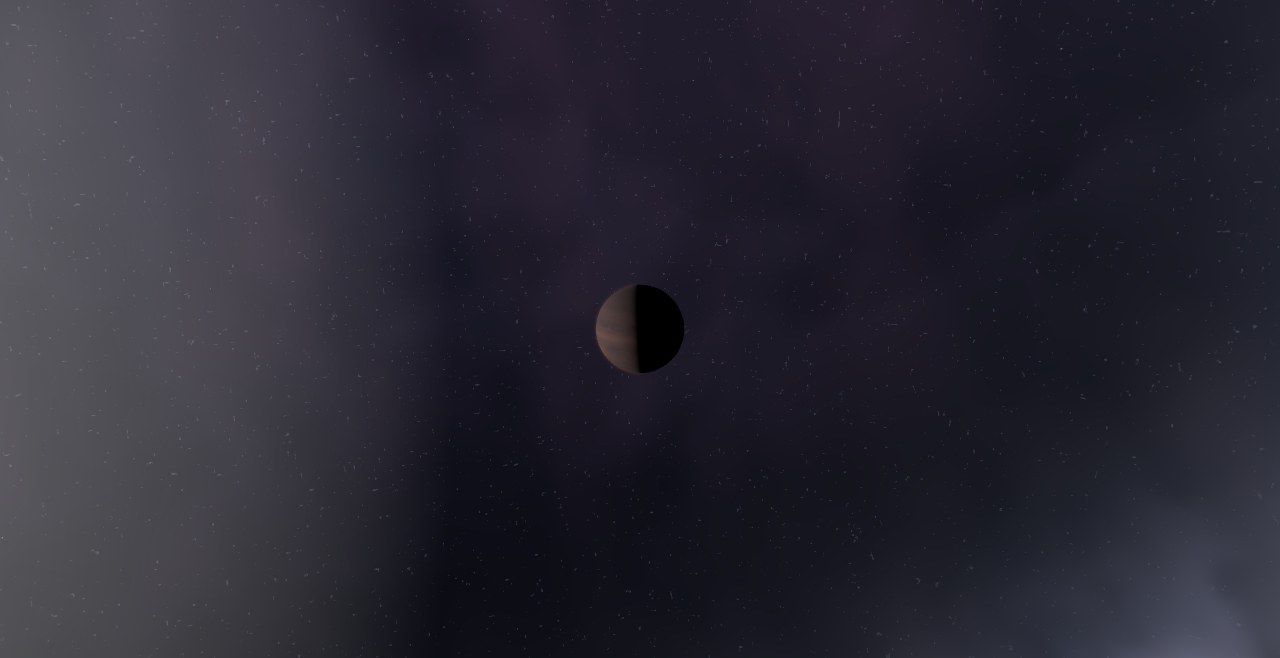
HD 168746, a Sun-like G-type star of 1.07 solar masses, and HD 168746 b, a 0.27-Jupiter-mass companion, with an orbital period of 6.4 days, at 0.070 AU from its star, on an eccentric orbit (e ≈ 0.11).
HD 168863, an orange K-type dwarf of 0.80 solar masses, and HD 168863 b, a 6.78-Jupiter-mass companion, with an orbital period of 40.4 years, at 11.0 AU from its star, on an eccentric orbit (e ≈ 0.19).
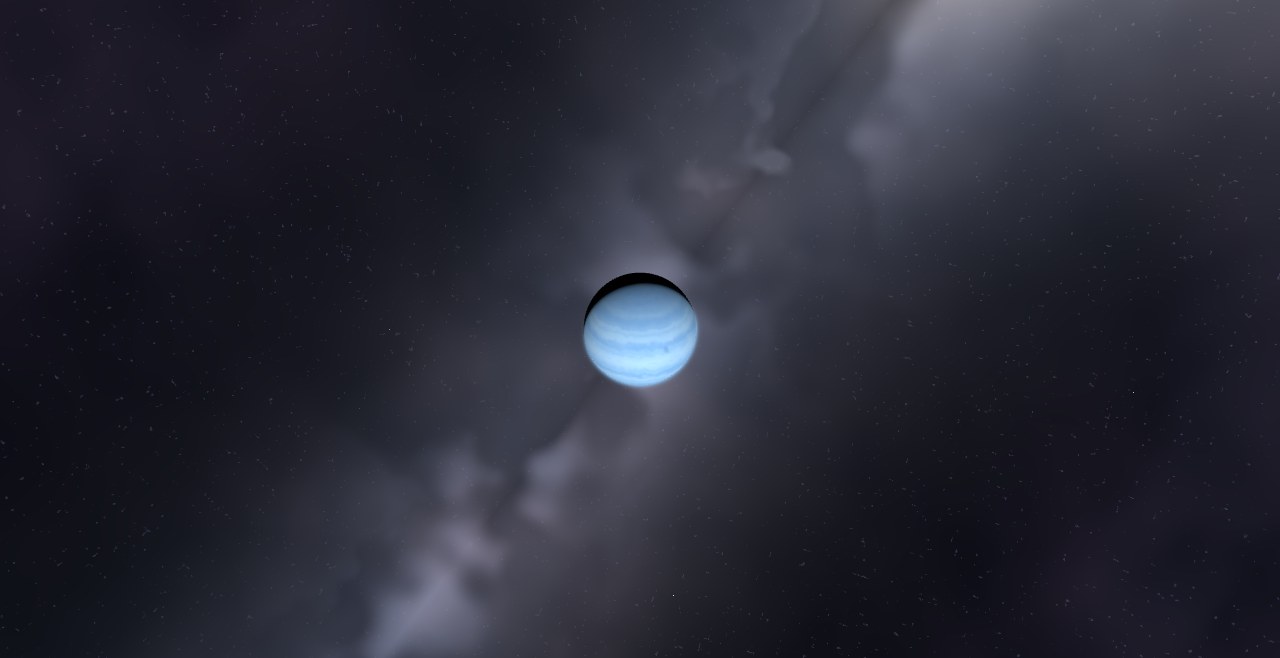
HD 1690, an orange K-type dwarf of 1.86 solar masses, and HD 1690 b, a 8.79-Jupiter-mass companion, with an orbital period of 1.46 years, at 1.360 AU from its star, on an eccentric orbit (e ≈ 0.64).
HD 16905, an orange K-type dwarf of 0.85 solar masses, and HD 16905 b, a 11.3-Jupiter-mass companion, with an orbital period of 28.1 years, at 8.800 AU from its star, on an eccentric orbit (e ≈ 0.68).
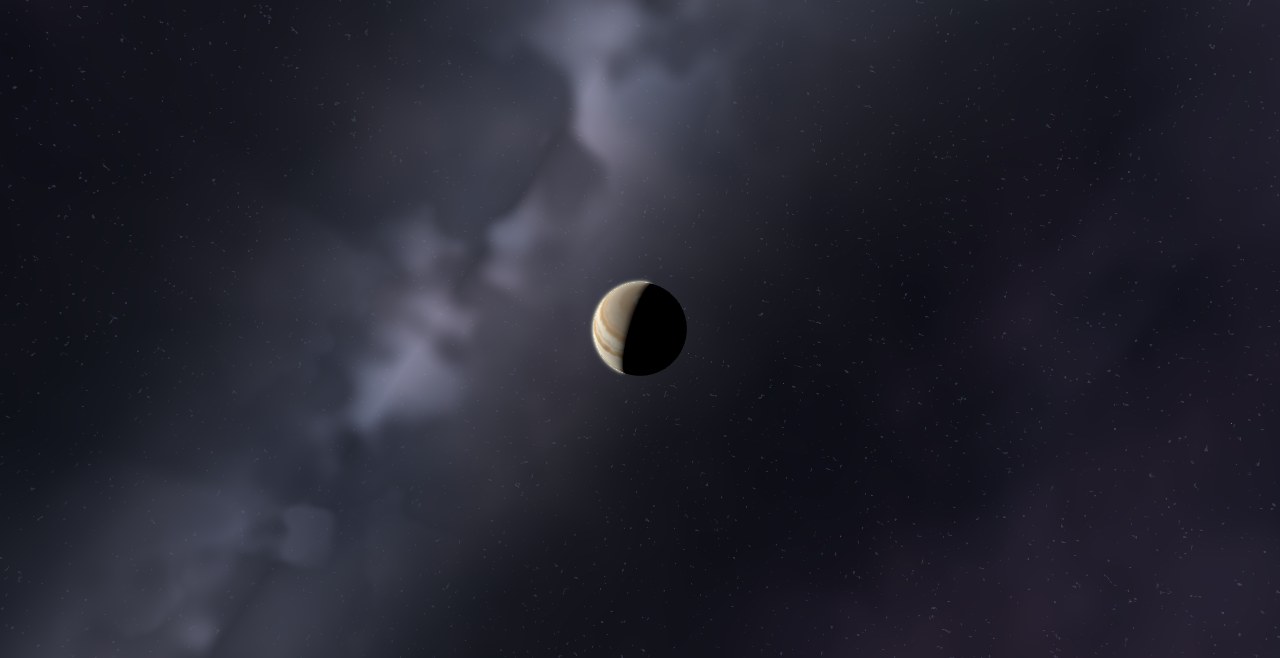
HD 169142, a Sun-like F-type star of 1.85 solar masses, and HD 169142 b, a 3.00-Jupiter-mass companion, at 37.2 AU from its star.
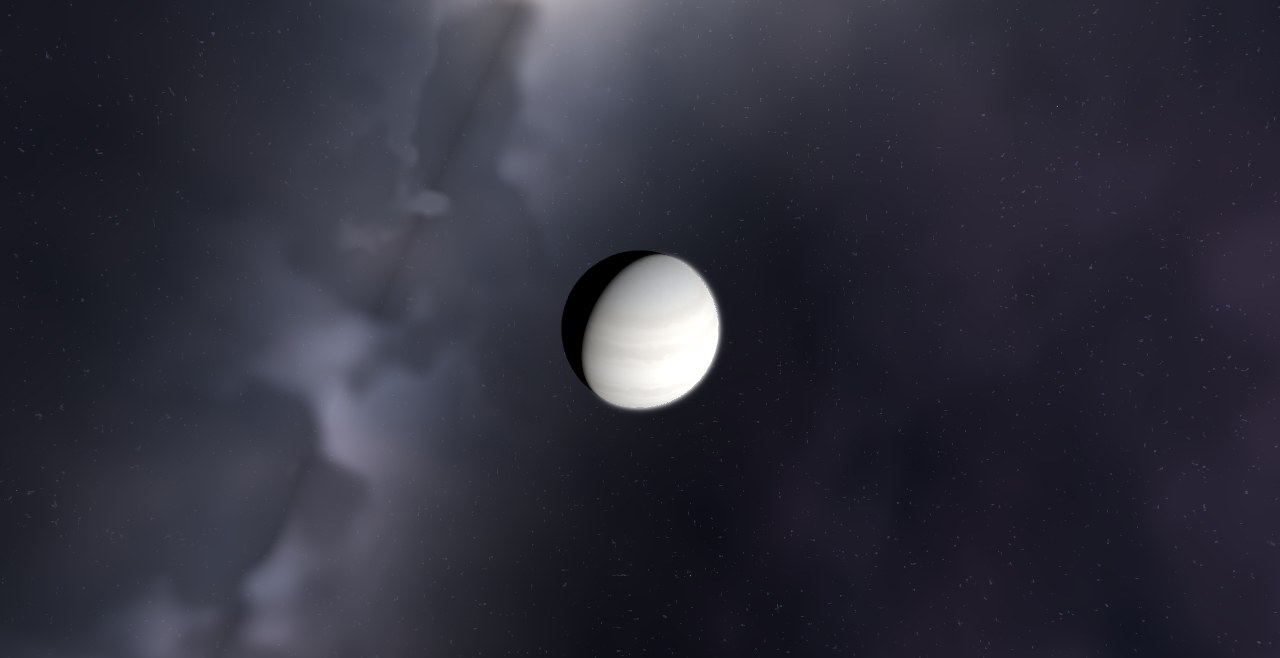
HD 169830, a Sun-like F-type star of 1.17 solar masses, and HD 169830 b, a 2.53-Jupiter-mass companion, with an orbital period of 226 days, at 0.765 AU from its star, on an eccentric orbit (e ≈ 0.29).