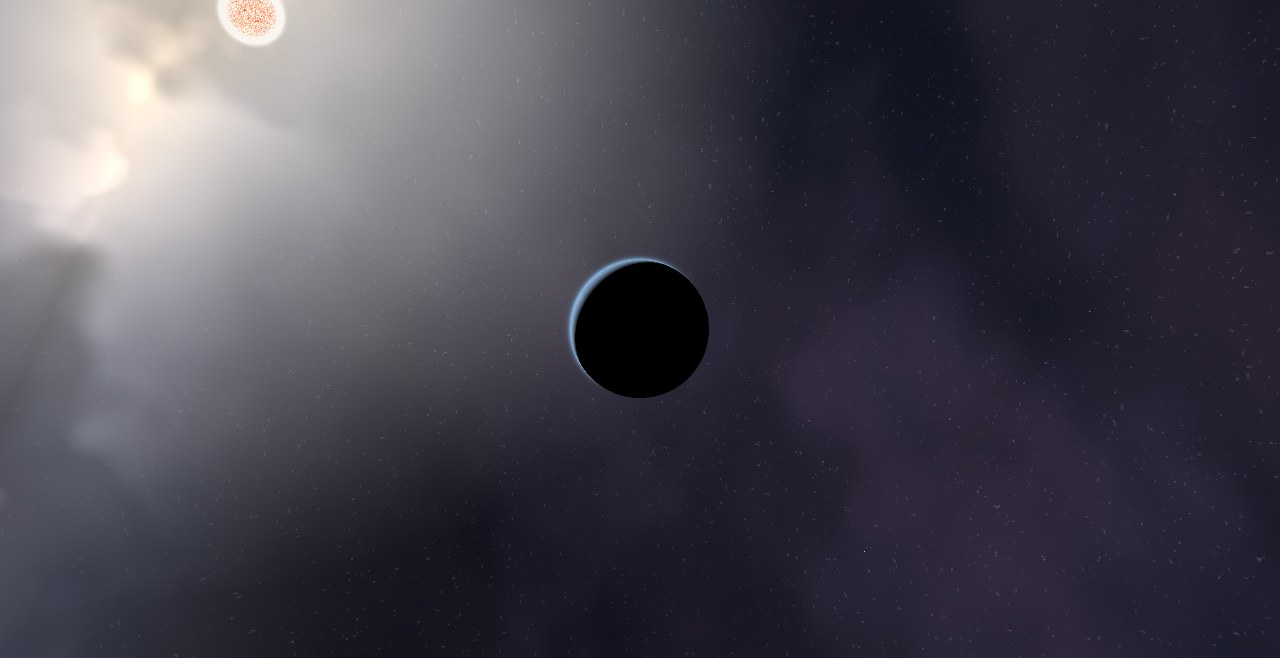
HD 156279 - System
HD 156279, a Sun-like G-type star of 0.94 solar masses, and HD 156279 b, a 9.43-Jupiter-mass companion, with an orbital period of 133 days, at 0.502 AU from its star, on an eccentric orbit (e ≈ 0.65).
3D Space and Gravity Simulator. Simulate the solar system, exoplanets and even colliding galaxies. Add, delete and modify planets, and change the laws of physics.
Share
HD 156279, a Sun-like G-type star of 0.94 solar masses, and HD 156279 b, a 9.43-Jupiter-mass companion, with an orbital period of 133 days, at 0.502 AU from its star, on an eccentric orbit (e ≈ 0.65).
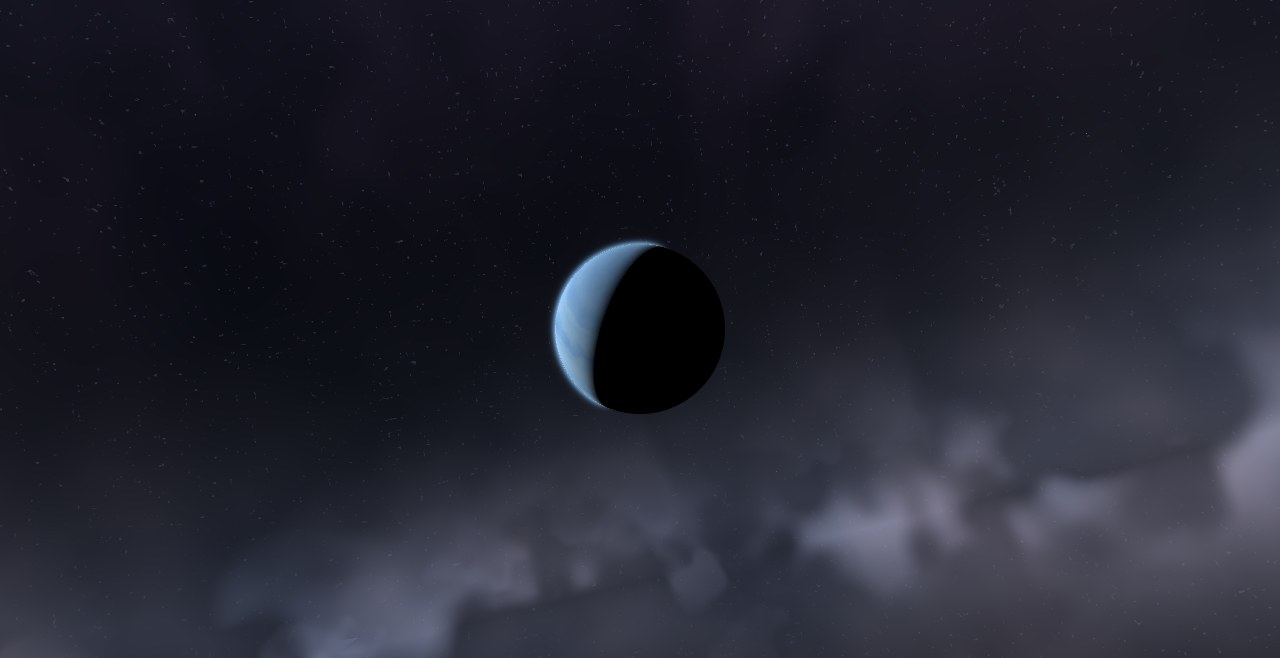
HD 156411, a Sun-like F-type star of 1.25 solar masses, and HD 156411 b, a 0.74-Jupiter-mass companion, with an orbital period of 2.31 years, at 1.880 AU from its star, on an eccentric orbit (e ≈ 0.22).
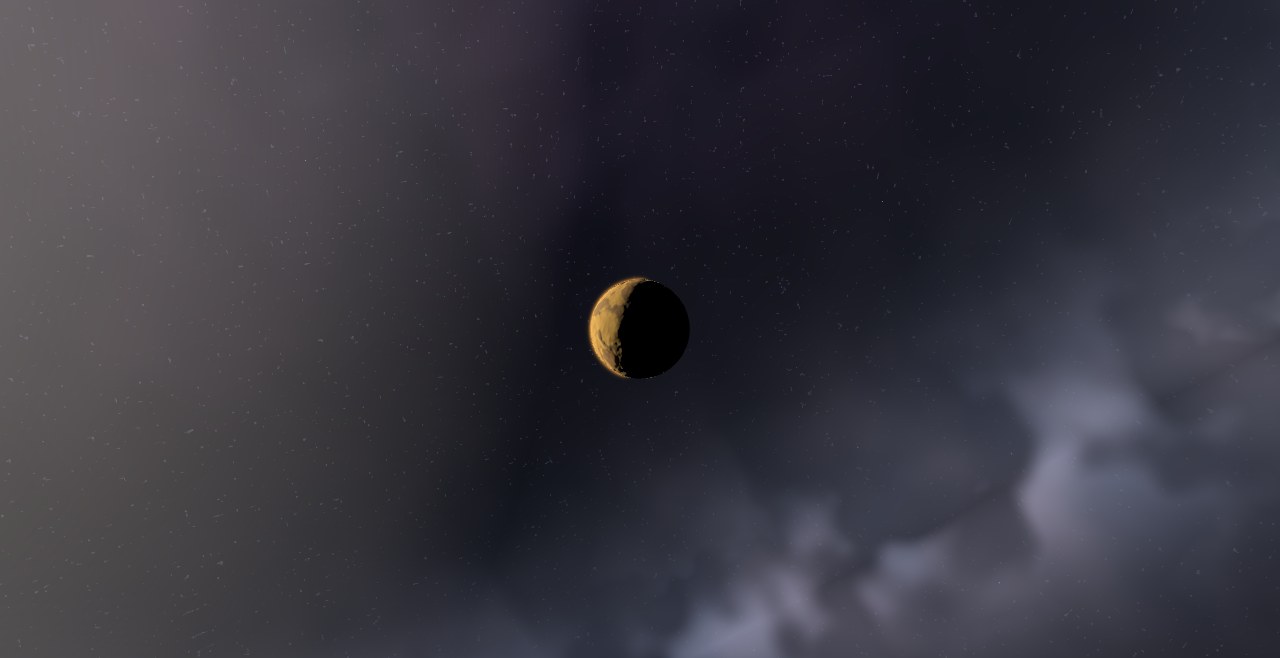
HD 156668, an orange K-type dwarf of 0.79 solar masses, and HD 156668 b, a 4.2-Earth-mass planet, with an orbital period of 4.6 days, at 0.050 AU from its star.
HD 156846, a Sun-like F-type star of 1.38 solar masses, and HD 156846 b, a 10.7-Jupiter-mass companion, with an orbital period of 360 days, at 1.120 AU from its star, on an eccentric orbit (e ≈ 0.85).
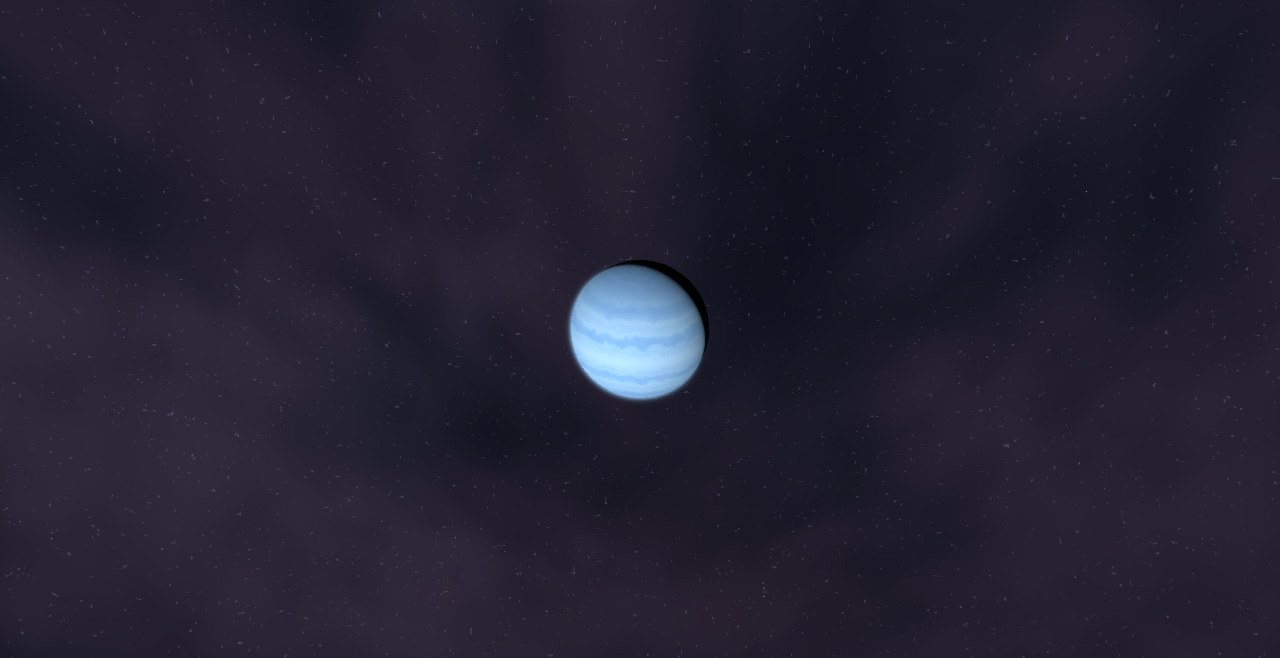
HD 158038, an orange K-type dwarf of 1.30 solar masses, and HD 158038 b, a 1.53-Jupiter-mass companion, with an orbital period of 1.43 years, at 1.500 AU from its star, on an eccentric orbit (e ≈ 0.29).
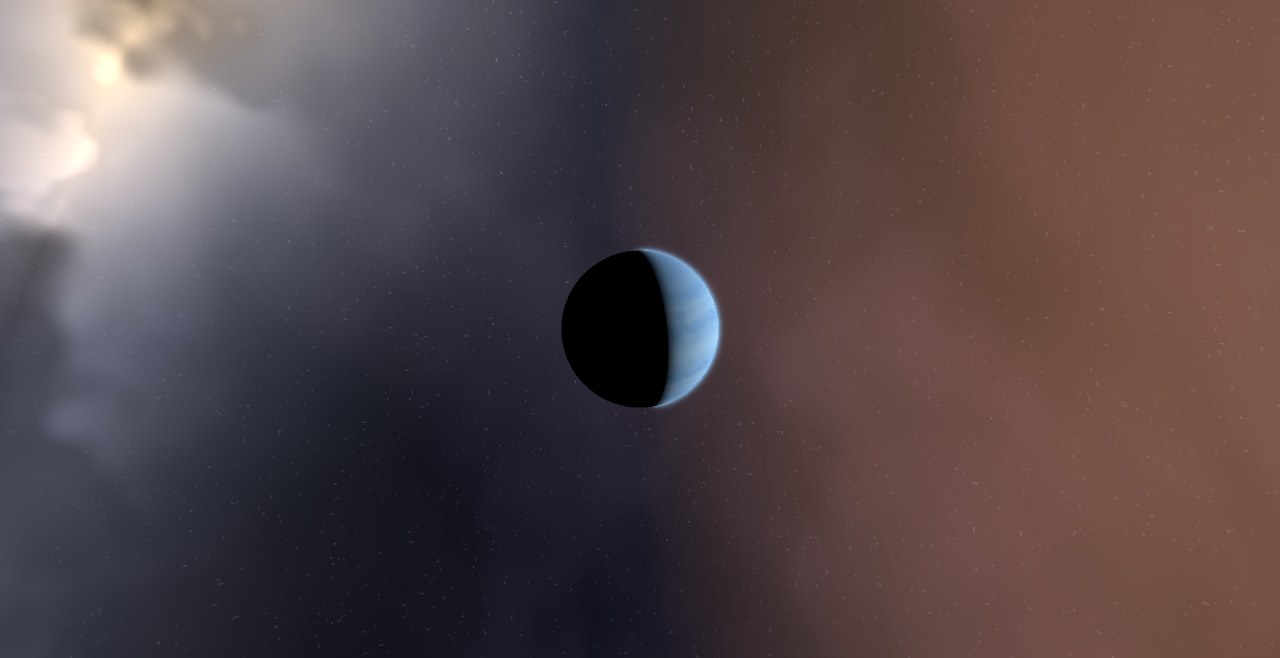
HD 158996, an orange K-type dwarf of 1.80 solar masses, and HD 158996 b, a 14.0-Jupiter-mass companion, with an orbital period of 2.25 years, at 2.100 AU from its star, on an eccentric orbit (e ≈ 0.13).
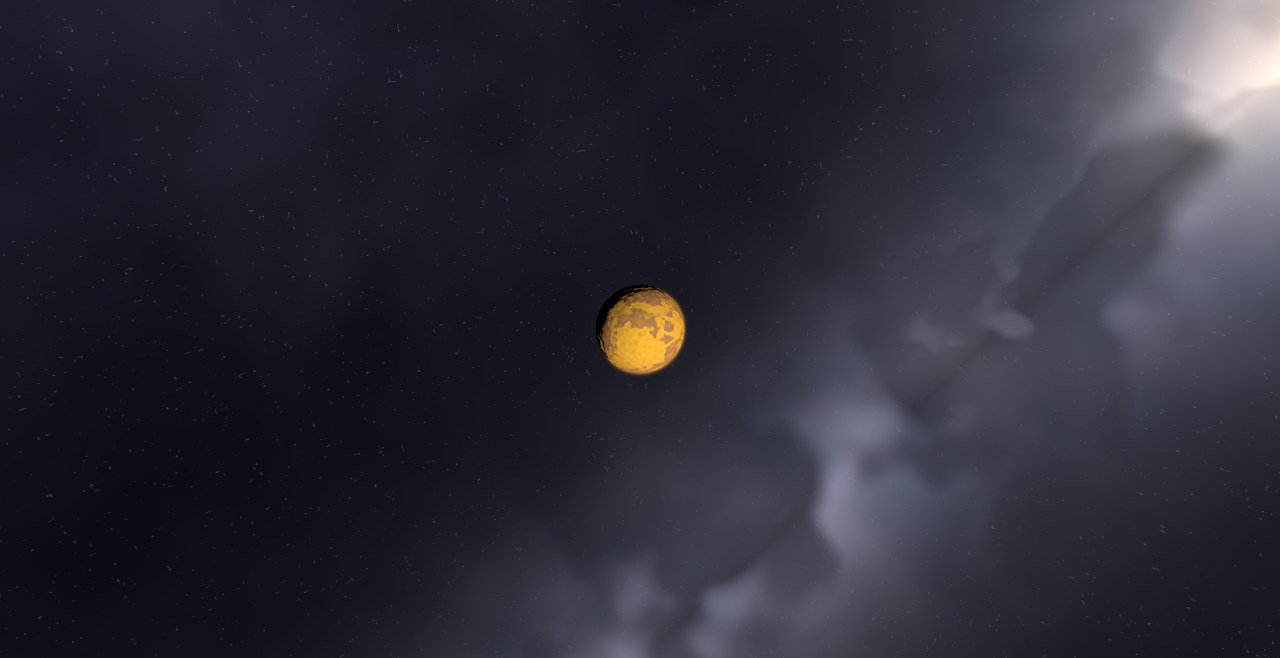
HD 15906, an orange K-type dwarf of 0.79 solar masses, and HD 15906 b, a planet with 2.2 Earth radii, with an orbital period of 10.9 days, at 0.090 AU from its star, and an equilibrium temperature near 668 K.
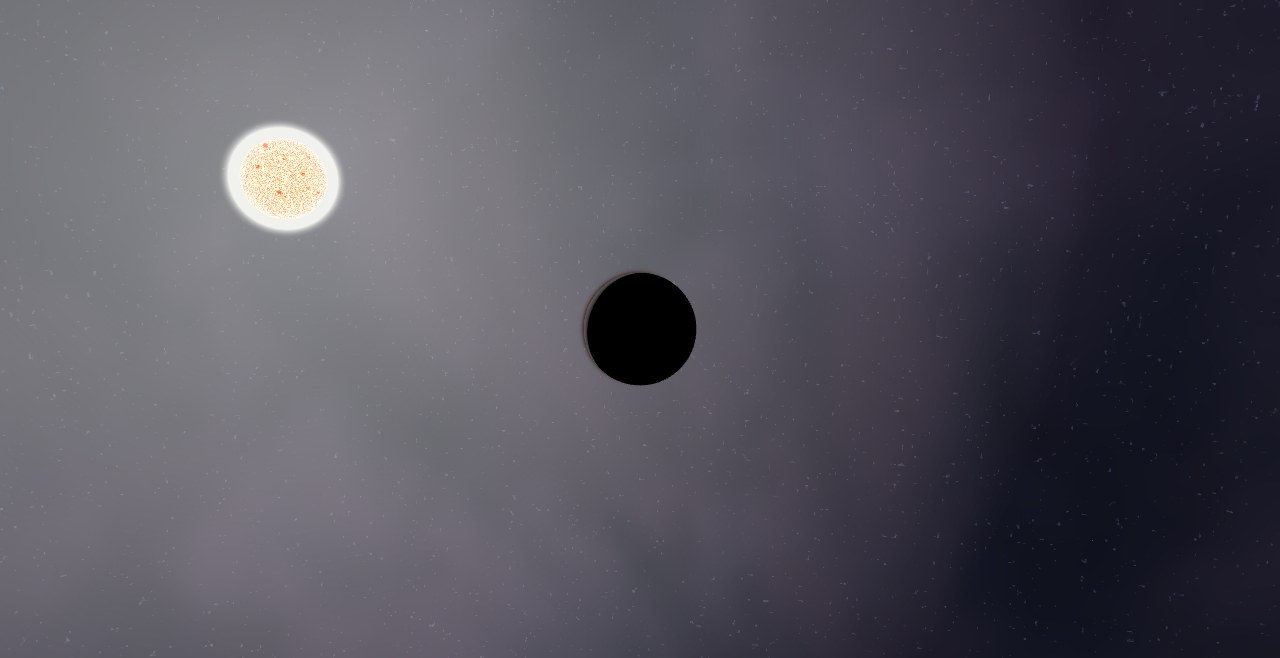
HD 159243, a Sun-like G-type star of 1.13 solar masses, and HD 159243 b, a 1.13-Jupiter-mass companion, with an orbital period of 12.6 days, at 0.110 AU from its star.
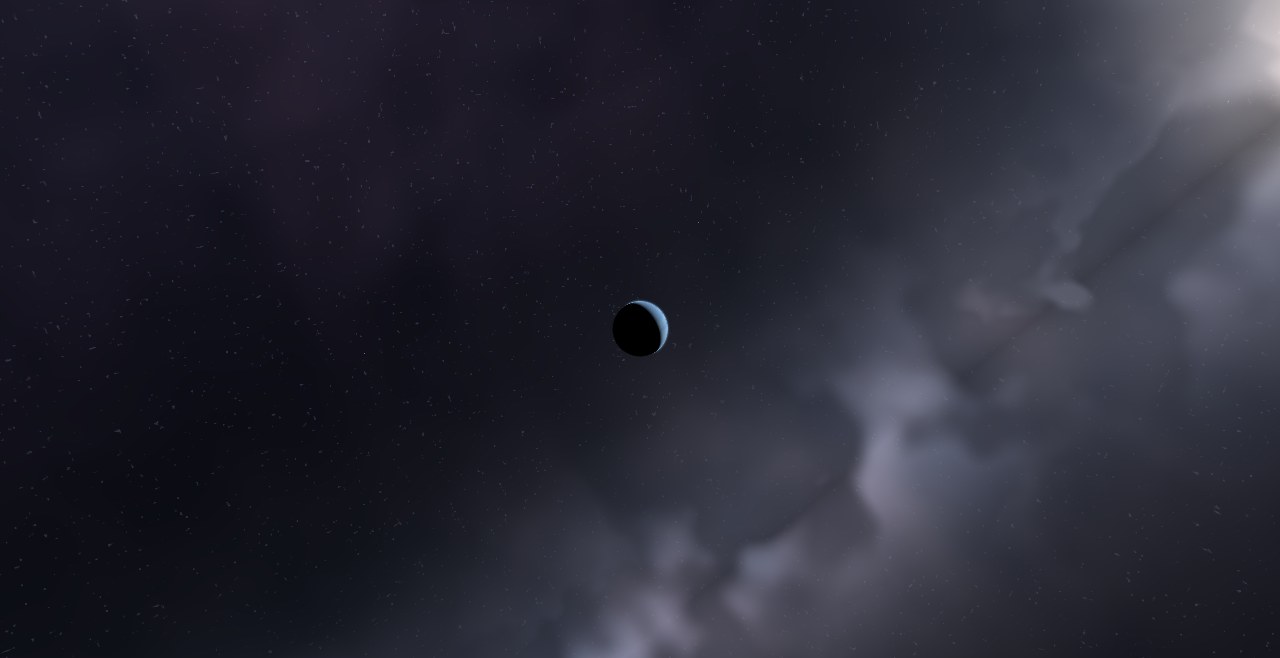
HD 159868, a Sun-like G-type star of 1.19 solar masses, and HD 159868 c, a 0.77-Jupiter-mass companion, with an orbital period of 351 days, at 1.032 AU from its star, on an eccentric orbit (e ≈ 0.18).
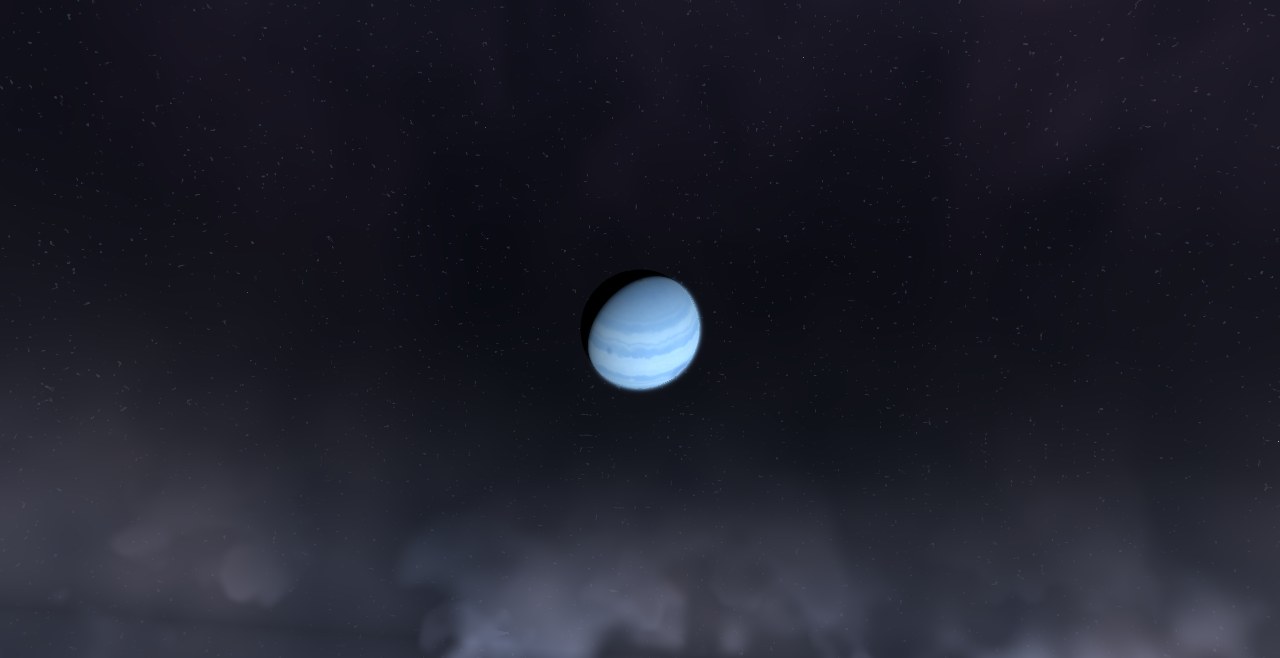
HD 1605, an orange K-type dwarf of 1.33 solar masses, and HD 1605 b, a 0.93-Jupiter-mass companion, with an orbital period of 1.58 years, at 1.492 AU from its star, on an eccentric orbit (e ≈ 0.10).
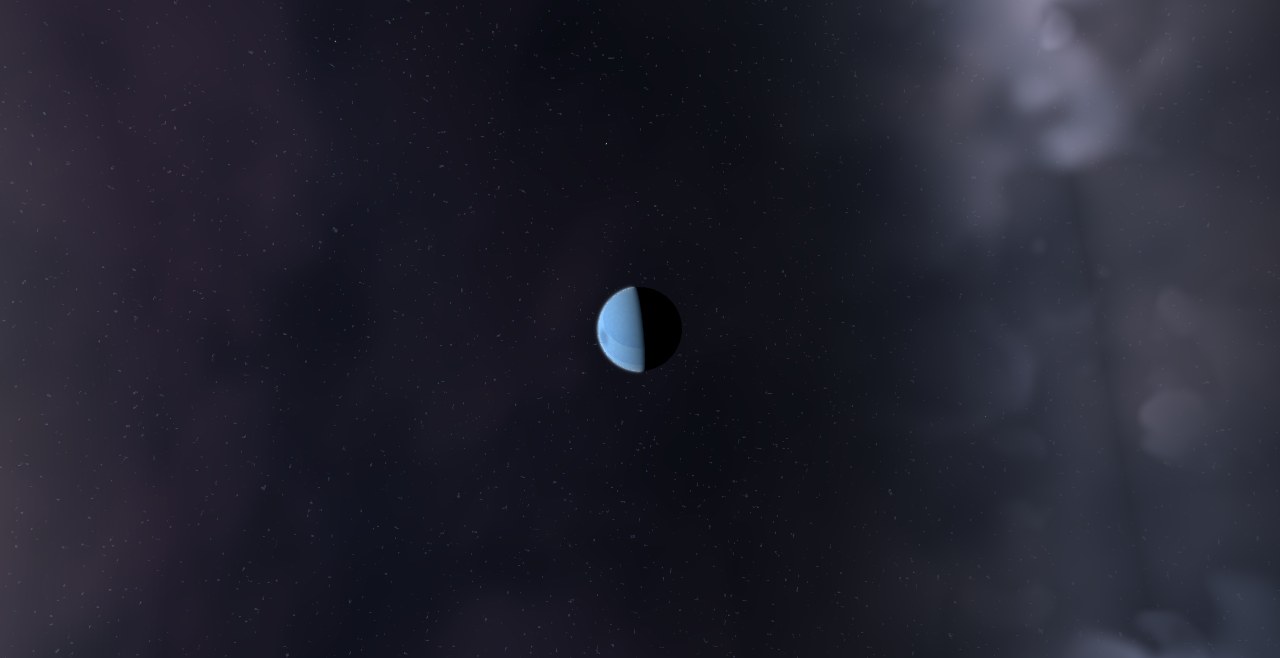
HD 160691, a Sun-like G-type star of 1.13 solar masses, and HD 160691 d, a confirmed exoplanet, with an orbital period of 9.6 days.
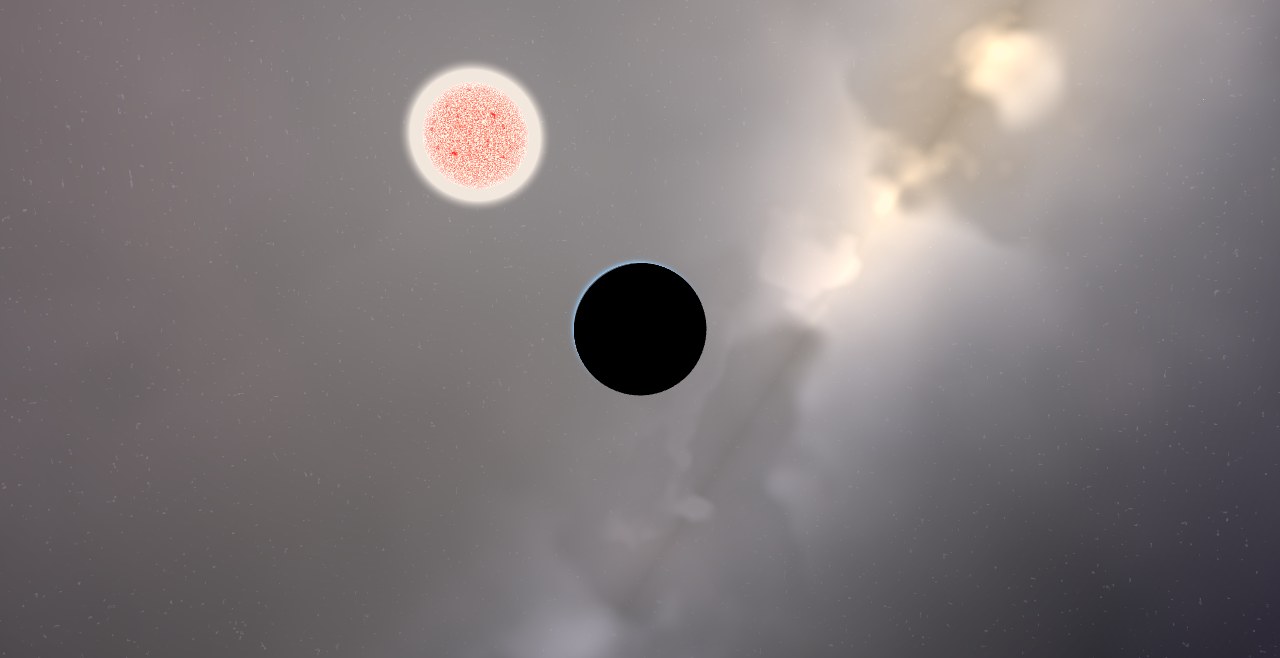
HD 161178, a Sun-like G-type star of 1.06 solar masses, and HD 161178 b, a 0.57-Jupiter-mass companion, with an orbital period of 279 days, at 0.850 AU from its star.
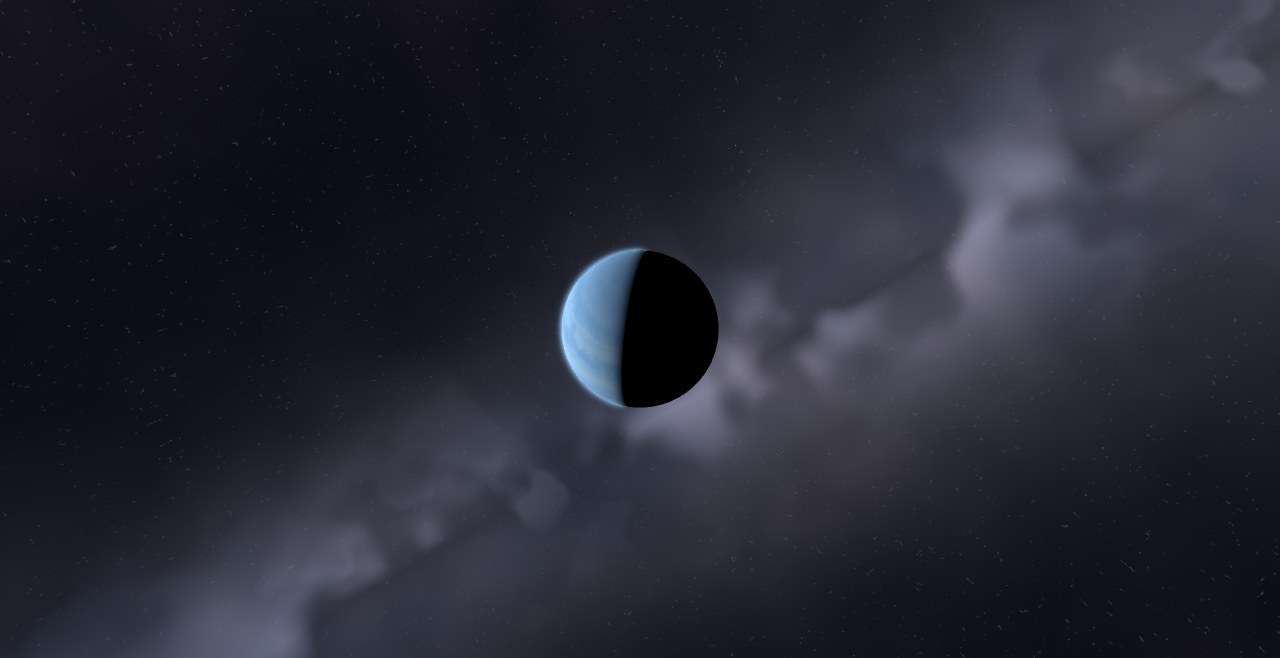
HD 16141, a Sun-like G-type star of 1.11 solar masses, and HD 16141 b, a 0.26-Jupiter-mass companion, with an orbital period of 75.5 days, at 0.360 AU from its star, on an eccentric orbit (e ≈ 0.25).
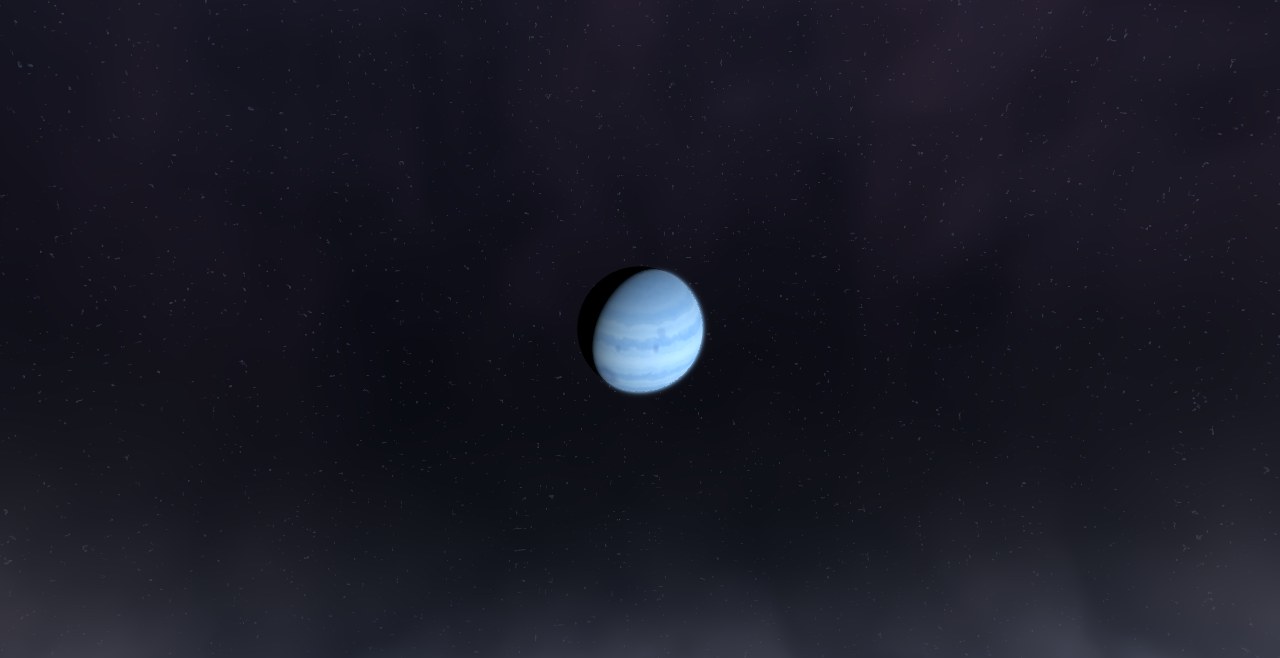
HD 16175, a Sun-like G-type star of 1.63 solar masses, and HD 16175 b, a 5.10-Jupiter-mass companion, with an orbital period of 2.71 years, at 2.120 AU from its star, on an eccentric orbit (e ≈ 0.60).
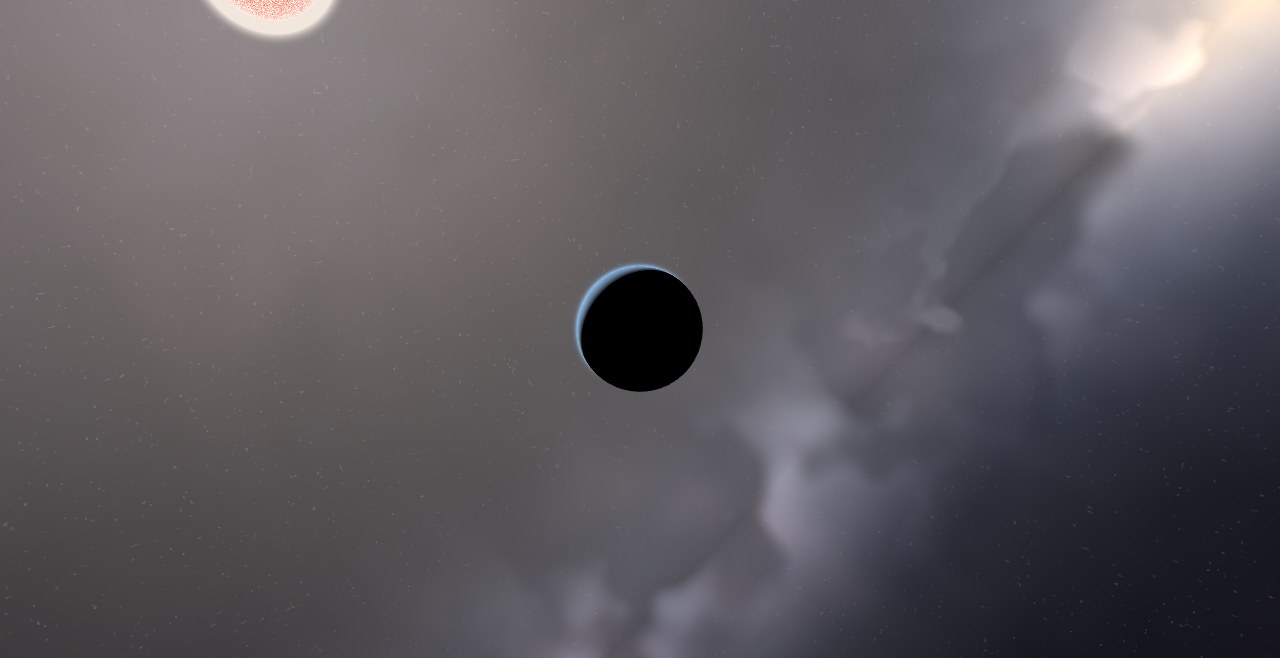
HD 162020, an orange K-type dwarf of 0.42 solar masses, and HD 162020 b, a 9.84-Jupiter-mass companion, with an orbital period of 8.4 days, at 0.080 AU from its star, on an eccentric orbit (e ≈ 0.28).
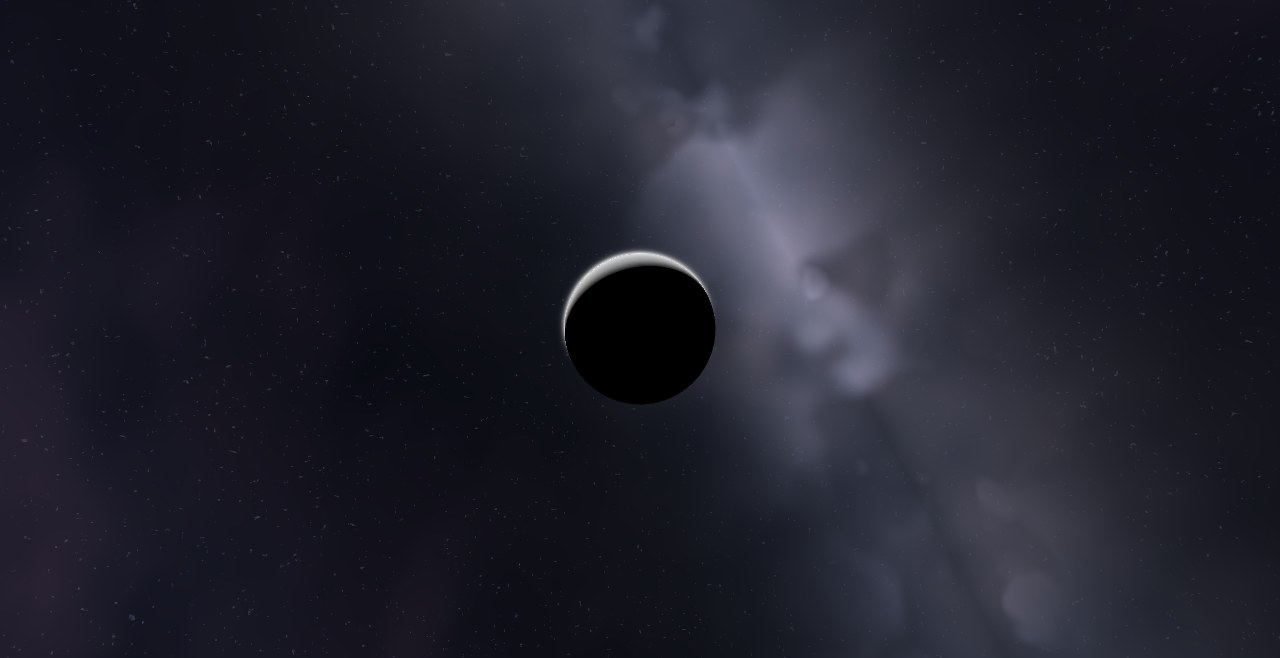
HD 163607, a Sun-like G-type star of 1.12 solar masses, and HD 163607 b, a 0.78-Jupiter-mass companion, with an orbital period of 75.2 days, at 0.362 AU from its star, on an eccentric orbit (e ≈ 0.74).
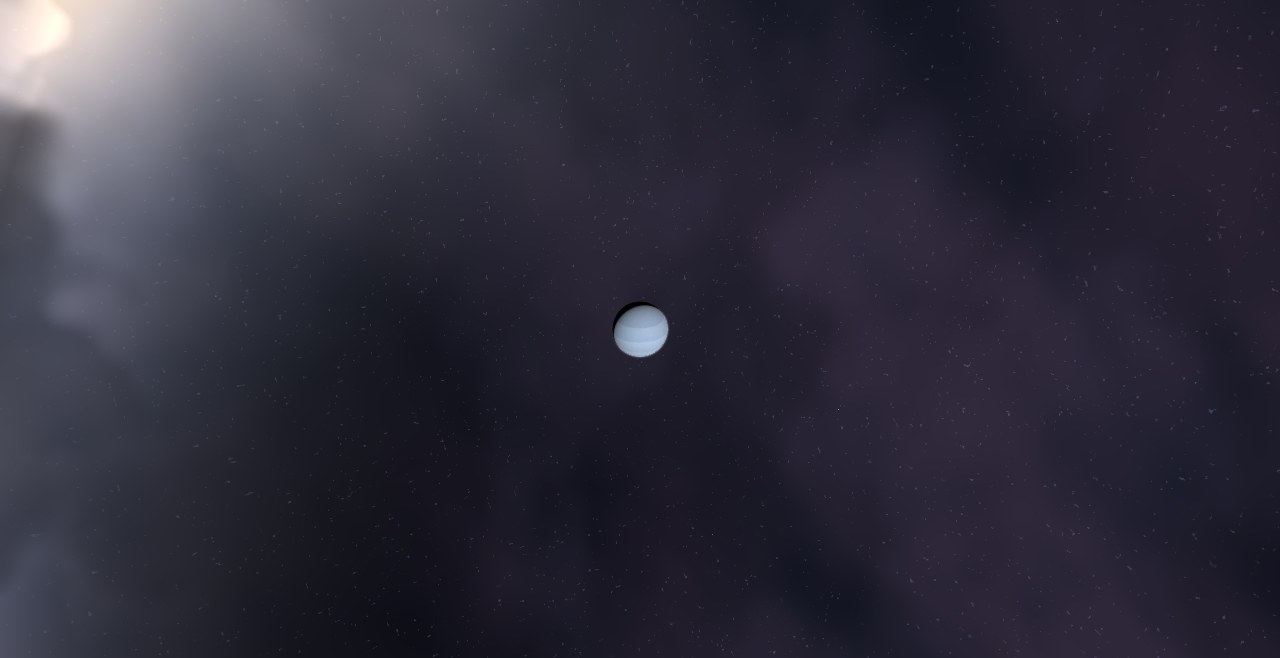
HD 16417, a Sun-like G-type star of 1.20 solar masses, and HD 16417 b, a 0.07-Jupiter-mass companion, with an orbital period of 17.2 days, at 0.140 AU from its star, on an eccentric orbit (e ≈ 0.20).
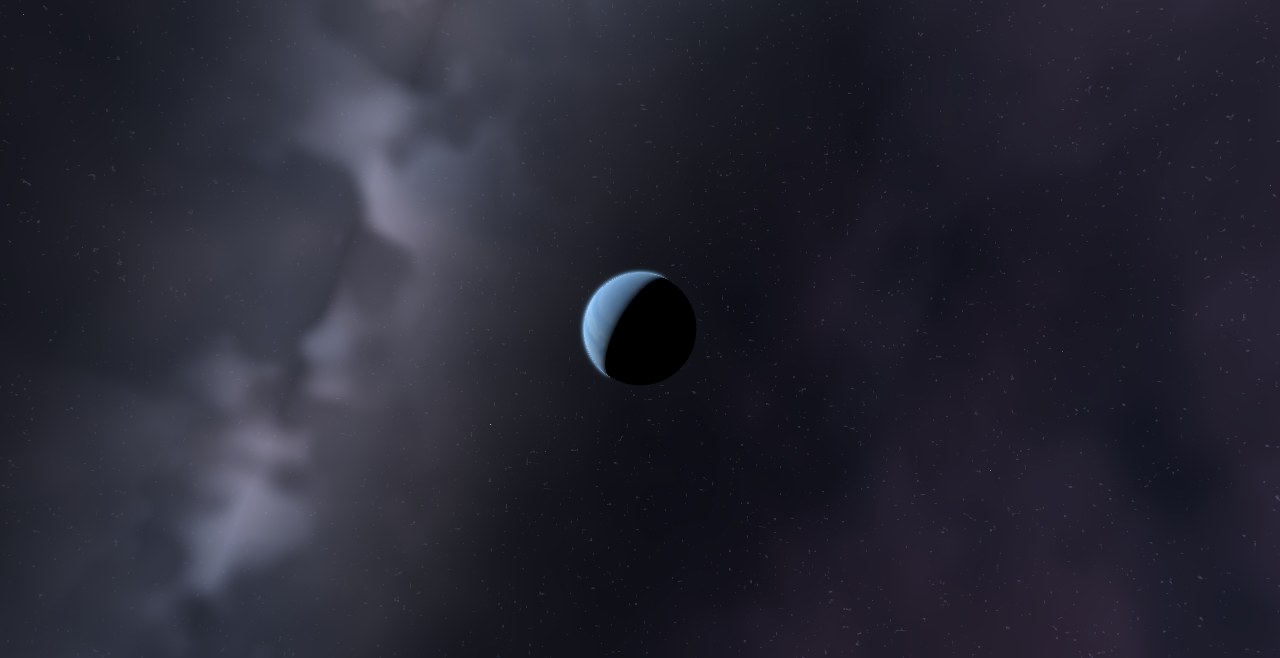
HD 164509, a Sun-like G-type star of 1.12 solar masses, and HD 164509 b, a 0.44-Jupiter-mass companion, with an orbital period of 280 days, at 0.870 AU from its star, on an eccentric orbit (e ≈ 0.24).