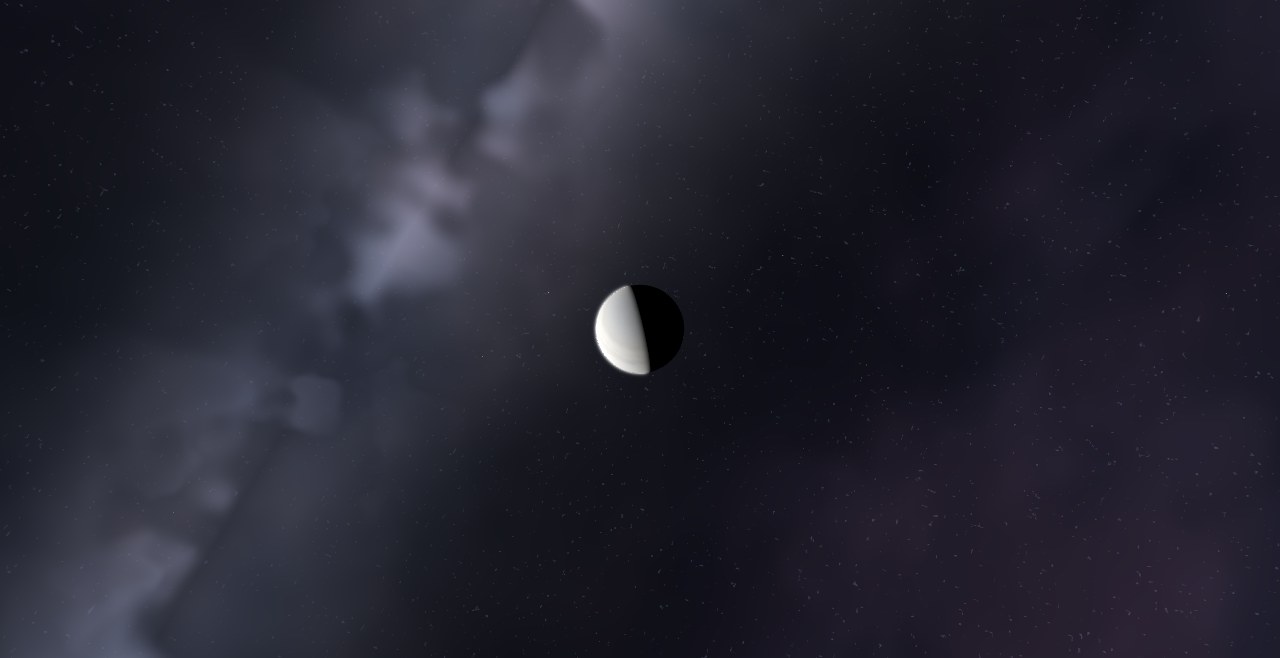
HD 170469 - System
HD 170469, a Sun-like G-type star of 1.10 solar masses, and HD 170469 b, a 0.66-Jupiter-mass companion, with an orbital period of 3.13 years, at 2.240 AU from its star, on an eccentric orbit (e ≈ 0.11).
3D Space and Gravity Simulator. Simulate the solar system, exoplanets and even colliding galaxies. Add, delete and modify planets, and change the laws of physics.
Share
HD 170469, a Sun-like G-type star of 1.10 solar masses, and HD 170469 b, a 0.66-Jupiter-mass companion, with an orbital period of 3.13 years, at 2.240 AU from its star, on an eccentric orbit (e ≈ 0.11).
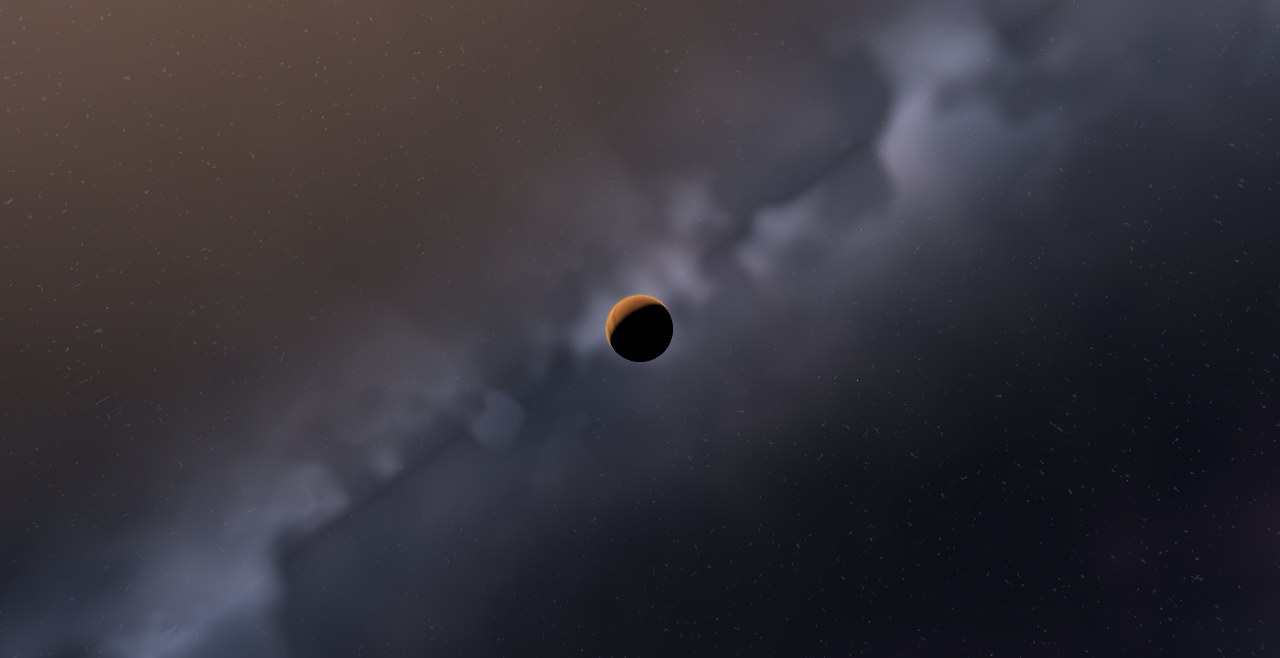
HD 17092, an orange K-type dwarf of 6.73 solar masses, and HD 17092 b, a 10.1-Jupiter-mass companion, with an orbital period of 360 days, at 1.310 AU from its star, on an eccentric orbit (e ≈ 0.17).
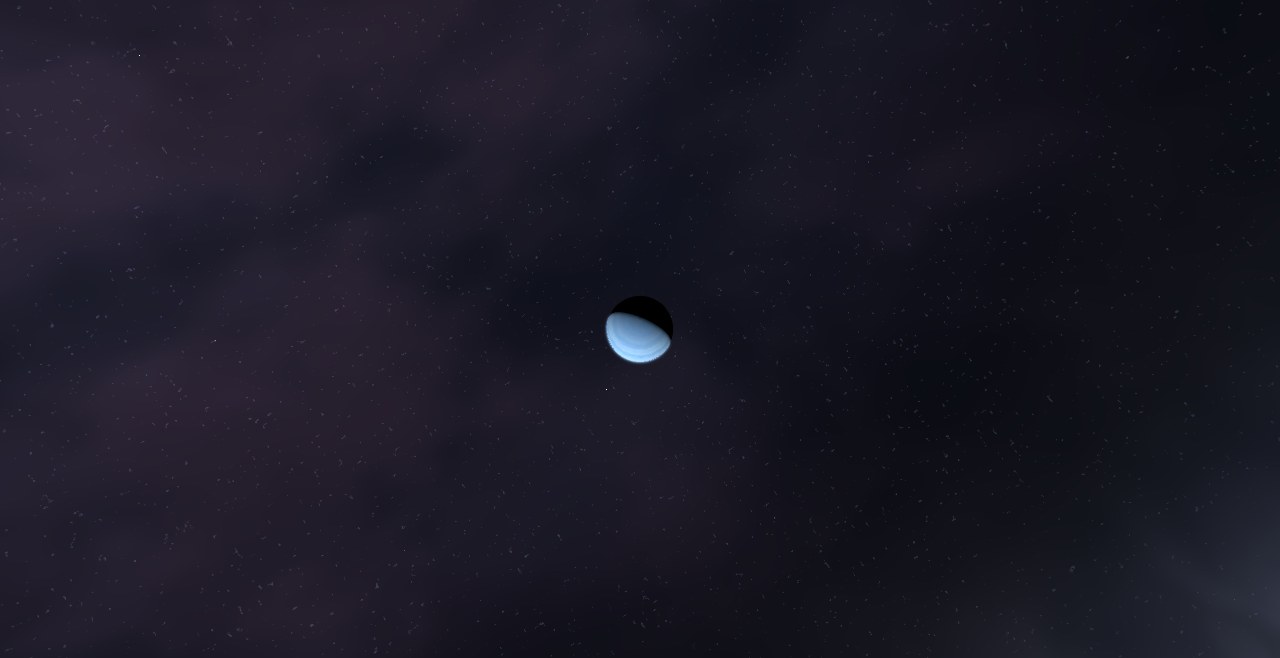
HD 171028, a Sun-like G-type star of 1.53 solar masses, and HD 171028 b, a 2.62-Jupiter-mass companion, with an orbital period of 1.51 years, at 1.320 AU from its star, on an eccentric orbit (e ≈ 0.59).
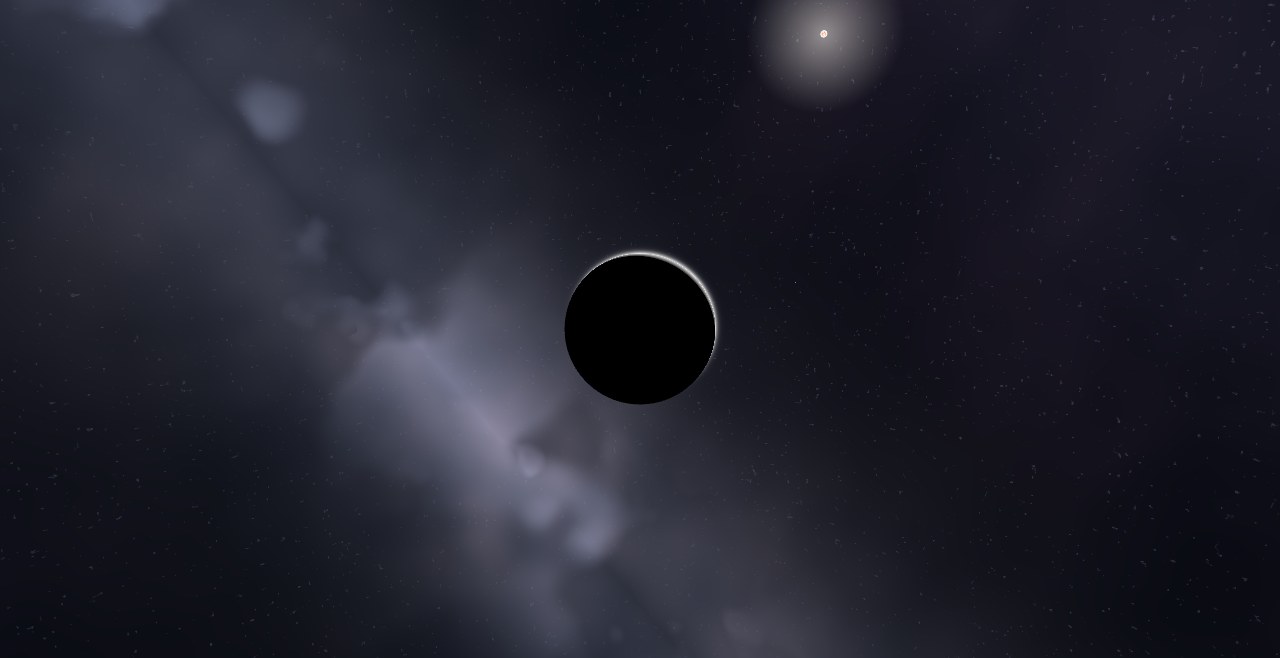
HD 171238, a Sun-like G-type star of 0.92 solar masses, and HD 171238 b, a 8.80-Jupiter-mass companion, with an orbital period of 4.15 years, at 2.518 AU from its star, on an eccentric orbit (e ≈ 0.36).
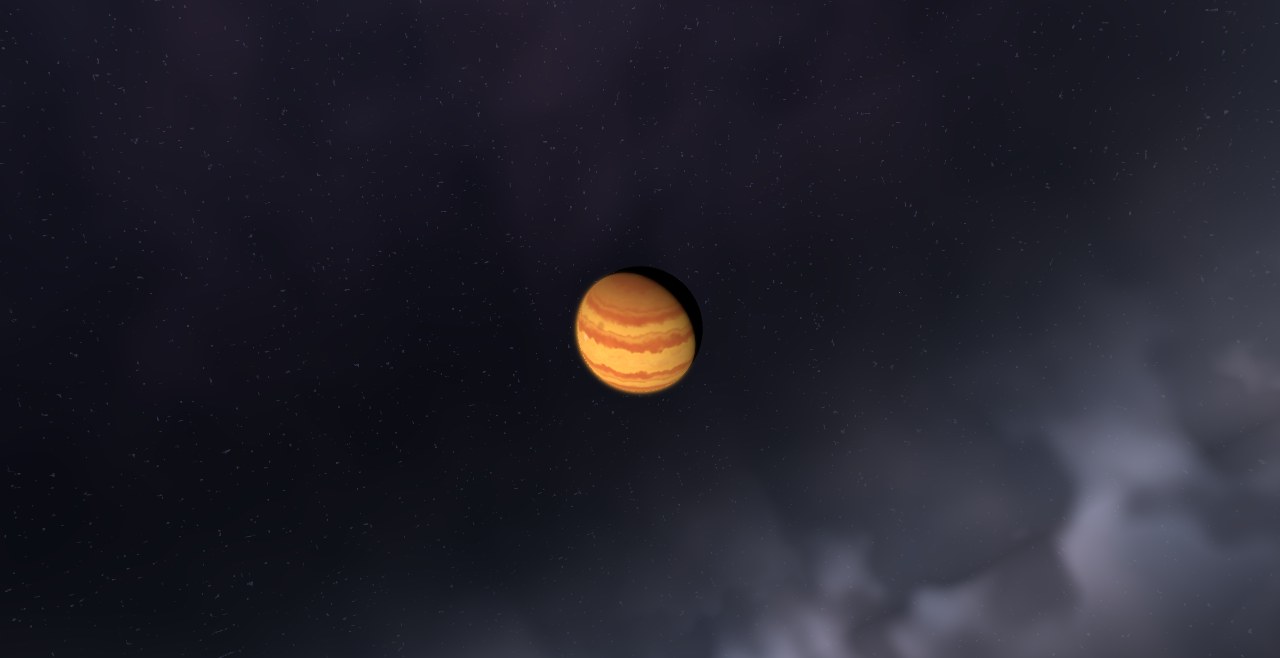
HD 17156 b, an early discovery of an eccentric transiting giant. It spends most of its year far out, then dives in for a brief, hot transit.
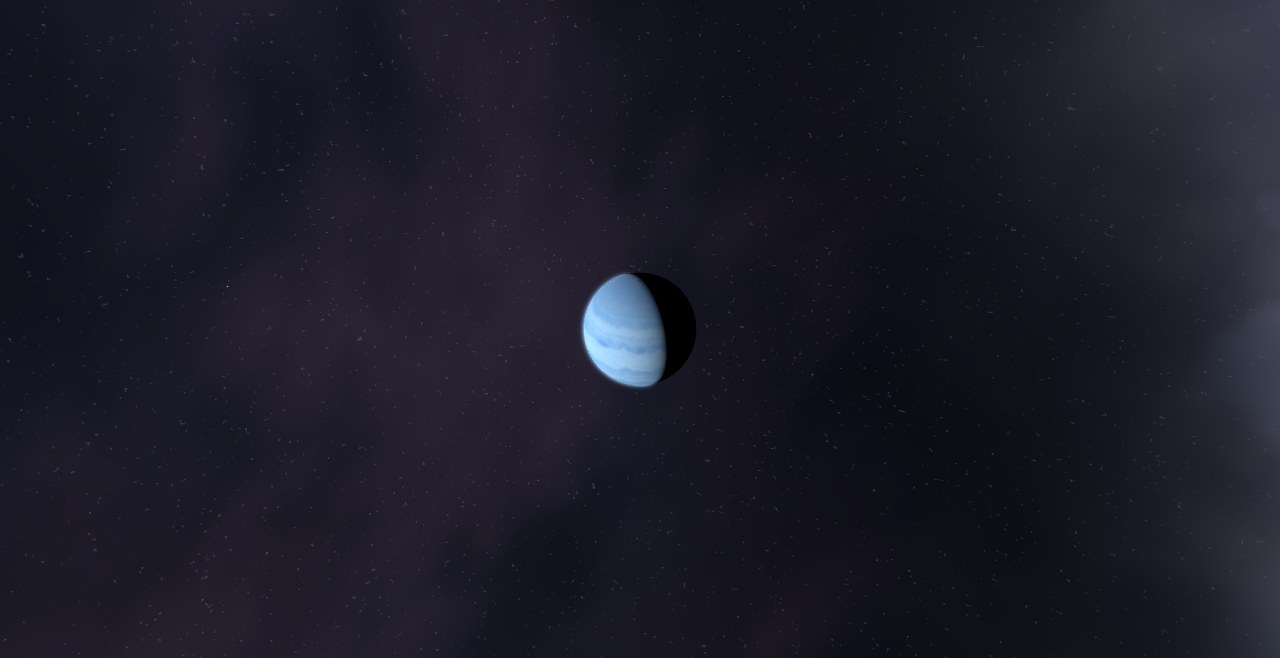
HD 173416, a Sun-like G-type star of 2.00 solar masses, and HD 173416 b, a 1.84-Jupiter-mass companion, with an orbital period of 322 days, at 1.158 AU from its star, on an eccentric orbit (e ≈ 0.21).
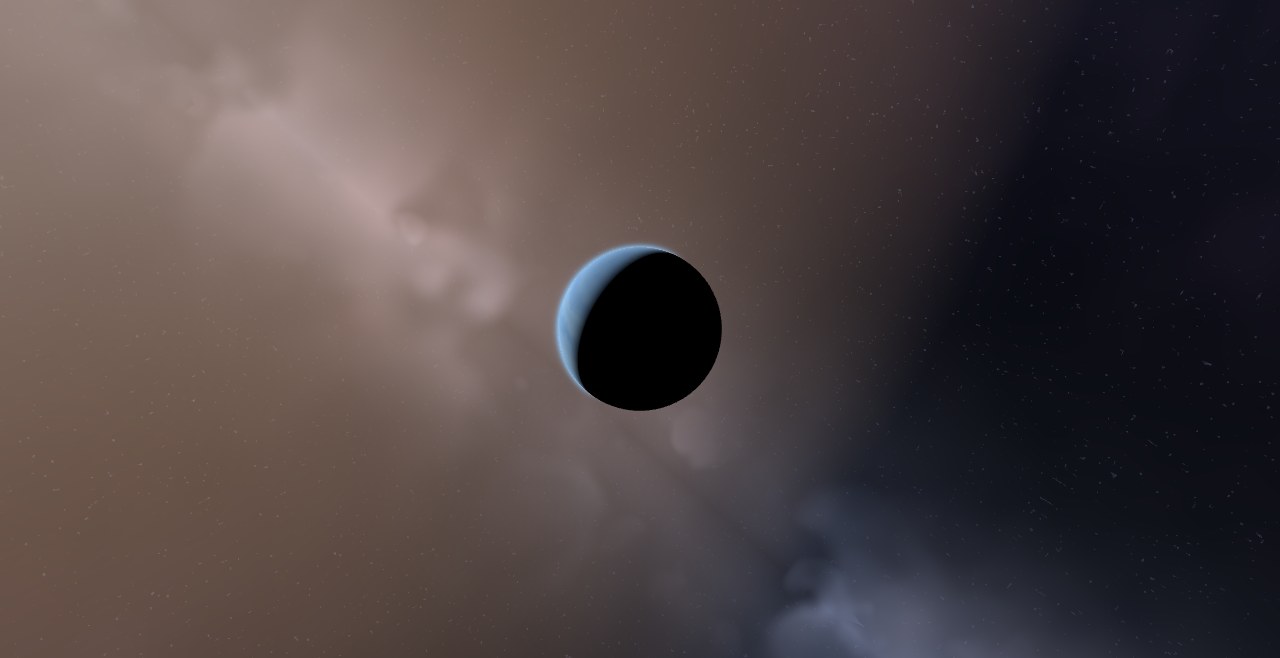
HD 174205, an orange K-type dwarf of 1.80 solar masses, and HD 174205 b, a 4.20-Jupiter-mass companion, with an orbital period of 1.59 years, at 1.700 AU from its star, on an eccentric orbit (e ≈ 0.40).
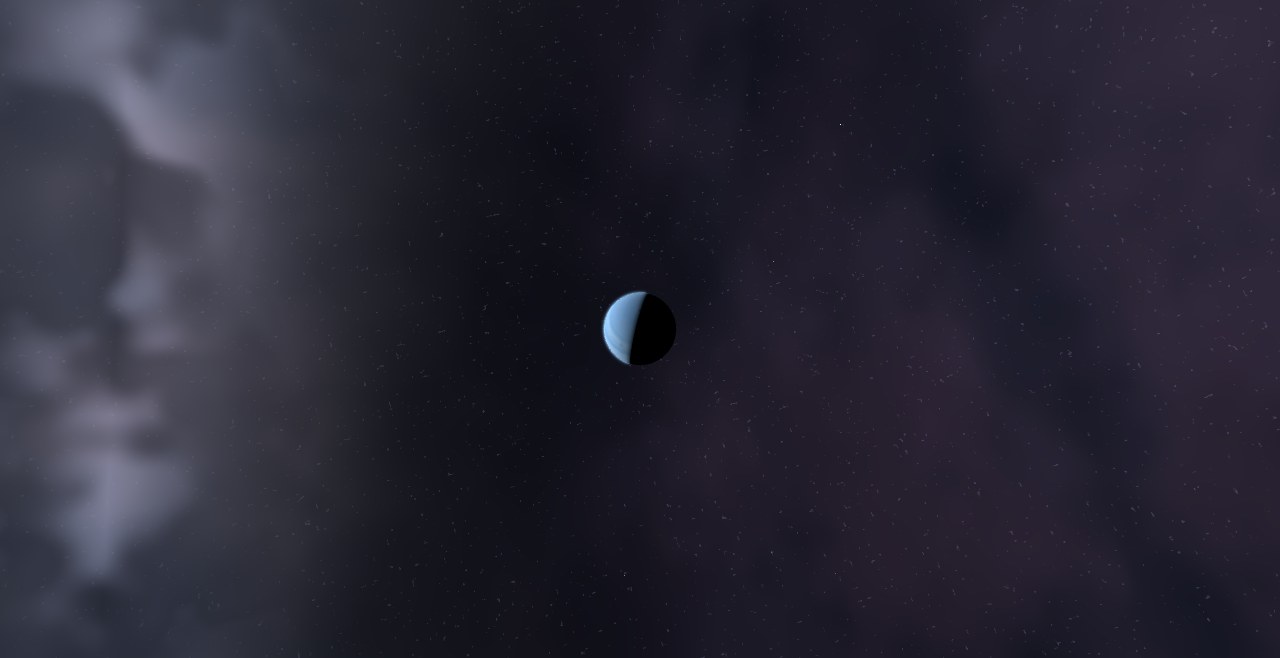
HD 175167, a Sun-like G-type star of 1.09 solar masses, and HD 175167 b, a 14.8-Jupiter-mass companion, with an orbital period of 3.22 years, on an eccentric orbit (e ≈ 0.51).
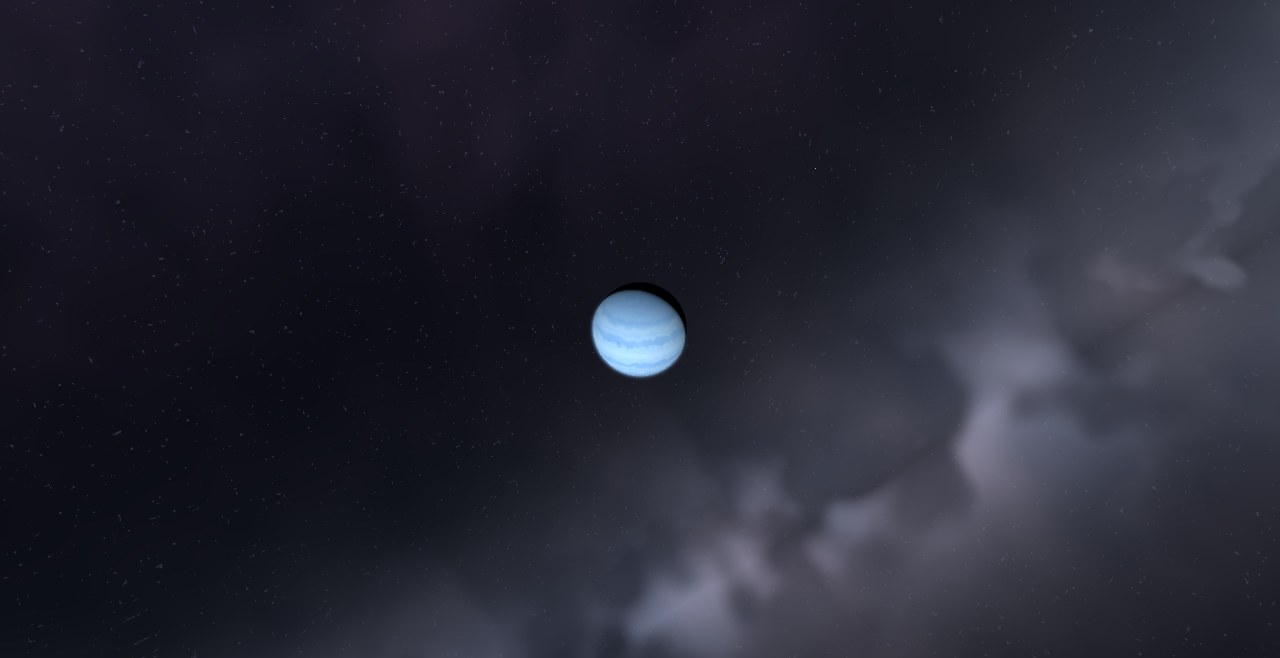
HD 175541, an orange K-type dwarf of 1.39 solar masses, and HD 175541 b, a 0.60-Jupiter-mass companion, with an orbital period of 298 days, at 0.975 AU from its star, on an eccentric orbit (e ≈ 0.11).
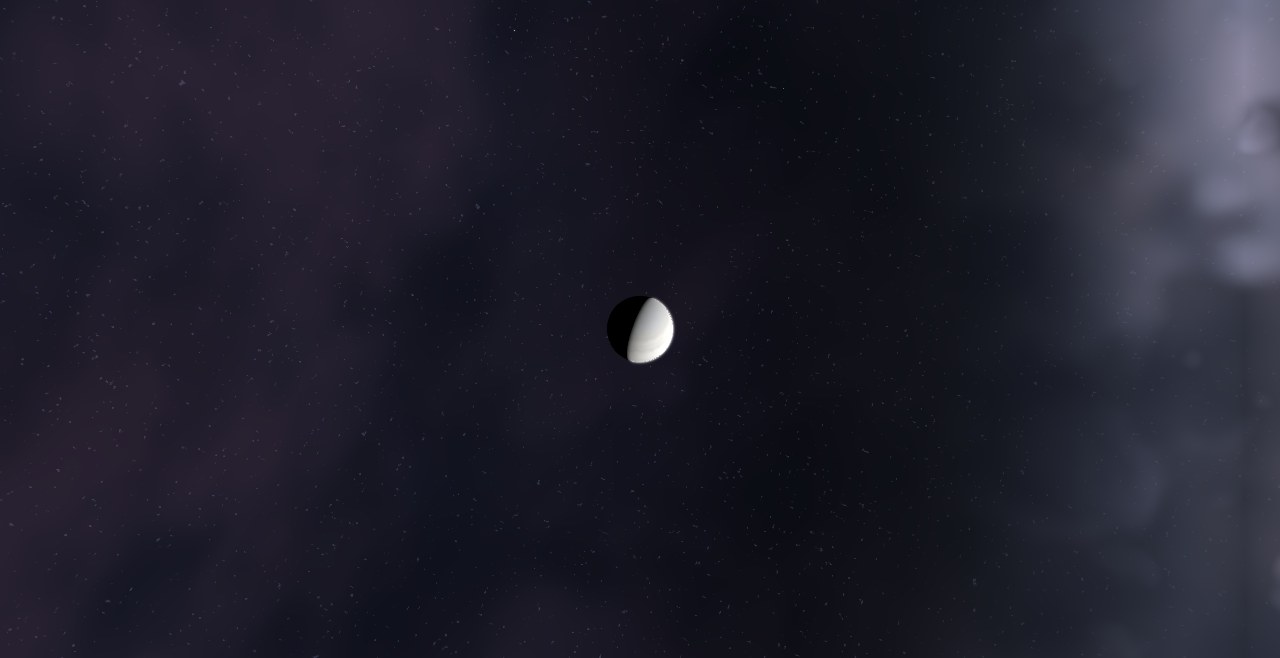
HD 17674, a Sun-like G-type star of 0.98 solar masses, and HD 17674 b, a 0.87-Jupiter-mass companion, with an orbital period of 1.71 years, at 1.420 AU from its star, on an eccentric orbit (e ≈ 0.13).
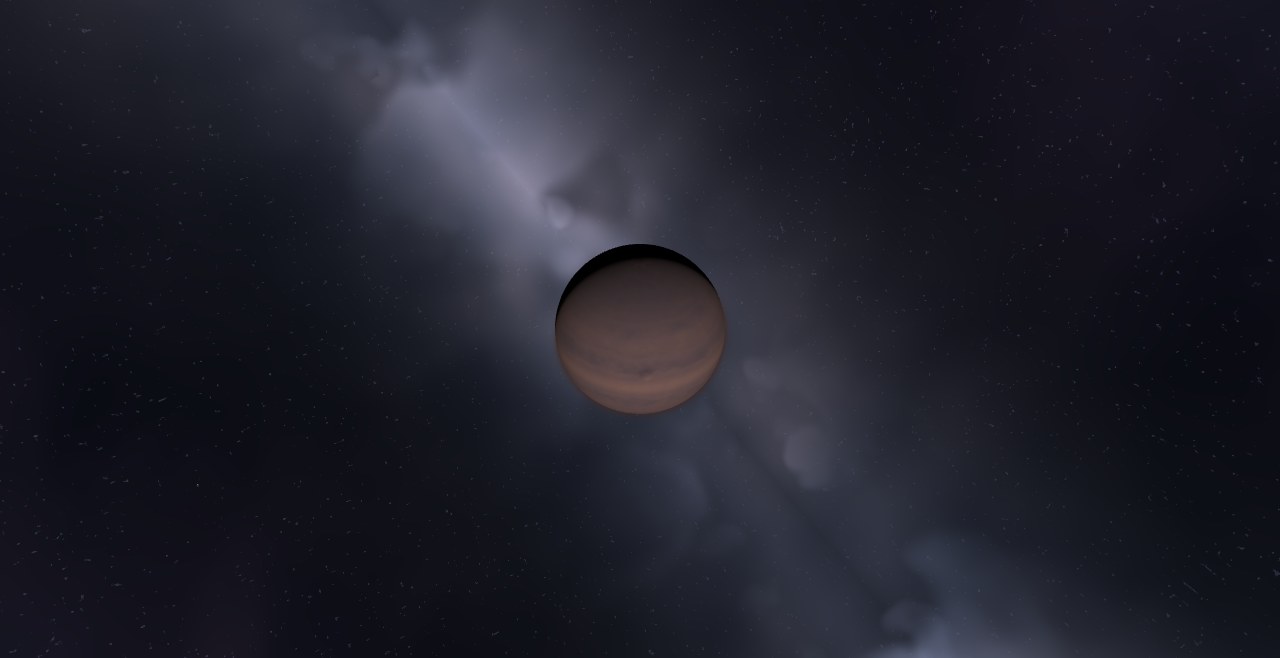
HD 176986, an orange K-type dwarf of 0.79 solar masses, and HD 176986 b, a 5.4-Earth-mass planet, with an orbital period of 6.5 days, at 0.063 AU from its star, and an equilibrium temperature near 767 K.
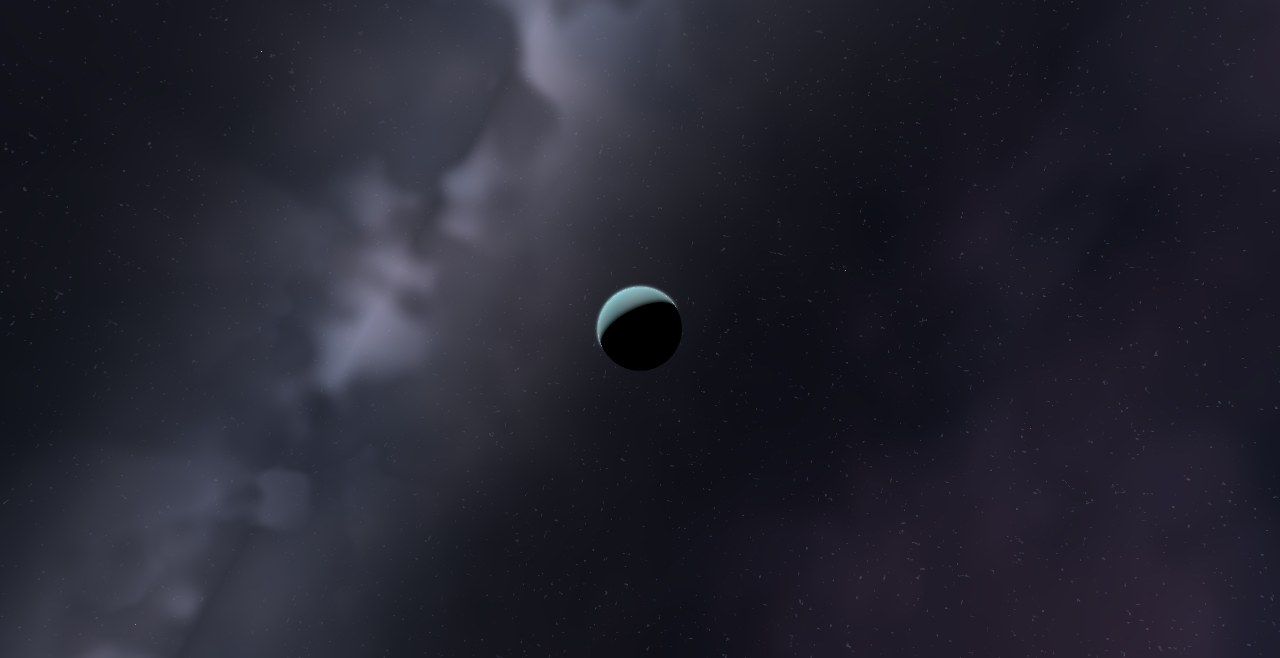
HD 177565, a Sun-like G-type star of 1.00 solar masses, and HD 177565 b, a 15.1-Earth-mass planet, with an orbital period of 44.5 days, at 0.246 AU from its star, on an eccentric orbit (e ≈ 0.06).
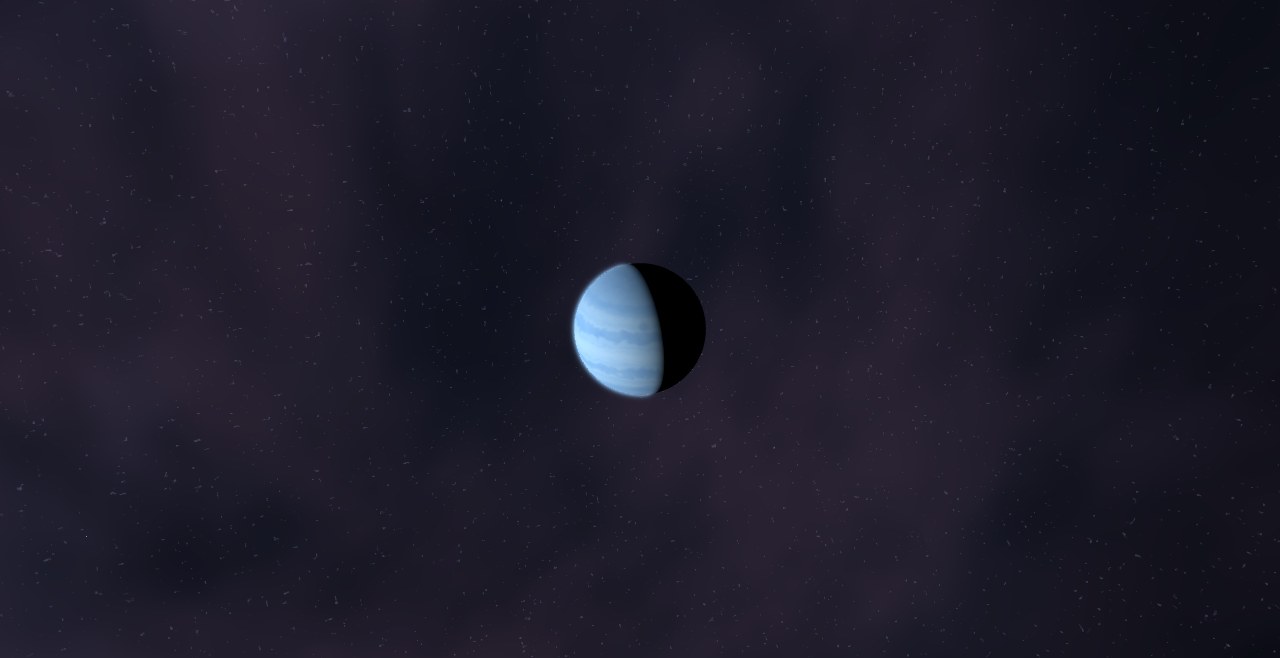
HD 177830, an orange K-type dwarf of 1.70 solar masses, and HD 177830 c, a 0.15-Jupiter-mass companion, with an orbital period of 111 days, at 0.514 AU from its star, on an eccentric orbit (e ≈ 0.30).
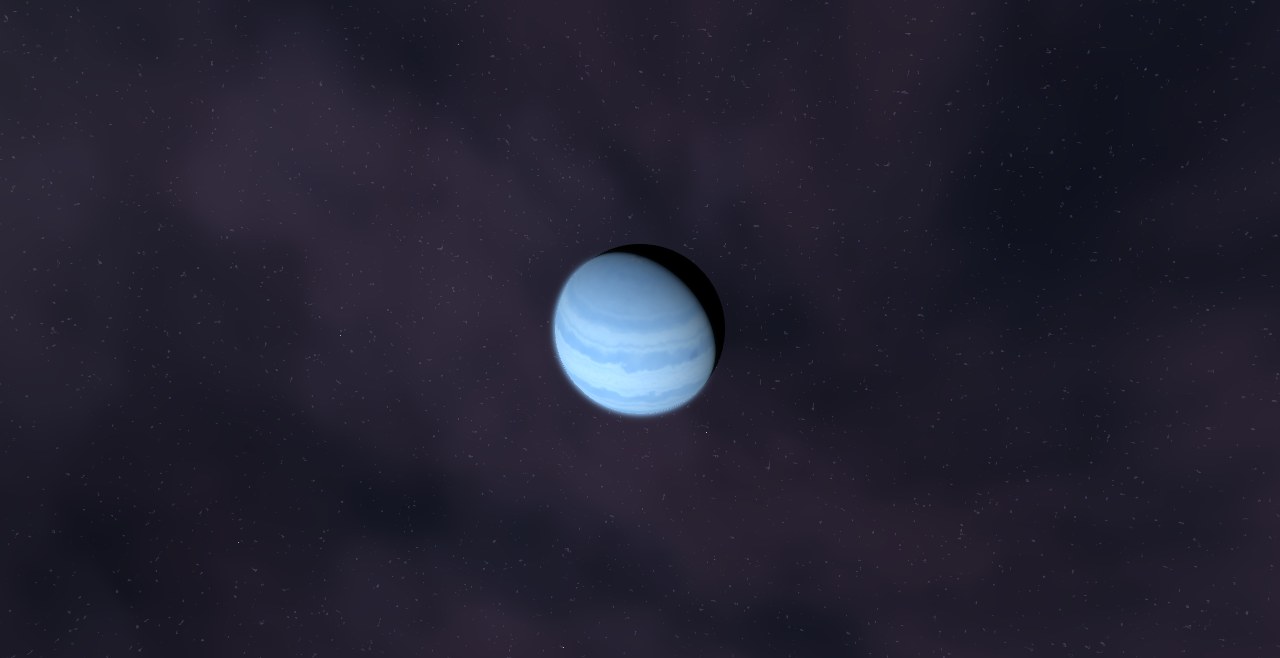
HD 178911 B, a Sun-like G-type star of 1.24 solar masses, and HD 178911 B b, a 8.03-Jupiter-mass companion, with an orbital period of 71.5 days, at 0.340 AU from its star, on an eccentric orbit (e ≈ 0.11).
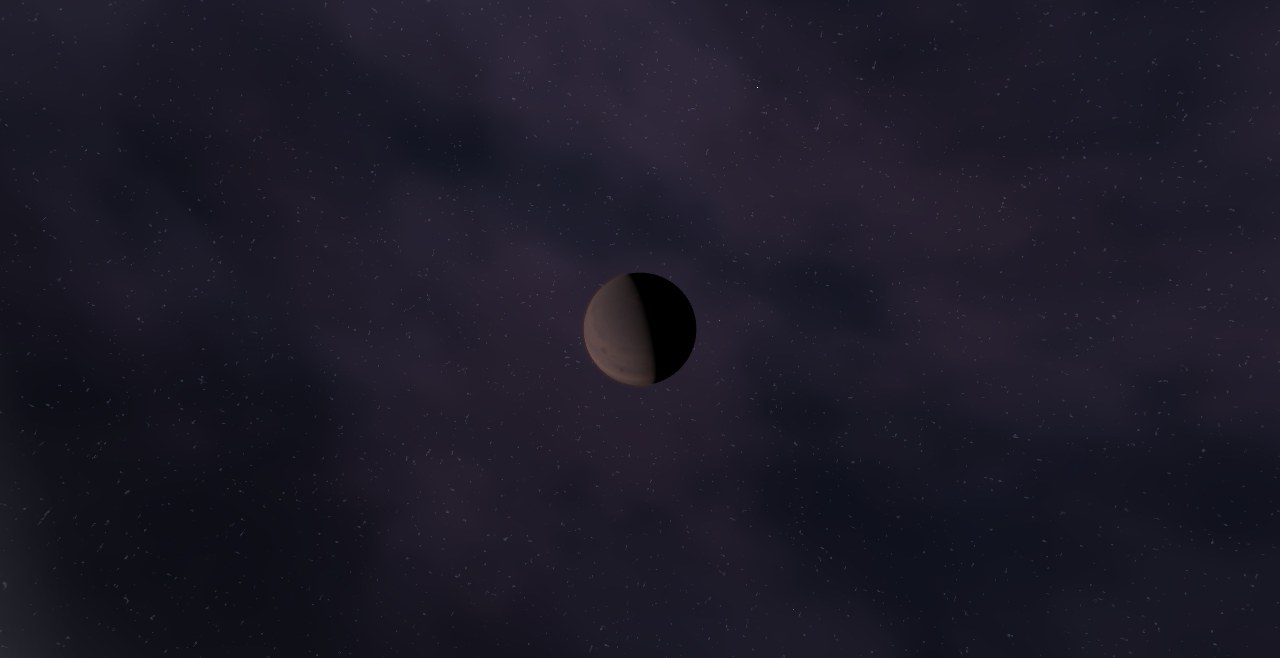
HD 179079, a Sun-like G-type star of 1.14 solar masses, and HD 179079 b, a 0.08-Jupiter-mass companion, with an orbital period of 14.5 days, at 0.121 AU from its star.
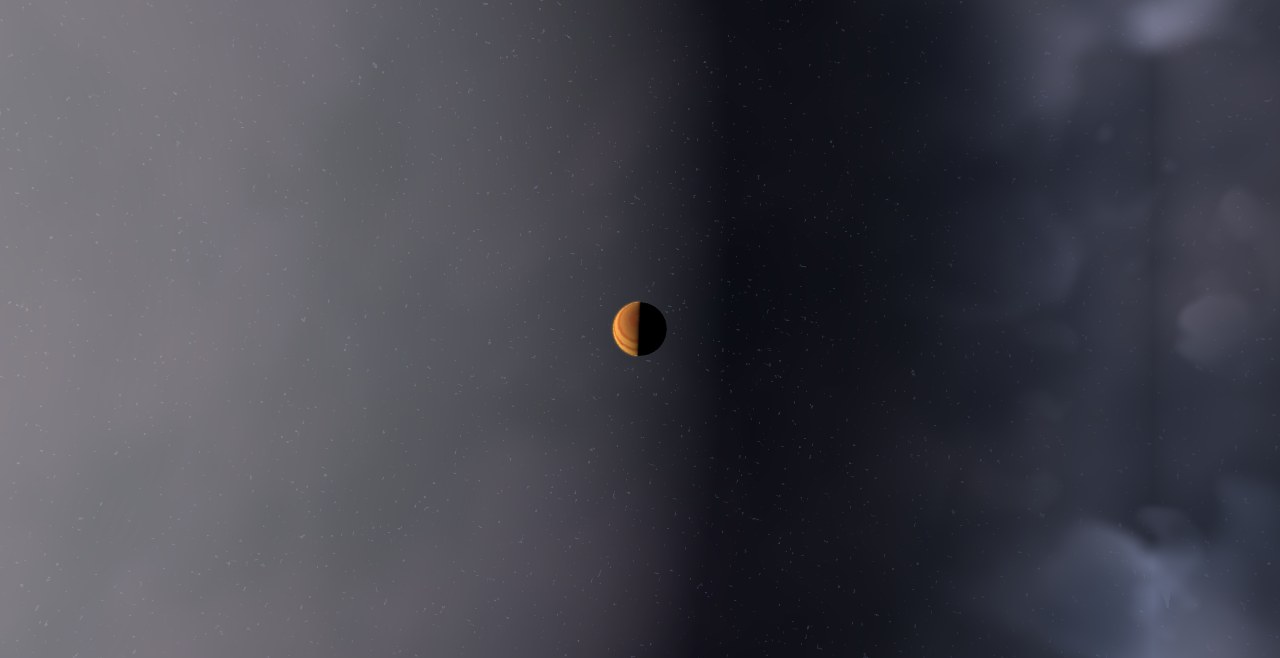
HD 179949, a Sun-like F-type star of 1.21 solar masses, and HD 179949 b, a 0.92-Jupiter-mass companion, with an orbital period of 3.1 days, at 0.044 AU from its star.
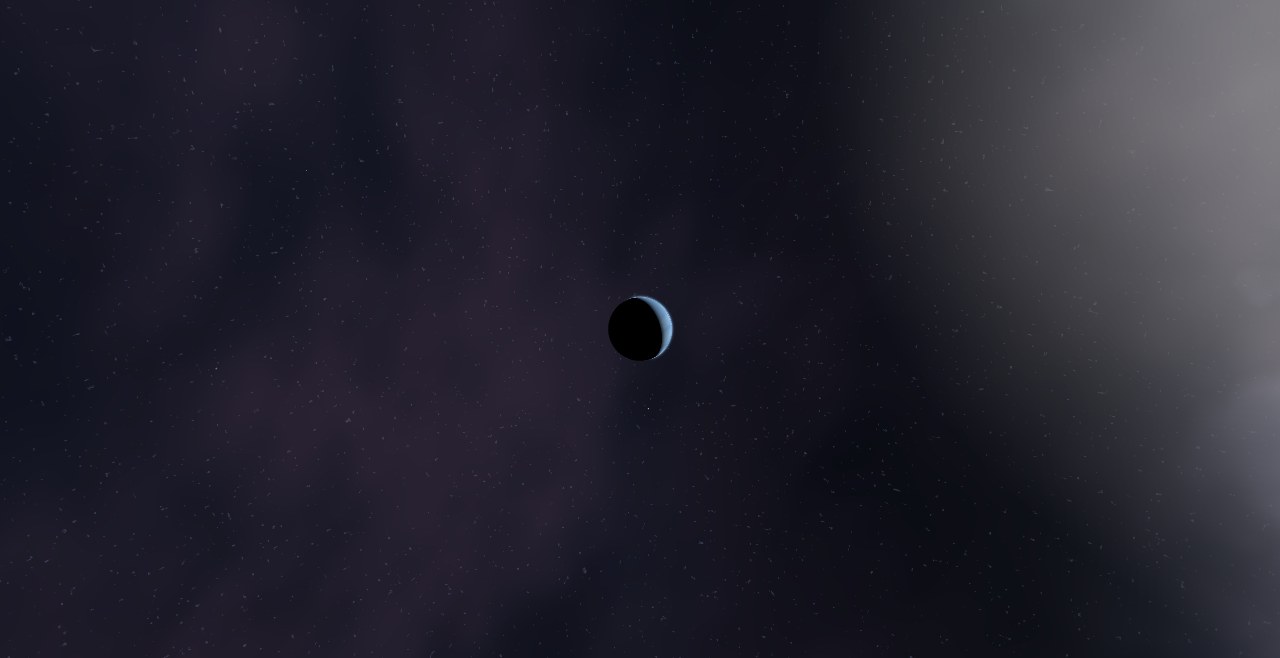
HD 180053, an orange K-type dwarf of 1.75 solar masses, and HD 180053 b, a 2.19-Jupiter-mass companion, with an orbital period of 214 days, at 0.843 AU from its star, on an eccentric orbit (e ≈ 0.08).
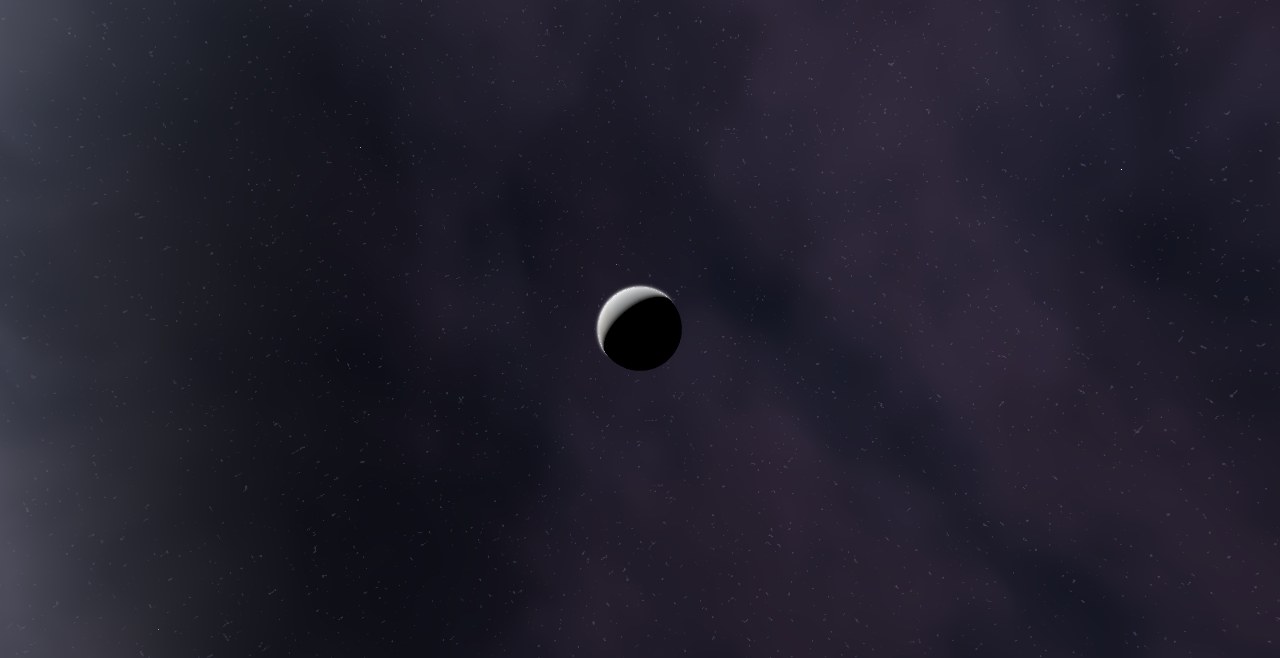
HD 18015, a Sun-like G-type star of 1.49 solar masses, and HD 18015 b, a 3.18-Jupiter-mass companion, with an orbital period of 6.24 years, at 3.870 AU from its star, on an eccentric orbit (e ≈ 0.15).