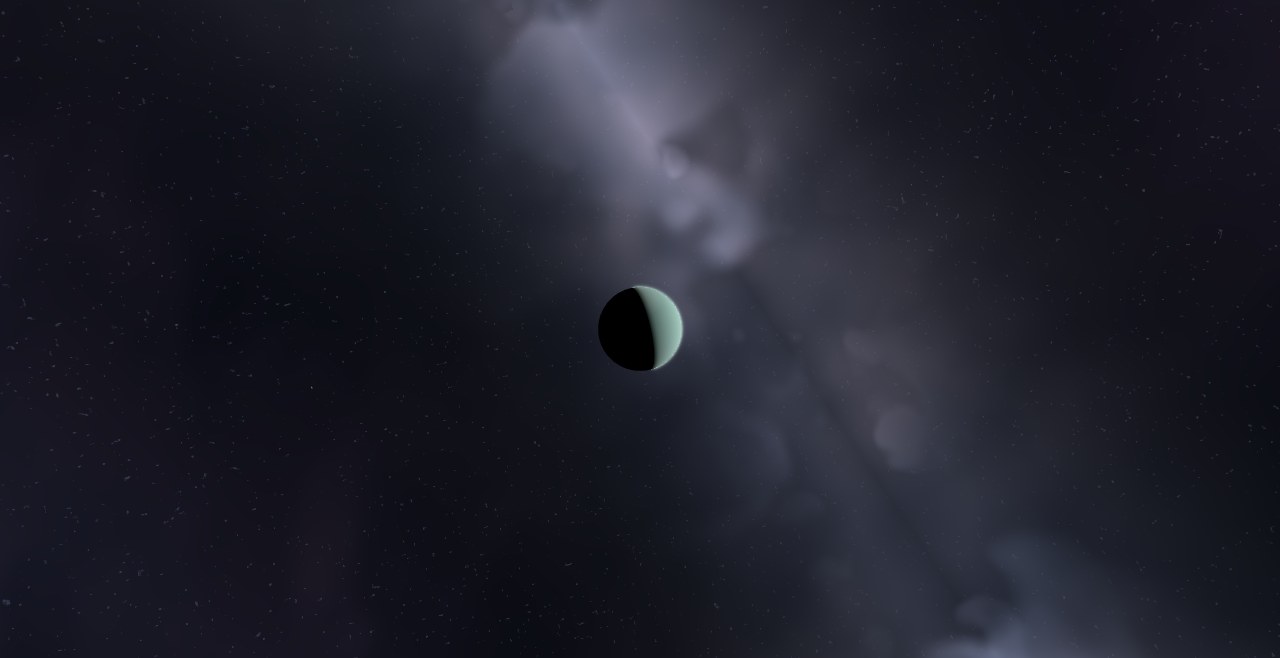
MOA-2016-BLG-526L - System
MOA-2016-BLG-526L, a Sun-like G-type star of 0.37 solar masses, and MOA-2016-BLG-526L b, a 14.9-Earth-mass planet, at 2.070 AU from its star.
3D Space and Gravity Simulator. Simulate the solar system, exoplanets and even colliding galaxies. Add, delete and modify planets, and change the laws of physics.
Share
MOA-2016-BLG-526L, a Sun-like G-type star of 0.37 solar masses, and MOA-2016-BLG-526L b, a 14.9-Earth-mass planet, at 2.070 AU from its star.
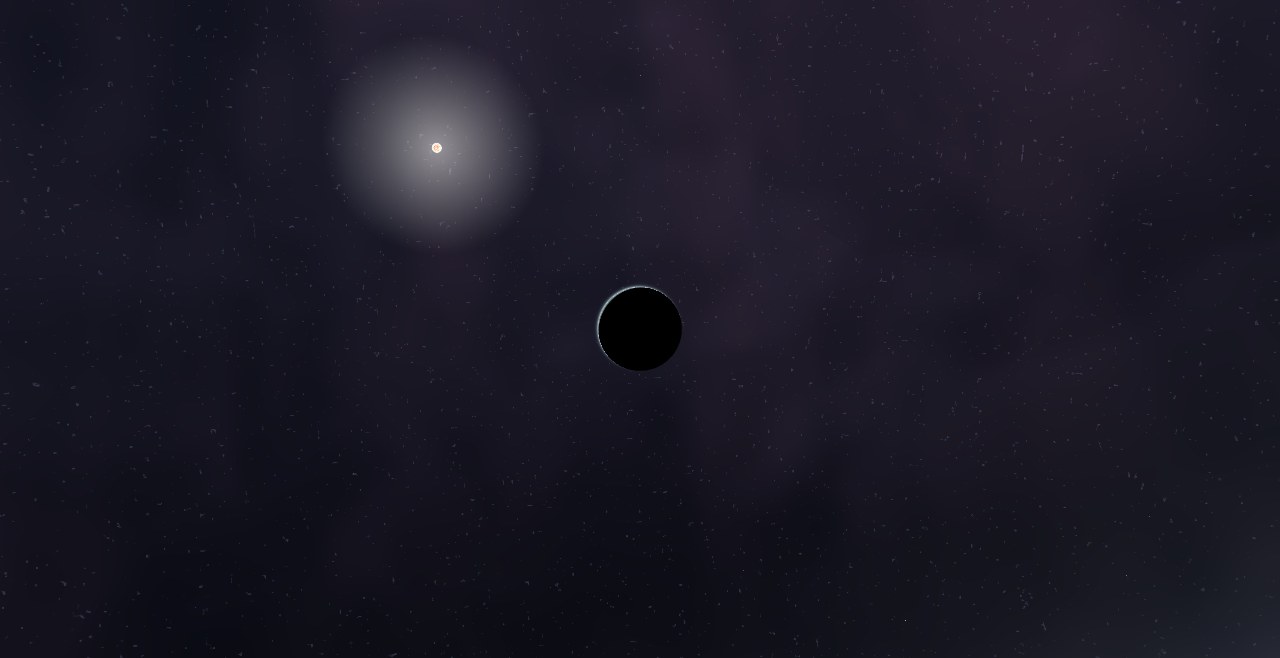
MOA-2020-BLG-135L, a Sun-like G-type star of 0.23 solar masses, and MOA-2020-BLG-135L b, a 11.3-Earth-mass planet, at 1.110 AU from its star.
MOA-2020-BLG-208L, a Sun-like G-type star of 0.43 solar masses, and MOA-2020-BLG-208L b, a 0.14-Jupiter-mass companion, at 2.740 AU from its star.
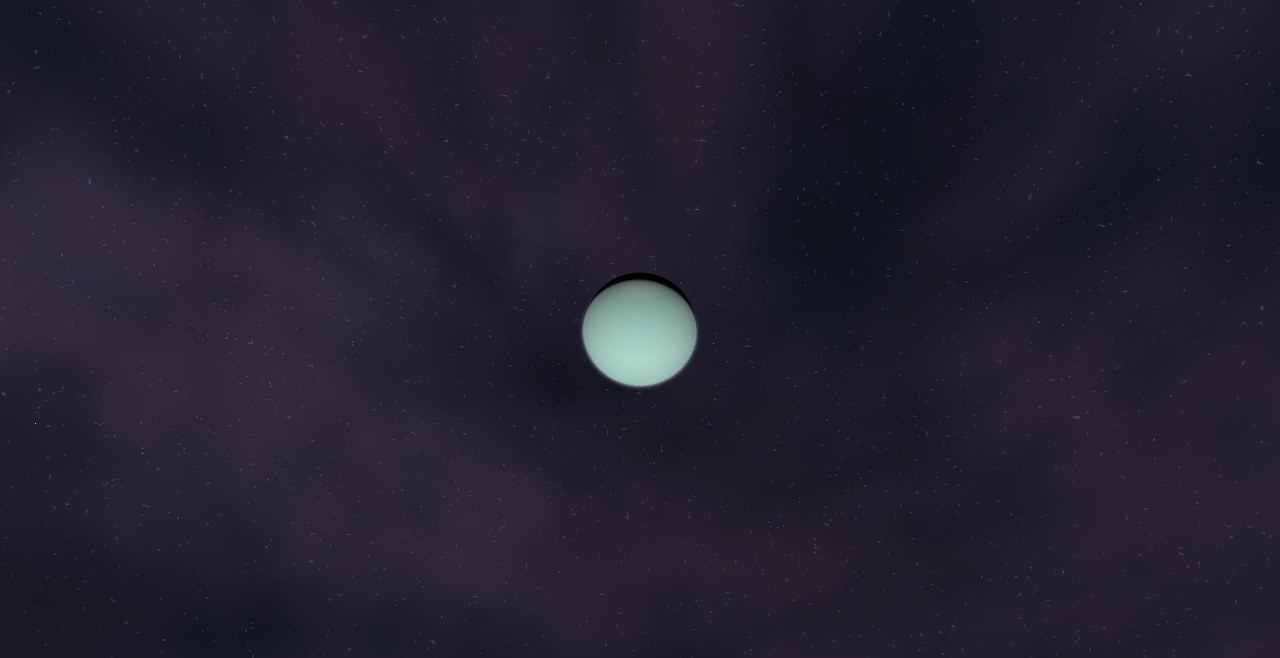
MOA-2022-BLG-033L, a Sun-like F-type star of 0.51 solar masses, and MOA-2022-BLG-033L b, a 12.2-Earth-mass planet, at 2.150 AU from its star.
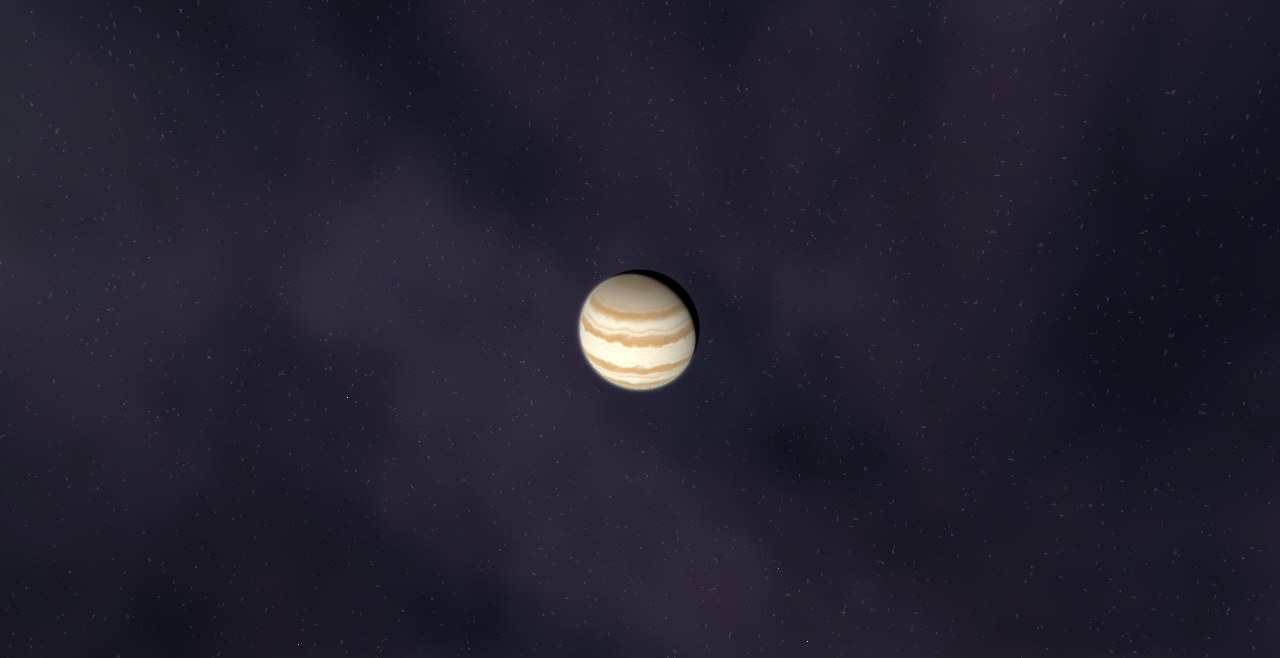
MOA-2022-BLG-091L, a Sun-like G-type star of 0.75 solar masses, and MOA-2022-BLG-091L b, a 3.59-Jupiter-mass companion, at 3.440 AU from its star.
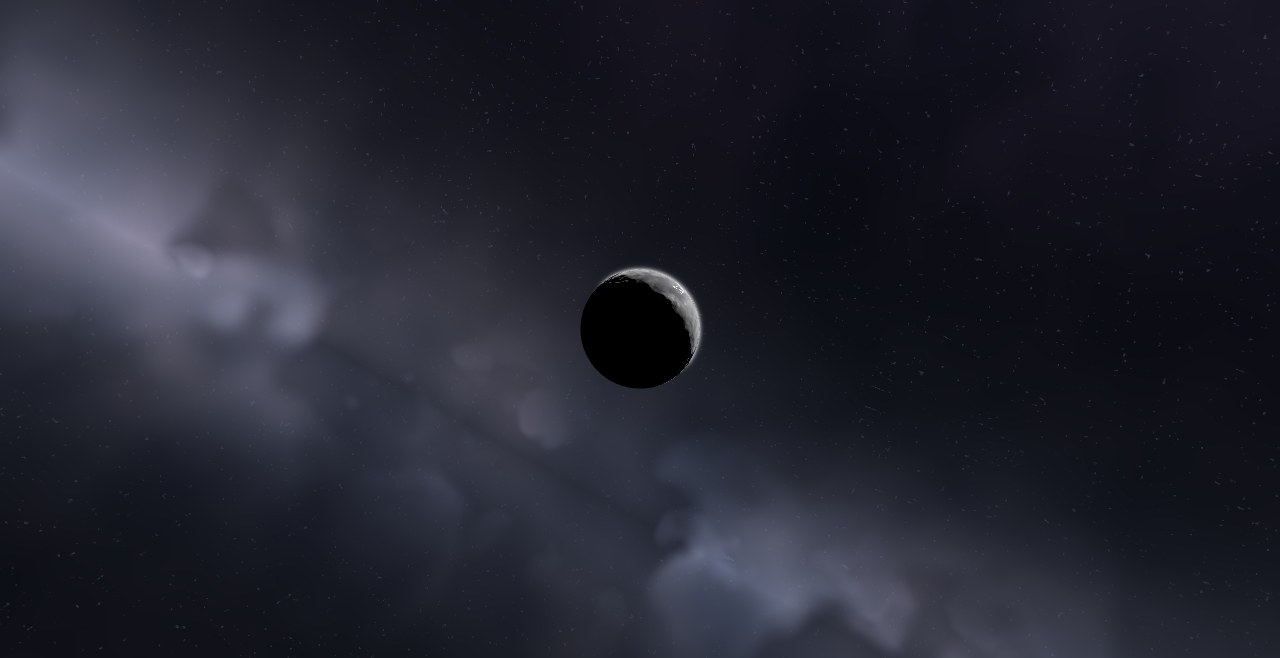
MOA-2022-BLG-249L, a Sun-like G-type star of 0.18 solar masses, and MOA-2022-BLG-249L b, a 4.8-Earth-mass planet, at 1.630 AU from its star.
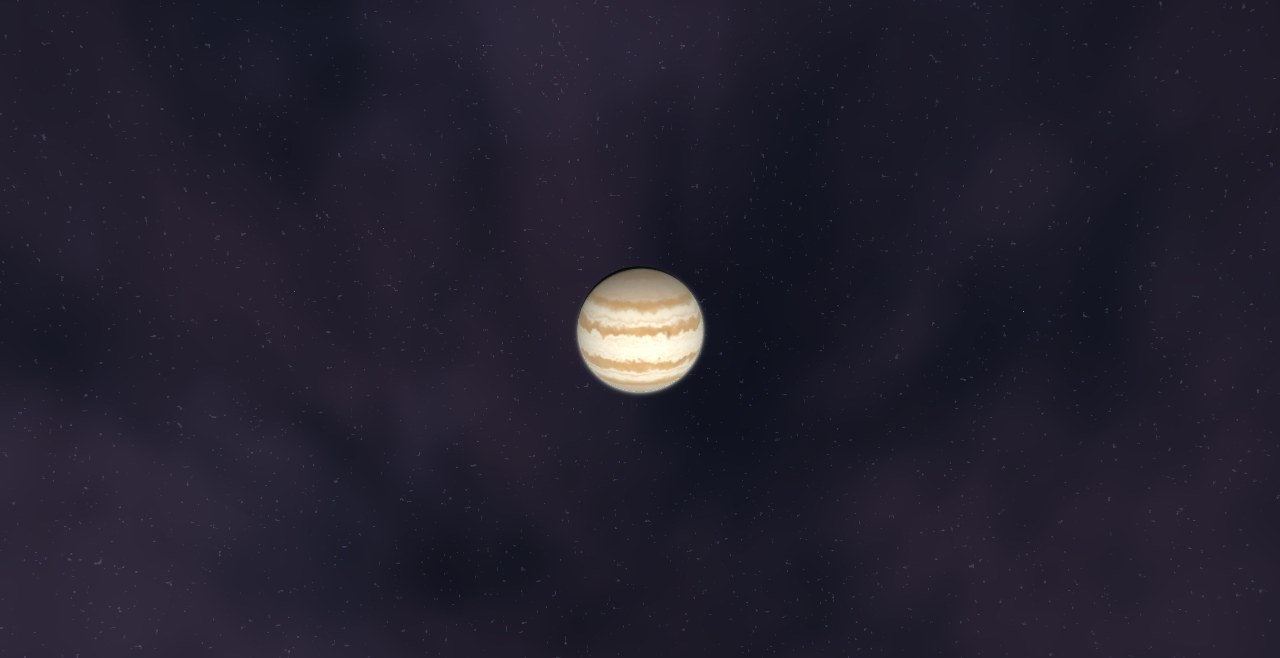
MOA-2022-BLG-563L, a Sun-like G-type star of 0.48 solar masses, and MOA-2022-BLG-563L b, a 0.40-Jupiter-mass companion, at 2.150 AU from its star.
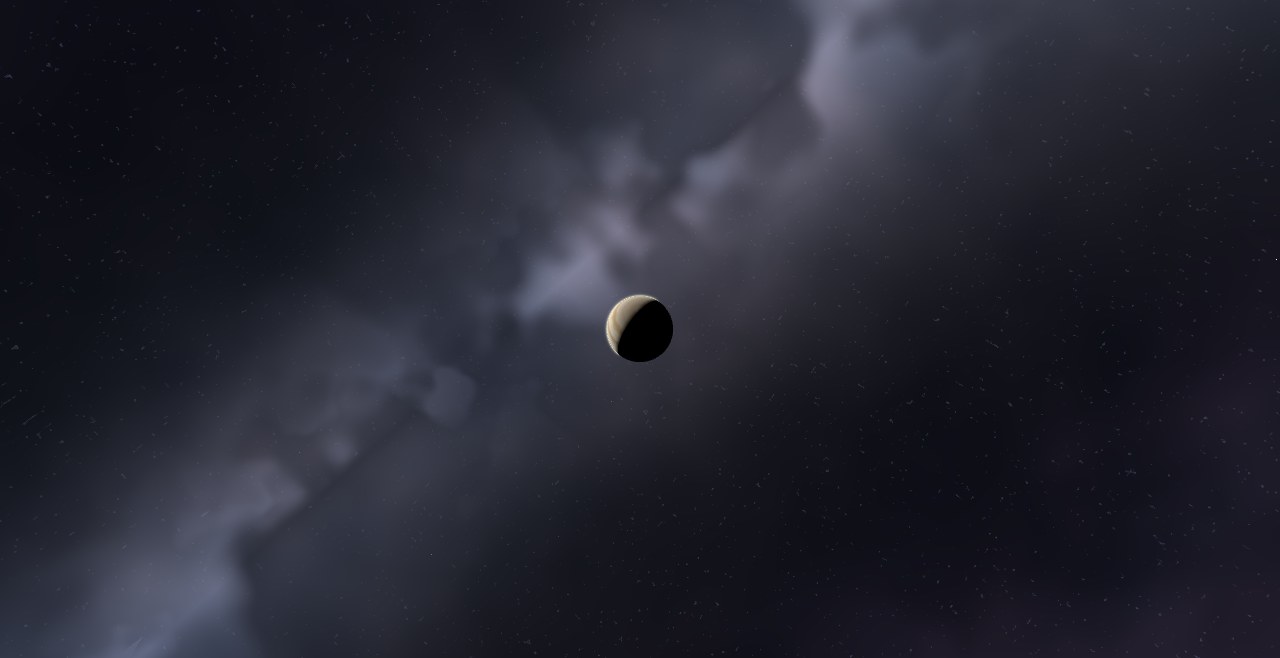
MOA-bin-1L, a Sun-like G-type star of 0.75 solar masses, and MOA-bin-1L b, a 3.70-Jupiter-mass companion, at 8.300 AU from its star.
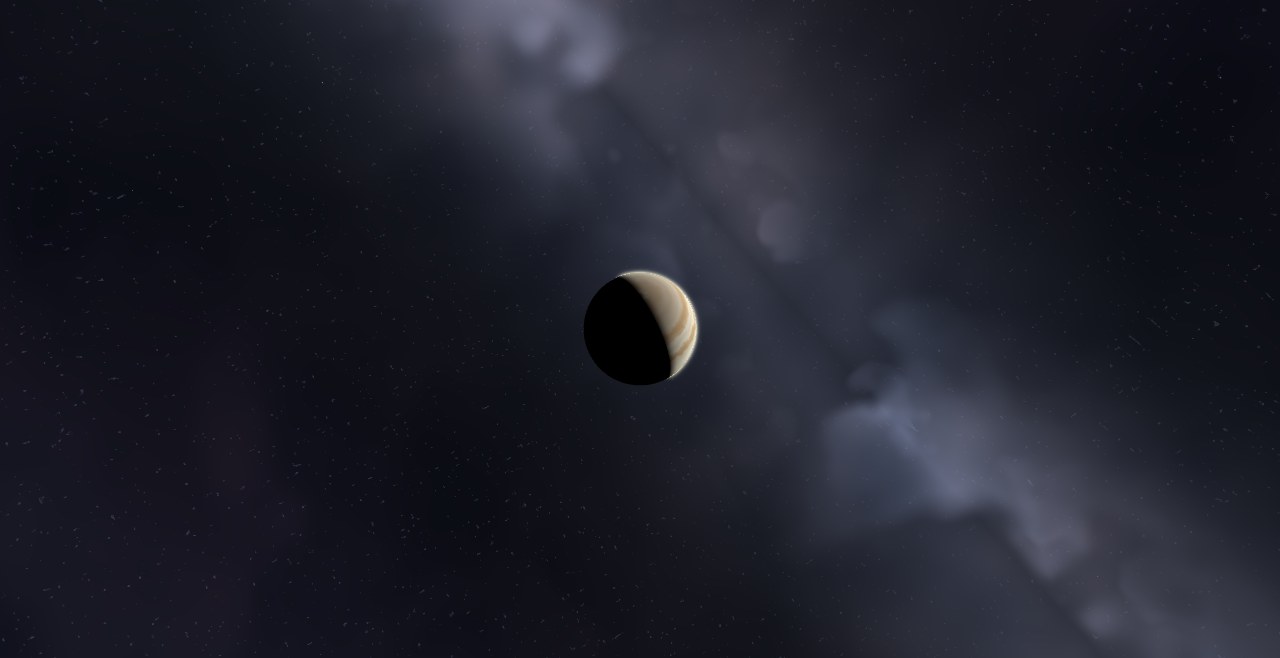
MOA-bin-29, a Sun-like G-type star of 0.03 solar masses, and MOA-bin-29 b, a 0.60-Jupiter-mass companion, at 0.480 AU from its star.
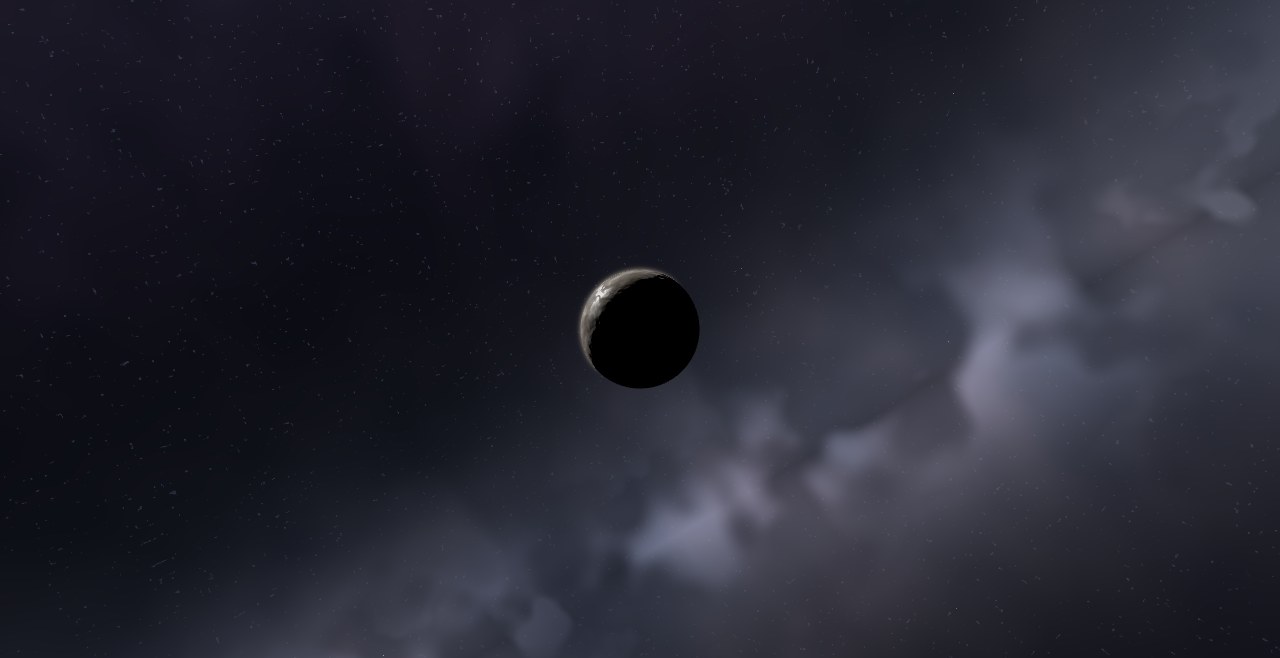
MWC 758, and MWC 758 c, a confirmed exoplanet, at 100 AU from its star, and an equilibrium temperature near 500 K.
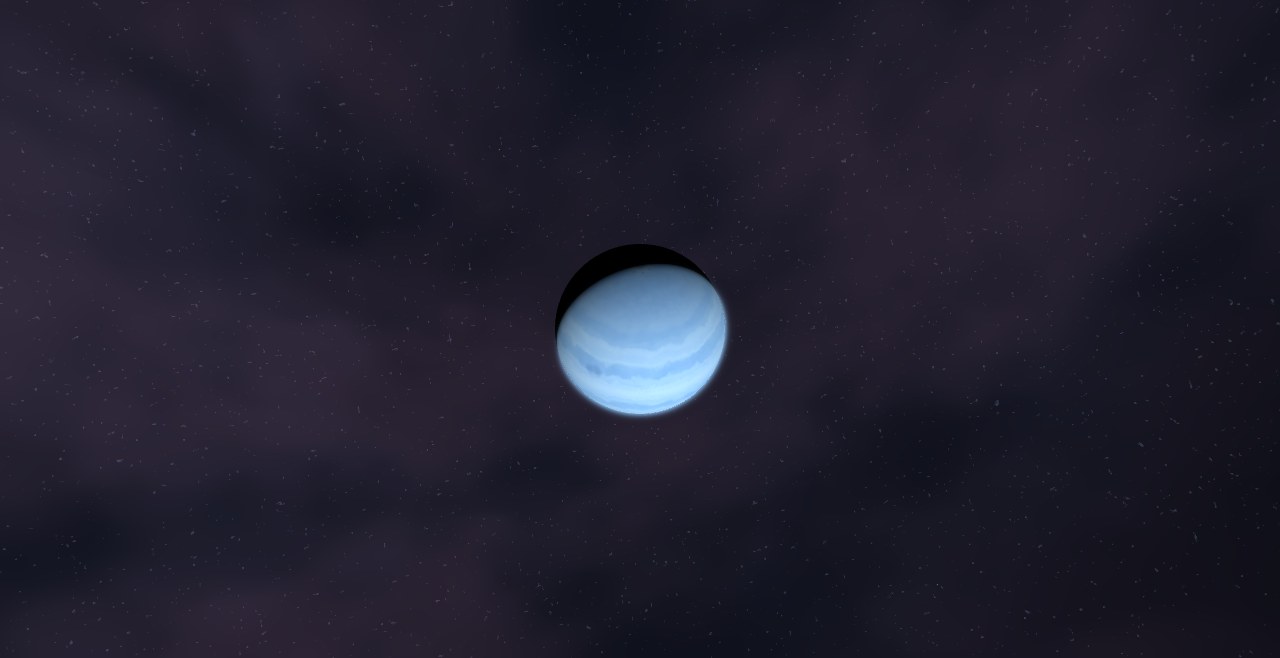
MXB 1658-298, a Sun-like G-type star of 1.98 solar masses, and MXB 1658-298 b, a 23.7-Jupiter-mass companion, with an orbital period of 2.08 years, at 1.613 AU from its star.
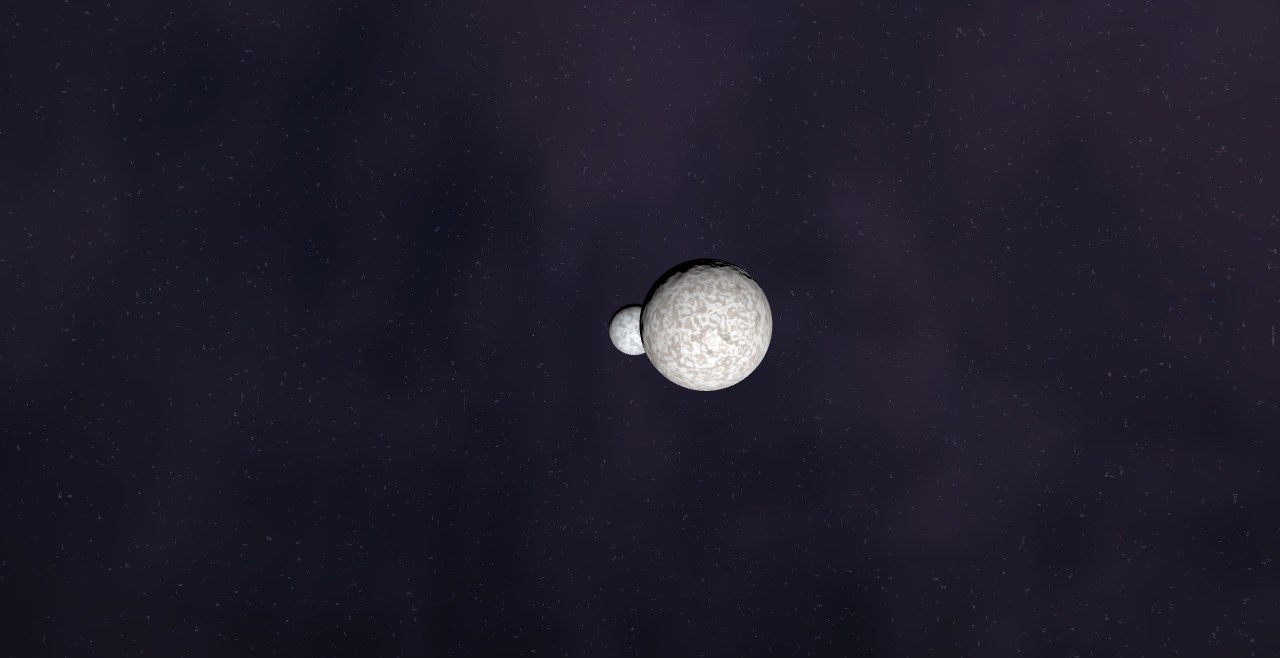
Venture into the Kuiper Belt to explore dwarf planet Makemake and its elusive moon MK2. Follow their mutual orbit 45 AU from the Sun in this accurate gravitational simulation.
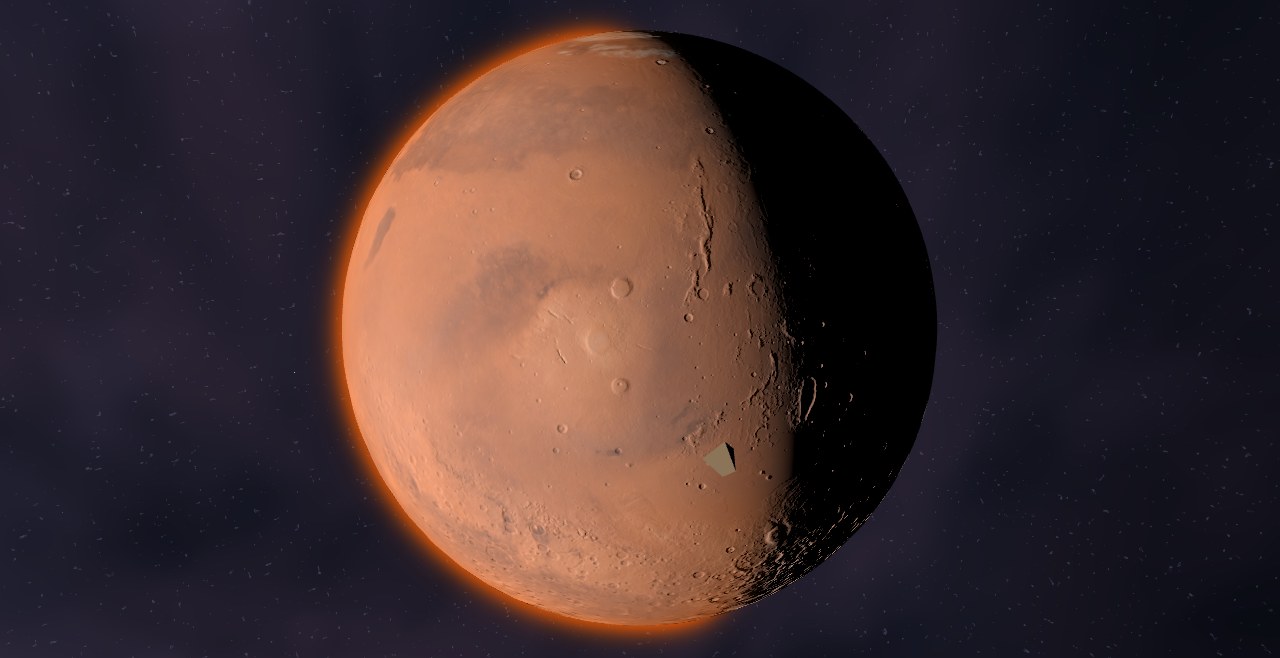
Simulate Mars and its doomed moons, Phobos and Deimos. Watch swift Phobos skim just 6,000 km above the Martian surface while outer moon Deimos traces a serene 30-hour orbit.
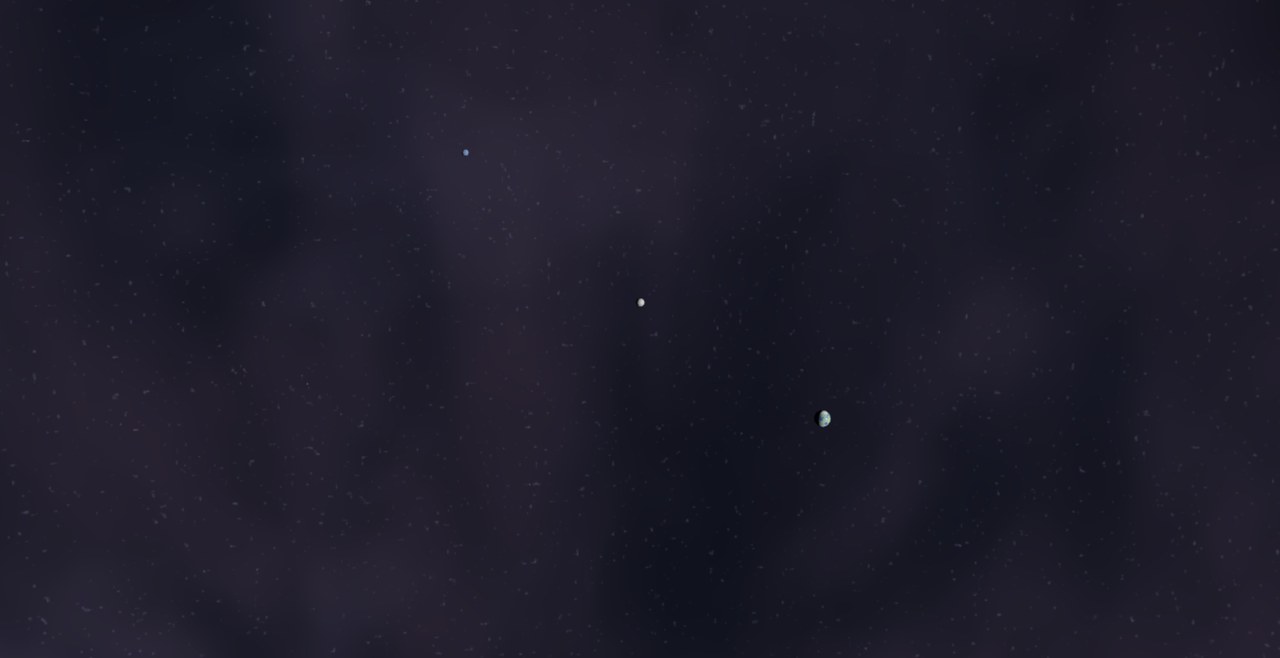
What if an Earth-mass rogue planet flew through the inner Solar System? Watch the cosmic intruder gravitationally strip the Moon right out of Earth's orbit in this dramatic simulation.
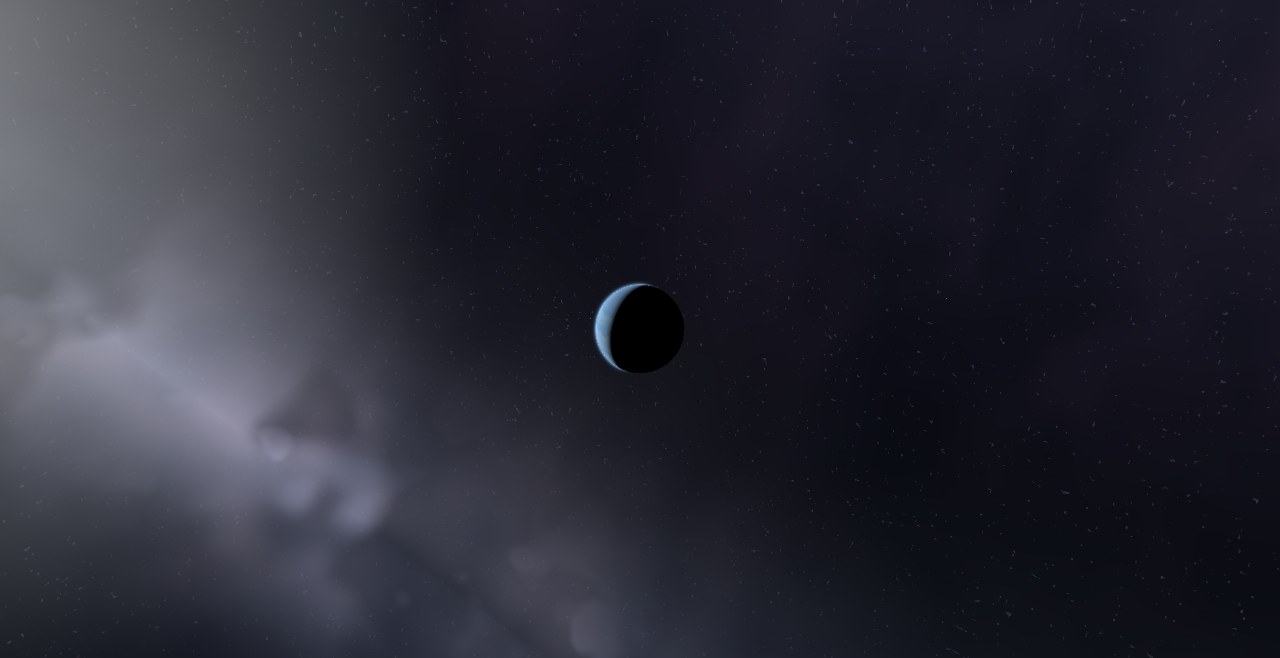
NGC 2682 Sand 1429, a Sun-like F-type star of 1.26 solar masses, and NGC 2682 Sand 1429 b, a 1.80-Jupiter-mass companion, with an orbital period of 77.5 days, at 0.384 AU from its star, and an equilibrium.
NGTS-1, a cool M-dwarf of 0.62 solar masses, and NGTS-1 b, a 0.81-Jupiter-mass companion, with an orbital period of 2.6 days, at 0.033 AU from its star, and an equilibrium temperature near 790 K.
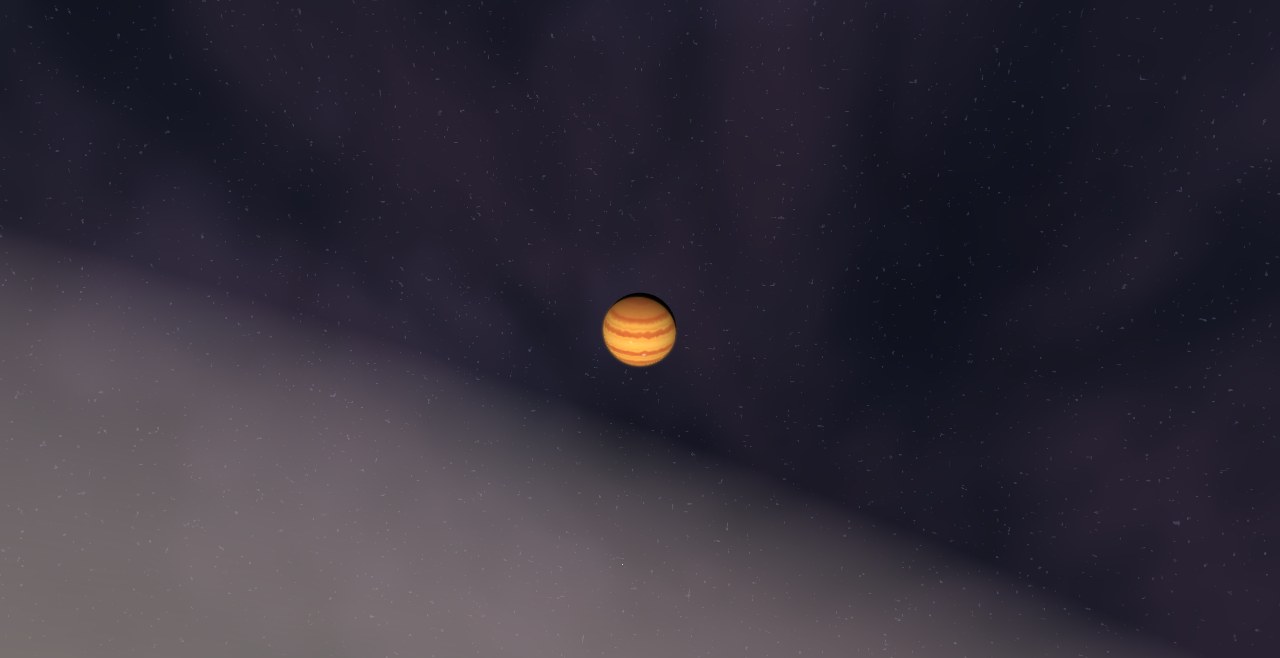
NGTS-10 b, an ultra-short-period hot Jupiter orbiting in about 18 hours. Tides are expected to drag this already-close planet inward. It was found by the Next-Generation Transit Survey.
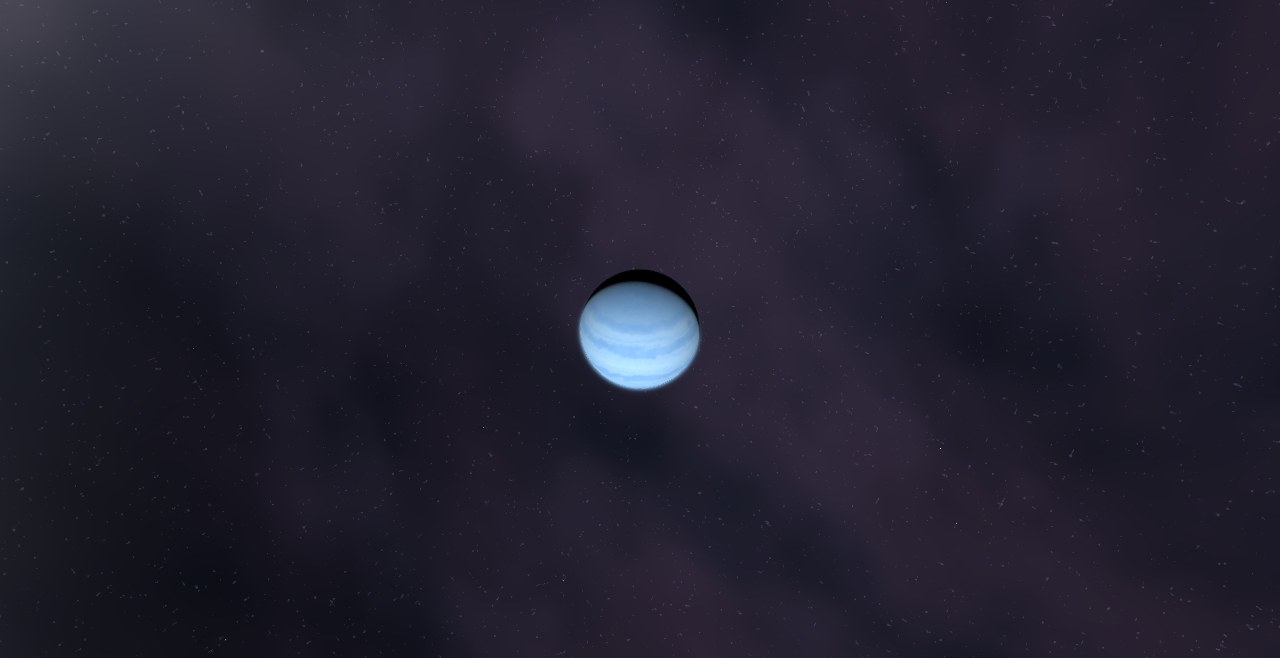
NGTS-11, an orange K-type dwarf of 0.86 solar masses, and NGTS-11 b, a 0.34-Jupiter-mass companion, with an orbital period of 35.5 days, at 0.201 AU from its star, and an equilibrium temperature near 435 K.