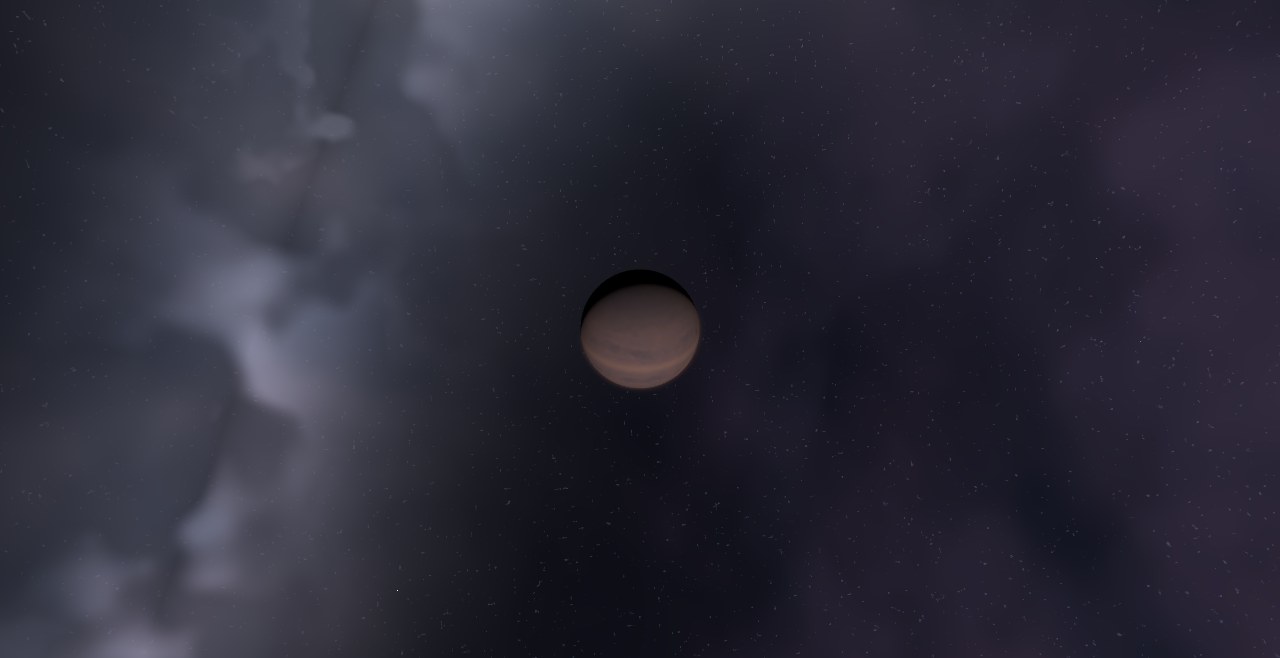
NGTS-32 - System
NGTS-32, a Sun-like G-type star of 1.07 solar masses, and NGTS-32 b, a 0.57-Jupiter-mass companion, with an orbital period of 3.3 days, at 0.044 AU from its star, and an equilibrium temperature near 1,750 K.
3D Space and Gravity Simulator. Simulate the solar system, exoplanets and even colliding galaxies. Add, delete and modify planets, and change the laws of physics.
Share
NGTS-32, a Sun-like G-type star of 1.07 solar masses, and NGTS-32 b, a 0.57-Jupiter-mass companion, with an orbital period of 3.3 days, at 0.044 AU from its star, and an equilibrium temperature near 1,750 K.
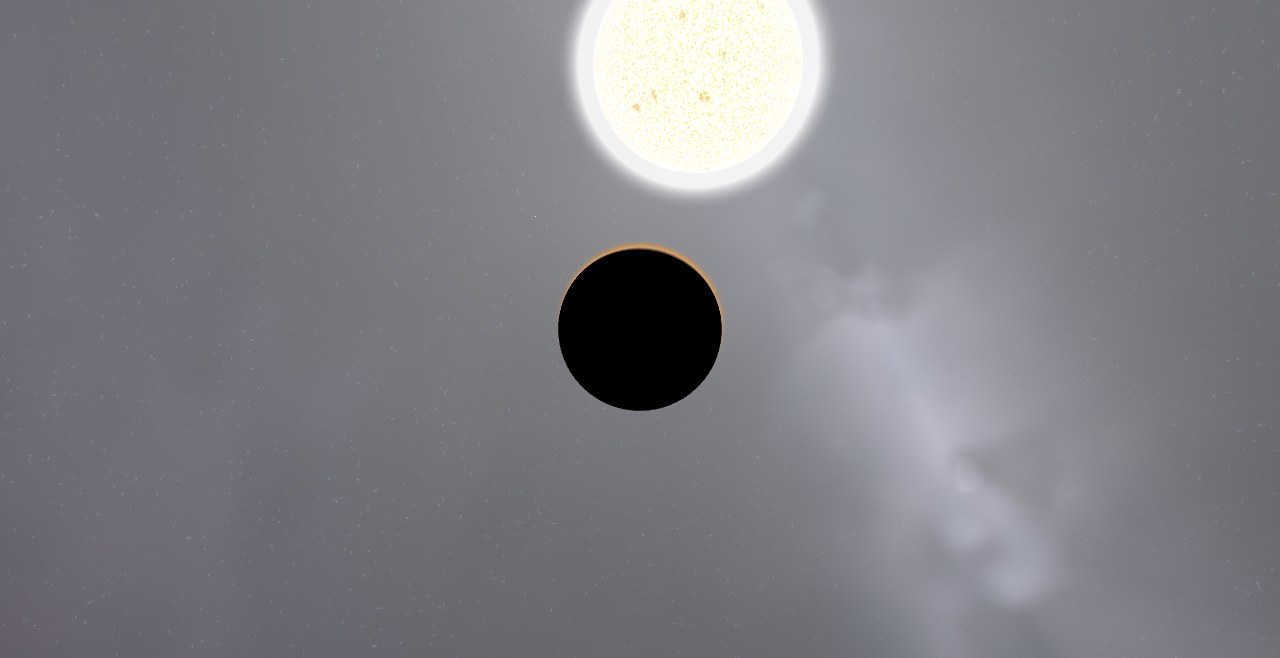
NGTS-33, a Sun-like F-type star of 1.60 solar masses, and NGTS-33 b, a 3.63-Jupiter-mass companion, with an orbital period of 2.8 days, at 0.048 AU from its star, and an equilibrium temperature near 1,991 K.
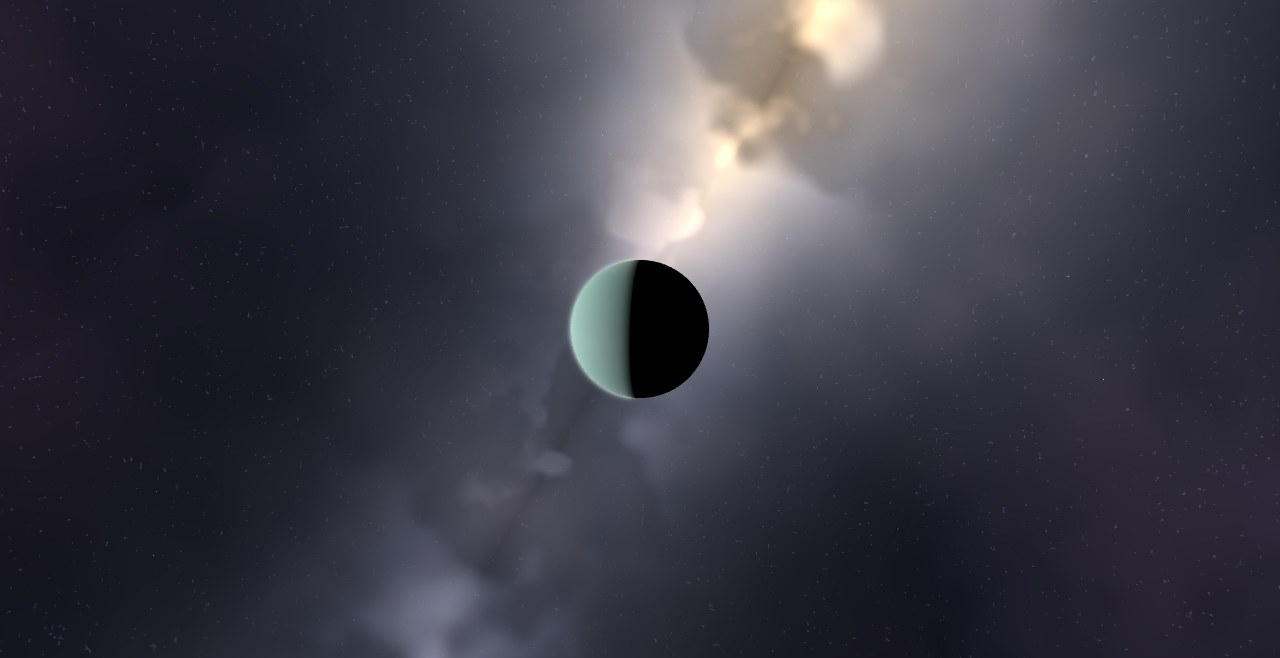
NGTS-34, a Sun-like F-type star of 1.27 solar masses, and NGTS-34 b, a 0.06-Jupiter-mass companion, with an orbital period of 43.1 days, at 0.257 AU from its star, and an equilibrium temperature near 624 K.
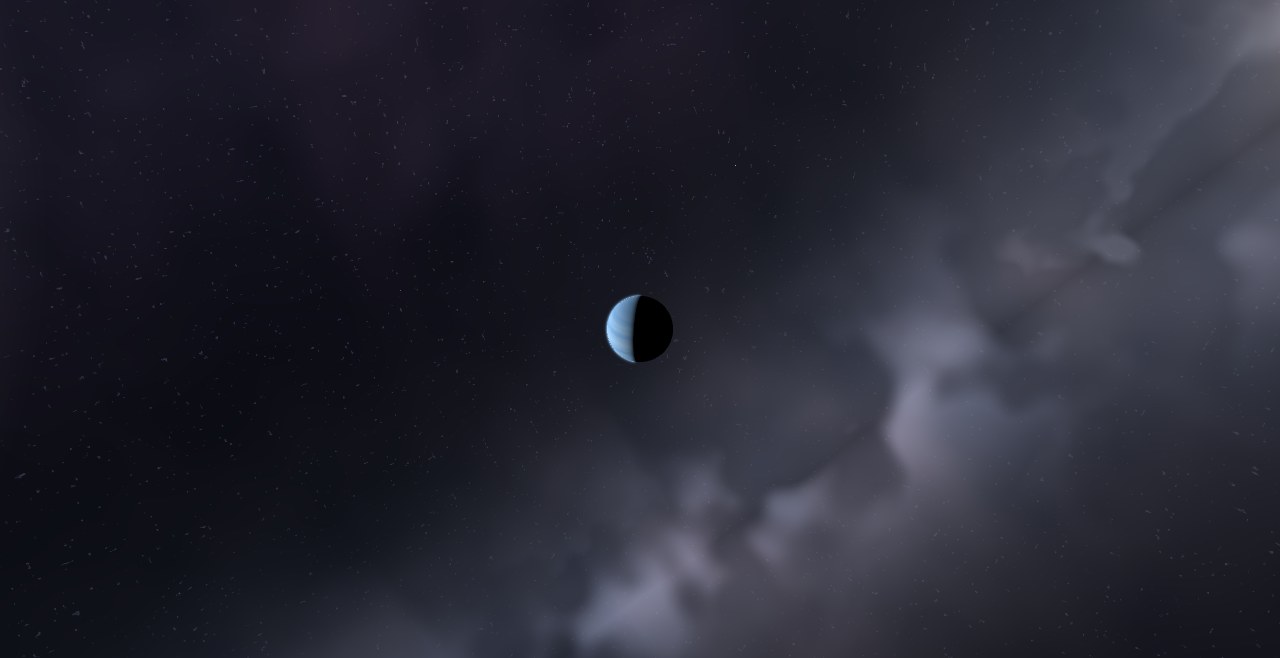
NGTS-35, an orange K-type dwarf of 0.79 solar masses, and NGTS-35 b, a 0.48-Jupiter-mass companion, with an orbital period of 25.2 days, at 0.160 AU from its star, and an equilibrium temperature near 451 K.
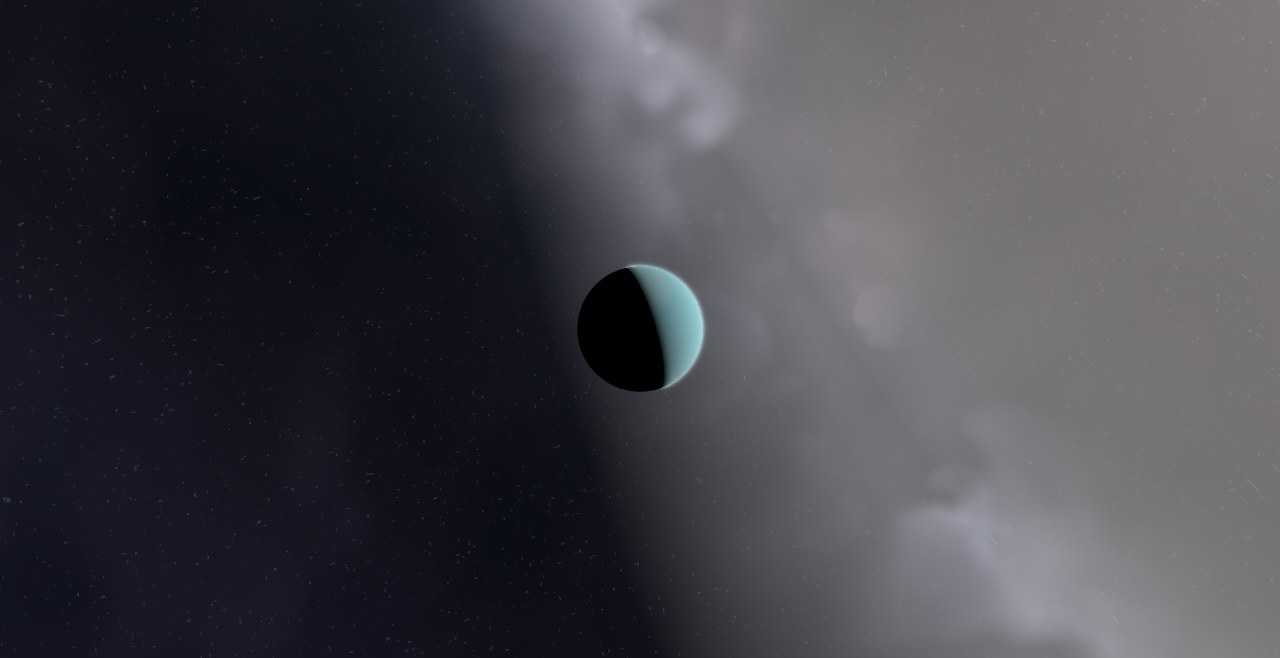
NGTS-4, an orange K-type dwarf of 0.75 solar masses, and NGTS-4 b, a 0.06-Jupiter-mass companion, with an orbital period of 1.3 days, at 0.019 AU from its star, and an equilibrium temperature near 1,650 K.
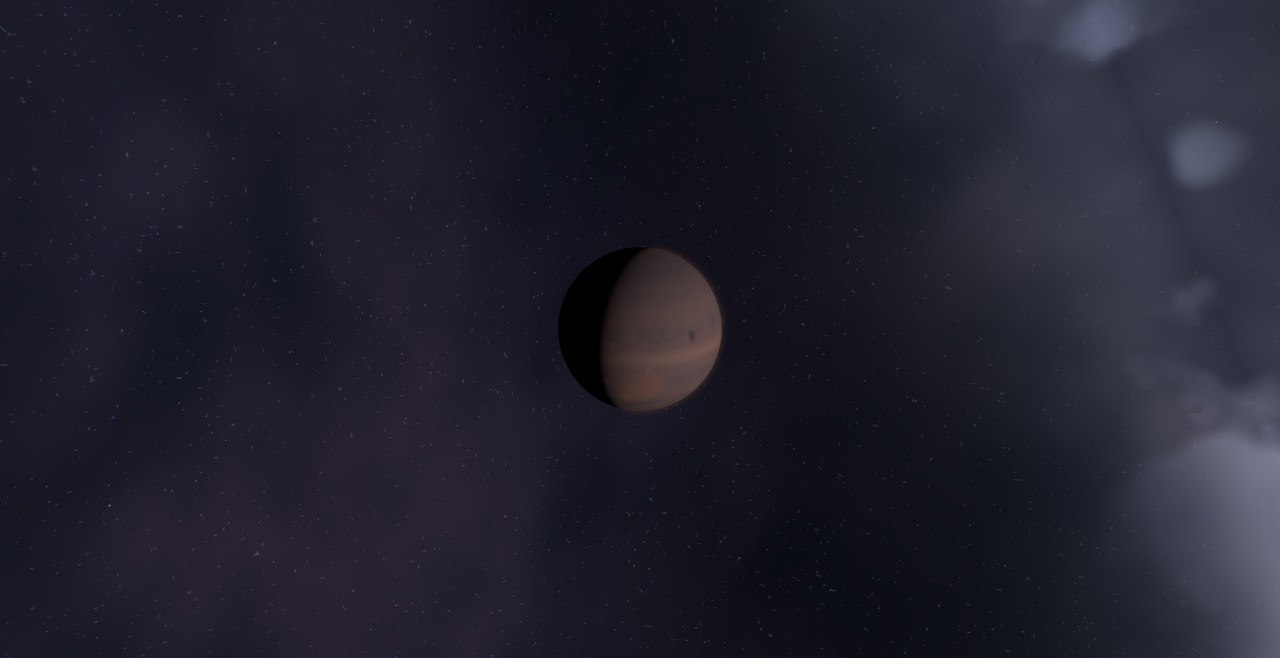
NGTS-5, an orange K-type dwarf of 0.66 solar masses, and NGTS-5 b, a 0.23-Jupiter-mass companion, with an orbital period of 3.4 days, at 0.038 AU from its star, and an equilibrium temperature near 952 K.
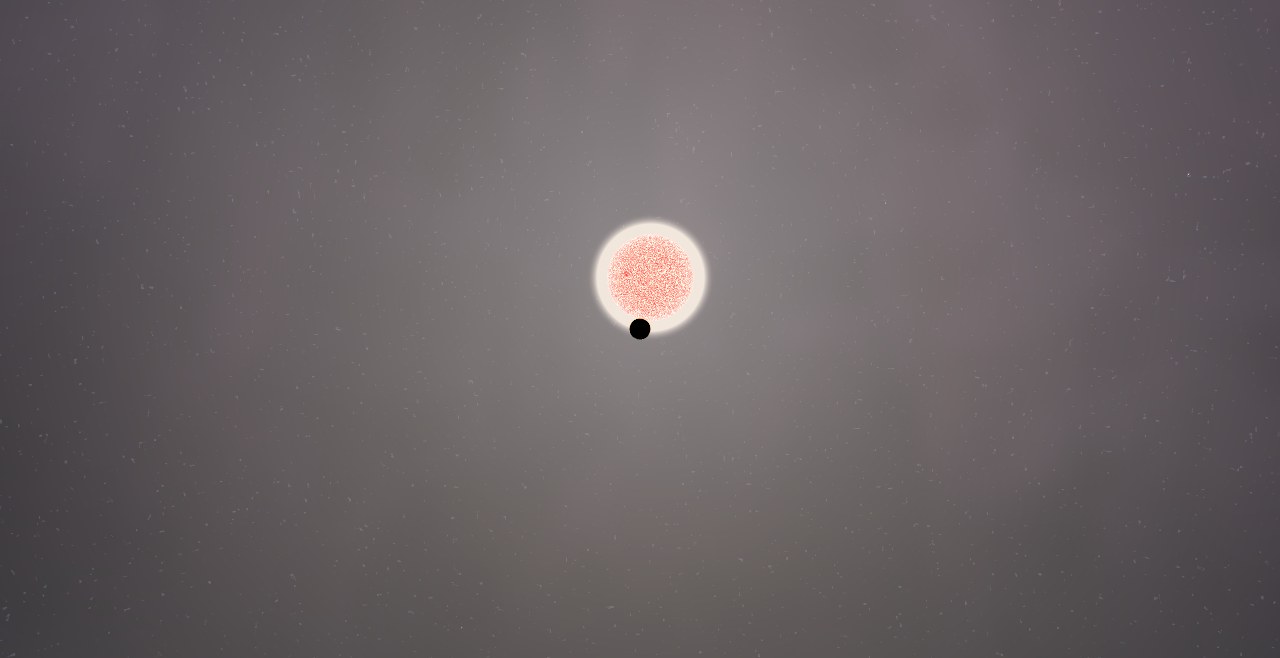
NGTS-6, an orange K-type dwarf of 0.77 solar masses, and NGTS-6 b, a 1.34-Jupiter-mass companion, with an orbital period of 21.2 hours, at 0.017 AU from its star, and an equilibrium temperature near 1,284 K.
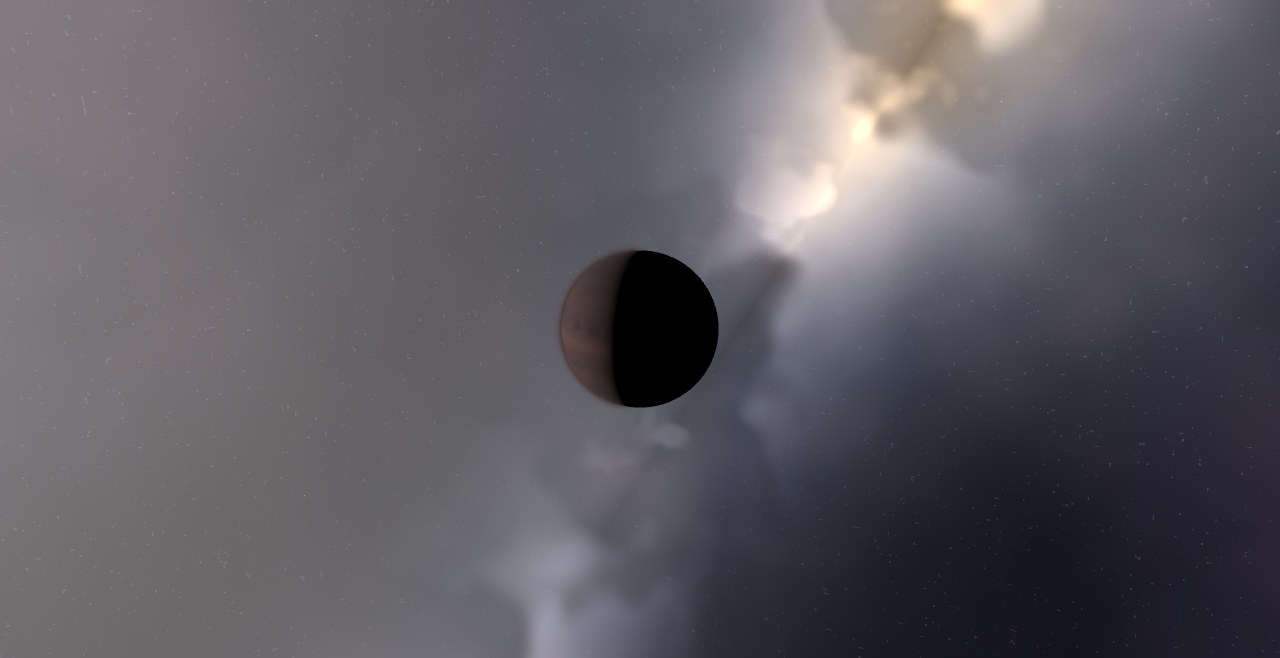
NGTS-8, an orange K-type dwarf of 0.89 solar masses, and NGTS-8 b, a 0.93-Jupiter-mass companion, with an orbital period of 2.5 days, at 0.035 AU from its star, and an equilibrium temperature near 1,345 K.
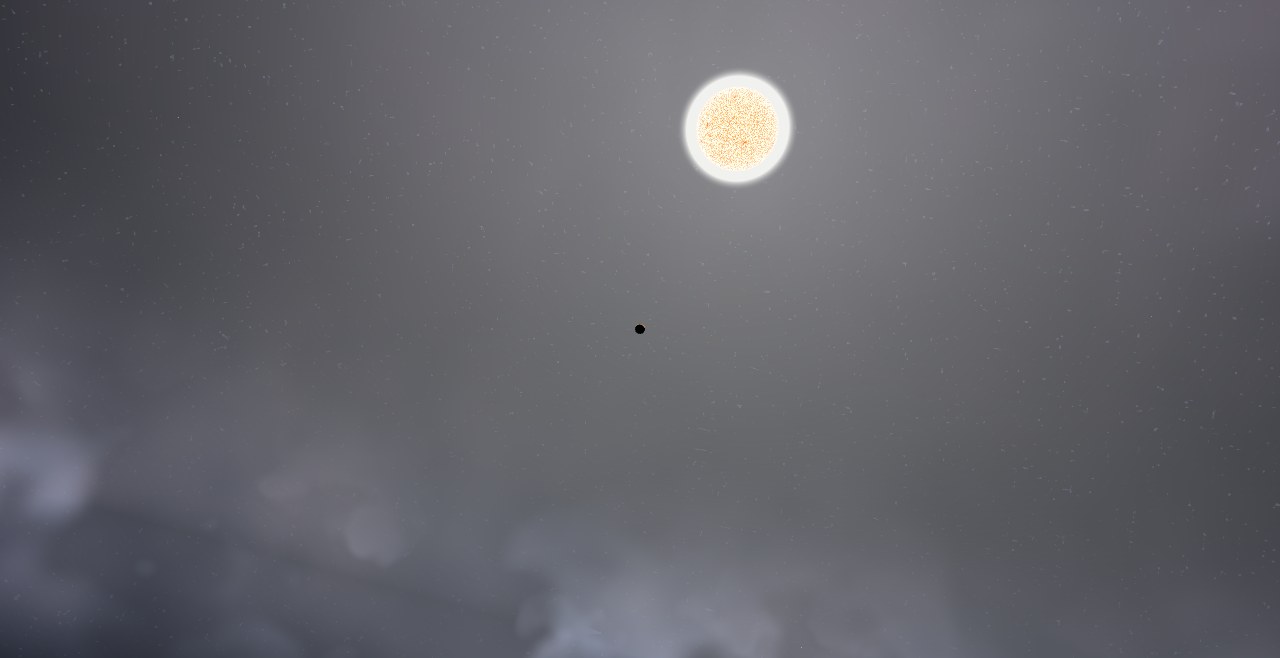
NGTS-9, a Sun-like F-type star of 1.34 solar masses, and NGTS-9 b, a 2.90-Jupiter-mass companion, with an orbital period of 4.4 days, at 0.058 AU from its star, and an equilibrium temperature near 1,448 K.
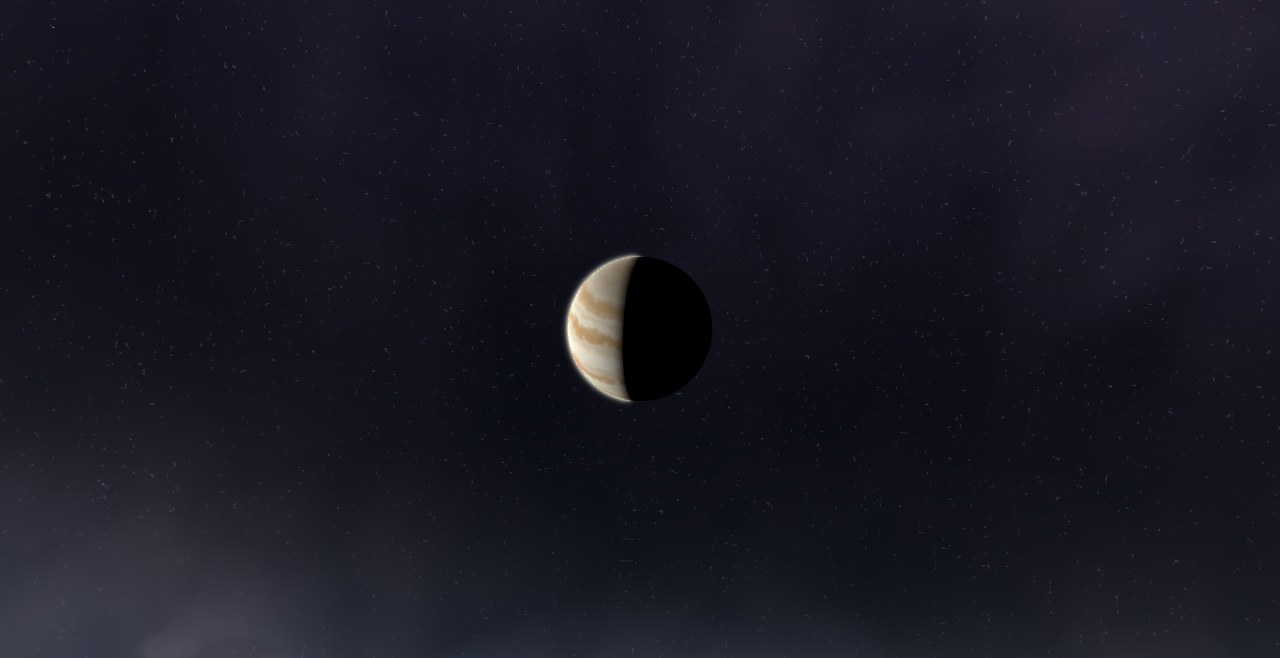
NN Ser, and NN Ser d, a 2.19-Jupiter-mass companion, with an orbital period of 7.89 years, on an eccentric orbit (e ≈ 0.24).
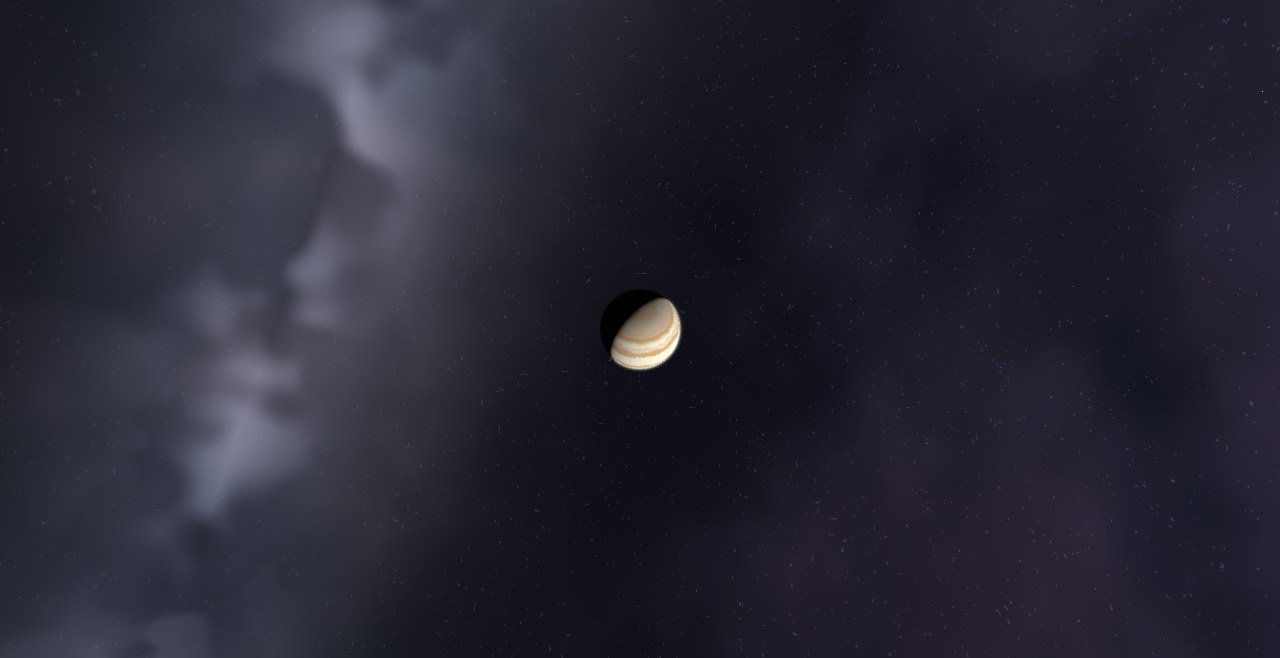
NSVS 14256825, and NSVS 14256825 b, a 14.2-Jupiter-mass companion, with an orbital period of 8.83 years, at 3.120 AU from its star, on an eccentric orbit (e ≈ 0.12).
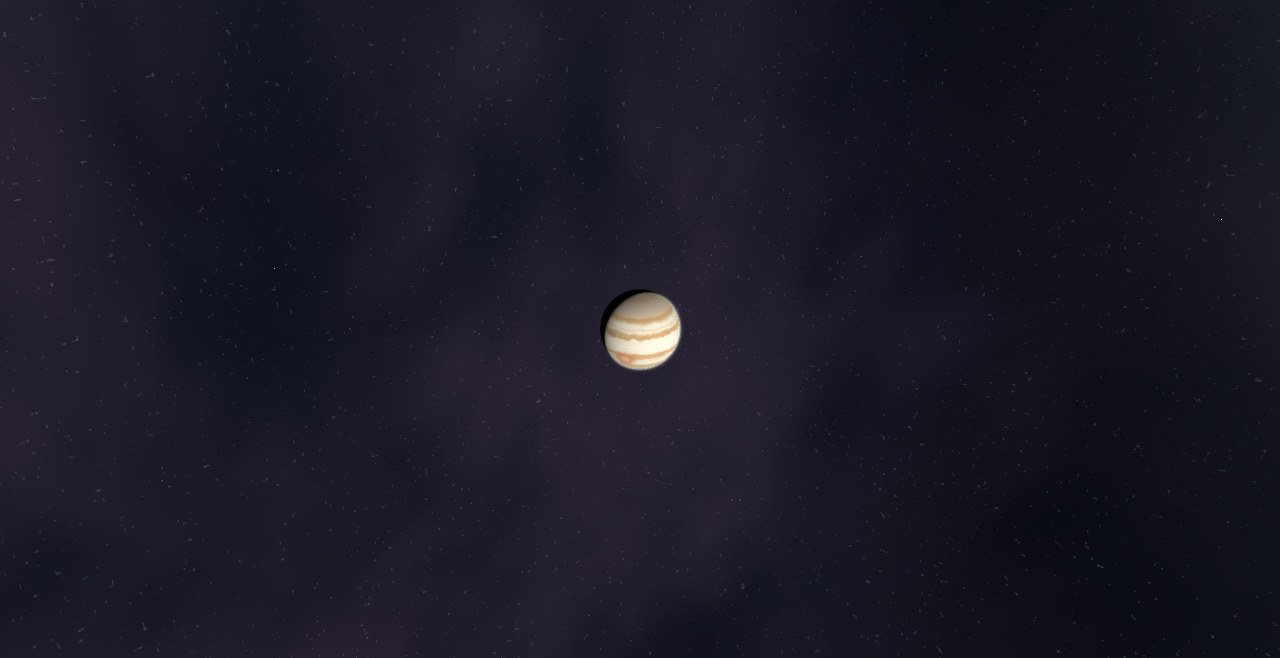
NY Vir, and NY Vir b, a 2.66-Jupiter-mass companion, with an orbital period of 8.65 years, on an eccentric orbit (e ≈ 0.15).
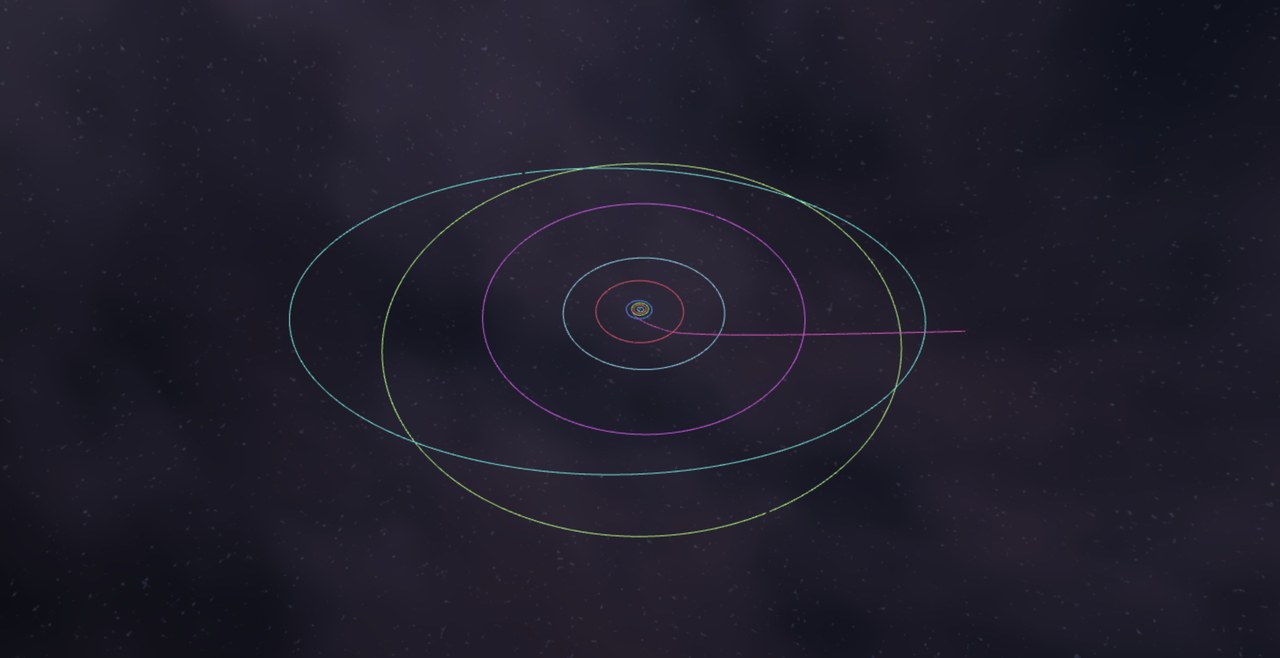
Relive New Horizons' epic interplanetary voyage from Earth to Pluto. Watch its 2007 Jupiter gravity assist accelerate the probe toward its historic 2015 Pluto flyby in 3D.
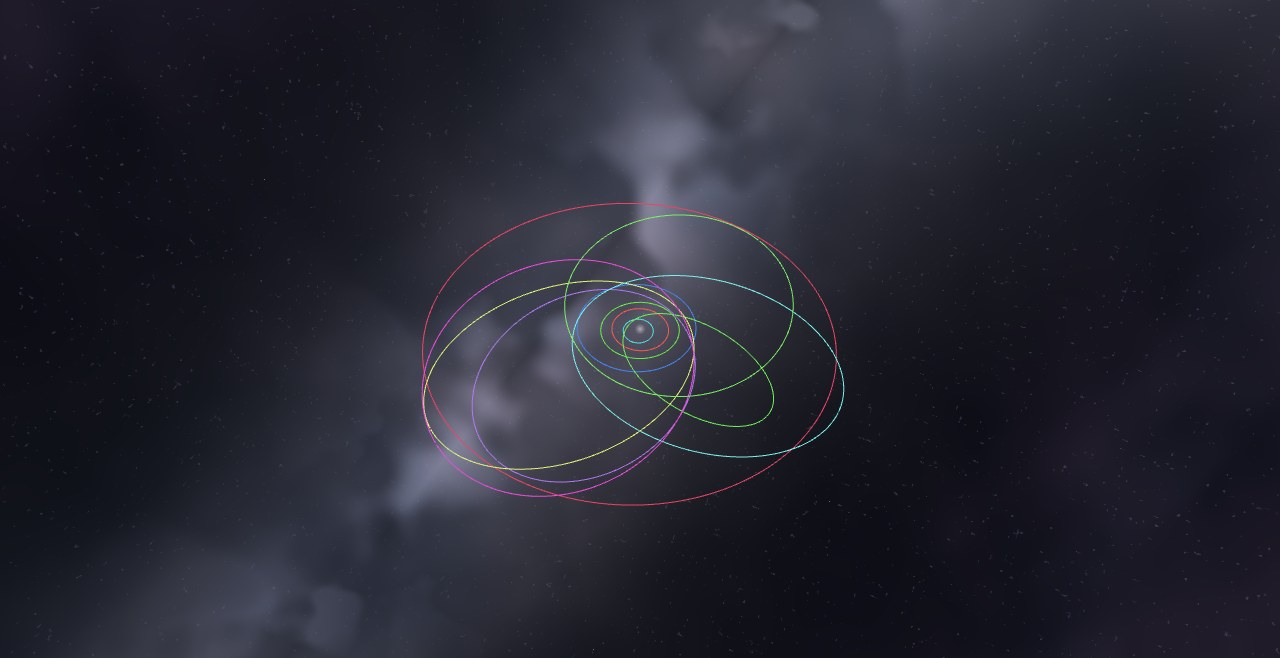
Simulate six famous short-period comets — including Encke, 67P, and Tempel 1 — as Jupiter's powerful gravitational tugs herd them through the inner Solar System in 3D.
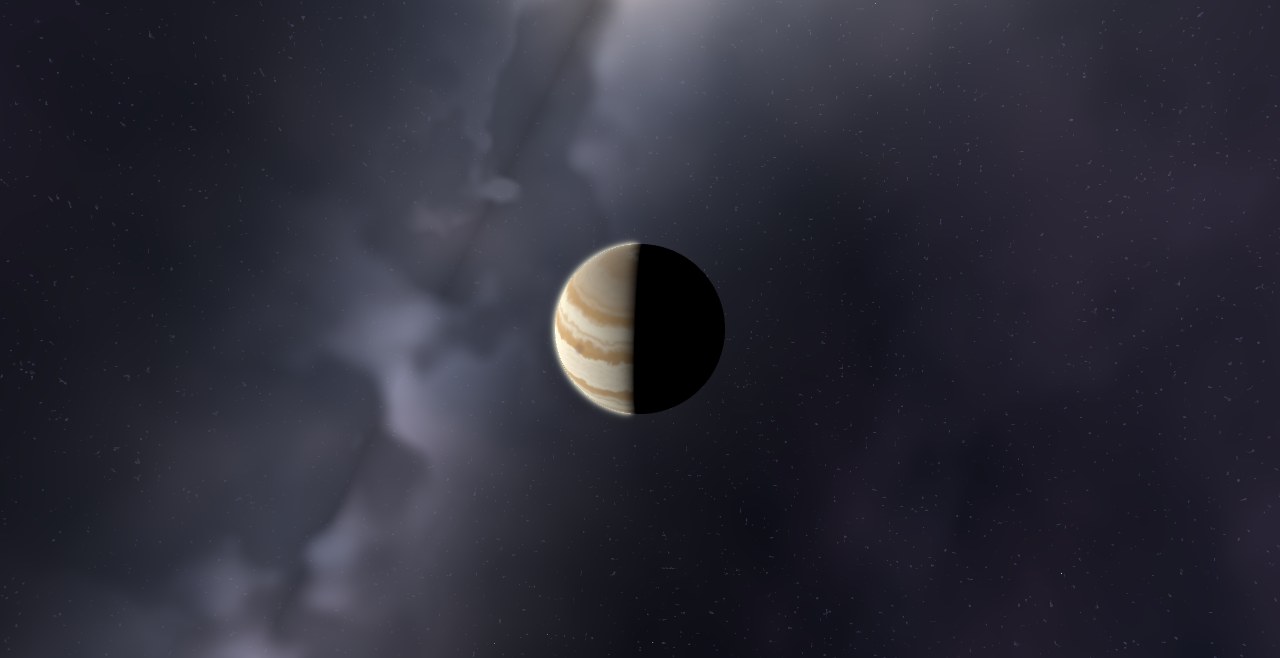
OGLE-2003-BLG-235L, an orange K-type dwarf of 0.63 solar masses, and OGLE-2003-BLG-235L b, a 2.60-Jupiter-mass companion, at 4.300 AU from its star.
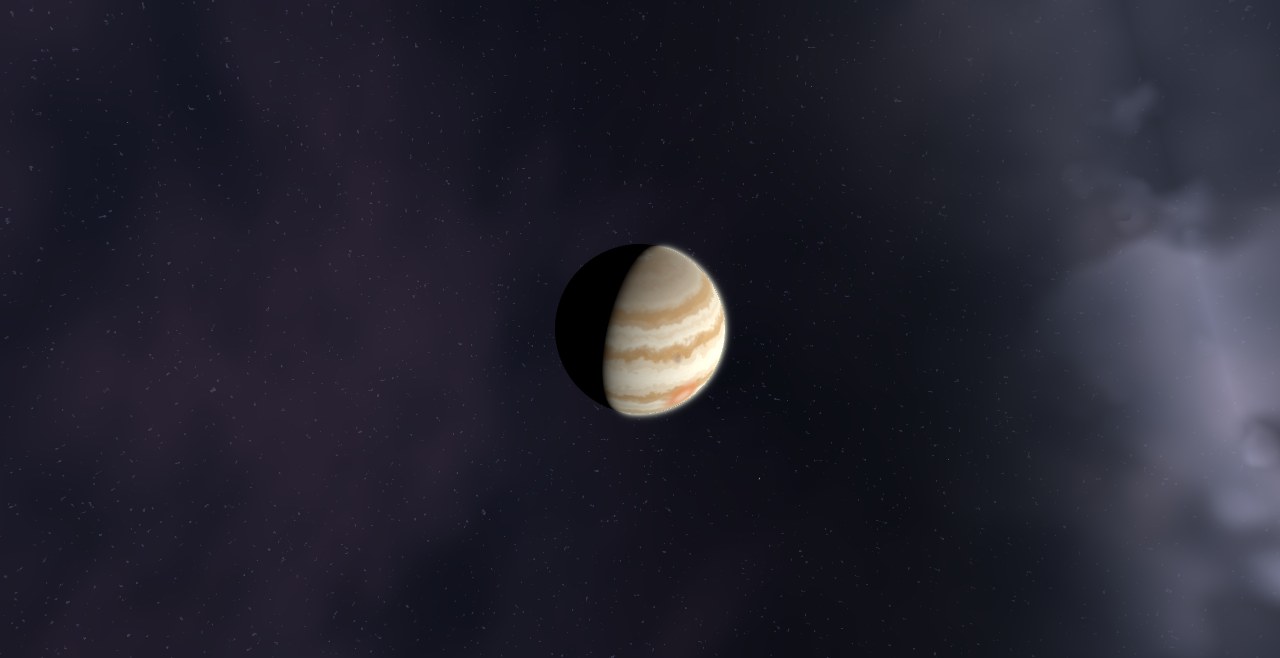
OGLE-2005-BLG-071L, a Sun-like G-type star of 0.46 solar masses, and OGLE-2005-BLG-071L b, a 3.80-Jupiter-mass companion, at 3.600 AU from its star, and an equilibrium temperature near 55.0 K.
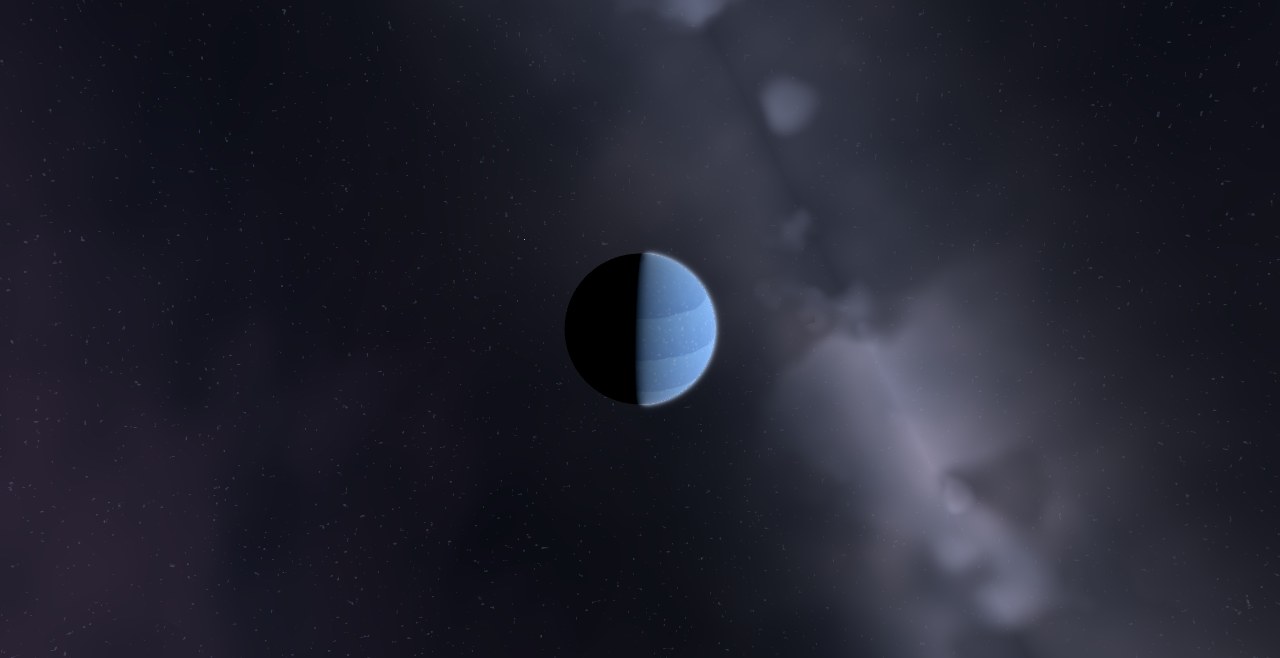
OGLE-2005-BLG-169L, a Sun-like G-type star of 0.69 solar masses, and OGLE-2005-BLG-169L b, a 14.1-Earth-mass planet, at 3.500 AU from its star.
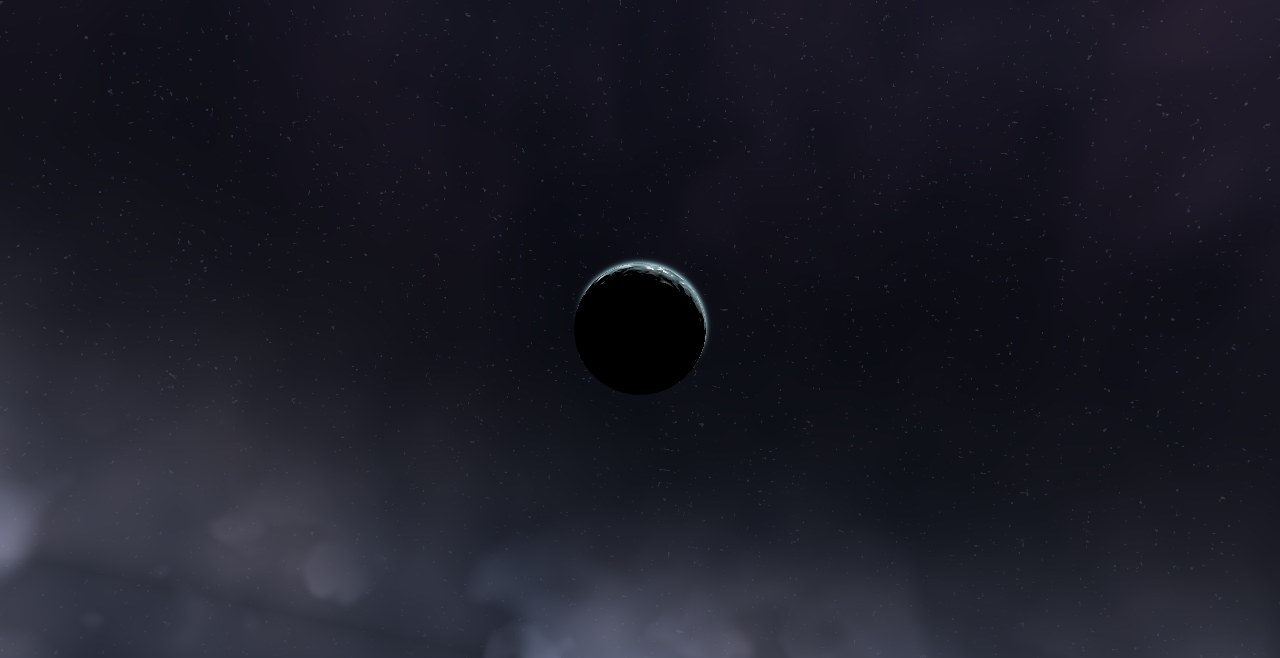
OGLE-2005-BLG-390L b, a cold super-Earth found by gravitational microlensing. It was the first icy, low-mass planet detected far from its star.