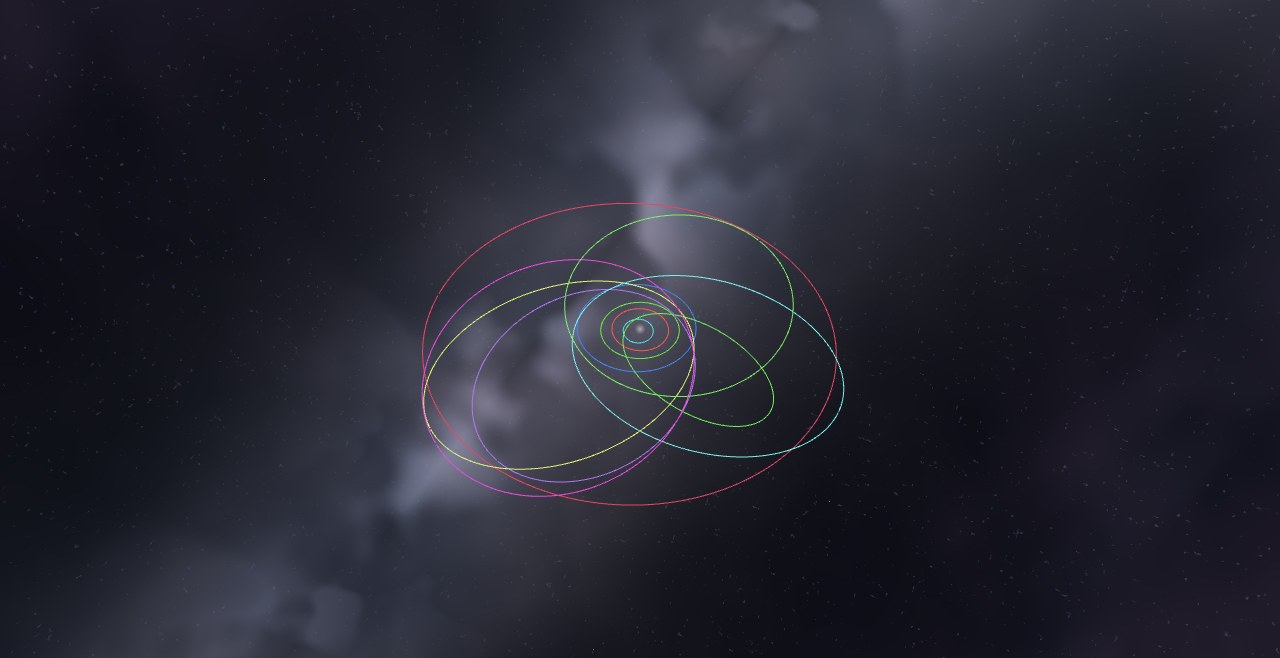
Notable Short-Period Comets
Simulate six famous short-period comets — including Encke, 67P, and Tempel 1 — as Jupiter's powerful gravitational tugs herd them through the inner Solar System in 3D.
Scenarios
Experience our local cosmic neighborhood with an interactive 3D solar system simulator. Run real-time planetary gravity models, track orbits, and experiment with the delicate gravitational balance of local planets and moons using high-precision data templates.
Share
Simulate six famous short-period comets — including Encke, 67P, and Tempel 1 — as Jupiter's powerful gravitational tugs herd them through the inner Solar System in 3D.
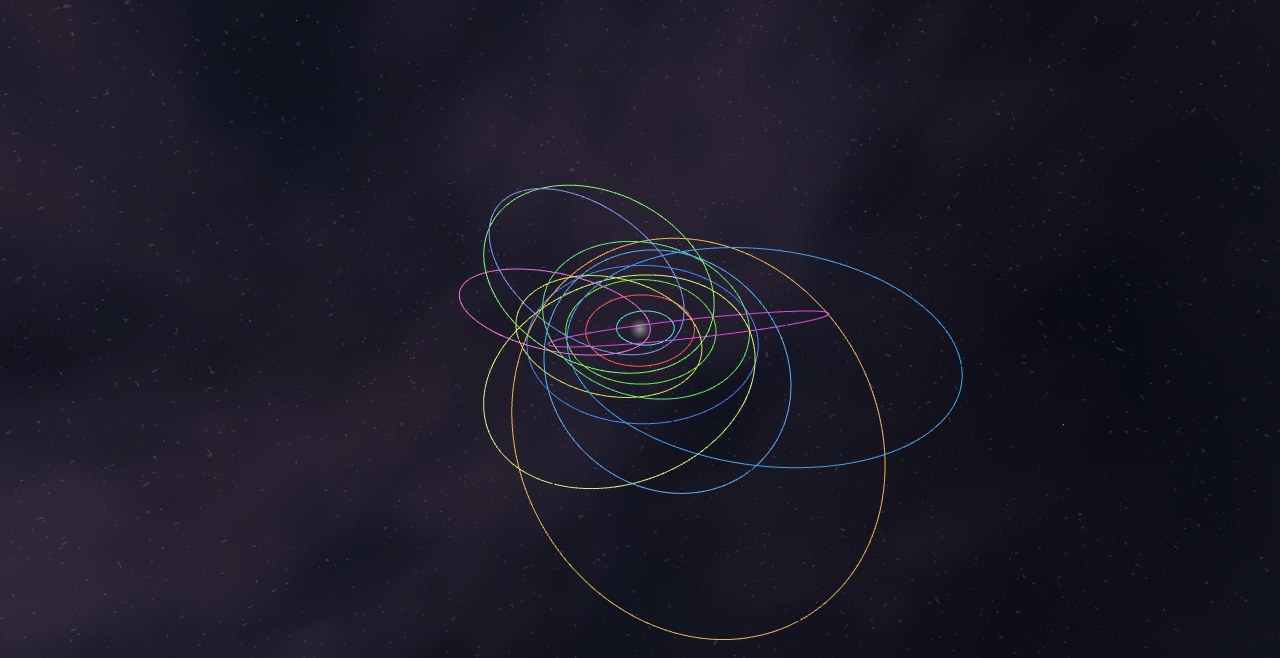
Explore the ten largest near-Earth asteroids, from massive 1036 Ganymed to Toutatis, as they traverse perilous planet-crossing paths through the inner Solar System.
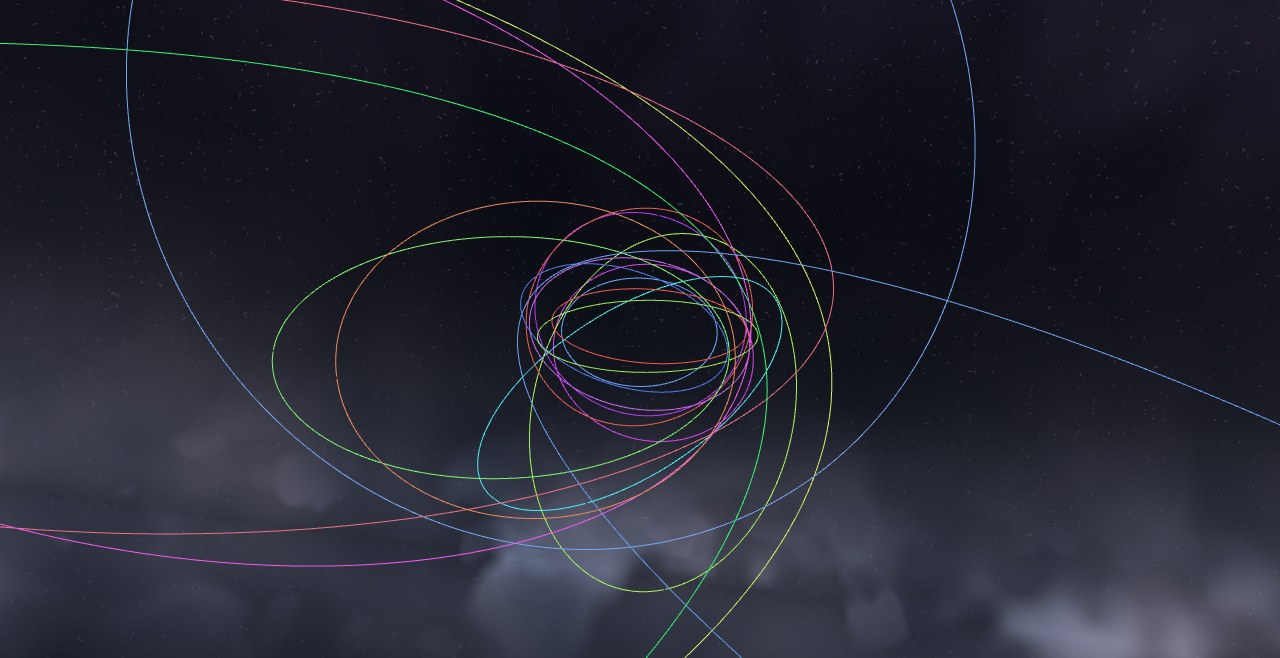
Journey into the outer Solar System beyond Neptune. Explore dwarf planets Pluto, Eris, Haumea, Makemake, and Sedna on their eccentric, highly inclined trans-Neptunian orbits.
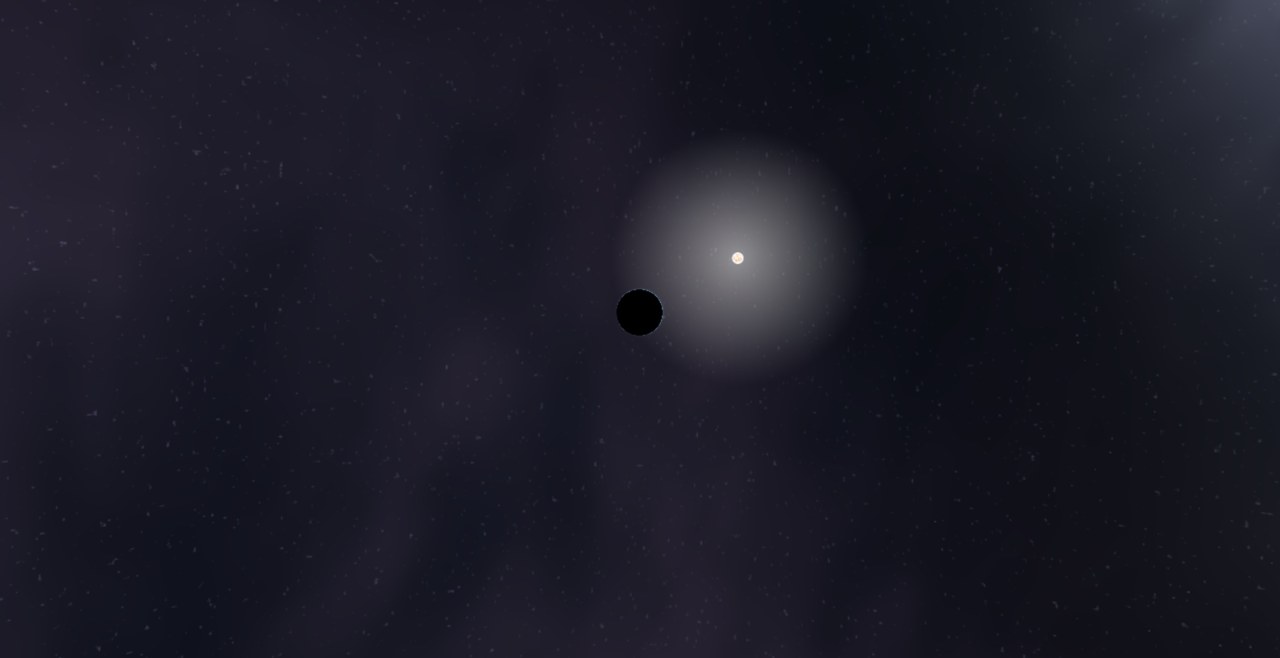
Track the final weeks of the Chelyabinsk impactor before its explosive 2013 atmospheric entry over Russia. Follow the 20-meter Apollo asteroid on its fateful solar trajectory.
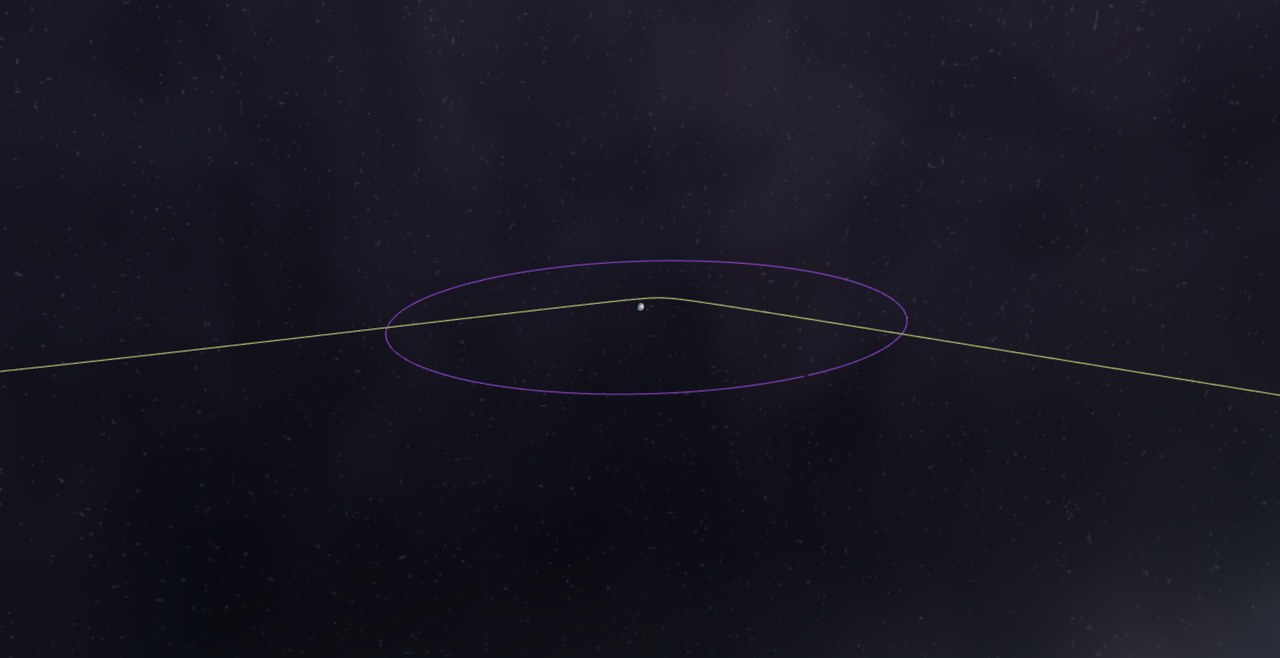
Simulate the historic 13 April 2029 close encounter of asteroid 99942 Apophis, passing just 31,600 km above Earth inside geostationary orbit using accurate JPL Horizons data.
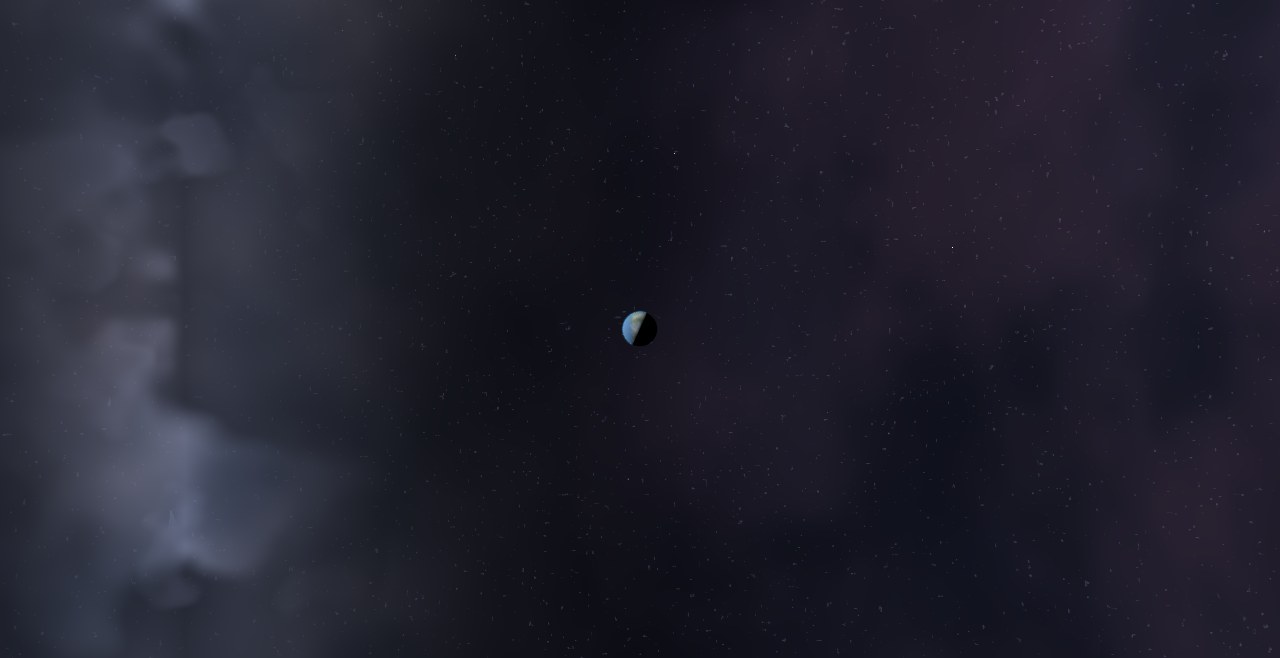
Discover the celestial dance of Earth and Venus. Watch their near 13:8 orbital resonance trace an exquisite five-petaled rose pentagram over eight Earth years in 3D.
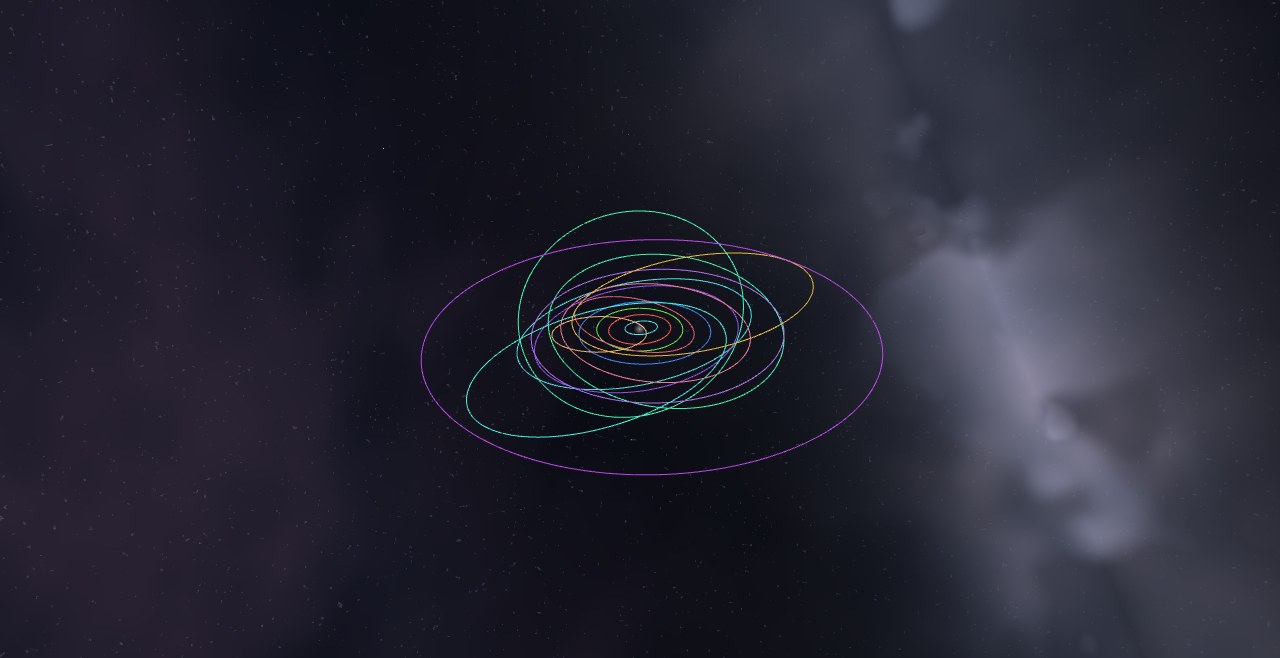
Simulate the inner Solar System in 3D. Watch Mercury, Venus, Earth, and Mars orbit the Sun on true JPL Horizons trajectories, highlighting planetary spacing and eccentricities.
-2006-fv35.jpg)
Track quasi-moon (277810) 2006 FV35 as it shares Earth's orbit around the Sun. Experience the celestial mechanics of 1:1 co-orbital resonance in an interactive 3D simulation.
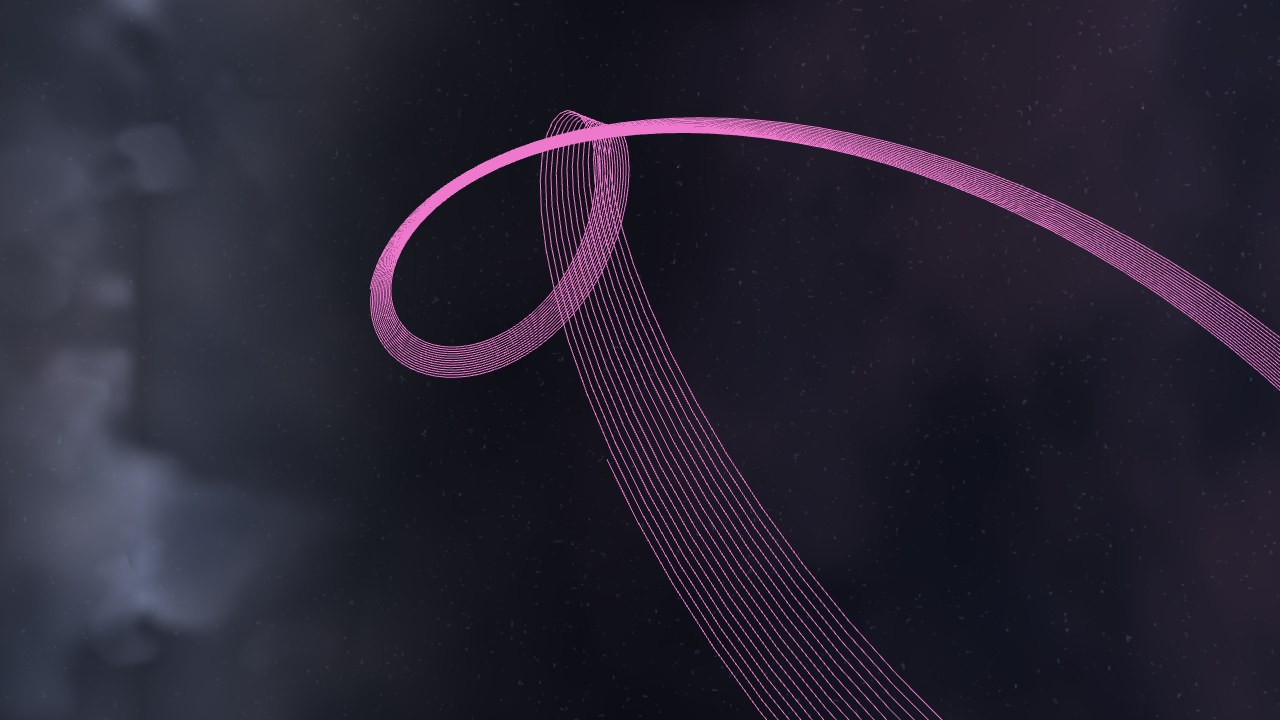
Track Earth quasi-satellite 2013 LX28 in interactive 3D. Trace its temporary 1:1 orbital resonance as it co-orbits the Sun alongside Earth on real JPL Horizons ephemerides.
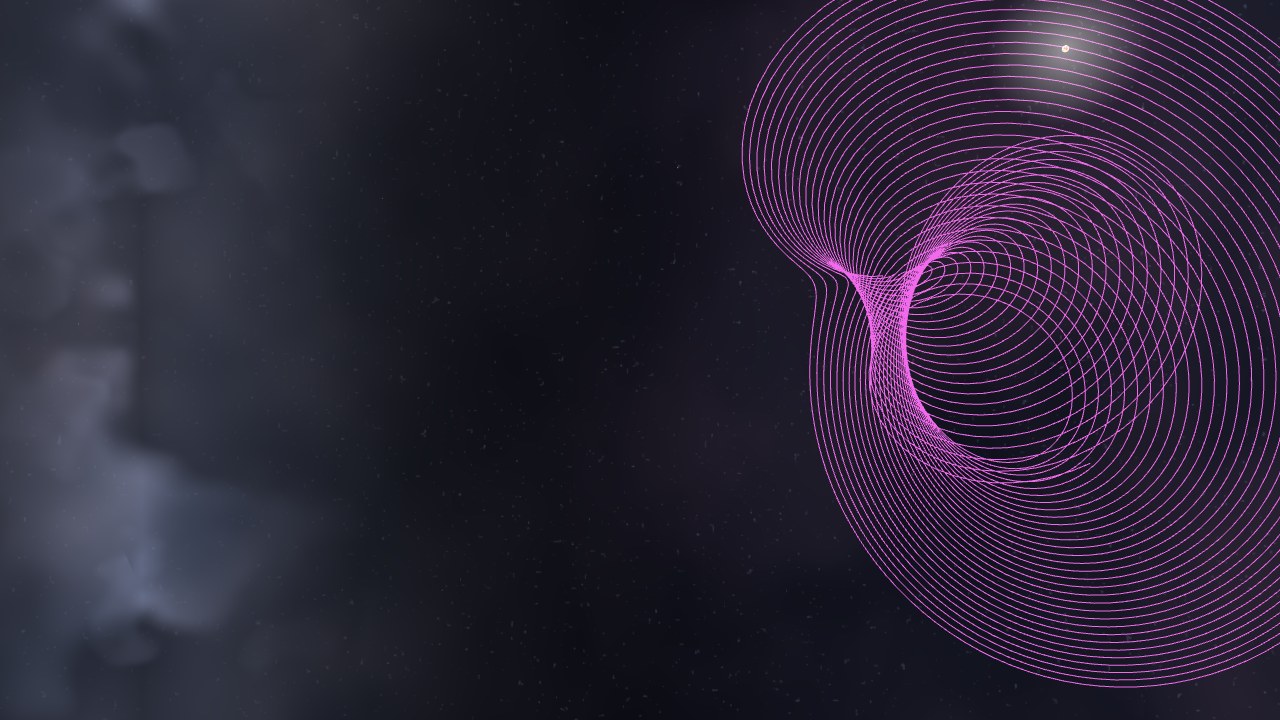
Observe quasi-moon 2014 OL339 dancing in 1:1 resonance with Earth. Follow its fascinating horseshoe-to-quasi-satellite orbital transition using high-precision JPL states in 3D.
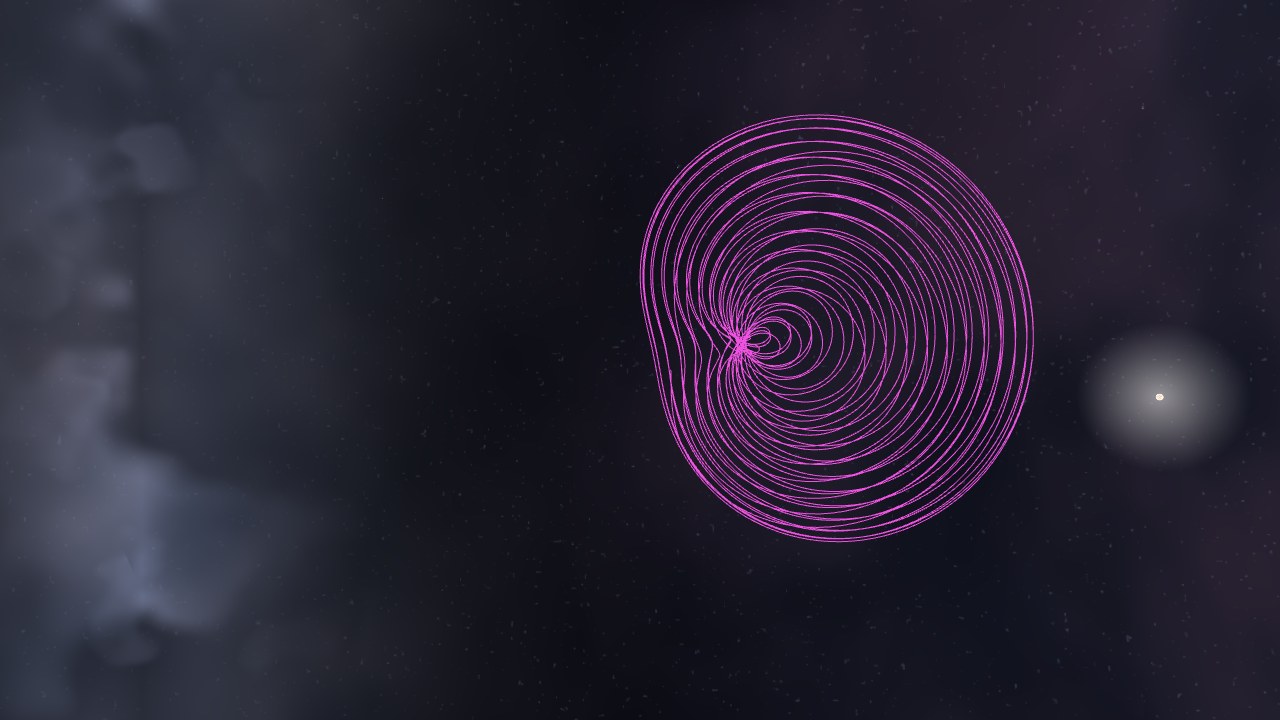
Simulate newly discovered quasi-moon 2022 YG. Watch this small asteroid maintain a delicate 1:1 orbital resonance with Earth, looping in a synchronized path around the Sun.
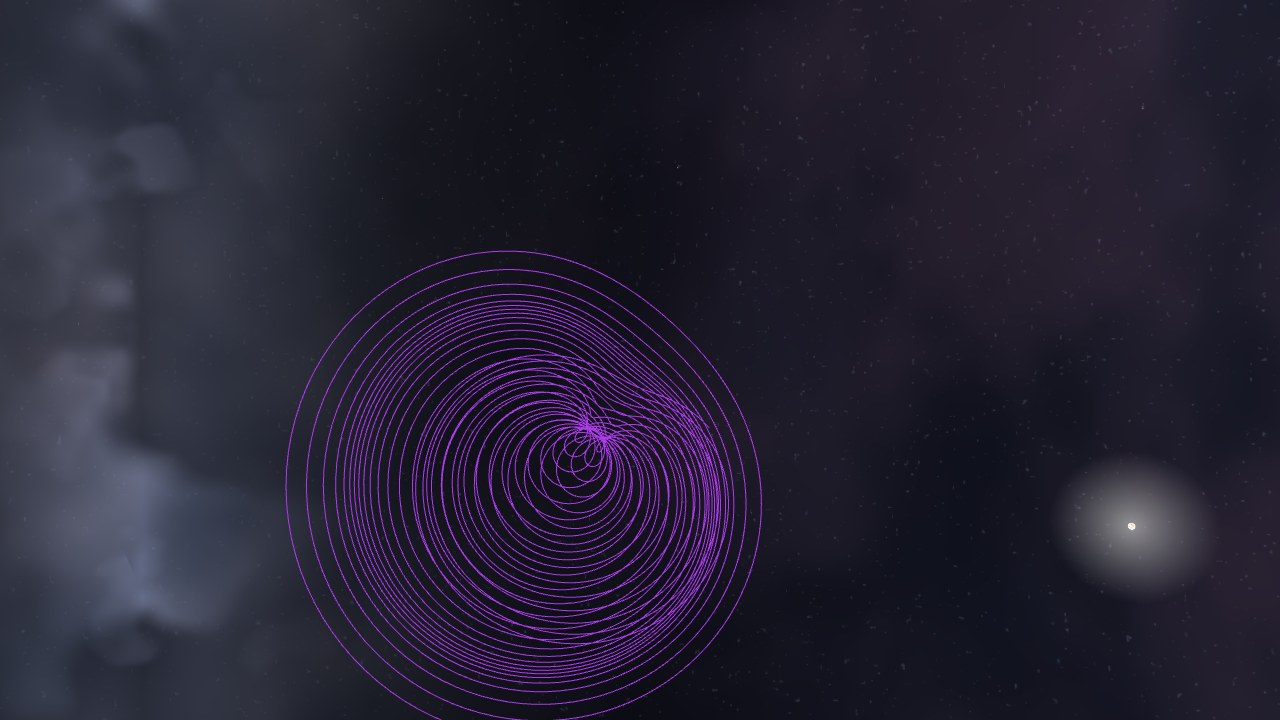
Explore quasi-satellite 2023 FW13, discovered by Pan-STARRS. Trace its stable centuries-long co-orbital loop near Earth in this interactive 3D gravitational simulation.
.jpg)
Discover 3753 Cruithne, Earth's famous co-orbital companion. Watch this asteroid trace a sweeping horseshoe orbit relative to Earth in a 1:1 solar resonance using JPL data.
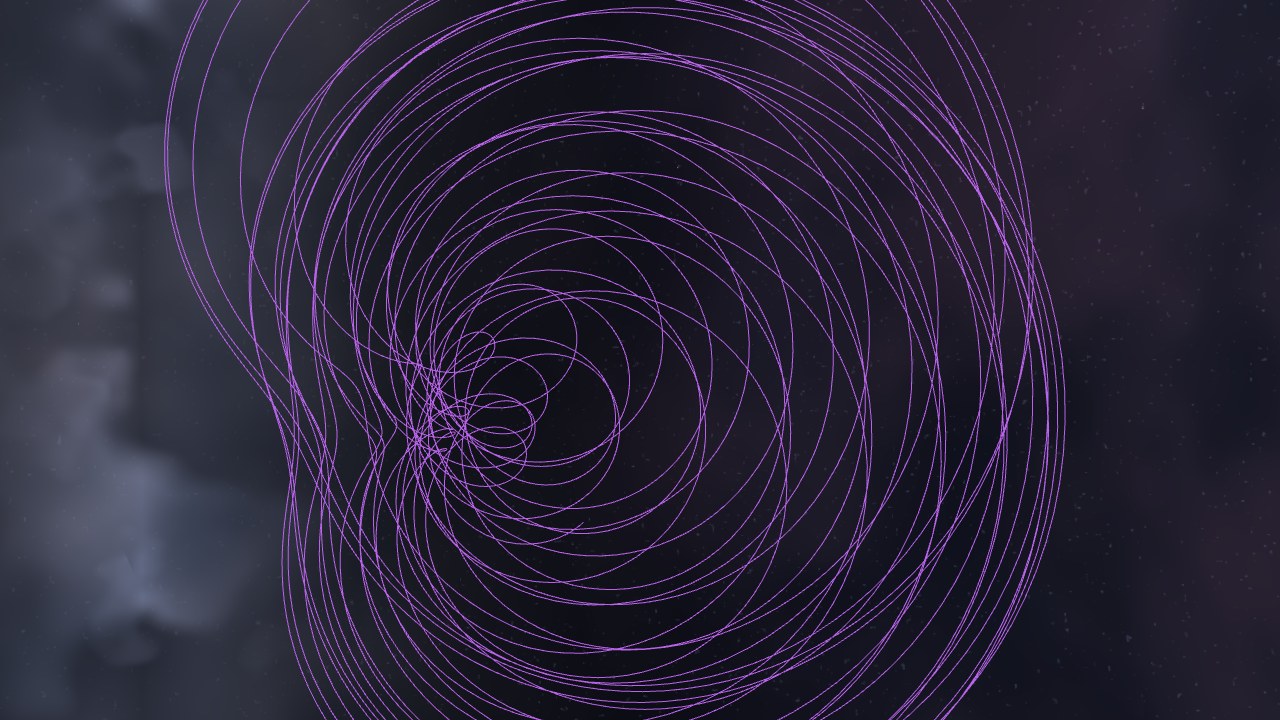
Discover 2025 PN7, one of Earth's latest recognized quasi-moons. Follow its resonant journey alongside our planet around the Sun based on official JPL Horizons orbital states.
.jpg)
Explore quasi-moon 164207 Cardea (2004 GU9). Watch this co-orbital asteroid execute synchronized loops around Earth while remaining gravitationally bound directly to the Sun.
.jpg)
Simulate 469219 Kamoʻoalewa (2016 HO3), Earth's most stable quasi-satellite. Watch this possible lunar fragment orbit the Sun in locked harmony with Earth using JPL data.