-2006-fv35.jpg)
Earth and (277810) 2006 FV35
Track quasi-moon (277810) 2006 FV35 as it shares Earth's orbit around the Sun. Experience the celestial mechanics of 1:1 co-orbital resonance in an interactive 3D simulation.
Solar System
Discover the hidden gravitational synchronization of the cosmos. Simulate horseshoe orbits, Trojan configurations, and co-orbital bodies that share paths with larger planets without colliding, illustrating the physics of stable Lagrange points.
Share
Track quasi-moon (277810) 2006 FV35 as it shares Earth's orbit around the Sun. Experience the celestial mechanics of 1:1 co-orbital resonance in an interactive 3D simulation.
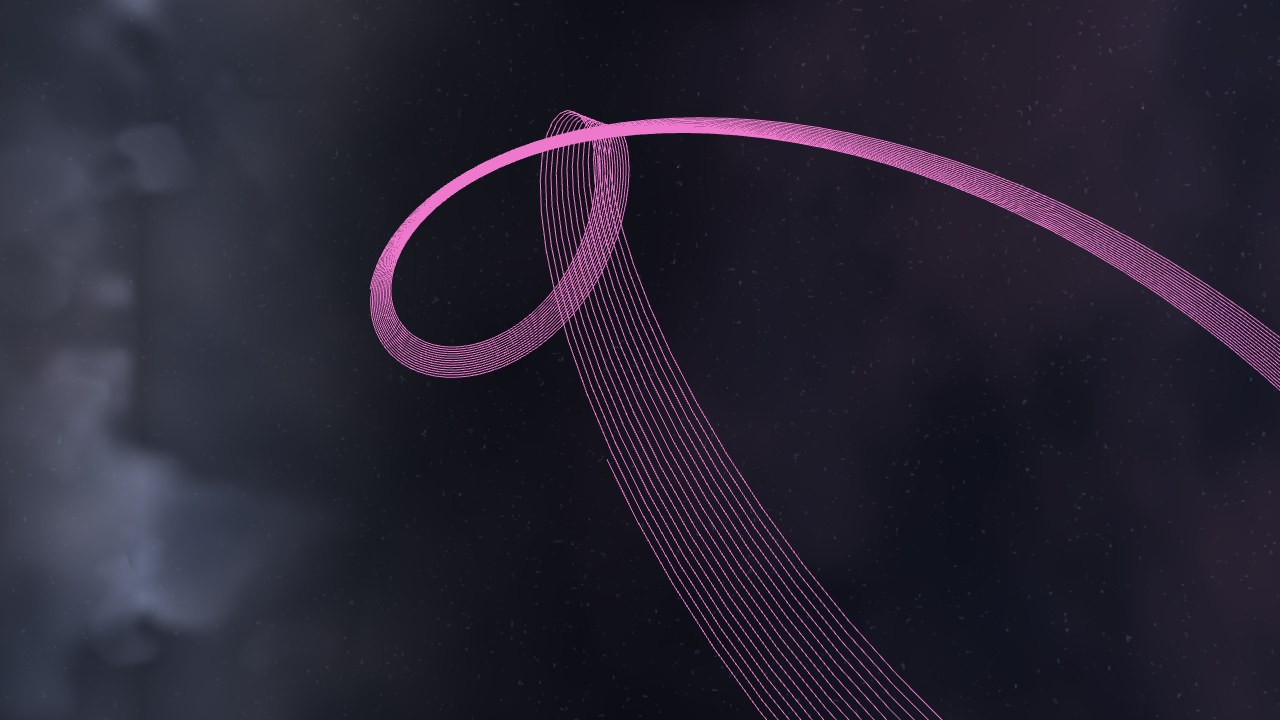
Track Earth quasi-satellite 2013 LX28 in interactive 3D. Trace its temporary 1:1 orbital resonance as it co-orbits the Sun alongside Earth on real JPL Horizons ephemerides.
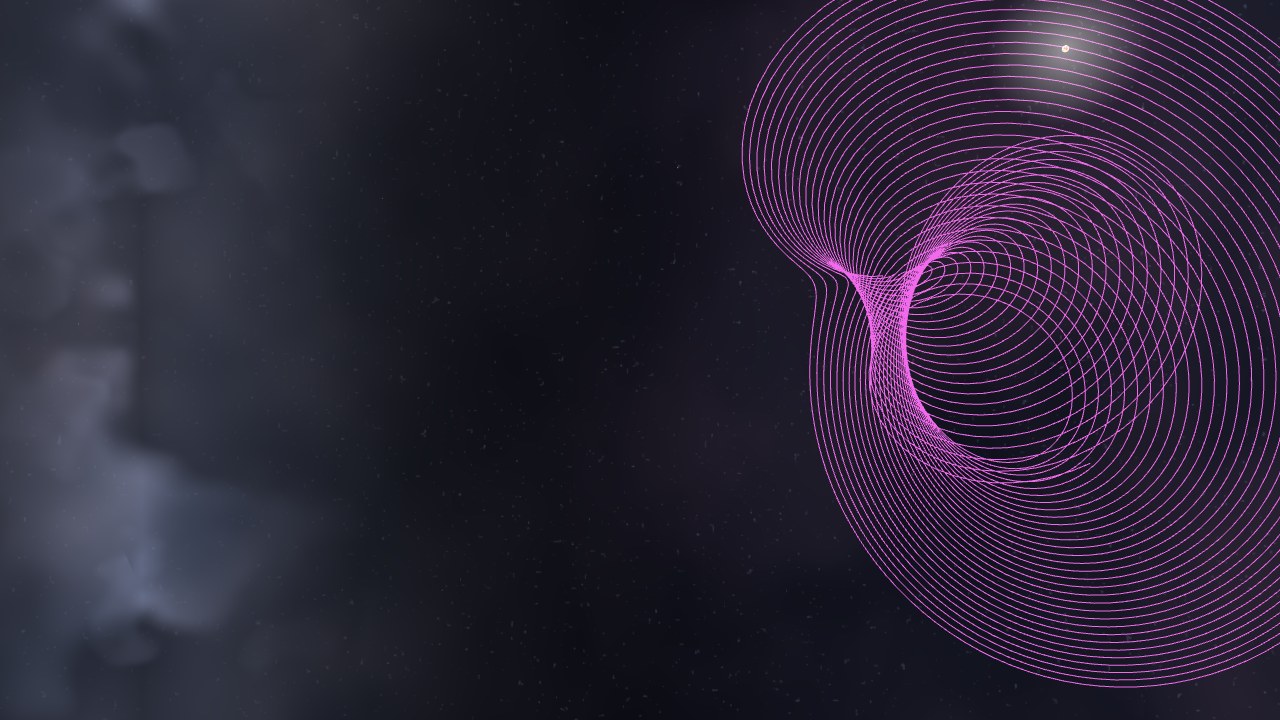
Observe quasi-moon 2014 OL339 dancing in 1:1 resonance with Earth. Follow its fascinating horseshoe-to-quasi-satellite orbital transition using high-precision JPL states in 3D.
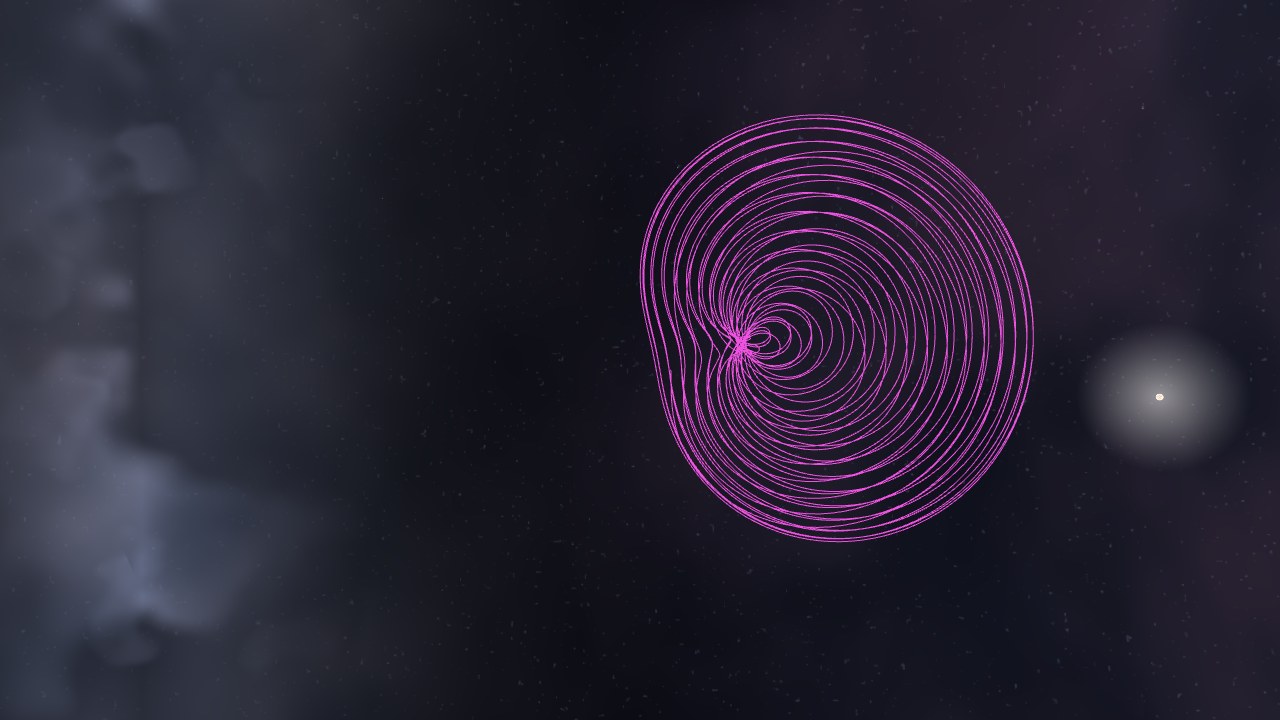
Simulate newly discovered quasi-moon 2022 YG. Watch this small asteroid maintain a delicate 1:1 orbital resonance with Earth, looping in a synchronized path around the Sun.
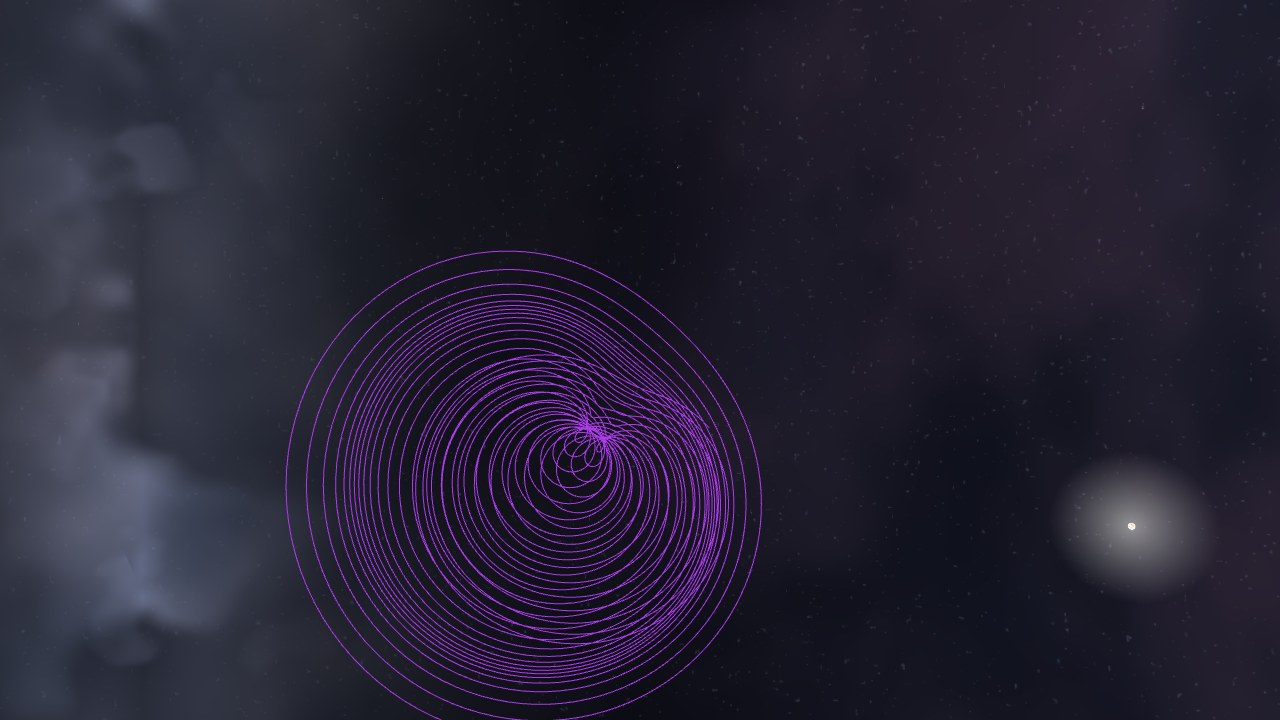
Explore quasi-satellite 2023 FW13, discovered by Pan-STARRS. Trace its stable centuries-long co-orbital loop near Earth in this interactive 3D gravitational simulation.
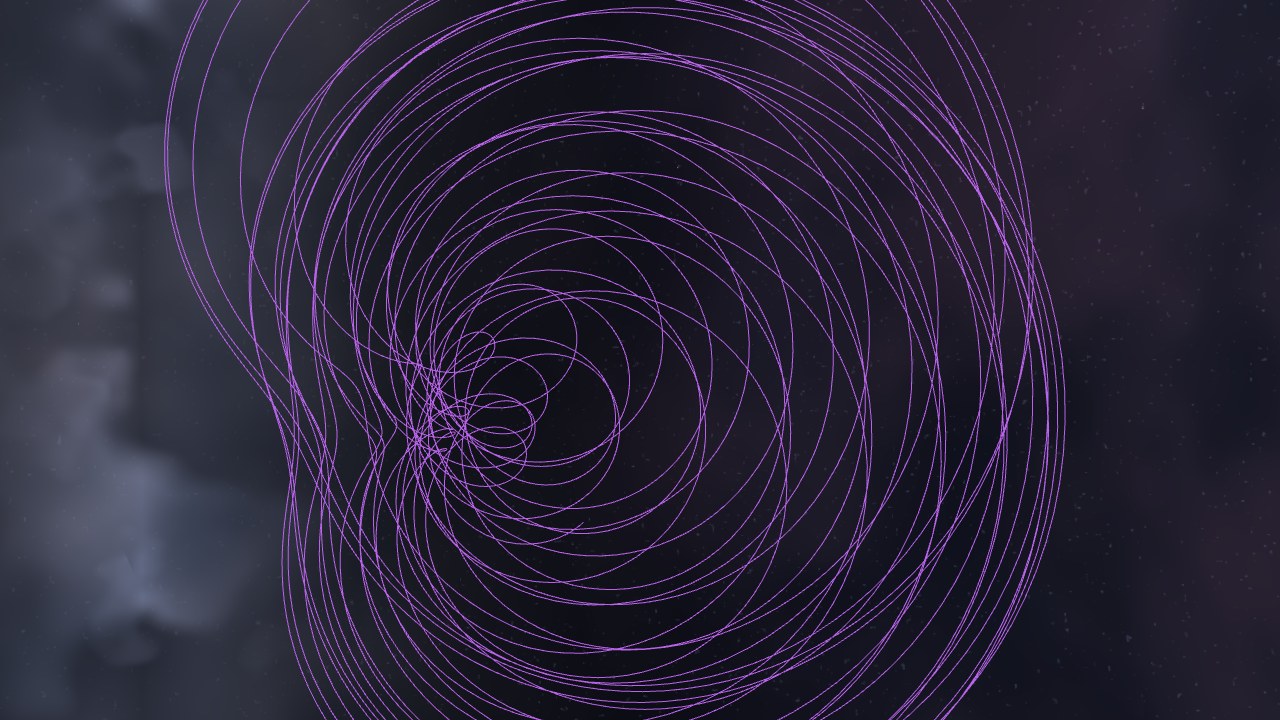
Discover 2025 PN7, one of Earth's latest recognized quasi-moons. Follow its resonant journey alongside our planet around the Sun based on official JPL Horizons orbital states.
.jpg)
Explore quasi-moon 164207 Cardea (2004 GU9). Watch this co-orbital asteroid execute synchronized loops around Earth while remaining gravitationally bound directly to the Sun.
.jpg)
Discover 3753 Cruithne, Earth's famous co-orbital companion. Watch this asteroid trace a sweeping horseshoe orbit relative to Earth in a 1:1 solar resonance using JPL data.
.jpg)
Simulate 469219 Kamoʻoalewa (2016 HO3), Earth's most stable quasi-satellite. Watch this possible lunar fragment orbit the Sun in locked harmony with Earth using JPL data.