Earth's Trojan Asteroids
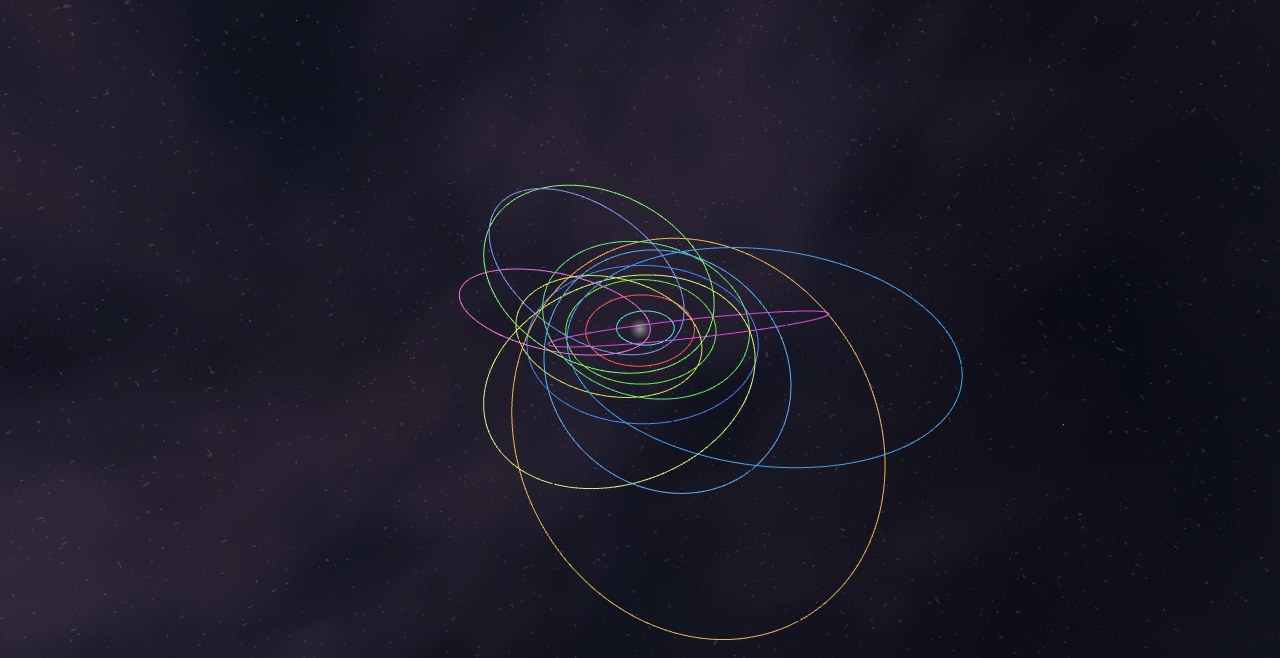
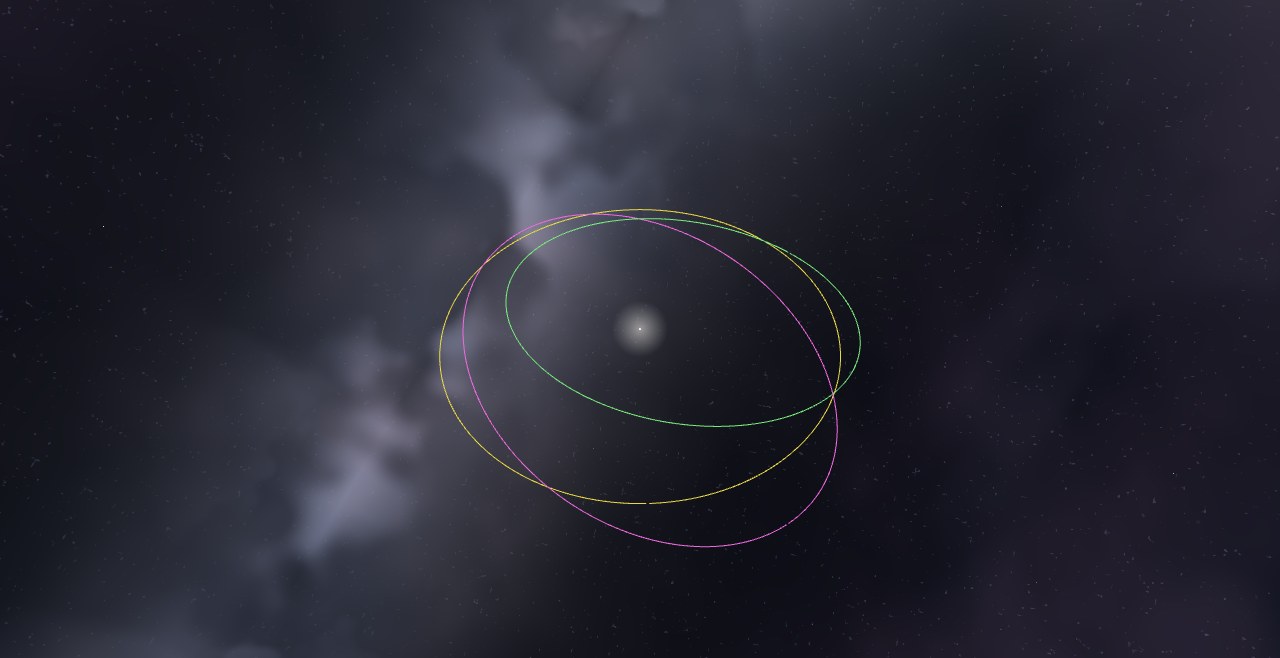
Explore Earth's known Trojan asteroids, 2010 TK7 and 2020 XL5. Watch them librate around the Sun-Earth L4 and L5 Lagrange points 60 degrees ahead of and behind our planet in 3D.
Solar System
Model the orbits and gravitational paths of the rocky remnants of our early solar system. Simulate the movements of main-belt asteroids, near-Earth objects (NEOs), and Jupiter's massive asteroid swarms under pure Newtonian gravity.
Share
Explore Earth's known Trojan asteroids, 2010 TK7 and 2020 XL5. Watch them librate around the Sun-Earth L4 and L5 Lagrange points 60 degrees ahead of and behind our planet in 3D.
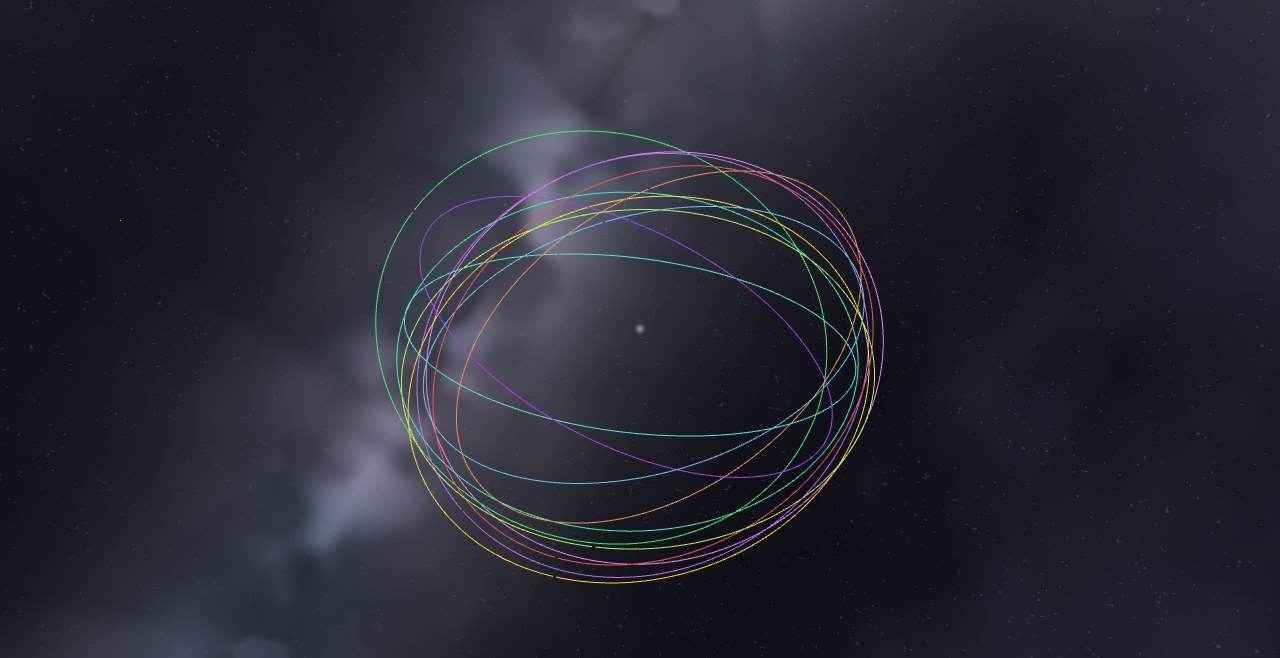
Simulate Jupiter's ten largest Trojan asteroids co-orbiting the Sun at the L4 Greek and L5 Trojan Lagrange points, preserved since the dawn of the Solar System in 3D.
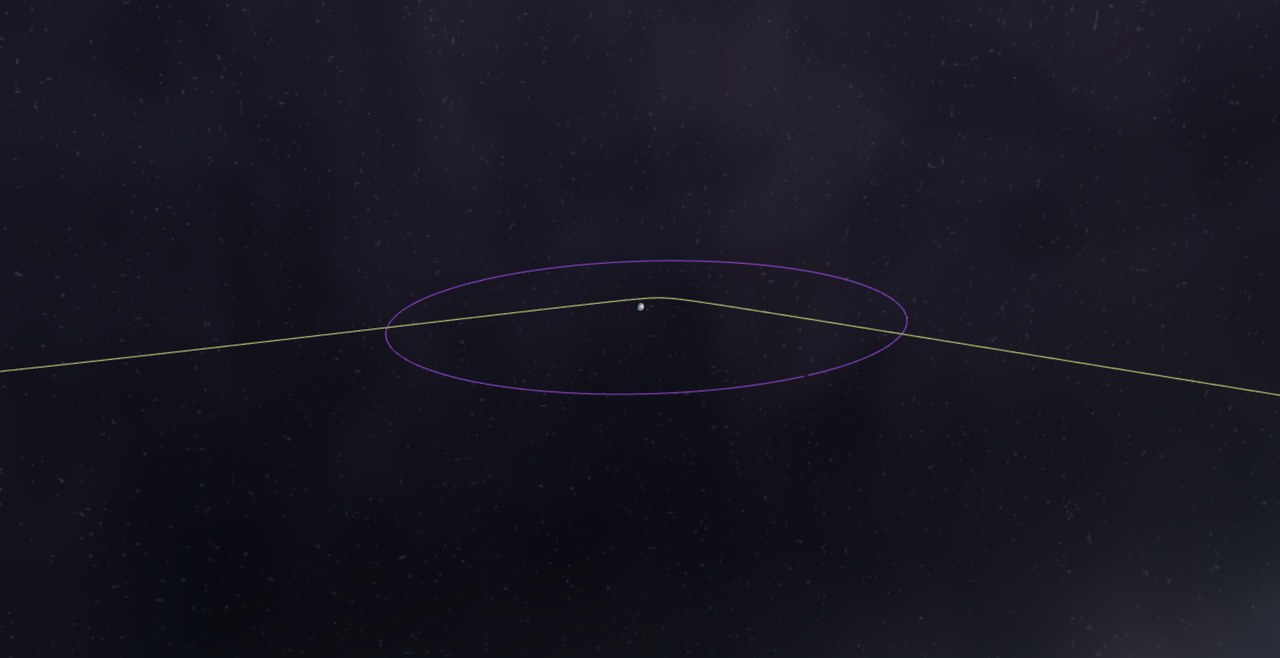
Simulate the historic 13 April 2029 close encounter of asteroid 99942 Apophis, passing just 31,600 km above Earth inside geostationary orbit using accurate JPL Horizons data.
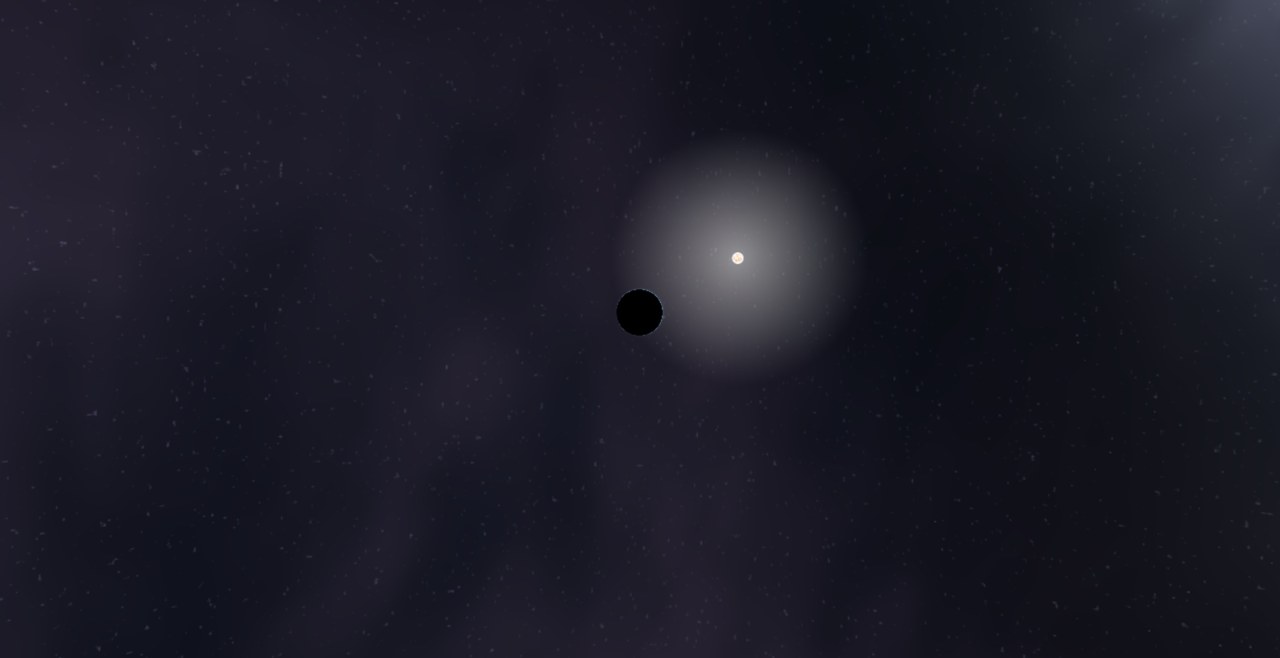
Track the final weeks of the Chelyabinsk impactor before its explosive 2013 atmospheric entry over Russia. Follow the 20-meter Apollo asteroid on its fateful solar trajectory.
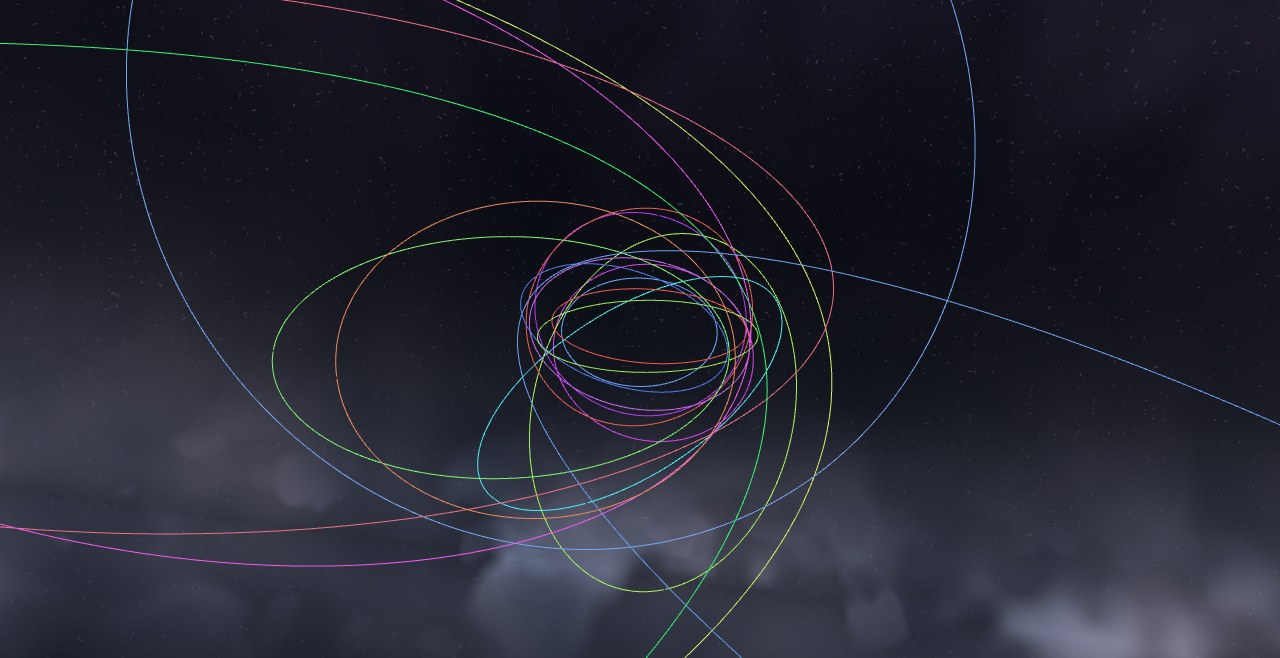
Journey into the outer Solar System beyond Neptune. Explore dwarf planets Pluto, Eris, Haumea, Makemake, and Sedna on their eccentric, highly inclined trans-Neptunian orbits.
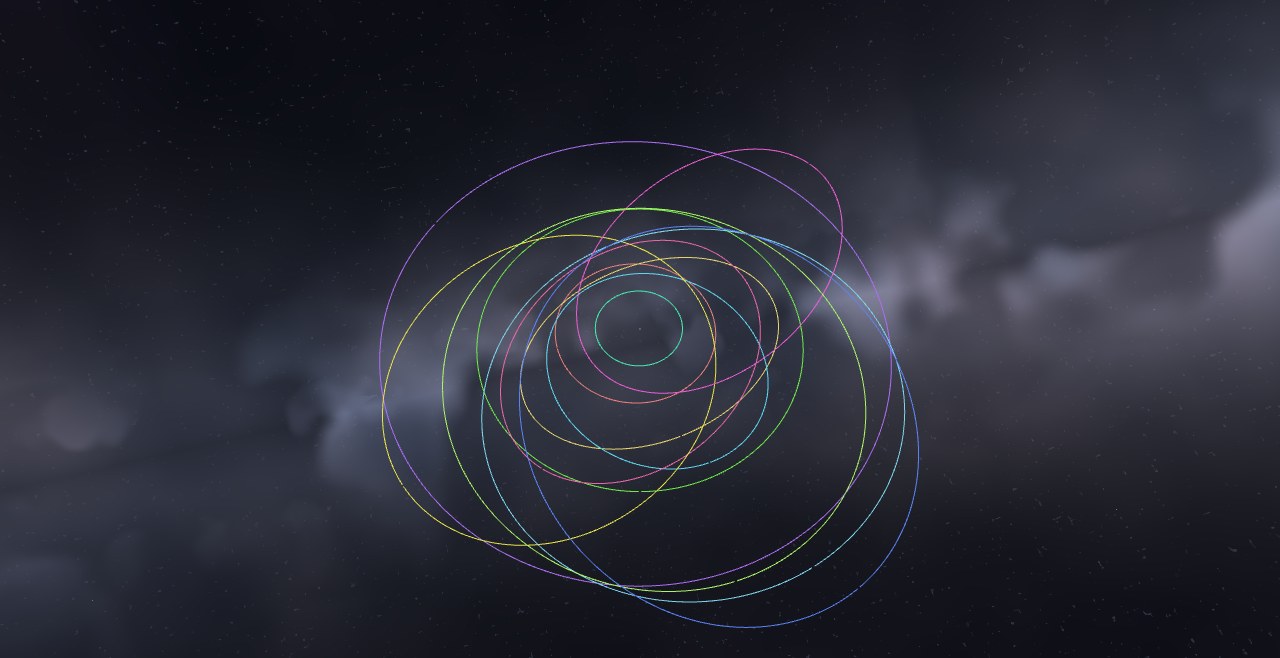
Track the eight largest Centaur asteroids, including ringed Chariklo and Chiron, as they navigate chaotic, planet-crossing orbits between Jupiter and Neptune in 3D.