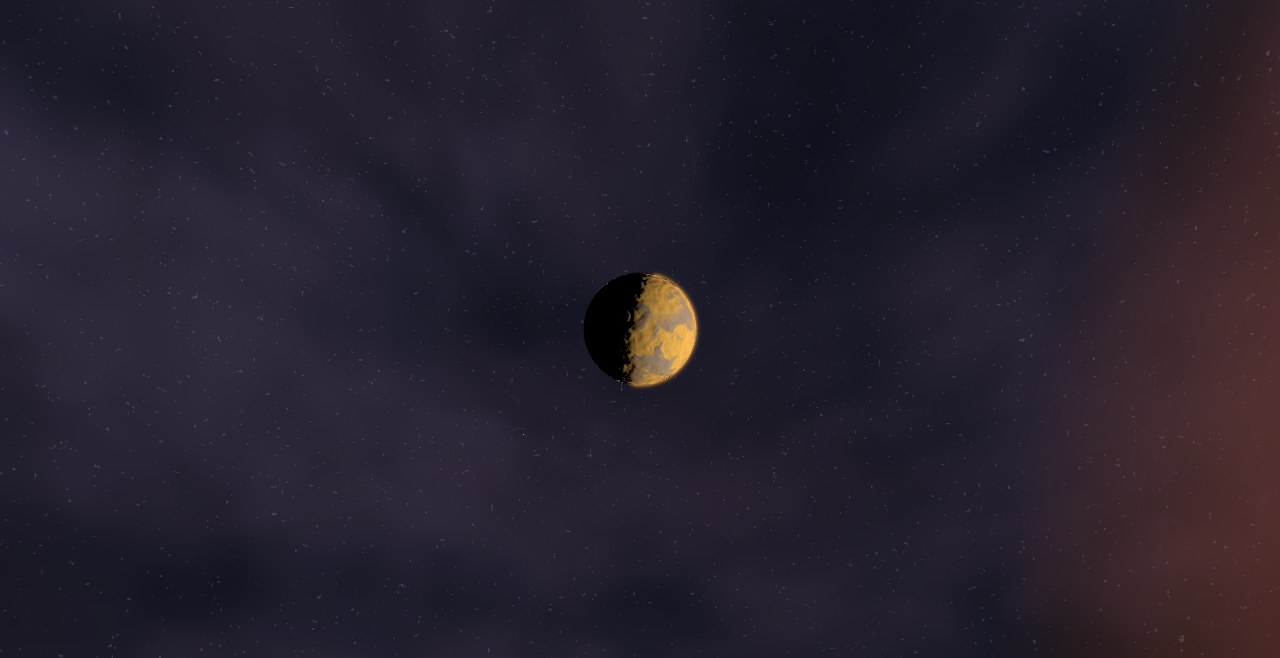
TOI-269 - System
TOI-269, a cool M-dwarf of 0.39 solar masses, and TOI-269 b, a 8.8-Earth-mass planet, with an orbital period of 3.7 days, at 0.035 AU from its star, and an equilibrium temperature near 531 K, on an eccentric.
Scenarios
Discover alien solar systems and explore worlds far beyond our own. Simulate extreme orbital environments, habitable zones, and tightly packed resonant chains discovered by modern astronomy, all mapped accurately from real exoplanetary discovery data.
Share
TOI-269, a cool M-dwarf of 0.39 solar masses, and TOI-269 b, a 8.8-Earth-mass planet, with an orbital period of 3.7 days, at 0.035 AU from its star, and an equilibrium temperature near 531 K, on an eccentric.
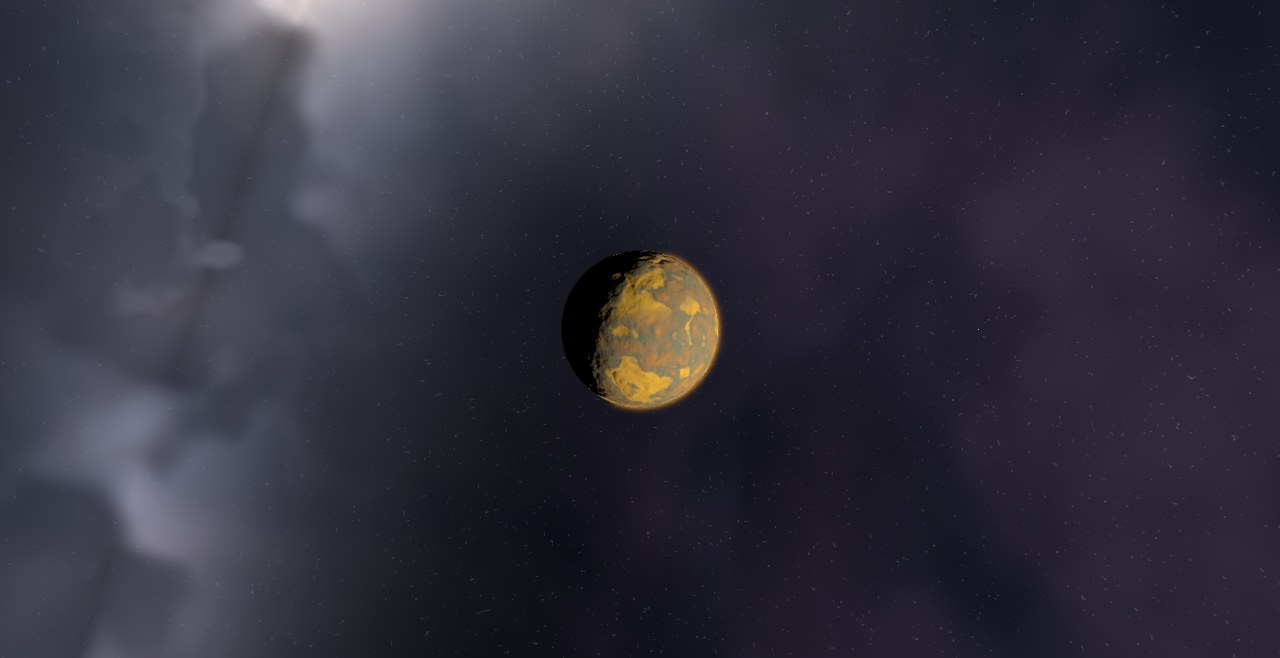
TOI-270, a nearby benchmark of one super-Earth and two sub-Neptunes. The trio is a clean target for comparing rocky and gaseous atmospheres.
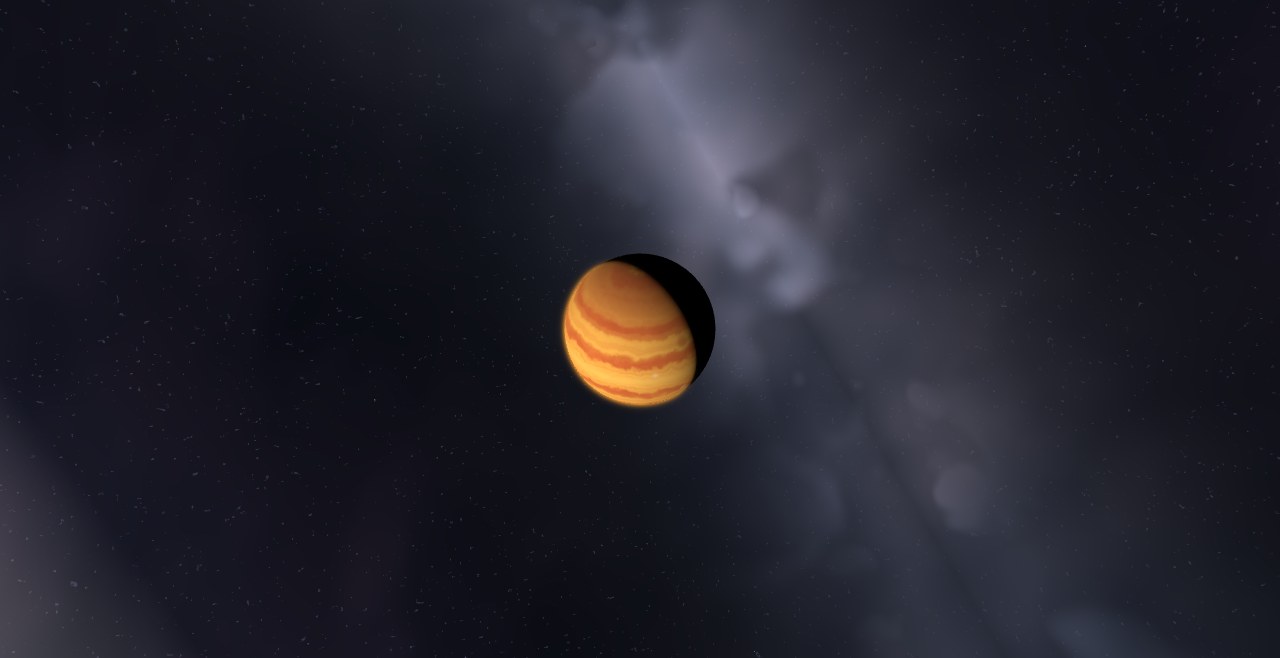
TOI-2714, a Sun-like G-type star of 1.07 solar masses, and TOI-2714 b, a 0.72-Jupiter-mass companion, with an orbital period of 2.5 days, at 0.036 AU from its star, and an equilibrium temperature near 1,603 K.
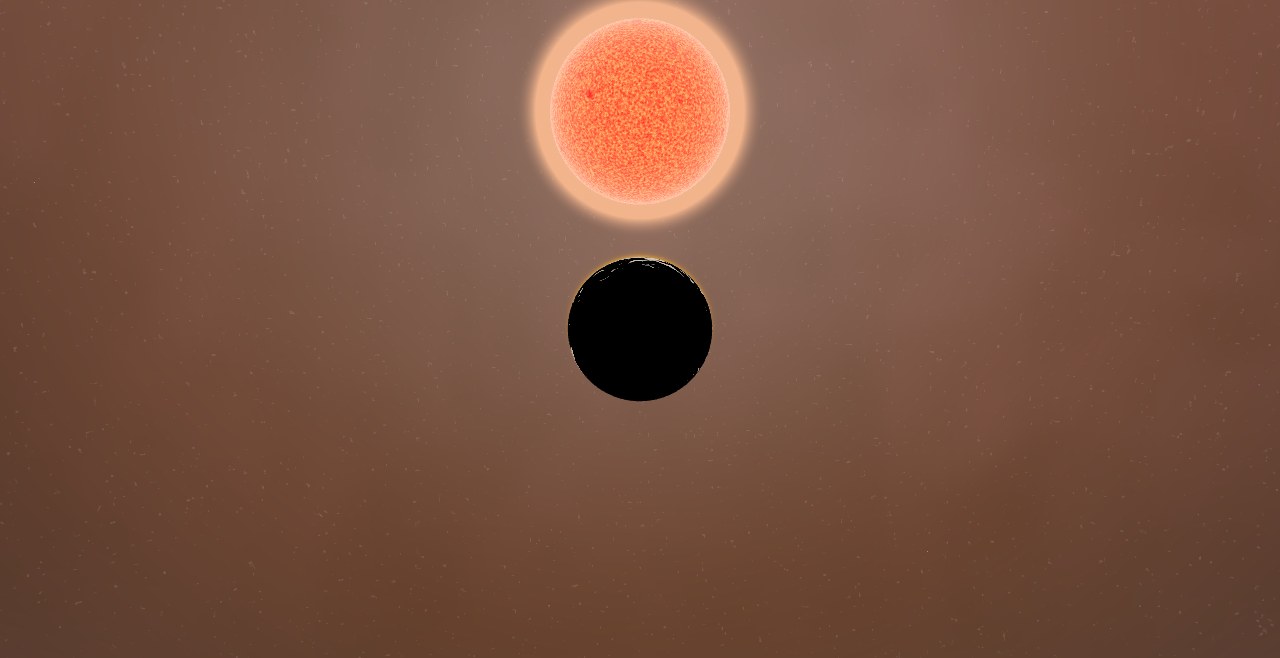
TOI-2768, a cool M-dwarf of 0.63 solar masses, and TOI-2768 b, a planet with 2.6 Earth radii, with an orbital period of 1.5 days, at 0.027 AU from its star, and an equilibrium temperature near 855 K.
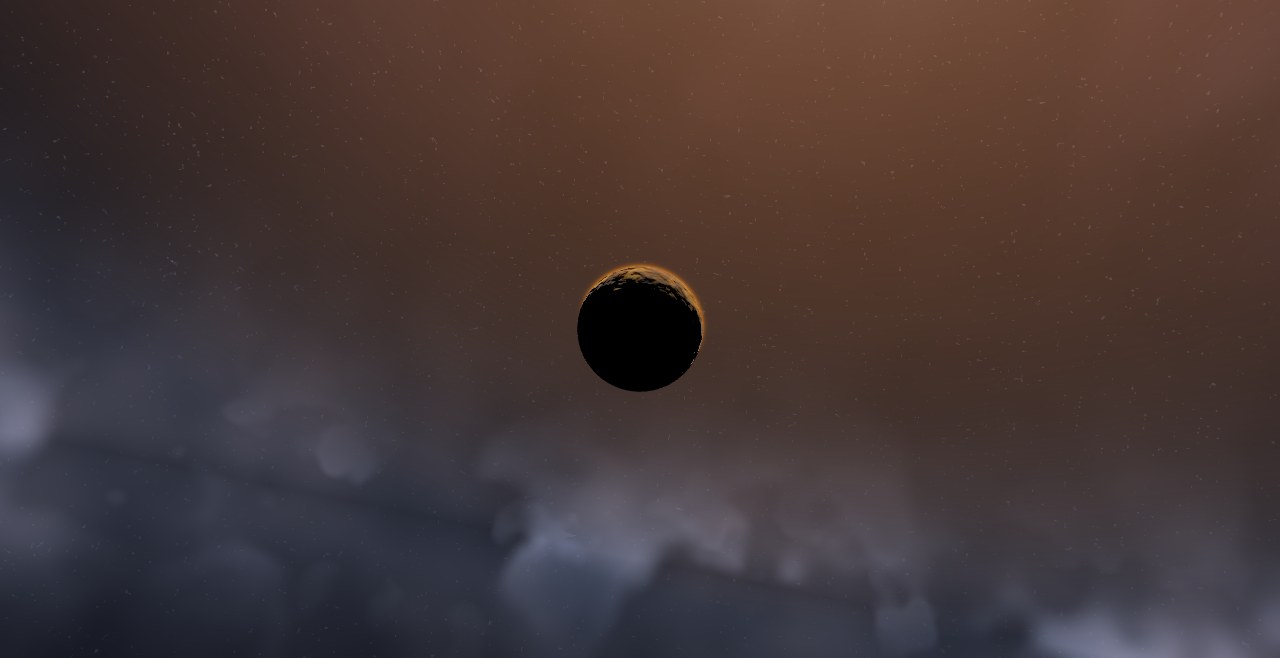
TOI-277, an orange K-type dwarf of 0.16 solar masses, and TOI-277 b, a planet with 2.6 Earth radii, with an orbital period of 4.0 days, at 0.027 AU from its star.
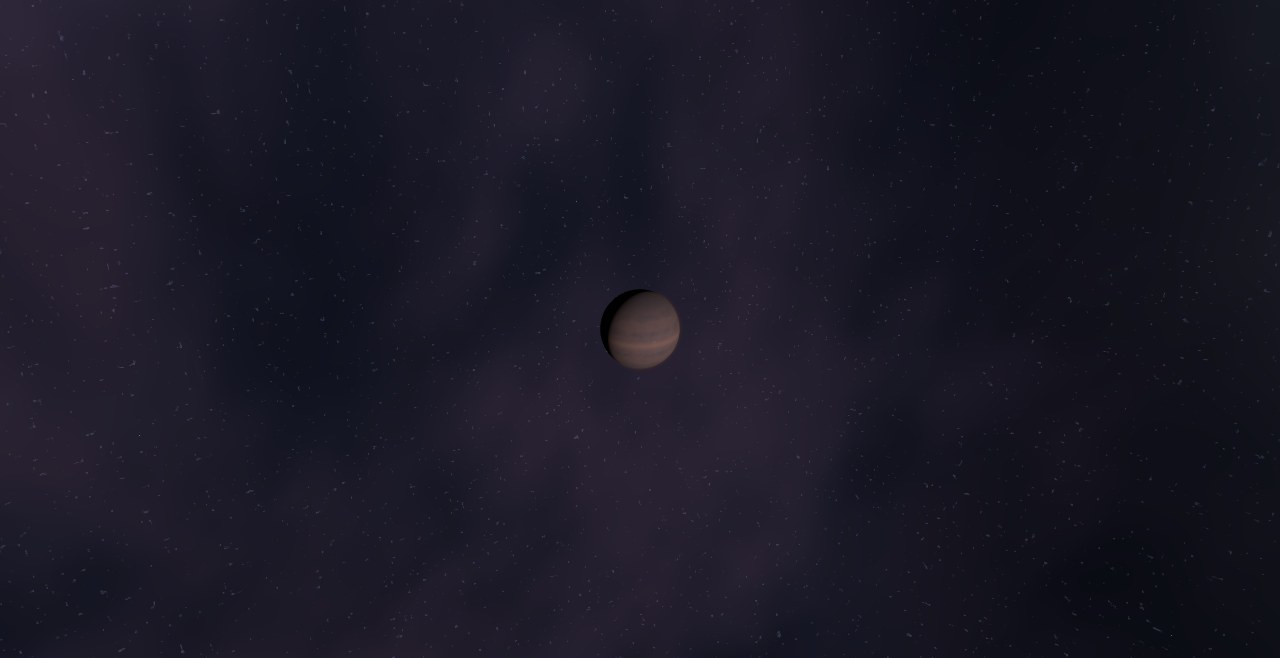
TOI-2796, a Sun-like G-type star of 1.06 solar masses, and TOI-2796 b, a 0.44-Jupiter-mass companion, with an orbital period of 4.8 days, at 0.057 AU from its star, and an equilibrium temperature near 1,205 K.
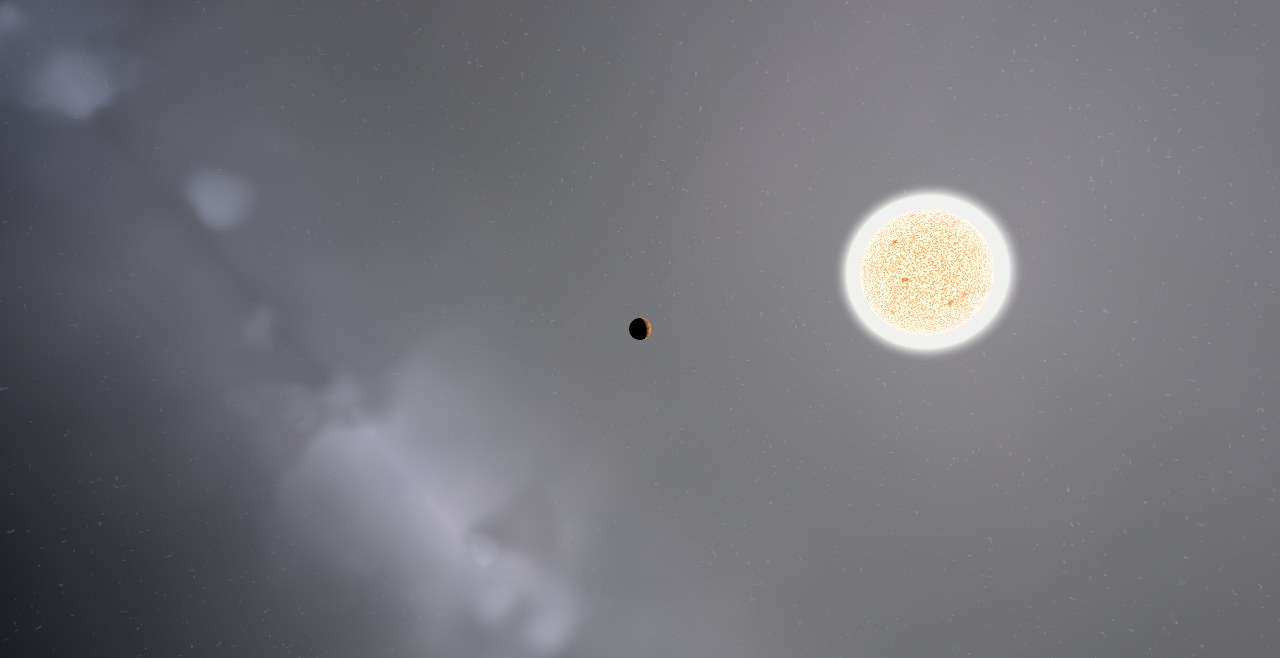
TOI-2803 A, a Sun-like F-type star of 1.12 solar masses, and TOI-2803 A b, a 0.97-Jupiter-mass companion, with an orbital period of 2.0 days, at 0.032 AU from its star, and an equilibrium temperature near.
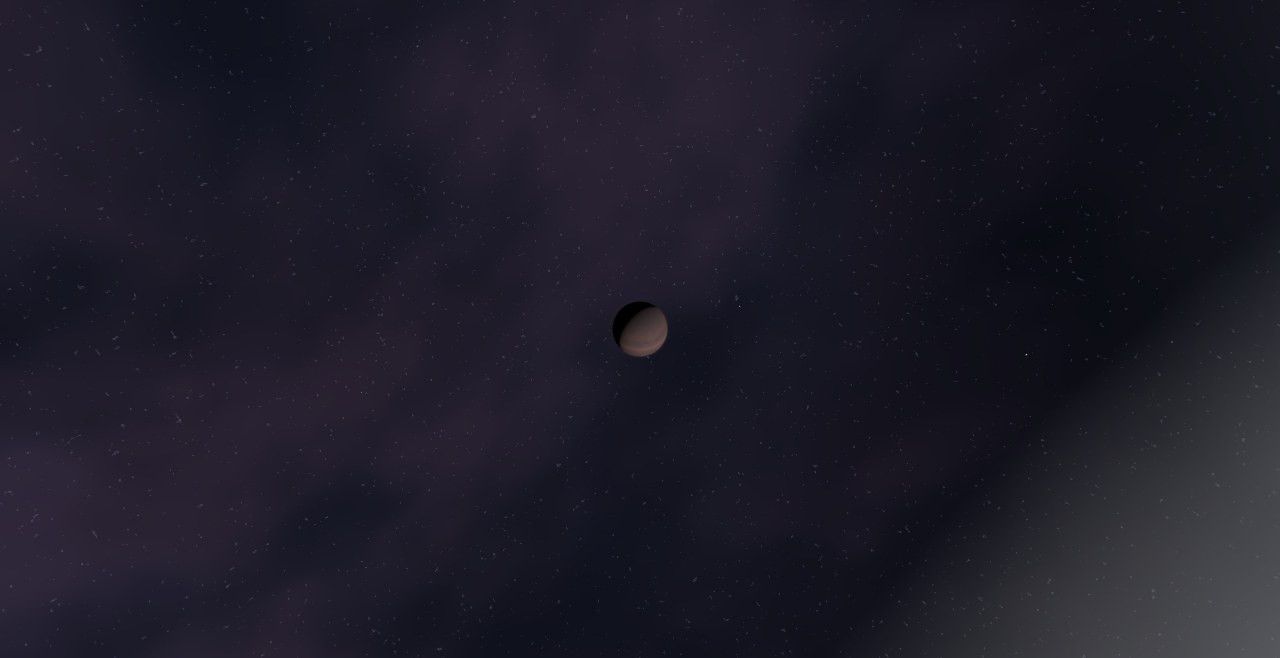
TOI-2818, a Sun-like G-type star of 0.98 solar masses, and TOI-2818 b, a 0.71-Jupiter-mass companion, with an orbital period of 4.0 days, at 0.049 AU from its star, and an equilibrium temperature near 1,376 K.
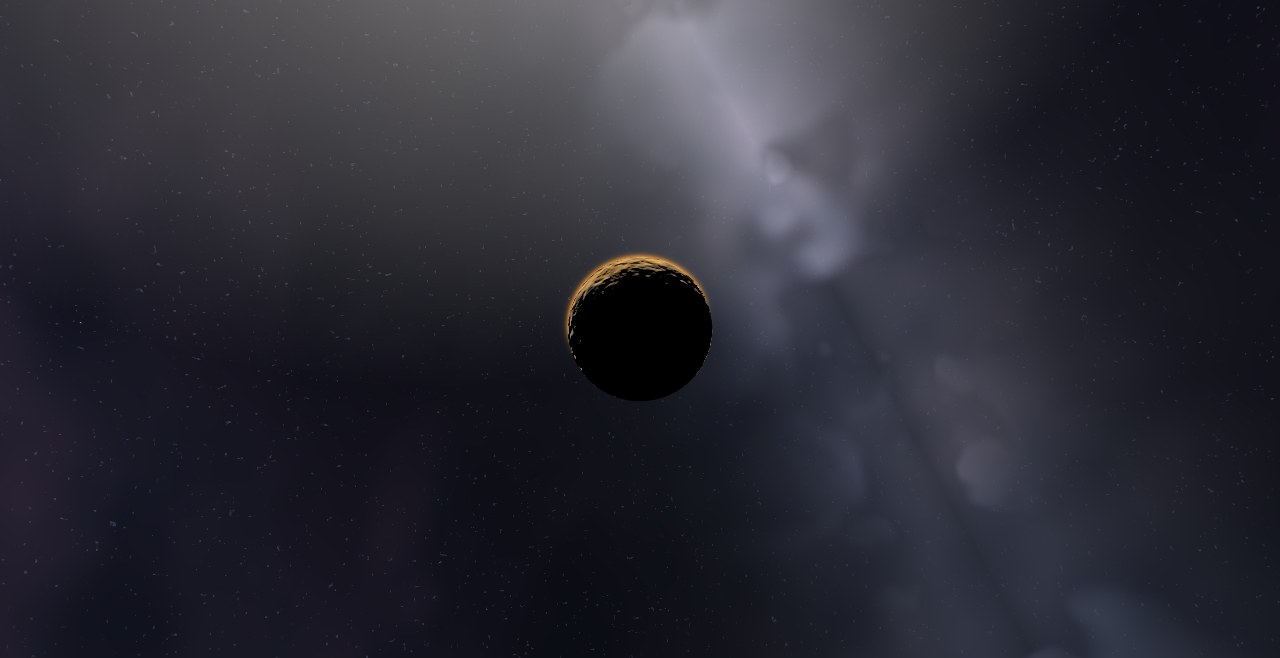
TOI-283, an orange K-type dwarf of 0.80 solar masses, and TOI-283 b, a 6.5-Earth-mass planet, with an orbital period of 17.6 days, at 0.123 AU from its star, and an equilibrium temperature near 661 K.
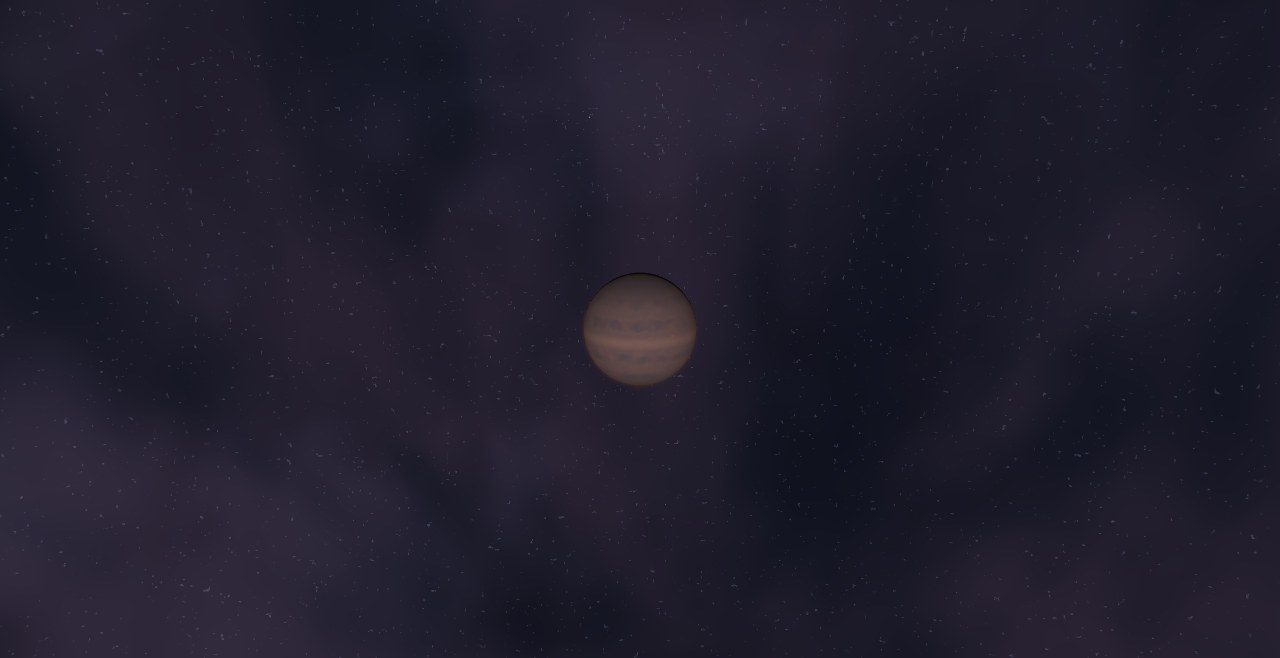
TOI-2842, a Sun-like G-type star of 1.14 solar masses, and TOI-2842 b, a 0.37-Jupiter-mass companion, with an orbital period of 3.6 days, at 0.048 AU from its star, and an equilibrium temperature near 1,471 K.
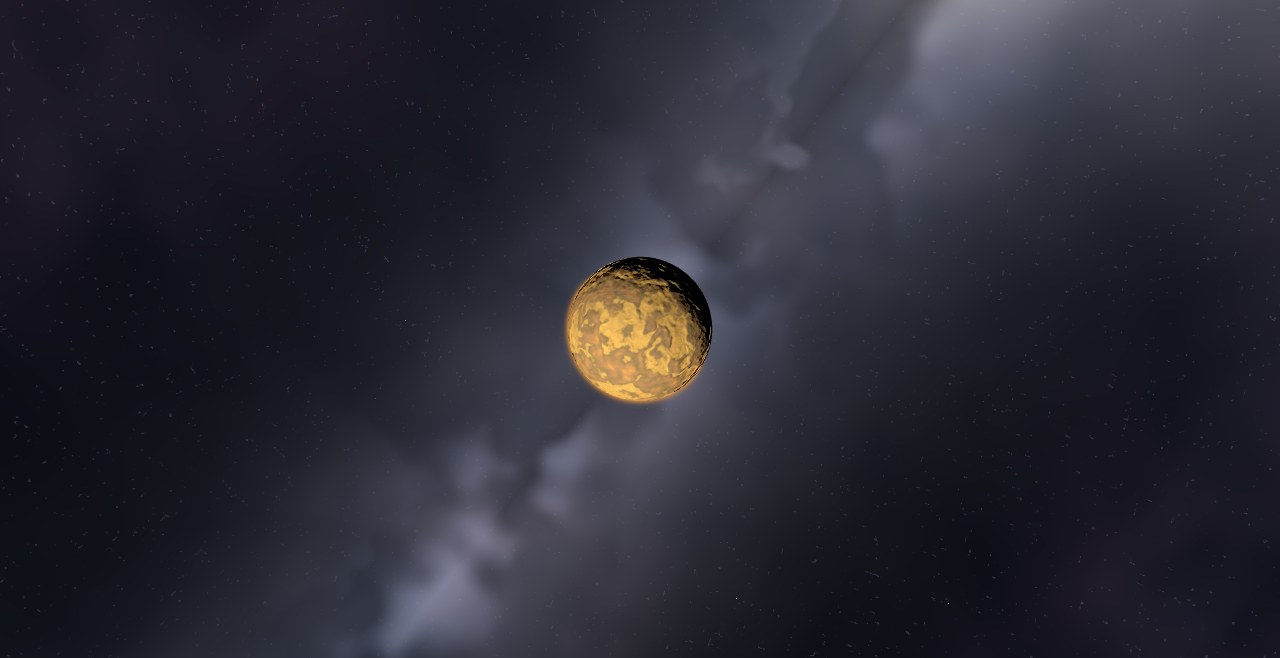
TOI-286, an orange K-type dwarf of 0.83 solar masses, and TOI-286 b, a 4.5-Earth-mass planet, with an orbital period of 4.5 days, at 0.050 AU from its star, and an equilibrium temperature near 979 K.
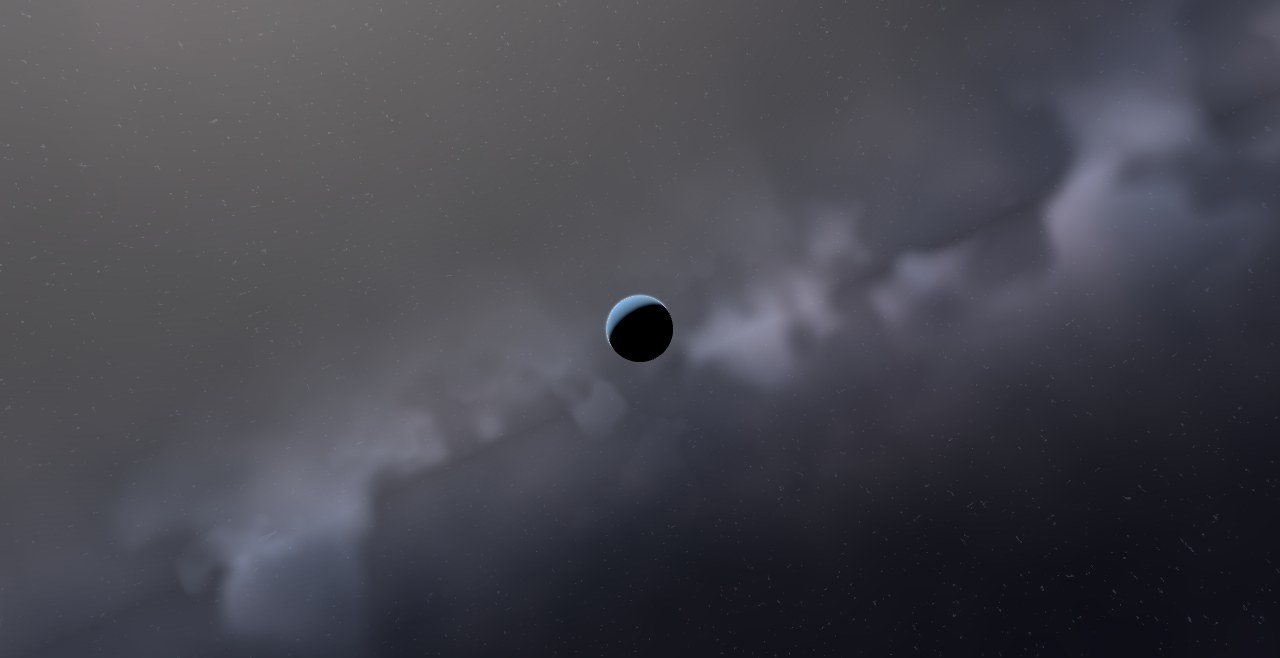
TOI-2876, a Sun-like G-type star of 0.94 solar masses, and TOI-2876 b, a 0.17-Jupiter-mass companion, with an orbital period of 6.3 days, at 0.065 AU from its star, and an equilibrium temperature near 929 K.
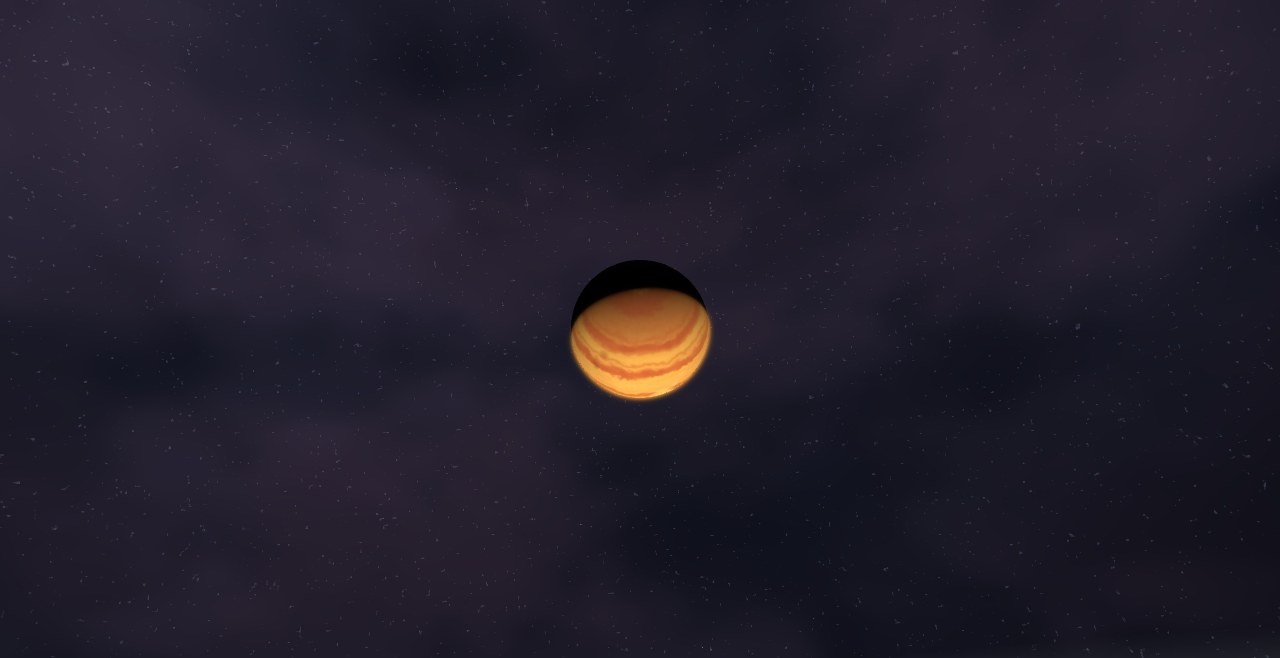
TOI-2886, a Sun-like F-type star of 1.23 solar masses, and TOI-2886 b, a 1.40-Jupiter-mass companion, with an orbital period of 1.6 days, at 0.029 AU from its star, and an equilibrium temperature near 1,978 K.
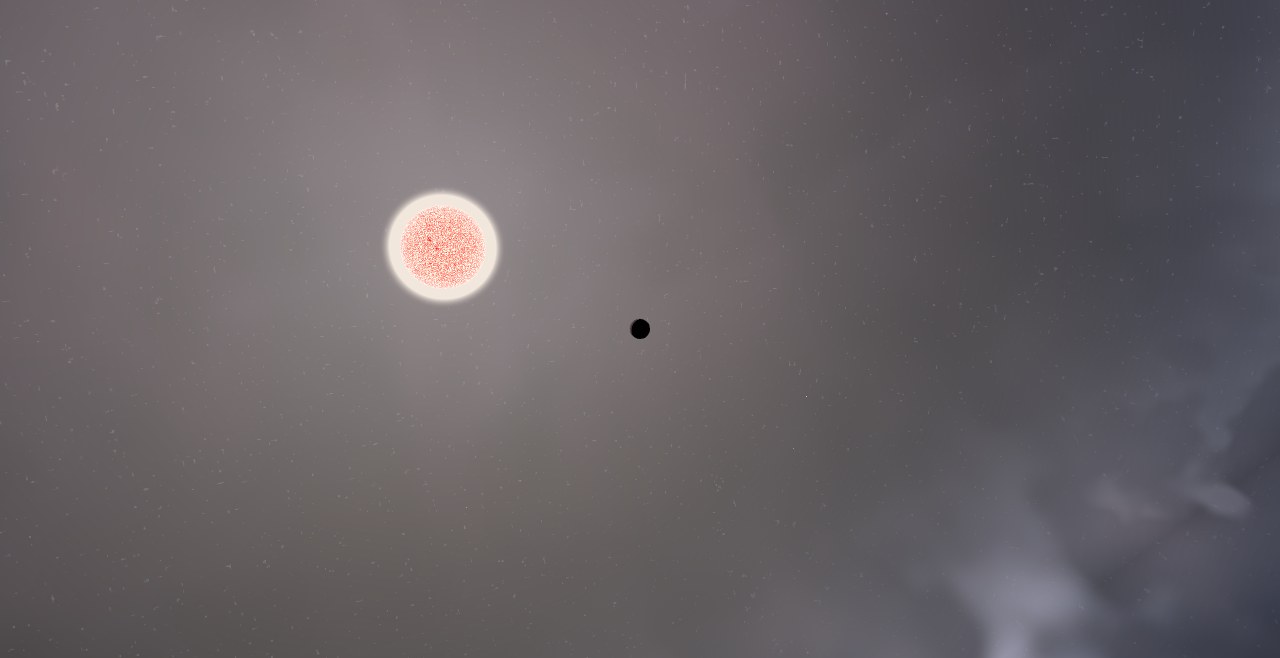
TOI-2969, an orange K-type dwarf of 0.71 solar masses, and TOI-2969 b, a 1.16-Jupiter-mass companion, with an orbital period of 1.8 days, at 0.026 AU from its star, and an equilibrium temperature near 1,186 K.
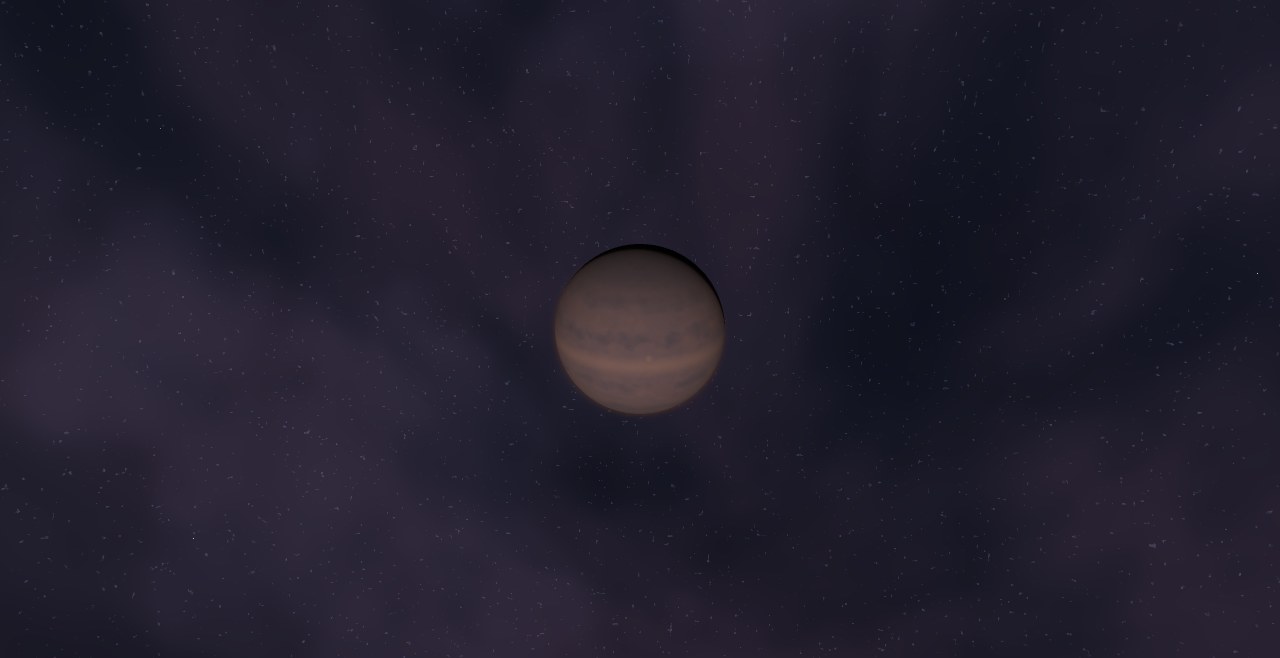
TOI-2977, a Sun-like G-type star of 0.94 solar masses, and TOI-2977 b, a 1.68-Jupiter-mass companion, with an orbital period of 2.4 days, at 0.034 AU from its star, and an equilibrium temperature near 1,544 K.
TOI-2981, a Sun-like G-type star of 1.03 solar masses, and TOI-2981 b, a 2.01-Jupiter-mass companion, with an orbital period of 3.6 days, at 0.048 AU from its star, and an equilibrium temperature near 1,358 K.
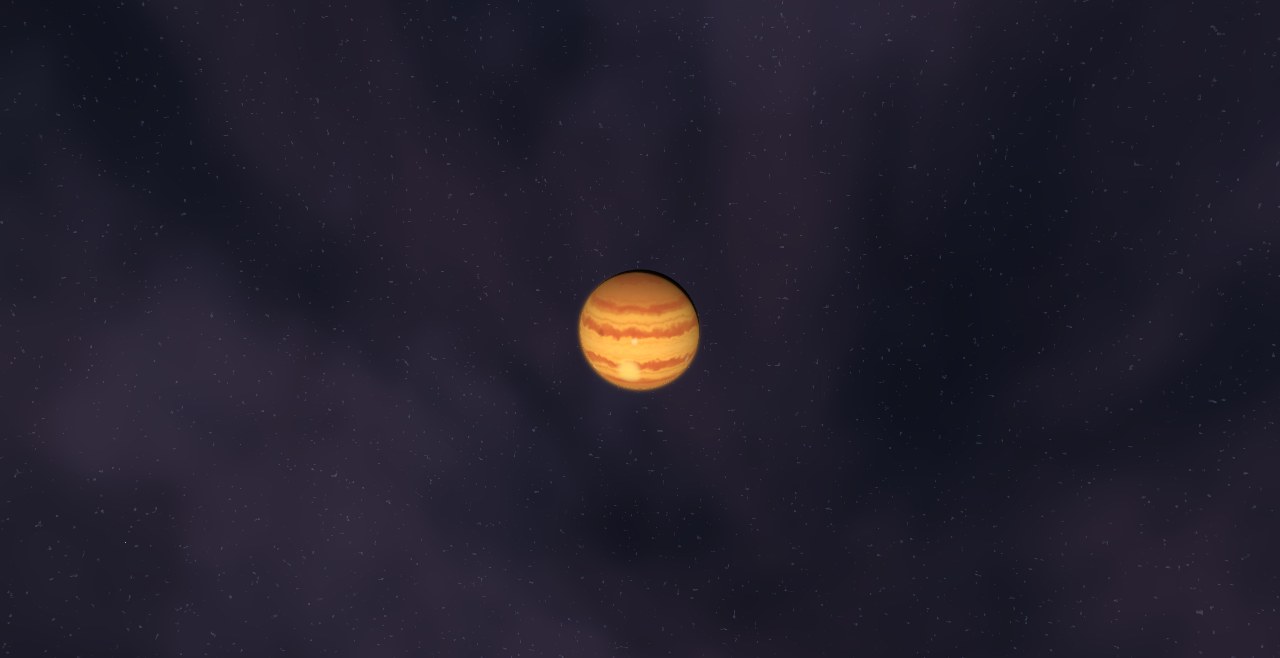
TOI-2986, a Sun-like G-type star of 1.12 solar masses, and TOI-2986 b, a 0.30-Jupiter-mass companion, with an orbital period of 3.3 days, at 0.045 AU from its star, and an equilibrium temperature near 1,622 K.

TOI-2989, an orange K-type dwarf of 0.77 solar masses, and TOI-2989 b, a 3.00-Jupiter-mass companion, with an orbital period of 3.1 days, at 0.038 AU from its star, and an equilibrium temperature near 1,001 K.