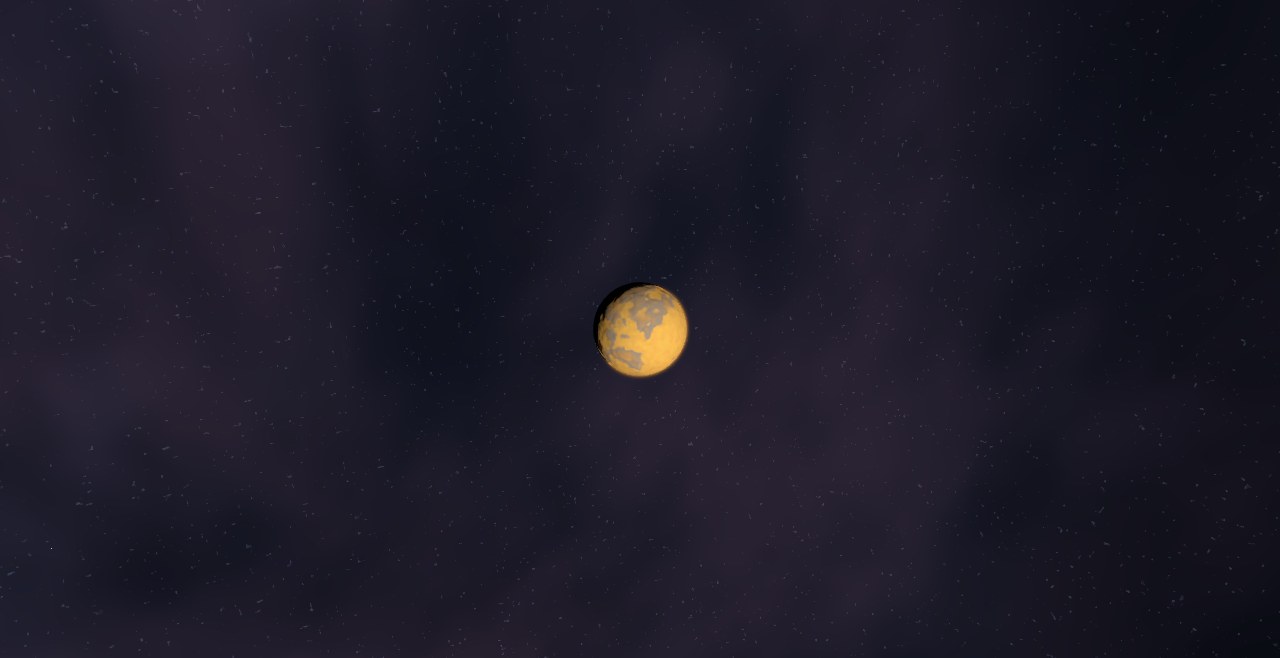
Kepler-589 - System
Kepler-589, a Sun-like G-type star of 0.83 solar masses, and Kepler-589 c, a planet with 1.1 Earth radii, with an orbital period of 3.5 days.
Scenarios
Discover alien solar systems and explore worlds far beyond our own. Simulate extreme orbital environments, habitable zones, and tightly packed resonant chains discovered by modern astronomy, all mapped accurately from real exoplanetary discovery data.
Share
Kepler-589, a Sun-like G-type star of 0.83 solar masses, and Kepler-589 c, a planet with 1.1 Earth radii, with an orbital period of 3.5 days.
Kepler-59, a Sun-like F-type star of 1.04 solar masses, and Kepler-59 b, a planet with 1.1 Earth radii, with an orbital period of 11.9 days.
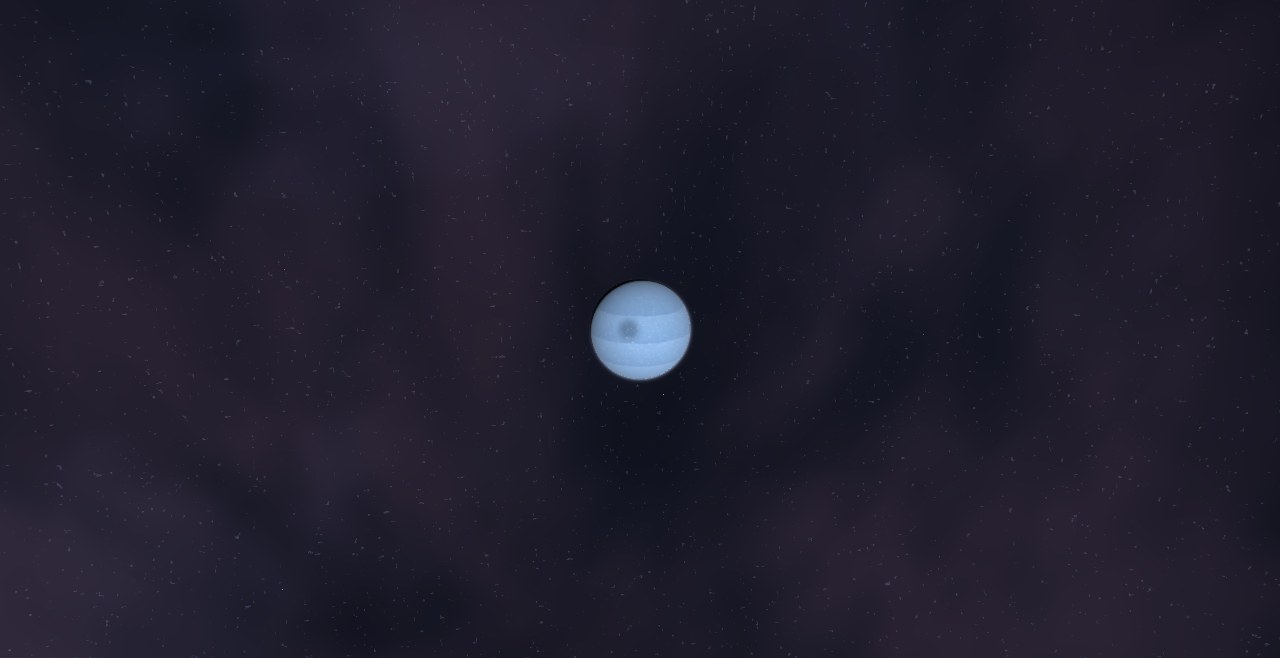
Kepler-590, a Sun-like F-type star of 1.10 solar masses, and Kepler-590 b, a planet with 4.0 Earth radii, with an orbital period of 5.9 days.
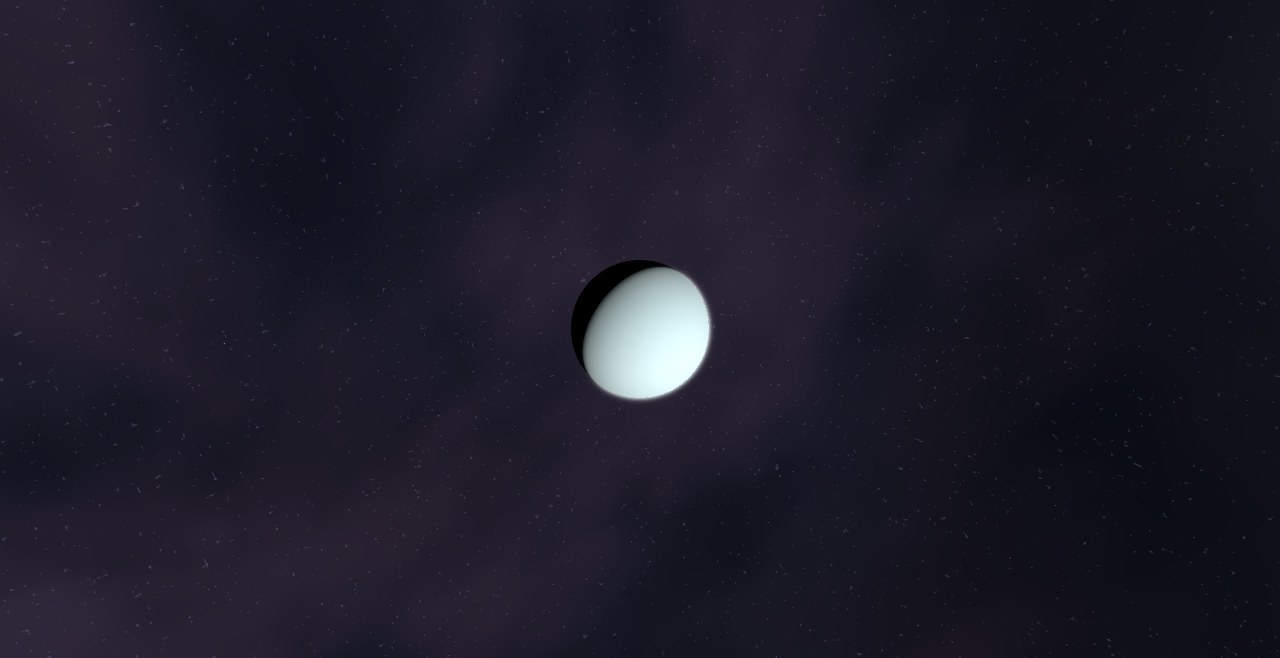
Kepler-591, a Sun-like G-type star of 0.97 solar masses, and Kepler-591 b, a planet with 3.4 Earth radii, with an orbital period of 81.2 days.
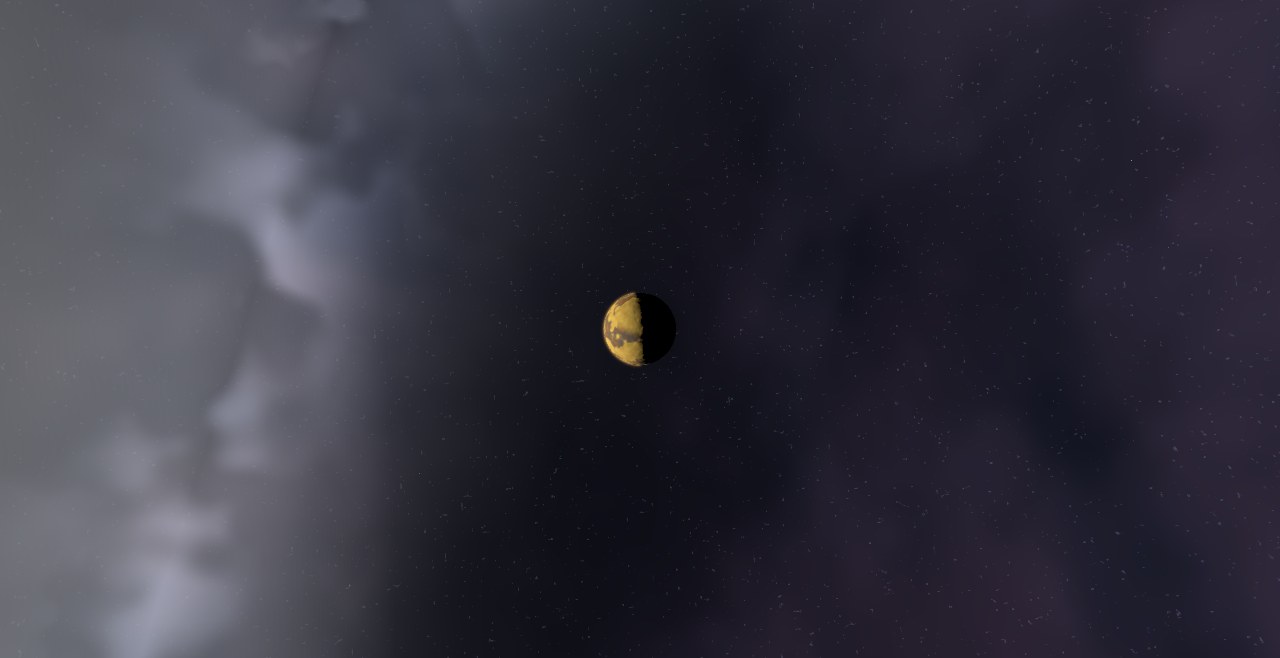
Kepler-592, a Sun-like G-type star of 1.04 solar masses, and Kepler-592 b, a planet with 2.4 Earth radii, with an orbital period of 2.8 days.
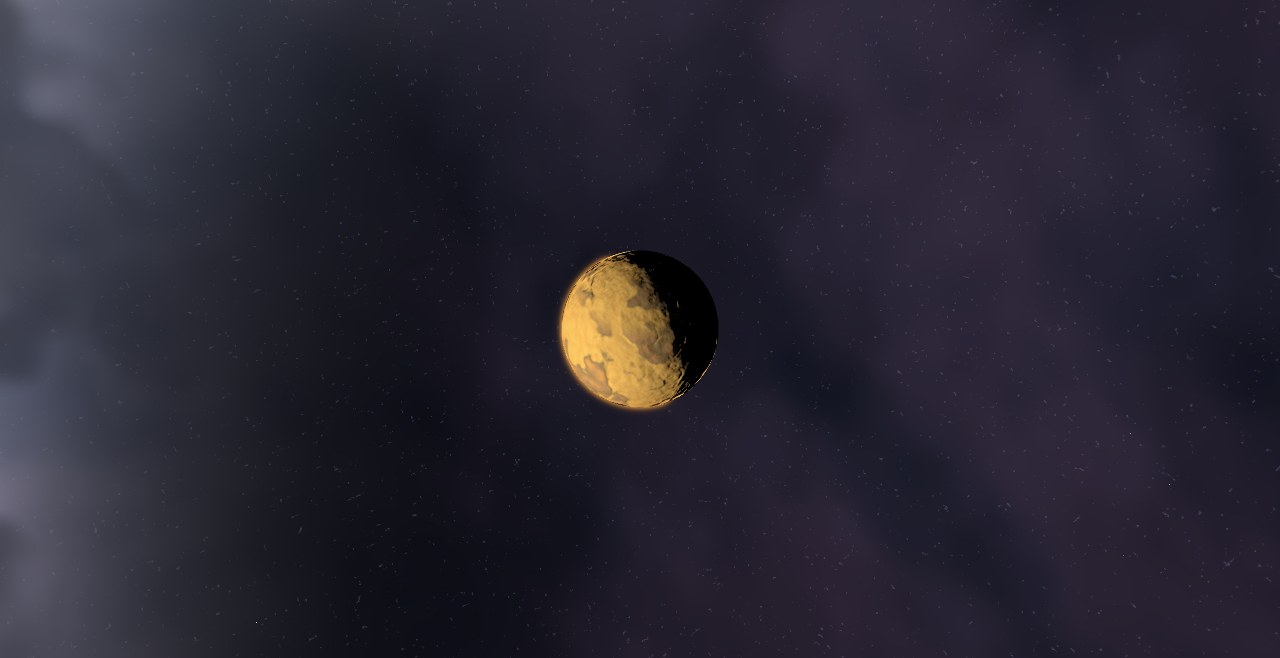
Kepler-593, a Sun-like G-type star of 1.08 solar masses, and Kepler-593 b, a planet with 2.9 Earth radii, with an orbital period of 21.2 days.
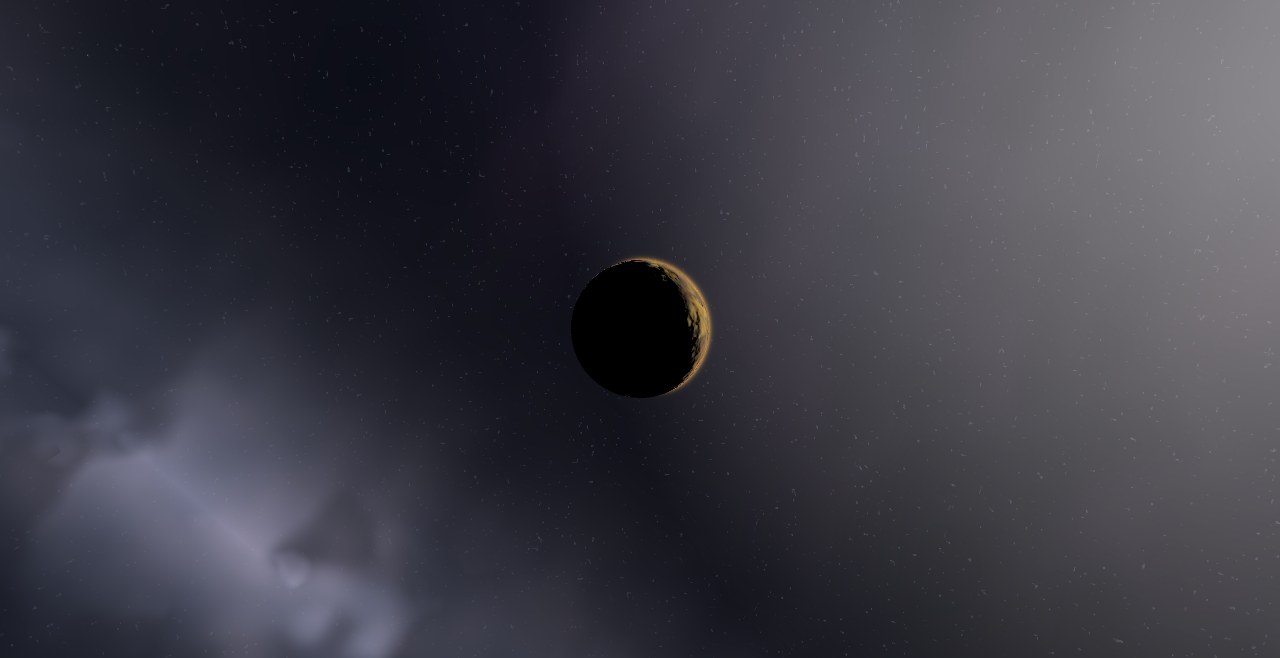
Kepler-594, a Sun-like G-type star of 0.91 solar masses, and Kepler-594 b, a planet with 2.2 Earth radii, with an orbital period of 13.6 days.
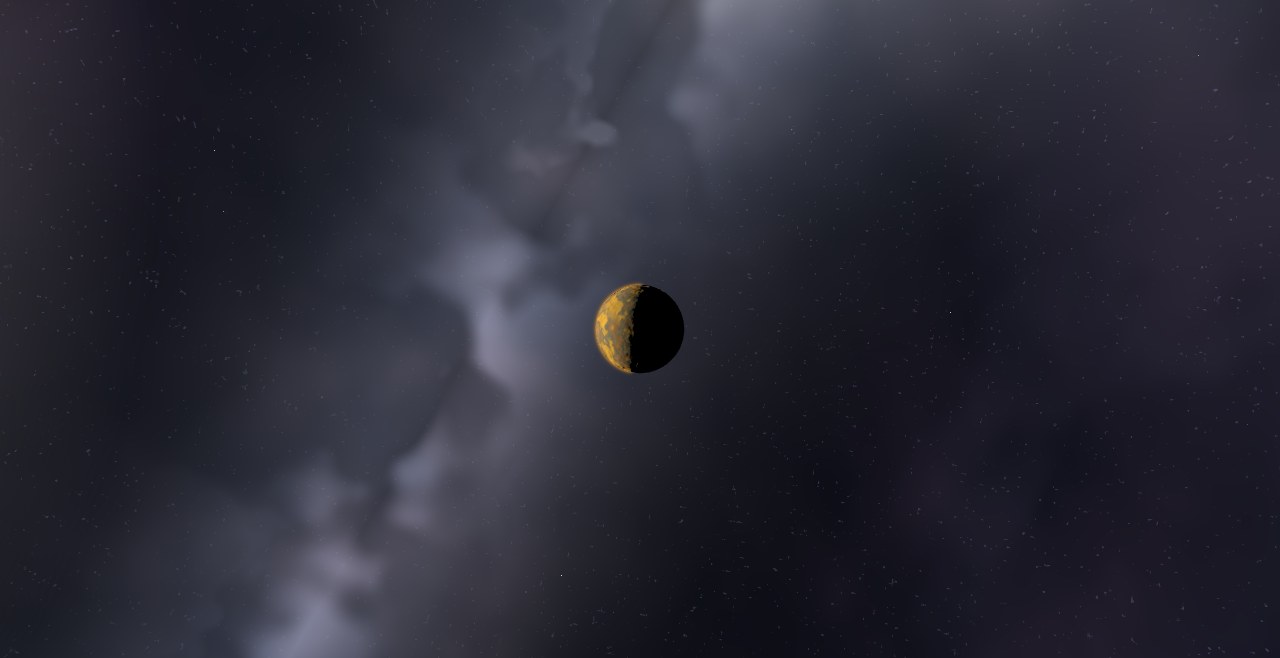
Kepler-595, an orange K-type dwarf of 0.93 solar masses, and Kepler-595 c, a 3.3-Earth-mass planet, with an orbital period of 12.4 days.
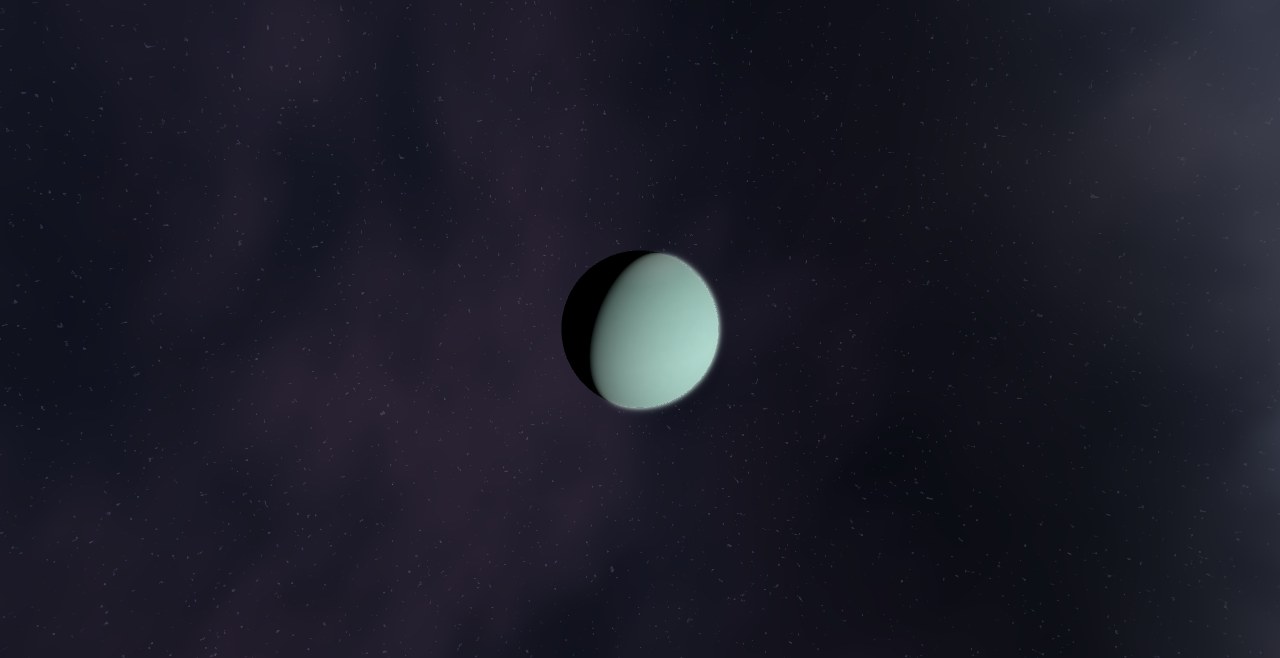
Kepler-596, a Sun-like F-type star of 1.21 solar masses, and Kepler-596 b, a planet with 3.5 Earth radii, with an orbital period of 21.3 days.
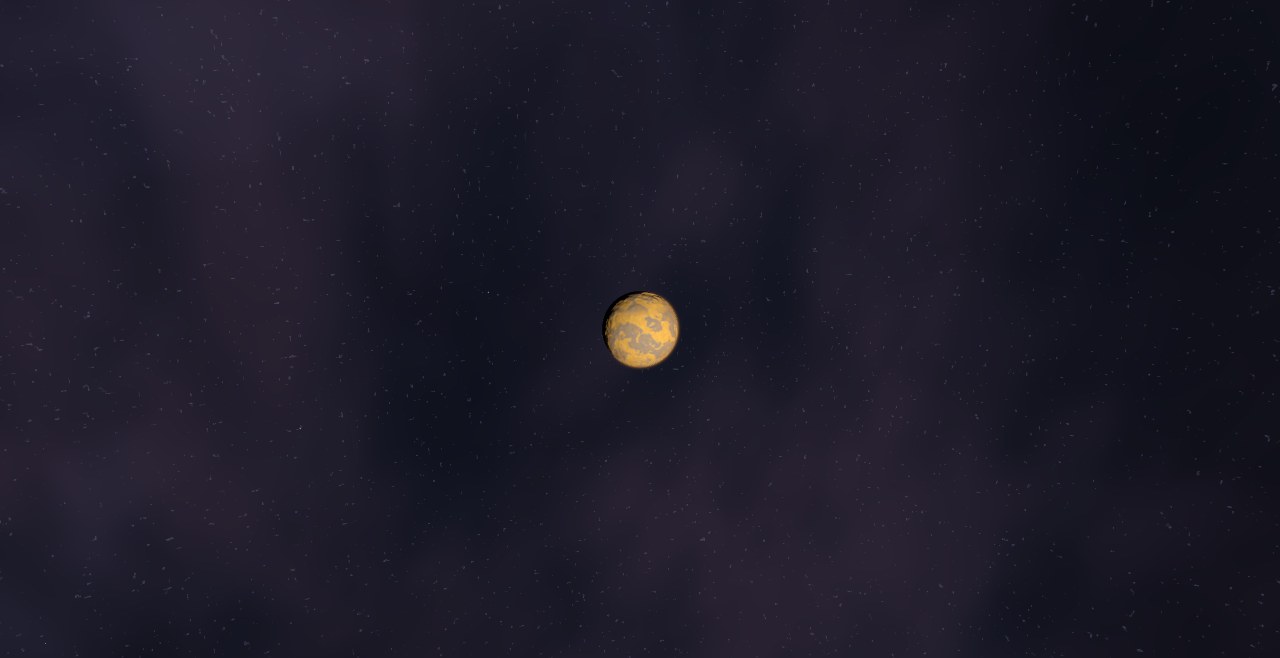
Kepler-597, a Sun-like G-type star of 0.97 solar masses, and Kepler-597 b, a planet with 2.4 Earth radii, with an orbital period of 13.0 days.
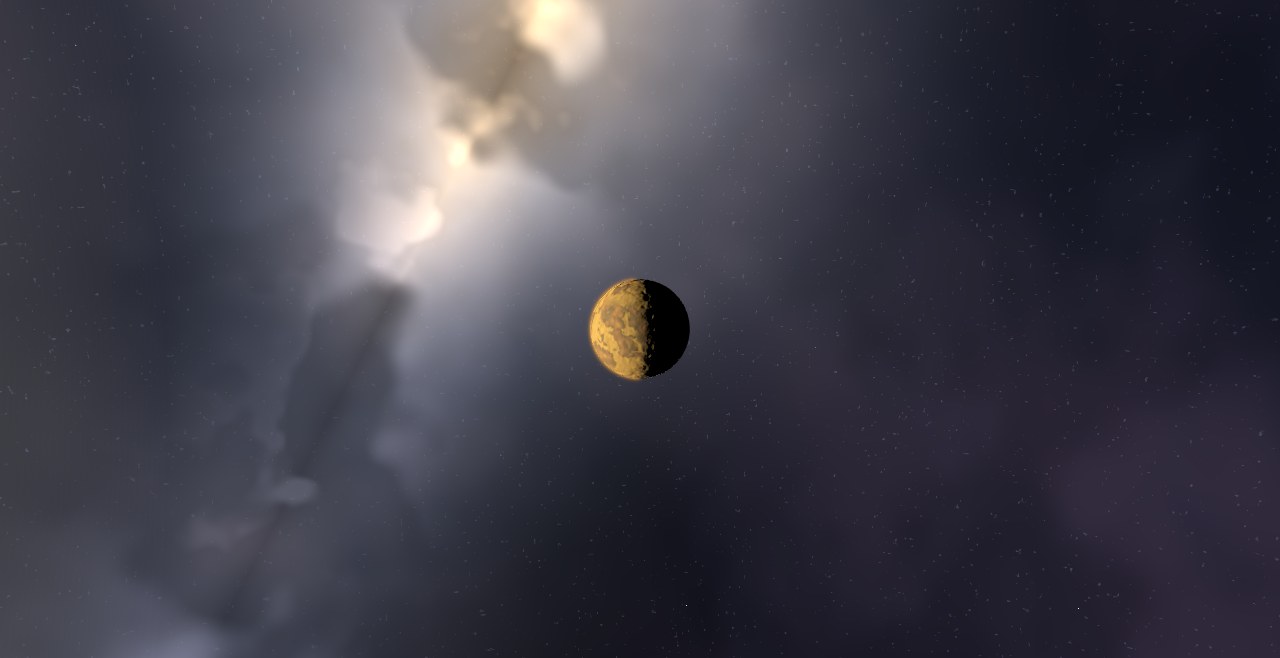
Kepler-598, a Sun-like G-type star of 0.90 solar masses, and Kepler-598 b, a planet with 1.5 Earth radii, with an orbital period of 3.7 days.
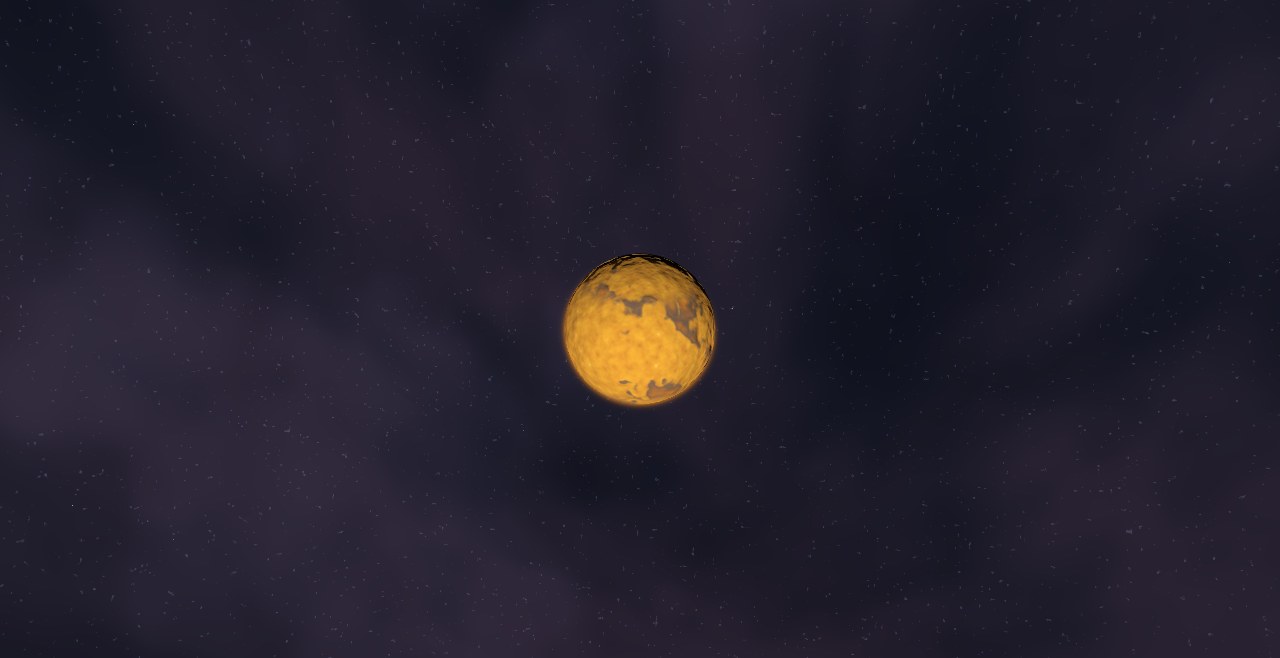
Kepler-599, an orange K-type dwarf of 0.83 solar masses, and Kepler-599 b, a planet with 2.8 Earth radii, with an orbital period of 15.7 days.
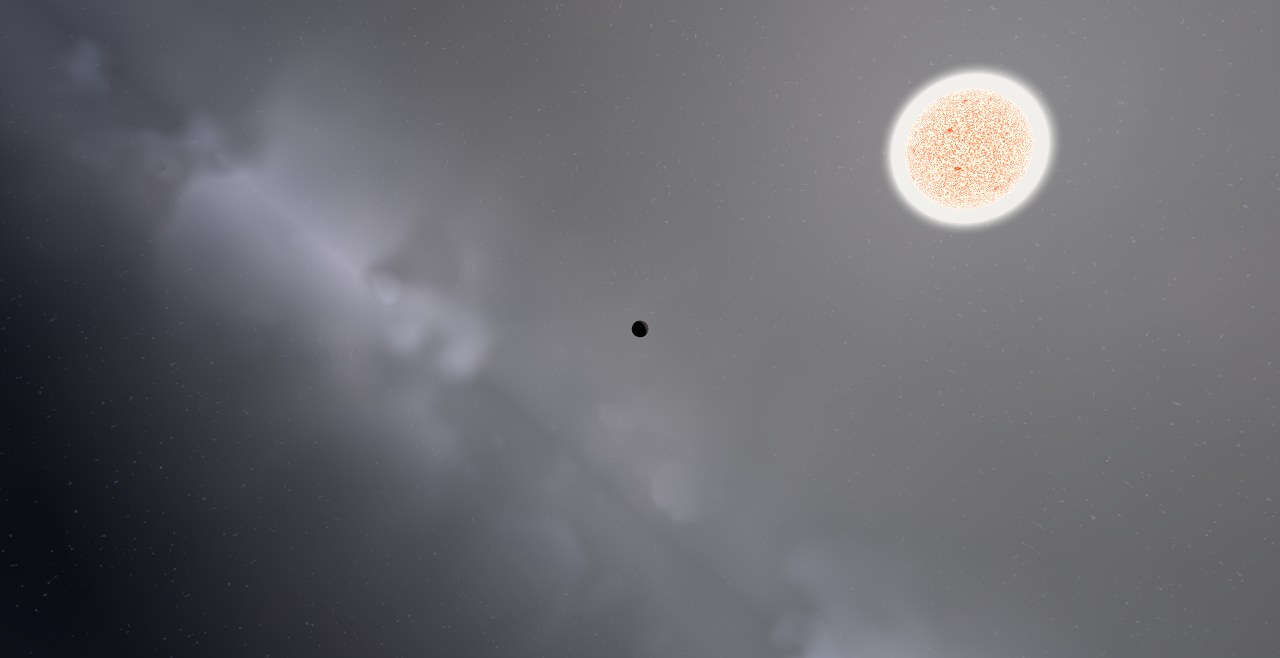
Kepler-6, a Sun-like G-type star of 1.21 solar masses, and Kepler-6 b, a 0.67-Jupiter-mass companion, with an orbital period of 3.2 days, at 0.049 AU from its star, and an equilibrium temperature near 1,460 K.
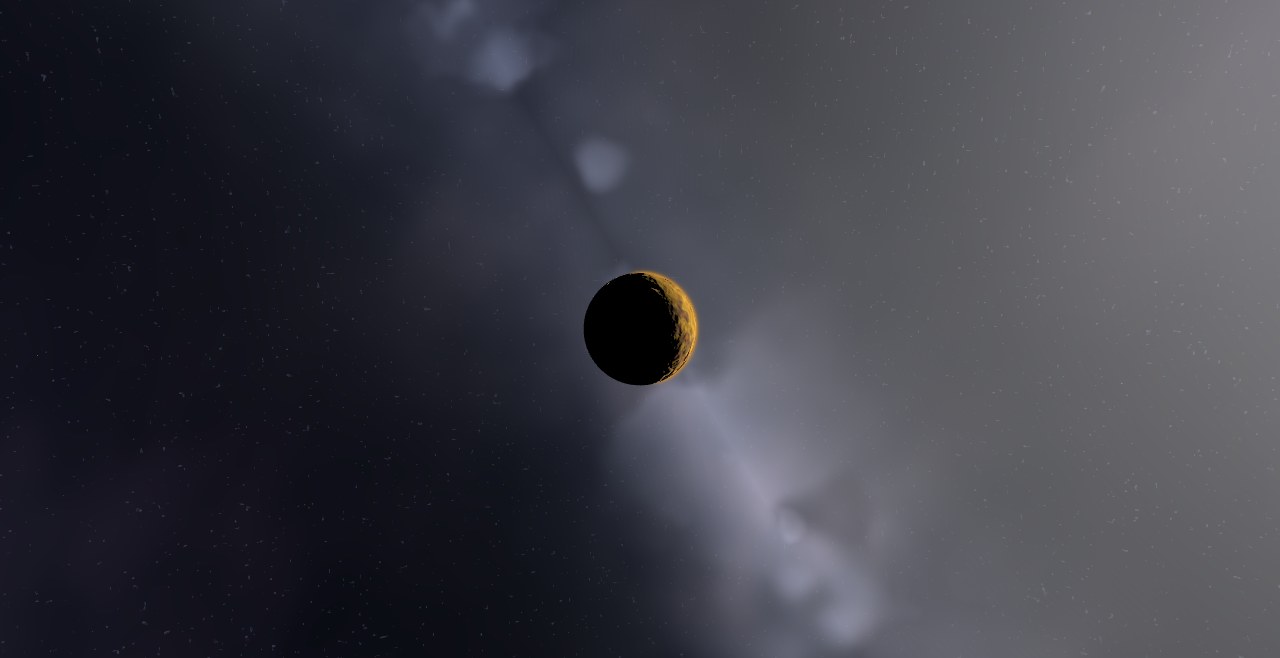
Kepler-60, three planets hovering near a three-body resonance. Small shifts in spacing would decide whether the chain holds or goes chaotic.
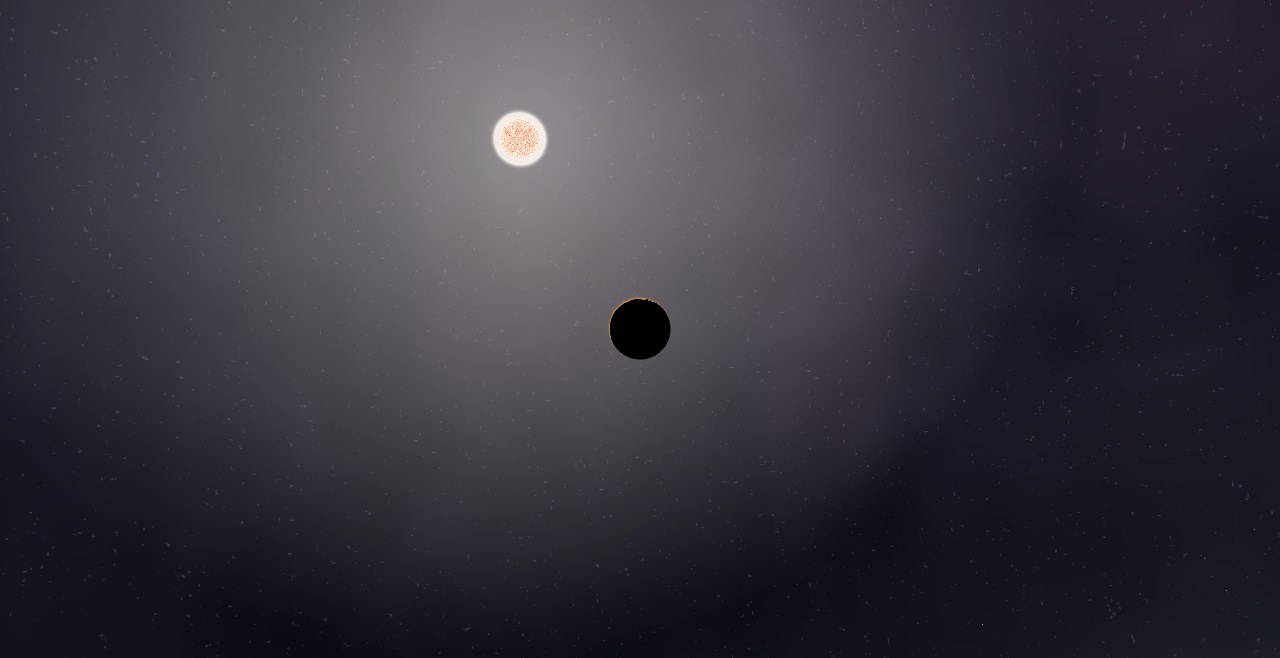
Kepler-600, a Sun-like G-type star of 0.84 solar masses, and Kepler-600 b, a planet with 2.9 Earth radii, with an orbital period of 23.7 days.
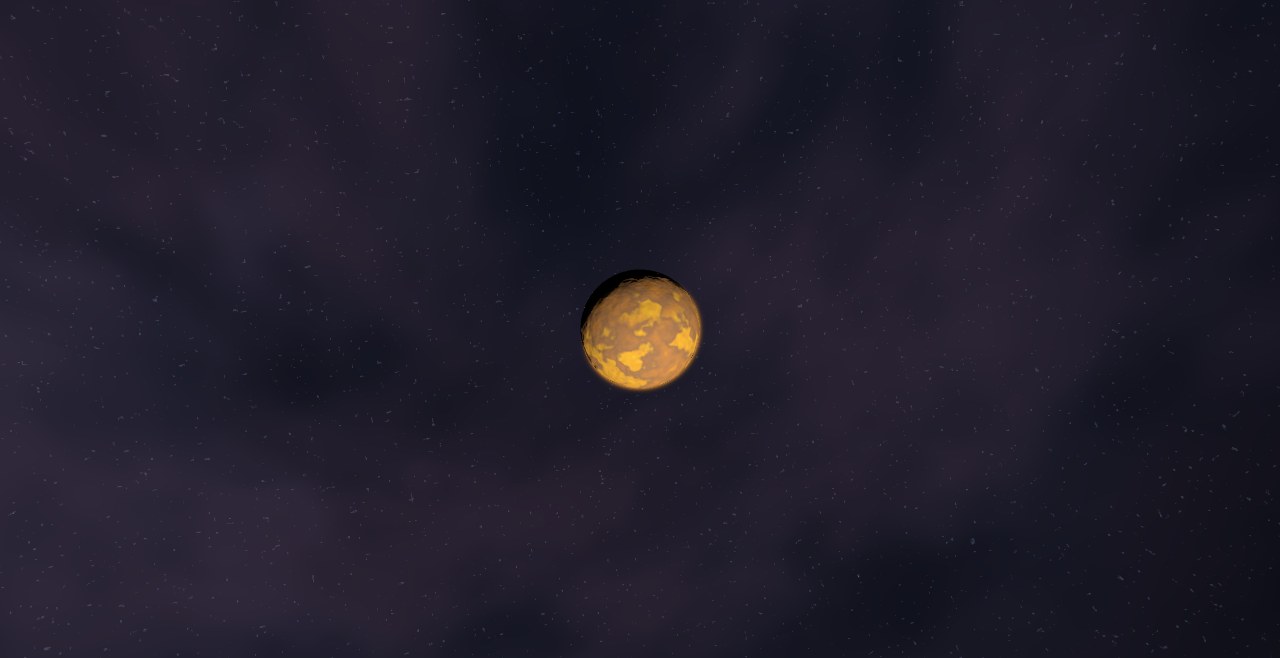
Kepler-601, an orange K-type dwarf of 0.85 solar masses, and Kepler-601 b, a planet with 1.9 Earth radii, with an orbital period of 5.4 days.
Kepler-602, a Sun-like F-type star of 1.08 solar masses, and Kepler-602 b, a planet with 2.1 Earth radii, with an orbital period of 15.3 days.
Kepler-603, a Sun-like G-type star of 1.01 solar masses, and Kepler-603 d, a planet with 1.3 Earth radii, with an orbital period of 6.2 days.