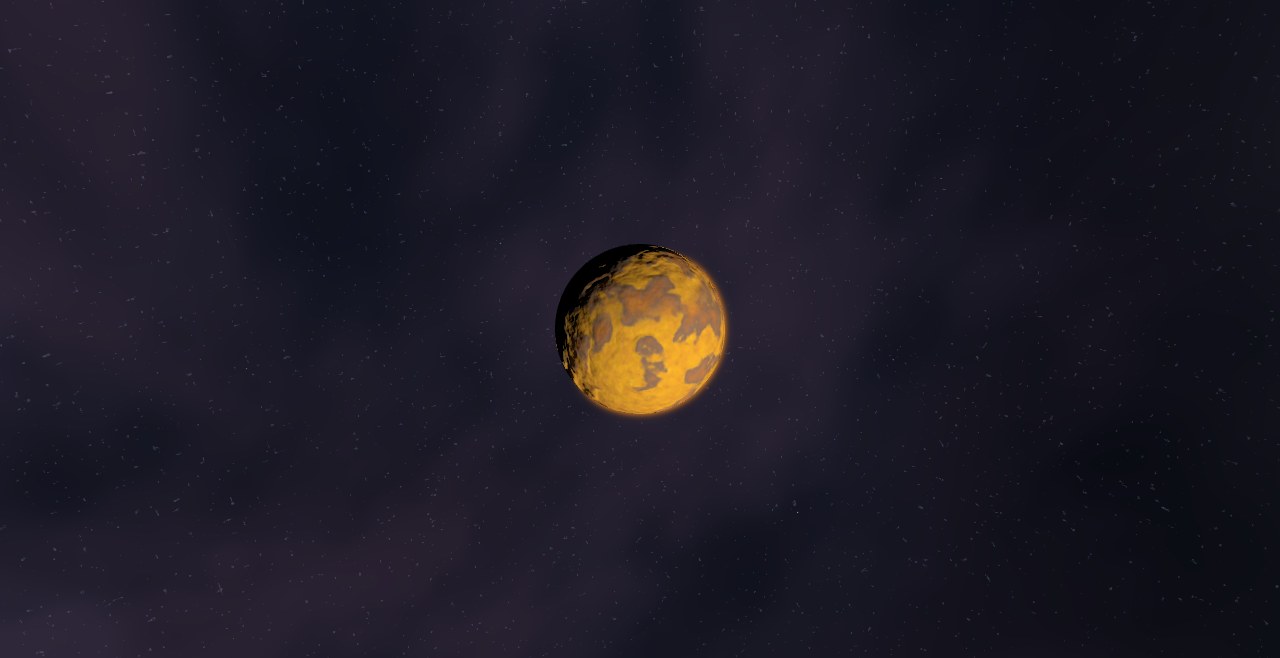
Kepler-346 - System
Kepler-346, a Sun-like F-type star of 0.94 solar masses, and Kepler-346 b, a planet with 2.7 Earth radii, with an orbital period of 6.5 days, at 0.071 AU from its star.
Scenarios
Discover alien solar systems and explore worlds far beyond our own. Simulate extreme orbital environments, habitable zones, and tightly packed resonant chains discovered by modern astronomy, all mapped accurately from real exoplanetary discovery data.
Share
Kepler-346, a Sun-like F-type star of 0.94 solar masses, and Kepler-346 b, a planet with 2.7 Earth radii, with an orbital period of 6.5 days, at 0.071 AU from its star.
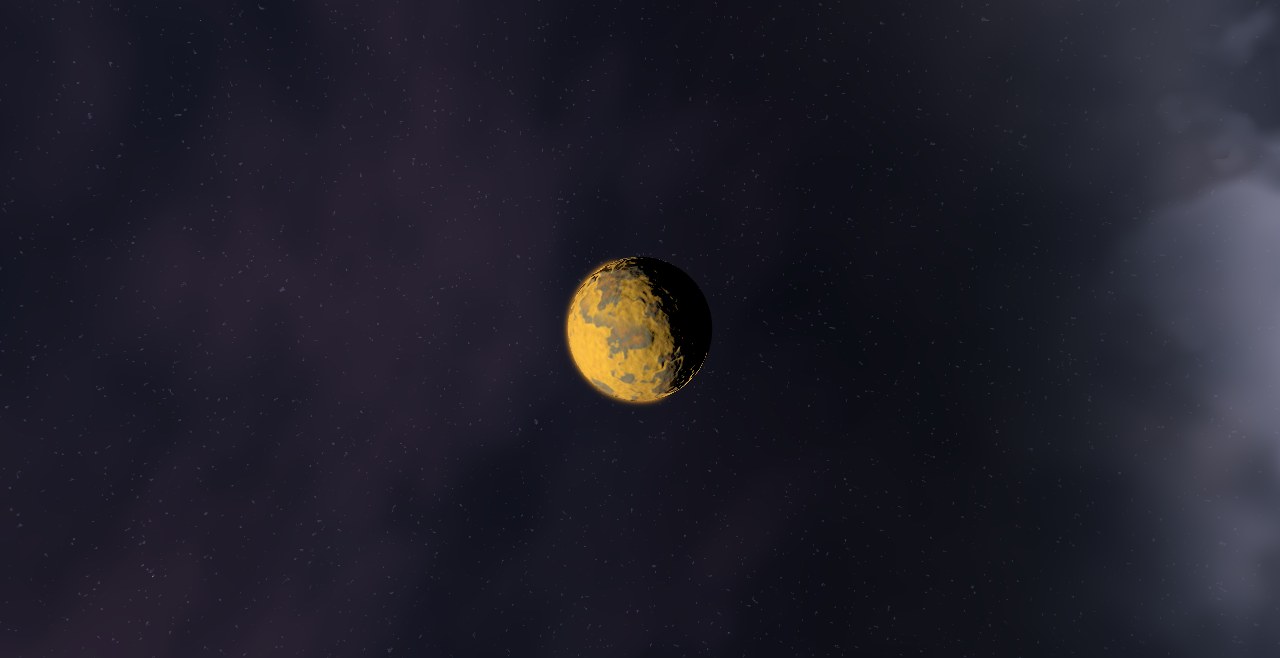
Kepler-347, a Sun-like G-type star of 1.00 solar masses, and Kepler-347 b, a planet with 2.0 Earth radii, with an orbital period of 12.8 days, at 0.110 AU from its star.
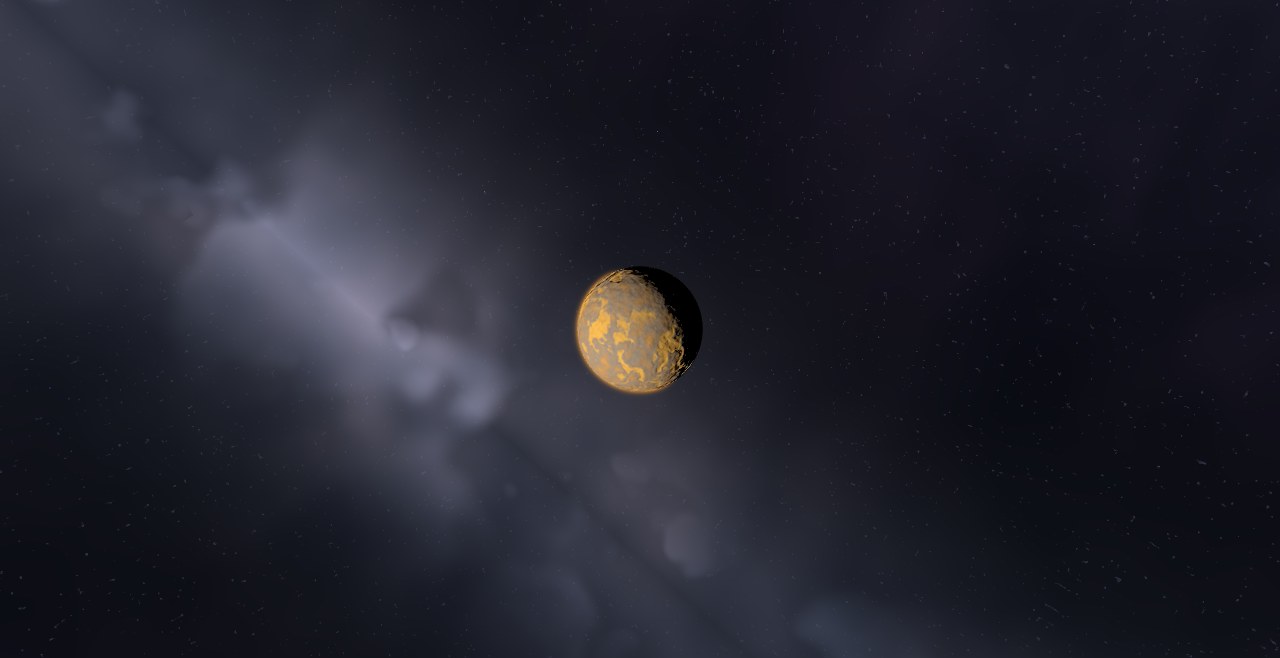
Kepler-348, a Sun-like F-type star of 1.19 solar masses, and Kepler-348 b, a planet with 1.5 Earth radii, with an orbital period of 7.1 days, at 0.076 AU from its star.
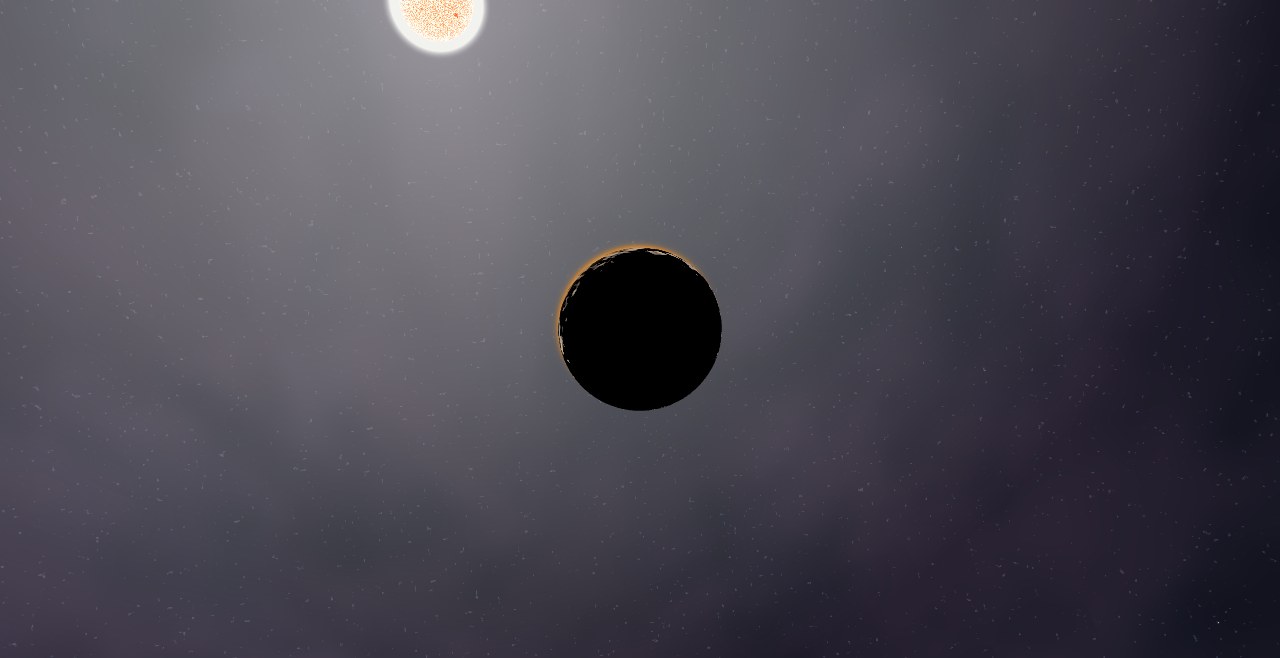
Kepler-349, a Sun-like G-type star of 1.08 solar masses, and Kepler-349 b, a planet with 1.9 Earth radii, with an orbital period of 5.9 days, at 0.065 AU from its star.
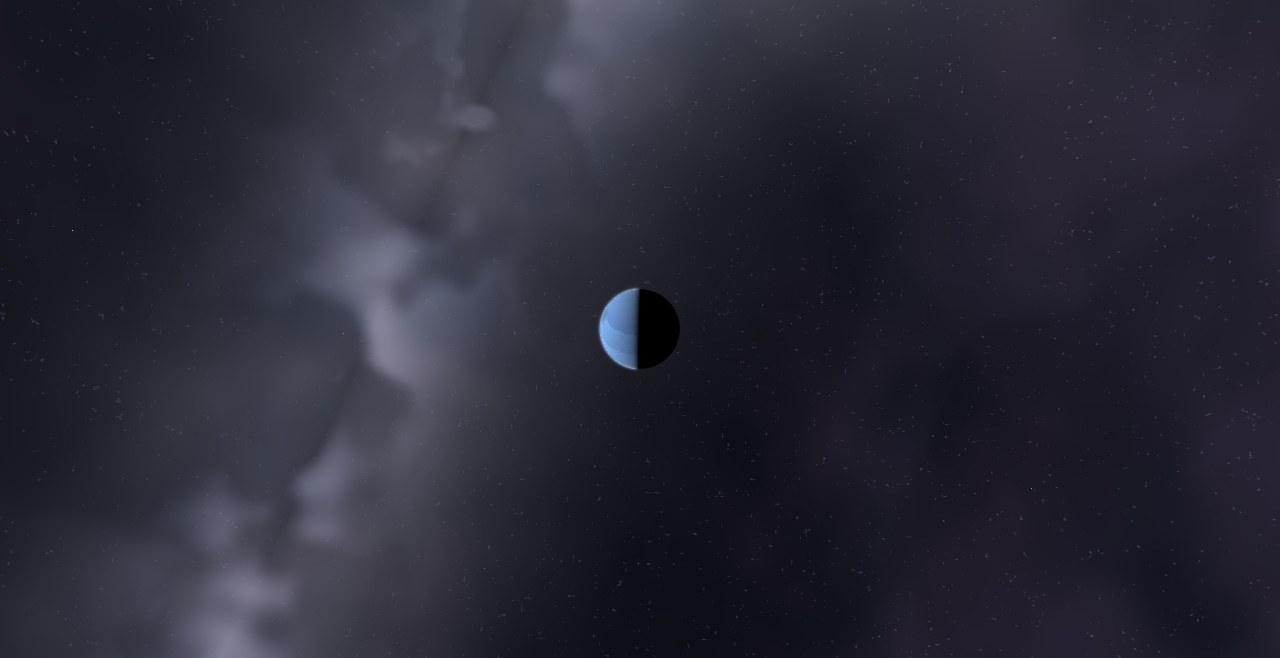
Kepler-35 b, a Saturn-sized planet orbiting two stars. Its transits of both stars helped prove circumbinary planets are common, not flukes. Both stars are smaller and cooler than the Sun.
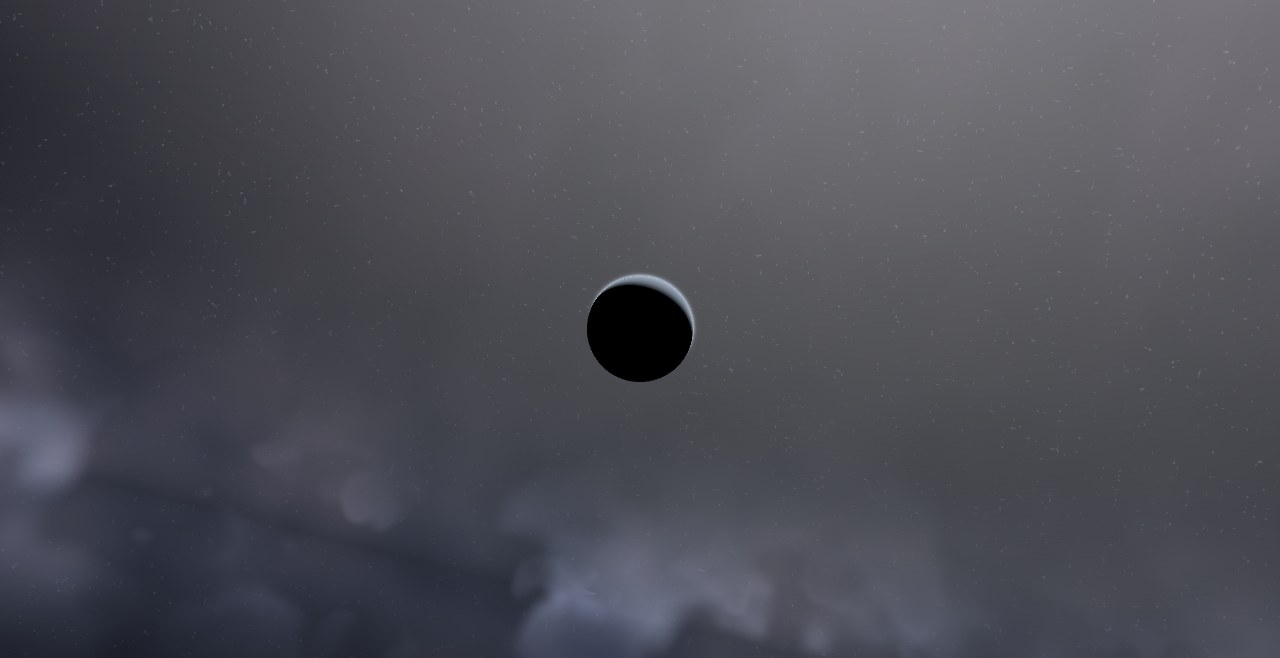
Kepler-350, a Sun-like F-type star of 1.19 solar masses, and Kepler-350 b, a planet with 1.9 Earth radii, with an orbital period of 11.2 days, at 0.104 AU from its star.
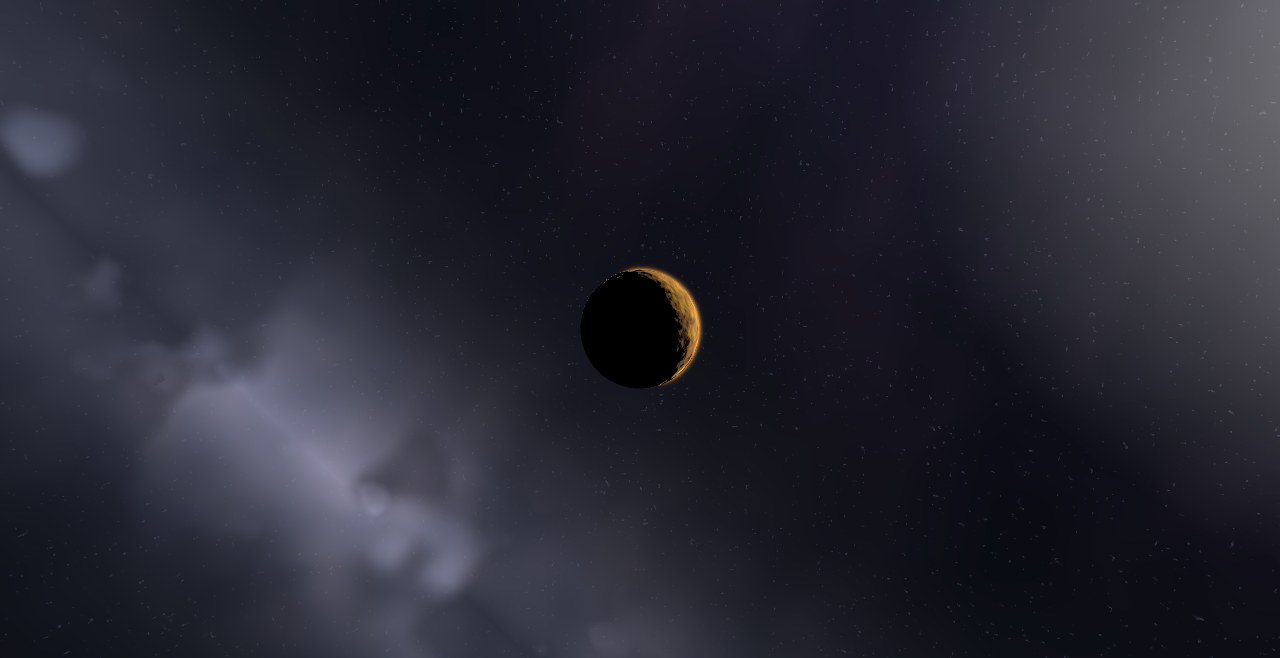
Kepler-351, a Sun-like G-type star of 0.81 solar masses, and Kepler-351 b, a planet with 3.1 Earth radii, with an orbital period of 37.1 days, at 0.214 AU from its star.
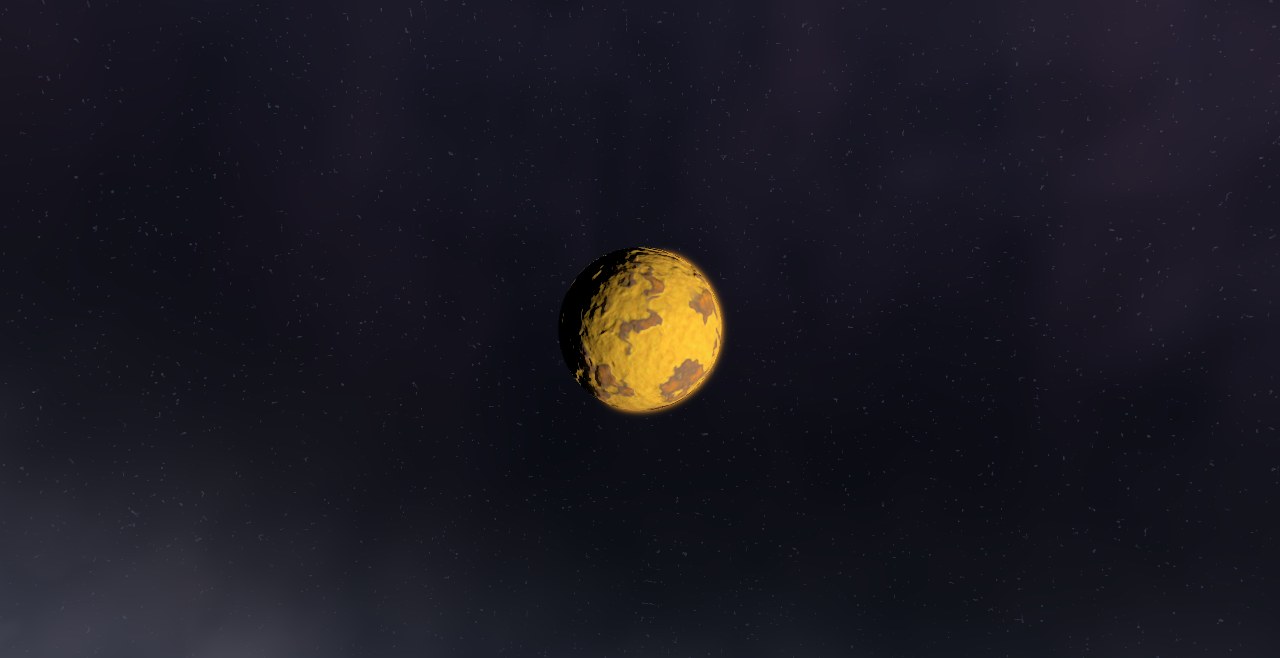
Kepler-352, a Sun-like G-type star of 0.80 solar masses, and Kepler-352 b, a planet with 0.9 Earth radii, with an orbital period of 10.1 days, at 0.085 AU from its star.
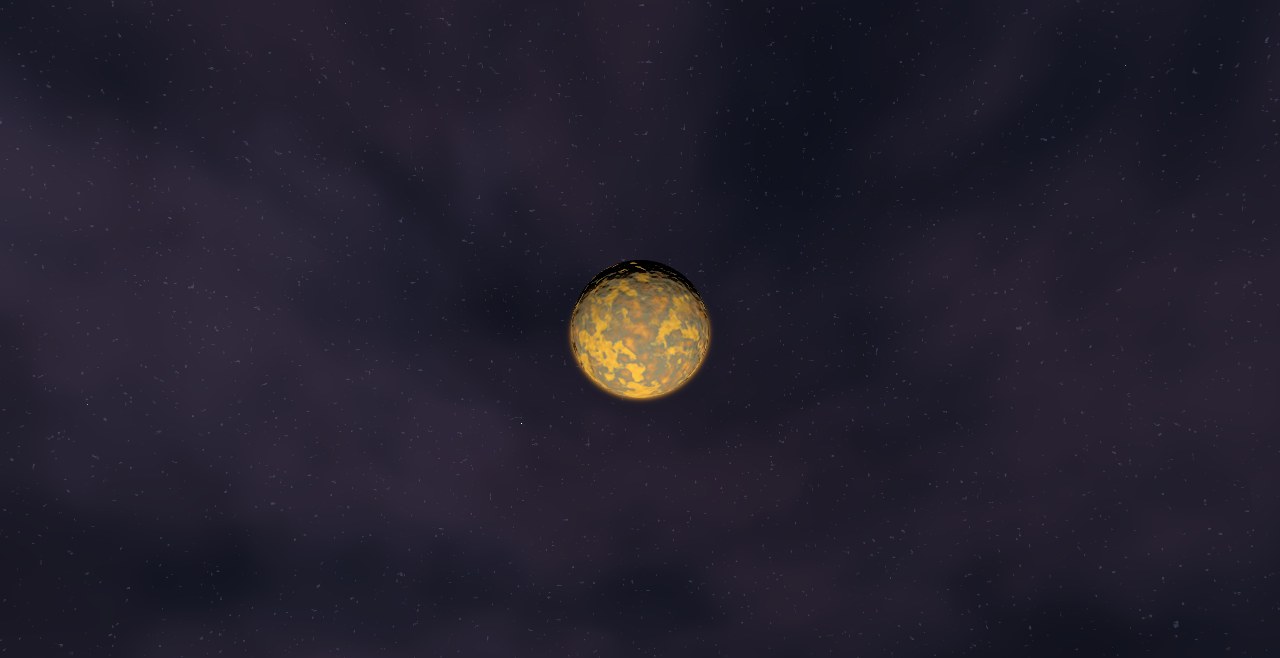
Kepler-353, an orange K-type dwarf of 0.55 solar masses, and Kepler-353 b, a planet with 0.9 Earth radii, with an orbital period of 5.8 days, at 0.051 AU from its star.
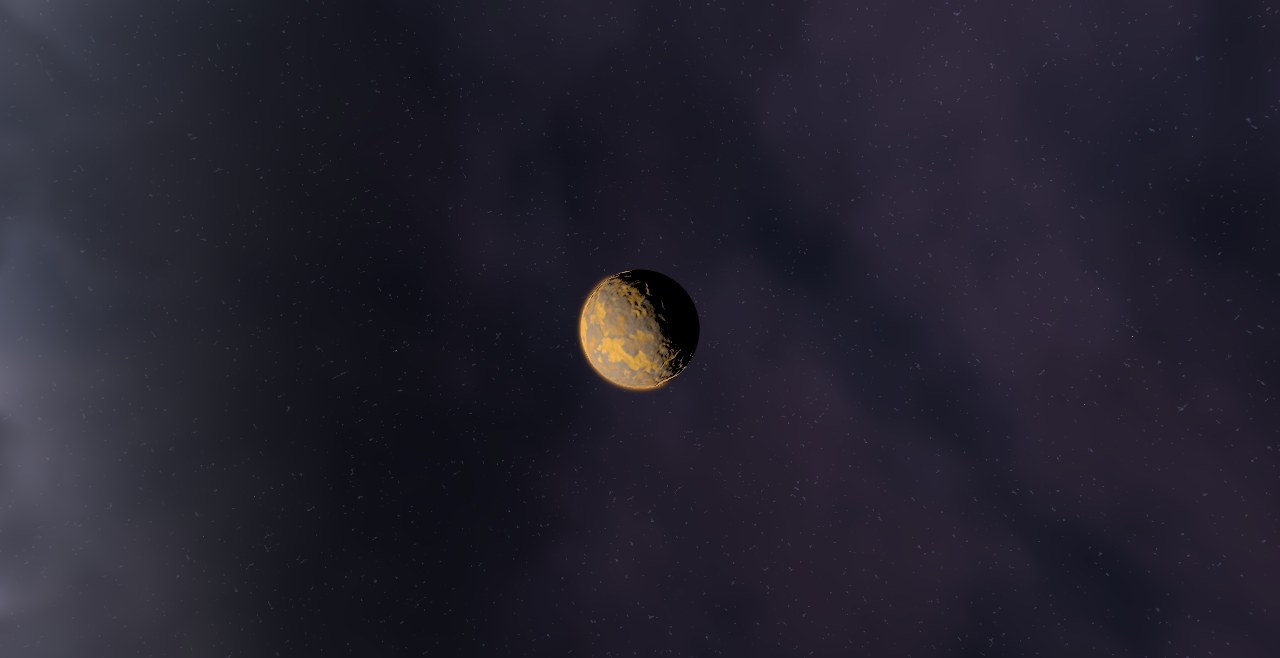
Kepler-354, an orange K-type dwarf of 0.65 solar masses, and Kepler-354 b, a planet with 1.8 Earth radii, with an orbital period of 5.5 days, at 0.054 AU from its star.
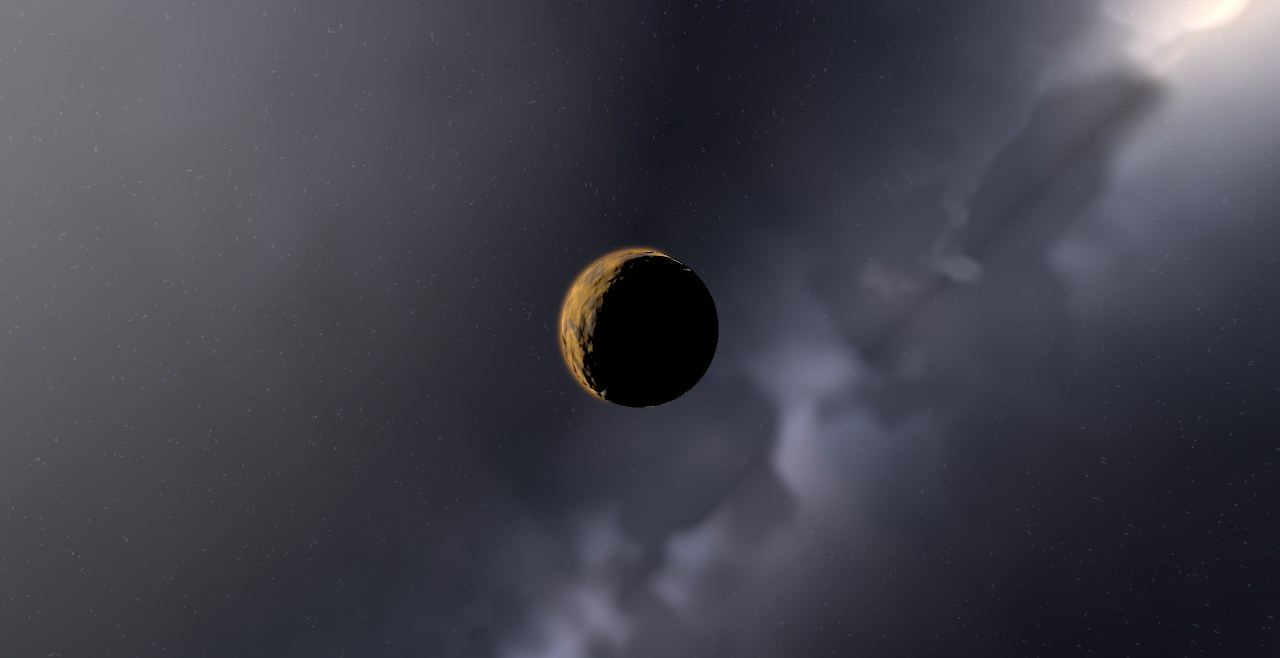
Kepler-355, a Sun-like F-type star of 0.93 solar masses, and Kepler-355 b, a planet with 1.5 Earth radii, with an orbital period of 11.0 days, at 0.102 AU from its star.
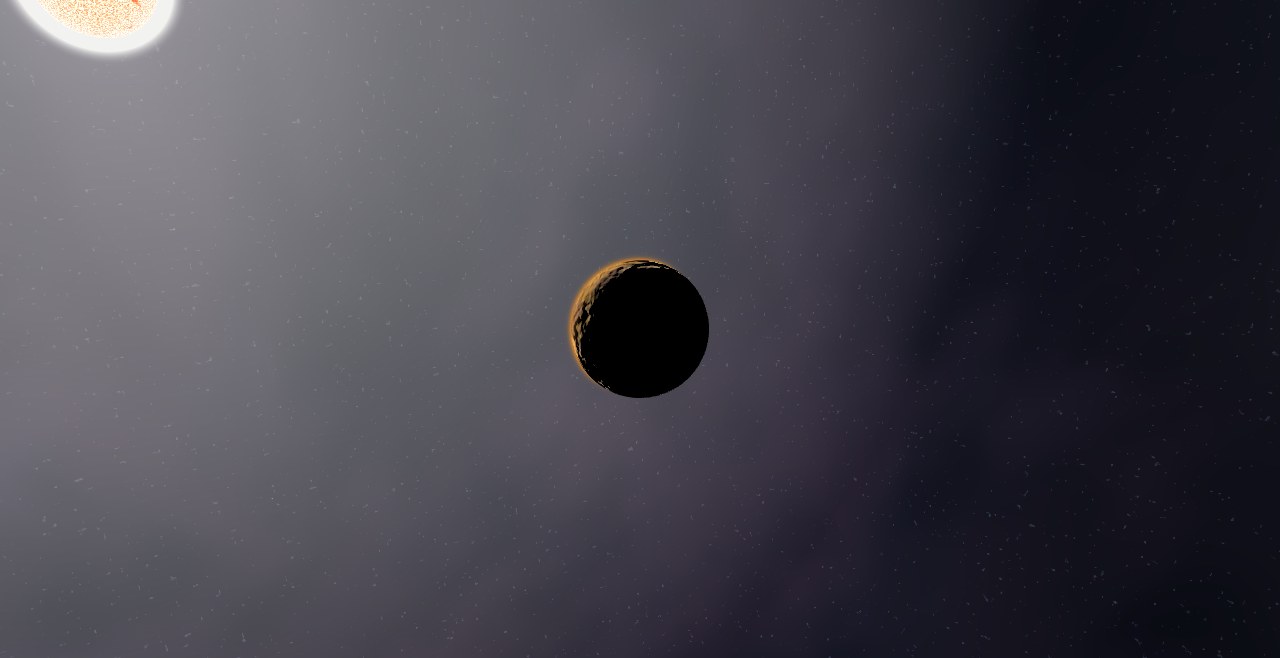
Kepler-356, a Sun-like F-type star of 1.16 solar masses, and Kepler-356 b, a planet with 1.6 Earth radii, with an orbital period of 4.6 days, at 0.057 AU from its star.
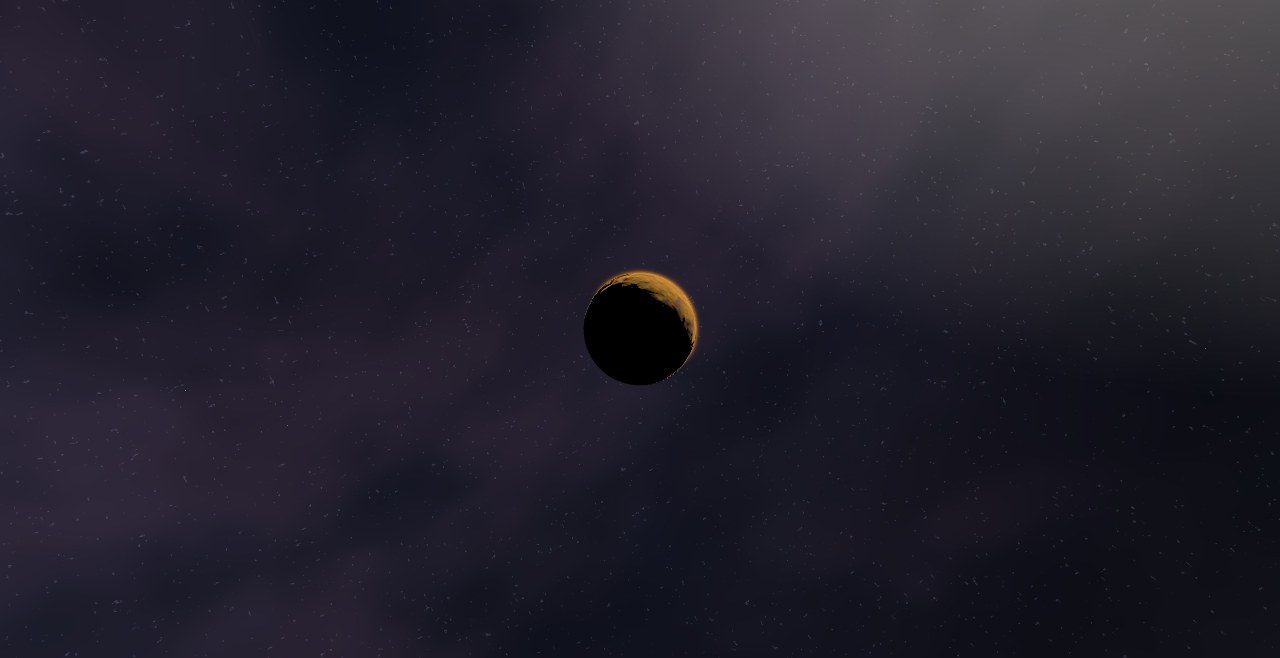
Kepler-357, an orange K-type dwarf of 0.79 solar masses, and Kepler-357 b, a planet with 1.8 Earth radii, with an orbital period of 6.5 days, at 0.063 AU from its star.
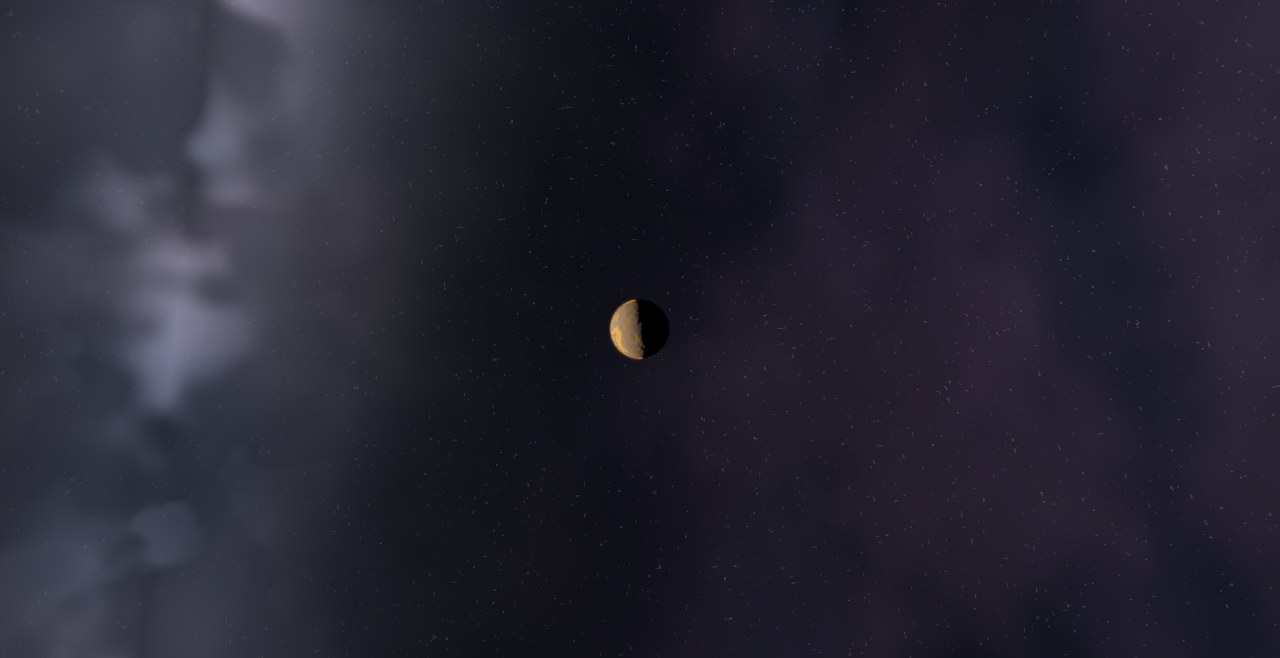
Kepler-358, a Sun-like G-type star of 0.94 solar masses, and Kepler-358 b, a planet with 2.7 Earth radii, with an orbital period of 34.1 days, at 0.210 AU from its star.
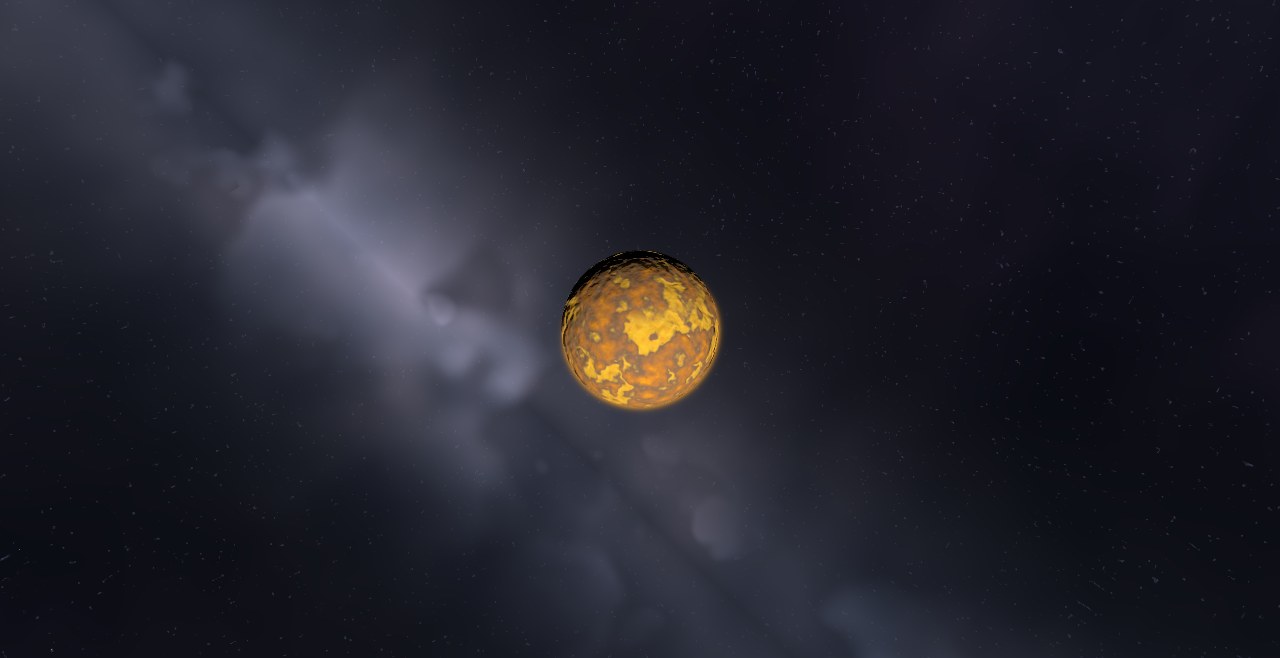
Kepler-359, a Sun-like F-type star of 0.83 solar masses, and Kepler-359 b, a planet with 3.5 Earth radii, with an orbital period of 25.6 days, at 0.178 AU from its star.
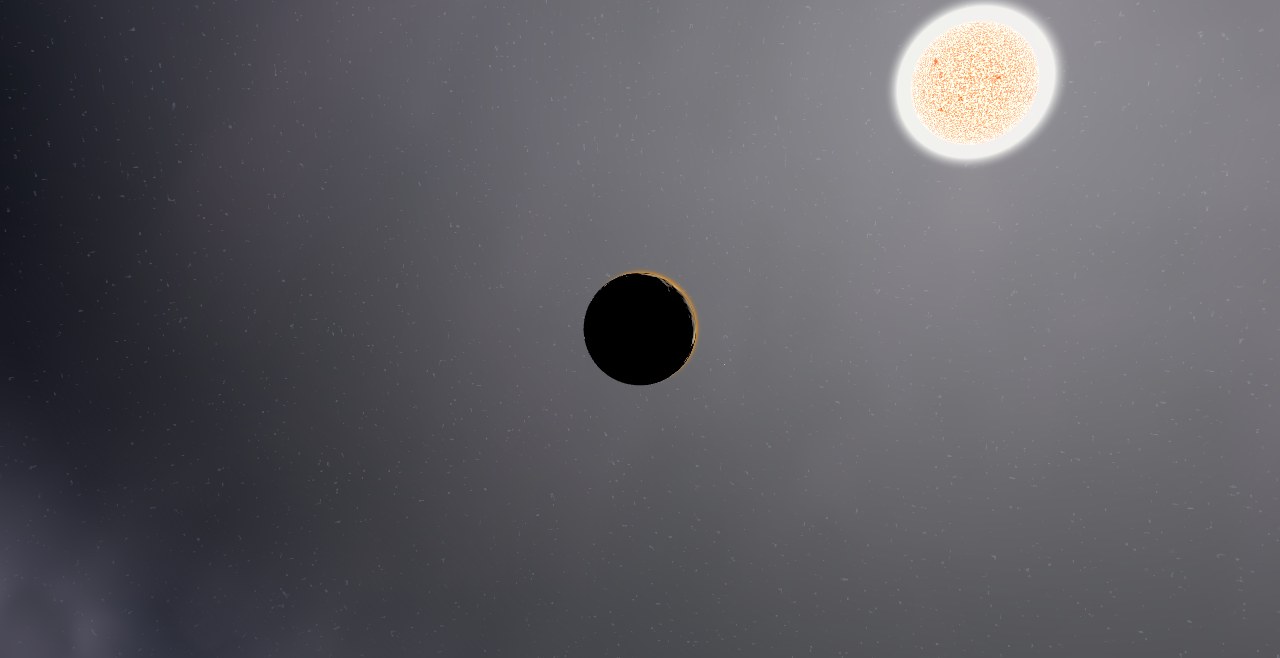
Kepler-36, where a rocky world and a puffy mini-Neptune orbit only 0.01 AU apart. Their transit times swing wildly from the mutual tugs. Their bulk densities differ by nearly a factor of eight.
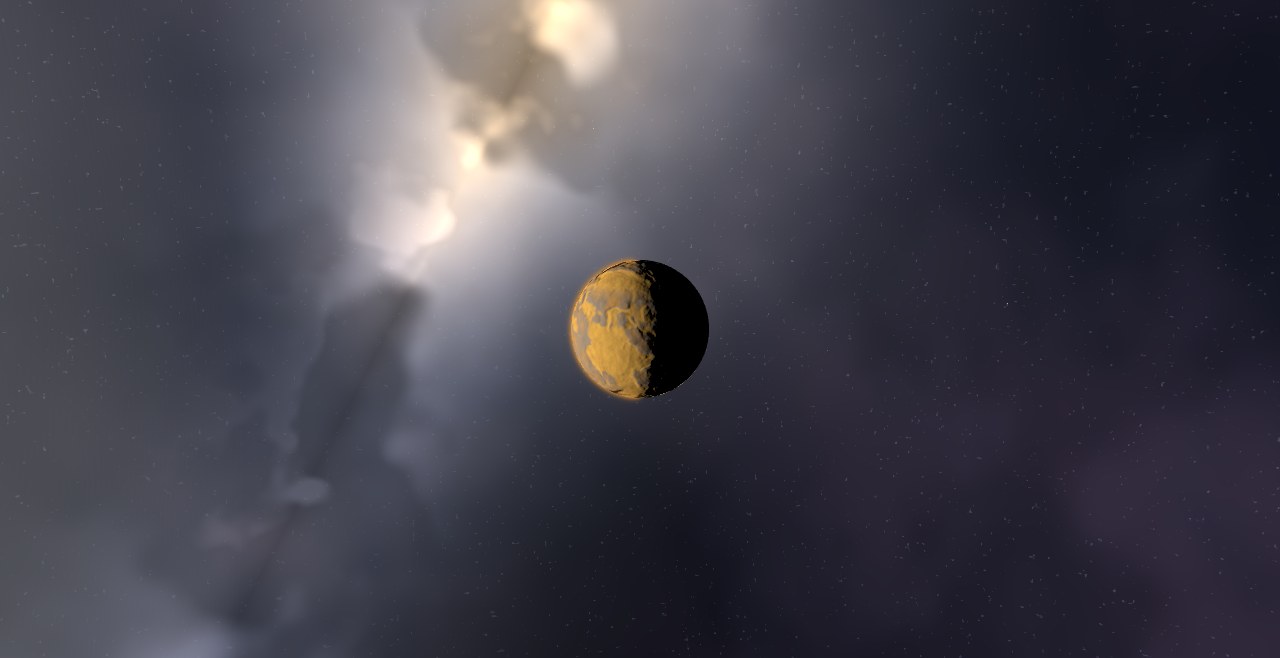
Kepler-360, a Sun-like F-type star of 0.99 solar masses, and Kepler-360 b, a planet with 1.6 Earth radii, with an orbital period of 3.3 days, at 0.044 AU from its star.
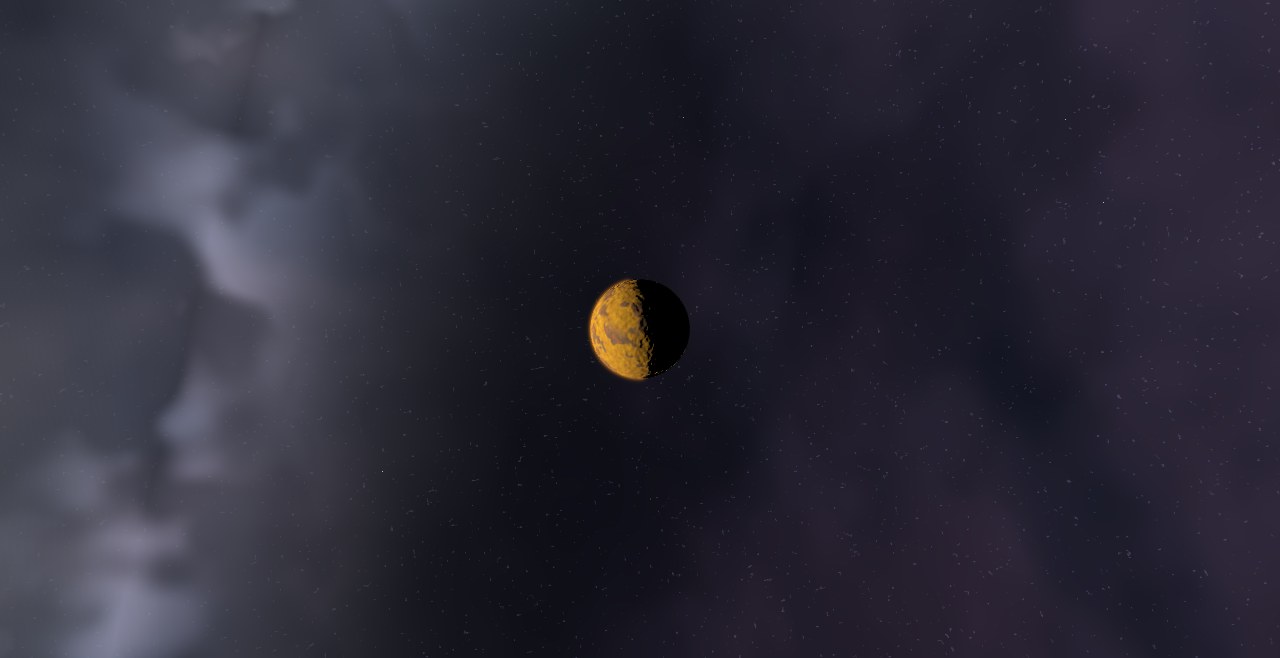
Kepler-361, a Sun-like F-type star of 1.19 solar masses, and Kepler-361 b, a planet with 1.4 Earth radii, with an orbital period of 8.5 days, at 0.086 AU from its star.