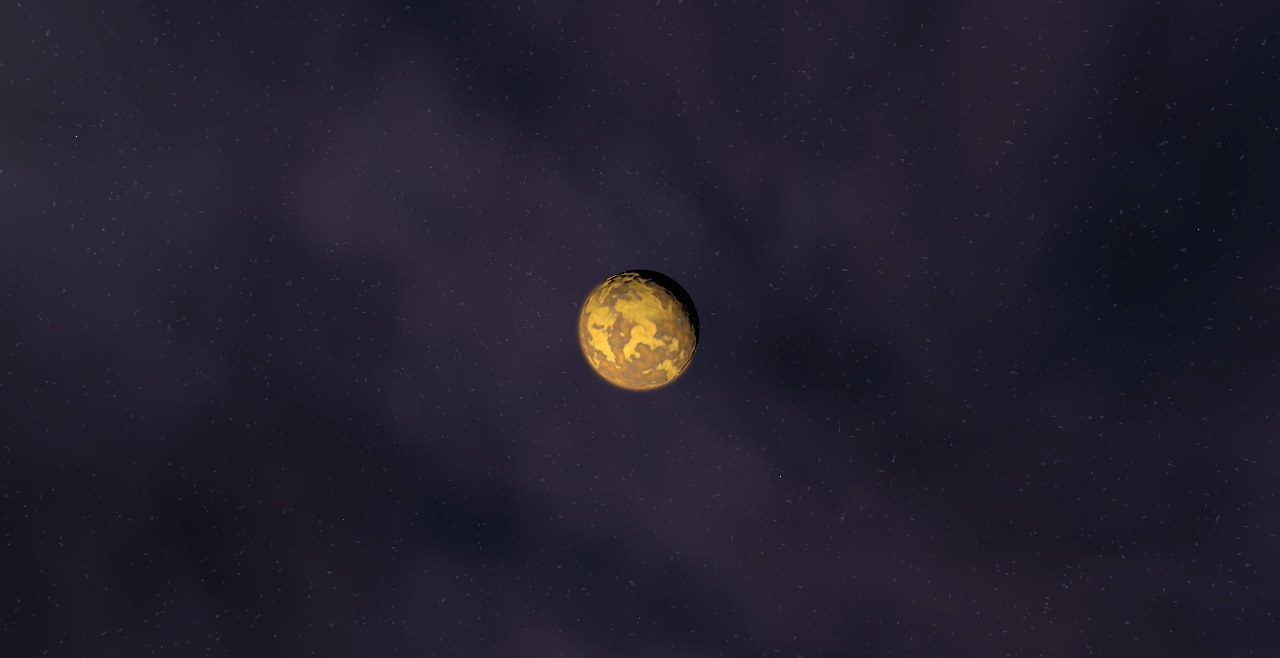
Kepler-1516 - System
Kepler-1516, a Sun-like G-type star of 1.04 solar masses, and Kepler-1516 b, a planet with 1.8 Earth radii, with an orbital period of 7.3 days.
Scenarios
Discover alien solar systems and explore worlds far beyond our own. Simulate extreme orbital environments, habitable zones, and tightly packed resonant chains discovered by modern astronomy, all mapped accurately from real exoplanetary discovery data.
Share
Kepler-1516, a Sun-like G-type star of 1.04 solar masses, and Kepler-1516 b, a planet with 1.8 Earth radii, with an orbital period of 7.3 days.
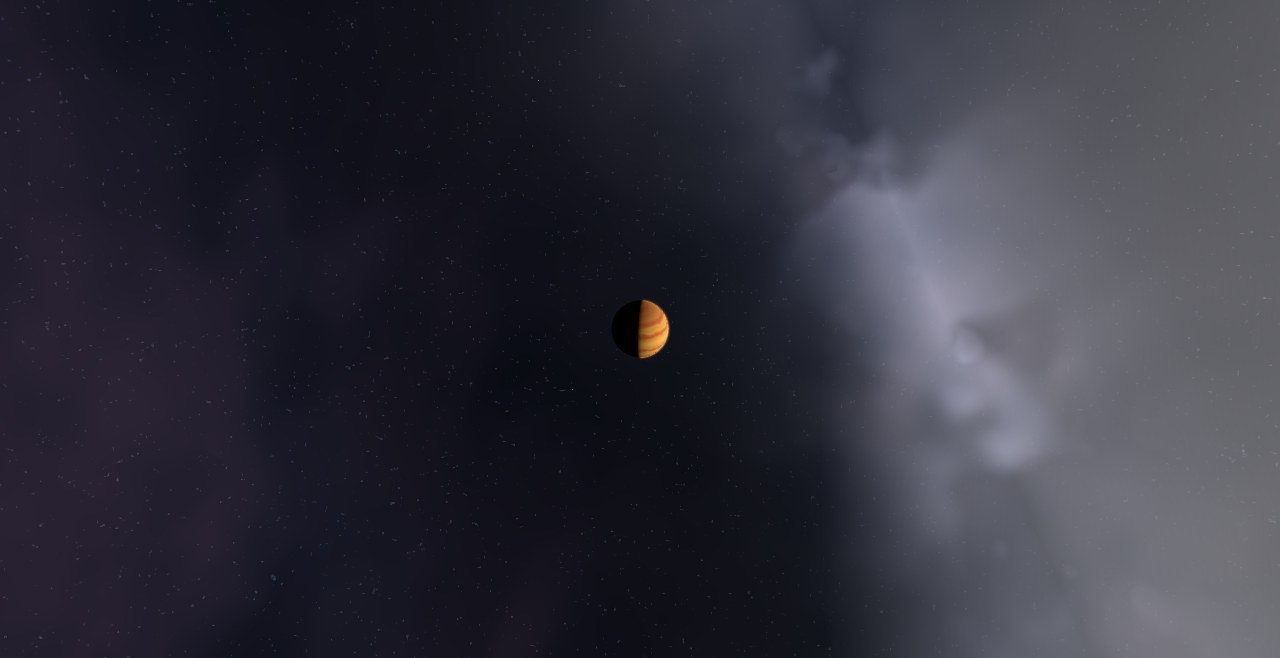
Kepler-1517, a Sun-like F-type star of 1.58 solar masses, and Kepler-1517 b, a planet with 9.8 Earth radii, with an orbital period of 5.5 days.
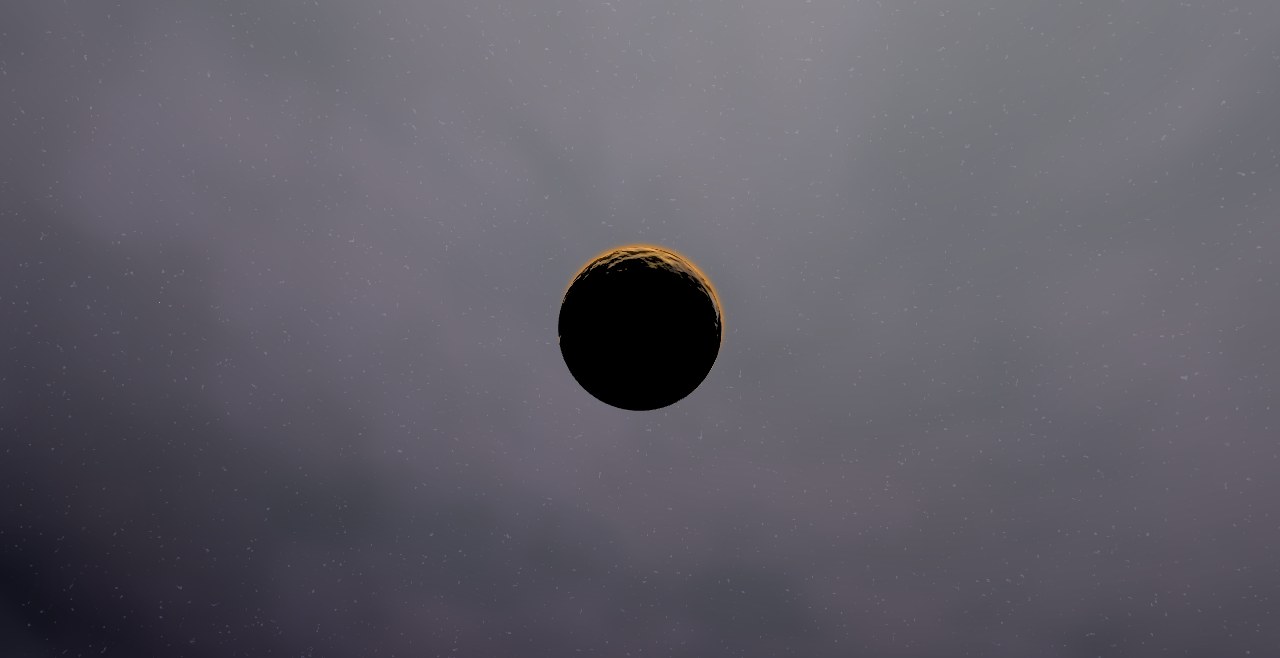
Kepler-1518, a Sun-like F-type star of 1.54 solar masses, and Kepler-1518 c, a planet with 2.9 Earth radii, with an orbital period of 9.6 days, at 0.090 AU from its star, and an equilibrium temperature near.
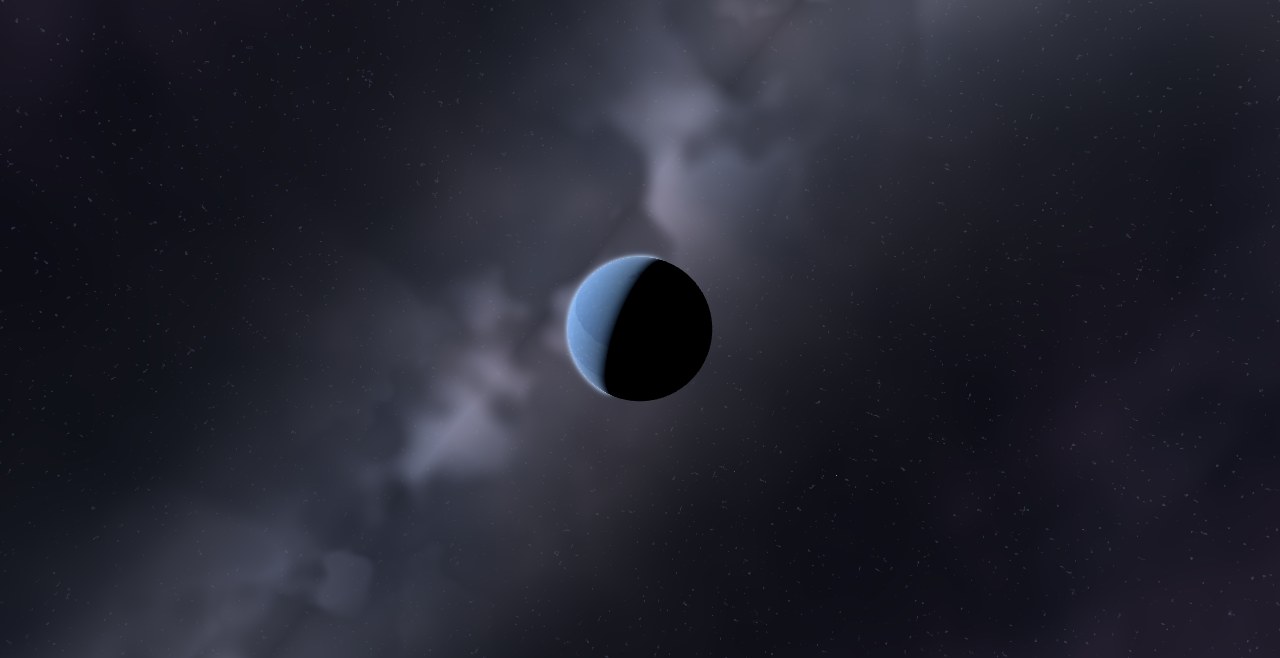
Kepler-1519, a Sun-like G-type star of 0.94 solar masses, and Kepler-1519 b, a planet with 7.1 Earth radii, with an orbital period of 241 days.
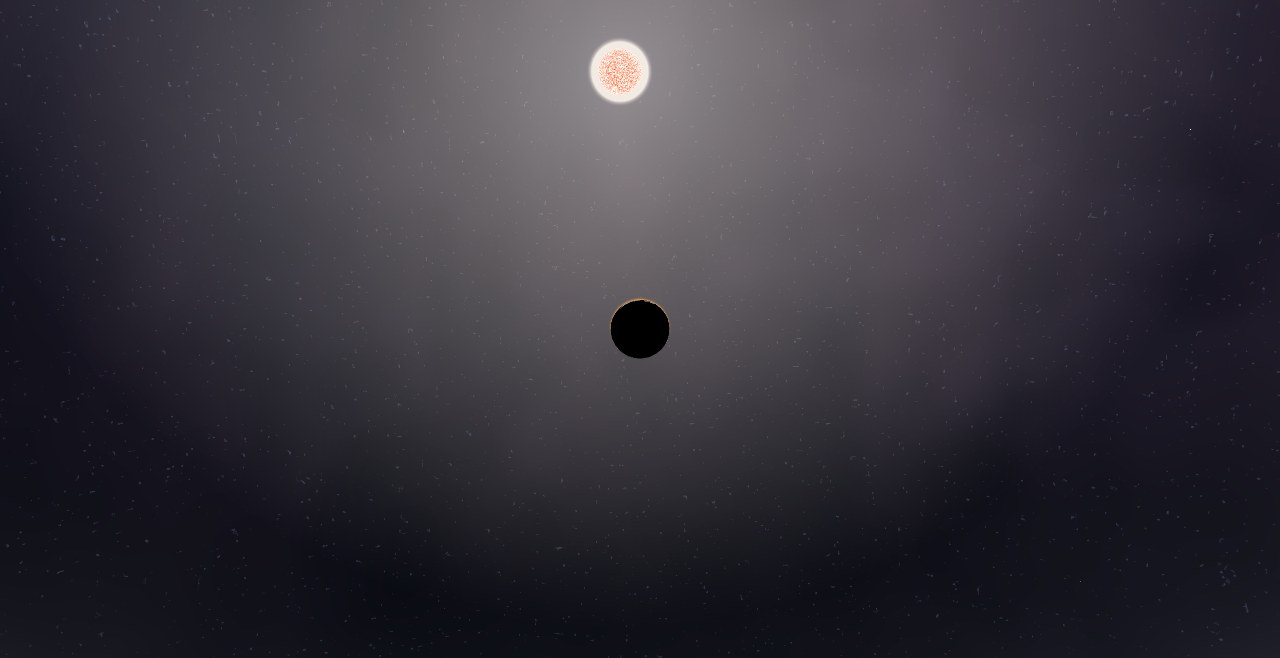
Kepler-152, an orange K-type dwarf of 0.78 solar masses, and Kepler-152 b, a planet with 2.8 Earth radii, with an orbital period of 18.2 days, at 0.124 AU from its star.
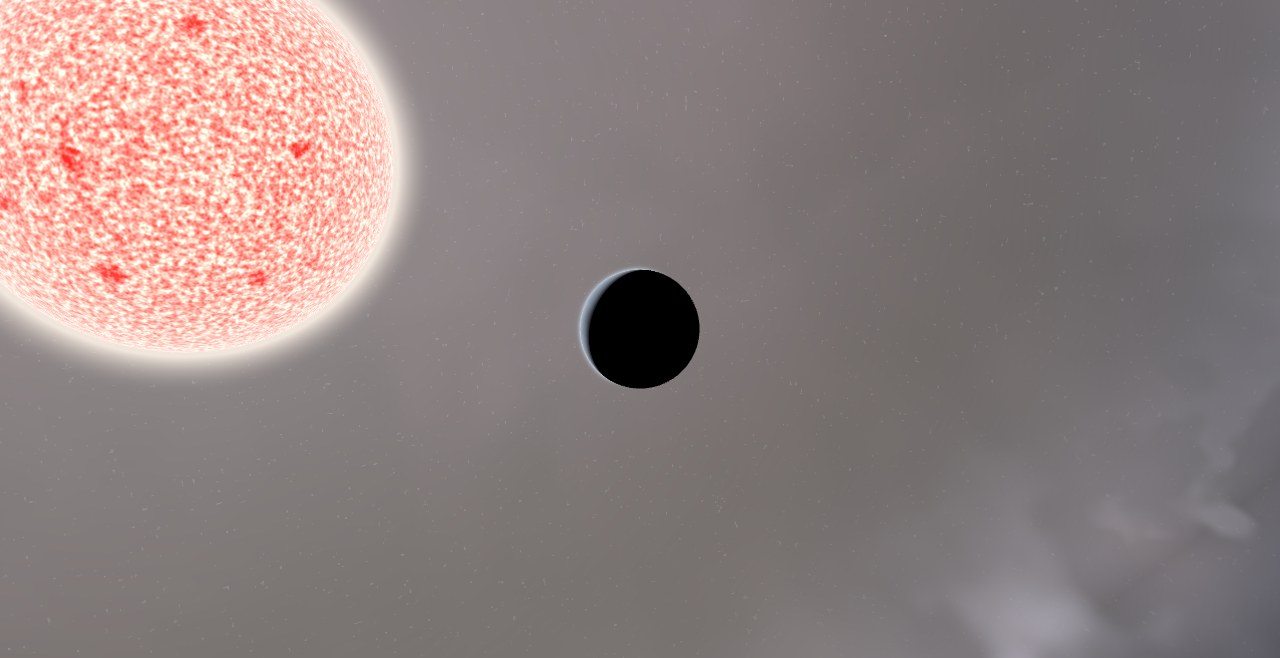
Kepler-1520 b, a disintegrating planet. A dusty tail trailing this tiny world makes its transits change shape from orbit to orbit. The object is also known as KIC 12557548 b.
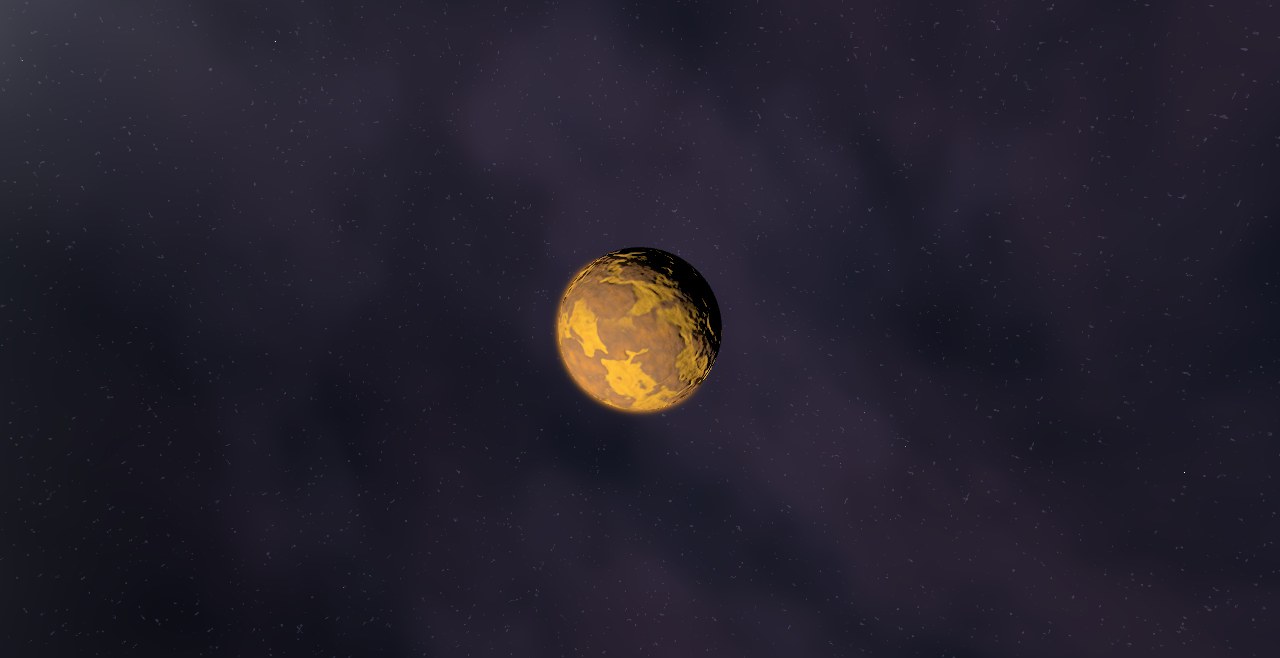
Kepler-1521, an orange K-type dwarf of 0.81 solar masses, and Kepler-1521 b, a planet with 2.5 Earth radii, with an orbital period of 47.1 days.
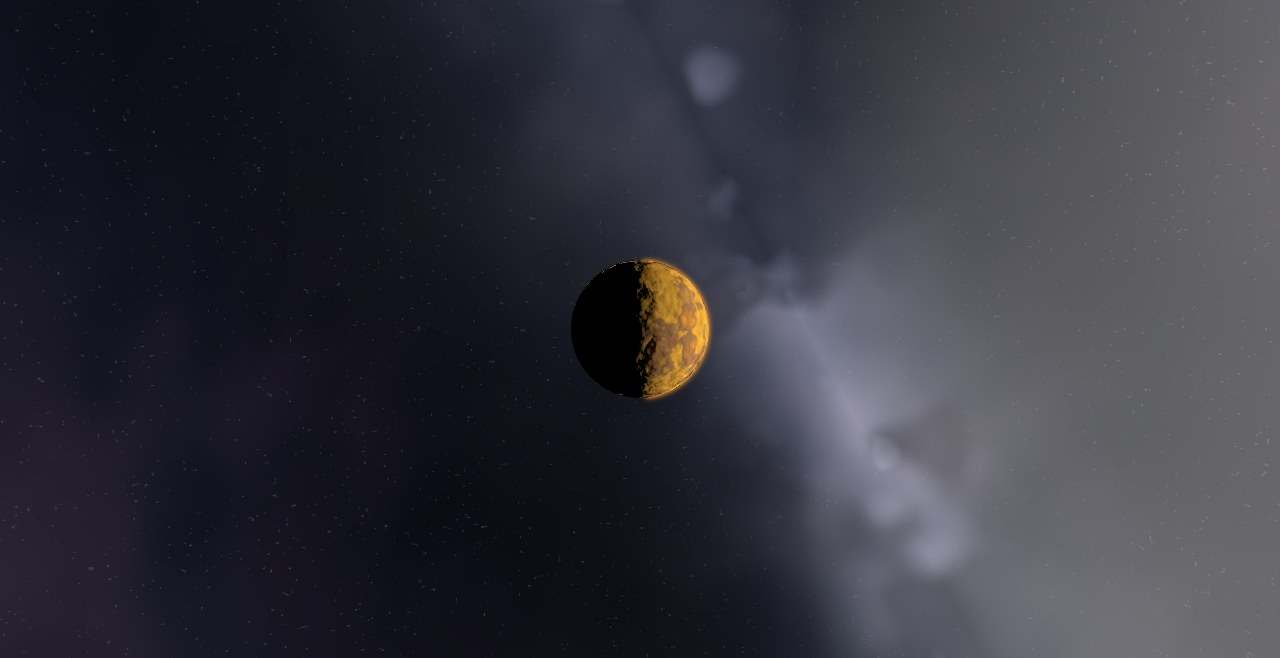
Kepler-1522, a Sun-like G-type star of 0.96 solar masses, and Kepler-1522 b, a planet with 1.7 Earth radii, with an orbital period of 1.8 days.
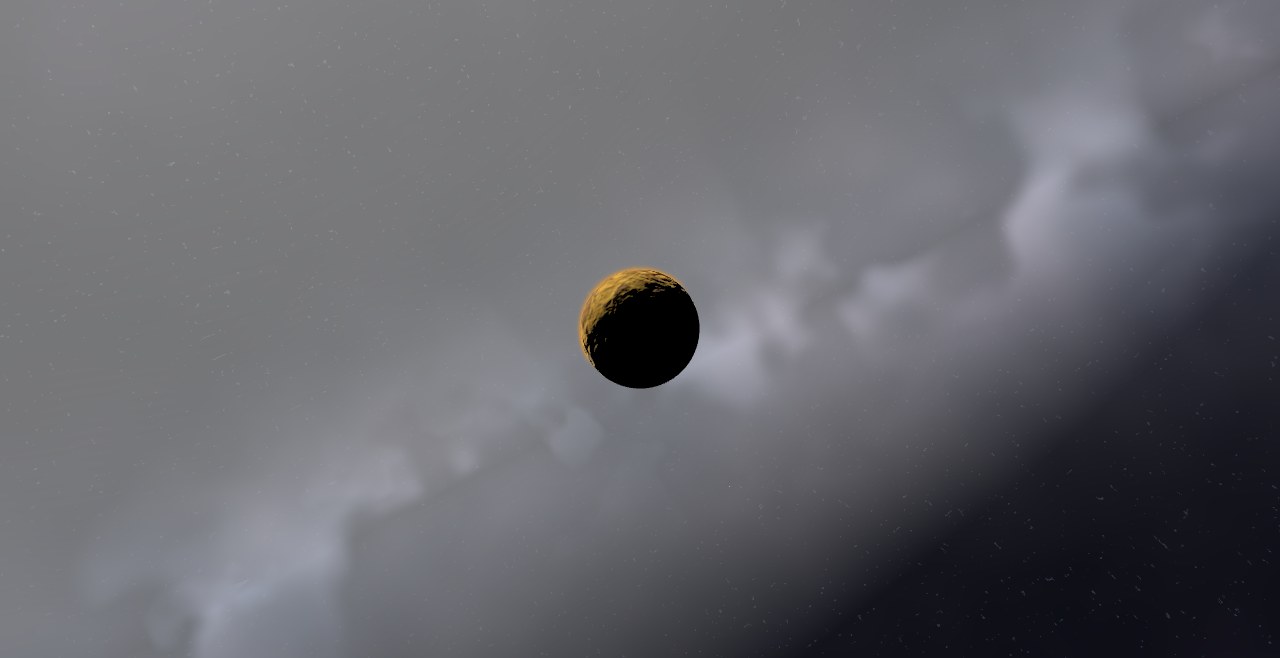
Kepler-1523, a Sun-like G-type star of 0.97 solar masses, and Kepler-1523 b, a planet with 1.6 Earth radii, with an orbital period of 22.5 hours.
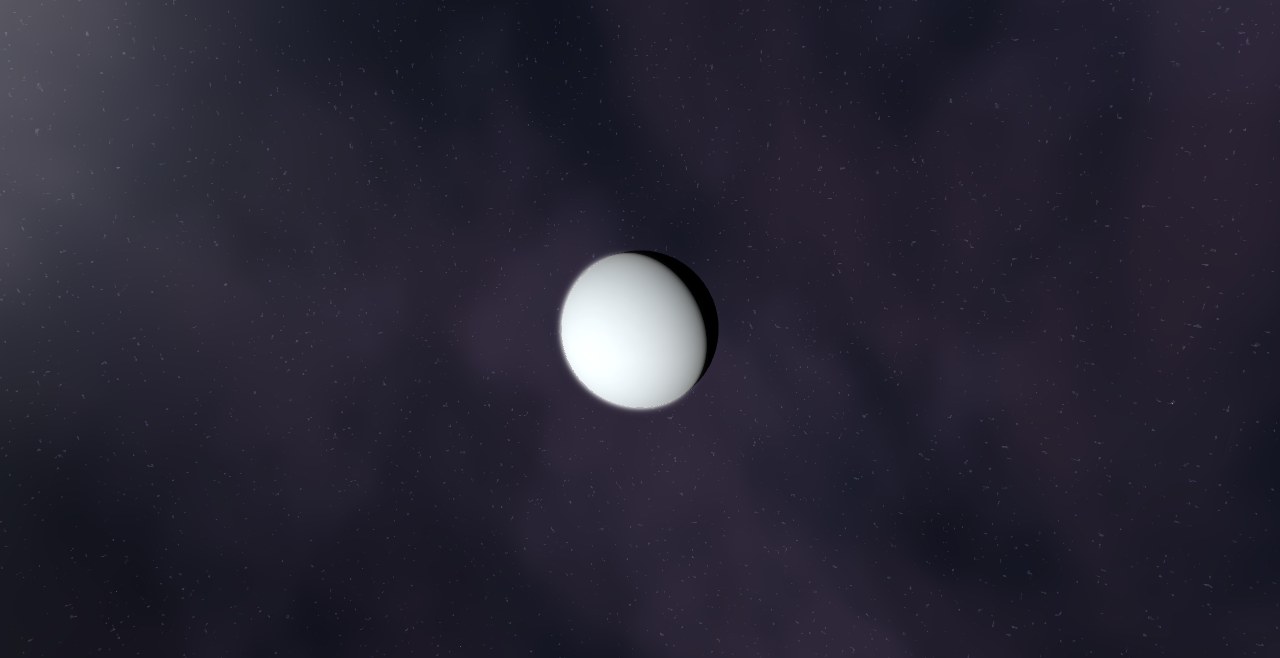
Kepler-1524, a Sun-like F-type star of 1.17 solar masses, and Kepler-1524 b, a planet with 3.5 Earth radii, with an orbital period of 71.0 days.
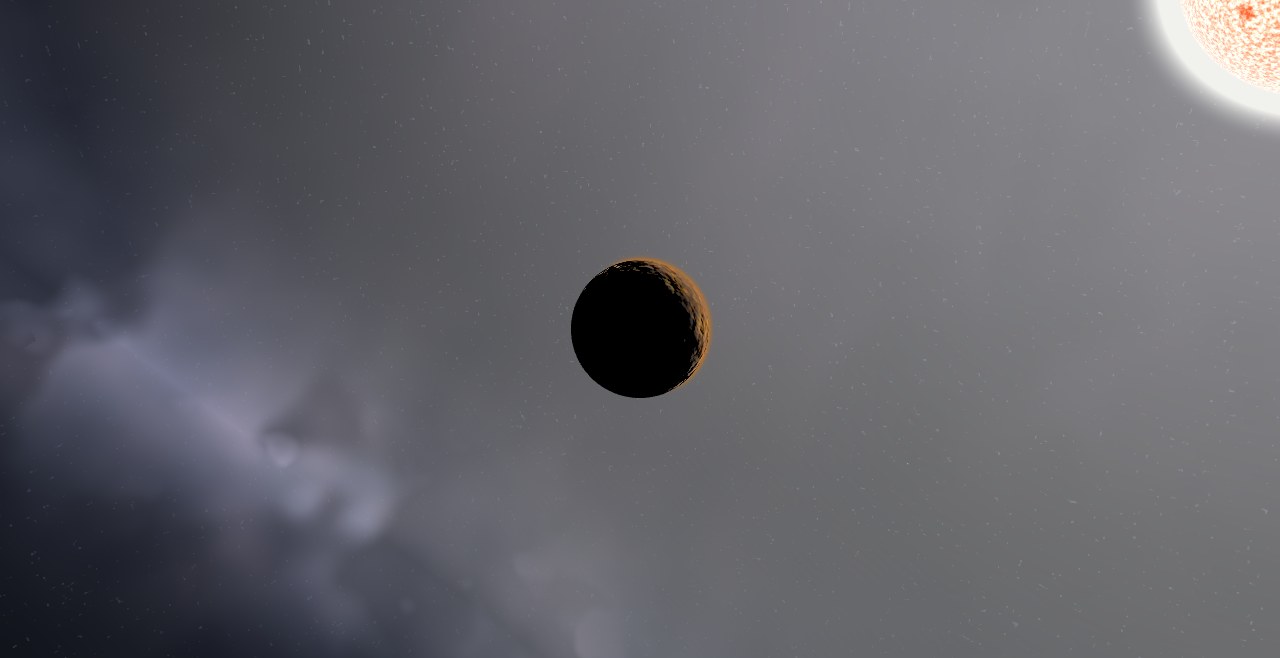
Kepler-1525, a Sun-like G-type star of 1.07 solar masses, and Kepler-1525 b, a planet with 0.9 Earth radii, with an orbital period of 2.4 days.
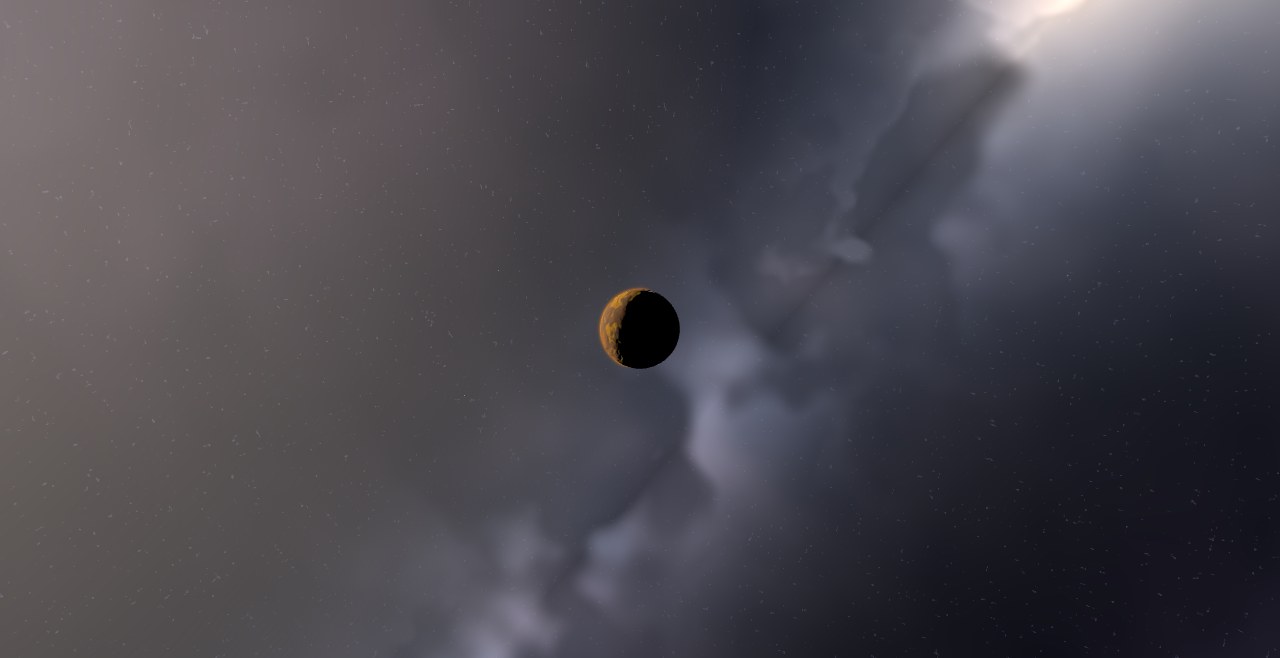
Kepler-1526, an orange K-type dwarf of 0.73 solar masses, and Kepler-1526 b, a planet with 2.4 Earth radii, with an orbital period of 3.9 days.
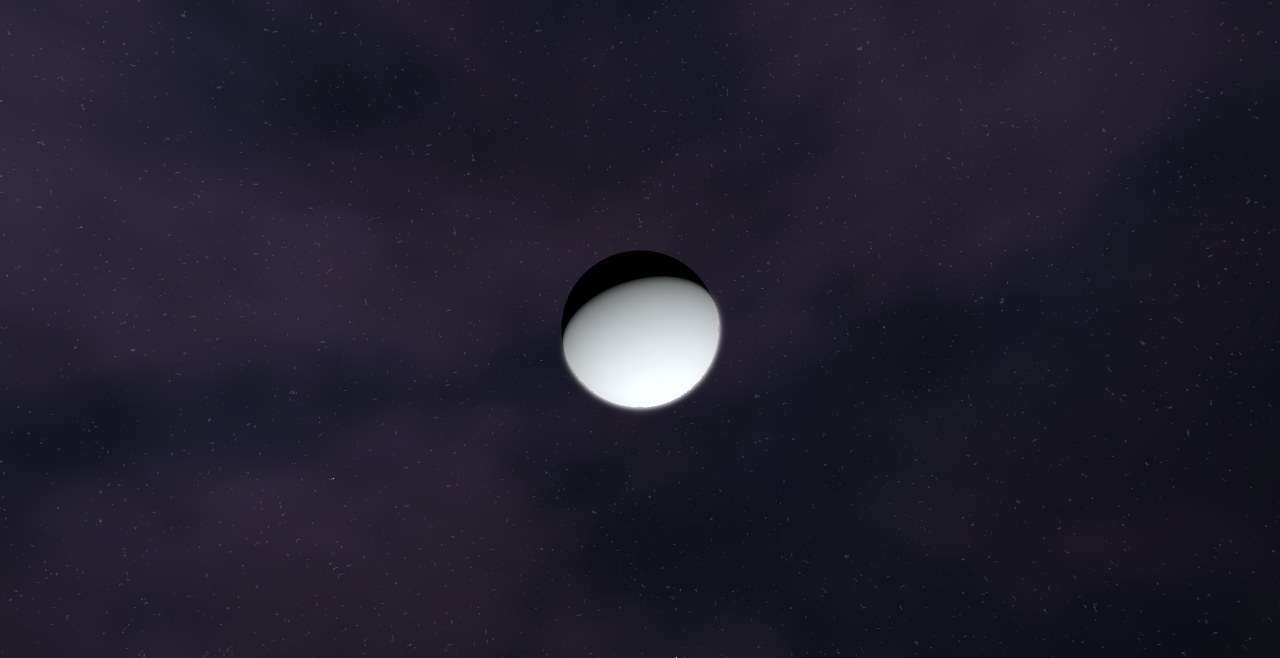
Kepler-1527, a Sun-like F-type star of 1.21 solar masses, and Kepler-1527 b, a planet with 4.8 Earth radii, with an orbital period of 160 days.
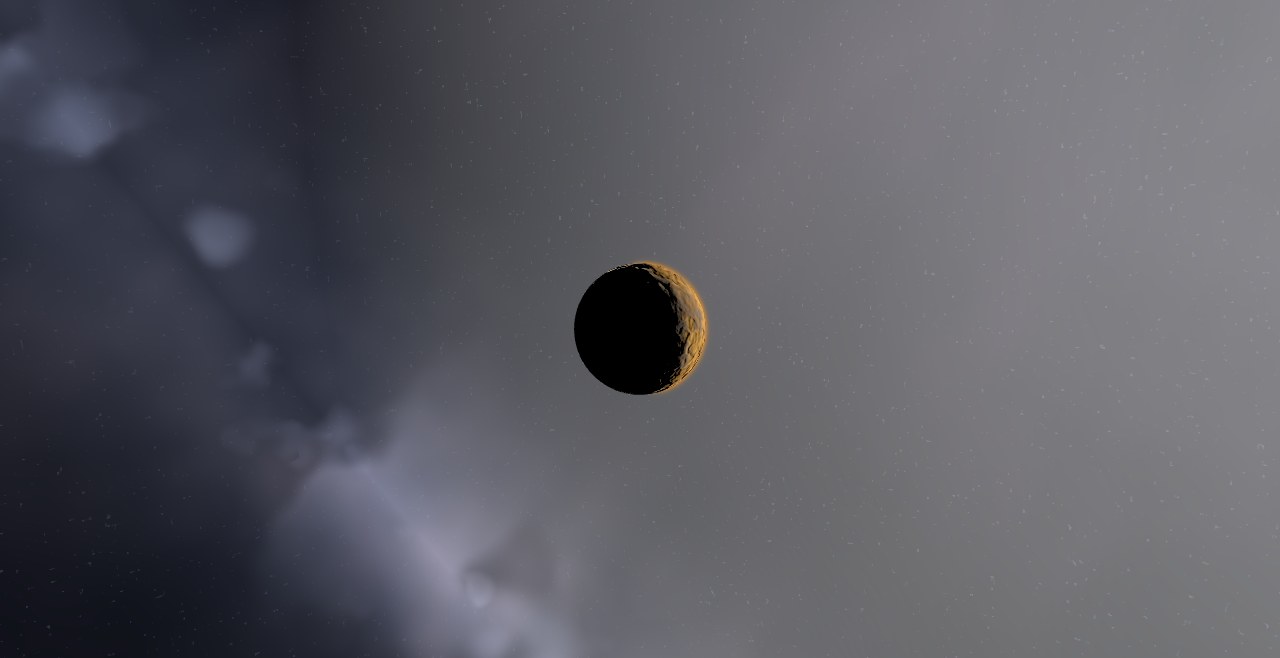
Kepler-1528, a Sun-like G-type star of 1.03 solar masses, and Kepler-1528 b, a planet with 1.5 Earth radii, with an orbital period of 1.8 days.
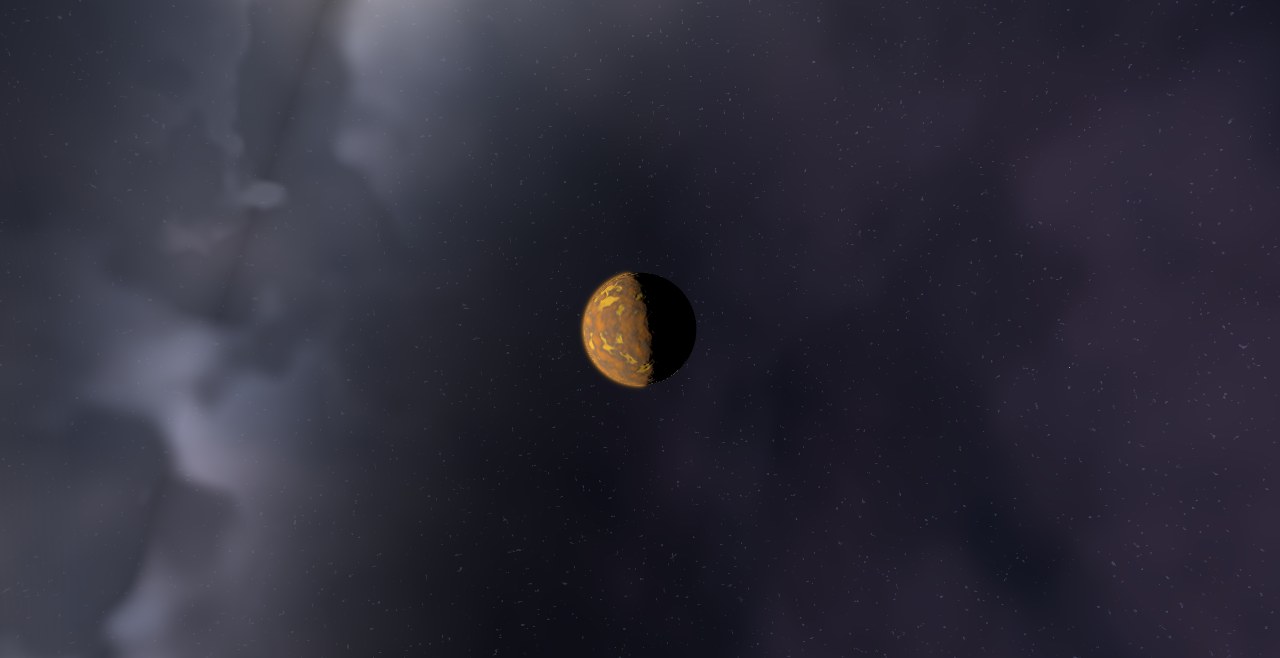
Kepler-1529, an orange K-type dwarf of 0.81 solar masses, and Kepler-1529 b, a planet with 2.1 Earth radii, with an orbital period of 5.3 days.
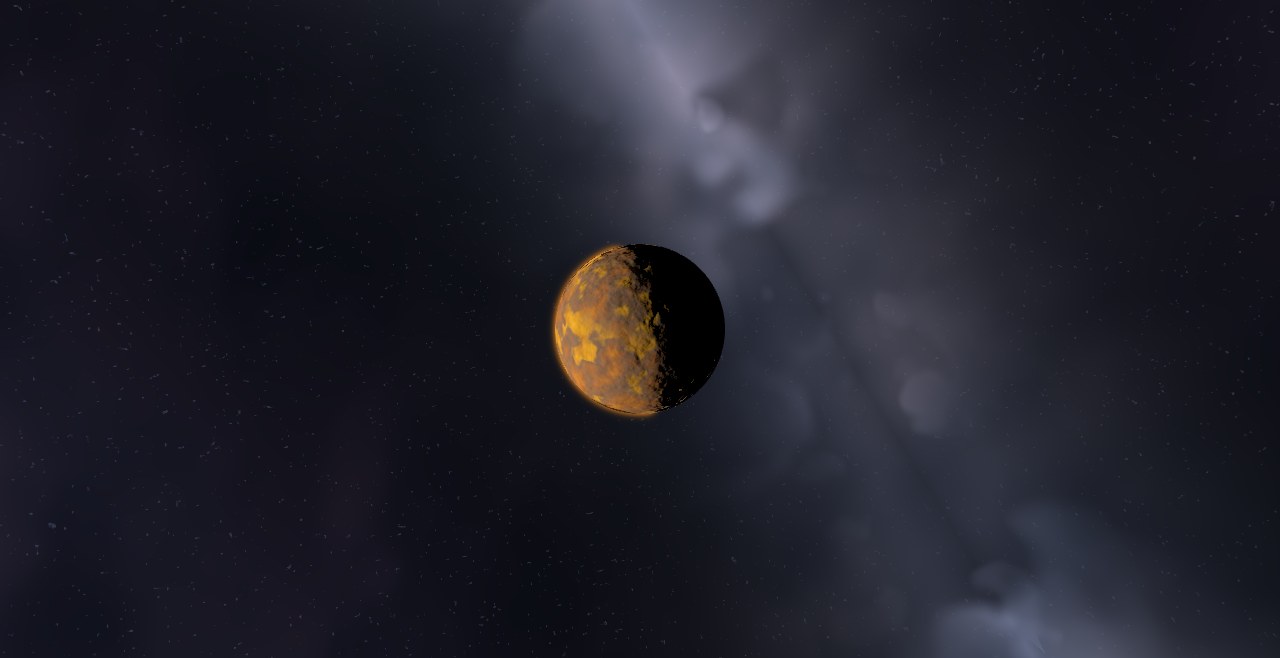
Kepler-153, a Sun-like G-type star of 0.76 solar masses, and Kepler-153 b, a planet with 2.9 Earth radii, with an orbital period of 18.9 days, at 0.129 AU from its star.
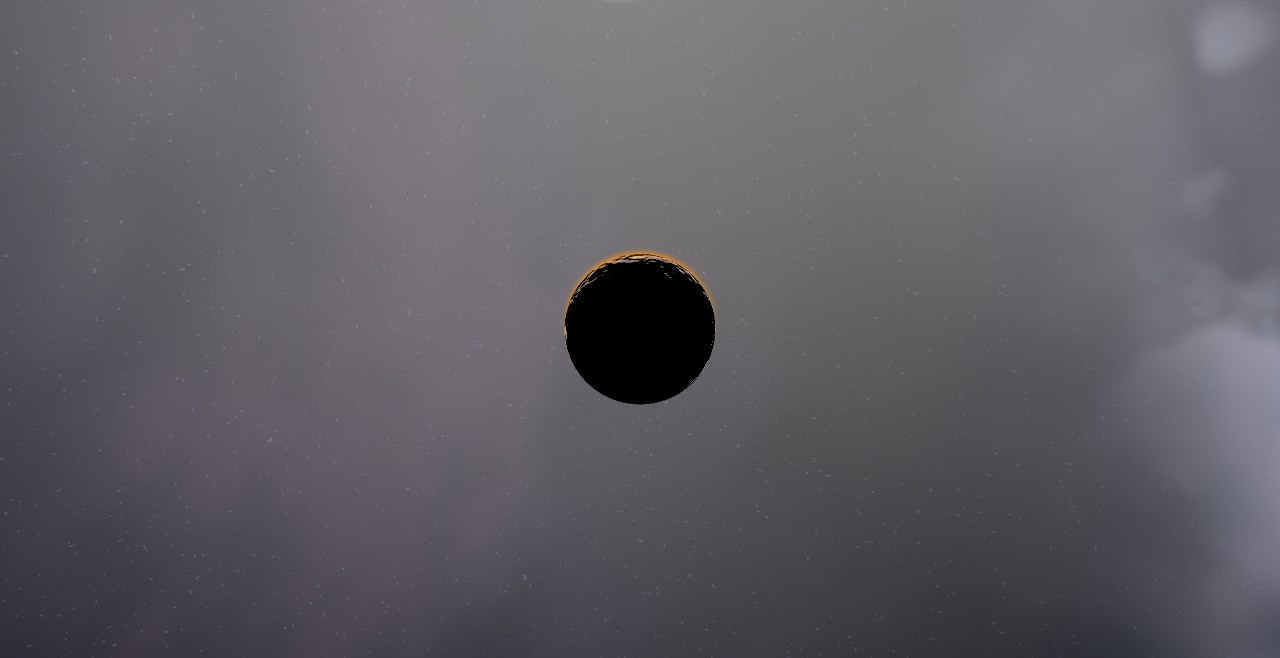
Kepler-1530, a Sun-like G-type star of 1.01 solar masses, and Kepler-1530 b, a planet with 1.6 Earth radii, with an orbital period of 2.6 days.
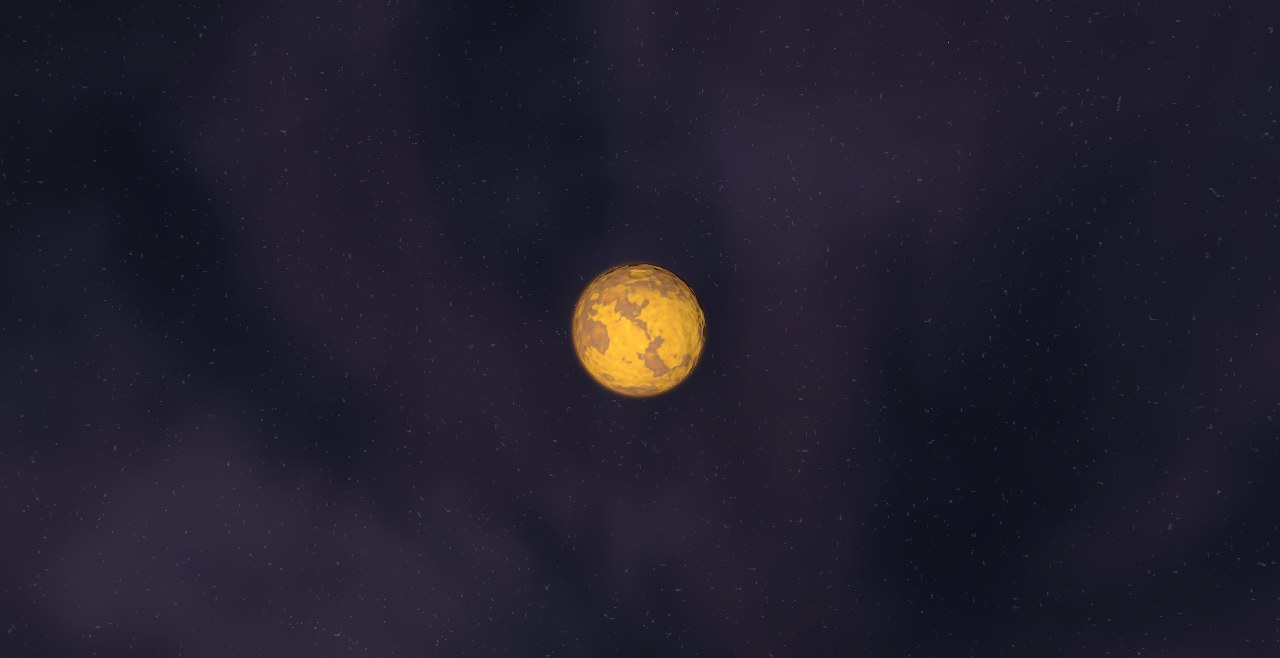
Kepler-1531, a Sun-like F-type star of 1.16 solar masses, and Kepler-1531 b, a planet with 1.1 Earth radii, with an orbital period of 1.1 days.