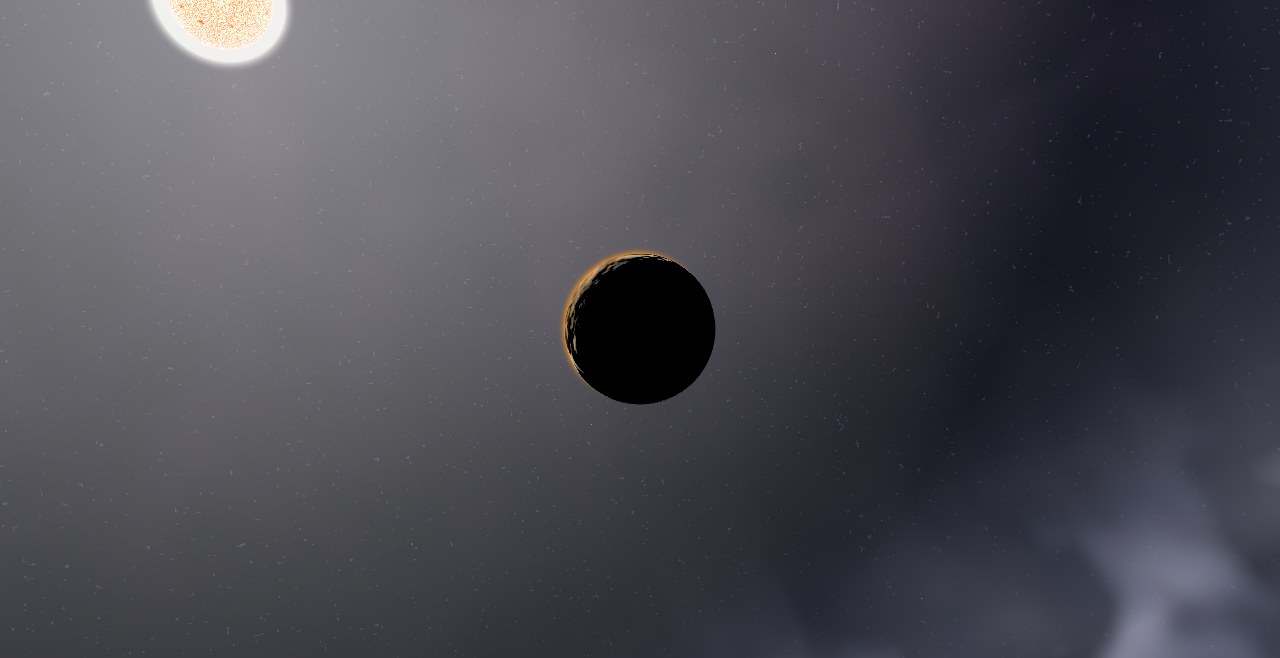
Kepler-365 - System
Kepler-365, a Sun-like F-type star of 1.02 solar masses, and Kepler-365 b, a planet with 2.0 Earth radii, with an orbital period of 10.7 days, at 0.098 AU from its star.
3D Space and Gravity Simulator. Simulate the solar system, exoplanets and even colliding galaxies. Add, delete and modify planets, and change the laws of physics.
Share
Kepler-365, a Sun-like F-type star of 1.02 solar masses, and Kepler-365 b, a planet with 2.0 Earth radii, with an orbital period of 10.7 days, at 0.098 AU from its star.
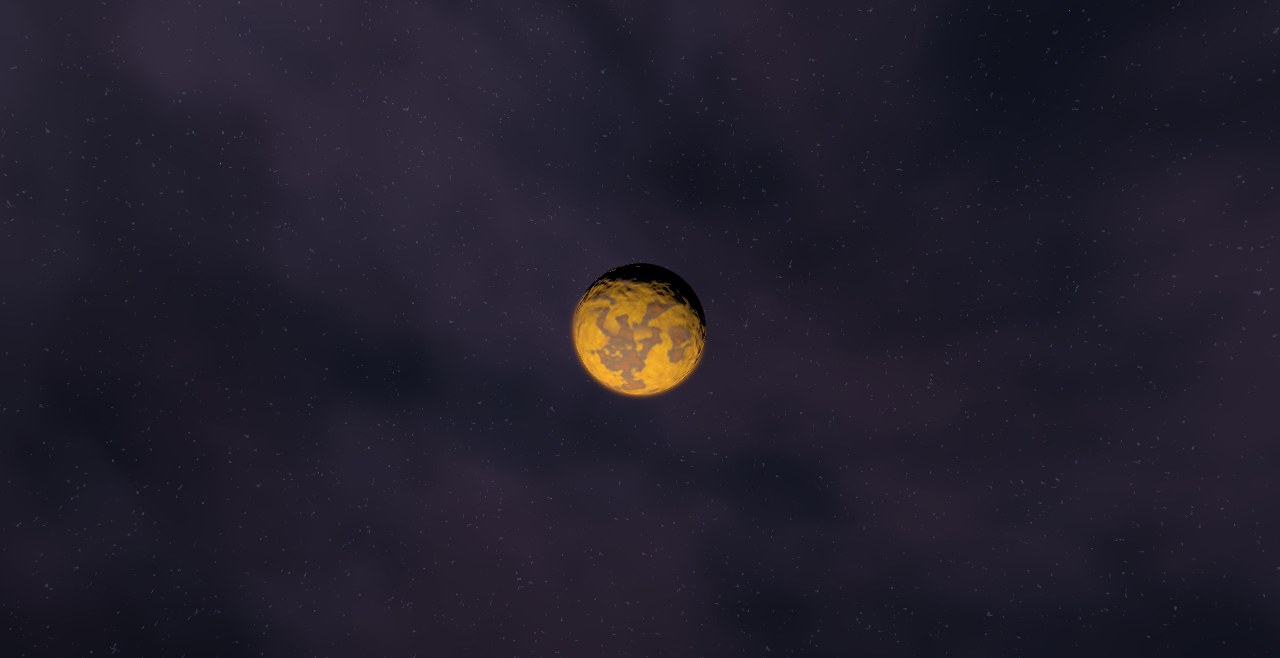
Kepler-366, a Sun-like F-type star of 1.09 solar masses, and Kepler-366 b, a planet with 1.5 Earth radii, with an orbital period of 3.3 days, at 0.045 AU from its star.
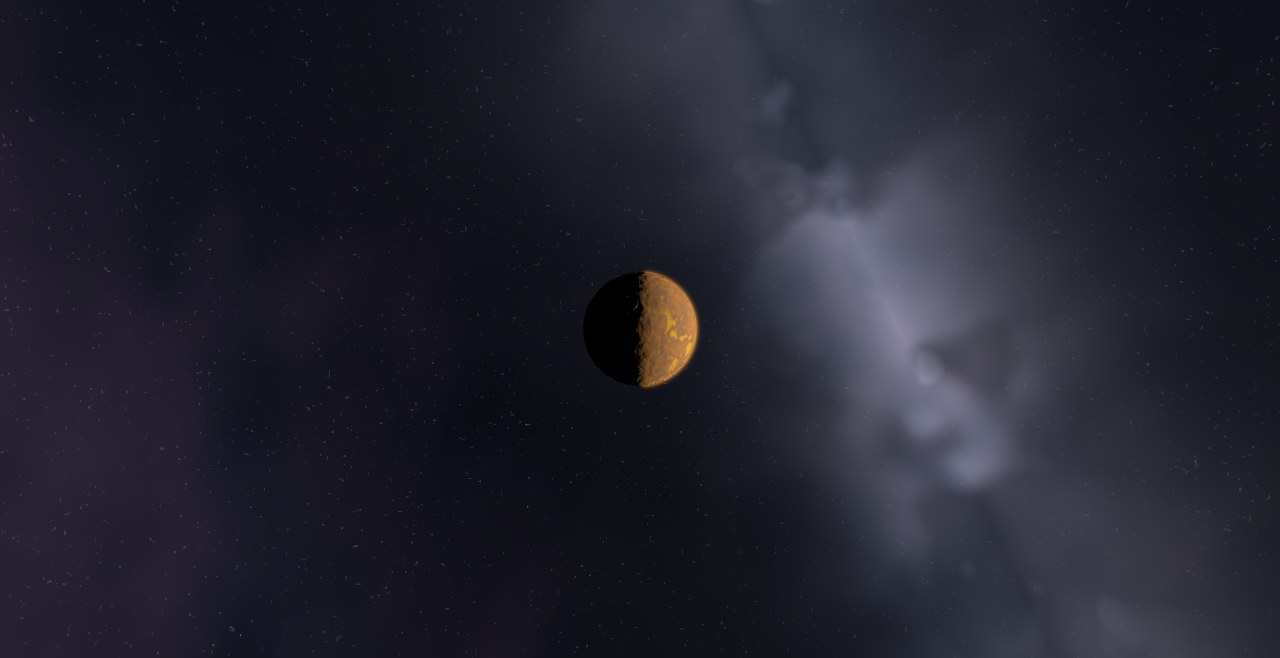
Kepler-367, an orange K-type dwarf of 0.77 solar masses, and Kepler-367 b, a planet with 1.3 Earth radii, with an orbital period of 37.8 days, at 0.201 AU from its star.
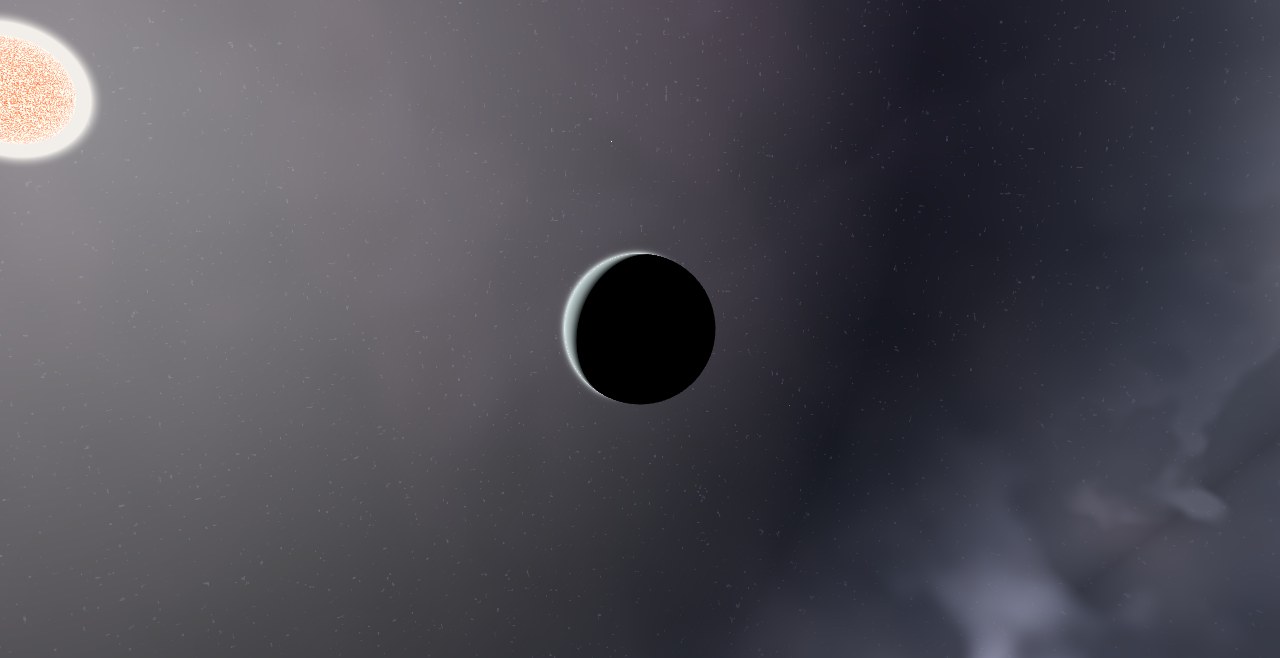
Kepler-368, a Sun-like G-type star of 1.17 solar masses, and Kepler-368 b, a planet with 3.3 Earth radii, with an orbital period of 26.8 days, at 0.186 AU from its star.
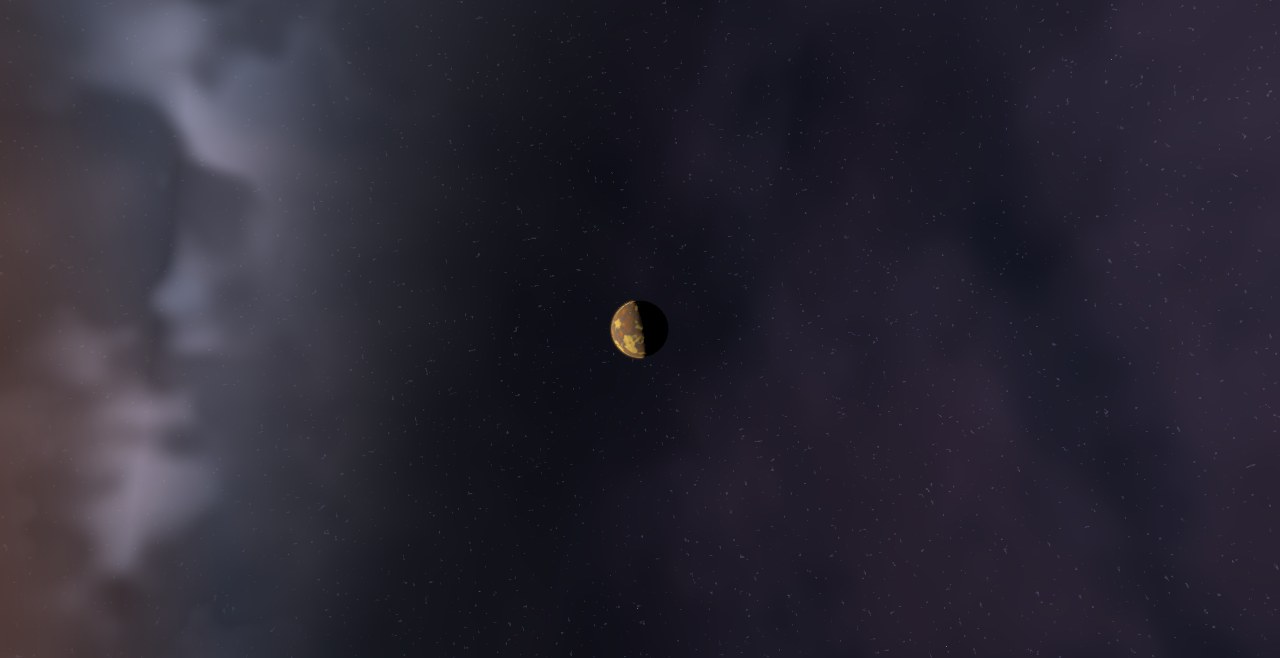
Kepler-369, a cool M-dwarf of 0.50 solar masses, and Kepler-369 b, a planet with 1.1 Earth radii, with an orbital period of 2.7 days, at 0.030 AU from its star.
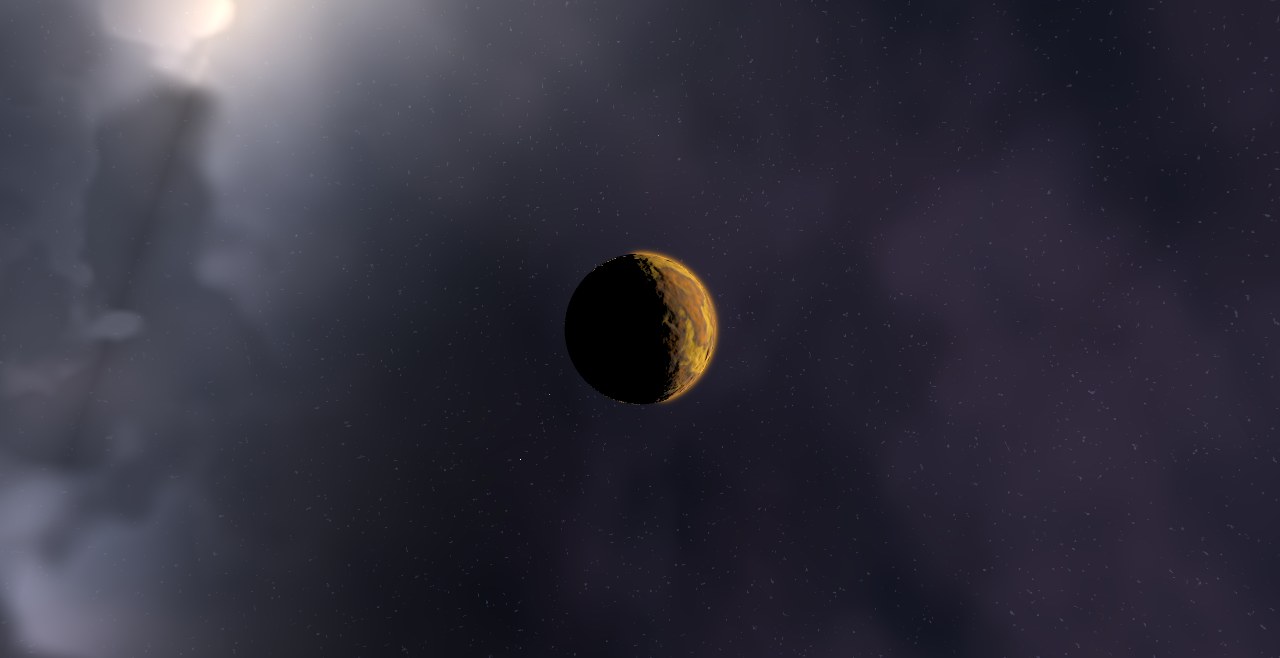
Kepler-37, famous for Kepler-37 b, announced as a planet smaller than Mercury. The inner world is one of the tiniest Kepler ever found. The host is a bright G dwarf, so the tiny dips were hard-won.
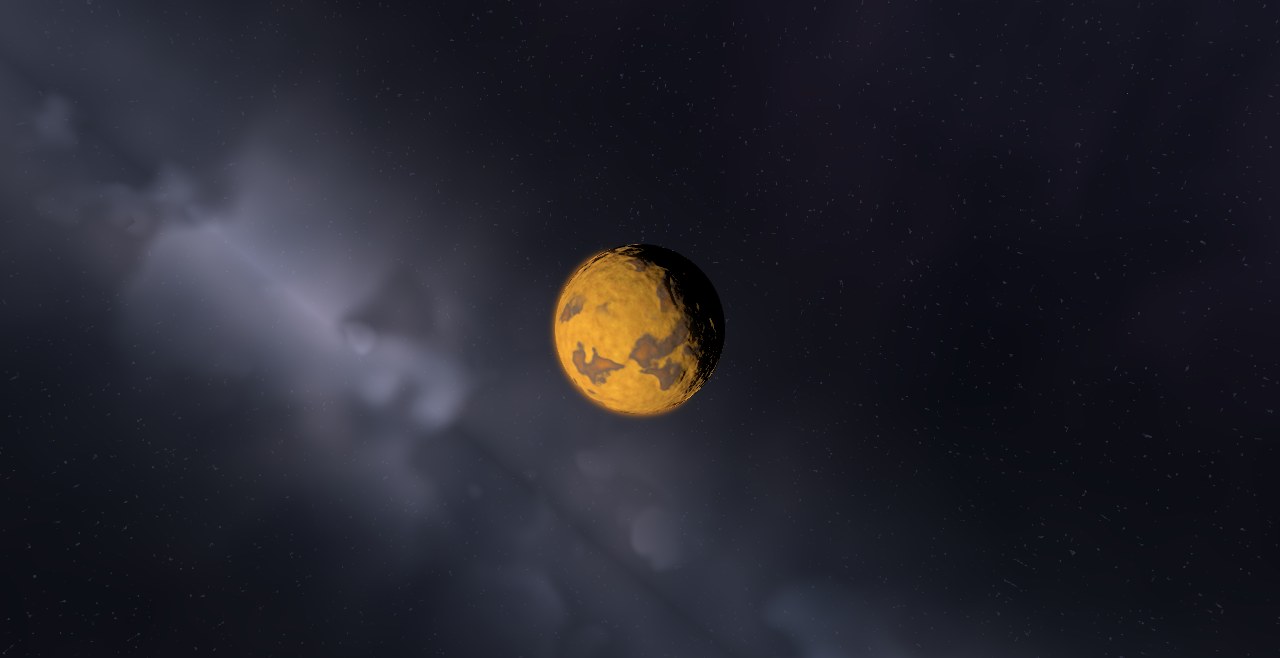
Kepler-370, a Sun-like G-type star of 0.98 solar masses, and Kepler-370 b, a planet with 1.6 Earth radii, with an orbital period of 4.6 days, at 0.054 AU from its star.
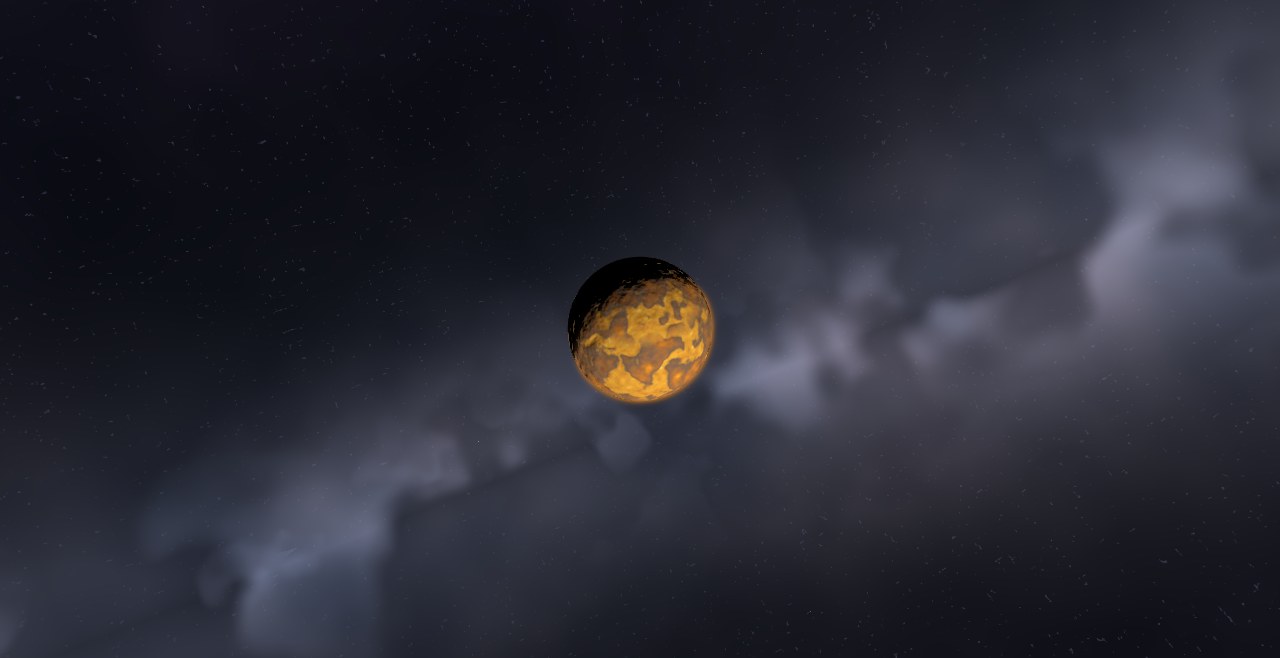
Kepler-371, a Sun-like G-type star of 0.88 solar masses, and Kepler-371 b, a planet with 1.9 Earth radii, with an orbital period of 34.8 days, at 0.200 AU from its star.
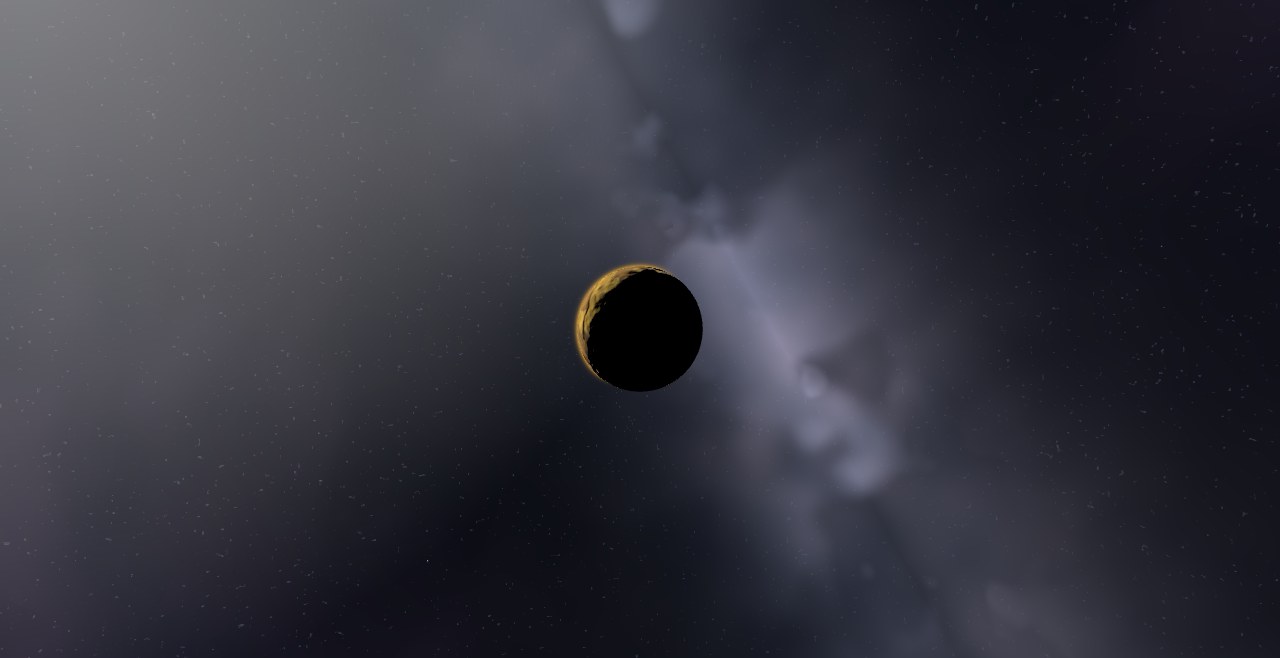
Kepler-372, a Sun-like F-type star of 1.20 solar masses, and Kepler-372 b, a planet with 1.4 Earth radii, with an orbital period of 6.8 days, at 0.075 AU from its star.
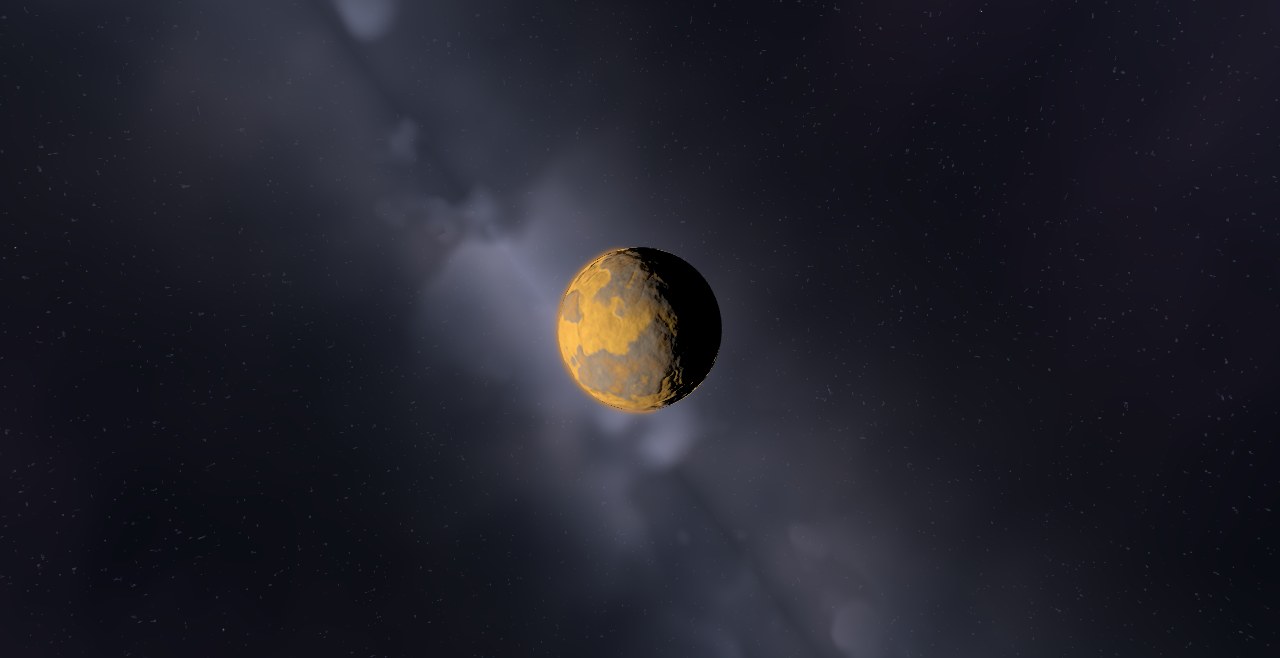
Kepler-373, a Sun-like G-type star of 0.98 solar masses, and Kepler-373 b, a planet with 1.4 Earth radii, with an orbital period of 5.5 days, at 0.060 AU from its star.
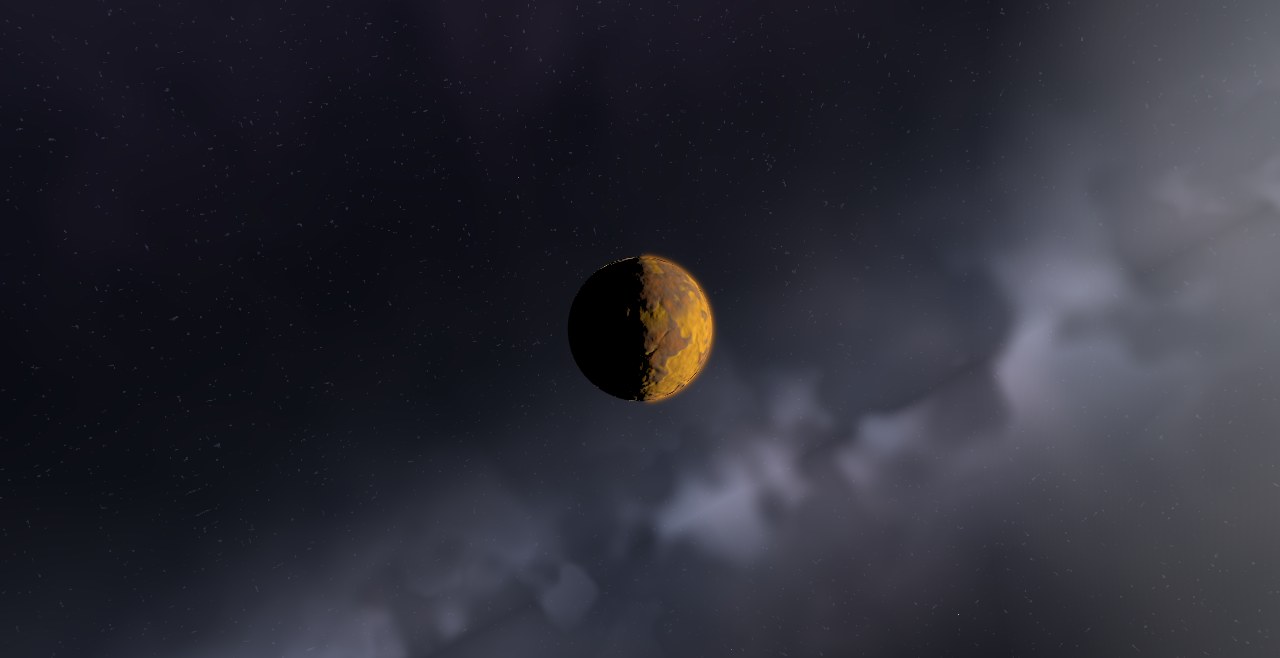
Kepler-374, a Sun-like G-type star of 1.03 solar masses, and Kepler-374 b, a planet with 1.0 Earth radii, with an orbital period of 1.9 days, at 0.029 AU from its star.
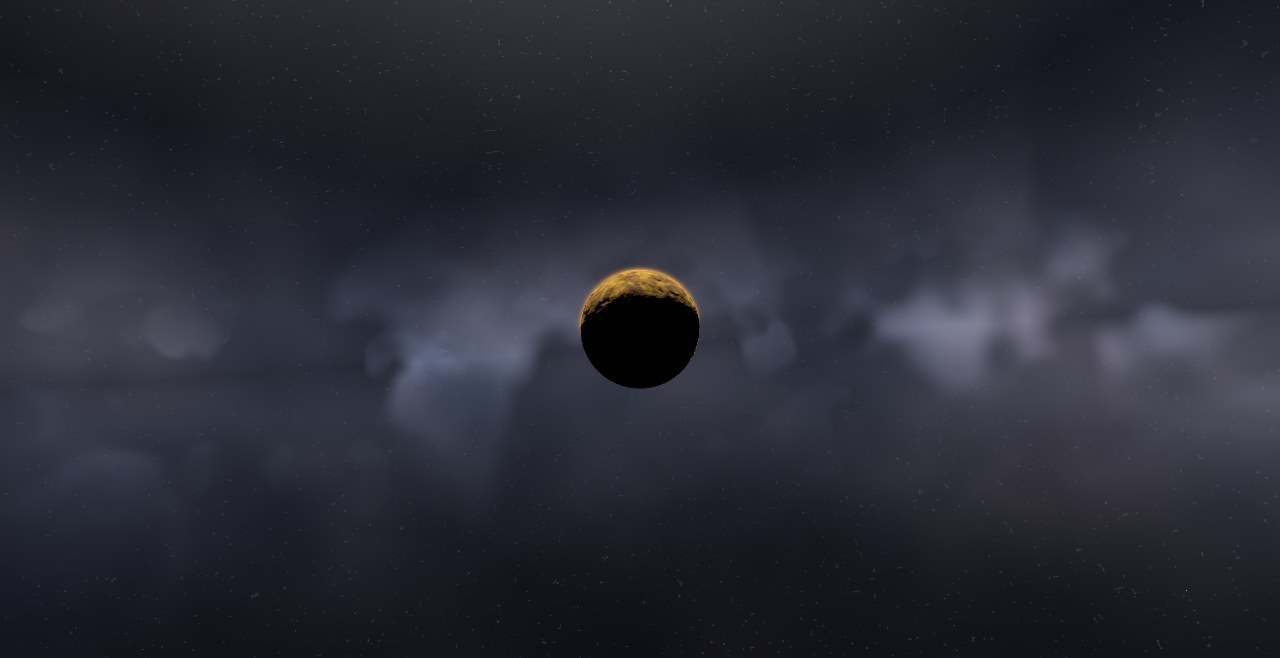
Kepler-375, a Sun-like G-type star of 0.89 solar masses, and Kepler-375 b, a planet with 1.4 Earth radii, with an orbital period of 12.1 days, at 0.101 AU from its star.
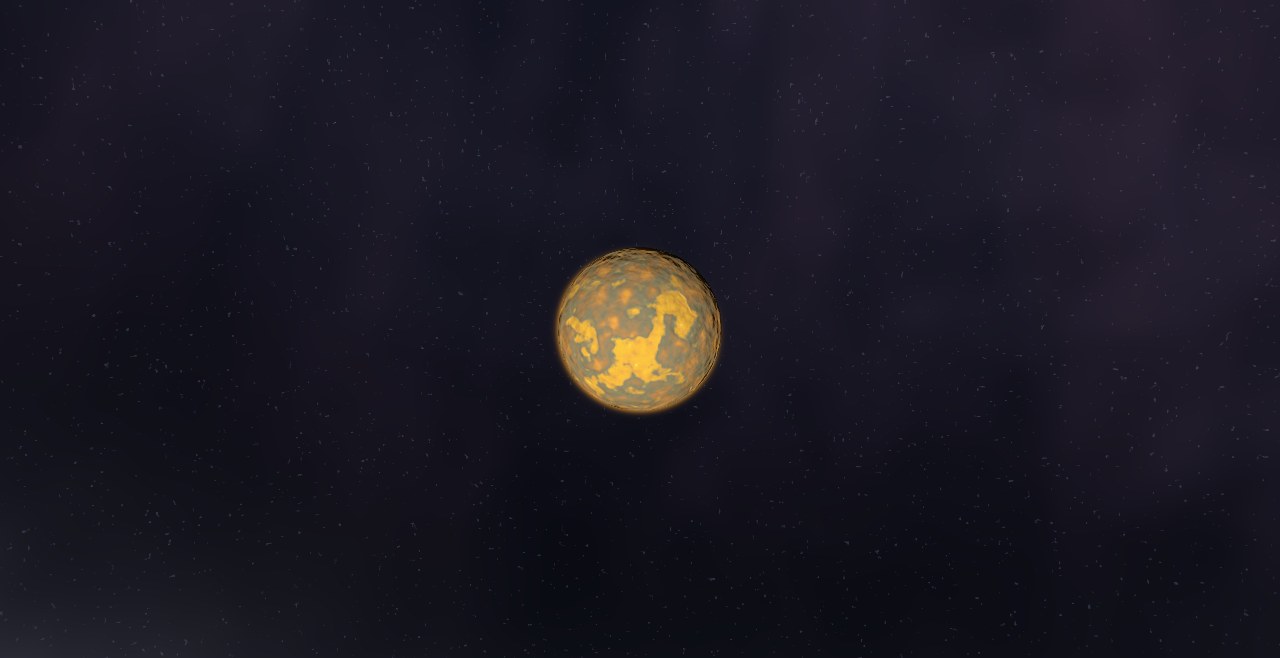
Kepler-376, a Sun-like G-type star of 0.97 solar masses, and Kepler-376 b, a planet with 1.1 Earth radii, with an orbital period of 4.9 days, at 0.057 AU from its star.
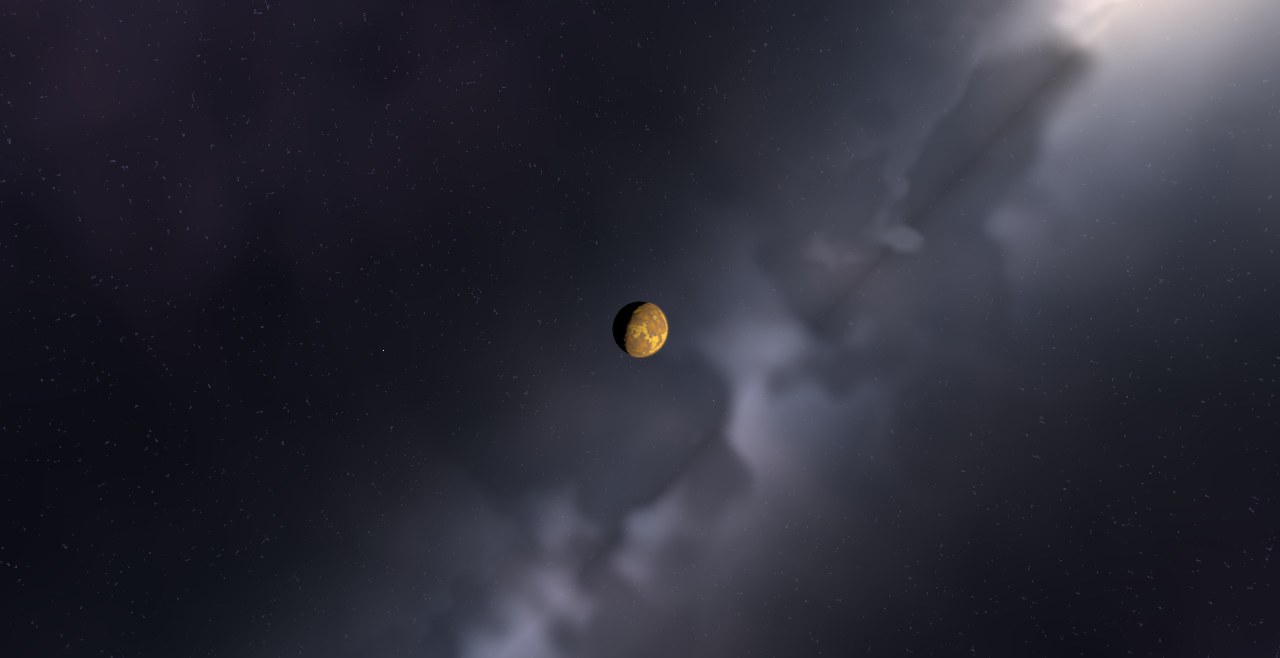
Kepler-377, a Sun-like G-type star of 1.04 solar masses, and Kepler-377 b, a planet with 1.4 Earth radii, with an orbital period of 12.5 days, at 0.109 AU from its star.
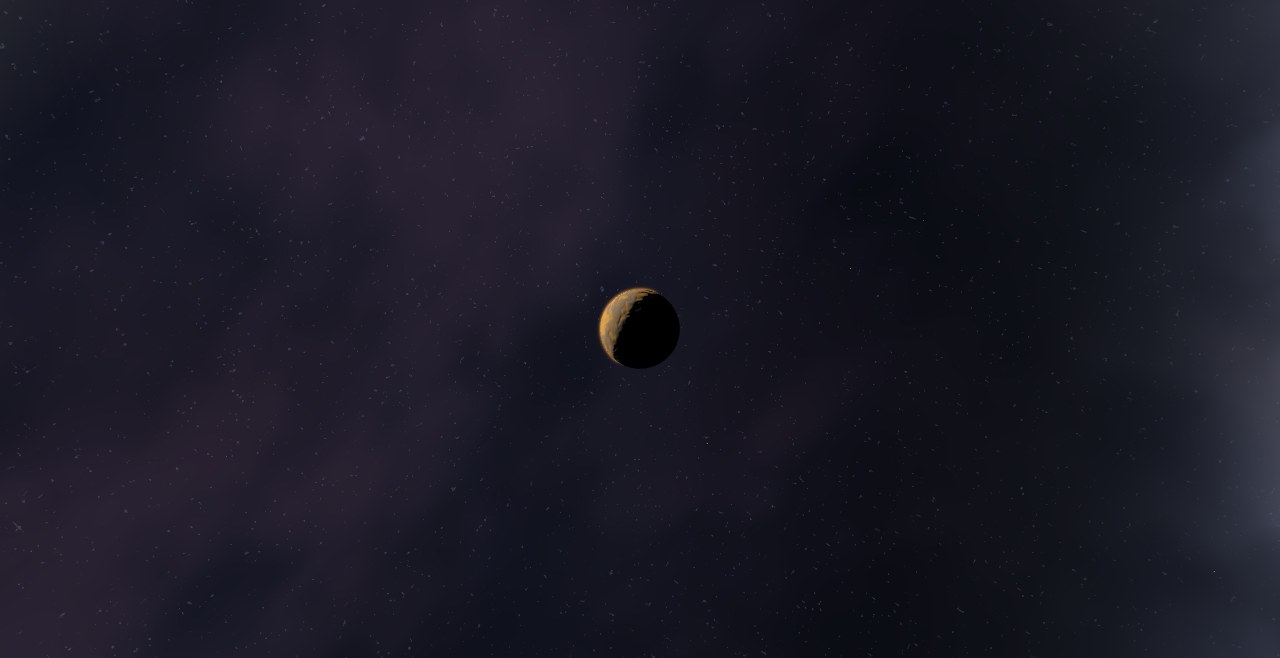
Kepler-378, an orange K-type dwarf of 0.78 solar masses, and Kepler-378 b, a planet with 0.8 Earth radii, with an orbital period of 16.1 days, at 0.112 AU from its star.
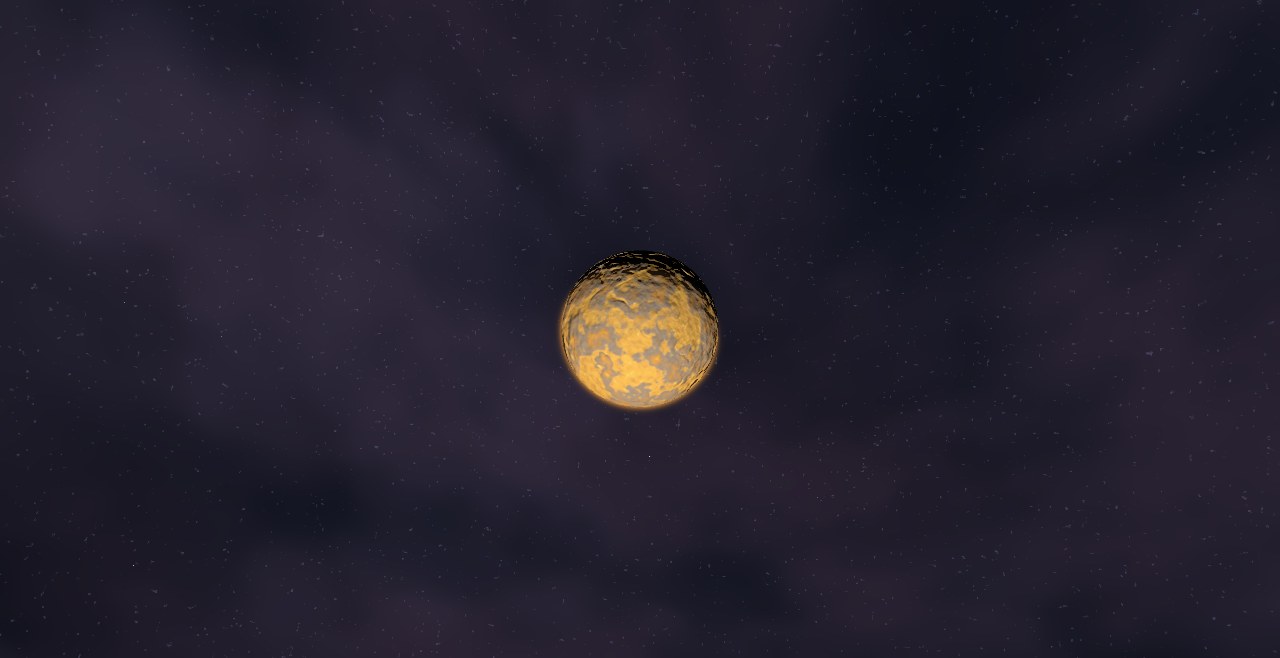
Kepler-379, a Sun-like F-type star of 1.13 solar masses, and Kepler-379 b, a planet with 1.7 Earth radii, with an orbital period of 20.1 days, at 0.152 AU from its star.
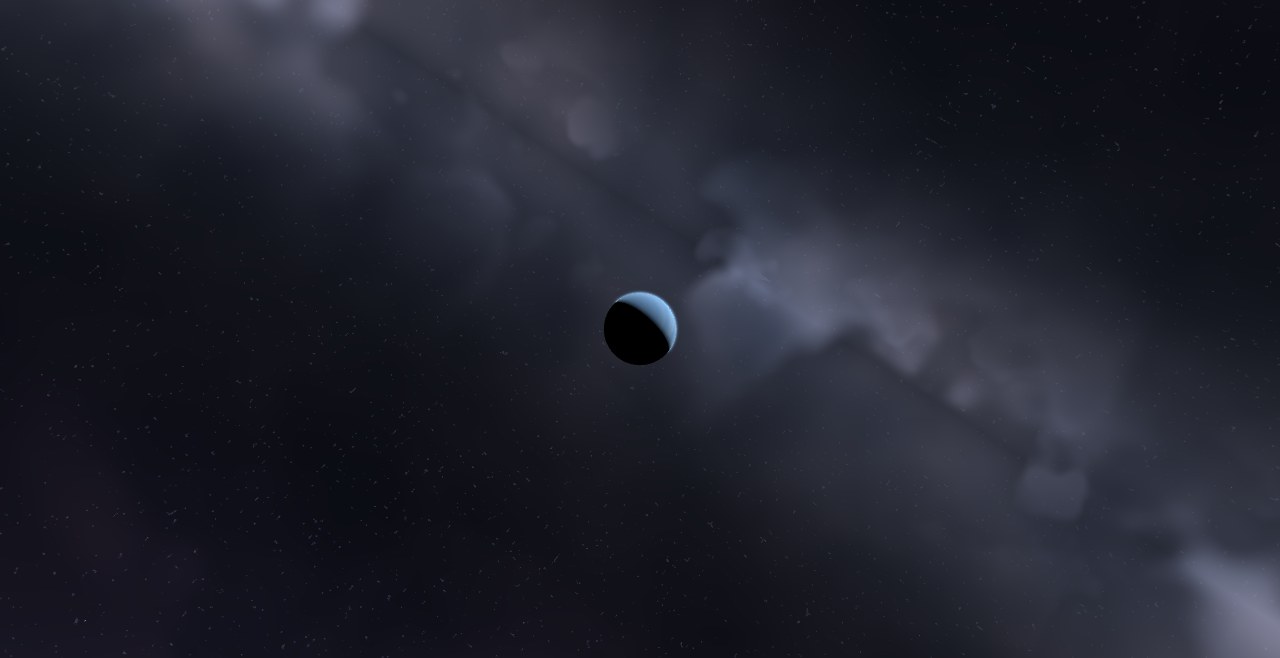
Kepler-38 b, one of the smallest circumbinary planets found by Kepler. It orbits a stellar pair just outside the zone where orbits go unstable.
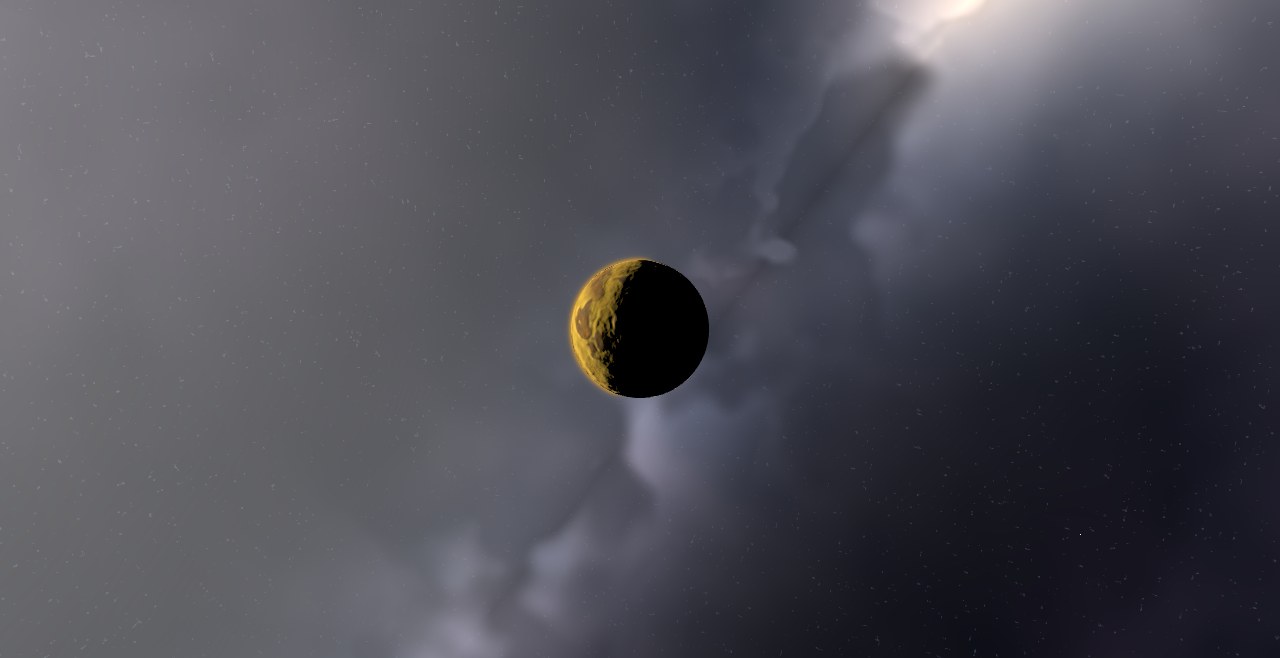
Kepler-380, a Sun-like F-type star of 0.99 solar masses, and Kepler-380 b, a planet with 1.2 Earth radii, with an orbital period of 3.9 days, at 0.050 AU from its star.