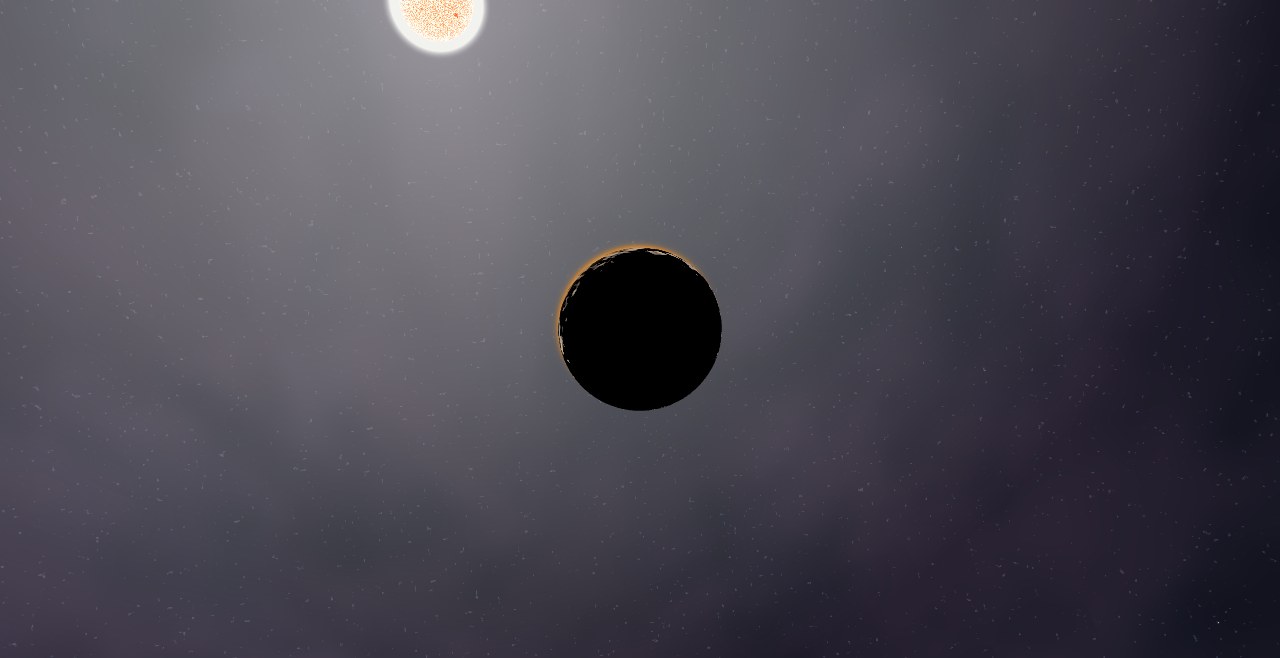
Kepler-349 - System
Kepler-349, a Sun-like G-type star of 1.08 solar masses, and Kepler-349 b, a planet with 1.9 Earth radii, with an orbital period of 5.9 days, at 0.065 AU from its star.
3D Space and Gravity Simulator. Simulate the solar system, exoplanets and even colliding galaxies. Add, delete and modify planets, and change the laws of physics.
Share
Kepler-349, a Sun-like G-type star of 1.08 solar masses, and Kepler-349 b, a planet with 1.9 Earth radii, with an orbital period of 5.9 days, at 0.065 AU from its star.
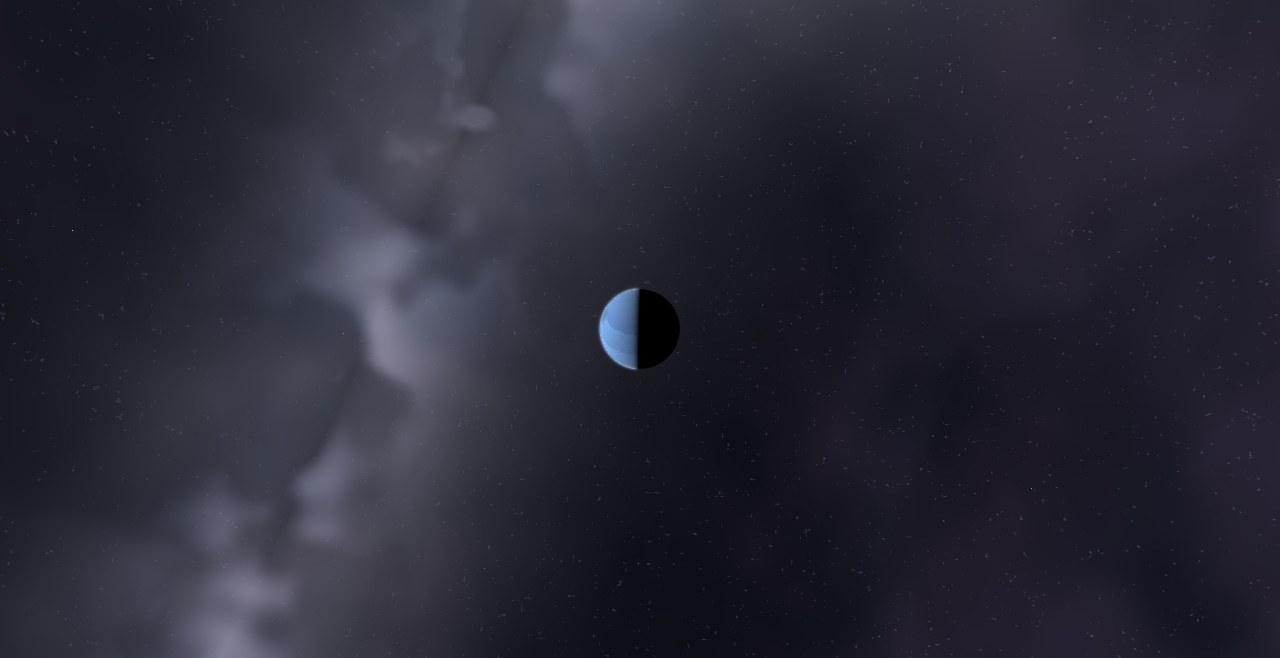
Kepler-35 b, a Saturn-sized planet orbiting two stars. Its transits of both stars helped prove circumbinary planets are common, not flukes. Both stars are smaller and cooler than the Sun.
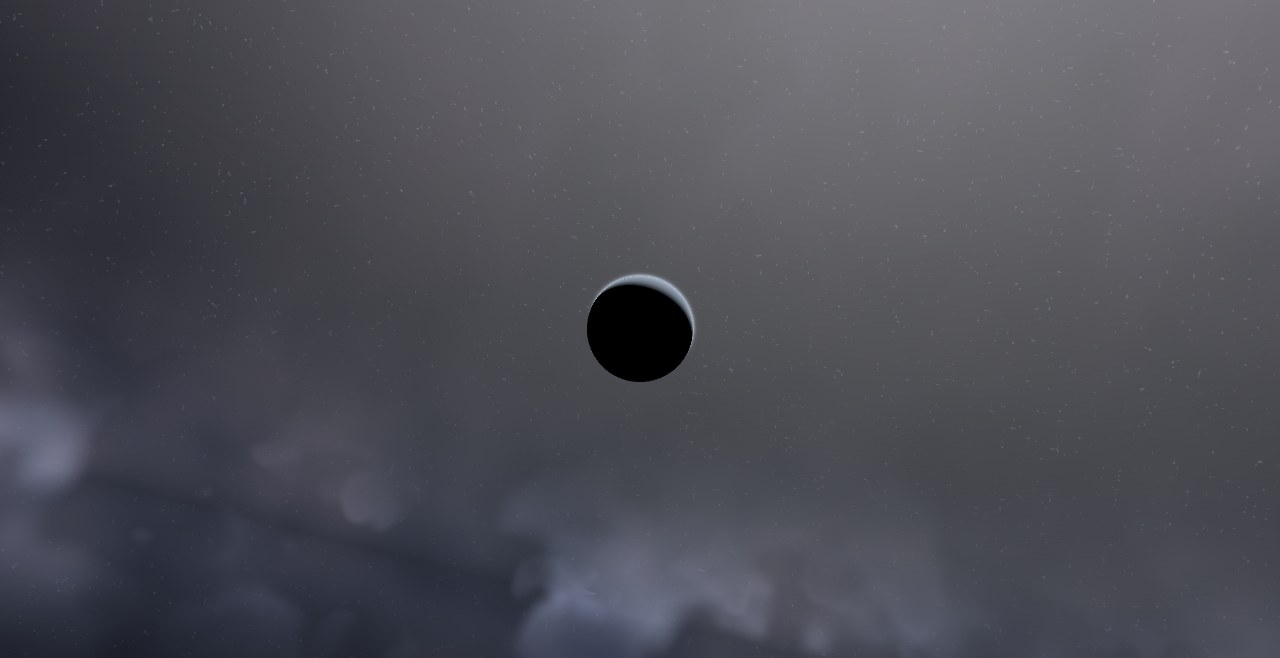
Kepler-350, a Sun-like F-type star of 1.19 solar masses, and Kepler-350 b, a planet with 1.9 Earth radii, with an orbital period of 11.2 days, at 0.104 AU from its star.
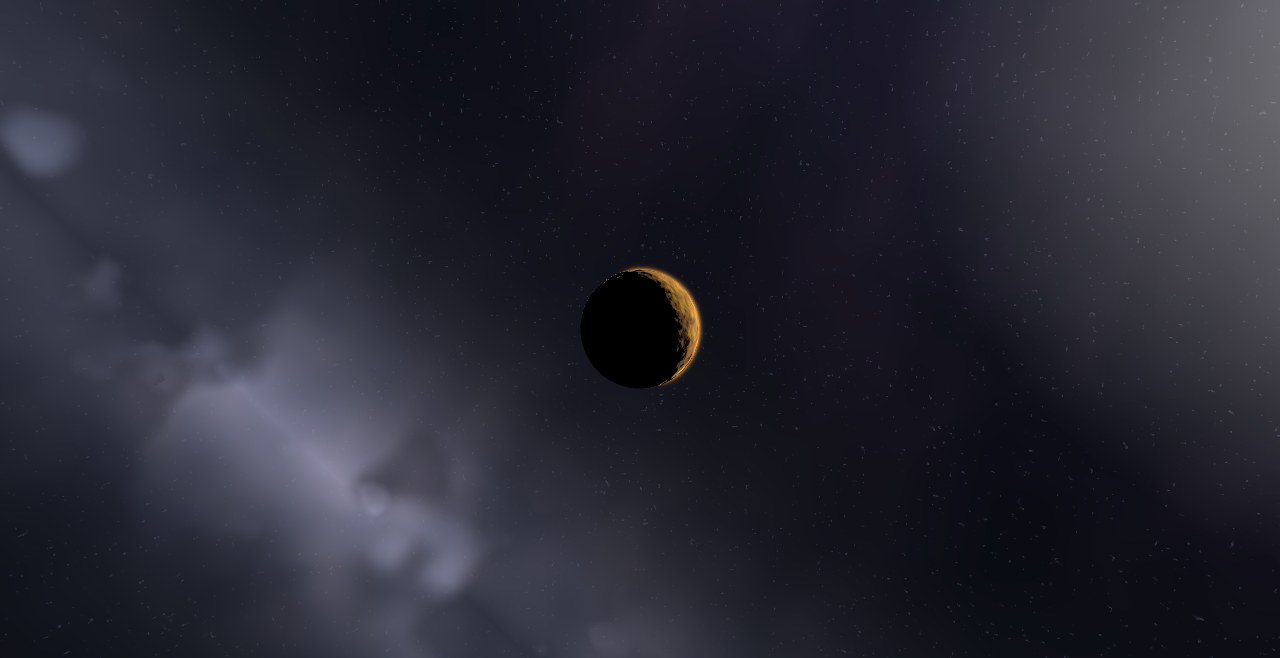
Kepler-351, a Sun-like G-type star of 0.81 solar masses, and Kepler-351 b, a planet with 3.1 Earth radii, with an orbital period of 37.1 days, at 0.214 AU from its star.
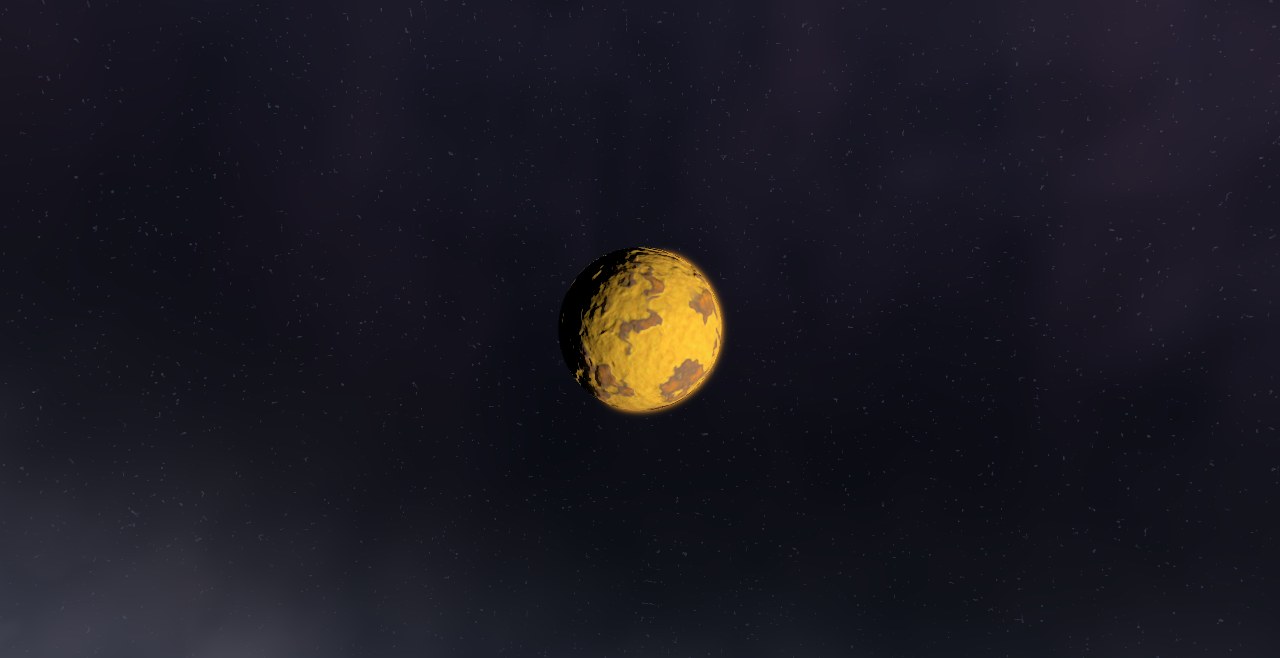
Kepler-352, a Sun-like G-type star of 0.80 solar masses, and Kepler-352 b, a planet with 0.9 Earth radii, with an orbital period of 10.1 days, at 0.085 AU from its star.
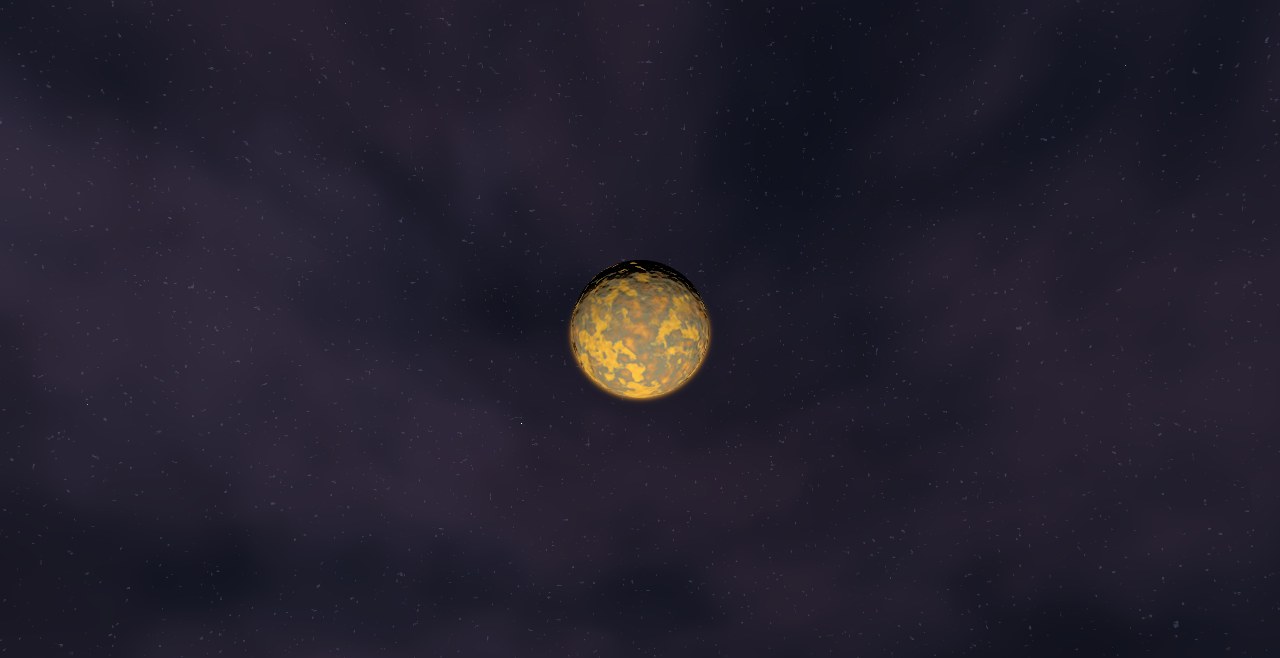
Kepler-353, an orange K-type dwarf of 0.55 solar masses, and Kepler-353 b, a planet with 0.9 Earth radii, with an orbital period of 5.8 days, at 0.051 AU from its star.
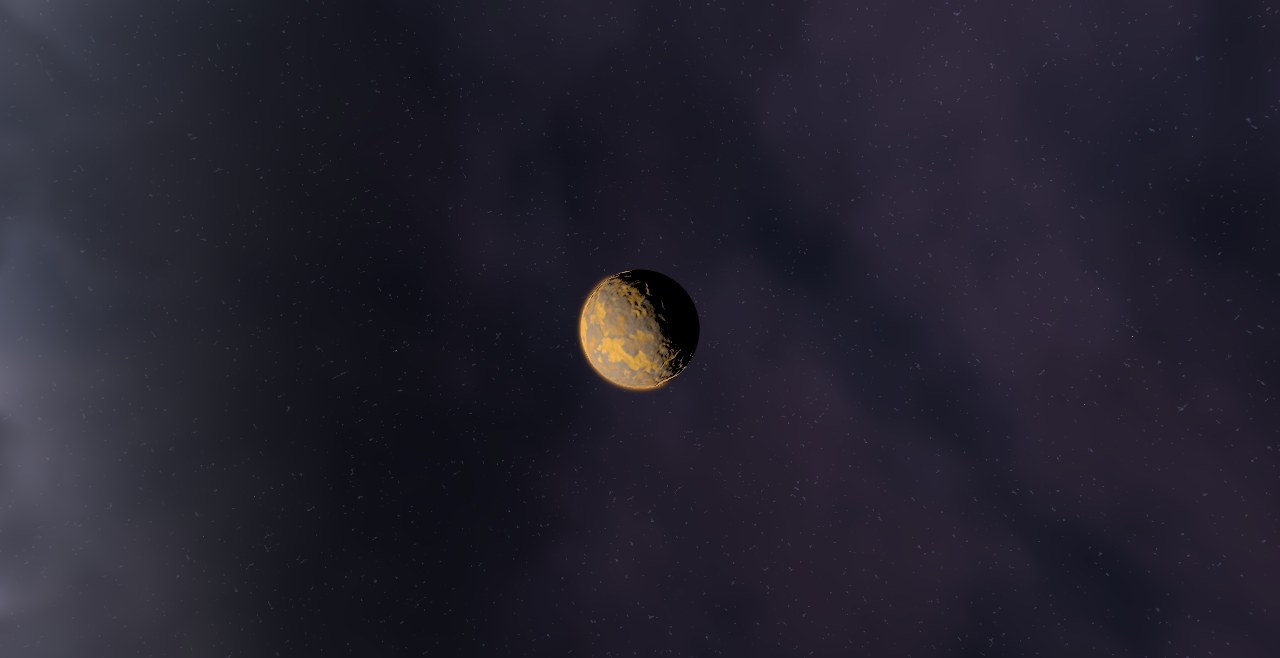
Kepler-354, an orange K-type dwarf of 0.65 solar masses, and Kepler-354 b, a planet with 1.8 Earth radii, with an orbital period of 5.5 days, at 0.054 AU from its star.
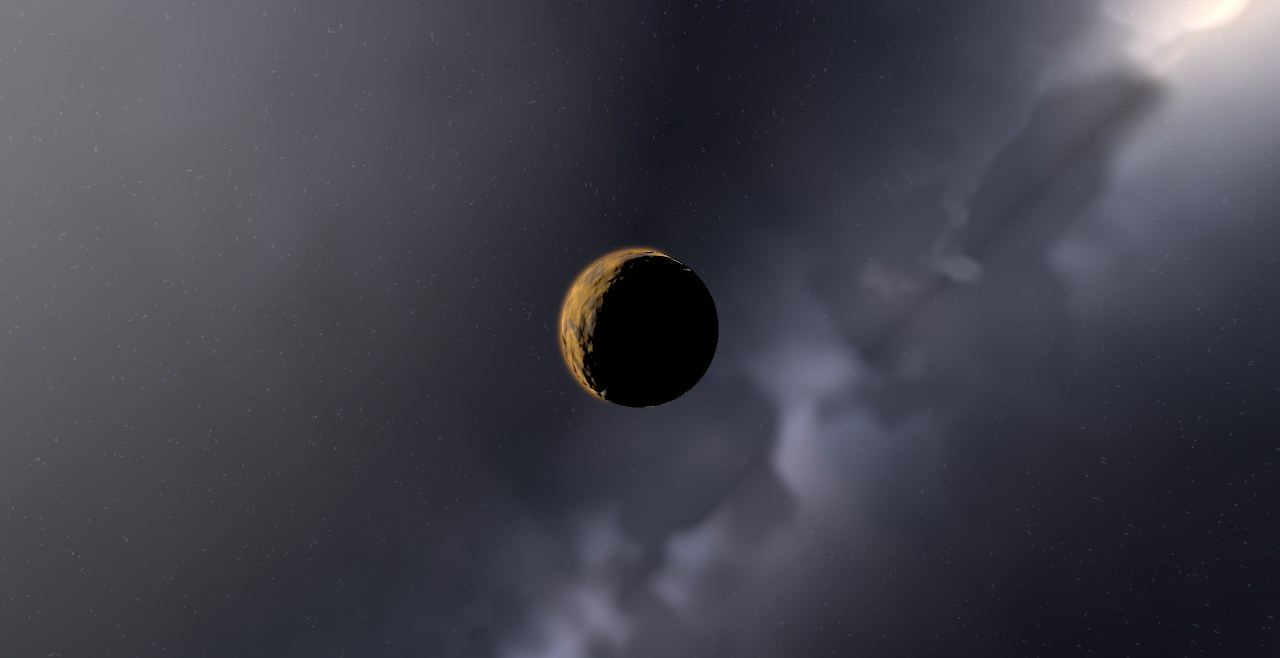
Kepler-355, a Sun-like F-type star of 0.93 solar masses, and Kepler-355 b, a planet with 1.5 Earth radii, with an orbital period of 11.0 days, at 0.102 AU from its star.
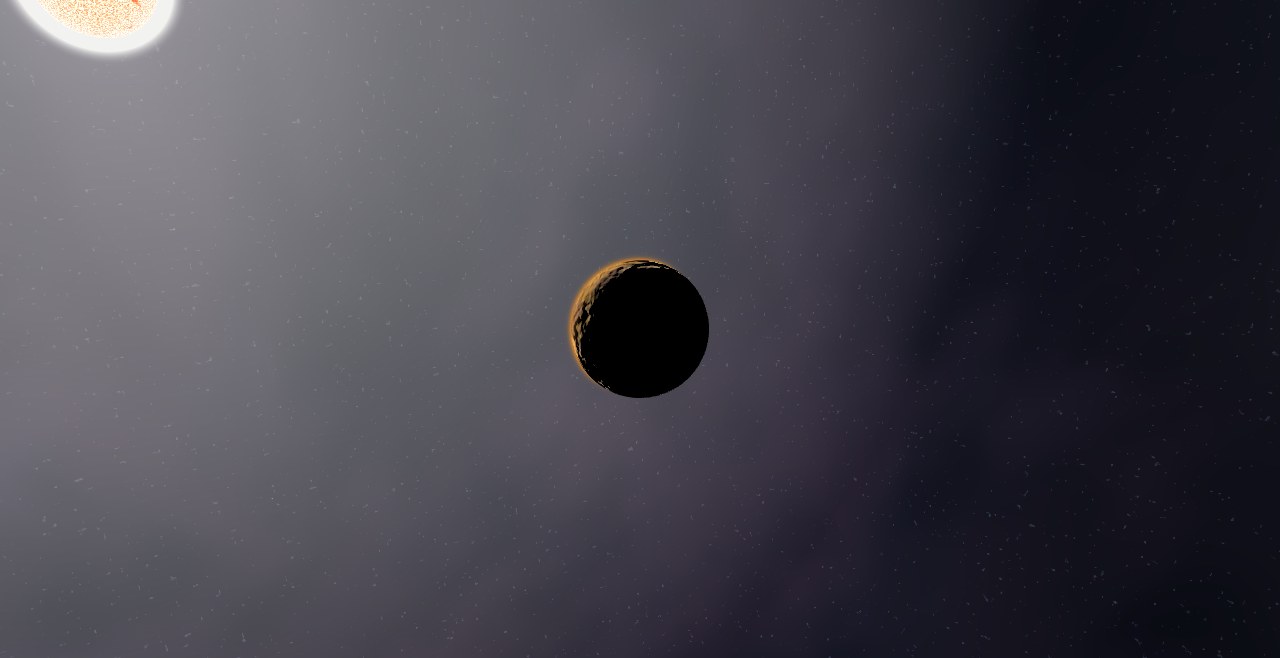
Kepler-356, a Sun-like F-type star of 1.16 solar masses, and Kepler-356 b, a planet with 1.6 Earth radii, with an orbital period of 4.6 days, at 0.057 AU from its star.
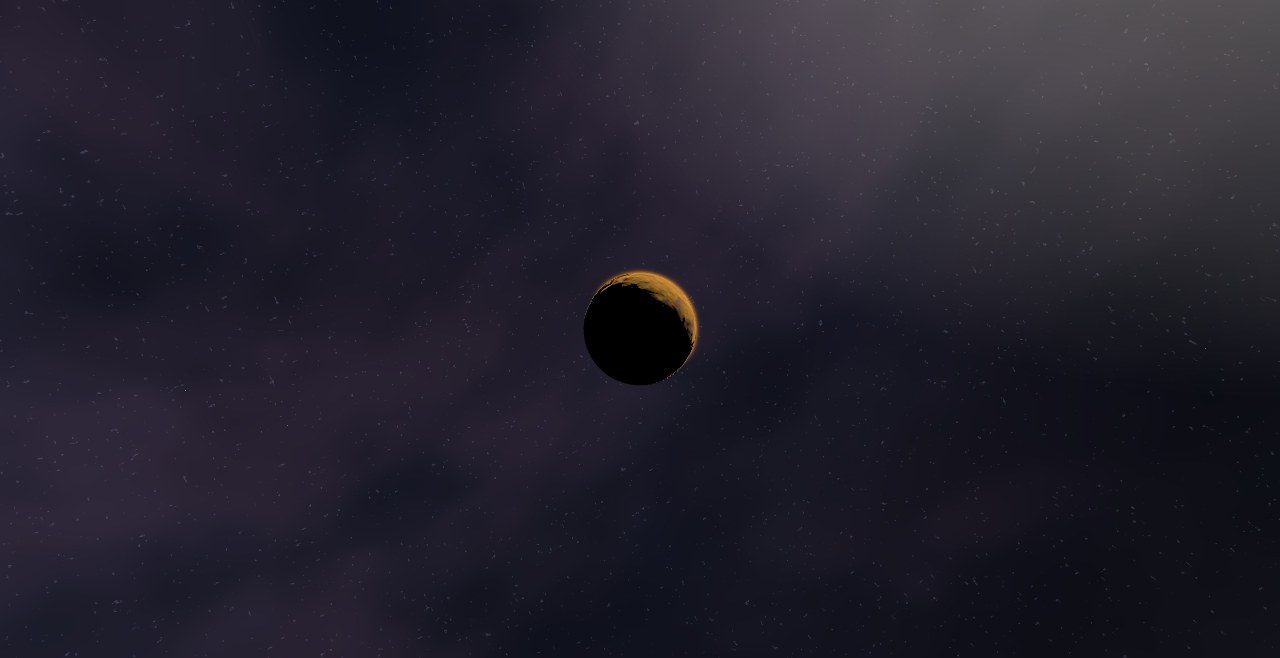
Kepler-357, an orange K-type dwarf of 0.79 solar masses, and Kepler-357 b, a planet with 1.8 Earth radii, with an orbital period of 6.5 days, at 0.063 AU from its star.
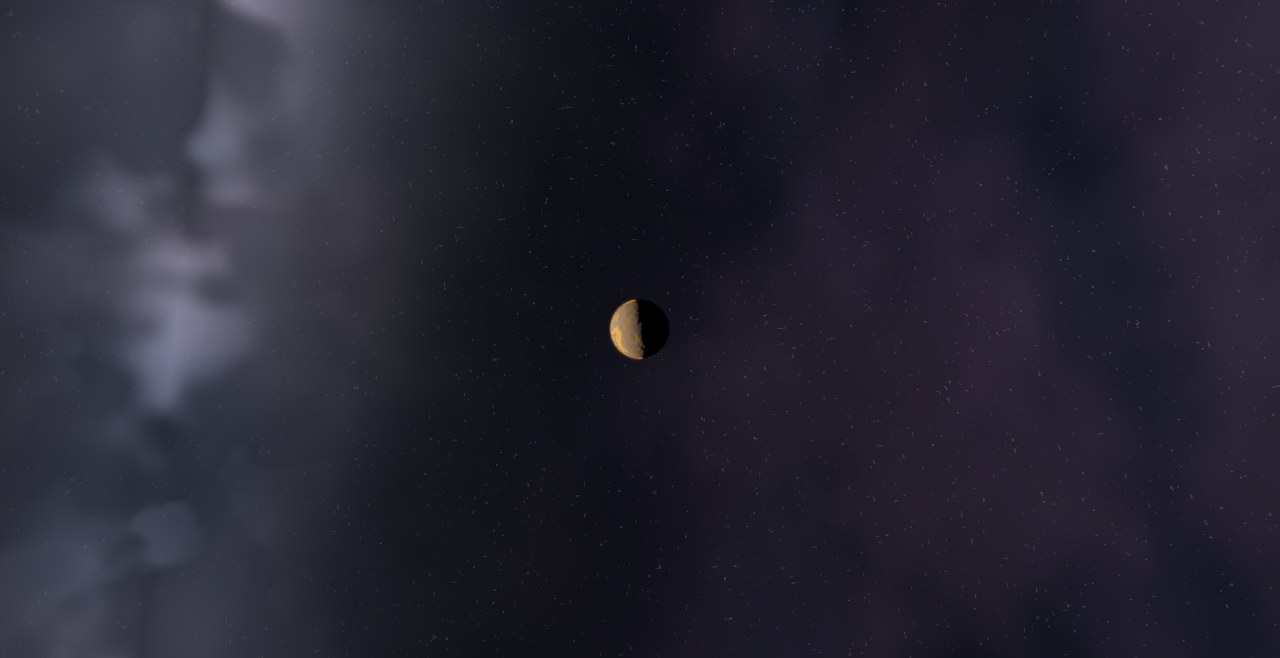
Kepler-358, a Sun-like G-type star of 0.94 solar masses, and Kepler-358 b, a planet with 2.7 Earth radii, with an orbital period of 34.1 days, at 0.210 AU from its star.
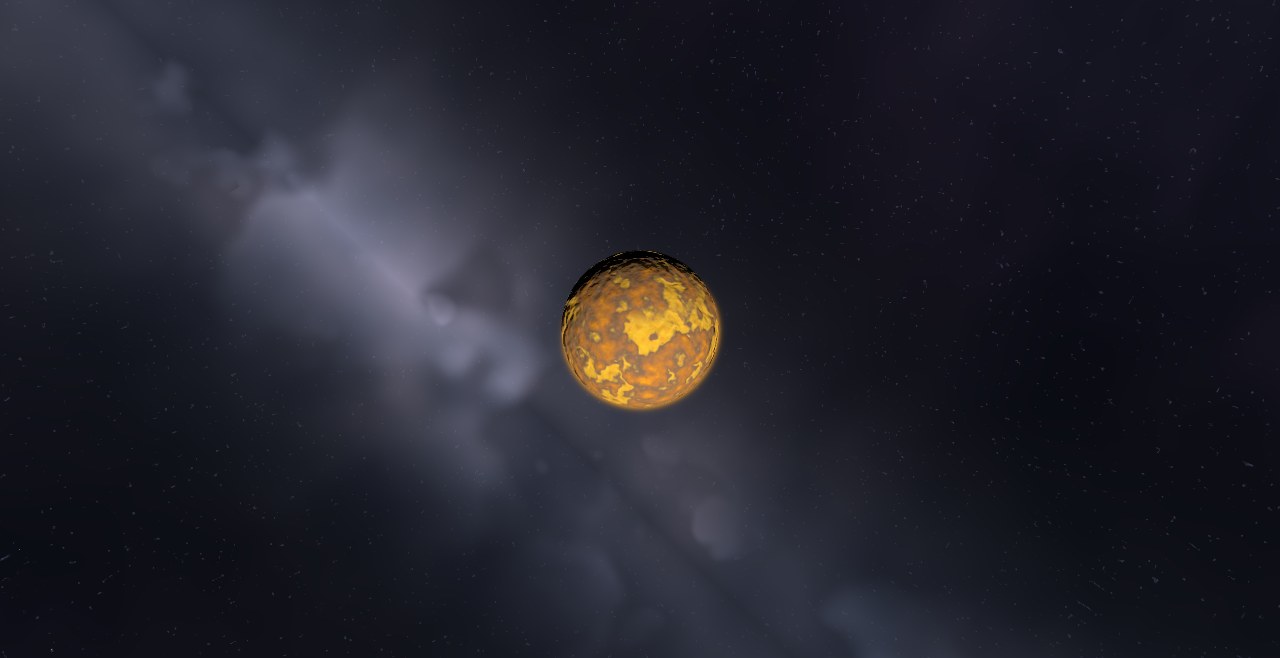
Kepler-359, a Sun-like F-type star of 0.83 solar masses, and Kepler-359 b, a planet with 3.5 Earth radii, with an orbital period of 25.6 days, at 0.178 AU from its star.
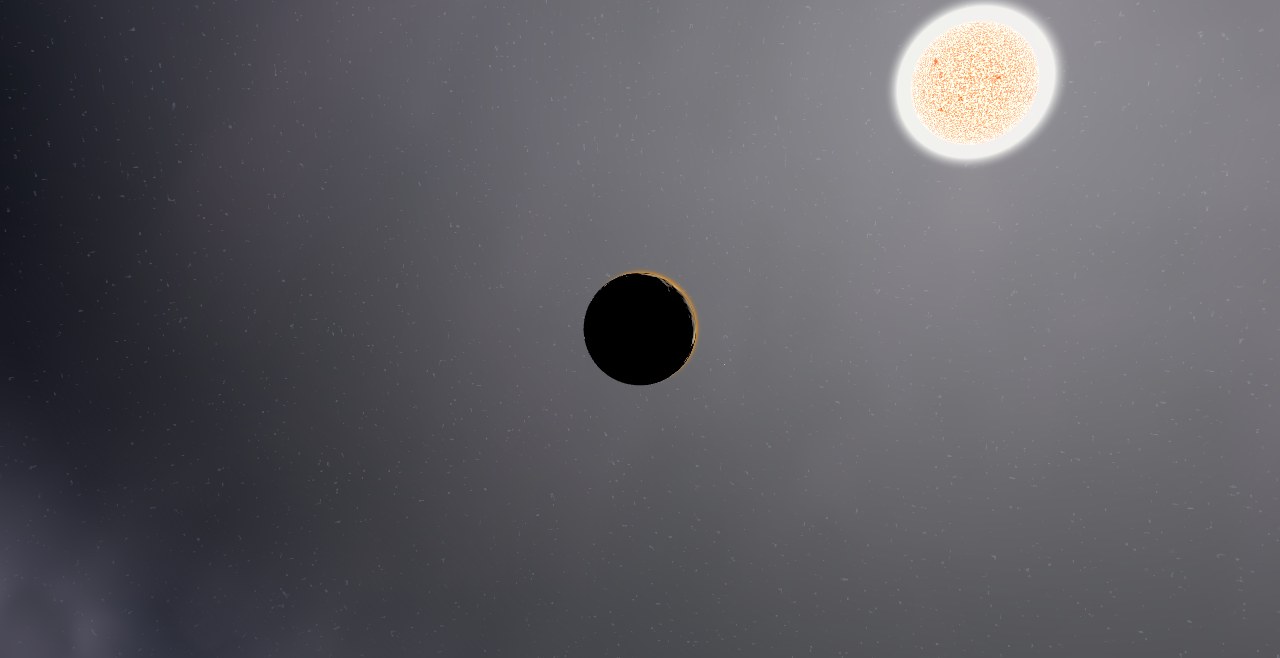
Kepler-36, where a rocky world and a puffy mini-Neptune orbit only 0.01 AU apart. Their transit times swing wildly from the mutual tugs. Their bulk densities differ by nearly a factor of eight.
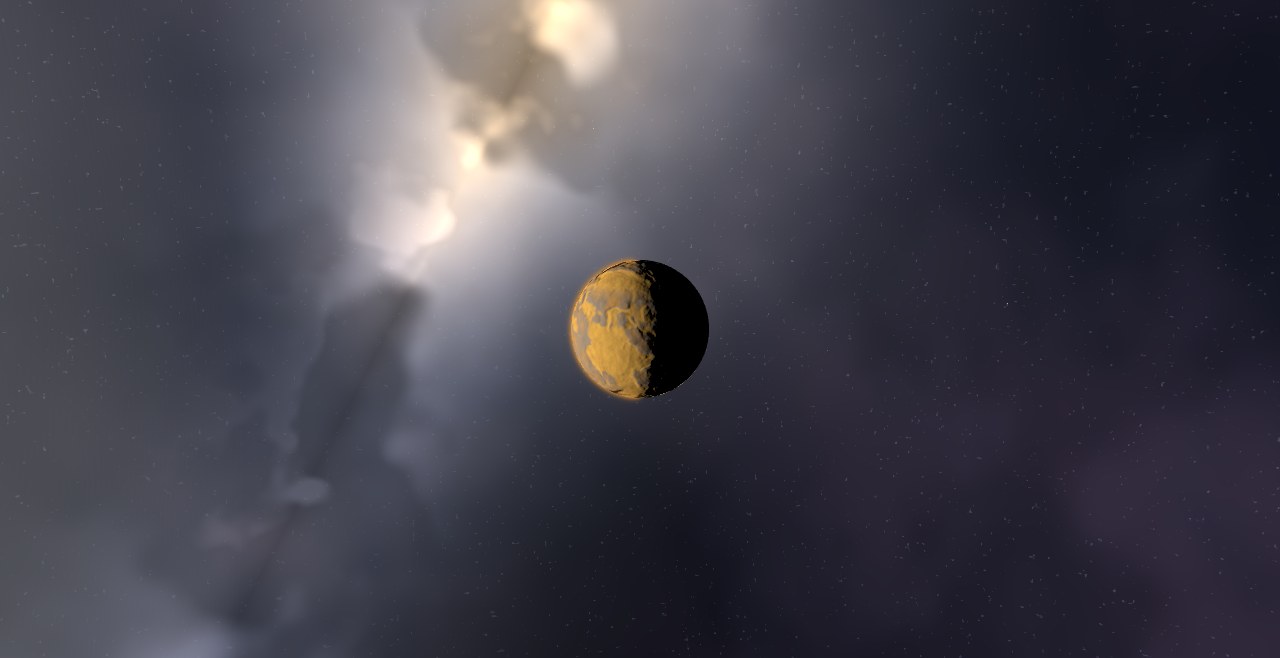
Kepler-360, a Sun-like F-type star of 0.99 solar masses, and Kepler-360 b, a planet with 1.6 Earth radii, with an orbital period of 3.3 days, at 0.044 AU from its star.
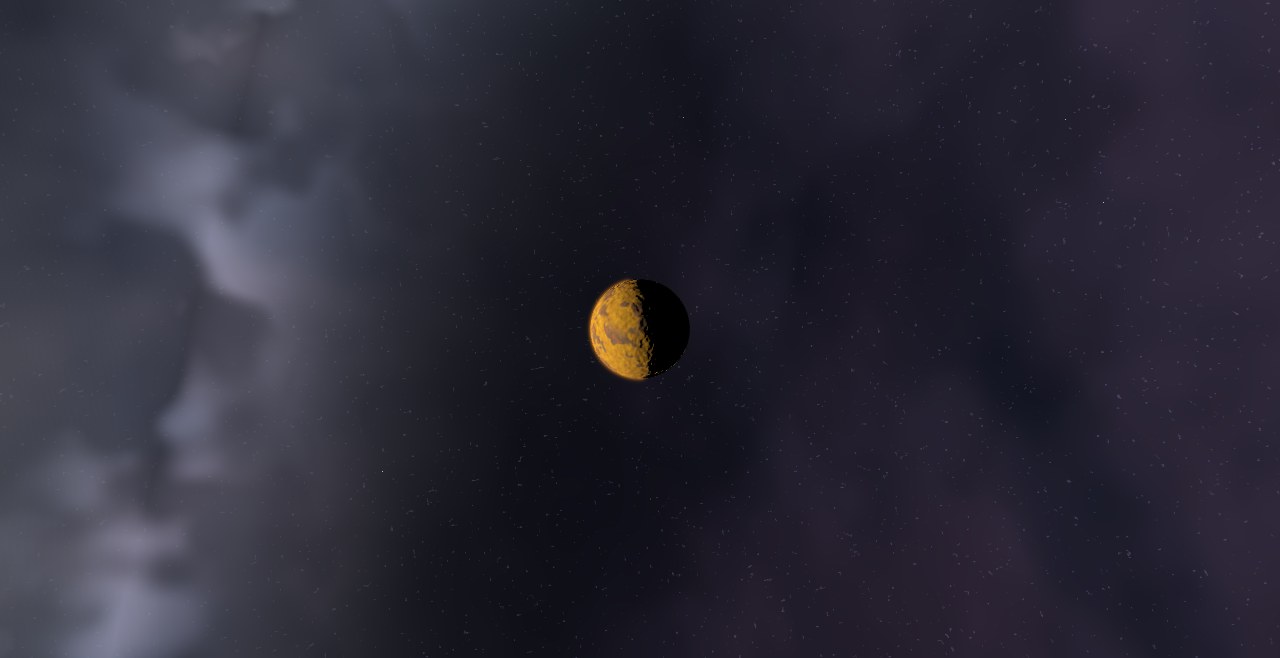
Kepler-361, a Sun-like F-type star of 1.19 solar masses, and Kepler-361 b, a planet with 1.4 Earth radii, with an orbital period of 8.5 days, at 0.086 AU from its star.
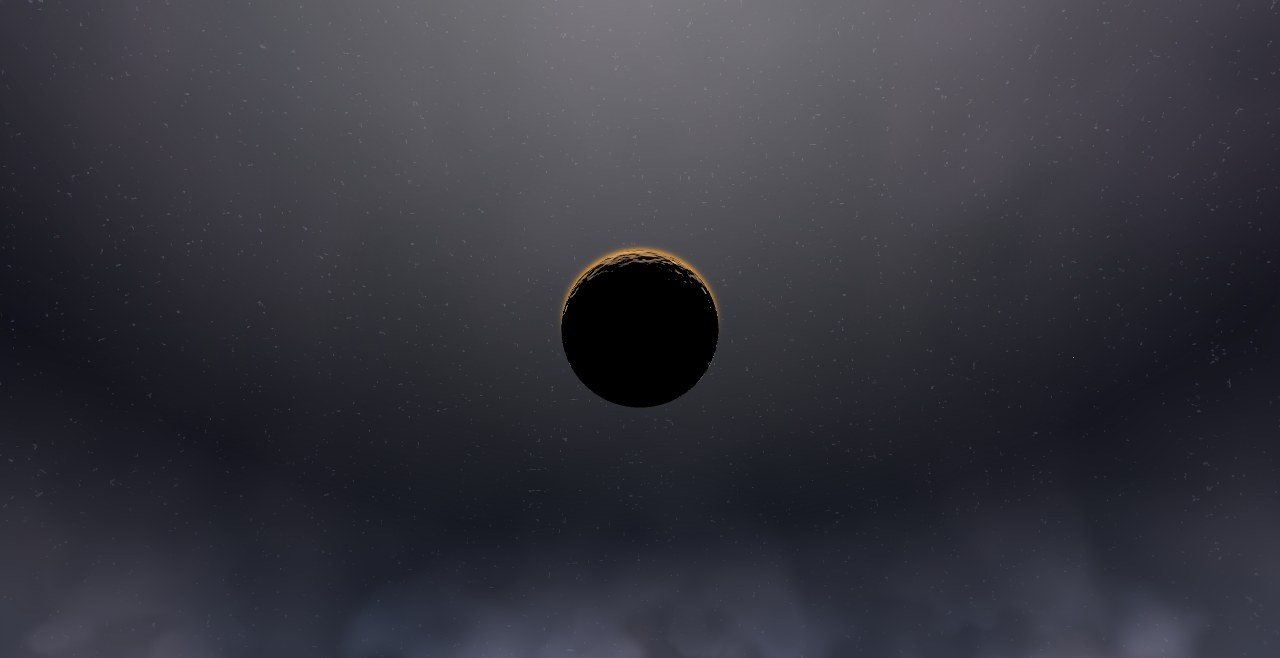
Kepler-362, a Sun-like G-type star of 0.90 solar masses, and Kepler-362 b, a planet with 0.9 Earth radii, with an orbital period of 10.3 days, at 0.087 AU from its star.
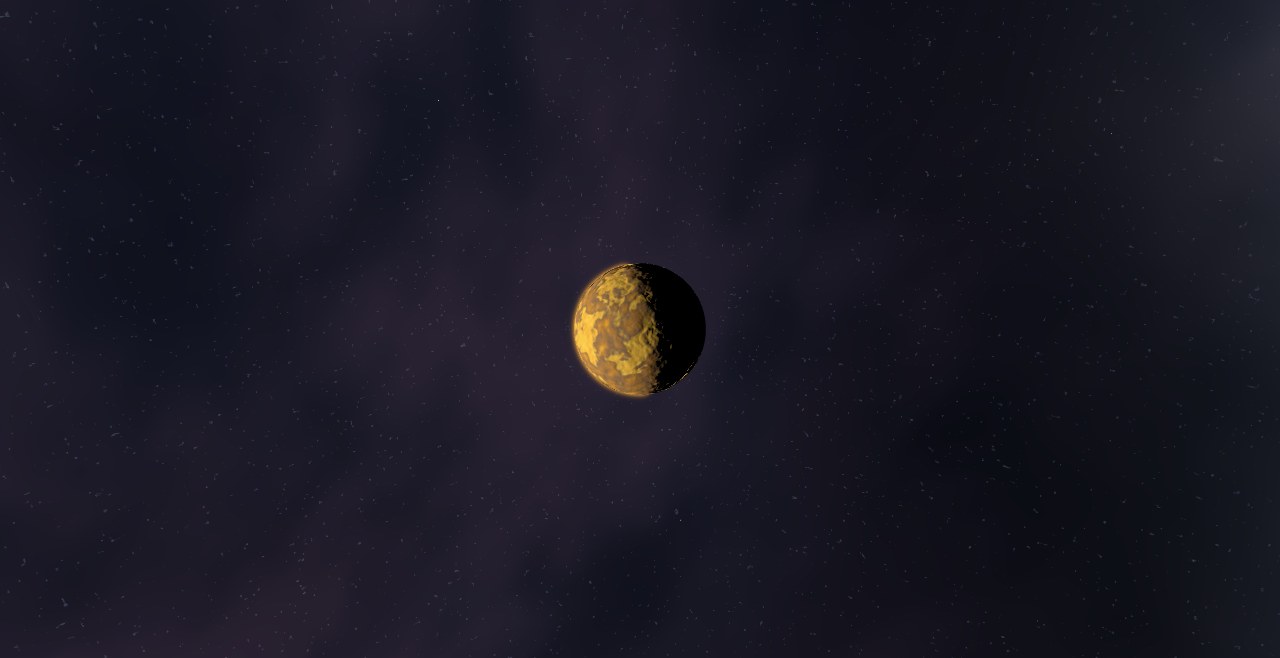
Kepler-363, a Sun-like G-type star of 1.23 solar masses, and Kepler-363 b, a planet with 1.2 Earth radii, with an orbital period of 3.6 days, at 0.048 AU from its star.
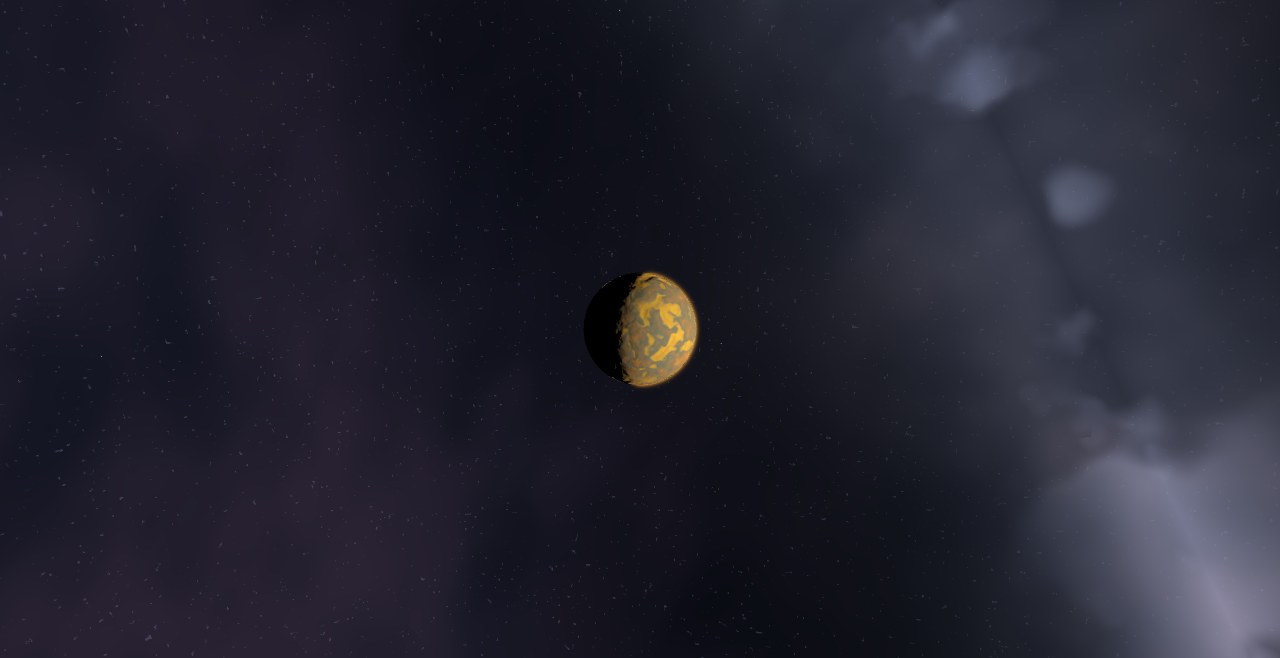
Kepler-364, a Sun-like F-type star of 1.08 solar masses, and Kepler-364 b, a planet with 1.6 Earth radii, with an orbital period of 25.7 days, at 0.178 AU from its star.