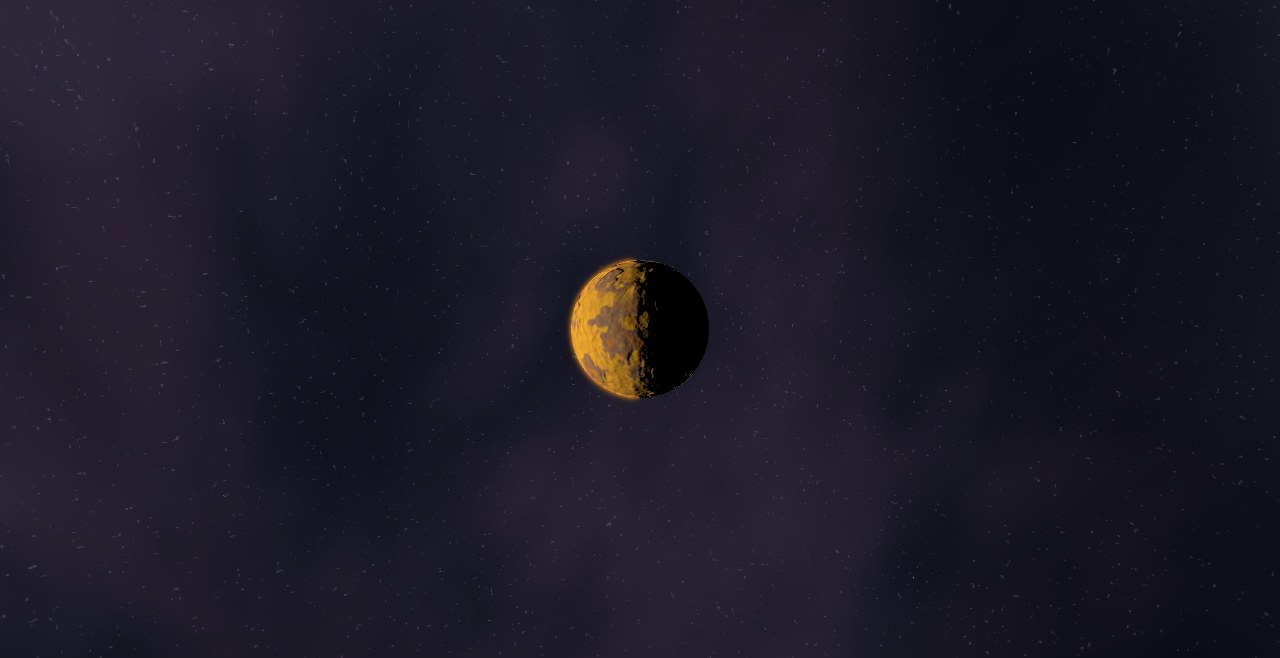
Kepler-332 - System
Kepler-332, an orange K-type dwarf of 0.74 solar masses, and Kepler-332 b, a planet with 1.2 Earth radii, with an orbital period of 7.6 days, at 0.070 AU from its star.
3D Space and Gravity Simulator. Simulate the solar system, exoplanets and even colliding galaxies. Add, delete and modify planets, and change the laws of physics.
Share
Kepler-332, an orange K-type dwarf of 0.74 solar masses, and Kepler-332 b, a planet with 1.2 Earth radii, with an orbital period of 7.6 days, at 0.070 AU from its star.
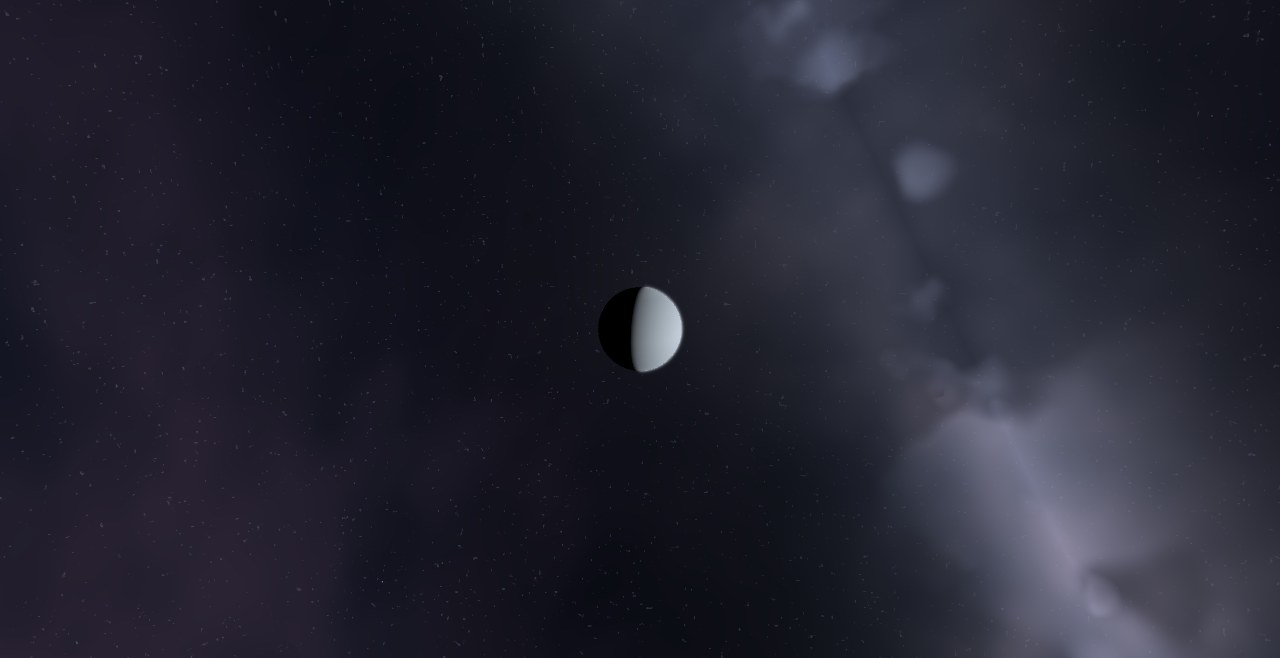
Kepler-333, an orange K-type dwarf of 0.60 solar masses, and Kepler-333 b, a planet with 1.3 Earth radii, with an orbital period of 12.6 days, at 0.087 AU from its star.
Kepler-334, a Sun-like G-type star of 1.02 solar masses, and Kepler-334 b, a planet with 1.1 Earth radii, with an orbital period of 5.5 days, at 0.061 AU from its star.
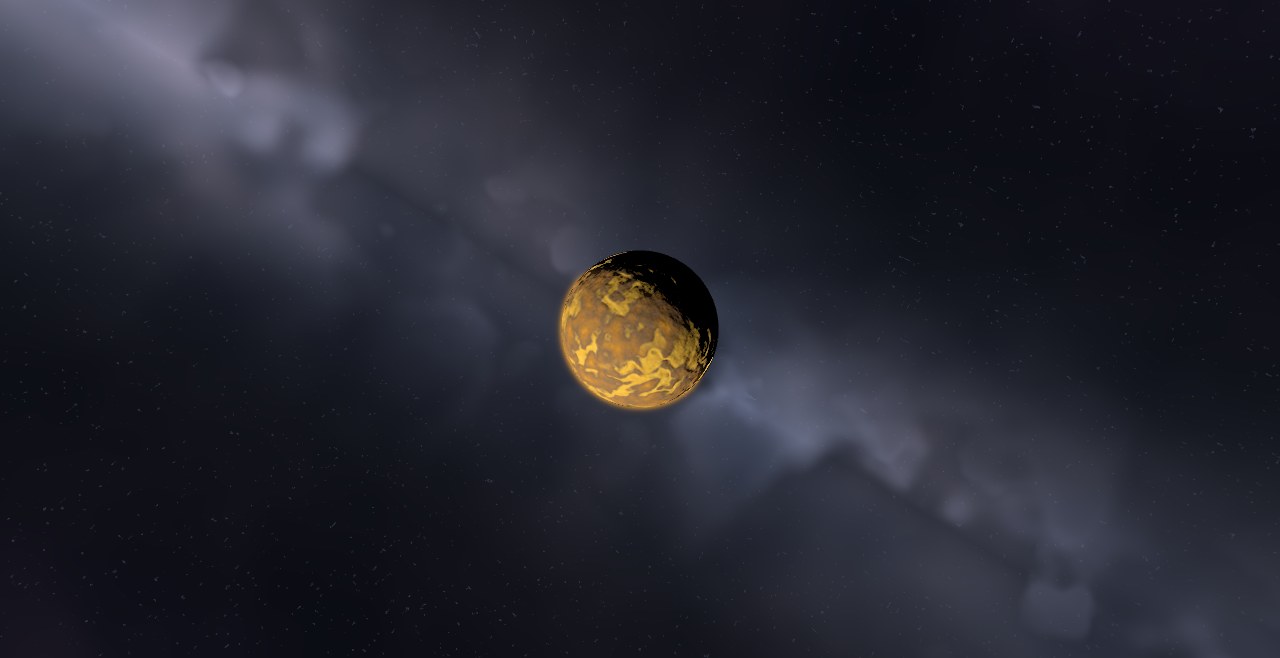
Kepler-335, a Sun-like G-type star of 1.37 solar masses, and Kepler-335 b, a planet with 3.4 Earth radii, with an orbital period of 6.6 days, at 0.075 AU from its star.
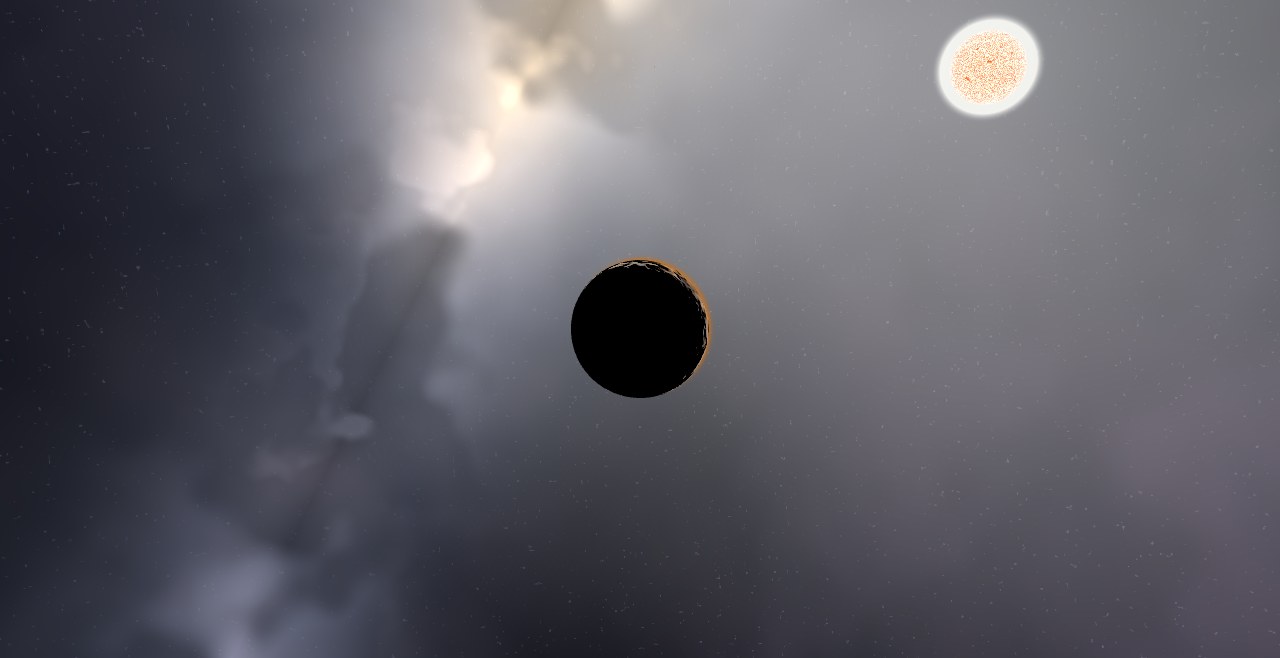
Kepler-336, a Sun-like G-type star of 1.09 solar masses, and Kepler-336 b, a planet with 1.0 Earth radii, with an orbital period of 2.0 days, at 0.033 AU from its star.
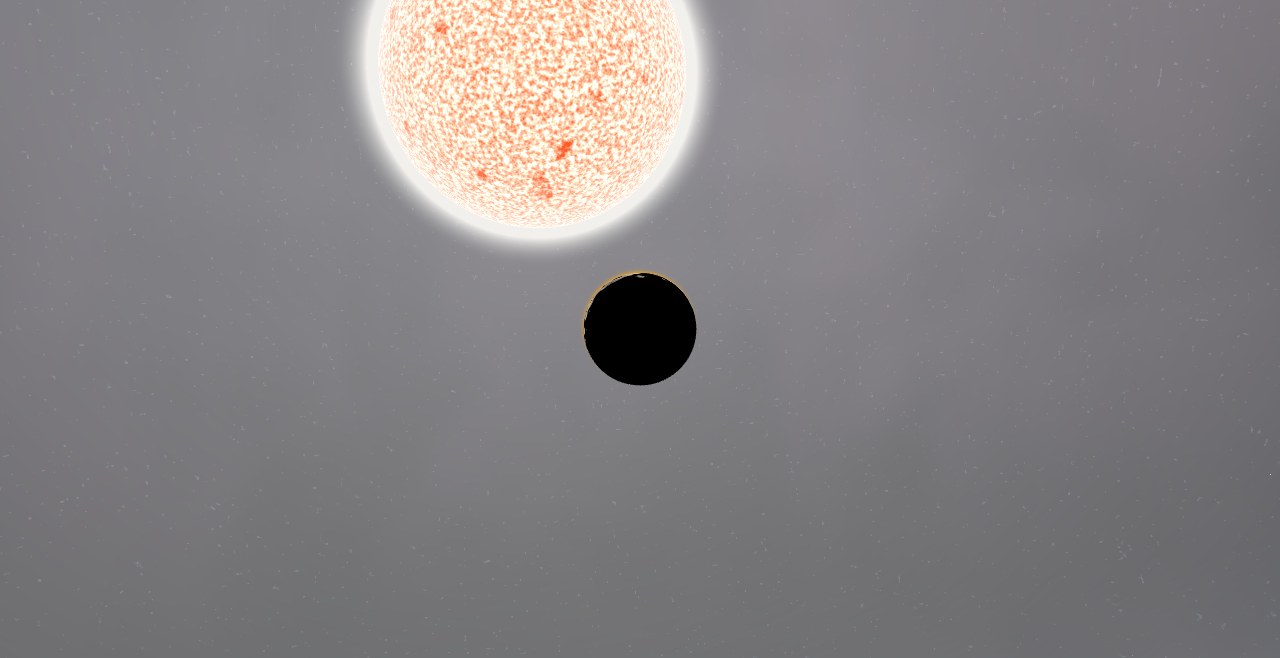
Kepler-337, a Sun-like G-type star of 1.08 solar masses, and Kepler-337 b, a planet with 1.5 Earth radii, with an orbital period of 3.3 days, at 0.045 AU from its star.
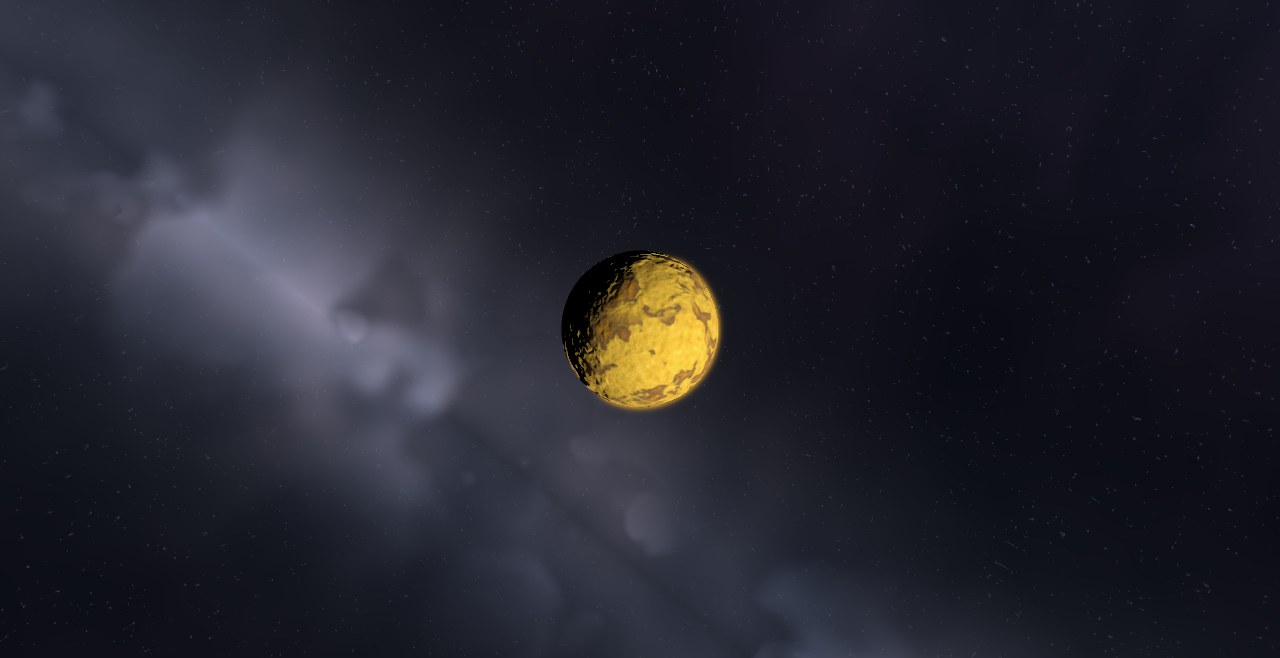
Kepler-338, a Sun-like G-type star of 1.14 solar masses, and Kepler-338 b, a planet with 2.4 Earth radii, with an orbital period of 13.7 days, at 0.117 AU from its star.
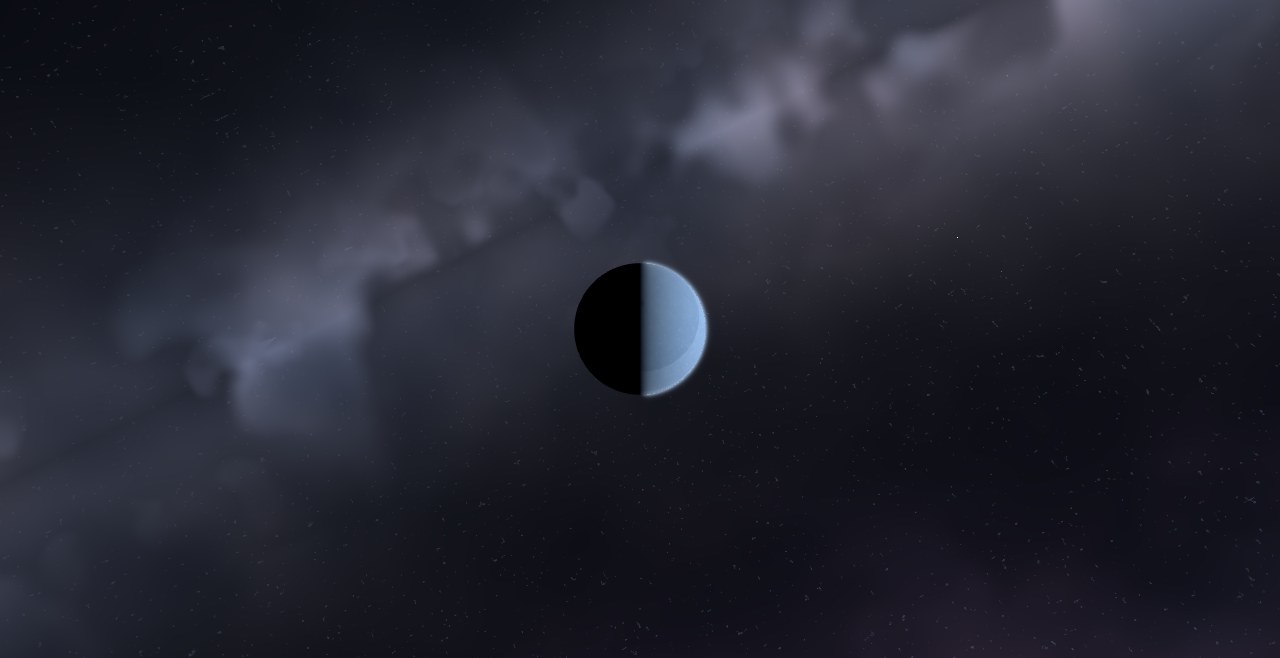
Kepler-339, a Sun-like G-type star of 0.87 solar masses, and Kepler-339 b, a planet with 1.4 Earth radii, with an orbital period of 5.0 days, at 0.055 AU from its star.
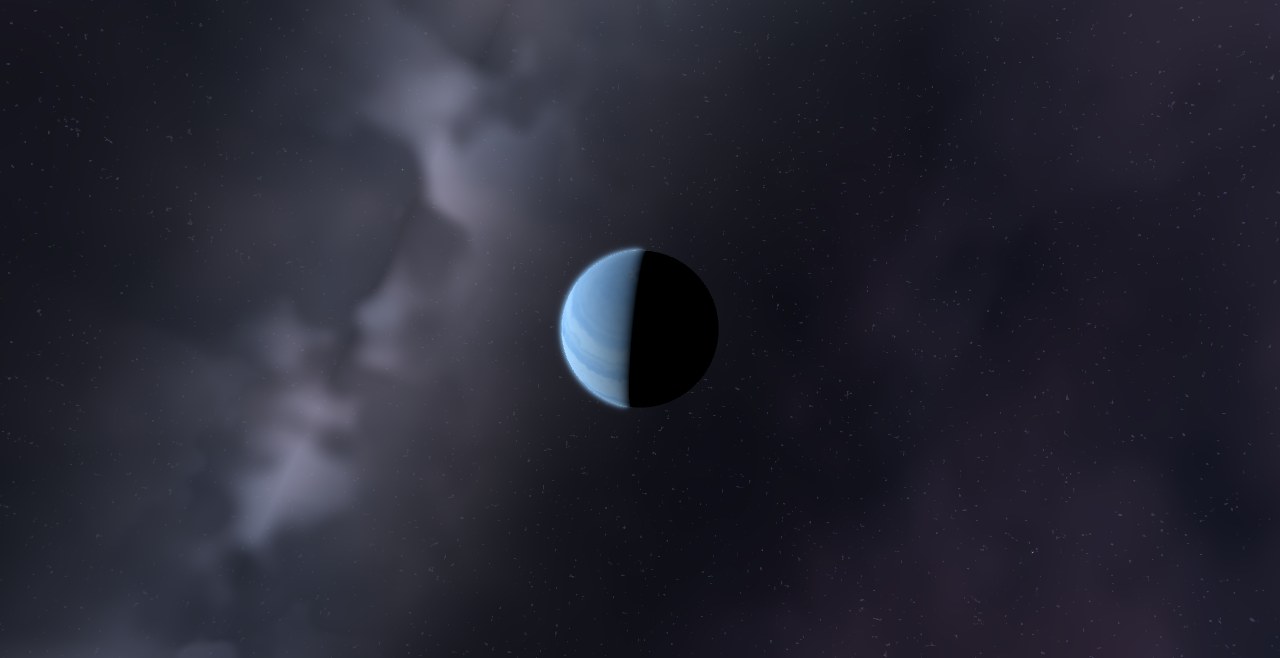
Kepler-34 b, a circumbinary giant orbiting a pair of Sun-like stars. Like Kepler-16, it is a Tatooine world, but around two brighter stars. The planet's year around the pair lasts about 289 days.
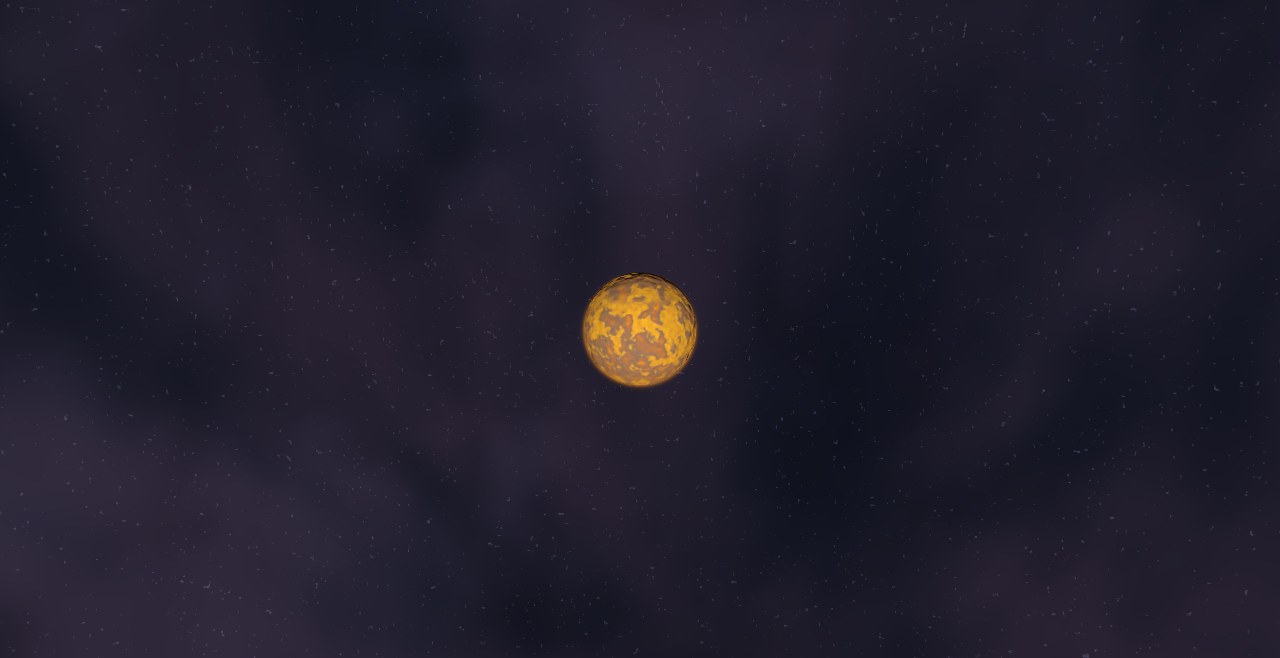
Kepler-340, a Sun-like F-type star of 1.65 solar masses, and Kepler-340 b, a planet with 2.5 Earth radii, with an orbital period of 14.8 days, at 0.134 AU from its star.
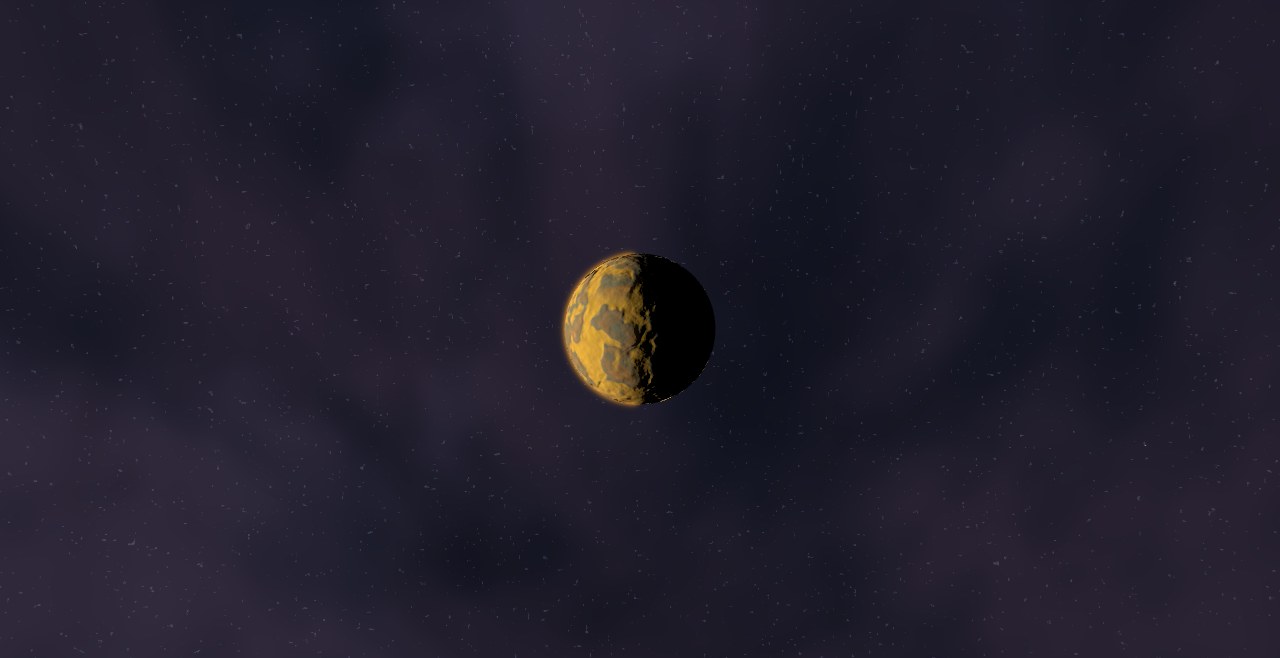
Kepler-341, a Sun-like F-type star of 0.98 solar masses, and Kepler-341 b, a planet with 1.2 Earth radii, with an orbital period of 5.2 days, at 0.060 AU from its star.
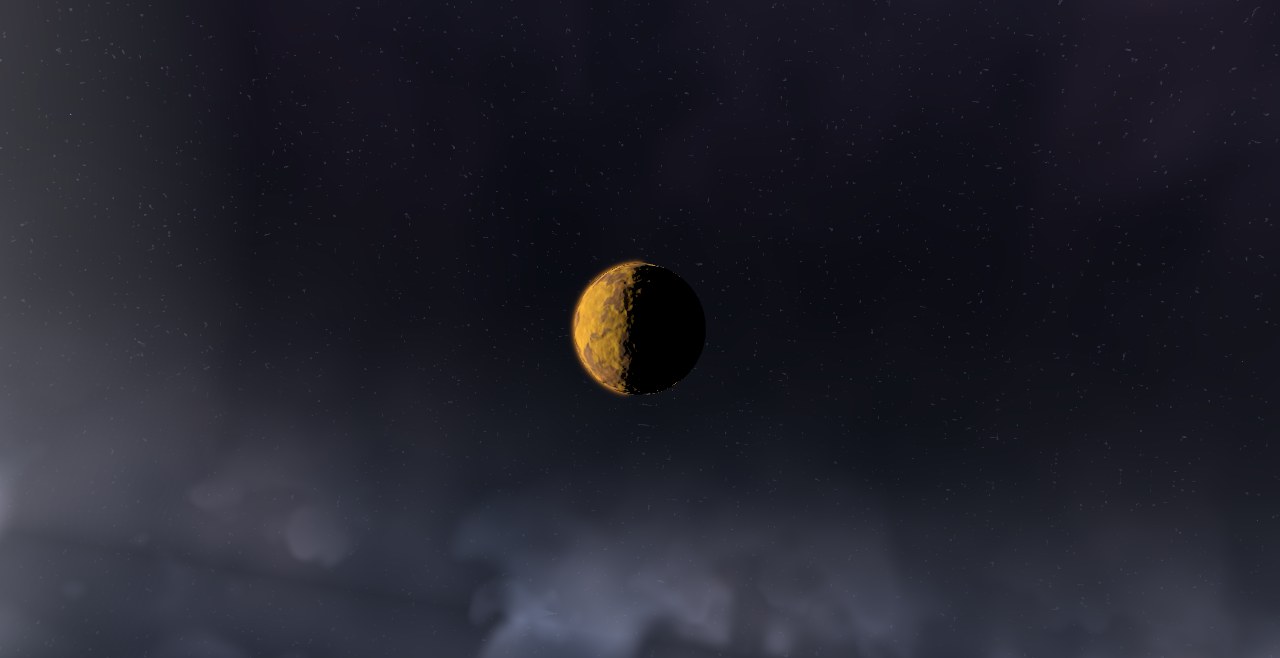
Kepler-342, a Sun-like F-type star of 1.26 solar masses, and Kepler-342 b, a planet with 2.3 Earth radii, with an orbital period of 15.2 days, at 0.128 AU from its star.
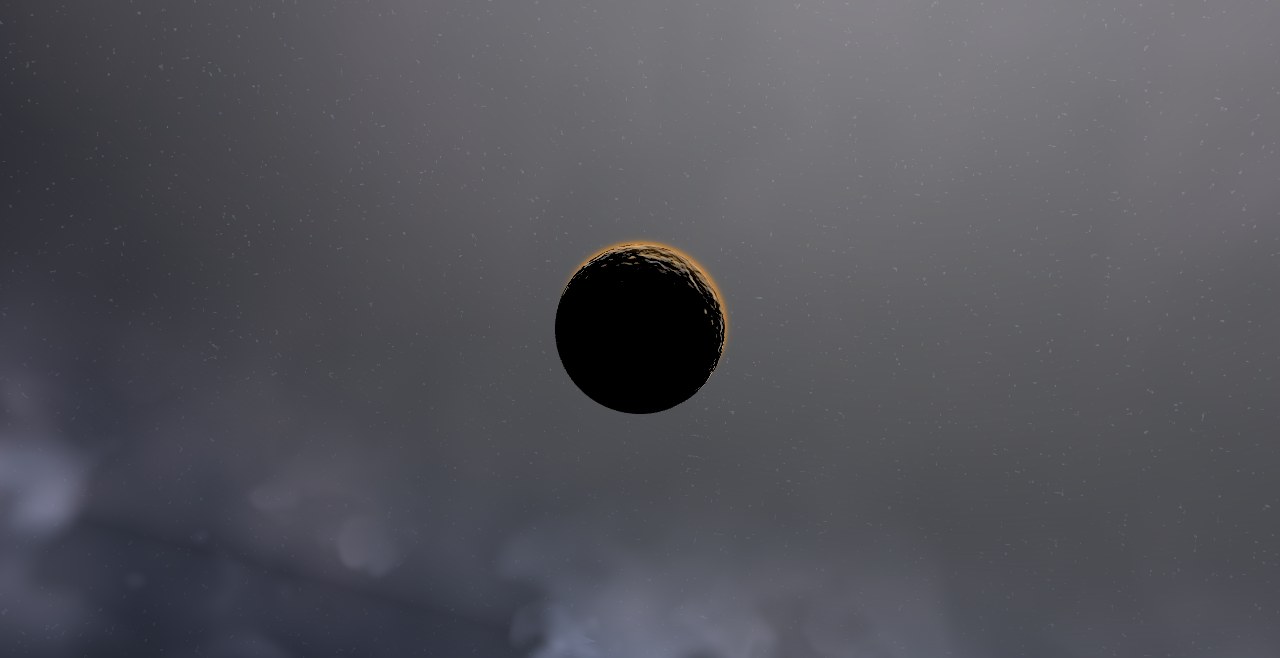
Kepler-343, a Sun-like G-type star of 1.05 solar masses, and Kepler-343 b, a planet with 2.4 Earth radii, with an orbital period of 9.0 days, at 0.088 AU from its star.
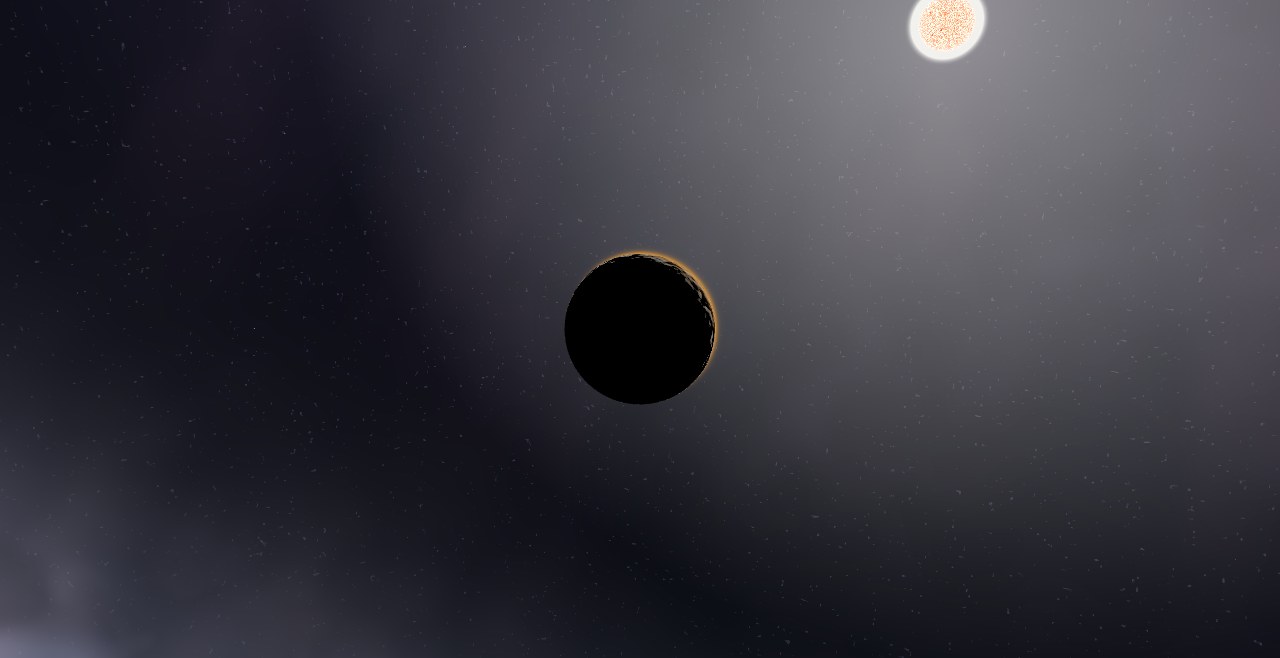
Kepler-344, a Sun-like G-type star of 0.93 solar masses, and Kepler-344 b, a planet with 2.6 Earth radii, with an orbital period of 22.0 days, at 0.153 AU from its star.
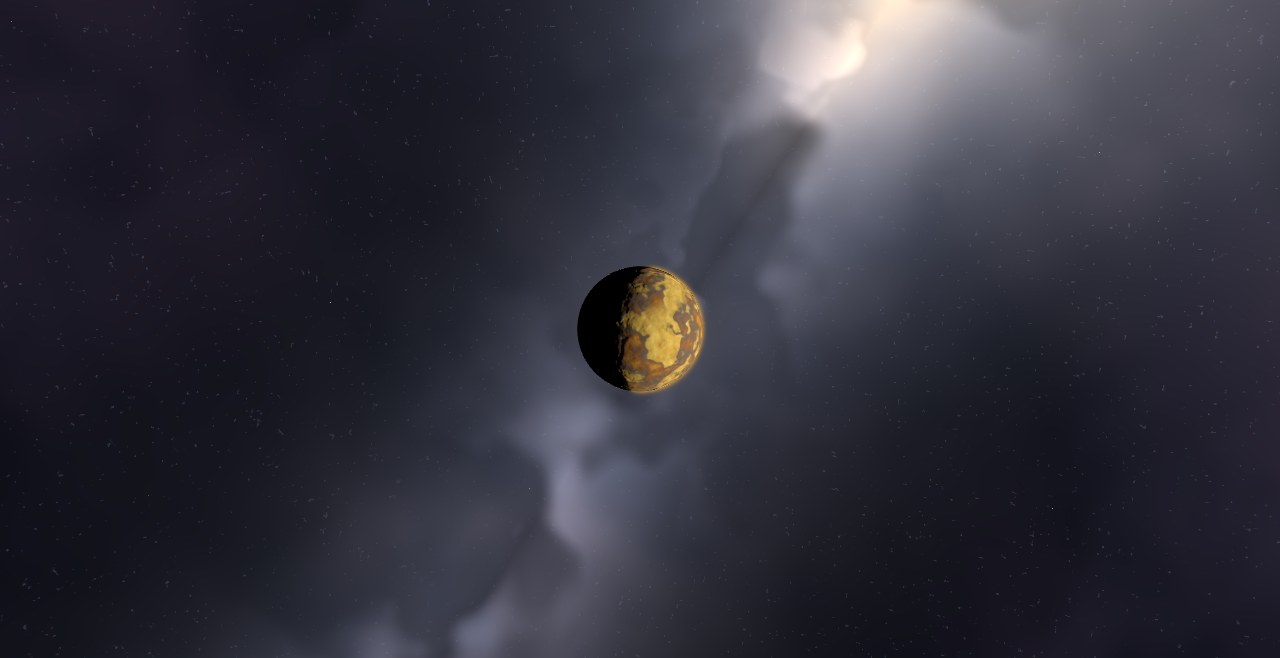
Kepler-345, an orange K-type dwarf of 0.61 solar masses, and Kepler-345 b, a planet with 0.7 Earth radii, with an orbital period of 7.4 days, at 0.066 AU from its star.
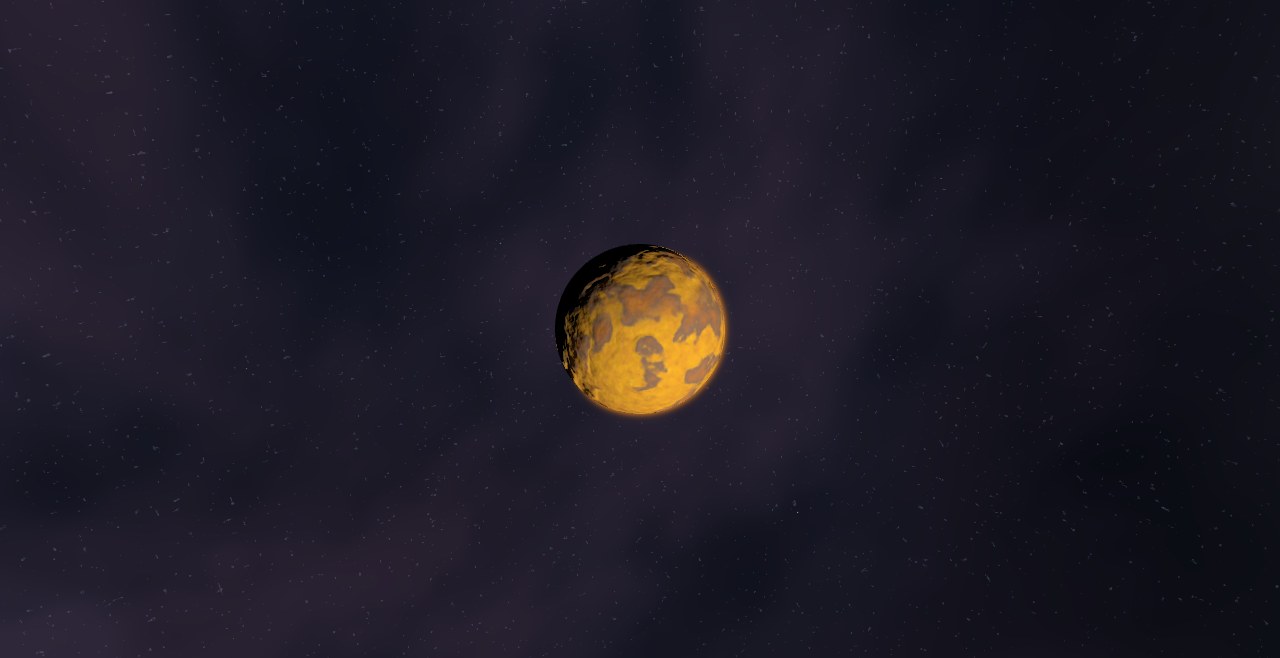
Kepler-346, a Sun-like F-type star of 0.94 solar masses, and Kepler-346 b, a planet with 2.7 Earth radii, with an orbital period of 6.5 days, at 0.071 AU from its star.
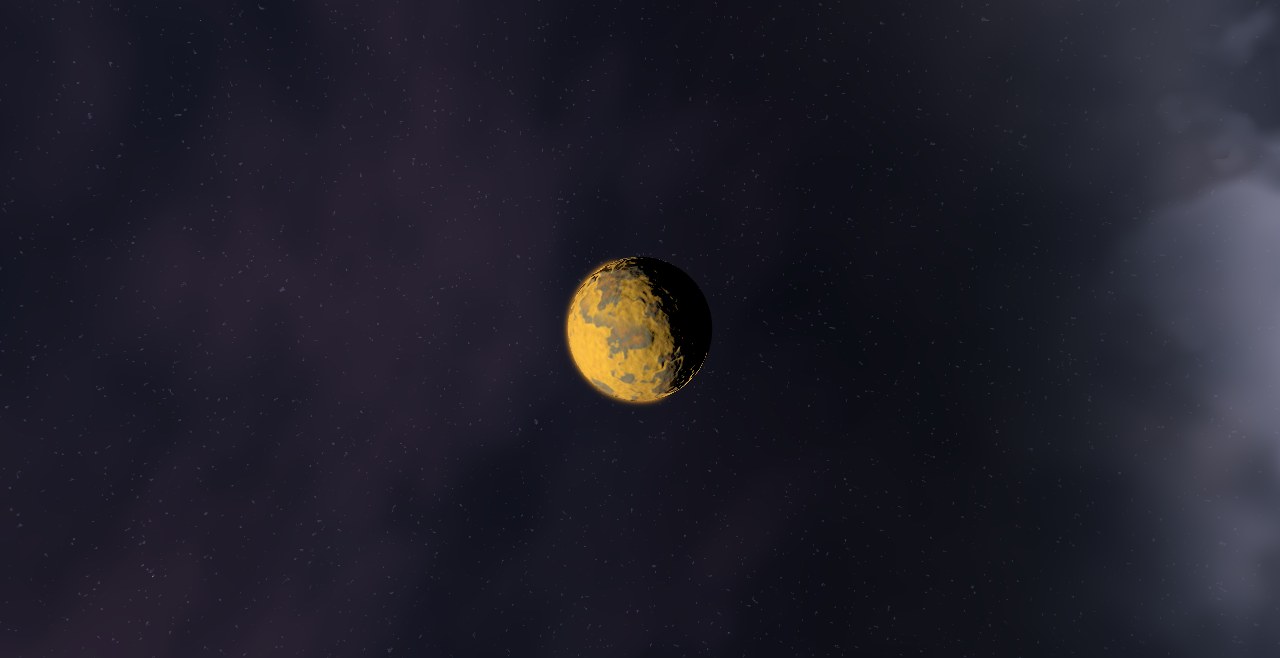
Kepler-347, a Sun-like G-type star of 1.00 solar masses, and Kepler-347 b, a planet with 2.0 Earth radii, with an orbital period of 12.8 days, at 0.110 AU from its star.
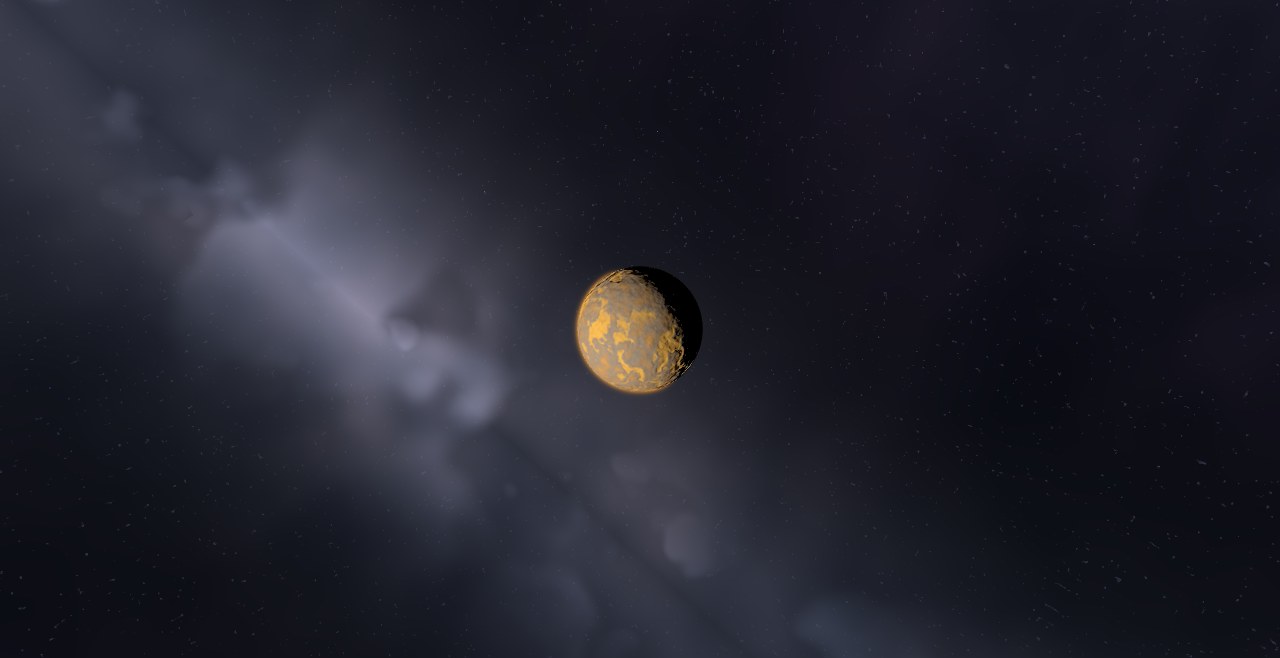
Kepler-348, a Sun-like F-type star of 1.19 solar masses, and Kepler-348 b, a planet with 1.5 Earth radii, with an orbital period of 7.1 days, at 0.076 AU from its star.