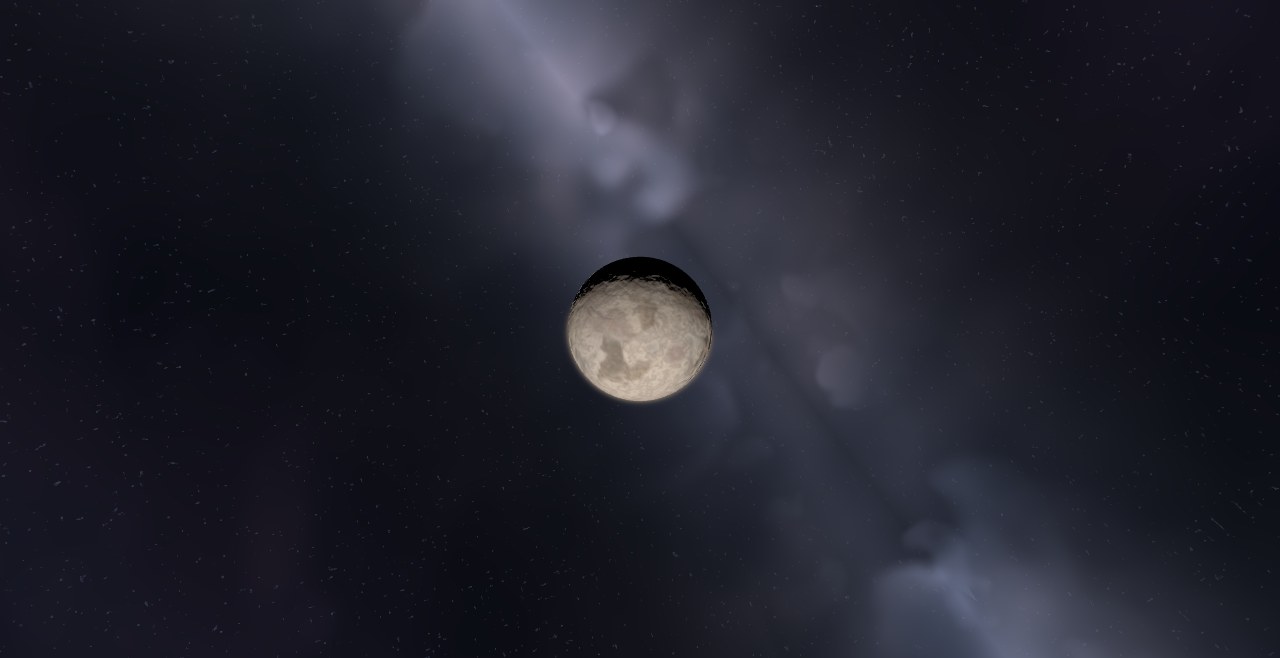
Kepler-218 - System
Kepler-218, a Sun-like G-type star of 1.01 solar masses, and Kepler-218 b, a planet with 1.5 Earth radii, with an orbital period of 3.6 days, at 0.046 AU from its star.
3D Space and Gravity Simulator. Simulate the solar system, exoplanets and even colliding galaxies. Add, delete and modify planets, and change the laws of physics.
Share
Kepler-218, a Sun-like G-type star of 1.01 solar masses, and Kepler-218 b, a planet with 1.5 Earth radii, with an orbital period of 3.6 days, at 0.046 AU from its star.
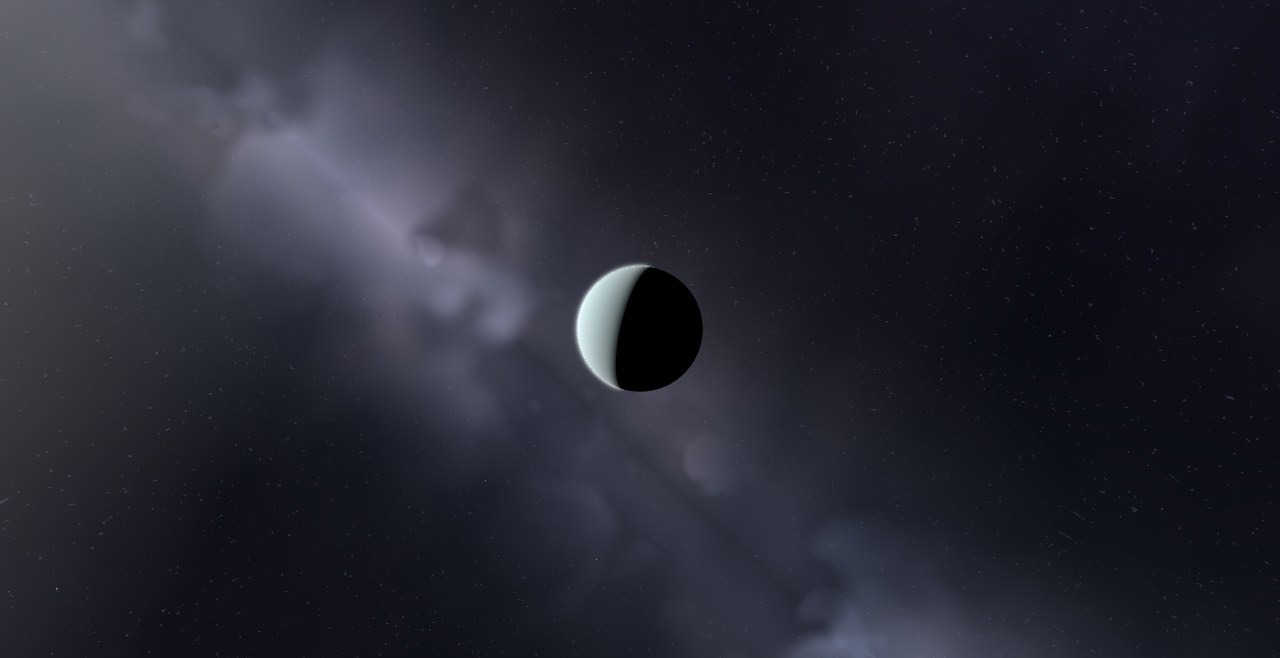
Kepler-219, a Sun-like G-type star of 1.16 solar masses, and Kepler-219 b, a planet with 3.0 Earth radii, with an orbital period of 4.6 days, at 0.057 AU from its star.
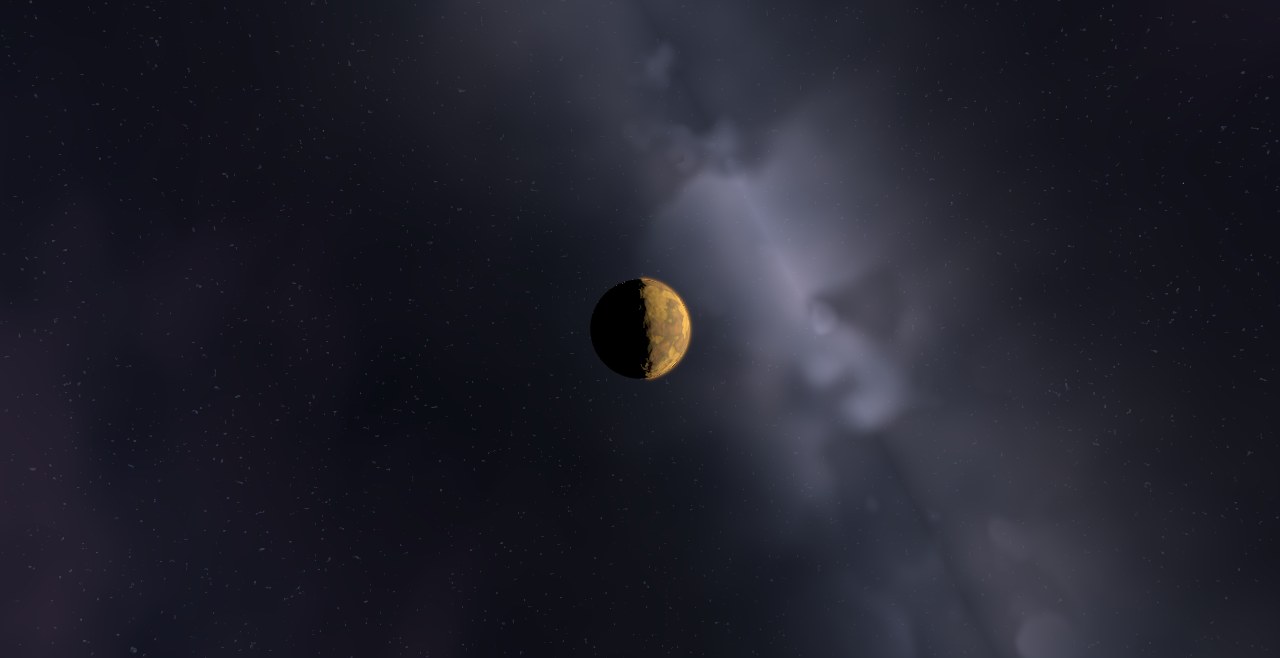
Kepler-22 b, the first planet Kepler found in a habitable zone. This super-Earth-sized world circles a Sun-like star every 290 days. The planet is roughly 2.4 times Earth's radius.
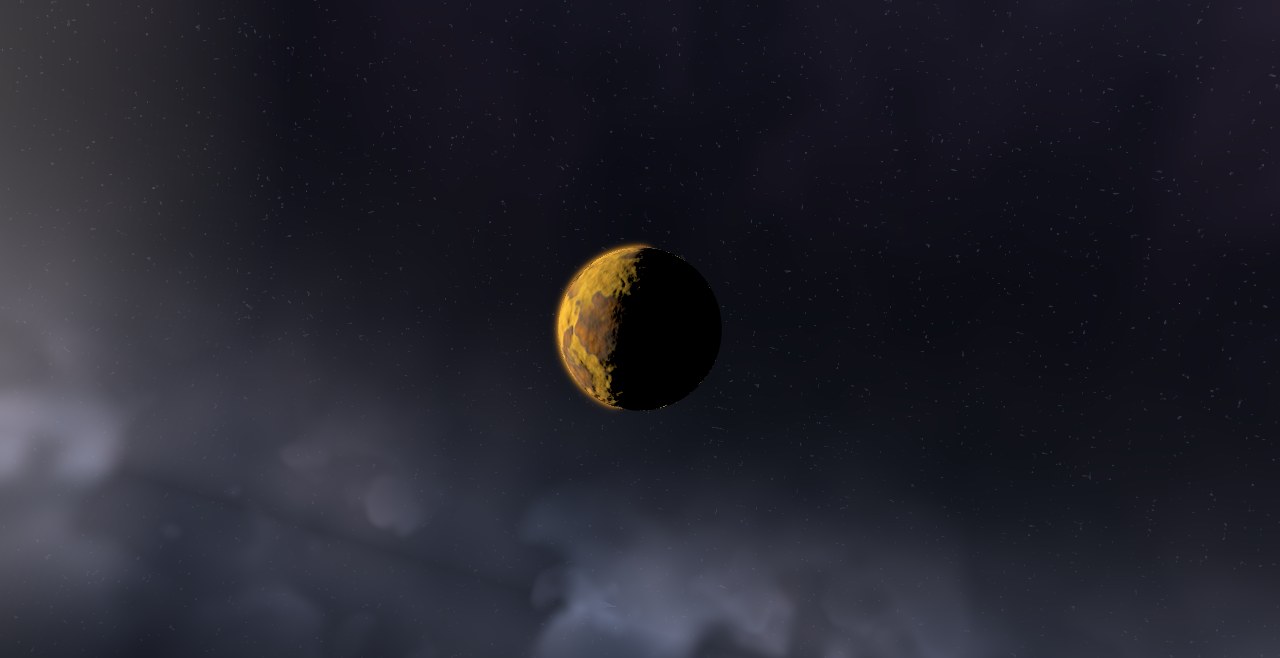
Kepler-220, an orange K-type dwarf of 0.73 solar masses, and Kepler-220 b, a planet with 0.8 Earth radii, with an orbital period of 4.2 days, at 0.046 AU from its star.
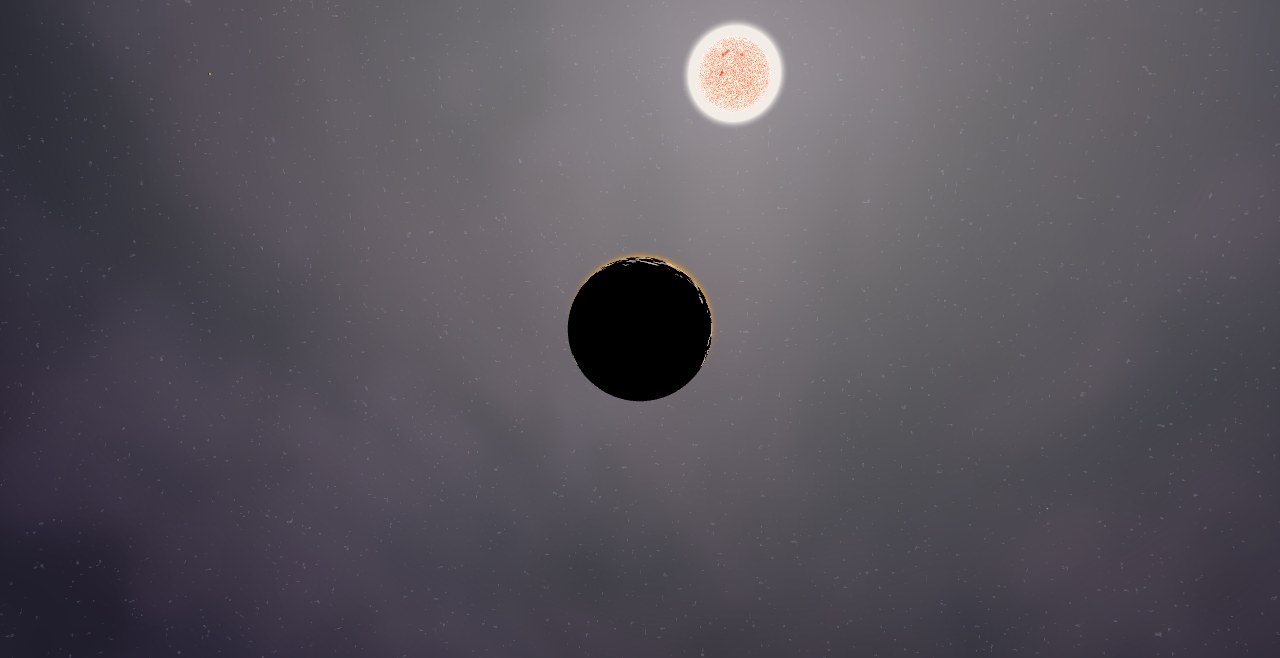
Kepler-221, a Sun-like G-type star of 0.85 solar masses, and Kepler-221 b, a planet with 1.7 Earth radii, with an orbital period of 2.8 days, at 0.037 AU from its star.
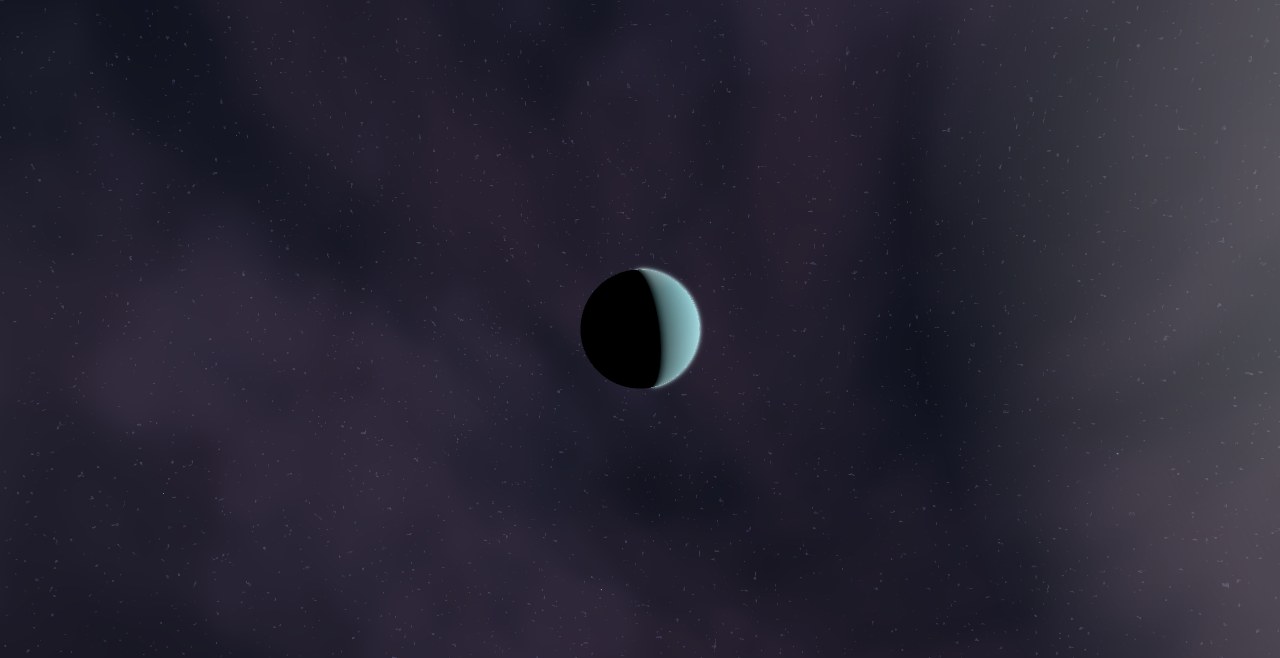
Kepler-222, a Sun-like G-type star of 0.93 solar masses, and Kepler-222 b, a planet with 3.2 Earth radii, with an orbital period of 3.9 days, at 0.048 AU from its star.
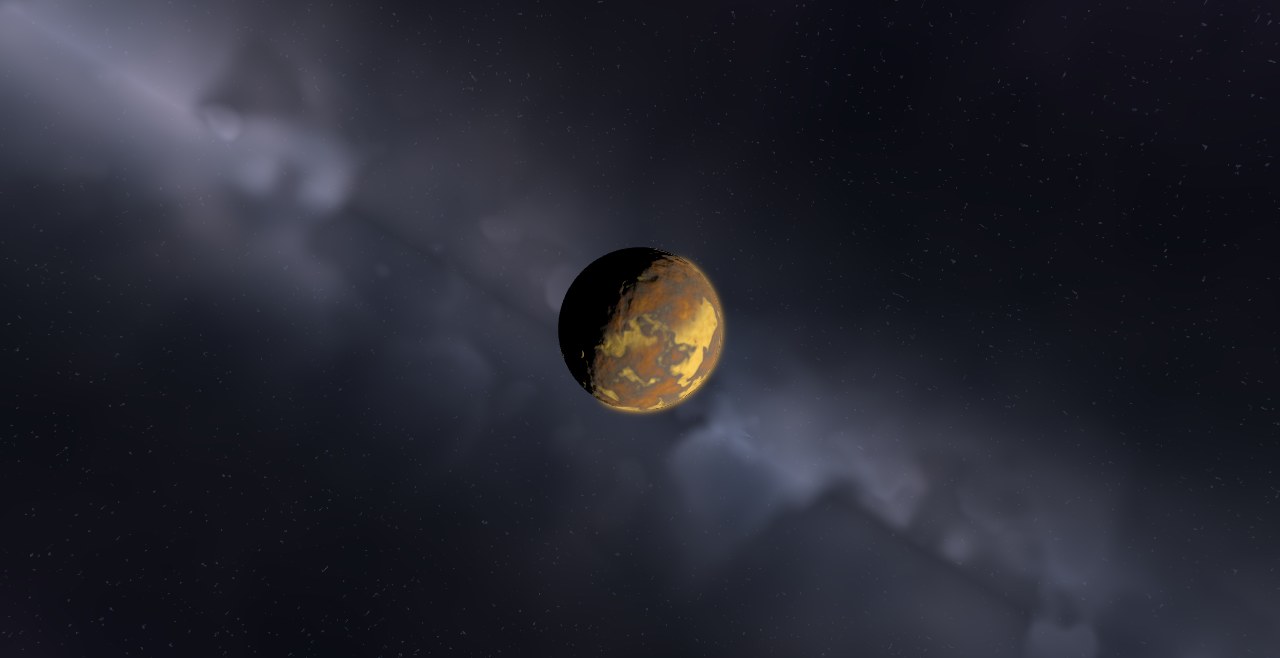
Kepler-223, four planets locked in a chain of mean-motion resonances. Their orbits repeat like a gravitational clockwork. Neighboring pairs sit in 4:3, 3:2, and 4:3 resonances.
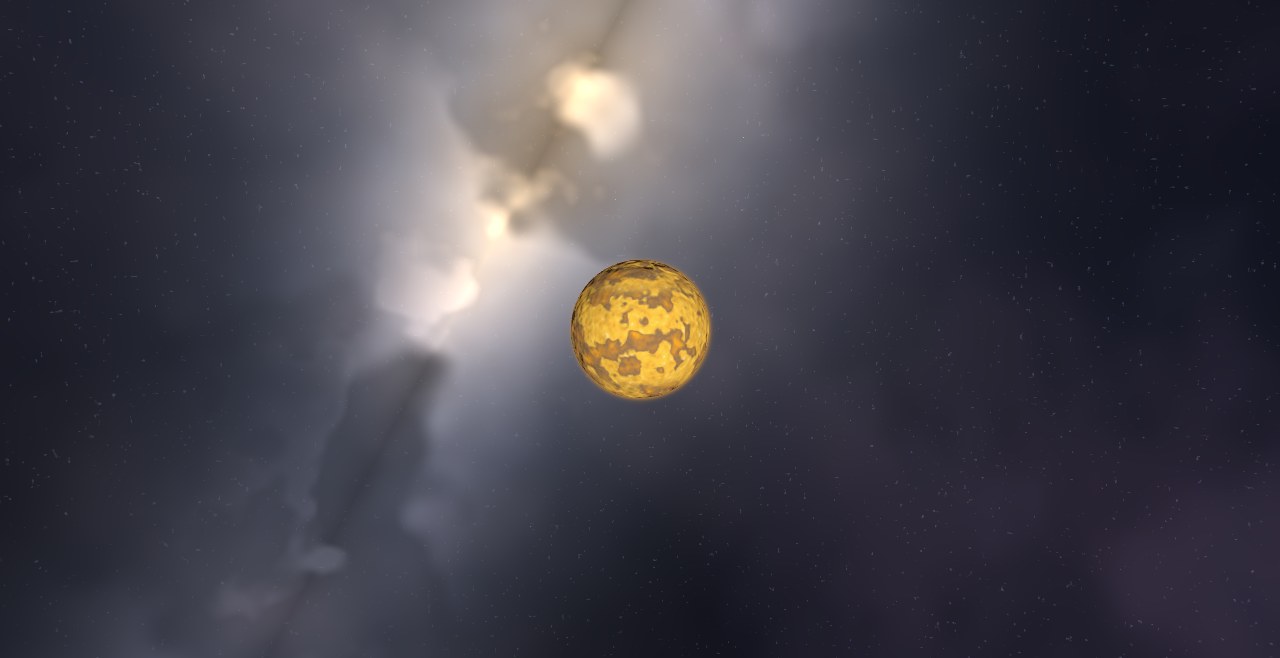
Kepler-224, an orange K-type dwarf of 0.78 solar masses, and Kepler-224 b, a planet with 1.4 Earth radii, with an orbital period of 3.1 days, at 0.038 AU from its star.
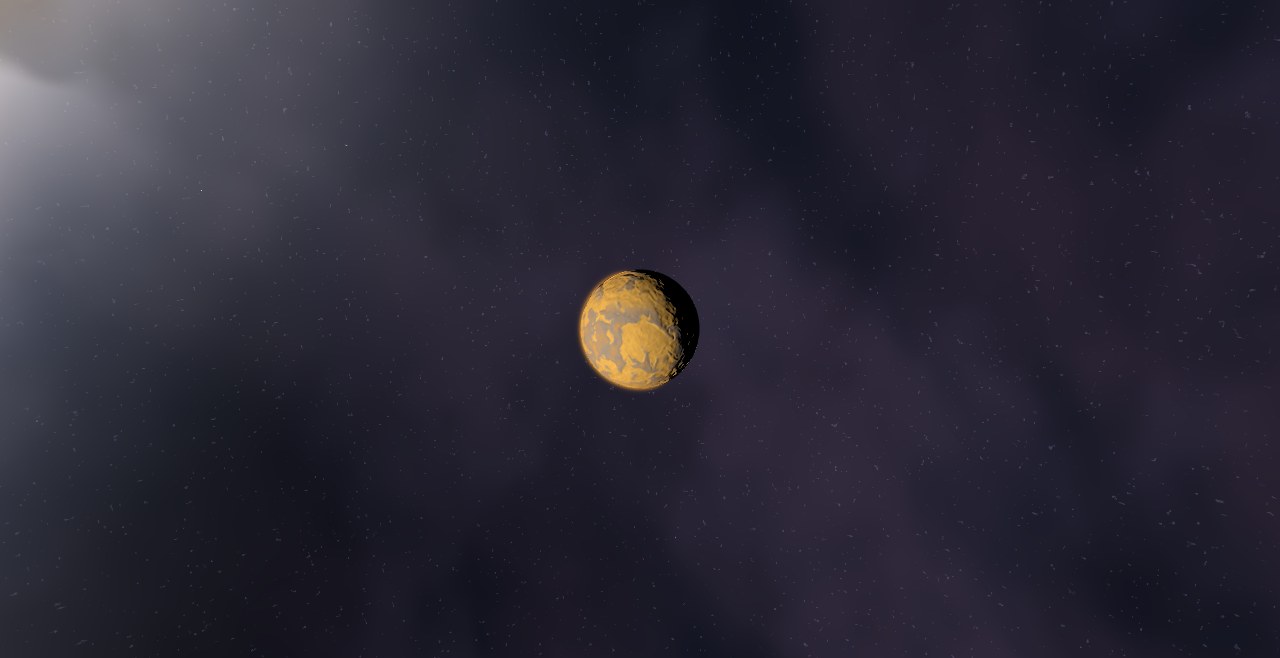
Kepler-225, a cool M-dwarf of 0.59 solar masses, and Kepler-225 b, a planet with 1.2 Earth radii, with an orbital period of 6.7 days, at 0.056 AU from its star.
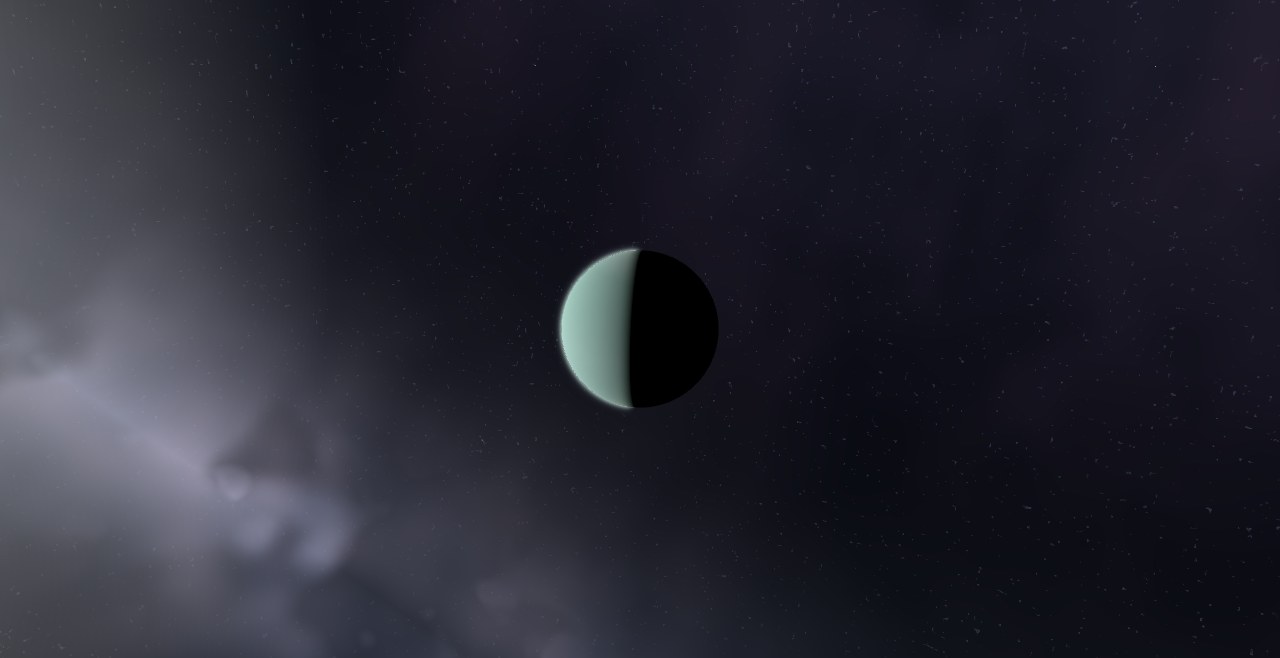
Kepler-226, a Sun-like G-type star of 0.90 solar masses, and Kepler-226 b, a planet with 1.6 Earth radii, with an orbital period of 3.9 days, at 0.047 AU from its star.
Kepler-227, a Sun-like G-type star of 0.95 solar masses, and Kepler-227 b, a planet with 3.1 Earth radii, with an orbital period of 9.5 days, at 0.090 AU from its star.
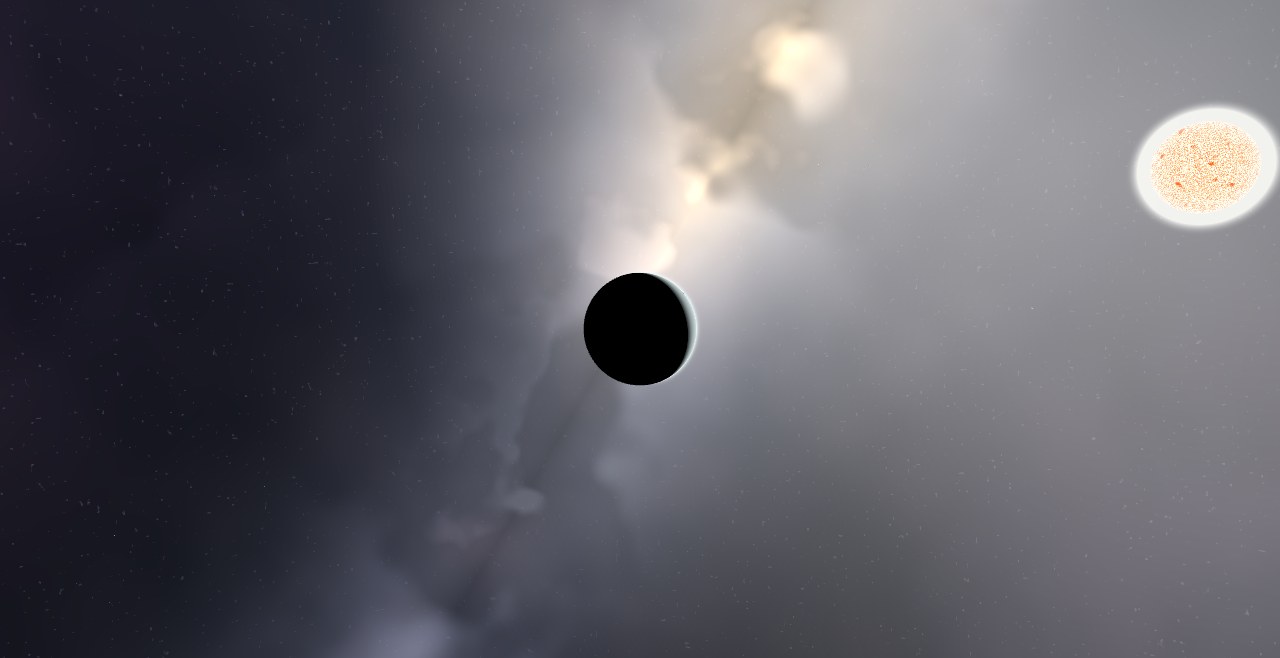
Kepler-228, a Sun-like F-type star of 1.01 solar masses, and Kepler-228 b, a planet with 1.5 Earth radii, with an orbital period of 2.6 days, at 0.038 AU from its star.
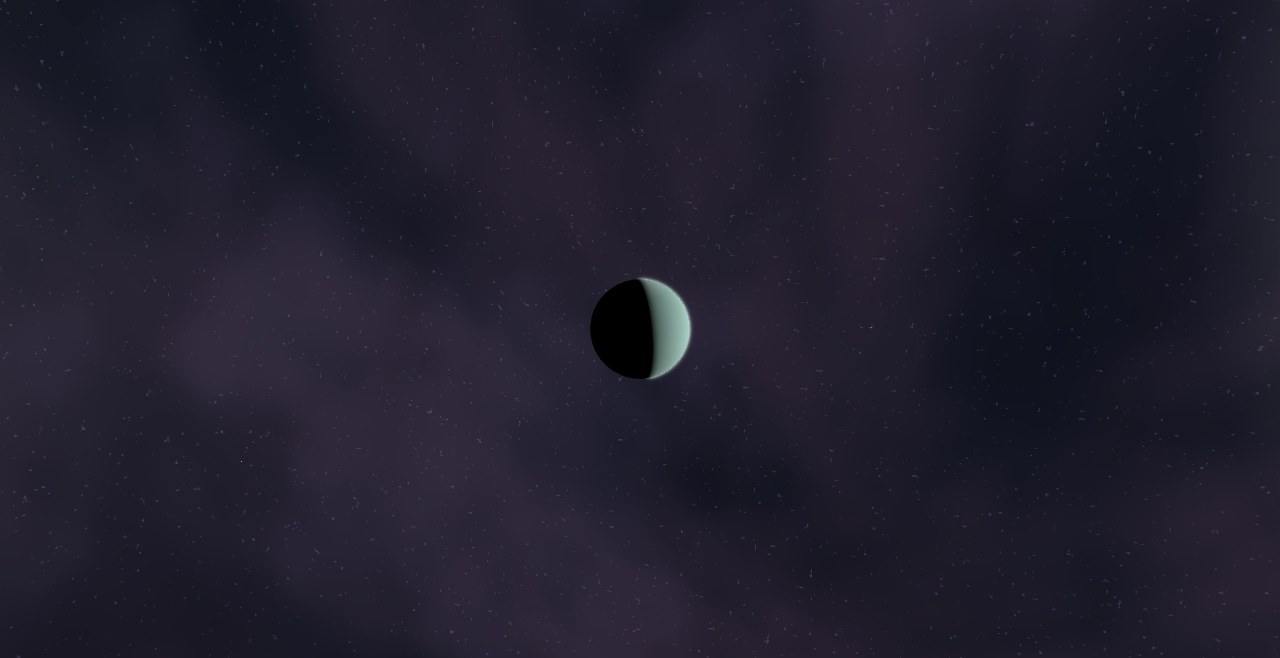
Kepler-229, an orange K-type dwarf of 0.81 solar masses, and Kepler-229 b, a planet with 2.2 Earth radii, with an orbital period of 6.3 days, at 0.062 AU from its star.
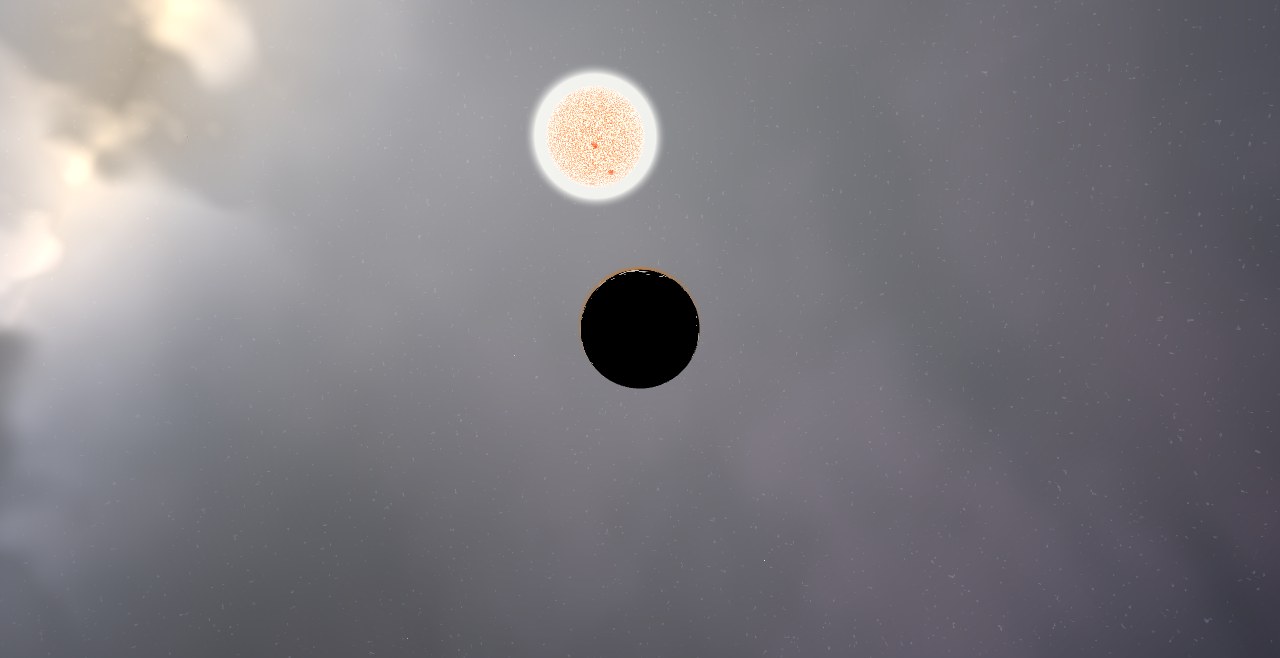
Kepler-23, a Sun-like G-type star of 1.08 solar masses, and Kepler-23 b, a 2.6-Earth-mass planet, with an orbital period of 7.1 days.
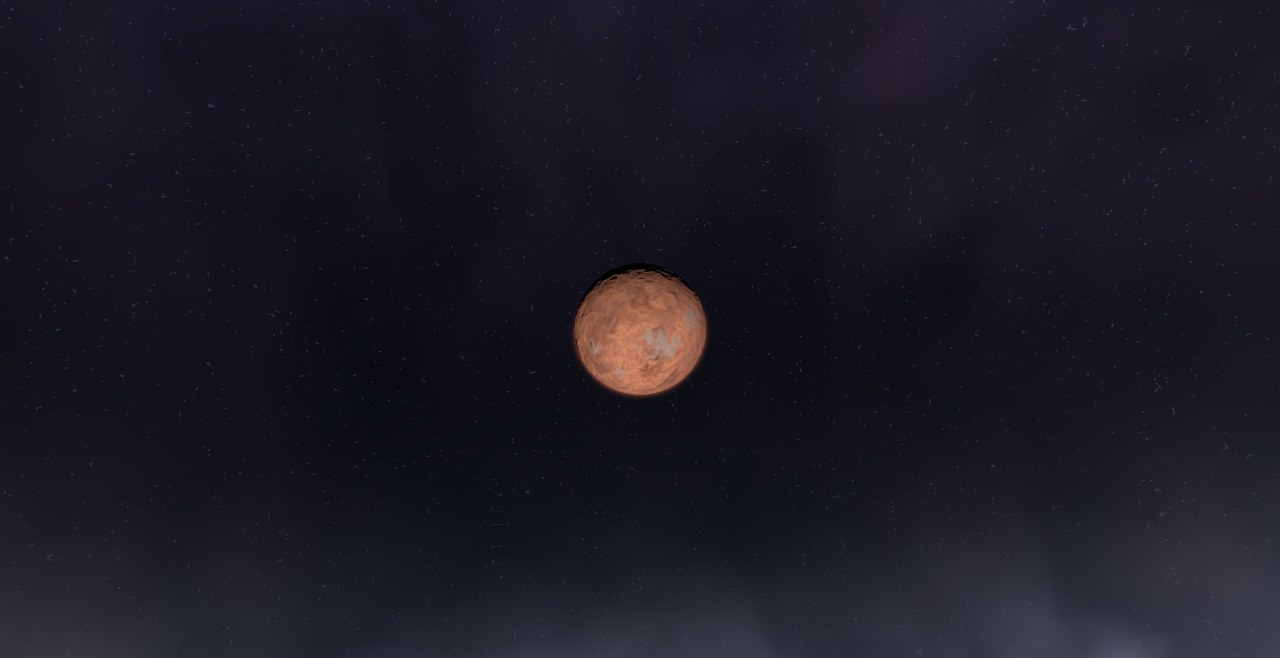
Kepler-230, a Sun-like G-type star of 0.78 solar masses, and Kepler-230 b, a planet with 4.3 Earth radii, with an orbital period of 32.6 days, at 0.191 AU from its star.
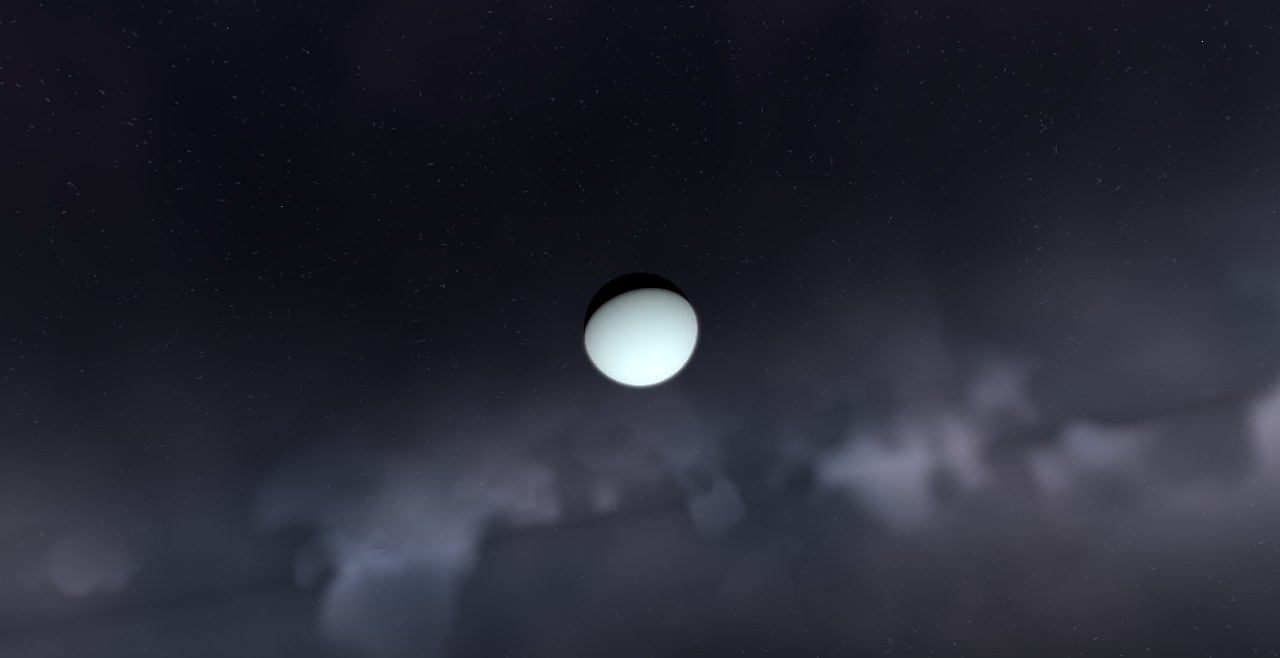
Kepler-231, an orange K-type dwarf of 0.58 solar masses, and Kepler-231 b, a planet with 1.7 Earth radii, with an orbital period of 10.1 days, at 0.074 AU from its star.
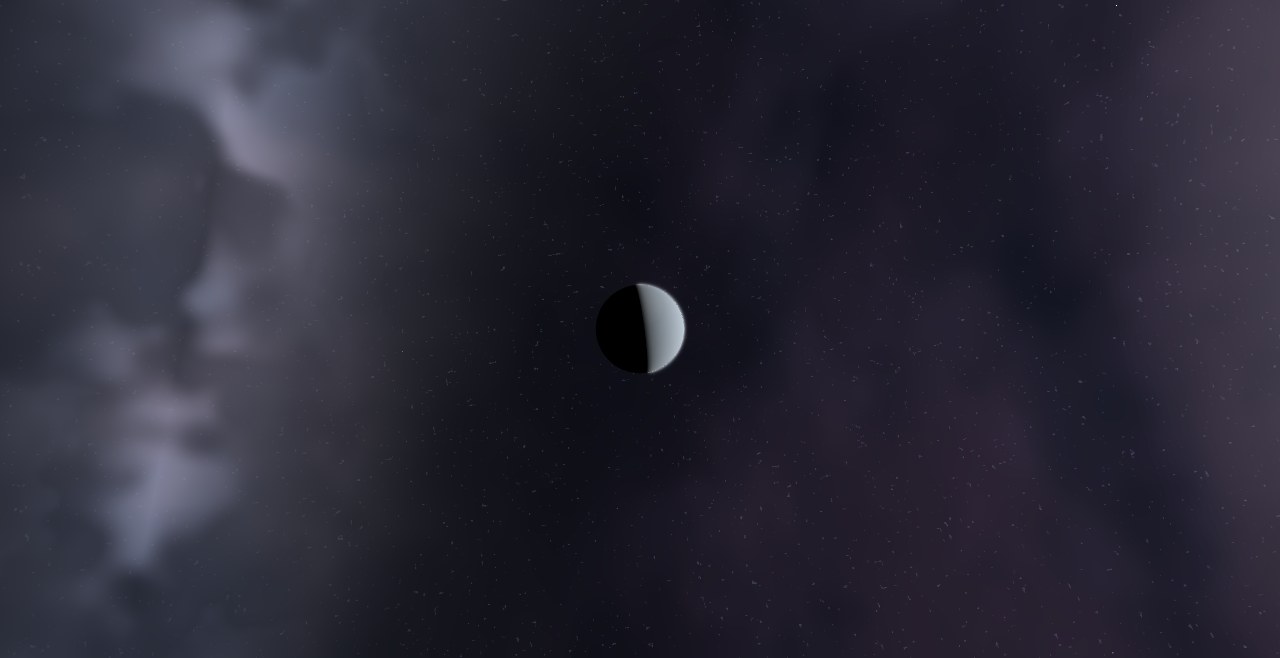
Kepler-232, a Sun-like G-type star of 0.97 solar masses, and Kepler-232 b, a planet with 3.1 Earth radii, with an orbital period of 4.4 days, at 0.054 AU from its star.
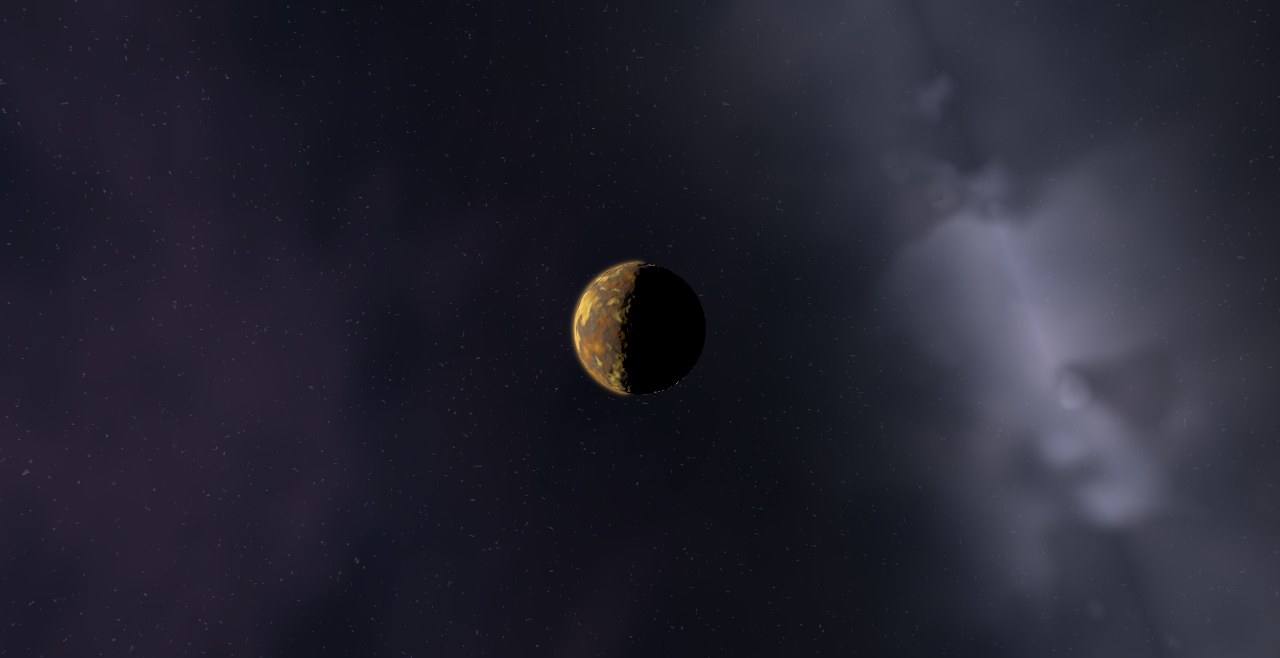
Kepler-233, a Sun-like G-type star of 0.85 solar masses, and Kepler-233 b, a planet with 2.4 Earth radii, with an orbital period of 8.5 days, at 0.077 AU from its star.