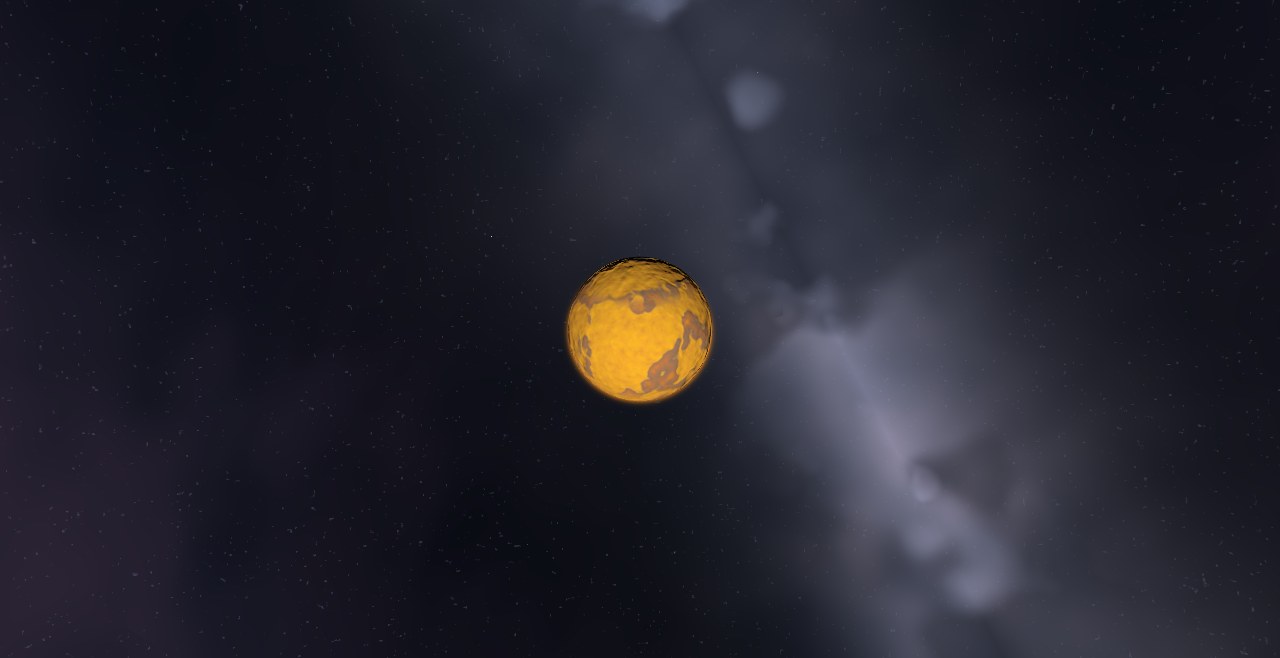
Kepler-1987 - System
Kepler-1987, an orange K-type dwarf of 0.80 solar masses, and Kepler-1987 b, a planet with 1.2 Earth radii, with an orbital period of 2.3 days, at 0.032 AU from its star, and an equilibrium temperature near.
3D Space and Gravity Simulator. Simulate the solar system, exoplanets and even colliding galaxies. Add, delete and modify planets, and change the laws of physics.
Share
Kepler-1987, an orange K-type dwarf of 0.80 solar masses, and Kepler-1987 b, a planet with 1.2 Earth radii, with an orbital period of 2.3 days, at 0.032 AU from its star, and an equilibrium temperature near.
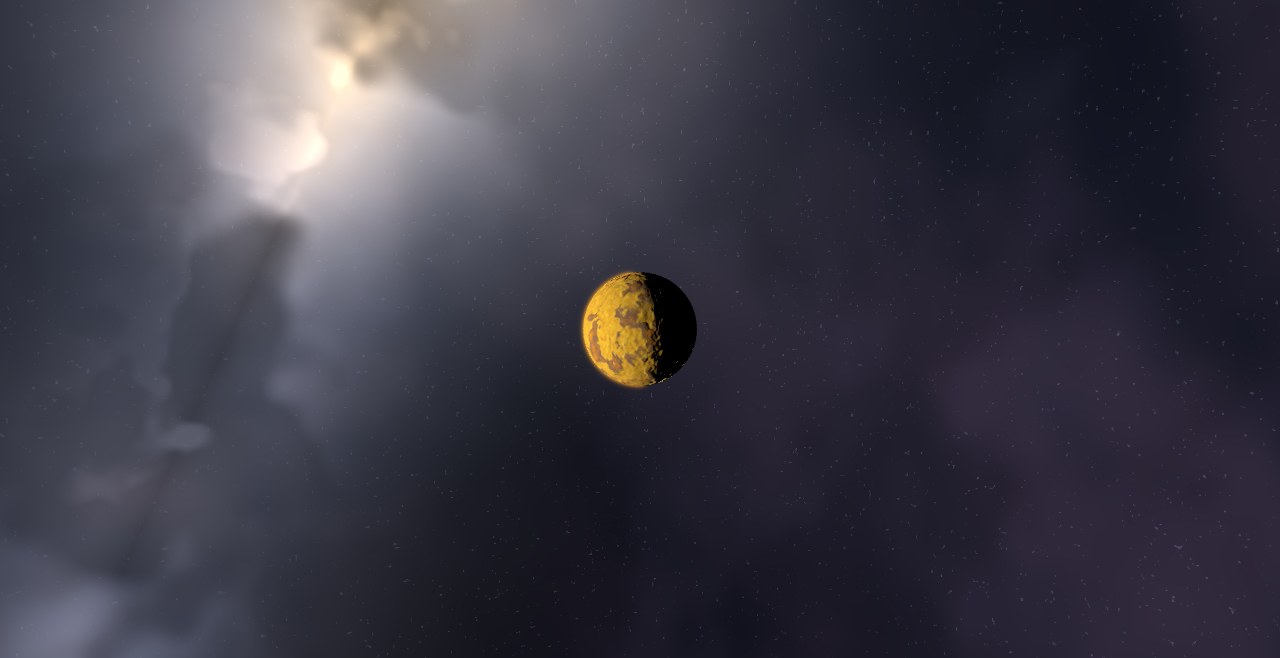
Kepler-1988, a Sun-like F-type star of 1.13 solar masses, and Kepler-1988 b, a planet with 1.5 Earth radii, with an orbital period of 11.5 days, at 0.104 AU from its star, and an equilibrium temperature near.
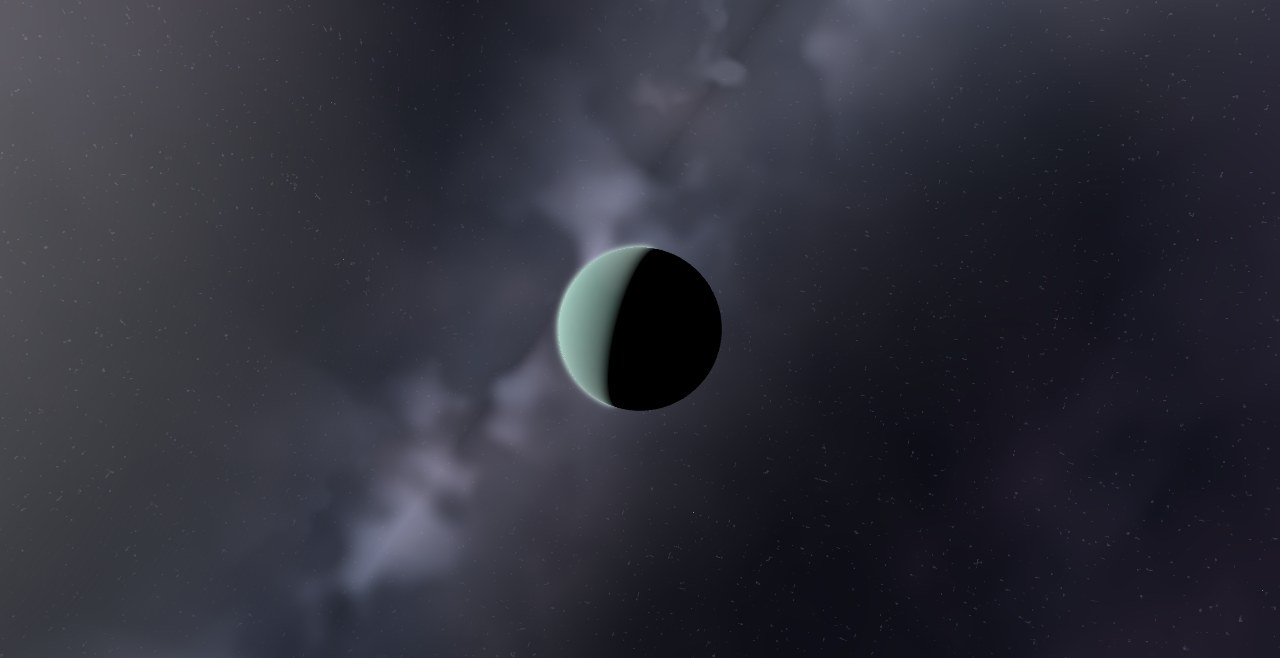
Kepler-1989, a Sun-like F-type star of 1.00 solar masses, and Kepler-1989 b, a planet with 4.6 Earth radii, with an orbital period of 10.2 days, at 0.092 AU from its star, and an equilibrium temperature near.
Kepler-199, a Sun-like G-type star of 0.96 solar masses, and Kepler-199 b, a planet with 3.1 Earth radii, with an orbital period of 23.6 days, at 0.158 AU from its star.
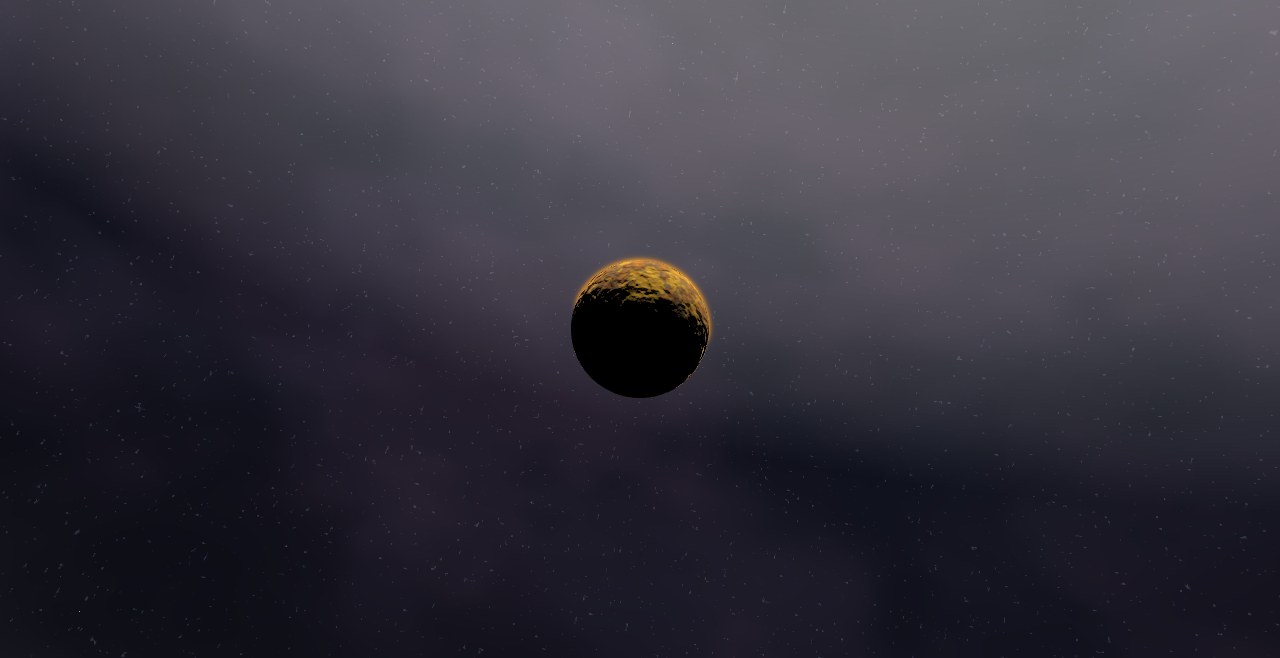
Kepler-1990, a Sun-like G-type star of 1.03 solar masses, and Kepler-1990 b, a planet with 3.3 Earth radii, with an orbital period of 1.7 days, at 0.029 AU from its star, and an equilibrium temperature near.
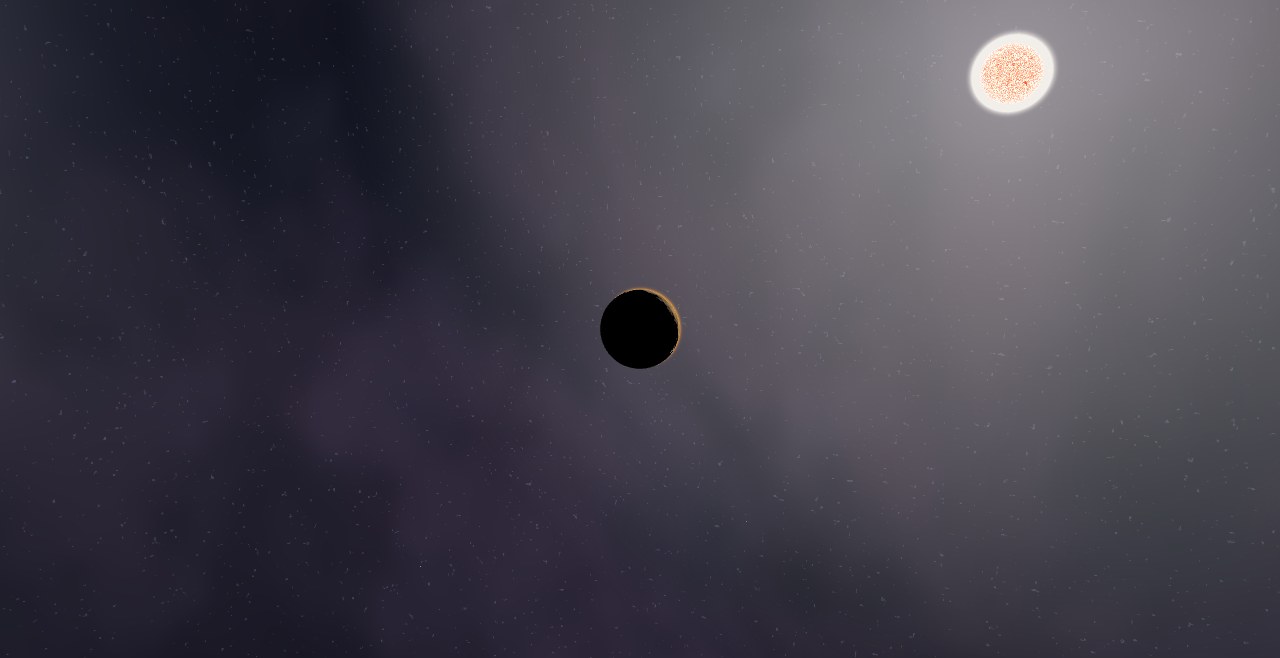
Kepler-1991, a Sun-like G-type star of 0.91 solar masses, and Kepler-1991 b, a planet with 1.5 Earth radii, with an orbital period of 13.3 days, at 0.106 AU from its star, and an equilibrium temperature near.
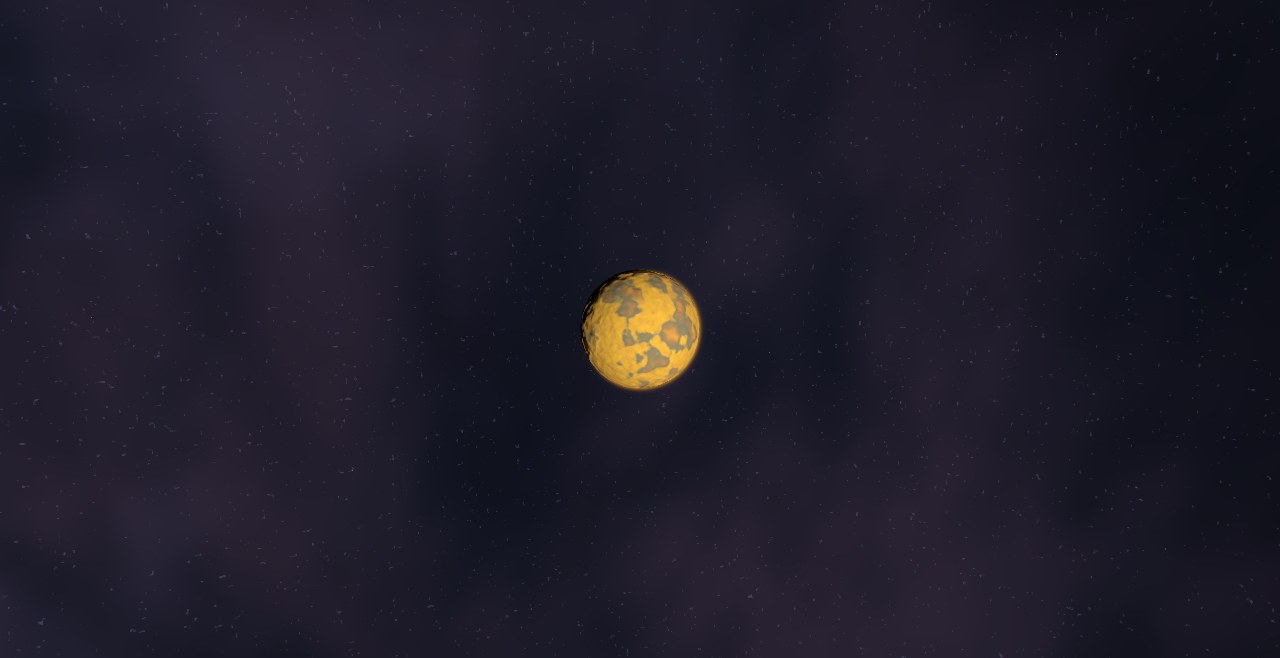
Kepler-1992, a Sun-like G-type star of 0.87 solar masses, and Kepler-1992 b, a planet with 0.9 Earth radii, with an orbital period of 15.6 days, at 0.117 AU from its star, and an equilibrium temperature near.
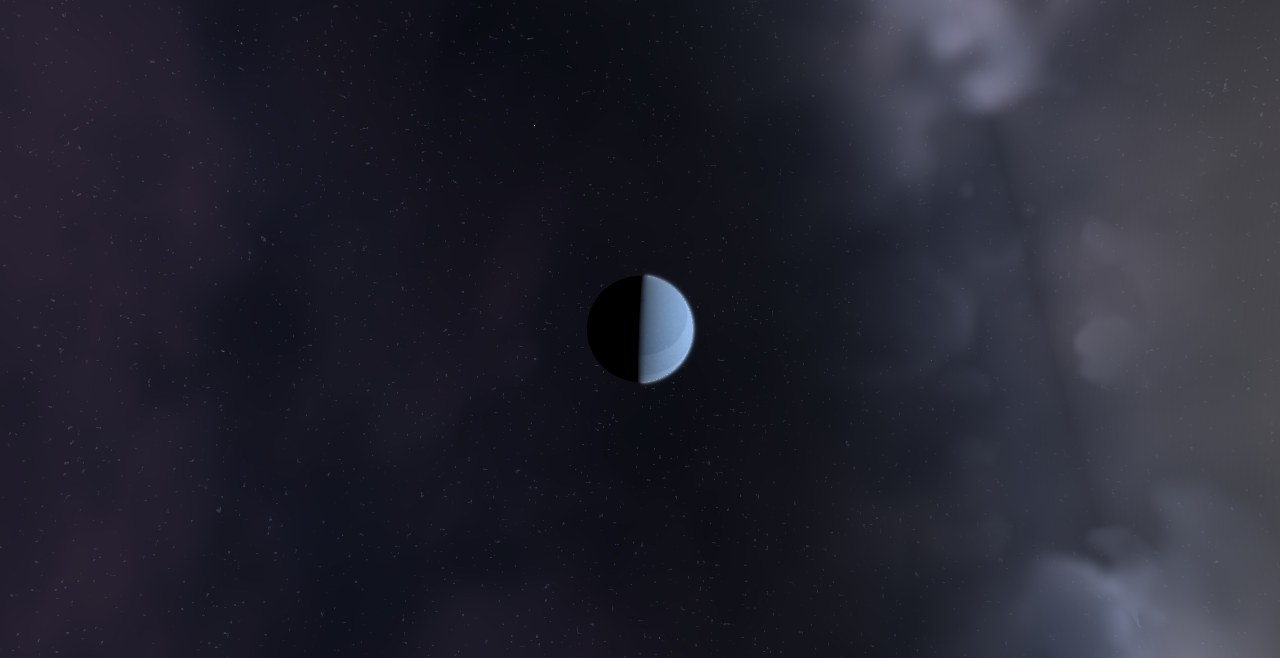
Kepler-1993, an orange K-type dwarf of 1.37 solar masses, and Kepler-1993 b, a planet with 4.2 Earth radii, with an orbital period of 26.7 days, at 0.194 AU from its star, and an equilibrium temperature near.
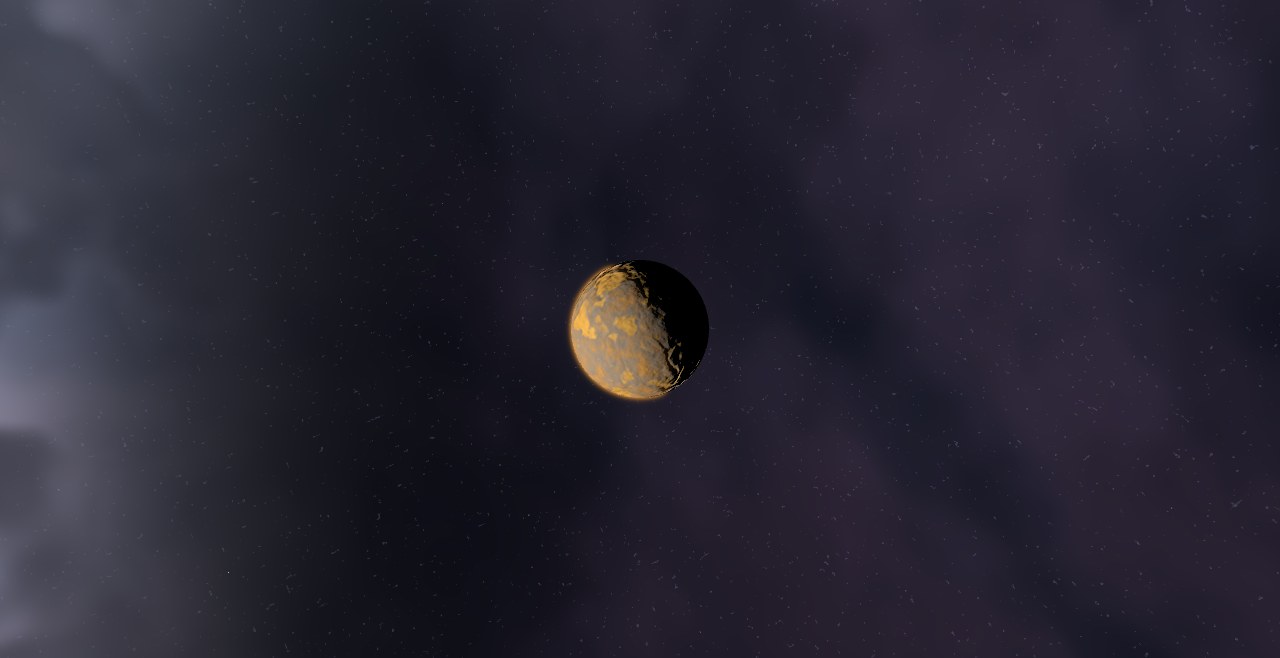
Kepler-1994, a Sun-like G-type star of 0.93 solar masses, and Kepler-1994 b, a planet with 0.5 Earth radii, with an orbital period of 4.6 days, at 0.053 AU from its star, and an equilibrium temperature near.
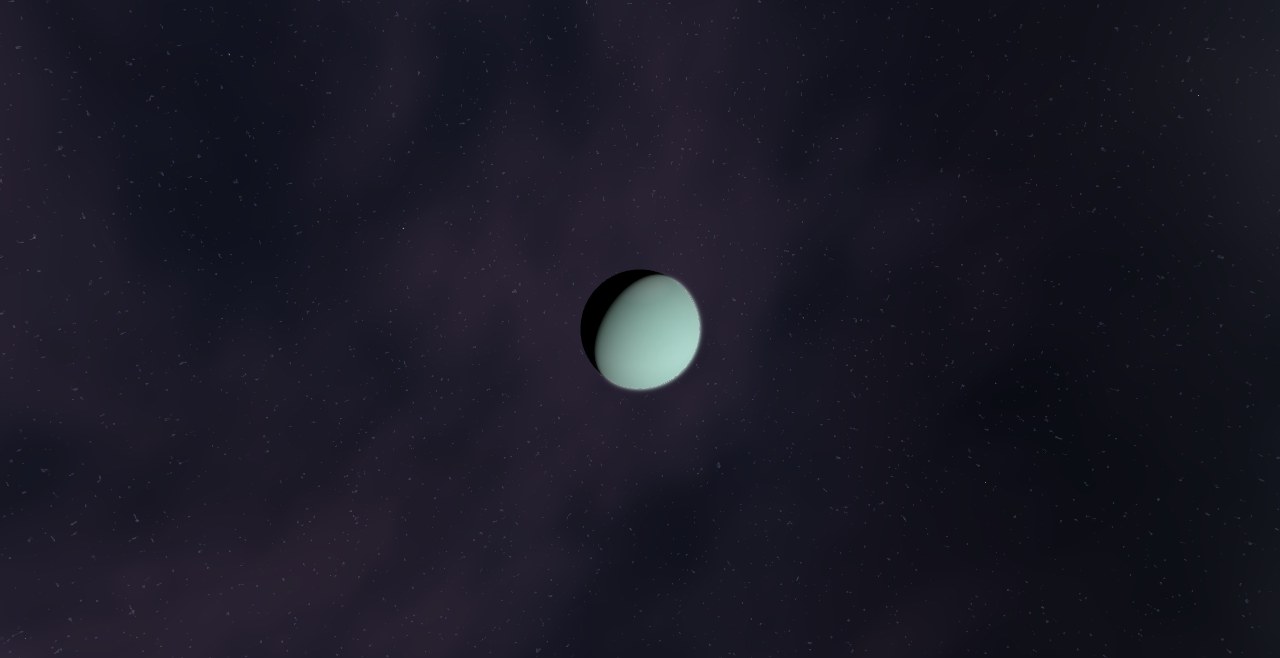
Kepler-1995, an orange K-type dwarf of 0.85 solar masses, and Kepler-1995 b, a planet with 4.3 Earth radii, with an orbital period of 73.8 days, at 0.326 AU from its star, and an equilibrium temperature near.
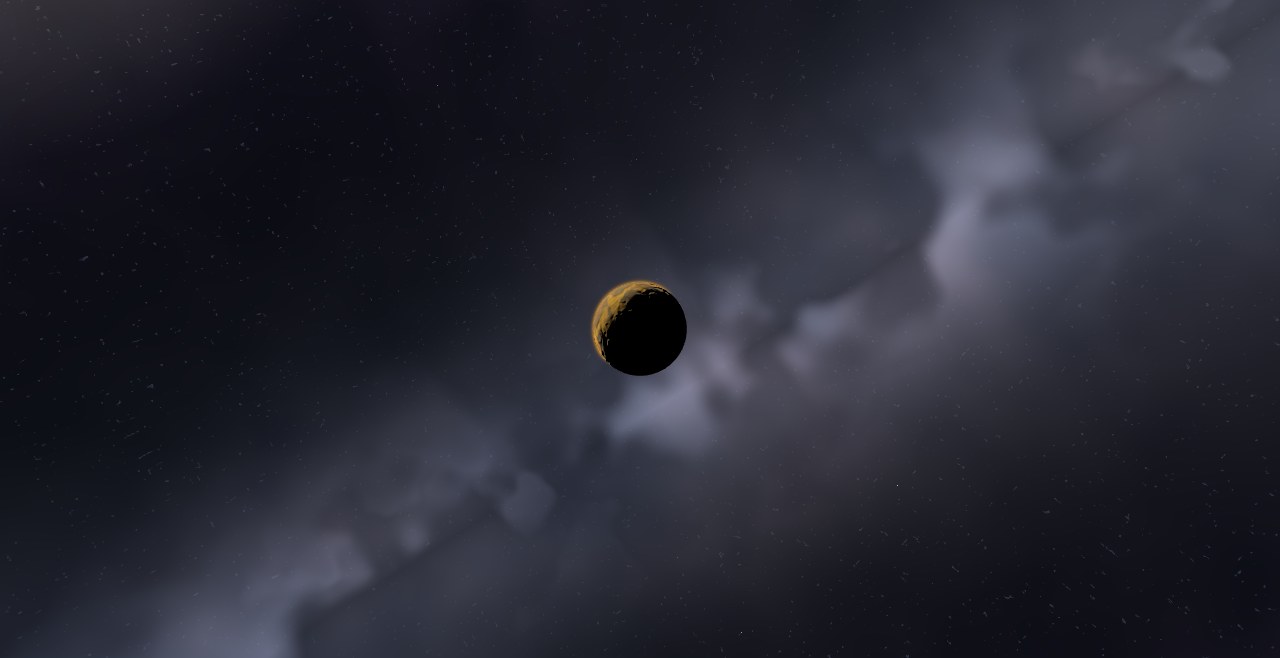
Kepler-1996, an orange K-type dwarf of 0.75 solar masses, and Kepler-1996 b, a planet with 2.3 Earth radii, with an orbital period of 32.4 days, at 0.179 AU from its star, and an equilibrium temperature near.
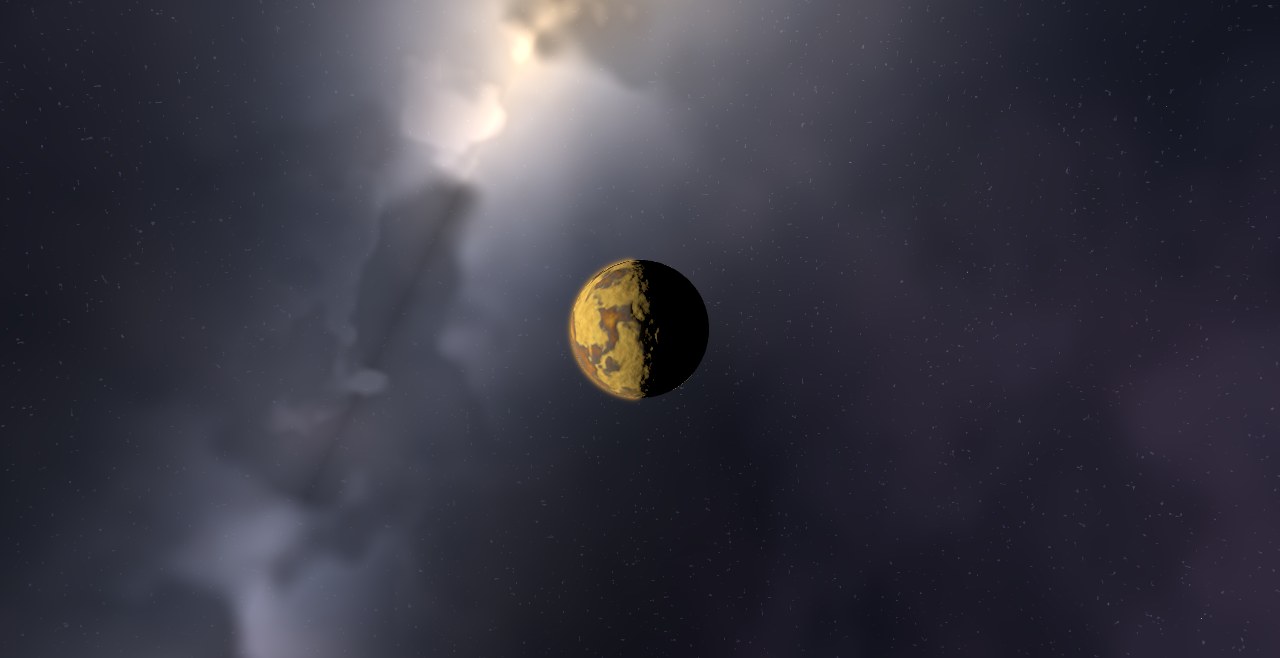
Kepler-1997, a Sun-like F-type star of 1.11 solar masses, and Kepler-1997 b, a planet with 2.3 Earth radii, with an orbital period of 26.8 days, at 0.181 AU from its star, and an equilibrium temperature near.
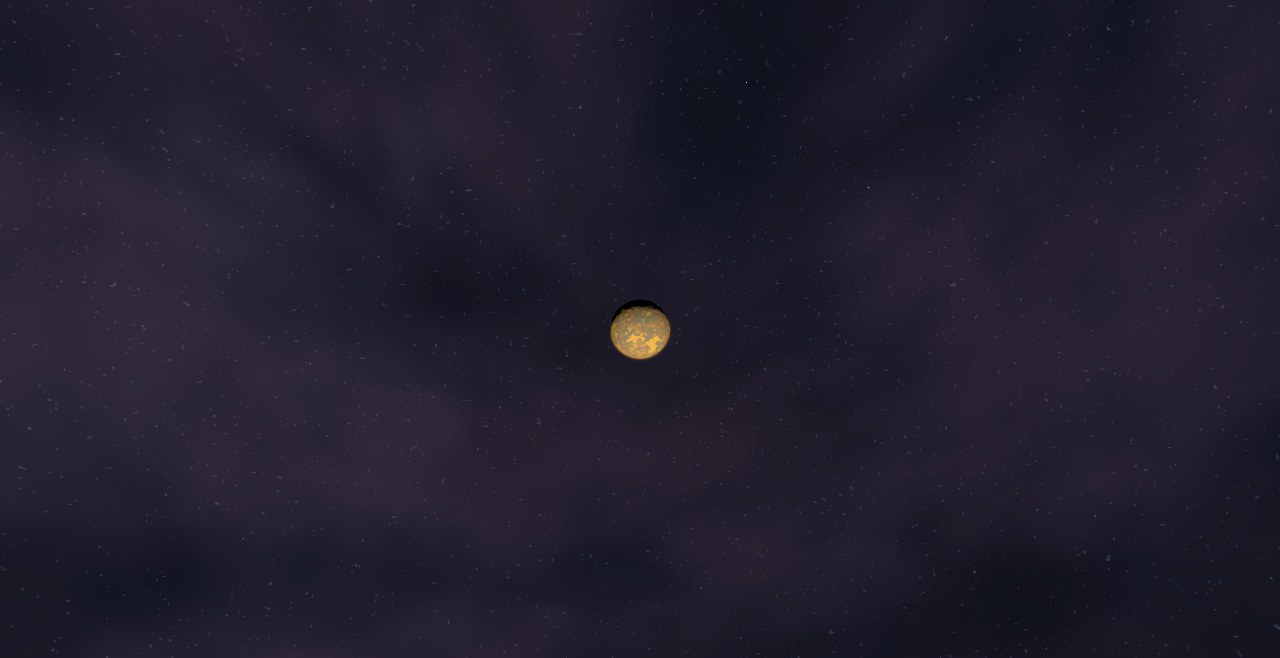
Kepler-1998, a Sun-like G-type star of 0.96 solar masses, and Kepler-1998 b, a planet with 0.6 Earth radii, with an orbital period of 3.0 days, at 0.041 AU from its star, and an equilibrium temperature near.
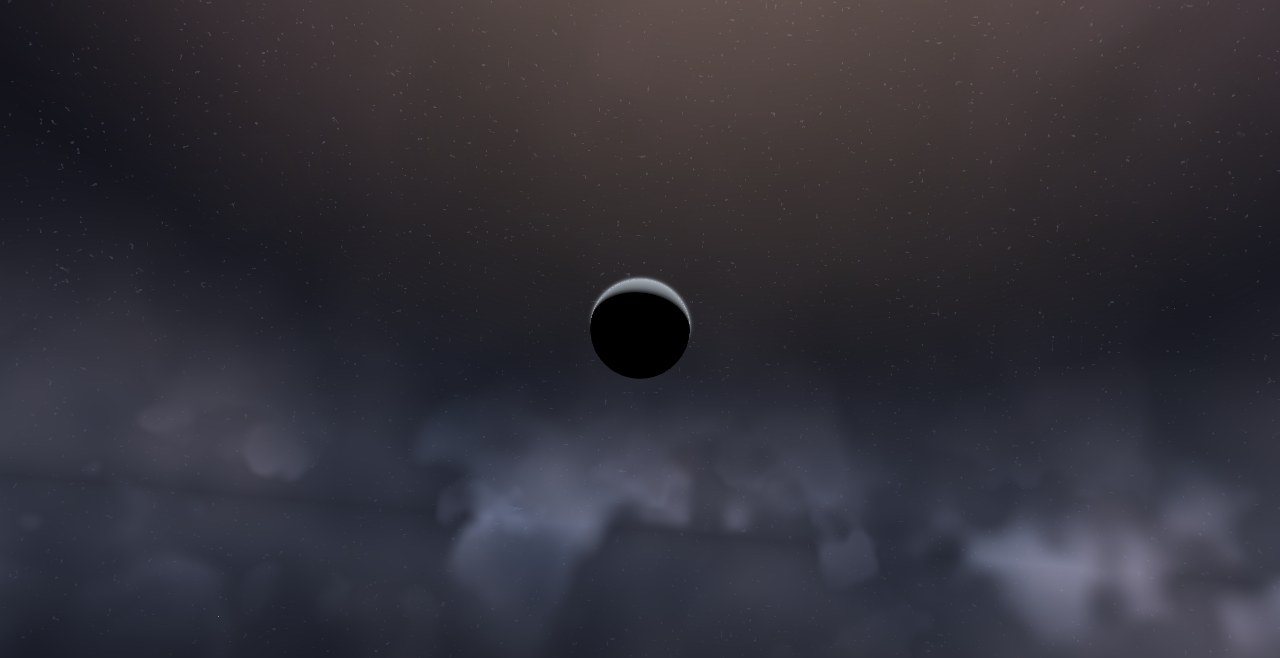
Kepler-1999, an orange K-type dwarf of 0.63 solar masses, and Kepler-1999 b, a planet with 3.3 Earth radii, with an orbital period of 8.7 days, at 0.071 AU from its star, and an equilibrium temperature near.
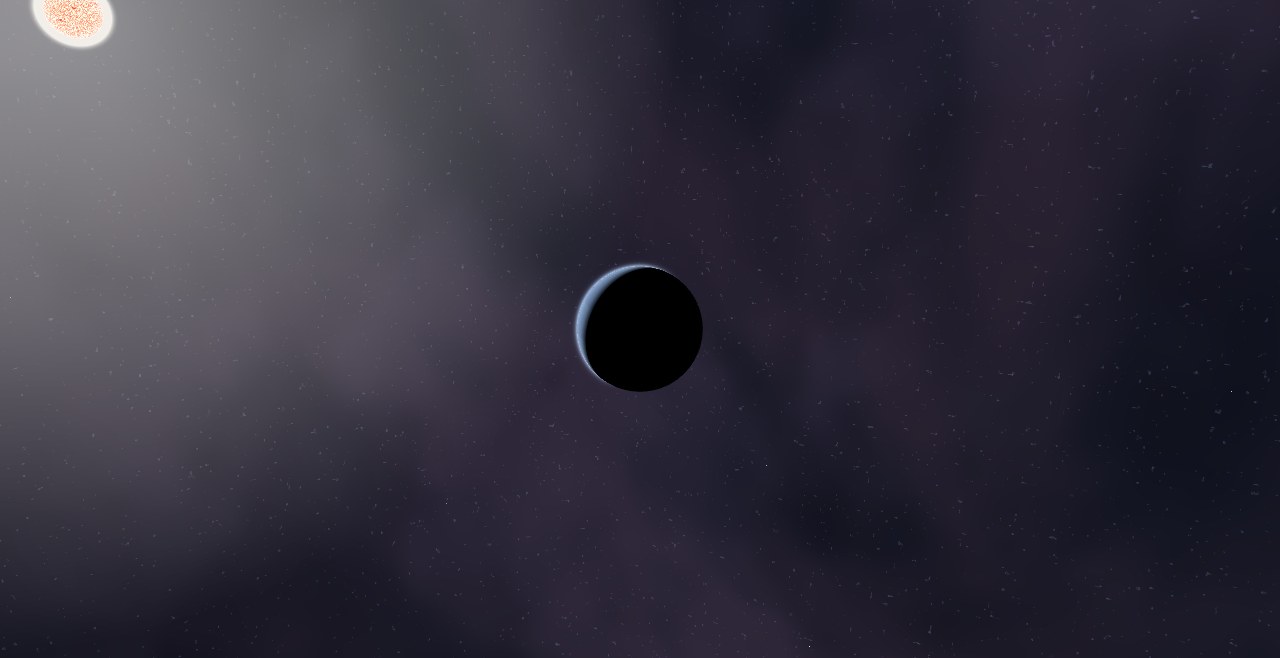
Kepler-20, the first system with Earth-sized planets. Kepler-20 e and f alternate with larger worlds in a tight, mixed-size chain. Earth-sized e and f were announced together in 2011.
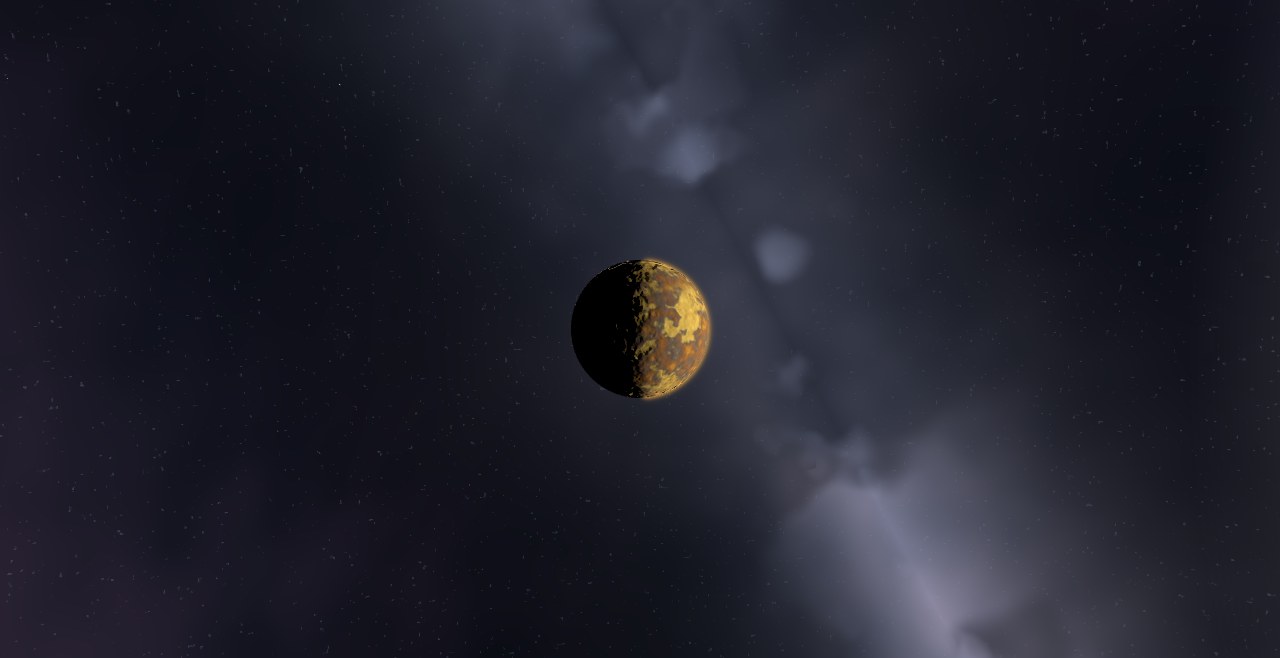
Kepler-200, a Sun-like G-type star of 0.97 solar masses, and Kepler-200 b, a planet with 2.1 Earth radii, with an orbital period of 8.6 days, at 0.080 AU from its star.
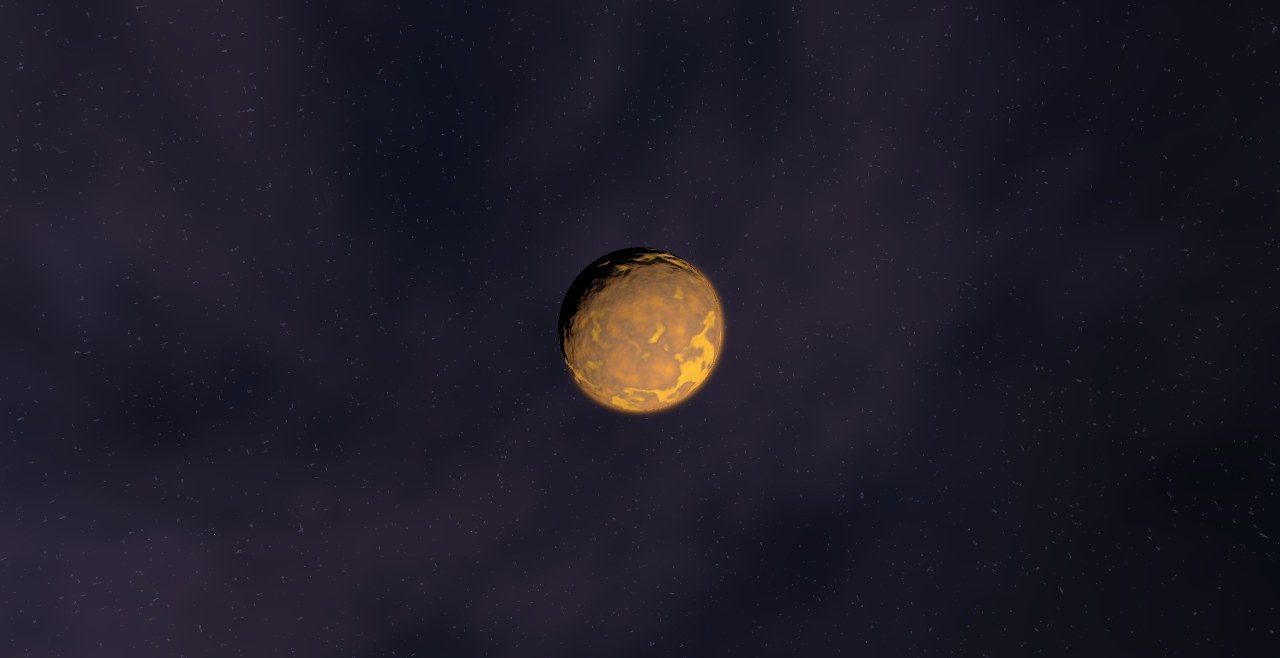
Kepler-2000, an orange K-type dwarf of 0.58 solar masses, and Kepler-2000 b, a planet with 2.7 Earth radii, with an orbital period of 6.4 days, at 0.056 AU from its star, and an equilibrium temperature near.
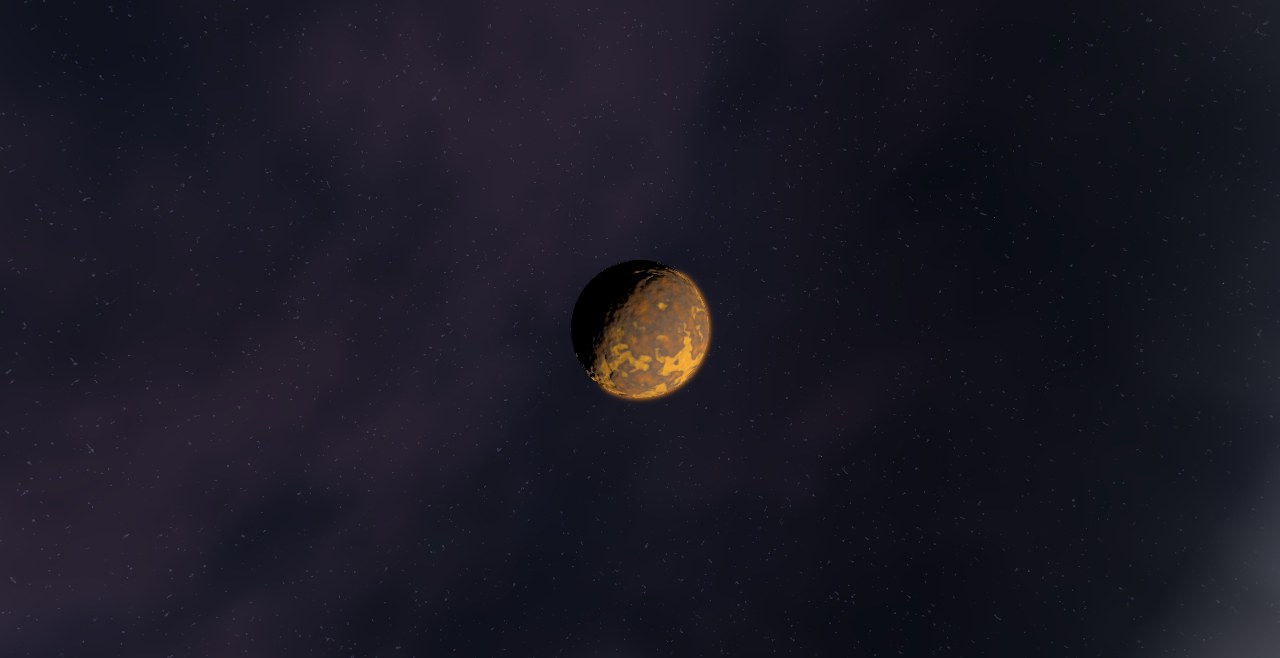
Kepler-2001, an orange K-type dwarf of 0.86 solar masses, and Kepler-2001 b, a planet with 1.0 Earth radii, with an orbital period of 1.1 days, at 0.020 AU from its star, and an equilibrium temperature near.