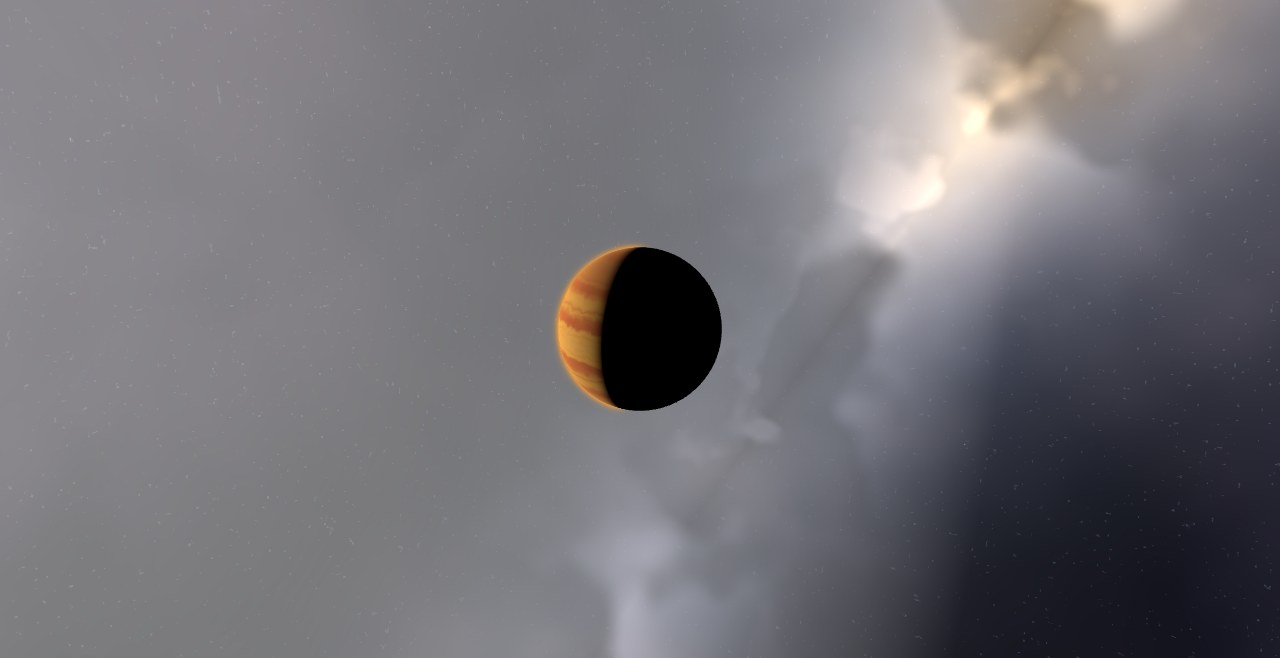
KELT-14 - System
KELT-14, a Sun-like G-type star of 1.24 solar masses, and KELT-14 b, a 1.28-Jupiter-mass companion, with an orbital period of 1.7 days, at 0.030 AU from its star, and an equilibrium temperature near 1,970 K.
Scenarios
Discover alien solar systems and explore worlds far beyond our own. Simulate extreme orbital environments, habitable zones, and tightly packed resonant chains discovered by modern astronomy, all mapped accurately from real exoplanetary discovery data.
Share
KELT-14, a Sun-like G-type star of 1.24 solar masses, and KELT-14 b, a 1.28-Jupiter-mass companion, with an orbital period of 1.7 days, at 0.030 AU from its star, and an equilibrium temperature near 1,970 K.
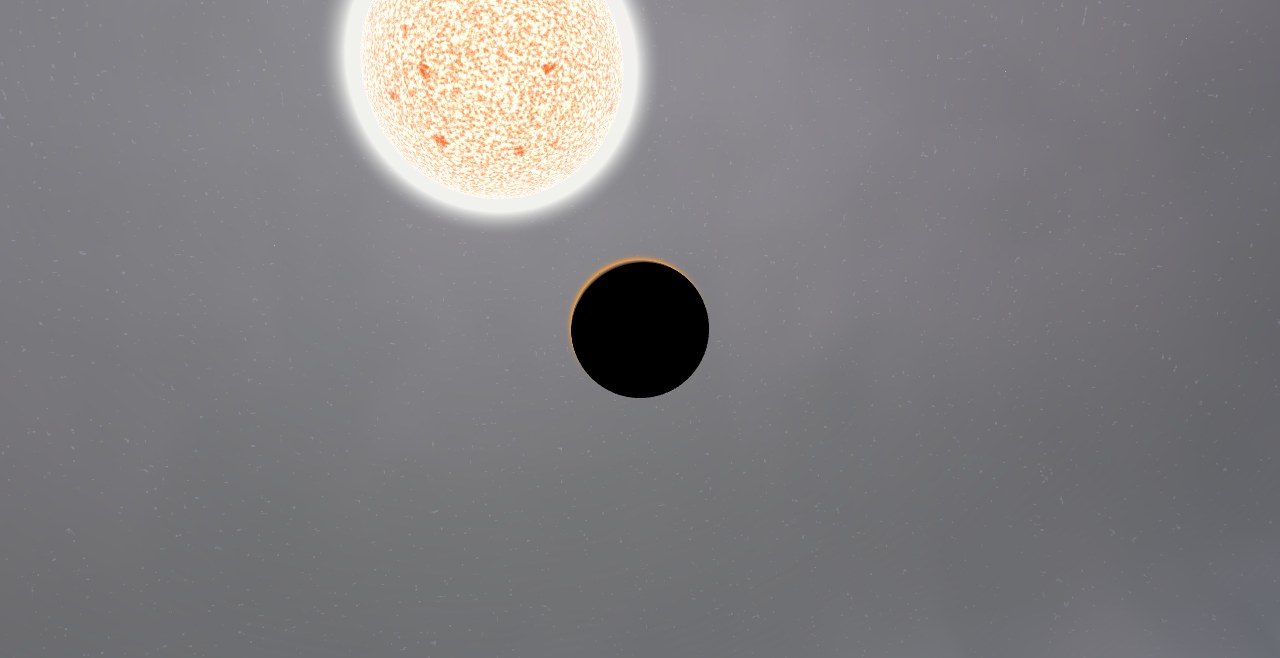
KELT-15, a Sun-like F-type star of 2.06 solar masses, and KELT-15 b, a 1.31-Jupiter-mass companion, with an orbital period of 3.3 days.
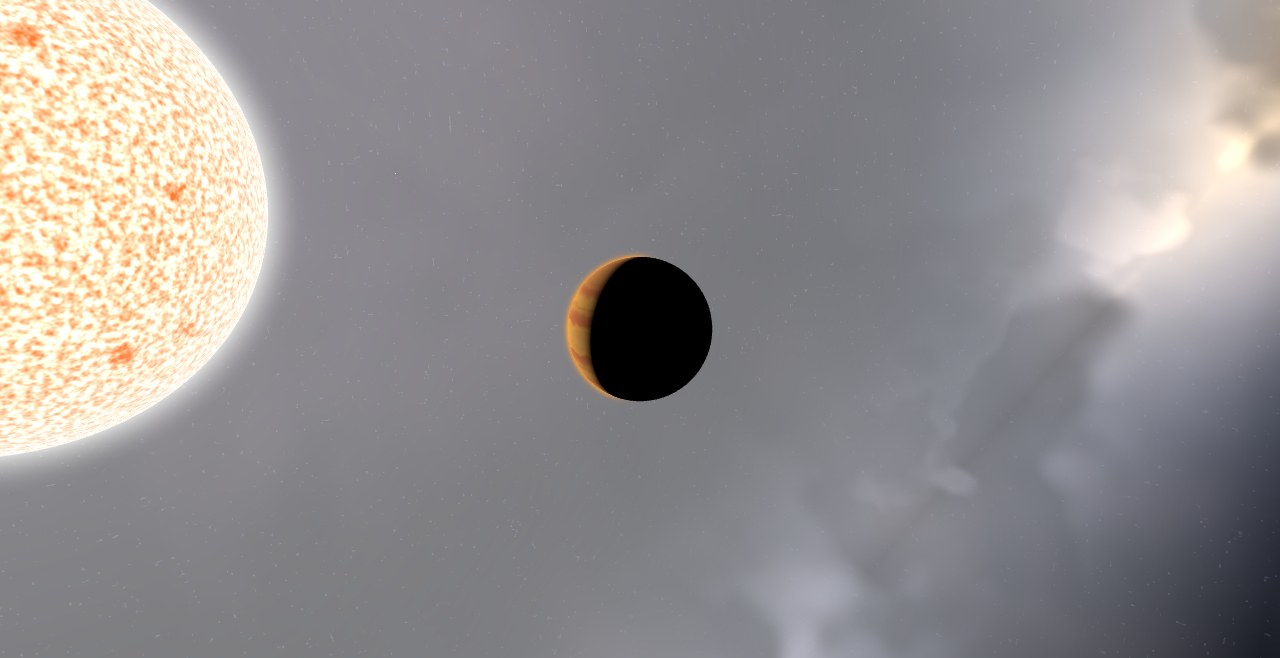
KELT-16, a Sun-like F-type star of 1.21 solar masses, and KELT-16 b, a 2.75-Jupiter-mass companion, with an orbital period of 23.3 hours, at 0.020 AU from its star, and an equilibrium temperature near 2,453 K.
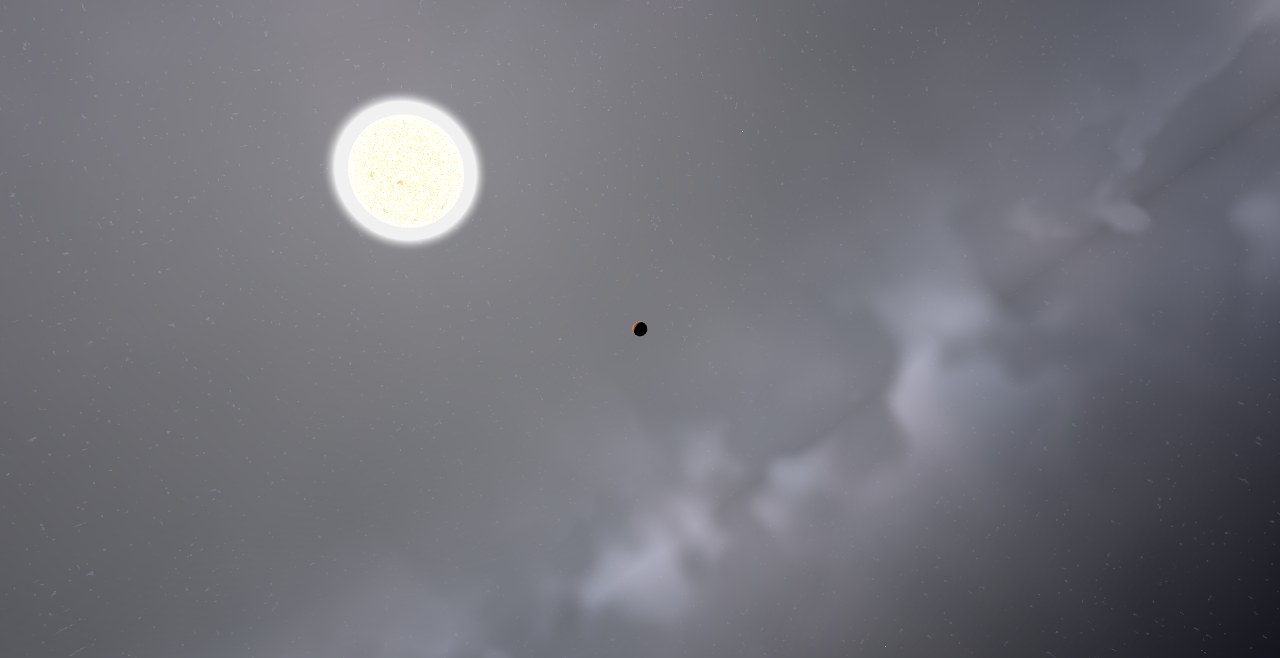
KELT-17, and KELT-17 b, a 1.31-Jupiter-mass companion, with an orbital period of 3.1 days, at 0.049 AU from its star, and an equilibrium temperature near 2,087 K.
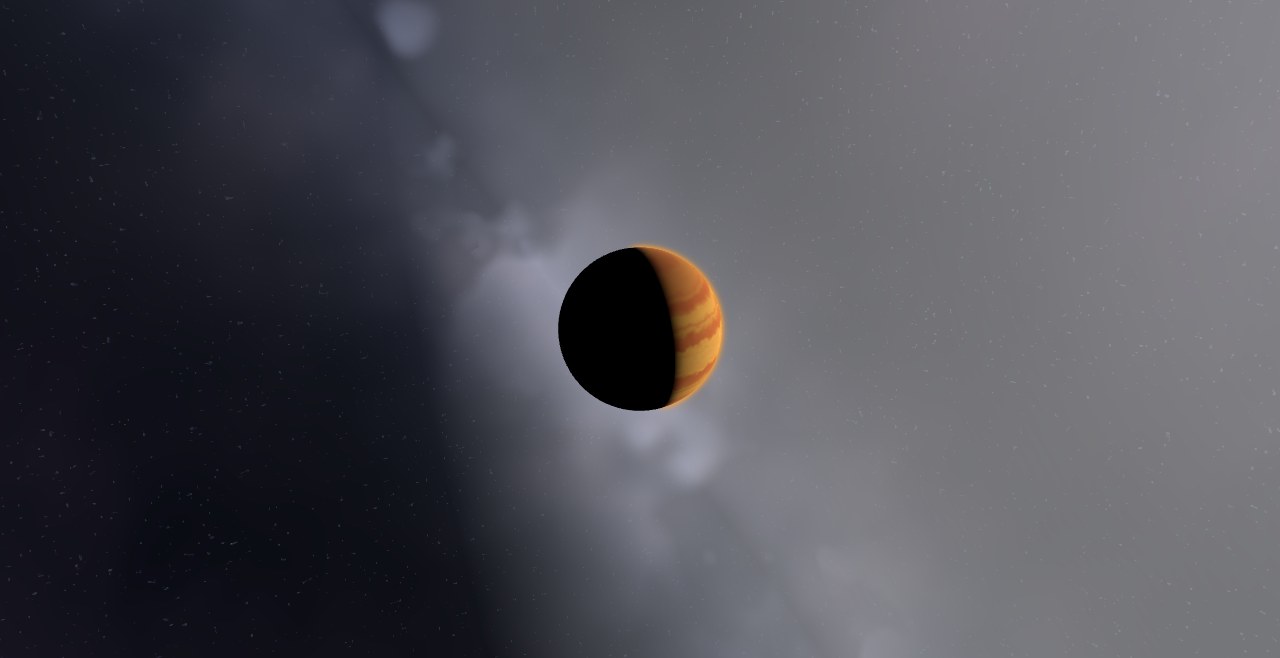
KELT-18, a Sun-like F-type star of 1.52 solar masses, and KELT-18 b, a 1.18-Jupiter-mass companion, with an orbital period of 2.9 days, at 0.045 AU from its star, and an equilibrium temperature near 2,085 K.
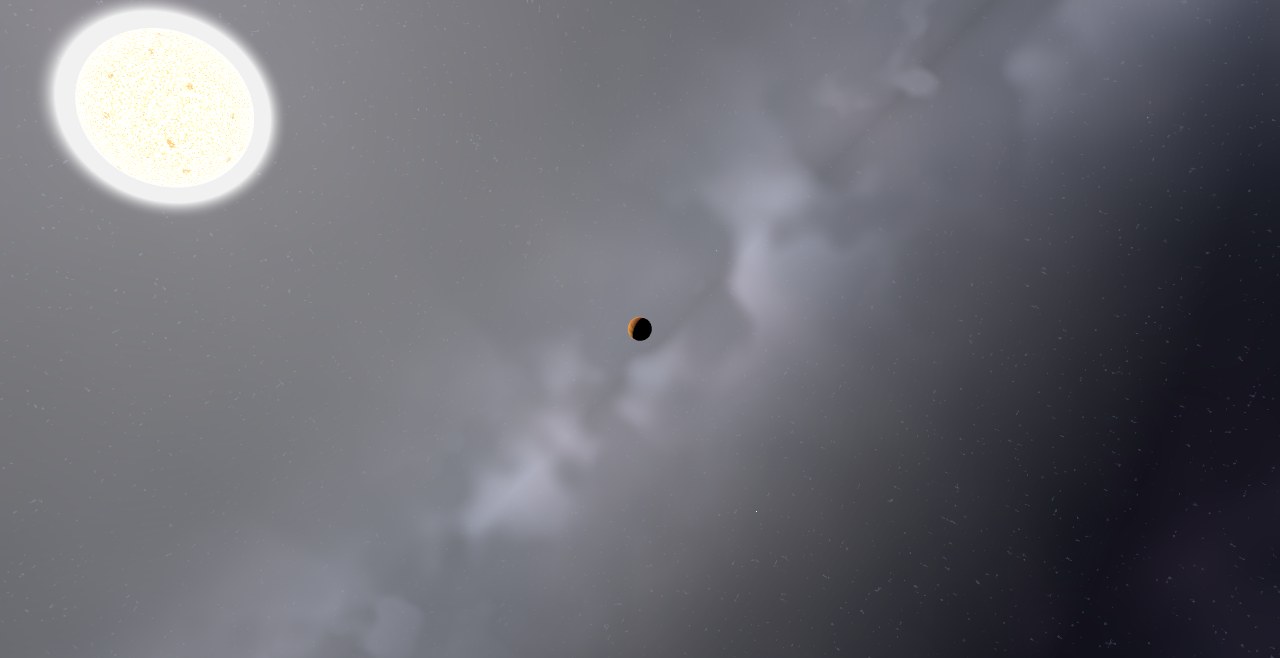
KELT-19 A, and KELT-19 A b, a 4.07-Jupiter-mass companion, with an orbital period of 4.6 days, at 0.064 AU from its star, and an equilibrium temperature near 1,935 K.
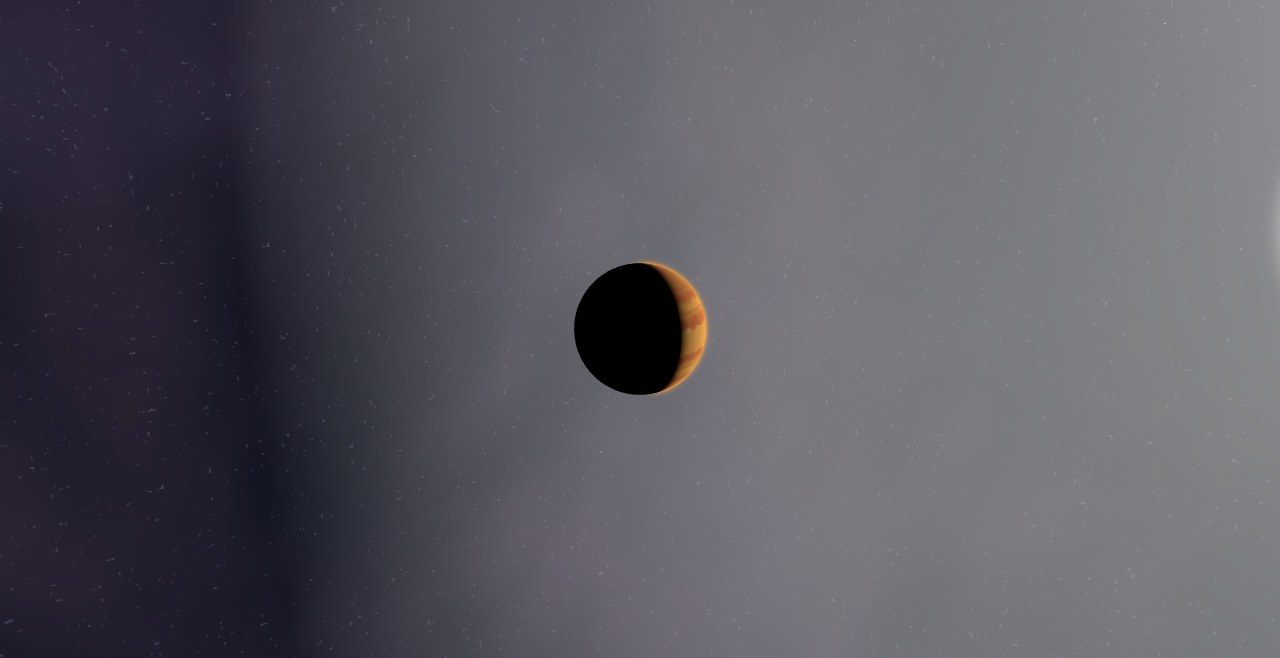
KELT-2 A, a Sun-like F-type star of 1.54 solar masses, and KELT-2 A b, a 1.70-Jupiter-mass companion, with an orbital period of 4.1 days.
KELT-20, and KELT-20 b, a 3.38-Jupiter-mass companion, with an orbital period of 3.5 days, at 0.054 AU from its star, and an equilibrium temperature near 2,262 K.
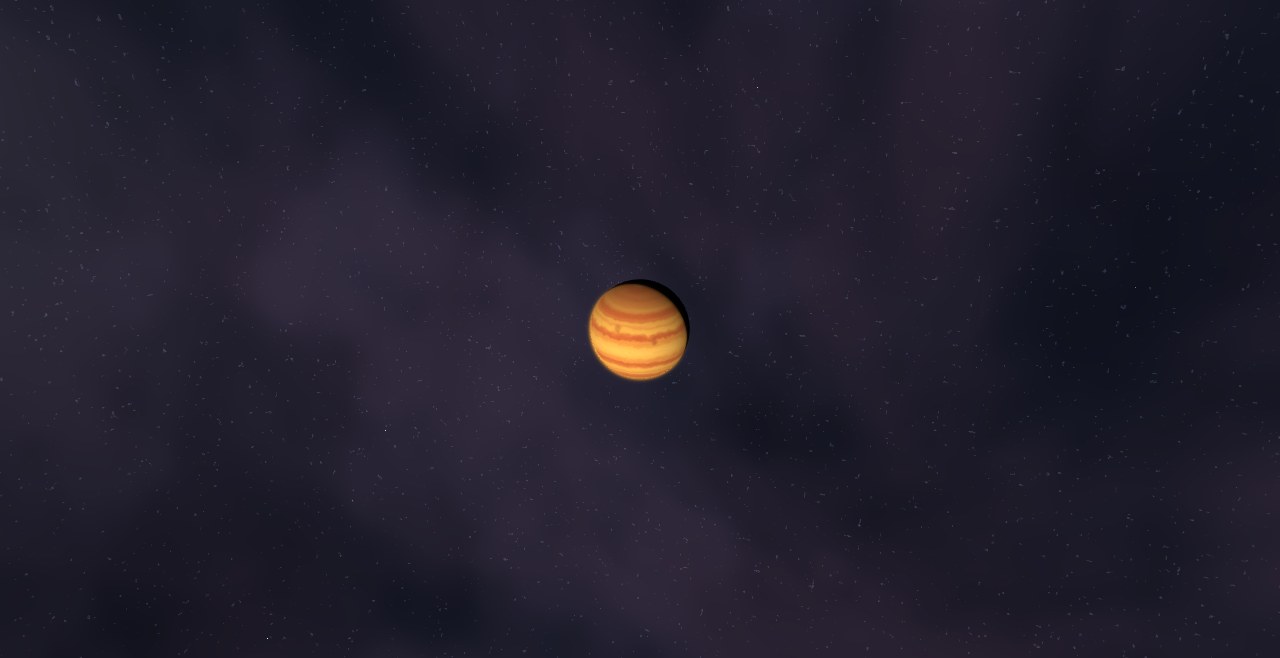
KELT-21, and KELT-21 b, a 3.91-Jupiter-mass companion, with an orbital period of 3.6 days, at 0.052 AU from its star, and an equilibrium temperature near 2,051 K.
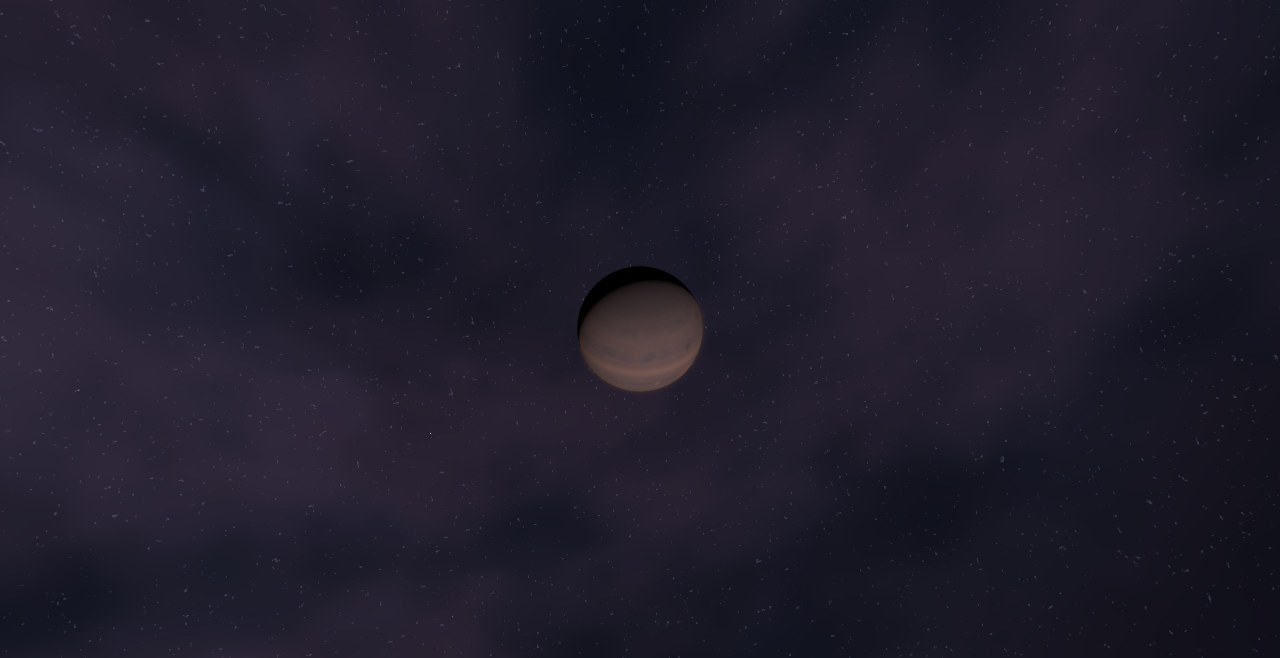
KELT-23 A, a Sun-like G-type star of 0.94 solar masses, and KELT-23 A b, a 0.94-Jupiter-mass companion, with an orbital period of 2.3 days, at 0.033 AU from its star, and an equilibrium temperature near 1,561 K.
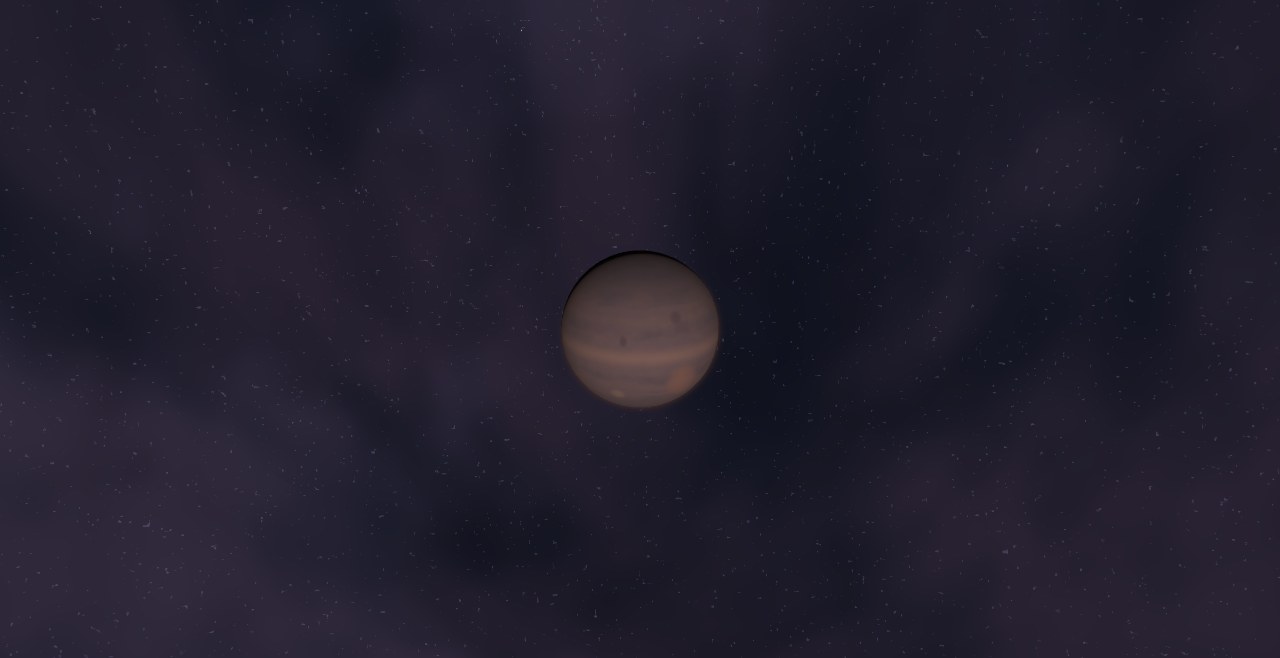
KELT-24, a Sun-like F-type star of 1.27 solar masses, and KELT-24 b, a 4.59-Jupiter-mass companion, with an orbital period of 5.6 days, at 0.067 AU from its star, and an equilibrium temperature near 1,391 K.
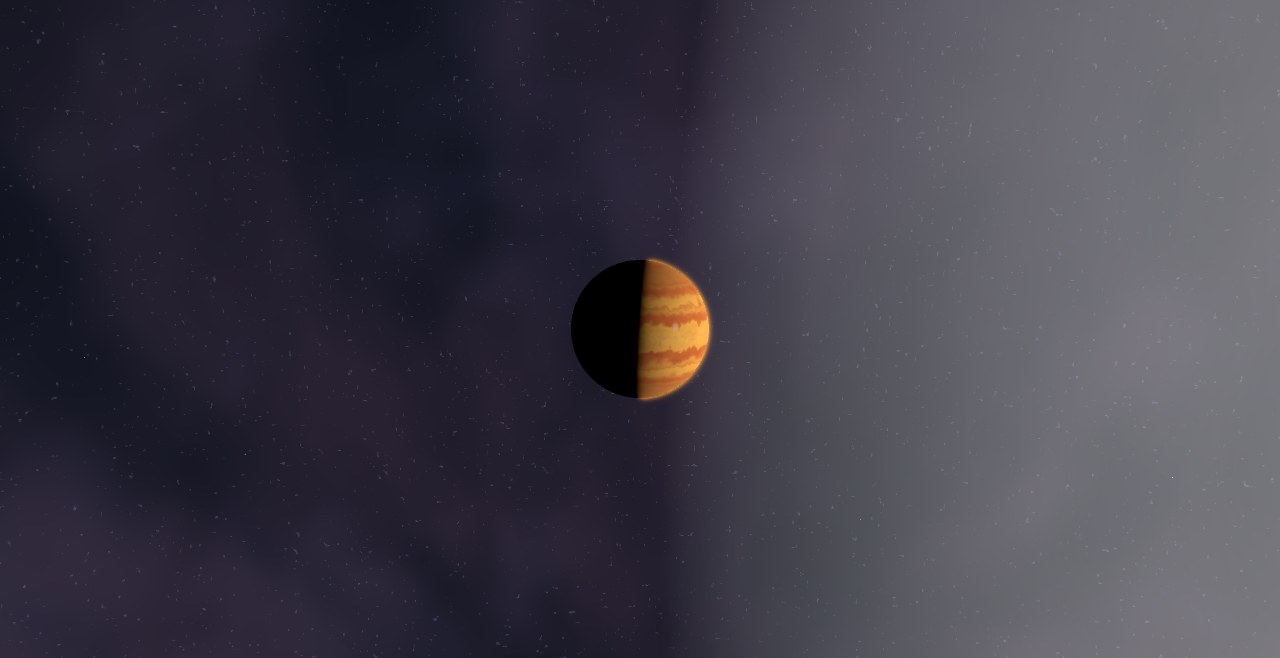
KELT-3, a Sun-like F-type star of 1.96 solar masses, and KELT-3 b, a 1.94-Jupiter-mass companion, with an orbital period of 2.7 days.
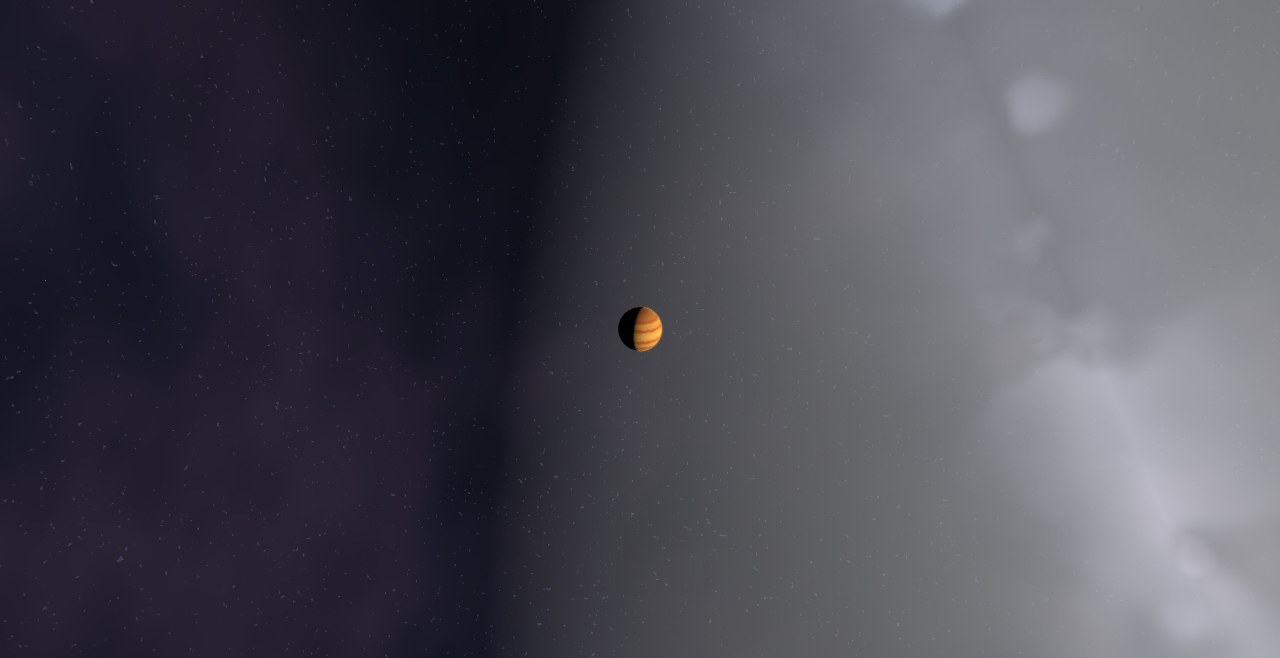
KELT-4 A, a Sun-like F-type star of 1.20 solar masses, and KELT-4 A b, a 0.90-Jupiter-mass companion, with an orbital period of 3.0 days, at 0.043 AU from its star, and an equilibrium temperature near 1,823 K.
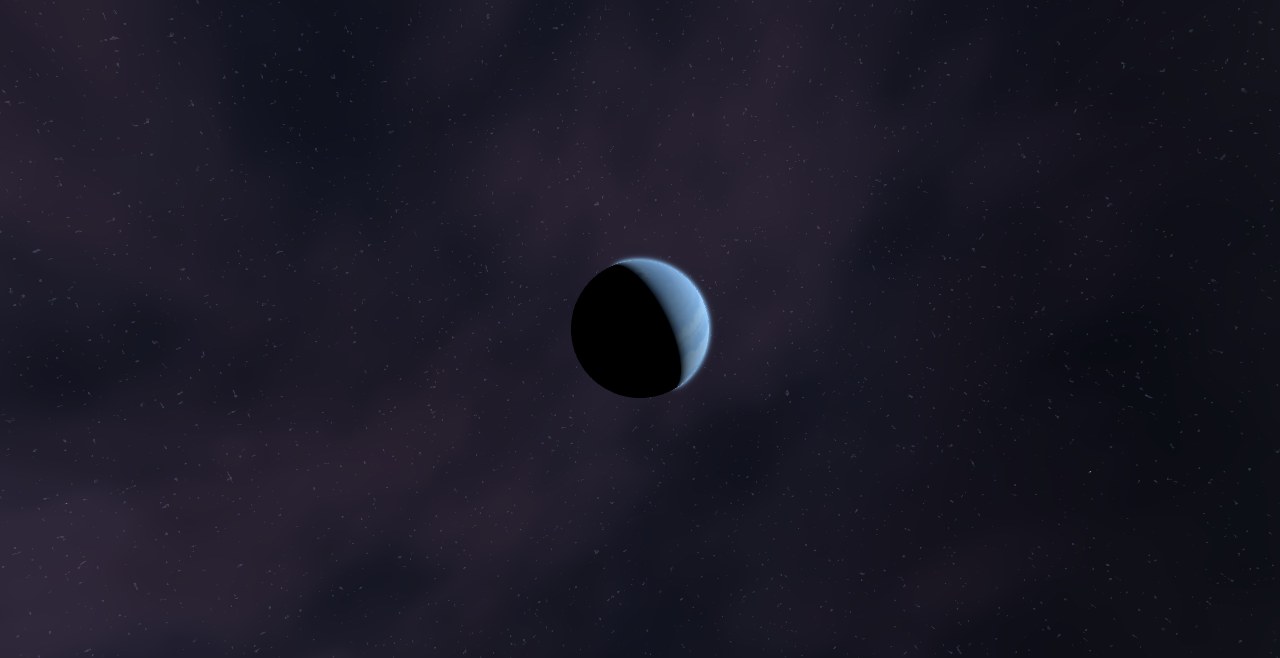
KELT-6, a Sun-like F-type star of 1.13 solar masses, and KELT-6 c, a 3.71-Jupiter-mass companion, with an orbital period of 3.49 years, at 2.390 AU from its star, on an eccentric orbit (e ≈ 0.21).
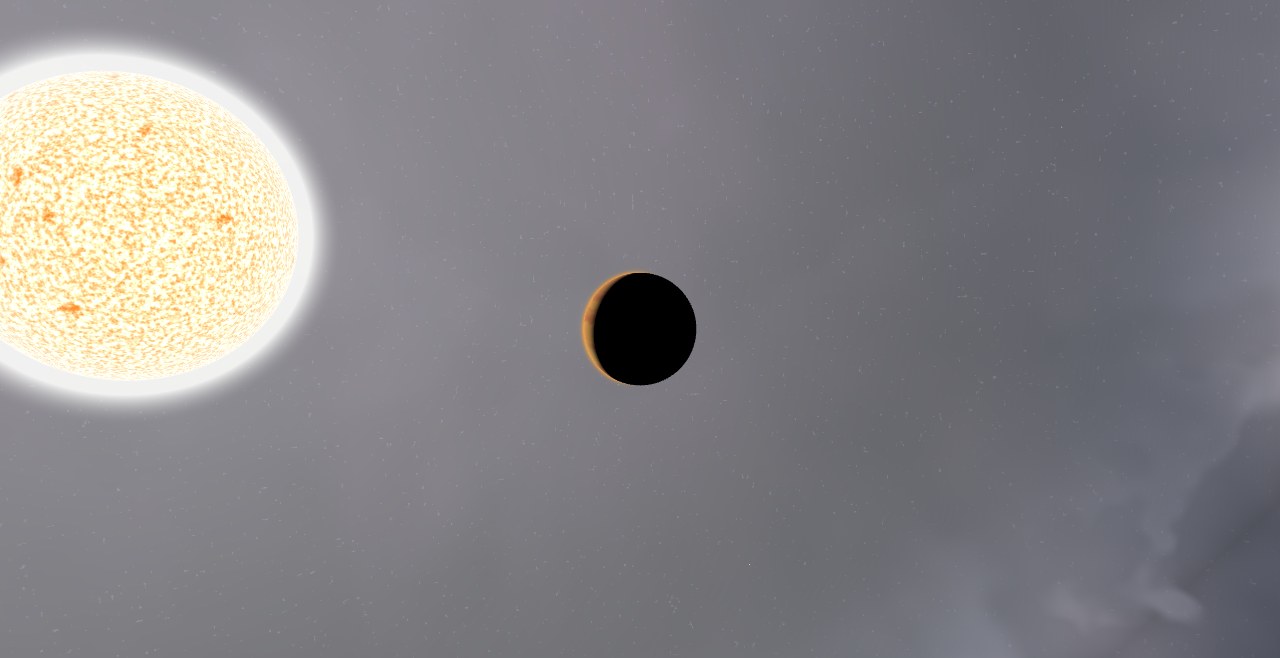
KELT-7, a Sun-like F-type star of 1.76 solar masses, and KELT-7 b, a 1.39-Jupiter-mass companion, with an orbital period of 2.7 days.
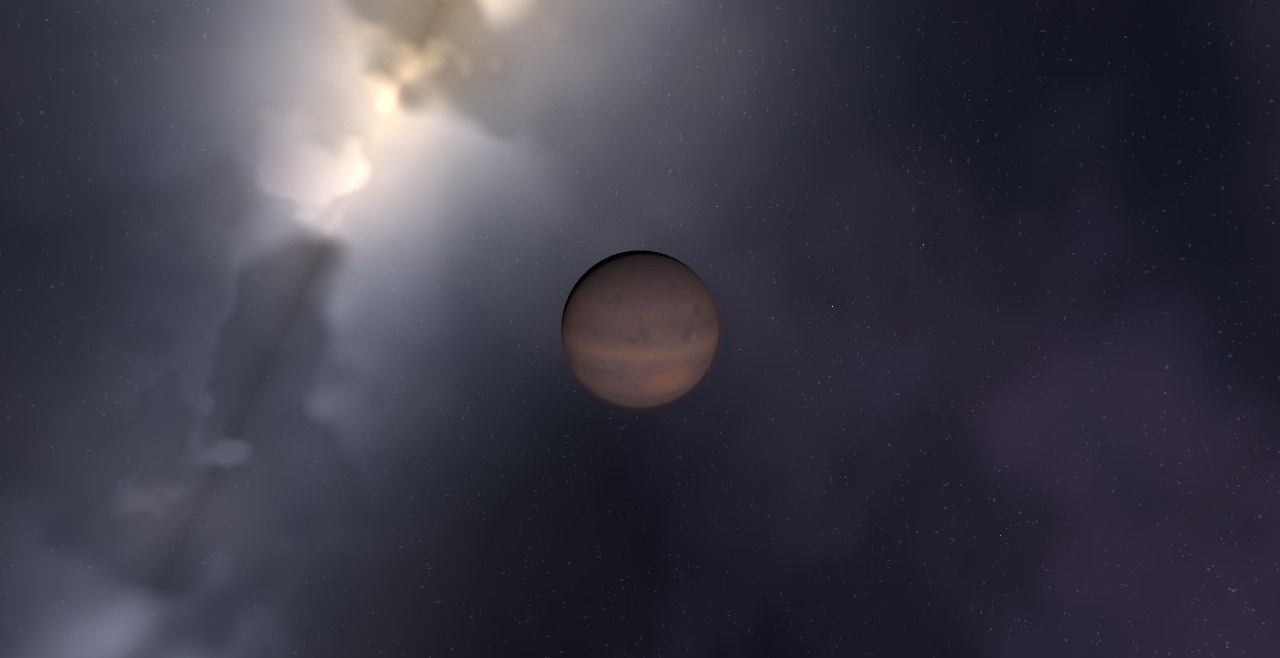
KELT-8, a Sun-like G-type star of 0.81 solar masses, and KELT-8 b, a 0.66-Jupiter-mass companion, with an orbital period of 3.2 days.
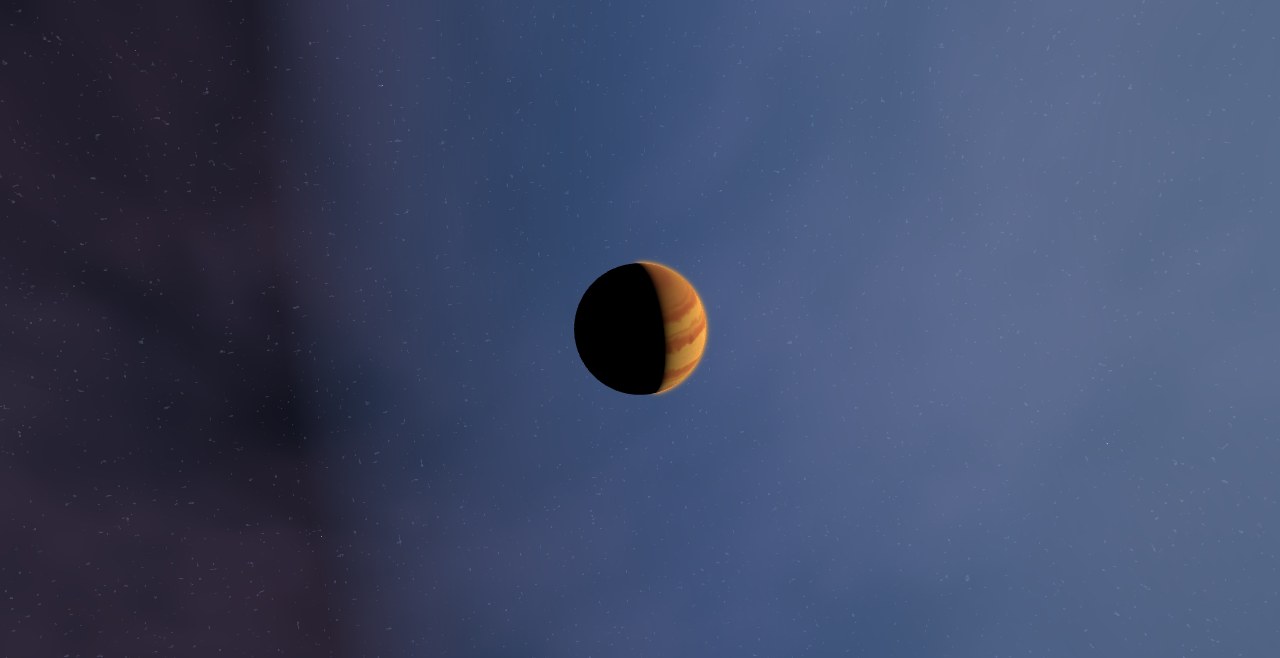
KELT-9 b, the hottest known giant planet. It orbits an A-type star so closely that molecules on the dayside are torn apart. Dayside temperatures climb past 4000 kelvin.
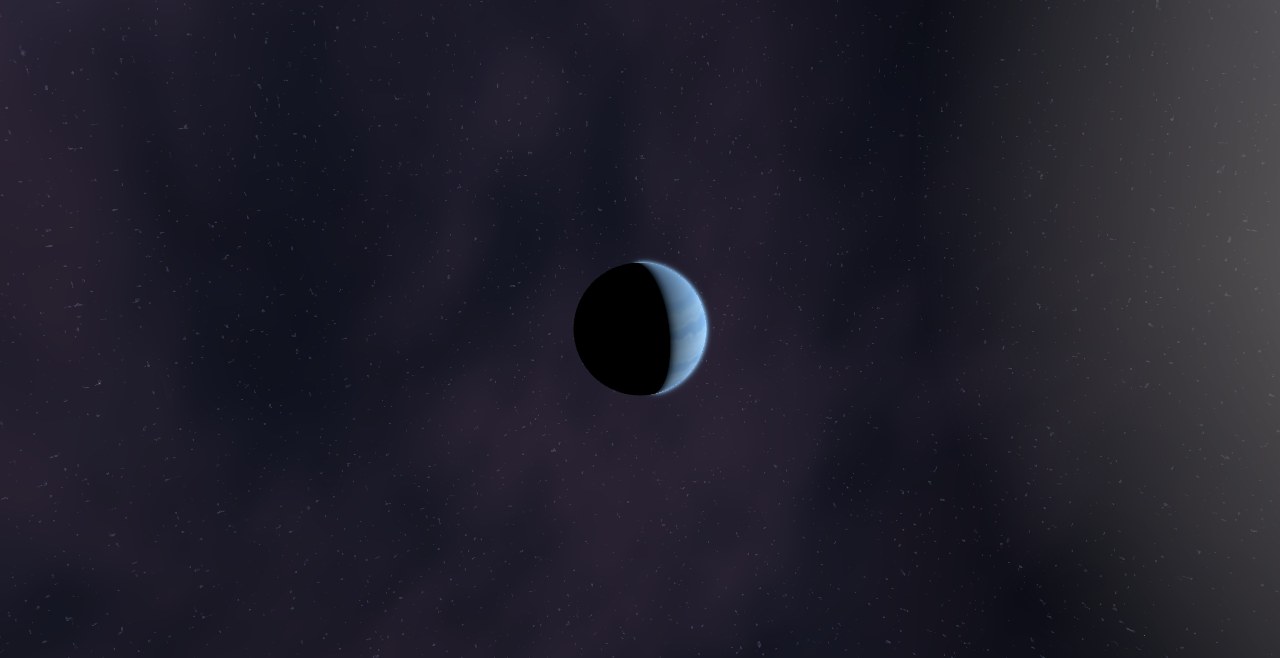
KIC 3526061, an orange K-type dwarf of 1.42 solar masses, and KIC 3526061 b, a 18.1-Jupiter-mass companion, with an orbital period of 9.72 years, at 5.140 AU from its star, on an eccentric orbit (e ≈ 0.85).