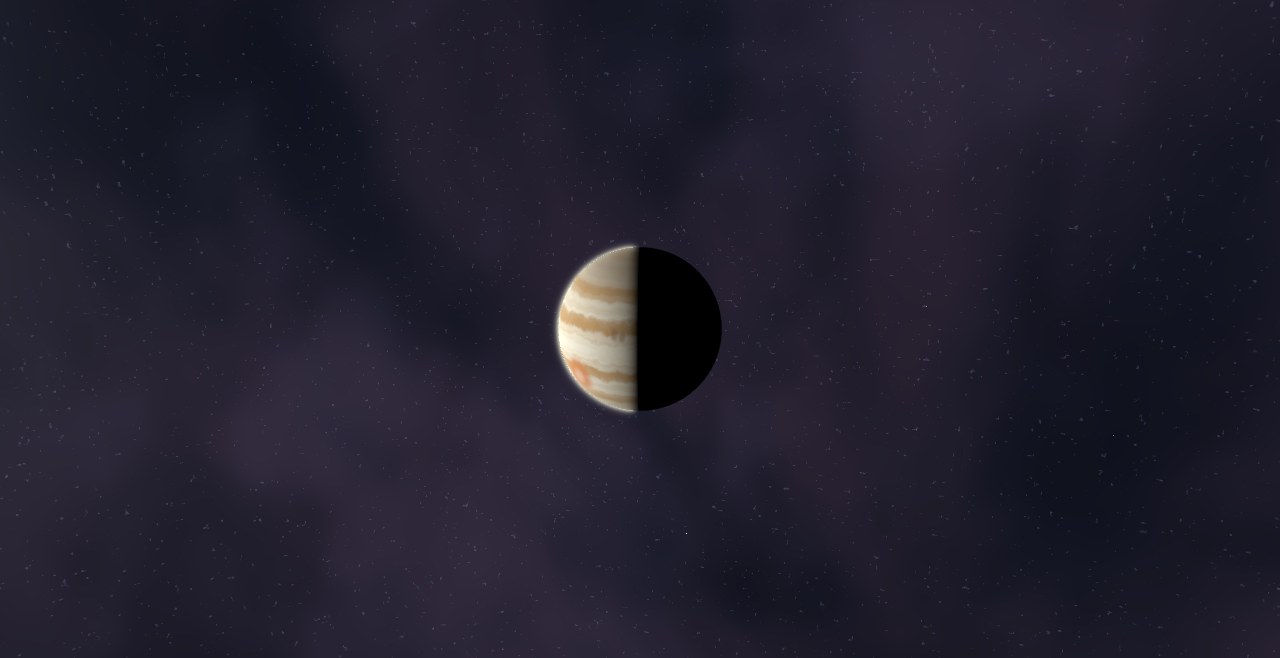
Kepler-48 - System
Kepler-48, an orange K-type dwarf of 0.88 solar masses, with its 5 planets on orbits from 4.8 days to 2.69 years.
Exoplanets
Simulate deep space systems containing five distinct worlds. Experiment with system layout, mass, and velocity to test planetary ejection thresholds.
Share
Kepler-48, an orange K-type dwarf of 0.88 solar masses, with its 5 planets on orbits from 4.8 days to 2.69 years.
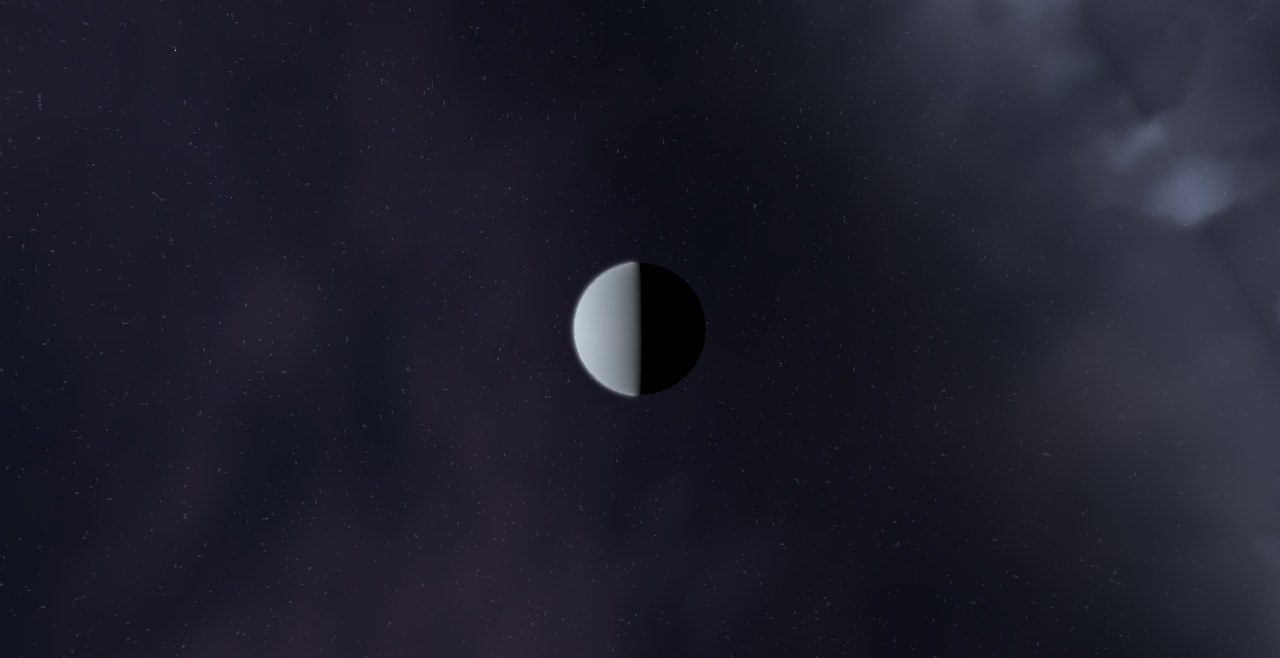
Kepler-55, an orange K-type dwarf of 0.62 solar masses, with its 5 planets on orbits from 2.2 days to 42.2 days.
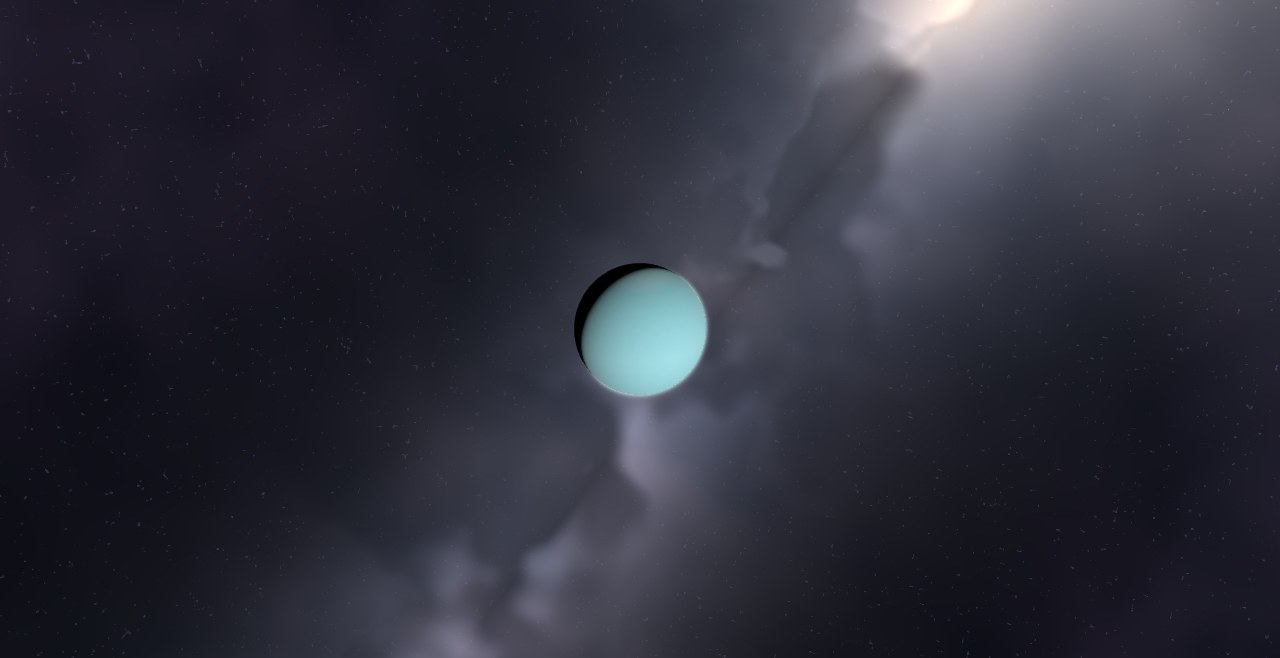
Kepler-62, a five-planet system with two worlds in the habitable zone. Kepler-62 f was an early favorite in the search for temperate rocky planets.
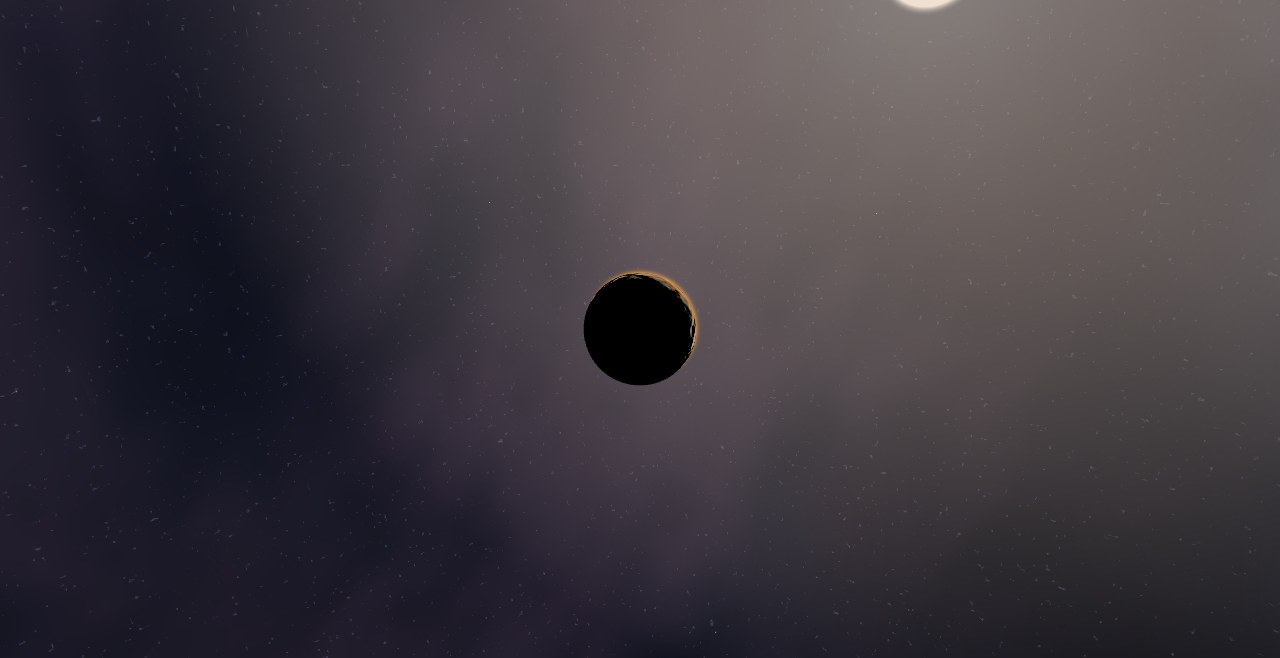
Kepler-80, a compact resonant chain of five planets. Neighboring orbits are so close that transit timing reveals their masses. Transit timing of the chain yields several of the masses.
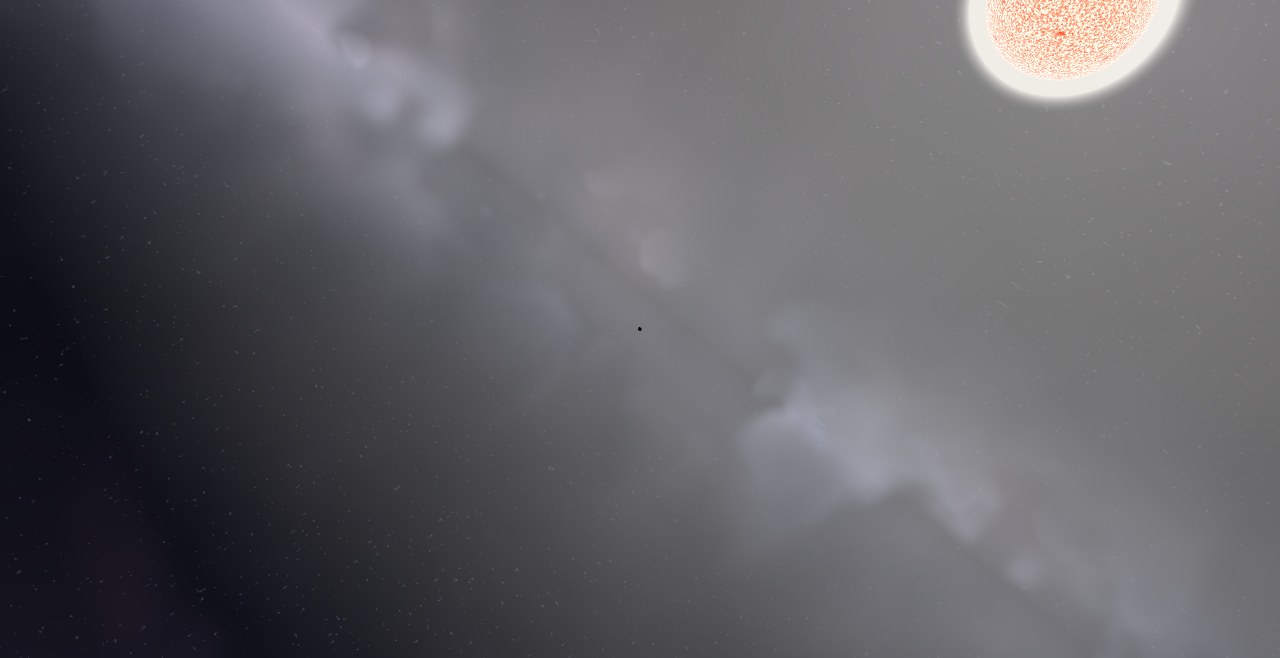
Kepler-82, a Sun-like G-type star of 0.95 solar masses, with its 5 planets on orbits from 2.4 days to 75.7 days.
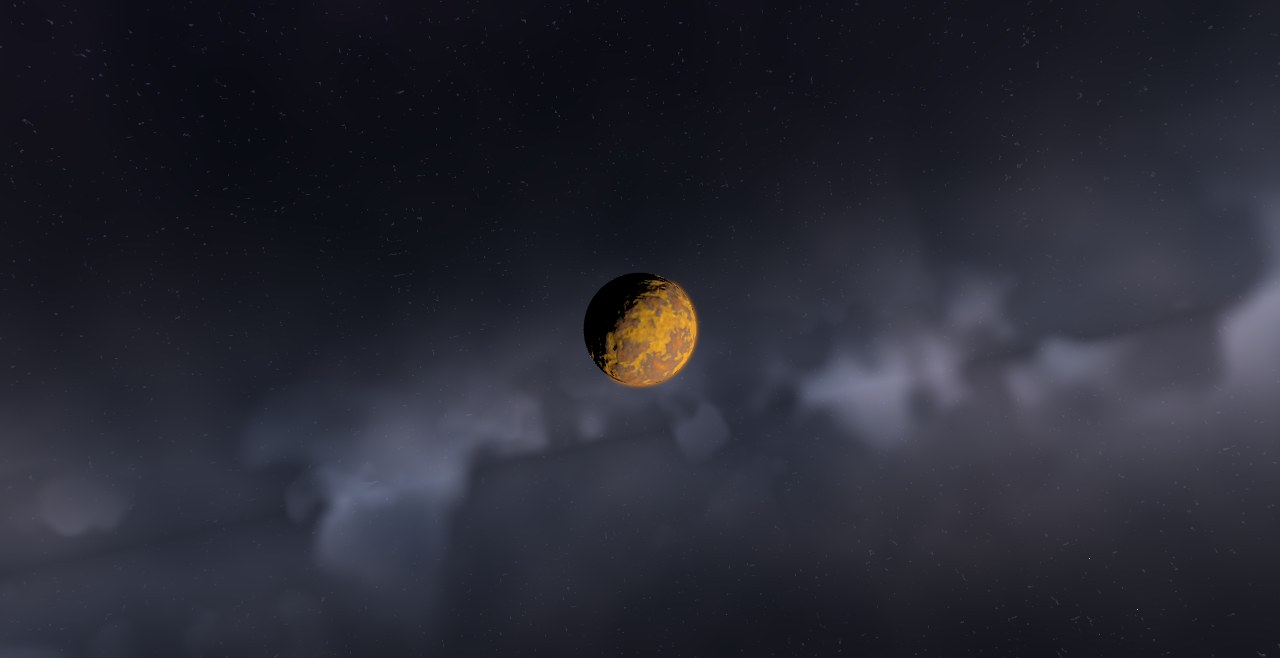
Kepler-84, a Sun-like F-type star of 1.06 solar masses, with its 5 planets on orbits from 4.2 days to 12.9 days.
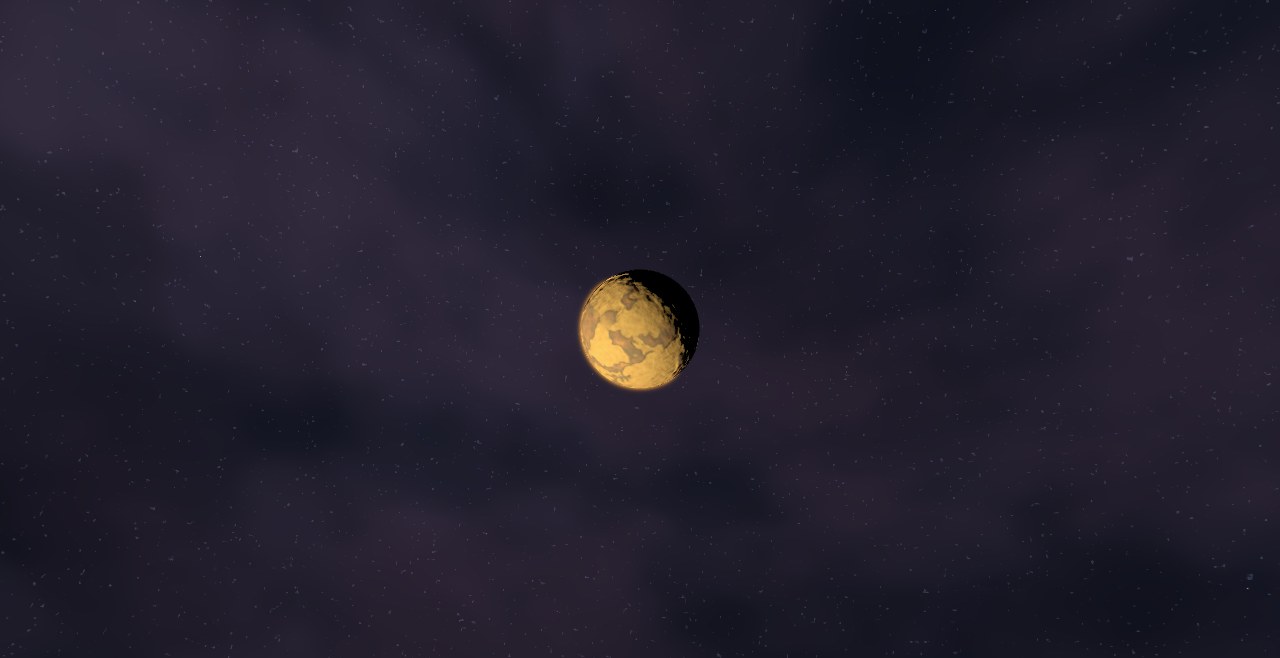
L 98-59, a nearby compact system around a bright red dwarf. The inner planet may be volcanic, and outer worlds sit near the habitable zone. The host is bright enough for detailed JWST spectra.
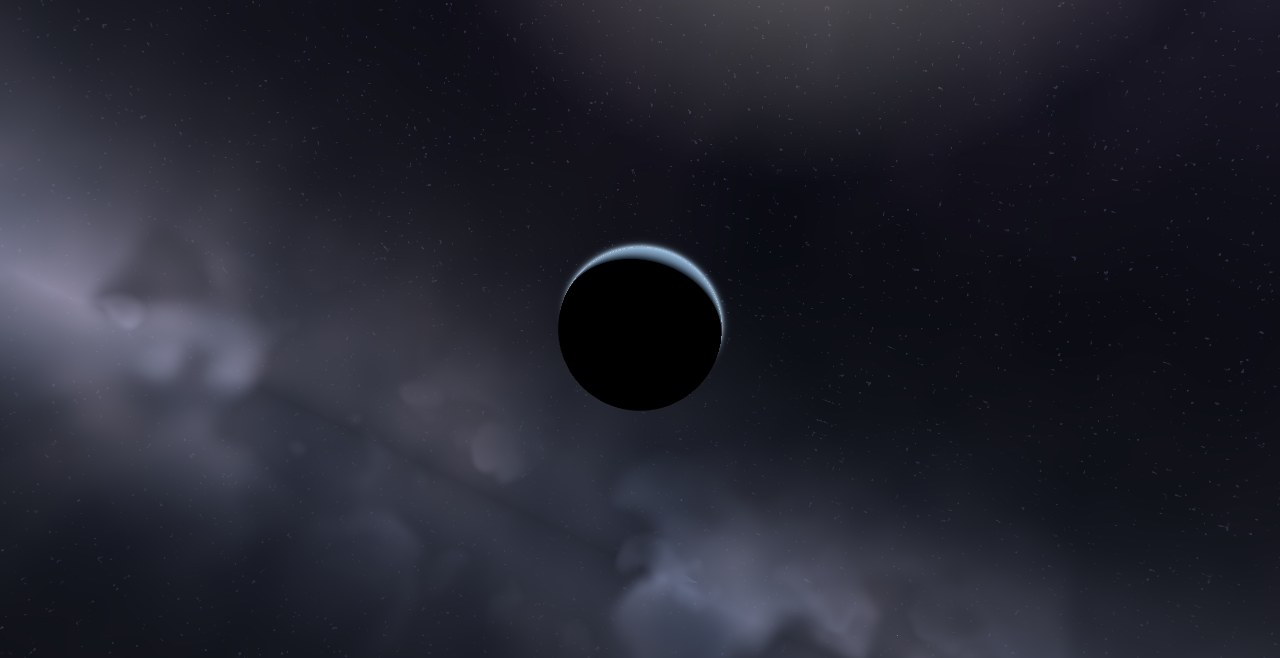
TOI-5624, a Sun-like G-type star of 0.86 solar masses, with its 5 planets on orbits from 3.4 days to 45.4 days.