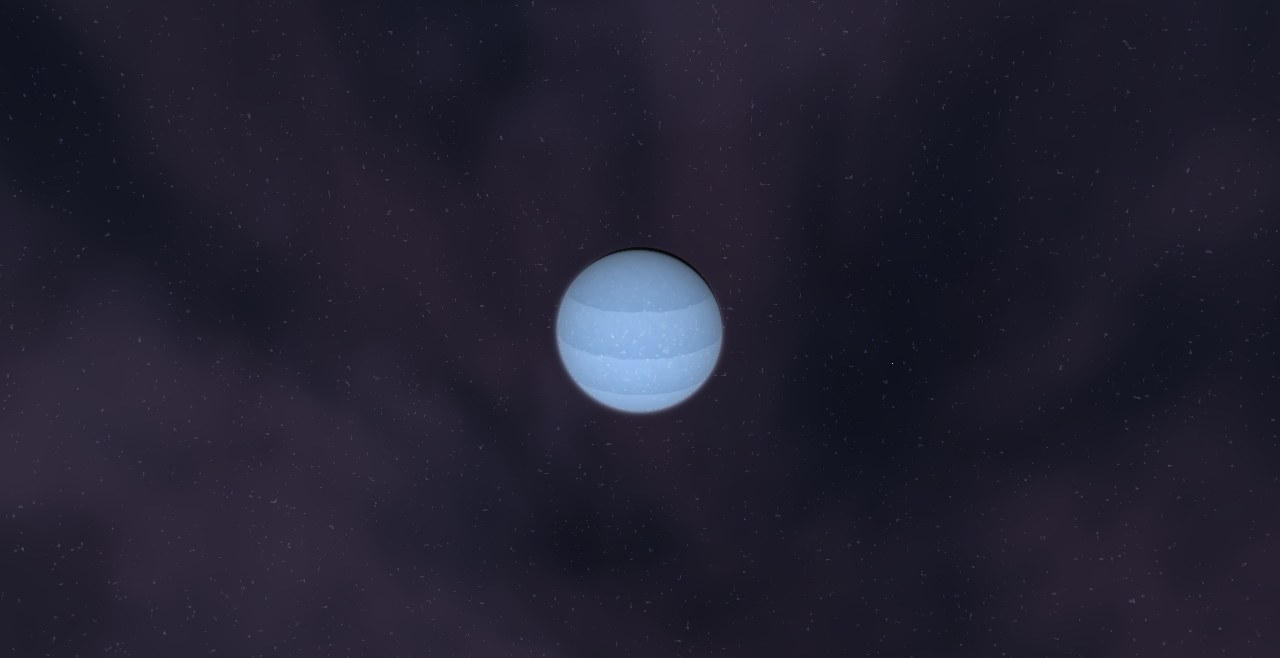
Kepler-644 - System
Kepler-644, a Sun-like F-type star of 1.49 solar masses, and Kepler-644 b, a planet with 3.1 Earth radii, with an orbital period of 3.2 days.
Exoplanets
Analyze isolated alien worlds orbiting a singular host star to observe basic orbital parameters, tidal locks, and planetary eccentricities.
Share
Kepler-644, a Sun-like F-type star of 1.49 solar masses, and Kepler-644 b, a planet with 3.1 Earth radii, with an orbital period of 3.2 days.
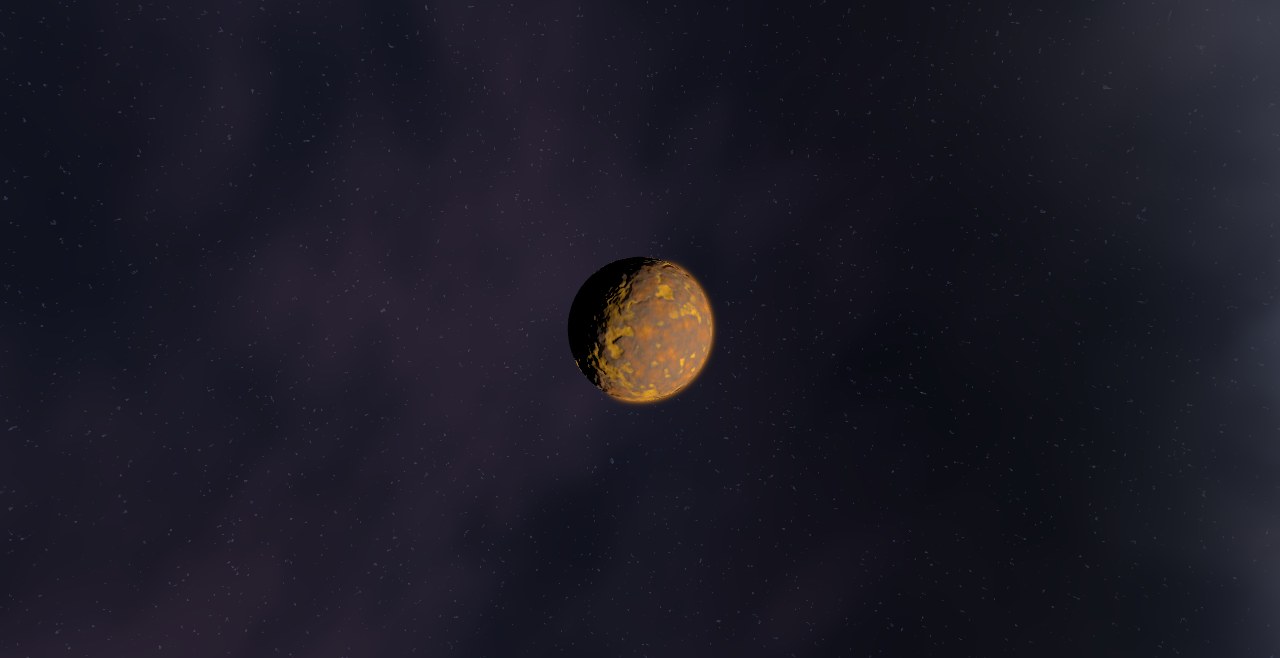
Kepler-645, a Sun-like F-type star of 1.13 solar masses, and Kepler-645 b, a planet with 2.1 Earth radii, with an orbital period of 3.3 days.
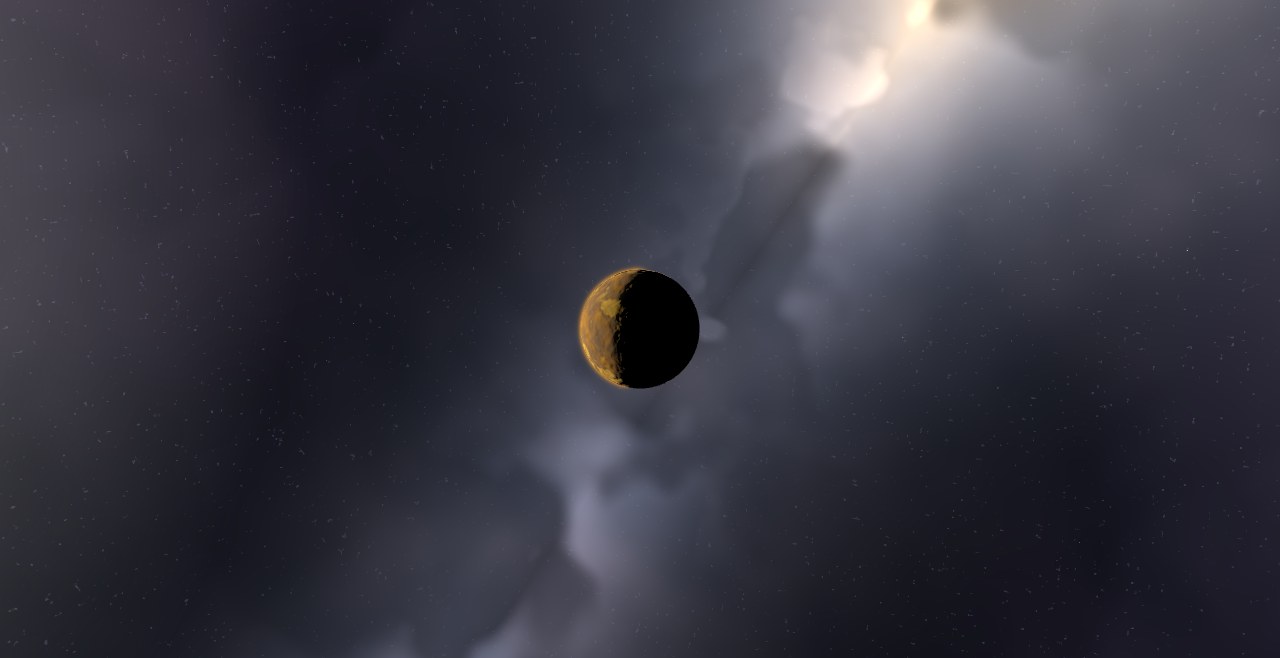
Kepler-646, a Sun-like G-type star of 0.93 solar masses, and Kepler-646 b, a planet with 2.0 Earth radii, with an orbital period of 15.9 days.
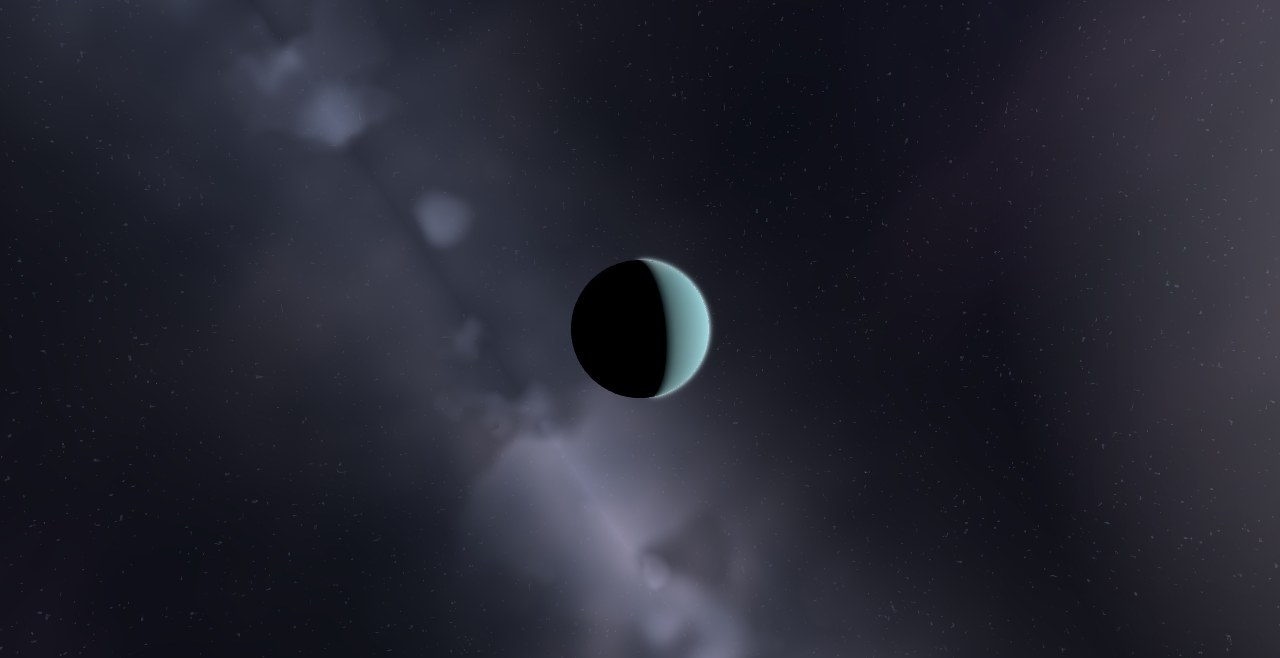
Kepler-648, a Sun-like G-type star of 1.05 solar masses, and Kepler-648 b, a planet with 3.2 Earth radii, with an orbital period of 17.4 days.
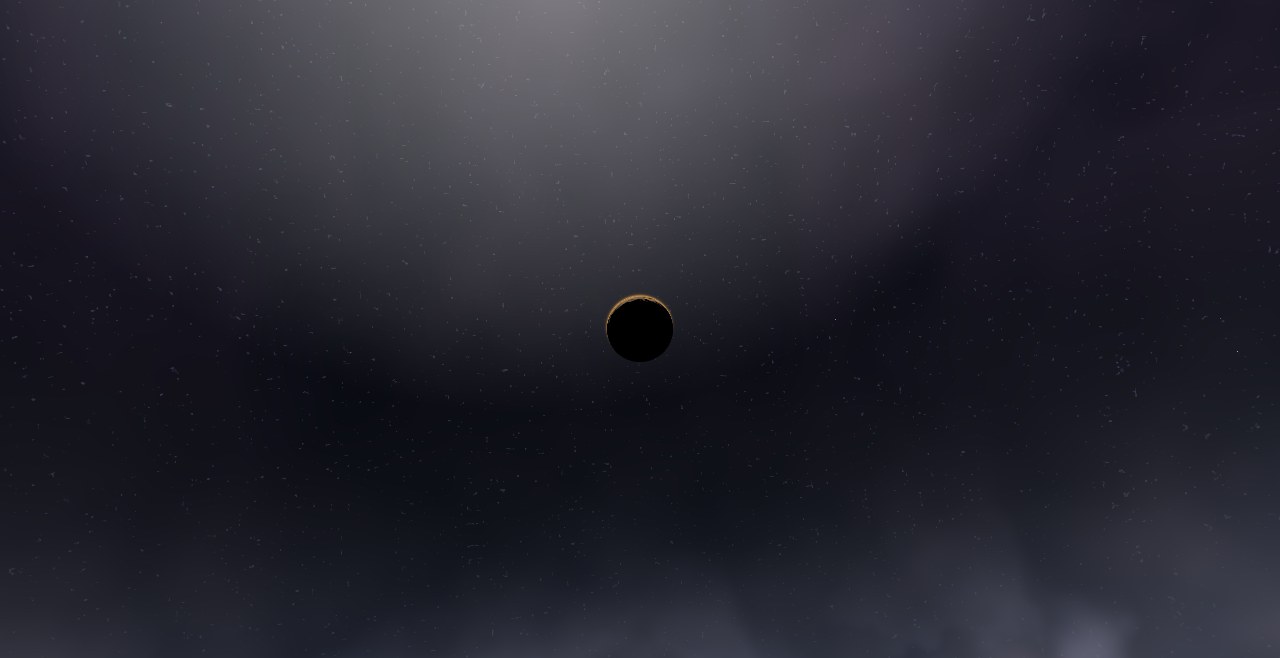
Kepler-649, a Sun-like G-type star of 0.97 solar masses, and Kepler-649 b, a planet with 2.3 Earth radii, with an orbital period of 29.9 days.
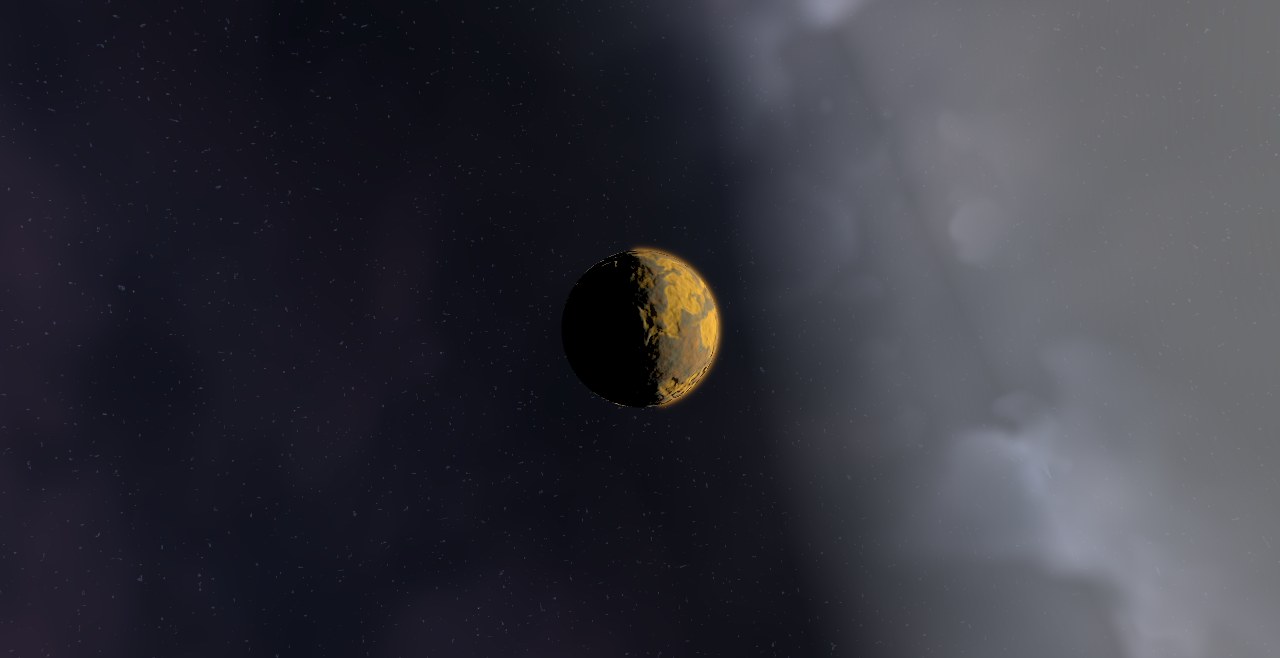
Kepler-650, a Sun-like G-type star of 1.08 solar masses, and Kepler-650 b, a planet with 3.0 Earth radii, with an orbital period of 3.0 days.
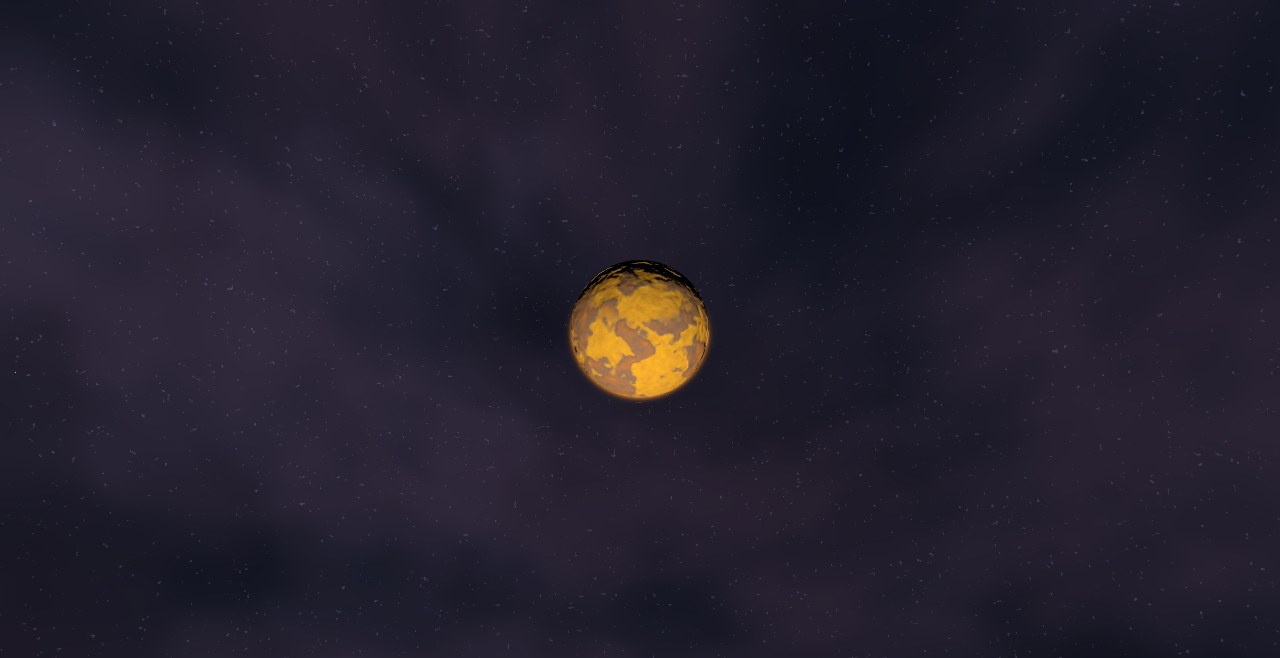
Kepler-651, a Sun-like G-type star of 0.92 solar masses, and Kepler-651 b, a planet with 2.4 Earth radii, with an orbital period of 21.4 days.
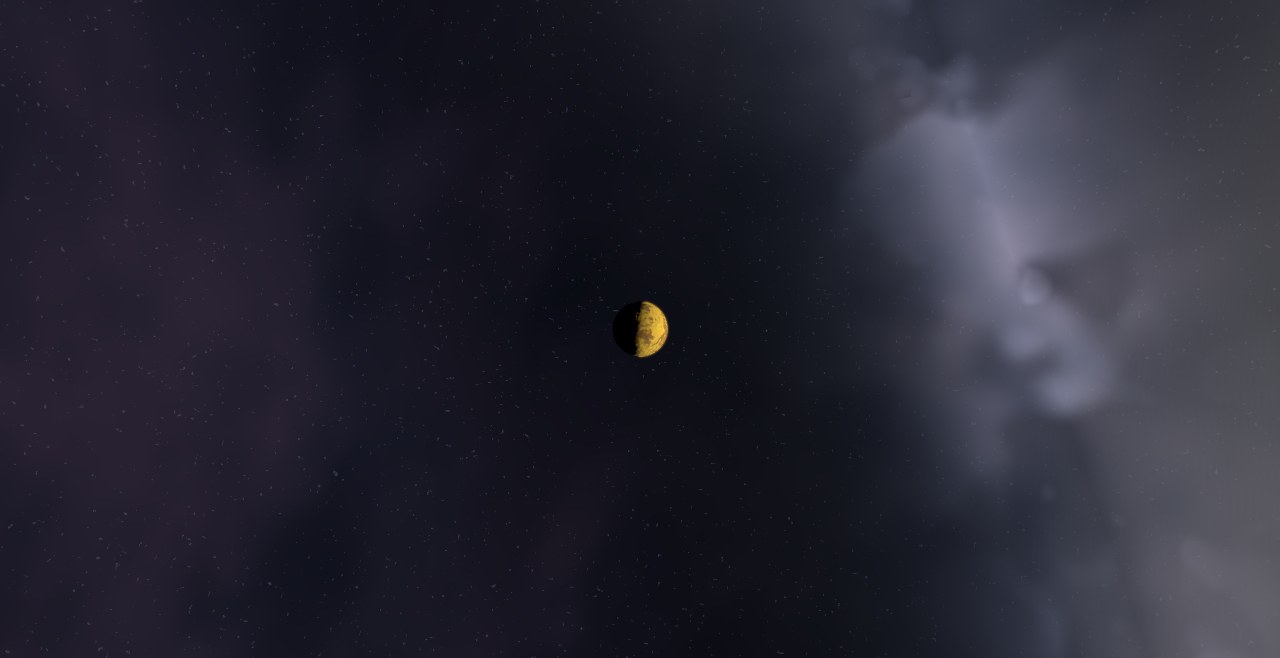
Kepler-652, a Sun-like G-type star of 0.97 solar masses, and Kepler-652 b, a planet with 2.5 Earth radii, with an orbital period of 4.2 days.
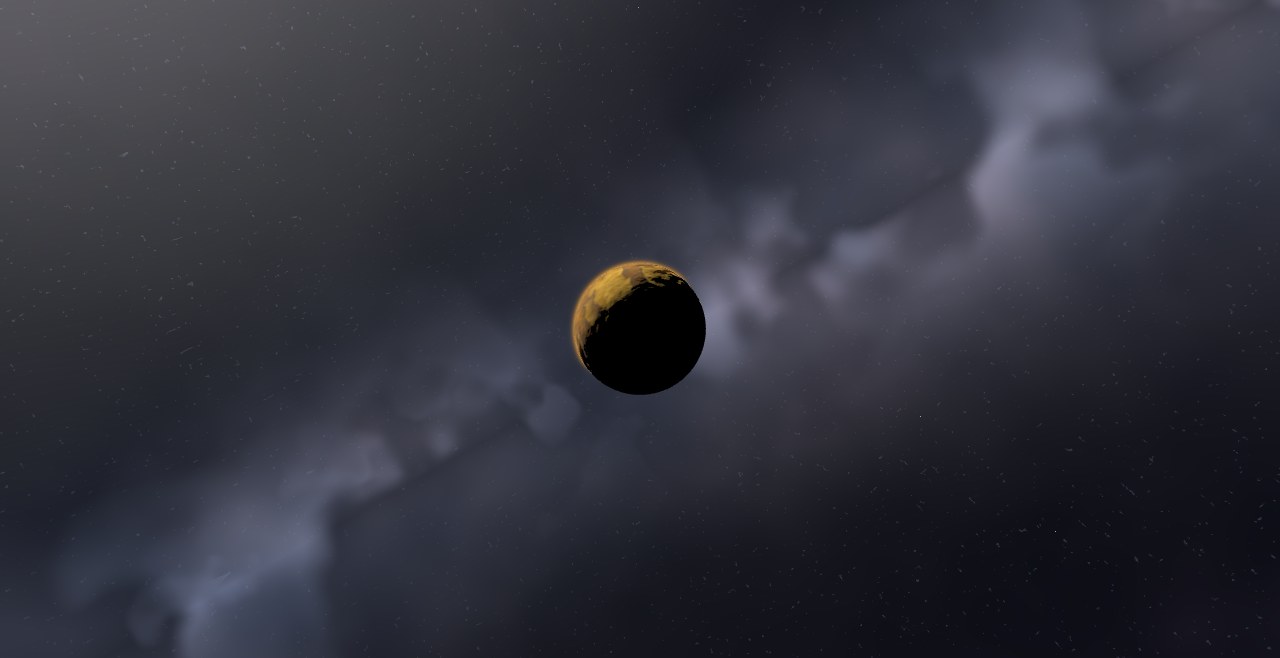
Kepler-654, a Sun-like G-type star of 1.04 solar masses, and Kepler-654 b, a planet with 2.1 Earth radii, with an orbital period of 13.7 days.
Kepler-655, a Sun-like F-type star of 1.15 solar masses, and Kepler-655 b, a planet with 2.7 Earth radii, with an orbital period of 46.4 days.
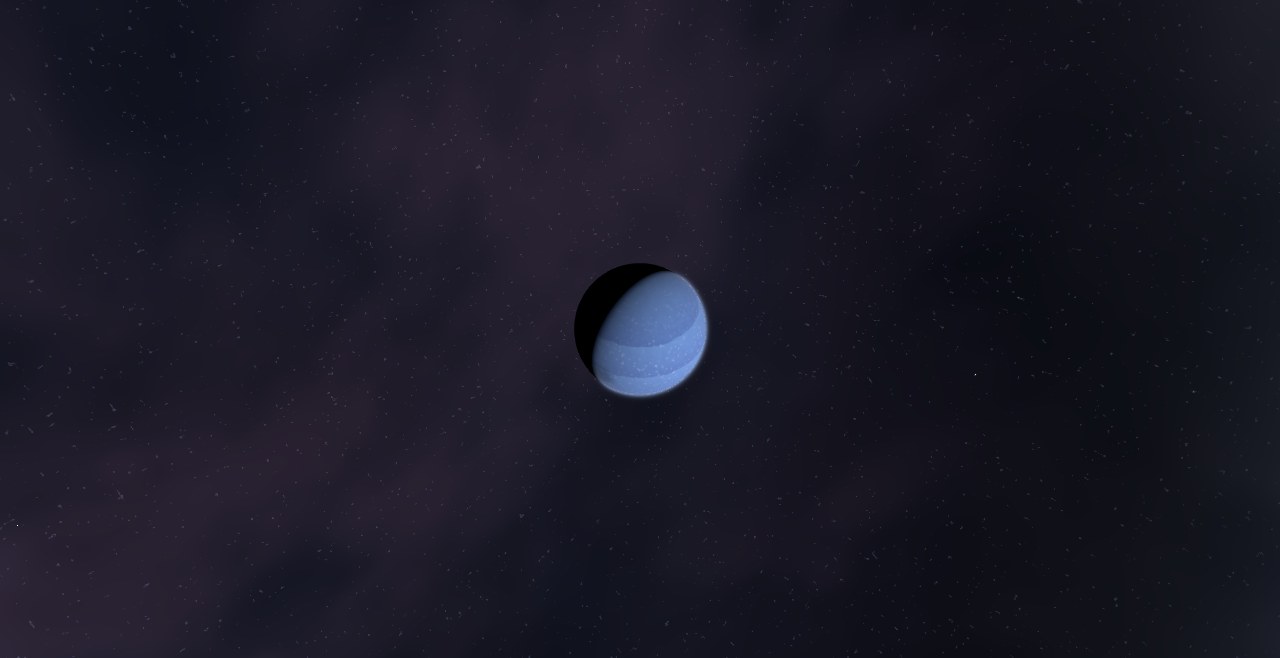
Kepler-657, a Sun-like G-type star of 1.01 solar masses, and Kepler-657 b, a planet with 3.5 Earth radii, with an orbital period of 24.5 days.
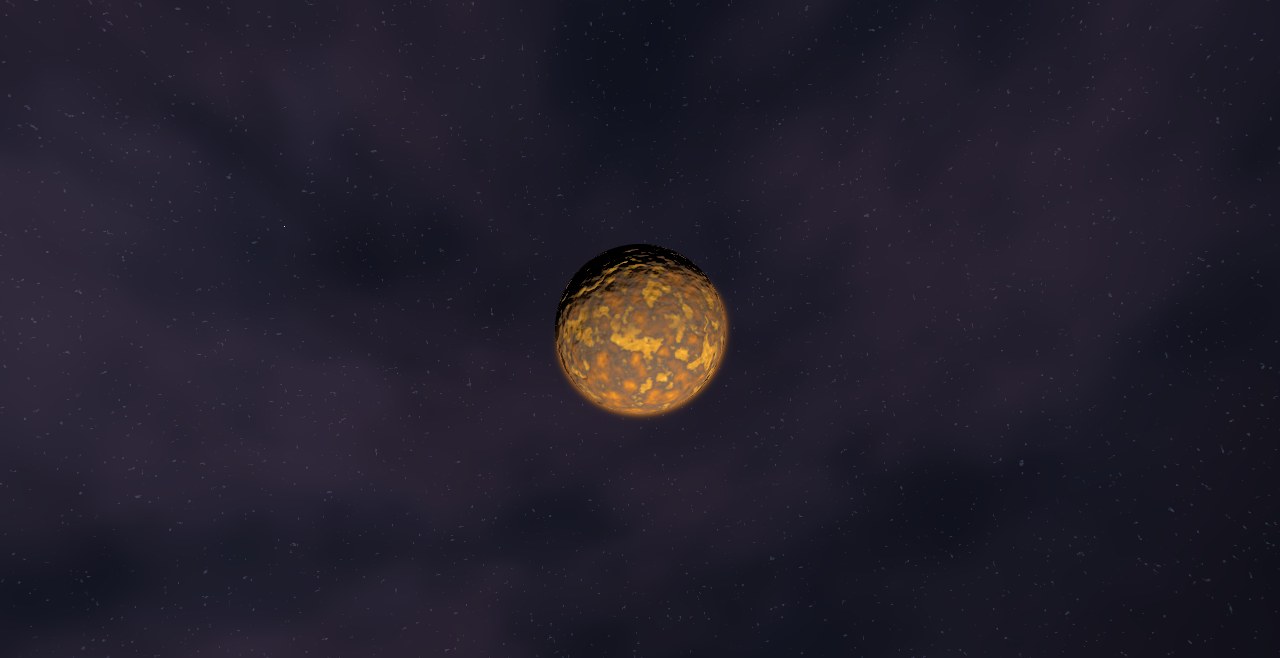
Kepler-658, an orange K-type dwarf of 0.63 solar masses, and Kepler-658 b, a planet with 1.6 Earth radii, with an orbital period of 1.3 days.
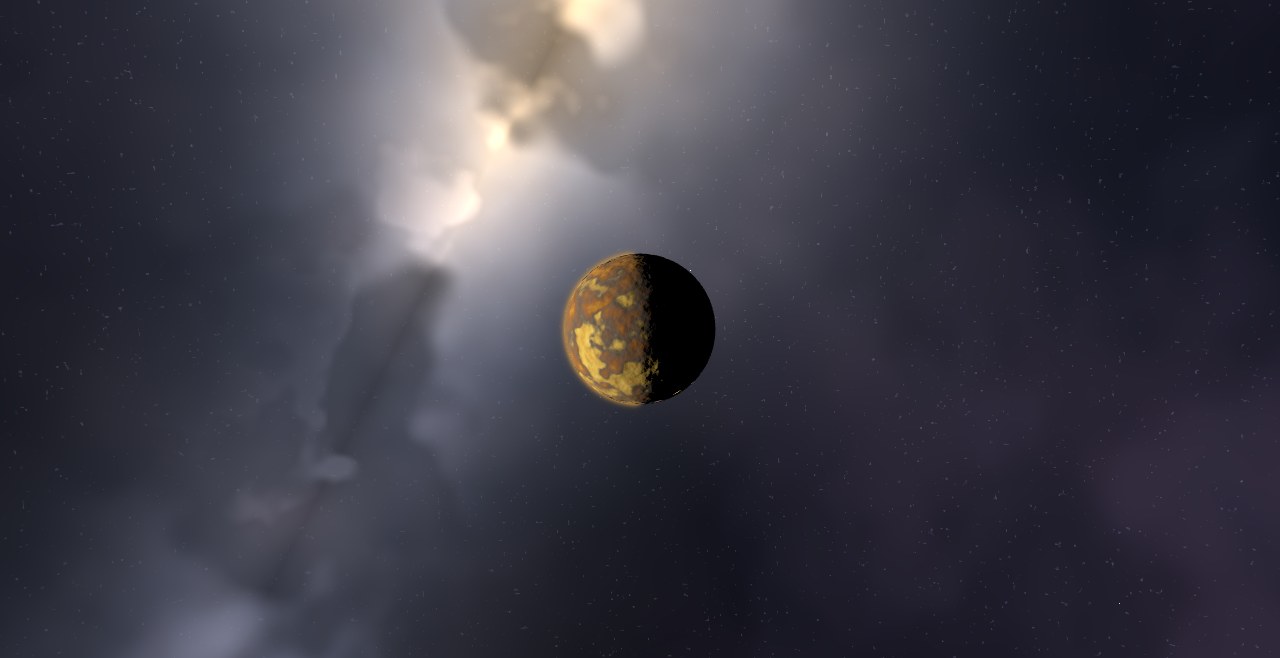
Kepler-659, an orange K-type dwarf of 0.79 solar masses, and Kepler-659 b, a planet with 2.5 Earth radii, with an orbital period of 17.7 days.
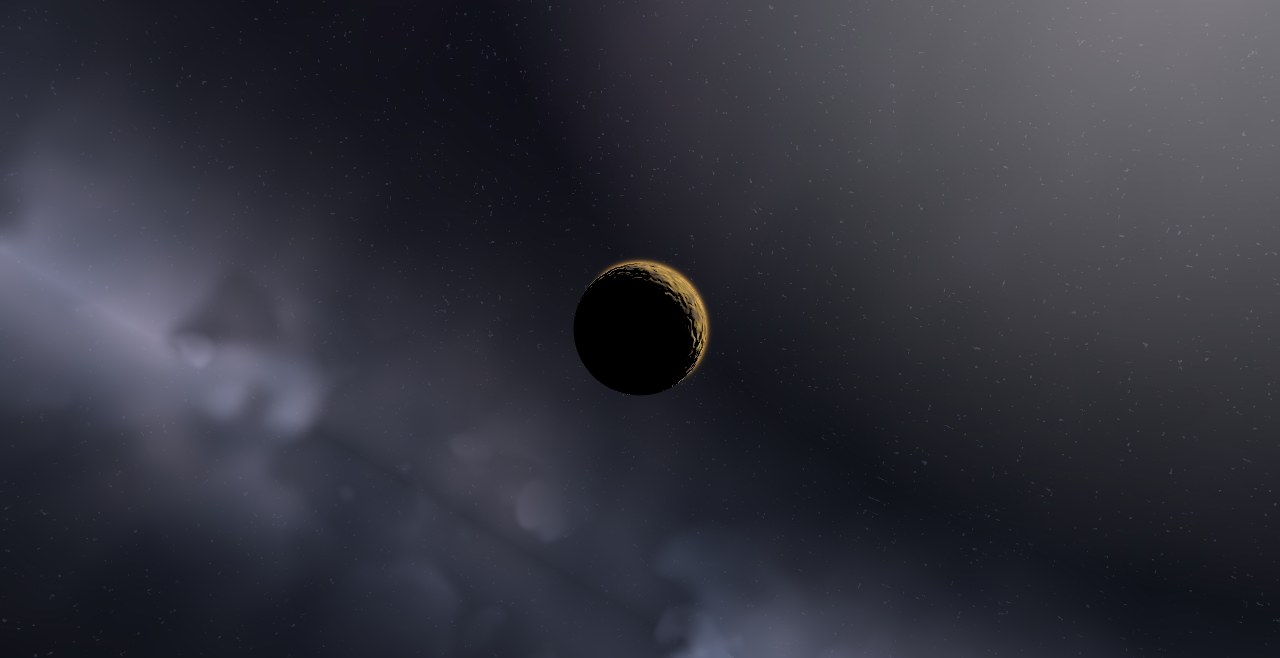
Kepler-66, a Sun-like G-type star of 1.04 solar masses, and Kepler-66 b, a planet with 2.8 Earth radii, with an orbital period of 17.8 days, at 0.135 AU from its star.
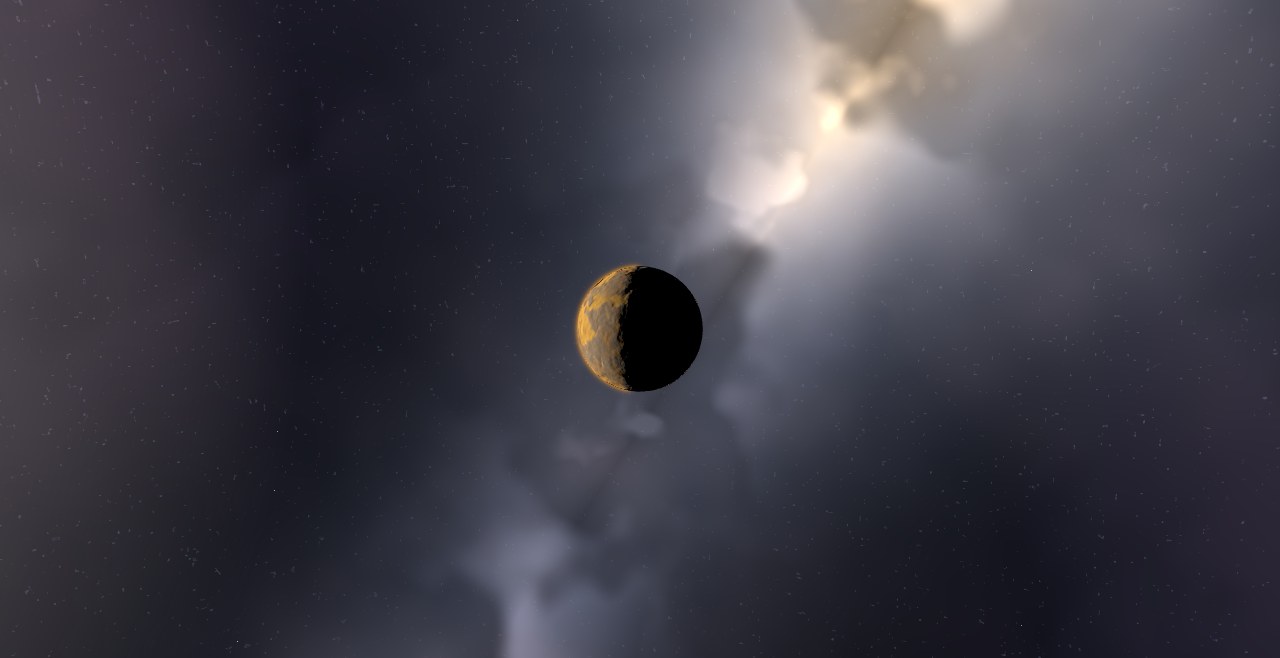
Kepler-660, an orange K-type dwarf of 0.75 solar masses, and Kepler-660 b, a planet with 2.6 Earth radii, with an orbital period of 9.3 days.
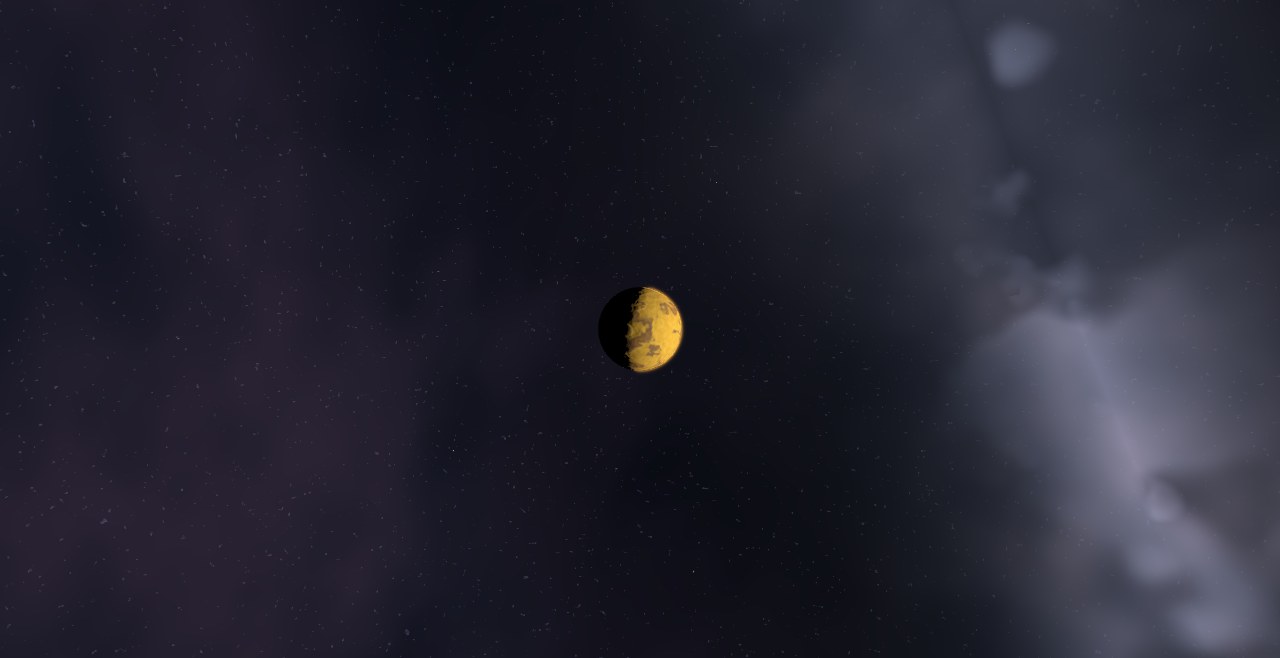
Kepler-661, an orange K-type dwarf of 0.70 solar masses, and Kepler-661 b, a planet with 3.1 Earth radii, with an orbital period of 6.0 days.
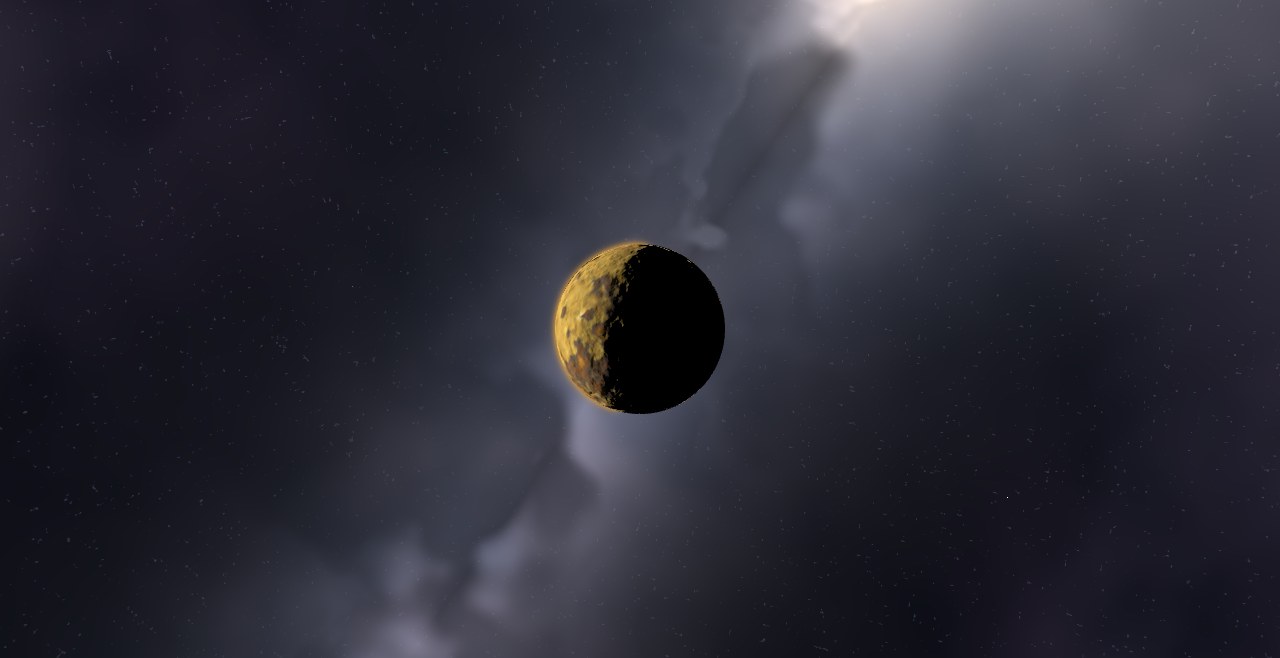
Kepler-662, an orange K-type dwarf of 0.79 solar masses, and Kepler-662 b, a planet with 2.2 Earth radii, with an orbital period of 21.7 days.
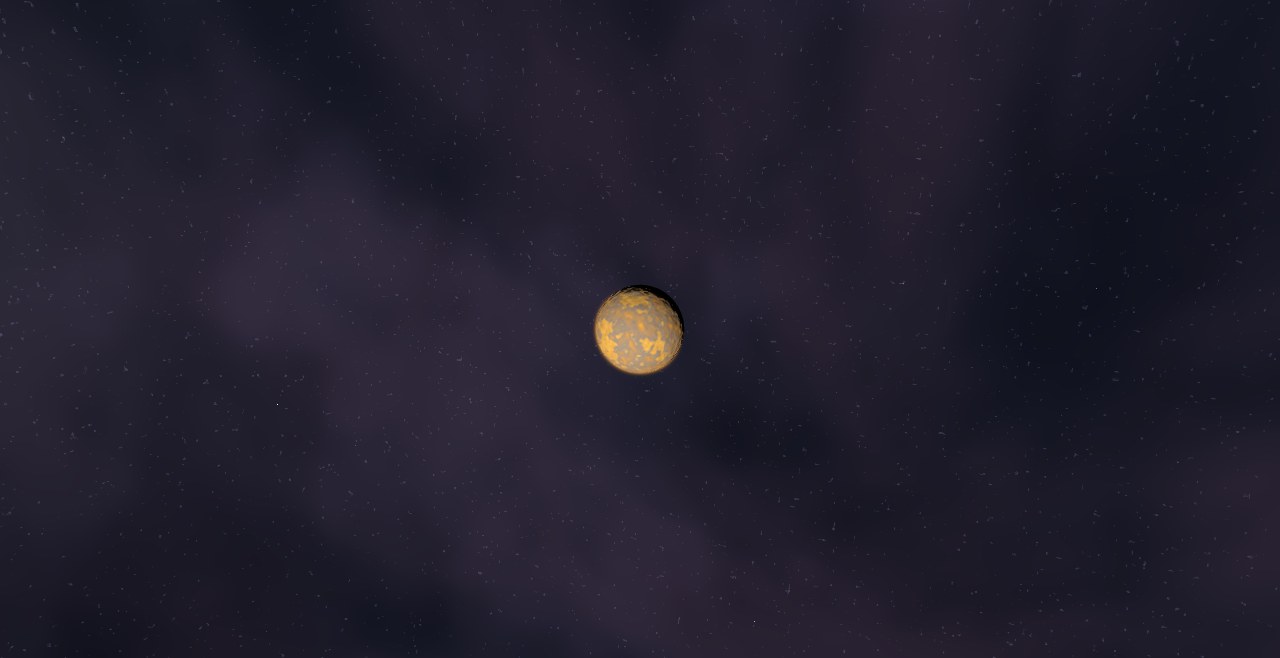
Kepler-663, a Sun-like G-type star of 0.86 solar masses, and Kepler-663 b, a planet with 2.6 Earth radii, with an orbital period of 5.0 days.