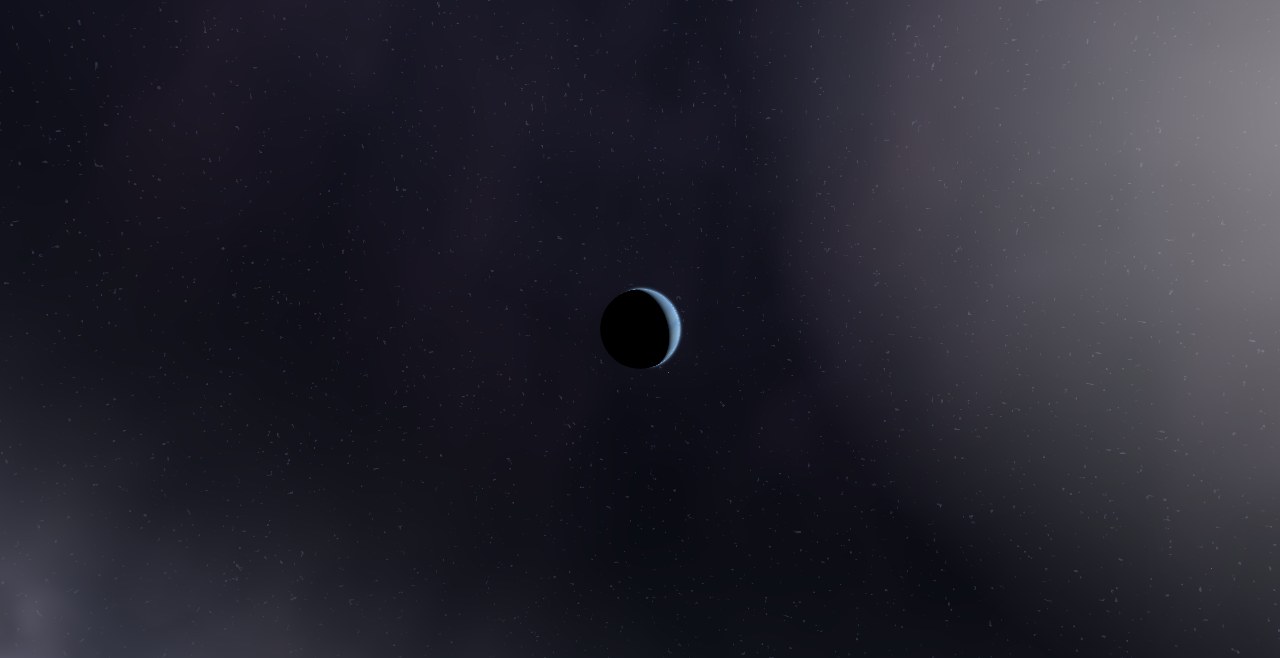
KOI-134 - System
KOI-134, a Sun-like F-type star of 1.41 solar masses, and KOI-134 c, a 0.22-Jupiter-mass companion, with an orbital period of 34.0 days, at 0.231 AU from its star, on an eccentric orbit (e ≈ 0.24).
3D Space and Gravity Simulator. Simulate the solar system, exoplanets and even colliding galaxies. Add, delete and modify planets, and change the laws of physics.
Share
KOI-134, a Sun-like F-type star of 1.41 solar masses, and KOI-134 c, a 0.22-Jupiter-mass companion, with an orbital period of 34.0 days, at 0.231 AU from its star, on an eccentric orbit (e ≈ 0.24).
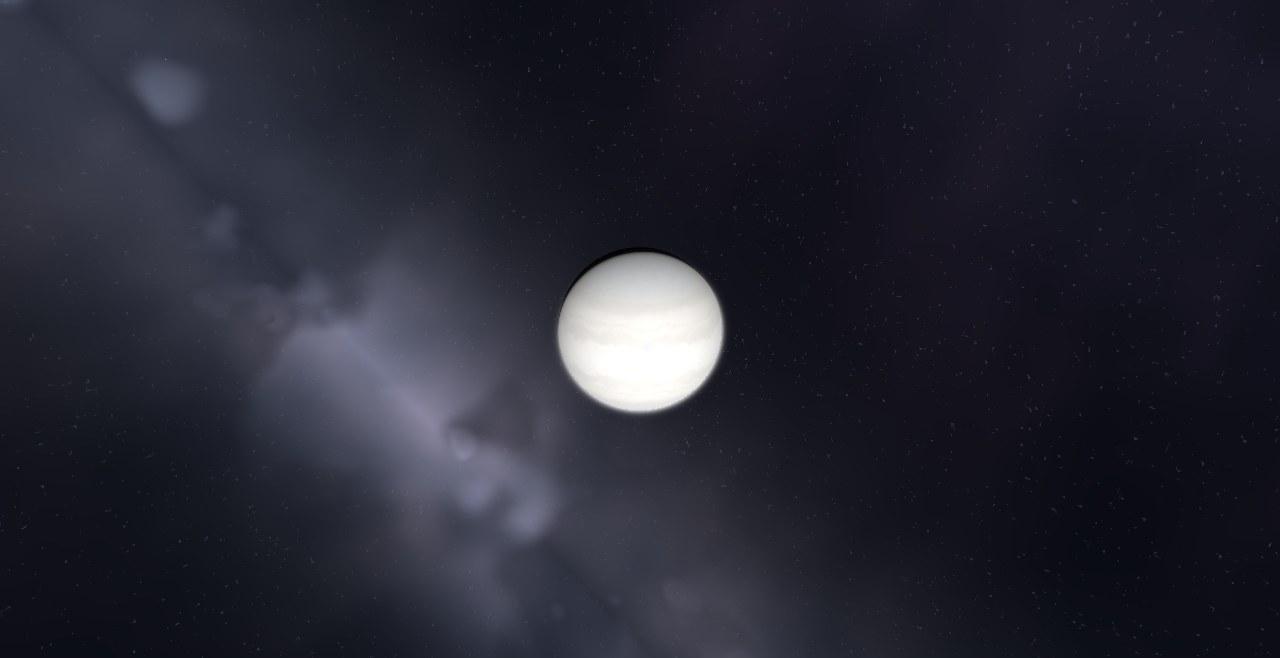
Kepler-88, also KOI-142, nicknamed the king of transit variations. An outer giant yanks the inner transiting planet far off a regular clock.
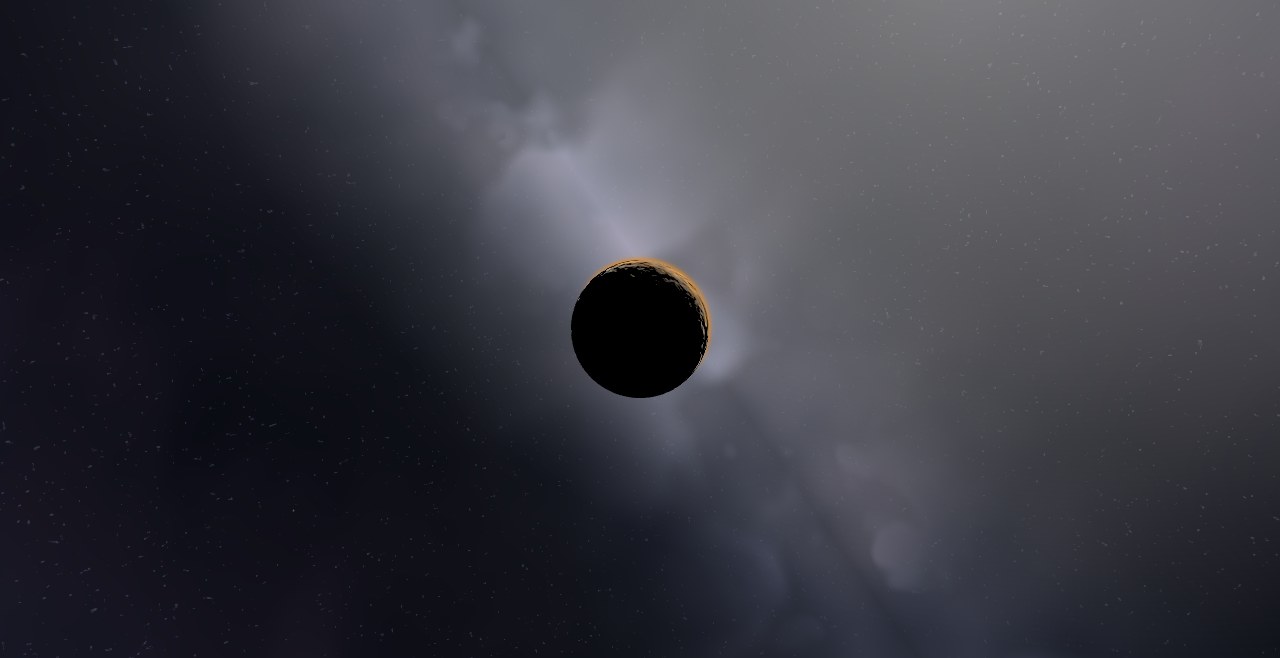
KOI-1599, a Sun-like G-type star of 1.02 solar masses, and KOI-1599.02, a 9.0-Earth-mass planet, with an orbital period of 13.6 days, at 0.112 AU from its star.
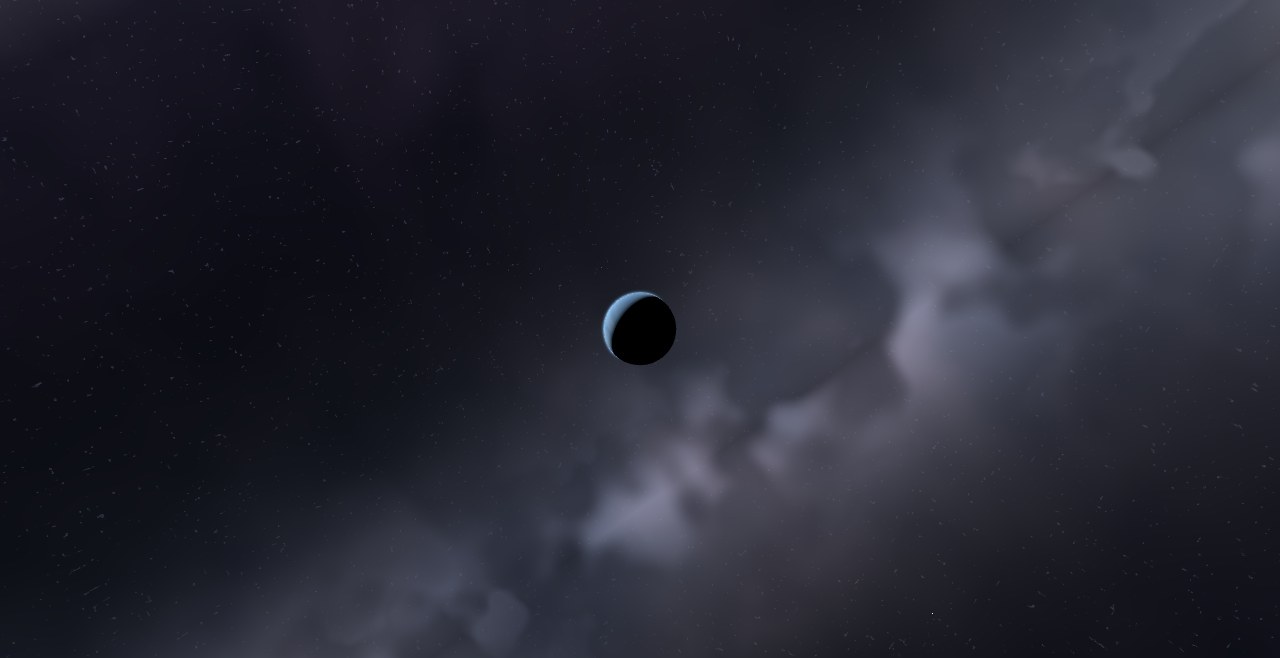
KOI-1783, a Sun-like G-type star of 1.08 solar masses, and KOI-1783.01, a 0.22-Jupiter-mass companion, with an orbital period of 134 days.
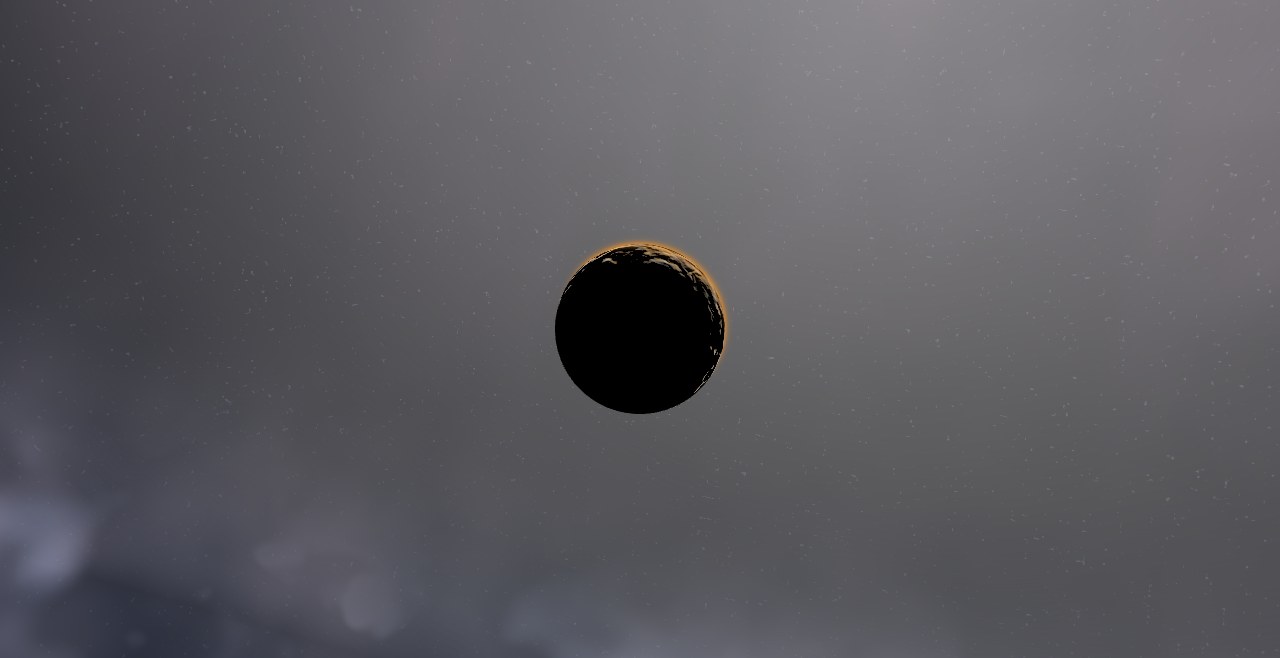
KOI-217, a Sun-like G-type star of 0.95 solar masses, and KOI-217 b, a planet with 12.4 Earth radii, with an orbital period of 3.9 days, at 0.048 AU from its star.
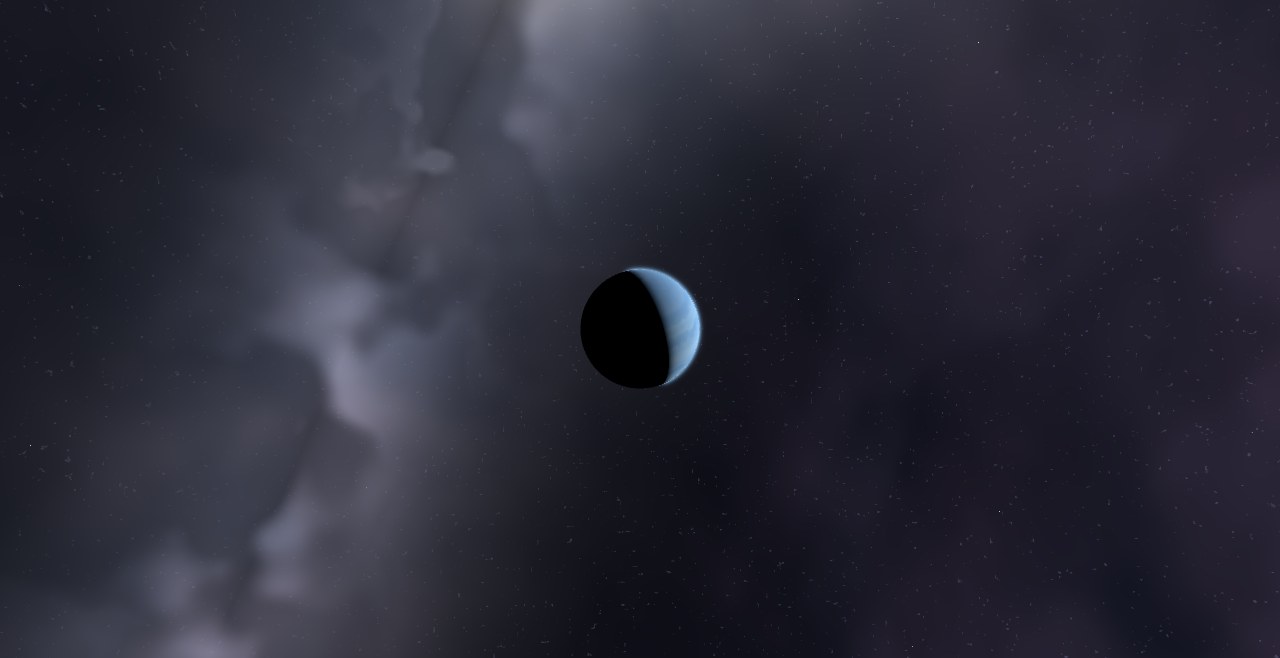
KOI-2513, a Sun-like G-type star of 0.91 solar masses, and KOI-2513.01, a 23.0-Jupiter-mass companion, with an orbital period of 19.0 days, at 0.500 AU from its star, on an eccentric orbit (e ≈ 0.36).
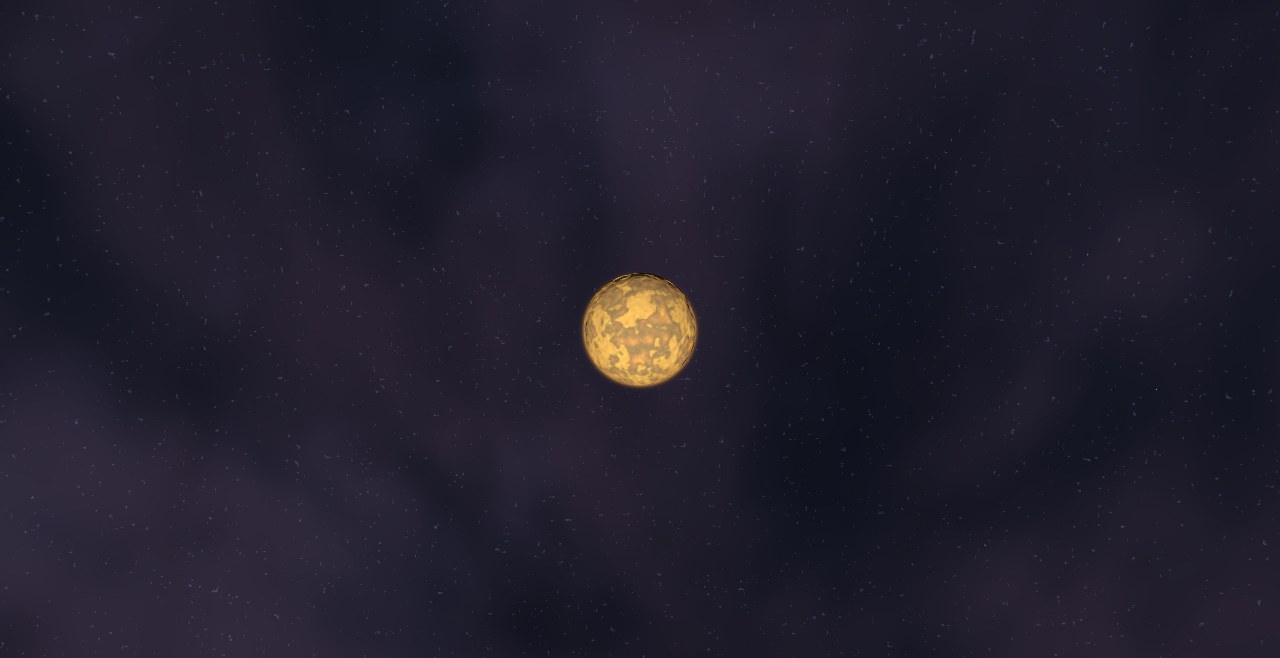
KOI-3503, a Sun-like F-type star of 0.86 solar masses, and KOI-3503 b, a 9.2-Earth-mass planet, with an orbital period of 21.2 days, and an equilibrium temperature near 785 K.
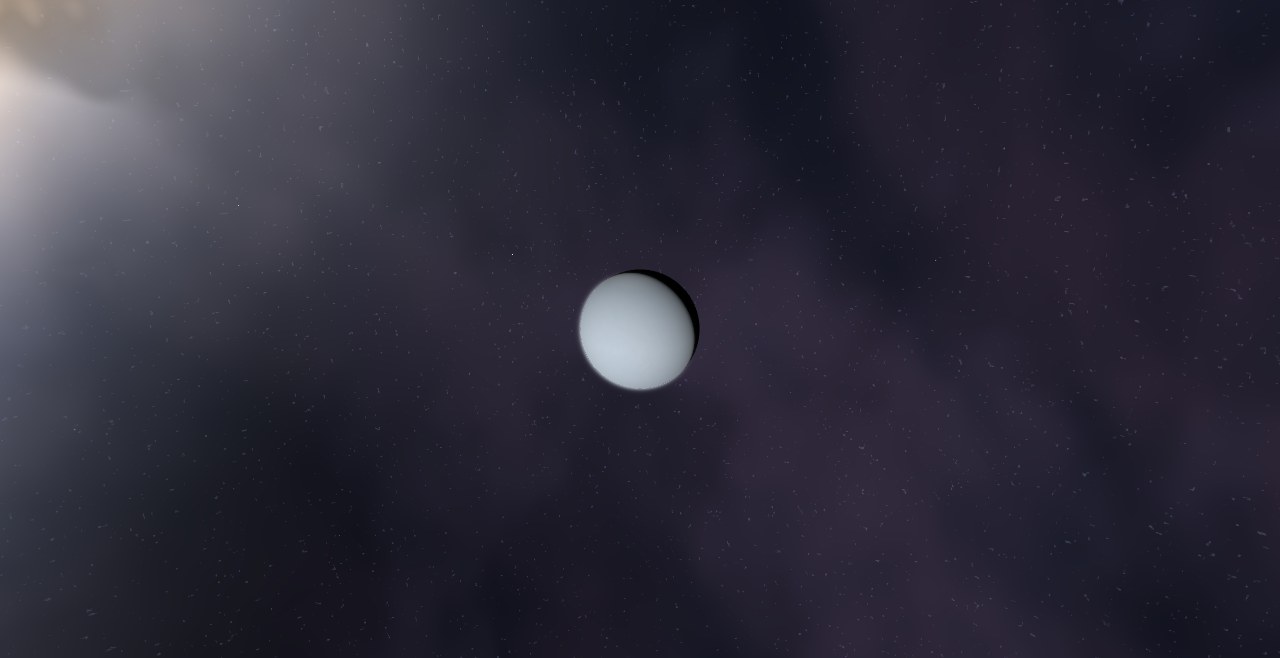
Kepler-90, also called KOI-351, the only eight-planet system known besides possibly our own. Its packed planets rival the Solar System in number.
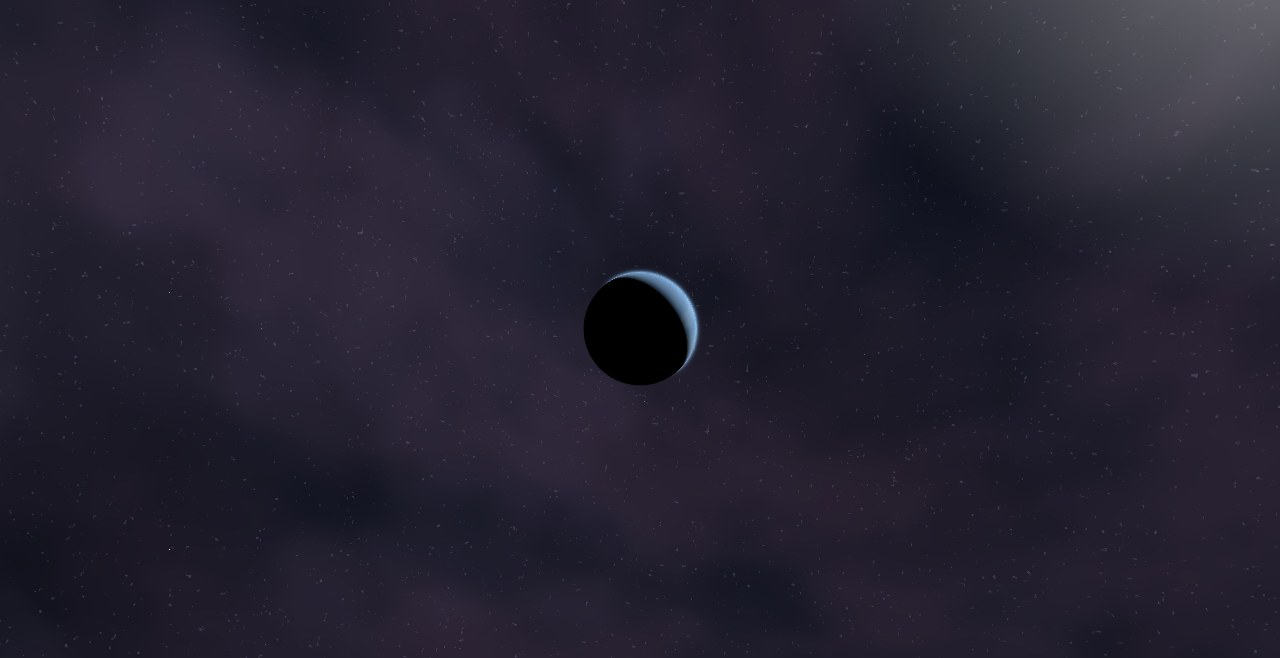
KOI-3680, a Sun-like G-type star of 1.01 solar masses, and KOI-3680 b, a 1.93-Jupiter-mass companion, with an orbital period of 141 days, at 0.534 AU from its star, and an equilibrium temperature near 347 K.
KOI-4777, a cool M-dwarf of 0.41 solar masses, and KOI-4777.01, a 0.31-Jupiter-mass companion, with an orbital period of 9.9 hours, at 0.008 AU from its star, and an equilibrium temperature near 1,180 K.
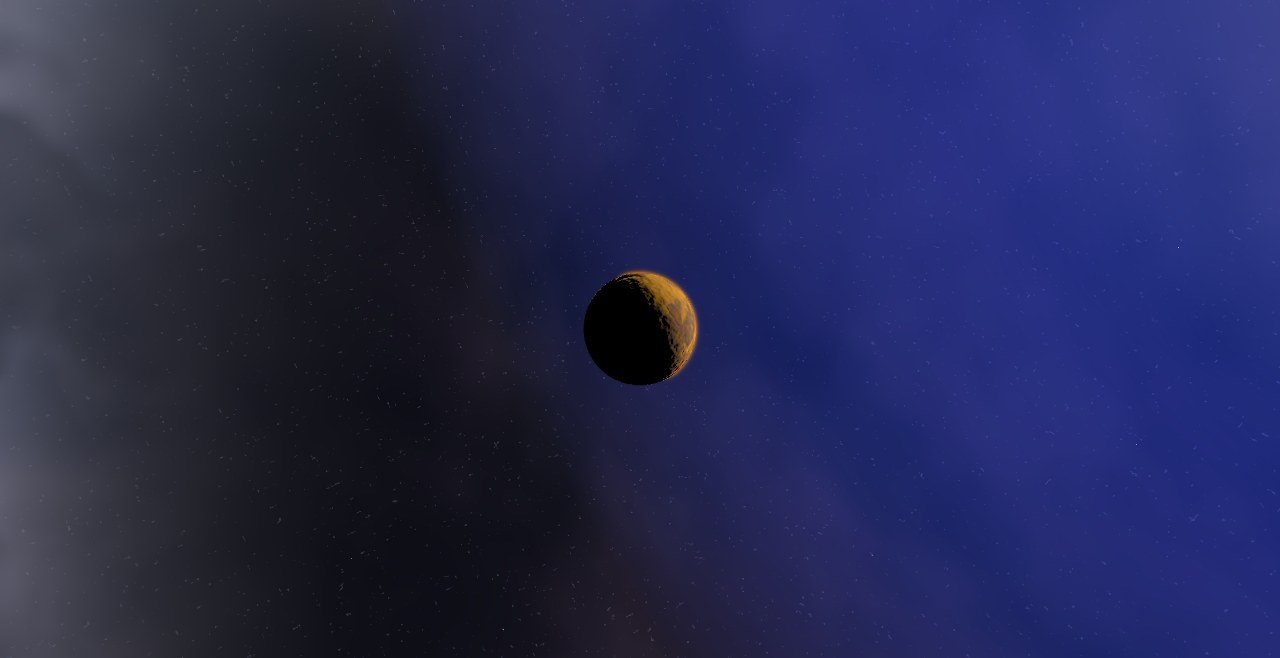
KOI-55, a hot B-type star of 0.50 solar masses, and KOI-55 b, a 0.4-Earth-mass planet, with an orbital period of 5.8 hours, at 0.006 AU from its star.
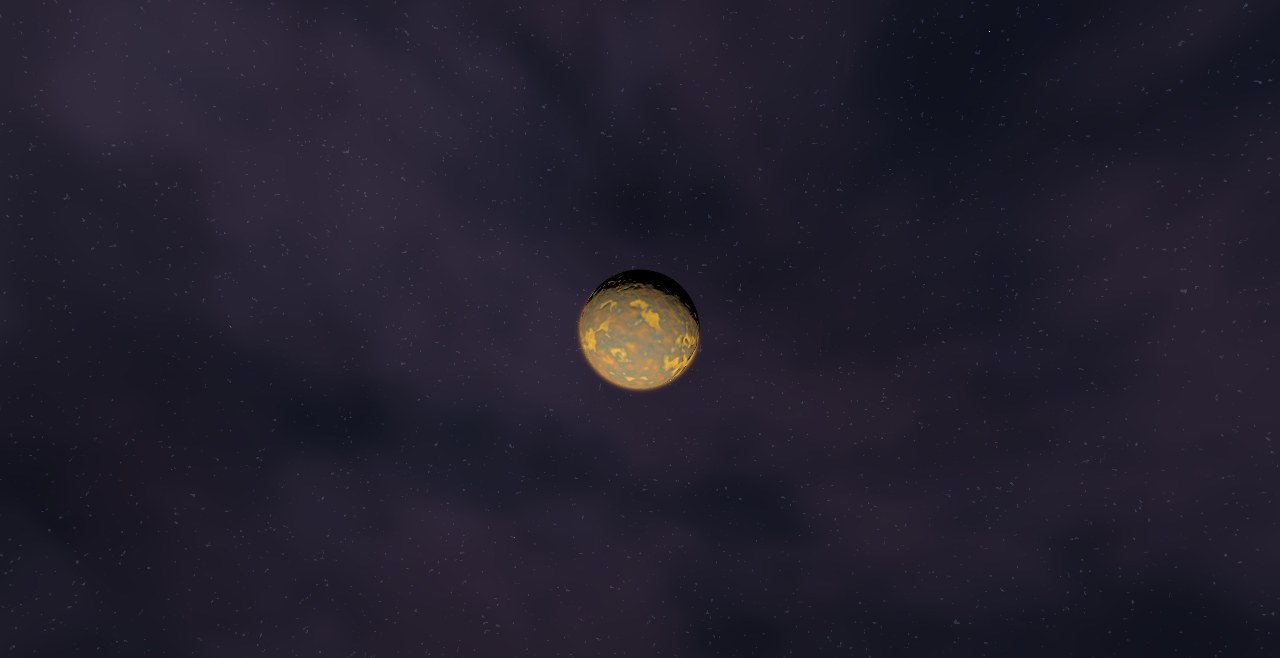
KOI-7368, a Sun-like G-type star of 0.88 solar masses, and KOI-7368 b, a planet with 2.2 Earth radii, with an orbital period of 6.8 days.
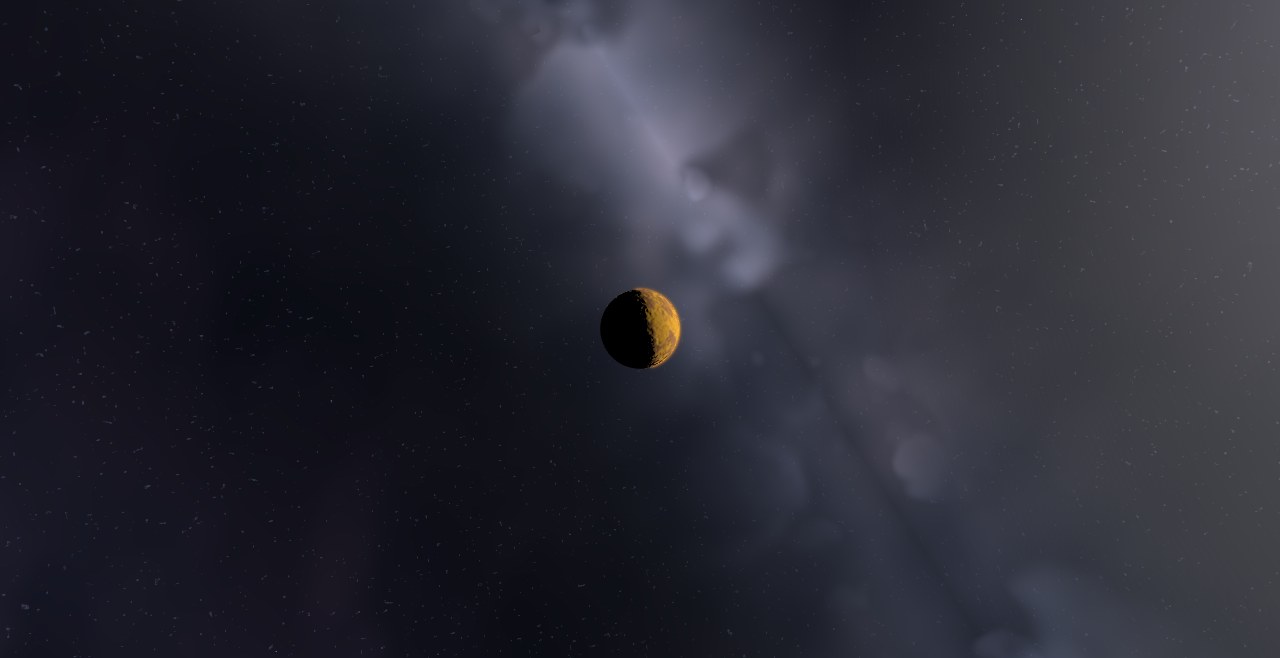
KOI-7892, a Sun-like F-type star of 1.04 solar masses, and Kepler-457 d, a planet with 3.0 Earth radii, with an orbital period of 10.7 days.
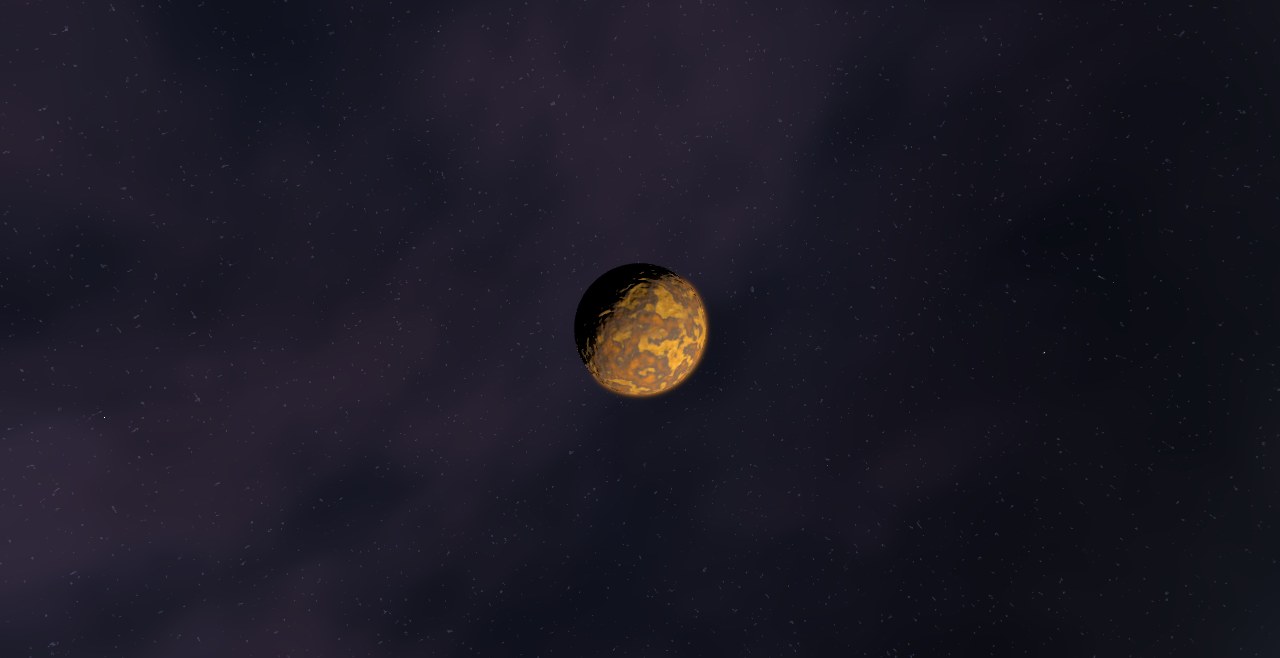
KOI-7913 A, an orange K-type dwarf of 0.76 solar masses, and KOI-7913 b, a planet with 2.3 Earth radii, with an orbital period of 24.3 days.
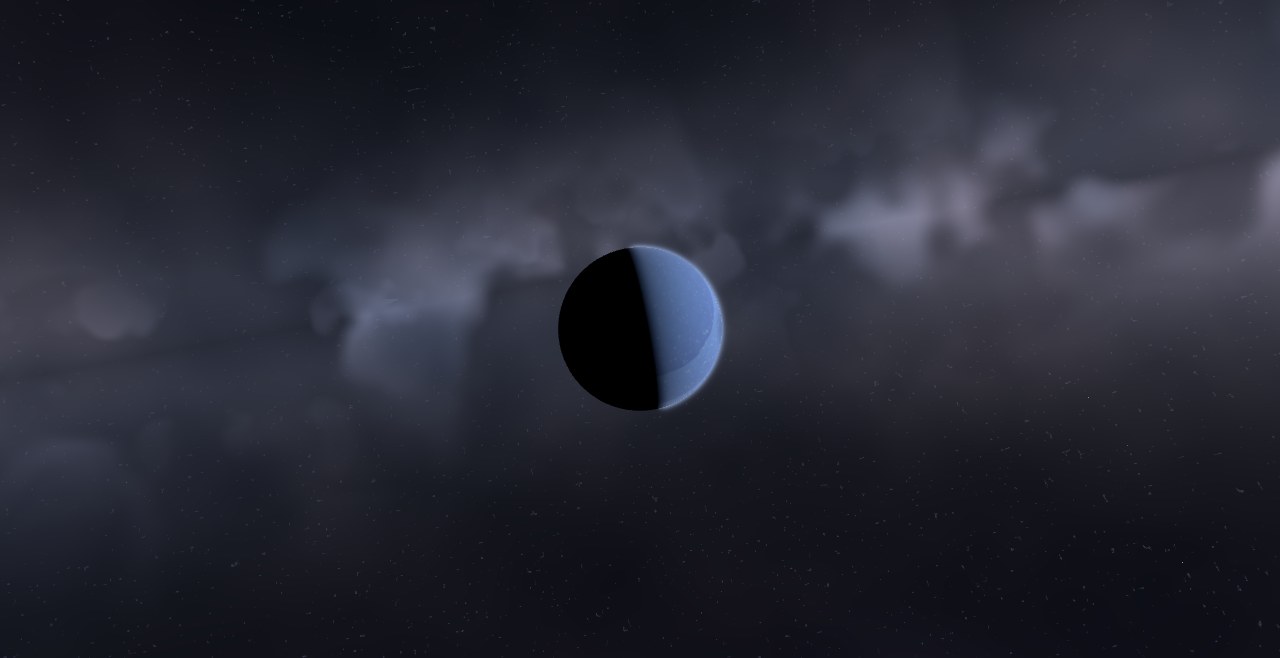
Kepler-89, also KOI-94, site of the first seen planet-planet eclipse. One planet was caught partly blocking another as both transited. The overlap was caught in the Kepler light curve.
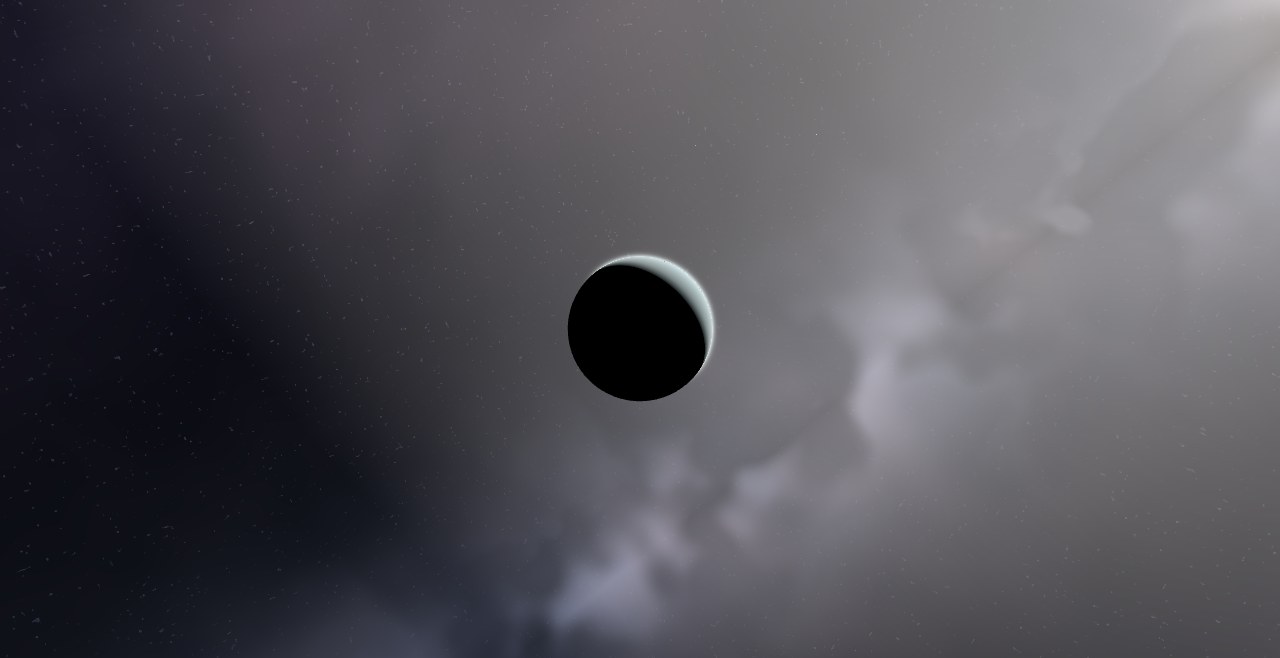
KOI-984, a Sun-like G-type star of 0.93 solar masses, and KOI-984 b, a planet with 4.3 Earth radii, with an orbital period of 4.3 days, at 0.050 AU from its star, and an equilibrium temperature near 1,022 K.
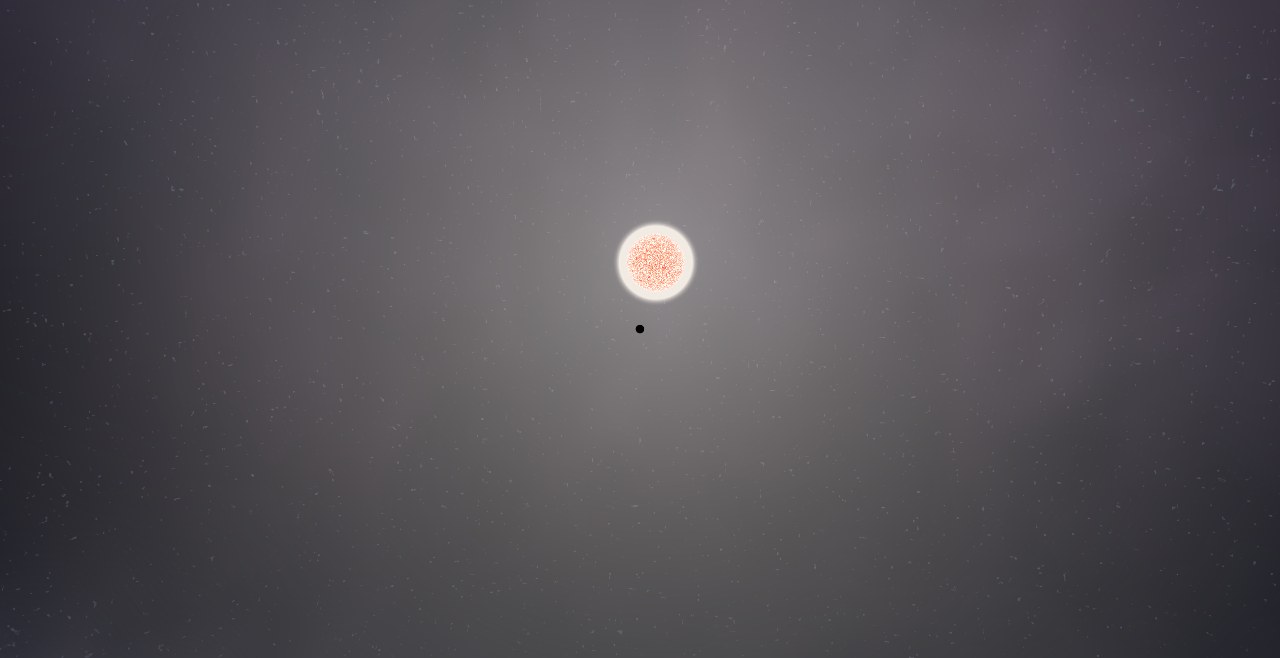
KPS-1, an orange K-type dwarf of 0.89 solar masses, and KPS-1 b, a 1.09-Jupiter-mass companion, with an orbital period of 1.7 days, at 0.027 AU from its star, and an equilibrium temperature near 1,459 K.
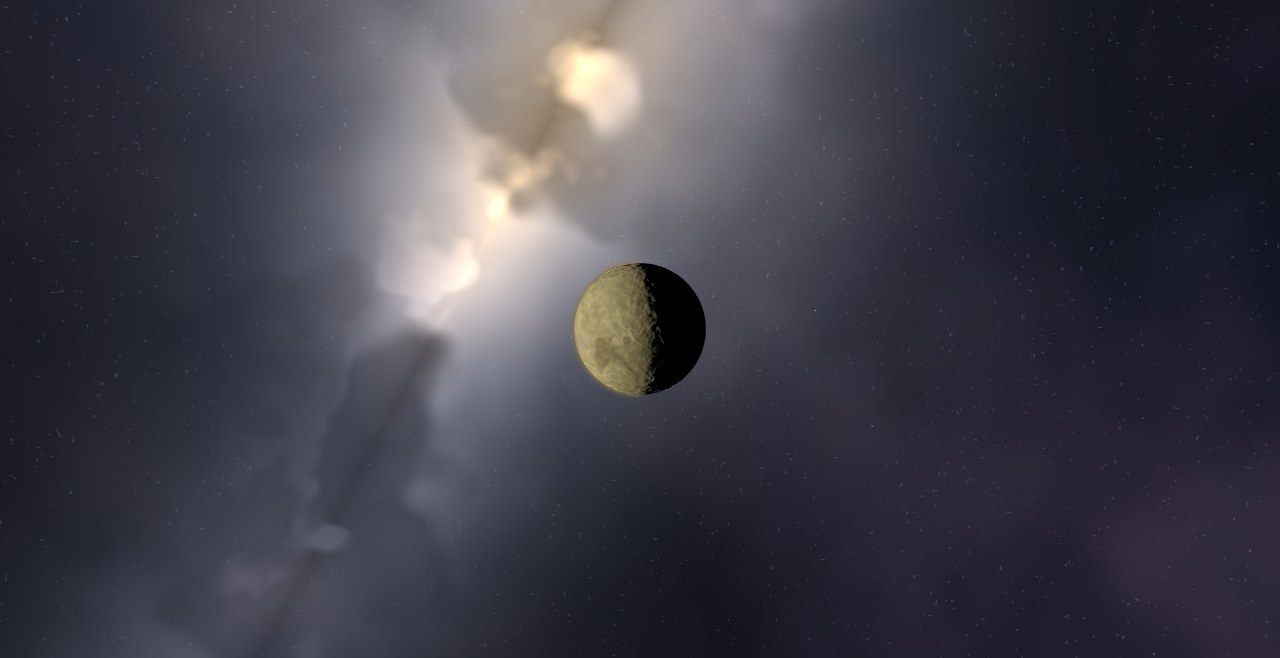
Kapteyn, a cool M-dwarf of 0.28 solar masses, and Kapteyn c, a 7.0-Earth-mass planet, with an orbital period of 122 days, at 0.311 AU from its star, on an eccentric orbit (e ≈ 0.23).