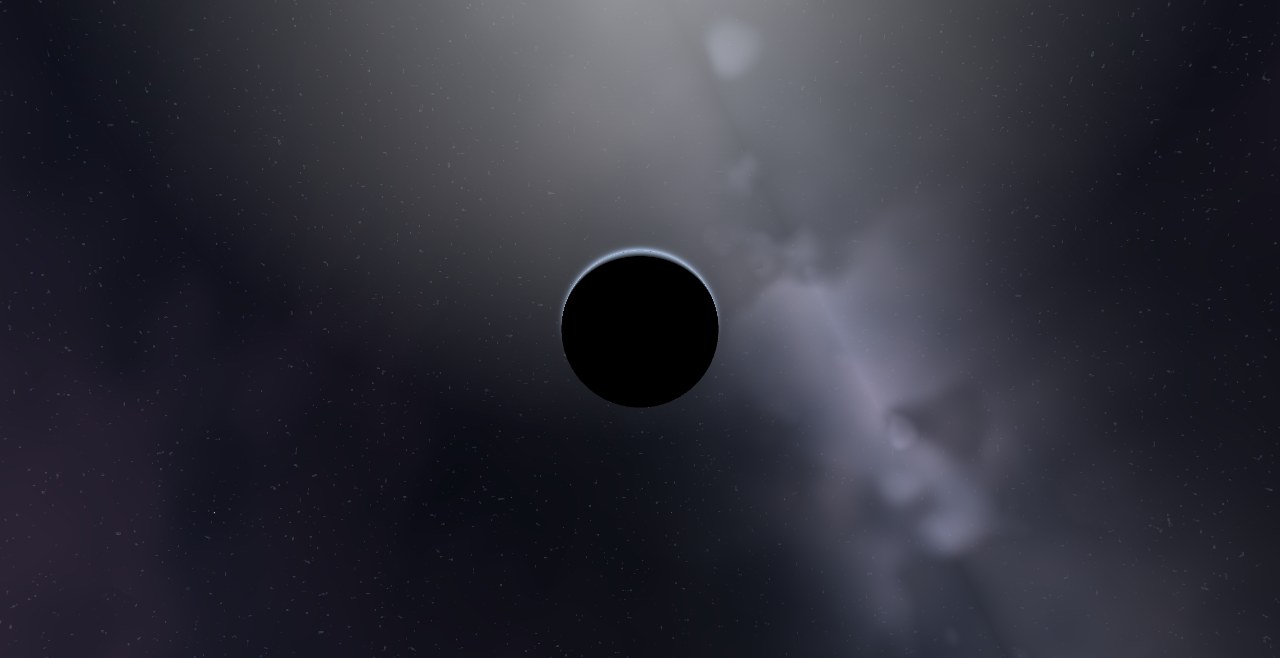
Kepler-10 - System
Kepler-10 b, the first rocky exoplanet with a measured density. Kepler's first solid world is a lava planet orbiting in less than a day. A larger outer planet, Kepler-10 c, also transits.
3D Space and Gravity Simulator. Simulate the solar system, exoplanets and even colliding galaxies. Add, delete and modify planets, and change the laws of physics.
Share
Kepler-10 b, the first rocky exoplanet with a measured density. Kepler's first solid world is a lava planet orbiting in less than a day. A larger outer planet, Kepler-10 c, also transits.
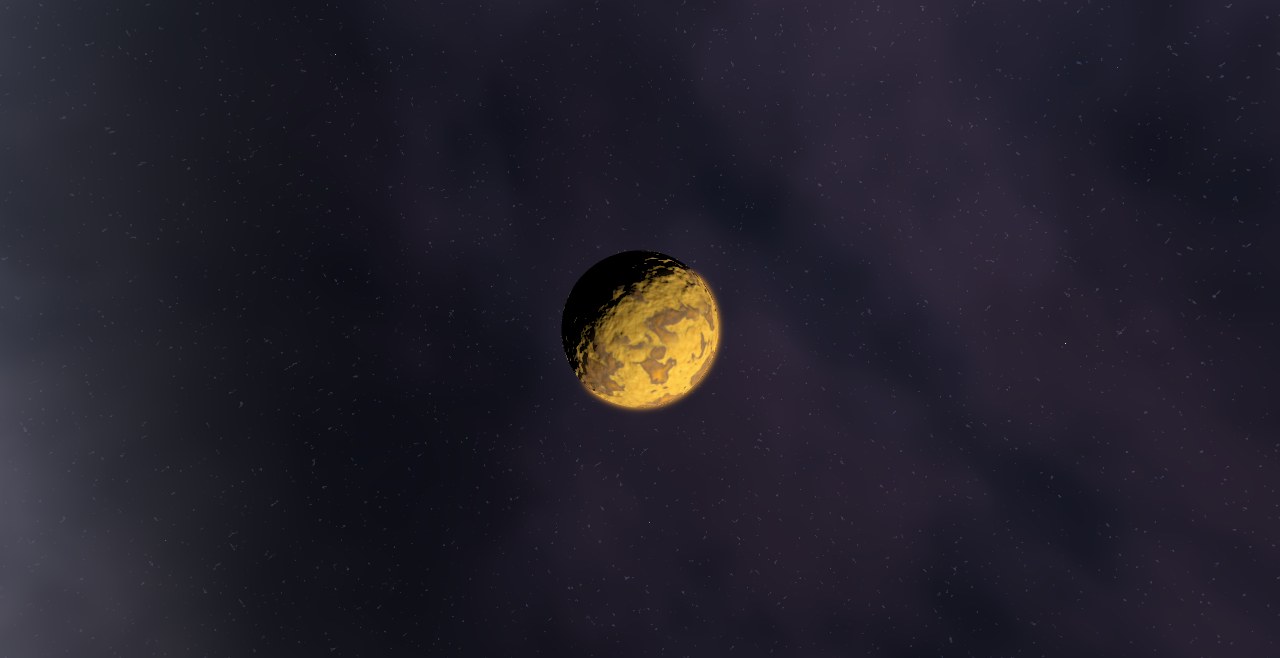
Kepler-100, a Sun-like G-type star of 1.08 solar masses, and Kepler-100 e, a 0.08-Jupiter-mass companion, with an orbital period of 60.9 days, at 0.312 AU from its star.
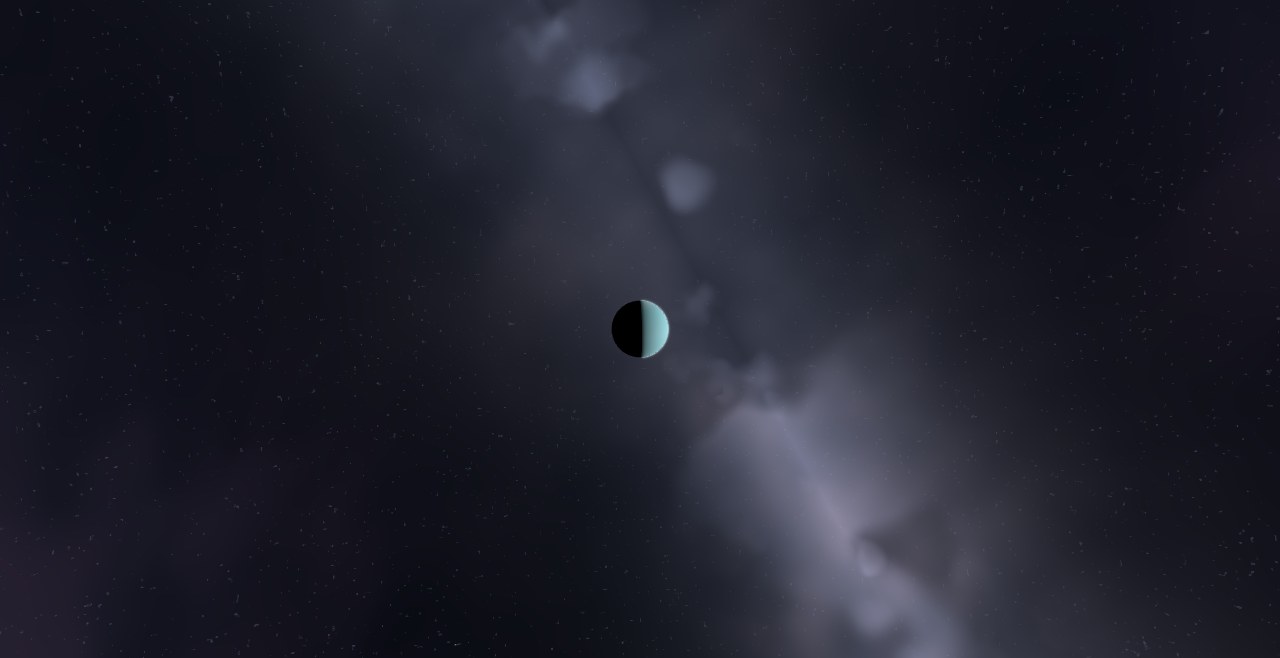
Kepler-1000, a Sun-like F-type star of 1.40 solar masses, and Kepler-1000 b, a planet with 4.8 Earth radii, with an orbital period of 120 days.
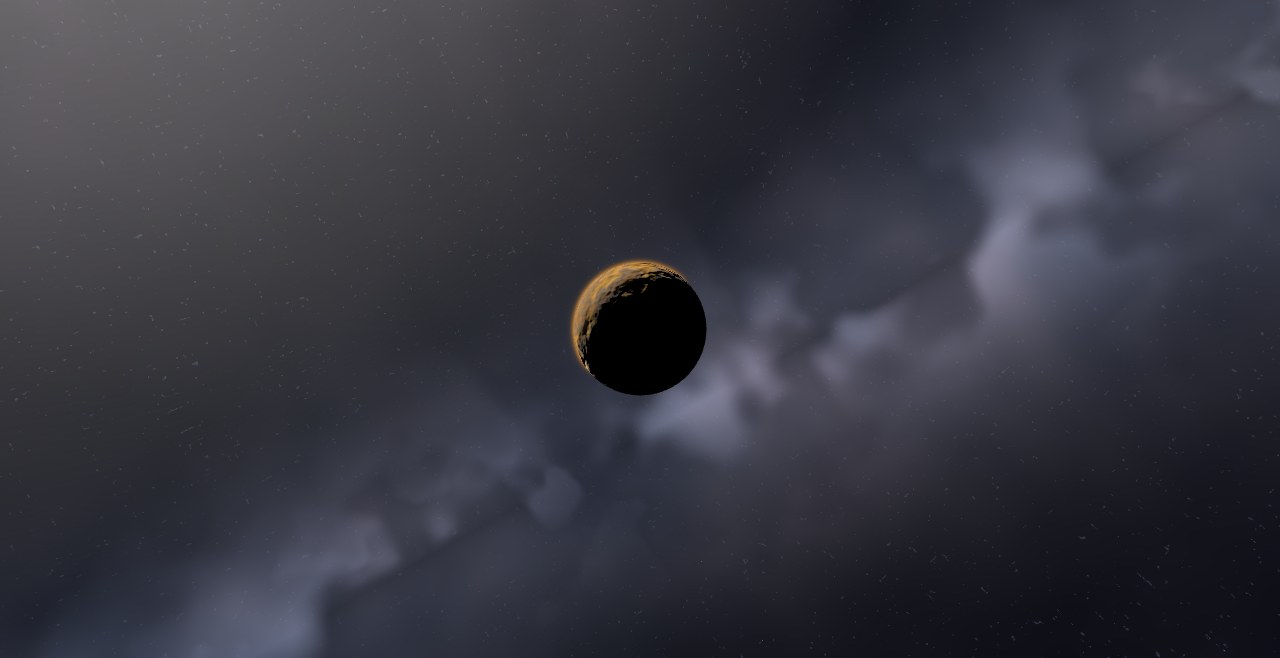
Kepler-1001, a Sun-like G-type star of 0.93 solar masses, and Kepler-1001 c, a planet with 1.6 Earth radii, with an orbital period of 9.2 days.
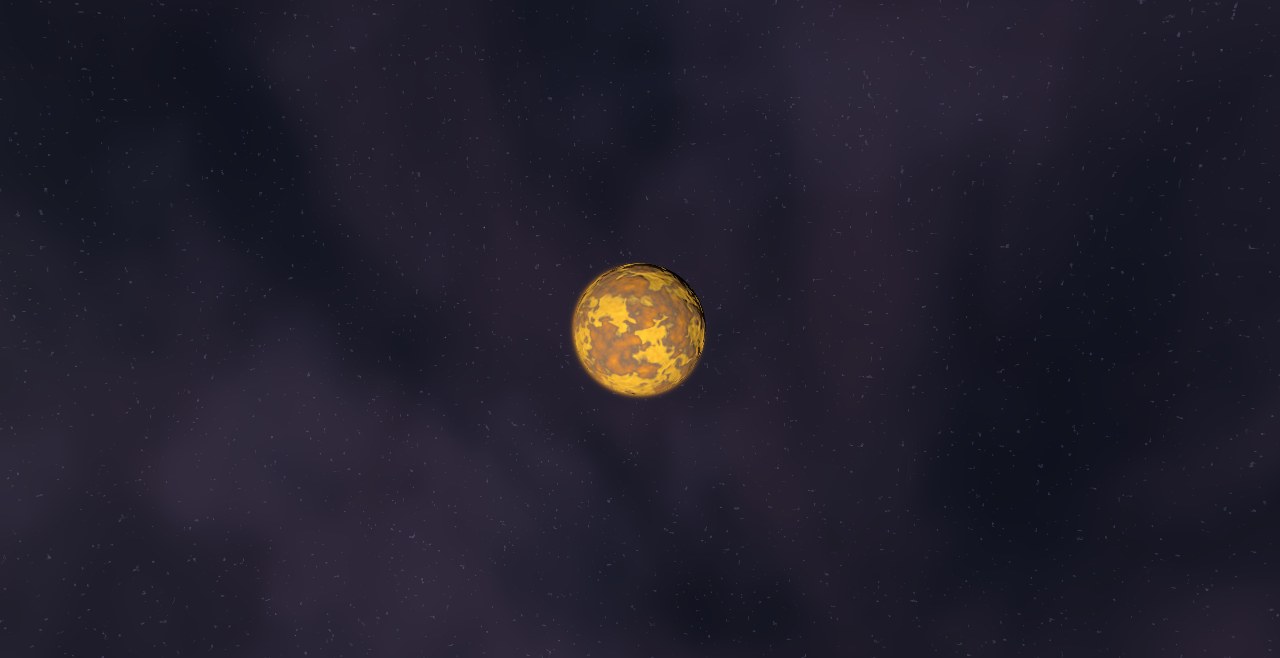
Kepler-1002, a Sun-like F-type star of 1.22 solar masses, and Kepler-1002 b, a planet with 1.7 Earth radii, with an orbital period of 4.3 days.
Kepler-1003, a Sun-like F-type star of 1.11 solar masses, and Kepler-1003 b, a planet with 1.8 Earth radii, with an orbital period of 3.6 days.
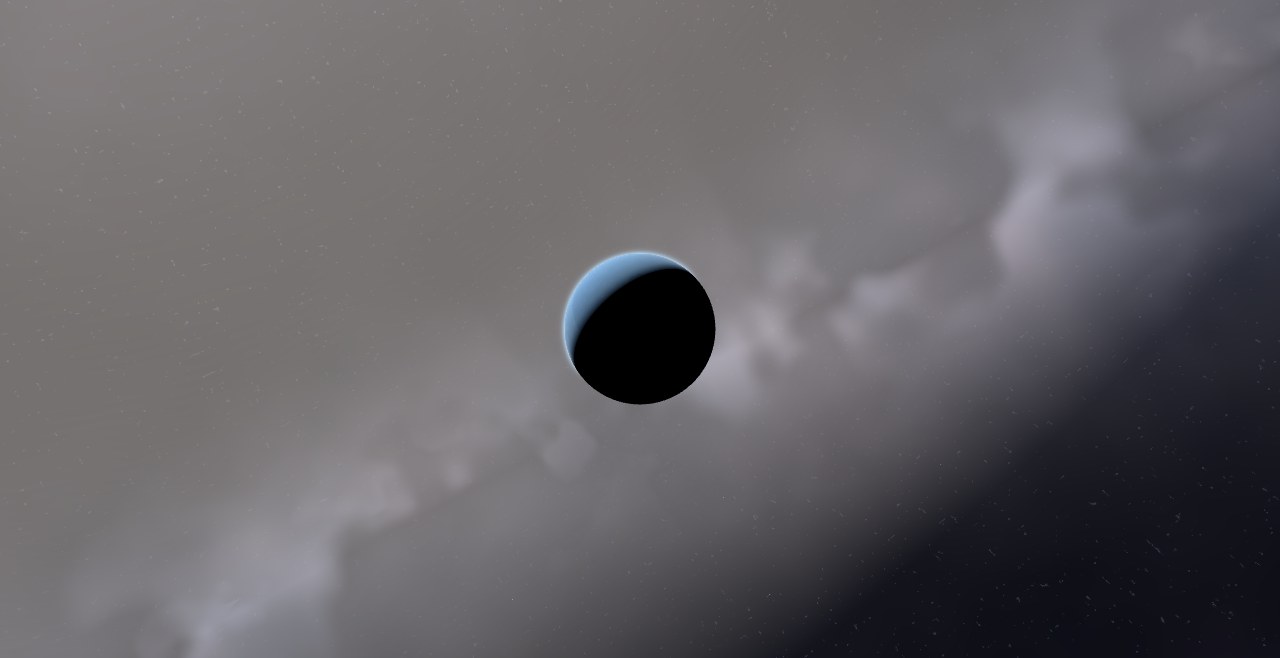
Kepler-1004, an orange K-type dwarf of 1.11 solar masses, and Kepler-1004 b, a planet with 6.3 Earth radii, with an orbital period of 5.3 days.
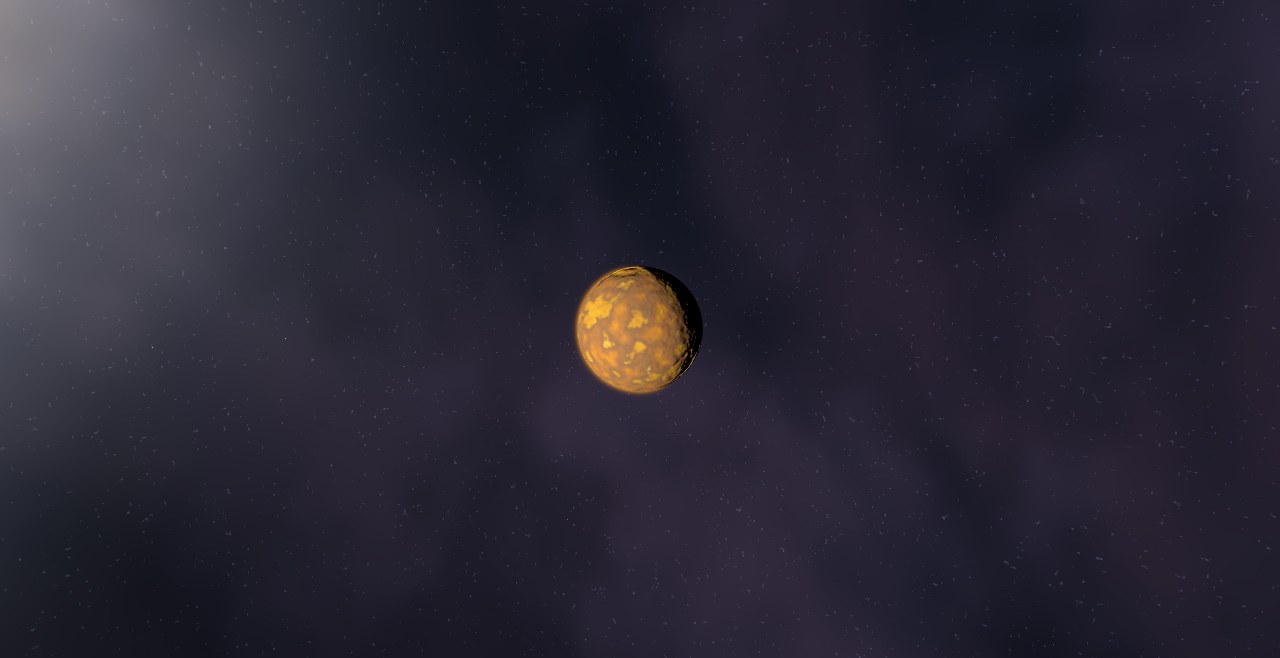
Kepler-1005, a Sun-like G-type star of 1.00 solar masses, and Kepler-1005 b, a planet with 1.5 Earth radii, with an orbital period of 6.5 days.
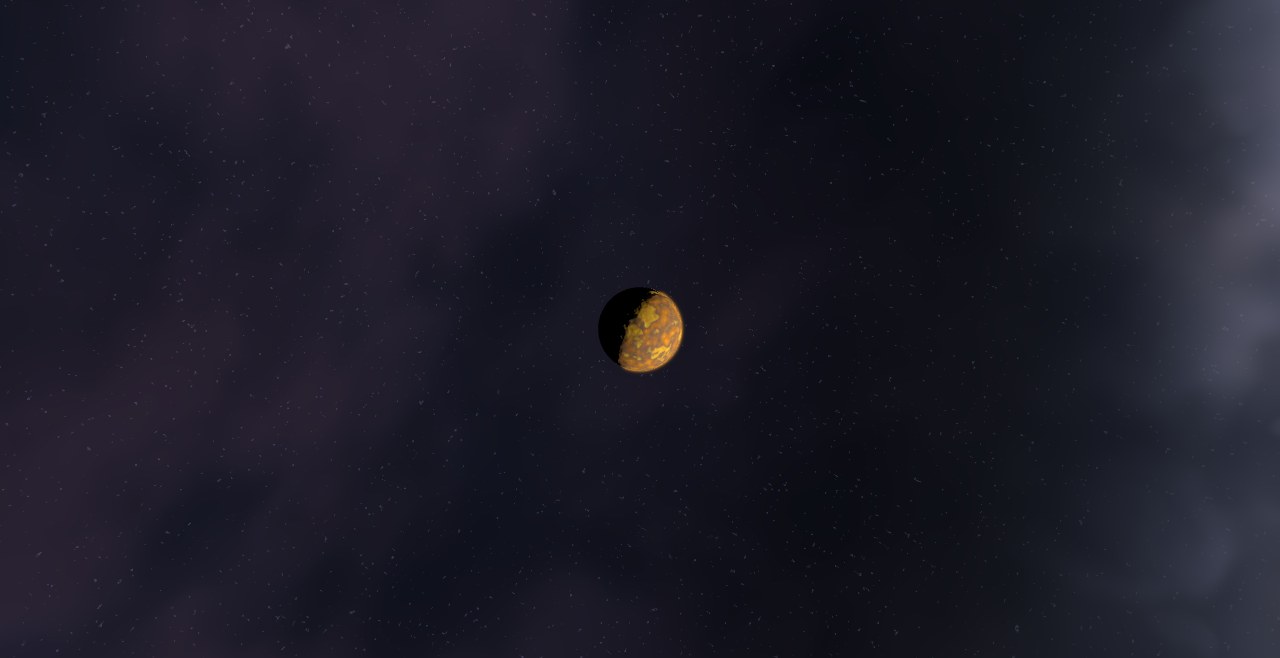
Kepler-1006, a Sun-like G-type star of 0.78 solar masses, and Kepler-1006 b, a planet with 1.5 Earth radii, with an orbital period of 19.8 days.
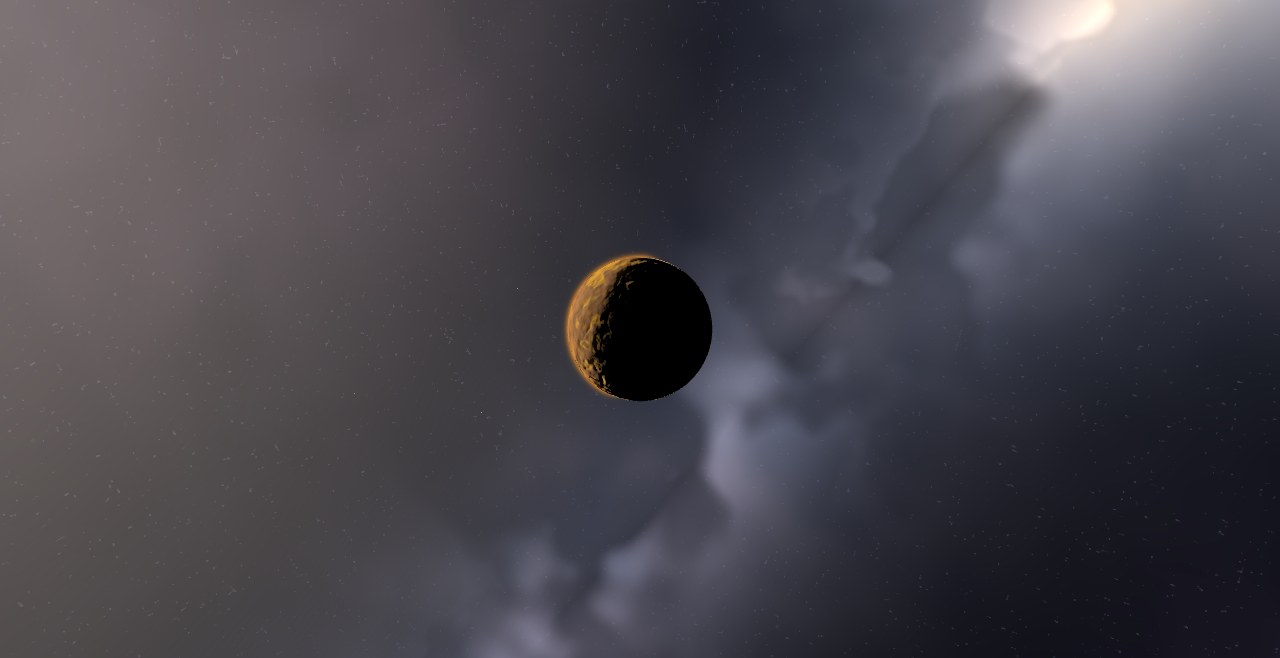
Kepler-1007, an orange K-type dwarf of 0.73 solar masses, and Kepler-1007 b, a planet with 1.4 Earth radii, with an orbital period of 5.2 days.
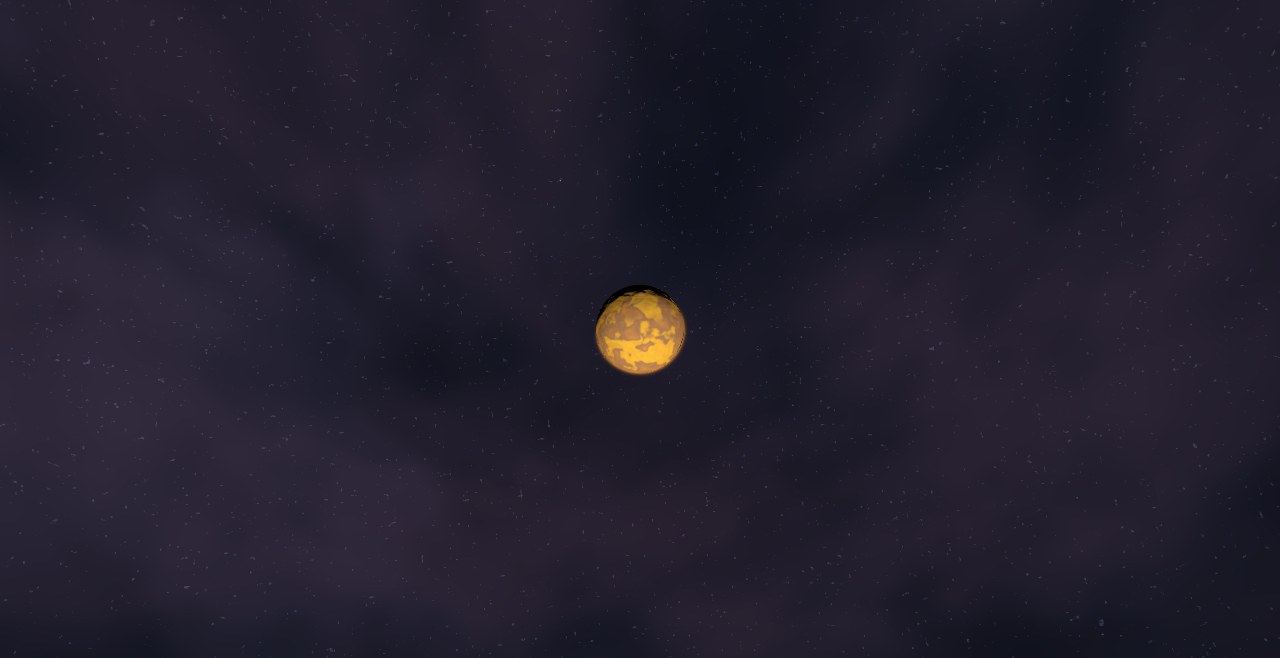
Kepler-1008, an orange K-type dwarf of 0.81 solar masses, and Kepler-1008 b, a planet with 1.3 Earth radii, with an orbital period of 12.4 days.
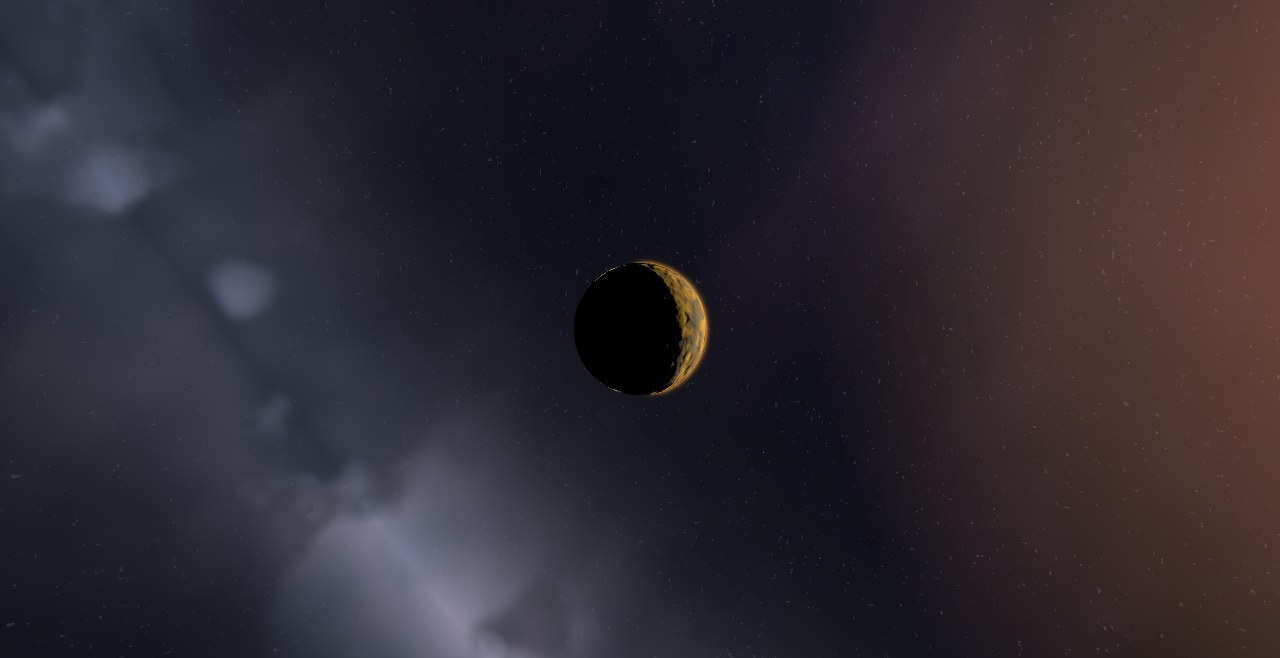
Kepler-1009, an orange K-type dwarf of 0.59 solar masses, and Kepler-1009 b, a planet with 2.2 Earth radii, with an orbital period of 11.4 days.
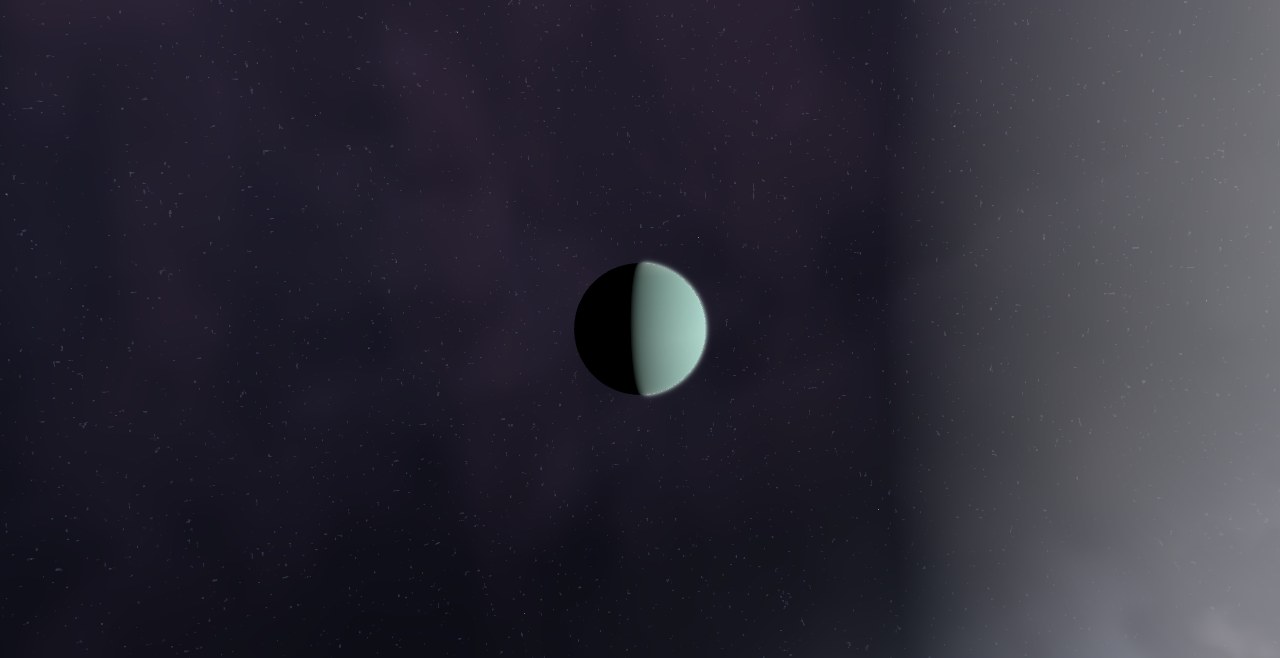
Kepler-101, a Sun-like G-type star of 1.17 solar masses, and Kepler-101 b, a 0.16-Jupiter-mass companion, with an orbital period of 3.5 days, at 0.047 AU from its star, and an equilibrium temperature near.
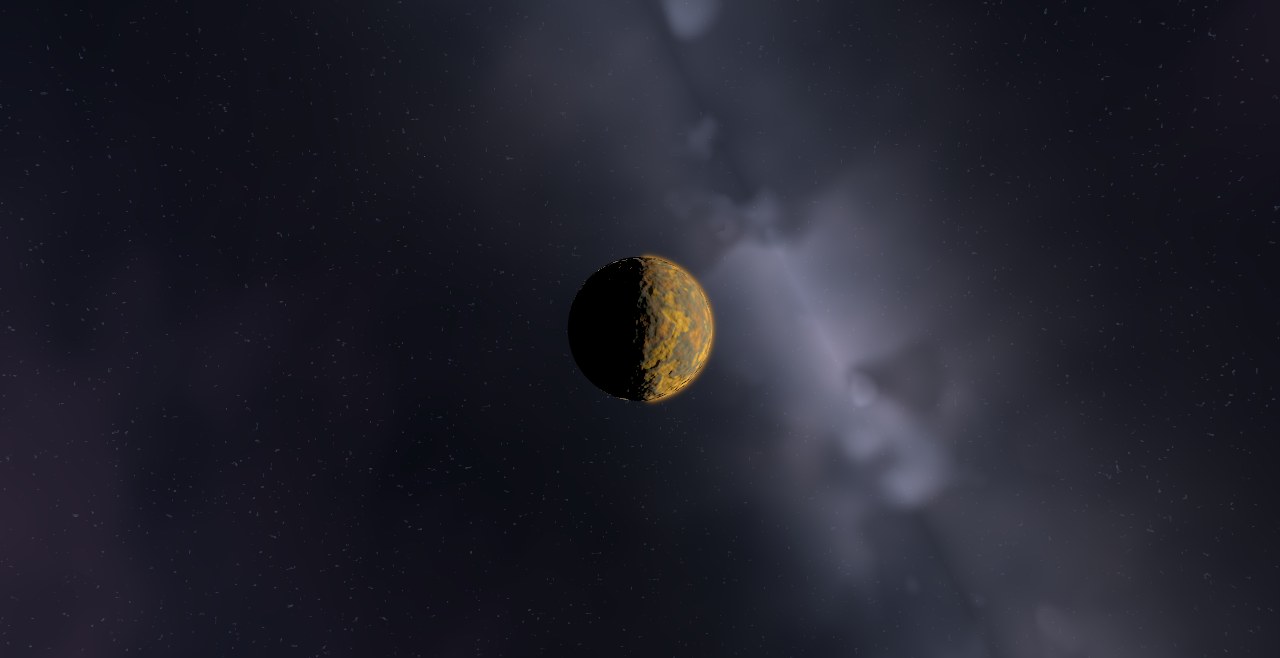
Kepler-1010, a Sun-like G-type star of 0.86 solar masses, and Kepler-1010 b, a planet with 2.3 Earth radii, with an orbital period of 34.3 days.
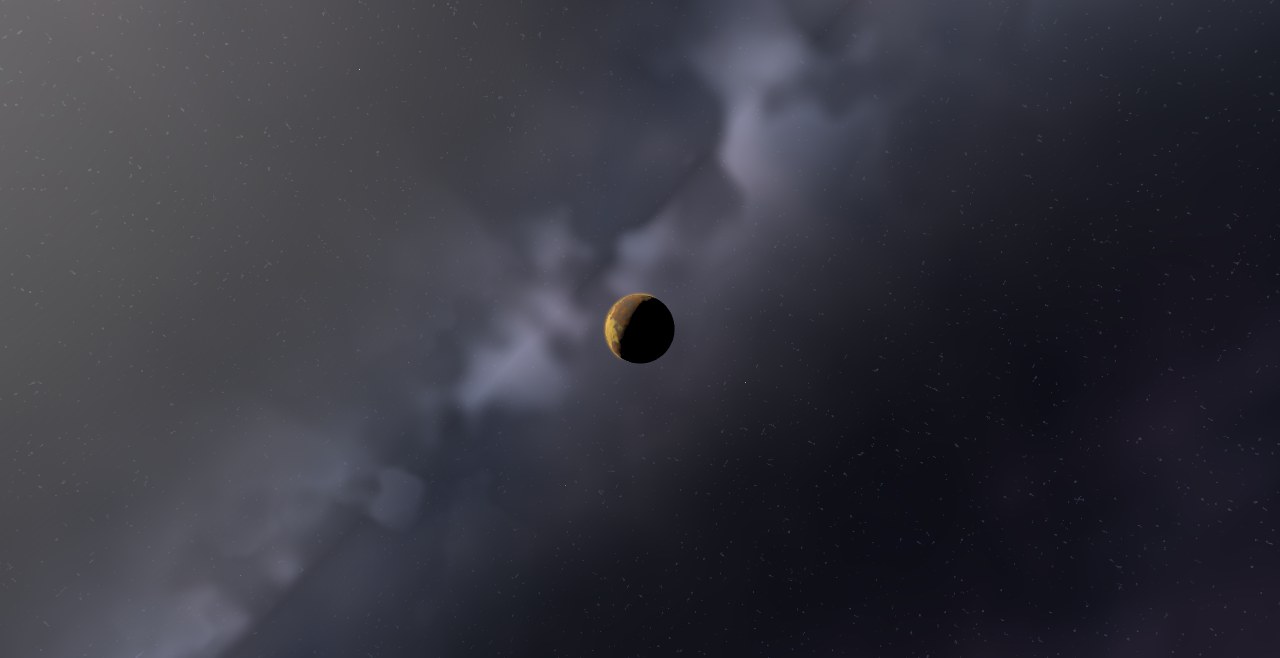
Kepler-1011, a Sun-like G-type star of 0.91 solar masses, and Kepler-1011 b, a planet with 2.9 Earth radii, with an orbital period of 5.8 days.
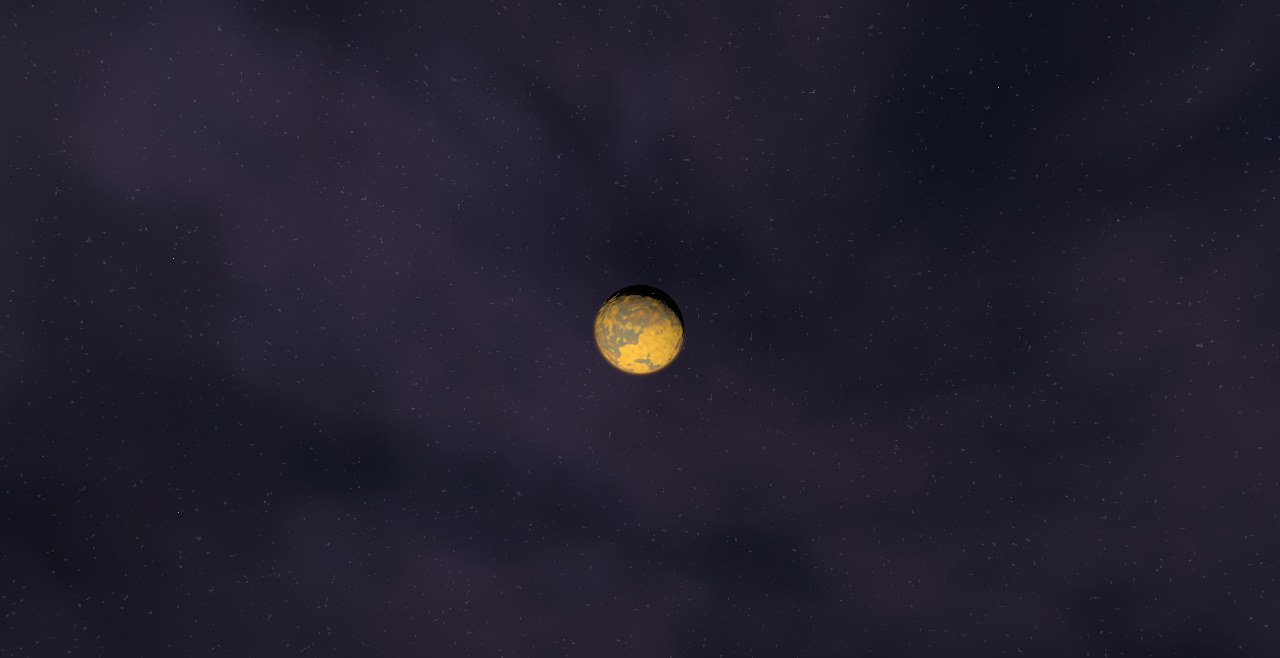
Kepler-1012, a Sun-like G-type star of 0.95 solar masses, and Kepler-1012 b, a planet with 1.3 Earth radii, with an orbital period of 5.5 days.
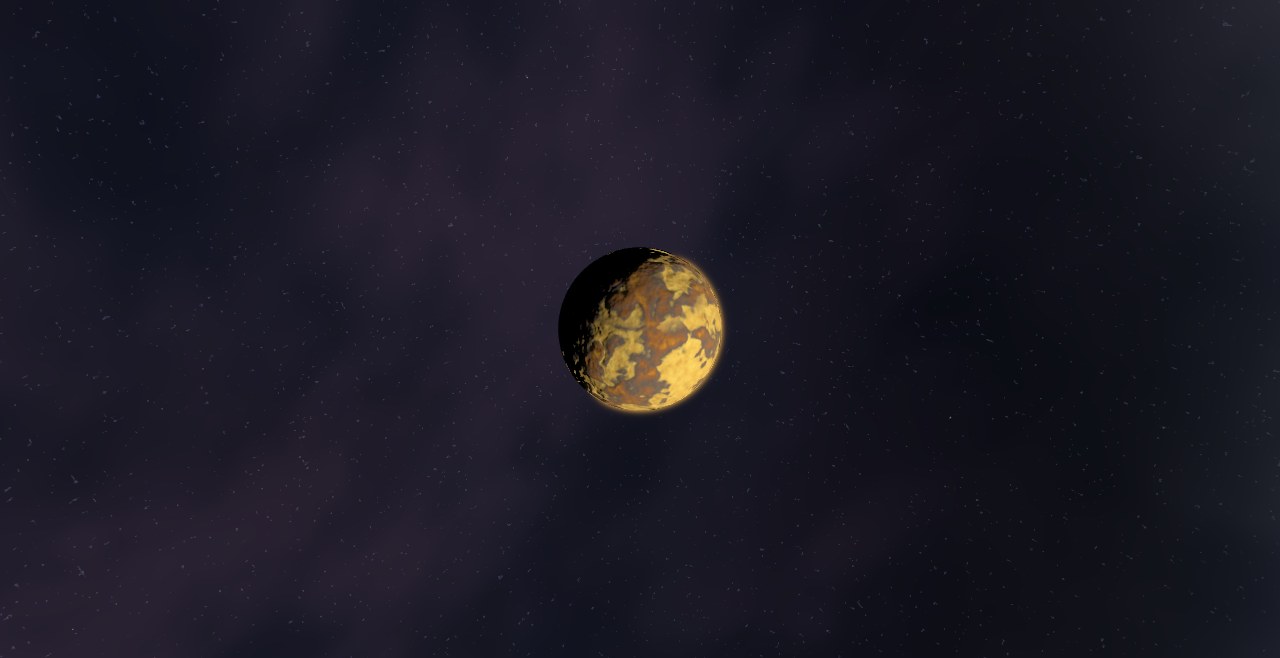
Kepler-1013, an orange K-type dwarf of 0.81 solar masses, and Kepler-1013 b, a planet with 2.1 Earth radii, with an orbital period of 18.9 days.
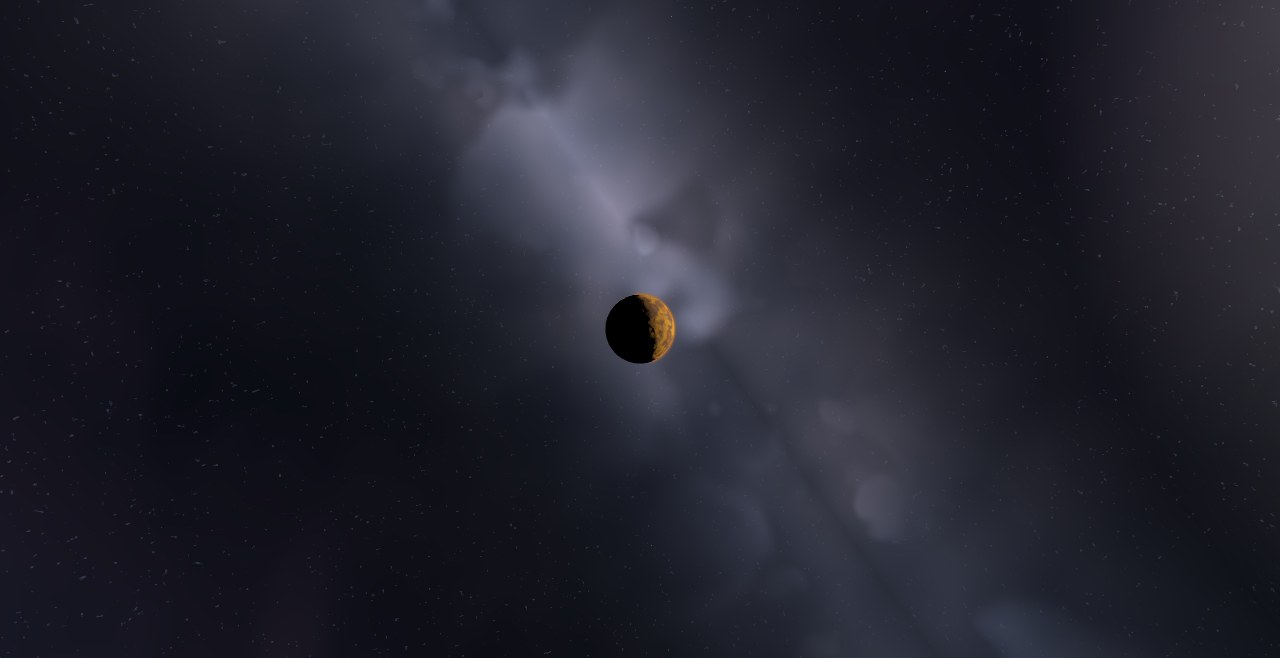
Kepler-1014, a Sun-like G-type star of 0.88 solar masses, and Kepler-1014 b, a planet with 2.4 Earth radii, with an orbital period of 16.6 days.