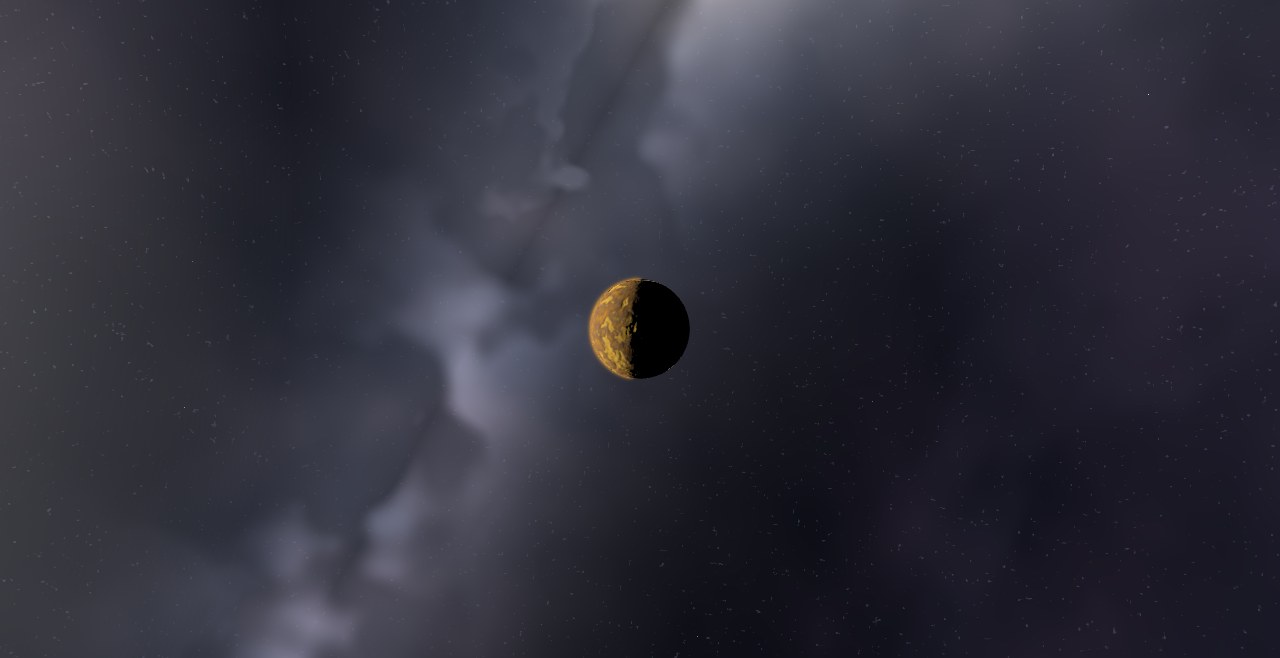
K2-197 - System
K2-197, a Sun-like G-type star of 1.00 solar masses, and K2-197 b, a planet with 2.6 Earth radii, with an orbital period of 8.4 days, at 0.081 AU from its star, and an equilibrium temperature near 848 K.
3D Space and Gravity Simulator. Simulate the solar system, exoplanets and even colliding galaxies. Add, delete and modify planets, and change the laws of physics.
Share
K2-197, a Sun-like G-type star of 1.00 solar masses, and K2-197 b, a planet with 2.6 Earth radii, with an orbital period of 8.4 days, at 0.081 AU from its star, and an equilibrium temperature near 848 K.
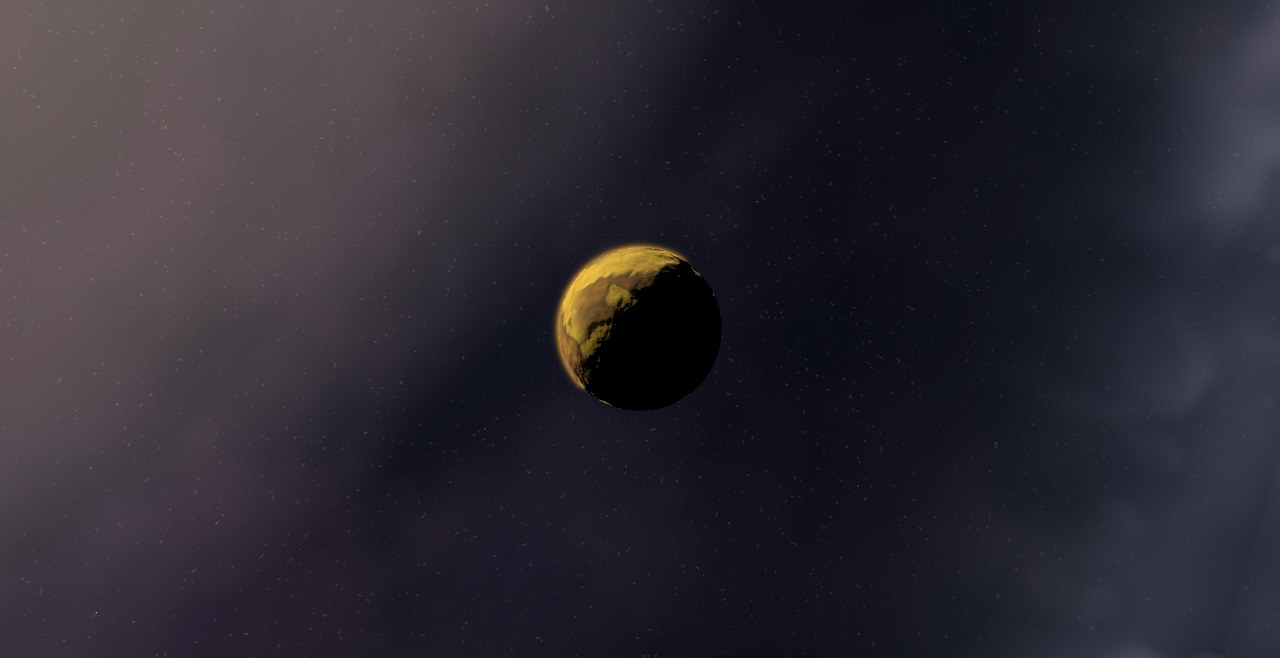
K2-199, an orange K-type dwarf of 0.71 solar masses, and K2-199 b, a 6.9-Earth-mass planet, with an orbital period of 3.2 days, at 0.038 AU from its star, and an equilibrium temperature near 913 K.
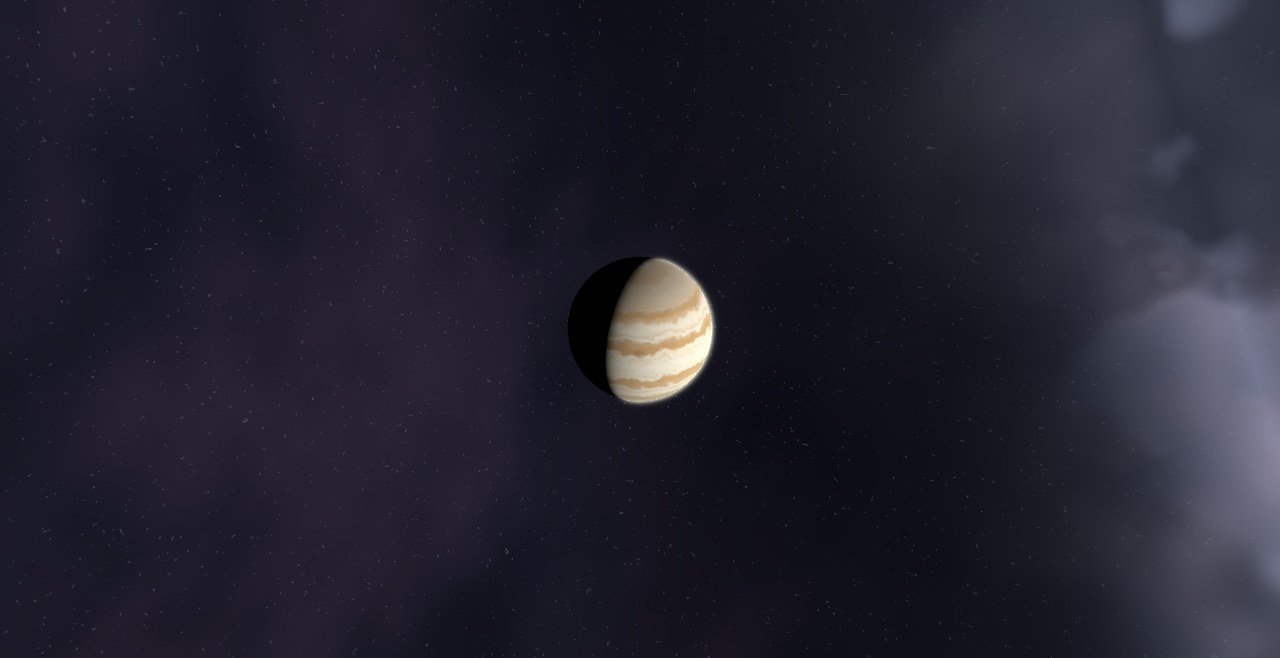
K2-2016-BLG-0005L, a Sun-like G-type star of 0.58 solar masses, and K2-2016-BLG-0005L b, a 1.10-Jupiter-mass companion, with an orbital period of 12.9 years, at 4.160 AU from its star.
K2-203, an orange K-type dwarf of 0.79 solar masses, and K2-203 b, a planet with 1.3 Earth radii, with an orbital period of 9.7 days, at 0.082 AU from its star, and an equilibrium temperature near 738 K.
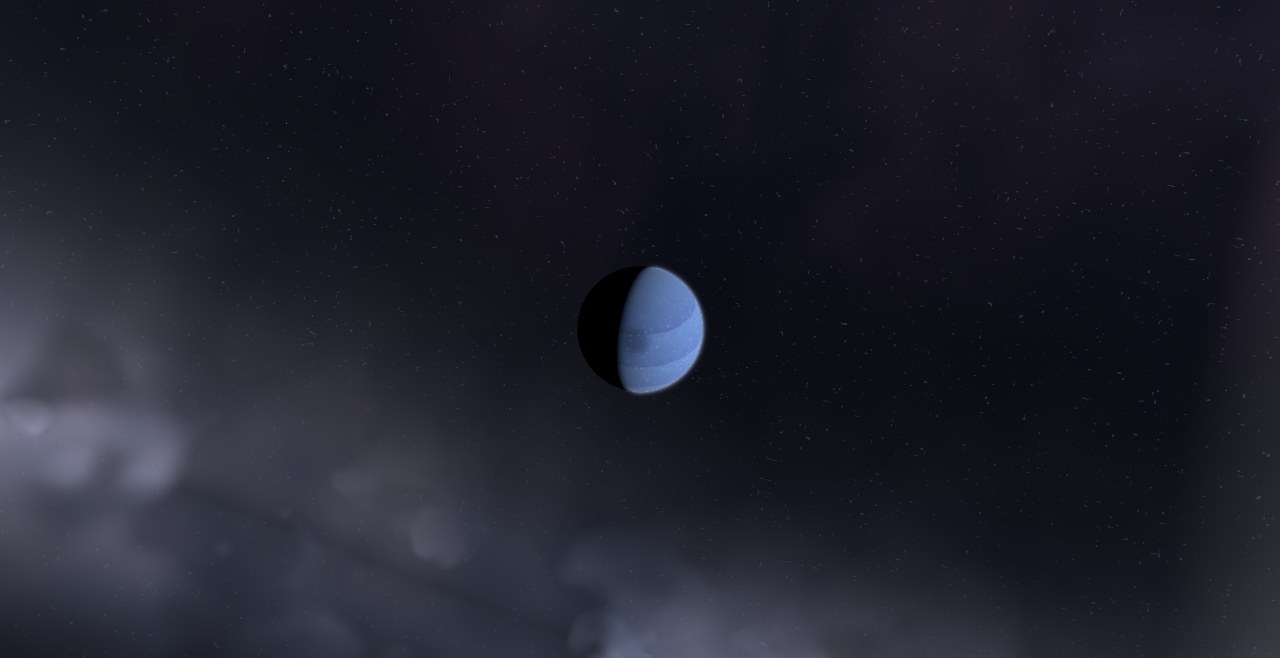
K2-204, a Sun-like G-type star of 1.08 solar masses, and K2-204 b, a planet with 3.2 Earth radii, with an orbital period of 7.1 days, at 0.074 AU from its star, and an equilibrium temperature near 1,148 K.
K2-208, a Sun-like G-type star of 0.88 solar masses, and K2-208 b, a planet with 1.7 Earth radii, with an orbital period of 4.2 days, at 0.049 AU from its star, and an equilibrium temperature near 1,122 K.
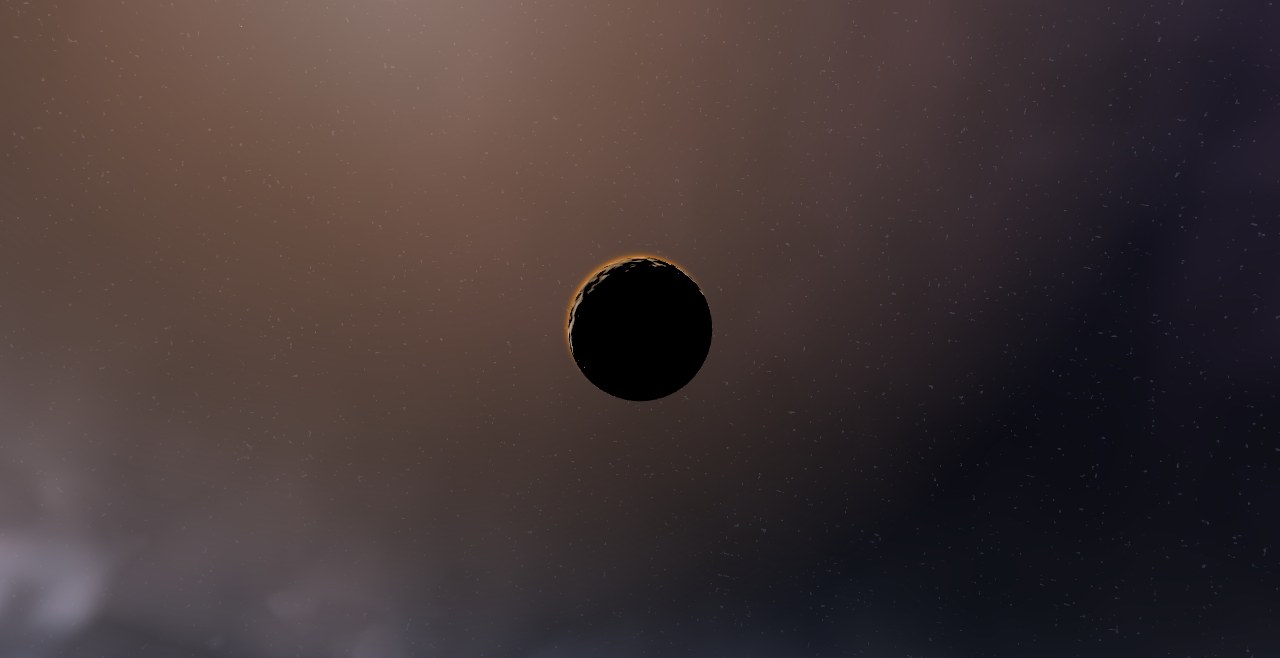
K2-21, an orange K-type dwarf of 0.68 solar masses, and K2-21 b, a planet with 1.8 Earth radii, with an orbital period of 9.3 days, at 0.076 AU from its star, on an eccentric orbit (e ≈ 0.10).
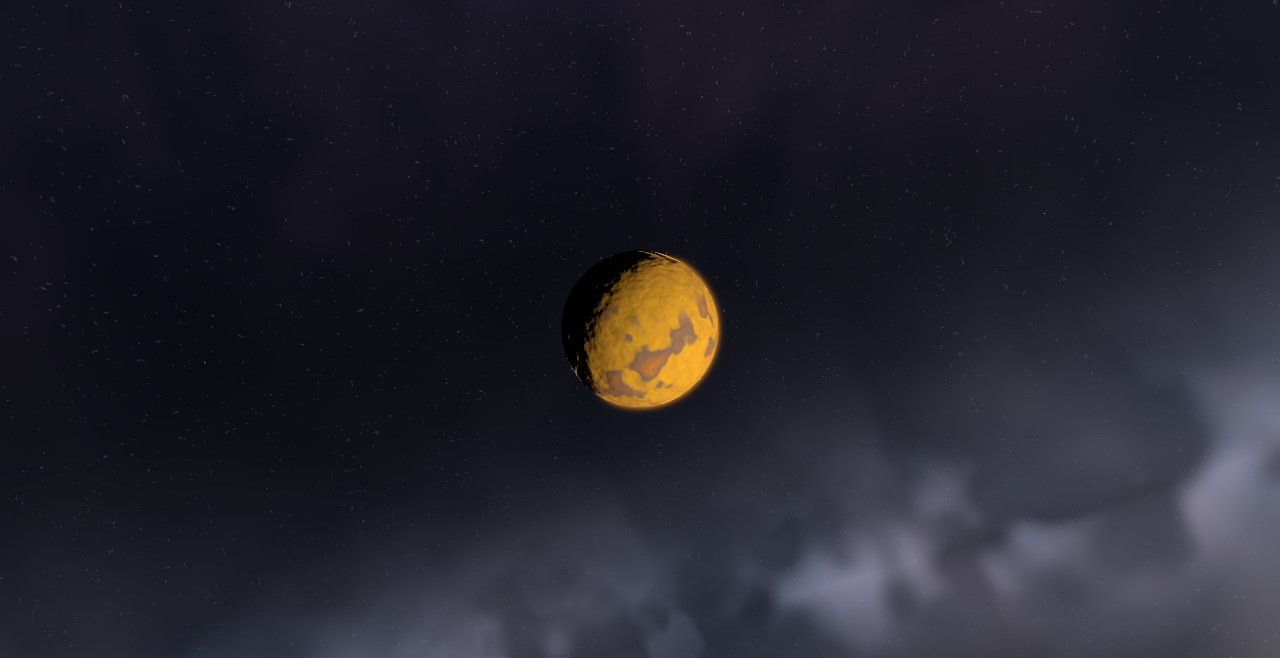
K2-211, an orange K-type dwarf of 0.85 solar masses, and K2-211 b, a planet with 1.3 Earth radii, with an orbital period of 16.1 hours, at 0.014 AU from its star, and an equilibrium temperature near 1,873 K.
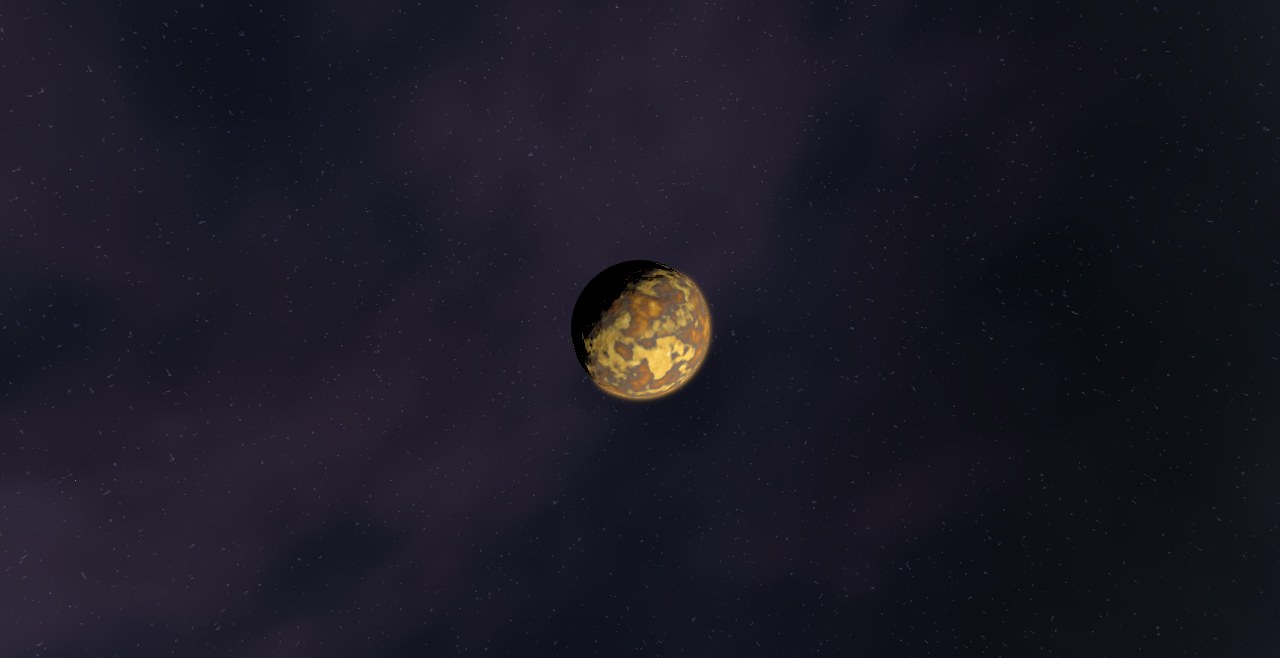
K2-212, an orange K-type dwarf of 0.62 solar masses, and K2-212 b, a planet with 2.6 Earth radii, with an orbital period of 9.8 days.
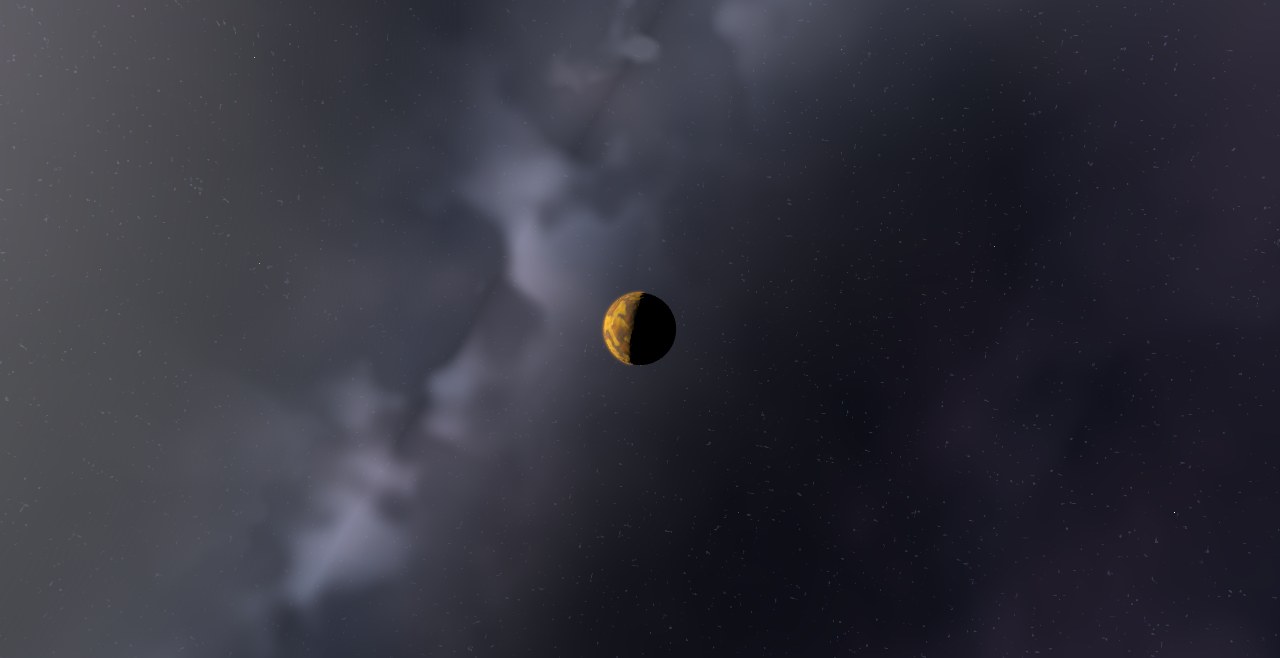
K2-214, a Sun-like G-type star of 1.03 solar masses, and K2-214 b, a planet with 2.5 Earth radii, with an orbital period of 8.6 days, and an equilibrium temperature near 1,001 K.
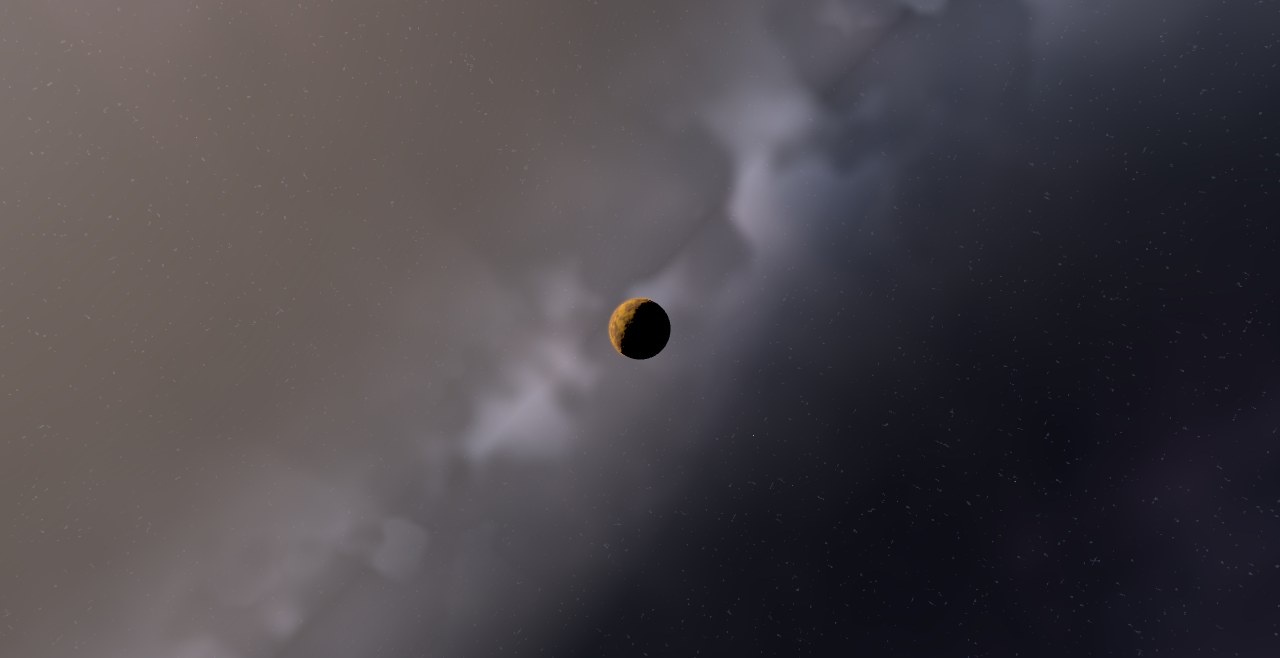
K2-216, an orange K-type dwarf of 0.70 solar masses, and K2-216 b, a 8.0-Earth-mass planet, with an orbital period of 2.2 days, at 0.028 AU from its star, and an equilibrium temperature near 1,103 K.
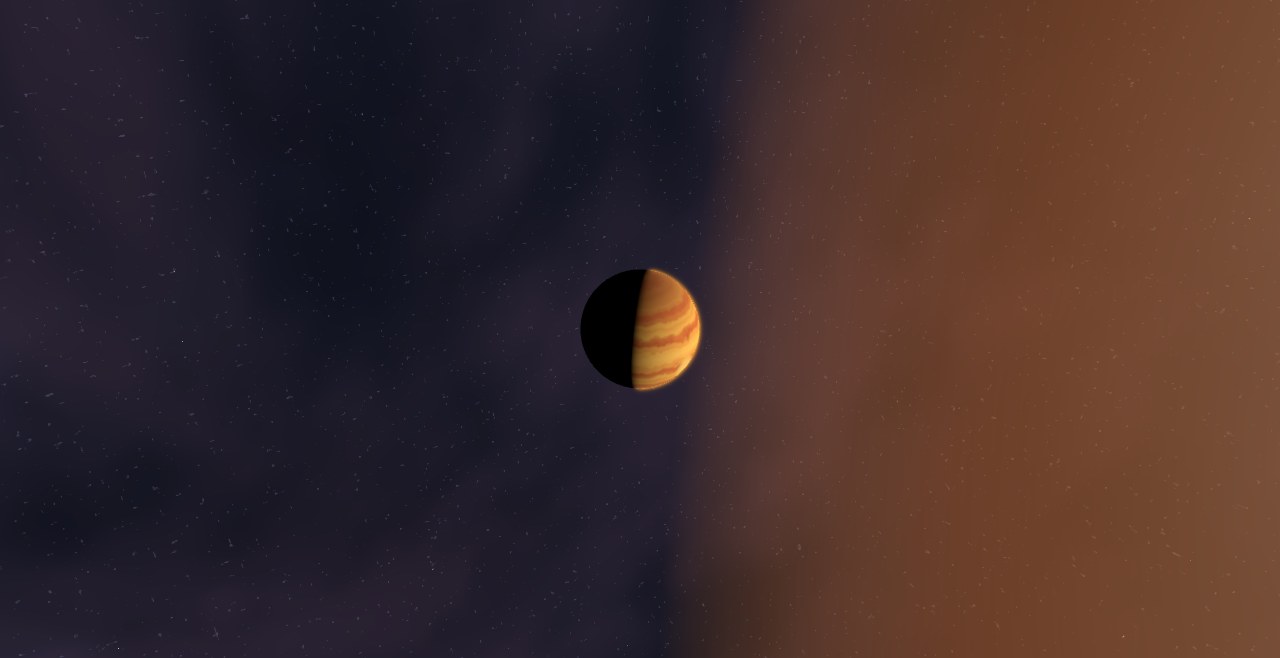
K2-22 b, a disintegrating planet. Dust lost from this ultra-short-period world makes the transit look different every time it passes. The orbit is only about nine hours long.
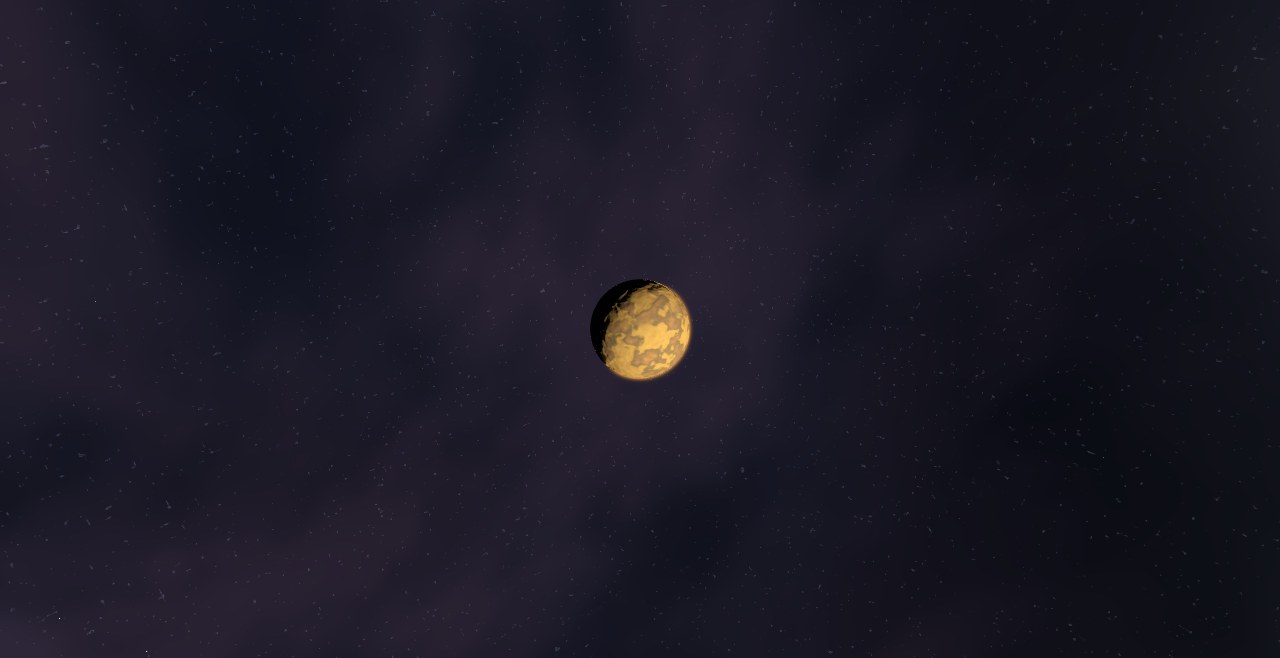
K2-220, a Sun-like G-type star of 0.91 solar masses, and K2-220 b, a planet with 2.4 Earth radii, with an orbital period of 13.7 days, and an equilibrium temperature near 761 K.
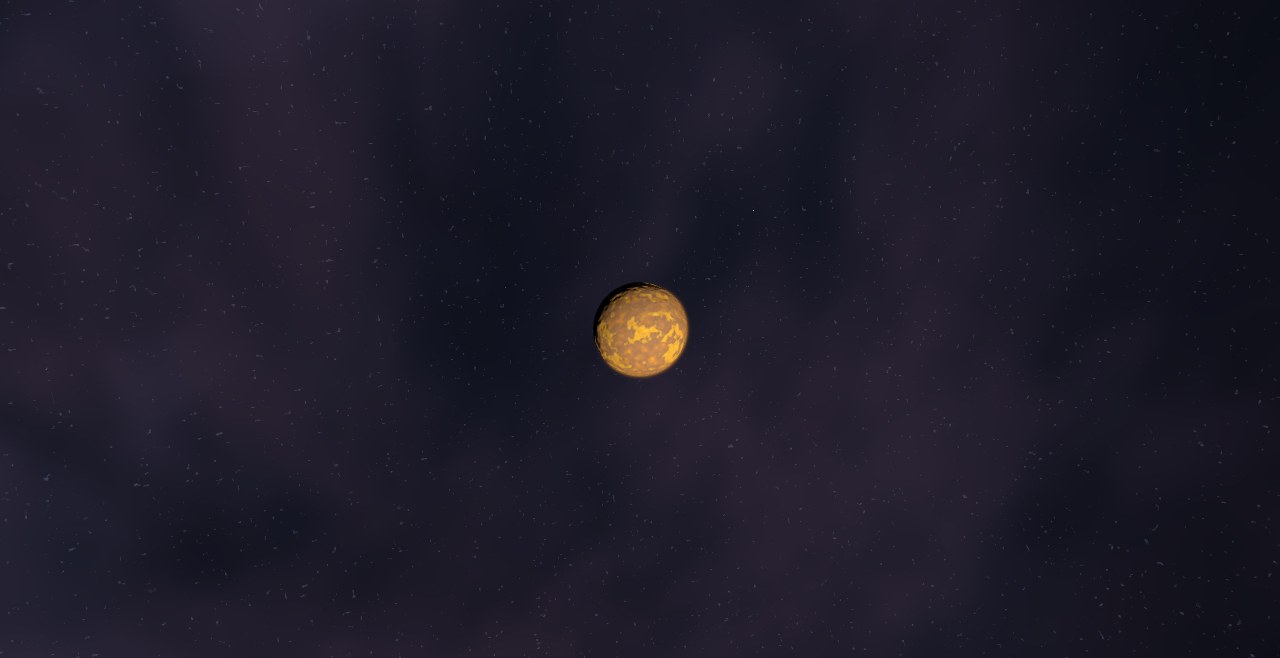
K2-222, a Sun-like G-type star of 0.94 solar masses, and K2-222 b, a 7.5-Earth-mass planet, with an orbital period of 15.4 days, at 0.119 AU from its star, and an equilibrium temperature near 803 K.
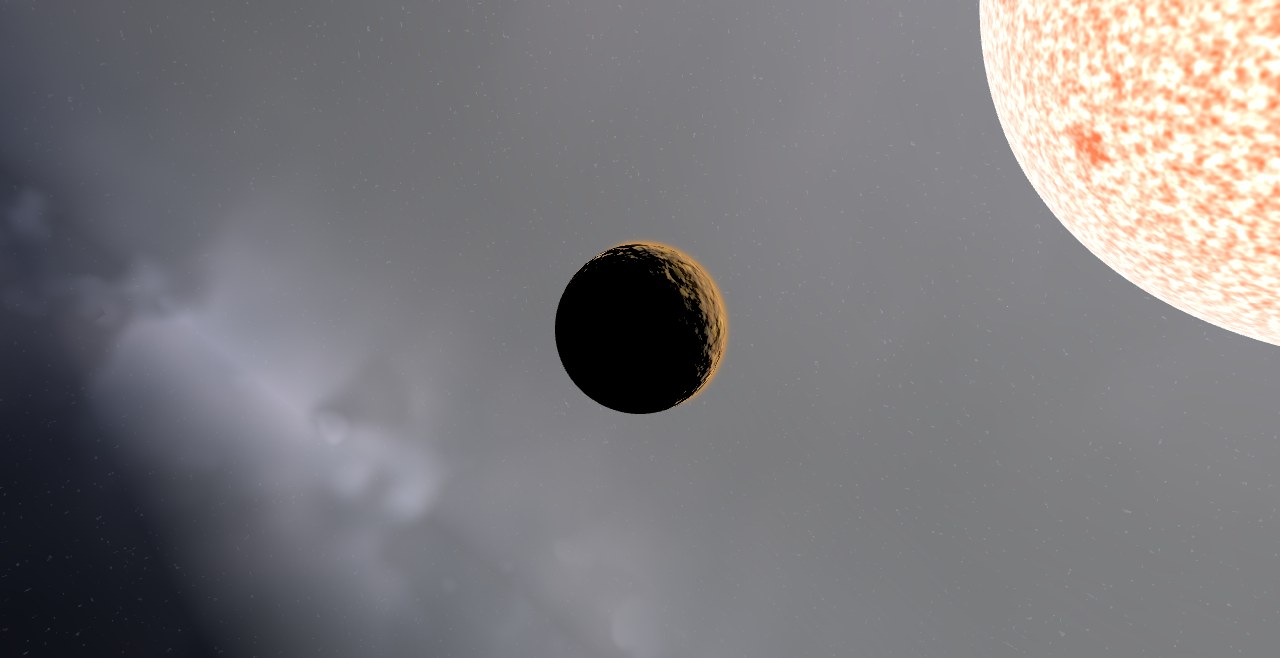
K2-223, a Sun-like G-type star of 1.06 solar masses, and K2-223 b, a planet with 0.9 Earth radii, with an orbital period of 12.1 hours.
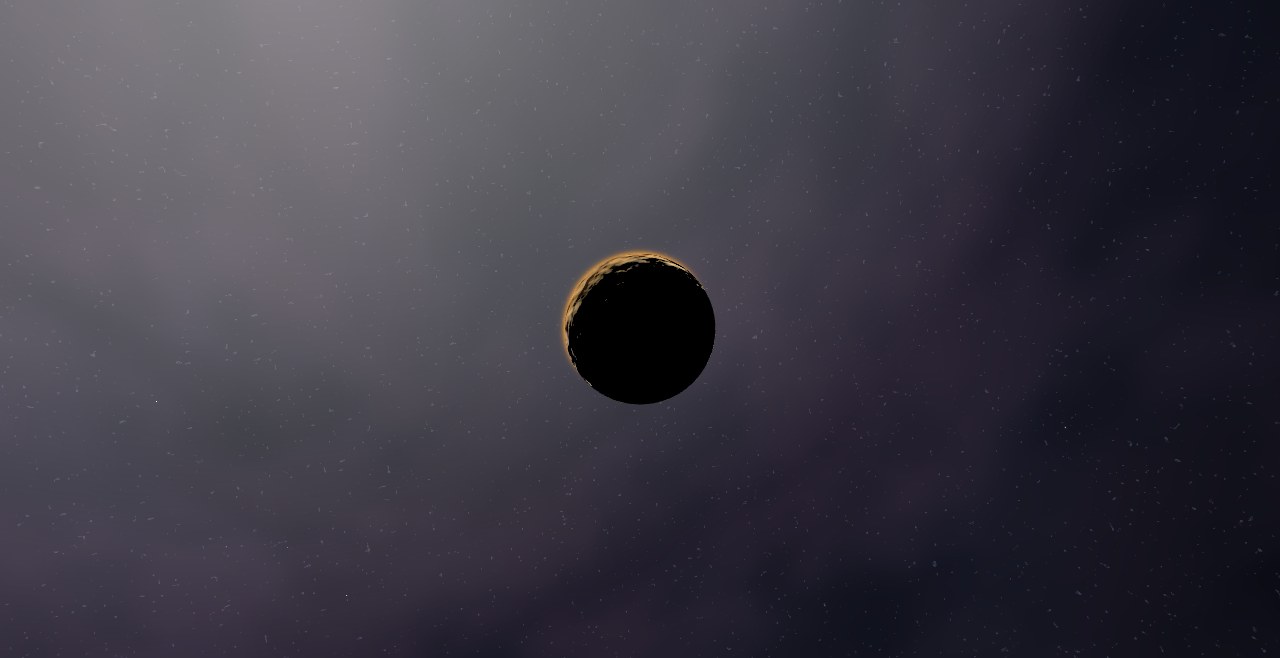
K2-224, a Sun-like G-type star of 0.91 solar masses, and K2-224 b, a planet with 1.6 Earth radii, with an orbital period of 4.5 days, at 0.052 AU from its star, and an equilibrium temperature near 1,002 K.
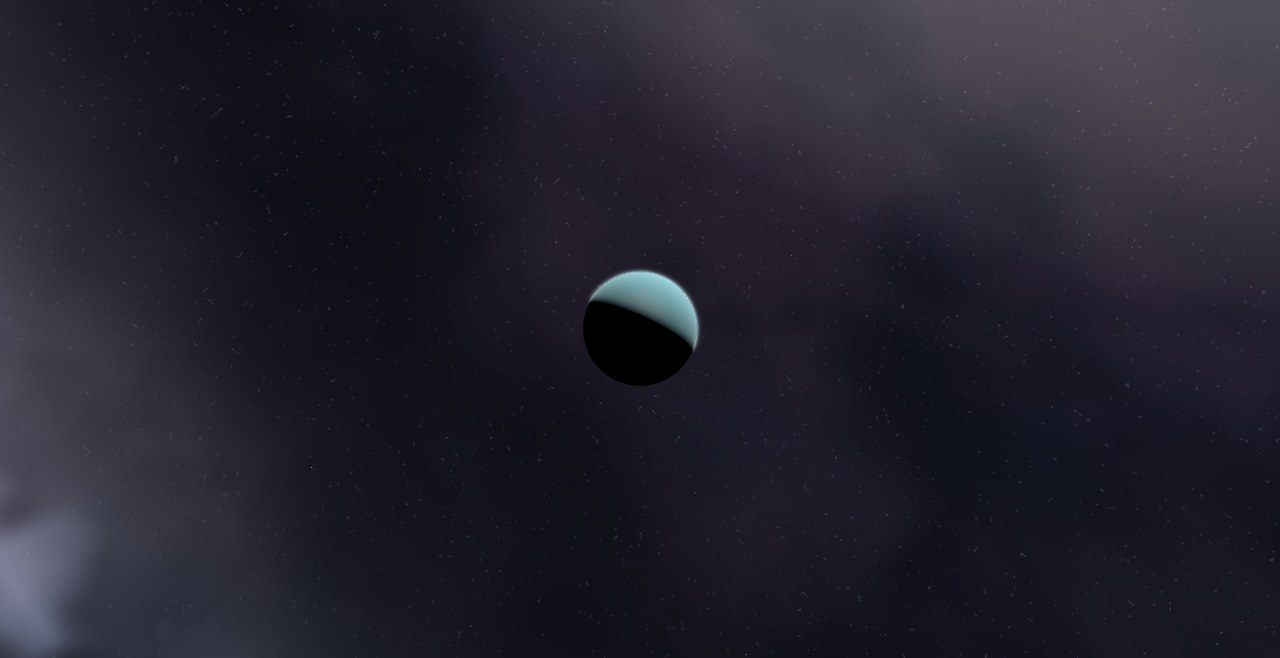
K2-225, a Sun-like G-type star of 1.48 solar masses, and K2-225 b, a planet with 3.6 Earth radii, with an orbital period of 15.9 days, at 0.141 AU from its star, and an equilibrium temperature near 923 K.
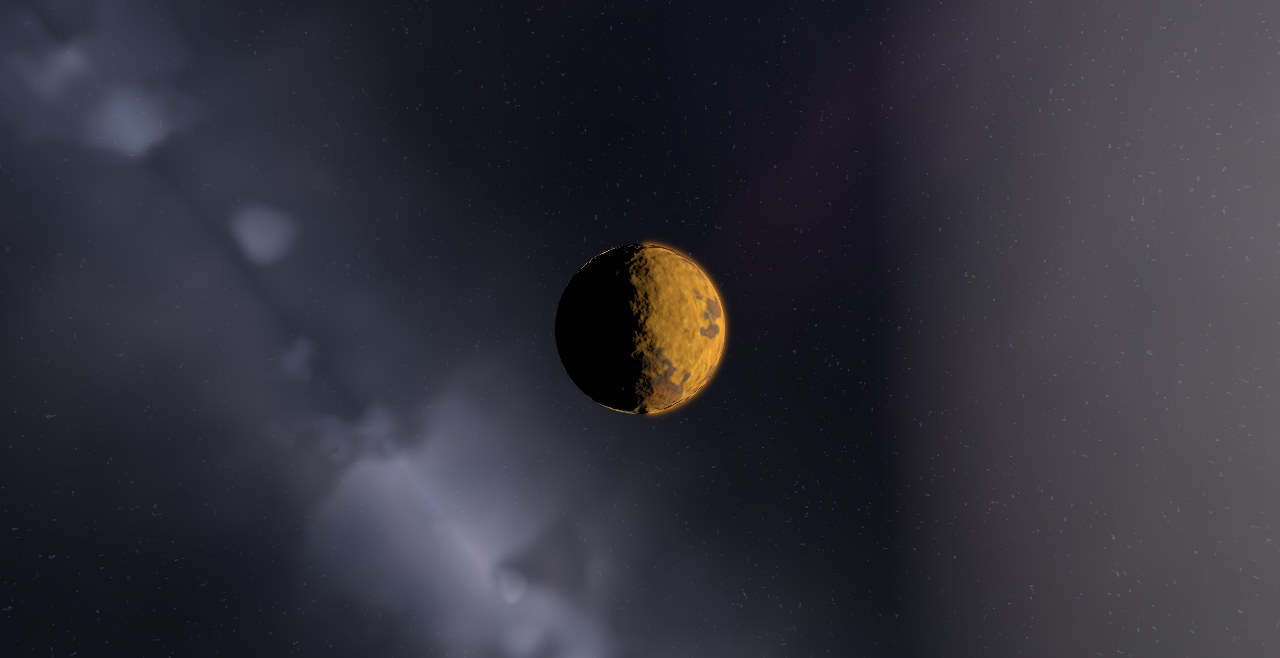
K2-226, a Sun-like G-type star of 0.86 solar masses, and K2-226 b, a planet with 1.5 Earth radii, with an orbital period of 3.3 days, at 0.041 AU from its star, and an equilibrium temperature near 1,187 K.