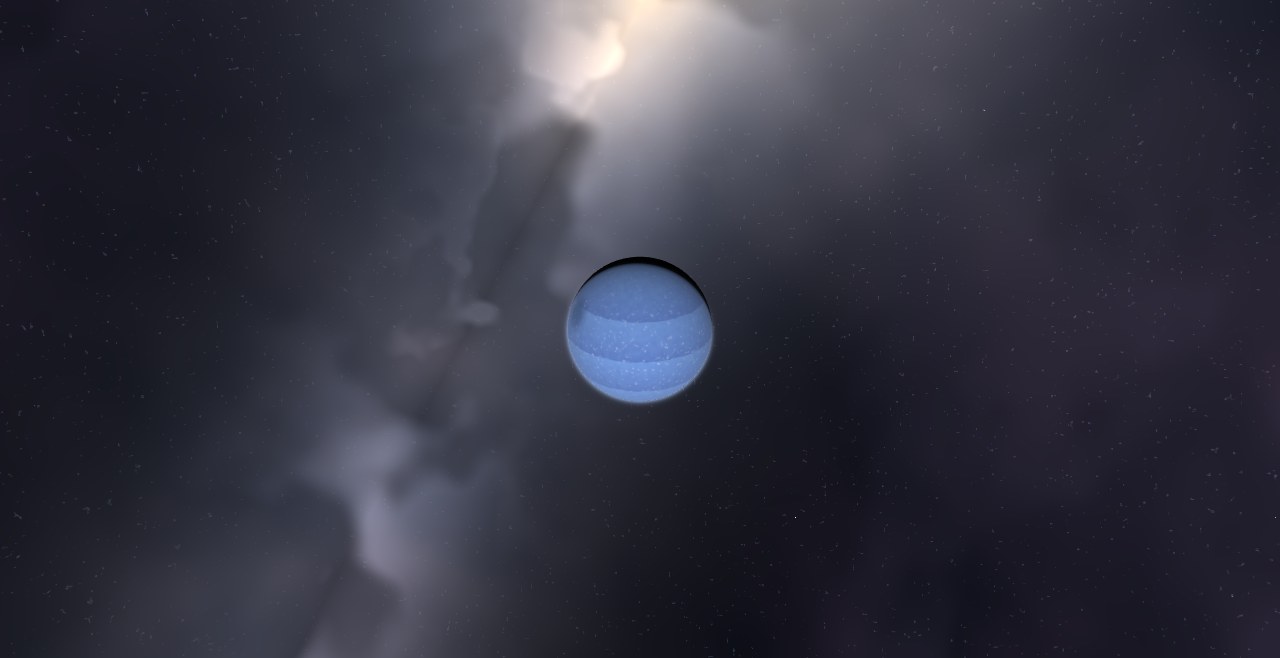
HD 206255 - System
HD 206255, a Sun-like G-type star of 1.42 solar masses, and HD 206255 b, a 0.11-Jupiter-mass companion, with an orbital period of 96.0 days, at 0.461 AU from its star, on an eccentric orbit (e ≈ 0.23).
3D Space and Gravity Simulator. Simulate the solar system, exoplanets and even colliding galaxies. Add, delete and modify planets, and change the laws of physics.
Share
HD 206255, a Sun-like G-type star of 1.42 solar masses, and HD 206255 b, a 0.11-Jupiter-mass companion, with an orbital period of 96.0 days, at 0.461 AU from its star, on an eccentric orbit (e ≈ 0.23).
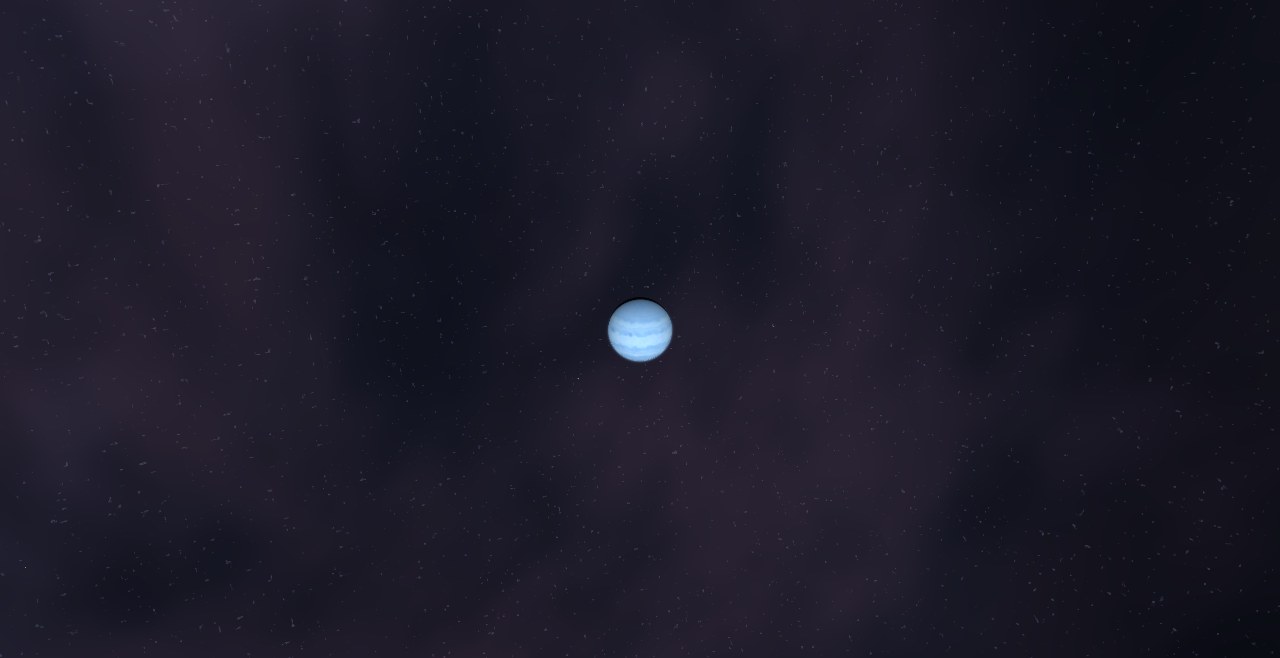
HD 206610, an orange K-type dwarf of 1.55 solar masses, and HD 206610 b, a 2.04-Jupiter-mass companion, with an orbital period of 1.84 years, at 1.740 AU from its star, on an eccentric orbit (e ≈ 0.10).
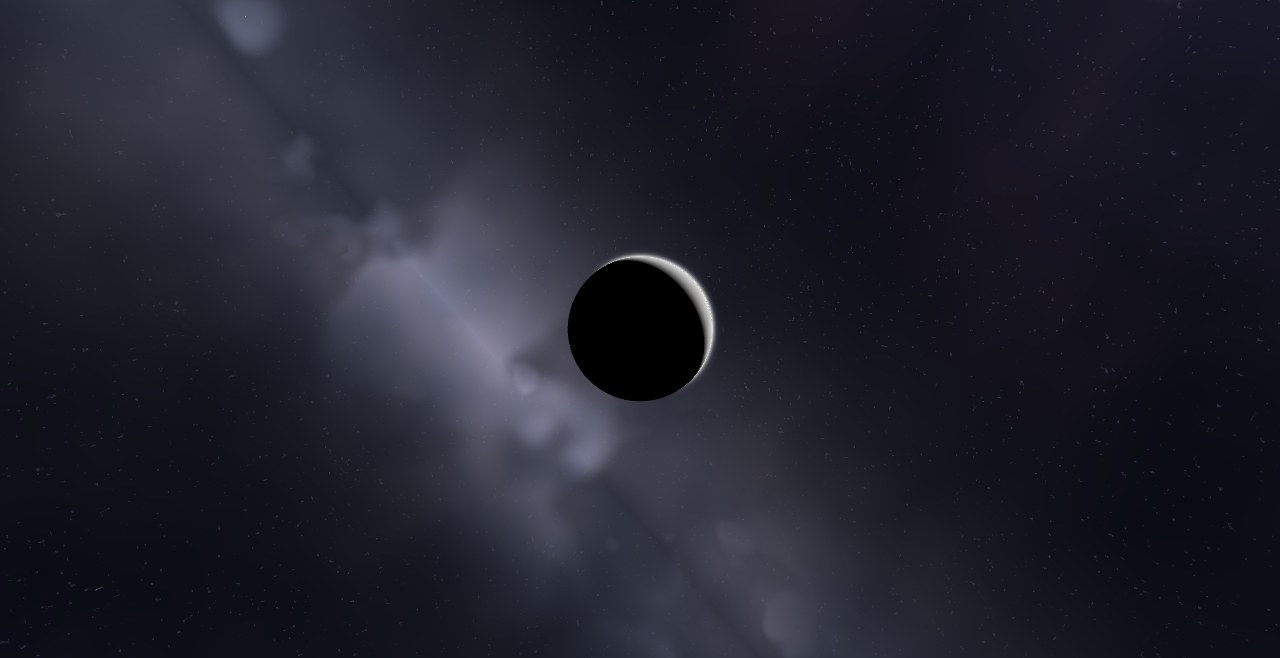
HD 206893, a Sun-like F-type star of 1.31 solar masses, and HD 206893 c, a 11.1-Jupiter-mass companion, with an orbital period of 6.27 years, at 3.740 AU from its star, on an eccentric orbit (e ≈ 0.28).
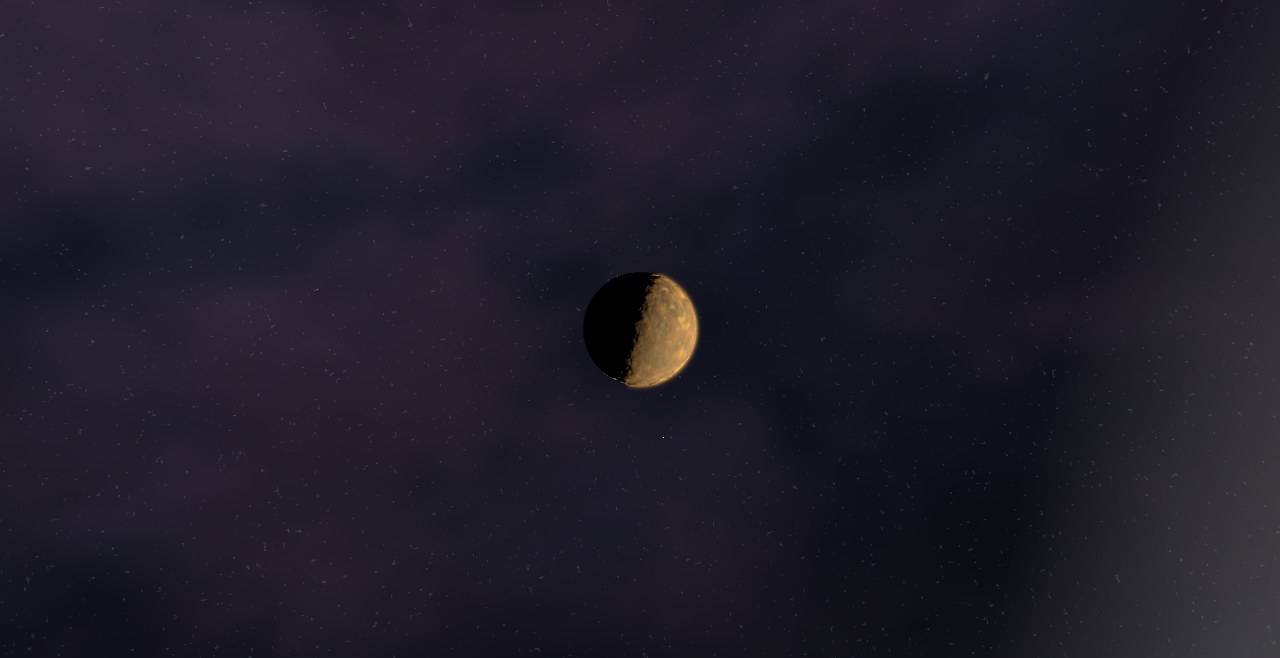
HD 207496, an orange K-type dwarf of 0.80 solar masses, and HD 207496 b, a 6.1-Earth-mass planet, with an orbital period of 6.4 days, at 0.063 AU from its star, and an equilibrium temperature near 743 K.
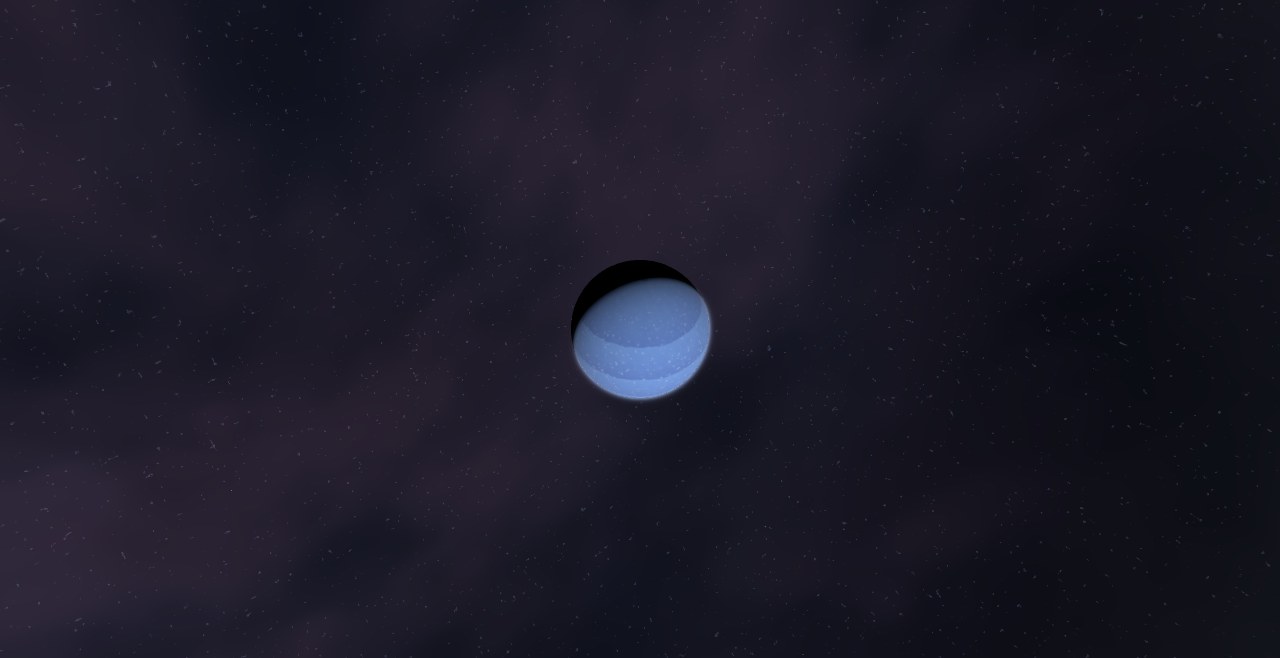
HD 20781, an orange K-type dwarf of 0.70 solar masses, and HD 20781 b, a 1.9-Earth-mass planet, with an orbital period of 5.3 days, at 0.053 AU from its star, on an eccentric orbit (e ≈ 0.10).
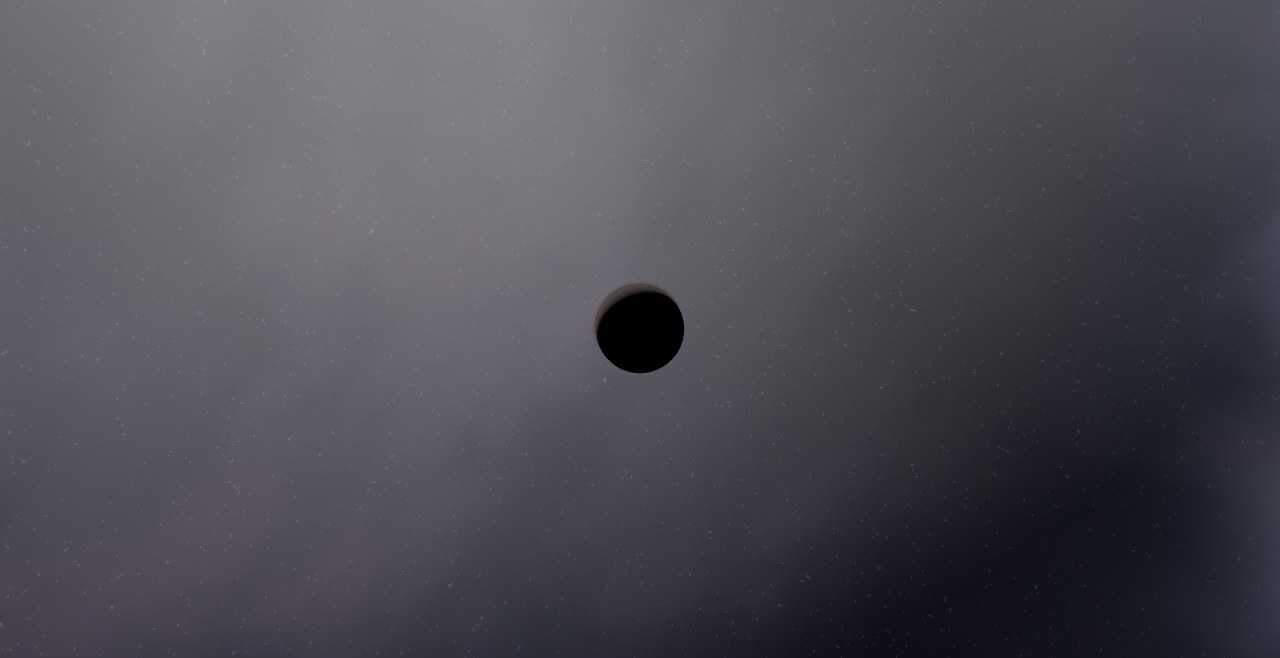
HD 20782 b, a giant whose eccentricity is about 0.95 — among the most elongated planetary orbits known. It nearly skims the star, then retreats.
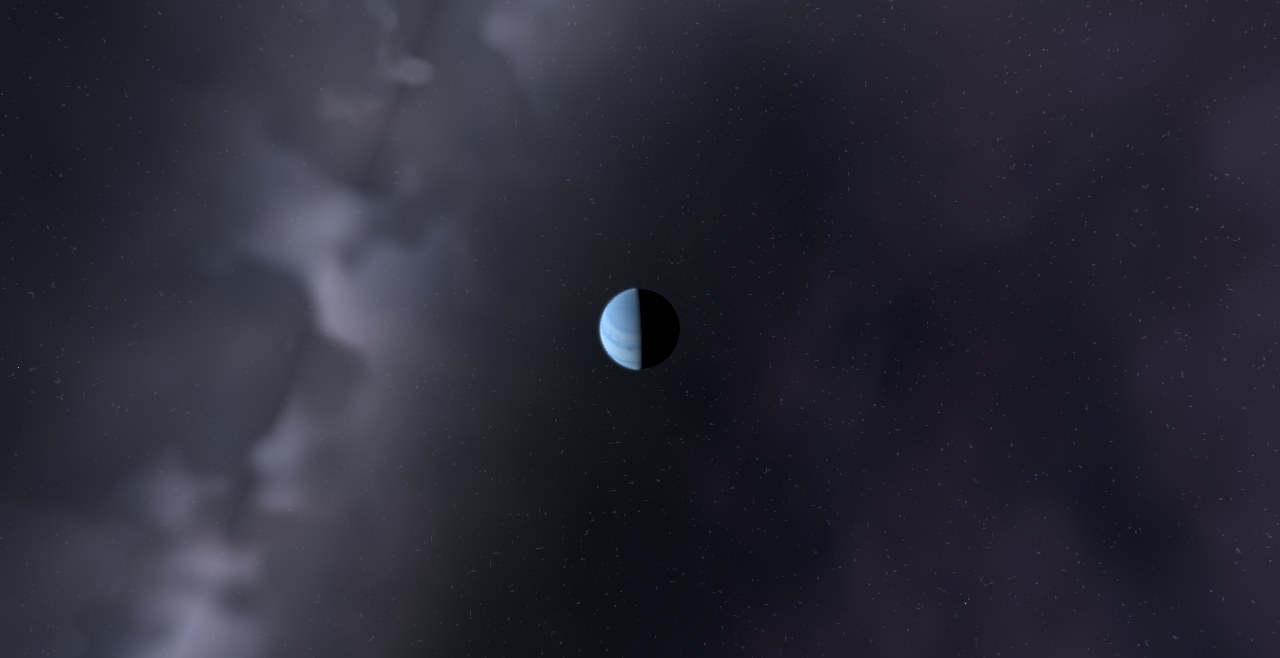
HD 207832, a Sun-like G-type star of 1.05 solar masses, and HD 207832 b, a 0.56-Jupiter-mass companion, with an orbital period of 160 days, at 0.586 AU from its star, on an eccentric orbit (e ≈ 0.20).
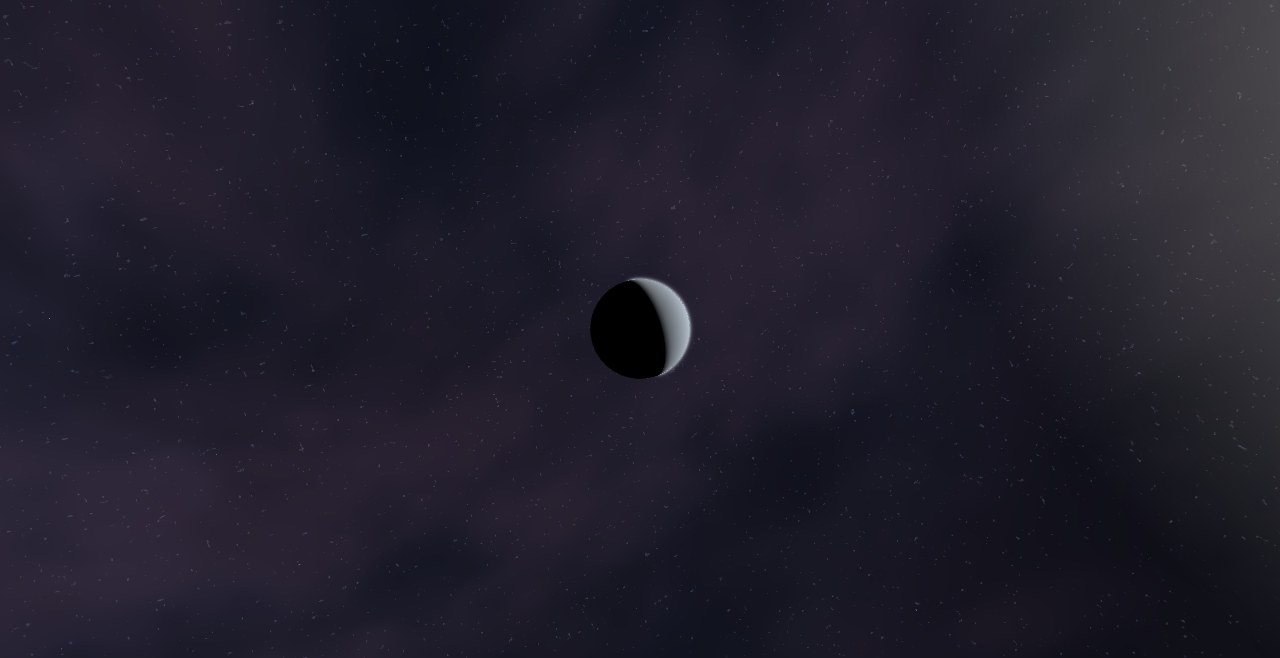
HD 207897, an orange K-type dwarf of 0.82 solar masses, and HD 207897 b, a 14.8-Earth-mass planet, with an orbital period of 16.2 days, at 0.117 AU from its star, and an equilibrium temperature near 582 K.
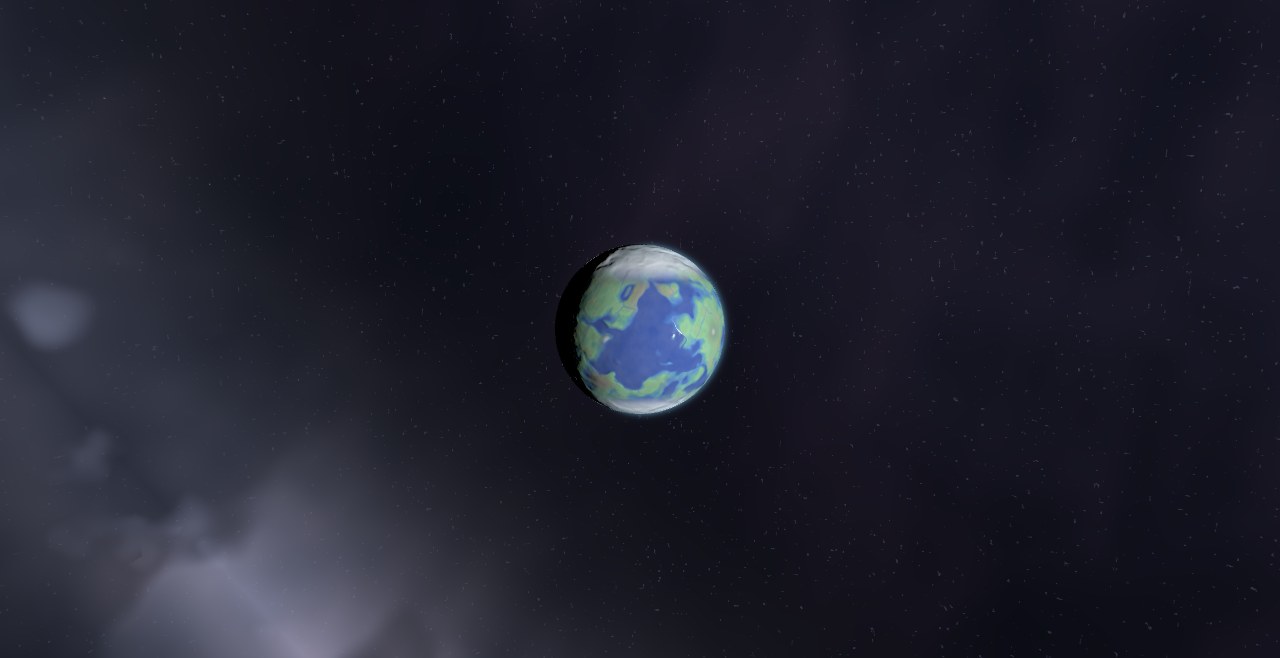
HD 20794, a Sun-like G-type star of 0.79 solar masses, and HD 20794 b, a 2.1-Earth-mass planet, with an orbital period of 18.3 days, at 0.126 AU from its star, on an eccentric orbit (e ≈ 0.06).
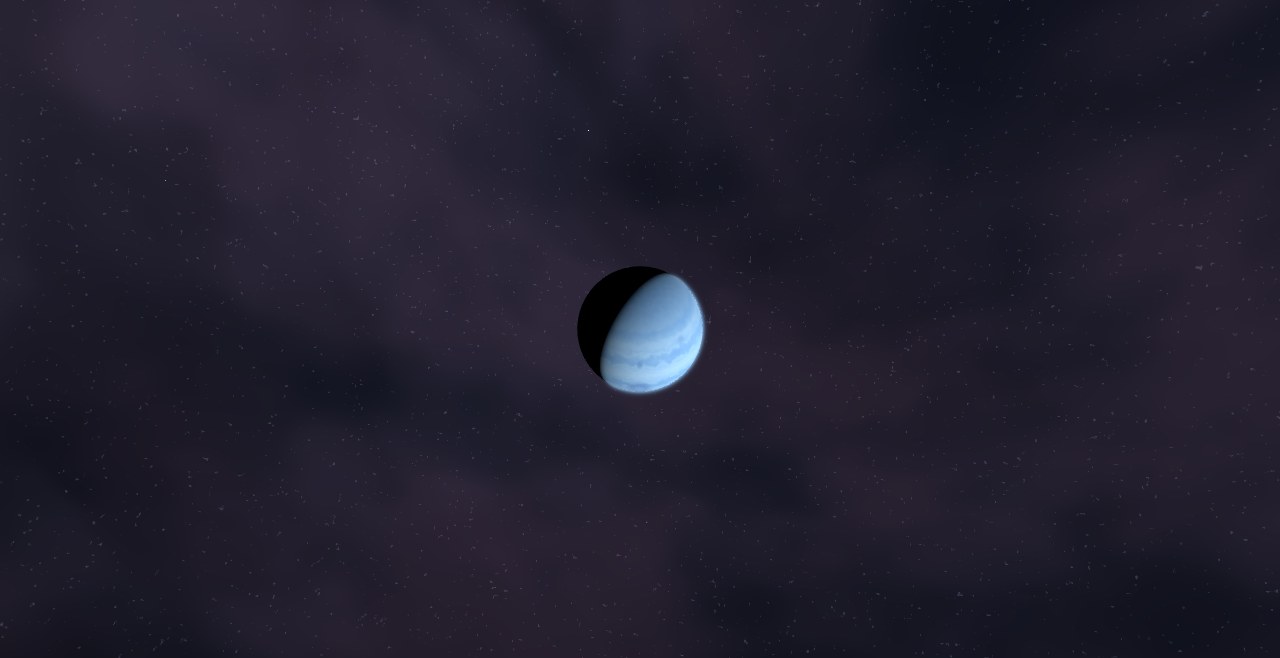
HD 208487, a Sun-like G-type star of 1.15 solar masses, and HD 208487 b, a 0.46-Jupiter-mass companion, with an orbital period of 129 days, at 0.530 AU from its star, on an eccentric orbit (e ≈ 0.37).
HD 208527, a cool M-dwarf of 1.60 solar masses, and HD 208527 b, a 9.90-Jupiter-mass companion, with an orbital period of 2.40 years, at 2.100 AU from its star, on an eccentric orbit (e ≈ 0.08).
HD 20868, an orange K-type dwarf of 0.39 solar masses, and HD 20868 b, a 1.25-Jupiter-mass companion, with an orbital period of 1.04 years, at 0.950 AU from its star, on an eccentric orbit (e ≈ 0.75).
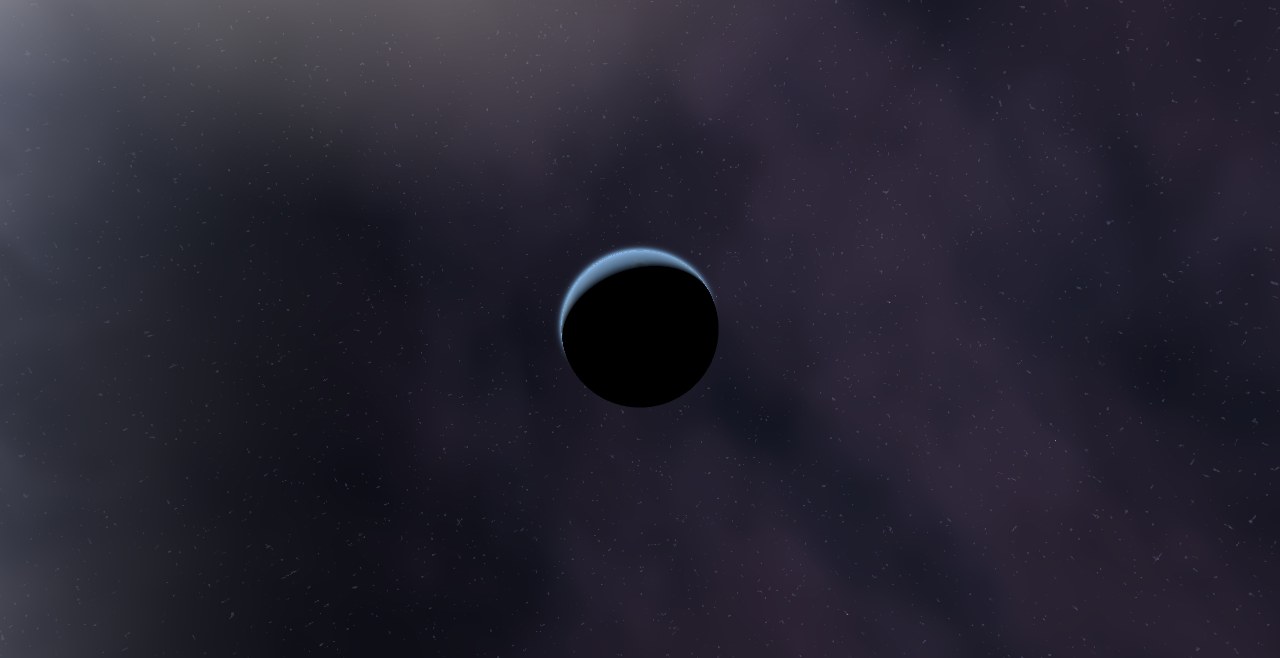
HD 208897, an orange K-type dwarf of 1.25 solar masses, and HD 208897 b, a 1.19-Jupiter-mass companion, with an orbital period of 358 days, at 1.063 AU from its star.
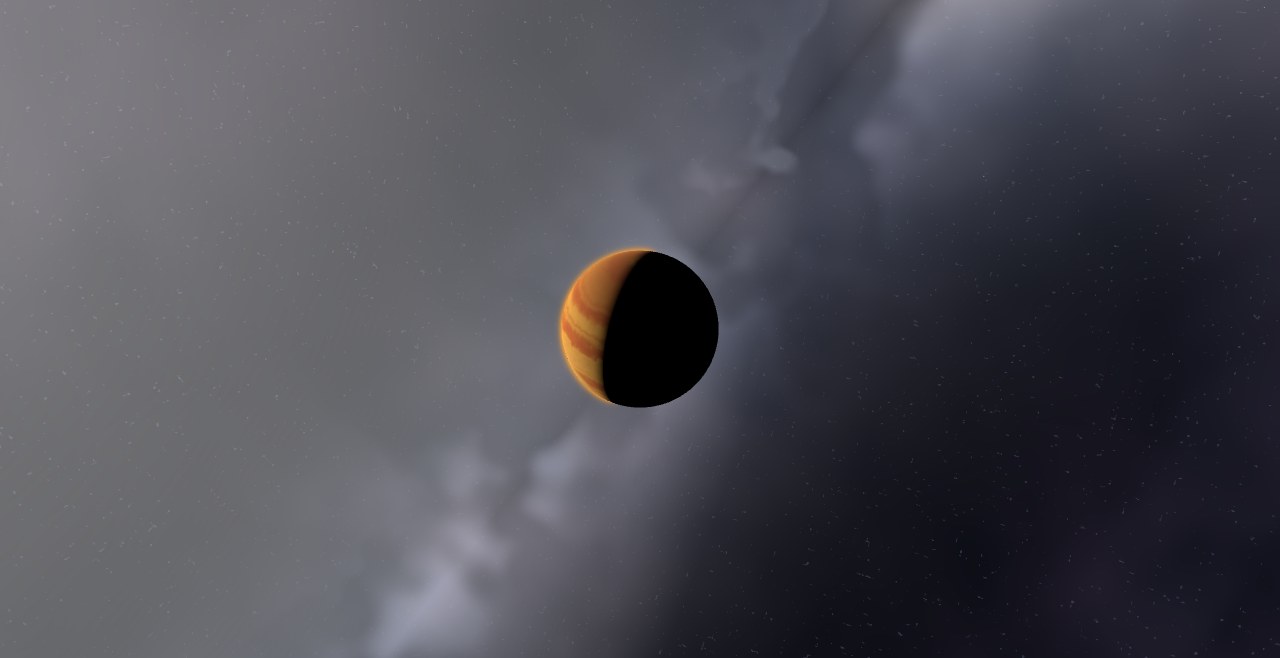
HD 209458 b, nicknamed Osiris. It was the first transiting exoplanet and the first whose atmosphere was measured, including escaping hydrogen.
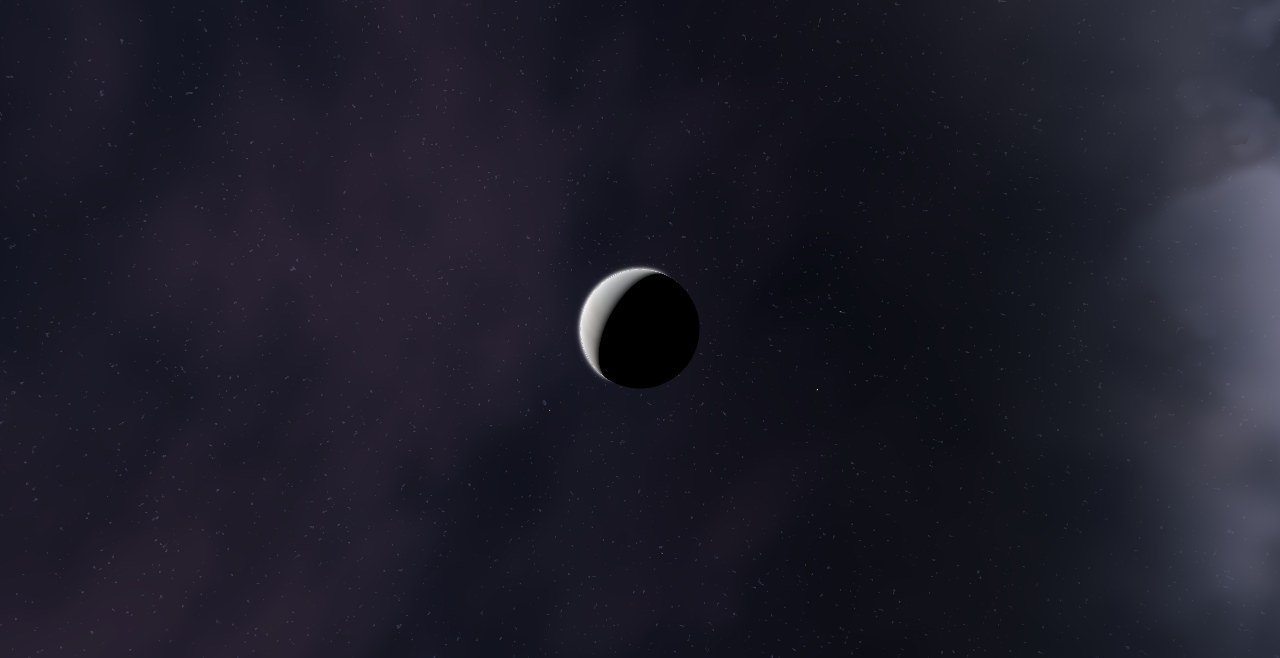
HD 210193, a Sun-like G-type star of 1.04 solar masses, and HD 210193 b, a 0.48-Jupiter-mass companion, with an orbital period of 1.78 years, at 1.487 AU from its star, on an eccentric orbit (e ≈ 0.24).
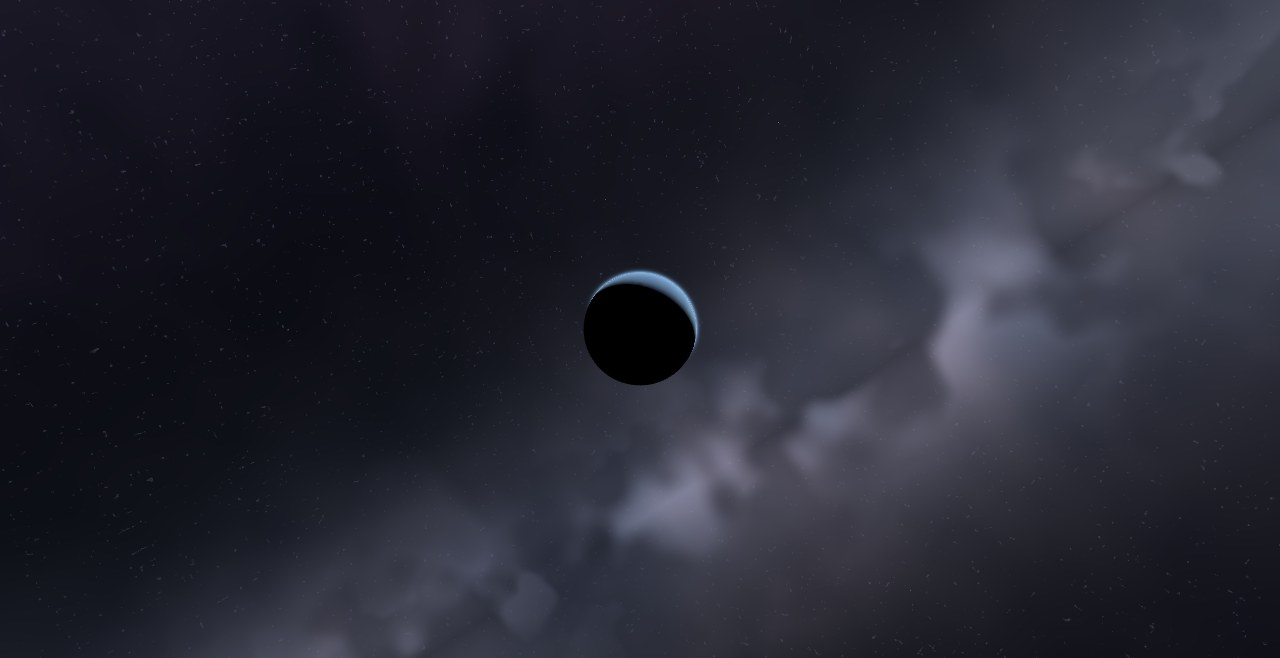
HD 210277, a Sun-like G-type star of 1.01 solar masses, and HD 210277 b, a 1.29-Jupiter-mass companion, with an orbital period of 1.21 years, at 1.130 AU from its star, on an eccentric orbit (e ≈ 0.48).
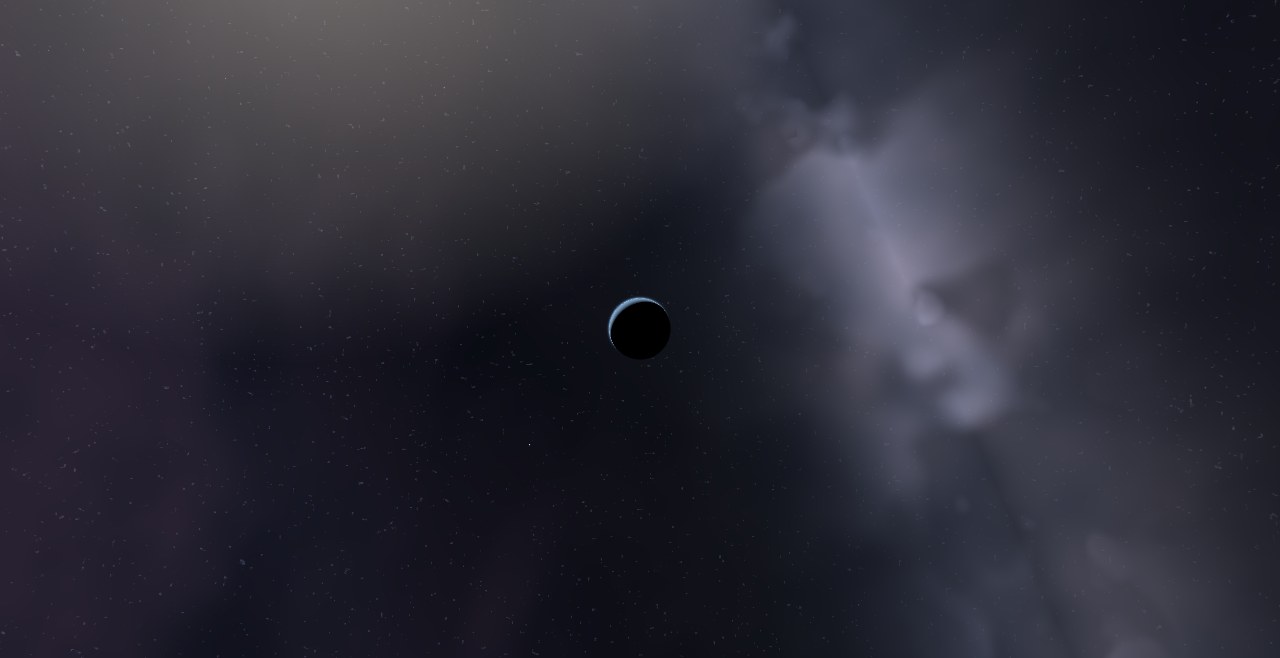
HD 210702, an orange K-type dwarf of 1.33 solar masses, and HD 210702 b, a 1.51-Jupiter-mass companion, with an orbital period of 356 days, at 1.079 AU from its star, on an eccentric orbit (e ≈ 0.07).
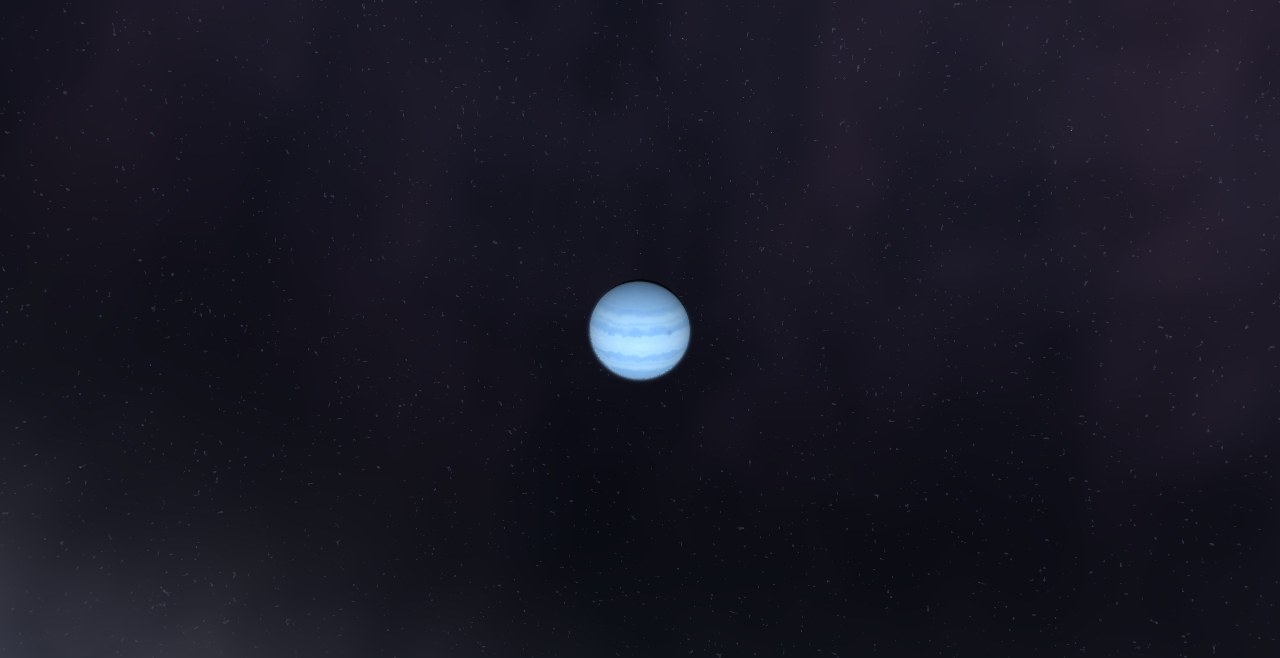
HD 211403, a Sun-like F-type star of 1.20 solar masses, and HD 211403 b, a 5.54-Jupiter-mass companion, with an orbital period of 224 days, at 0.768 AU from its star, and an equilibrium temperature near 380 K.